Backpacking Gear
Ultralight Backpacking Gear: 5 Standout Items Worth a Look
A practical look at five ultralight backpacking items, from a 5 g stake cap to a feature-rich pack, with the trade-offs worth knowing before you buy.
Introduction
Ultralight gear is a series of small decisions. A few grams here, a few dollars there, and the question that matters most is whether an item earns its place in the pack on the trips you actually take. Some of the best additions are not headline-grabbing. They solve one specific annoyance, or they make a safety item light enough that you stop leaving it at home.
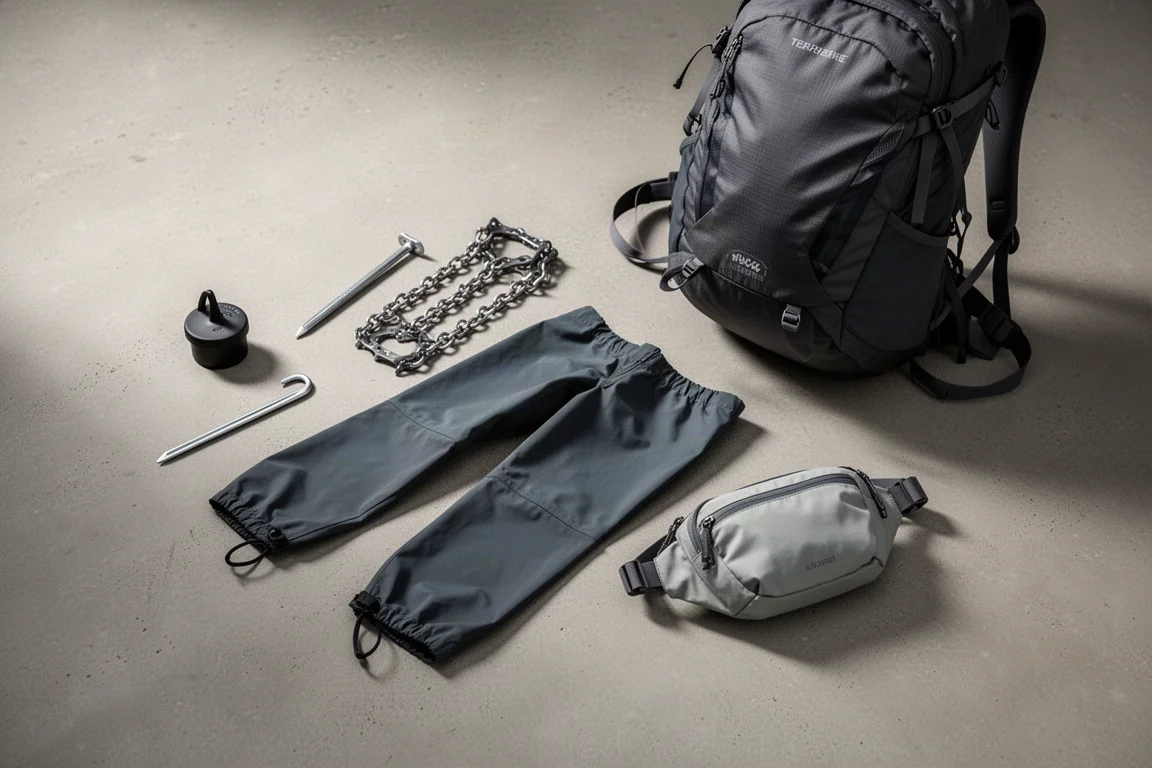
This roundup covers five items that sit at different points on that spectrum, from a 5 g accessory that fixes a stubborn problem to a feature-rich pack aimed at hikers who want adjustability without much weight. Prices and availability vary, and a couple of these are still finding their way to market, so each section notes what is known and what is not.
How We Evaluated This Gear
Three things separate a useful ultralight purchase from a novelty. First, weight has to be proportionate to the job. Second, the item has to solve a problem that shows up often enough to matter. Third, price has to make sense for how the item will be used, since a rarely used backup and an everyday carry item deserve different budgets.
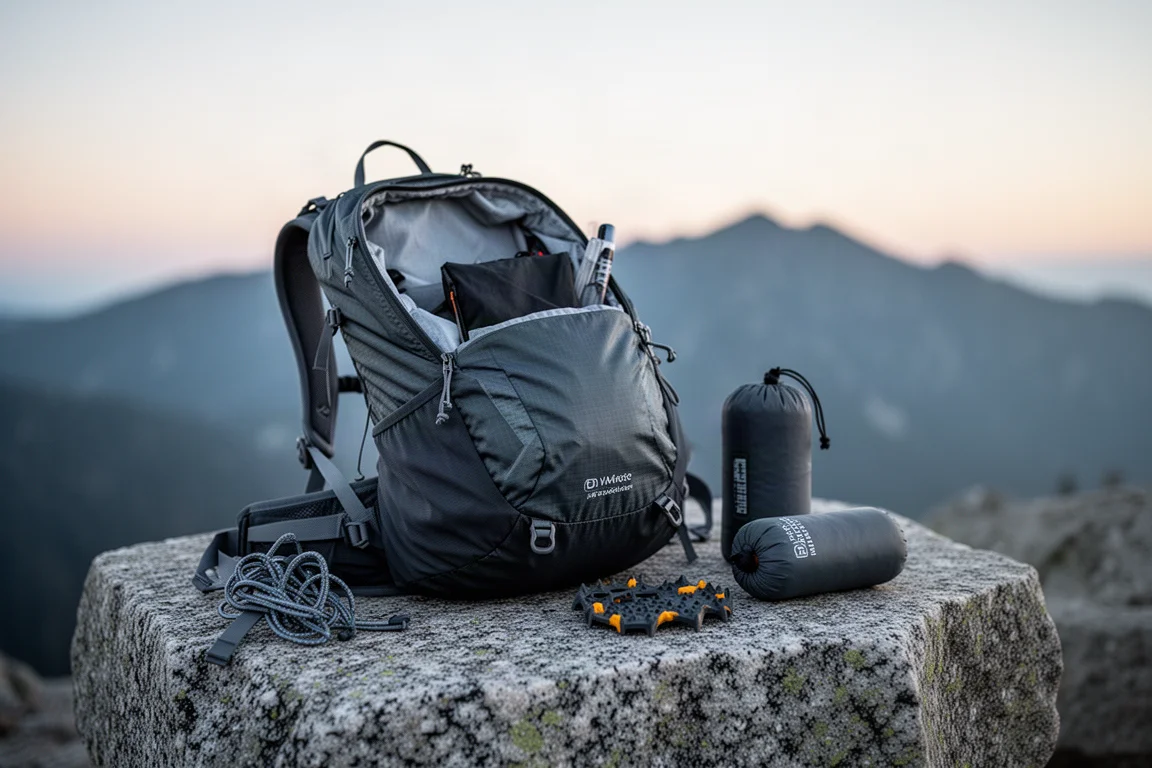
Durability matters too. A lighter material that fails on the second trip costs more than a heavier one that lasts, so construction and hardware quality are worth weighing alongside the numbers on a spec sheet. Where a product is not yet widely available, that is noted rather than glossed over.
Cam’s Backpacking Gear Stake Cap: A Small Fix for a Real Annoyance
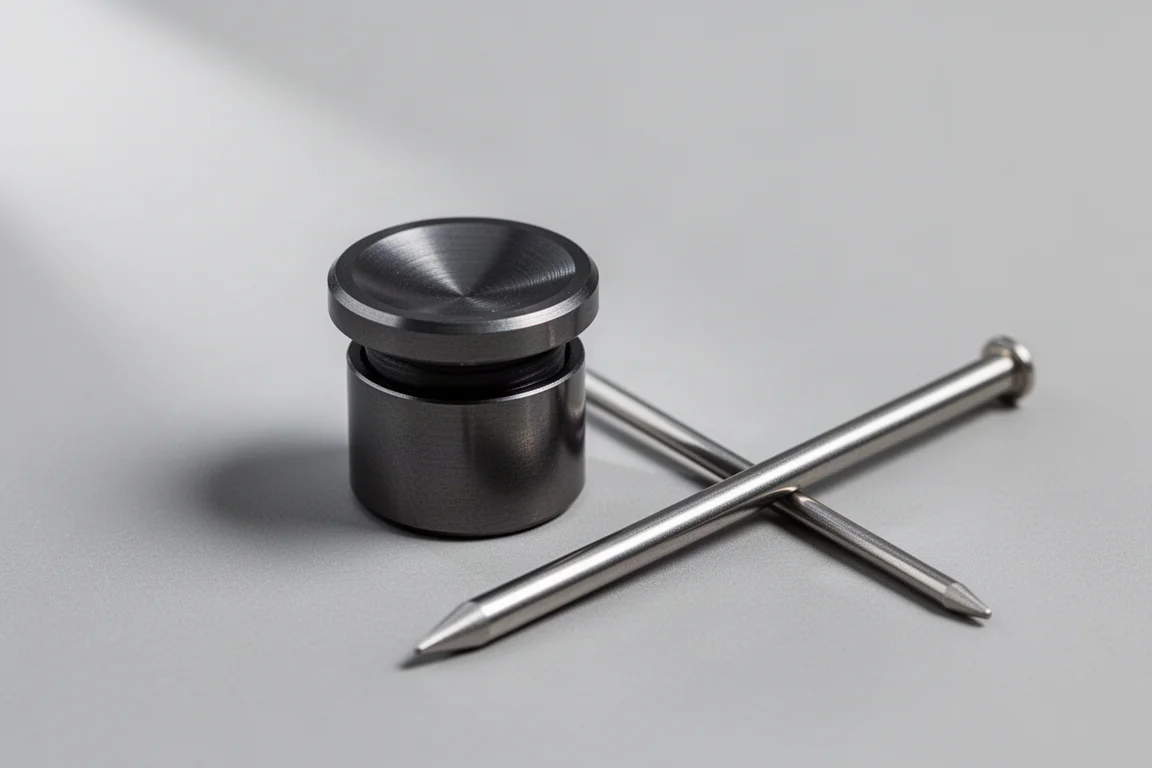
Pushing a tent stake into hard ground is one of those small frustrations that hikers tend to solve badly. A rock works until it slips off the stake head, and plenty of people end up pressing the stake with a bare hand or staking straight through a camp shoe, which is how shoes get punctured.
This 5 g cap fits over the top of a stake so it can be pushed in by hand with more control and less discomfort. It is made by Cam’s Backpacking Gear, a small maker whose main product line this is, and versions are made for the different stake styles the maker sells. At roughly $9, it is a low-cost add-on that addresses a problem almost every tent user has met at least once.
The main thing to consider is fit. A cap is only useful if it matches the stake head you carry, so it is worth checking compatibility before ordering. For backpackers who already count grams, it adds almost nothing to the pack.
Cula Ghost Microspikes: Light Traction for High-Risk Terrain
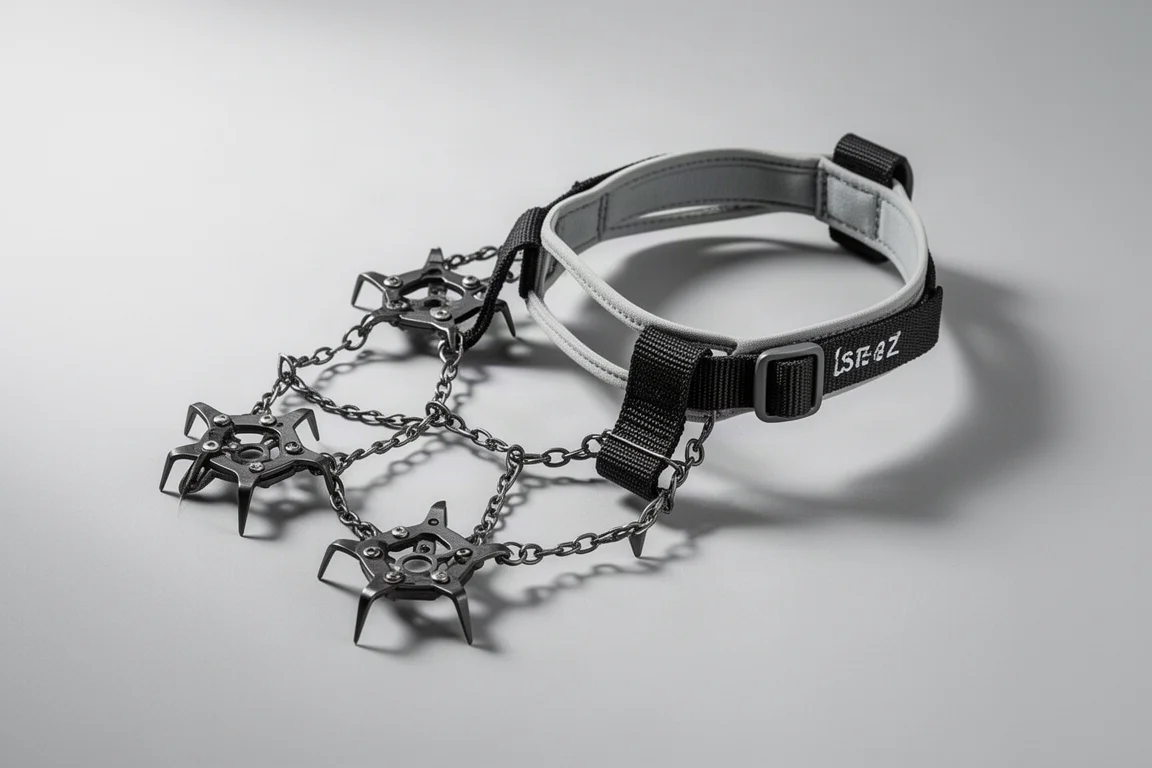
Microspikes occupy an awkward place in a pack. They are essential in the conditions where they are needed, but they can sit unused for an entire trip, which is exactly why so many hikers leave them behind. The Cula Ghost is built around that trade-off. It is roughly 40 percent lighter than the brand’s traditional microspikes, at about 6.8 oz for the pair in a medium.
Twelve spikes provide the bite, and the harness is adjustable so it can be fitted to different footwear. The manufacturer positions it as the lightest microspike available, a claim worth weighing against your own needs rather than taking at face value.

The value here is not that lighter traction performs better than heavier traction. It is that a light pair is far more likely to be in the pack when a slope turns icy, which turns a low-probability scenario into a manageable one. For anyone who has skipped traction because of the weight and then regretted it, that shift in behavior is the real argument.
At $104, it is a meaningful spend for an item that may not leave the pack on most trips. The counterargument is straightforward. This is safety equipment, and the trip where it matters is the trip where nothing else will do.
3FUL Minimalist Rain Chaps: A Niche Layer for Shorts Wearers
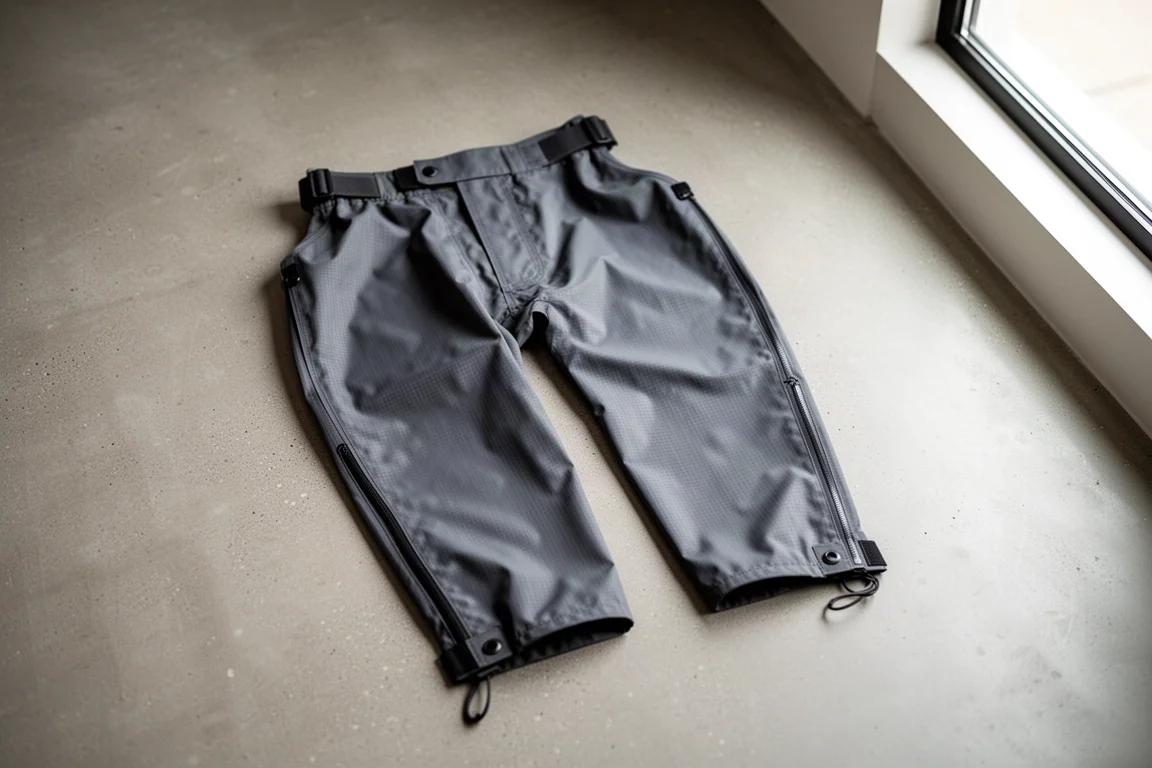
Rain protection for the legs is usually an all-or-nothing decision: full rain pants, or wet legs. The 3FUL rain chaps take a third route. They are minimalist leg covers that attach at the waist and connect along the sides, leaving the back open, so they can be worn over shorts by hikers who do not want to carry or wear full pants.
The design is genuinely unusual, and it will not suit everyone. Hikers who already wear rain pants have little reason to switch, and the open-back construction is a deliberate compromise rather than an oversight. For someone who hikes in shorts and wants a light layer for exposed, rainy stretches, it is a practical alternative that packs small.
3FUL is known for offering budget-friendly gear, so this is likely to be one of the least expensive items in a pack. Treat that as an expectation rather than a confirmed figure, since pricing and availability on niche items shift over time.
Light Works Ultralight Backpack: Feature-Rich but Still Light
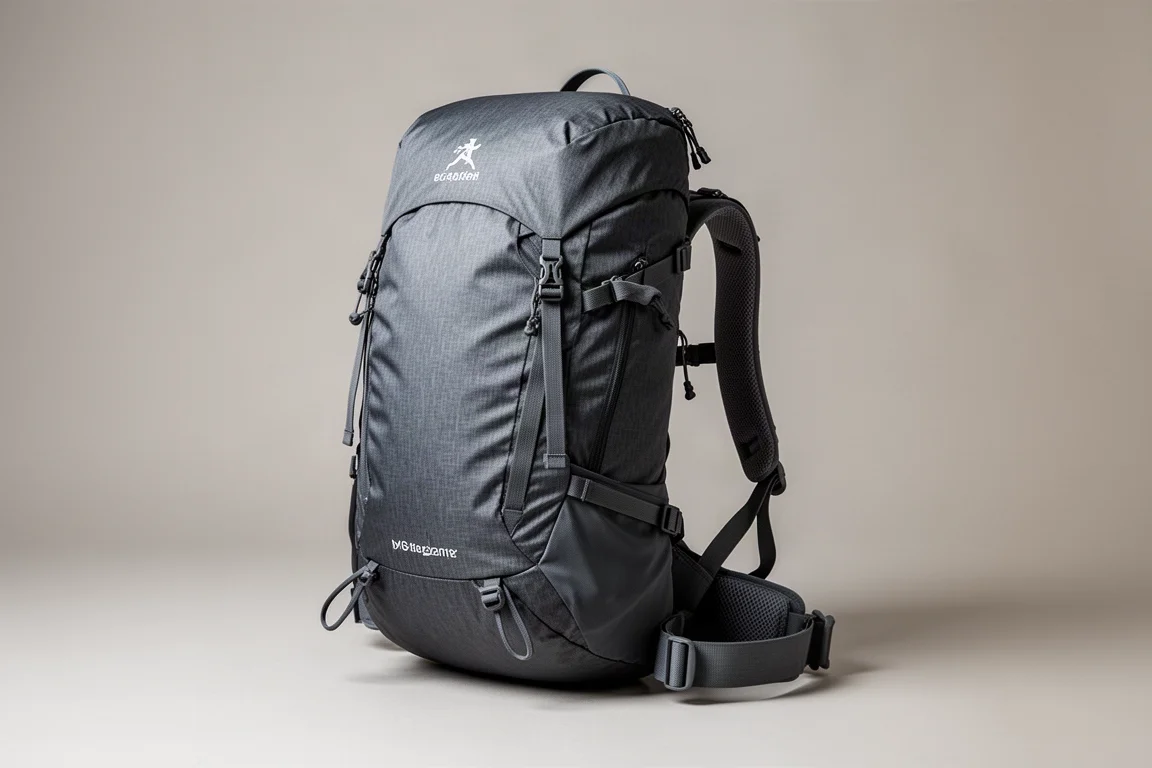
Most ultralight packs strip features to save weight. This one goes the other way. Designed by Dan Madden, a long-established name in pack design, it uses Ultra fabric and keeps a more classical feature set while staying light for what it offers.
The standout detail is adjustability. The hip belt is detachable, and within a given size the torso height can be tuned across roughly four to six inches, which is unusual in this category. That makes the pack easier to share between family members or to dial in over the course of a long day, when small changes to hip belt and shoulder strap positioning make a real difference in comfort.
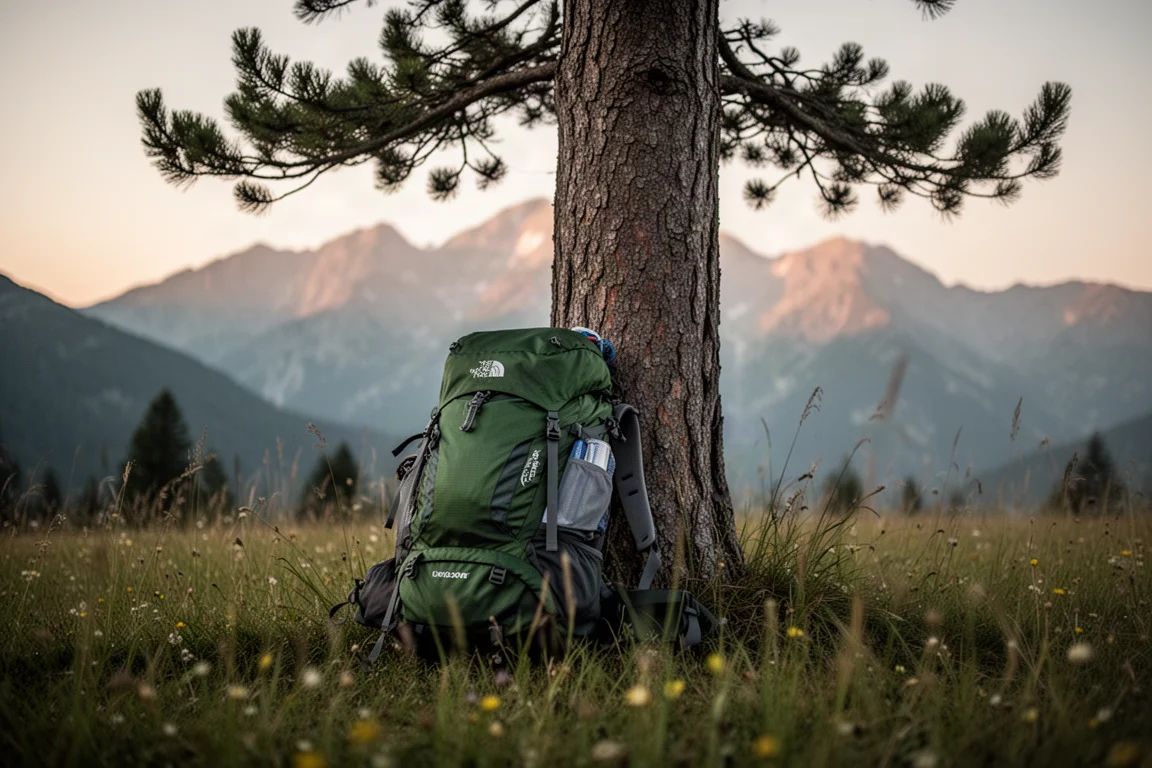
Zippers run smoothly, and there are no hip belt pockets as standard, though they are available as an accessory, as are shoulder pouches. The pack is not currently commercially available, and pricing is expected to land around $398, which places it at the upper end of what packs in this class cost. The case for it rests on how well it carries a load rather than on its weight alone.
Hyperlite Vice Versa Fanny Pack: Minimal, Durable, Not Cheap
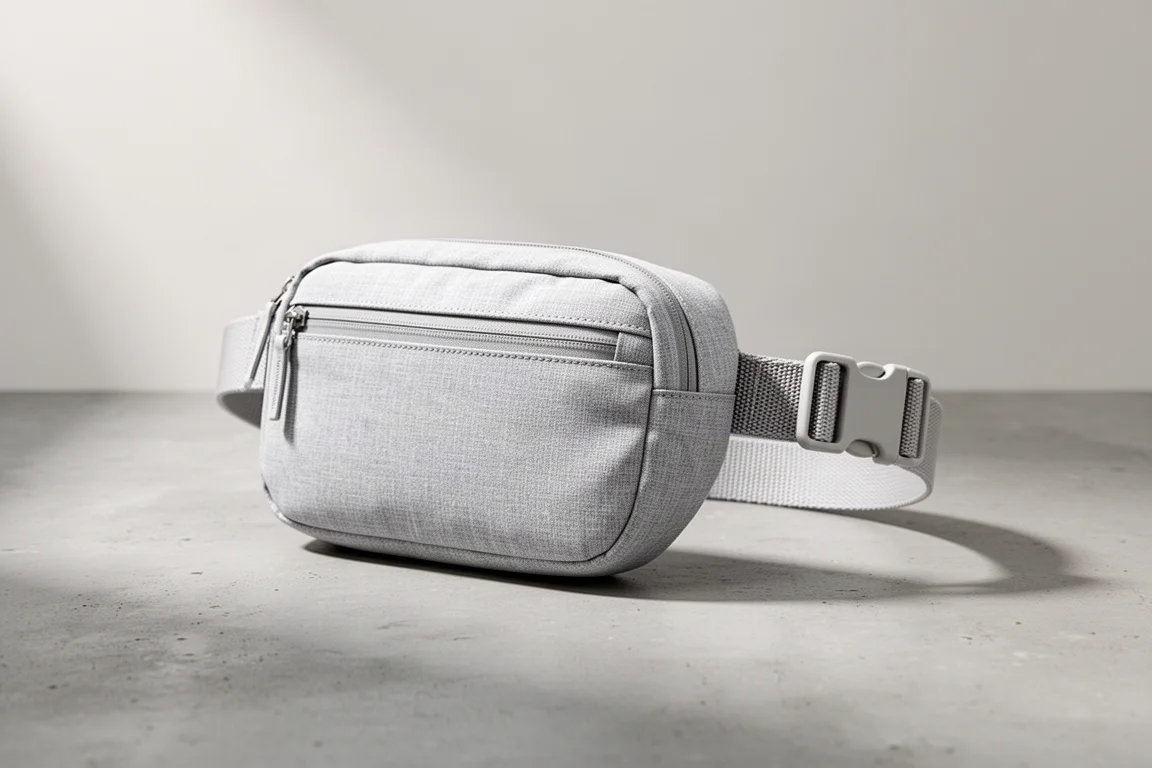
The Vice Versa is the smaller version of Hyperlite’s Versa fanny pack, and it stays deliberately simple: one compact waist pack with a minimalist design and no extra organization. Hyperlite has added features to some of its products over the years, but this one keeps the pared-back approach.
That simplicity has clear uses. It works as a day-hike bag from a base camp, and it can substitute for hip belt storage on a pack that lacks it. Construction is the main selling point, in line with the brand’s reputation for durable, long-lasting gear.
At $60, it is expensive for what it is, and that is the honest trade-off. Buyers are paying for materials and build quality in a very small package, and anyone who wants pockets and organization will find better value elsewhere. For a minimalist who values longevity, the math is more forgiving.
Buying Advice: Matching Each Item to the Trip You Actually Take
The right purchase depends less on the spec sheet than on how often an item will be used. The stake cap is an easy call at under $10 if it fits your stakes. The microspikes are worth the money for anyone who hikes in shoulder-season or alpine conditions, because the light weight removes the usual excuse for leaving them behind. The rain chaps are for a specific kind of hiker, and there is no reason to force them into a kit that already works.
For the bigger spends, think about fit and carry quality rather than grams. The backpack is aimed at hikers who want adjustability and are willing to pay for it, while the fanny pack rewards buyers who want a small, durable bag and are comfortable paying a premium for materials. If an item is not yet broadly available, waiting for real-world availability is a reasonable choice rather than a compromise.
Conclusion
Ultralight gear earns its place by solving a specific problem at a weight and price that make sense. A 5 g stake cap, a lighter pair of microspikes, a niche rain layer, an adjustable pack, and a minimal waist pack each answer a different question. Match them to the trips you take, and the pack gets lighter without getting less capable.
Further reading
Related Reviews

Backpacking Gear
Building a 10 lb Base Weight: An Ultralight Backpacking Gear List
A practical walkthrough of the ultralight pieces behind a 10 lb base weight, from a 765 g pack and a roomy one-person tent to a full camp chair and a dependable water filter.
Backpacking Gear
A 15-Pound Lightweight Backpacking Gear List for Solo Trips
A beginner-friendly 15-pound backpacking setup built from easy-to-find gear, with notes on what each piece does, how it packs, and where to spend your attention.
Backpacking Gear
8 Ultralight Backpacking Gear Upgrades Worth Carrying
Eight small, affordable backpacking upgrades that solve real trail annoyances, from a pillow that stays put to a fuel valve that rescues leftover canister gas.