Backpacking Gear
Ultralight Backpacking Gear for Spring: 9 Pieces for Cold, Wet Conditions
A spring backpacking gear roundup covering a frameless pack, a one-person-plus tent, two sleeping pads, a quilt and hood system, and lightweight camp extras, all tested in cold, wet shoulder-season conditions.
Introduction
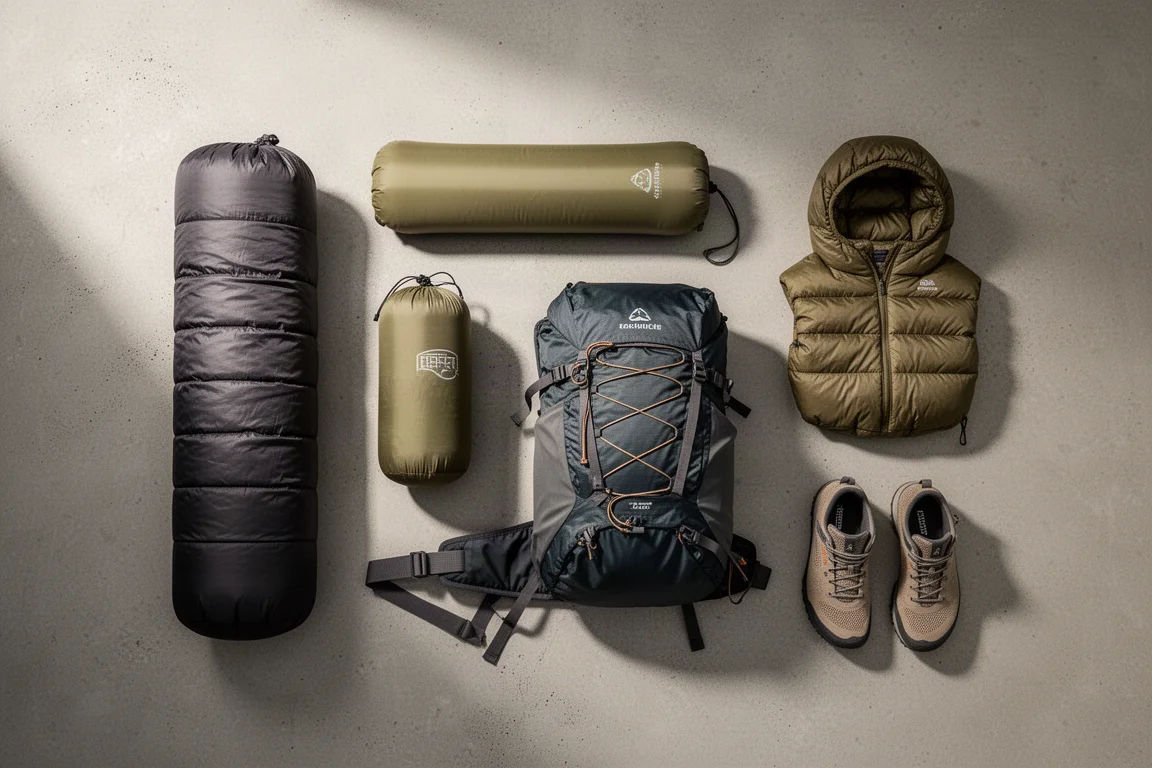
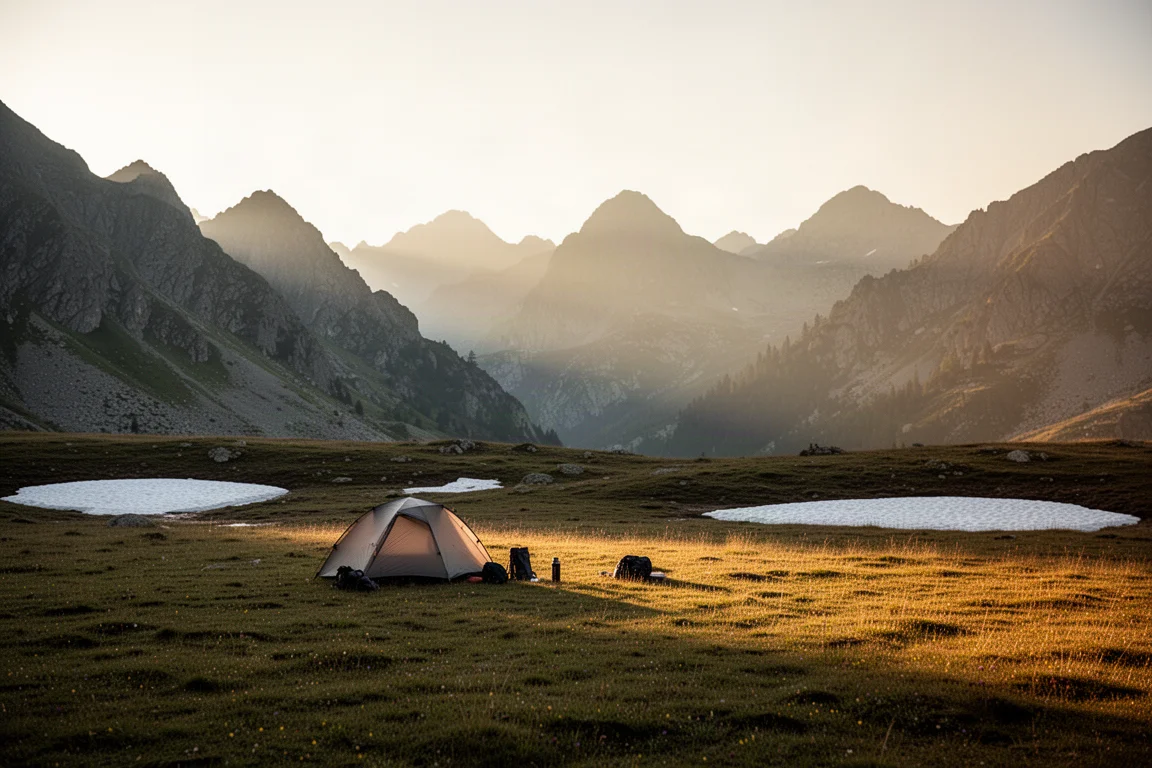
Spring in the Canadian Rockies is a difficult season to pack for. Temperatures swing hard, water sources come and go, the ground is still frozen underneath, and snow can appear without much warning. This roundup covers the gear that was taken out for a spring trip to a mountain lake roughly five miles up a creek. The distance was modest, but the ground was uneven, the trail was hard to follow, and there was no way to know how much snow was waiting higher up.
The route topped out near 2,000 metres. Overnight, temperatures fell to minus 2 degrees Celsius and frost formed on the ground, while the lake itself was still frozen with only a few open pools of water along its edge. Cold air, wet ground, and clear skies are exactly what shoulder-season gear has to survive.
What These Field Tests Focused On
Each item was tested against a specific question rather than a general impression. For the pack: whether a hip belt makes 30 pounds more comfortable on a frameless design, and whether a bear canister can ride on top. For the tent: whether condensation forms inside when the ground is wet, the overnight air is below freezing, and there is no overhead cover. For the pad: whether an R-4.1 rating holds up on cold ground. For the quilt: whether draft management features make it sleep warmer than its weight suggests. For the hood: whether a synthetic face tube keeps moist breath out of the down.
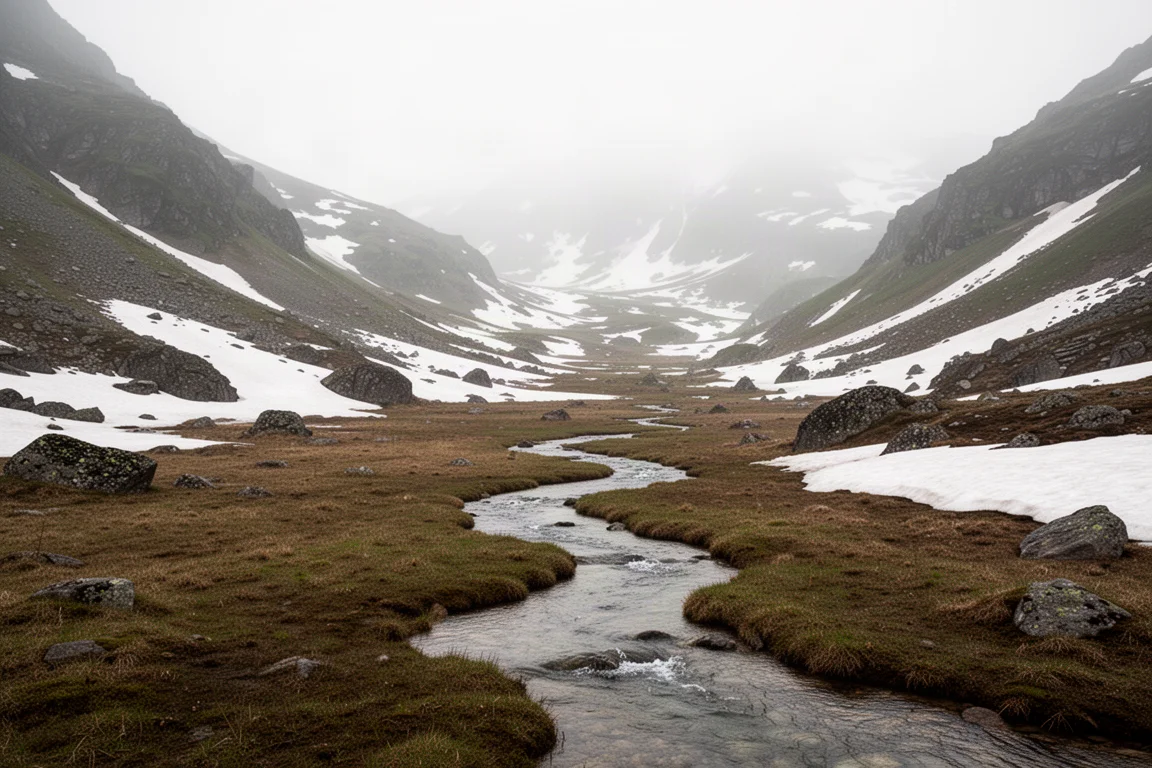
Those conditions lined up on the test night. The ground was wet, the sky was clear, the temperature dropped below freezing, and the tent had no protection overhead, which is the combination most likely to produce condensation inside a single-wall shelter.
Durston Wapta 30: Hip Belt, Bear Canister, and 30 Pounds
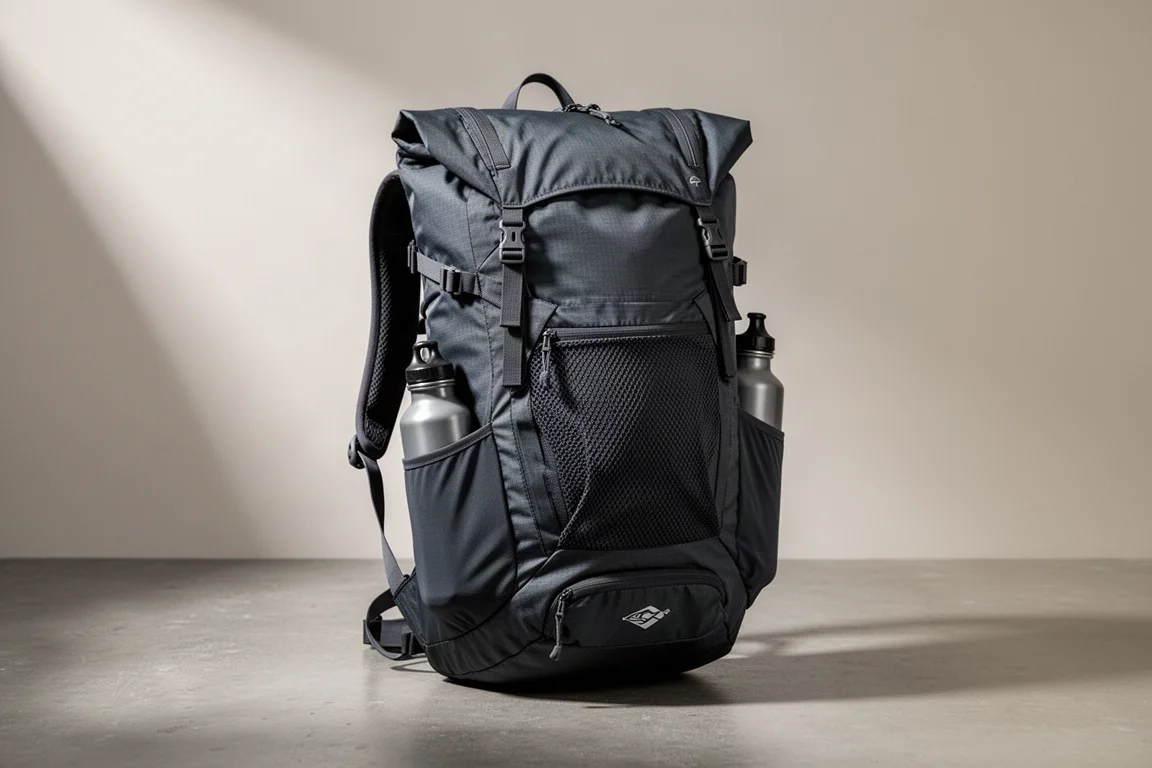
The Wapta 30 is a frameless ultralight pack with no load lifters and no internal frame. It carries a 5 to 8 pound base weight very well without a hip belt, which is how it is usually used. On this trip the load was closer to 30 pounds, which changed the question entirely.
With the hip belt fitted and the pack fully loaded, some of the weight moved onto the hips and off the shoulders and traps. The hip belt is deliberately minimal, though, and without load lifters the split lands closer to 50/50 between hips and shoulders rather than the ideal 80/20.
For most backpackers, using this pack with the hip belt is the better choice, particularly once a load passes 20 pounds. Thru-hikers on multi-month trips may still leave the belt at home, since shoulder and trap strength builds over the first weeks on trail, and the pack feels freer without anything around the midsection.
Bear canisters were the second question. A large canister such as the BV500 does not fit inside the pack, but the V strap on top holds it firmly in place with no noticeable shifting. Carrying it inside would distribute weight better, so this is not the pack to choose if a canister is a permanent part of the kit. For a week or two on a thru-hike, strapping it on top works well.
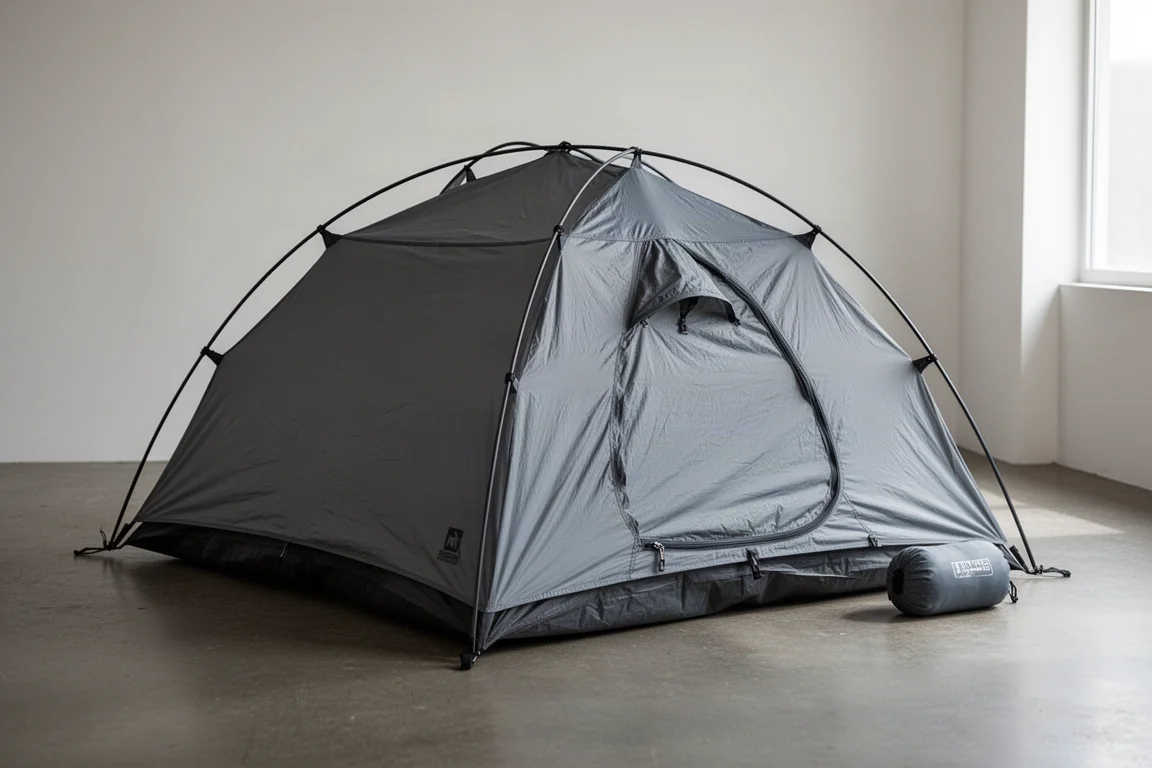
Durston X-Dome 1+: Two Vents and a Condensation Test
The X-Dome 1+ has already seen a lot of use across a range of conditions, including cold winter trips where it built up surprisingly little frost inside. What had not been tested properly was condensation, and the spring trip offered the right conditions for it: wet ground, sub-freezing overnight air, clear skies, and no trees overhead.
The test was simple. The door was closed, both vents were left open, and the interior was checked in the morning. There was no condensation at all.
Two vents on the top of the tent are the likely reason. Many one-person tents have only one, while a pair creates a cross breeze across the top that can pull moist air out of the shelter. A temperature gradient between the inner mesh and the outer fly may also play a role, though that remains a theory rather than a confirmed explanation.
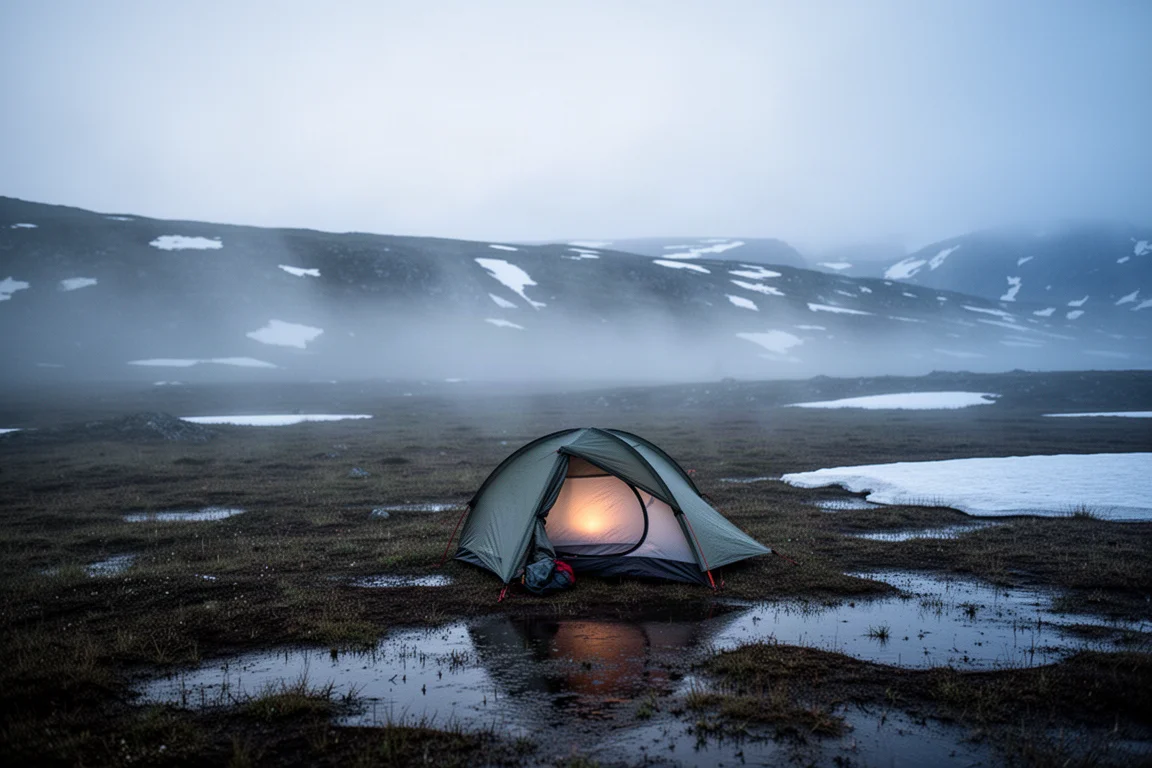
Because nothing formed inside, the test is inconclusive rather than passed: the next step would be camping beside a swamp on a cold, rainy day to find conditions that genuinely push the design. Until then, the X-Dome 1+ keeps doing what it has always done, which is perform without complaint in the conditions that usually expose weak shelter designs.
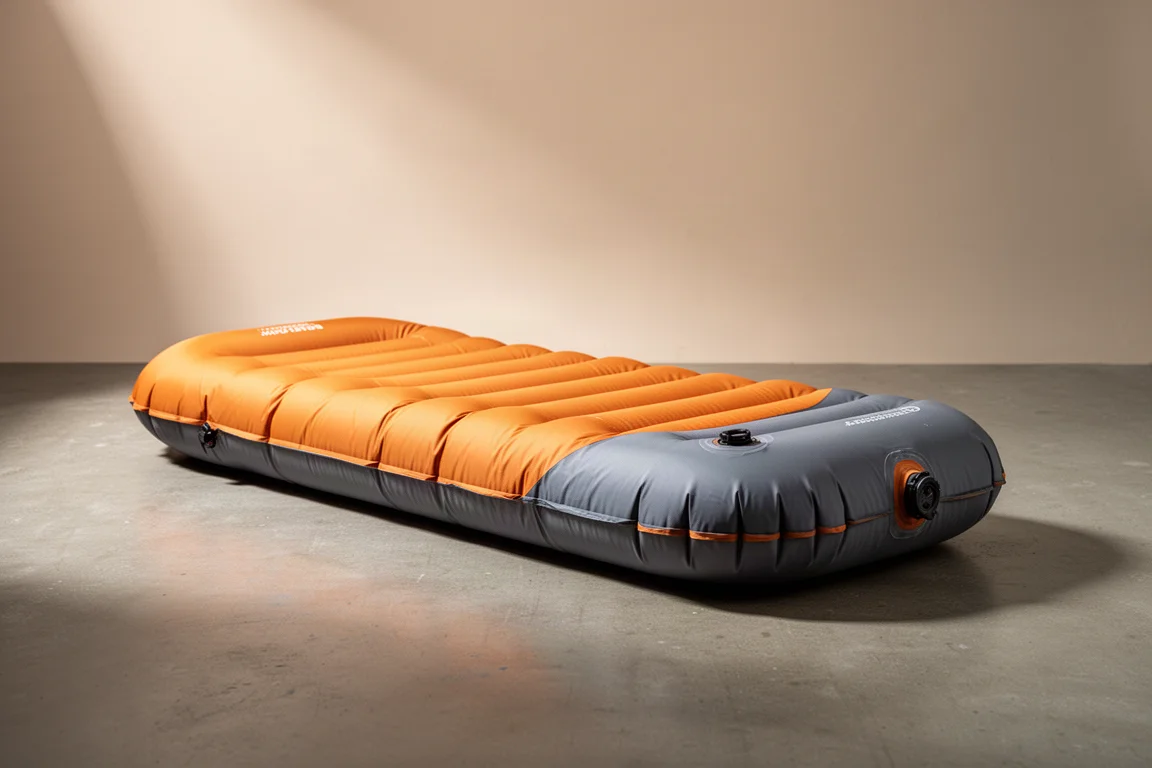
Sea to Summit Ether Light XT: An R-4.1 Pad Below Freezing
Spring is one of the hardest seasons for a sleeping pad. The ground is cold and the air can drop below freezing, so a modest R-value has nowhere to hide.
The Ether Light XT is rated at R-4.1, which should be enough to keep a sleeper just below freezing on cold ground. That is roughly what the test night delivered: minus 2 degrees Celsius, frost on the ground, and soil that had only recently thawed.
The pad stayed warm from the time its sleeper went to bed, through the coldest point around 4 a.m., and on until morning. Comfort was equally solid, with a full night of sleep interrupted only once to shift position. Earlier trips had raised some questions about comfort, but nothing on this night supported them.
It is worth noting that not every pad actually lives up to its stated R-value. This one did. Combined with its weight, comfort, and warmth, that makes it a genuinely strong all-around pad, and it now sits level with the NEMO Tensor All-Season at the top of the category.
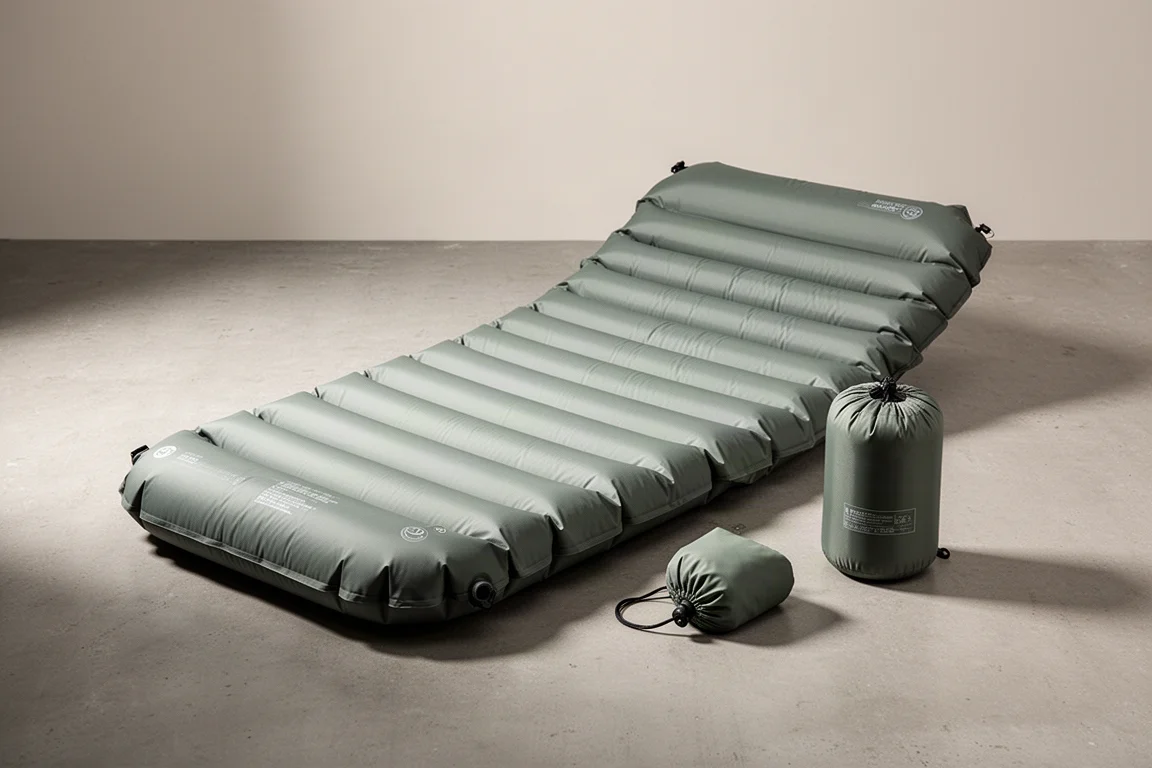
NEMO Tensor All-Season: The Weight and Warmth Pick
The Tensor All-Season took the top spot in an earlier roundup of sleeping pads, and this trip did nothing to change that. The two pads now sit neck and neck overall, and the choice between them comes down to priorities rather than performance.
For backpackers who weigh warmth and packed weight most heavily, the Tensor All-Season is the pick. For those who put comfort first, the Ether Light XT edges ahead.
Rockfront 600 Quilt: Strong Features, Heavy for the Warmth
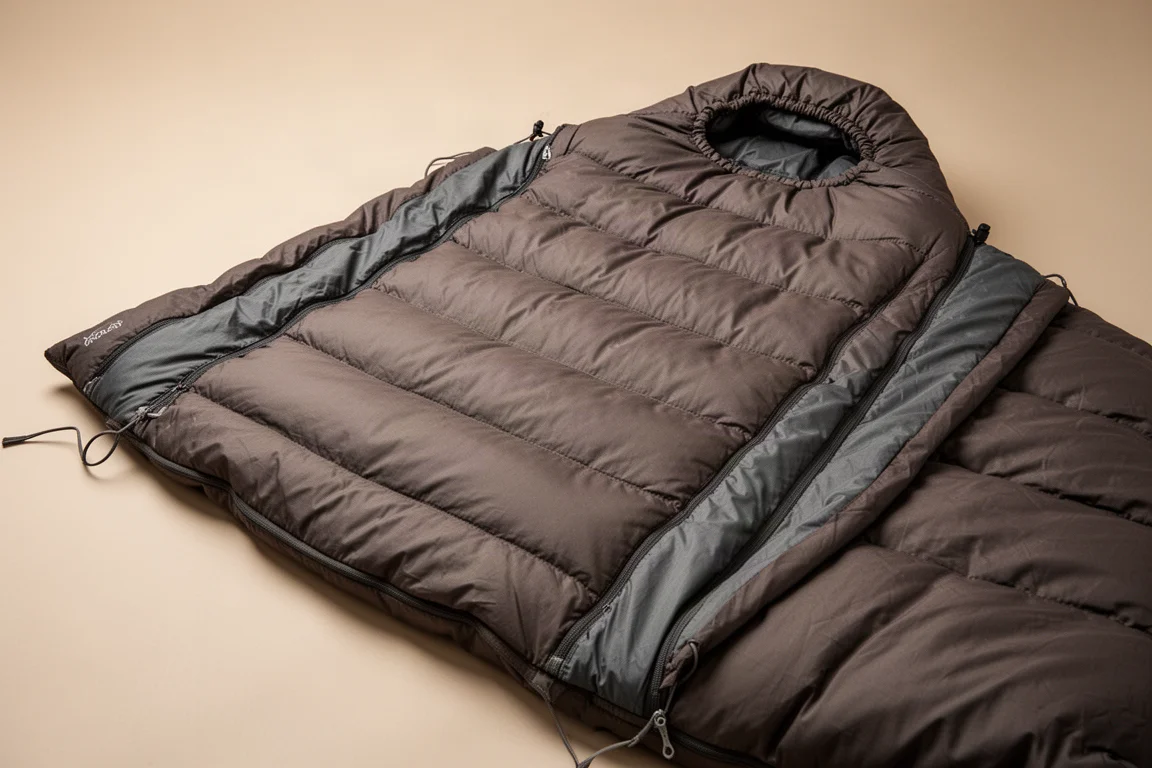
The Rockfront 600 quilt is not built for winter, but it carries a long list of features aimed squarely at shoulder-season use. An edge tension control system runs an elastic band along the sides of the quilt so it can be tightened onto the sleeping pad to limit drafts, and full-length draft tubes run along both sides to fill any gap between quilt and pad.
There is also the usual cold-weather hardware at the top: a draft tube and a cinch that closes the quilt around the shoulders and neck.
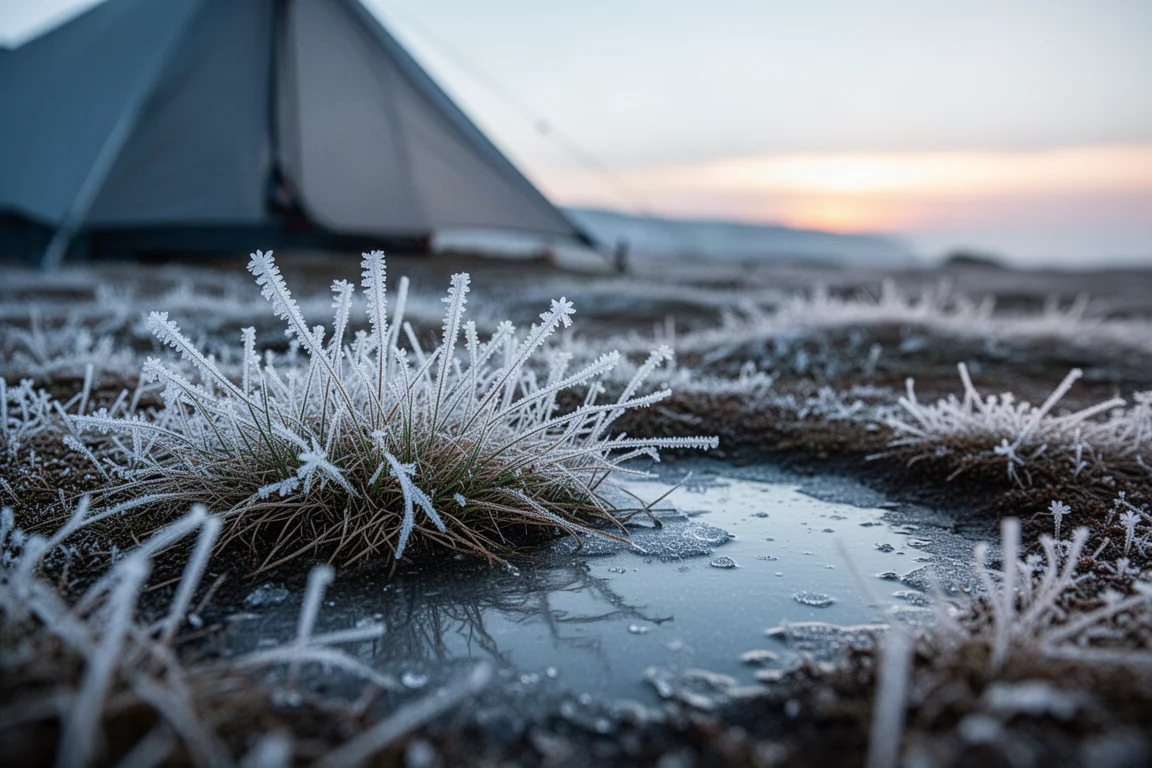
On a sub-freezing night, the quilt did what it is supposed to do and kept its sleeper warm. The side draft tubes and the neck cinch worked well. The edge tension control was less convincing: tightening and loosening it produced no noticeable difference, though it adds very little weight and does not reduce how the quilt functions.
Weight is where the quilt struggles. It comes in just under a kilogram, which is heavy for the warmth it delivers. The expectation was that it would sleep too warm and need venting; instead it was only just warm enough. Quilts weighing half as much have handled the same conditions comfortably, and unless a quilt in this weight class stays warm down to roughly minus 10 or minus 15 degrees Celsius, the weight is hard to justify in a pack.
A likely explanation is the baffle design. If the baffles are too short, the down may not loft fully, which would reduce warmth without changing the weight or any other property of the quilt. Other Rockfront quilts have performed very well and stayed warm at around freezing, which is what made the shortfall here more noticeable.
Rockfront Snorkel System: Keeping Moisture Out of the Down
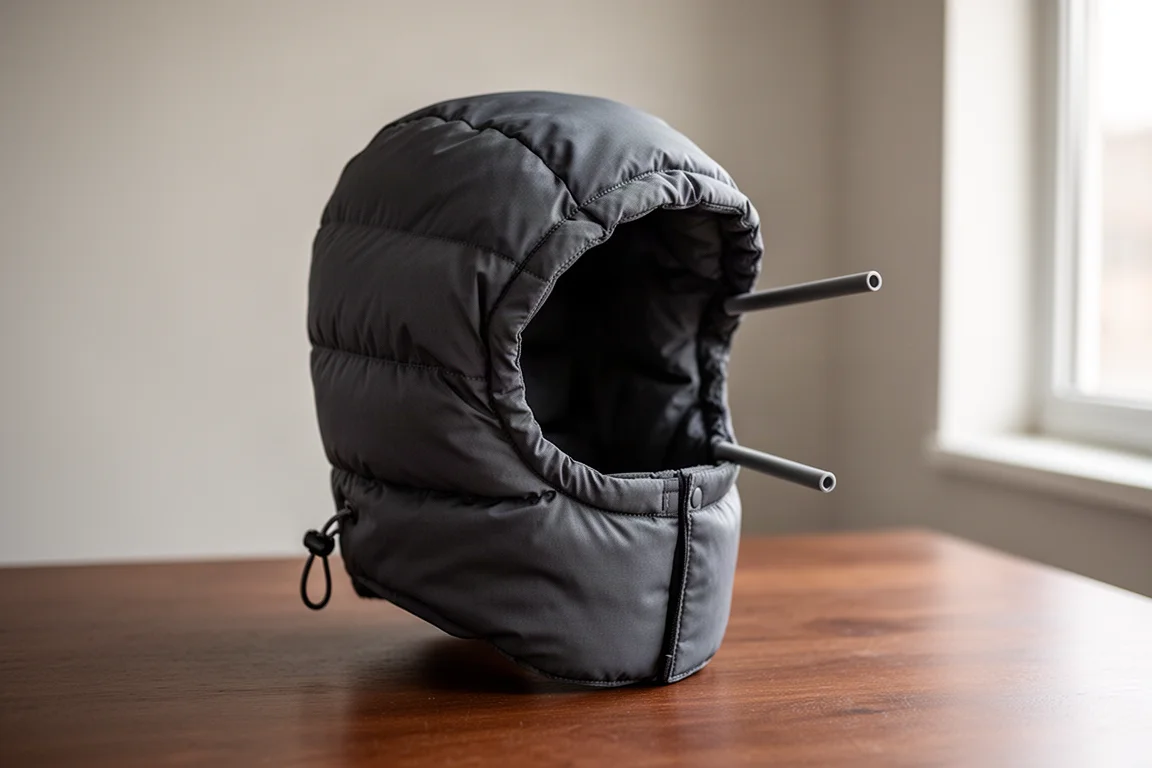
Down hoods are common in cold-weather sleep systems, but the Rockfront snorkel system takes a different approach. A synthetic material protrudes from the face opening and forms a short tube.
That tube manages the moist air being breathed out, so less of it reaches the down in the hood and in the quilt insulation. Moisture is one of the main ways down loses loft over a night, so the design is aimed directly at preserving warmth in cold, humid conditions. It is made specifically to pair with the Rockfront quilt rather than as a standalone piece.
Zpacks Pillow Topper: Modular Cushion and Insulation
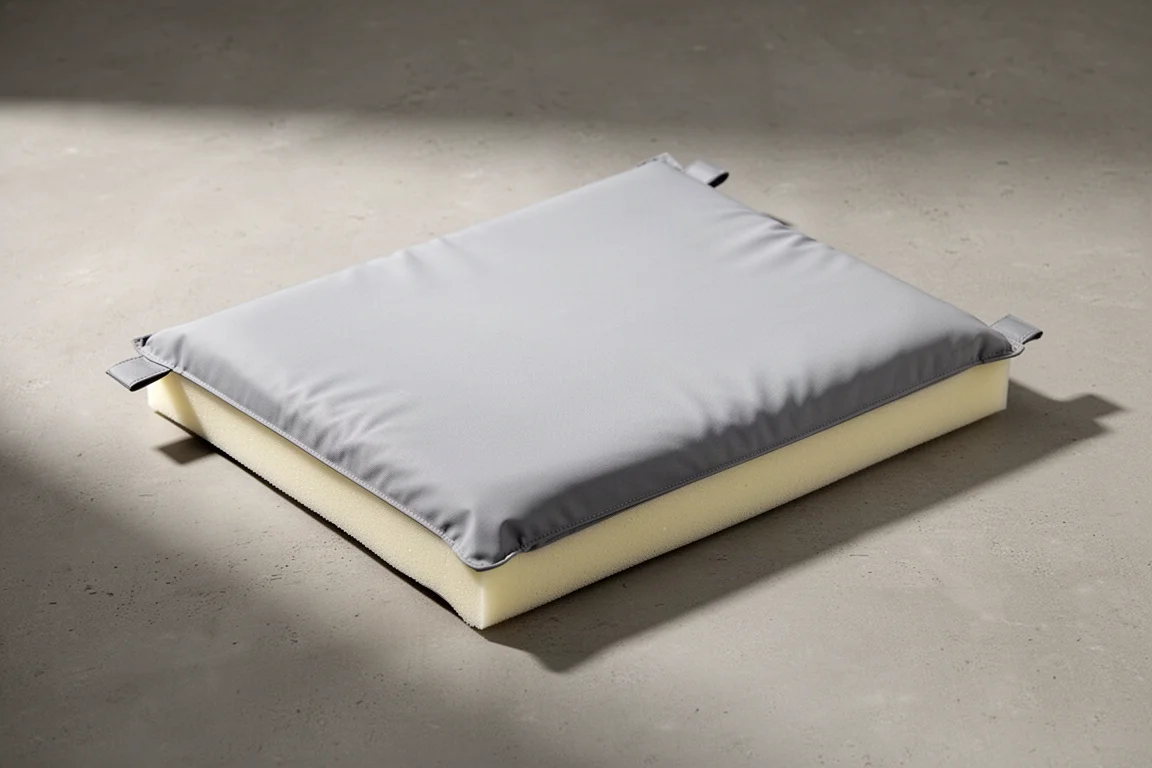
The Zpacks pillow topper is a layer of synthetic insulation inside a small bag. It has a pad attachment system and two loops on the bottom that allow it to attach to essentially any pillow, which is the core of its appeal.
Paired with an inflatable pillow, the two pieces together come in at around 120 grams. It adds real height, softness, and cushioning, along with a useful layer of insulation, and the modularity means it can move between setups.
There is one clear frustration. The strap sits on the topper rather than on the pillow, which lets the pillow flip over and allows the topper to shift during the night. The practical fix is to move the pad strap off the topper and use it directly on pillows that have their own pad straps.
Zpacks Camp Shoes: Slipper Mode Makes the Difference
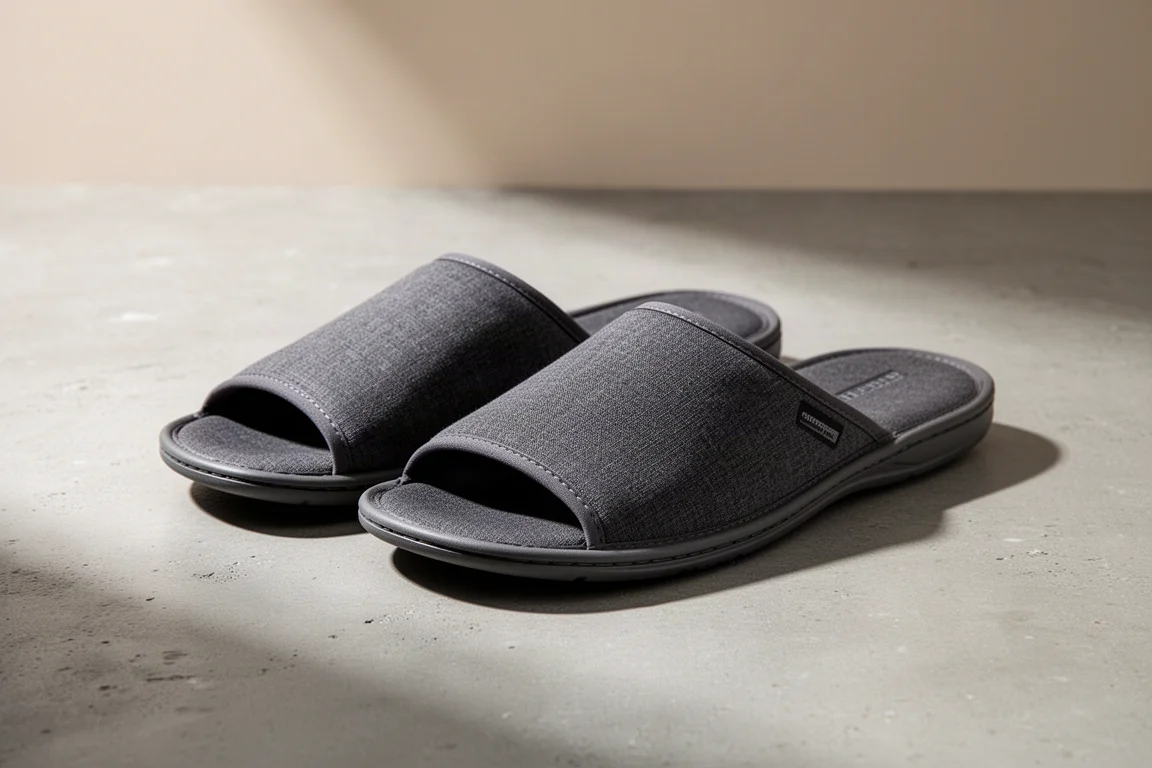
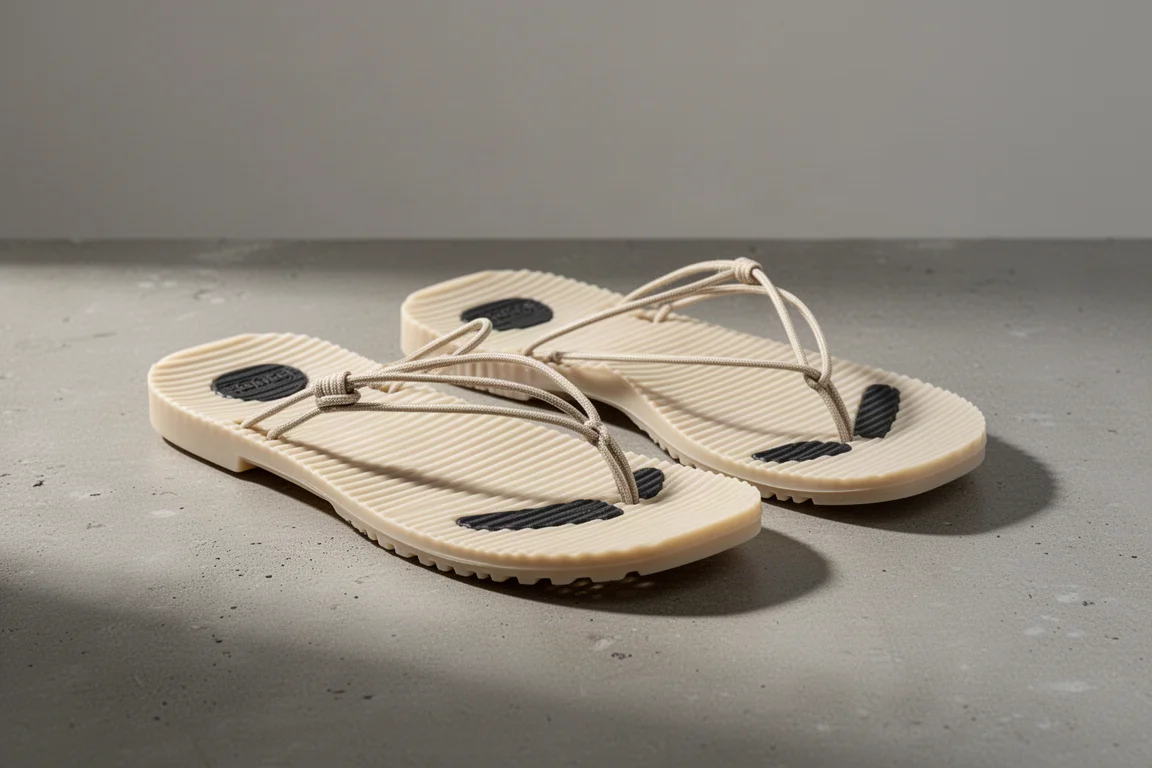
The Zpacks camp shoes are very light, though they weigh roughly twice as much as the Mayfly sandals. What they add is a covered toe area, and with it more durability and more comfort.
On rough ground, the sole does its job and blocks sharp rocks and sticks, and the shoe holds the foot well. The feature that matters most, though, is slipper mode. There is no need to wrap the elastic around the back of the ankle; the foot slides straight in, exactly like a slipper at home.
That makes a real difference on night-time trips out of the tent, where a lighter sandal with an ankle strap takes extra time and fiddling to put on. Because of that single feature, the camp shoes are likely to be the first choice for future trips.
Mayfly Sandals: The Lighter Baseline
The Mayfly sandals have been in use for a long time and remain the lighter option, with a minimal design that keeps packed weight down. The trade-off is the elastic ankle strap, which takes a little more time to fit, especially when tired in the middle of the night.
For backpackers who want the lightest possible camp footwear and do not mind the strap, they still do the job. For anyone who regularly leaves the tent after dark, the covered-toe camp shoes are the easier answer.
Overall Buying Advice
Spring and shoulder-season trips reward gear that answers a specific question rather than gear that looks good on a spec sheet.
On packs, the choice comes down to how much weight is being carried. A frameless pack like the Wapta 30 handles a light base weight without a hip belt, but once a load climbs past 20 pounds most backpackers will be happier with the belt fitted, even though a minimal belt and no load lifters will not deliver the ideal weight split. A bear canister can ride securely on top for occasional use, but if a canister is part of every trip, a pack that swallows it internally will distribute weight better.
On sleep systems, the decision is about priorities. The Tensor All-Season is the pick for warmth per gram. The Ether Light XT is the pick for comfort, and it proved that its R-4.1 rating is honest on cold ground. A quilt with strong draft management is appealing in theory, but at just under a kilogram the Rockfront 600 has to sleep warm well below freezing to earn its place in a pack.
Camp extras are worth judging on how often they get used. A pillow topper that fits almost any pillow adds height and insulation at a very low weight, provided the attachment is reworked. Camp shoes with a slipper mode cost some weight over minimal sandals, but they remove the friction from night-time trips, which is when gear decisions are felt most.
Conclusion
Cold, wet spring conditions are a useful filter. On this trip the shelter came through with no condensation inside, the sleeping pad matched its rating on frosty ground, the frameless pack carried 30 pounds with the help of a minimal hip belt and held a bear canister securely on top, and the camp extras showed where small design choices matter most. The quilt is the one piece that fell short: plenty of features, but too much weight for the warmth it delivered. Match each item to the conditions you actually camp in, and this group covers a shoulder-season kit well.
Further reading
Related Reviews

Backpacking Gear
Building a 10 lb Base Weight: An Ultralight Backpacking Gear List
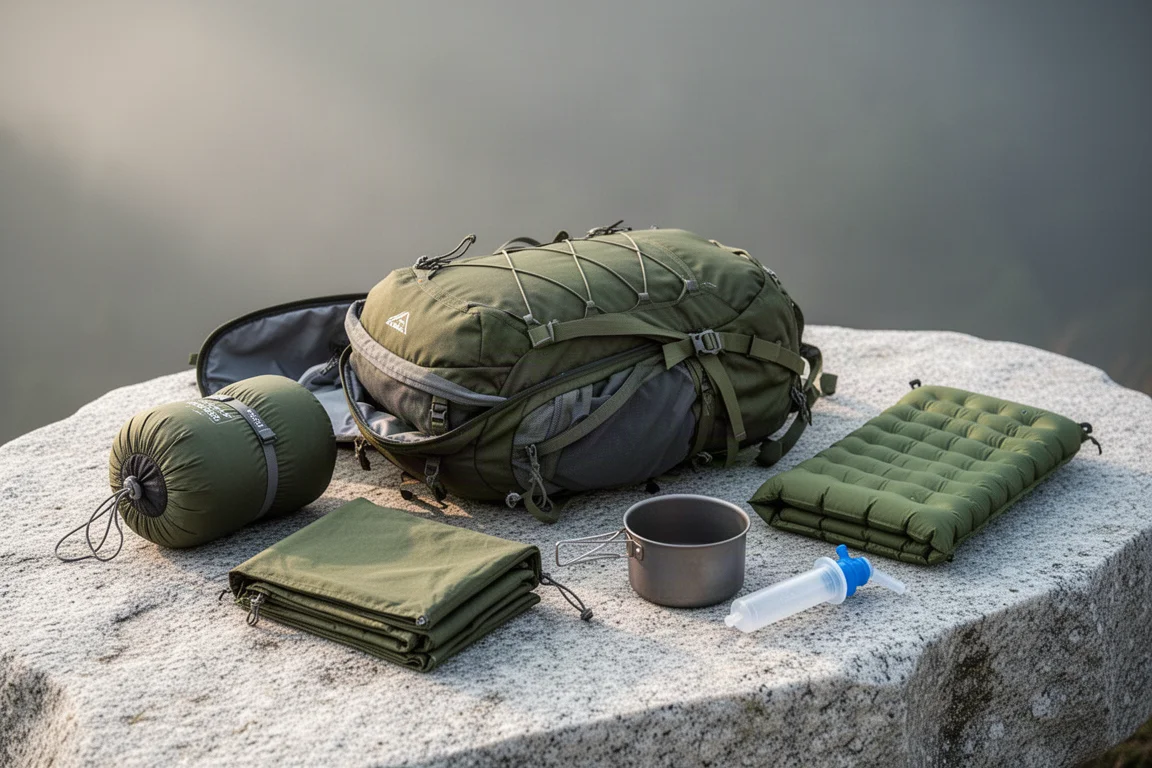
A practical walkthrough of the ultralight pieces behind a 10 lb base weight, from a 765 g pack and a roomy one-person tent to a full camp chair and a dependable water filter.
Backpacking Gear
A 15-Pound Lightweight Backpacking Gear List for Solo Trips
A beginner-friendly 15-pound backpacking setup built from easy-to-find gear, with notes on what each piece does, how it packs, and where to spend your attention.
Backpacking Gear
8 Ultralight Backpacking Gear Upgrades Worth Carrying
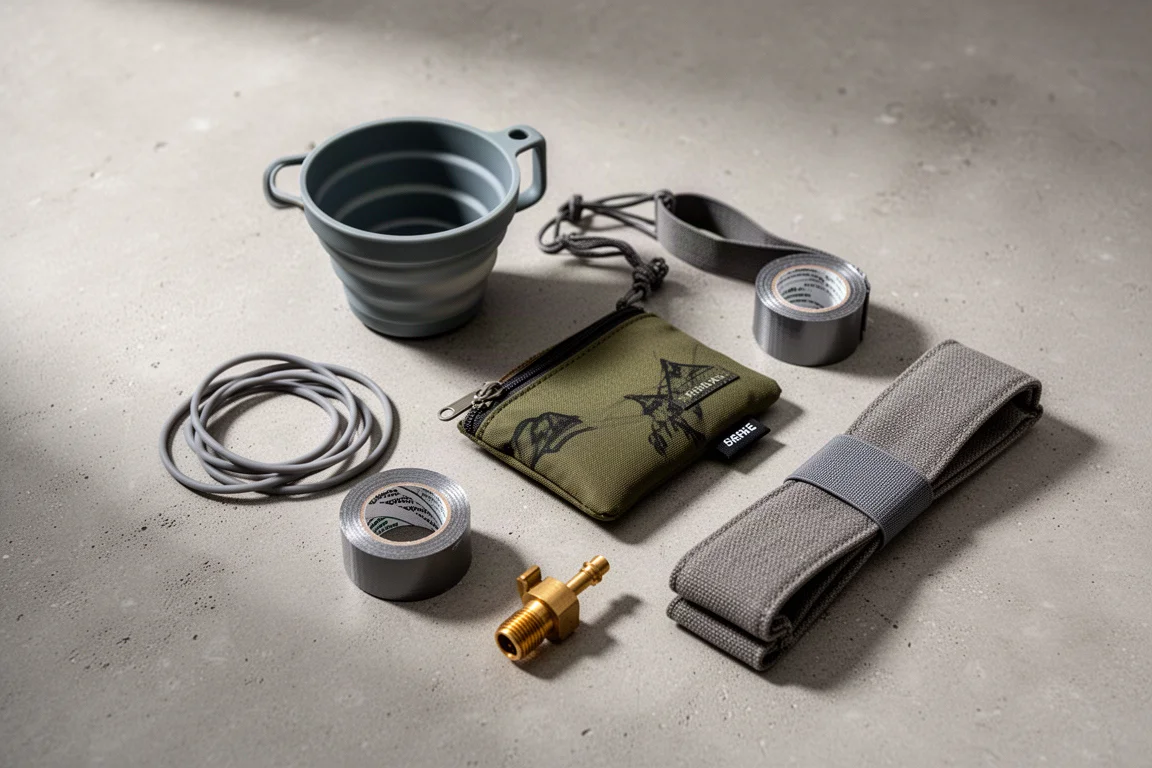
Eight small, affordable backpacking upgrades that solve real trail annoyances, from a pillow that stays put to a fuel valve that rescues leftover canister gas.