Backpacking Gear
Ultralight Backpacking Gear for Spring Conditions: Six Field-Tested Picks
Six ultralight items tested on an exposed spring ridge, from a sub-1 kg pack and lightweight micro spikes to a freestanding two-person tent, a mummy sleeping pad, and a 90 g pillow.
Introduction
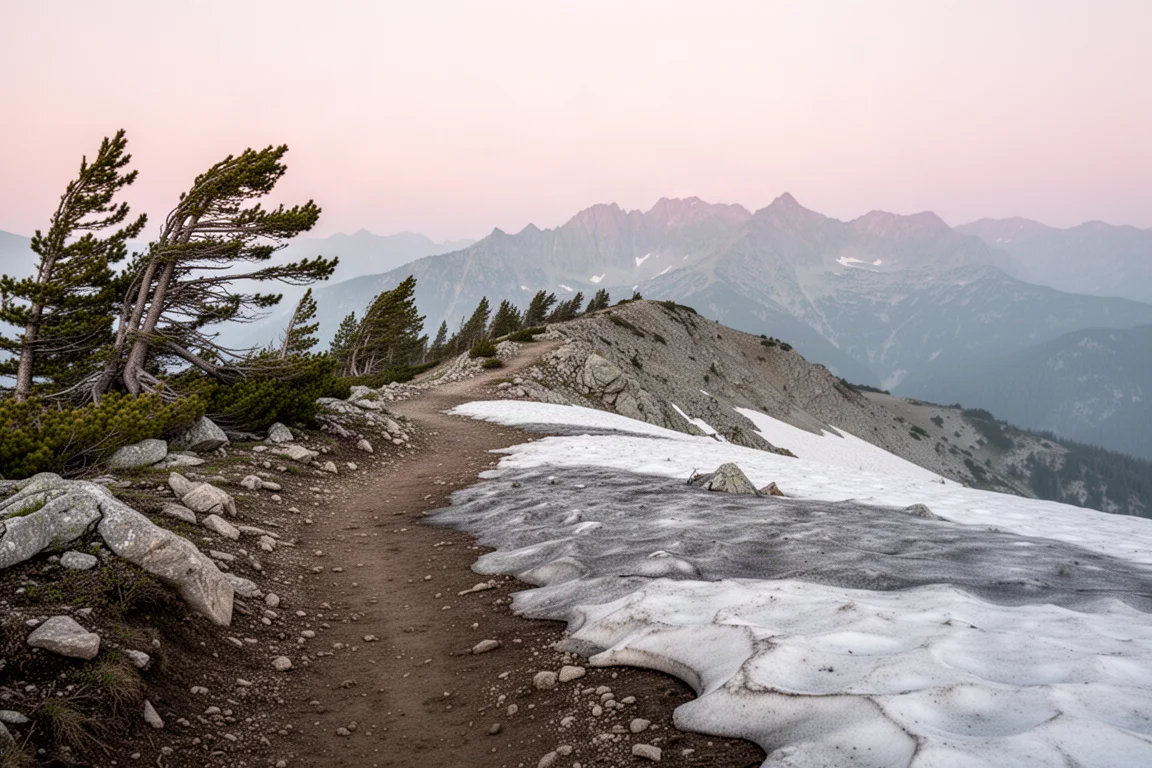
Spring in the mountains is a mixed bag. A trail can hold winter snow and ice while the air temperature climbs well above freezing, and the overnight low can still drop below zero. An exposed ridge trip in the Canadian Rockies delivered exactly that combination: roughly 700 to 800 m of elevation gain, rain that arrived unannounced, wind that strengthened overnight, a light dusting of snow by morning, and an extra 10 lb of water carried for the dry ridge section.
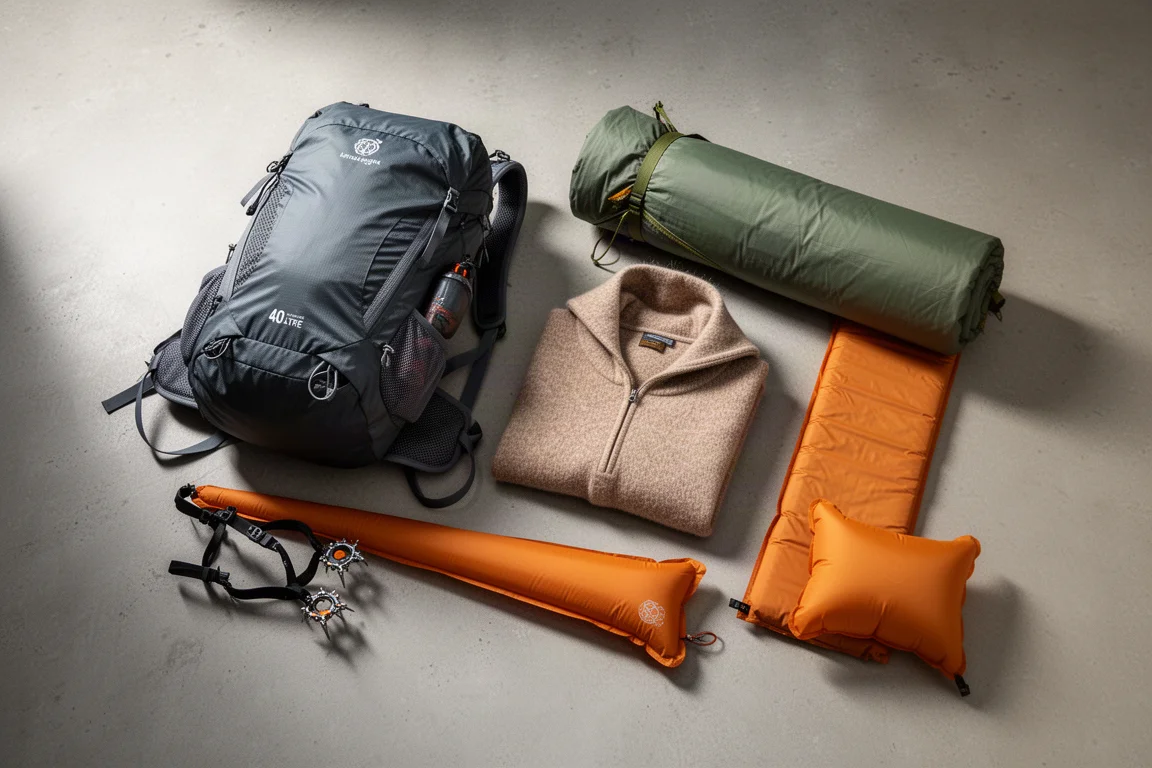
Six ultralight items went along to handle that range of conditions. The goal was to reach the end of the ridge comfortably and safely without carrying more weight than the terrain demanded.
Lite AF Curve 40: Ultralight Pack With Serious Accessibility
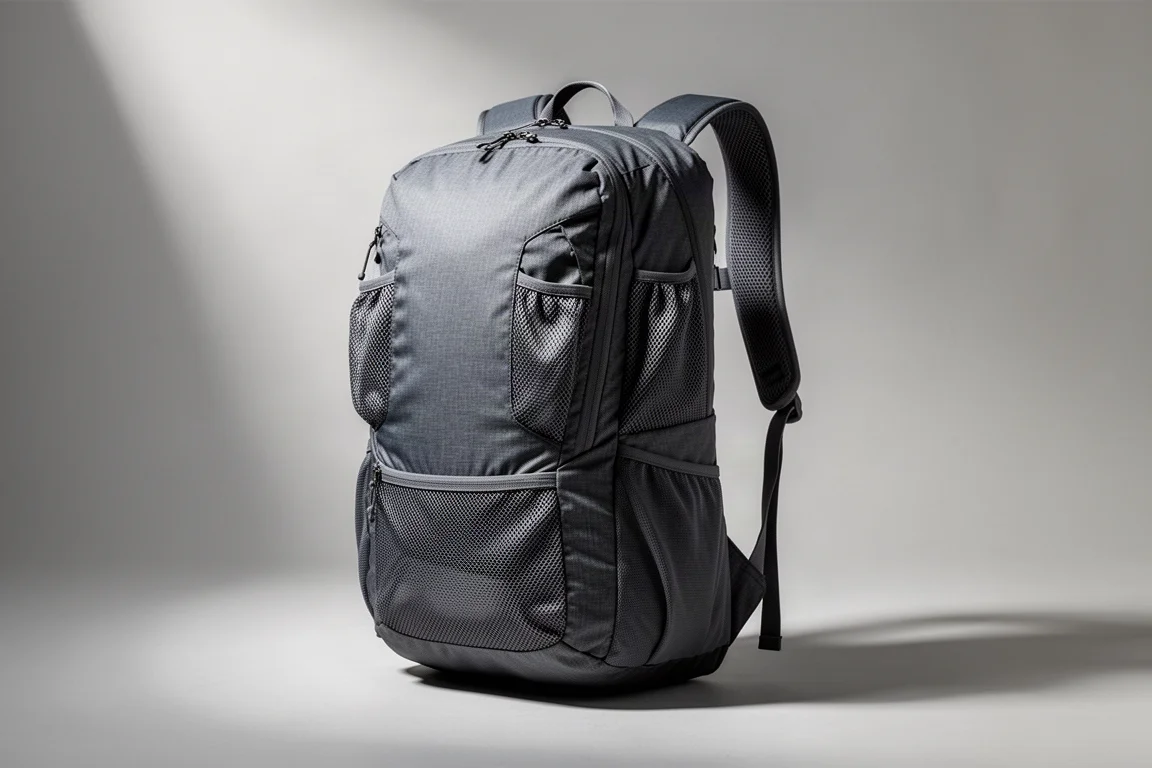
The Curve 40 is an ultralight pack that weighs under 900 g in stock form. Adding upper side pockets, a bottom pocket, and shoulder strap pockets brought the tested configuration to 999 g, still just under the 1 kg mark.
On trail, the standout quality is access. Hip belt pockets, shoulder strap pockets, the bottom pocket, and the two upper side pockets mean snacks, layers, and small items can be reached without stopping and without taking the pack off. The open question was carryability at 35 lb with no load lifters on the pack, and it did not become a problem on the climb.
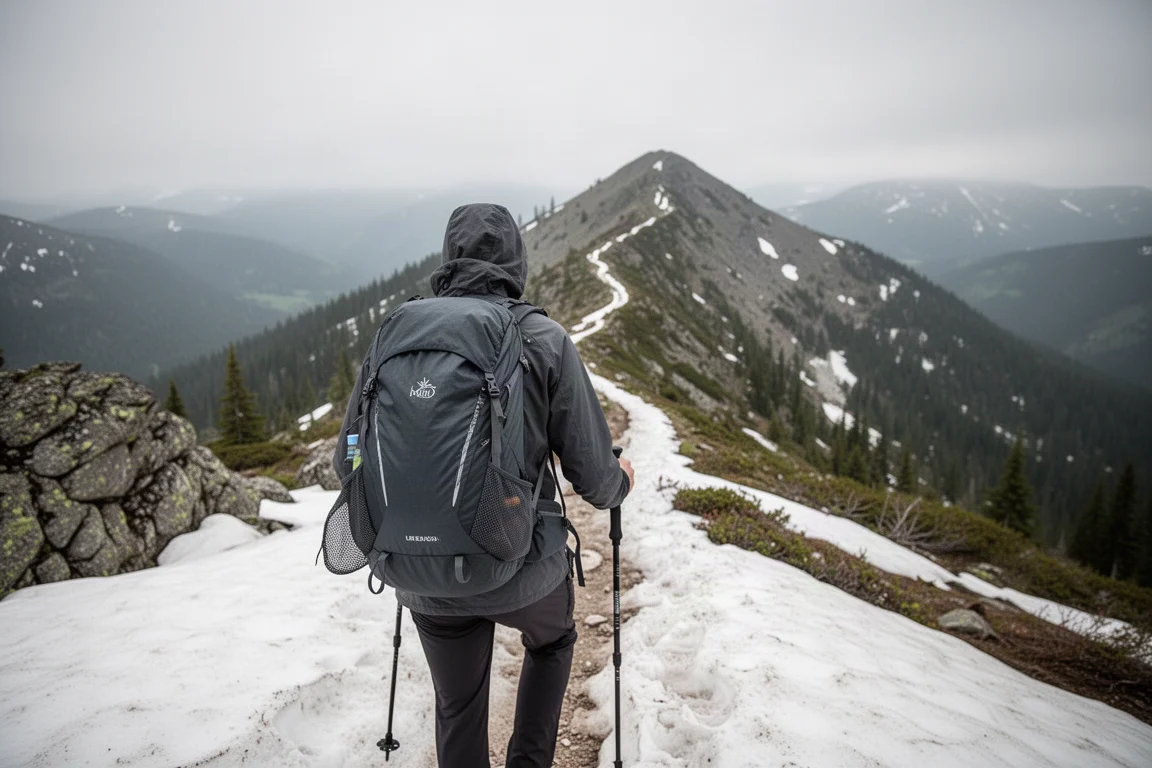
That carry test was made more meaningful by the extra 10 lb of water loaded for the dry upper ridge. Weight stayed settled and the pack did not shift noticeably on the steeper snow sections.
Kahtoola Ghost Micro Spikes: Lightweight Grip for Mixed Spring Terrain
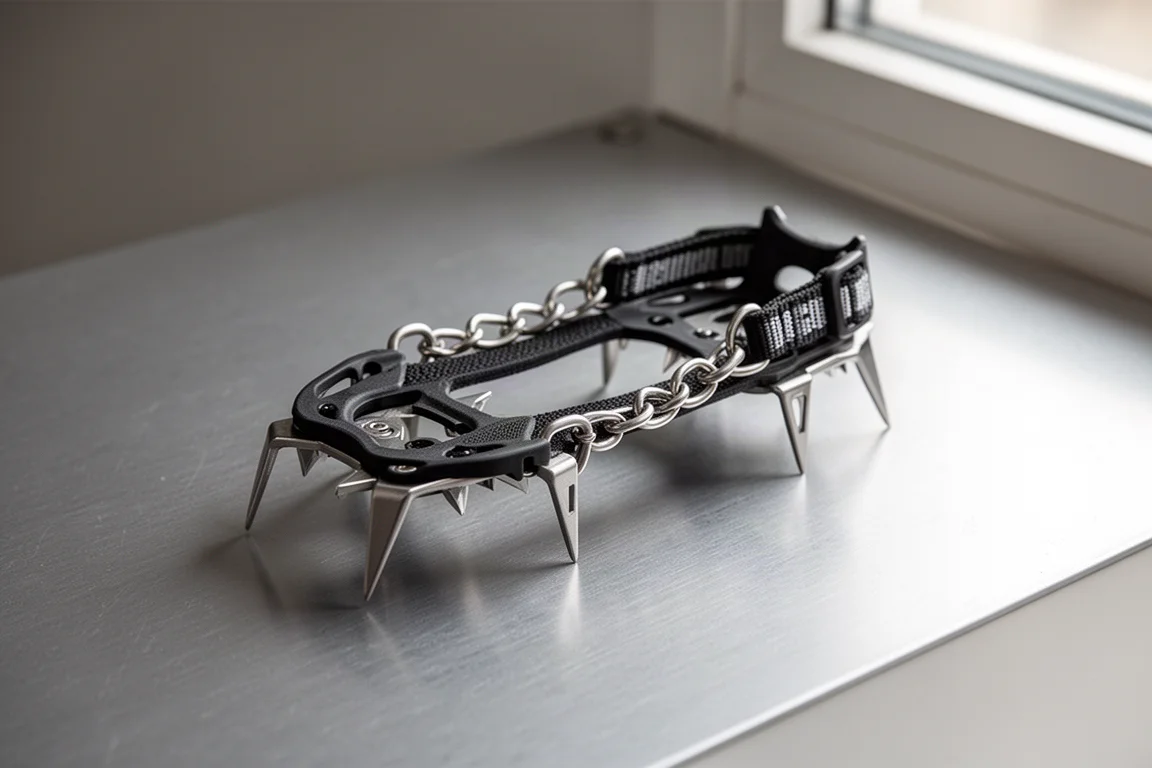
The Ghost micro spikes are among the lightest options on the market while still offering serious traction capability. The harness holds them securely to the boot, and the spikes are shorter than many competing designs, which reduces the feeling of walking on metal points and helps avoid the foot discomfort that longer spikes can create over a long day.
They went on after a slip on ice and stayed on through a sustained climb up snow. On firm, steep snow they were a genuine confidence item, and because they pack so light, keeping them stowed until the terrain demanded them cost almost nothing in weight.
They are most useful when the day includes firm snow or ice rather than the soft spring snow that makes plain boots sufficient.
Arms of Andes Sun Hoodie: Alpaca Wool Temperature Control
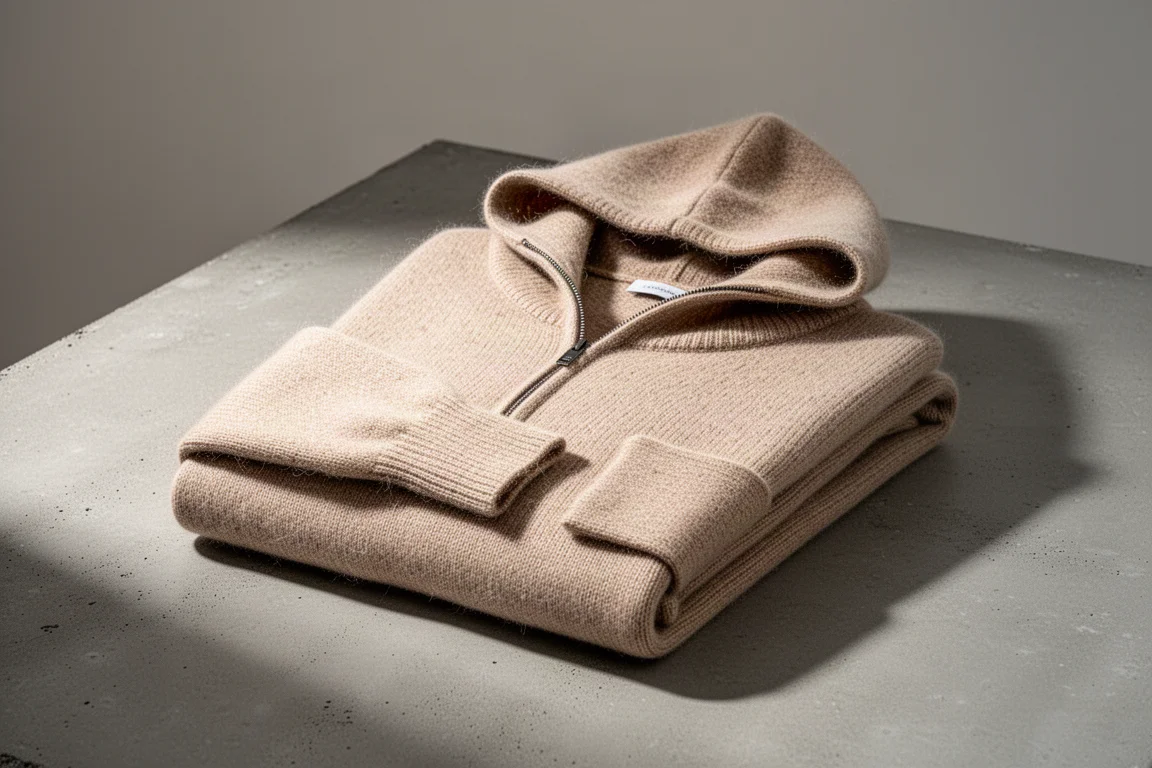
The sun hoodie is made from 100% alpaca wool with no synthetic blending, and zippers are the only plastic components on the piece. Alpaca wool resists odor across multi-day use and does not hold on to sweat and moisture the way merino does, so it dries out quickly after a hard climb rather than staying damp against the skin.
In a heavier spring weight, it covered both halves of the day well: no overheating on sustained uphill sections and no chill on flatter stretches or short rest stops. The hood adds sun coverage, and the zipper dumps heat quickly once the temperature rises. It runs warm enough that wearing it beneath a rain shell could feel too hot for some hikers.
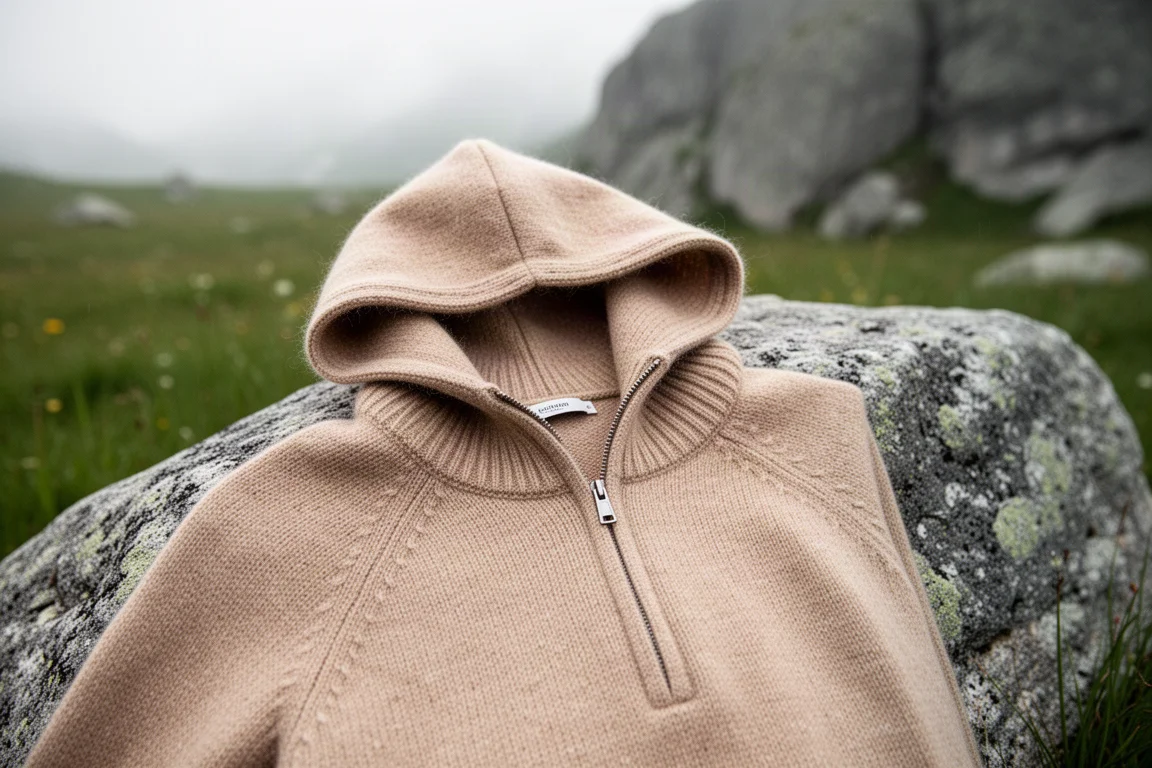
Paired with ultralight long johns and a long-sleeve top for sleeping, it forms a compact layering system that stays fresh across several days of use.
Nemo Dragonfly: A New Freestanding Two-Person Tent
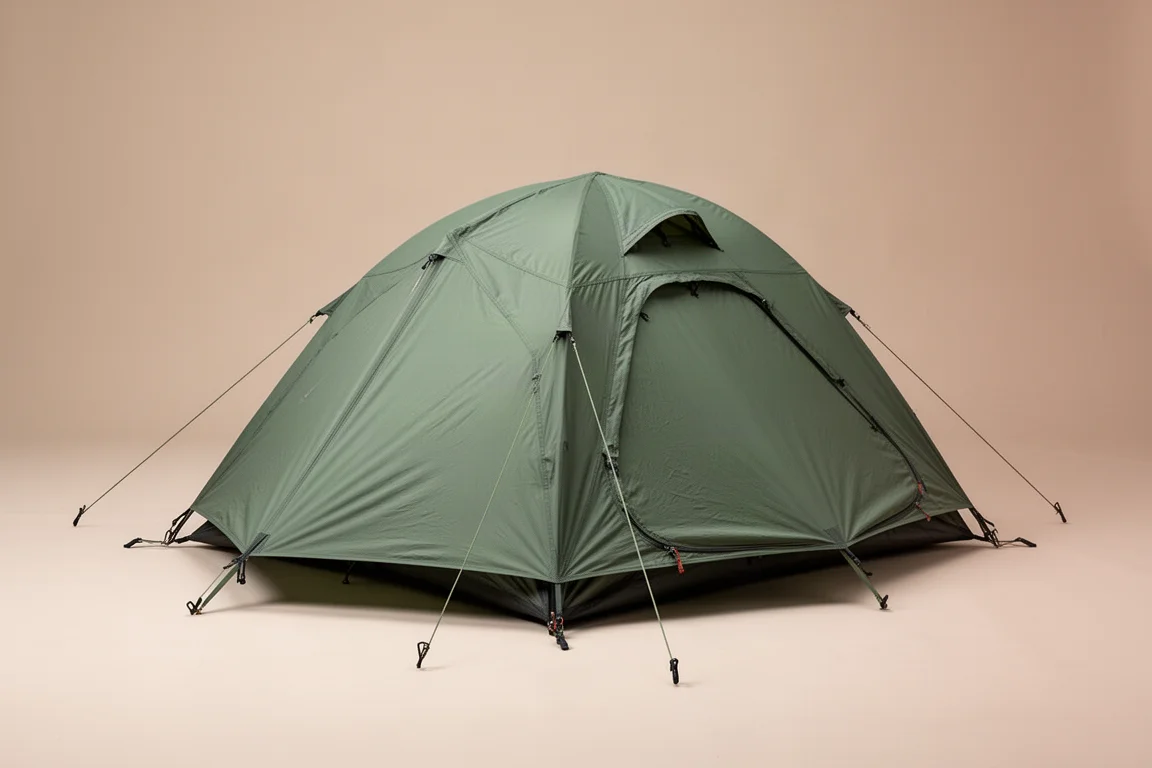
The Dragonfly is a freestanding two-person tent with a 2026 update. The head-end cutout is gone, so the fly now reaches the ground, and a vent with a small kickstand at the top improves airflow and helps manage condensation. The door also lost a guy-out point, which means a full pitch needs six stakes instead of eight. The tent now offers six stake-out points plus six additional guy-out points.
Interior volume grew through a wider brow pole, adding headroom and shoulder room that is immediately noticeable when sitting up or moving in and out. The trade-offs are steeper, taller walls that catch more wind, and a weight that moved up slightly compared with the previous version. The foot end tapers, so it fits mummy-shaped pads but not two 25-inch rectangular pads, and anyone sharing the tent regularly may prefer the three-person version for the extra room.
Pitched on a rocky bench with all six stakes and all six guy lines set, it stayed quiet through strong overnight gusts and shed a layer of fresh snow without drama. The rooftop pocket at the foot end kept clothing off the floor, and the pitch is inner first, then the fly over the top.
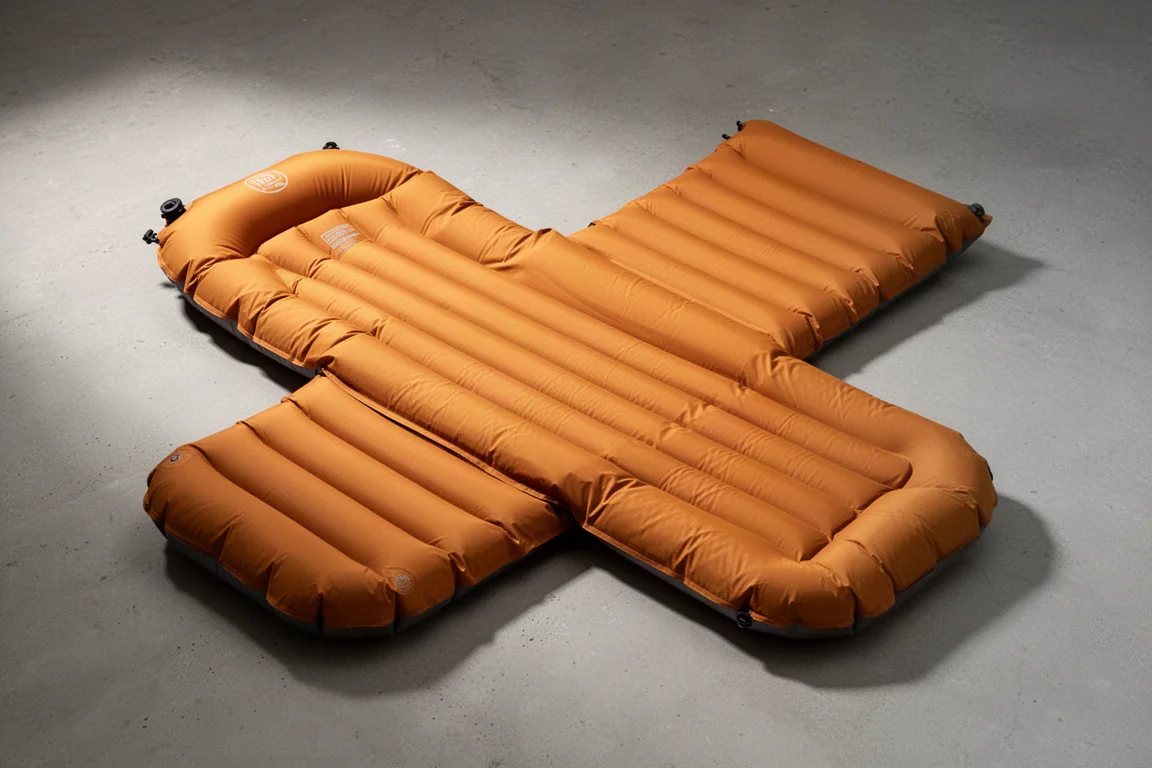
Exped Ultra 6.5: Light Sleeping Pad With a Trade-Off
The mummy version of the Ultra 6.5 is 150 g lighter than the wide rectangular version of the same pad, which puts it among the lightest pads in its warmth class. The shape was less aggressive in use than expected, and the surface stayed comfortable for side sleeping, though the edges were noticeable at the widest point of the taper.
Warmth is where the design shows its limits. At roughly 0 °C, heat loss through the pad was noticeable even with a quilt rated to -12 °C and wool base layers in use. Two factors were at play: the insulation in the two outer tubes does not run the full length of the pad, and the production unit showed gaps in the insulation around the hip area when held up to a light.
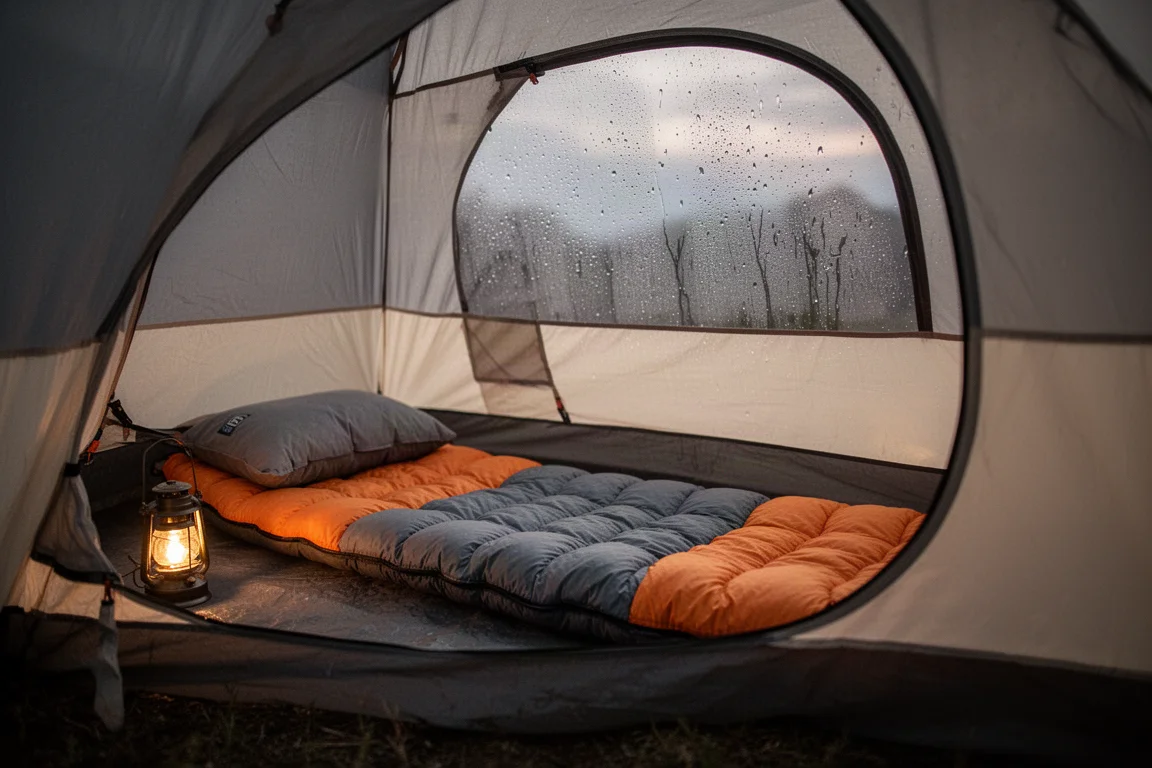
The rectangular version has been used down to about -5 to -6 °C and sleeps warmer overall, so anyone planning colder shoulder-season nights should weigh the 150 g saving against that difference in warmth.
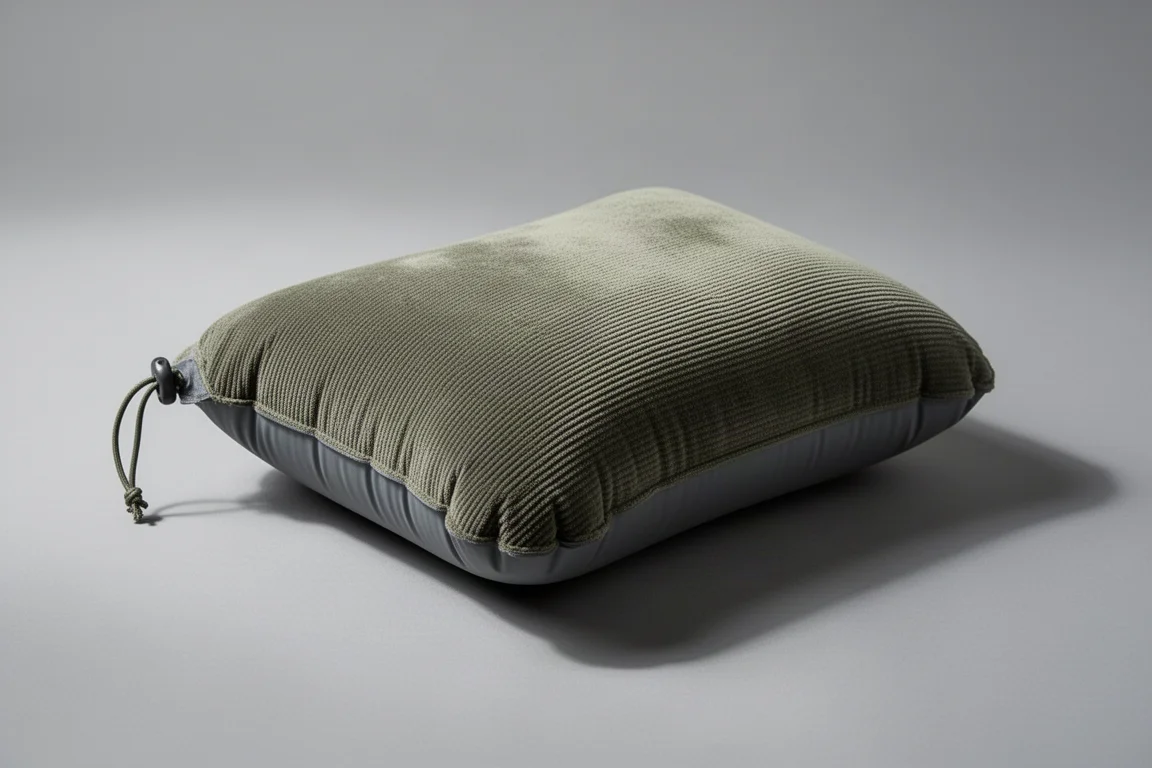
Sea to Summit Aeros Premium: A 90 g Pillow That Sleeps Well
The regular Aeros Premium weighs 90 g and pairs a soft pillow case with a memory foam layer on top. That foam lets the head sink in slightly and takes pressure off the ear, and it also adds insulation, which matters when overnight temperatures fall to or below freezing and a plain air bladder would pull heat away from your head.
The pillow lock system uses sticky Velcro strips fixed to the sleeping pad, so the pillow stays put through position changes without any pad straps. Height worked well for side sleeping, with no neck kink and less pressure on the shoulder. Fully inflated it felt firm, so letting a little air out made it more comfortable.
The wider line runs from a 50 g ultralight model up to this 90 g premium version, with an XL premium size above that for campers who want a larger surface.
Buying Advice: Matching Gear to Spring Conditions
Spring trips punish gear that is tuned to a single condition. Pack weight matters more when water has to be carried, traction earns its place only when ice or firm snow appears, and insulation choices should assume a below-freezing night even when the afternoon is warm enough for a t-shirt.
For sleep systems, the pad is the item worth being conservative about. A lighter mummy pad saves grams, but the rectangular version of the same model has proven warmer in colder conditions, so the choice comes down to how cold you expect the ground to get. If you regularly share a tent, the larger size of a two-person model adds little weight for a meaningful gain in room.
Layering is where a spring kit stays light. A hooded wool layer that dries quickly and resists odor can cover a wide temperature range on its own, with a shell kept in reserve for rain and wind.
Conclusion
Six items, six different jobs, and a clear theme: light gear works best when each piece is chosen for the conditions it will actually meet rather than for its weight alone. The Curve 40 delivers unusual pocket access at under 1 kg, the Ghost micro spikes cover ice and firm snow without a weight penalty, and the alpaca wool sun hoodie handles the wide temperature swings that define spring hiking.
For camp, the Dragonfly held up in gusty conditions with more interior space than before, the Aeros Premium pillow delivered real comfort at 90 g, and the Ultra 6.5 mummy pad showed that the lightest option is not always the warmest. Match the pad to your expected overnight lows and the rest of the kit can stay impressively light.
Further reading
Related Reviews

Backpacking Gear
Building a 10 lb Base Weight: An Ultralight Backpacking Gear List
A practical walkthrough of the ultralight pieces behind a 10 lb base weight, from a 765 g pack and a roomy one-person tent to a full camp chair and a dependable water filter.

Backpacking Gear
A 15-Pound Lightweight Backpacking Gear List for Solo Trips
A beginner-friendly 15-pound backpacking setup built from easy-to-find gear, with notes on what each piece does, how it packs, and where to spend your attention.

Backpacking Gear
8 Ultralight Backpacking Gear Upgrades Worth Carrying
Eight small, affordable backpacking upgrades that solve real trail annoyances, from a pillow that stays put to a fuel valve that rescues leftover canister gas.