Ultralight Backpacking Gear
8 Funky Ultralight Backpacking Gear Picks Worth a Second Look
Eight small, unusual ultralight backpacking items, from a two-dollar medical pillow to a titanium pour-spout pot, and what each one actually does well on trail.
Introduction
Cottage gear brands tend to make two kinds of products: the classics that everyone eventually copies, and the strange little problem solvers that exist because one person wanted them to. This roundup is about the second kind.
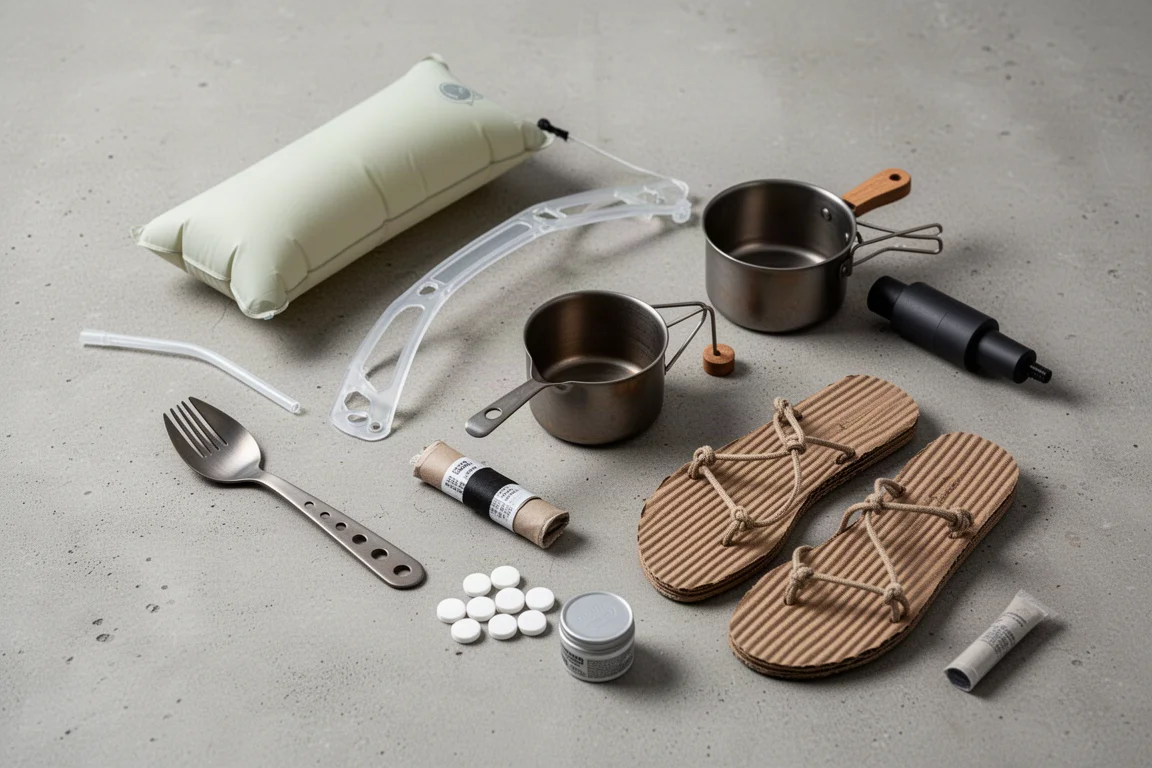
Eight small items, all carried and used on a two-day backpacking trip in the mountains of Washington, from a half-ounce medical pillow that costs about two dollars to a titanium pot with a pour spout and a hanging bail. None of them are essentials in the strict sense. What they share is a narrow, specific job, and the question worth asking about each one is whether that job matches the way you actually backpack.
How to Judge Ultralight Gear Before You Buy It
Weight is the headline number, but it is rarely the whole story. Four things matter more when you are deciding whether a strange piece of gear earns space in your pack.
First, does it replace something you already carry, or does it add to the pile? An item that substitutes for a heavier one is easy to justify. An item that layers on top of what you already have needs a stronger reason.
Second, how does it behave in camp versus on trail? Some gear is wonderful when you are standing still and irritating when you are moving.
Third, how many small chores does it create? A pump, a valve, a set of clips: each one adds a step to setting up and packing up.
Fourth, is the quirk acceptable to you personally? Ultralight gear is full of trade-offs, and a trade-off that feels reasonable to one hiker can feel absurd to another.

The items below are ordered roughly by how well they answered those questions on a real overnight trip, not by how unusual they look.
Graham Medical Flex Air Ultralight Pillow
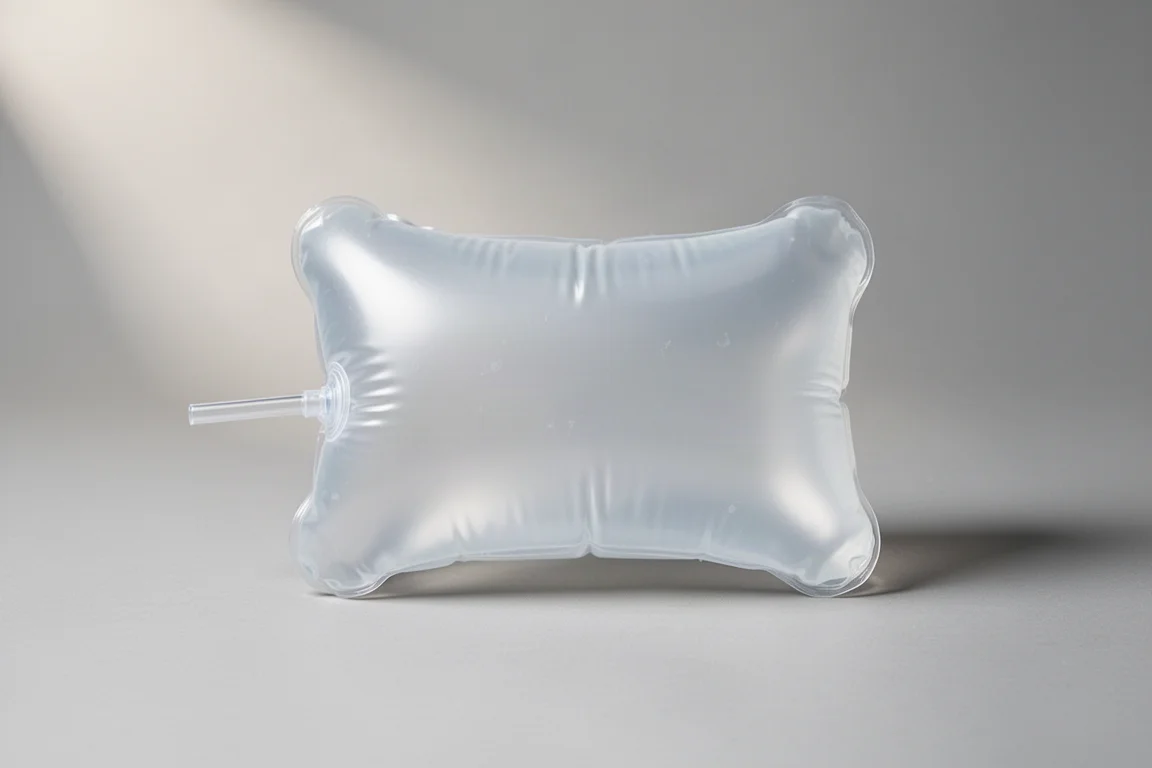
The Flex Air is a medical-style inflatable pillow that weighs half an ounce and costs about two dollars. It arrives with a plastic straw: you push the straw through the valve, blow it up, then remove the straw before use. The material has the slick, clinical feel of a covered exam table.
At that weight and price, it is the cheapest possible answer to sleeping with your head off the ground. The problem is stability. Fully inflated, it behaves like a balloon and your head slides off the middle. Partly deflated, there is not enough structure left to keep your head in place, and wrapping something around it does not fix the underlying issue. It came out of the tent before the night was over.
For a hiker who has been sleeping on a bundled jacket and wants to try the lightest option first, it is a two-dollar experiment. For anyone who needs a pillow that stays put, this is not it.
Valko Backpack Ventilation Frame
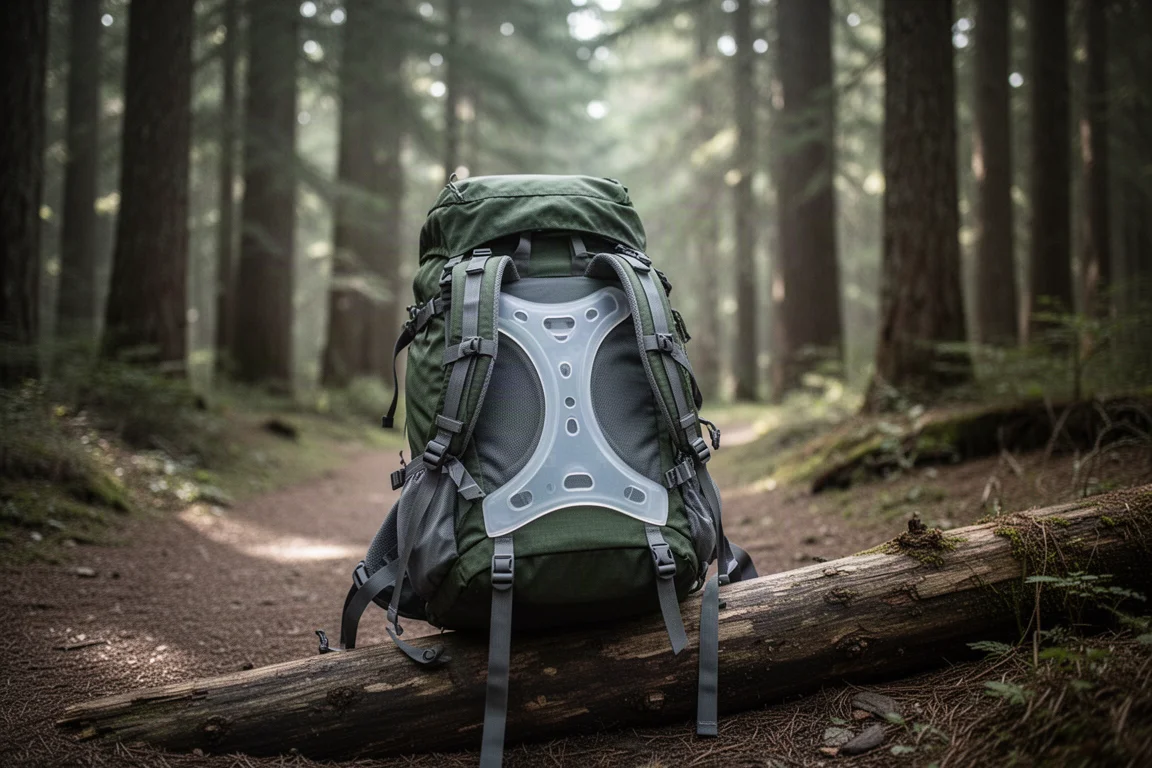
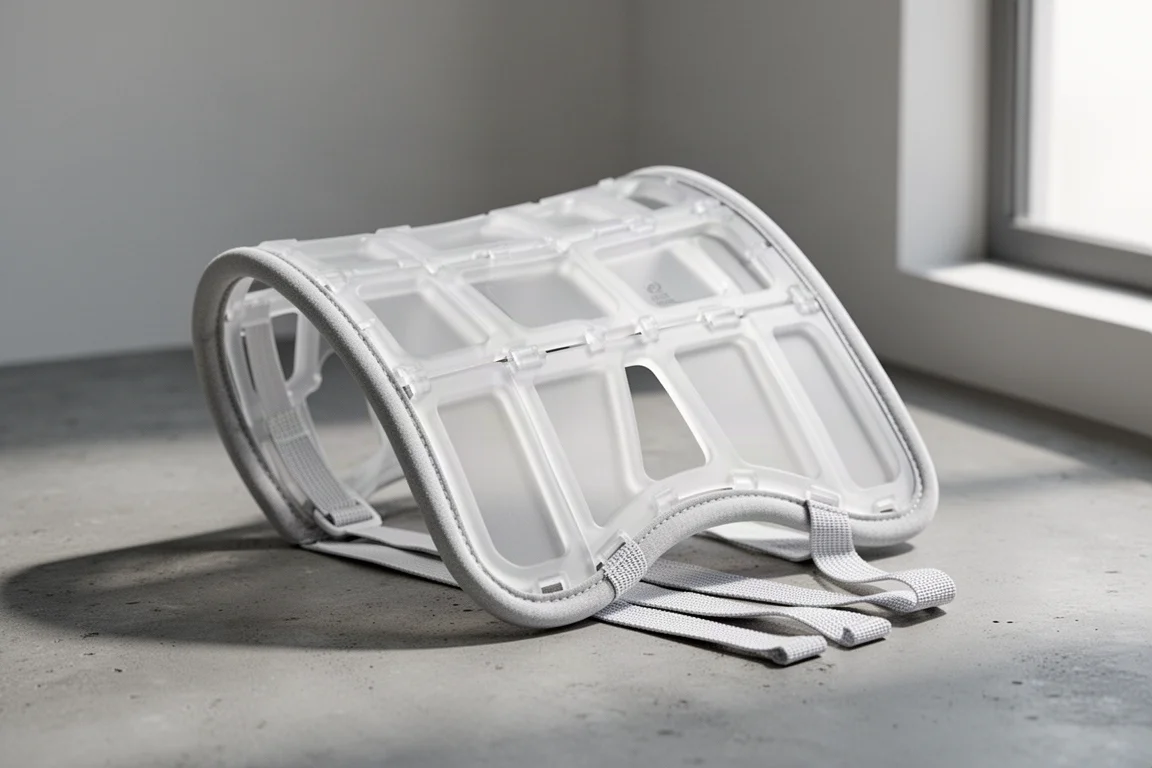
The Valko frame is a light plastic assembly that clips together and straps onto the back panel of a pack, holding the pack away from your back so air can move through the gap. It weighs 3.3 oz, or 95 g.
On the trail it does what it claims. Back sweat drops noticeably and there is a steady breeze where the pack used to sit flush. The first impression, though, is pressure. The frame edges press into the shoulder blades until you adjust to the shape, and the clips can pop loose when you swing the pack off for a break, which is annoying if you like to drop your pack often.
The turning point is latching it correctly. Once the pieces are properly seated, it stops shifting and the pressure fades to the point where you forget you are wearing it. If you love your current pack except for how much you sweat under it, this is a genuinely clever way to add ventilation without buying a new pack.
For a pack that is already comfortable, the extra fuss may not be worth it. For a sweaty hiker with a well-loved pack, it is the most interesting item in this roundup.
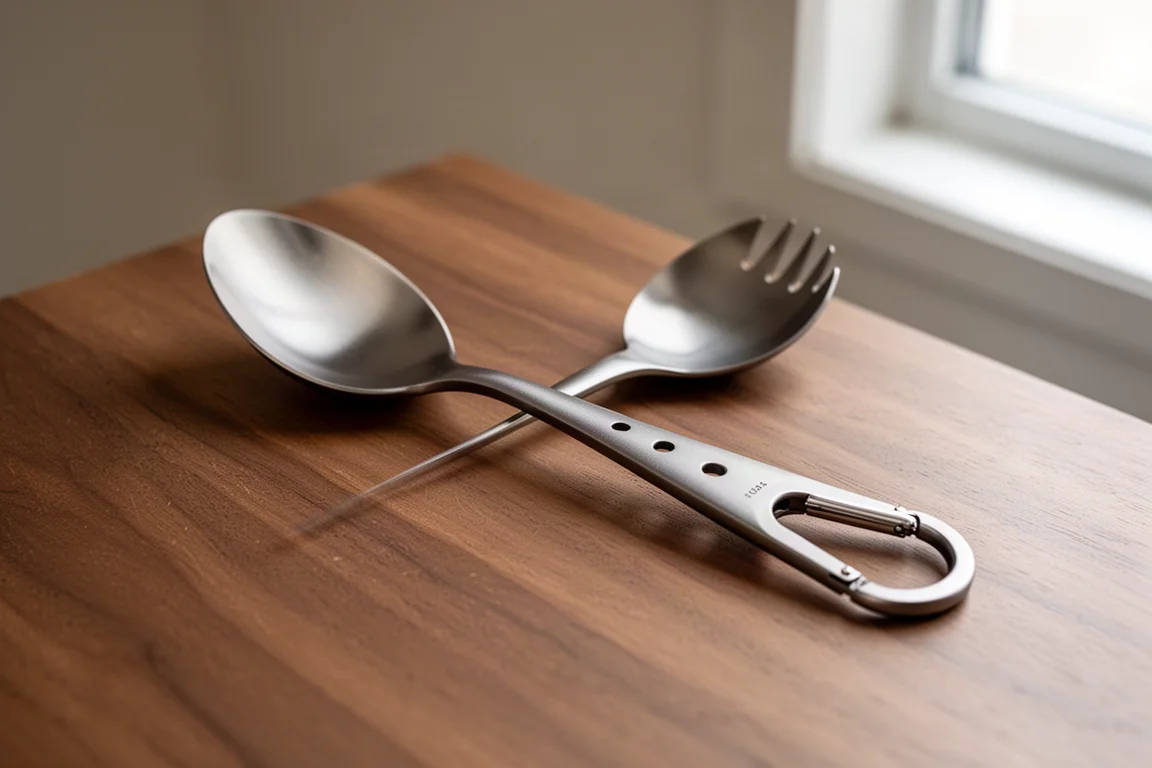
Bram Expedition Works Titanium Utensils Spork
This is a titanium spork with a satin finish on the handle, an oversized carabiner hole, and a squared bowl. The holes cut weight while adding grip, and the square bottom is shaped to reach into the corners of a backpacking meal pouch. It weighs 17 g.
In use it is simply pleasant. The handle is longer than most sporks, the mouth feel is good, and the flat edges scrape a meal bag clean in a way a rounded spoon cannot. It is a comfort upgrade more than a weight saving, and the version used here came in a prism, or rainbow, finish.
For anyone who eats rehydrated meals straight from the bag, the squared tip earns its place. It is the kind of small item you stop noticing because it just works.
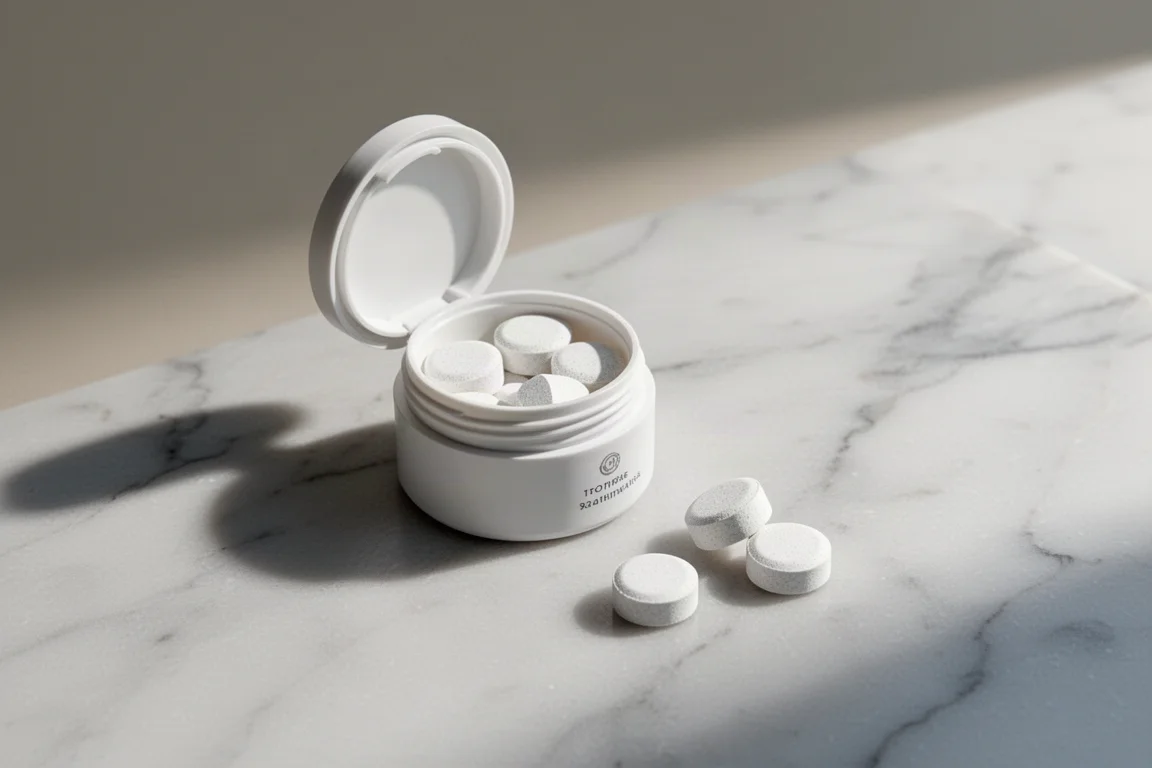
Unpaste Zero Waste Fluoride Free Toothpaste Tabs
Unpaste makes fluoride-free toothpaste tabs that are vegan and cruelty-free, and the outer packaging is a paper bag that can be composted or recycled. The tabs are mint flavored and unusually small, roughly half the size of typical toothpaste tabs.
The texture is the surprise. Crunching down produces a notably foamy lather, which is different from most tabs and takes a moment to get used to. Once past that, they are refreshing and easy to like, and they do the job with no tube, no liquid, and nothing to leak inside a pack.
If you already carry toothpaste tabs, these are a smaller and lighter option worth trying. If you are moving away from a tube for the first time, they are a straightforward place to start.
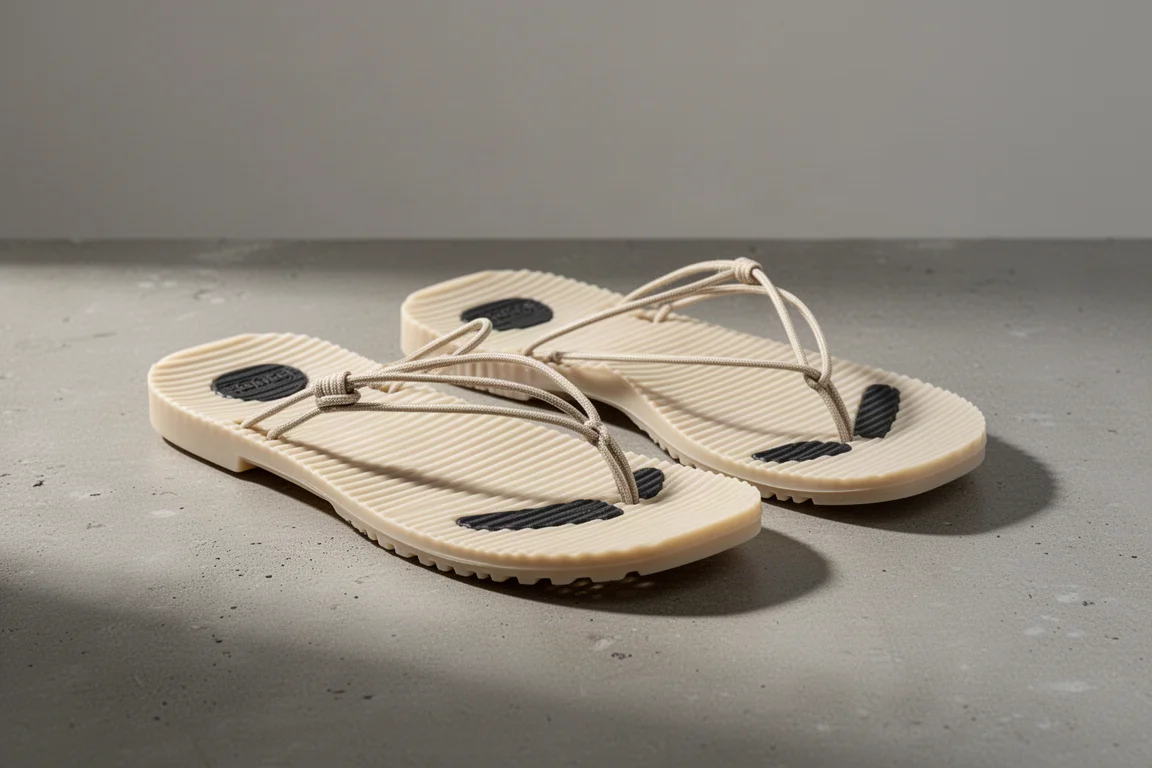
Mayfly Sandals
Mayfly sandals are camp shoes made from corrugated recycled cardboard with straps of thin utility cord, wrapped in a hollow cord for a little padding. A pair weighs about 1.8 oz, which is close to nothing in a pack.
They are also, by any normal standard, ridiculous, and that is part of the honest appeal. They bend and soften within minutes of wearing them, and the fit needs tightening before they stop sliding around. Walking in them feels a bit like a dog in new booties.
Used for what they are, a dry pair of shoes for camp, middle-of-the-night trips, and giving trail runners a chance to air out, they work. They are not a replacement for a comfortable pair of camp shoes, and anyone expecting that will be disappointed. As a gateway into minimal camp footwear, though, they are hard to argue with at this weight.
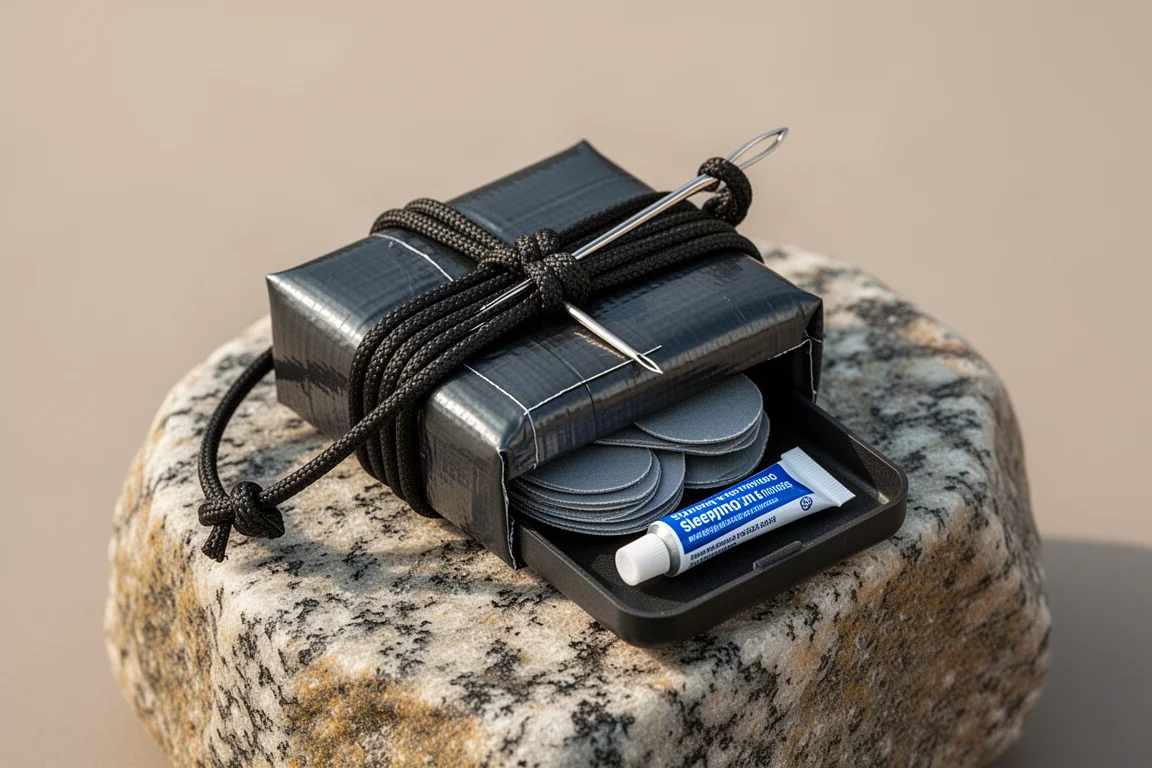
Common Gear Ultralight Repair Kit
This is a compact repair kit built around a small container with black duct tape wrapped around the outside and heavy duty cord alongside it. Inside there is a needle, and in a compartment at the bottom there are sleeping pad repair patches, small dabs of glue, and a tiny piece of paper explaining how to use the patches.
Two versions exist. The more complete one includes the patch and glue compartment, while the smaller ultralight kit does not. Both are more thoughtfully assembled than the average field repair kit, and the needle, tape, and patches combination covers the failures that actually end trips.
If you carry an inflatable sleeping pad and a shelter, a kit this small is easy to justify. The design is the most interesting part: everything has a place, and nothing rattles loose.
Flextail Zero Pump
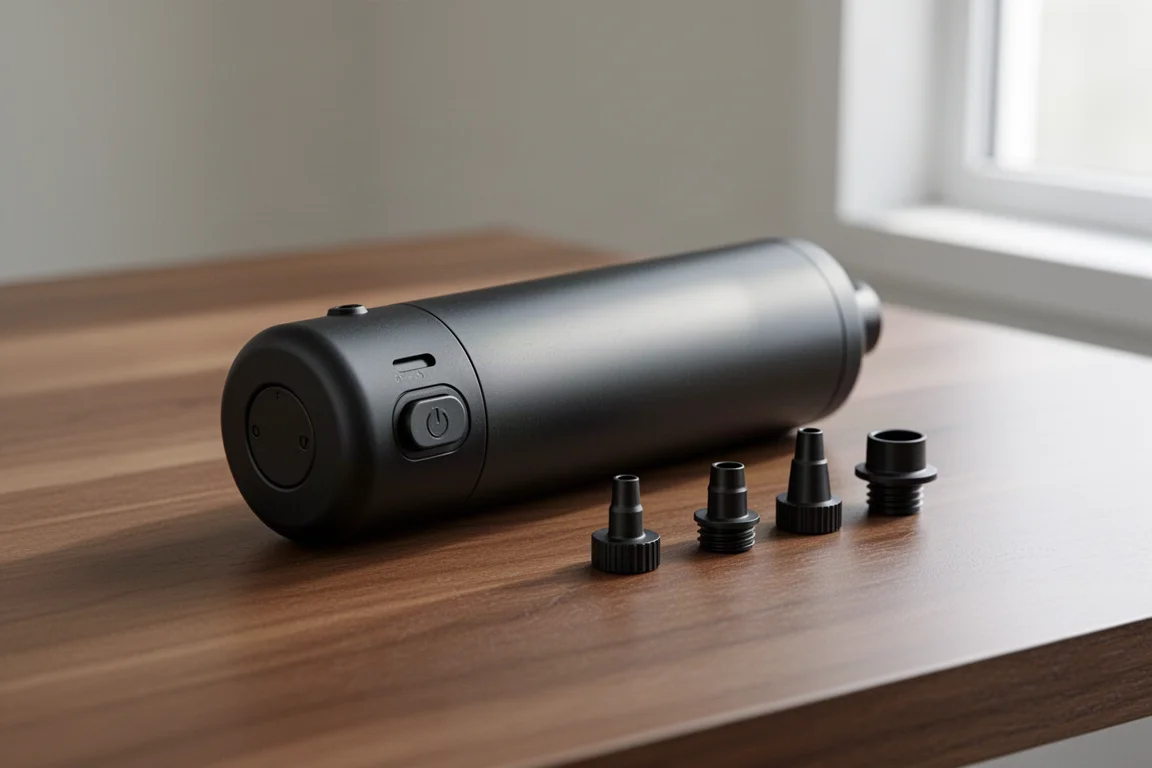
The Zero Pump is the lightest pump Flextail has made, at 1.2 oz. It inflates and deflates a sleeping pad and comes with a set of attachments intended to fit nearly any pad valve.
It works, and it works fast. Inflating a pad took very little effort and less time than expected, and the deflate function is a real convenience at pack-up. The main question is whether you want another small device in your kit when a pump sack already does the job with no moving parts.
For anyone doing multiple nights regularly, or for a group that can pass one pump between several pads, it is an easy recommendation. For occasional overnight trips, a pump sack remains the simpler answer.
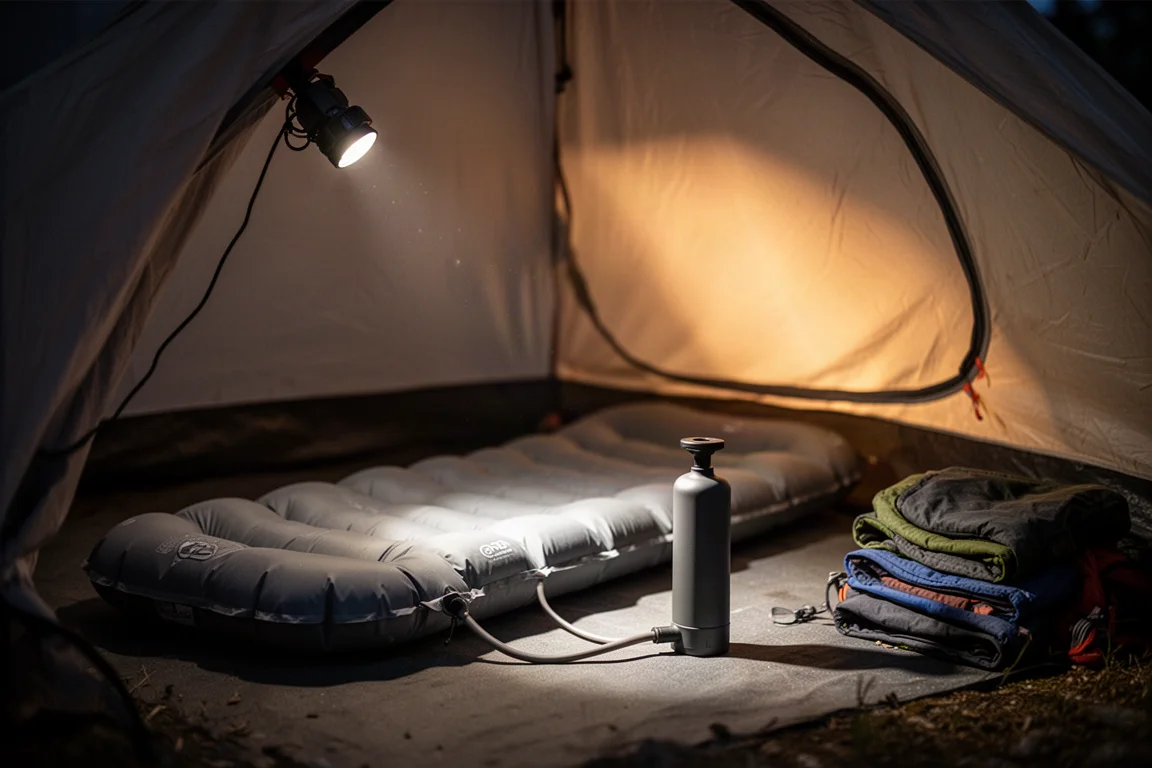
That said, the effort saved at the end of a long day is not trivial, and the weight penalty is small.
Evolved Supply Co 750ml Pot
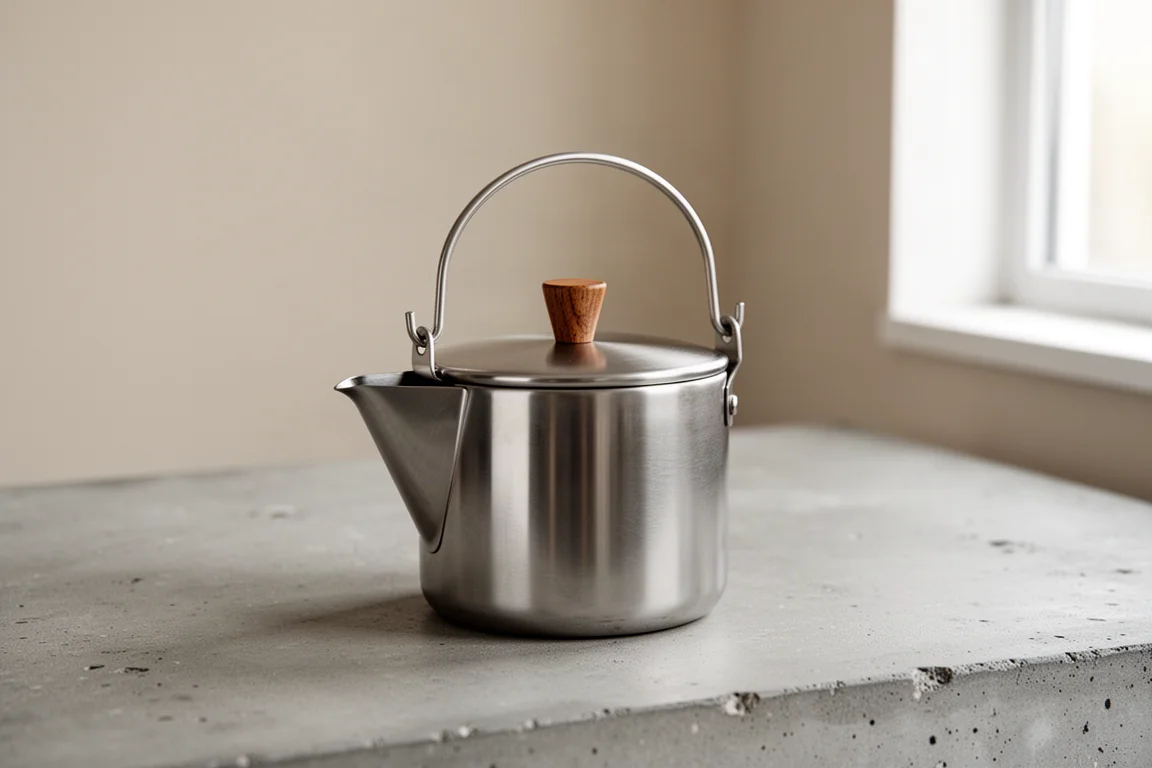
The 750ml pot from Evolved Supply Co is titanium with a pour spout, small side handles, a snug lid, and a removable bail for hanging over a fire or setting directly on coals. The lid has a small wooden handle that stays cool when the pot is full of hot water.
The details are what make it charming. The spout pours cleanly, the side handles let it double as a mug in theory, and the wooden lid handle is a genuinely nice touch. In practice, the spout and the bail placement make it less comfortable to drink from directly, so a separate mug makes more sense alongside it.
This is a pot for someone who hangs it over a fire or cooks on coals. If you only ever boil water on a stove, the bail is removable and the pot still works, but you are paying for a feature you will not use.
Overall Buying Advice
Sort these eight items by what they replace, not by how odd they look. The toothpaste tabs replace a tube. The repair kit replaces a loose assortment of tape and patches. The spork replaces a plastic utensil. Those are easy swaps. The ventilation frame, the pump, and the pour-spout pot are more situational, and each one depends on how you actually hike.

The pillow is the clearest case of weight and price not being the whole story. Half an ounce and two dollars is remarkable, but a pillow that will not stay under your head is not saving you anything.
If you are building a kit and want to test a strange idea without much risk, start with the least expensive items. If you are already comfortable and simply want to cut sweat or effort, the frame and the pump are the two that change how a trip feels.
Conclusion
The best thing about cottage gear is that it exists because someone had a specific problem and wanted it solved. Some of these items, the toothpaste tabs, the repair kit, and the spork, slide into a kit and stay there. Others, the pillow, the sandals, and the pot, are aimed at a narrower kind of backpacker, and that is fine.
Match the item to the problem you actually have, and the strange gear stops looking strange.
Further reading
Related Reviews
Ultralight Backpacking Gear
Seven Small Ultralight Brands Making Gear Worth Packing
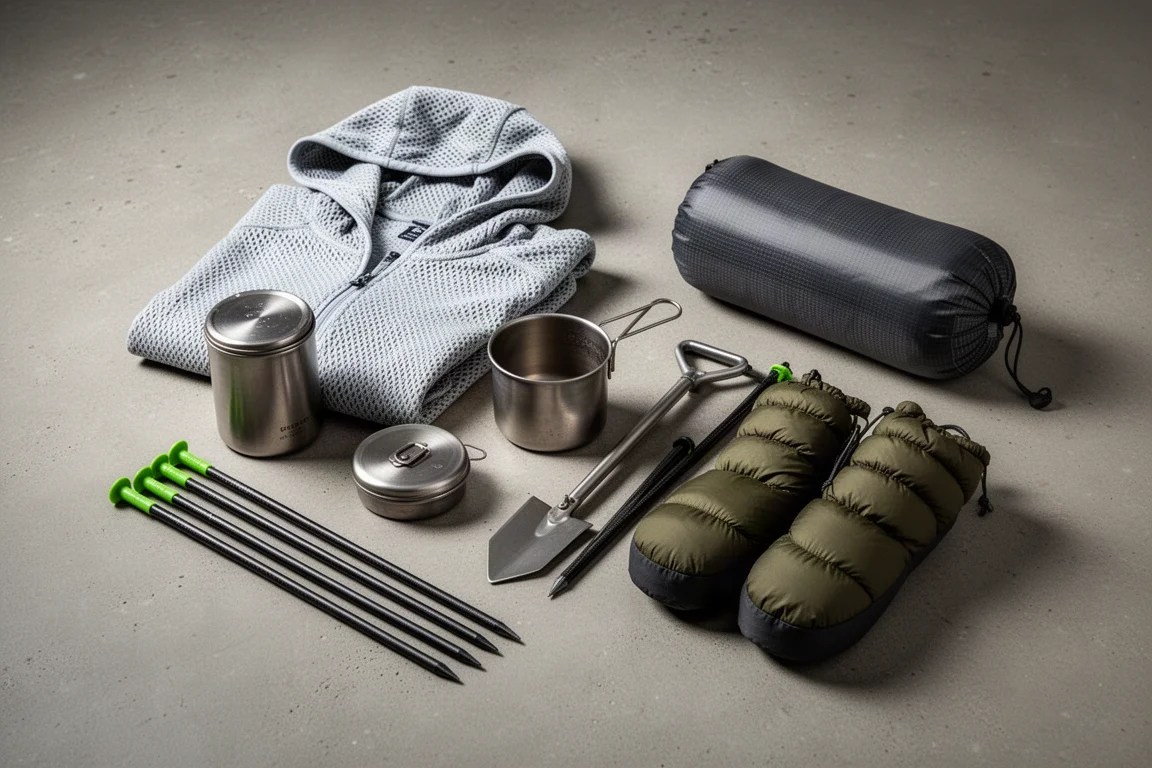
Seven cottage-made ultralight pieces, from a 4 oz fleece hoodie to carbon fiber stakes and Dyneema storage, and what each one is genuinely good for.
Ultralight Backpacking Gear
Ultralight Backpacking Gear: 12 Small Upgrades That Save Real Grams
A practical look at twelve tiny ultralight backpacking items, what each one replaces, and the trade-offs worth knowing before you buy.
Ultralight Backpacking Gear
Camp Worthy or Crap: Nine Ultralight Backpacking Gear Picks Worth a Look
Nine ultralight backpacking products, from a carbon fiber umbrella to 5 gram titanium stakes, with the real trade-offs behind each one.