Backpacking Gear
Ultralight Backpacking Gear: Six Standouts Worth Knowing
Six backpacking items that solve real trail problems, from a 2.5-ounce titanium pot to an 8.5 R-value sleeping pad, with the trade-offs to check before buying.
Introduction
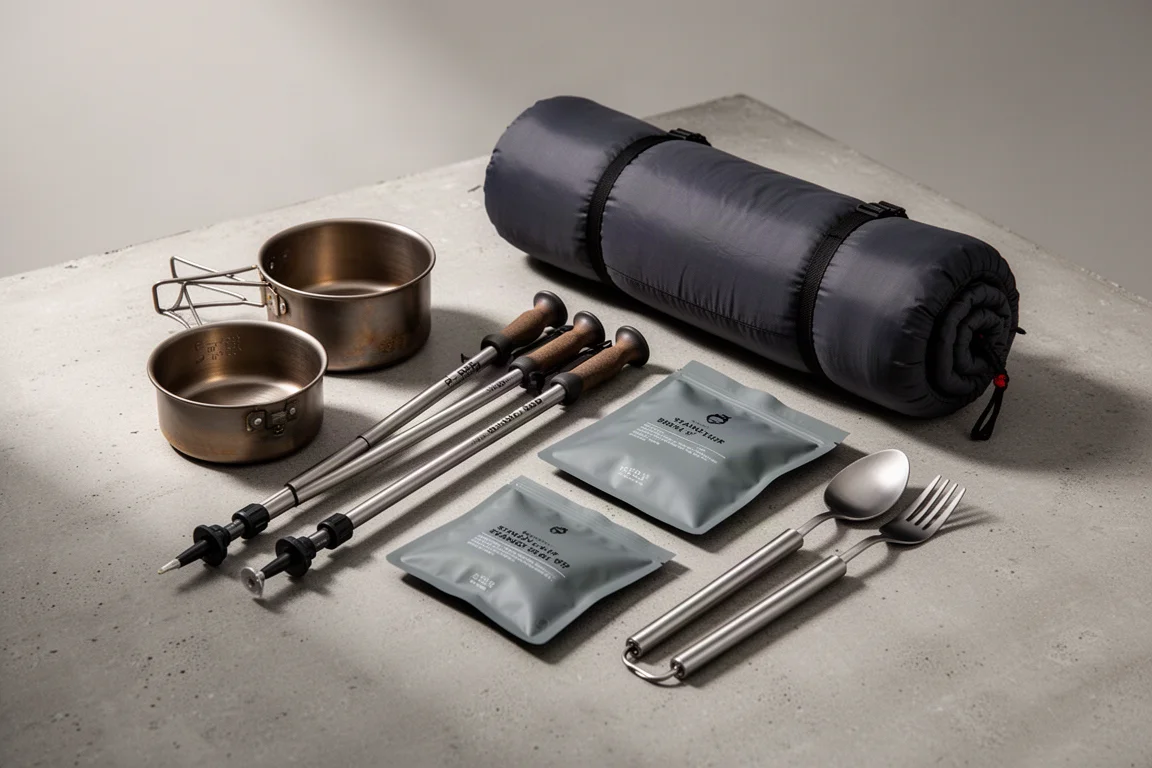
Choosing backpacking gear is mostly an exercise in small margins. A couple of ounces here, a slightly longer handle there, and a sleeping pad that holds more warmth under you on a cold night. The six items below stood out for solving a specific problem rather than adding a feature for its own sake.
Some are refinements of gear you already carry. Others take a genuinely different approach to a familiar job. All of them are worth understanding before your next trip.
What We Looked For
Weight still matters, but it is not the only measure. A pot that saves an ounce while forcing you to carry a separate grabber is a different proposition from one that simply works out of the box. The emphasis here is on the combination of weight, materials, durability, and how each item behaves inside a normal trail routine.
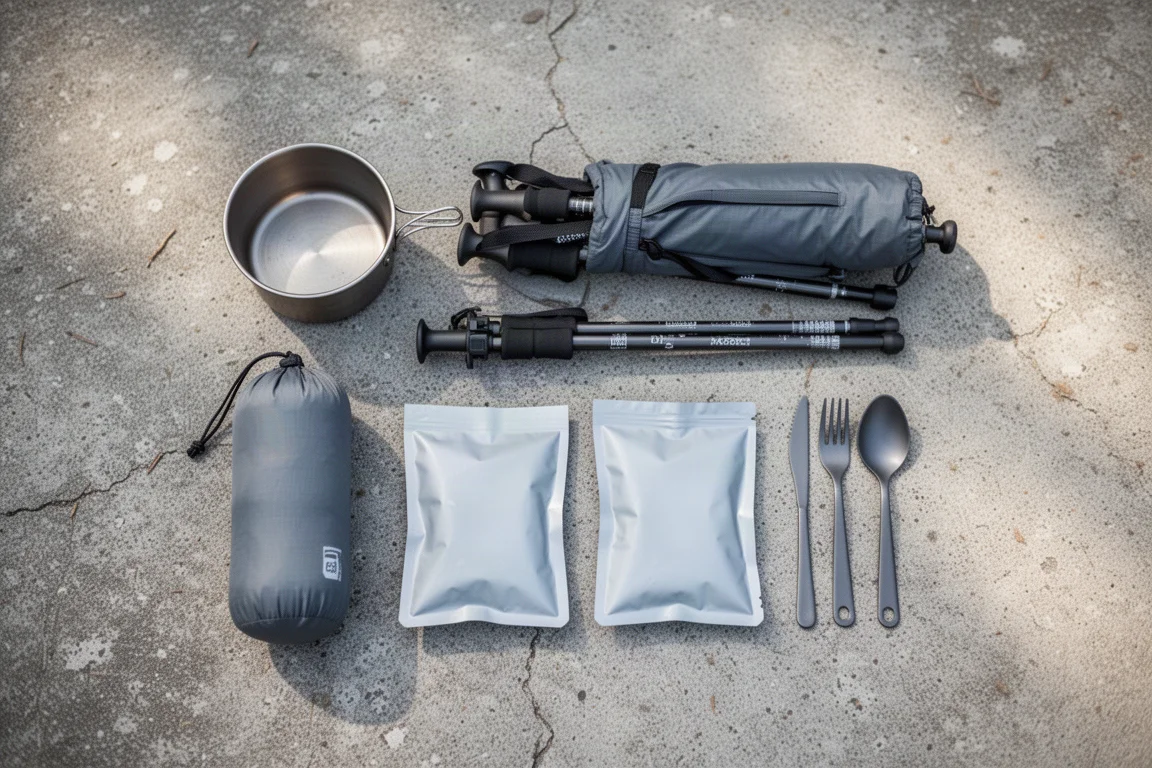
Materials matter too. Titanium, aluminium, and carbon fibre each trade weight against strength in different ways, and the right answer depends on whether you are counting grams on a long distance route or want gear that survives years of weekend use. Price is the final filter: a useful upgrade is easier to justify when the cost lines up with the benefit.
Soto 750ml Titanium Pot
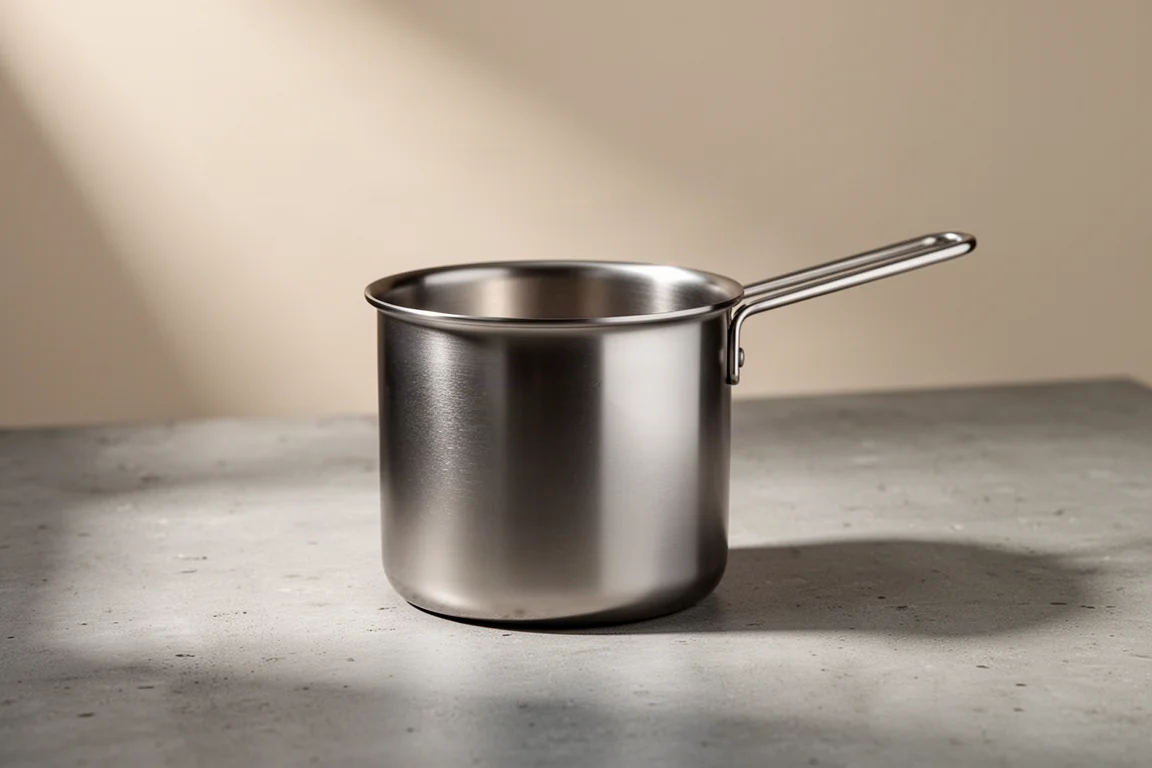
Soto’s 750 ml titanium pot takes a different route to saving weight: it makes the walls thinner. At 0.3 mm, the pot weighs about 2.5 ounces, against roughly 3.6 ounces for a typical titanium pot of the same capacity.
The other change is the absence of handles. That keeps the body smooth and slightly lighter, but it means you need a separate pot grabber, which adds about 18 grams, or roughly half an ounce. Even so, the setup comes out ahead on weight, and the smooth profile packs more easily alongside other items. It is listed at $41.95.
Jetboil Telescoping Spoon and Fork Set
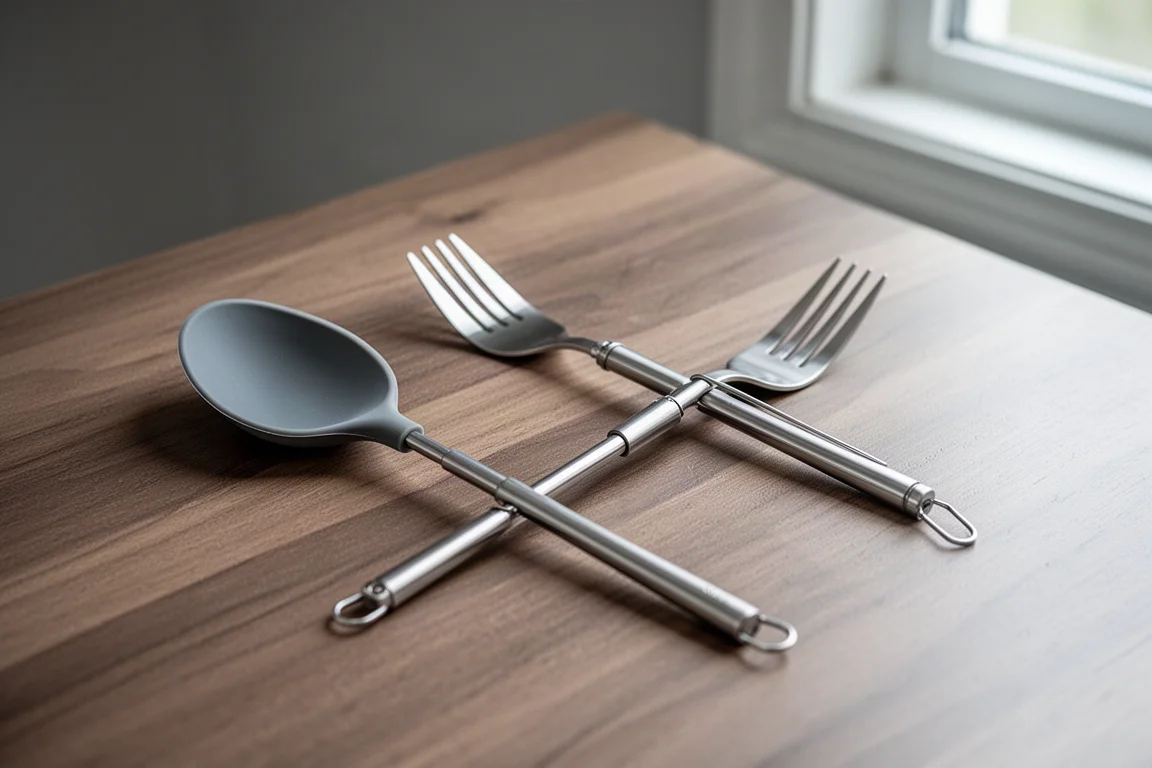
Long-handled forks are surprisingly hard to find, and that is the gap this Jetboil set fills. Both the spoon and the fork telescope out for reaching into deep pots and pouches, and the spoon carries small silicone edges for scraping the inside of a pot without scratching the metal.
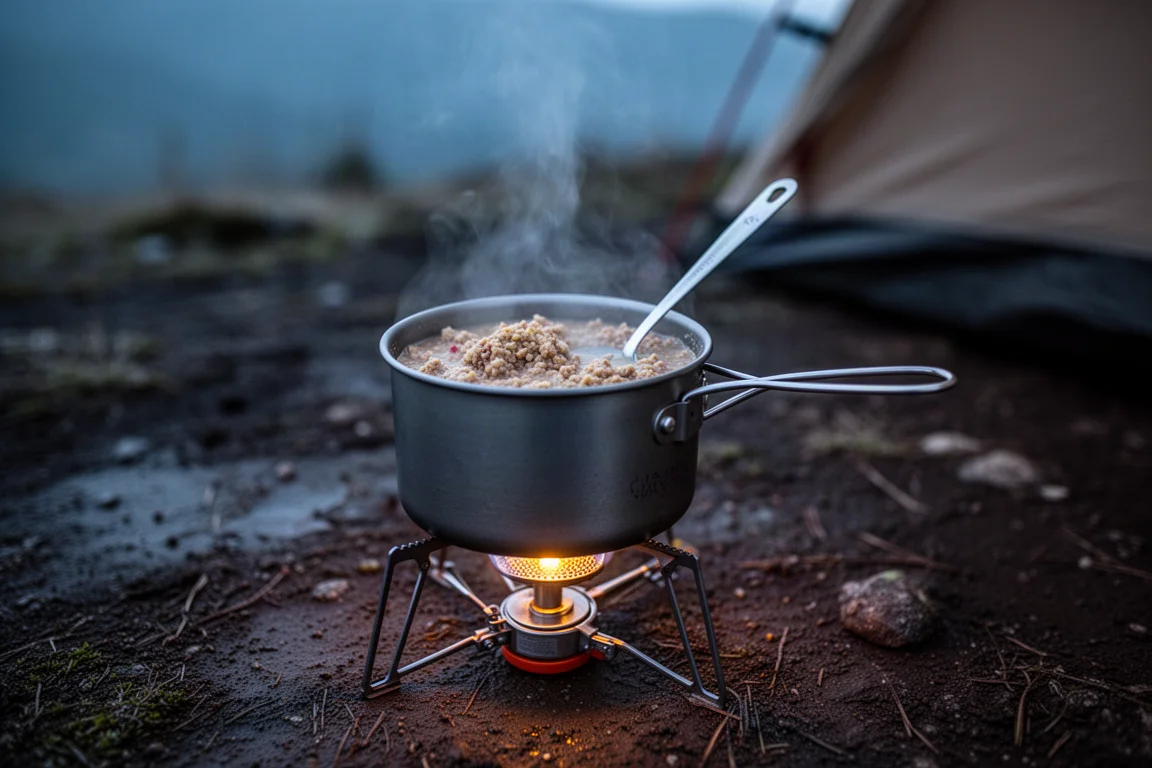
That combination is what makes the set more interesting than the usual short camp spork. If you eat straight from the pot, the extra reach and the scraping edge are the two features you will notice most. The spoon is $9.99, and the full set is $14.99.
Nikwax High Power Deodorizing Wash
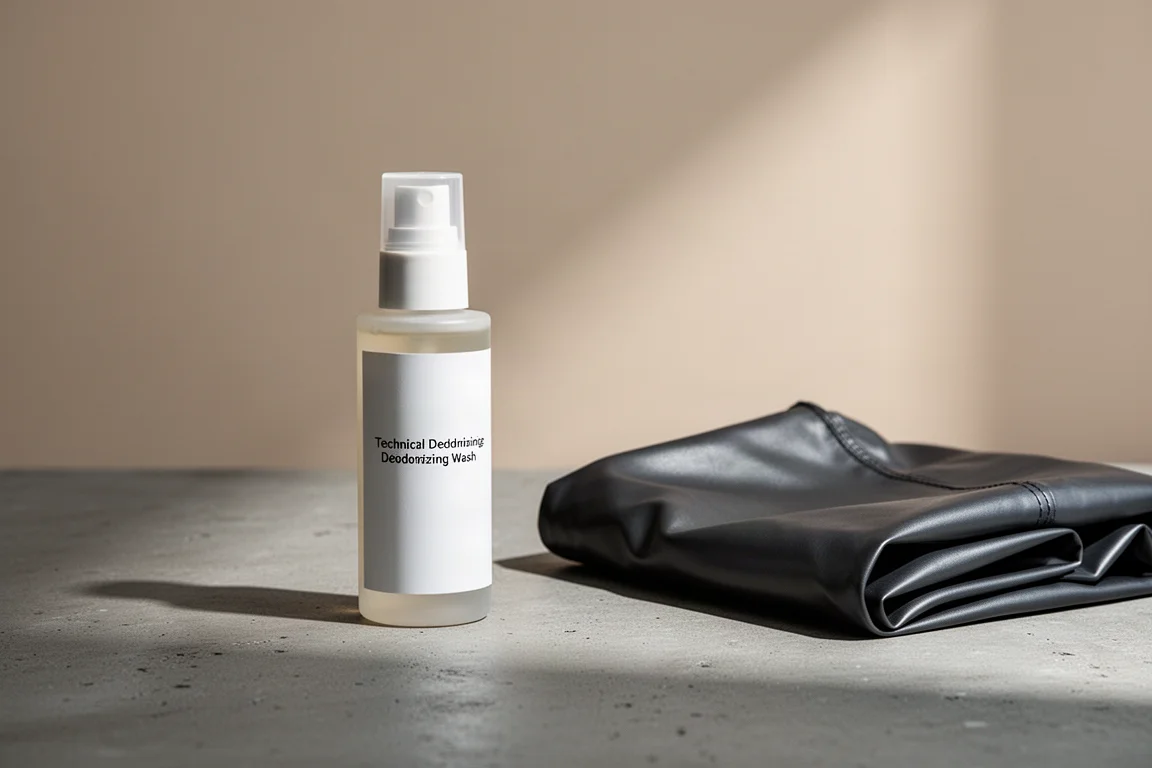
Synthetic fabrics handle moisture and abrasion well, which is why they dominate trail clothing, but they also hold on to odor. Nikwax’s high power deodorizing wash is built around that trade-off: it cleans technical garments the way you would expect, then adds a protective layer that works against odor building up in the fabric.
The practical benefit is straightforward. Wash your layers regularly with it and the odor barrier has a chance to do its job, which is a small thing that makes a noticeable difference on multi-day trips.
Komperdell Titanium Trekking Poles
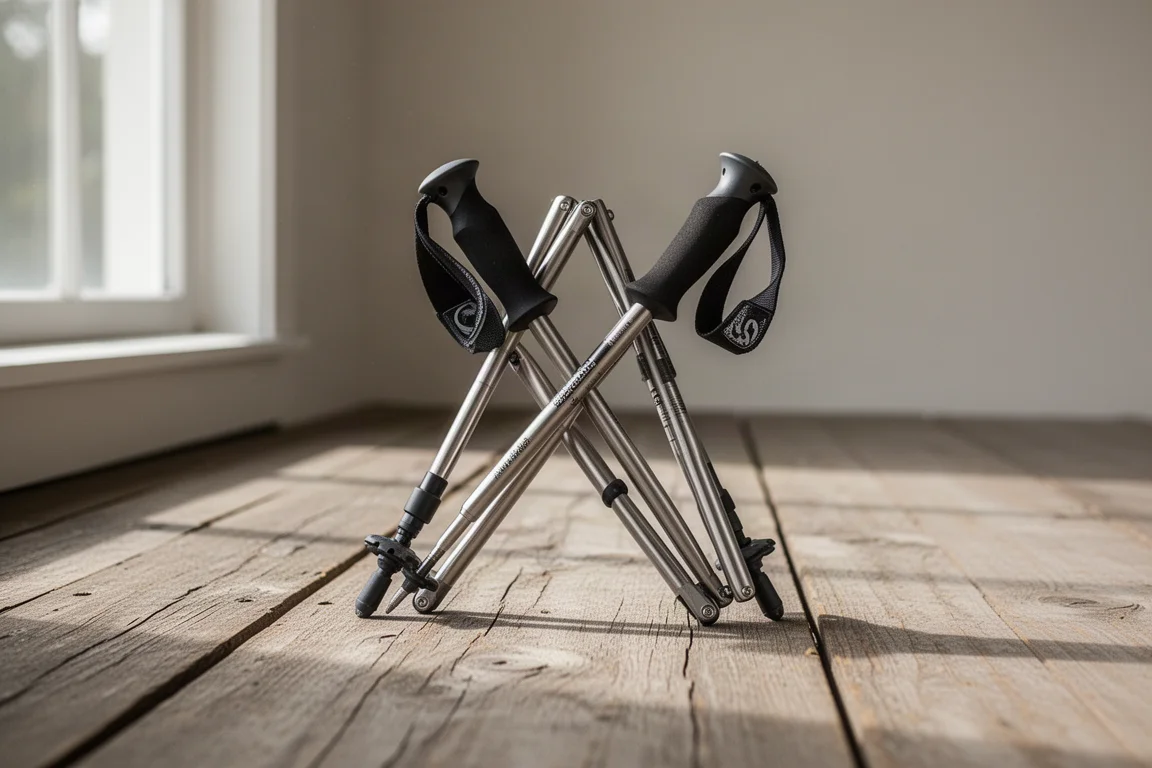
Titanium sits in an interesting place for trekking poles. It is lighter than aluminium and, in this application, described as stronger than carbon fibre, which is why Komperdell uses it to bridge the gap between low weight and durability.
The poles come in fixed-height and adjustable versions, and both use a Z-folding design that packs down small when stowed. The adjustable poles weigh about nine ounces each, while the fixed-height version starts around seven ounces. Against standard aluminium poles, that works out to roughly six ounces saved per pair.
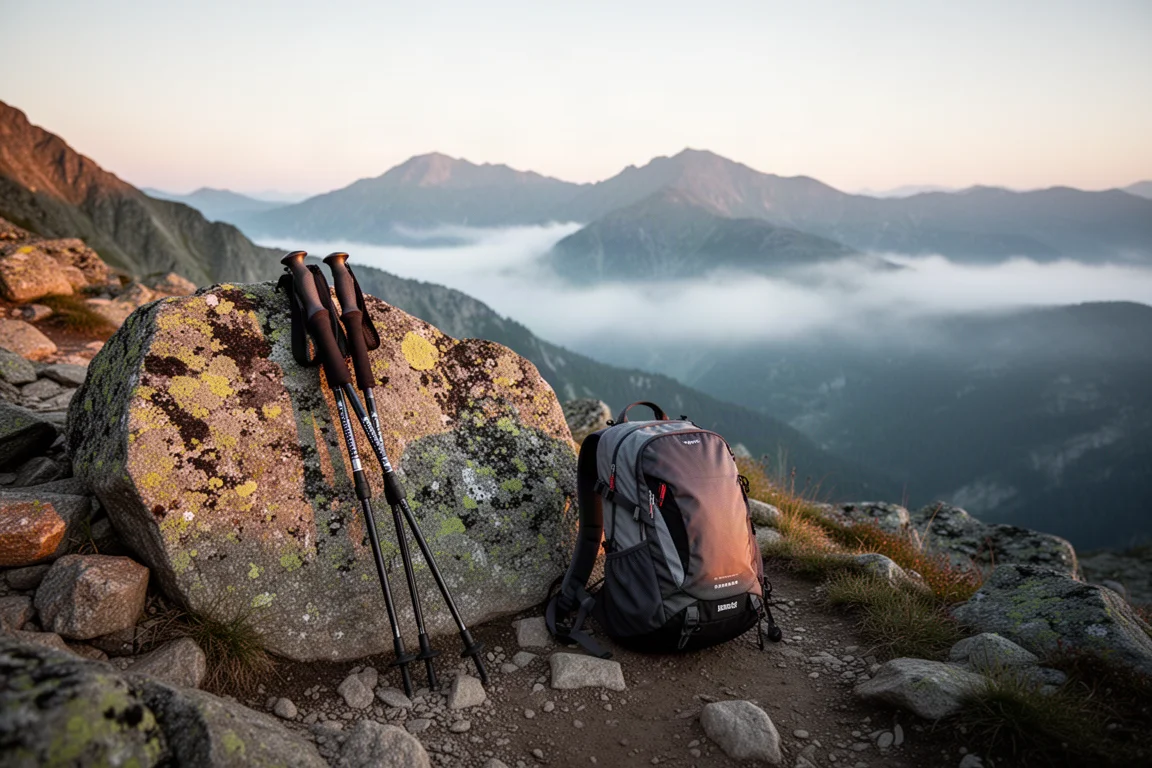
For hikers who fold their poles away often, the compact Z-fold is the feature that matters most, while the fixed-height version is the lighter option for anyone who never changes length. Expect pricing around $160 to $170.
ReadyWise Pro Meals
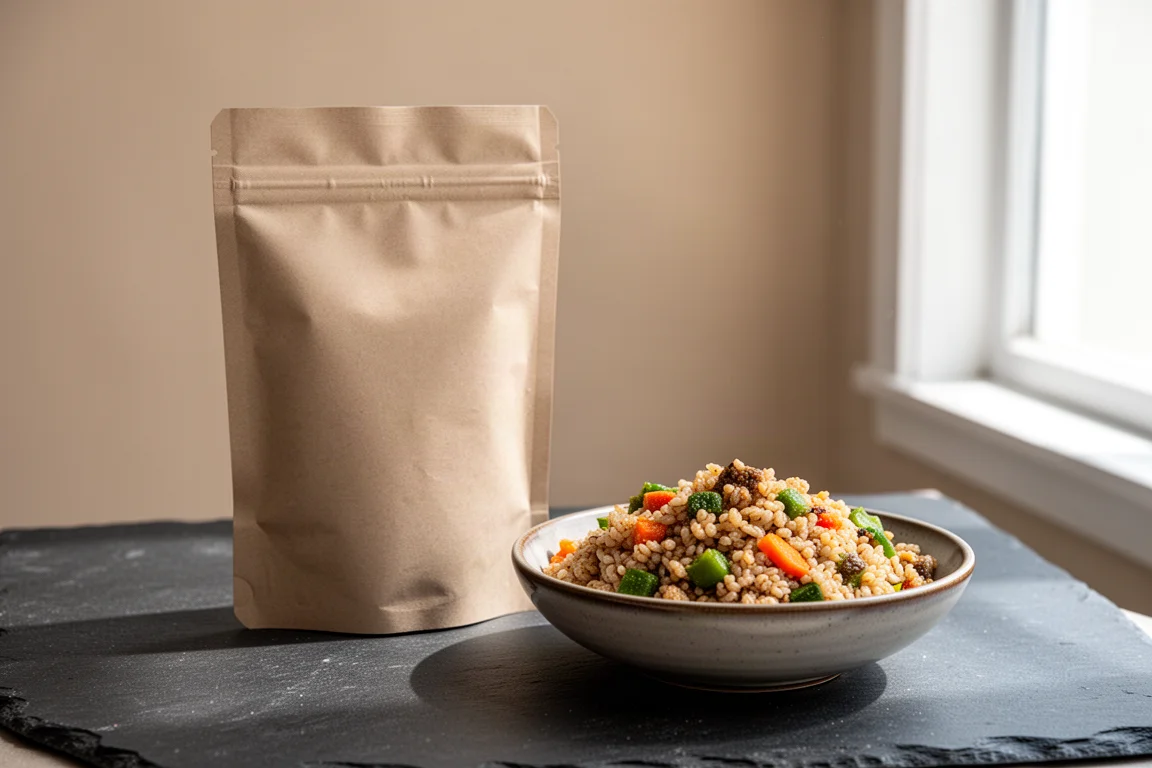
Freeze-dried meals rarely inspire much enthusiasm, but the Pro line from ReadyWise is trying something different in how the food is made. Each recipe was developed with a different accomplished athlete as well as trail conservation organisations, and the meals are fully assembled and cooked with all ingredients together before they are freeze-dried.
That detail matters more than it sounds. Cooking everything as one dish lets the flavours meld before drying rather than being combined at the end, which is the main thing that sets these meals apart from a standard pouch.
Nemo Tensor Extreme
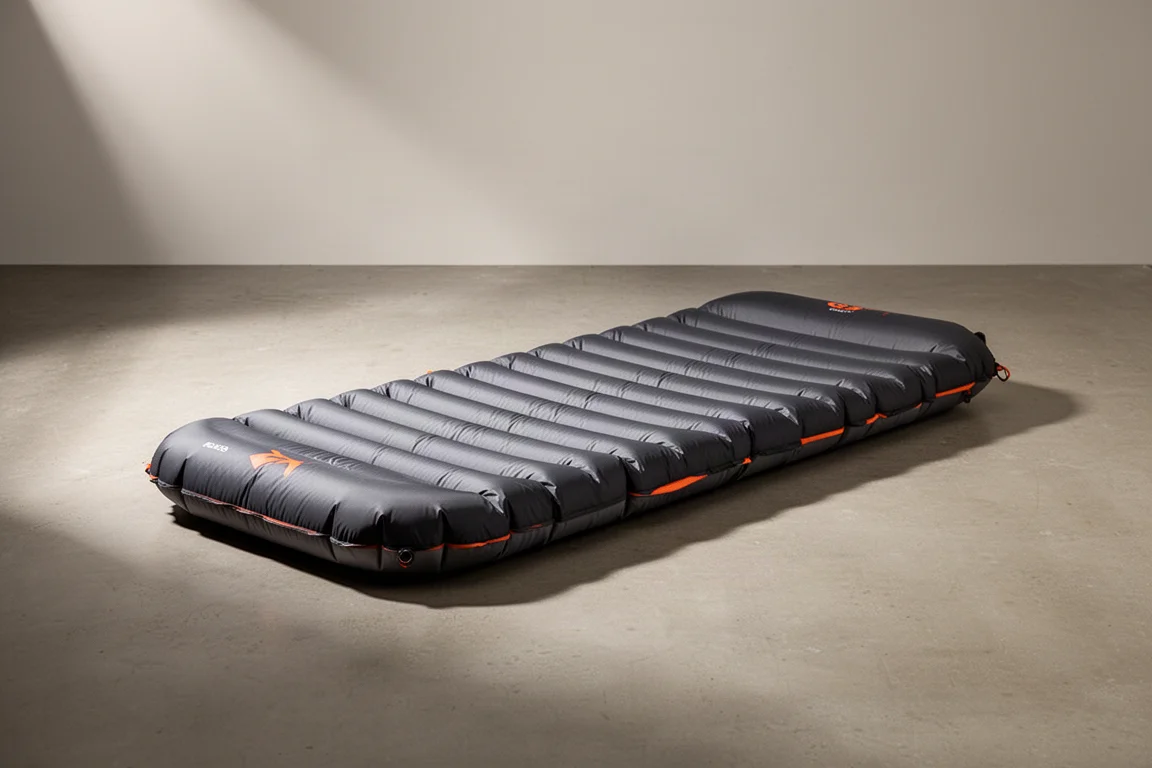
Insulation is where sleeping pads separate from one another. The Nemo Tensor Extreme carries an R-value of 8.5, which puts it in the top tier for cold-weather camping, and Nemo claims it is nearly two ounces lighter than the Therm-a-Rest XTherm.
If it follows the same design approach as the standard Tensor pads, comfort should carry over as well, which is the combination that has been missing at the highest-insulation end of the market. Weight and insulation figures come from the manufacturer.
Buying Advice
Work out what you actually need before spending. If you are counting grams over long distances, the Soto pot and the Komperdell poles deliver measurable savings. If sleeping warm is the priority, the Nemo Tensor Extreme’s 8.5 R-value is the number that matters most.
The smaller items are easier calls. The Jetboil cutlery set and the Nikwax wash cost little and solve everyday annoyances, while the ReadyWise meals are worth trying if you want trail food that eats like a cooked dish rather than an assembly of separate parts.
Conclusion
Six items, one theme: the useful upgrades are the ones that solve a specific problem. Thinner titanium walls for weight, a longer handle for eating from a pot, an odor-resistant wash for synthetic layers, titanium poles that balance low weight with strength, meals cooked as complete dishes, and a high-R-value pad that does not demand a weight penalty in return.
Match the item to the trip you actually take, and each of these earns its place in a pack.
Further reading
Related Reviews

Backpacking Gear
Building a 10 lb Base Weight: An Ultralight Backpacking Gear List
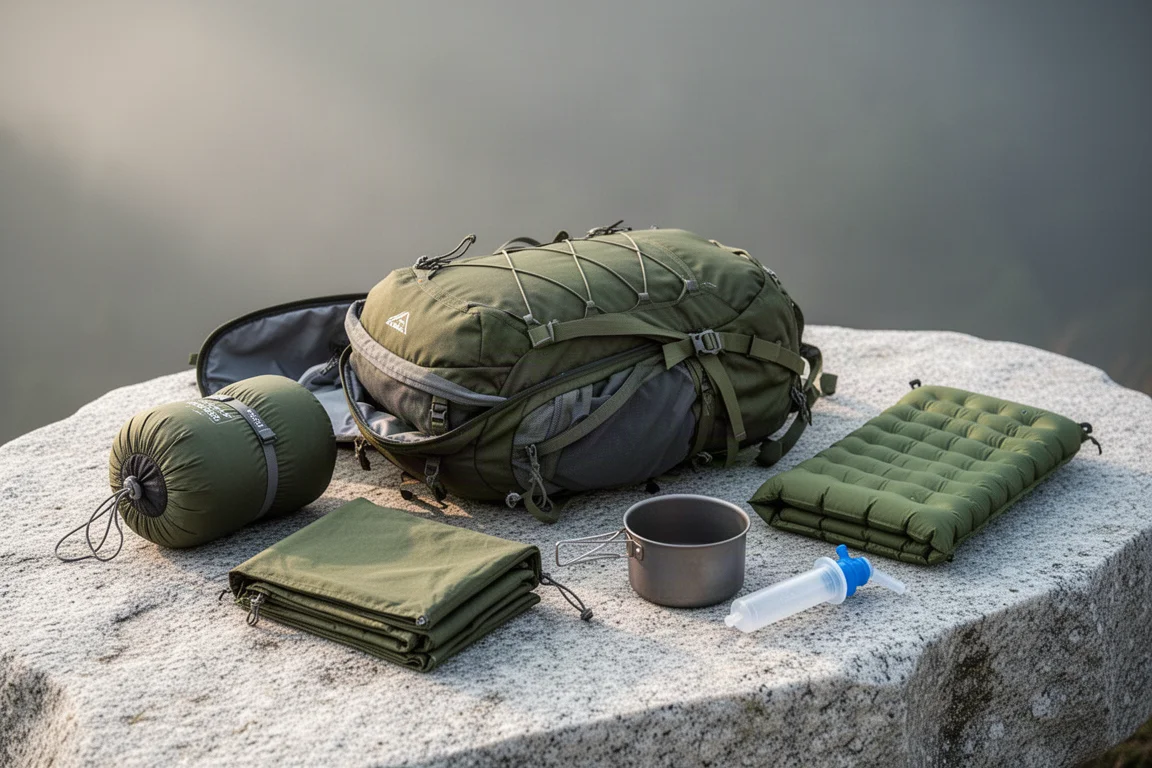
A practical walkthrough of the ultralight pieces behind a 10 lb base weight, from a 765 g pack and a roomy one-person tent to a full camp chair and a dependable water filter.
Backpacking Gear
A 15-Pound Lightweight Backpacking Gear List for Solo Trips
A beginner-friendly 15-pound backpacking setup built from easy-to-find gear, with notes on what each piece does, how it packs, and where to spend your attention.
Backpacking Gear
8 Ultralight Backpacking Gear Upgrades Worth Carrying
Eight small, affordable backpacking upgrades that solve real trail annoyances, from a pillow that stays put to a fuel valve that rescues leftover canister gas.