Backpacking Gear
Ultralight Backpacking Gear: 4 Shelter and Gaiter Picks Worth Weighing
A practical look at two trekking pole shelters, one freestanding tent, and a pair of lightweight gaiters for hikers who want to cut pack weight.
Introduction
Weight is rarely saved by one dramatic swap. It comes from a series of small decisions, and shelter is usually where the biggest ones live, because tent poles and fabric take up a meaningful share of what goes into a pack.
The four items below cover the main shelter philosophies plus one small accessory that matters more than its size suggests: two trekking pole shelters, a well-known freestanding tent, and a pair of lightweight gaiters. Each one earns its place on a different kind of route.
How These Picks Were Evaluated
Three things decide whether a piece of ultralight gear is worth carrying: how much weight it removes from the pack, how much effort it demands at camp, and how well it behaves in the conditions you actually hike in.
Setup effort matters more than it looks on paper. A shelter that takes two minutes longer to pitch is trivial on a sunny afternoon and far less trivial in wind, rain, or fading light.
Conditions and campsite rules matter too. Some sites require pitching on wooden platforms, which changes what a shelter has to do. Others are exposed and windy enough that rigidity becomes the priority.
Value counts as well. A shelter or accessory only makes sense if the weight it saves, or the comfort it adds, is worth the money and the pack space it takes up.
Big Agnes Fly Creek UL2: The Freestanding Reference
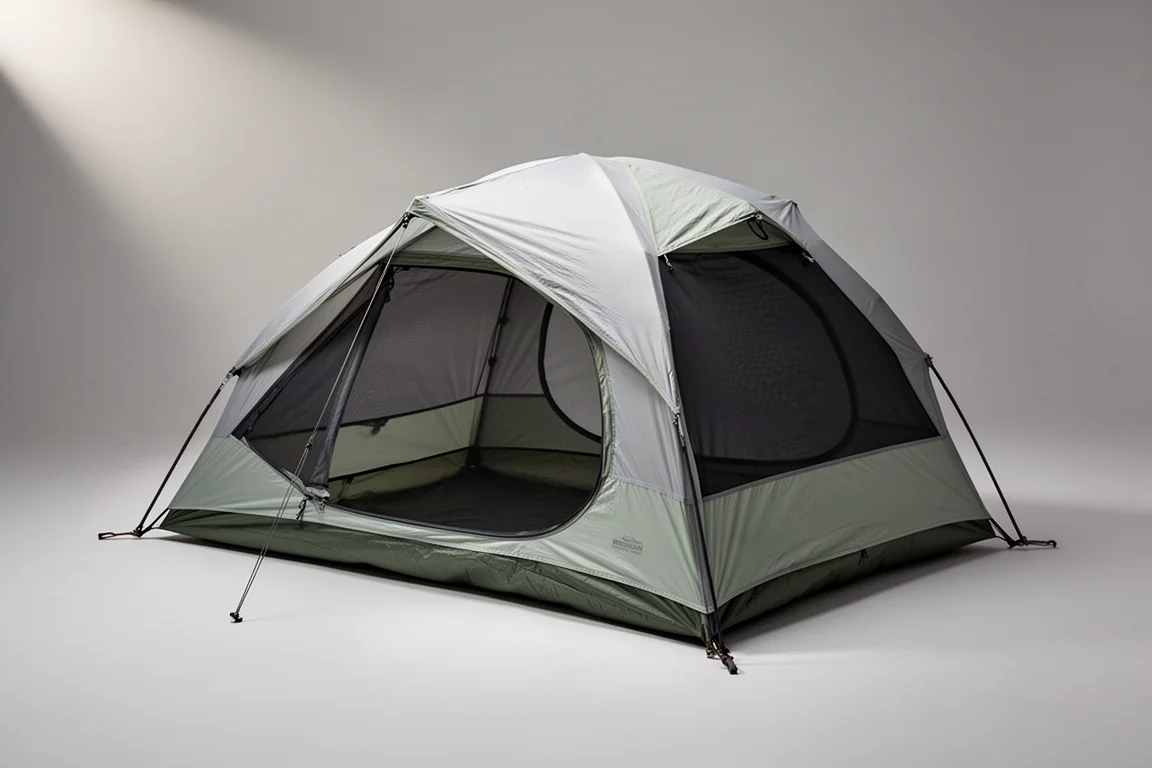
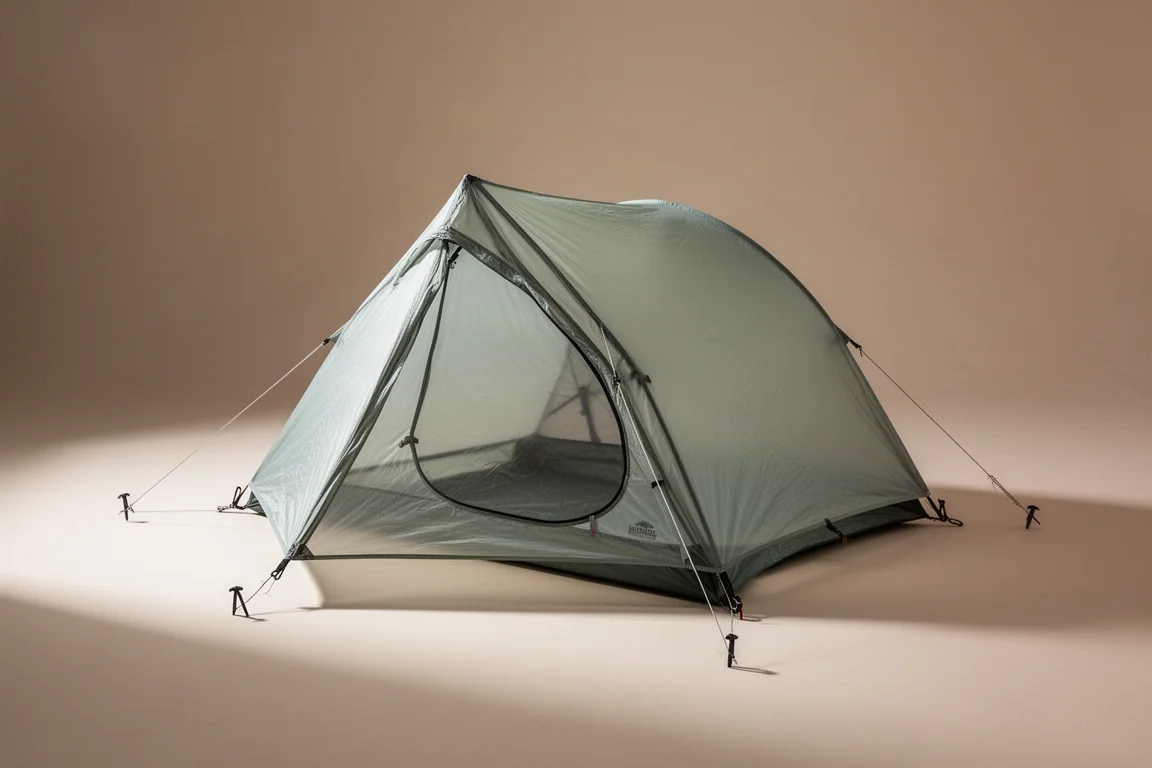
The Fly Creek UL2 is a freestanding tent, which means it stands on its own poles rather than depending on trekking poles for structure. When it arrived on the market it was among the lightest tents available, and it built a reputation as a genuinely good shelter rather than a weight-saving compromise.
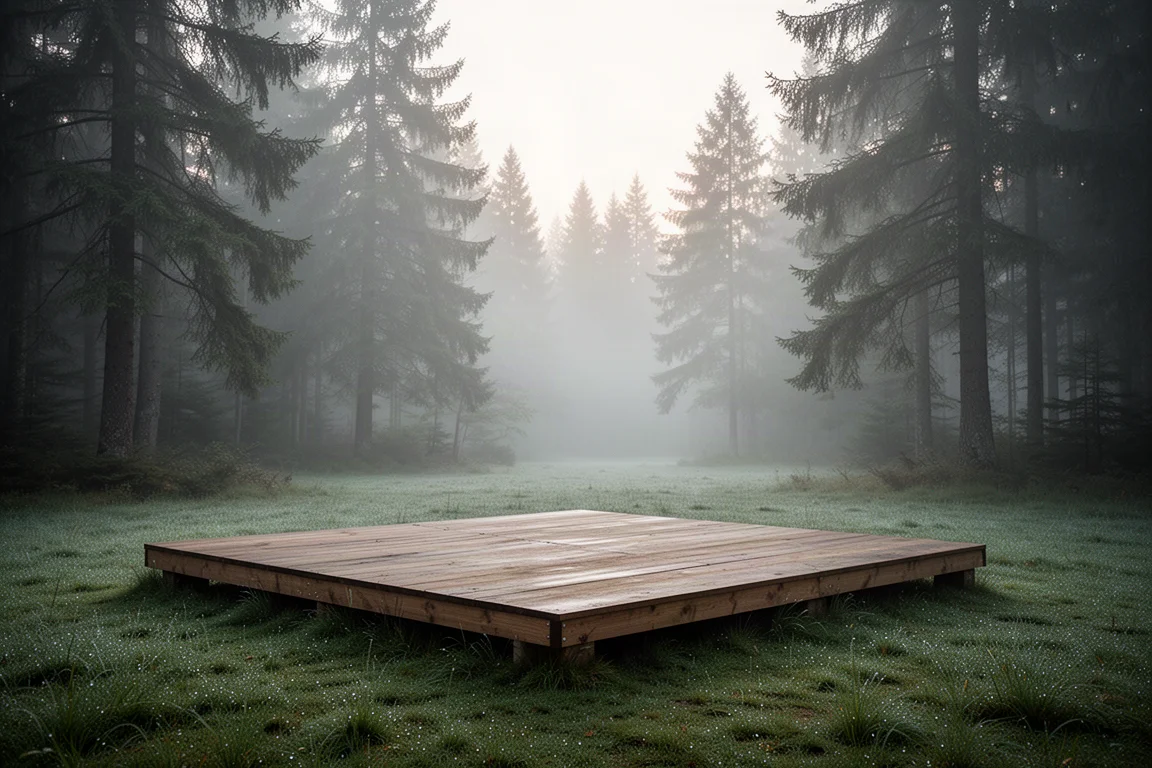
Freestanding tents are easier to live with in a few specific ways. They go up quickly, they can be lifted and repositioned after pitching, and they hold their shape well in strong wind and rough weather. On campsites that require pitching on a wooden platform, a freestanding design is often the simplest answer.
The trade-off is the poles. They account for a meaningful share of a tent’s total weight, and while lightweight freestanding tents exist, they will not match most trekking pole shelters on the scale. That is the calculation to make before buying: rigidity and convenience in exchange for a few extra ounces.
Gossamer Gear The One: A Lightweight Trekking Pole Shelter
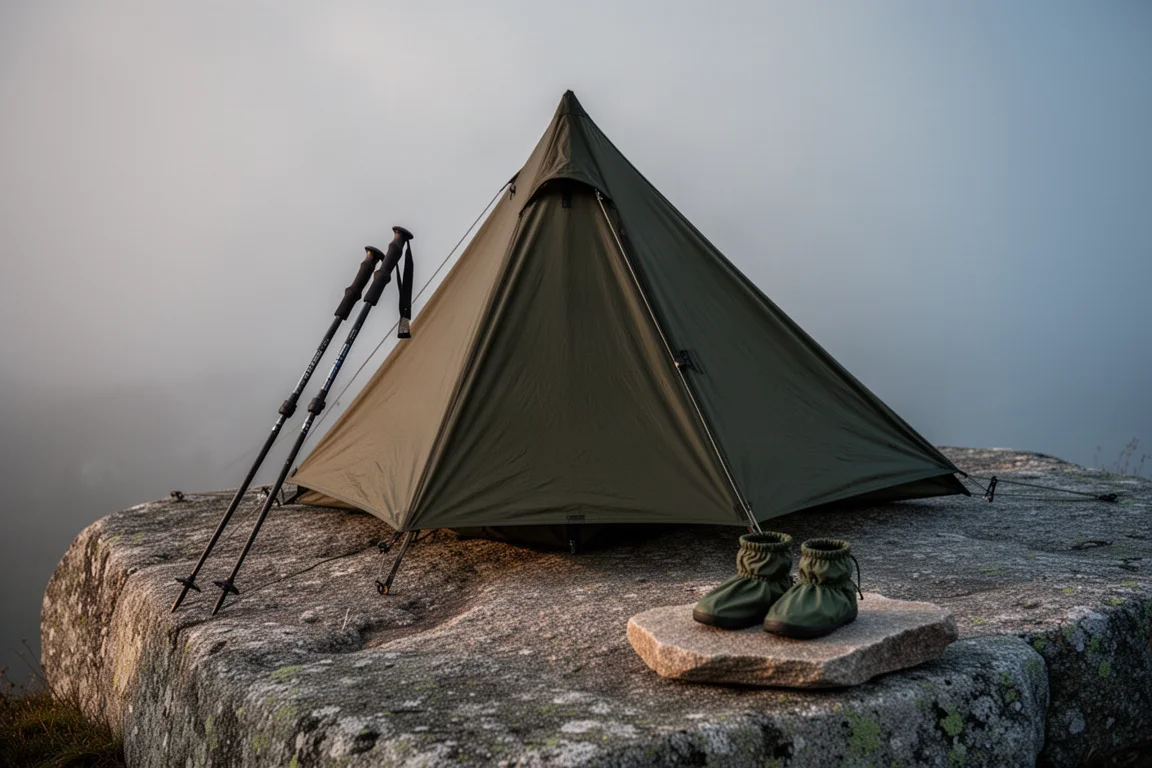
The One is a trekking pole shelter, so the hiking poles you are already carrying become its structure. That is where the weight savings come from, and it is the main reason this style of shelter has become so common on long-distance trails.
Switching to a trekking pole shelter takes a small adjustment. Pitching demands more attention than dropping a freestanding tent on the ground and slotting in its poles, and the first impression is often that the shelter will not feel rigid enough in weather. That concern tends to fade once the pitch is dialled in and the guylines are tensioned properly.
For hikers who already walk with trekking poles, the appeal is straightforward: the same equipment that supports you on the climbs holds up your shelter at night.
Zpacks Plex Solo: A Minimal Solo Trekking Pole Shelter
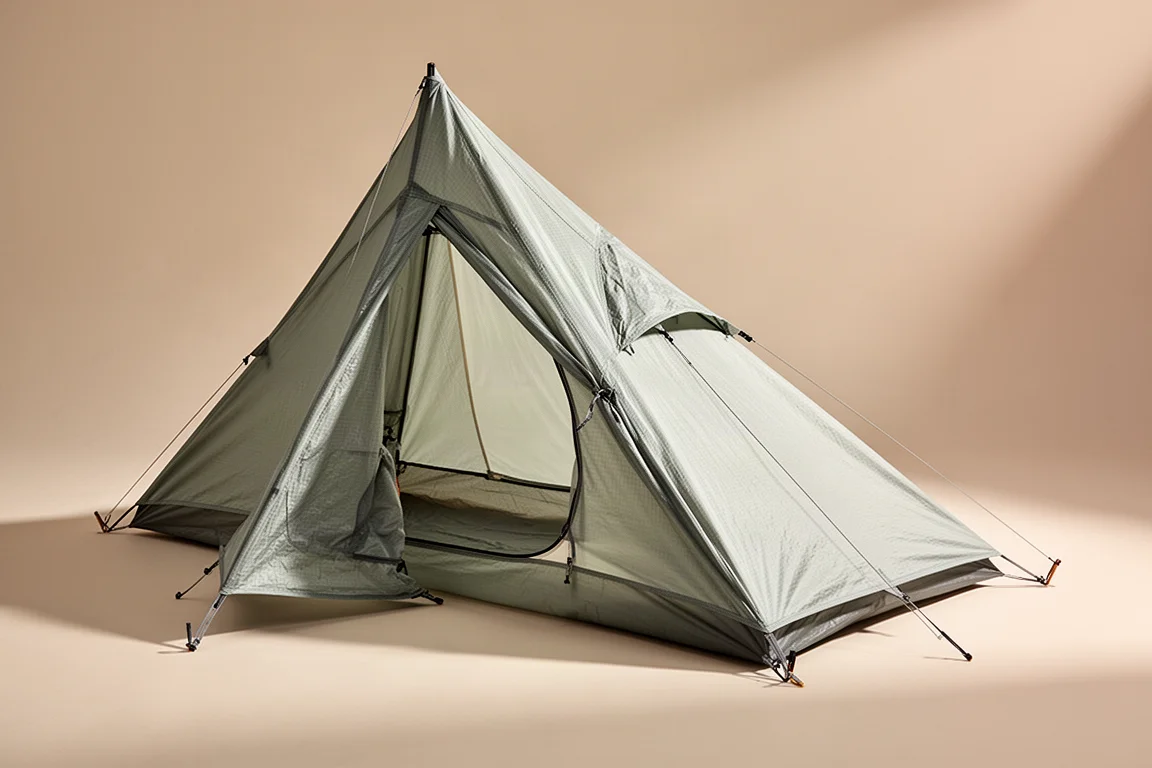
The Plex Solo belongs to the same family of shelters as The One: a trekking pole pitch with no conventional tent poles to carry. It is the shelter that came after, chosen by a hiker who had already covered a long stretch of a thru-hike under a trekking pole design and wanted to stay in that category.
The appeal of this kind of shelter is the simplicity of the kit. One trekking pole, a few stakes, and a tensioned fabric body replace an entire pole set. The trade-off is that pitching well takes practice, and the shelter depends on having trekking poles with you in the first place.
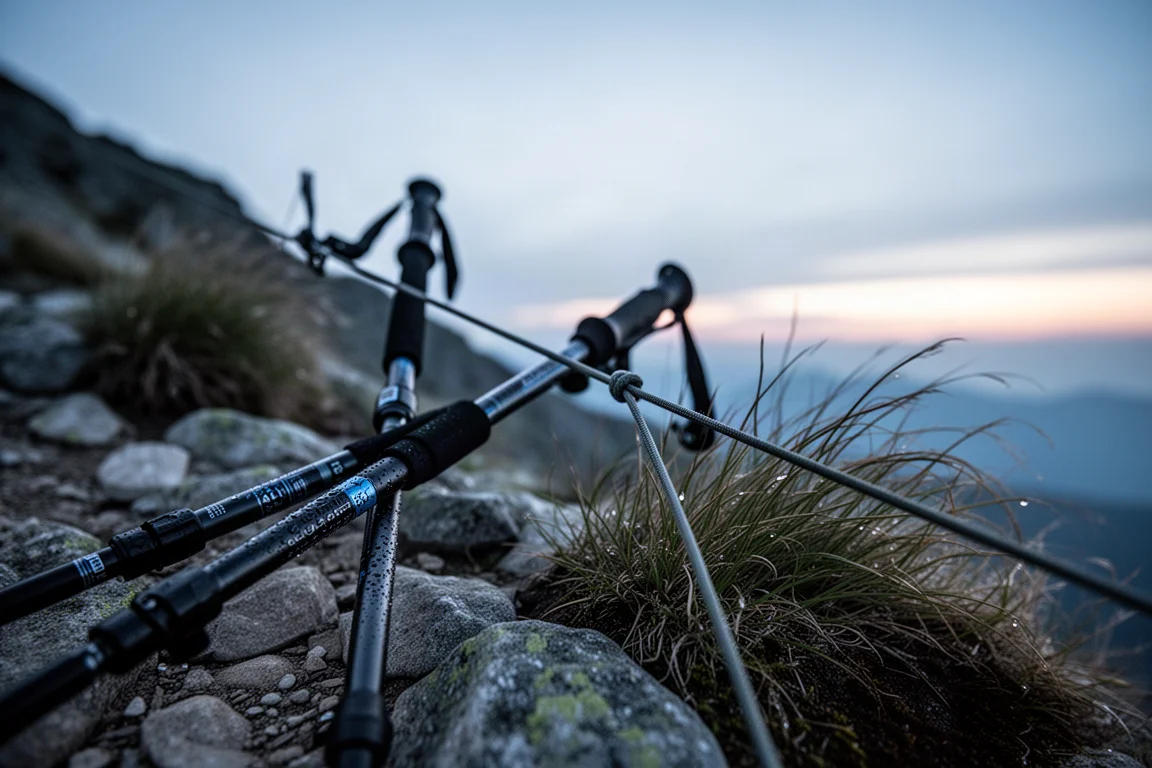
For solo hikers who want the lightest possible setup and are willing to spend a couple of extra minutes on the pitch, this is the category to look at. If you camp in exposed, storm-prone places, a freestanding tent remains the safer bet.
Dirty Girl Gaiters: Simple Protection for Sandy Routes
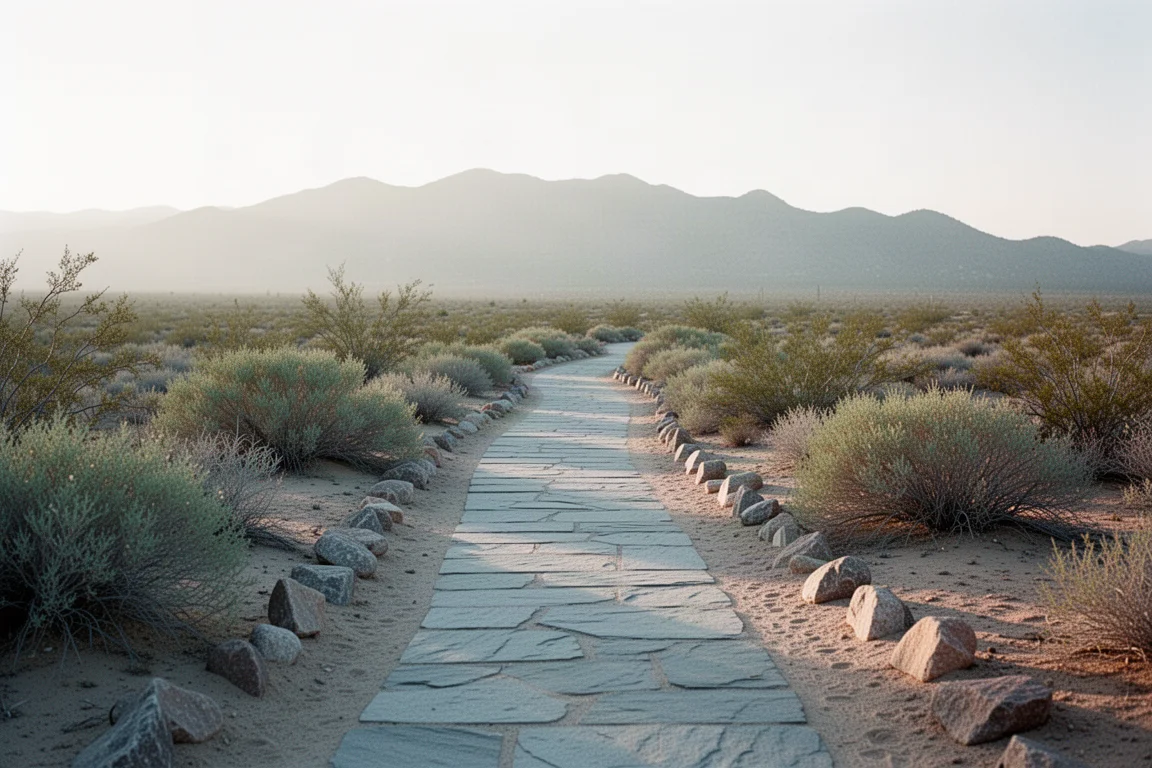
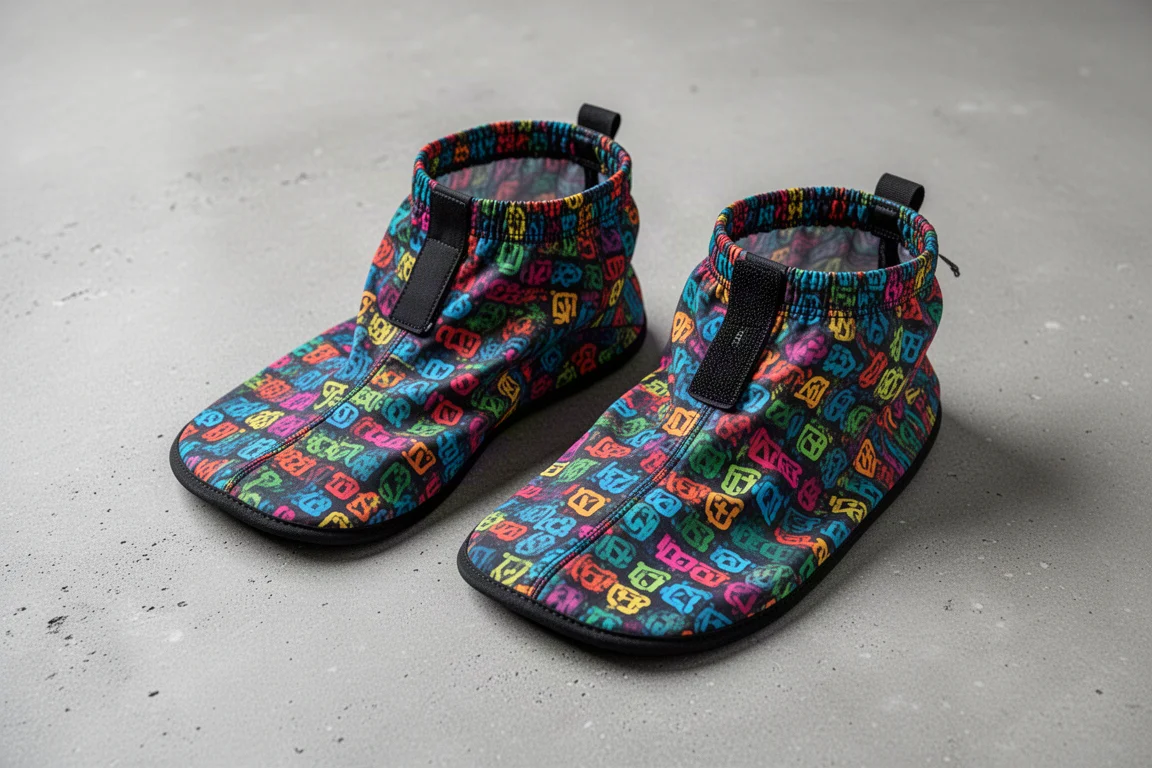
Gaiters are the smallest item on this list and the one with the clearest single use case. On sandy desert sections, debris works its way into shoes constantly, and a short gaiter over the ankle collar stops most of it before it becomes a daily annoyance.
Away from sand and dust, the benefit drops off sharply. On forested trails with soft ground there is little for a gaiter to catch, and many hikers leave them at home for those stretches.
Dirty Girl Gaiters are an inexpensive option in this category and a common sight on desert sections. Hikers who use them report that they do a good job of keeping debris out of shoes, and the low price makes them easy to try without much commitment.
Buying Advice: Matching Shelter and Gaiters to Your Route
Start with the conditions you expect rather than the spec sheet. If your route includes exposed ridgelines, storm-prone campsites, or campgrounds that require pitching on wooden platforms, a freestanding tent such as the Fly Creek UL2 removes a lot of uncertainty from the evening.
If you already hike with trekking poles and your priority is pack weight, a trekking pole shelter is the more efficient choice. The One and the Plex Solo both work on the same principle: your poles do the structural work, so you carry less metal as a result.
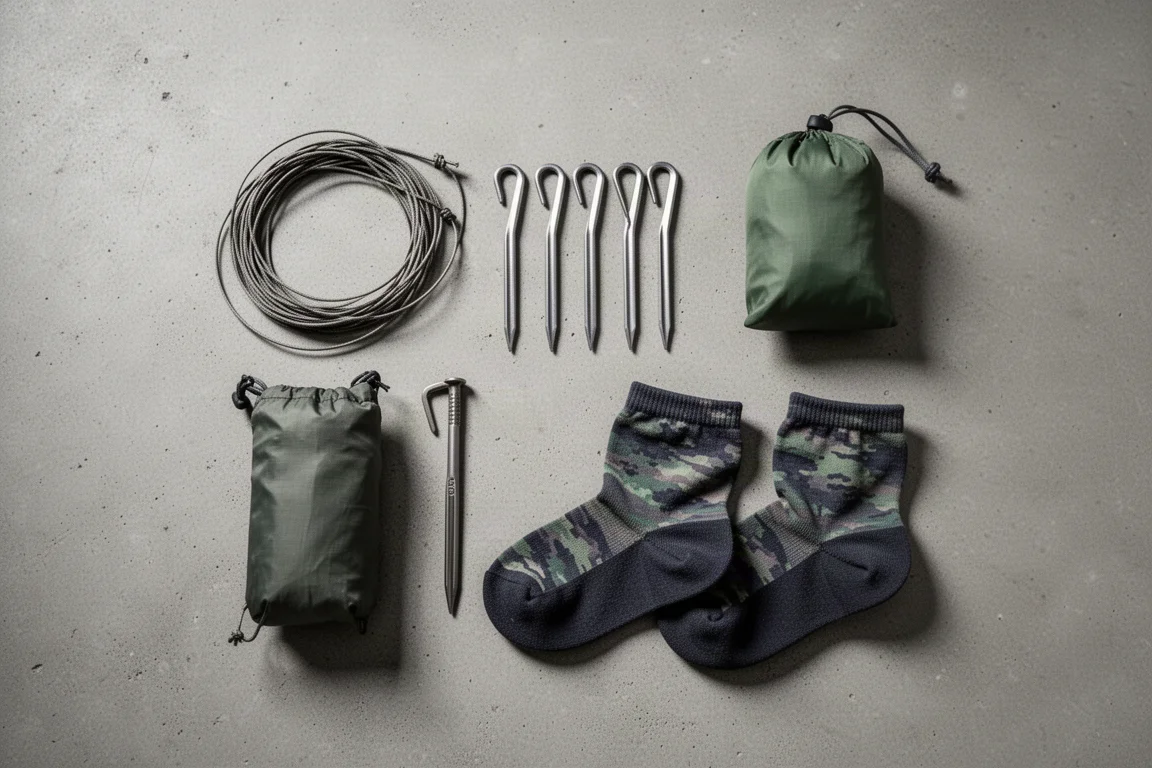
Gaiters sit outside that decision entirely. They are worth packing for desert and sandy sections and rarely worth the space anywhere else, so treat them as route-specific gear rather than a permanent part of the kit.
Whatever you choose, test it on a short trip first. Pitch the shelter in a garden or a local park, wear the gaiters on a dusty day hike, and see how the setup feels before committing to it for a long trail.
Conclusion
Ultralight gear is personal, and there is no single correct answer. A freestanding tent like the Big Agnes Fly Creek UL2 makes sense when stability and easy pitching matter most. The Gossamer Gear The One and the Zpacks Plex Solo make sense when weight is the priority and trekking poles are already in your hands. Dirty Girl Gaiters make sense on sand and rarely anywhere else. Match the gear to the route, and the weight savings follow naturally.
Further reading
Related Reviews

Backpacking Gear
Building a 10 lb Base Weight: An Ultralight Backpacking Gear List
A practical walkthrough of the ultralight pieces behind a 10 lb base weight, from a 765 g pack and a roomy one-person tent to a full camp chair and a dependable water filter.

Backpacking Gear
A 15-Pound Lightweight Backpacking Gear List for Solo Trips
A beginner-friendly 15-pound backpacking setup built from easy-to-find gear, with notes on what each piece does, how it packs, and where to spend your attention.

Backpacking Gear
8 Ultralight Backpacking Gear Upgrades Worth Carrying
Eight small, affordable backpacking upgrades that solve real trail annoyances, from a pillow that stays put to a fuel valve that rescues leftover canister gas.