Backpacking Gear
Ultralight Backpacking Gear Roundup: Seven Pieces That Handled Wind, Rain, and Cold
Seven pieces of backpacking gear put through cold, wind, and rain, with the strengths and trade-offs worth knowing before you buy.
Introduction
The trail follows the edge of Lake Superior at Pictured Rocks in northern Michigan, where cliffs rise 100 to 200 feet above the water and the path sometimes runs right along the rim. Temperatures sat in the 30s, wind pushed toward 50 mph, and rain arrived in waves. It froze overnight.
For a group of hikers on their first backpacking trip, that is a rough introduction. For gear, it is close to an ideal test. Every item below was used for the first time on that trip, and none of it failed. The range is wide: a roughly $90 down jacket sits alongside a $475 ultralight layer and a dyneema shelter that has become one of the most discussed tents in ultralight circles.
What follows is a practical look at each piece, what it does well, and the trade-offs worth knowing before you spend.
What to Look For in Ultralight Backpacking Gear
Packed weight gets most of the attention, and it matters, but it is rarely the only number that decides whether a piece of gear works for you.
Start with packed size. A shelter or sleeping bag that compresses small fits into a pack more easily and leaves room for food, water, and fuel. Next, think about weather resistance. Materials such as dyneema are fully waterproof and do not stretch, which helps in sustained wind, though thin high-performance fabrics will still puncture if you push something sharp into them.
Ventilation is the other half of the weather equation. A pack that holds its frame away from your back stays noticeably drier on a hard climb. With insulation, fill power and total fill weight together tell you more than either number alone, and with shelters, check whether the design needs trekking poles to stand.
Finally, look at the small hardware. Zippers, toggles, hip belt pockets, and hood cords are the parts you touch every day, and they are where a light design either feels refined or feels fiddly at two in the morning in the rain.
Zpacks Duplex XL: A Dyneema Shelter for Tall Hikers
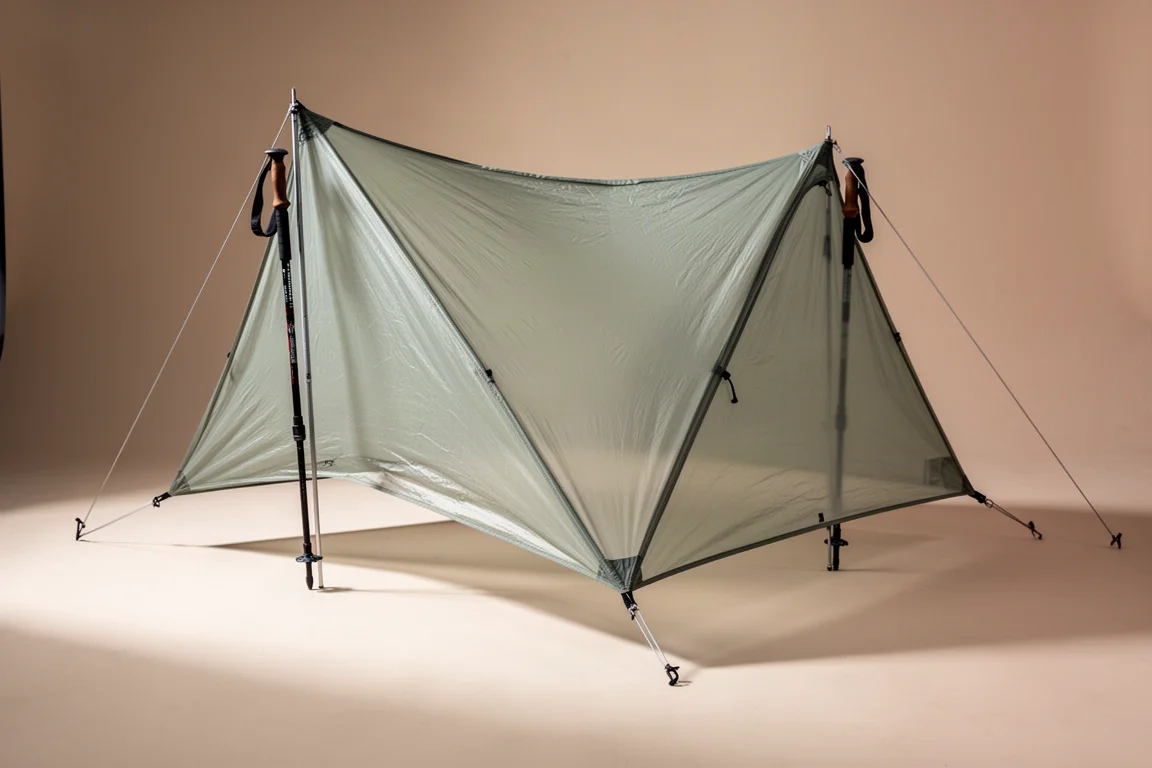
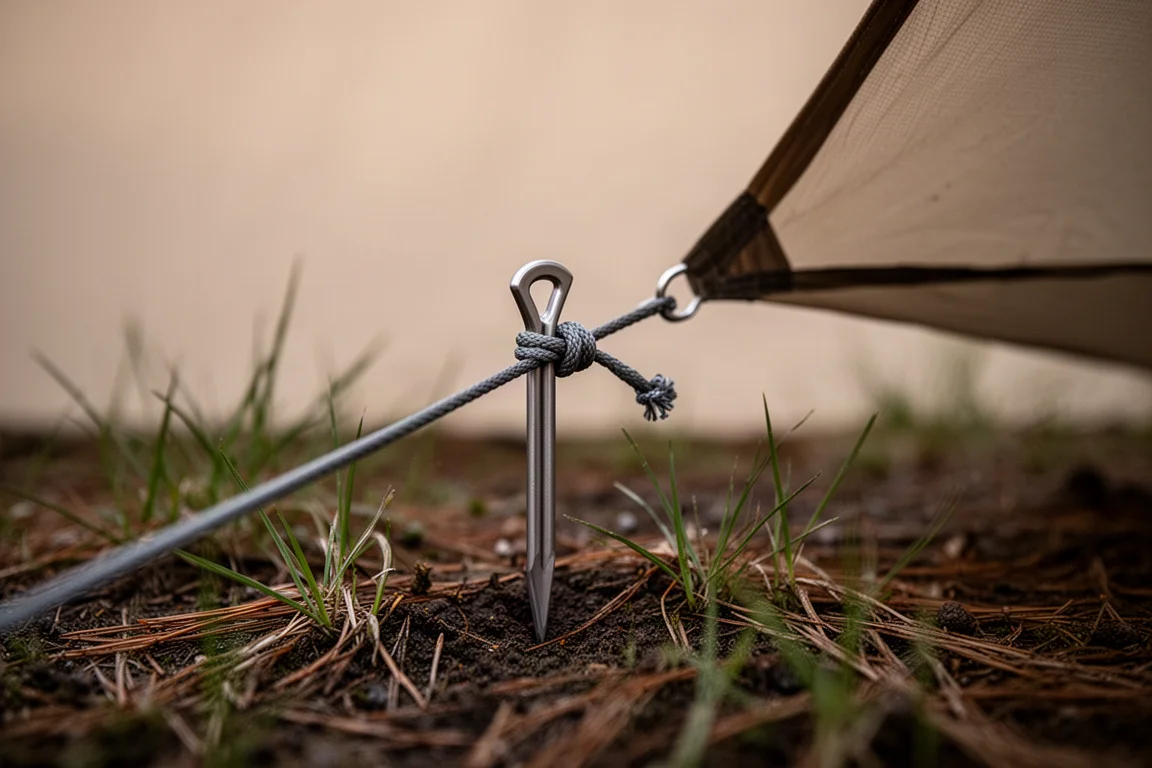
The Duplex XL is a two-person, single-wall tent made from dyneema and held up by trekking poles rather than dedicated tent poles. It pitches in under three minutes once you know the layout, packs down small enough to drop inside a backpack or strap on top, and the material itself is fully waterproof and does not stretch.
The XL in the name is the point. This version is sized for very tall sleepers, up to around seven feet, and the extra length shows up as headroom you can sit up in. Small poles at each end guy out the walls, so the fabric stays away from your face when you are lying down and there is enough space to change clothes inside.
In strong wind it stayed planted, doors included. The trade-offs are deliberate weight savings: the door closes with a toggle and small D-ring clasps instead of a zipper, which takes some getting used to in the dark, and the doors drop to the ground where they can pick up mud.
Cumulus Pan Am 600: Warmth Without the Weight
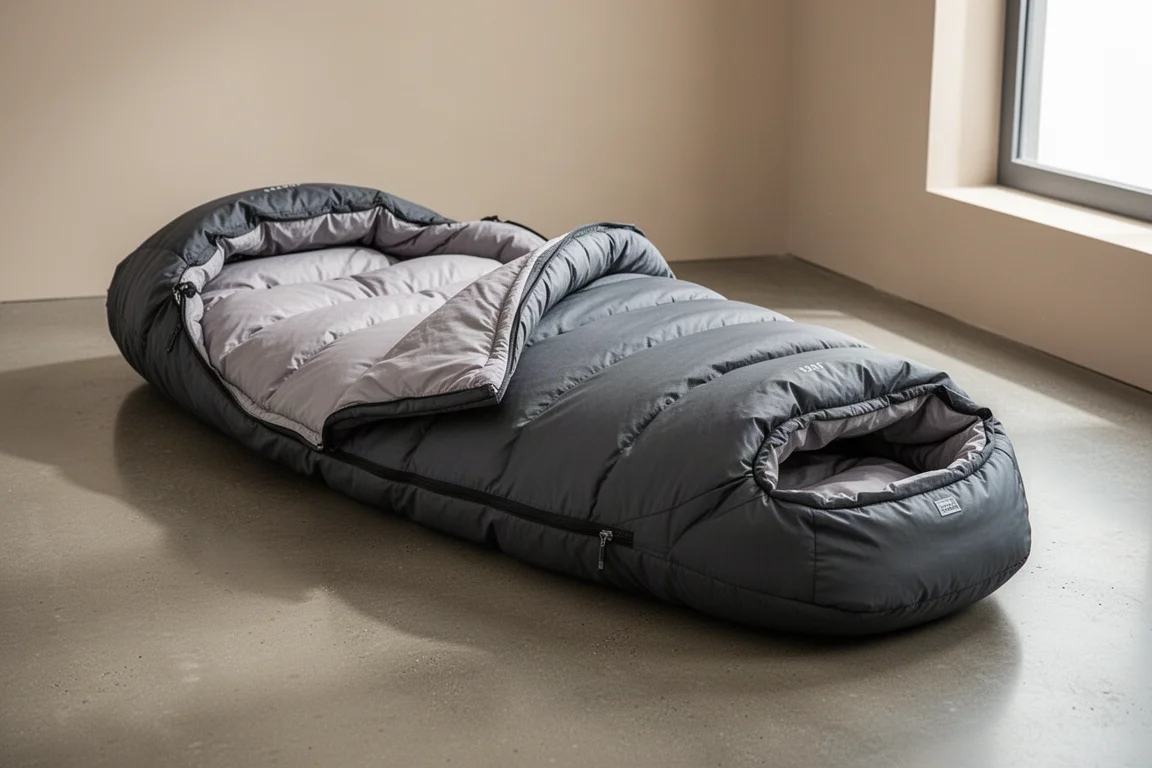
The Pan Am 600 is a 20 degree down bag with 850 fill. The number in the name refers to grams of insulation, and the long version carries about 620 grams. The long size fits sleepers up to roughly six foot six and weighs just over two pounds. It retails under $400, around $368 for the long version.
On a night that dropped below freezing, it was exceptionally warm, with an insulated hood and a roomy interior. Two details stand out in daily use. The zipper almost never snags, which is unusual for a sleeping bag, and the foot box angles up and out so your feet are not pressing against the top of the bag and getting cold.
The same brand also makes a very light down pullover in the same spirit, under five ounces with 900 fill and a buttoned half placket instead of a zipper, priced under $200. It skips pockets and a hood to get there.
onX Backcountry: Navigation for Group Trips
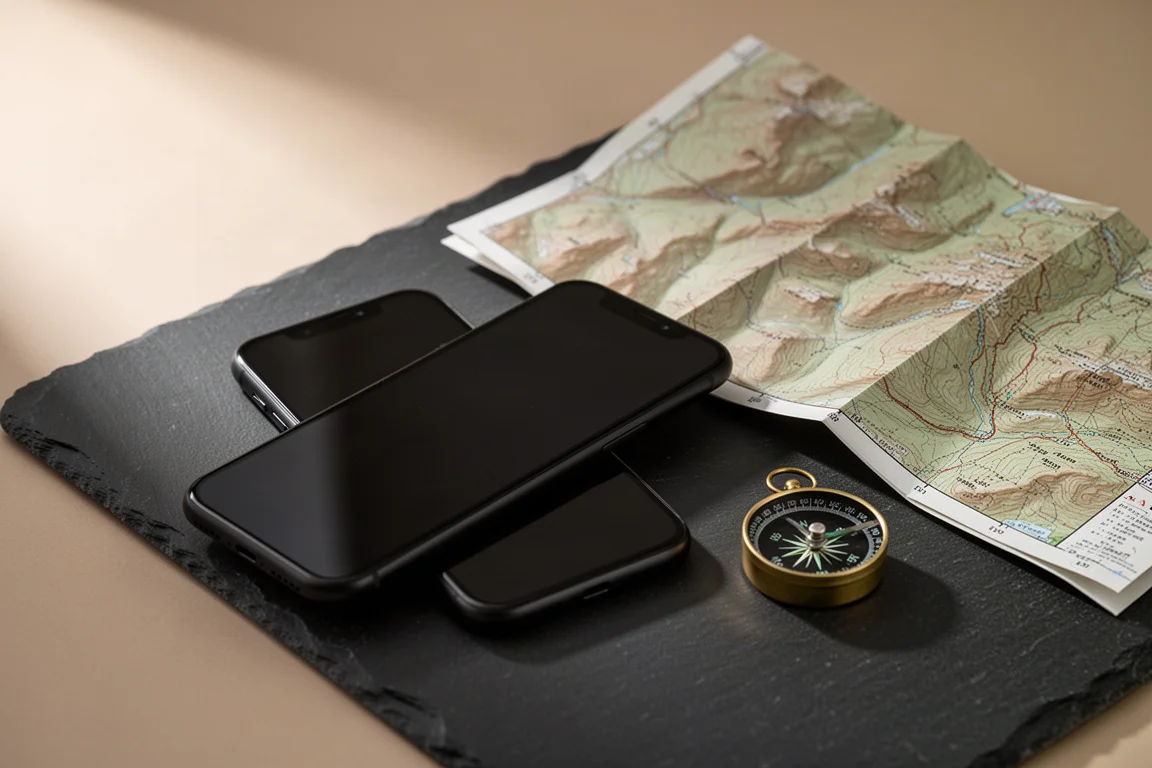
This navigation app earned its place on the trip for a simple reason: it answers the questions newer hikers ask most. Where are we, how far to camp, and which way at the fork. It shows your position on the trail, distance to camp, and weather in the same view, and it behaves like a driving GPS, so you can point the phone down a trail junction and see which branch is the right one.

For a group where several people had never slept in a tent before, that removed a lot of uncertainty and a lot of second-guessing on the move. It is a phone-based tool, so a charged battery and a backup navigation plan for remote routes are still worth carrying.
Montbell Plasma Alpine: A Warmth-to-Weight Play
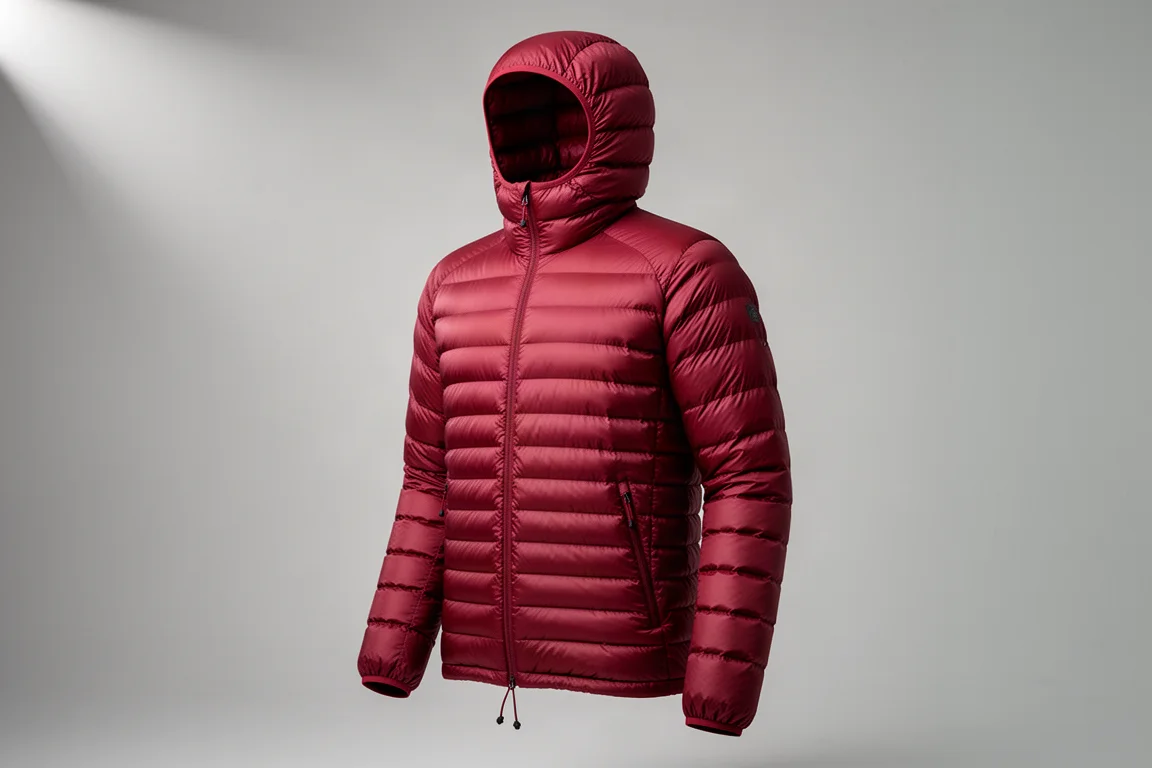
The Plasma Alpine is a 1,000 fill down jacket, and the loft is the first thing you notice. It runs warmer than most jackets in its weight class, and unlike many ultralight layers it keeps the features people actually use: hand pockets, a hood with drawcords, a hem drawcord to seal out drafts, and elastic cuffs.
The catch is the price, $475, and the fabric. Seven denier nylon is light enough to help the weight number but has a tendency to tear if you scrape it along branches. For backpackers and long distance hikers trying to cut pack weight, it is a genuine option. A lighter version without a hood trims further weight and features if you want to go even more minimal.
Brooks Cascadia 16 Gore-Tex: Trail Shoes Out of the Box
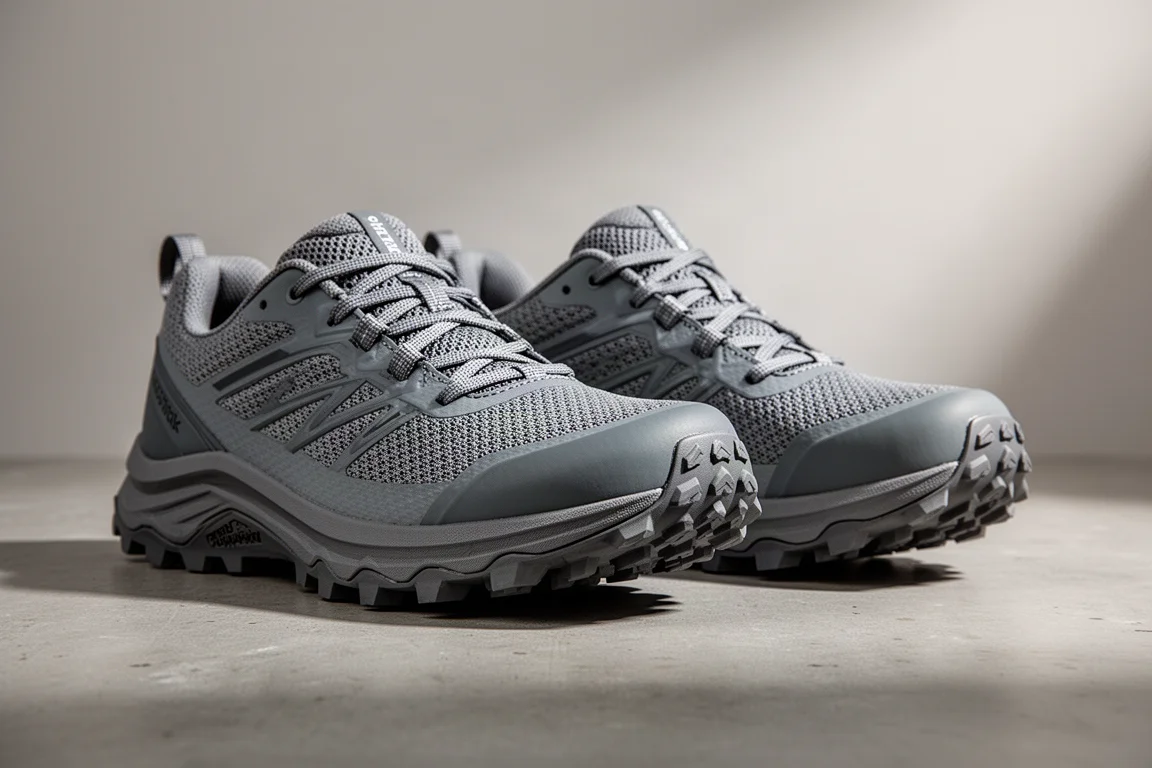
These were worn for the first time on a hard 20 mile stretch, with no break-in period, and produced no blisters and no hot spots. The toe box looks modest but is genuinely roomy, which matters on long days when feet swell.
The Gore-Tex version is waterproof, though waterproof footwear eventually wets out from the inside when you sink into deep mud or stand in puddles, as happened here. The wet feet did not turn into foot problems. Durability over hundreds of miles is still an open question at this point.
Zpacks Arc Haul Ultra: An Ultralight Pack With Real Ventilation
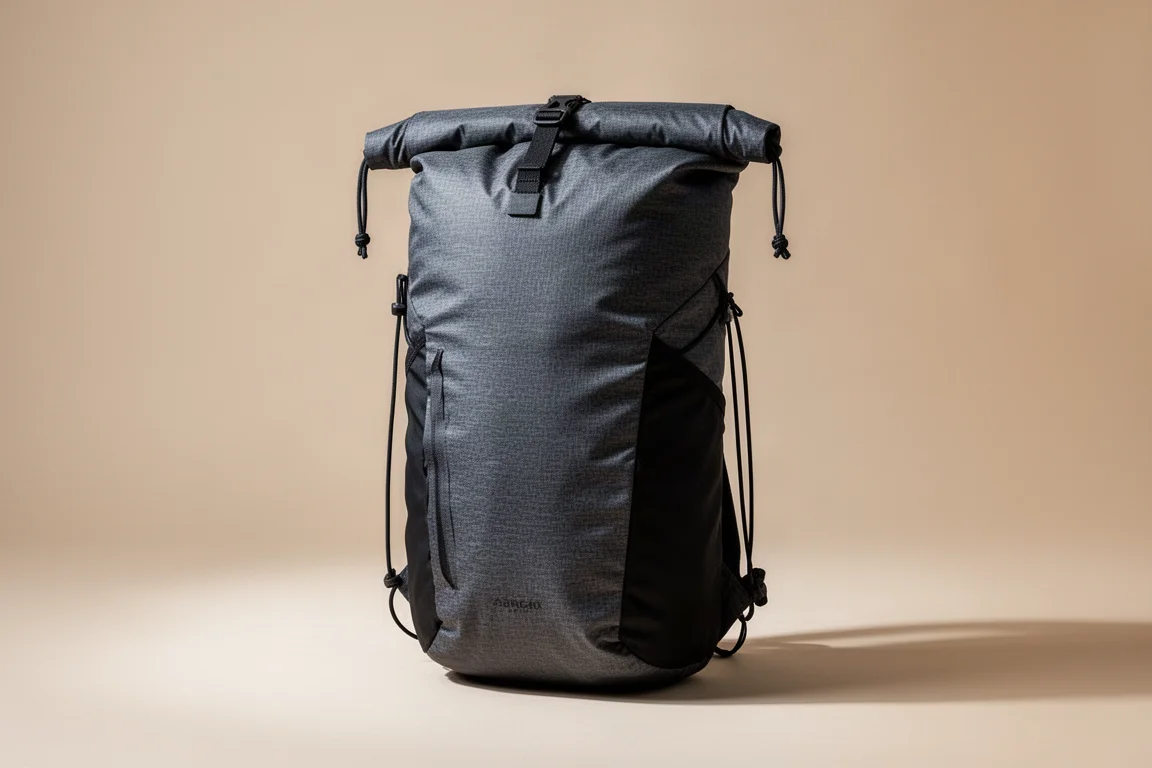
The Arc Haul Ultra is a dyneema pack that weighs just over 20 ounces and runs around $400. Its defining feature is the arched frame, which bows the pack away from your back and leaves a mesh panel between you and the load, so there is real ventilation on a climb.
The suspension is the surprise. The hip belt keeps tightening past the point where many ultralight belts give up, and load lifters let you tune how the weight sits on your shoulders, a feature plenty of light packs skip. A 25.5 pound all-in load including food, water, and fuel carried comfortably. The 70 liter figure is generous given how compact the pack looks, partly because of the bow at the top and the mesh pockets.
Two things to know: hip belt pockets are not included, and after sustained wind and rain the interior felt slightly damp, though everything stayed sealed in a dry bag.
Decathlon Trek 100: The Budget Down Jacket
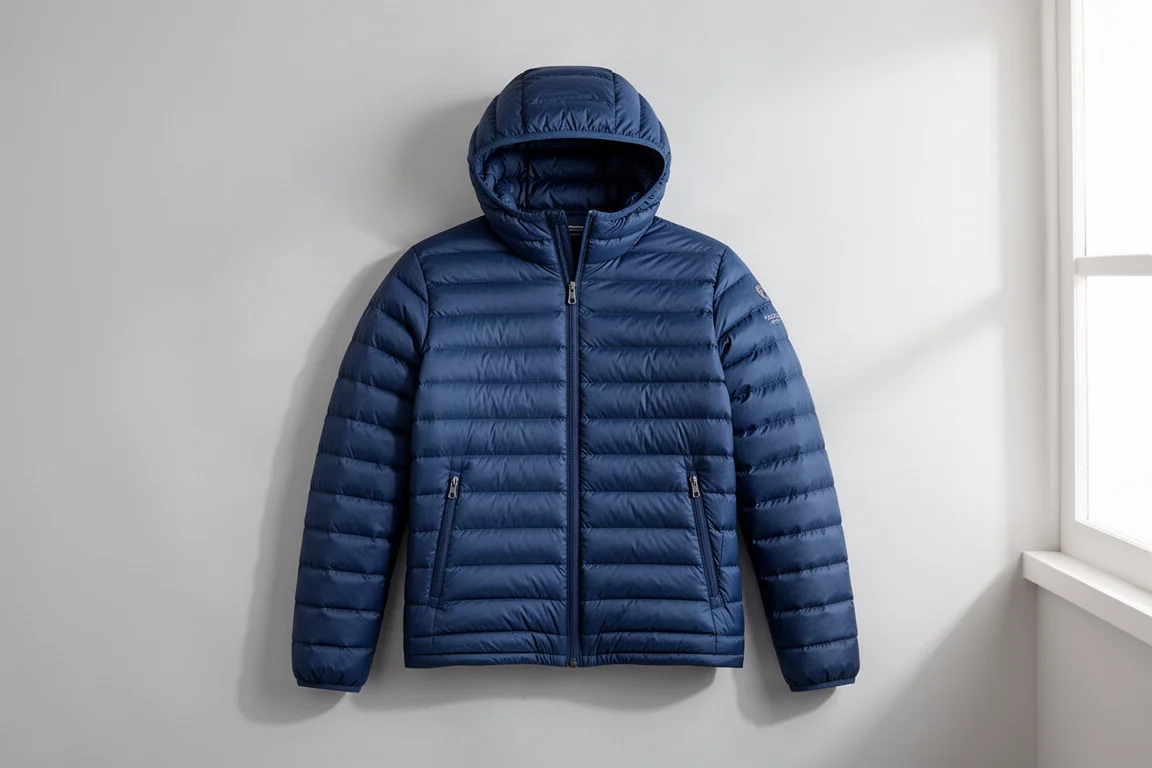
The Trek 100 is the value pick of the group: about $90 for an 800 fill down jacket that weighs roughly 10 ounces. That is a lot of insulation for the money, and it is light enough to live in a day pack as a spare layer.
It is not as warm as a high-loft premium jacket, and there are lighter options if weight is the priority. As a first down jacket, a loaner for guests, or a three-season backup layer, it is hard to argue with.
Buying Advice
The right purchase depends less on the spec sheet than on the trips you actually take. If you backpack a handful of nights a year in mild weather, the budget down jacket and a dependable pair of trail shoes cover most of what you need. If you are out frequently, in exposed terrain, or working toward a lighter pack, the dyneema shelter, the ultralight pack, and the high fill down jacket start to justify their prices.
Weight savings compound. A shelter, a pack, and a sleeping bag that each trim a pound or two add up quickly, and those three tend to be where the money goes furthest. Buy those first, then look at the smaller items. And whatever you choose, test it on a short overnight before you rely on it on a long one.
Conclusion
Seven pieces, one brutally windy and wet trip, and no failures. The Duplex XL kept a tall hiker dry through gusts near 50 mph, the Pan Am 600 stayed warm on a freezing night, the Arc Haul Ultra carried 25.5 pounds with ventilation and no squeaks, the Cascadia 16 produced no blisters straight out of the box, the Plasma Alpine delivered loft and features at a premium price, onX Backcountry kept a group of first-timers oriented, and the Trek 100 proved that a $90 jacket can still hold its own.
The most encouraging part was not the gear list. It was a group of people on their first backpacking trip finishing a genuinely punishing route and wanting to go again. If conditions can be that bad and the trip still lands, the barrier to getting out there is lower than most people assume.
Further reading
Related Reviews

Backpacking Gear
Building a 10 lb Base Weight: An Ultralight Backpacking Gear List
A practical walkthrough of the ultralight pieces behind a 10 lb base weight, from a 765 g pack and a roomy one-person tent to a full camp chair and a dependable water filter.
Backpacking Gear
A 15-Pound Lightweight Backpacking Gear List for Solo Trips
A beginner-friendly 15-pound backpacking setup built from easy-to-find gear, with notes on what each piece does, how it packs, and where to spend your attention.
Backpacking Gear
8 Ultralight Backpacking Gear Upgrades Worth Carrying
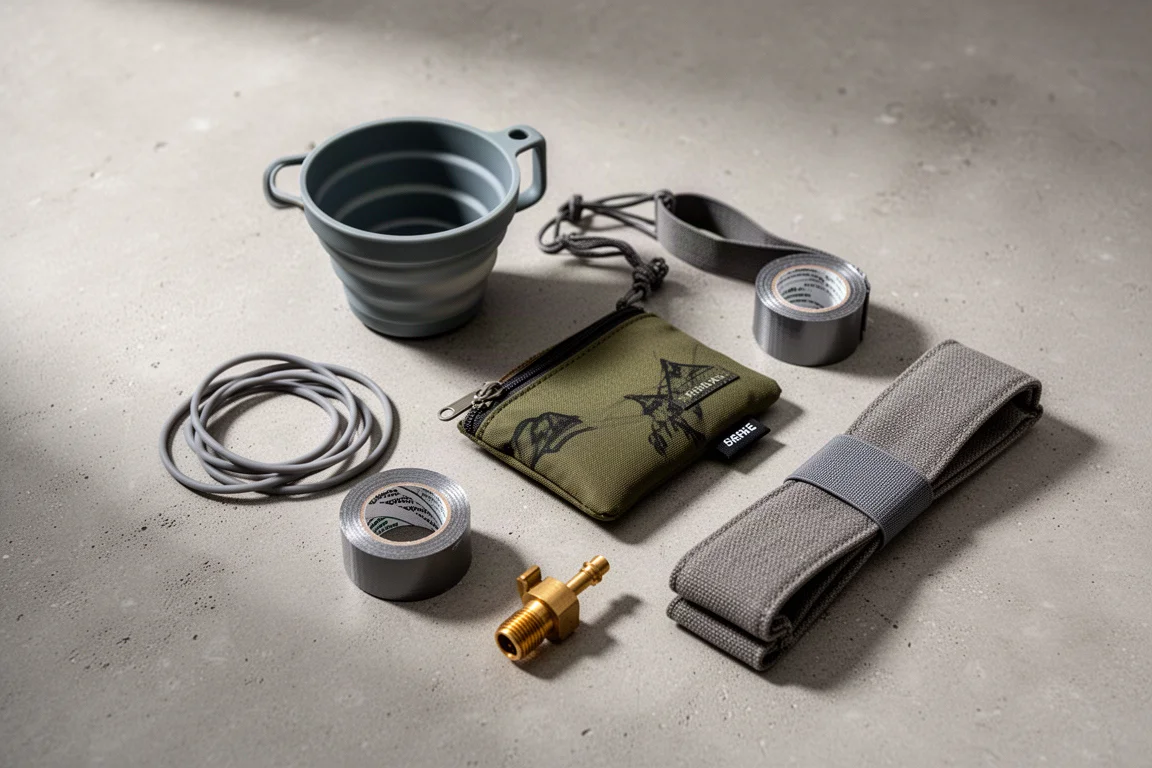
Eight small, affordable backpacking upgrades that solve real trail annoyances, from a pillow that stays put to a fuel valve that rescues leftover canister gas.