Backpacking Gear
Ultralight Backpacking Gear Tested: Quilt, Shelter, and Pack
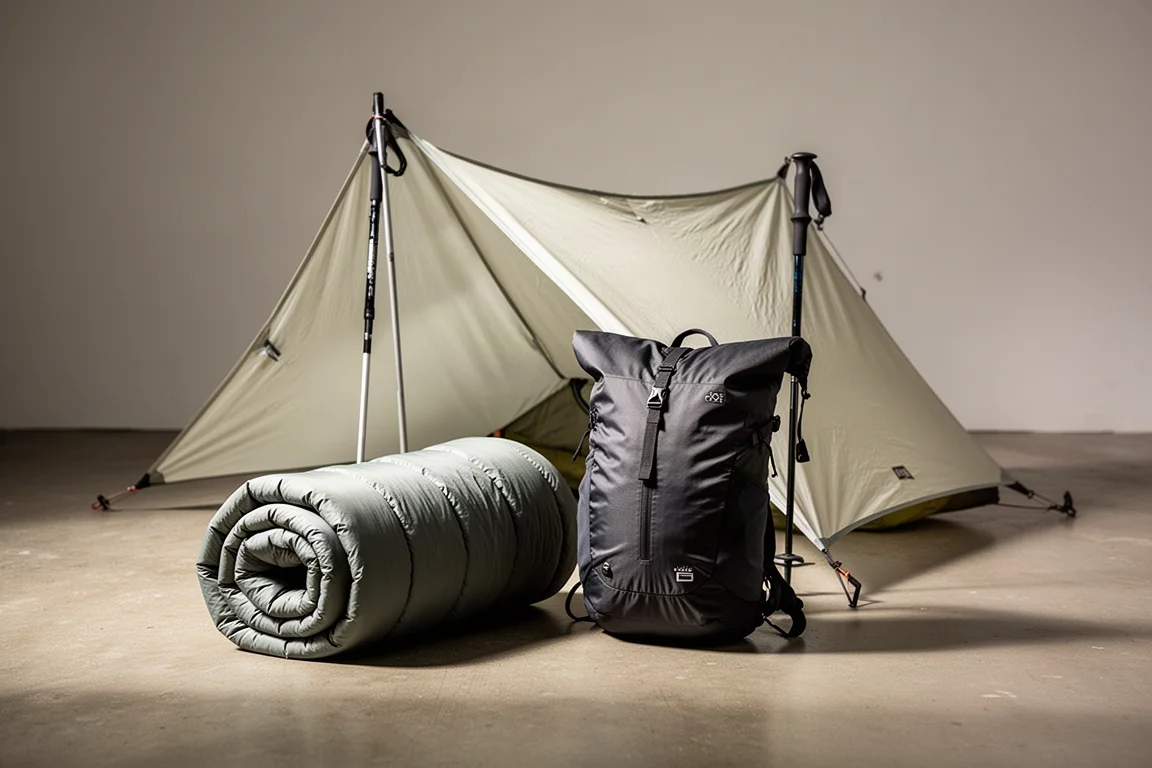
A 20°F down quilt, a 23.5 oz two-person shelter, and a 14 oz frameless pack, taken out together on a wet overnight trip in Colorado.
Introduction
Ultralight backpacking gear always asks the same question: how much comfort are you willing to trade for a lighter pack? The three items here cover what backpackers usually call the big three, meaning the shelter, the sleep system, and the pack. Together they set the weight, the volume, and much of the daily comfort of a trip.
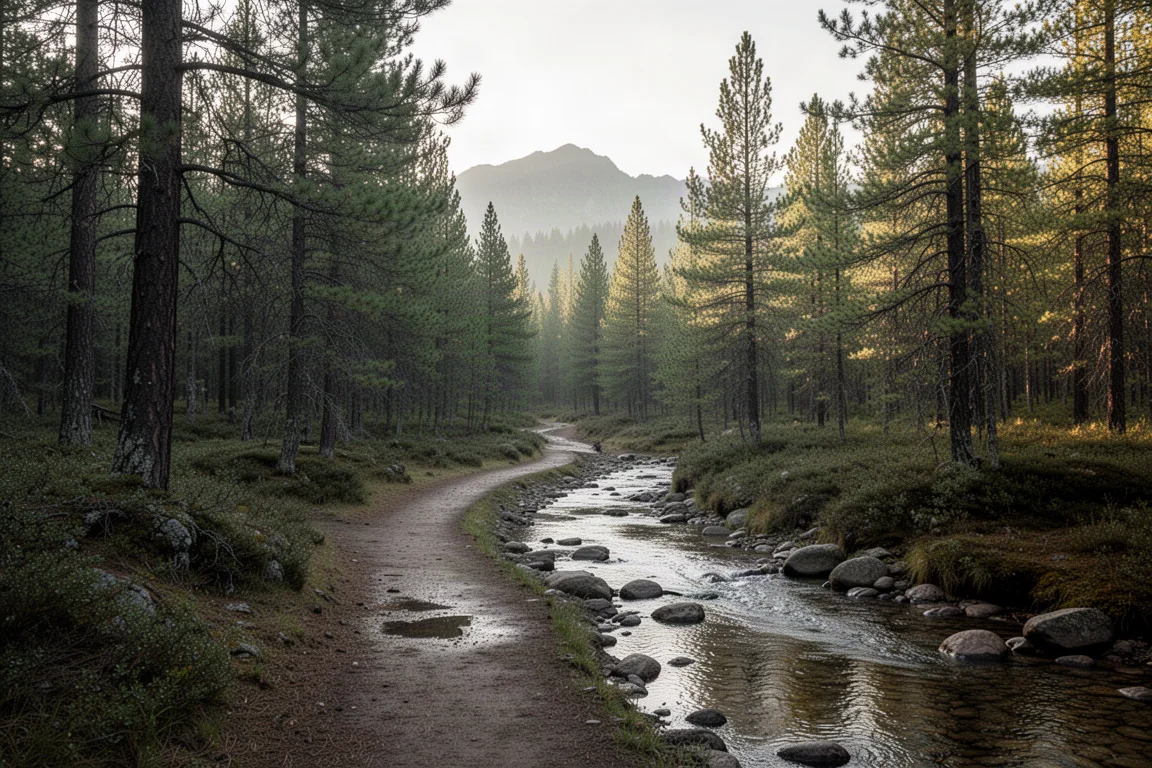
All three were taken on an overnight trip in the Lost Creek Wilderness in Colorado, along the Goose Creek Trail. Rain arrived at the trailhead, temperatures dropped sharply in the afternoon, and the shelter had to go up in a hurry. That mix of weight savings and genuinely bad weather is a fair test for gear that is built to be light.
What to Look For in Ultralight Gear
Weight is the headline number, but it is not the whole story. The more useful question is what a piece of gear does with the weight it saves. A quilt that stays attached to a sleeping pad, a shelter that pitches taut with trekking poles, and a pack whose suspension matches your base weight all matter more than a few ounces either way.
Packed volume is the second consideration. A 38 L frameless pack only works if the rest of your kit compresses down to match it, so the sleep system and shelter have to be chosen as part of the same system rather than separately.
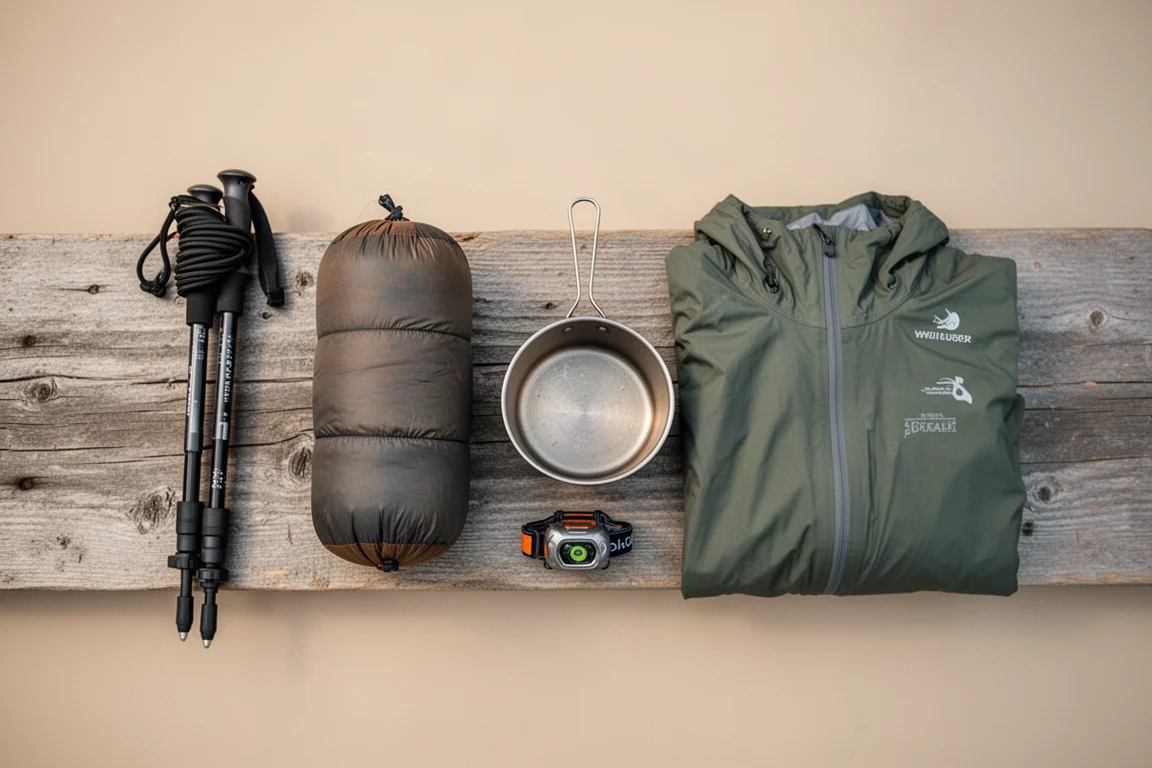
Weather performance is where ultralight gear earns or loses trust. Lightweight fabrics tend to be thinner, single-wall shelters handle condensation differently from double-wall designs, and frameless packs transfer load directly to your shoulders. None of these are dealbreakers, but they are the details that decide whether a light kit feels comfortable or simply feels compromised.
The final consideration is your own base weight. Several ultralight designs are explicitly built around a target number, and going over that number changes the experience far more than the specifications suggest.
Enlightened Equipment Revelation Sleeping Quilt
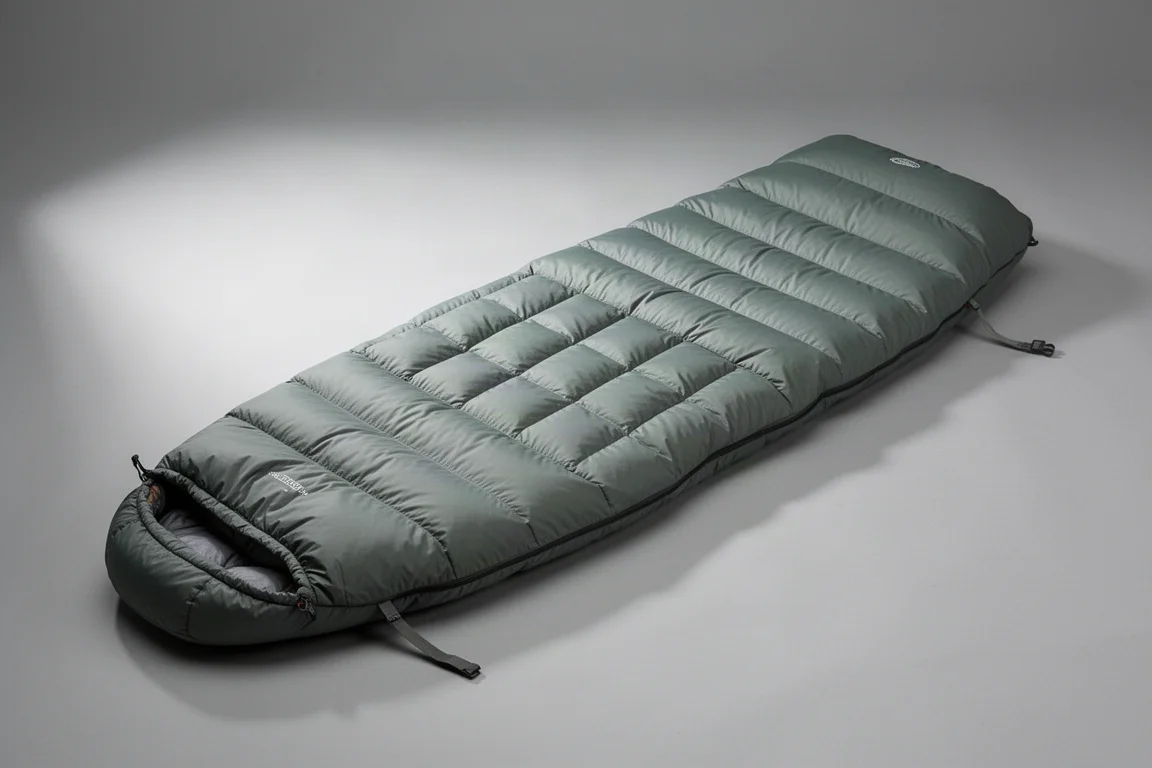
The Revelation is a 20°F (about -6°C) sleeping quilt with 850 fill down, and it weighs 23.96 oz, which is under 2 lb. The shell fabric feels smooth and soft, and the quilt arrives with a storage bag so it can be kept lofted, or fully puffed up, between trips rather than compressed.
Quilts differ from sleeping bags in a way that matters at night. Instead of being sealed along one side, the Revelation is open and buckles around you. The footbox stays loose and free of the pad like a conventional bag, the middle section sits between you and the pad and clips to it, and a strap near the shoulders buckles closed so the quilt wraps around your upper body. A small draft collar snugs around the neck.
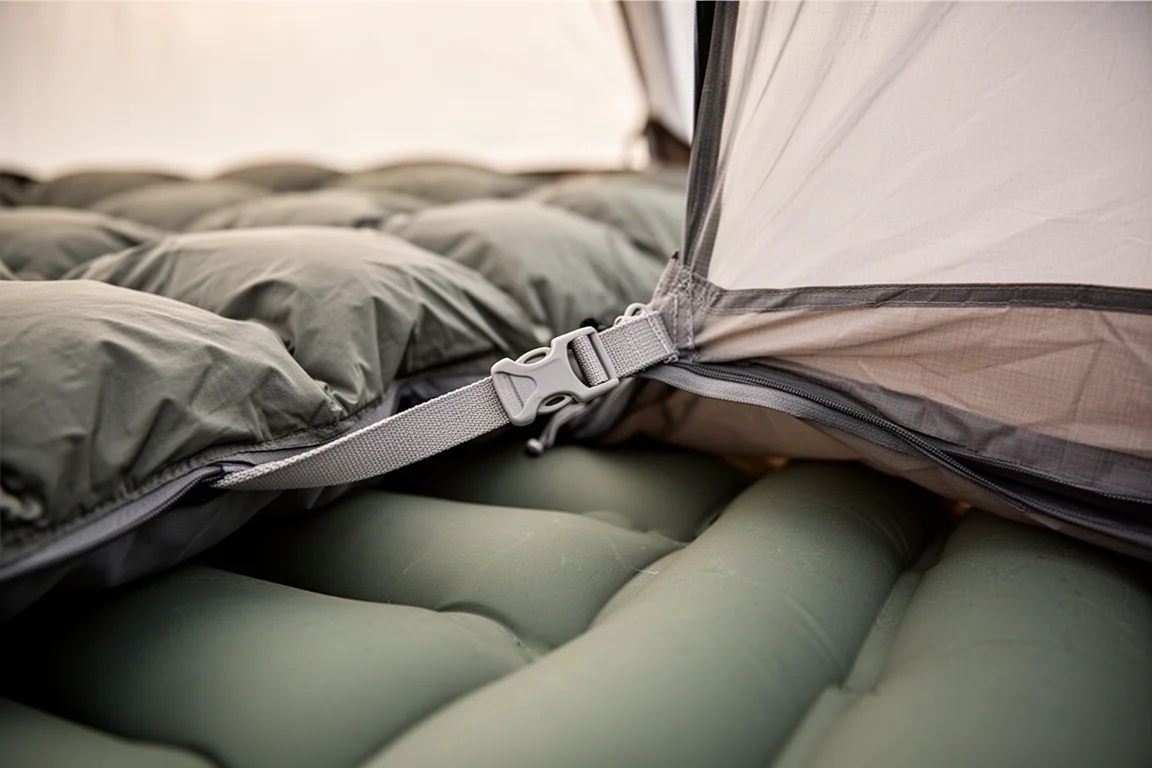
That attachment system is the standout feature in practice. Because the quilt is fixed to the pad, tossing and turning does not slide it off, and you stay between the insulated pad and the down rather than chasing the quilt back into position. It ends up feeling closer to sleeping in a bed than sleeping in a bag, which is not what most people expect from an ultralight quilt.
There is one clear trade-off. Quilts do not have a hood, so your head and ears are exposed. A beanie or a light hood makes a noticeable difference on colder nights, and it is worth packing one from the start rather than discovering the gap at 2 a.m. With that small addition, the warmth and comfort here are genuinely impressive for the weight.
Gossamer Gear The Two Tent
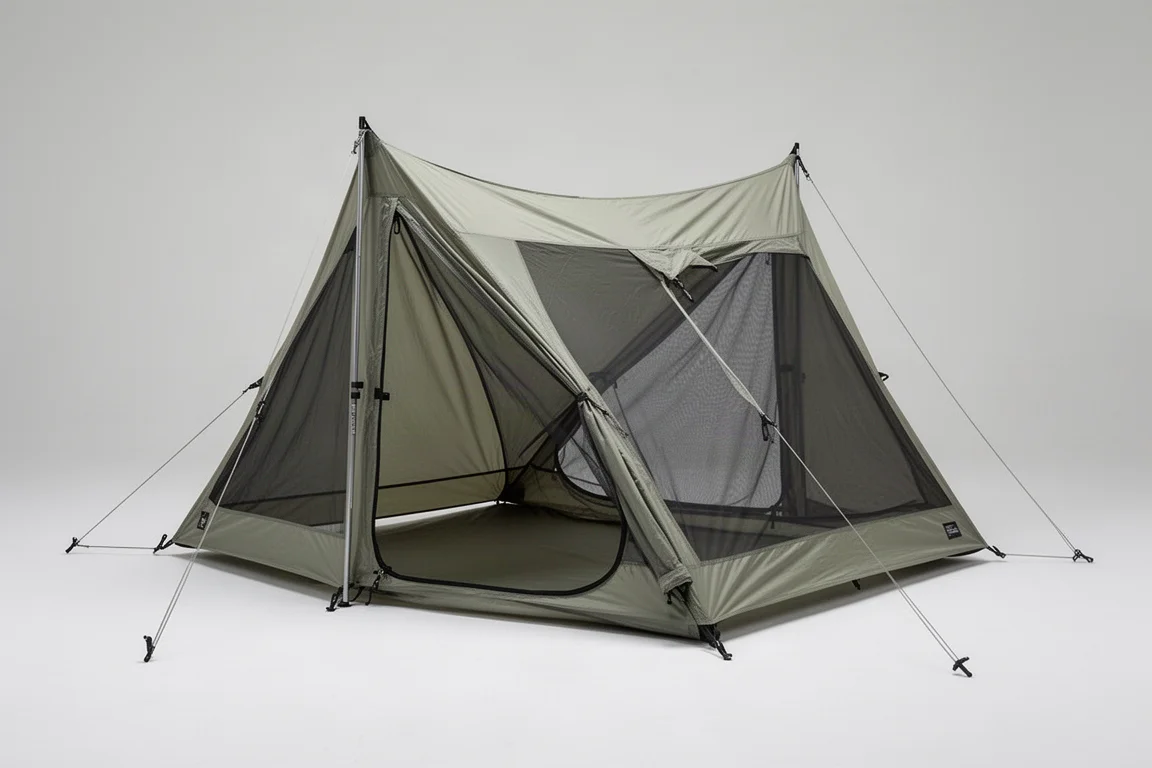
The Two is a two-person shelter that pitches with trekking poles, or optionally with dedicated tent poles. It weighs 23.5 oz, which is under 1.5 lb, and it uses a mesh body with dual doors and large vestibules on both sides. Two doors mean no climbing over a tent partner to get out, and the vestibules are big enough to keep packs, shoes, and a cook kit out of the weather.
The structure is single wall, which shapes both the setup and the overnight experience. The floor is a bathtub design that essentially floats, and the interior space comes from the rain fly rather than from staked-out floor corners. In practice that means staking the floor first to find the right position, then re-staking to tension the fly. It is a little unusual the first time, but it produces a noticeably roomier interior than the footprint suggests.
Condensation is the main thing to understand. On a cold, wet night the moisture on the inside of the fly ran down the steep sidewalls and dripped off and out of the tent, which kept it away from anyone sleeping in the middle. Touch the walls, though, and that moisture transfers to whatever is against them, so keeping your quilt, pack, and head clear of the fabric is part of sleeping dry in a single-wall shelter.
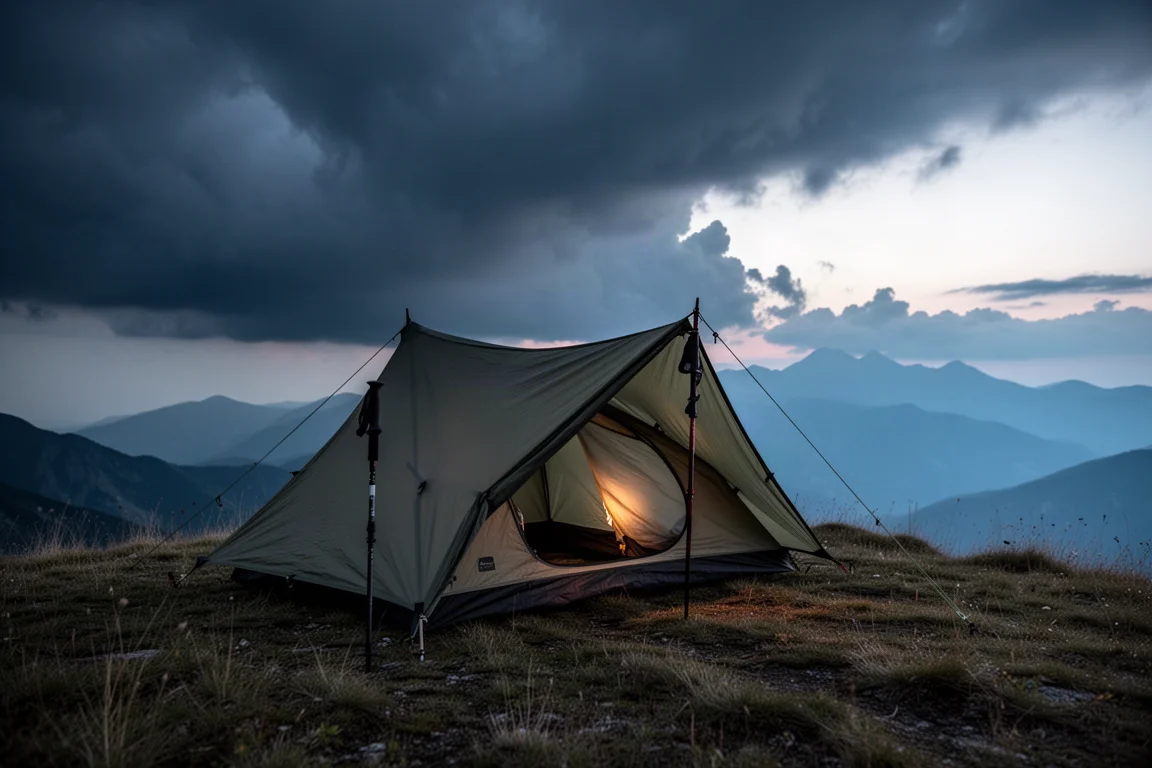
In wind and rain the tent held up very well. It pitches taut, and the tension comes from the structure rather than from an expert setup. Interior organisation is the weak point: there are only two small pockets and no clips for hanging a lantern, so loose items have fewer places to live than in a more traditional tent.
Waymark Gear Co. EVLV Ultra Backpack
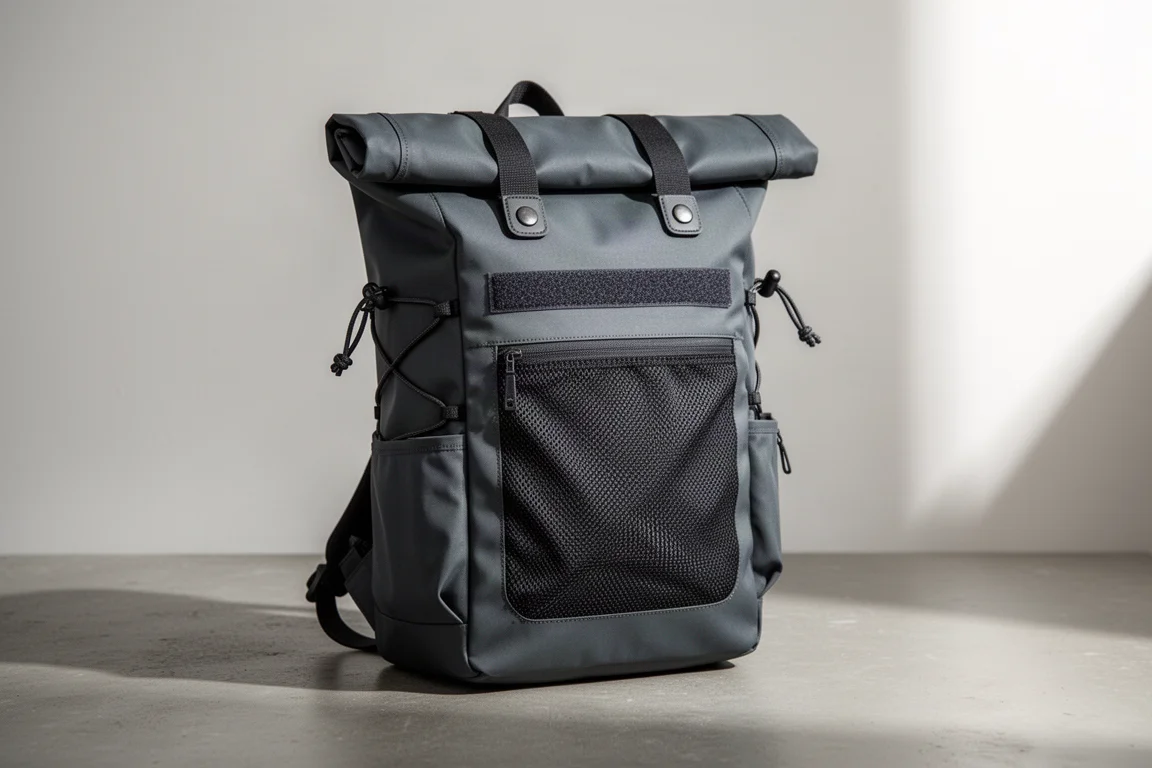
The EVLV Ultra is a 38 L frameless pack that weighs just over 14 oz, which is less than a pound. For context, a typical multi-day pack runs around 55 L, so this is a deliberate step down in volume as well as weight. The closure is a roll top with two snaps and a velcro strip, and there is an exterior stuff pocket, two side pockets, paracord compression straps, and loops underneath for trekking poles. A safety whistle is built into the sternum strap.
The most striking specification is the absence of a hip belt. Instead, the pack uses load lifters to keep it from sagging on your back and shoulders, and it is designed for hikers carrying a base weight of 10 lb or less. There is also no frame and no back padding, so anything hard or pointed inside the pack can be felt against your back. Packing a soft layer between a bear canister and your spine becomes part of the routine rather than an afterthought.
On the first stretch of trail the shoulders started to ache within the first mile, and the soreness crept up toward the neck. That is less a flaw than an adjustment: without a hip belt, the weight that would normally sit on your legs goes through your shoulders instead, and the body needs time to adapt. By the following morning the soreness had cleared, and the pack carried comfortably on the hike out.
The good news is that the pack has an attachment point for a hip belt, sold separately, which adds a measure of support for anyone who wants to shift some load back onto their legs. Given that the volume is tight, the practical advice is to treat the 10 lb base weight figure as a genuine design limit rather than a suggestion.
Overall Buying Advice
These three pieces work best as a set, and the numbers explain why. A quilt under 2 lb, a shelter under 1.5 lb, and a pack under 1 lb leave room for the rest of a kit inside a 38 L bag without much compromise. Buy them together and the system makes sense; buy the pack alone and pair it with a heavier sleep system, and you will likely run out of volume and shoulder tolerance at the same time.
If you are moving from traditional gear, the quilt is the easiest place to start, because the comfort gain is immediate and the learning curve is small. The shelter is the next step, and it rewards anyone willing to practise the pitch once at home before relying on it in the rain. The frameless pack is the biggest commitment, since it asks you to trim your base weight first and adjust your expectations about how weight is carried.
None of this requires sacrificing the small luxuries. A bar of soap, a pillow substitute, and a proper cook kit all still fit, provided the big three are light enough to make space for them. That is the real argument for going ultralight: not discomfort, but a lighter load that makes the hiking itself easier while camp stays comfortable.
Conclusion
All three items exceeded expectations on a trip that included rain at the trailhead, a sharp temperature drop, and a night of condensation. The Revelation quilt was warm and stayed put through the night, The Two kept its occupant dry through wind and rain, and the EVLV Ultra carried well once the shoulders adjusted to life without a hip belt.
The honest caveats are small and manageable. Bring a beanie for the quilt, keep your sleeping bag off the walls of a single-wall shelter, and respect the 10 lb base weight target on a frameless pack, or add the optional hip belt. For backpackers ready to rethink how much their gear needs to weigh, this is a convincing starting point.
Further reading
Related Reviews

Backpacking Gear
Building a 10 lb Base Weight: An Ultralight Backpacking Gear List
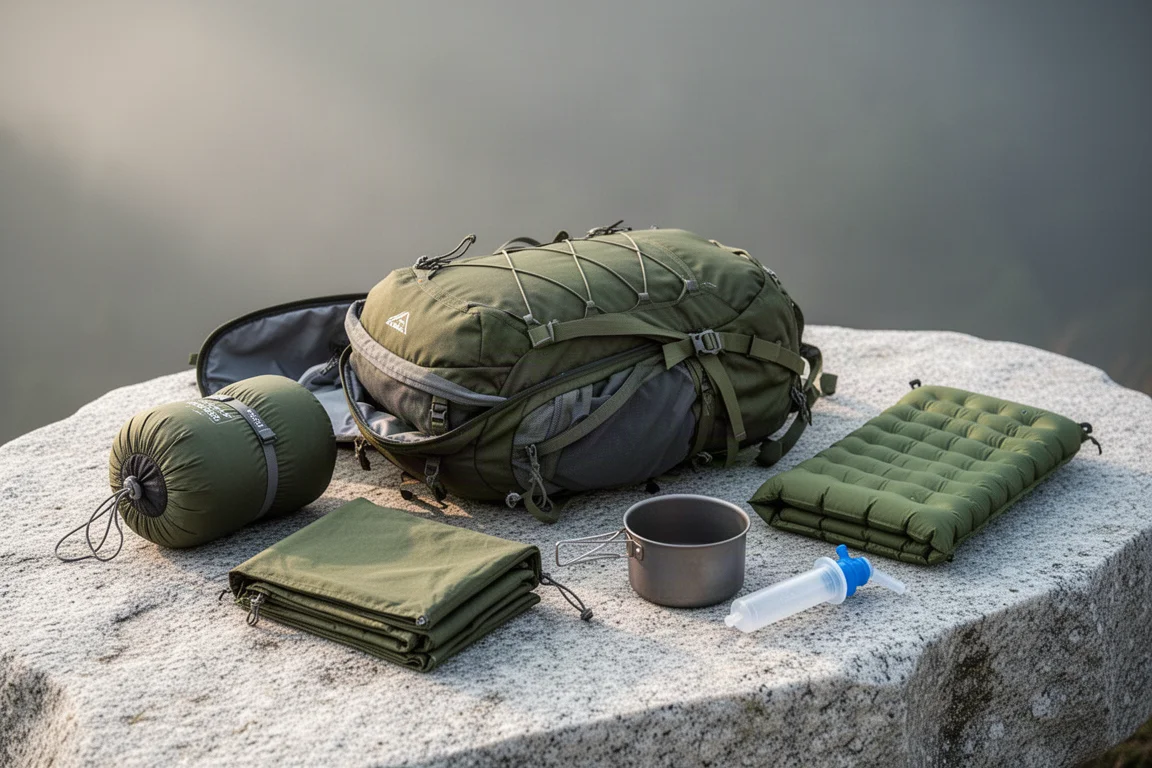
A practical walkthrough of the ultralight pieces behind a 10 lb base weight, from a 765 g pack and a roomy one-person tent to a full camp chair and a dependable water filter.
Backpacking Gear
A 15-Pound Lightweight Backpacking Gear List for Solo Trips
A beginner-friendly 15-pound backpacking setup built from easy-to-find gear, with notes on what each piece does, how it packs, and where to spend your attention.
Backpacking Gear
8 Ultralight Backpacking Gear Upgrades Worth Carrying
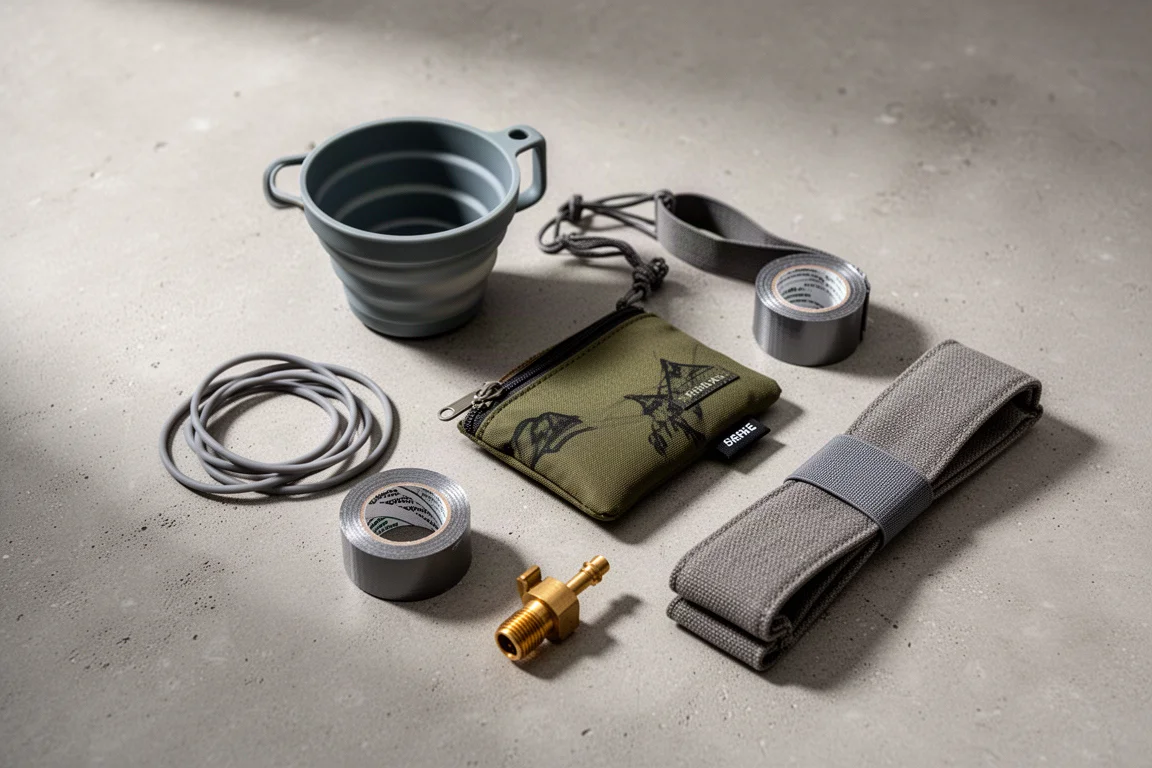
Eight small, affordable backpacking upgrades that solve real trail annoyances, from a pillow that stays put to a fuel valve that rescues leftover canister gas.