Backpacking Gear
Six Ultralight Backpacking Items Worth Packing in 2026
Six small, light backpacking items that solve real trail annoyances, from minimalist camp sandals and powdered soap to a wide-mouth stake sack and durable Dyneema pouches.
Introduction
Ultralight gear often looks like a bad idea until you actually use it. A camp sandal that weighs less than a snack bar, soap that arrives as a powder, a stake sack with an unusually generous opening: none of these look impressive in a product photo, and all of them earn their place once they are inside a pack.
This roundup covers six small items that seemed gimmicky at first and turned out to be genuinely useful on trail. They share a common thread. Each one removes a specific, recurring annoyance without adding meaningful weight, and each one is the kind of purchase that quietly pays for itself over a season of trips.
How These Ultralight Picks Earned a Second Look
The bar for adding anything to a pack is high. Weight is the obvious filter, but the items that survive a full season tend to meet a few other conditions as well. They solve a problem you actually run into, they hold up to repeated use, and they keep working when conditions turn cold or wet.
Durability matters as much as grams. A camp sandal that falls apart after a week, or a soap that leaks through a stuff sack, ends up costing more time and hassle than the weight it saved in the first place.
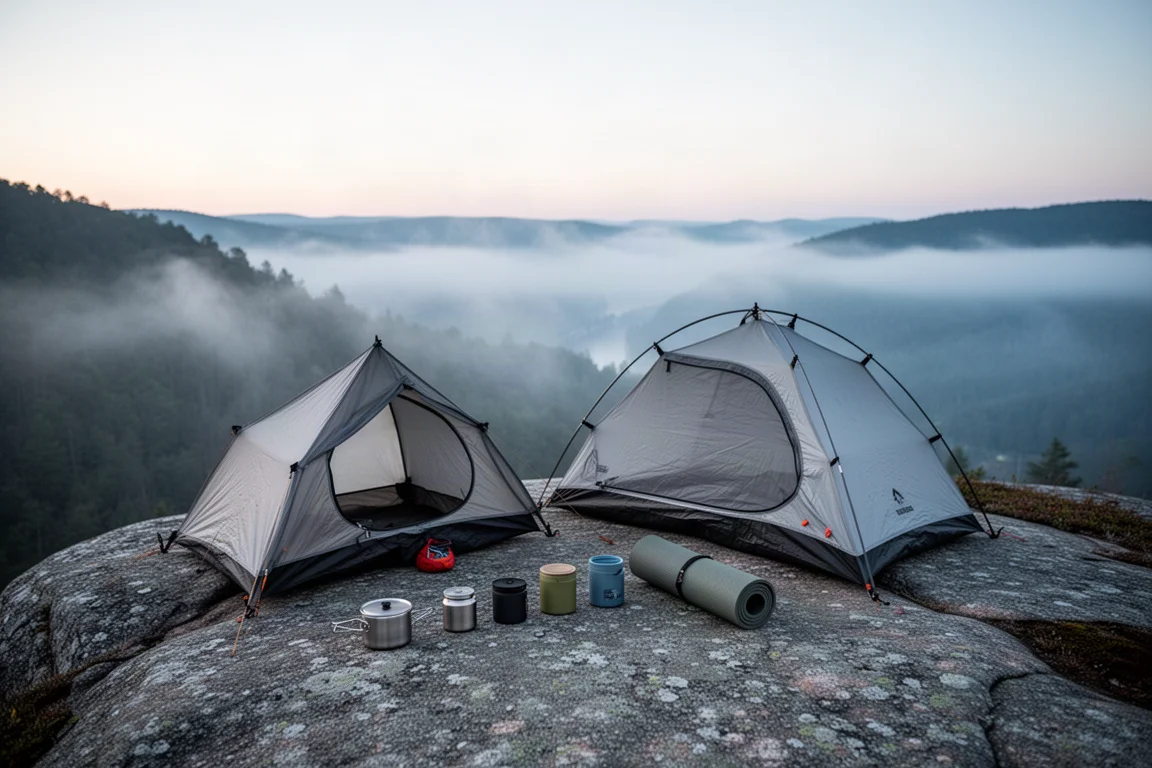
Cold weather is another useful filter. Several of the items here are chosen specifically because they behave better than the conventional alternative when temperatures drop below freezing, which is exactly when small gear failures become most irritating.
Then there is the less measurable factor: whether a piece of gear is pleasant to handle. A tent stake sack or a first aid kit that is easy to grab and easy to pack away gets used more often than one that has to be wrestled with, and that has a practical effect on how organised a pack stays over a long trip.
Mayfly Ultralight Classic Sandals
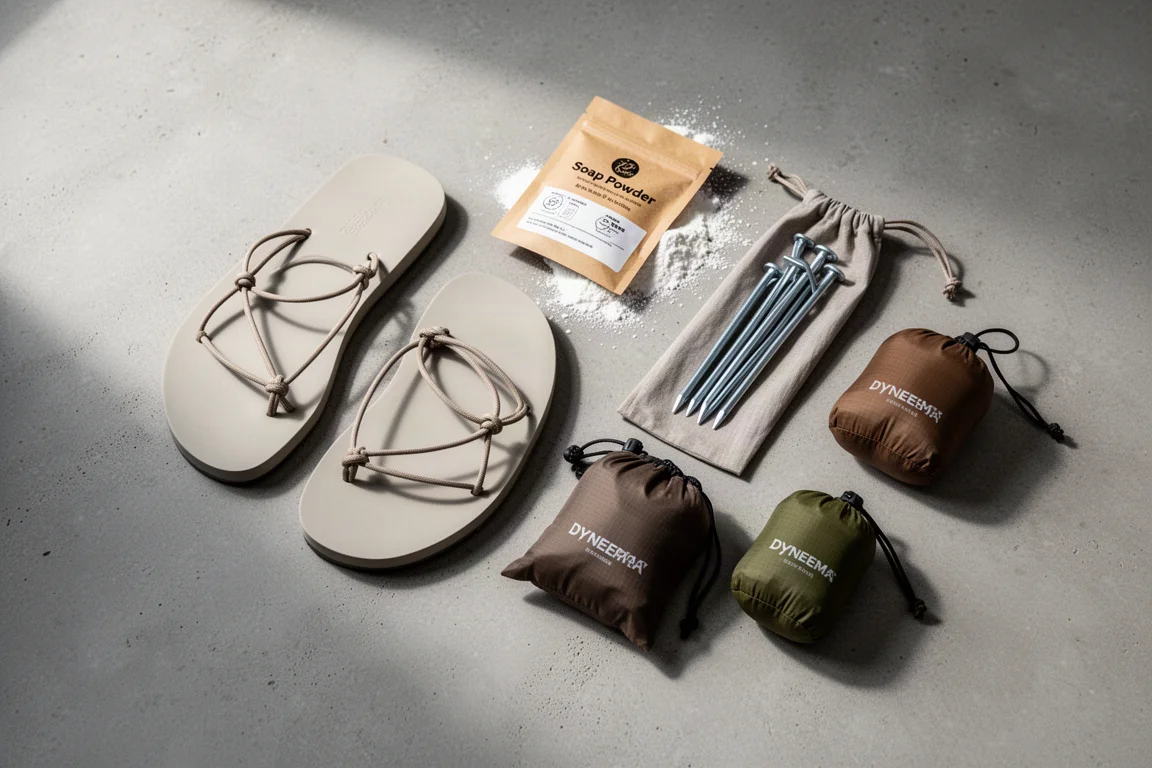
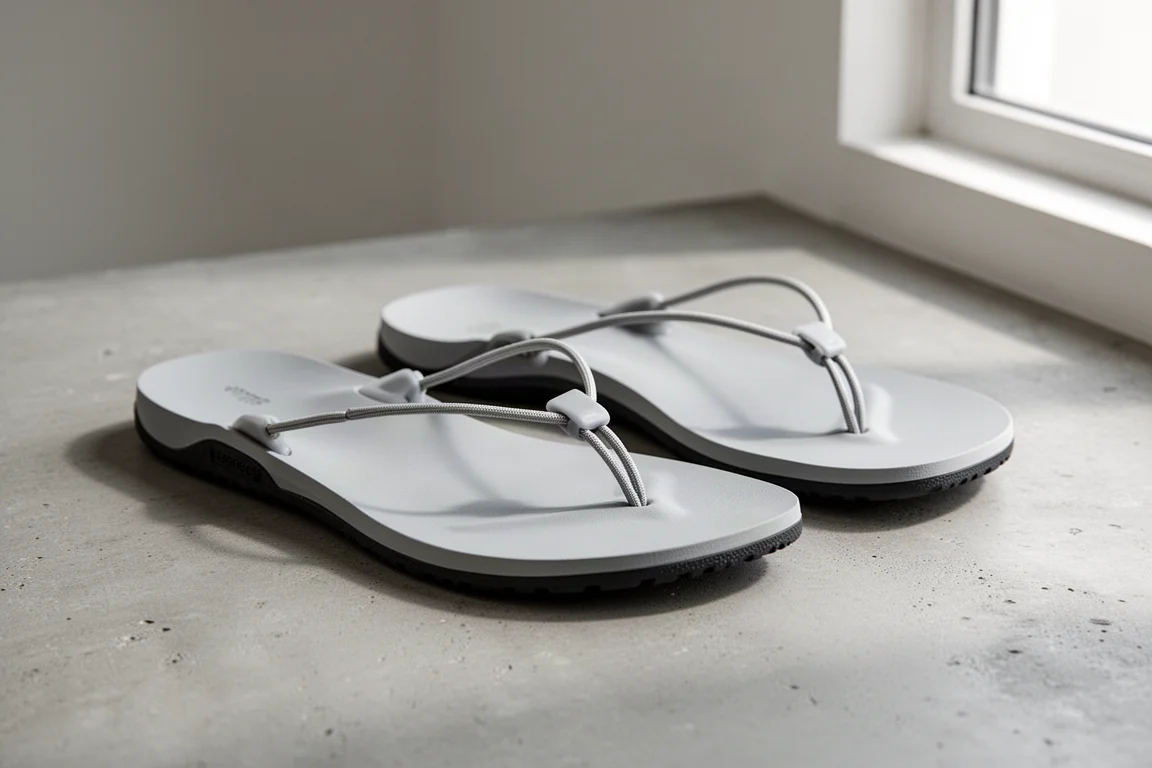
At first glance the Mayfly sandals look like cardboard and string put together by a child. The reality is a more deliberate build: a polypropylene base, high-durability nylon, silicone reinforcement through the high-stress areas, and a grippy material on the underside to limit slipping.
The payoff is a second pair of footwear for camp and town at a weight penalty of roughly 1.7 oz. A pair of the classic sandals has been used hard for 36 days on the Great Divide Trail, worn around camp and as the main footwear for walking around town on zero days, and it is still going strong with another summer of use expected.
Mayfly Ultralight Thong Sandals
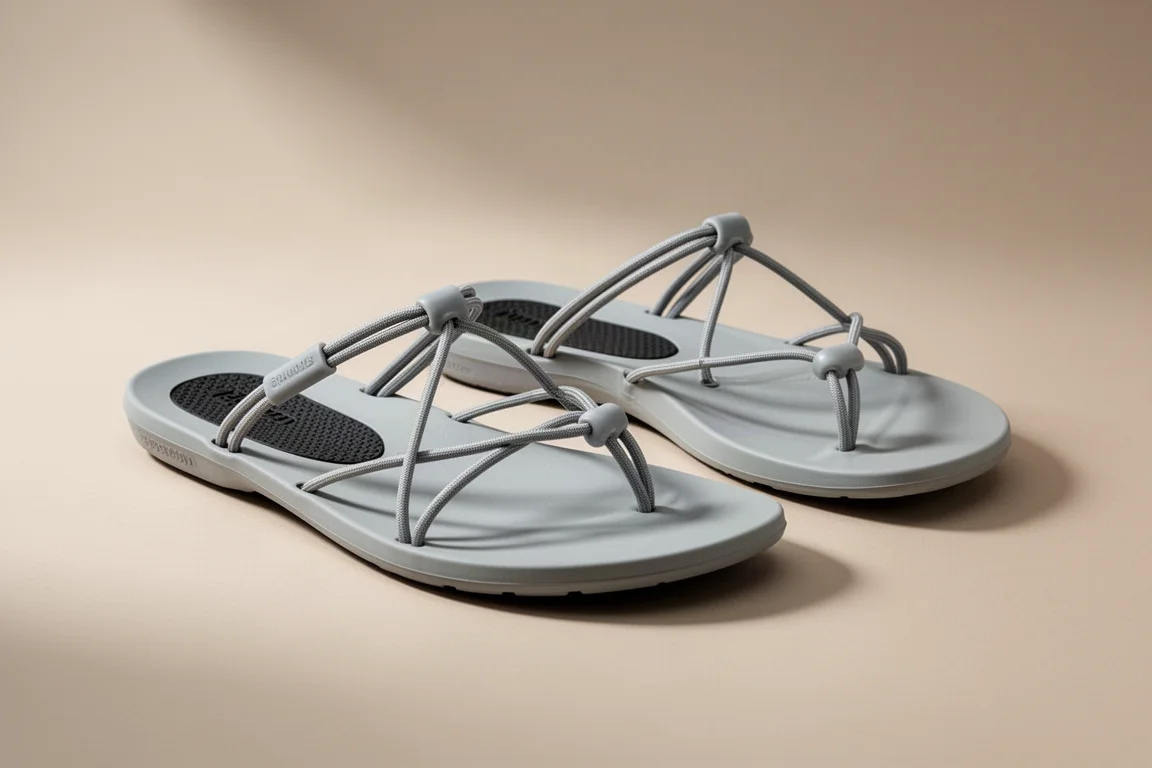
Mayfly makes two versions of the sandal, and the thong style is the one for hikers who want a little more stability underfoot. The toe post design holds the foot more securely than the open classic shape, which matters on uneven ground around camp.
The materials carry over from the classic version, so the same lightweight, low-bulk character applies. Anyone who has used a flimsier camp sandal and found it sliding around will appreciate the extra security of the thong layout.
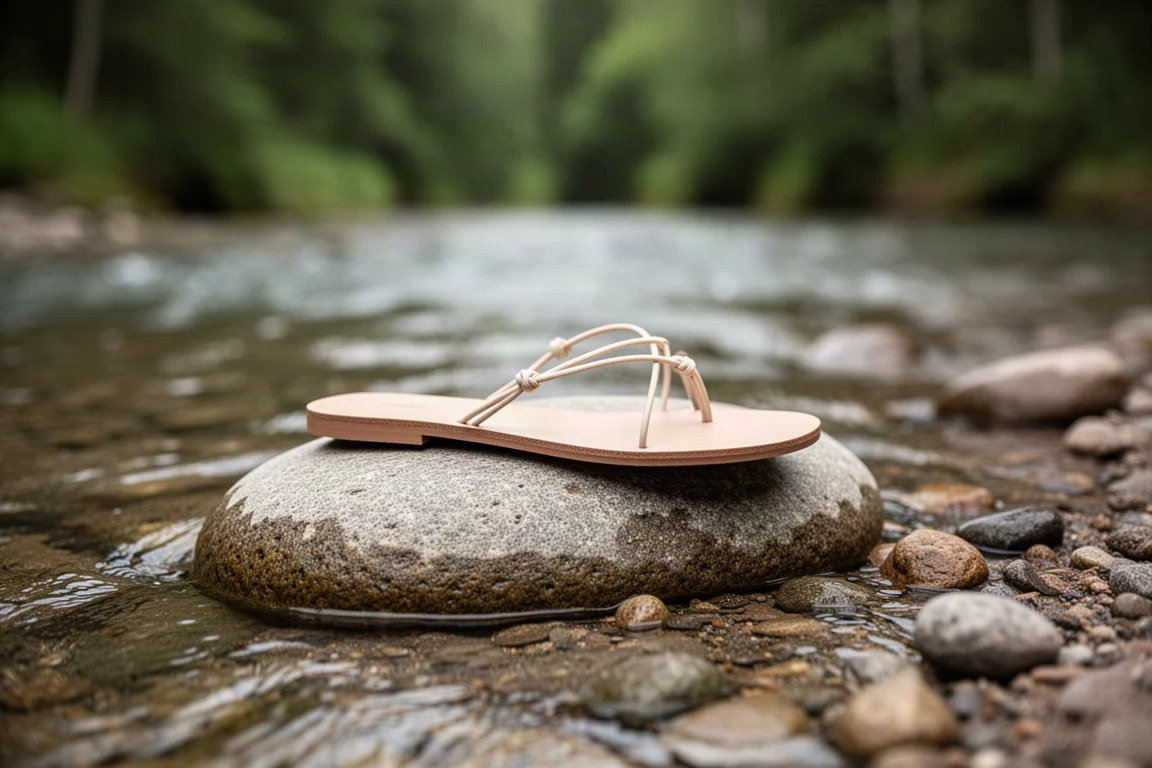
Both versions pack down small enough to disappear into a pack, and both make more sense as camp and town footwear than as a replacement for dedicated trail shoes.
Pika Outdoors Powdered Soap
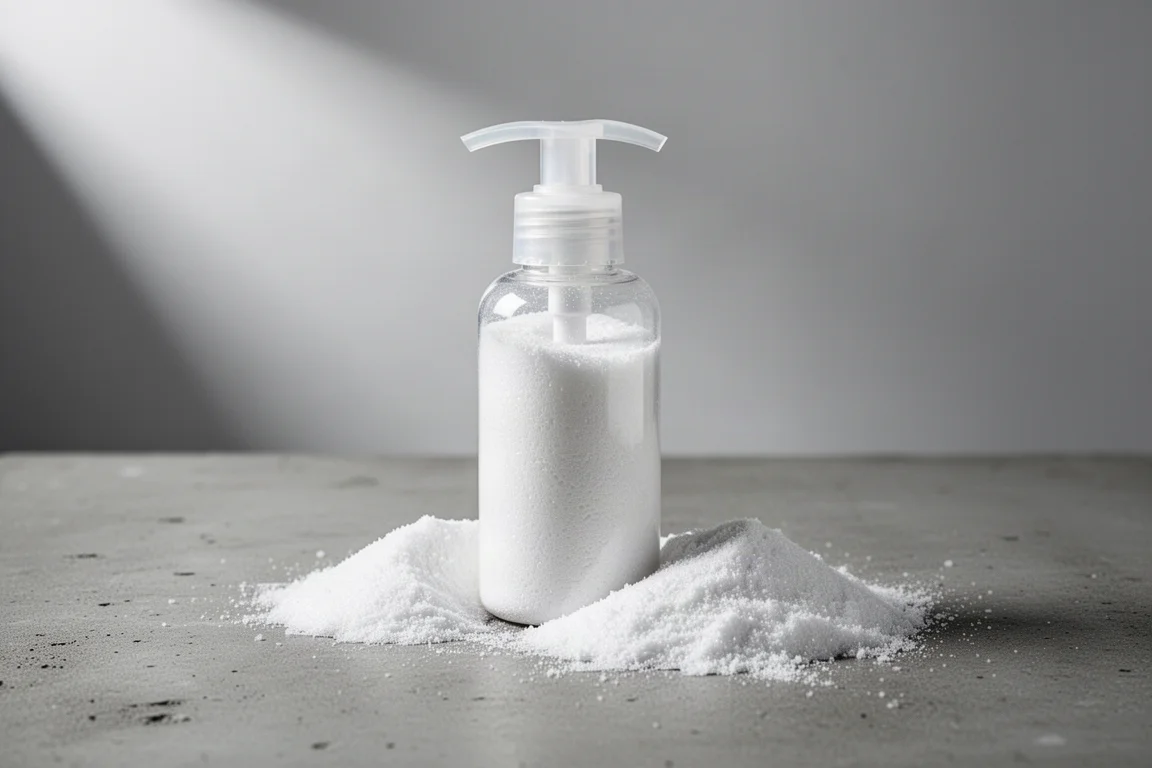
Hand sanitiser and liquid camp soap have been the default for years, so a powdered soap raises an obvious question: does it actually clean anything? The Pika Outdoors formula contains the components that make soap effective, so it works as a soap rather than as a novelty.
The advantages over liquid soap are practical. Powdered soap does not freeze, which makes it far easier to deal with on late-season trips when temperatures drop below freezing and liquid soap thickens into something unusable. It is also less messy if it leaks inside a pack, and it is lighter because you are no longer carrying water weight.
Pika Outdoors soap is biodegradable, though as with any biodegradable soap it should still be used away from rivers and lakes so that it does not affect the environment.
Omen’s Right Stake Sack
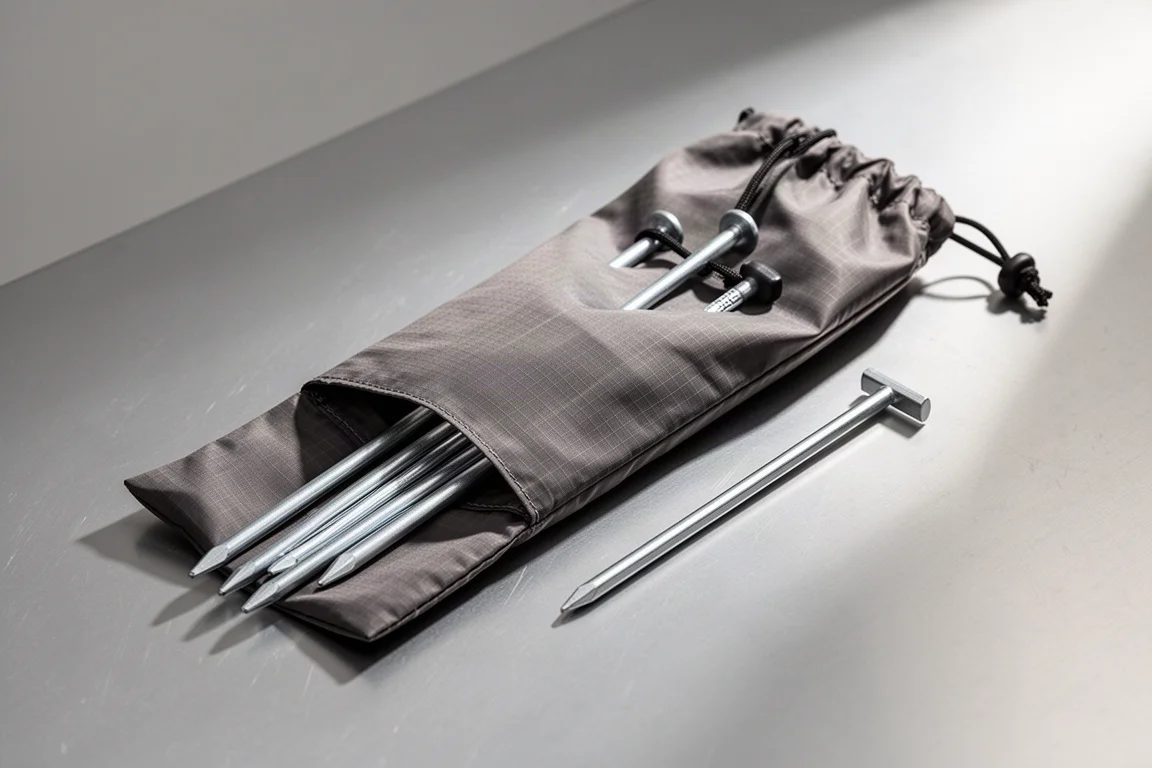
Most stake bags are an afterthought: a narrow tube that makes you fight to get stakes back in and dig around to find the small ones. The Omen’s Right stake sack fixes both problems with an opening that is wider than a traditional sack.
That extra room makes loading stakes quicker, and it makes it easier to reach the shorter stakes that tend to get buried under longer ones. It opens and closes smoothly, which is a real benefit on a bleary-eyed morning when the tent is coming down in a hurry.
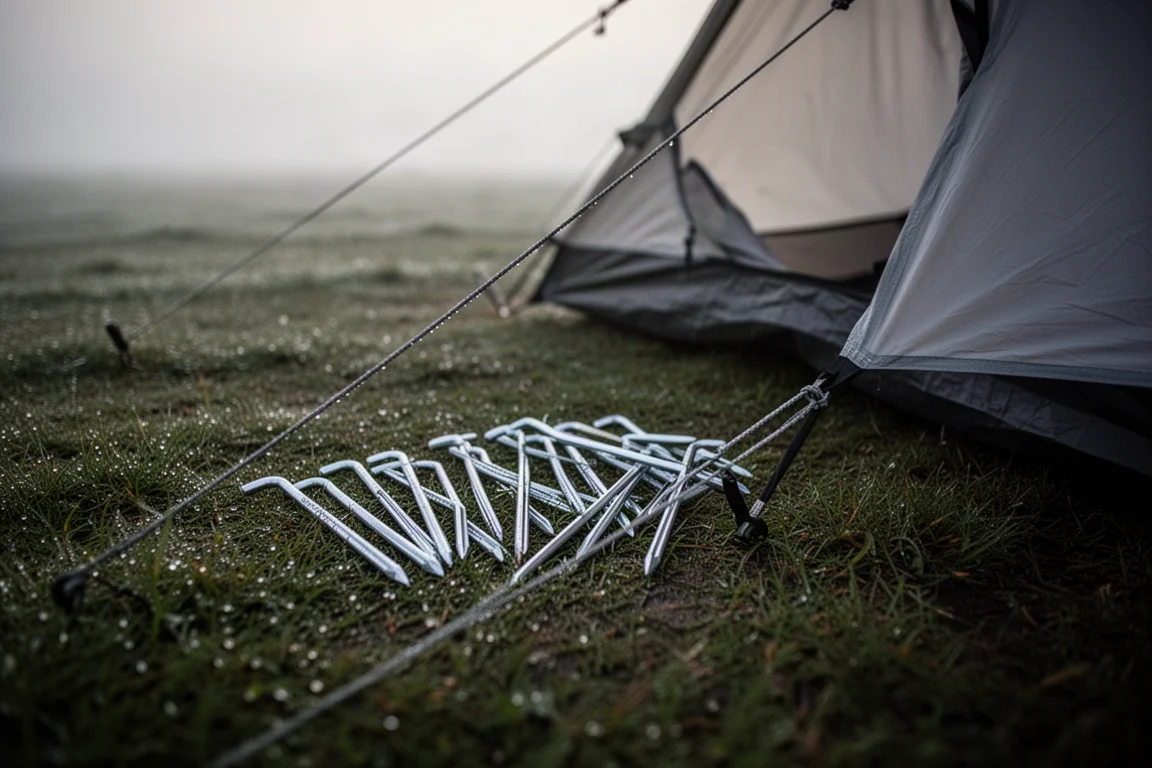
It weighs barely more than the elastic band many hikers use to bundle stakes together, so the upgrade costs almost nothing in pack weight.
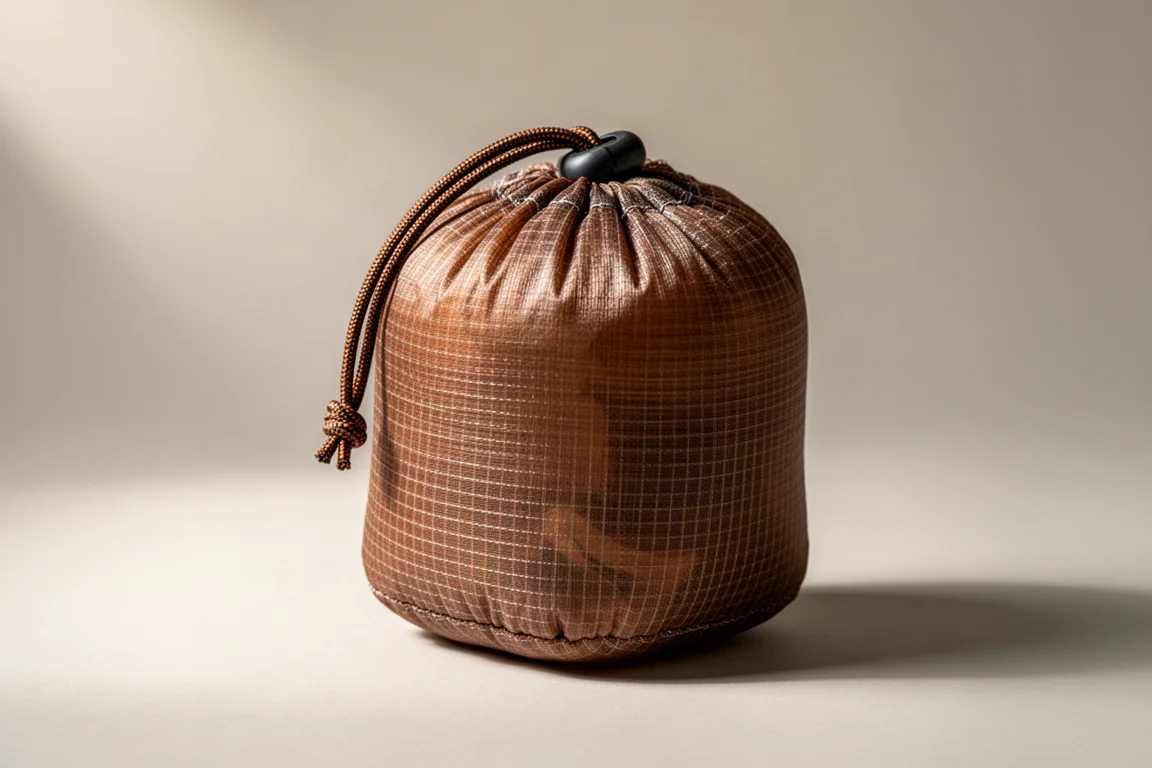
Space Bear Bags Poop Emoji Dyneema Bag
Not every piece of gear has to justify itself with specs. The Space Bear Bags Dyneema bag is a small stuff sack with a playful design, and part of its value is simply that it makes packing a little more enjoyable each time it comes out of the pack.
In performance terms, it is a Dyneema bag: light, packable, and suited to organising small items. There is no claim that the design makes it stronger or lighter than a plain Dyneema sack, and that is worth being honest about before buying.
Space Bear Bags First Aid Kit
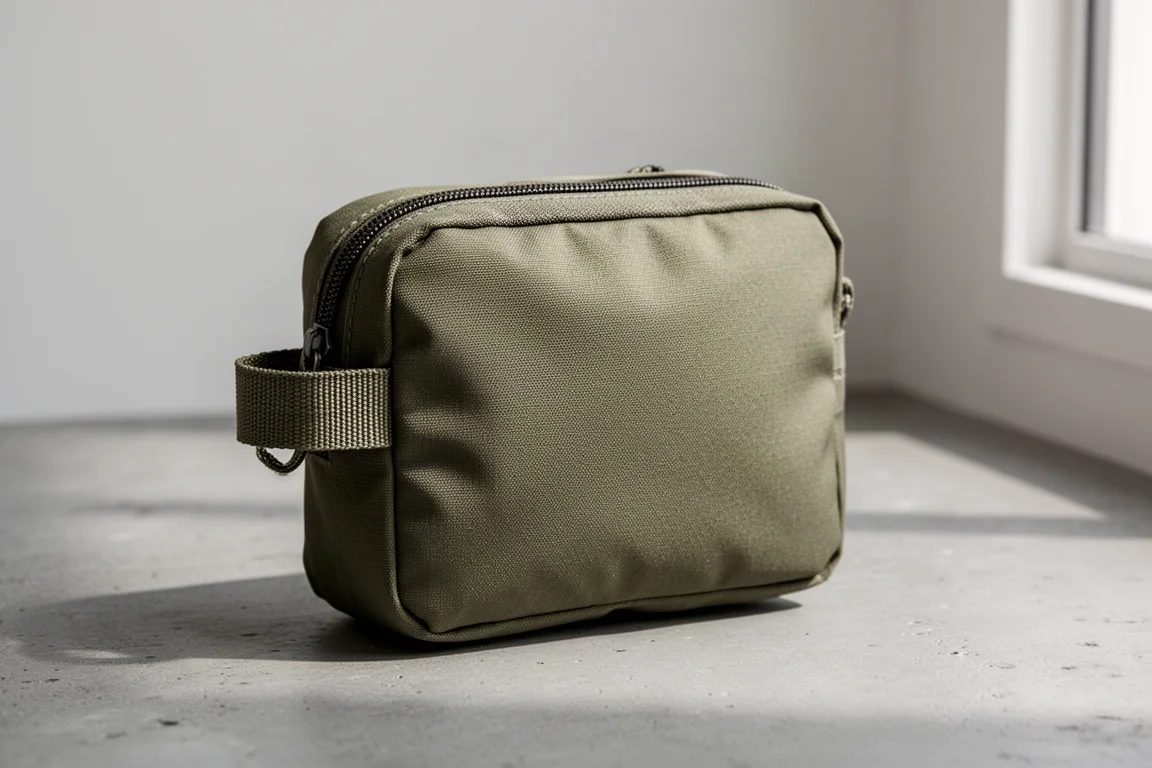
The first aid kit from Space Bear Bags takes a similar approach. Its design makes the kit easy to spot and grab, which matters more than it sounds, because a first aid kit that stays buried at the bottom of a pack tends to stay there.
It is sized to move between a daypack and a backpacking pack, so the same kit can cover short hikes and longer trips without being repacked.
Overall Buying Advice
Start with the item that solves a problem you have actually had. If you have ever walked around town on a zero day in wet trail runners, the Mayfly sandals are the obvious first purchase. If cold-weather trips have left you fighting with frozen or thickened liquid soap, the Pika Outdoors powder is the more useful upgrade.
For the smaller accessories, the Omen’s Right stake sack is a low-cost fix for a daily annoyance, while the Space Bear Bags items are the ones to buy when you want gear that is pleasant to handle as well as functional. Both Space Bear Bags pieces sell out quickly, so it is worth setting a restock alert rather than checking back and hoping.
Conclusion
None of these six items will change how a pack carries, and that is exactly the point. Each one is small, light, and aimed at a specific irritation: camp footwear, cold-weather hygiene, stake storage, and pack organisation.
Buy them for the problems they solve, and they tend to stay in the pack long after the novelty wears off. The sandals and the powdered soap deliver the clearest day-to-day benefit, while the stake sack and the Dyneema pieces are the small, satisfying upgrades that make a kit feel finished.
Further reading
Related Reviews

Backpacking Gear
Building a 10 lb Base Weight: An Ultralight Backpacking Gear List
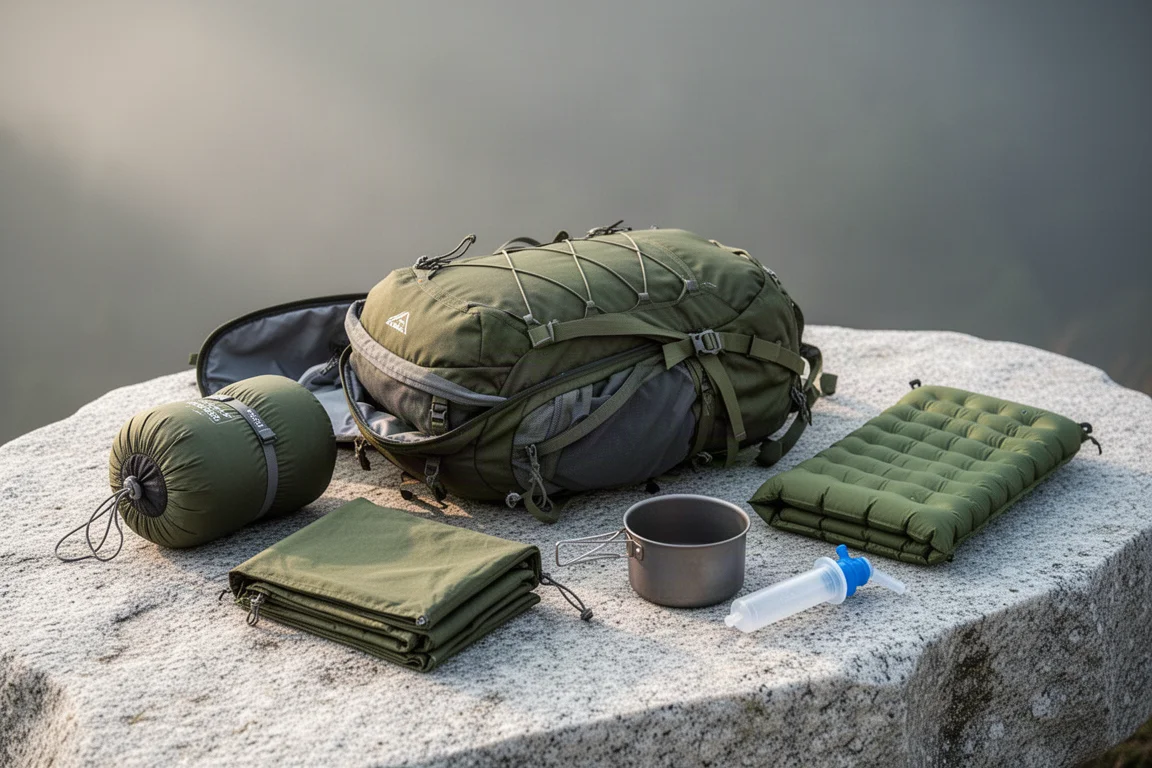
A practical walkthrough of the ultralight pieces behind a 10 lb base weight, from a 765 g pack and a roomy one-person tent to a full camp chair and a dependable water filter.
Backpacking Gear
A 15-Pound Lightweight Backpacking Gear List for Solo Trips
A beginner-friendly 15-pound backpacking setup built from easy-to-find gear, with notes on what each piece does, how it packs, and where to spend your attention.
Backpacking Gear
8 Ultralight Backpacking Gear Upgrades Worth Carrying
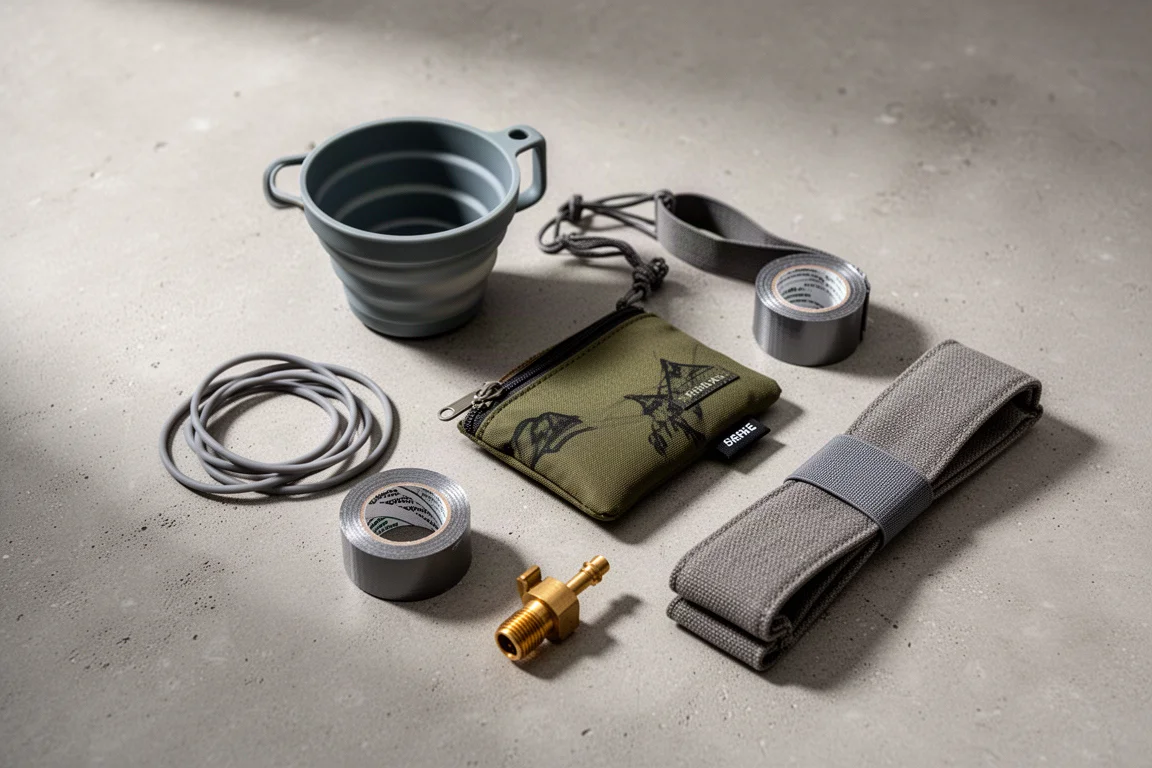
Eight small, affordable backpacking upgrades that solve real trail annoyances, from a pillow that stays put to a fuel valve that rescues leftover canister gas.