Backpacking Gear
Ultralight Backpacking Gear Worth Considering: Five Picks for 2026
Five ultralight backpacking items, from a five-gram stake cap to a feature-rich pack, with the real strengths and trade-offs to weigh before buying.
Introduction
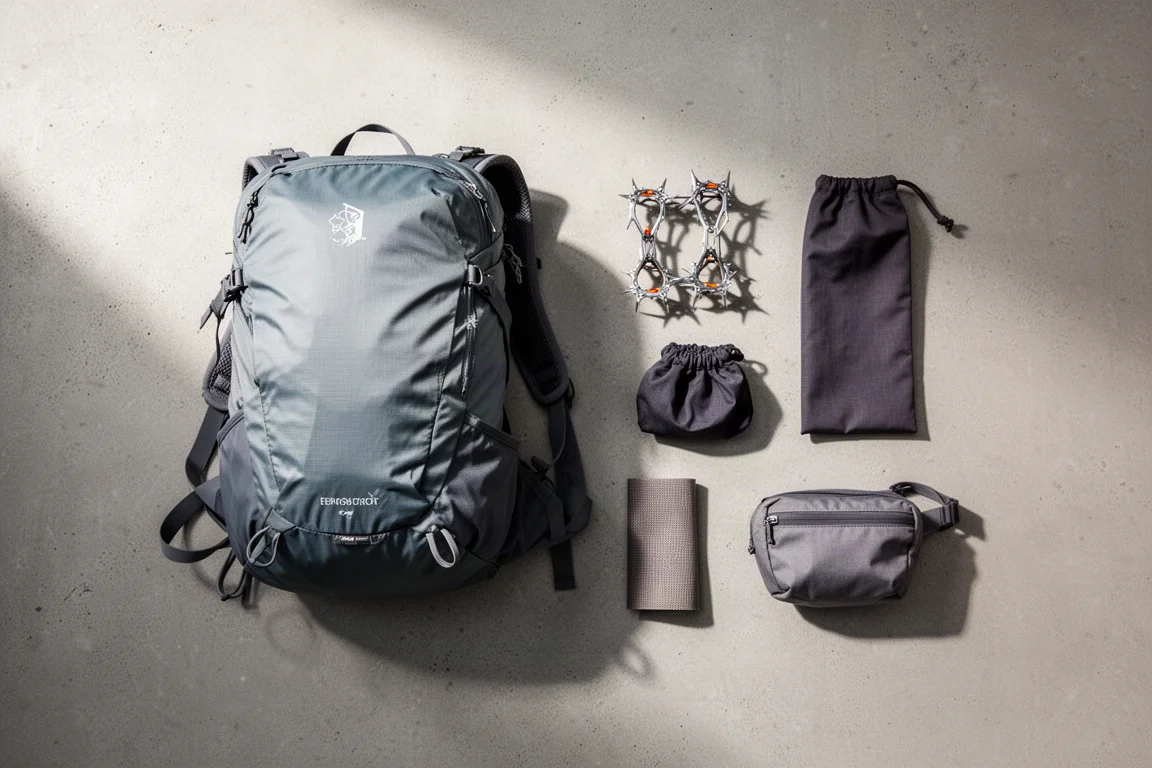
The most interesting ultralight gear rarely arrives as a headline product. It tends to be a small object that removes a recurring annoyance, or a piece of safety equipment light enough that you stop leaving it at home. The five items below sit in that space: a five-gram accessory for hard ground, a pair of microspikes built around weight savings, an unconventional take on rain protection, a feature-rich pack still working its way to market, and a minimalist hip pack.
None of them are universal recommendations. Each one earns its place on a particular kind of trip, and each has a trade-off worth understanding before you spend.
What Makes a Piece of Gear Worth the Weight
Weight only matters when it changes a decision. A pair of microspikes light enough to pack as a safety backup is worth more than a heavier pair that stays at home, and a five-gram stake cap that saves your hands on rocky ground is worth more than a gadget that never leaves the stuff sack. The real question is not whether an item is light, but whether its weight stops you from bringing it.
Price is the second filter. Ultralight gear often carries a premium because it uses expensive fabrics and small-batch production, so it helps to separate cost from value. A modest item that solves a real problem is a better buy than an expensive one that only looks technical.
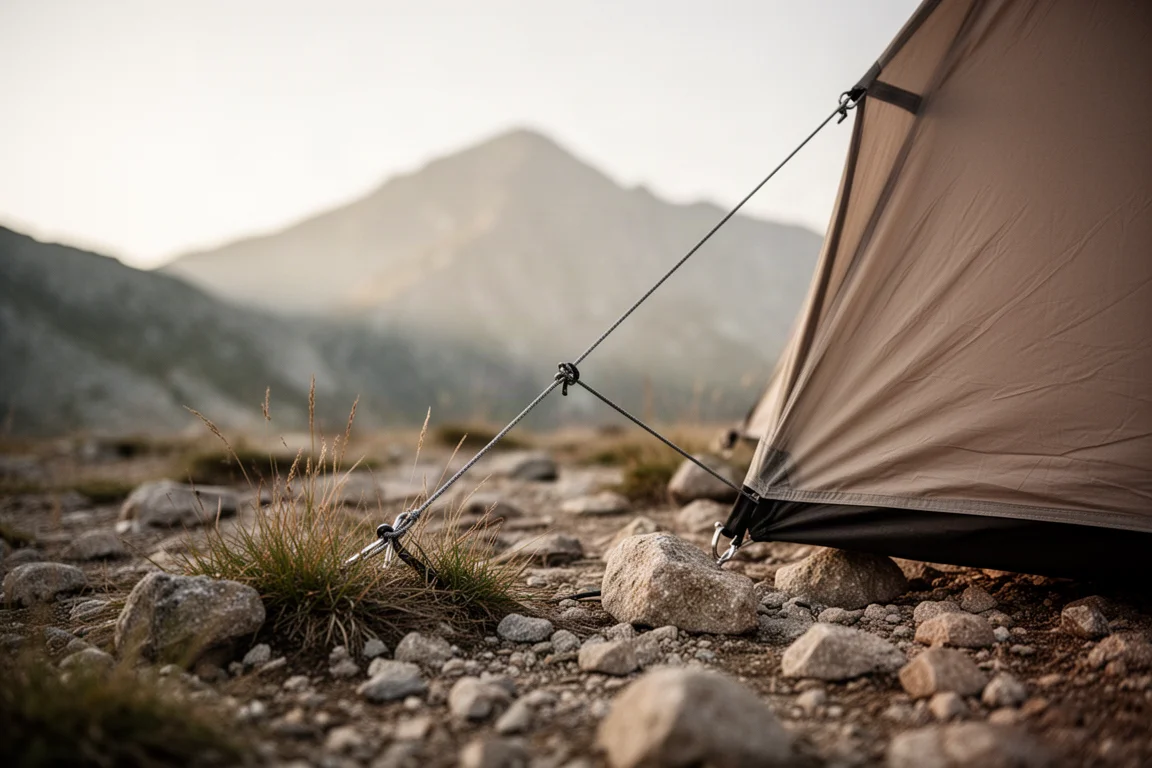
Durability closes the loop. Gear that survives several seasons costs less per trip than gear that has to be replaced, which is why construction and materials matter as much as the number on the scale.
A Five-Gram Cap That Solves a Familiar Annoyance
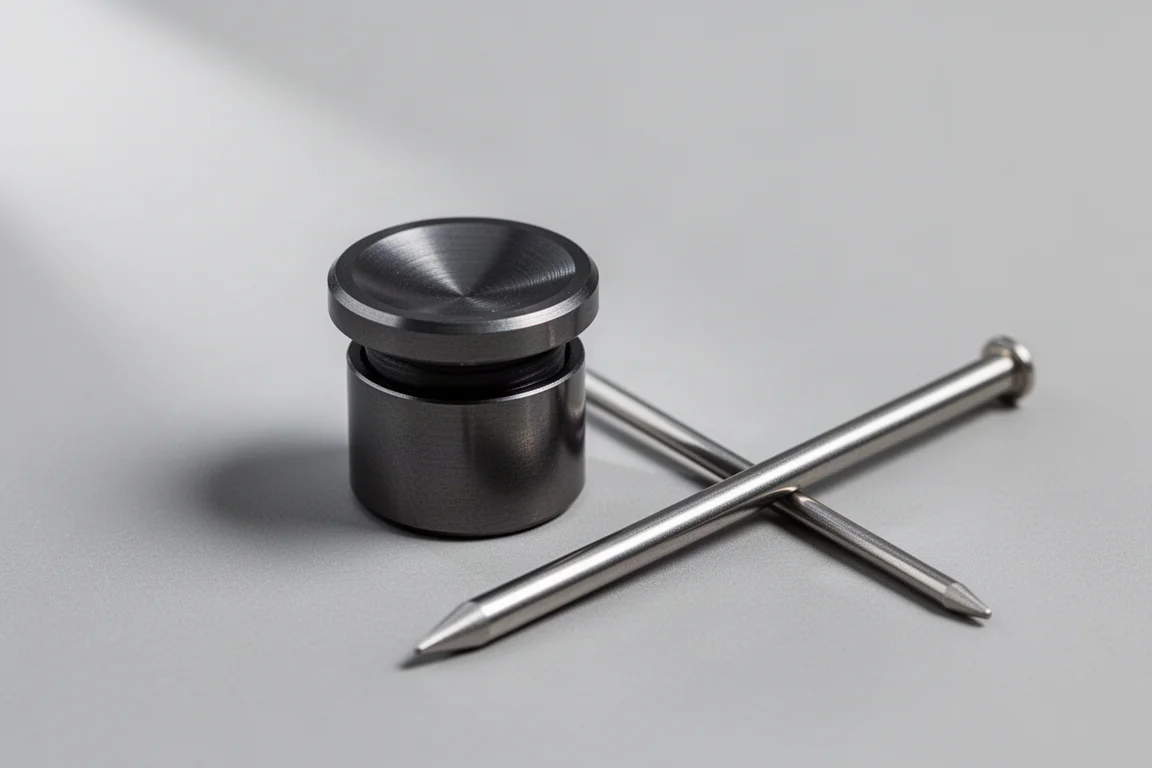
Pushing a tent stake into hard, rocky ground with your palm is one of those small frustrations that repeats every trip. The stake cap from Cam’s Backpacking Gear is a simple answer: a small cap that fits over the top of a stake so you can press it in by hand instead of hunting for a rock that may slide off.
It weighs around five grams and comes in versions shaped for different stake styles. That makes it a low-risk addition to a stake bag, and attaching it there is the obvious way to keep it from going missing. At around nine dollars it is one of the least expensive items in this roundup, and it addresses a problem nearly every backpacker has run into.
Microspikes Light Enough to Stop the Debate
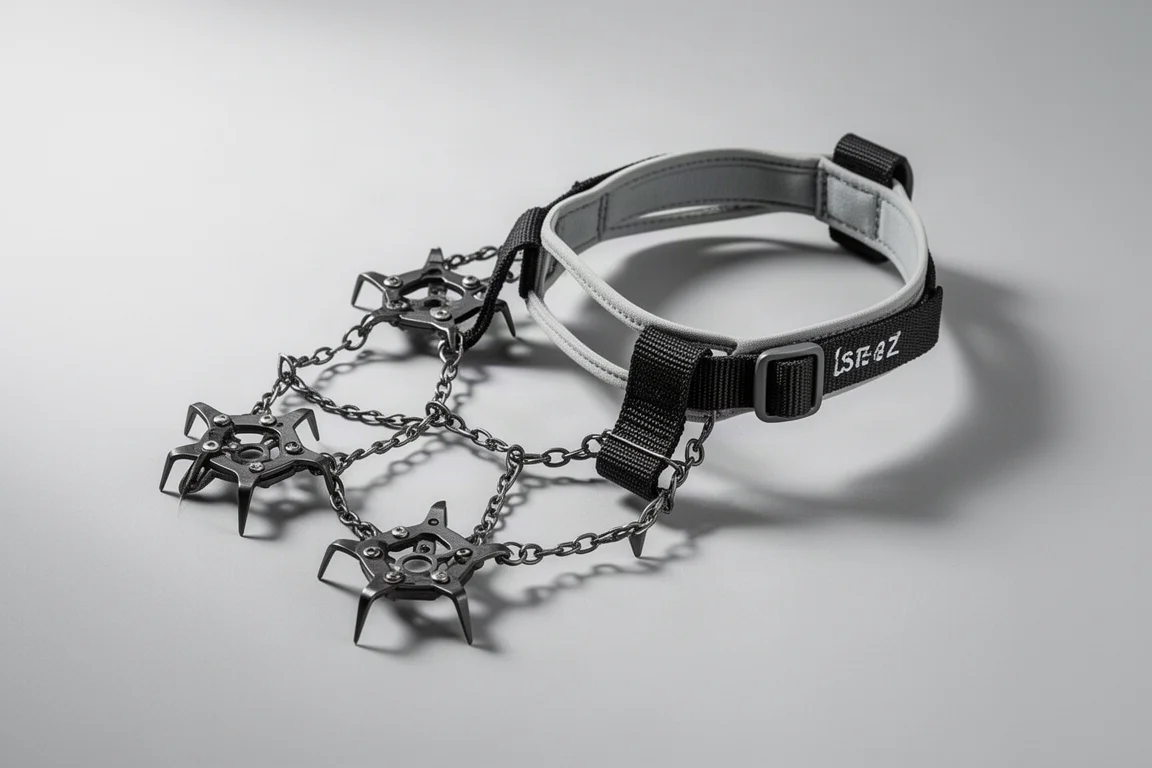
The Ghost microspikes from Cula are built around a single idea: if traction aids are light enough, hikers stop leaving them behind. They come in at roughly forty percent lighter than the brand’s standard microspikes, with a medium pair weighing around 6.8 ounces, and they use twelve spikes for grip on icy and crusted trails.
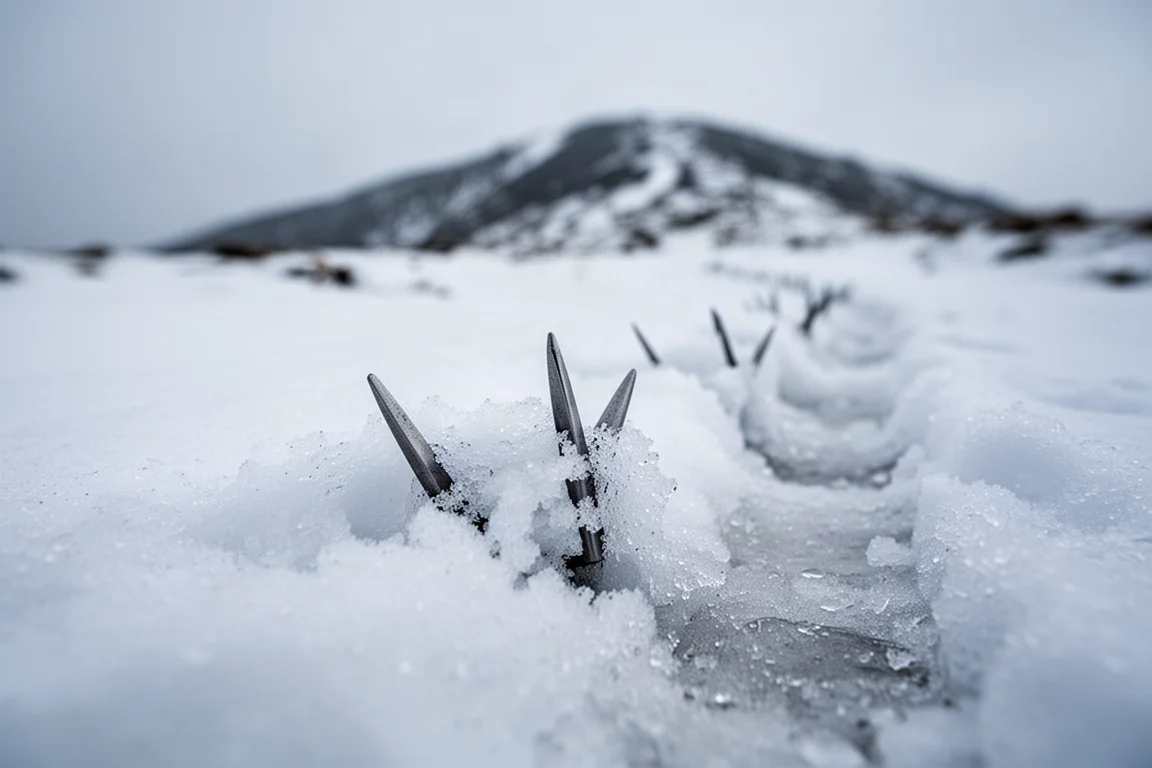
The construction is flexible enough to adjust and move with the foot, which is unusual for this category. For a low-probability, high-risk situation such as a snowfield or an icy pass, that weight saving is the difference between carrying a safety margin and gambling without one. At around $104 they are not a casual purchase, but they are aimed squarely at hikers who would otherwise talk themselves out of bringing spikes at all.
Rain Chaps for People Who Hike in Shorts
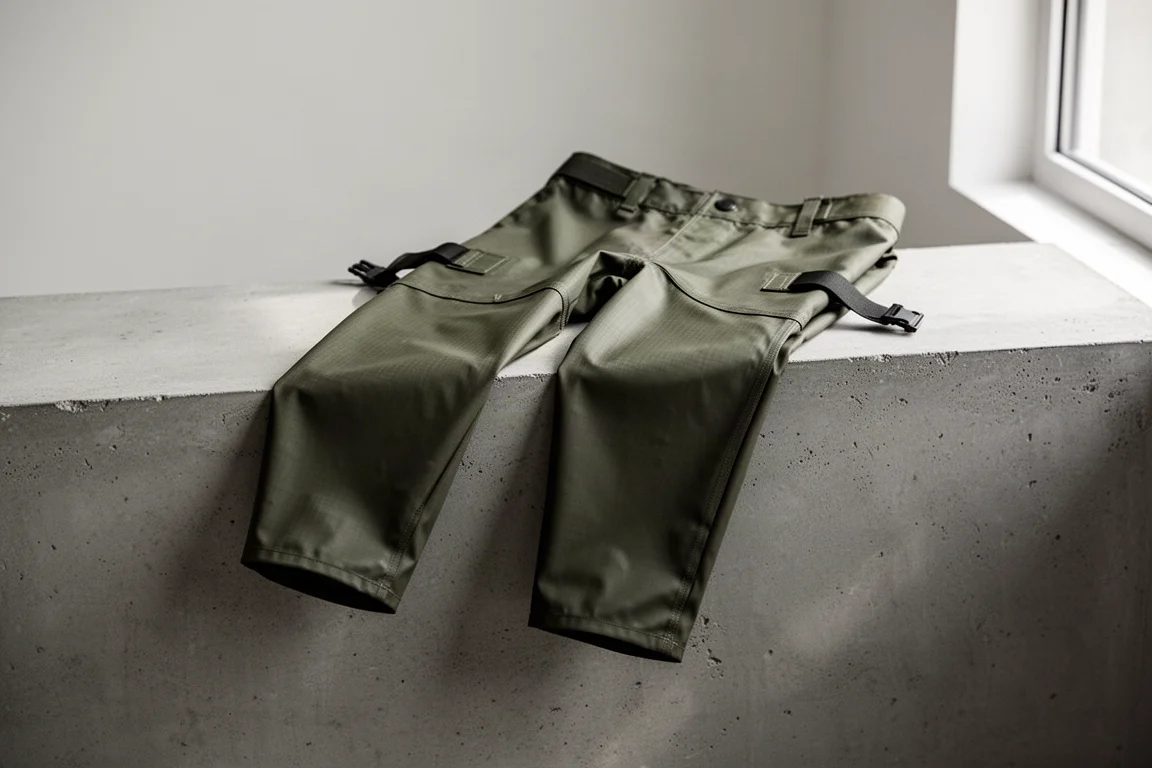
Most rain pants are overkill for a hiker in shorts. The rain chaps from 3FUL take a different route: minimalist leg coverings that attach at the sides and cover the legs without the bulk of a full pant. They are best understood as a specialized item rather than a straight replacement for rain pants.
They are also an example of the low-cost import approach that has made 3FUL familiar to weight-conscious hikers. If the price lands where it is expected, the chaps will be a low-commitment experiment for anyone curious about the format. It will not suit everyone, and it is not meant to, but it is a genuinely different way to keep rain off your legs.
A Feature-Rich Pack That Still Carries Weight Well
The Light Works backpack comes from designer Dan Madden and takes a more traditional approach to the ultralight pack. It uses Ultra fabric, keeps smooth-running zippers, and adds features that purely minimalist packs tend to skip, including an adjustable torso and a detachable hip belt.
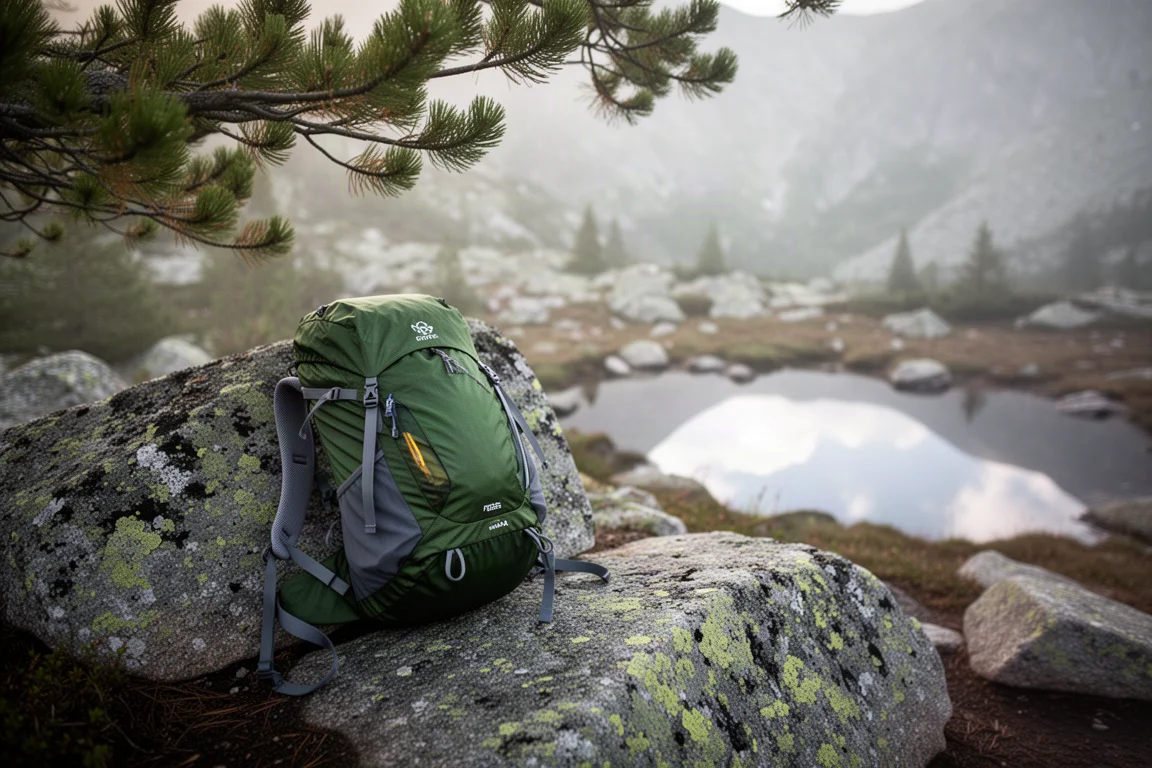
The adjustable torso is the standout detail. Rather than fixing a single torso length per size, it allows several inches of adjustment within a given size, which helps when a pack is shared or when a small change in fit makes a long day more comfortable. The detachable hip belt adds flexibility, though hip belt pockets and shoulder pouches are sold separately. It carries weight well, and the extra ounces are justified by how it feels under load.
The catch is availability. The pack is not yet commercially available, and it sits at the upper end of what ultralight packs cost, with an expected price around $398. If it reaches the market as described, it will appeal to backpackers who want a lighter pack without giving up adjustment and structure.
A Minimalist Fanny Pack Built to Last
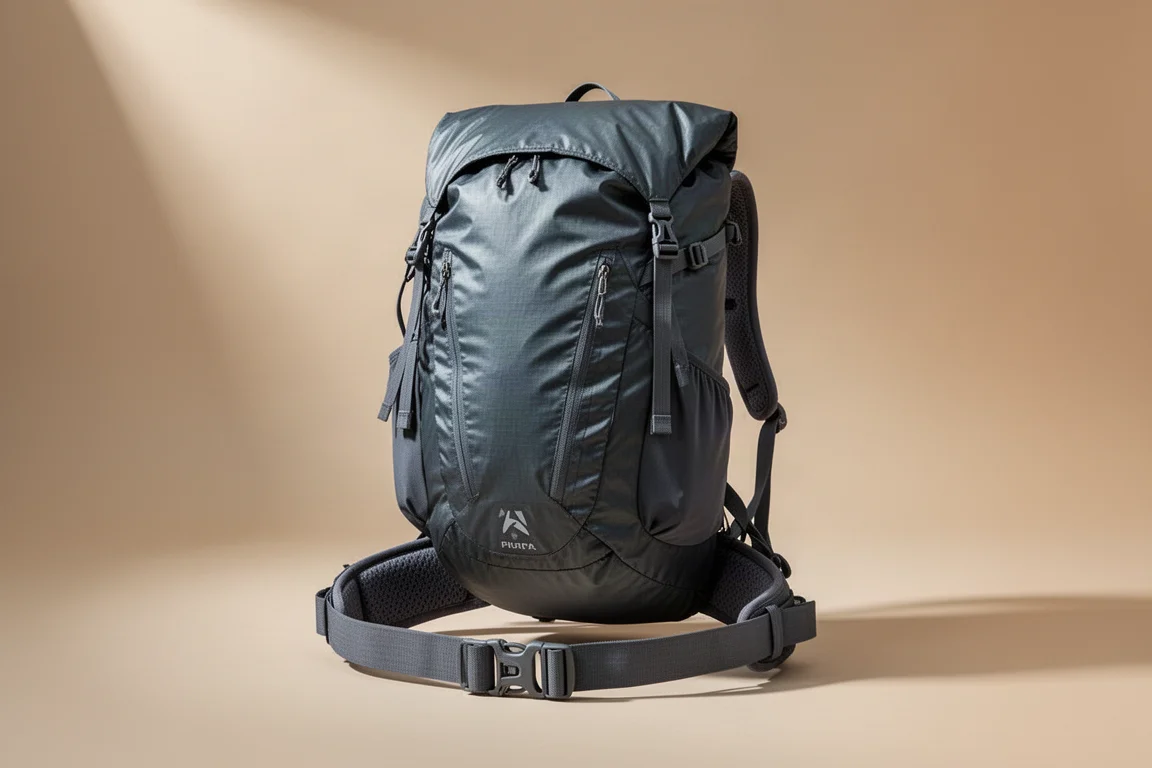
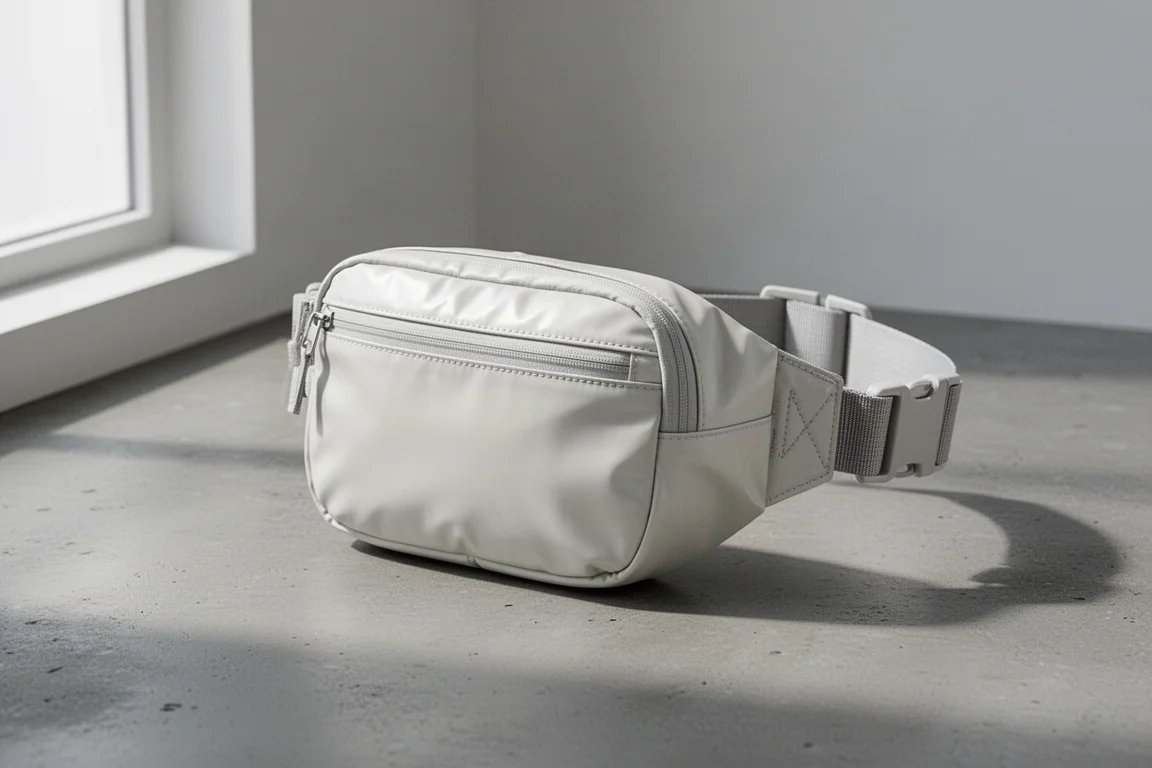
The Vice Versa from Hyperlite Mountain Gear is the smaller sibling of the brand’s Versa fanny pack, and it keeps the same no-frills philosophy. There is one main compartment, a simple strap, and the durable laminated construction the brand is known for.
The clearest use case is a pack without hip belt pockets, or a base camp where you want to leave the main pack behind for a short day hike. At $60 it is expensive for a small hip pack, and there is no organization to speak of, but the materials and build are aimed at lasting many seasons rather than a single one.
Buying Advice
The right order of questions is simple: does the item remove a problem you actually have, is it light enough that you will bring it, and does the price make sense for how often you will use it.
For most backpackers, the stake cap and the rain chaps are low-cost experiments, while the microspikes and the Light Works pack are considered purchases that should match a real pattern of trips. The Vice Versa sits in the middle: a small luxury that makes sense if you already value a hip pack or want a light option for side trips.
Conclusion
Ultralight gear is most useful when it changes behavior rather than just the number on a spreadsheet. A five-gram cap that makes camp setup easier, a pair of spikes light enough to always carry, and a pack that adjusts to fit properly all earn their weight in different ways. Match each item to the trips you actually take, and the upgrade will feel obvious.
Further reading
Related Reviews

Backpacking Gear
Building a 10 lb Base Weight: An Ultralight Backpacking Gear List
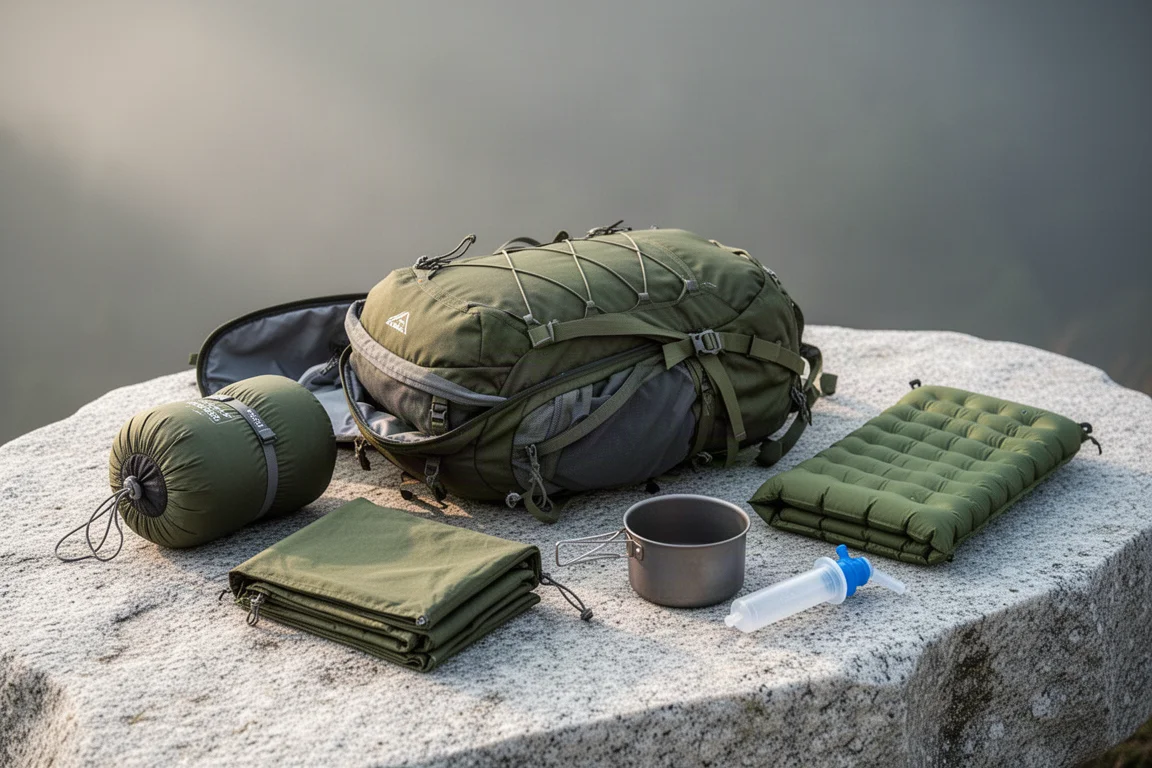
A practical walkthrough of the ultralight pieces behind a 10 lb base weight, from a 765 g pack and a roomy one-person tent to a full camp chair and a dependable water filter.
Backpacking Gear
A 15-Pound Lightweight Backpacking Gear List for Solo Trips
A beginner-friendly 15-pound backpacking setup built from easy-to-find gear, with notes on what each piece does, how it packs, and where to spend your attention.
Backpacking Gear
8 Ultralight Backpacking Gear Upgrades Worth Carrying
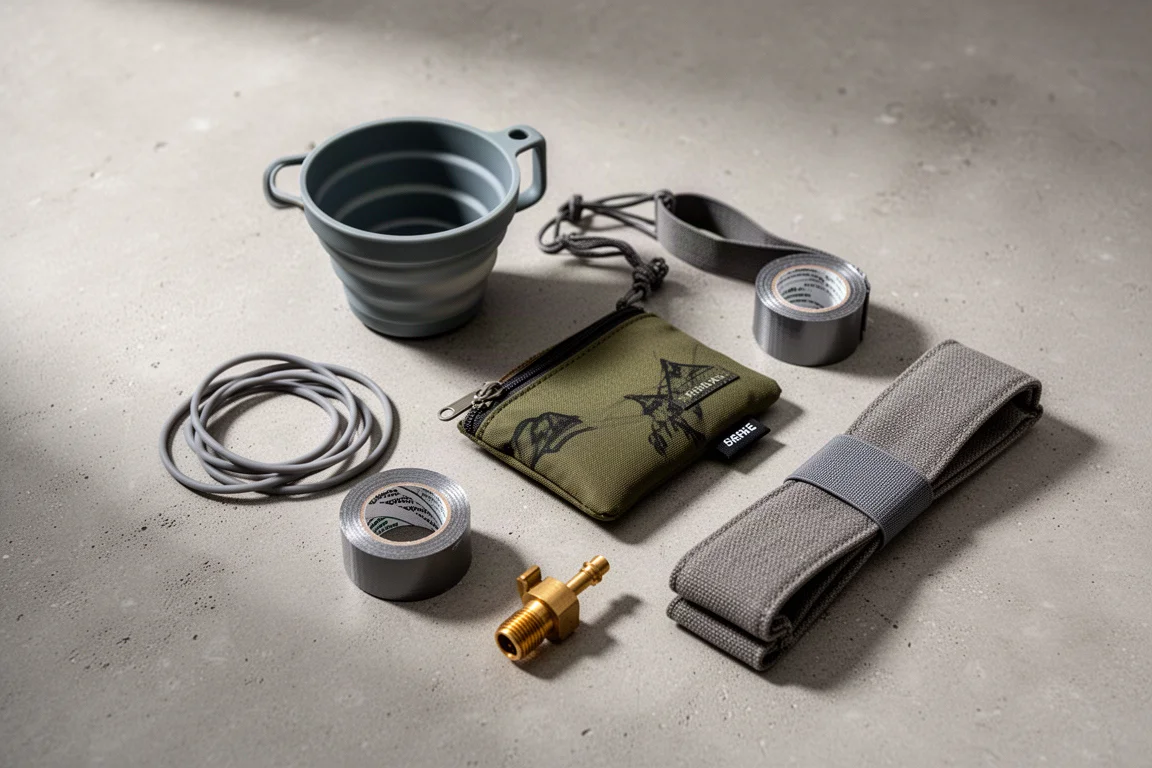
Eight small, affordable backpacking upgrades that solve real trail annoyances, from a pillow that stays put to a fuel valve that rescues leftover canister gas.