Backpacking Gear
Ultralight Backpacking Gear Without Trekking Poles: A Sub-10 lb Loadout
A practical ultralight backpacking loadout built around a freestanding two-person tent, with a base weight just under 10 lb and bear country essentials included.
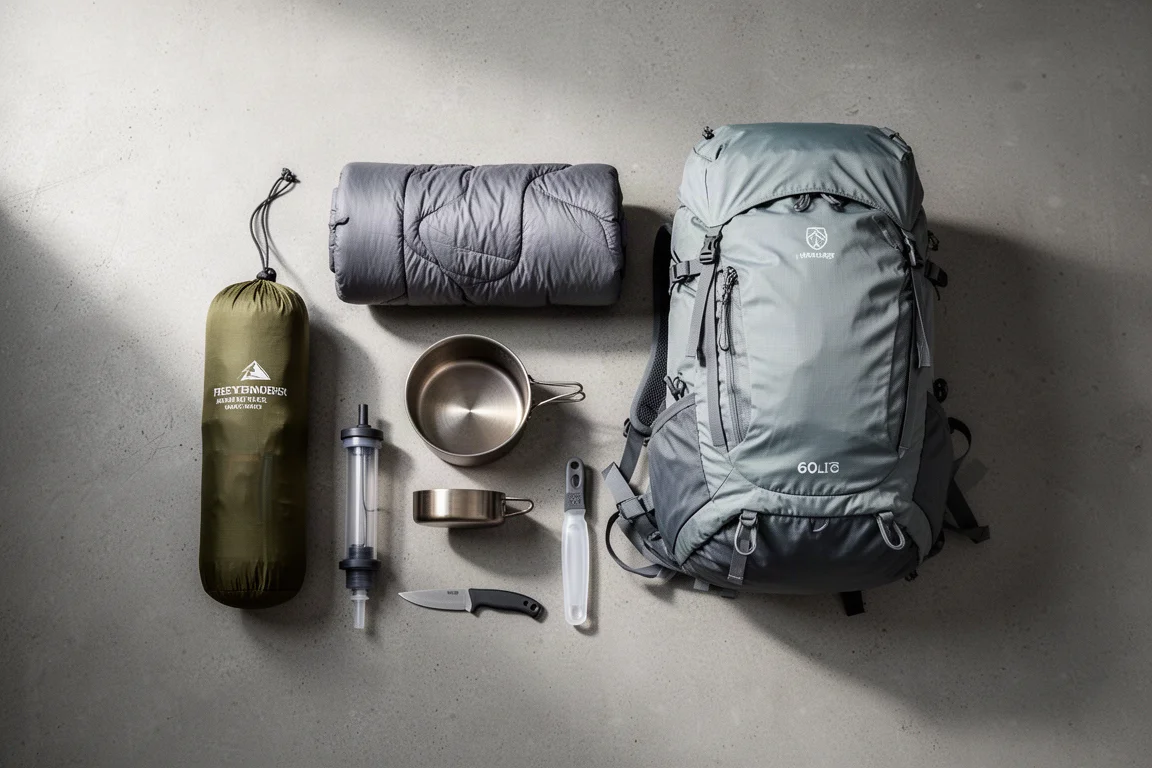
Introduction
Ultralight backpacking advice usually arrives with an unspoken assumption: that you carry trekking poles. A trekking pole shelter is one of the simplest ways to cut weight, and it dominates most published ultralight setups. If you hike with your hands free, that advice is much harder to apply than it first appears.
This loadout takes the other route. It keeps a freestanding two-person tent and still lands right under 10 lb of base weight. It also includes a few items that ultralight lists frequently omit, most notably bear spray and a way to hang food. Bears live in far more places than most gear lists assume, including parts of western Arkansas, eastern Oklahoma and eastern Texas, so the safety items stay in the pack.
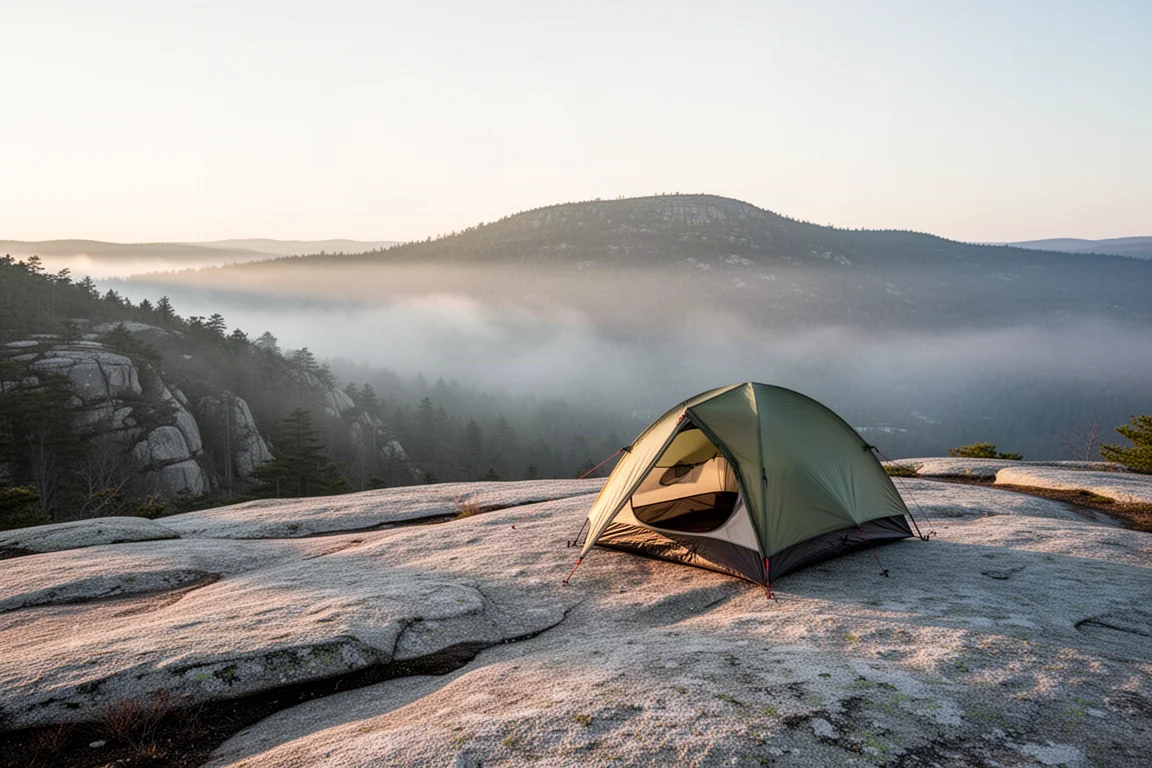
Everything below counts toward the total, including the safety gear. The result is a setup that favors quick pitching, simple packing and a realistic margin of safety over the lowest possible number on a scale.
What This Ultralight Loadout Prioritizes
Three priorities shape every choice in this list.
First, the shelter stays freestanding. Freestanding and semi-freestanding tents are easier to pitch and easier to live with than trekking pole shelters, and a two-person model can be split between two packs so each hiker carries roughly half.
Second, weight savings have to be worth the money. The clearest example is the sleeping pad, where a lighter model exists but the upgrade costs far more than the ounces it saves.
Third, safety gear is not optional. Bear spray, food storage and a first aid kit appear in this loadout even though they add weight, because the places worth hiking often overlap with bear country.
Shelter: Nemo Hornet Elite 2-Person Tent
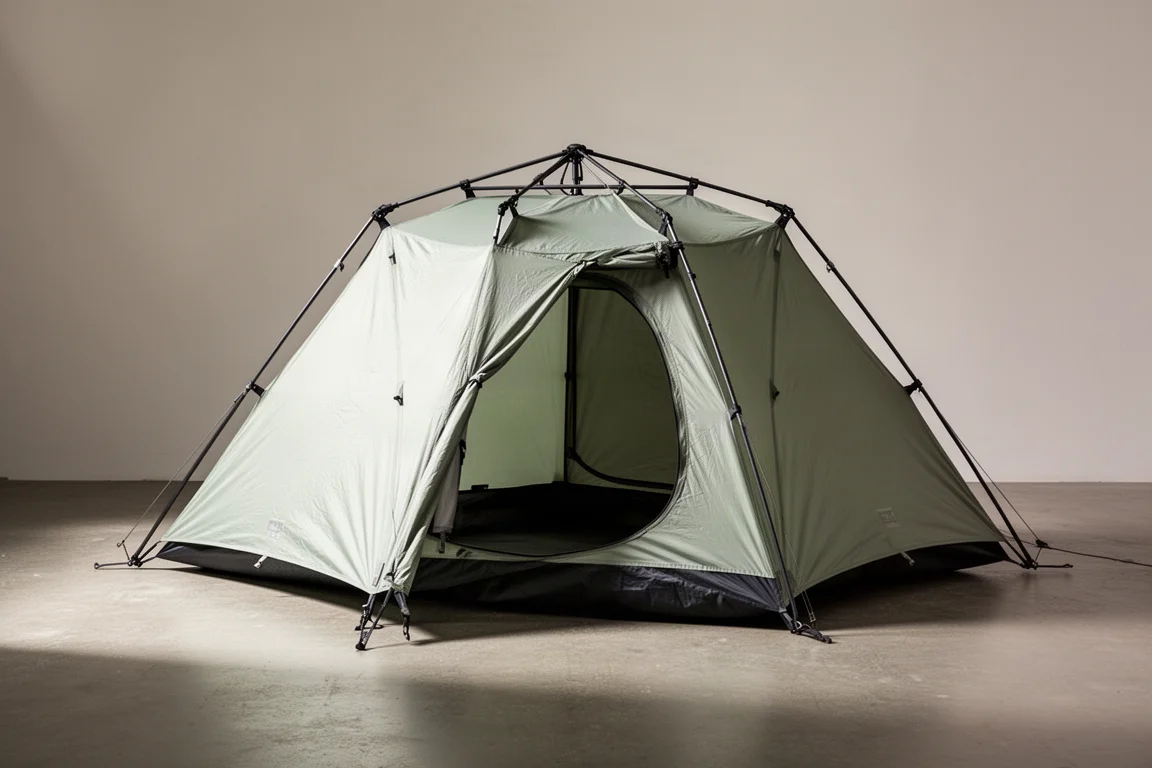
The Nemo Hornet Elite two-person tent is the anchor of this loadout. Packed with its poles, stakes and guy lines, it weighs right at 2 lb, which puts it among the lightest freestanding two-person tents you can carry.
Solo trips get plenty of interior room, and two people do fit, although it is tight with two occupants. Split between two hikers, the shelter works out to about 1 lb each, which is hard to beat for a design that pitches without trekking poles. A freestanding tent also sets up faster and with less fiddling than a shelter that depends on poles you are already holding.
Pack: Gossamer Gear Mariposa 60
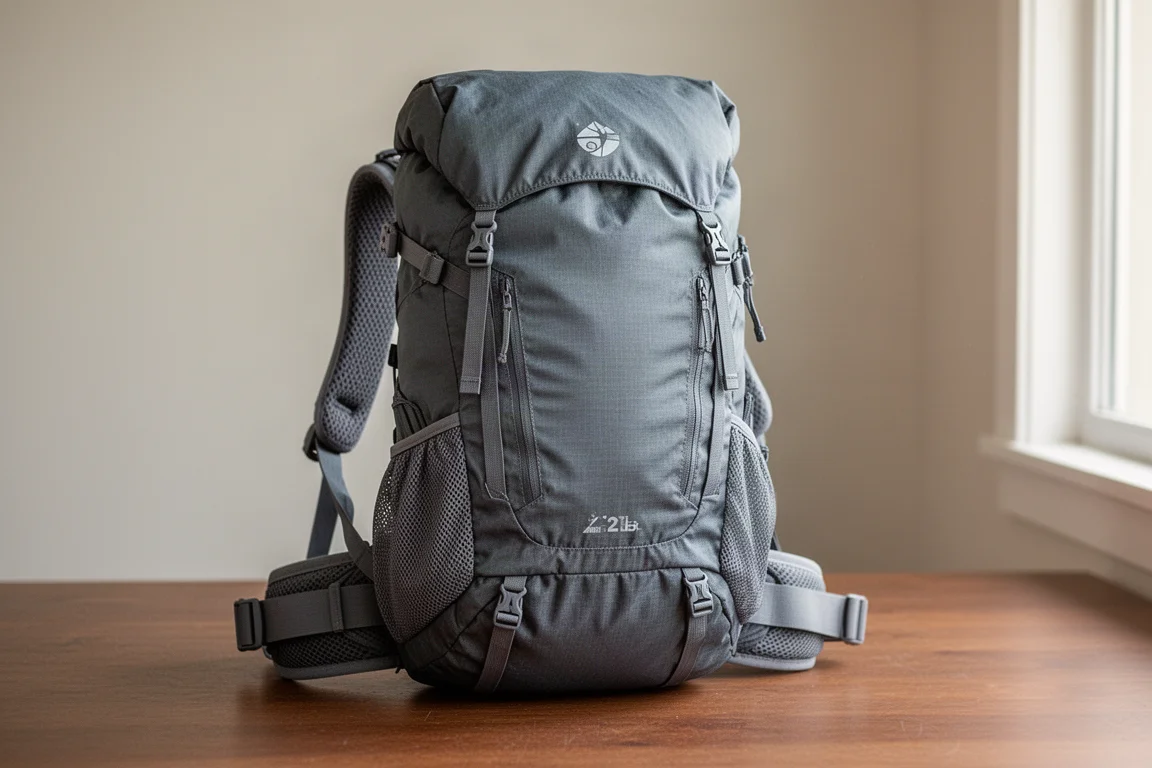
The Gossamer Gear Mariposa 60 weighs about 2 lb and is the piece that pulls the big three down in weight. Two details stand out. The back pad doubles as a seat when you stop for a break, and the long external pocket is a natural home for tent poles.
Hikers who are used to traditional packs may need a few trips to settle into an ultralight harness, so it is worth loading one up and walking a few miles before committing to a long route.
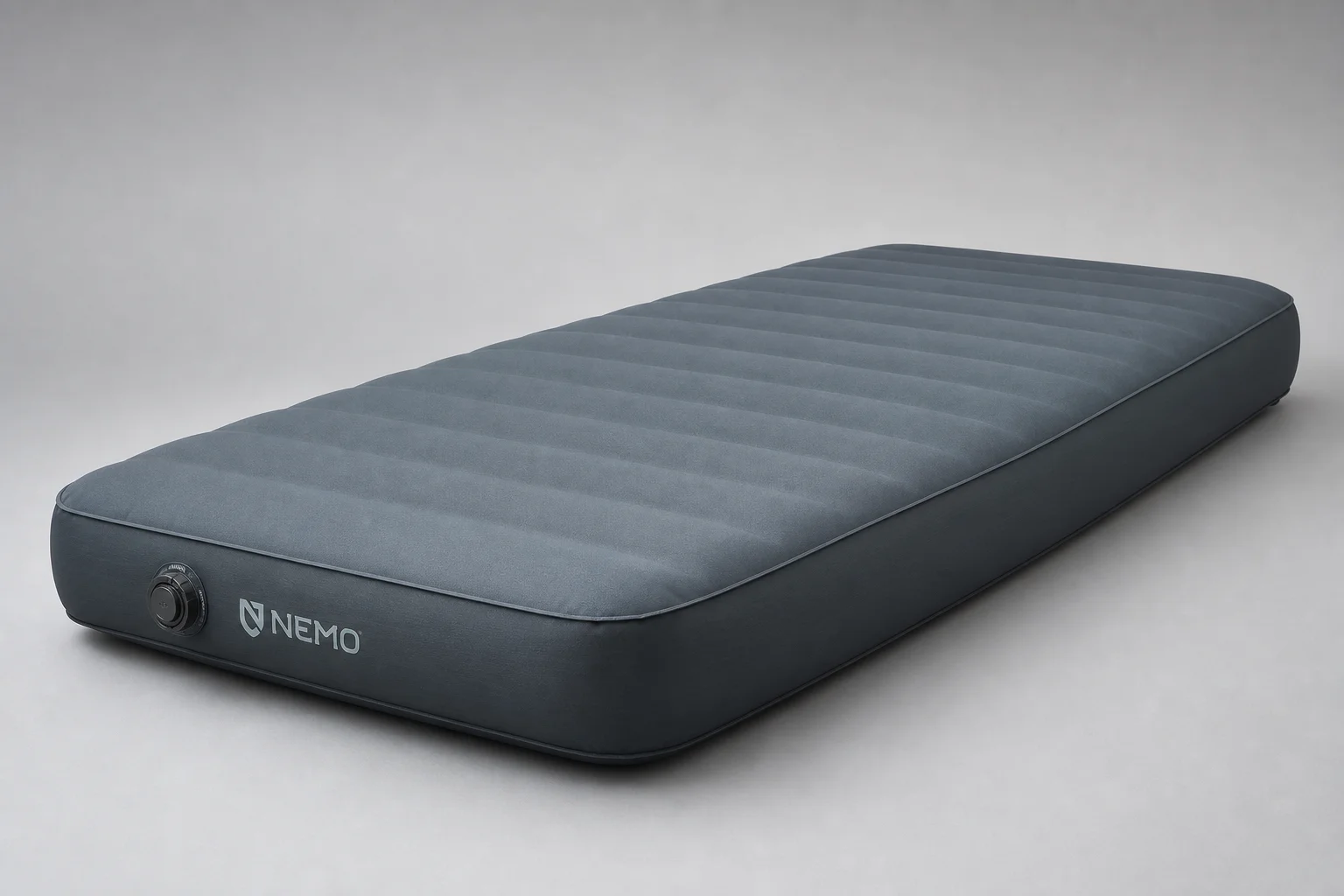
Sleeping Pad: Therm-a-Rest NeoAir
The Therm-a-Rest NeoAir in this loadout is an older model from before the XLite and UberLite names existed, and it performs much like an XLite. It weighs right at 12 oz.
A lighter pad does exist. The UberLite would save about 4 oz, but the upgrade costs roughly $150 more, and that trade does not make sense when the pad you already own still does the job. Choosing not to spend here keeps budget available for the items that matter more.
Quilt: Featherstone Moondance 25
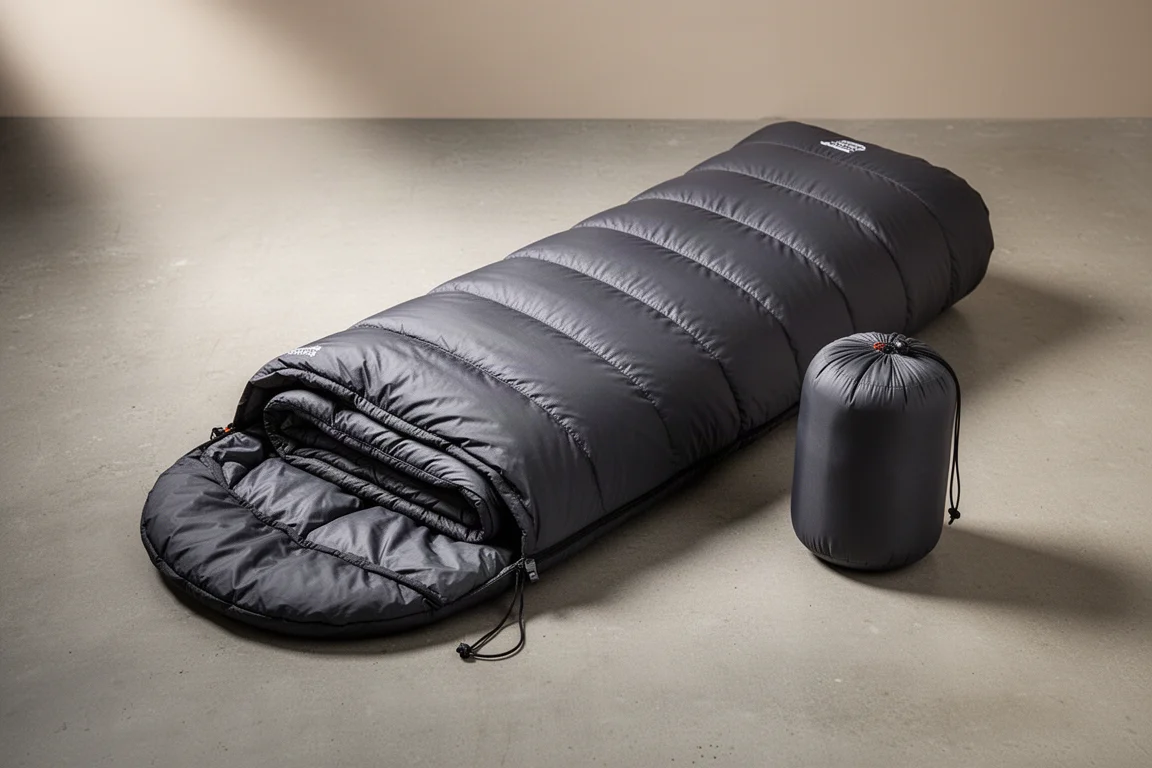
The Featherstone Moondance 25 is the newest addition and the best value in the sleep system. It is an ultralight backpacking quilt that weighs 23 oz and stays affordable, which makes it a strong match for high-altitude summer hiking.
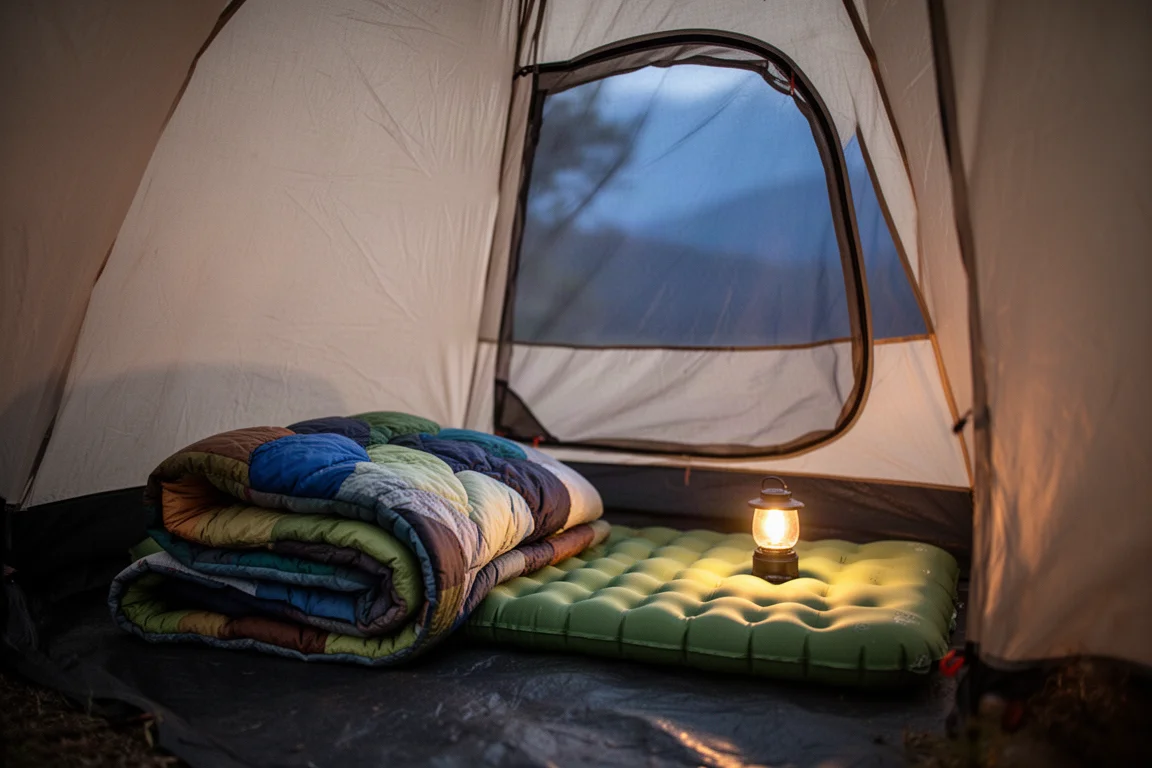
Paired with a 12 oz pad, the sleep system stays light without pushing the budget, and the two pieces pack down small enough to leave room for food and water on longer stretches.
Cook Pot: Toaks 550 ml Titanium Pot
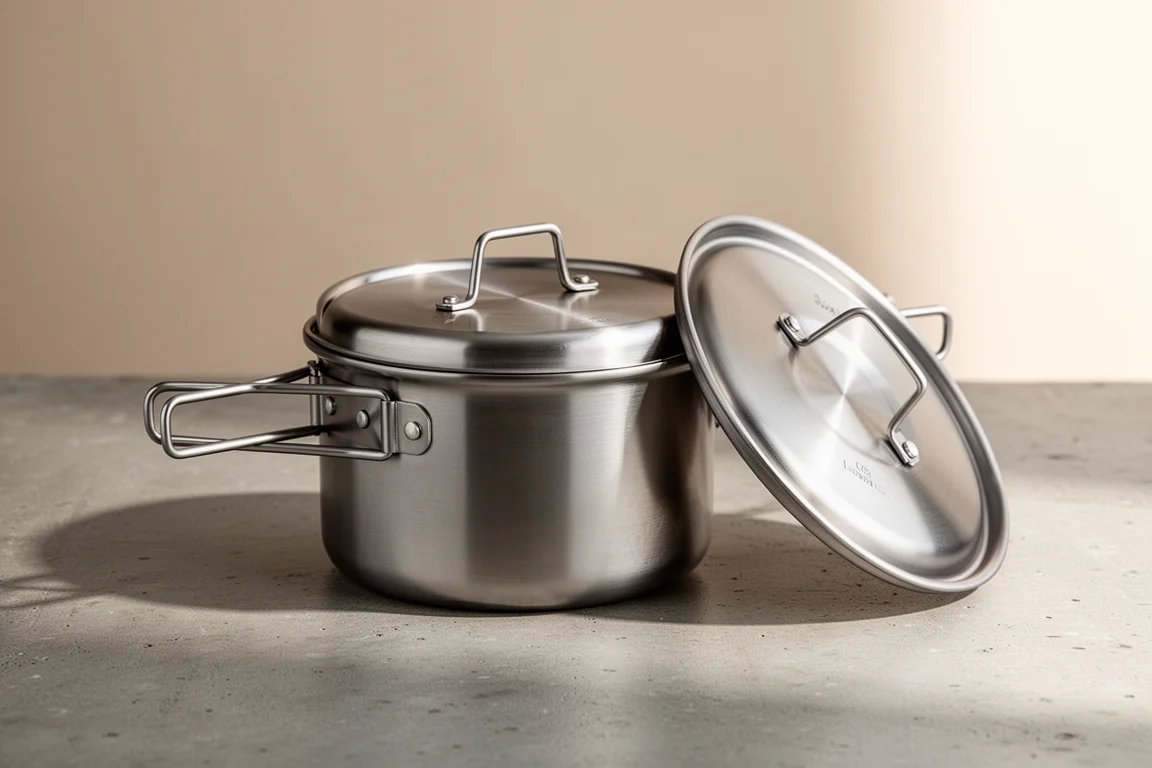
The Toaks 550 ml titanium pot sits at the center of the cook kit. At 550 ml it still handles most boil-in-the-bag meals, and it is small enough to double as a coffee mug for a hiking partner who drinks it.
Titanium keeps the pot light and durable, and the compact size means the rest of the cook kit can nest around it rather than taking up its own space in the pack.
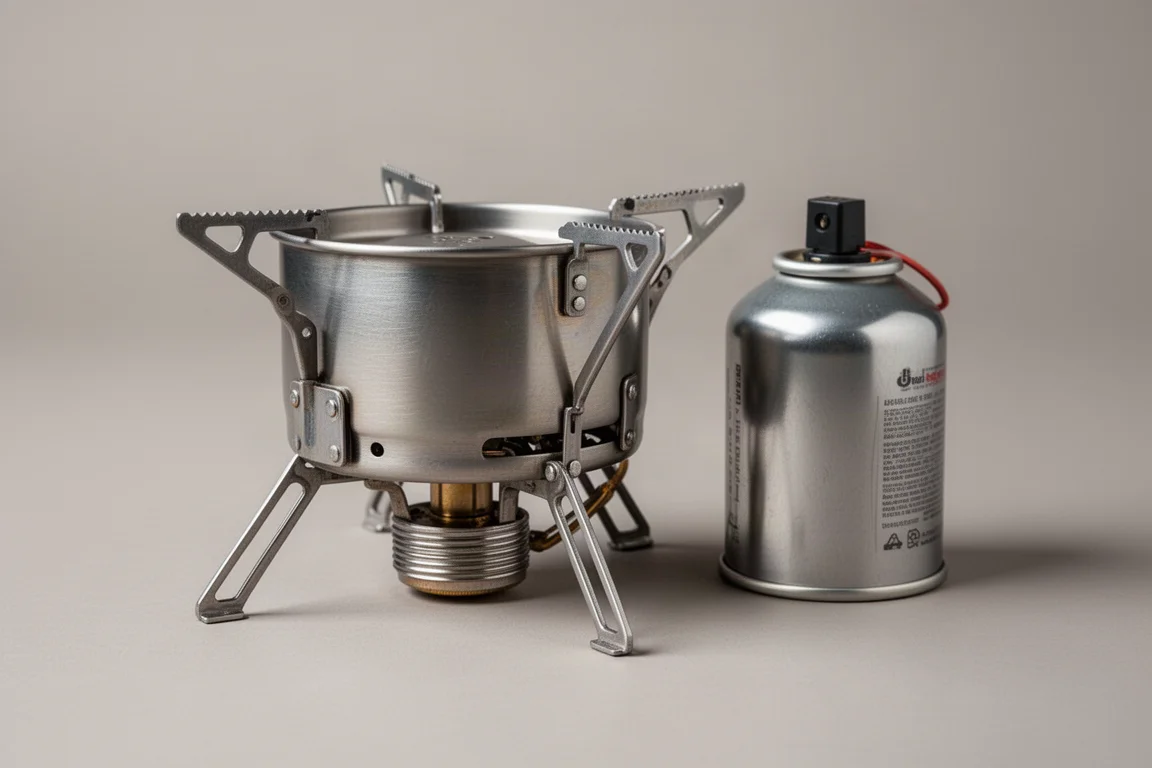
Stove: BRS 3000T Titanium Stove
The BRS 3000 titanium stove weighs less than 1 oz and completes a cook kit that comes in under 5 oz in total. Alongside it go a long-handled spoon and fork combination and a mini lighter, which is everything the kit needs for rehydrating meals at camp.
Nothing in this group is heavy enough to notice on the trail, which is exactly why the cook kit is one of the easiest places to save weight without giving anything up.
Water Treatment: Platypus QuickDraw
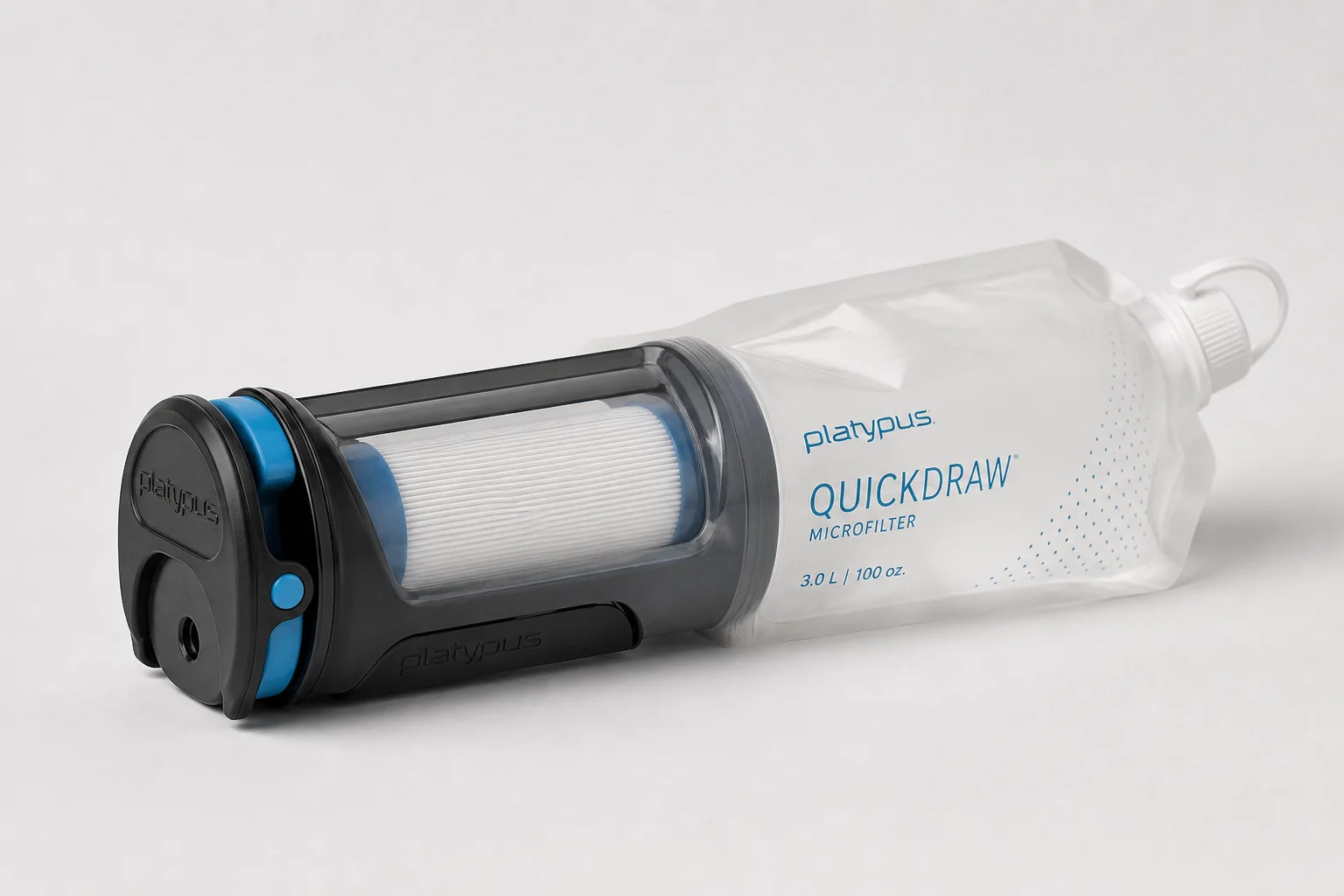
The Platypus QuickDraw weighs just 3.4 oz including its 1-liter squeeze bottle, and the design is thoughtful enough that it has become a favorite piece of the kit. It pairs with a 1-liter bottle and a smaller 23 oz bottle fitted with a sport cap, so water can be collected, carried and filtered without extra hardware.
That combination covers both camp and the trail, and it keeps the water setup simple enough to use without thinking about it after a long day of climbing.
Knife: Back Knife
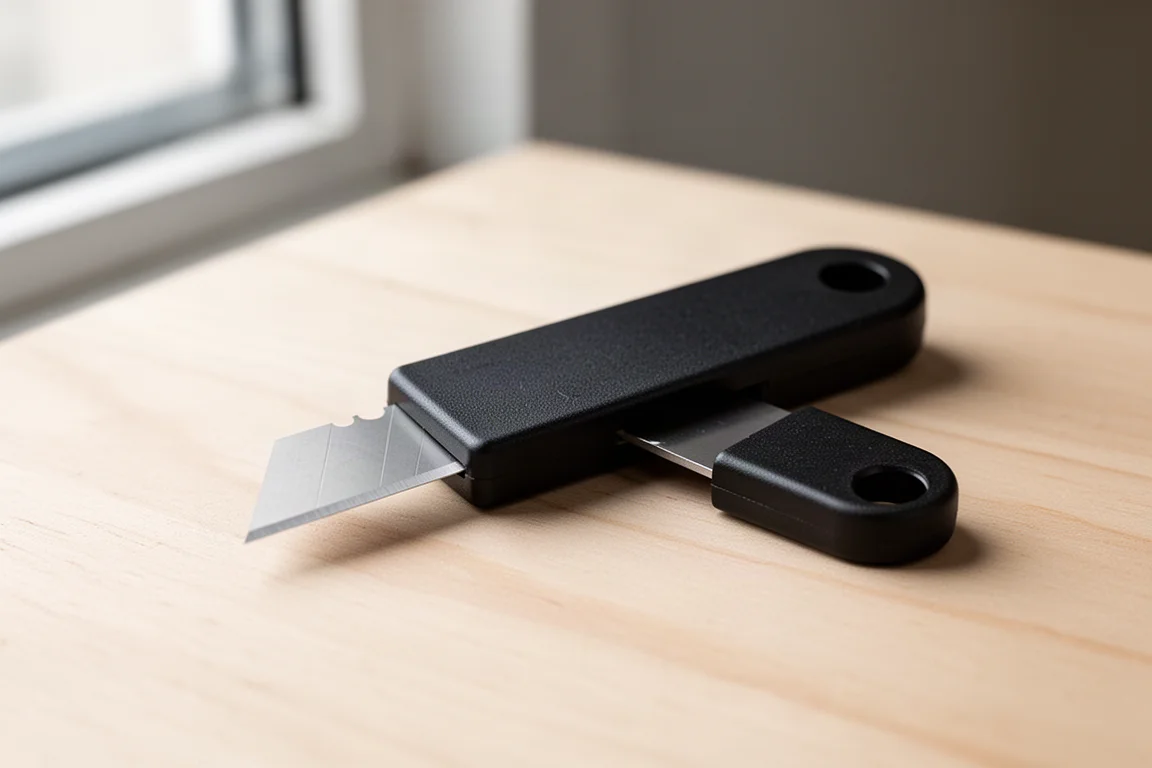
The Back Knife weighs 6.3 g. It is essentially a small plastic handle that holds a standard razor blade, and it is enough for cutting summer sausage, cheese and other lunch items that make up a lot of trail meals.
It is not the most refined tool, and opening and closing it takes some care, but nothing lighter will do the same job, so it earns its place for the weight of a couple of paper clips.
Medical Kit: Adventure Medical Kits Ultralight .5
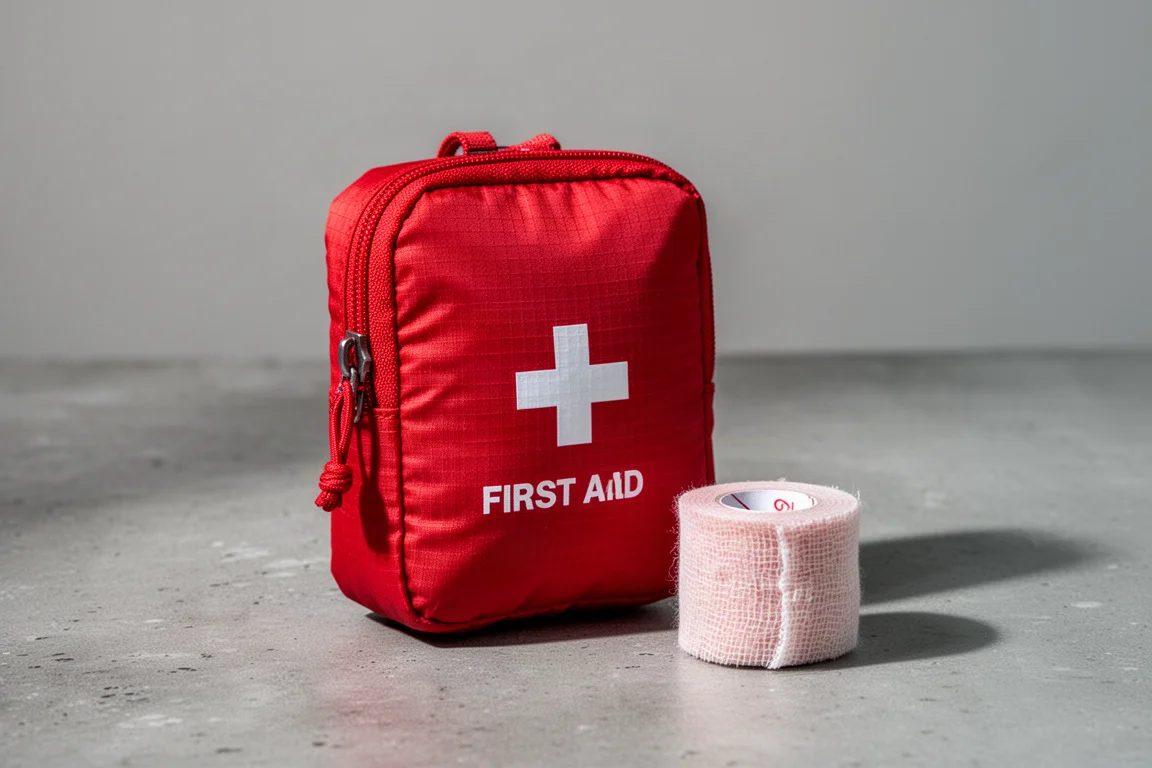
The Adventure Medical Kits Ultralight .5 first aid kit stays in the pack untouched on most trips, which is the point. It is light enough that there is no real reason to leave it behind.
Food storage belongs in the same conversation. A dry sack keeps the quilt dry during the day and then doubles as a bag for hanging food at night, with paracord for the line. In bear country, keeping food out of reach matters as much as carrying spray, and both are part of the plan here.
Satellite Communicator: Spot Generation 3
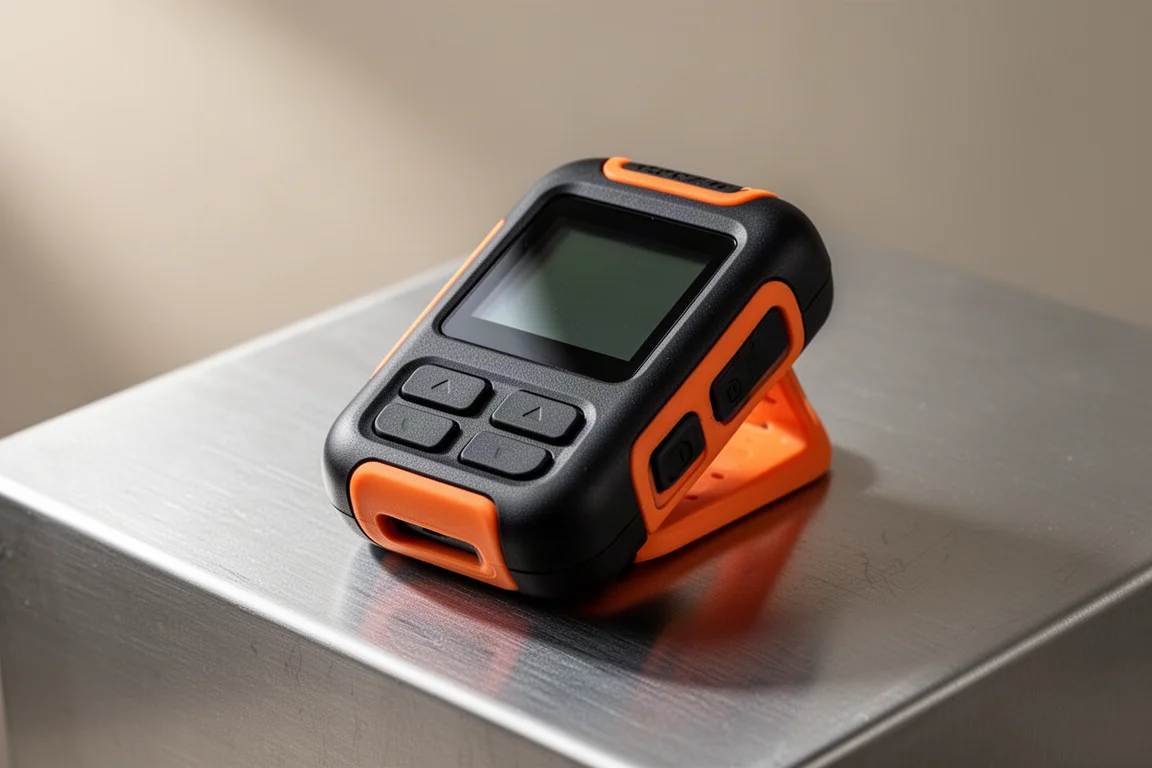
The Spot Generation 3 is the lightest satellite communicator in this kit at 115 g. It stays in the pack as a backup for emergencies well away from any kind of coverage.
A headlamp rounds out the small electronics. A lighter model exists, but the savings are only a few grams, and that money is better spent elsewhere in the loadout.
Clothing: Melanzana Hoodie
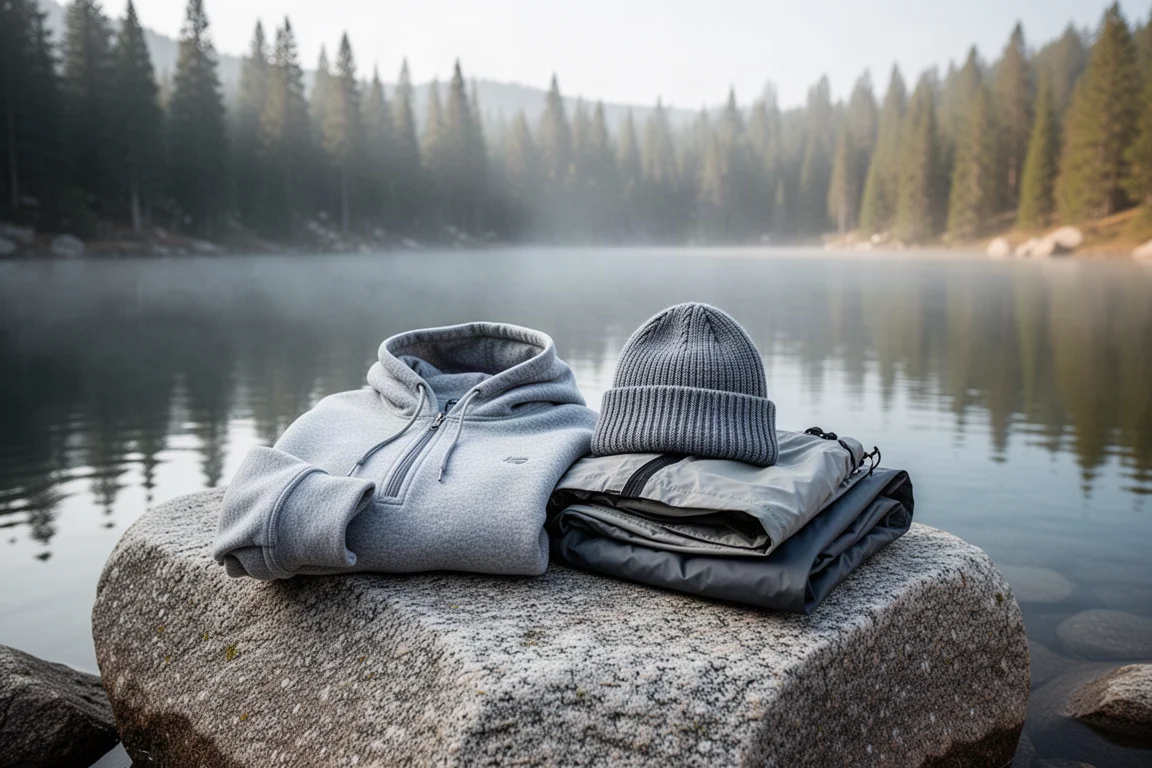
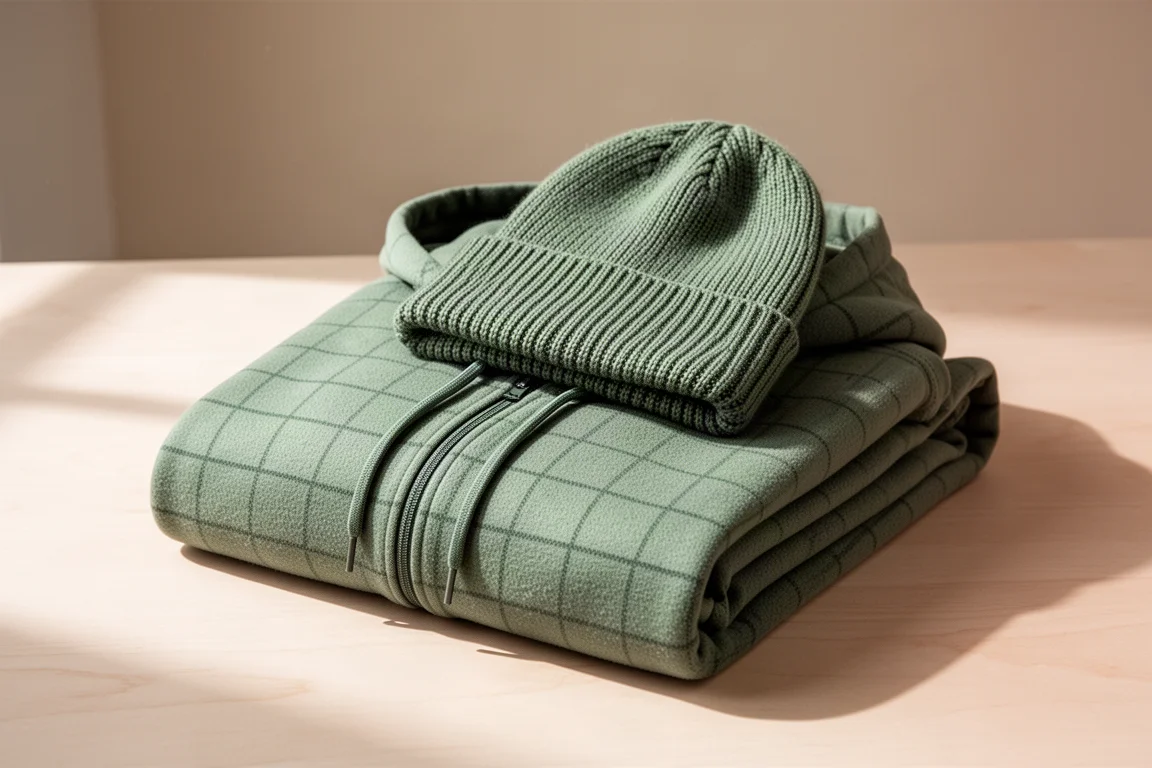
The clothing set is deliberately simple: a Melanzana hoodie as the main insulation layer, a Melanzana beanie, and a Frogg Toggs rain jacket. The hoodie is a favorite for its warmth and comfort, the beanie covers cold mornings and windy summits, and the rain jacket earns its place on weight and price.
A dry sack and a trash bag handle the rest. The quilt rides in the dry sack, and everything else that needs protection goes in the trash bag, which keeps the pack organized without adding meaningful weight.
Overall Buying Advice
If you do not carry trekking poles, start with the shelter. A freestanding two-person tent around the 2 lb mark changes the math on an ultralight loadout more than any other single item, and it can be split between two hikers when you travel as a pair.
From there, spend money where the savings are real. The quilt is the clearest win because it is light and affordable at the same time. The sleeping pad is the opposite case: a lighter pad exists, but the upgrade costs roughly $150 for about 4 oz, so keeping the pad you already own is the sensible call.
Finally, do not treat safety gear as optional weight. Bear spray, a way to hang food, a small first aid kit and a satellite communicator all add grams, and all of them are worth carrying in the places where the best hiking tends to be.
The complete loadout lands just under 10 lb of base weight, which is light enough to feel the difference on long climbs and still practical to pitch, pack and carry.
Conclusion
Going ultralight without trekking poles is entirely possible. A freestanding two-person shelter near 2 lb, a roughly 2 lb pack, a 12 oz pad and a 23 oz quilt carry most of the weight savings, and the cook kit, water filter and small tools add very little on top of them.
What separates this list from most ultralight loadouts is the gear that adds weight on purpose: bear spray, food storage, a first aid kit and emergency communication. Those items are part of the reason the base weight lands just under 10 lb rather than a few ounces lower, and they are the reason the setup works in bear country.
Further reading
Related Reviews

Backpacking Gear
Building a 10 lb Base Weight: An Ultralight Backpacking Gear List
A practical walkthrough of the ultralight pieces behind a 10 lb base weight, from a 765 g pack and a roomy one-person tent to a full camp chair and a dependable water filter.
Backpacking Gear
A 15-Pound Lightweight Backpacking Gear List for Solo Trips
A beginner-friendly 15-pound backpacking setup built from easy-to-find gear, with notes on what each piece does, how it packs, and where to spend your attention.
Backpacking Gear
8 Ultralight Backpacking Gear Upgrades Worth Carrying
Eight small, affordable backpacking upgrades that solve real trail annoyances, from a pillow that stays put to a fuel valve that rescues leftover canister gas.