Ultralight Backpacking Gear
Ultralight Backpacking Gear: Nine Clever Finds Worth a Look
Nine small-shop ultralight items, from a 12-ounce stool to a vest-harness backpack, with real prices and honest trade-offs.
Introduction
Ultralight gear tends to come from small workshops rather than big box stores, and the results are often strange in the best possible way. A stool that replaces a rock. A cap that turns a water bottle into a bidet. A sleeve that stops a pillow from wandering off in the night.
The nine items below all sit in that category. Some are inexpensive, some are not, and one or two will only make sense if you have a specific irritation to solve. Here is what each one does, what it costs, and who it is genuinely for.
How These Picks Were Chosen
Weight matters, but it is not the only measure. Each item here was judged on whether it solves a real problem, how well it is built, how small it packs, and whether the price makes sense for what it offers. Several of these are niche by design, so the honest question is not whether they are good products, but whether they fit the way you actually hike.
The most convincing picks in this group are the ones that replace something heavier or remove a small daily annoyance. The least convincing are the ones that ask you to care about a problem you may not have.
Hillsound BTR Stool: A Chair Alternative That Weighs About 12 Ounces
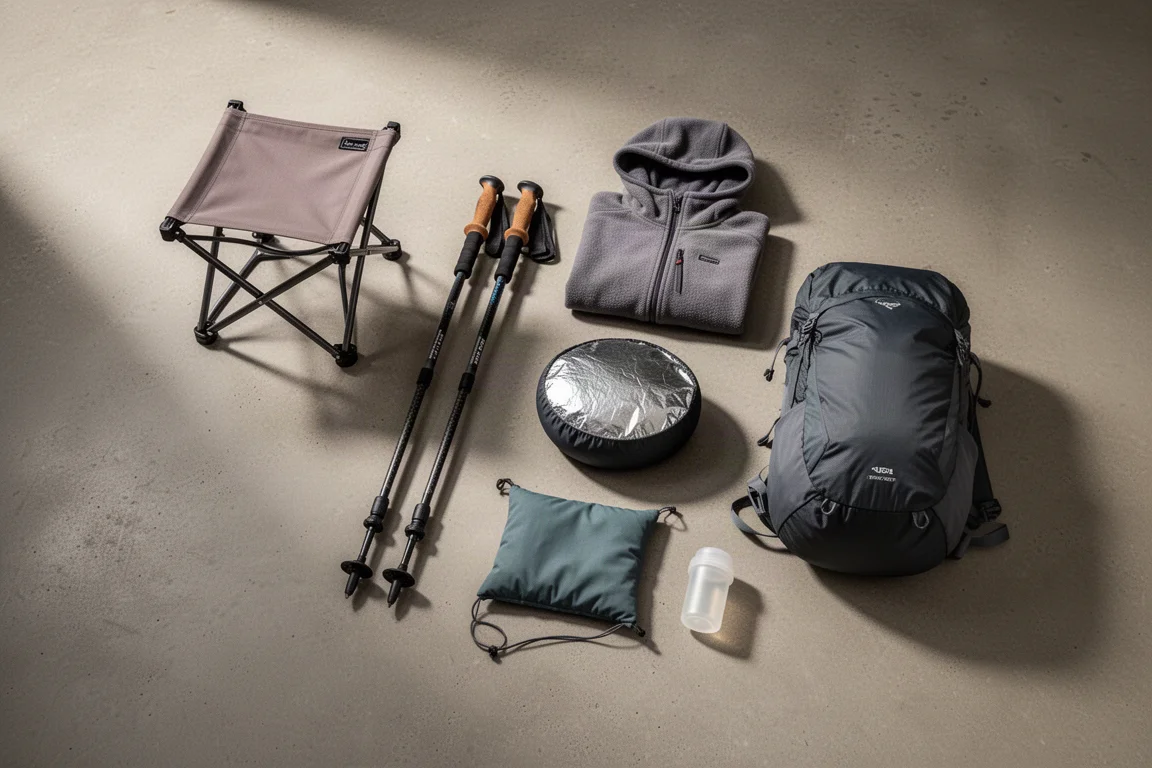
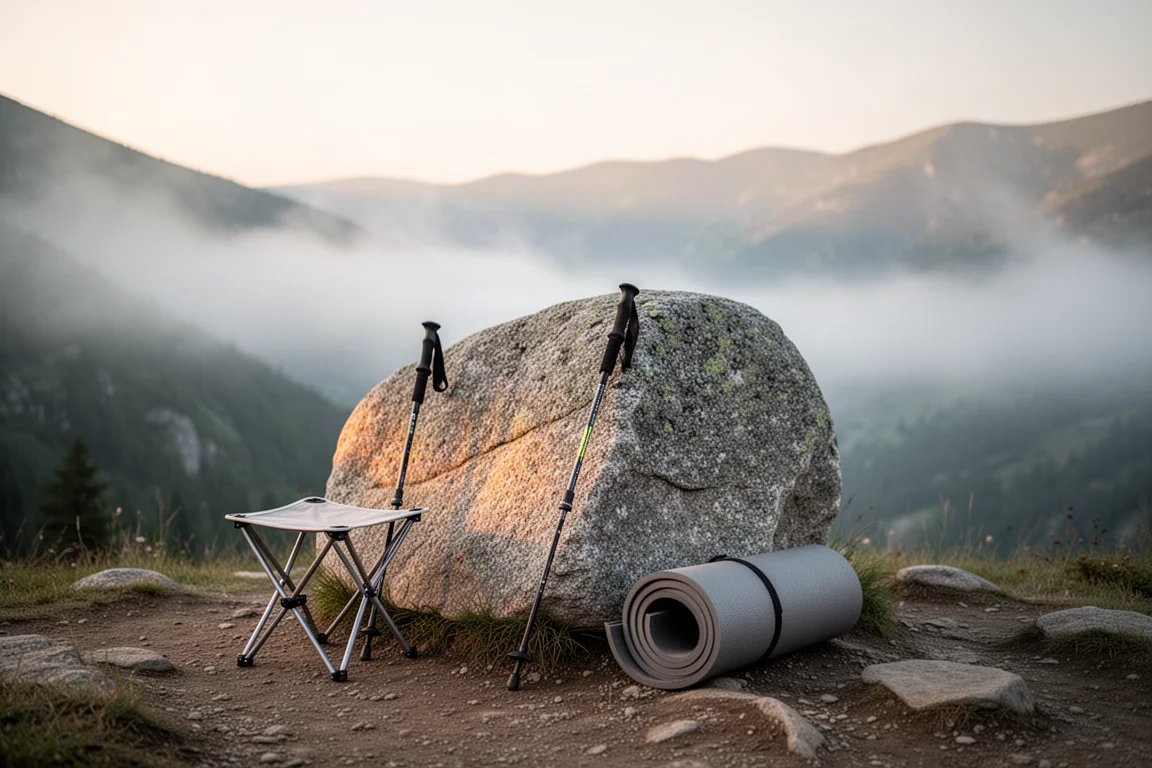
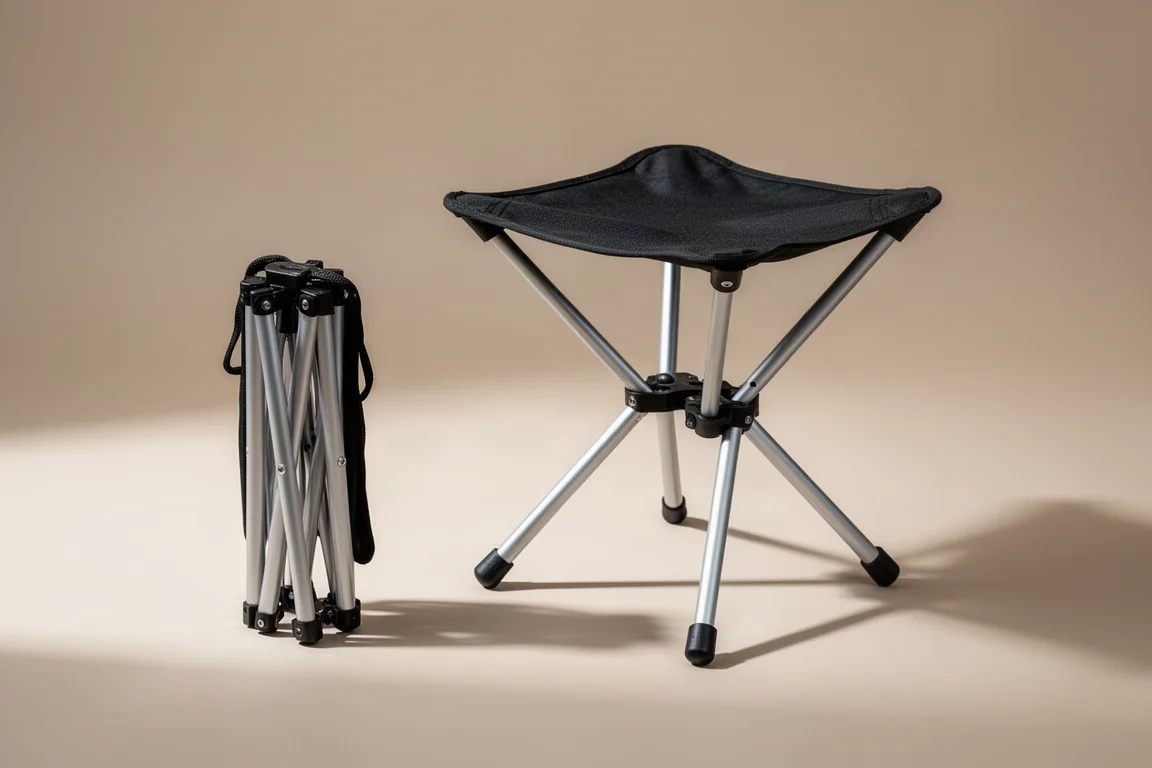
BTR stands for better than a rock, which is a fair description of the problem it solves. The stool weighs a little over 12 ounces and holds up to 250 pounds. Its legs use locking mechanisms that snap into place with a pull, and the whole thing collapses again in seconds, so sitting down at lunch no longer means hunting for a boulder or unpacking a full camp chair. Once the legs are locked it feels stable rather than wobbly, and it is considerably lighter than a conventional folding chair. At $59.95 the price is the main thing to weigh against the convenience, and it is easy to see why this one tends to be a favourite.
Holy Hiker Bidet: A Four-Hole Sport Cap for Water Bottles
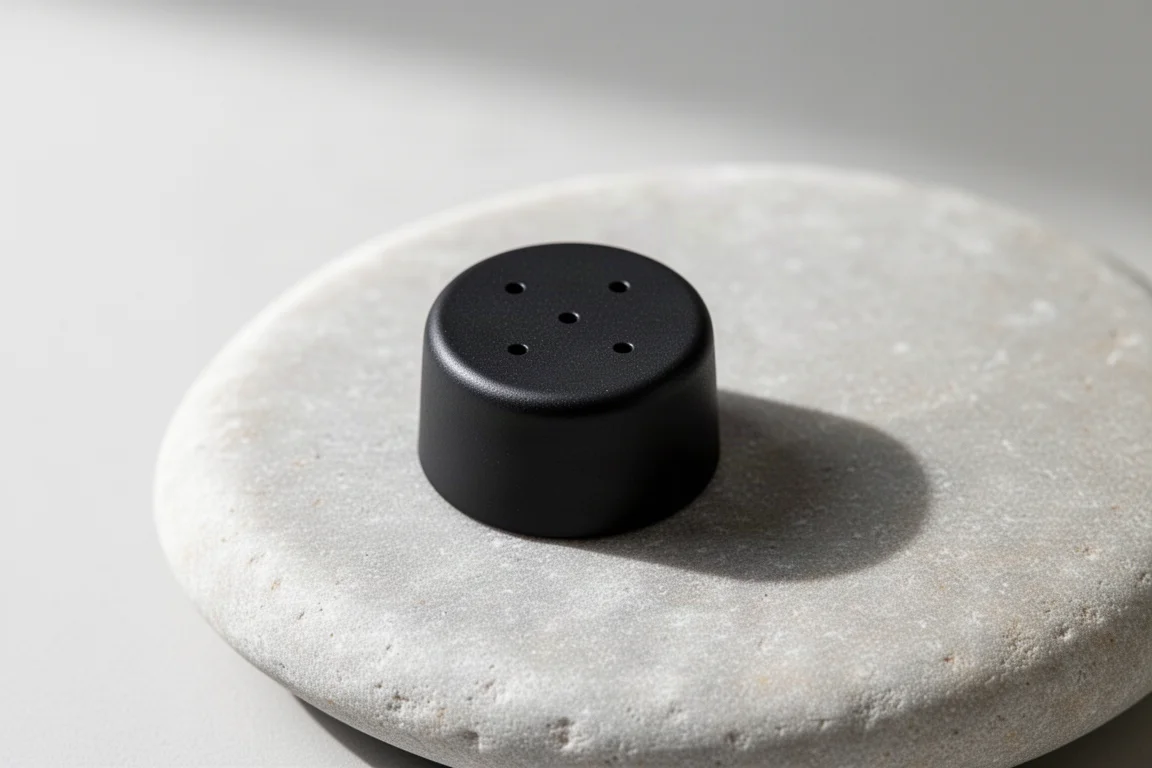
This is a sport cap that fits a water bottle. Instead of a single opening it uses four small holes, which spreads the stream across a wider area, and a moulded arrow shows how to orient it when you are using it in the dark. A small O-ring keeps it seated in the bottle. It is made in the USA by a small independent maker, and it doubles as a controlled rinse or lightweight shower when you want one. At $13.25 it is the cheapest item in this roundup, and it is the kind of upgrade that costs almost nothing and takes up no pack space at all.
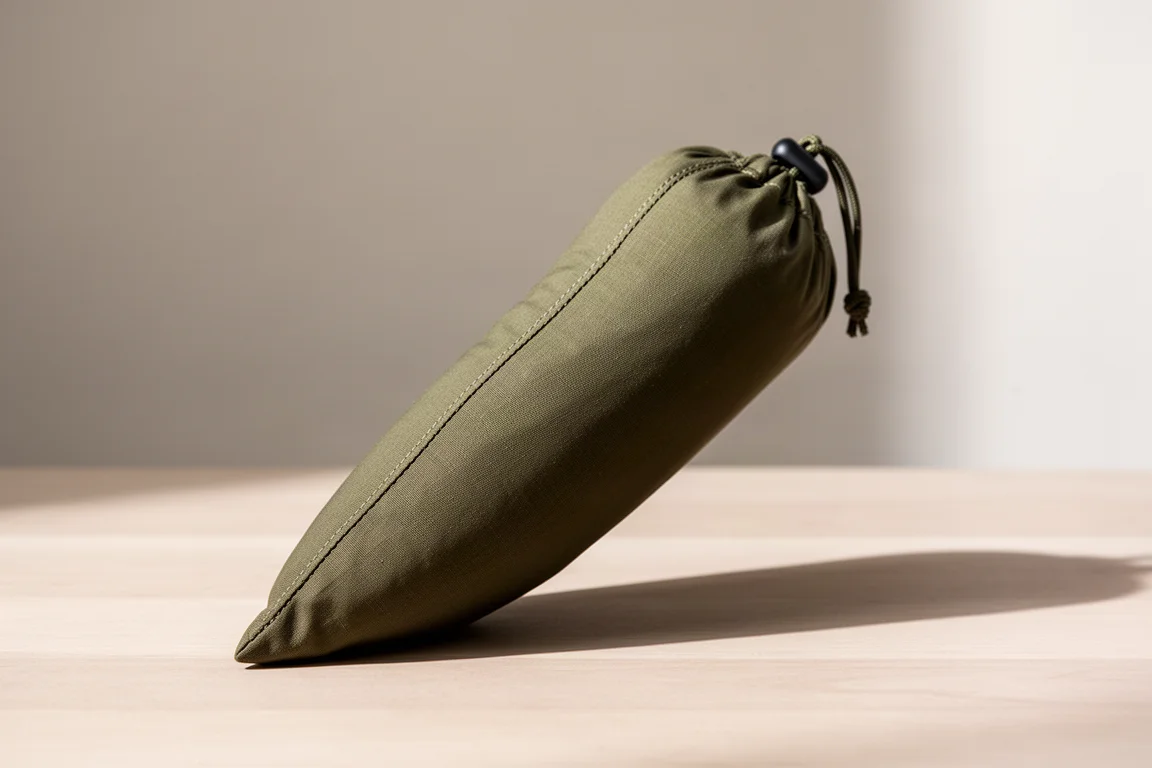
Alm Steak Bag: A Tapered Sack for Food Storage
The steak bag is shaped so the opening tapers downward toward the base. That sounds like a small detail until you try to reach into a stuff sack with mittens on or with wet hands, which is exactly the problem the taper solves. The bag cinches shut, packs down small, and ends up shaped roughly like a carrot when it is closed. It comes from a designer who moved from fashion into ultralight gear design. At $20 it is an easy addition if you keep food in its own sack, though anyone who already stores food inside a tent bag will not need it.
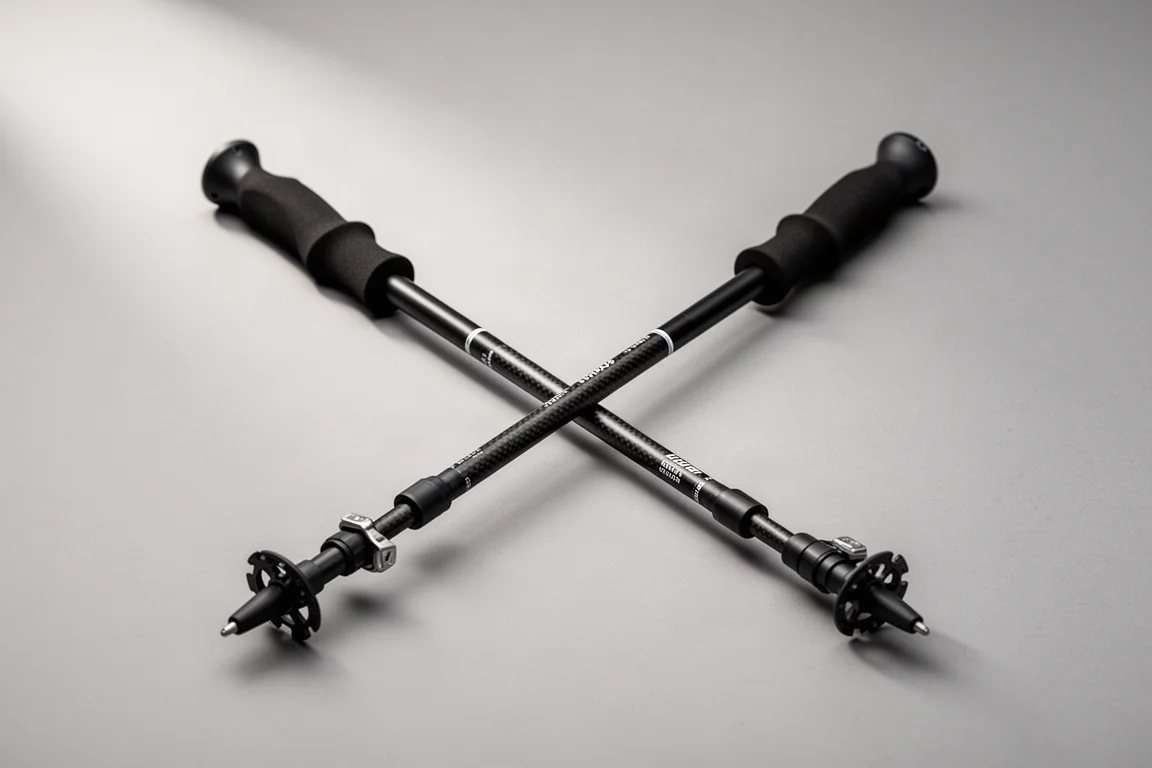
Rura Carbon Fiber Trekking Poles: Built Around Low Weight
These are among the lightest trekking poles available, with a claimed weight of around 3.75 ounces. They use a twist-lock adjustment rather than a folding mechanism, which keeps the construction simple and the weight down, and they are made in the USA from carbon fiber. They come with or without straps, and the carbon fiber used has a reputation for consistent thickness around the shaft. No breakage returns have been reported so far.
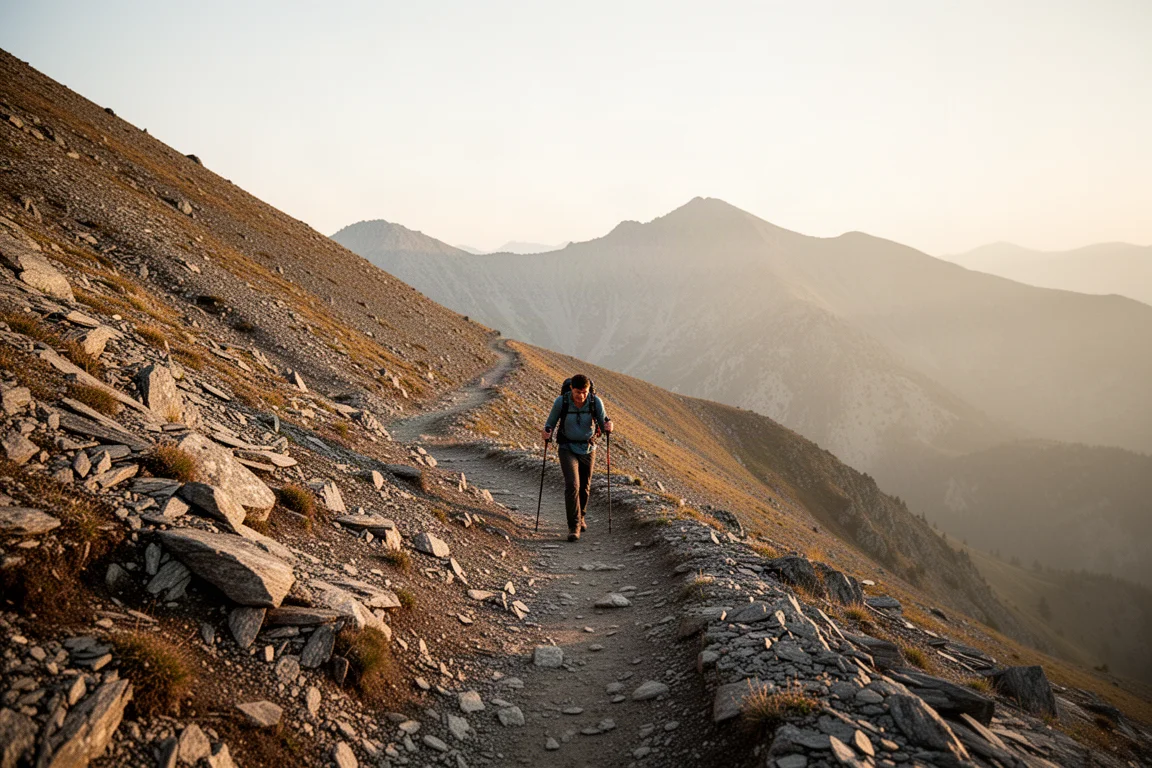
The trade-off is packed length. Because they do not break down into three sections, they stay longer when collapsed and may need to ride on the outside of a pack rather than in a side pocket, which is worth remembering when you are ducking under branches. At $155 for a pair they sit below several carbon competitors.
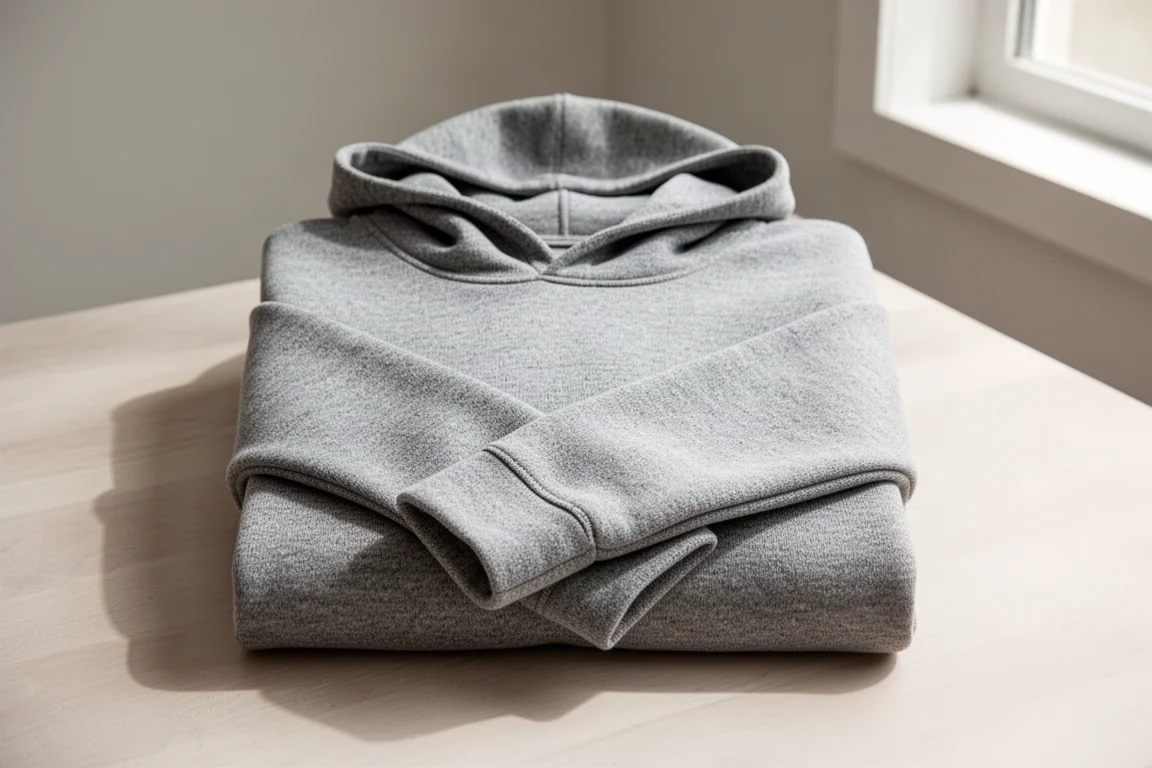
Arms of Andes Alpaca Fleece: Warmth Without the Itch
Alpaca is the headline here. This hooded fleece has no pockets, which keeps weight and bulk down, and the fabric feels soft rather than itchy, closer to cotton than the scratchy wool people expect. It is light, it is warm for its weight, and alpaca tends to hold less odour than merino. It is also the most expensive garment in this group at $140, which is a lot for a fleece without pockets, so it is worth being clear about what you want it to do before you commit.
Gossamer Gear Pot Protector: Keeping Meals Warm Longer
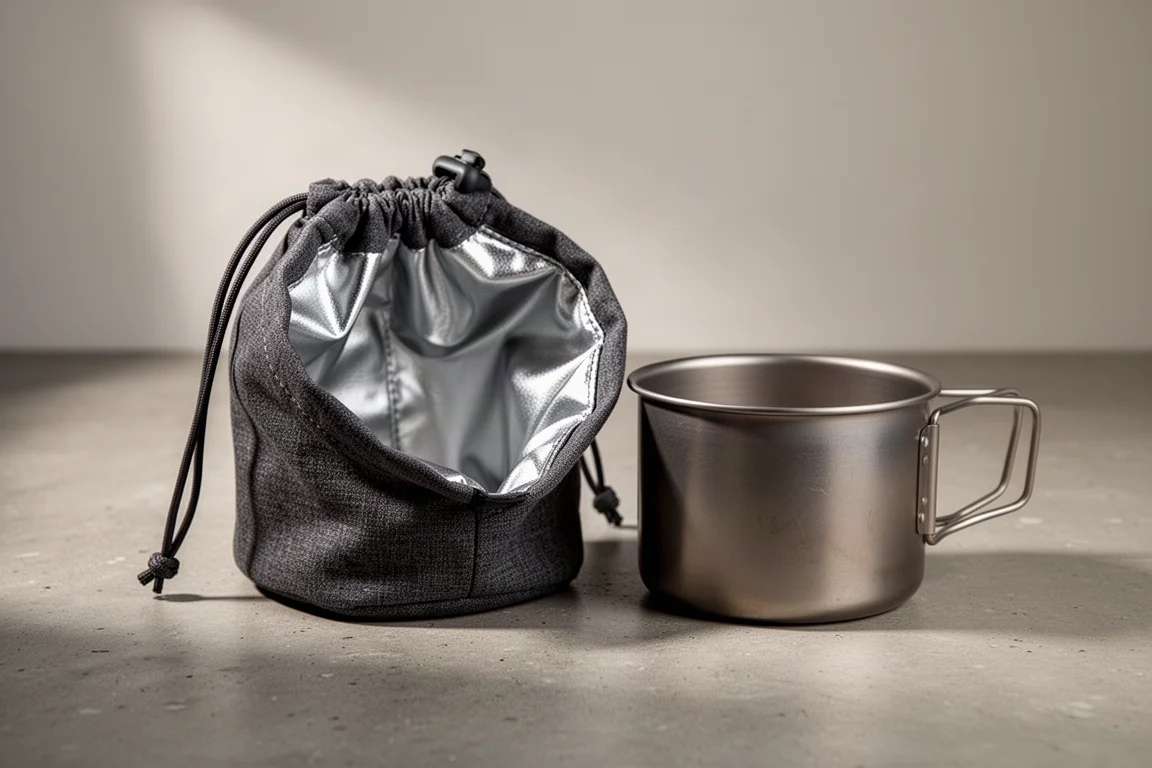
This is a fabric sleeve with a reflective lining that wraps around a cook pot. The reflective interior holds heat in, so a meal stays warm for longer, and it makes a hot pot far easier to handle when the contents have just come off the stove. It works for rehydrating food as well. The small size is $22 and a larger version is available for bigger pots. Some hikers skip the pot entirely and eat straight out of the sleeve with a bag inside. The price is on the high side for a piece of fabric, but the reflective lining is the part that does the work.
Alm Sling: A Small Shoulder Carry
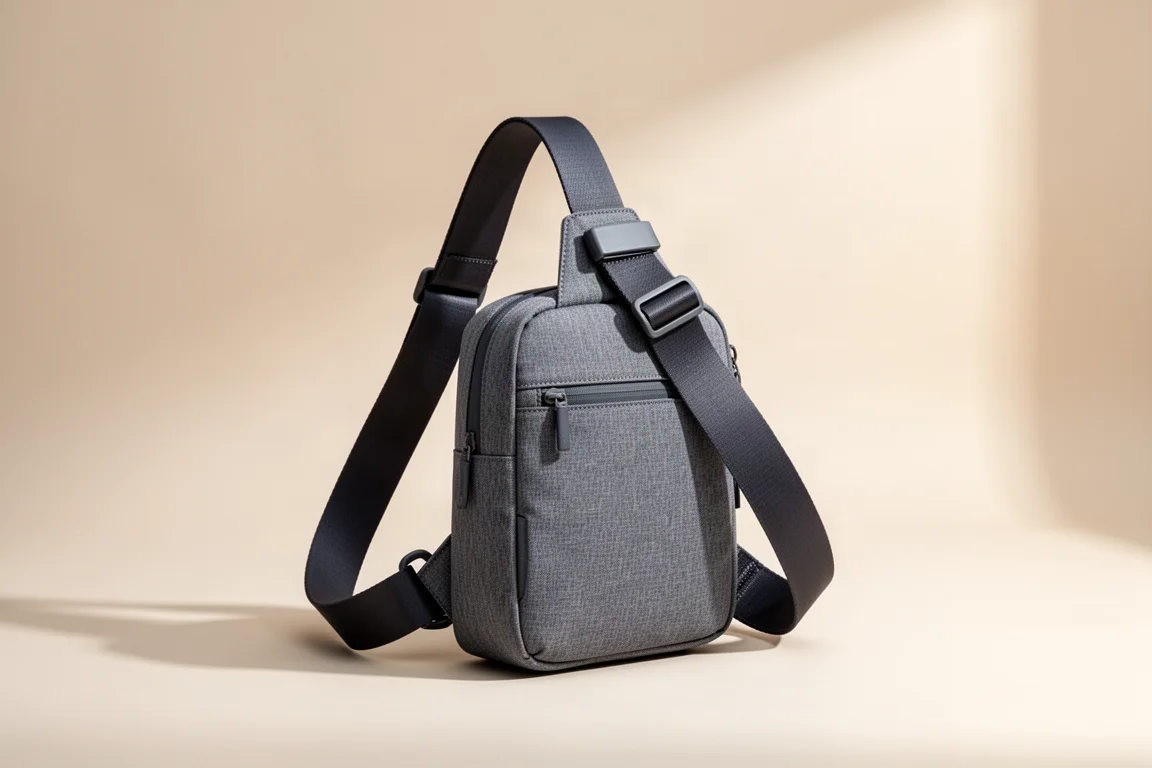
The sling is a small shoulder bag from the same maker as the steak bag, designed to keep essentials within reach without digging through a pack. It can be worn under a pack, carried across the chest between the shoulder strap and the hip belt, or used on its own on a town day. There is a pocket on the back panel and a set of well-considered toggles and latches. At $70 it is a considered purchase, and it only makes sense if you already like carrying a small bag this way.
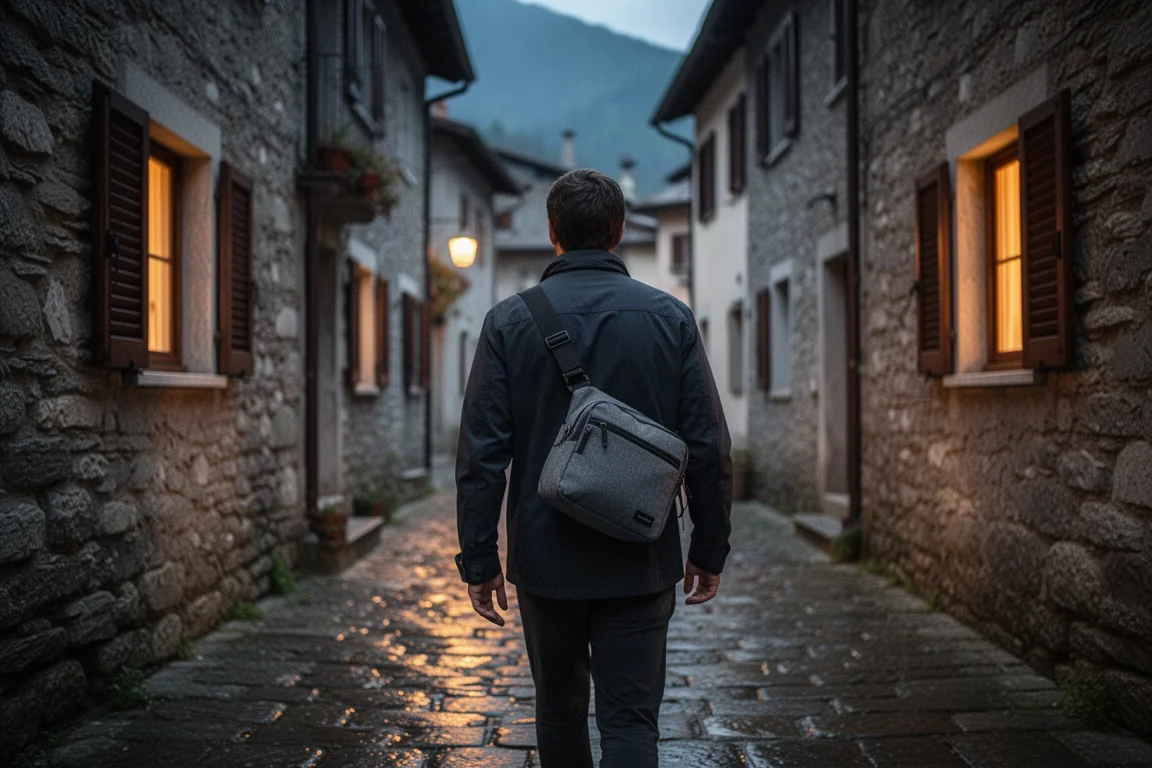
For hikers who want everything in one pack, this will look like an extra thing to carry around. For anyone who wants a phone, snacks and a map on hand without stopping to unpack, it does that job cleanly and stays out of the way while you walk.
Pillow Strap: Keeping a Pillow in Place Overnight
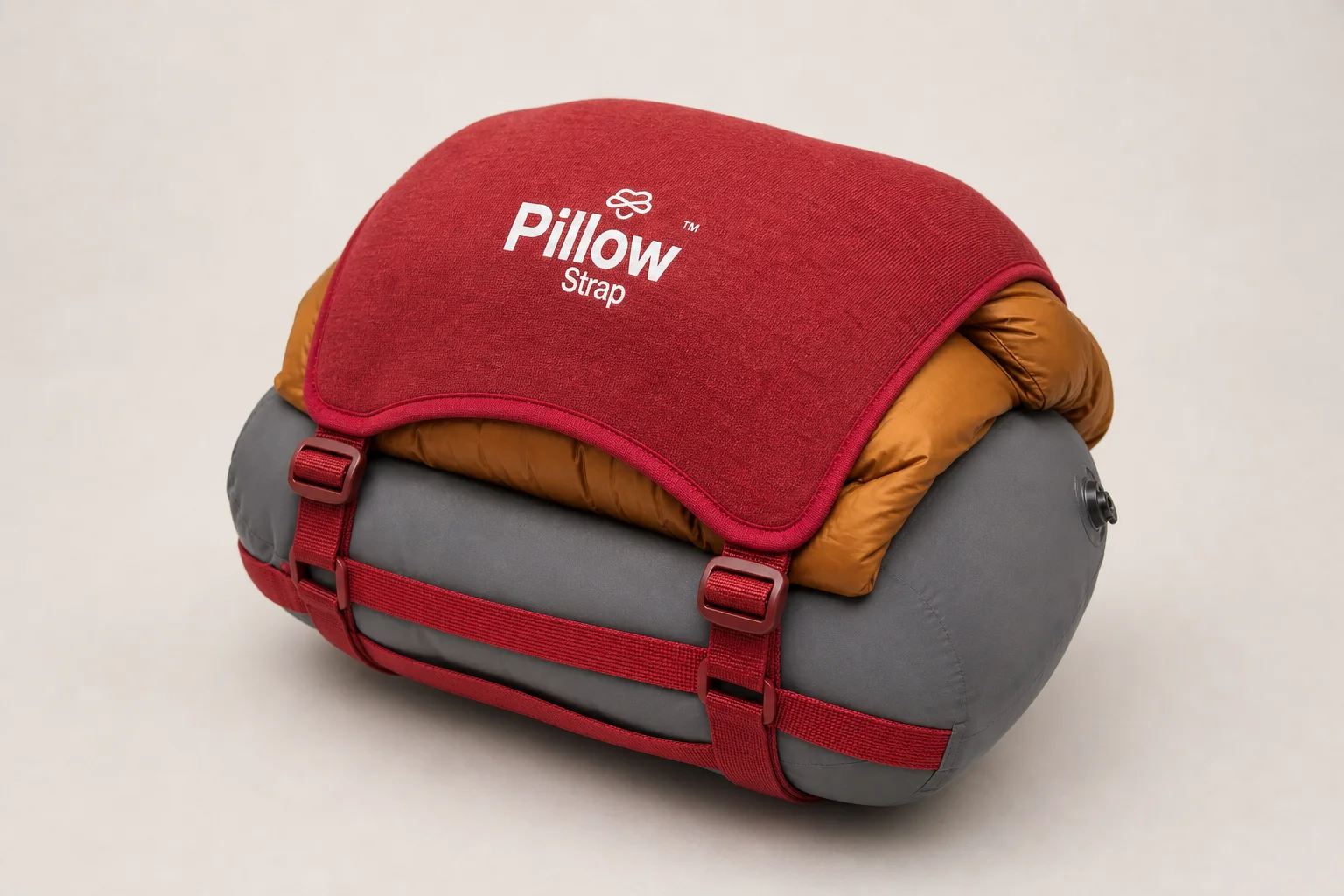
This one is a spandex sleeve rather than a pillow. It holds an inflatable pillow, or a bundle of spare clothing, and wraps around a sleeping pad so the whole arrangement stays put through the night. Anyone who has woken up hunting for a pillow that slid off a slippery pad will understand the appeal immediately. The material stretches to hold different shapes and the strap keeps it anchored where you left it. At $35 it is expensive for a piece of fabric, which is the main hesitation, but it solves a specific and very common annoyance.
Bonfus Vest Backpack: A Vest Harness on a Frameless Pack
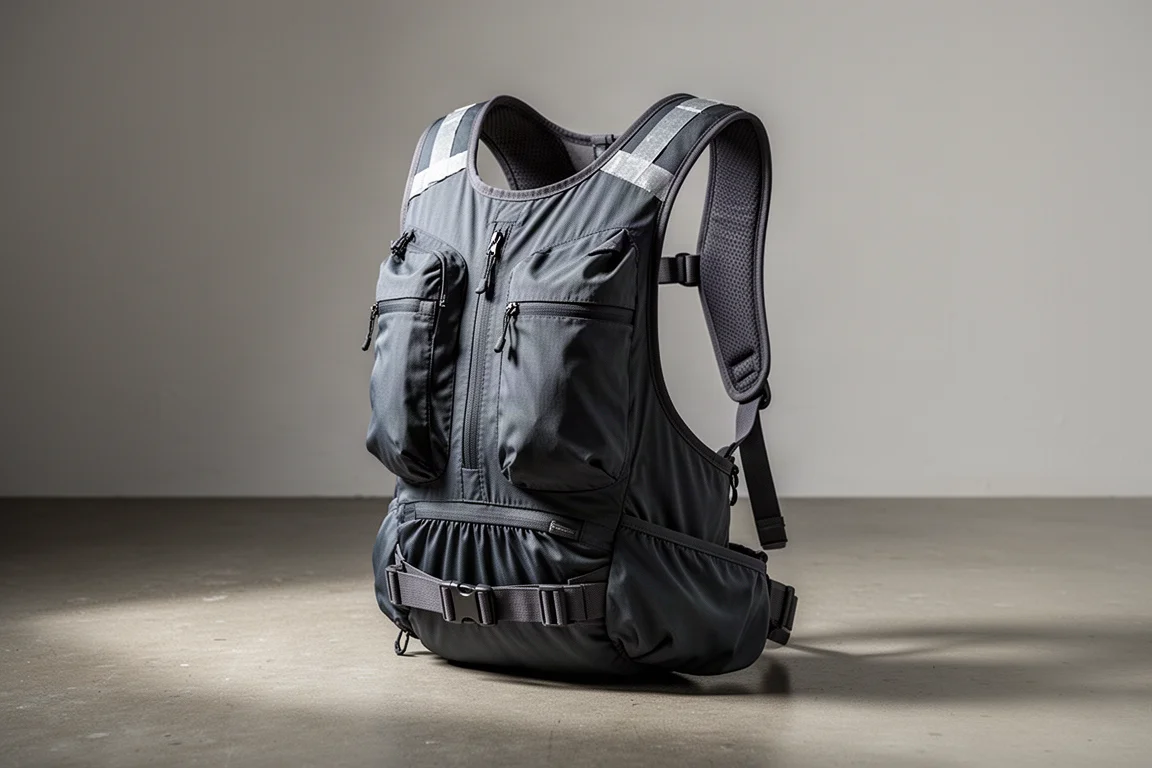
The vest-style harness is the standout feature here. Instead of two simple shoulder straps, the pack spreads load across the chest and shoulders, so it feels like it hugs the body rather than hanging off it. This model is 23 litres and frameless, built from Ultra fabric with taped seams and a bottom pocket for quick storage. The hip belt can be removed entirely if you prefer to carry without one. At $225 it is a fair price for the construction.
The volume is the limiting factor. A bulky load or a long food carry will strain a 23-litre pack, and the frameless design suits a light base weight and trips of a few days at most. It is available in a single size for this model, and the maker offers other pack variations with different capacities, so there is room to move up if the format suits you.
Buying Advice
Two questions decide most of these purchases. First, does the item replace something you already carry, or does it add to it? The stool and the pot protector replace nothing, so they only earn their place if you genuinely want the convenience they offer. Second, is the weight saving or the comfort gain worth the price? The trekking poles and the bidet are easy to justify on that basis. The fleece, the sling and the backpack are more about how you like to hike than about grams saved. Buy the inexpensive problem-solvers first, and treat the rest as upgrades you grow into once the need shows up on trail.
Conclusion
None of these nine items is essential. That is rather the point. They are small, specific answers to small, specific irritations, and the ones worth buying are the ones that match an irritation you actually have. Start with the low-cost fixes, and let the rest wait until you catch yourself wishing for them halfway up a hill.
Further reading
Related Reviews
Ultralight Backpacking Gear
Seven Small Ultralight Brands Making Gear Worth Packing
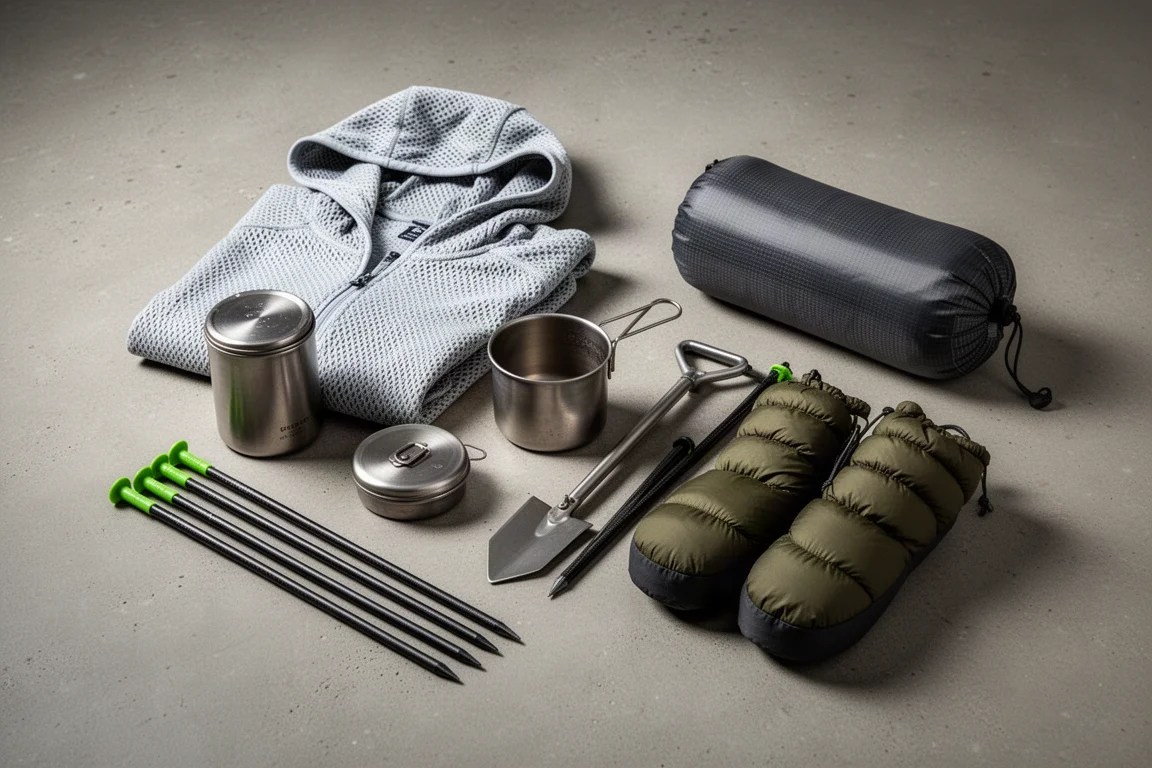
Seven cottage-made ultralight pieces, from a 4 oz fleece hoodie to carbon fiber stakes and Dyneema storage, and what each one is genuinely good for.
Ultralight Backpacking Gear
Ultralight Backpacking Gear: 12 Small Upgrades That Save Real Grams
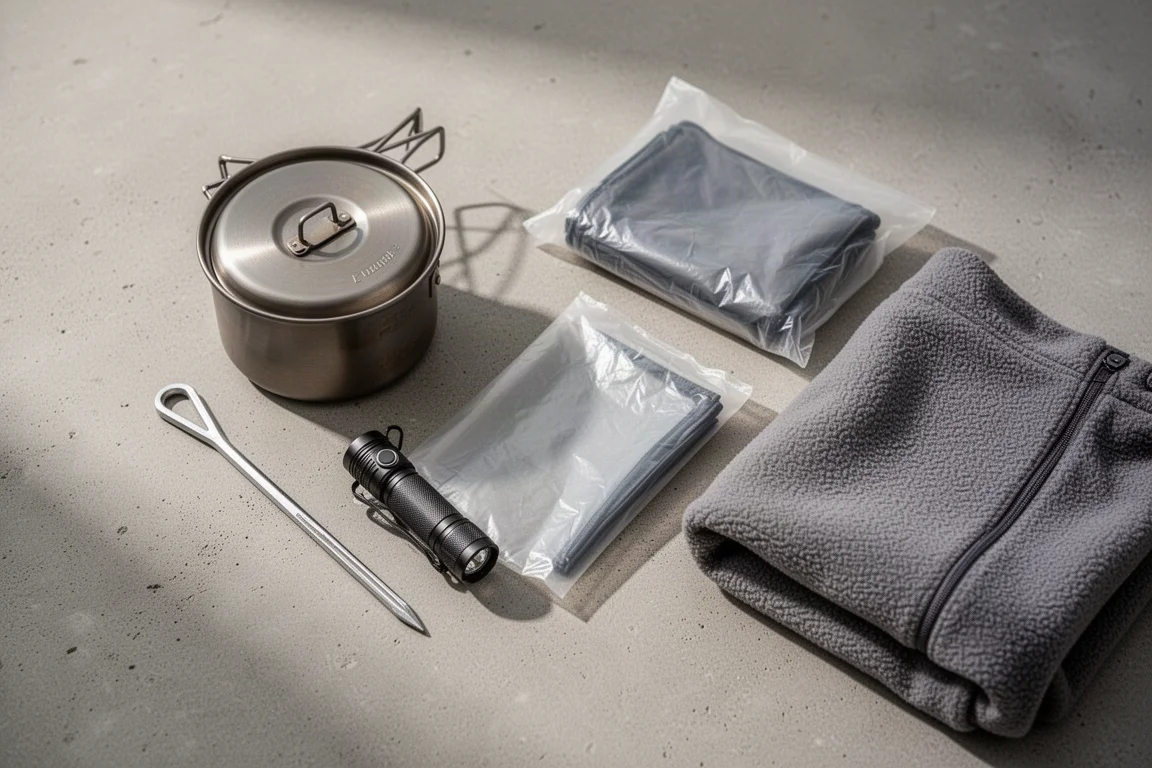
A practical look at twelve tiny ultralight backpacking items, what each one replaces, and the trade-offs worth knowing before you buy.
Ultralight Backpacking Gear
Camp Worthy or Crap: Nine Ultralight Backpacking Gear Picks Worth a Look
Nine ultralight backpacking products, from a carbon fiber umbrella to 5 gram titanium stakes, with the real trade-offs behind each one.