Backpacking Gear
Ultralight Backpacking Gear Loadout: A Two-Night Kit Worth Copying
A practical ultralight backpacking loadout for a two-night trip, covering shelter, sleep system, cook kit, water treatment, camera carry, and safety gear.
Introduction
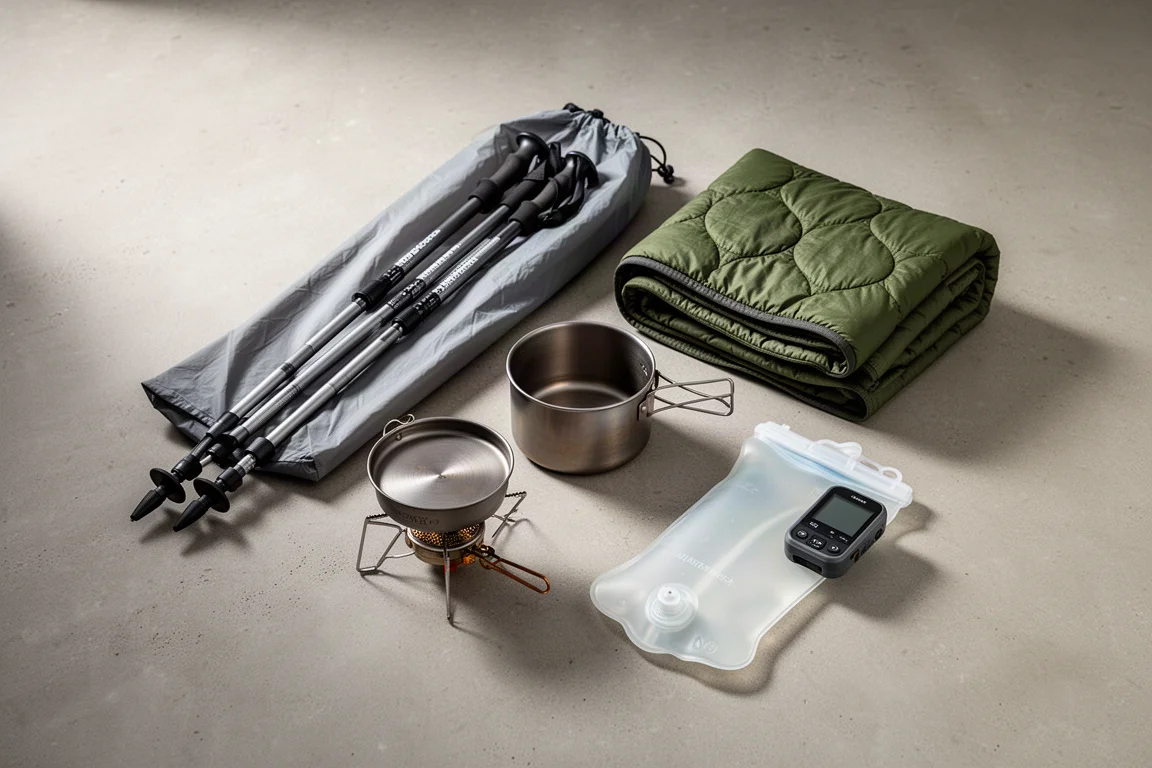
A two-night trip is a good test of a pack. It is long enough that weight and comfort genuinely matter, and short enough that you can still justify carrying a couple of items that simply make camp more enjoyable. This loadout was put together for a late-June trip along a national lakeshore and into Michigan’s Upper Peninsula, where daytime temperatures sat close to 70 degrees Fahrenheit, stretches of trail were muddy and wet, and mosquitoes were out in force.
The kit leans ultralight, but not dogmatically. A few items are heavier than they need to be, and one or two are expensive enough that a first-time backpacker should look elsewhere. Each entry below explains what the item does well and what to weigh before buying.
How This Loadout Was Chosen
Three criteria shaped the list. First, weight: every item had to justify what it added to the pack, and the shelter, quilt, and sleeping pad carried the most scrutiny because they set the floor for both comfort and base weight. Second, conditions: mud, standing water, and heavy mosquito pressure pushed the footwear and shelter choices in a specific direction, while mild overnight temperatures made a lighter quilt the sensible call over a full sleeping bag. Third, reliability: water treatment and emergency communication are not categories where saving weight at the cost of trust makes sense.
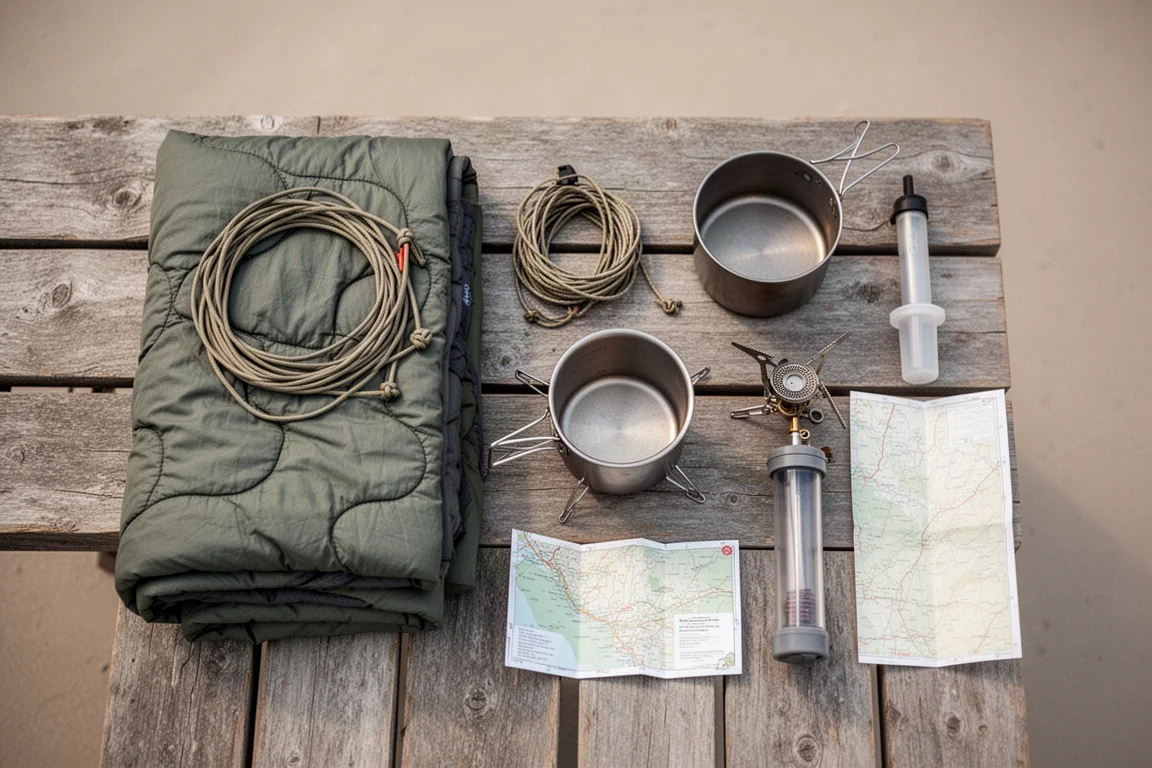
Practical usability counted for as much as specifications. Valves that are awkward to operate, tents with nowhere to hang a light, and bags that are fiddly to pack all show up on the trail as small irritations that accumulate over a few days. Where a piece of gear involves a real trade-off, it is noted rather than glossed over.
Shelter: Durston X-Mid 1
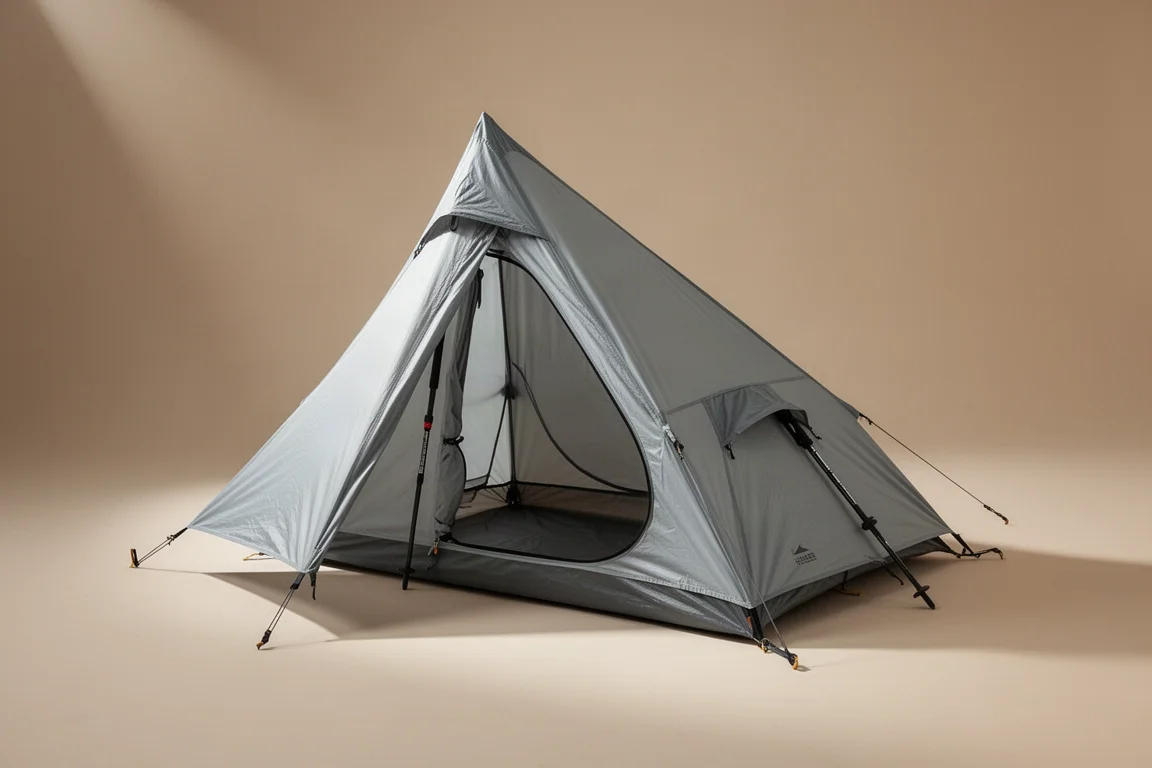
The Durston X-Mid 1 is a one-person trekking-pole shelter that weighs roughly one pound, which is unusually light for a tent with full protection. It handled a warm, humid two-night trip without complaint, and it is the kind of tent that rewards backpackers who head out often and have already trimmed weight elsewhere in their kit.
It is also expensive, and it is not the right first tent for most people. There are plenty of cheaper shelters that will keep a new backpacker dry and comfortable. One practical quirk is worth knowing up front: this tent has no interior loop for hanging a small light, so a headlamp ends up on the floor or tucked into a pocket overnight.
Sleep System: Outdoor Vitals StormLoft 30 Quilt
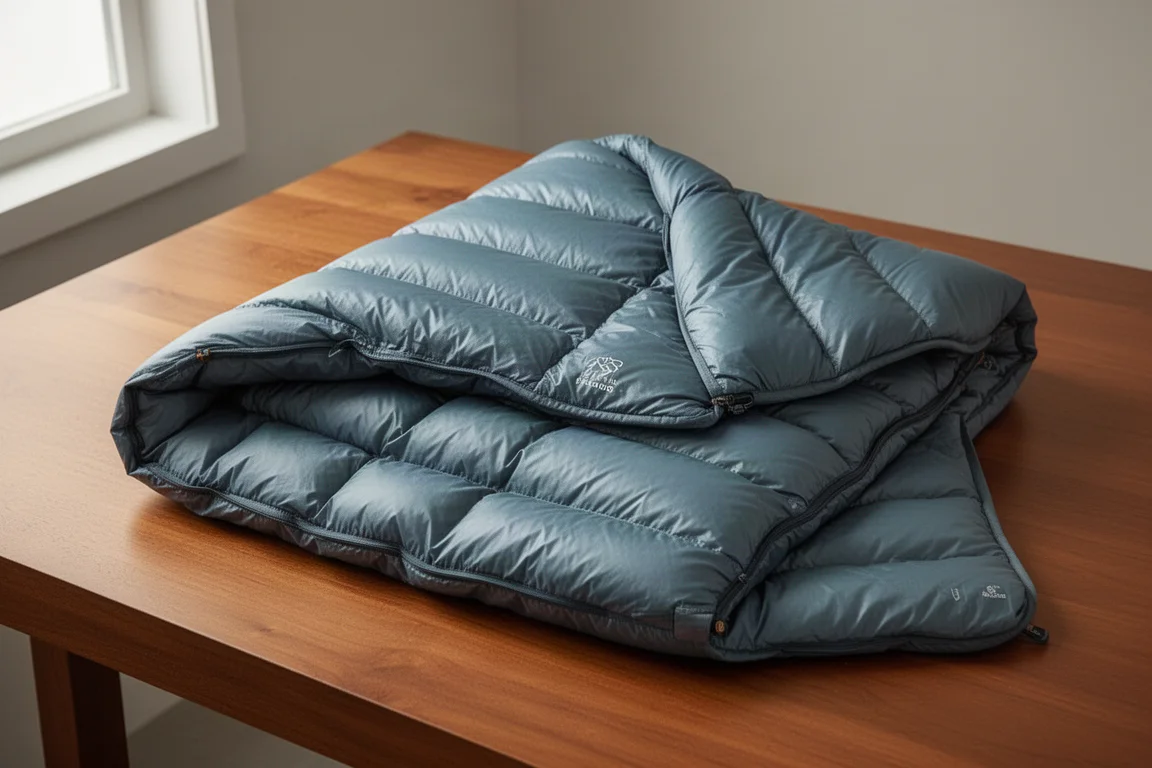
The StormLoft 30 quilt suited the conditions on this trip, where nights were cool but never genuinely cold. A quilt rather than a full sleeping bag means less bulk and less material to manage, and on mild nights it can be draped loosely over a pad. When temperatures drop, it can be cinched in around the pad to seal warmth against the sides.
It is a good match for late spring through early autumn trips in the northern Midwest, where the weather swings but rarely turns severe. If you sleep cold, or if you expect nights at or below freezing, look carefully at the temperature rating and pair the quilt with a pad that has a higher R-value.
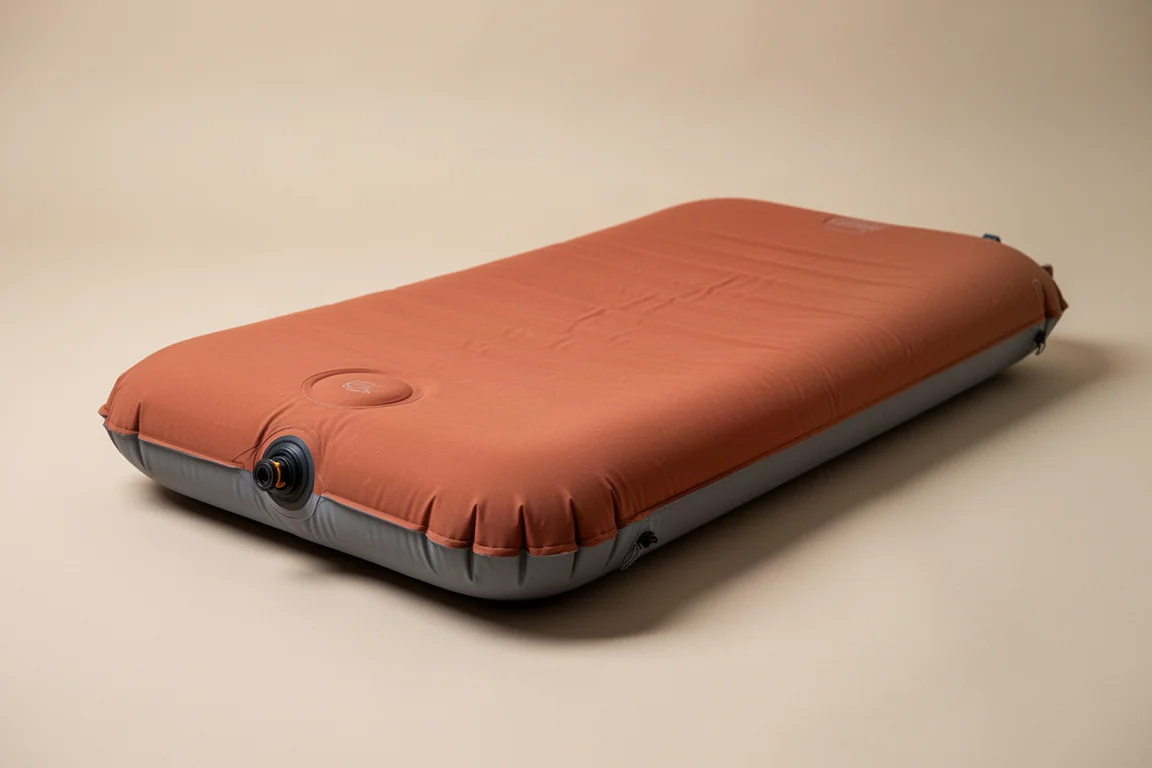
Sleeping Pad: Big Agnes Zoom
This pad was comfortable across two nights and is light for what it offers. The claimed R-value is 4.5, which puts it in three-season territory on paper.
Two caveats are worth knowing. The valve uses a single port, so deflating the pad takes patience; pads with two ports, or a valve that stays open on its own, are easier to live with when you are packing up in the morning. There have also been reports of cold spots with this pad. Conditions here were far too warm to confirm that, so treat the R-value as a starting point and test the pad on a colder night before relying on it.
Pillow: Therm-a-Rest Cinch
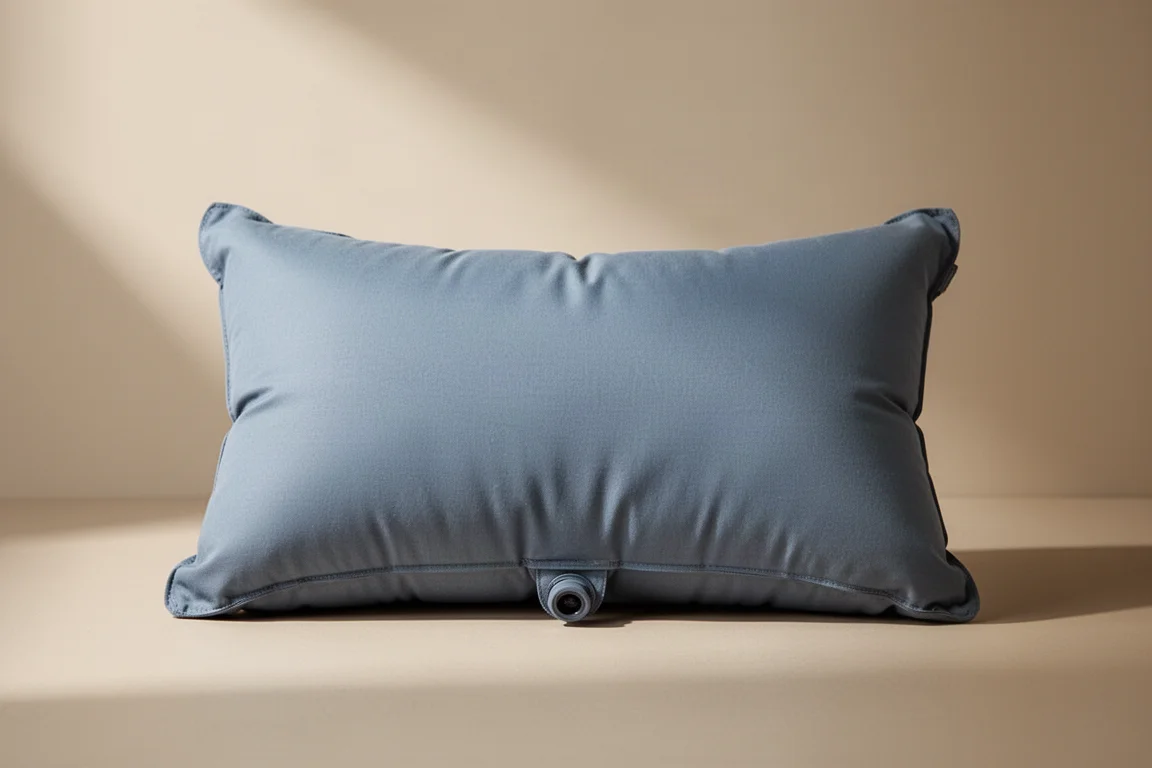
A pillow is one of those items people cut first and regret later. The Cinch in the medium size is a little larger and a little fuller than the smallest version, which makes it noticeably more comfortable to sleep on, and it still packs down small enough to disappear into a pack. The smaller sizes offer less support, so the medium is the one worth carrying if sleep quality matters to you.
Inflating Your Pad: Flextail Tiny Pump 2
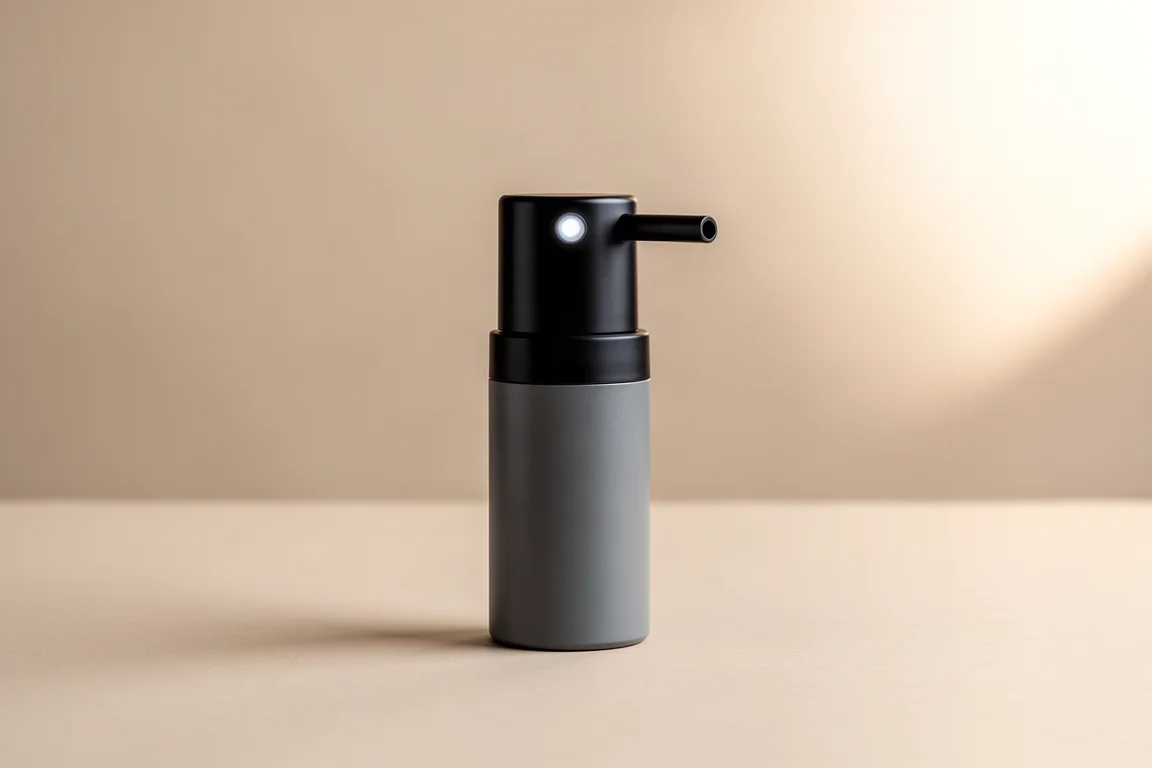
The Tiny Pump 2 takes the effort out of inflating a sleeping pad. This generation moves air out of the top rather than the side, which makes it easier to hold against a valve, and it can hang from a loop inside a tent. Reverse it and it becomes a vacuum pump, useful for compressing soft items or sealing bags on the trail. A built-in light rated up to 400 lumens is a bonus that can cover your camp lighting as well.
Cook Kit: TOAKS Titanium 750ml Pot
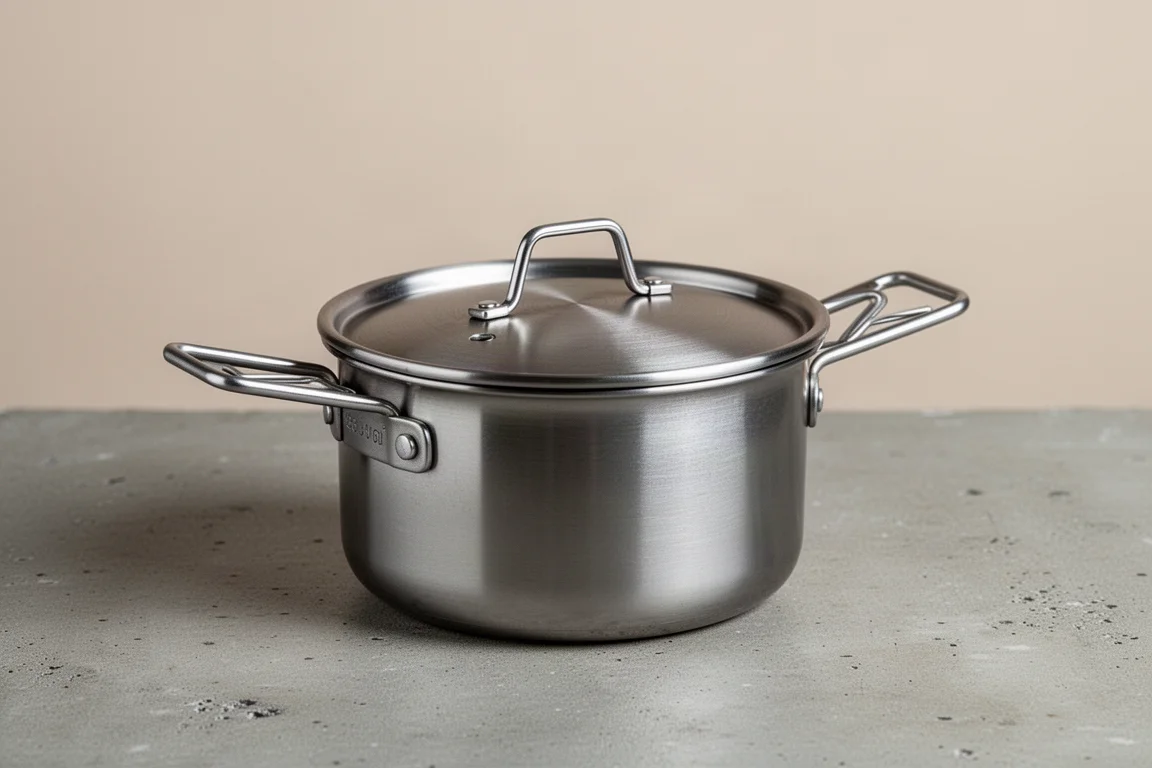
The 750ml titanium pot is the core of a hybrid cook kit. The pot itself is light and simple, and it swallows a small canister of fuel along with a folding stove, which keeps the whole cooking setup in one place. The lid comes from an aluminium Soto pot: it snaps on securely, includes a strainer, and stays put without a rubber band. It also holds heat reasonably well when you want food to keep warm while it rehydrates.
Stove: Soto Amicus
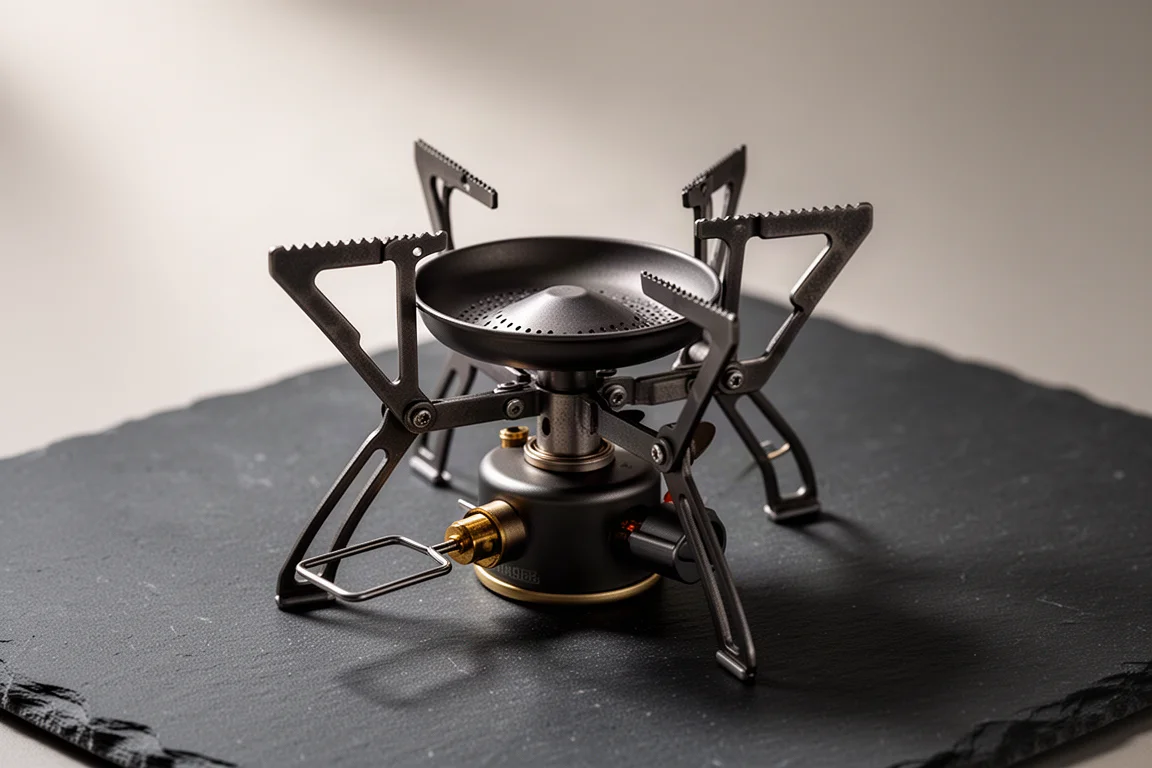
The Soto Amicus is a compact canister stove that has proven reliable in use. It runs on standard canister fuel, and a small canister nests inside the 750ml pot, which keeps the cook kit compact and easy to pack. For a two-night trip, one small canister is plenty.
Water Treatment: Sawyer Squeeze
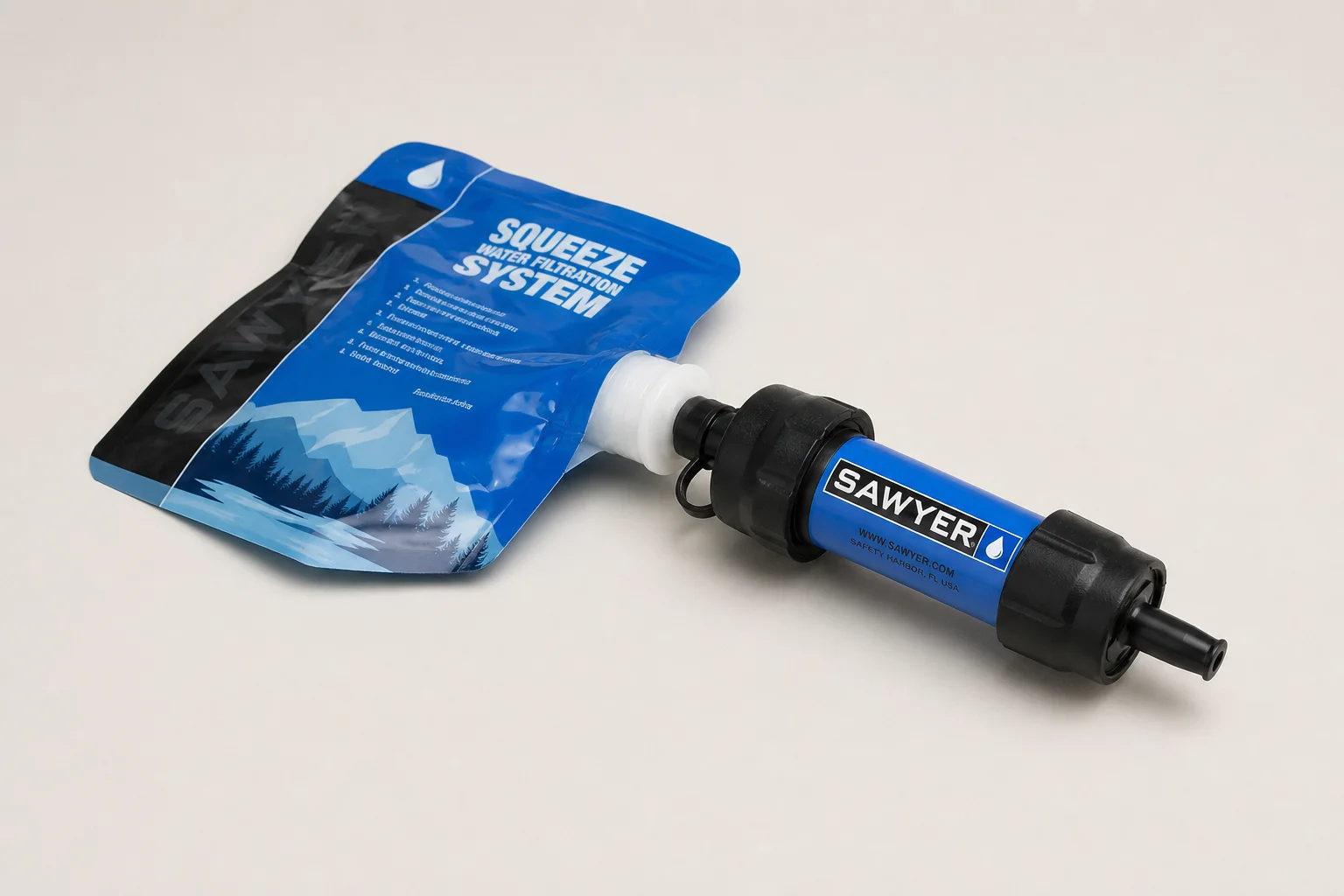
The Sawyer Squeeze remains a straightforward way to treat water on trail. Fill a bladder or bottle, thread the filter on, and squeeze clean water into your drinking container. It is light, it has no moving parts to break, and it works with the same threaded bottles and bladders most backpackers already carry.
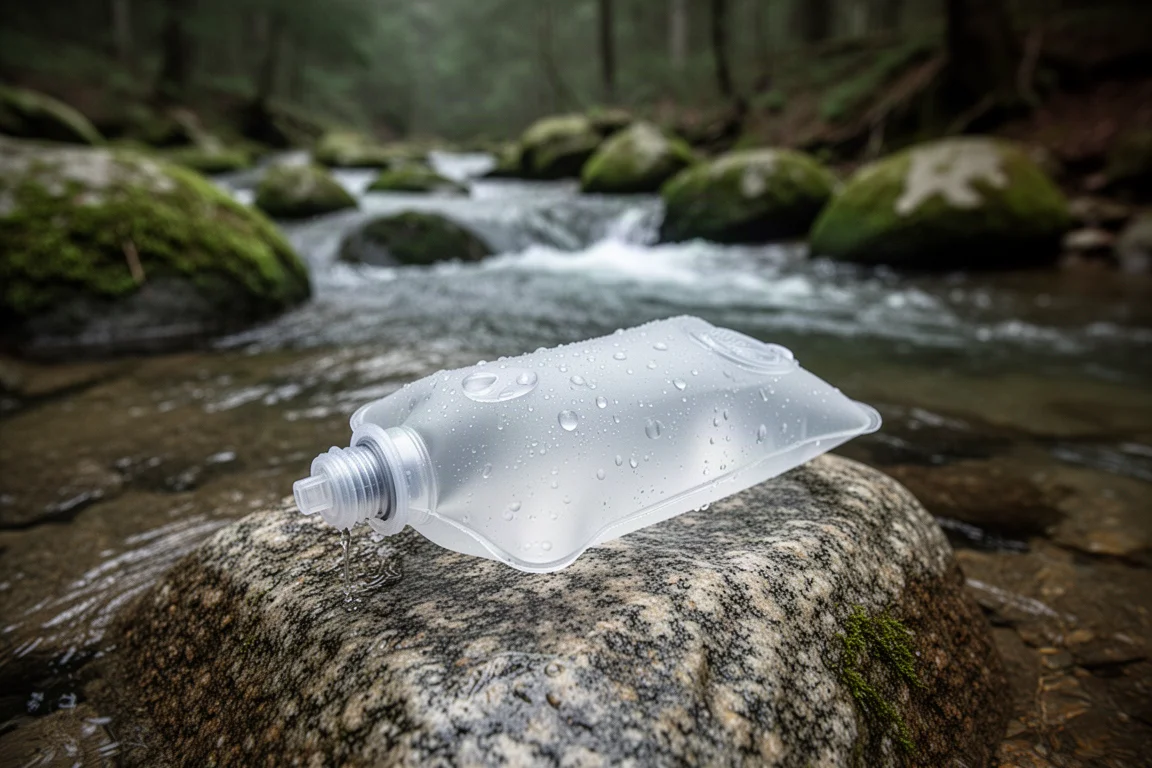
The company also runs a clean water programme: for every ten dollars spent on its products, one person gains access to clean water, so a single Squeeze purchase supports four people. That does not change how the filter performs, but it is a meaningful reason to choose this brand over a generic alternative. Because the filter threads directly onto a compatible bladder, the whole water kit comes down to two items with no need for a separate dirty-water bottle.
Water Storage: CNOC Vecto
The Vecto holds two litres and solves the most annoying part of water collection: shallow sources. The wide mouth lets you scoop directly from a river or pool without needing deep water, and the roll-top closure seals it afterwards. The threaded opening takes a Sawyer filter directly, so you can fill, seal, and squeeze from the same bag. Two litres is a sensible capacity for a route with reliable water sources, and it keeps the fill-and-filter process to a single container.

Camera Carry: Hyperlite Camera Pod
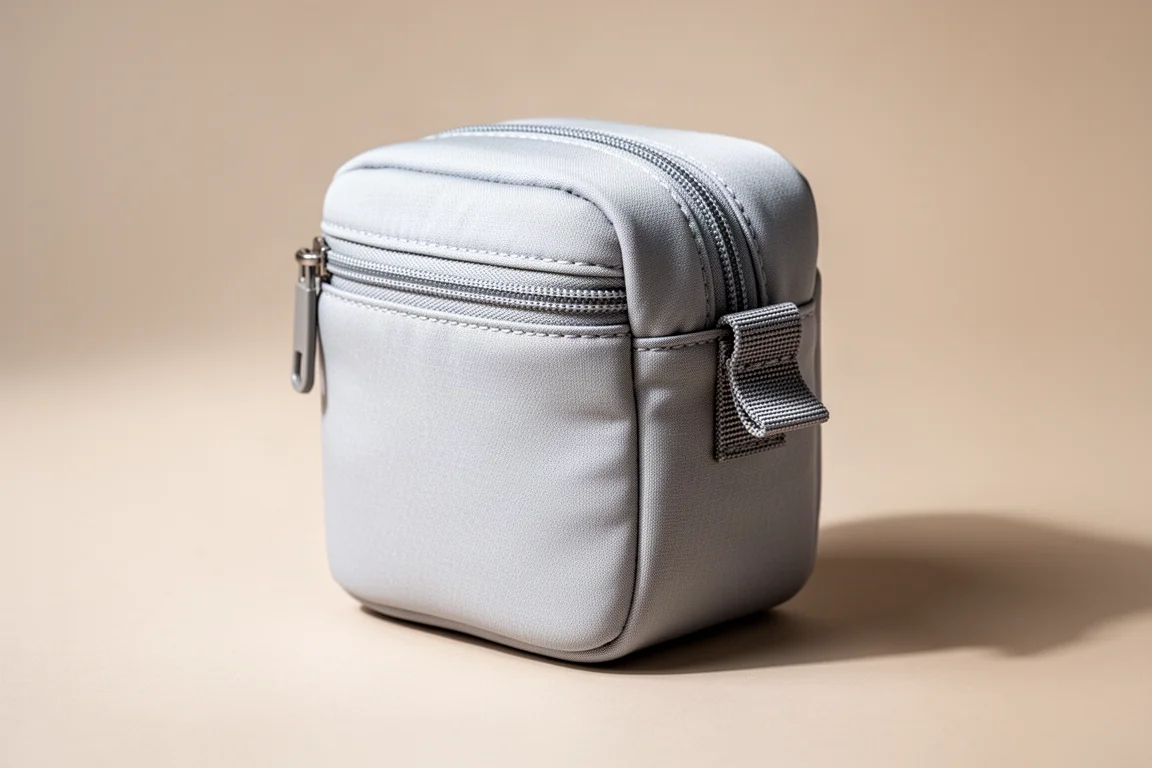
Carrying a camera on trail is a trade-off between access and protection, and this pod takes the protection side seriously. It fits a full-size camera body plus a microphone, and it can be clipped to a pack strap or stowed inside the main bag. It is expensive, at roughly a hundred dollars, which is a lot for a padded pouch.
For anyone filming on trips, though, it solves a real problem. The camera stays protected while remaining reachable, and the microphone has a proper home instead of rattling loose in a stuff sack.
Camera Kit: Sony a7S III
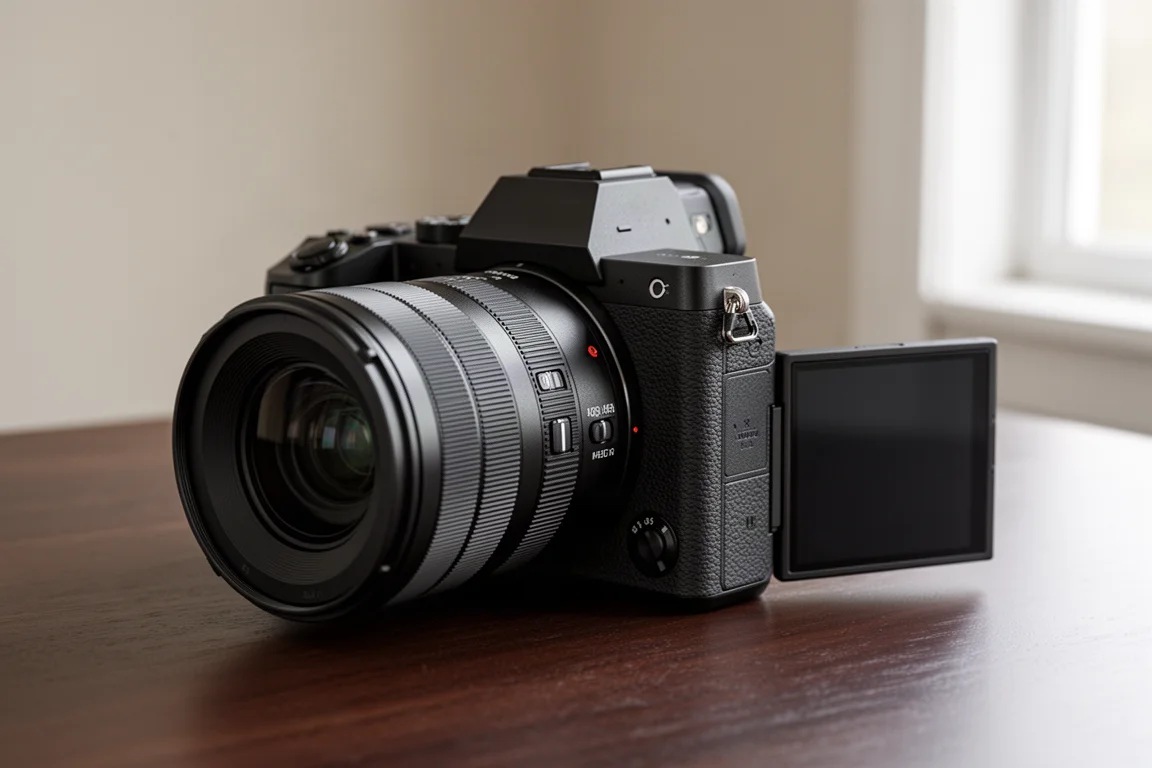
Filming on trail usually means carrying a full-frame body, and a Sony a7S III paired with a 16-35mm f/2.8 G Master lens is a capable combination for that job. The wide end covers landscapes and camp scenes, and it is forgiving in tight spots where there is no room to step back.
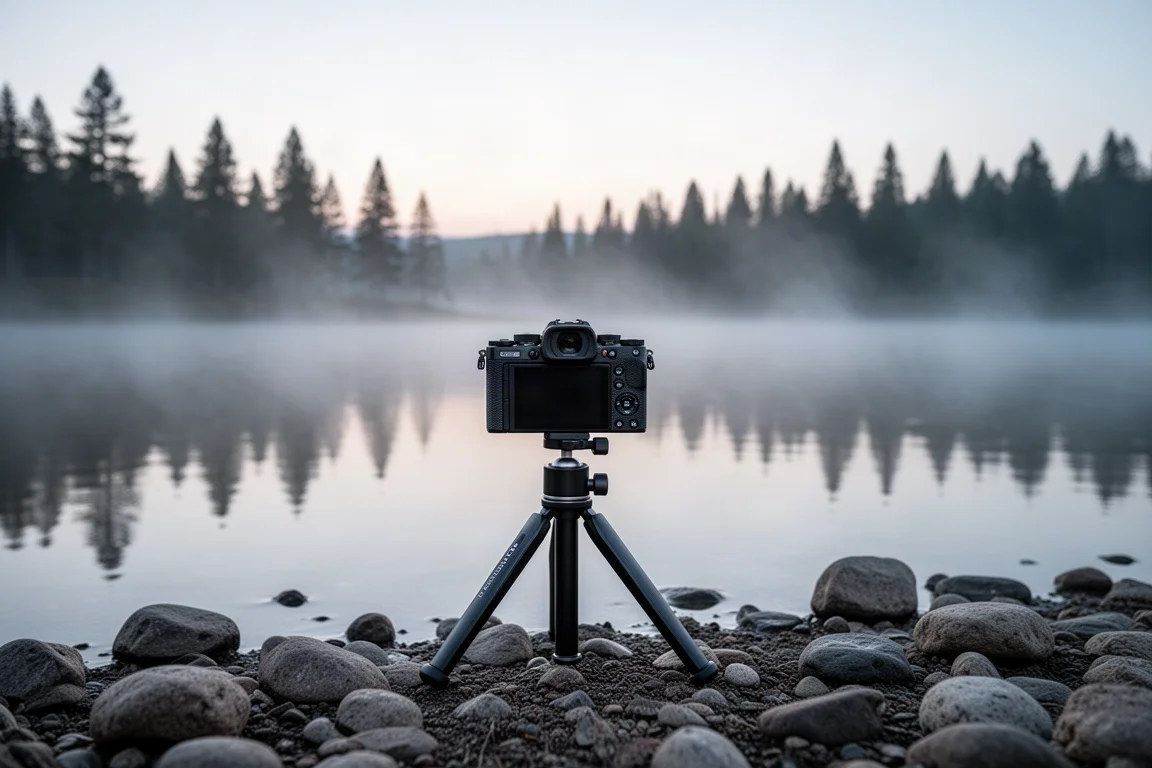
A 24-105mm zoom is the other frequent choice, and for hiking it is often the more versatile single lens, covering everything from wide scenes to detail shots without a swap. Either way, a body and lens together are heavy enough that a dedicated carry solution like the camera pod is worth the weight.
Backpack: Outdoor Vitals CS40 Ultra
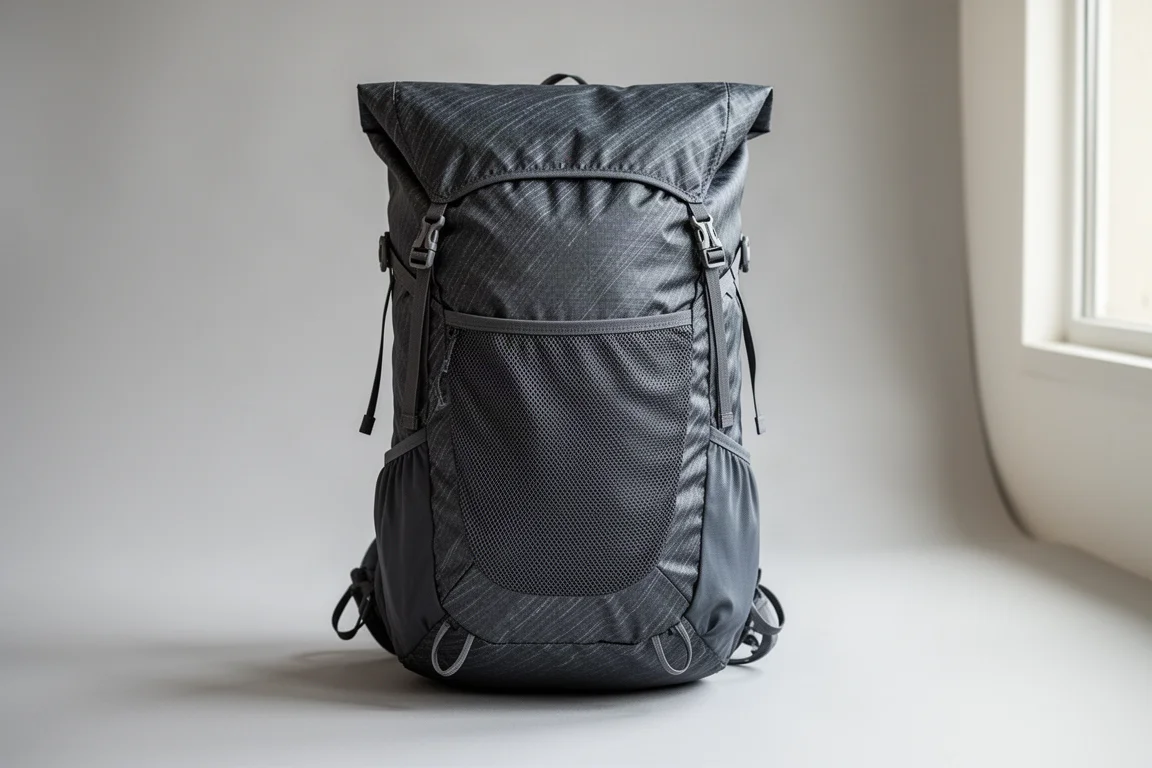
The CS40 Ultra is the newest piece of gear in this loadout and the item that generated the most interest. It is a 40-litre pack made from Ultra fabric, a Dyneema competitor claimed to be stronger, and it is built as a large open bag with a big mesh back panel that opens wide for easy packing.
The frame uses two wide bars that flex as you walk, giving the pack a natural arc and a comfortable carry, and the bars can be removed to run the pack frameless. Hip belt pouches are attached rather than floating, so they open easily with one hand, and the pack includes load lifters, which some popular ultralight packs omit. Other details stand out as well: red interior foam against a black ripstop exterior, generous water bottle pockets with drain ports, trekking pole storage, compression straps, and a top strap long enough to lash a bear canister. After two days of use, first impressions are strong, though a longer trip would be needed to judge durability.
Small Extras That Earn Their Place
A few smaller items round out the kit. A 10,000mAh battery bank with both USB-C and USB-A output covers phone and headlamp charging for a short trip, and this one is unusually light for its capacity. A lightweight rain jacket with pit zips came along for unpredictable weather, though it stayed in the pack this time. A dry bag keeps spare insulation and clothing protected, a small synthetic puffy adds warmth for only a few ounces, and a trowel with the usual toilet supplies handles everything else.
One camp habit is worth adopting: keep your food bag off the ground even while you are setting up. Chipmunks will investigate a bag left on the dirt, and a chair or a hung line is a much better resting place. Freeze-dried meals in a simple food bag keep dinner easy after a long day of walking.
Footwear: Brooks Cascadia GTX
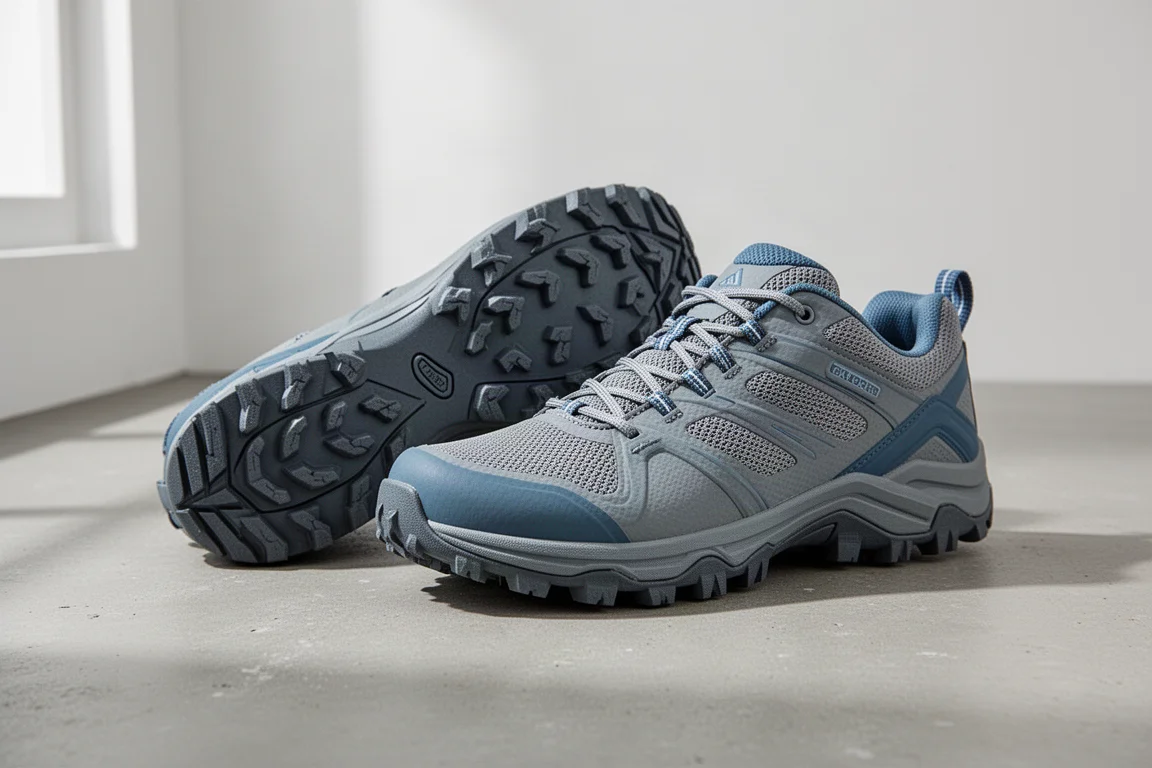
Mud and standing water made waterproof footwear the right call for this route. The Gore-Tex version of the Cascadia kept feet dry through the wet sections that dominated parts of the trail, and the waterproof build is the reason it was chosen over a lighter, more breathable shoe. Waterproof membranes do run warmer than unlined versions, which is worth weighing if most of your hiking happens in hot, dry conditions rather than wet ones.
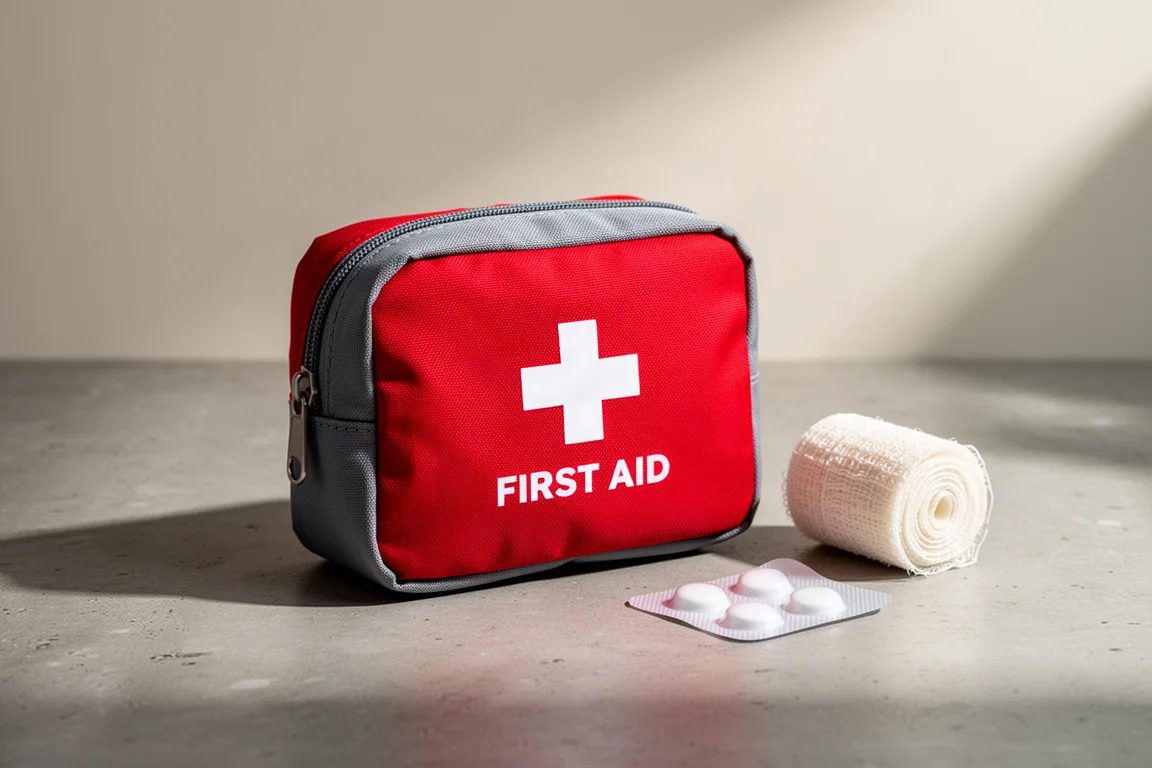
First Aid: Adventure Medical Kit 0.5
A first aid kit is the item you hope stays at the bottom of the pack. This one is compact, and it has been restocked over time with supplies from home as items were used. That is the practical approach: start with a small kit, then replace what you actually use and add anything specific to your own needs or the terrain you hike.
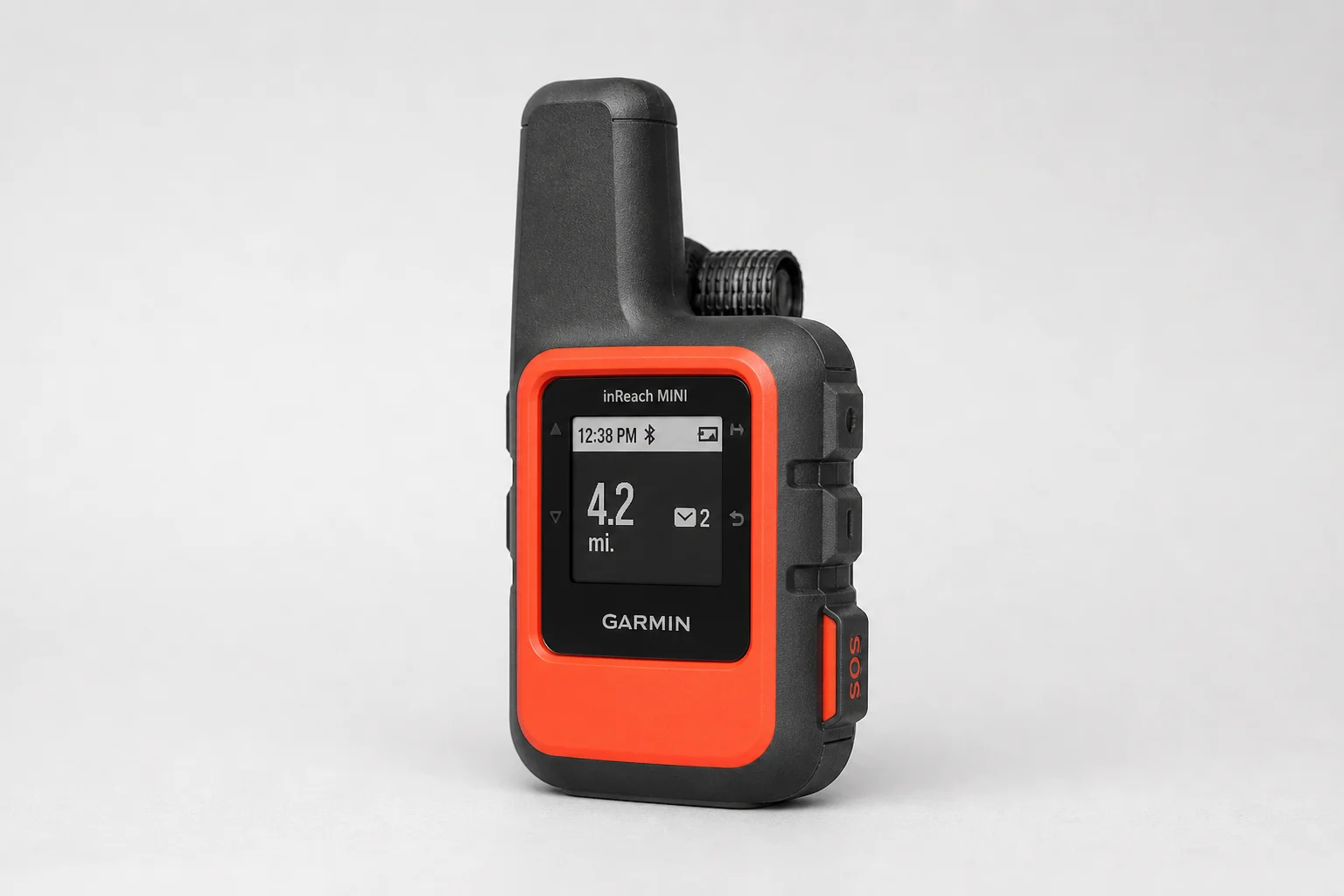
Emergency Communication: Garmin inReach Mini
The inReach Mini goes into the pack on every trip. It keeps you in contact with family and friends, shares your location so they can follow along, and includes an SOS button that contacts emergency services if something goes badly wrong.
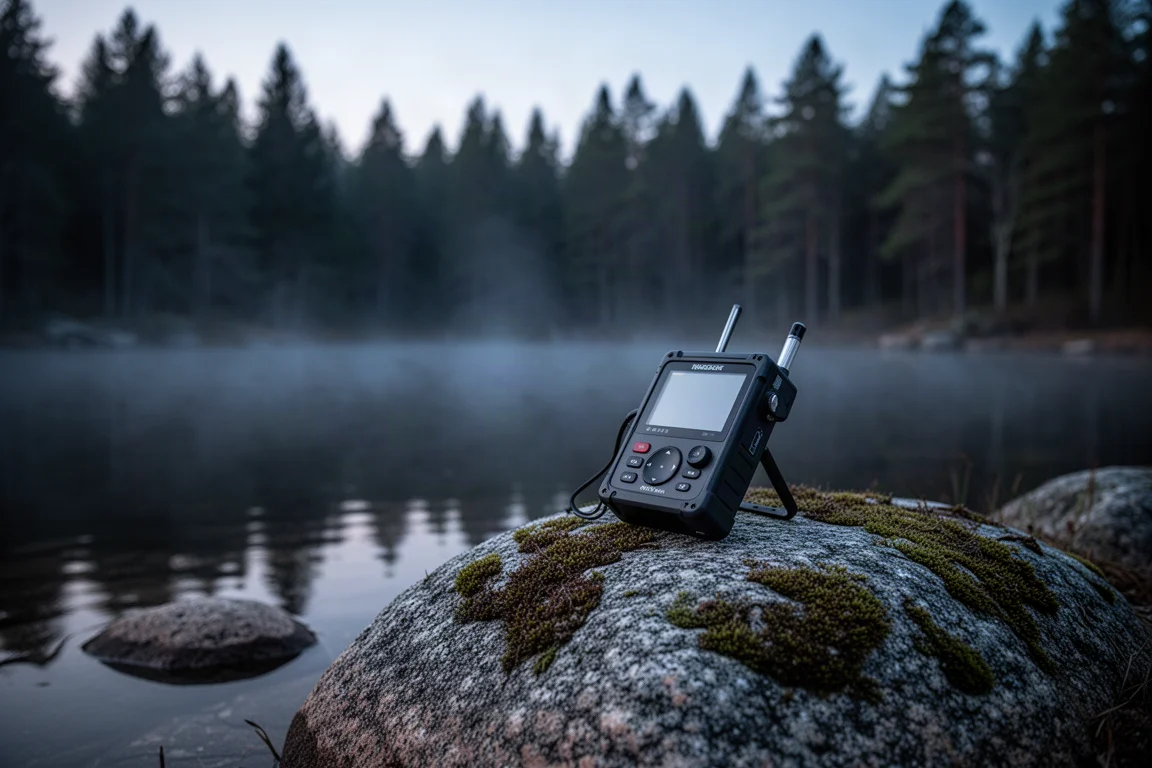
Coverage matters most where there is no cell signal, which describes a great deal of the shoreline and forest on a route like this one. The device is small and light enough that there is no real argument for leaving it behind on a remote trip.
Overall Buying Advice
If you are building a kit from scratch, spend first on shelter, sleep, and water treatment, then on emergency communication. Those four categories decide whether a trip is comfortable and safe, and they are the hardest places to compromise.
The expensive items in this list, the ultralight tent, the camera pod, and the Ultra-fabric pack, only make sense if you backpack often enough to feel the difference they make. A quilt rated for mild conditions is a better first purchase than a premium tent, and a simple filter paired with a wide-mouth bladder will handle water on almost any three-season route.
Finally, resist copying a loadout item for item. Weigh your own kit, note what you did not use, and cut from there.
Conclusion
This loadout worked well for two nights of warm, wet, mosquito-heavy trail. The shelter and sleep system carried their weight, the water kit stayed simple, and the safety items never had to prove themselves, which is exactly how it should go.
Start with the categories that matter most, buy the version that fits your own conditions, and let the small comforts earn their place over a few seasons.
Further reading
Related Reviews

Backpacking Gear
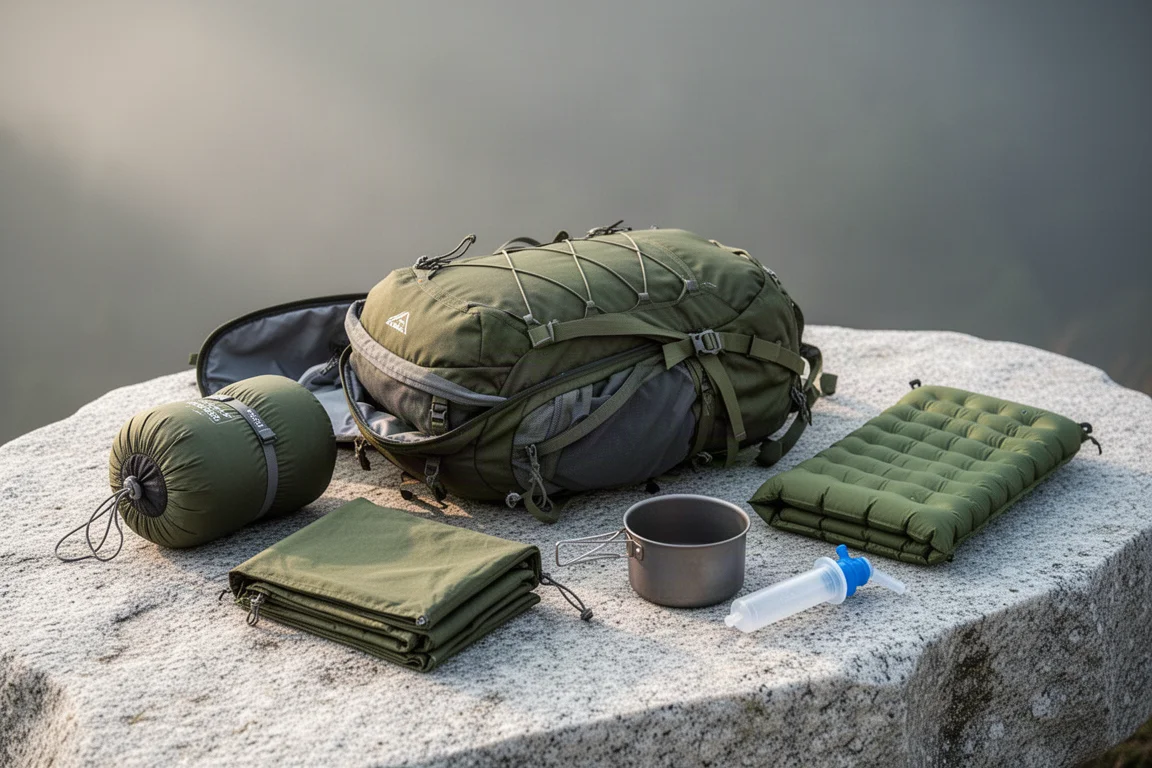
Building a 10 lb Base Weight: An Ultralight Backpacking Gear List
A practical walkthrough of the ultralight pieces behind a 10 lb base weight, from a 765 g pack and a roomy one-person tent to a full camp chair and a dependable water filter.
Backpacking Gear
A 15-Pound Lightweight Backpacking Gear List for Solo Trips
A beginner-friendly 15-pound backpacking setup built from easy-to-find gear, with notes on what each piece does, how it packs, and where to spend your attention.
Backpacking Gear
8 Ultralight Backpacking Gear Upgrades Worth Carrying
Eight small, affordable backpacking upgrades that solve real trail annoyances, from a pillow that stays put to a fuel valve that rescues leftover canister gas.