Backpacking Gear
Ultralight Backpacking Loadout 2026: 16 Pieces That Work Together
A complete ultralight backpacking kit built around compatibility rather than the lowest possible weight, covering shelter, sleep, cooking, water treatment, and camp comfort.
Introduction
Buying the lightest version of every item is a fast route to a low number on a spreadsheet, and often a slow route to a kit that is annoying to use. The lightest option in a category usually gives something up, whether that is price, comfort, or ease of use, and the pieces do not always work well together.
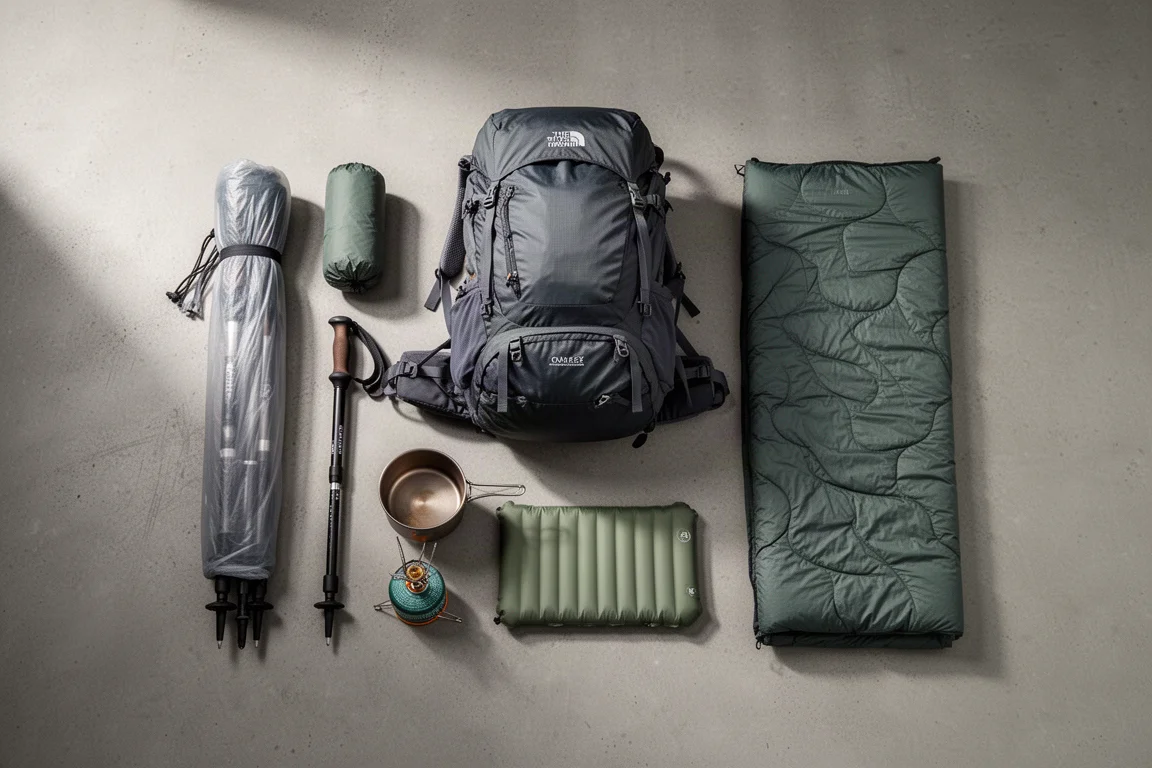
This loadout takes the opposite approach. Every item was chosen so the system as a whole works, with no single piece making a trip harder than it needs to be. It has been used on a real ultralight backpacking trip and covers shelter, sleep, cooking, water treatment, electronics, and camp comfort. Most of it is equally at home on ordinary weekend trips.
How These Choices Were Made
The guiding idea is that the lightest option is not automatically the best one. Price, comfort, and ease of use all count, and a kit where the parts cooperate is worth more than a list of record-low weights. The sleep system in this loadout, in particular, prioritizes versatility, price, and comfort over raw numbers.
Two themes run through the list. The first is versatility: gear that is light enough for solo trips but roomy or capable enough to cover more than one job. The second is honest compromise. Where a heavier item buys real comfort, it is included on purpose rather than apologetically.
The Pack: Outdoor Vitals CS40
The CS40 is a framed ultralight pack that weighs just over 700 grams while keeping the features many lightweight packs drop. It has a full frame with load lifters, a built-in hip belt, and integrated hip belt pockets. The front pocket is stretchy and easy to load, and the side pockets are positioned so you can reach back and pull out a water bottle while walking.
Its size is what earns it a place in this kit. It swallows the rest of the gear here with a little room to spare, and unrolling the roll-top closure stretches that capacity to cover a few extra days of food. Two features are missing: a bottom pocket for quick access to snacks, and integrated shoulder strap pockets. If shoulder pockets matter to you, the Durston Kakwa 40 and Kakwa 55 offer them and serve as direct alternatives.
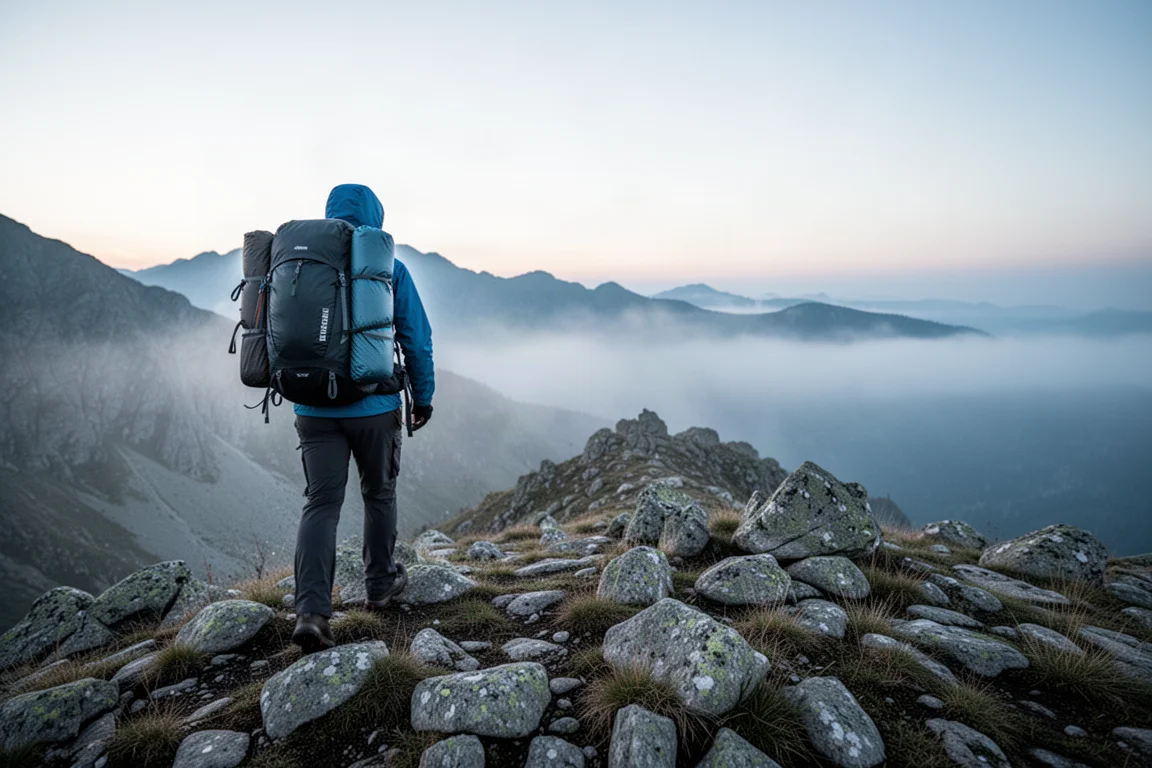
Weight: just over 700 grams, with a full frame, load lifters, and an integrated hip belt.
Rain Protection: Rockfront Rain Hoodie
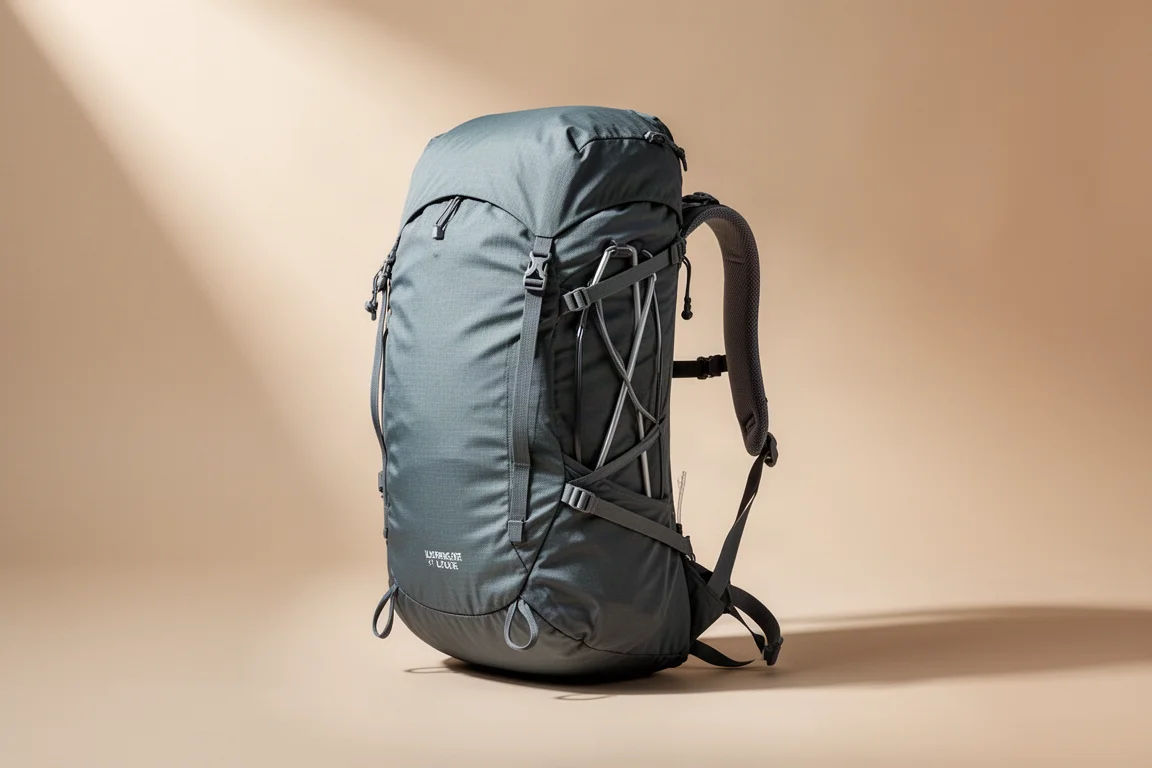
The Rockfront Rain Hoodie is not breathable, and that is a deliberate trade rather than an oversight. What it does instead is refuse to wet out, which is the failure that matters most in sustained rain. It is also very lightweight and inexpensive, coming in under $100 at a time when plenty of ultralight rain gear climbs toward $200.
Ventilation is handled mechanically instead of through fabric breathability. A large chest zip and generously sized pit zips let you open the jacket up and move air through it when you are working hard on a climb, then seal it back down when the weather turns.
Water Treatment: Platypus QuickDraw
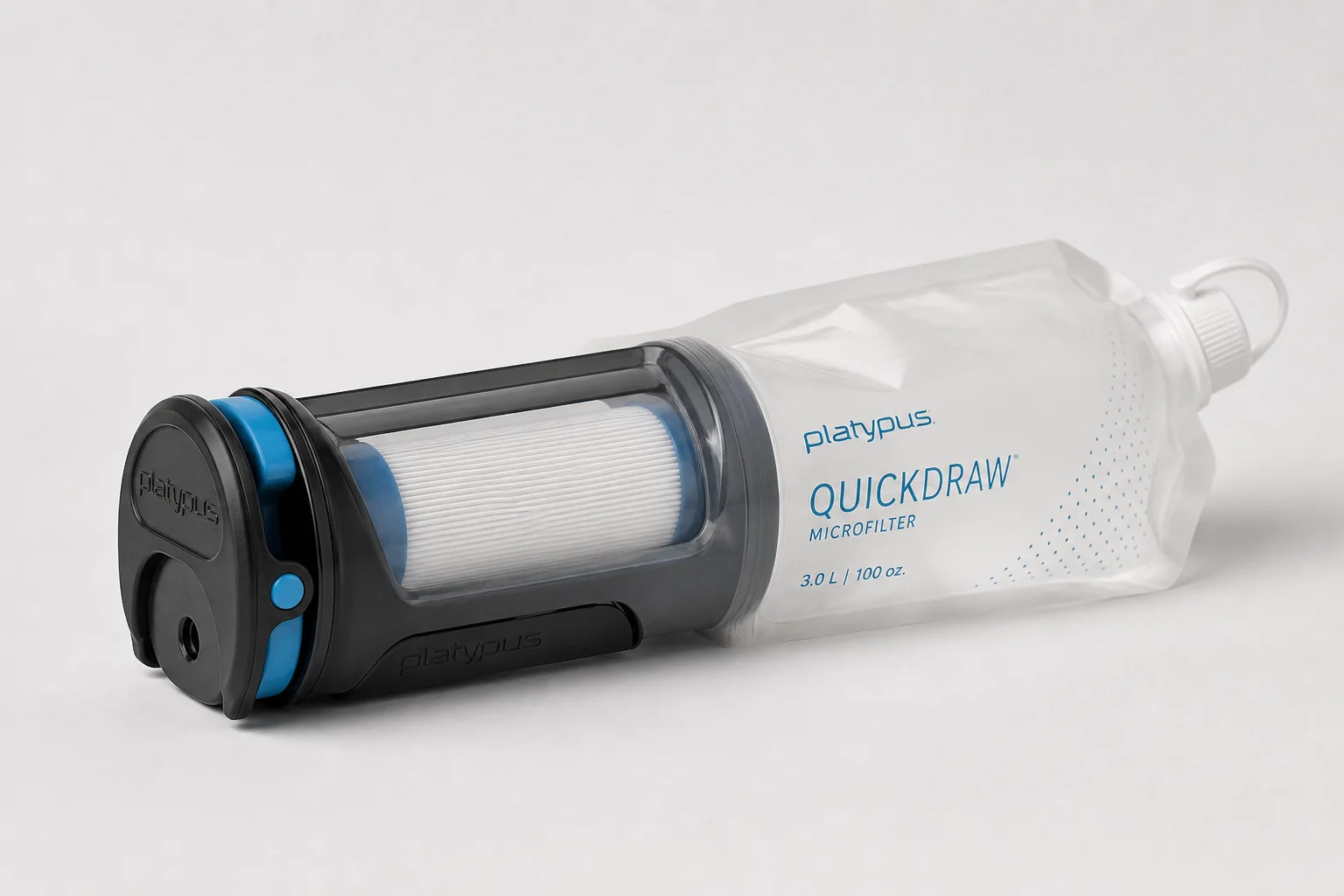
Water treatment here is a 2-liter Platypus reservoir paired with the QuickDraw filter. You fill the bag through its wide opening, screw the filter onto the neck, and drink or squeeze directly. The wide mouth makes filling from a stream or lake quick, and this particular filter has been in steady use for a couple of years without any drop in performance.
There are lighter filters on the market, but the QuickDraw earns its place through reliability and speed. For most trips that is a better trade than shaving off a few grams. A lightweight trowel with serrated edges for cutting through roots, plus a 4.5 gram backcountry bidet that fits most water bottles, rounds out the hygiene kit for leave-no-trace practices.
Shelter: Durston X-Mid Pro 2
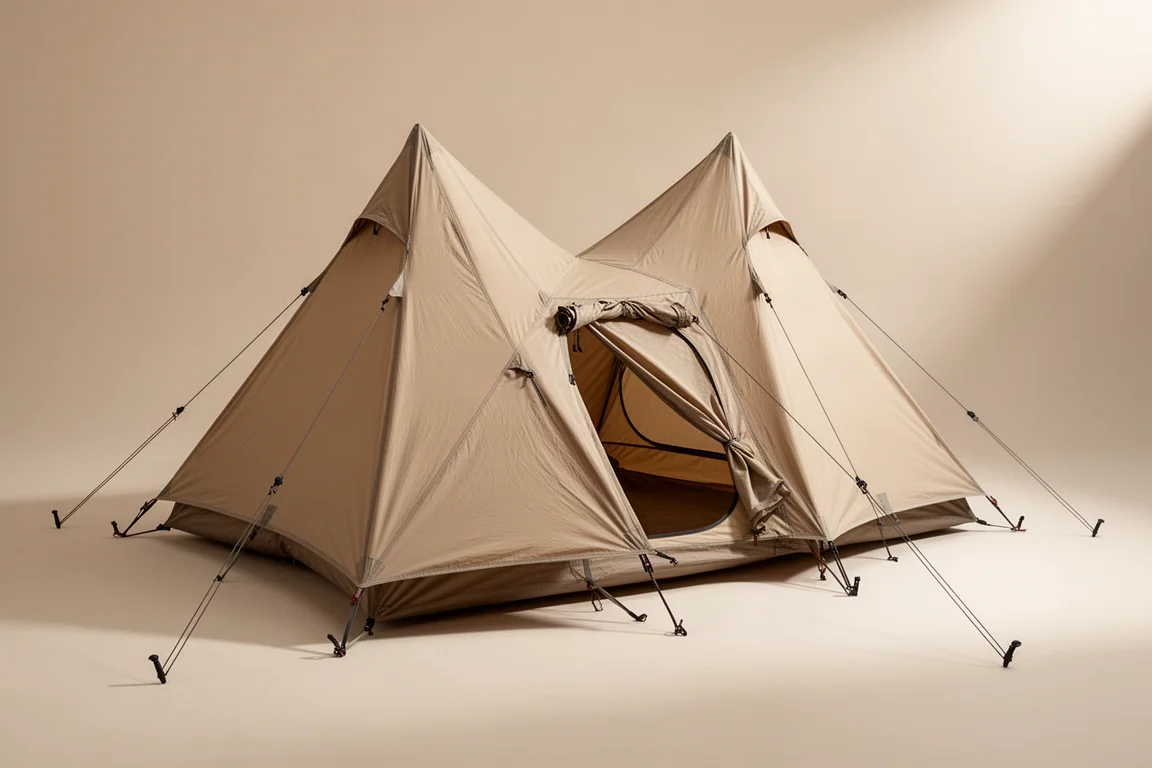
The X-Mid Pro 2 is a two-person Dyneema tent that weighs 555 grams. That combination is the whole point: it is light enough to carry on a solo trip, yet roomy enough to sleep two when you need to, so you do not have to maintain a separate dedicated one-person shelter. Construction quality is high, and used solo it feels generous rather than tight. Because it is built from Dyneema, it is expensive. If you usually travel as a pair, the X-Mid Pro 2 Plus is a little bigger and feels more spacious inside, while the standard X-Mid 2 is a double-wall design with a separate inner and fly, made from silpoly instead of Dyneema, as large as the Pro 2 Plus and friendlier on budget.
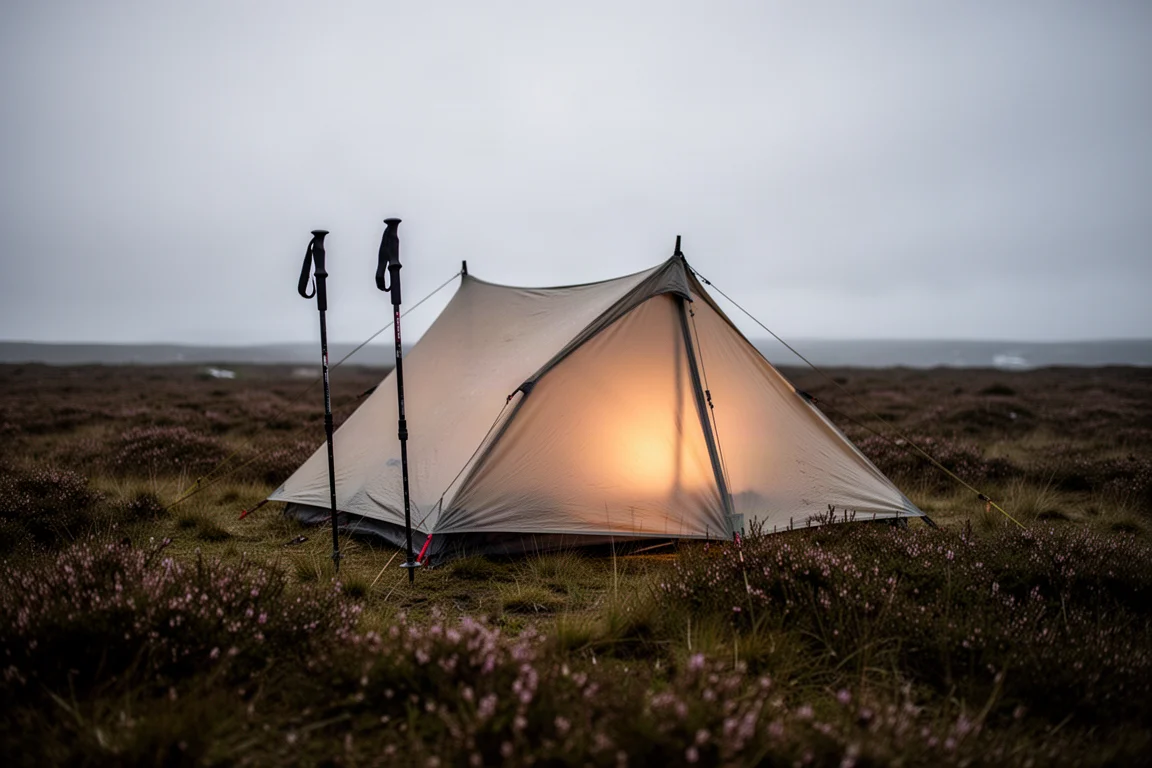
A 555 gram two-person shelter changes how you plan: one tent covers solo trips and pairs without a second purchase.
Stakes and Guy Lines: MSR Core Stakes
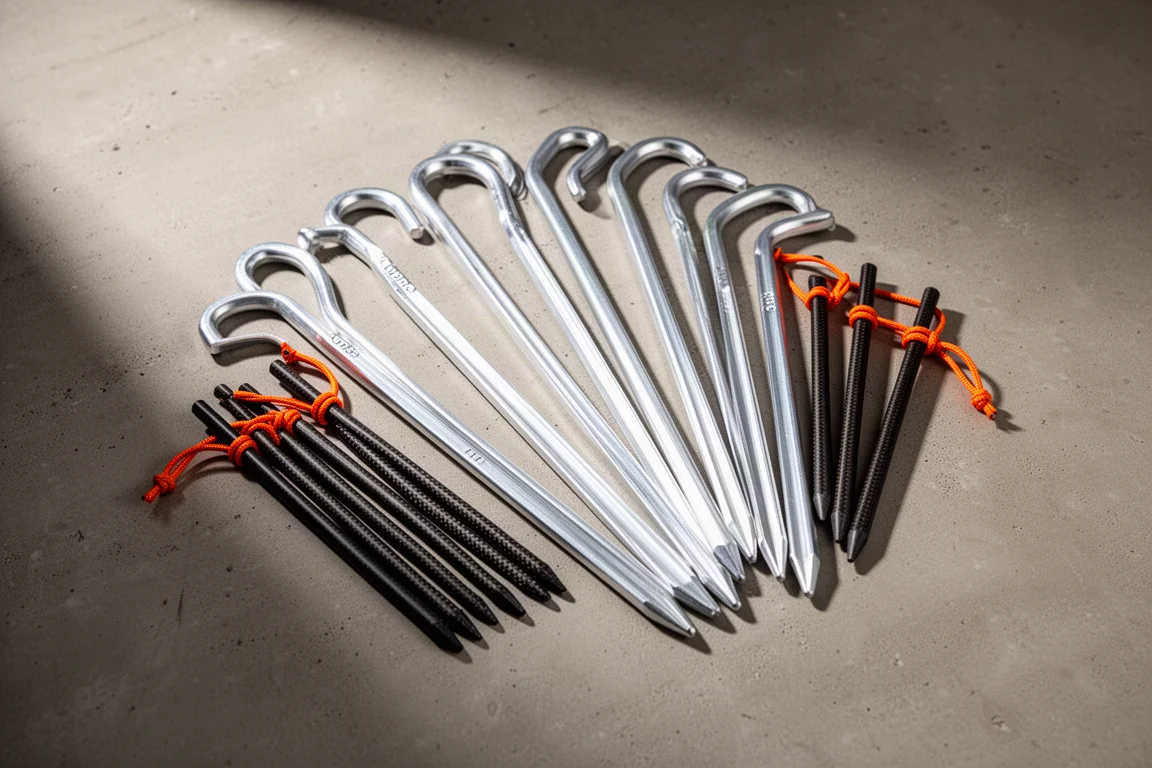
Staking an ultralight shelter well is mostly about holding power. The MSR Core Stakes are long aluminium stakes with excellent grip in the ground, and they anchor the main corners. A handful of smaller MSR Carbon Core stakes covers the secondary guy-out points, which is all most pitches need.
The guy lines are a custom set made from lightweight Dyneema cordage, with hooks tied on one end and line locks on the other. The full set weighs just over an ounce. Tensioning this way holds better in strong wind than line lock hooks alone, which can slip under heavy pressure when the cordage is thin.
Camp Comfort: REI Flex Lite Air
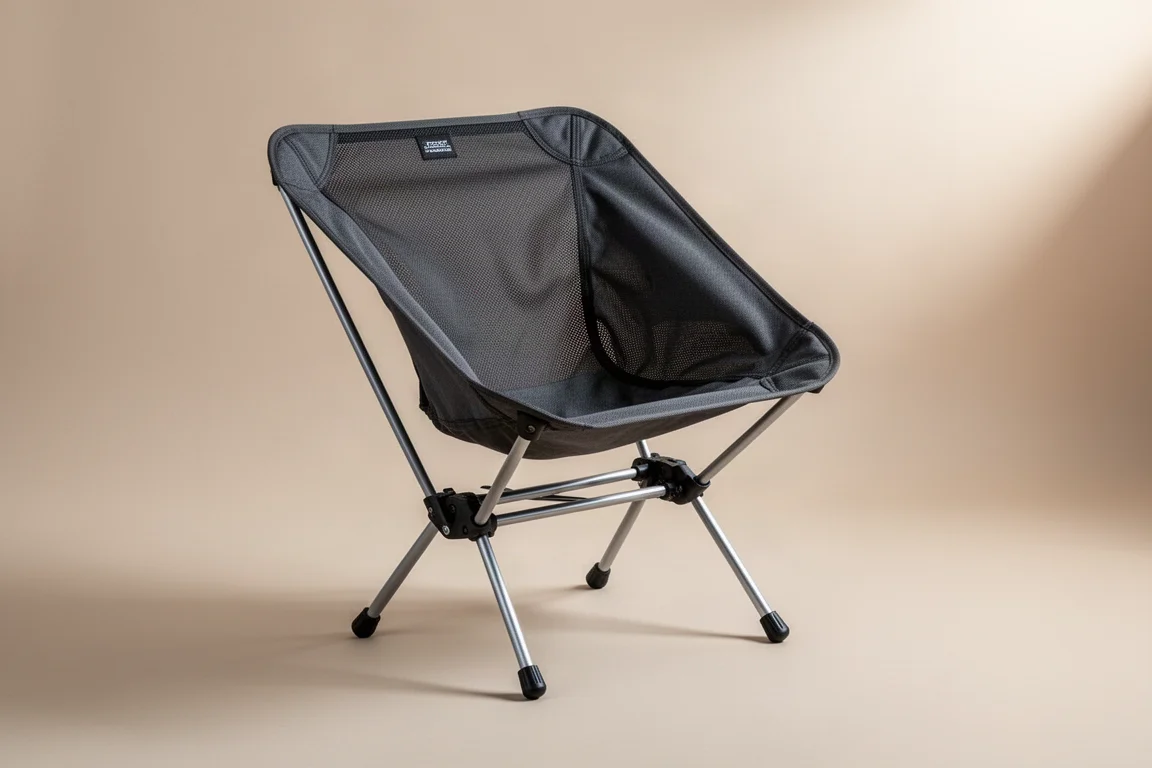
A chair is the item most people cut first, and it is also one of the items that changes a trip the most. The REI Flex Lite Air is very lightweight and comes in under $100, which is why it is here rather than the more comfortable Helinox Chair Zero. It gives you a proper seat at camp for a modest weight penalty, and for most people the comfort gap between the two is not worth the extra cost.
Camp Slippers: Zpacks
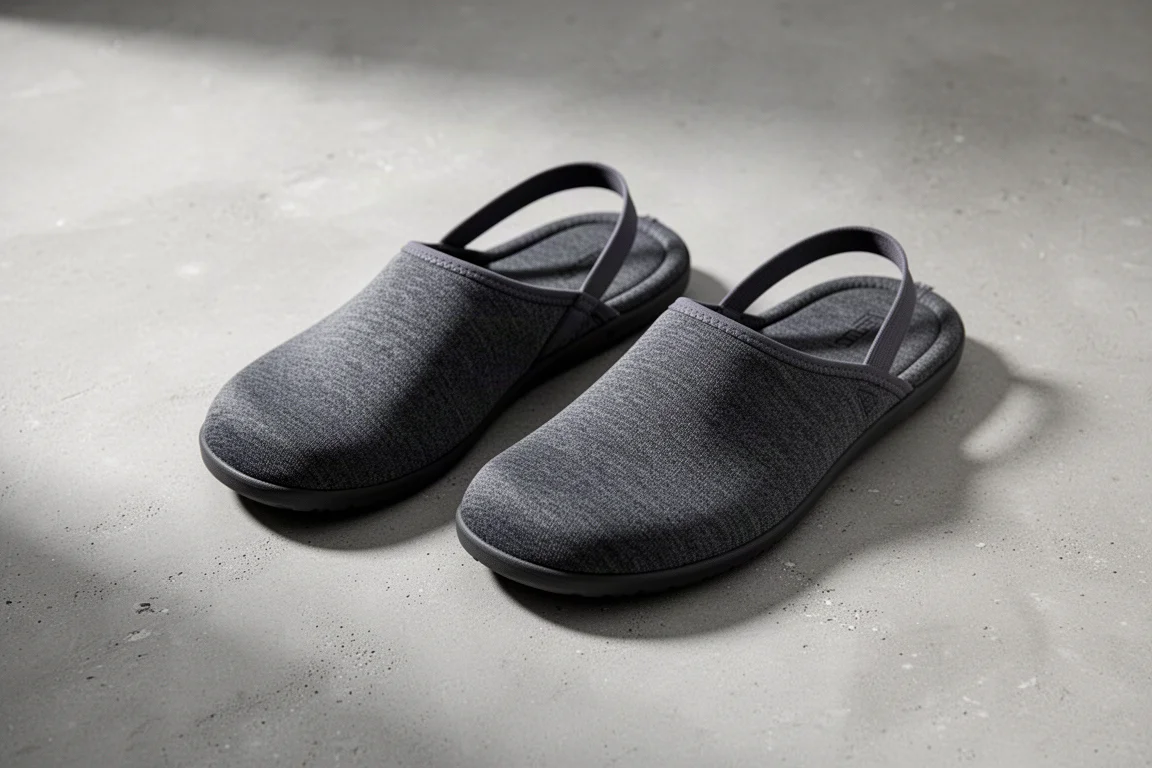
Camp slippers are the other comfort item worth arguing for. The Zpacks version is not cheap, but it is extremely light and genuinely comfortable. An enclosed toe at the front and elastic at the heel keep them locked onto your foot, which is the part most camp footwear gets wrong.
They are capable of more than walking around camp. They handle a small creek crossing well enough that you can take your shoes off, ford, and keep your footwear dry. In practice, the most common use is a middle-of-the-night trip out of the tent without putting on wet or smelly shoes.
Power: FlexTail Zero Power
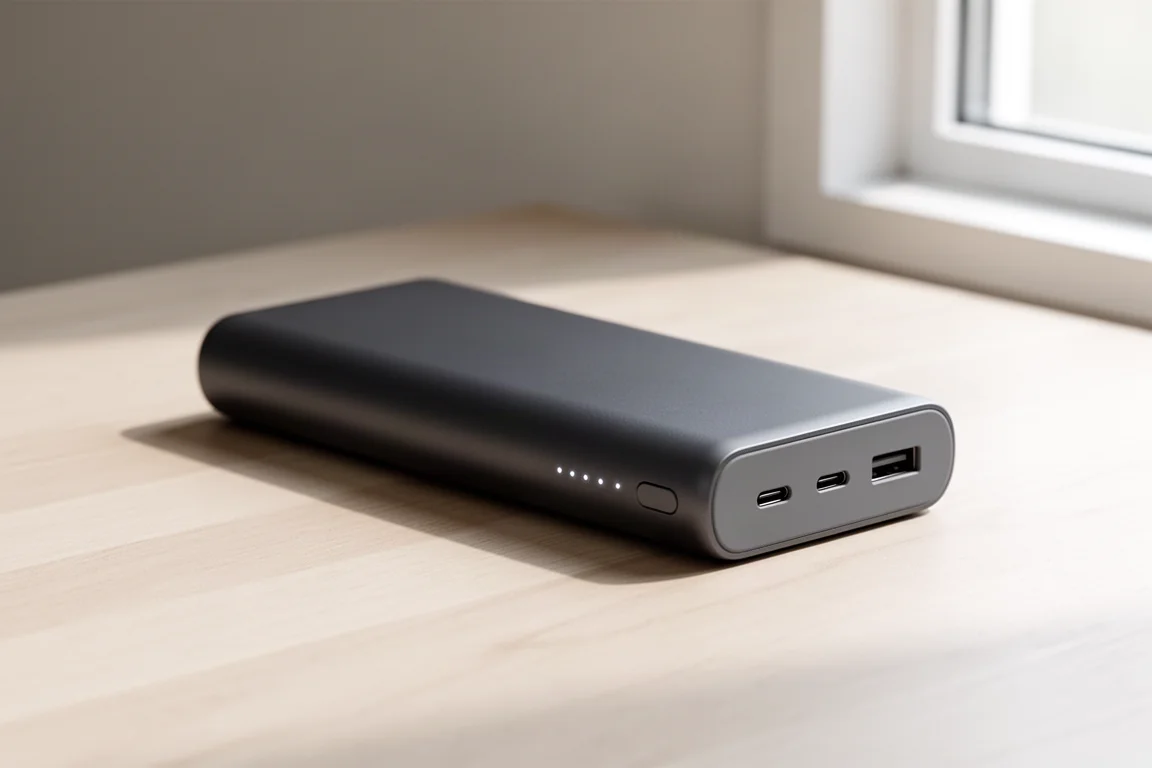
The FlexTail Zero Power has dual USB-C ports and an efficiency mode that increases the effective capacity by slowing the output rate. Charging takes longer in that mode, which is exactly what you want overnight on a multi-day trip when speed does not matter and every bit of stored energy does.
Lighting: Nitecore NU20 Classic
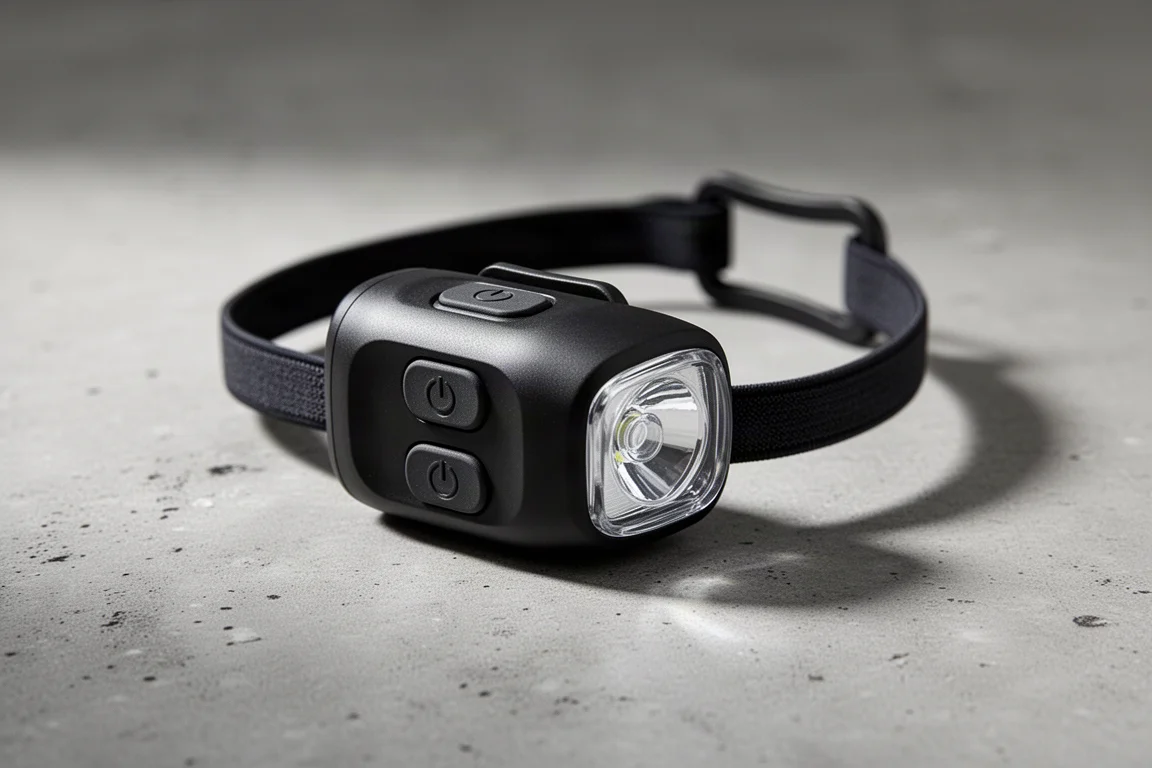
The Nitecore NU20 Classic is a lightweight, USB-C rechargeable headlamp with two buttons, one for the red light and one for the white. The red mode preserves night vision and is far less disruptive in a busy campground. The headband it ships with is the weak point, and swapping it for a better one is a worthwhile tweak.
Sleeping Pad Inflation: Airgogo GigaPump
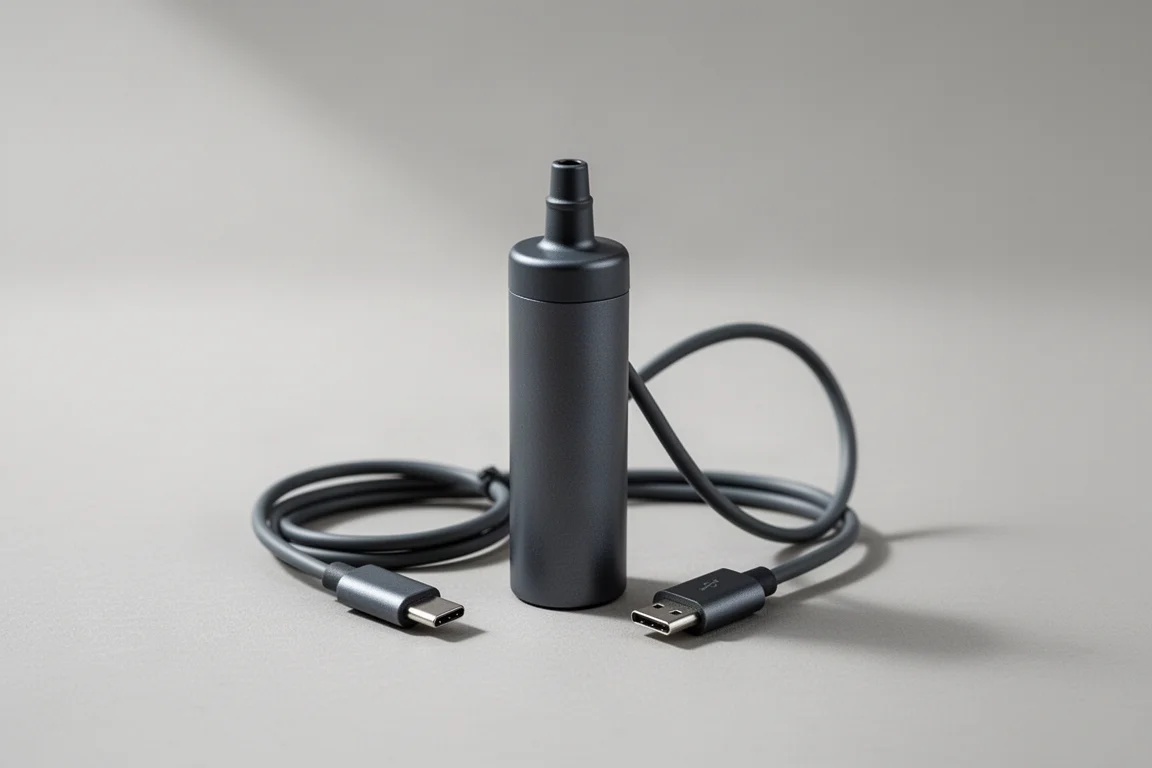
The Airgogo GigaPump weighs just over an ounce and inflates a sleeping pad quickly to a genuinely firm pressure. That firmness is what separates it from lighter pumps that leave you topping the pad up with a few breaths. It has no built-in battery, which is how it stays so light: you connect it to your power bank with a USB-C cable, it inflates the pad, and it shuts off when you unplug it.
Food Storage: Backcountry Exposure Mesa Bag
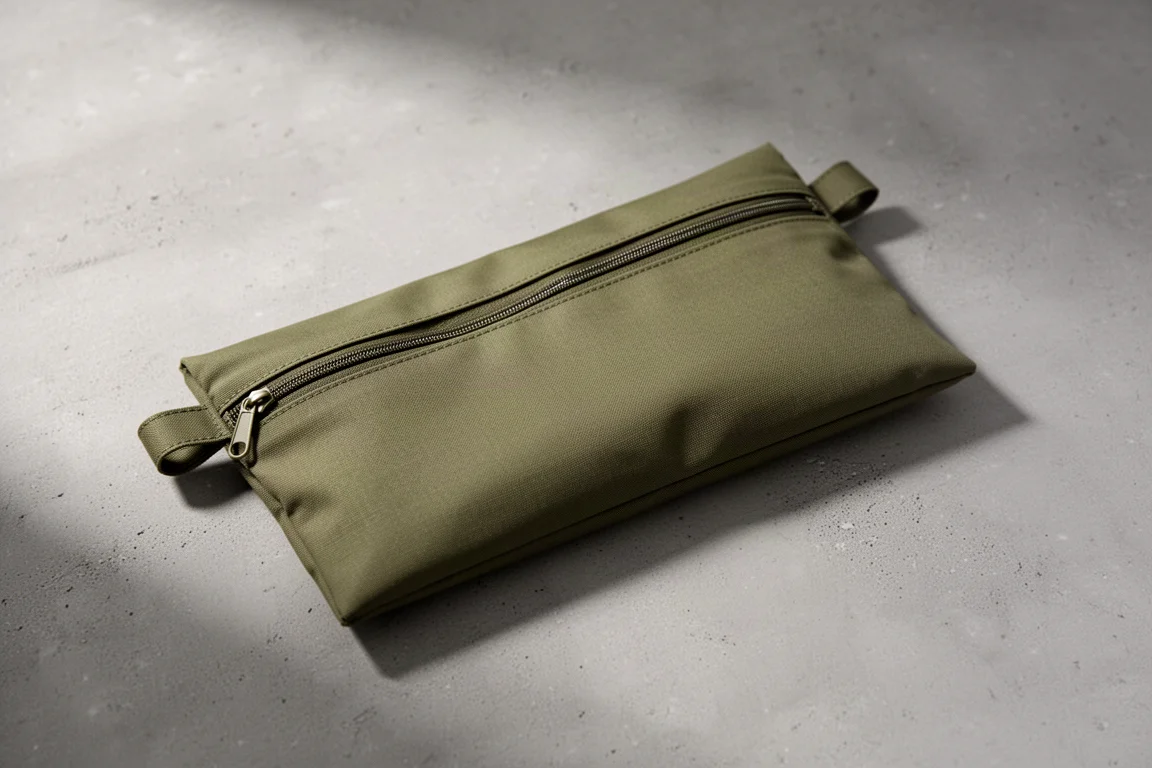
The Mesa Bag is shaped to sit horizontally in a pack, so it slides in as a flat layer instead of a lump and is easy to pack around. It holds enough food for three to four days, stays light, and opens wide enough that you can see everything inside without emptying it out. A spoon, snacks, and garbage all live in there during the day.
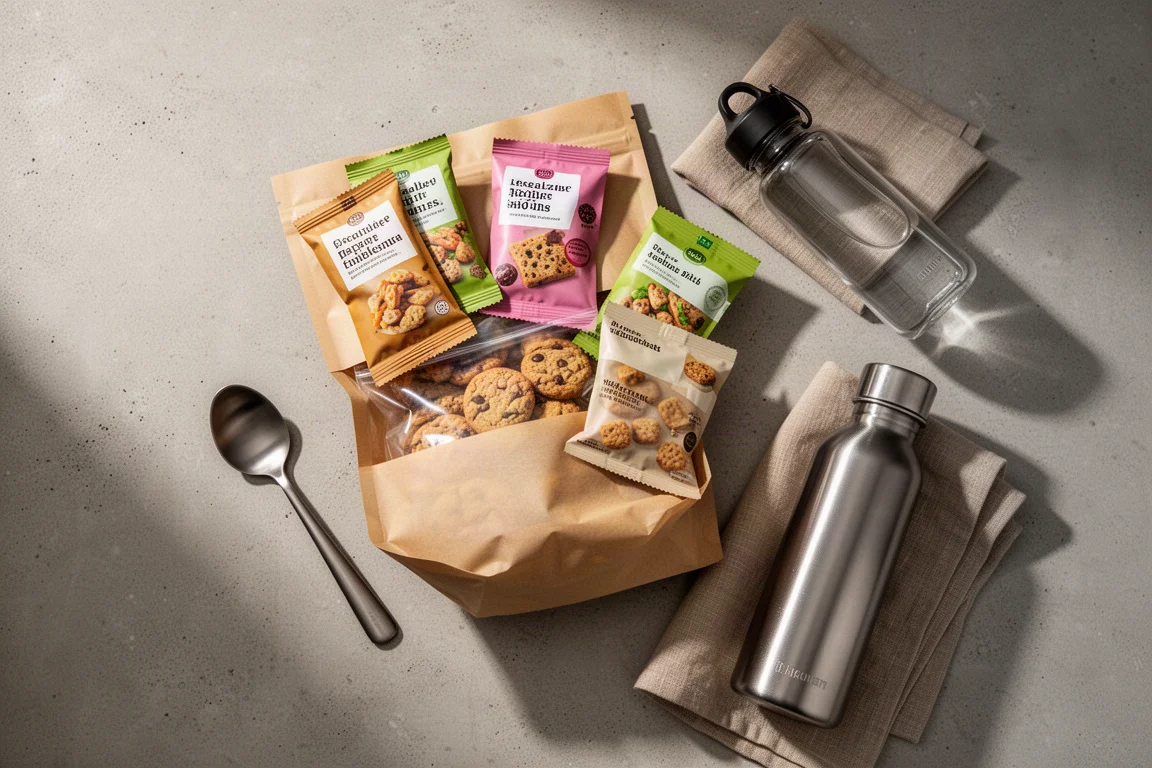
Packing food as a flat horizontal layer keeps the load close to your back and makes the bag easy to reach.
Cook Pot: Toaks 750
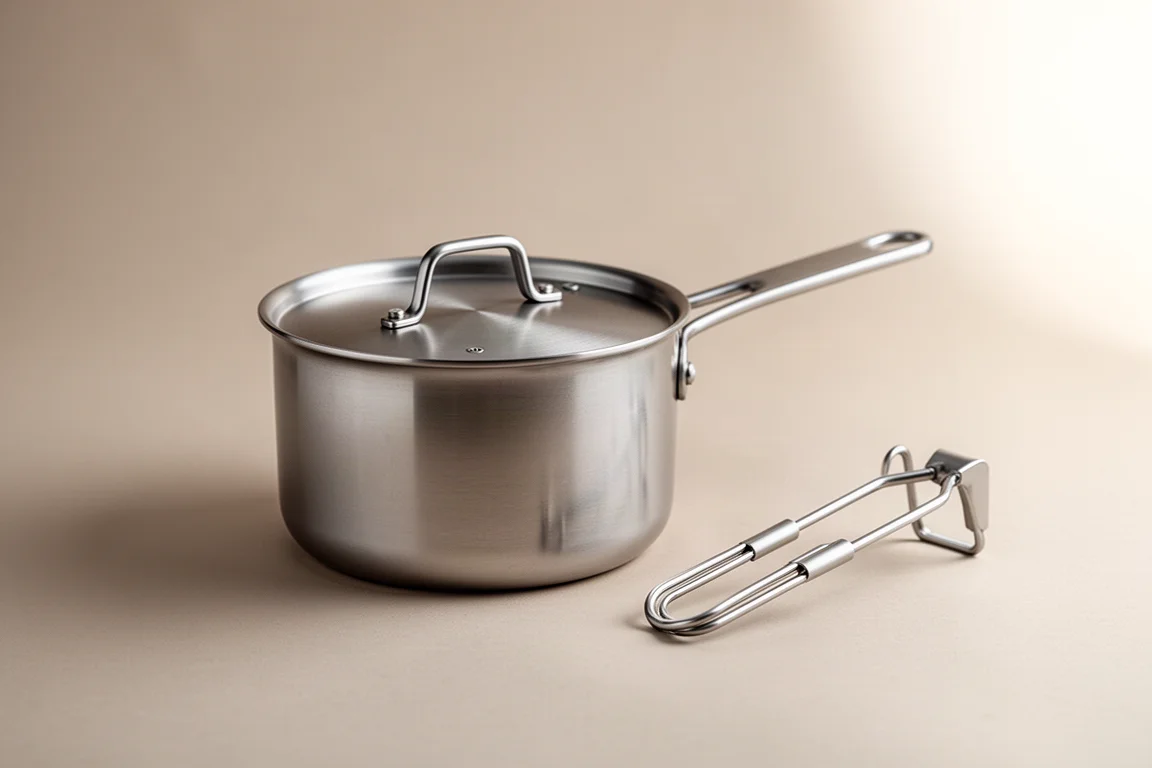
The Toaks 750 pot is used without handles, which saves weight and makes it easier to nest with the rest of the cook kit. Water is poured either through a Pico lid with a spoon through the top, or, more often, by gripping the rim with a pot grabber and pouring into a freeze-dried meal or cup.
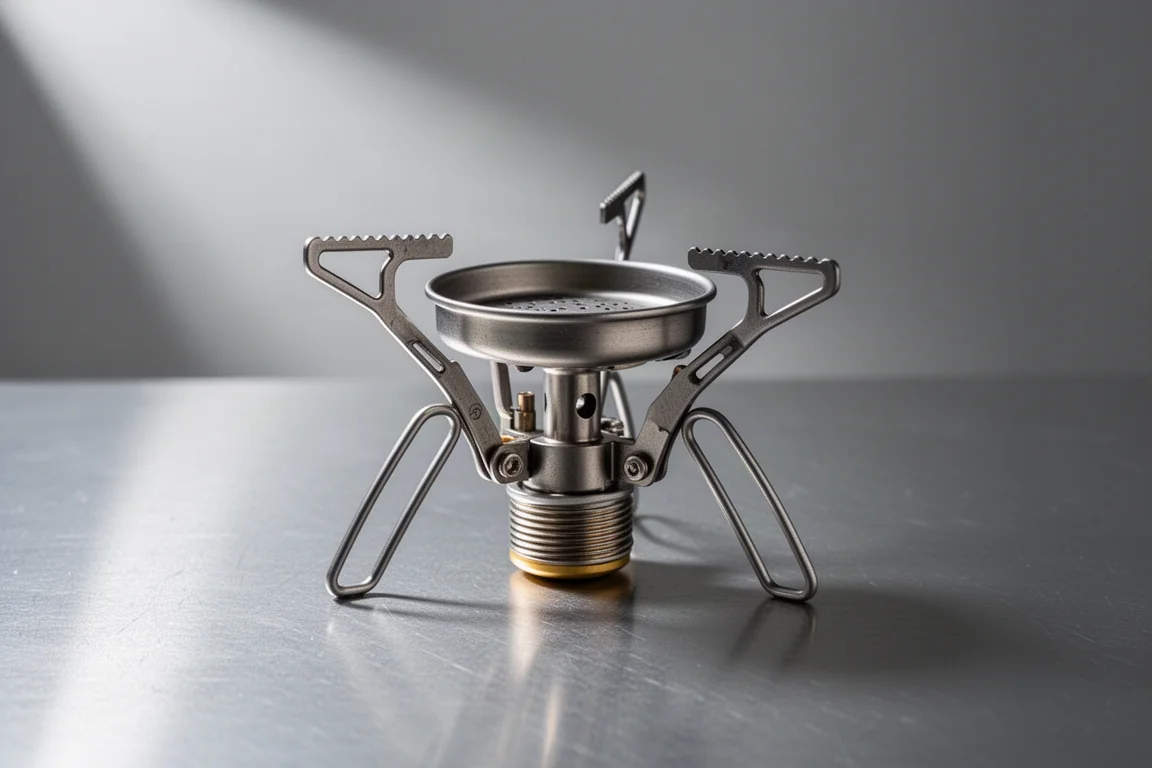
Stove: BRS 3000
The BRS 3000 is a long-standing favorite: very light, very inexpensive, and effective in normal conditions. It does not perform well in wind, so in exposed spots you will want to shelter it behind rocks or a windscreen. Beyond that, it has been a dependable choice for years.
A small addition worth copying is a temperature sticker on the pot. Rehydrating a meal only requires heating water to roughly 70 degrees rather than a rolling boil, and watching the sticker instead of waiting for a boil saves a meaningful amount of fuel over a trip.
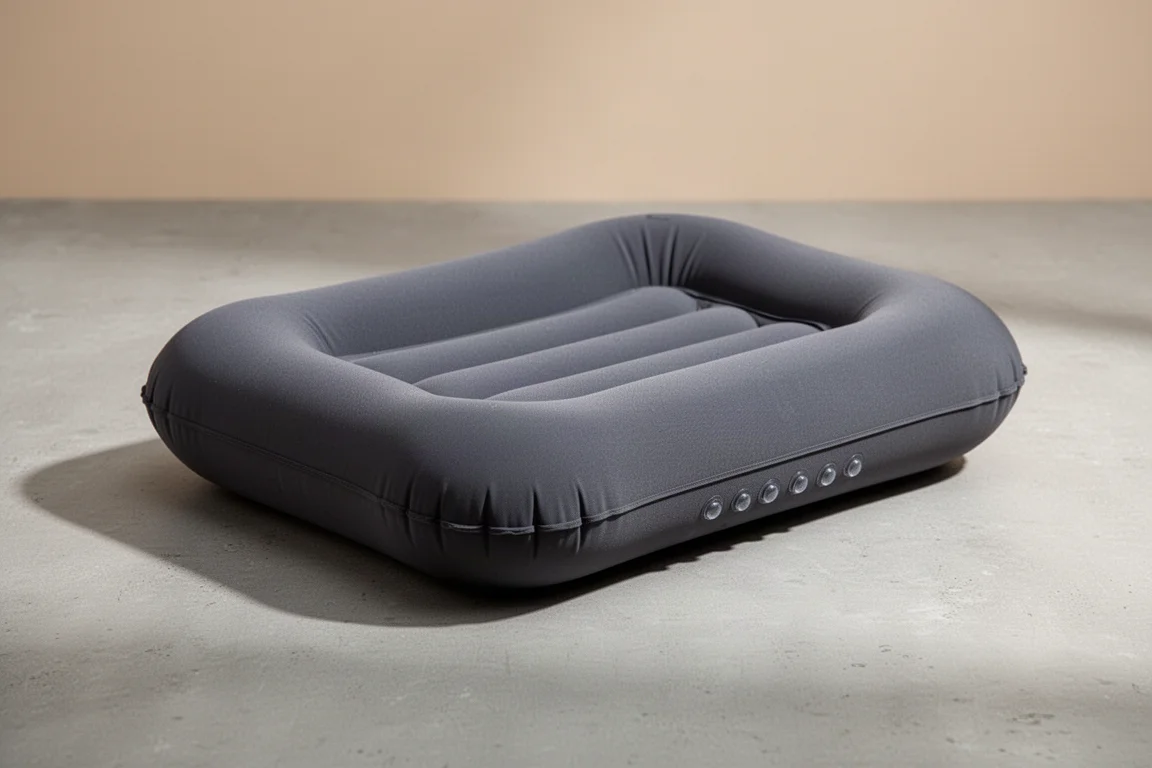
Pillow: Trekology 2.0
The Trekology 2.0 remains one of the better options in its class because it is light, inexpensive, and comfortable in a way inflatable pillows often are not. The baffling keeps it from feeling like a balloon, and a built-in strap holds it in place on the sleeping pad so it does not slide away overnight.
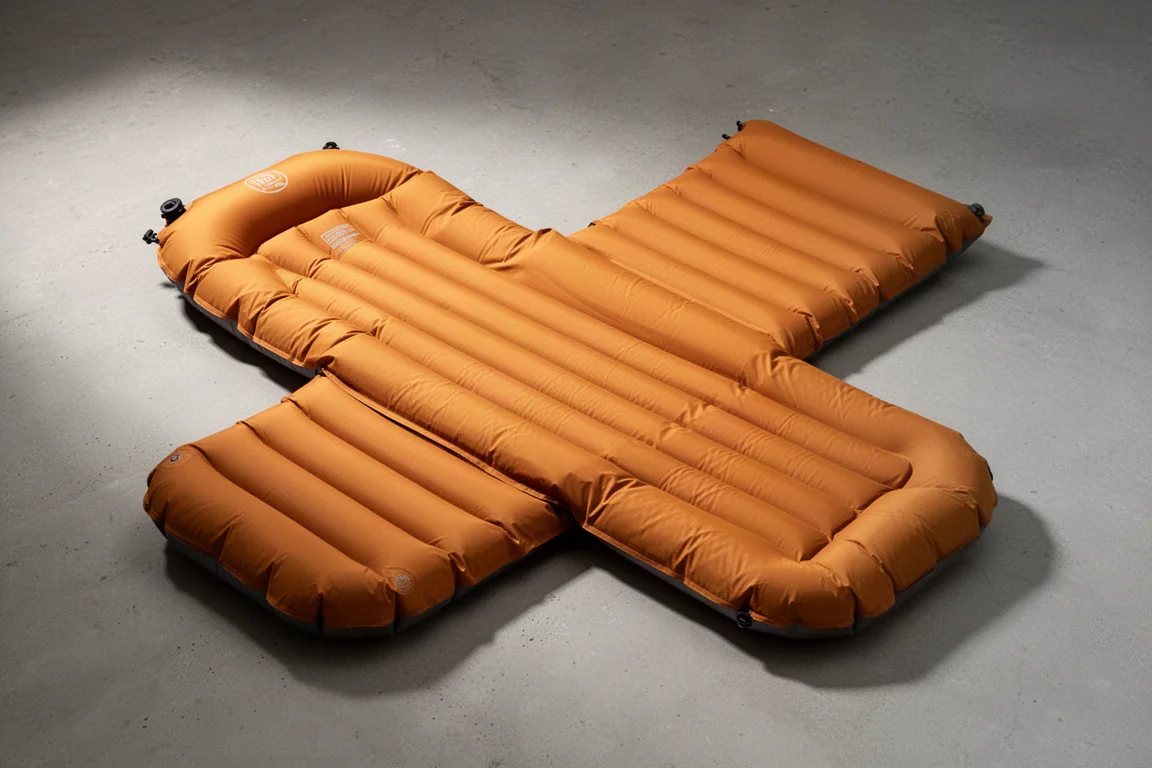
Sleeping Pad: Exped Ultra 6.5
The Exped Ultra 6.5 is a new pad for 2026 and the biggest change in this sleep system. It carries an R-value of 6.9 and has been used on snow at sub-freezing temperatures with no cold spots. The top fabric has a slight stretch that makes it feel soft, and the vertical baffles keep it stable through the night.
Weight is the impressive part. The regular wide rectangular version is 550 grams, and the narrower mummy shape saves more. Exped advertises this pad as having the best warmth-to-weight ratio on the market. The one drawback is the pair of valves on the bottom of the pad. In winter, when cooling air reduces the volume inside and you want to top it up before bed, you have to flip the pad over to reach them.
Quilt: Neve Waratah Quilt
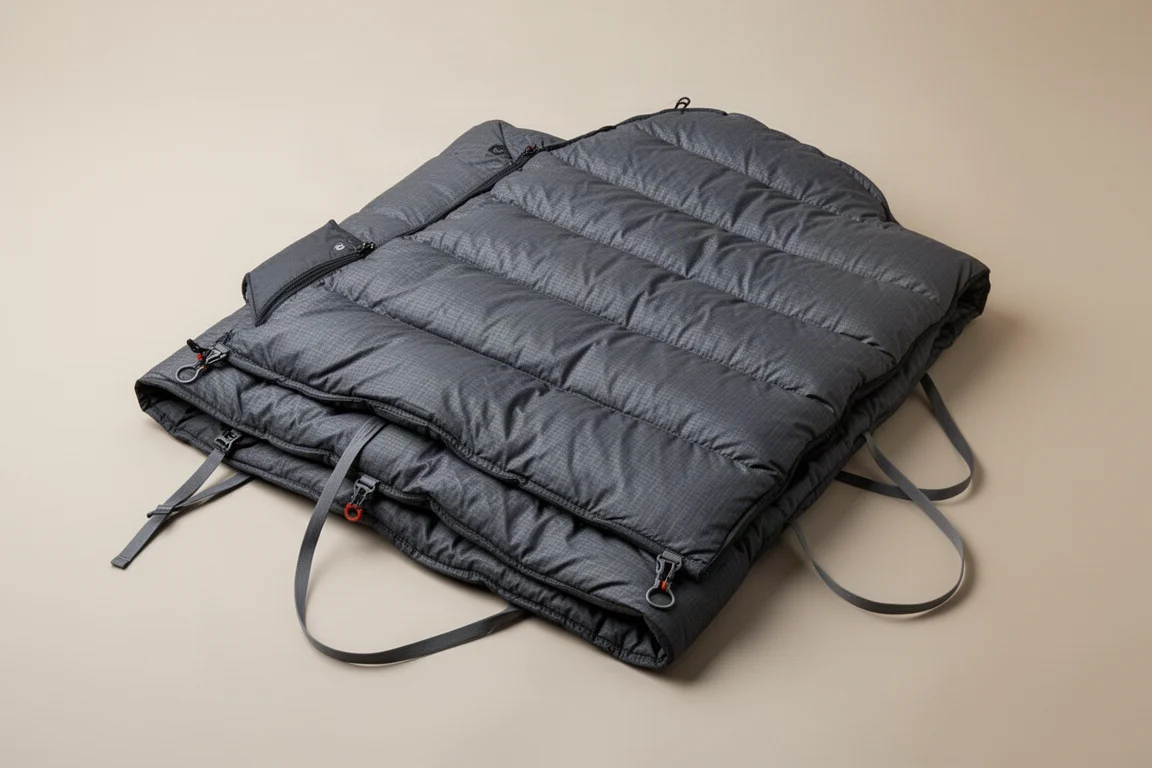
The Waratah quilt closes out the sleep system. It is fairly light and very inexpensive for what it does, and its standout detail is where the clips attach: a little in from the edge, which creates a small draft tube along the side. That means you can put the pad straps on your sleeping pad, clip the quilt on, and stop worrying about drafts, however you move in the night.
The advertised rating is minus two, and that is a comfort rating rather than a hard limit. With mesh base layers and fleece alpha direct layers underneath, it has been used down to minus seven and stayed warm.
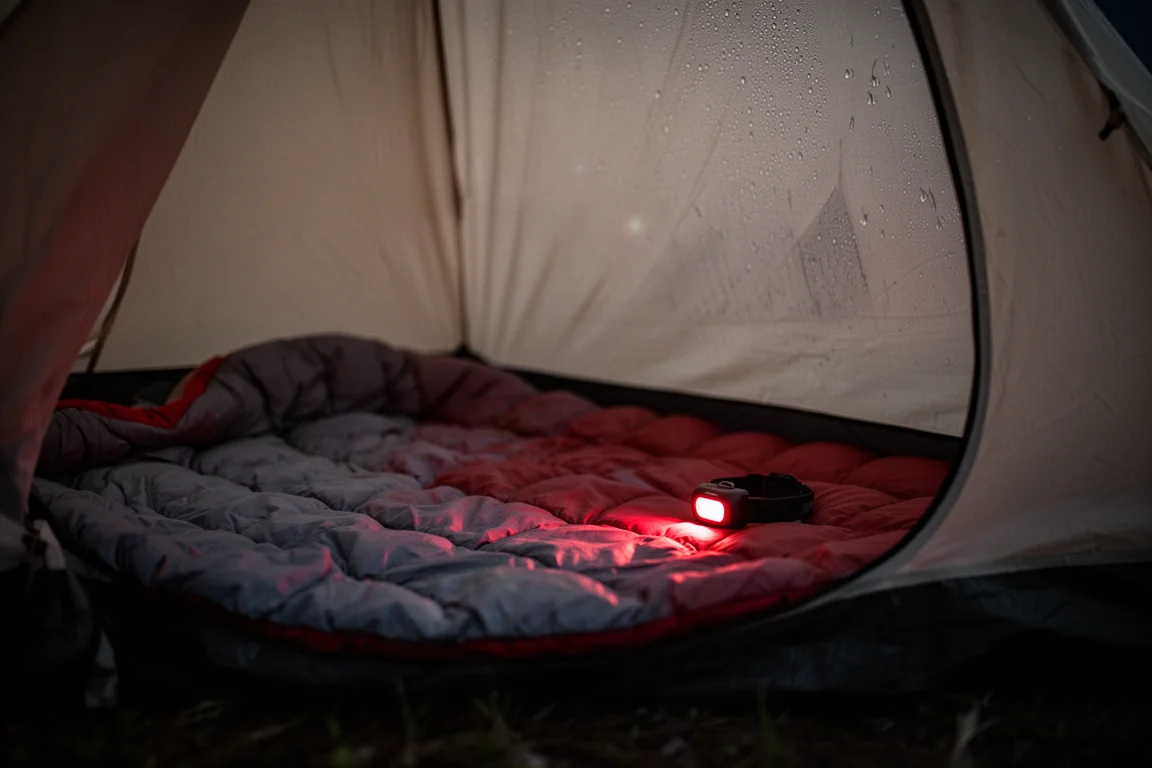
A quilt with the clips set in from the edge forms its own draft seal, so setup is quick and cold spots are rare.
Overall Buying Advice
The biggest wins in this kit come from the shelter and the sleep system, because those two decide how much your pack weighs and how well you sleep. A 555 gram two-person tent means one shelter covers solo trips and pairs. A pad with an R-value of 6.9 at 550 grams means you do not need a separate winter pad. Those are the places where spending more returns the most.
Everything else is about where you personally want to invest. A chair, camp slippers, and a faster-inflating pad each add comfort or convenience for a small weight cost, and they are the items most people end up valuing on longer days. If budget is the constraint, the standard X-Mid 2, the Rockfront Rain Hoodie, and the BRS 3000 are the places where spending less costs you the least.
Start with the pack and the shelter, confirm they carry the rest of your kit comfortably, and build outward from there. Buying the whole list at once is rarely necessary, and a kit assembled around compatibility tends to last longer than one assembled around weight alone.
Conclusion
This loadout is not built around winning a weight spreadsheet. It is built so that every item supports the others: a pack with the volume and structure to carry a two-person shelter, a shelter light enough to justify carrying it, a sleep system warm enough for snow without a second pad, and a handful of comfort items that make camp genuinely pleasant.
That is the case for buying a system rather than a collection of lightest-in-class parts. The result is gear you can use on ultralight backpacking trips and on all your other outdoor adventures, with fewer compromises along the way.
Further reading
Related Reviews

Backpacking Gear
Building a 10 lb Base Weight: An Ultralight Backpacking Gear List
A practical walkthrough of the ultralight pieces behind a 10 lb base weight, from a 765 g pack and a roomy one-person tent to a full camp chair and a dependable water filter.
Backpacking Gear
A 15-Pound Lightweight Backpacking Gear List for Solo Trips
A beginner-friendly 15-pound backpacking setup built from easy-to-find gear, with notes on what each piece does, how it packs, and where to spend your attention.
Backpacking Gear
8 Ultralight Backpacking Gear Upgrades Worth Carrying
Eight small, affordable backpacking upgrades that solve real trail annoyances, from a pillow that stays put to a fuel valve that rescues leftover canister gas.