Backpacking Gear
Ultralight Backpacking Gear List for Warm, Wet Trails
A complete ultralight backpacking setup built for humid, rainy, coastal conditions, from the pack and shelter down to the small items that earn their place.
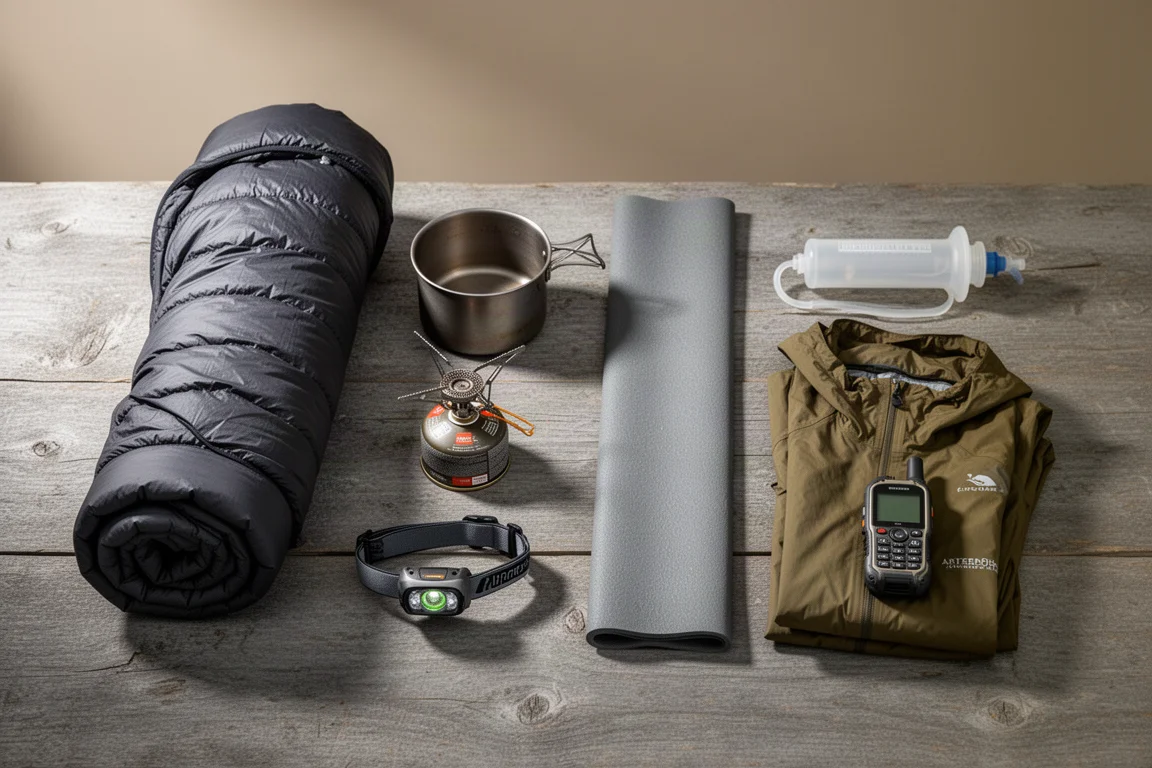
Introduction
A warm-weather backpacking trip rewrites the priorities in a gear list. When daytime temperatures sit in the 80s and 90s Fahrenheit and overnight lows stay above 65 degrees, heavy insulation stays at home and the real problems become rain, mud, and soft ground that refuses to hold a tent stake. This setup was packed for a two-night coastal route in Hawaii, on a trail known for constant rain and deep mud.
The kit mixes gear with years of hard use behind it and a few newer pieces that are still being evaluated. It was also packed for two people rather than one, which explains the two-person shelter and a few comfort items that would not normally make a solo list.
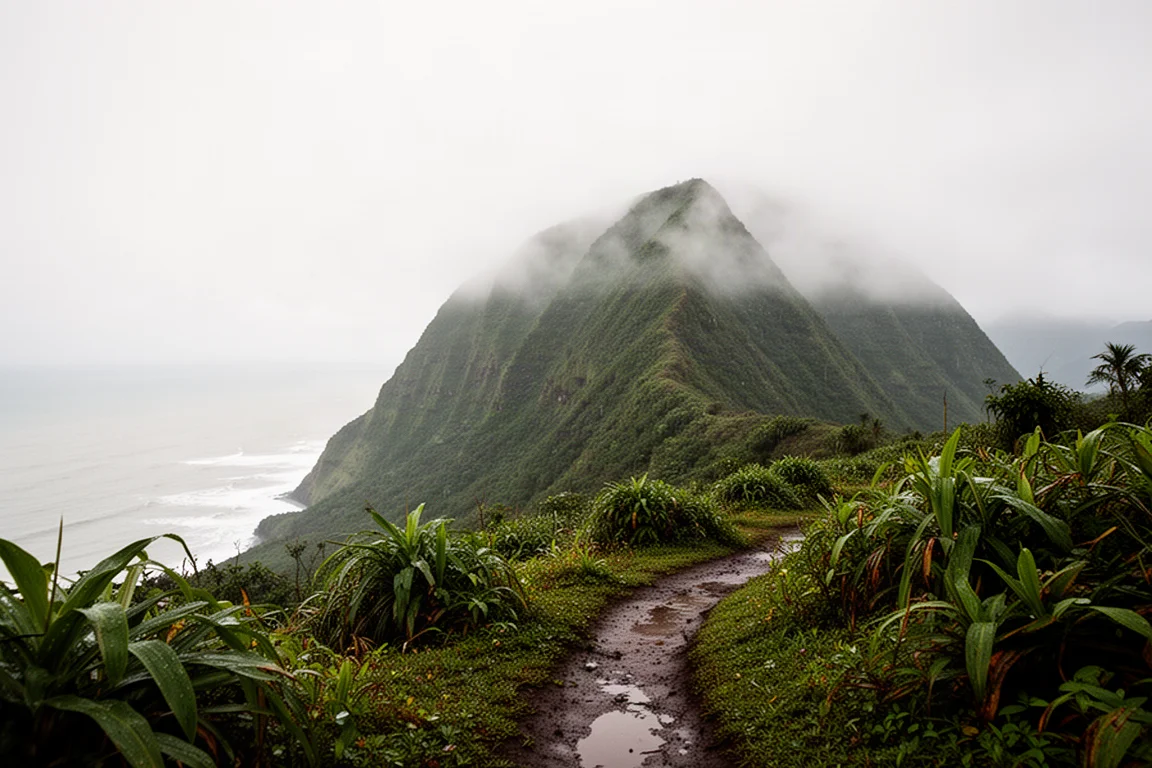
Where a piece of gear has a genuine limitation, that limitation is called out rather than smoothed over. A short trip in warm, wet conditions is a narrow test, and a couple of these items would behave differently on a colder or longer route.
What This Setup Had to Handle
The conditions on this trip set the rules:
- Daytime temperatures in the 80s and 90s Fahrenheit
- Overnight lows that did not drop below roughly 65 degrees
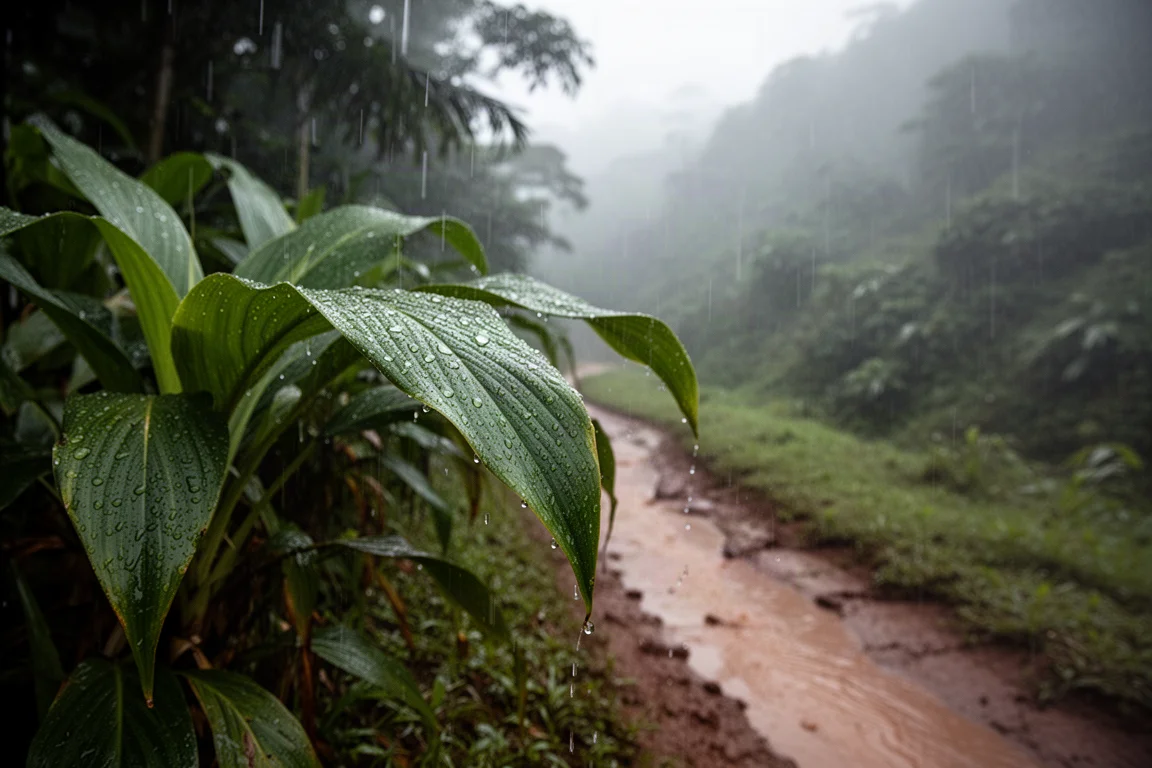
- Persistent rain, often heavy
- Deep, slick mud that coated the tips of trekking poles
Warm nights mean less insulation, so the sleep system could be lighter than a three-season setup. Constant rain means dry storage inside the pack matters as much as the shelter itself. Loose, sandy ground near the campsite also turned out to be the single biggest factor in how well the tent performed.
Pack and Shelter
The two heaviest decisions in any ultralight setup are what carries the load and what you sleep under.
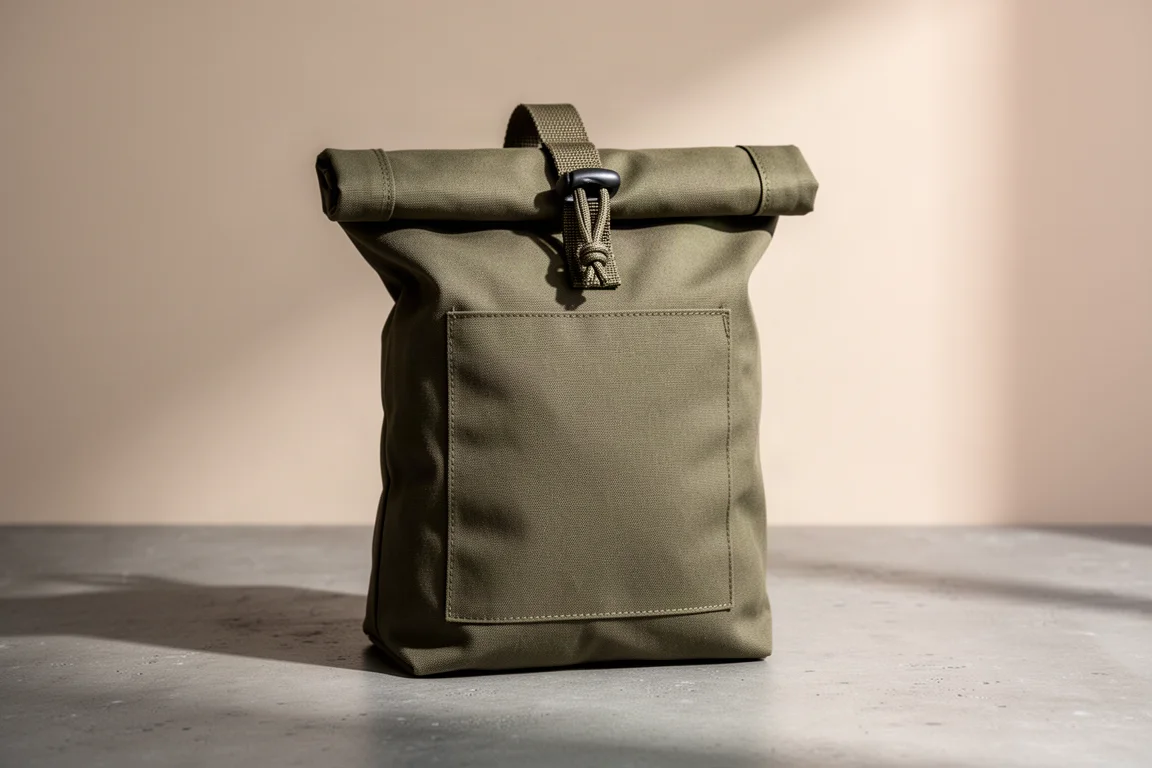
Alien Outdoor Gear Custom 40L Backpack
A 40-liter custom pack built with an old-style lid pocket and a stretch mesh front pocket. The mesh pocket was requested deliberately, since it matches a familiar layout that keeps wet or bulky items out of the main body.
The shoulder straps and hip belt are noticeably thick, which makes the pack comfortable even when it is loaded for two nights. The lid pocket, initially viewed with some skepticism, turned out to be genuinely useful. For a short trip, 40 liters was plenty. For anything longer, a slightly larger pack would be the better call.
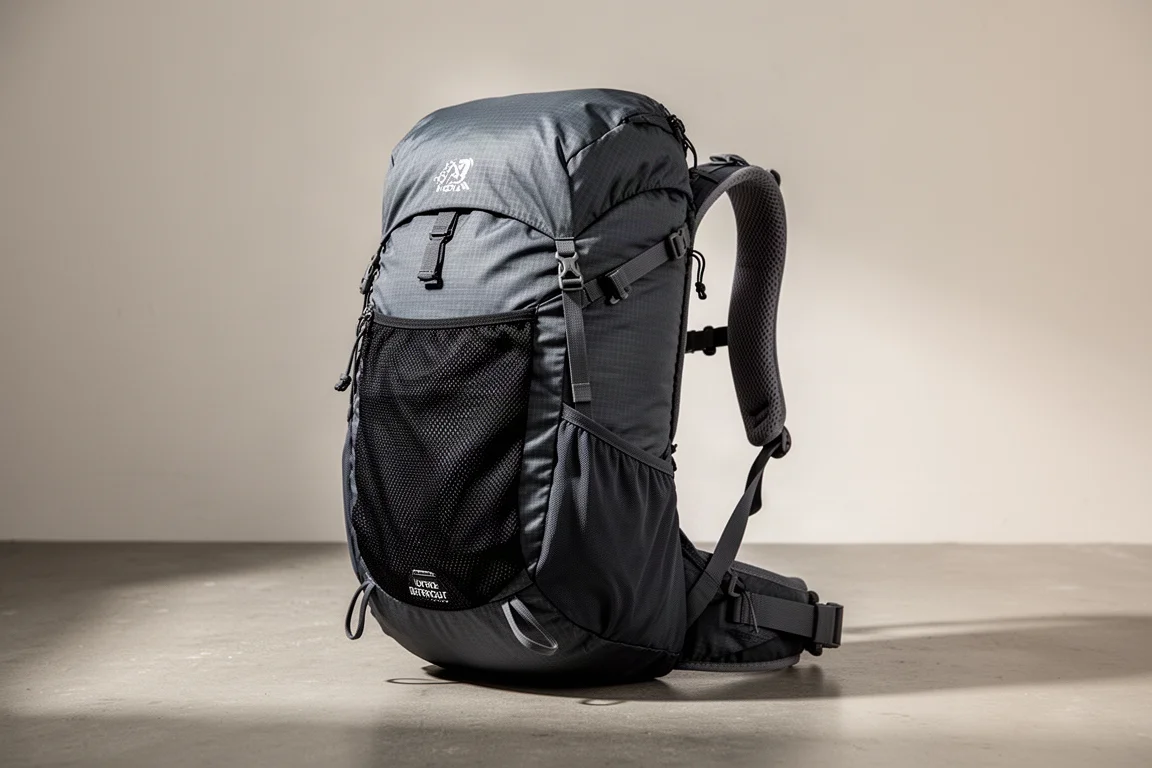
ULA CDT Backpack
The larger pack that served as the default choice for years, including a full long-distance thru-hike. It shares the same stretch mesh front pocket and offers more volume than the 40-liter pack above.
After that thru-hike, it reached the end of its usable life, which is the honest trade-off with any pack that covers thousands of miles. For longer trips with more food and colder layers, the extra capacity is worth having.
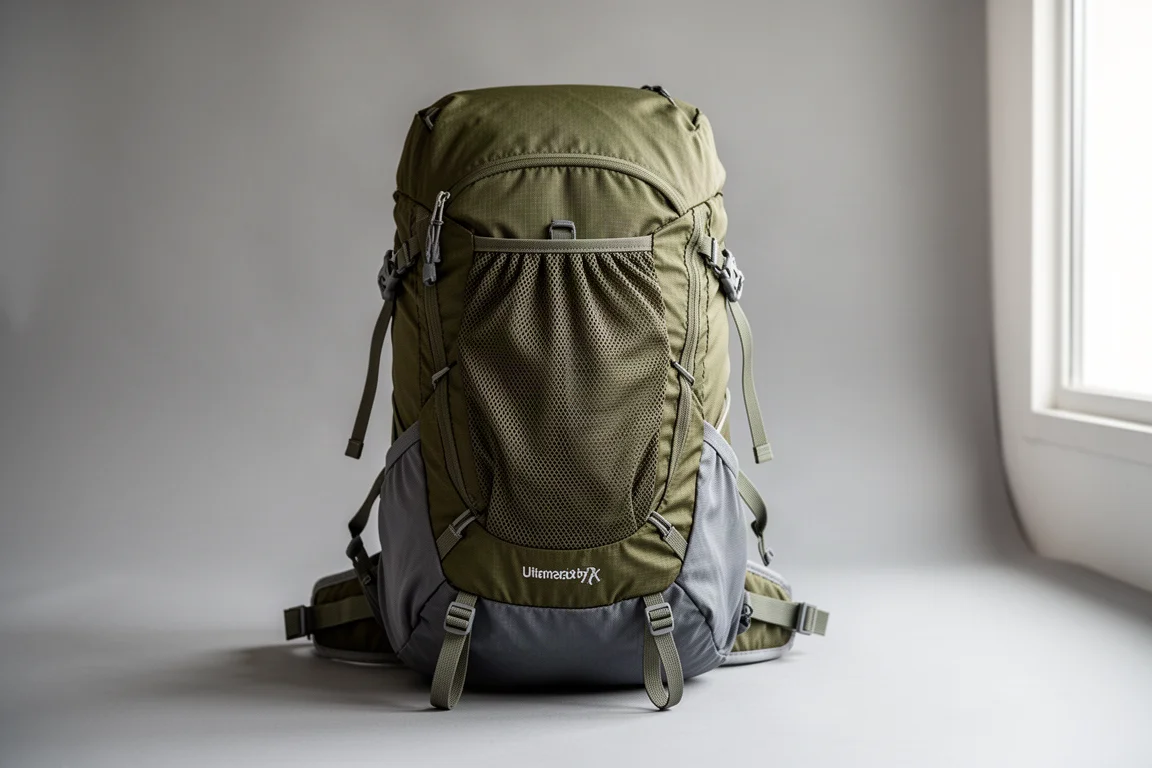
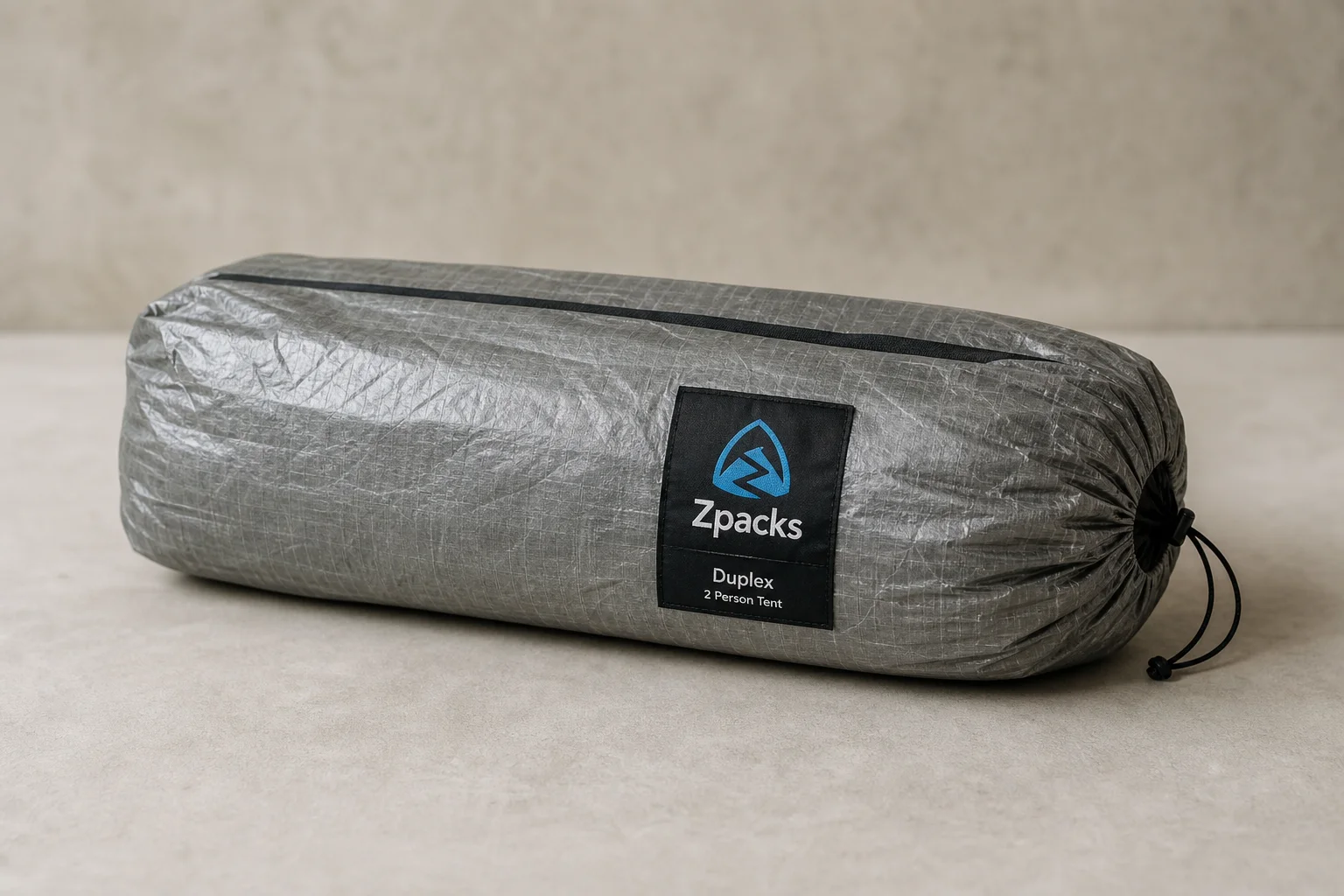
Zpacks Duplex Tent
A two-person trekking pole tent that is roomy inside and stayed dry through rain. Setup uses trekking poles rather than dedicated poles, which keeps the packed weight down.
It has only seen a couple of nights so far, so a long-term verdict is still open. It also blew over once in loose, sandy ground, although that was most likely the result of small stakes and a poorly chosen campsite rather than the tent itself. On firm ground with better stakes, the shelter should behave very differently.
Sleep System
Warm, humid nights call for far less insulation, and this is the area where the setup was most overbuilt.
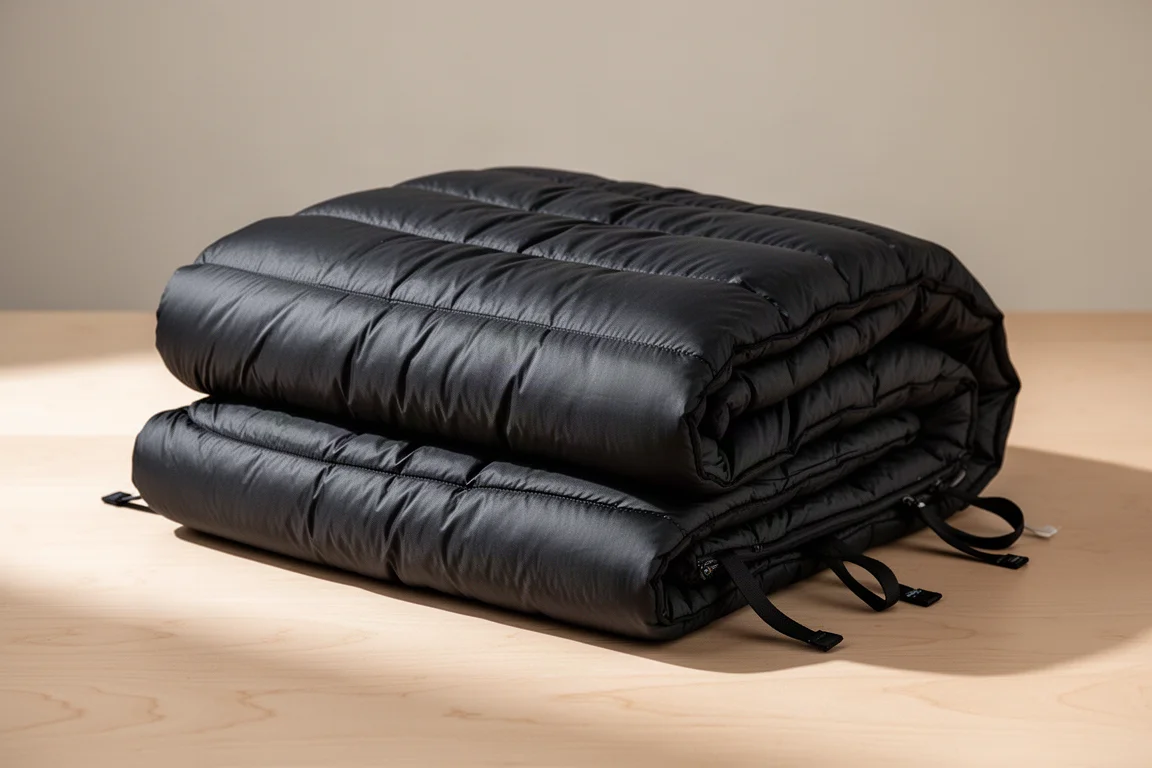
Hammock Gear Econ 30 Quilt
A 30-degree quilt that has become the default choice across seasons. The temperature rating is broad enough to cover a wide range of trips, and it has been reliable enough that a second one replaced an older version of the same model.
On this trip it was simply too warm. With overnight temperatures staying above 65 degrees, a 40-degree quilt would have been the ideal match. That is a fair trade for a quilt that works in far more conditions than a warm-weather-only option would.
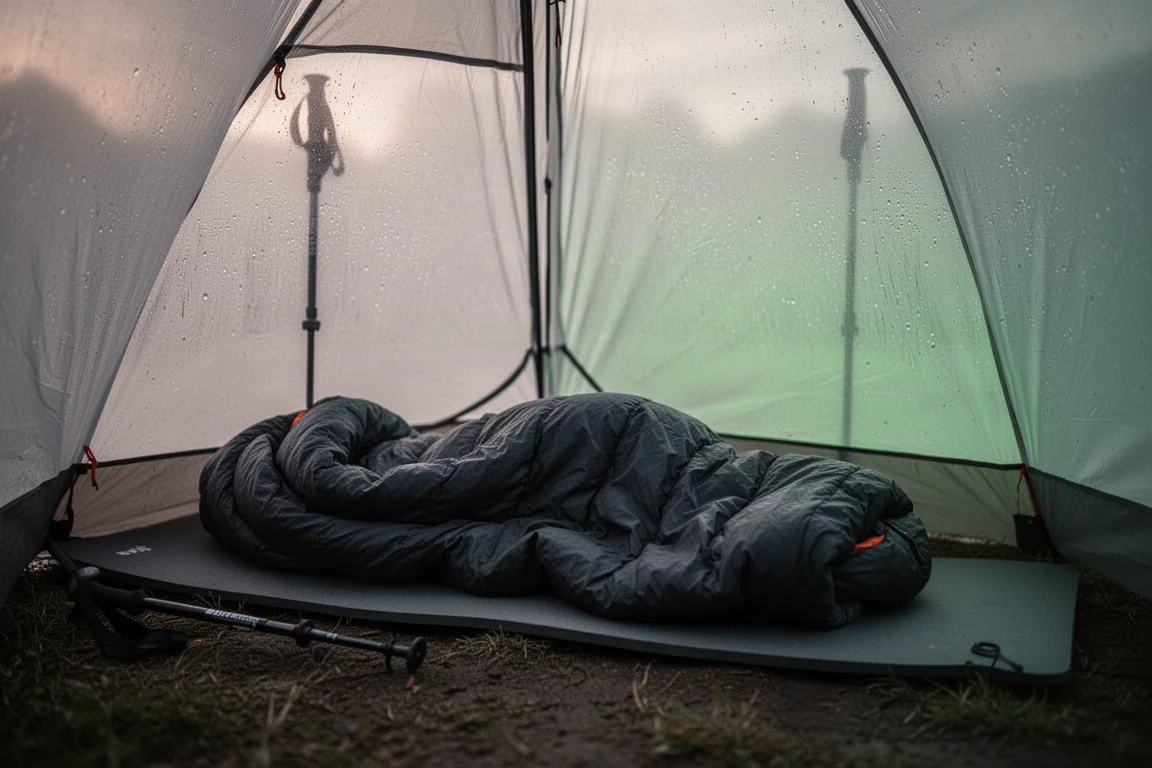
For anyone building a single-quilt kit, 30 degrees is a sensible compromise. For a dedicated tropical or summer setup, going lighter is the smarter move.
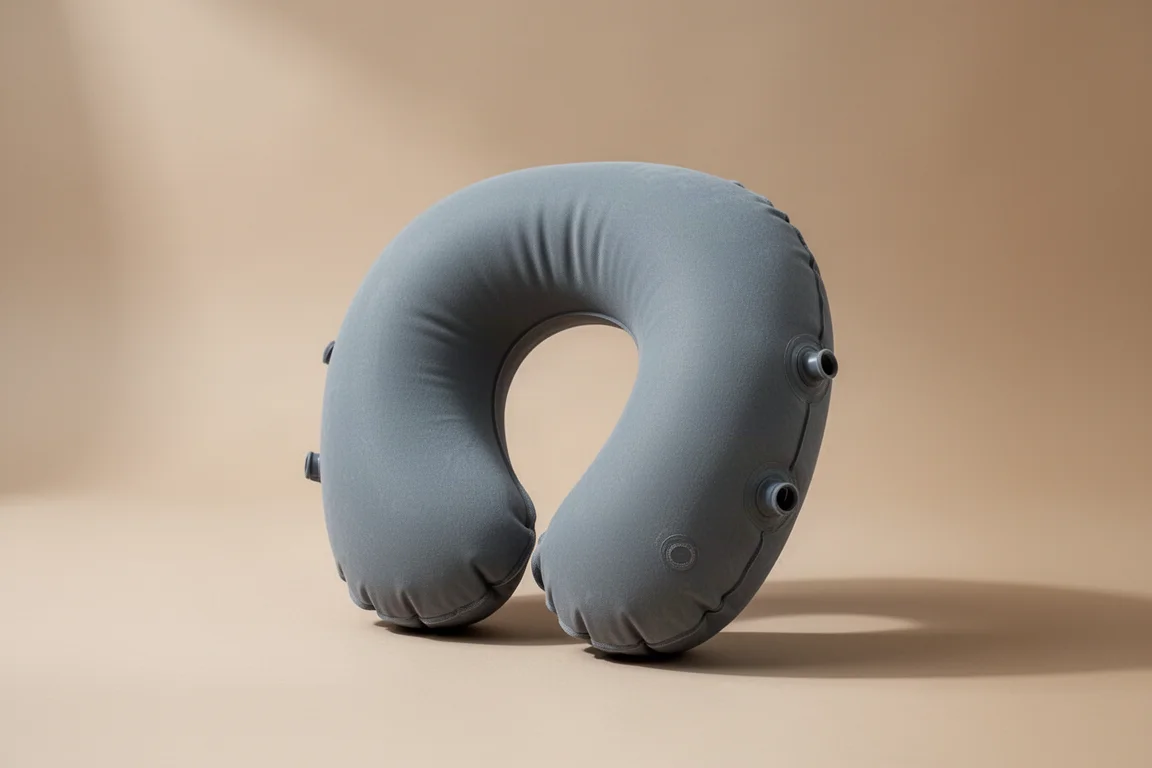
Sea to Summit Aeros Ultralight Regular Pillow
A lightweight inflatable pillow that has survived heavy use without puncturing. It was picked up mid-thru-hike and has been in the pack ever since.
It weighs very little and adds a meaningful amount of comfort at camp, which is a rare combination in a sleep system this light.
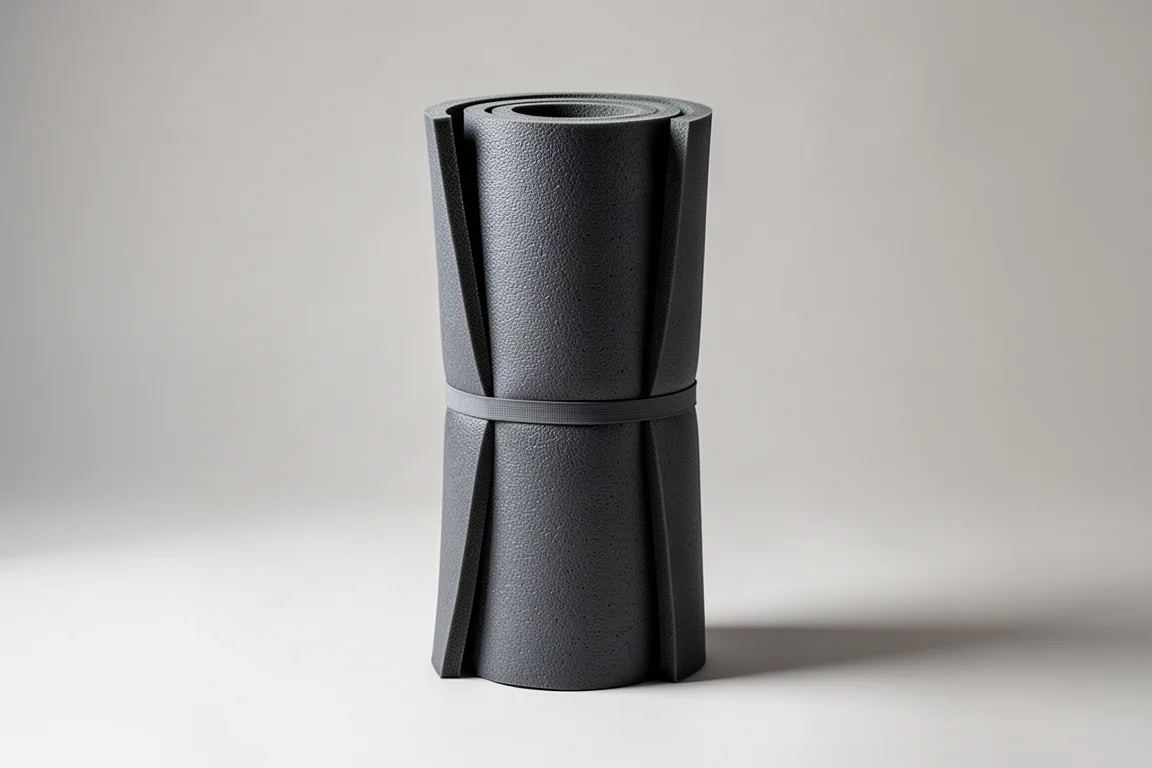
Gossamer Gear 1/8 Inch Foam Pad
A very thin closed-cell foam pad that is not intended as a primary sleeping surface. It is far too minimal for that, and anyone using it alone is saving weight at a real cost to comfort.
Its job here was different. The route finishes at a spectacular beach, and half a day was spent relaxing there. Rather than carrying towels, this pad served as a light sit and lie mat that rolls up small and straps to the outside of the pack.
Water Treatment and Filtration
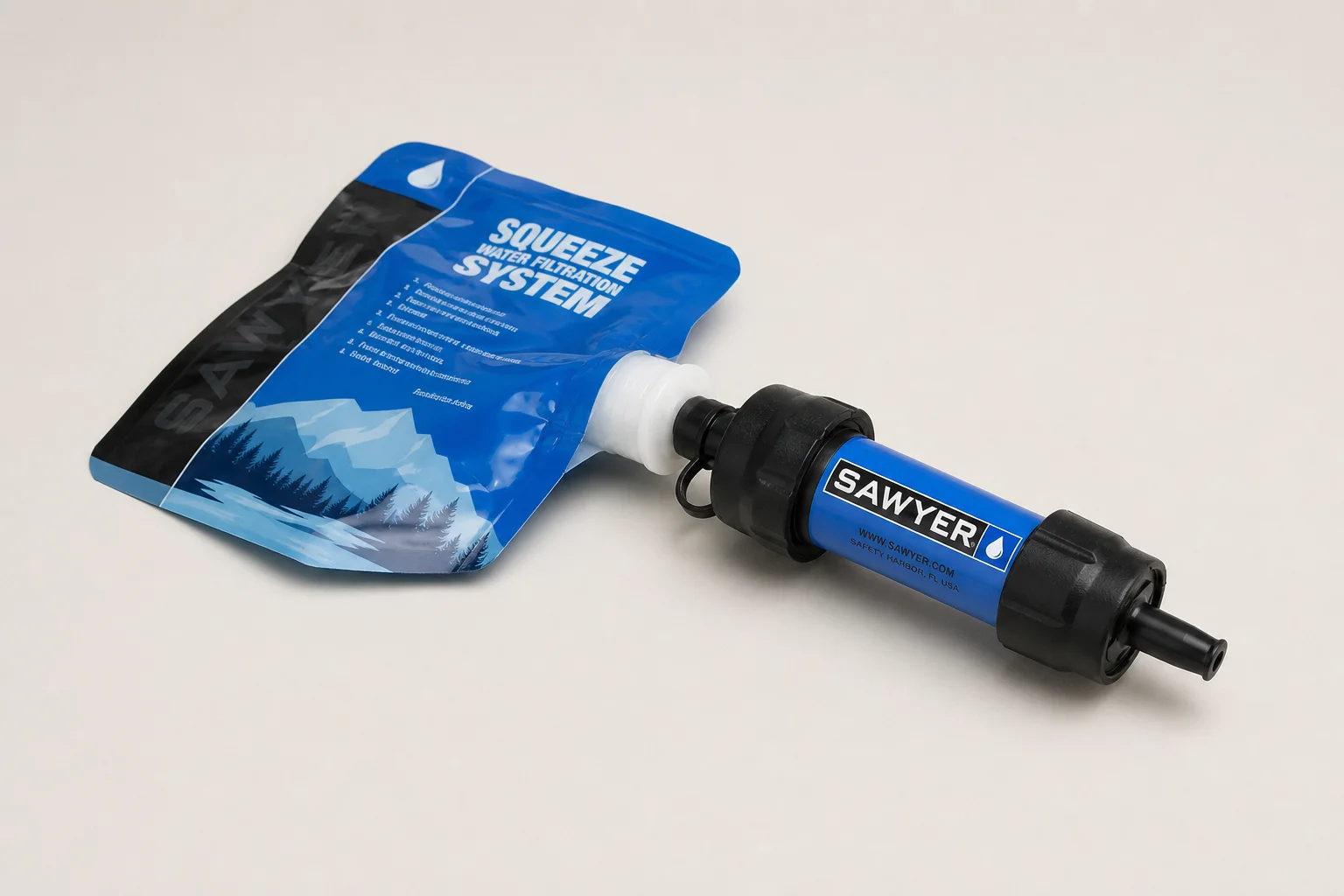
Sawyer Squeeze
A squeeze filter that threads directly onto a standard water bottle, turning an ordinary bottle into a complete water system. It has been the default approach for years.
The routine is simple: fill a bottle, screw the filter on, and drink or squeeze into a second container. No pumping, no chemicals, and nothing to reassemble in the rain.
Kitchen and Food Storage
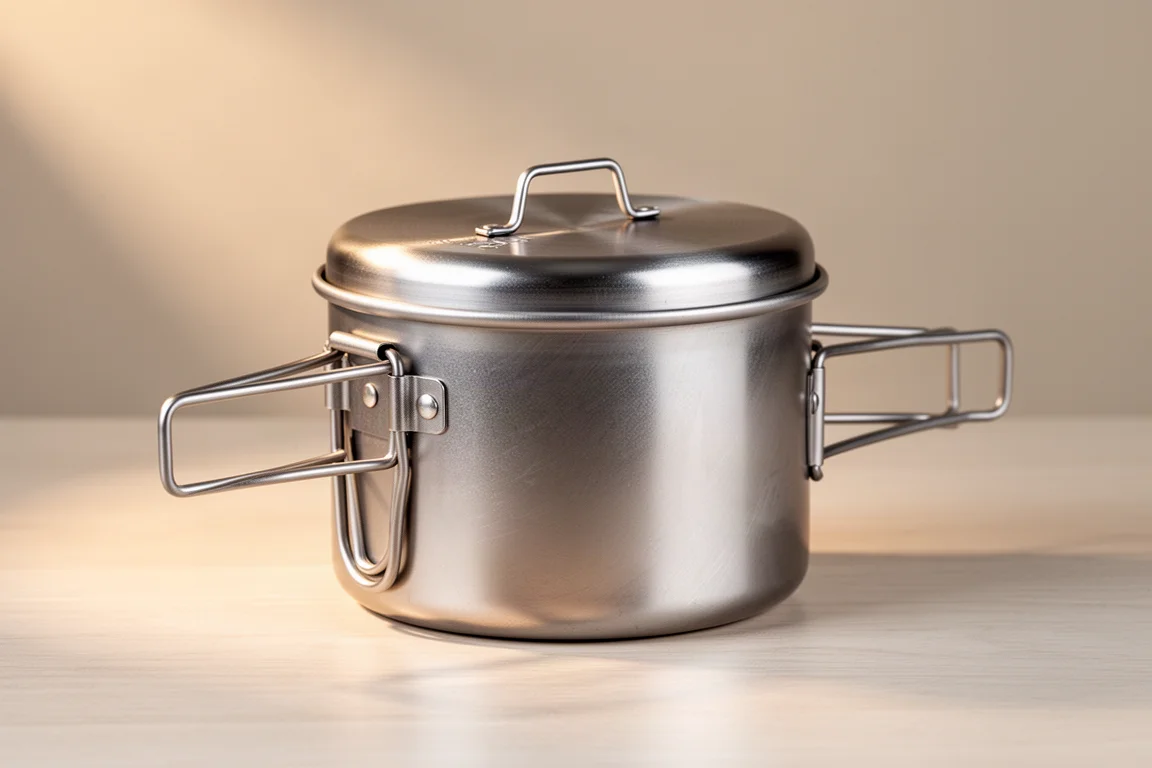
MSR Titan Kettle
A small titanium pot that has been in continuous use since the very first backpacking trips. It is very light, and it has outlasted nearly everything else in the kit.
For simple boil-and-eat meals it does everything required and adds almost nothing to pack weight.
BRS Ultralight Stove
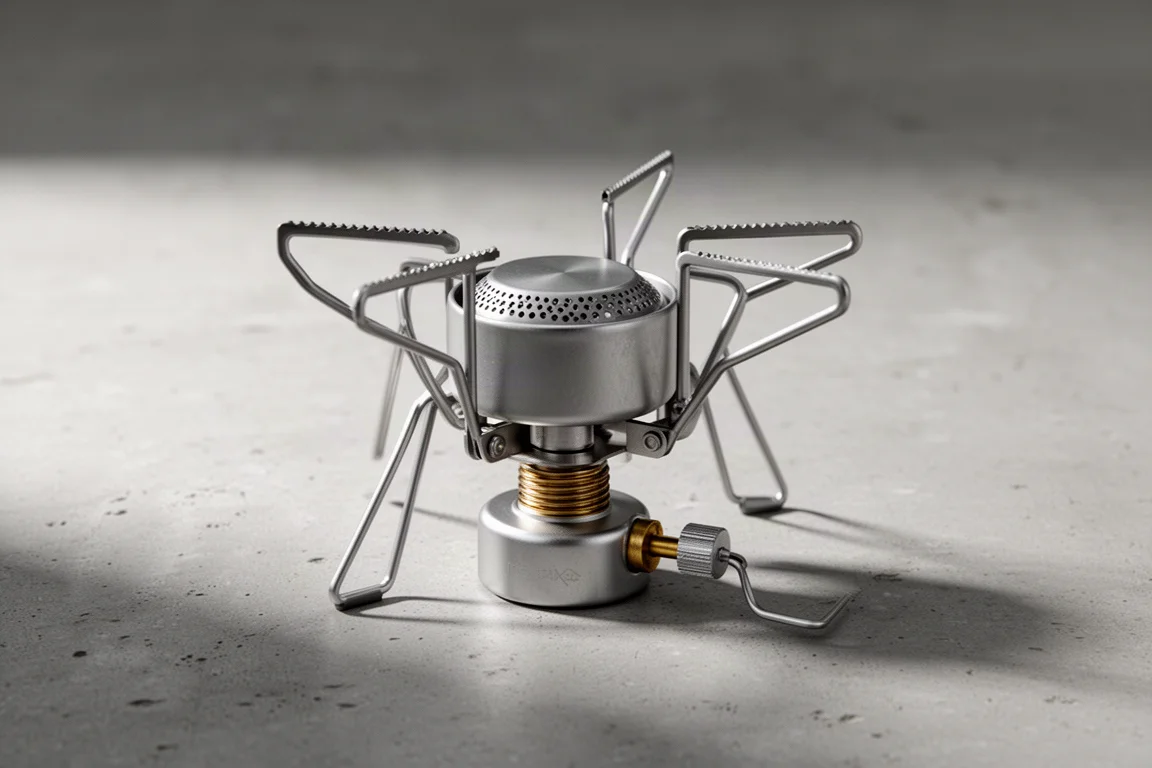
A tiny canister stove that costs very little and weighs even less. It has been the stove of choice for years on the strength of those two facts alone.
There is nothing premium about it, but it lights, it boils, and it disappears into a cook pot when packed.
Hilltop Packs Food Bag
A lightweight food bag that has been in service for around three years, including a full thru-hike. It has held up well and is only now showing the wear you would expect from that much use.
It keeps food organised inside the pack and hangs out of the way at camp, which is all a food bag really needs to do.
Clothing and Rain Protection
Warm conditions remove most of the clothing decisions. There is no need for a down jacket or a thermal upper layer, and the extra clothing that did come along was mostly for camp and sleep.
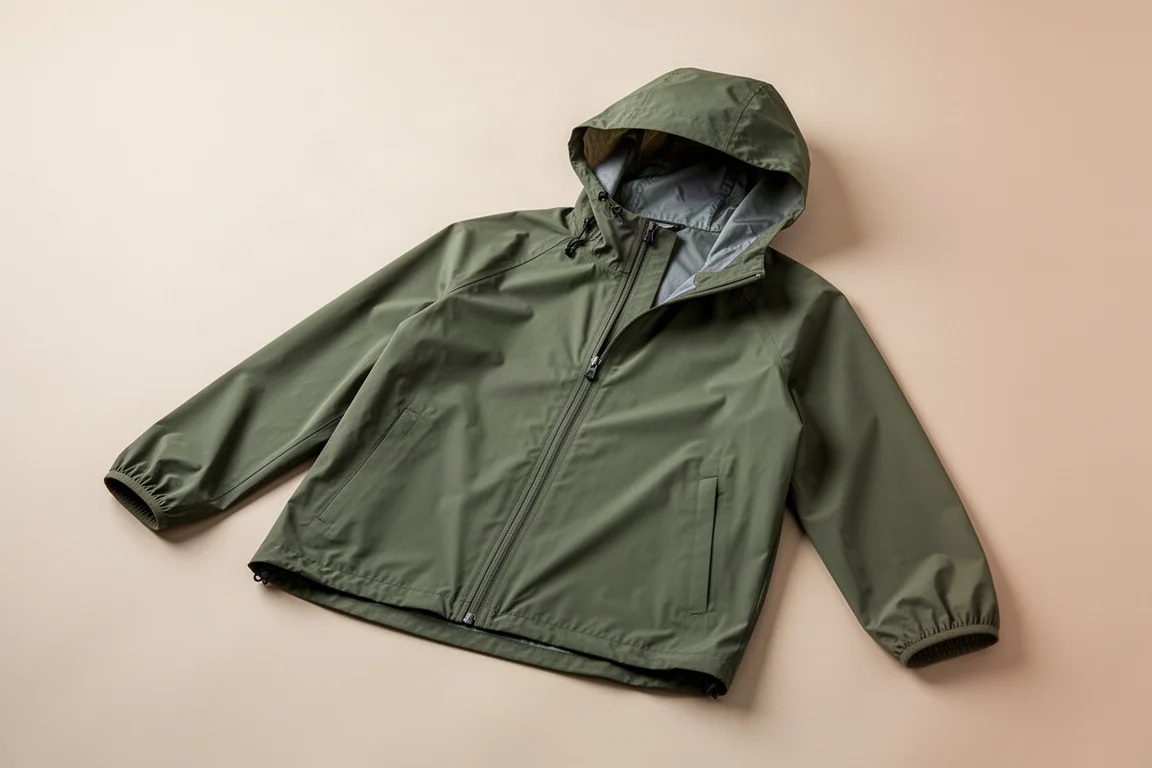
Frogg Toggs Rain Jacket
An extremely light rain jacket that costs very little and is widely available, including at large retail stores. In warm, wet conditions it is the only shell that is really needed.
It does not look or feel premium, but it kept out sustained rain and weighs almost nothing in the pack. For a warm-weather trip where rain is guaranteed, that combination is hard to argue with.
The trade-off is a basic feature set and a very simple look. For cold, exposed conditions a more substantial shell would be the better pick.
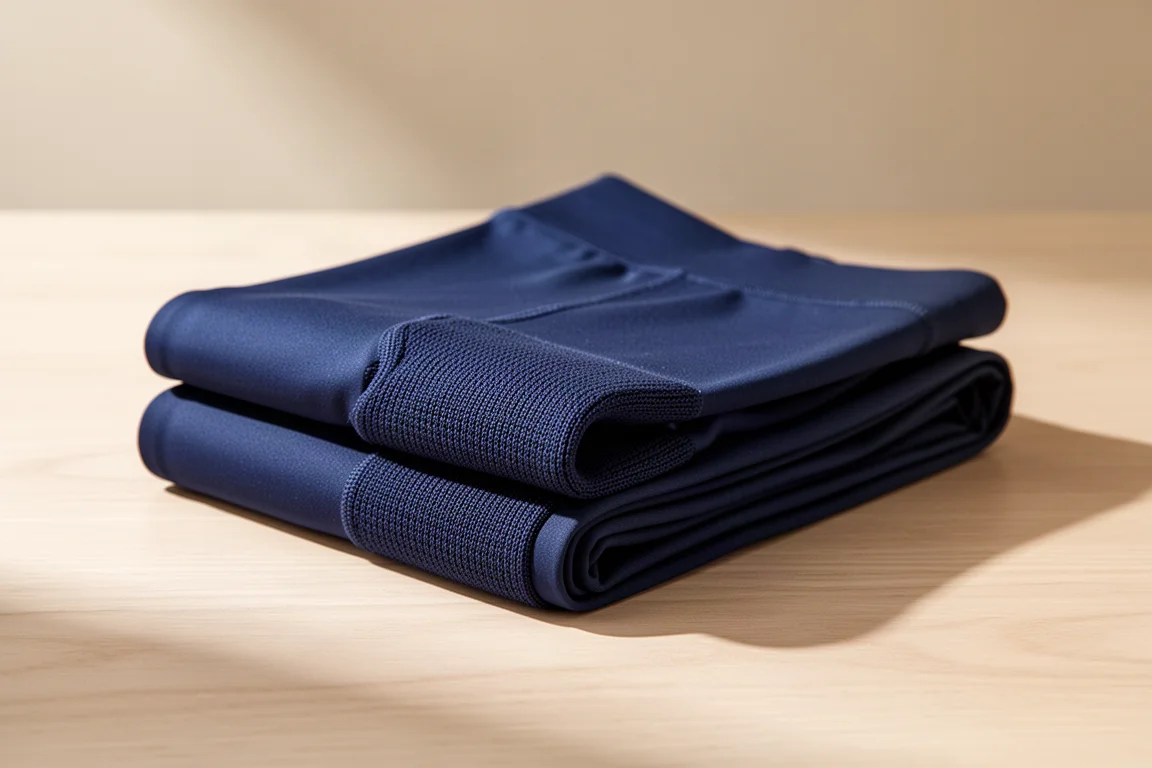
Patagonia Capilene
Synthetic baselayer bottoms that have been part of the kit for years. They came along as clean, dry clothing for camp and sleep rather than as hiking layers.
On this trip they were barely used, since the nights stayed warm. On a cooler trip they would earn their place, and their durability has already been proven across several seasons.
Lighting, Navigation, and Safety
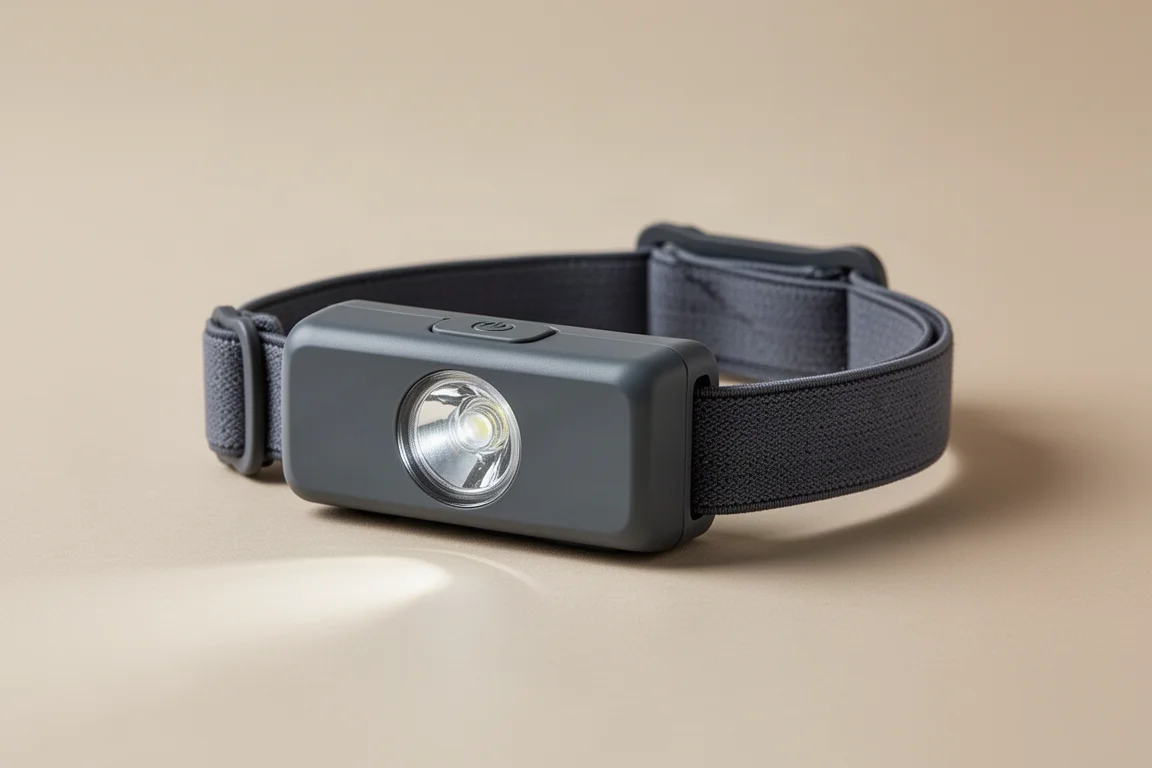
Nitecore NU25 Headlamp
A compact rechargeable headlamp that has been reliable through a couple of years of regular use. It is light enough to forget about and bright enough for camp chores and night walking.
One practical note: the white version discolors noticeably with heavy use. The black version hides the same wear far better.
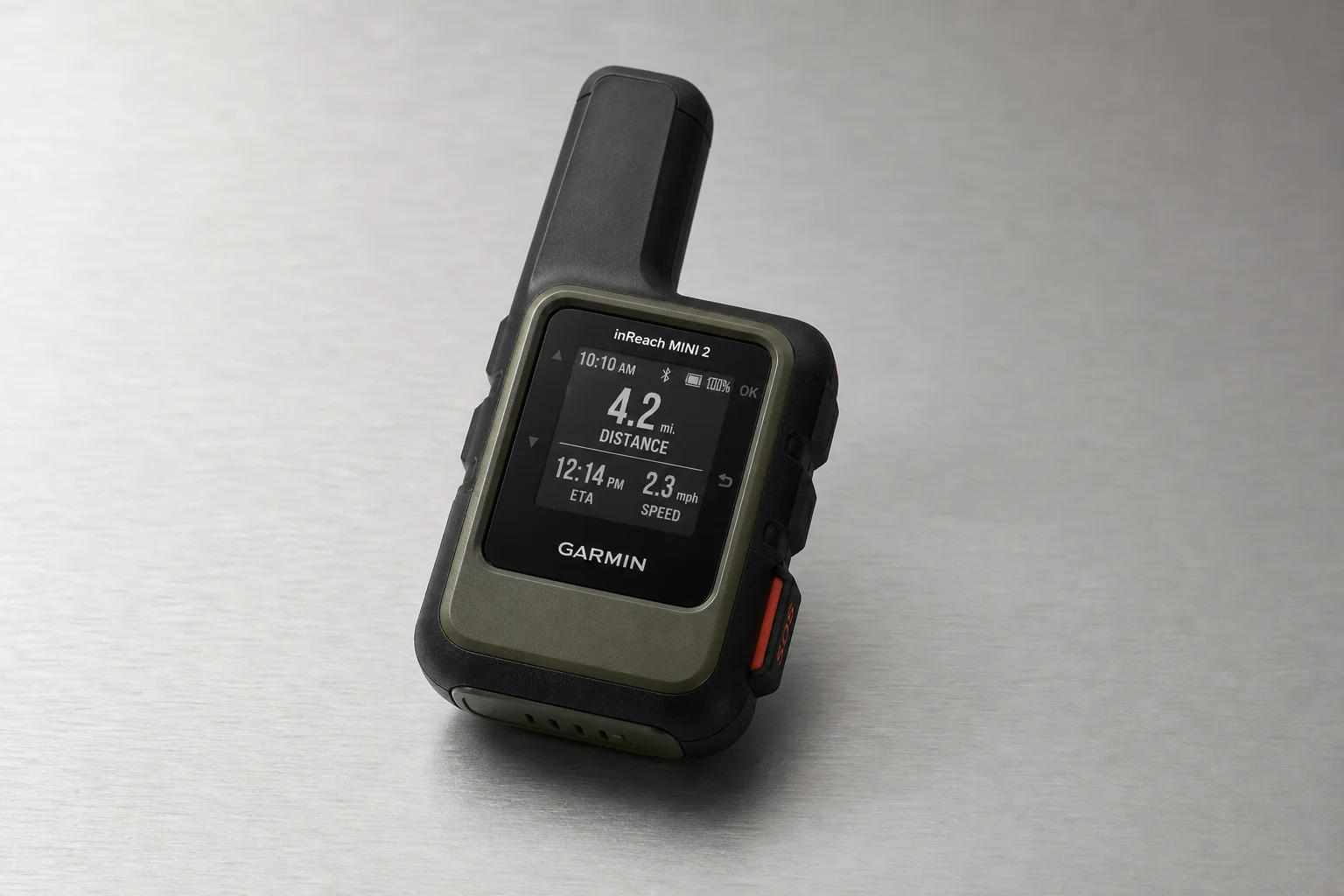
Garmin inReach
A satellite communicator with an SOS function, used to send messages and pull weather reports from a trail with no cell service.
On this trip it sent regular updates home to confirm everything was fine, and it provided weather information that would otherwise have been unavailable. Anyone backpacking beyond reliable cell coverage should carry a satellite device with an SOS button. That recommendation is close to unconditional.
Trekking Poles and Tent Stakes
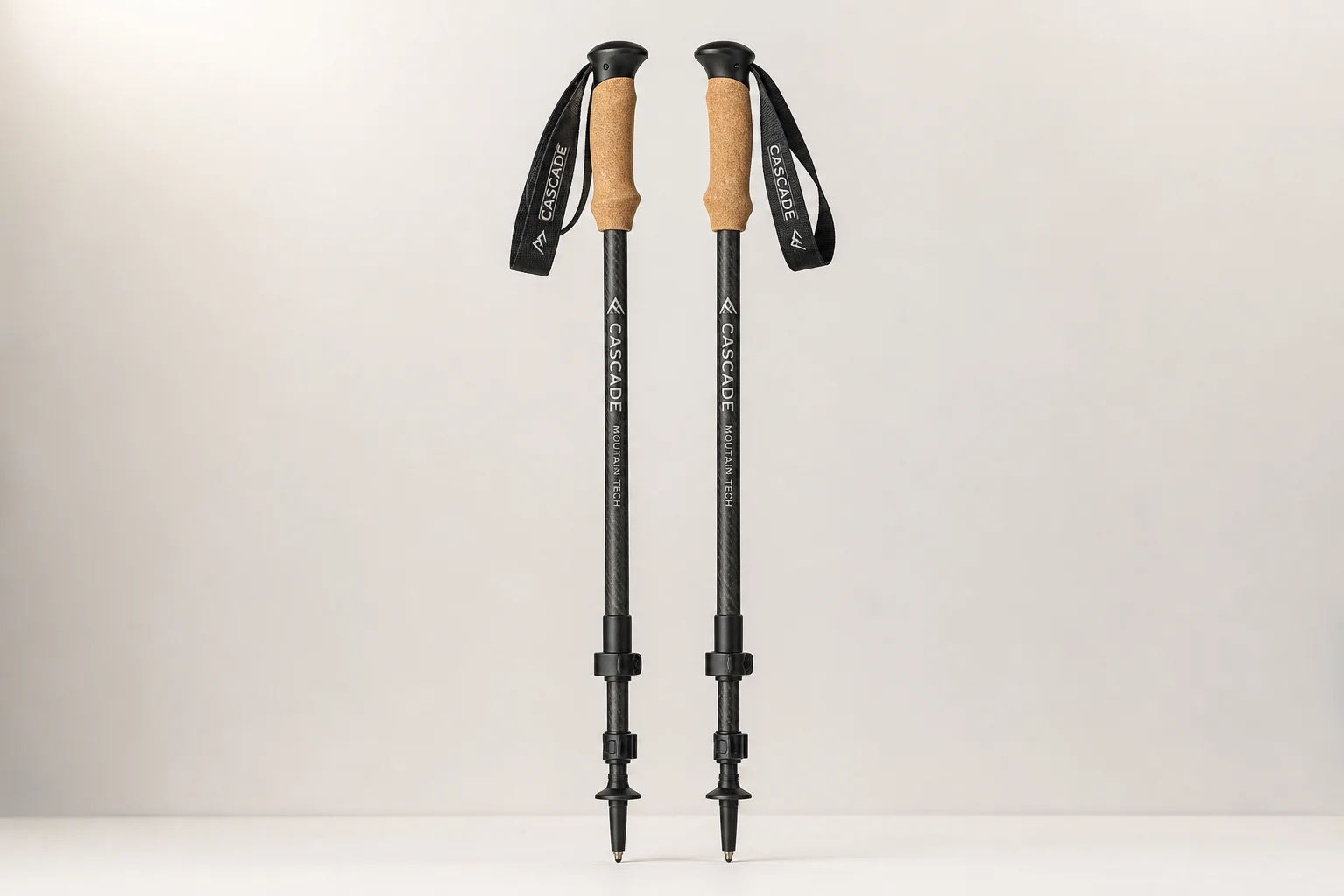
Cascade Mountain Tech Trekking Poles
Lightweight, affordable trekking poles that are comfortable in hand and easy to recommend to anyone shopping on a budget. They are not the highest-performing poles on the market, but they handle mud, rock, and long descents without complaint.
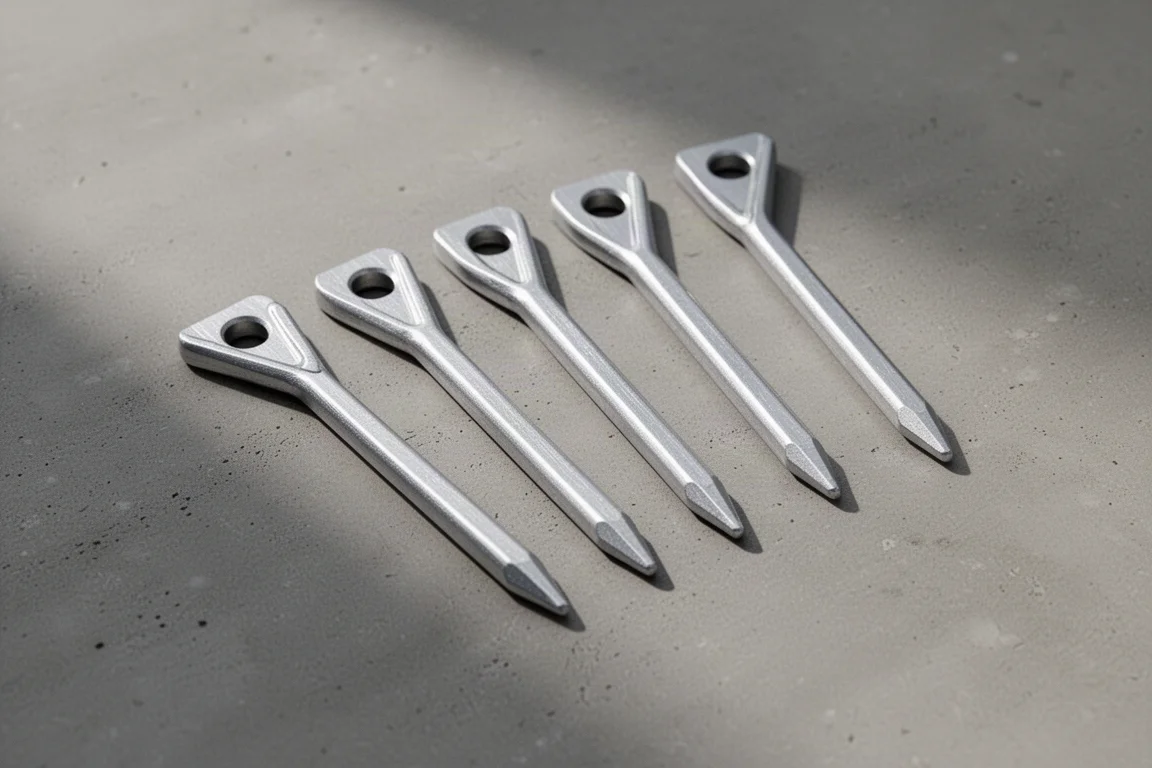
MSR Groundhog Mini Stakes
Short, compact tent stakes that divide opinion. On firm ground they hold well and save weight.
On this trip they were pitched into sandy soil, and the tent blew over once. Rocks had to be piled on top to reinforce them, which is a clear sign that mini stakes and loose ground are a poor match. On stable soil they should perform far better, and it is worth carrying a few larger stakes as backup whenever the ground is uncertain.
Overall Buying Advice
A warm, wet trip narrows the list quickly. Rain protection and dry storage matter more than insulation, and a light shell plus a reliable pack liner will do more for comfort than any extra layer.
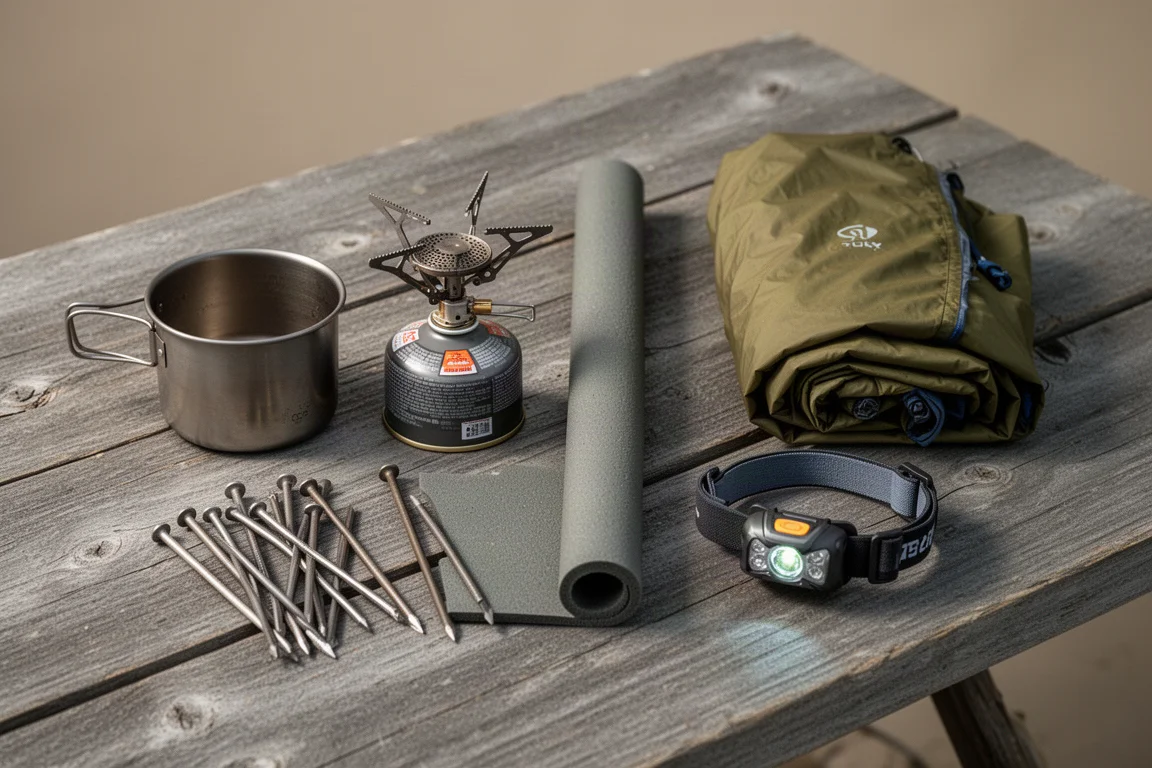
The two items worth the most thought are the shelter and the sleep system. A trekking pole tent saves real weight, but it depends on stakes that suit the ground, so check the soil you expect before committing to a minimal stake set. A 30-degree quilt is the versatile choice, while a 40-degree quilt is the better match for genuinely warm nights.
The smaller items are where a budget stretches furthest. A low-cost canister stove, a light rain jacket, an affordable trekking pole pair, and a thin foam pad each cost very little and earn their place on nearly every trip. The one item worth spending real money on is a satellite communicator, since it is the only piece of gear here that can call for help when nothing else can.
Conclusion
This setup is not a universal ultralight list, and it is not meant to be. It is a warm-weather, high-rainfall kit assembled around a few proven staples and a couple of newer pieces that are still earning trust.
The clearest lessons from the trip are simple. Match insulation to overnight temperatures rather than to habit. Choose stakes for the ground you expect. Keep everything that must stay dry inside a protected layer. And carry a satellite communicator, because it is the one item that matters most on the day everything else goes wrong.
Further reading
Related Reviews

Backpacking Gear
Building a 10 lb Base Weight: An Ultralight Backpacking Gear List
A practical walkthrough of the ultralight pieces behind a 10 lb base weight, from a 765 g pack and a roomy one-person tent to a full camp chair and a dependable water filter.

Backpacking Gear
A 15-Pound Lightweight Backpacking Gear List for Solo Trips
A beginner-friendly 15-pound backpacking setup built from easy-to-find gear, with notes on what each piece does, how it packs, and where to spend your attention.

Backpacking Gear
8 Ultralight Backpacking Gear Upgrades Worth Carrying
Eight small, affordable backpacking upgrades that solve real trail annoyances, from a pillow that stays put to a fuel valve that rescues leftover canister gas.