Backpacking Gear
Ultralight Backpacking Gear List Under $1,000: Nine Standout Pieces
A complete ultralight backpacking kit built around weight and cost discipline, with nine pieces that earn their place and the trade-offs to weigh before buying.
Introduction
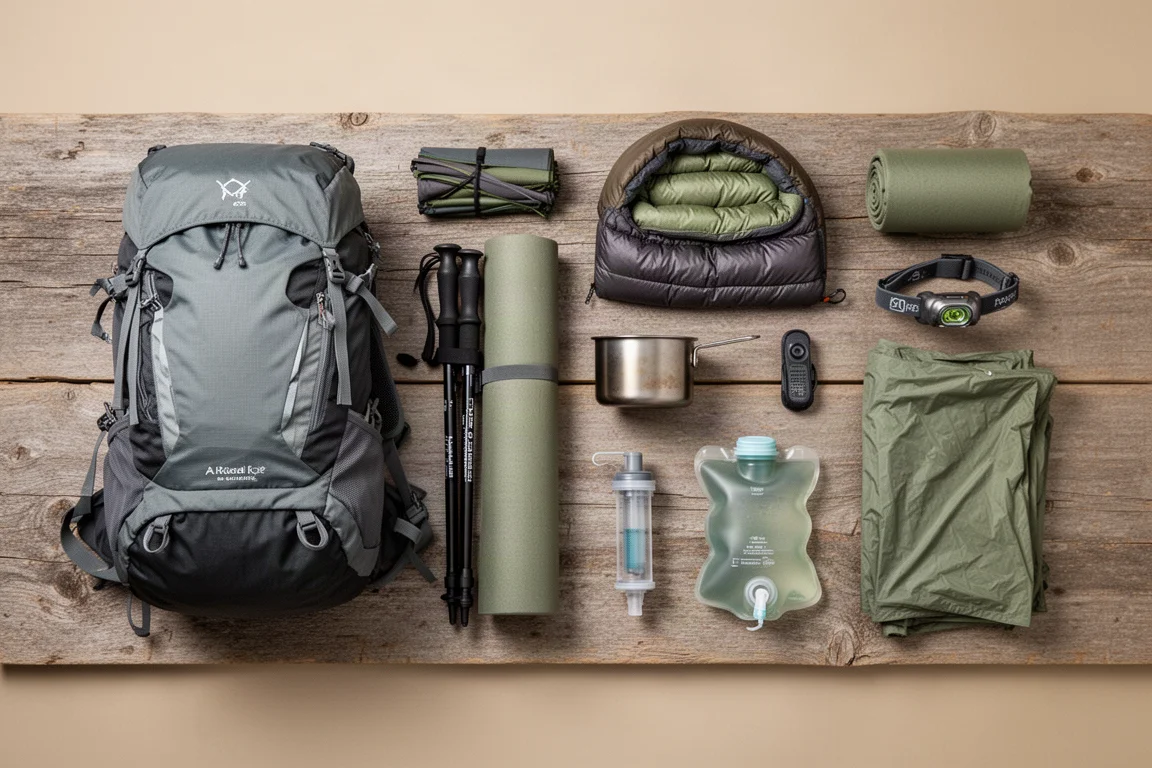
For years, backpackers faced a simple trade-off: go ultralight, or stay on budget. Reaching a base weight near 10 pounds usually meant paying premium prices for every item in the pack. Modern fabrics and a few well-chosen budget pieces have changed that equation, and a complete three-season kit can now land close to a four-figure total without carrying a bag that feels like a compromise.
This list covers the core of that kit. Every item here was chosen for weight and cost discipline, and each entry flags the trade-off it makes so you can decide where the compromises actually matter for the trips you take.
What This Gear List Prioritizes
Three things drive every pick: weight, cost, and whether the item still performs in the field. Big-ticket items are kept under a kilogram wherever possible, and price discipline is applied everywhere else. Most pieces here make at least one functional compromise to hit those targets. A handful make essentially none, and those are called out as the standouts.
Buying used or waiting for a sale remains the fastest way to stretch a budget further, and it is worth checking before paying full price on anything.
Individual weights add up quickly, so it helps to total the full list before ordering. Small accessories rarely decide a pack weight on their own, but together they can shift a base weight by a pound or more.
Durston Kakwa 55 Ultra Grid: The Pack That Carries It All
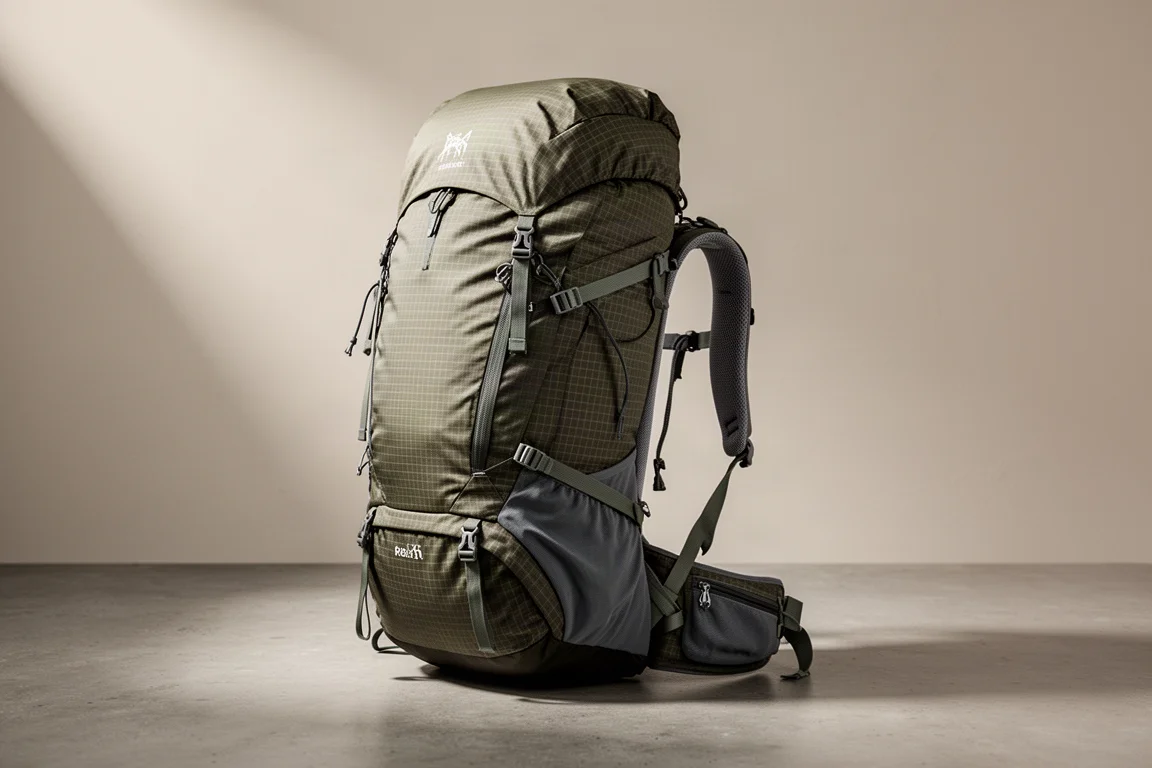
The Kakwa 55 comes in two versions. The Ultra 200X uses a more premium fabric, while the Ultra Grid uses a less expensive one to bring the price down. This version costs $200 and still weighs 991 g, which is remarkable for a 55-litre pack with a genuine frame and hip belt.
The feature set is well thought out rather than merely light. The water bottle pocket on the right side is easy to reach while wearing the pack, and the zippered pocket on the left is a convenient place for keys or a wallet. More importantly, the frame, shoulder straps and hip belt transfer load effectively, so a heavy desert water carry or a seven to ten day food load stays manageable. Loads in the 40 to 50 pound range remain comfortable.
Bogler TR Trowel: The Smallest Standout
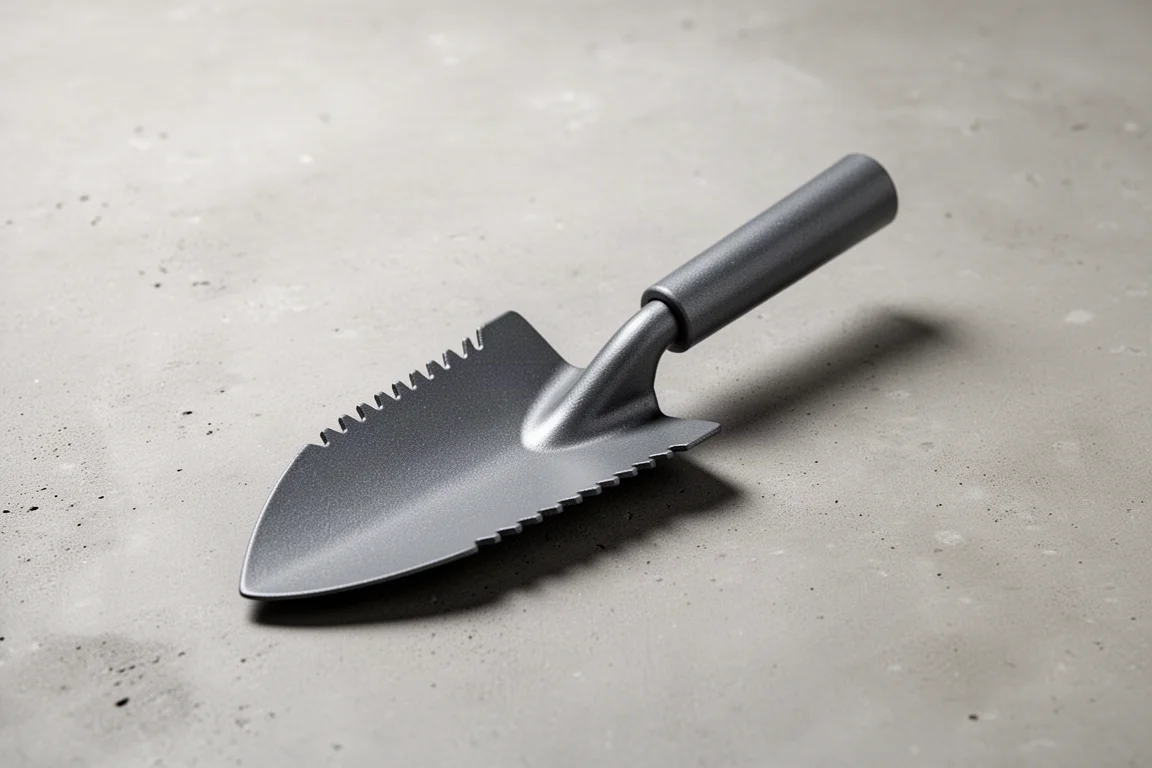
A trowel is one of those items that is easy to overlook and impossible to substitute once you are on trail. The Bogler TR is extremely light, inexpensive, and genuinely effective at digging. The serrated edges cut into rooted ground without much effort, and the ergonomic handle is comfortable to grip while you work.
It earns standout status because it makes no real sacrifice to hit its weight and price. If you are assembling a waste kit, pair it with hand sanitiser, toilet paper or a backcountry bidet, and store the whole set in a simple resealable bag.
Platypus QuickDraw: Fast, Leak-Free Water Treatment
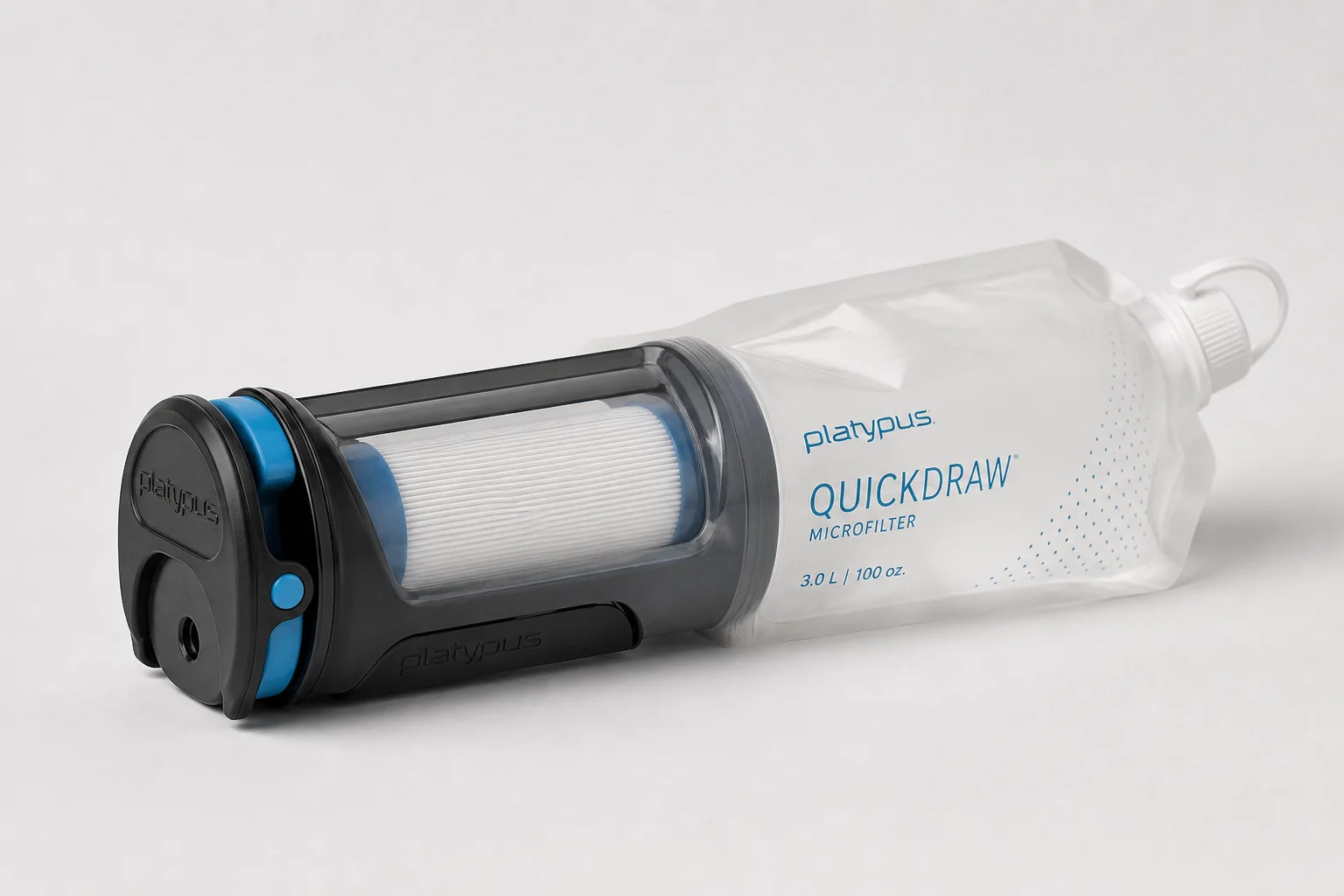
The QuickDraw is a squeeze filter with caps on both ends, which solves two problems at once. The caps prevent leaks, so the filter can be stored inside a sleeping bag or quilt on nights below freezing without soaking your insulation. Speed is the other advantage: it filters a litre of water in under a minute, which matters when you would rather not spend several minutes bent over a bottle at every water source.
The compromise is filtration. The QuickDraw does not advertise the same removal rates as some other filters, including the Sawyer Squeeze, so if maximum removal performance is your priority, that is the trade to weigh.
For most three-season trips the QuickDraw’s speed and cold-weather handling outweigh the difference, especially on long days when you are filtering repeatedly.
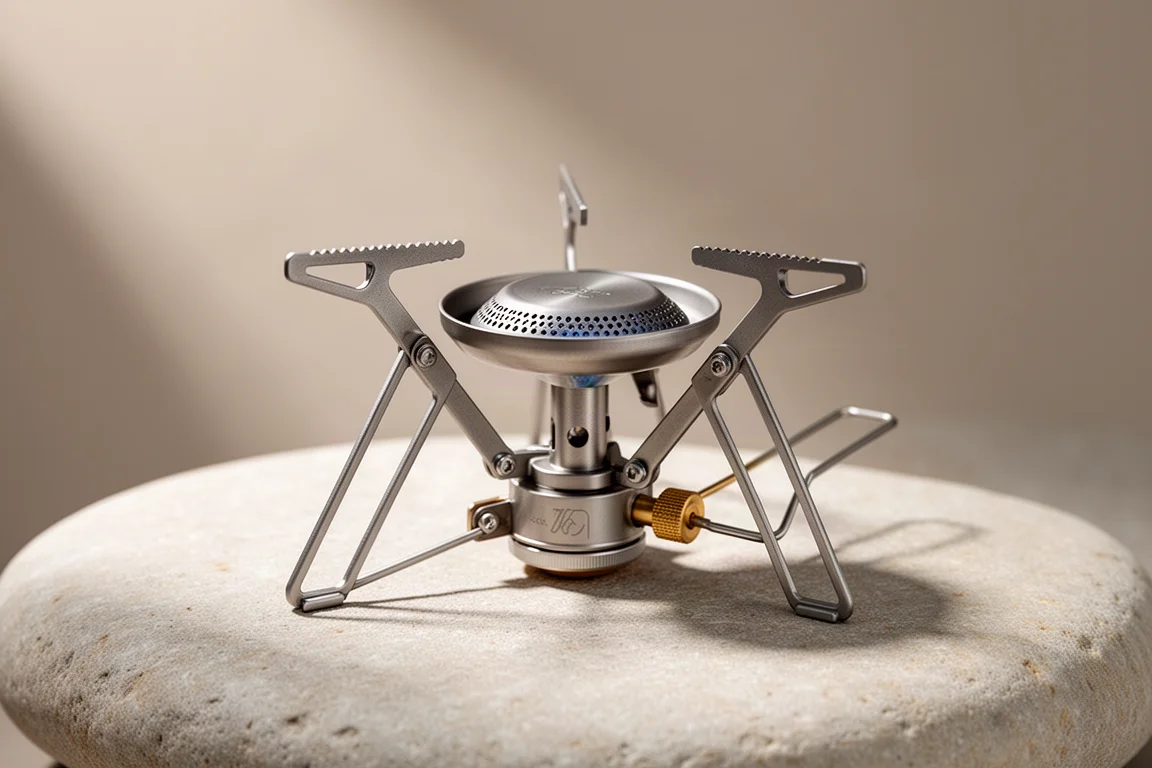
BRS 3000: An Ultralight Canister Stove
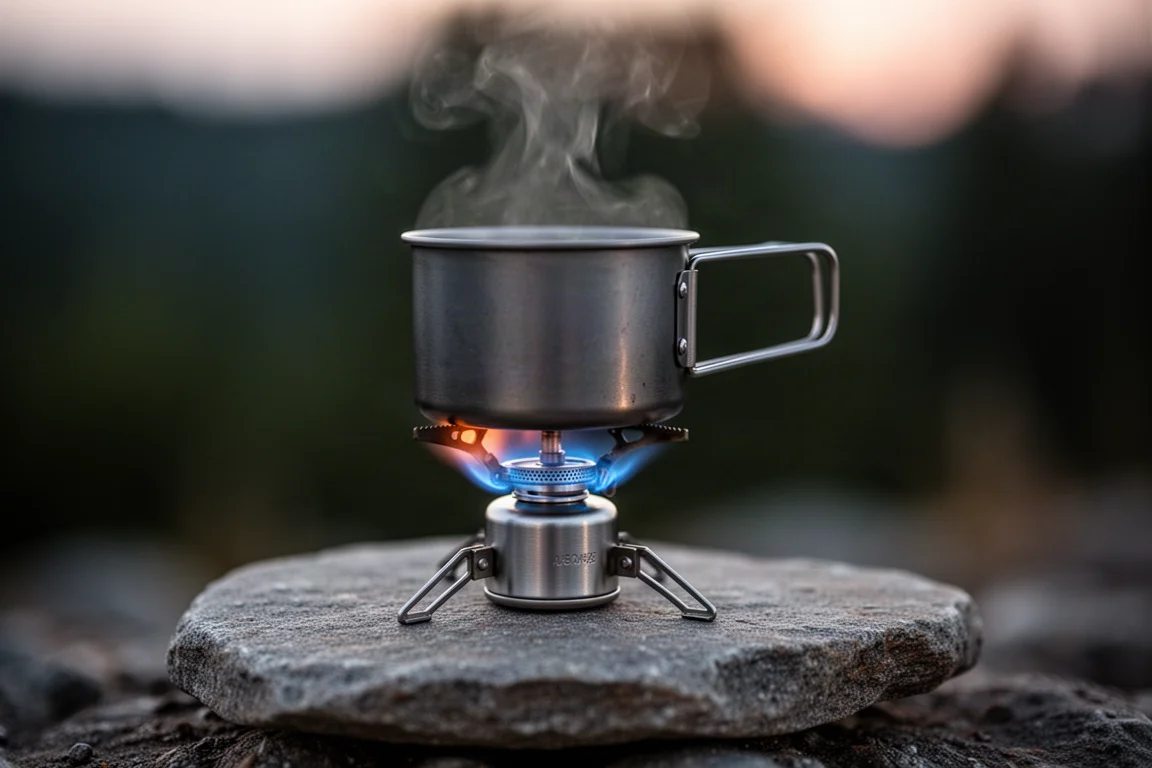
The BRS 3000 is the definition of a value ultralight stove: extremely light, very affordable, and small enough to disappear into a cook pot with a folding spoon and a mini lighter. For solo trips where you are mostly boiling water for one, it does the job.
Its limits show up in two places. It does not perform well in wind, and it is not especially fuel efficient, so long trips or group cooking will burn through canisters faster. If you regularly boil large volumes or cook for several people, a bigger stove such as the Fire Maple Green Peak delivers more power and better fuel economy in exchange for weight and cost.
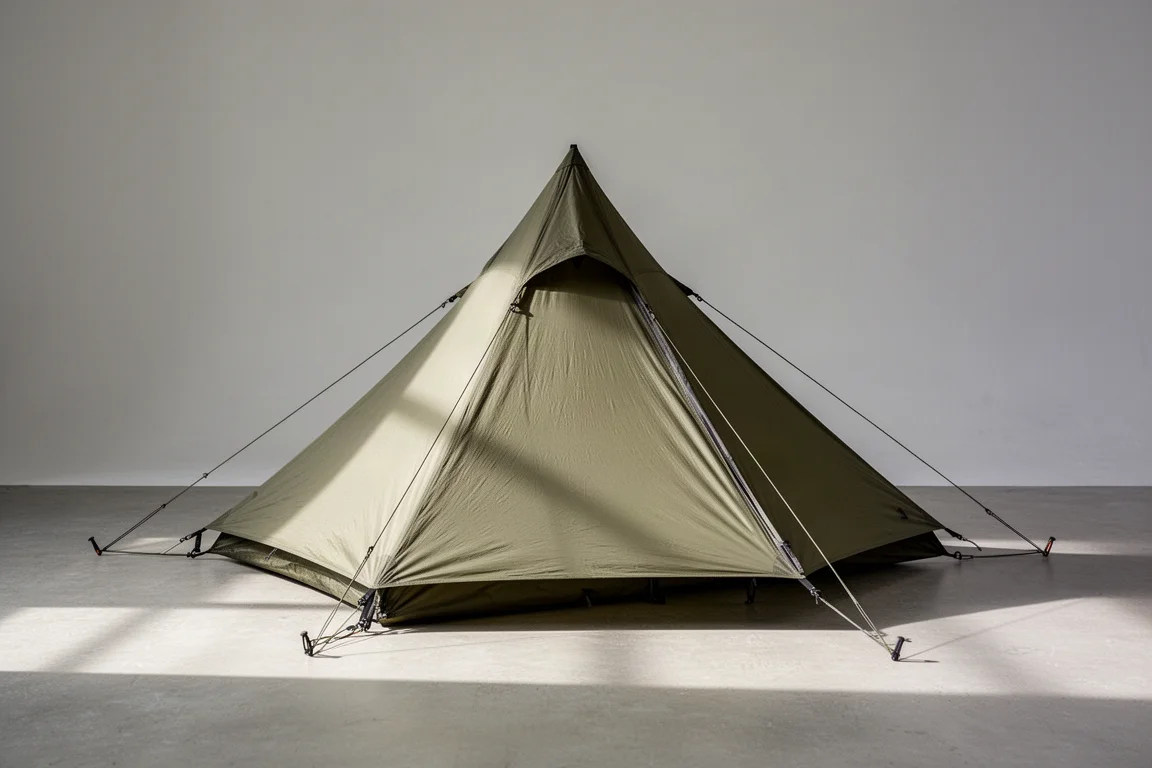
3F UL Gear Lanshan 1 Pro: A Solo Shelter That Punches Above Its Price
The Lanshan 1 Pro is a single-person trekking pole tent that costs $135 and weighs 690 g, a combination that is hard to beat for a solo shelter. A two-person version exists for not much more money and not much more weight.
Pitching is straightforward: one trekking pole supports the centre, and the pyramid shape sheds wind and rain effectively once the guy lines are staked out. The main compromise is interior space. If you are over six feet tall, and especially if you pair it with a thick sleeping pad and a lofty quilt, the tent can start to feel cramped. A more expensive step up is the Durston X-Mid 2, a lightweight two-person shelter that performs extremely well but costs roughly twice as much.
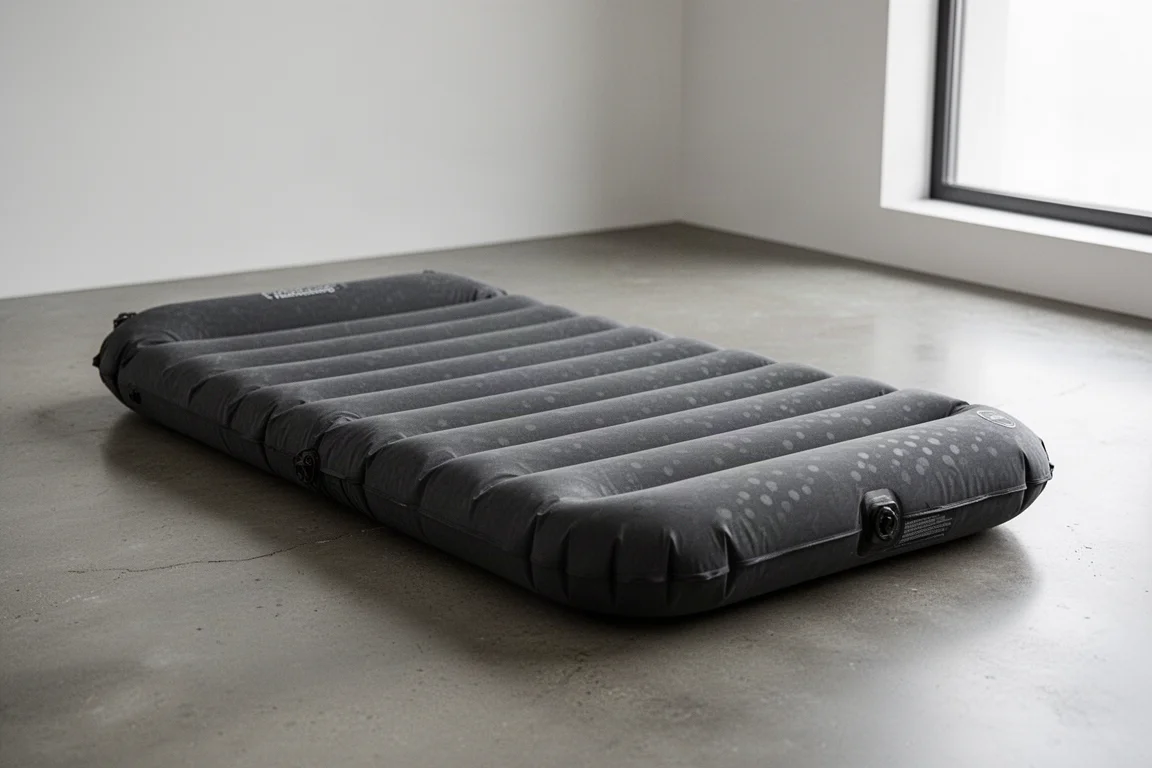
Hikenture Sleeping Pad: Winter-Level Warmth for Less
This is one of the most compelling value items on the list, with one practical catch. The pad costs $75, weighs about 590 g, and carries an R value of 6.2, which puts it in winter-warmth territory for a fraction of the usual price. The insulation uses a reflective layer, and the baffle design follows the same horizontal pattern as the Nemo Tensor line, with small dimples that relieve pressure points and keep it more comfortable than a plain horizontal-baffle pad.
The catch is availability. It can be found in Canada, and it may not yet be sold in every market, so check regional listings before planning around it. The valve sits at the tail end of the pad and is awkward to use, though a large inflation sack is included and speeds up setup considerably. The published R value comes from independent testing, and while the pad has only been used in moderately cold conditions so far, it has performed at least like a strong three-season pad.

For cold sleepers who want a warm pad without a premium price, this is the item to hunt down first. Just confirm it ships to your region before committing.
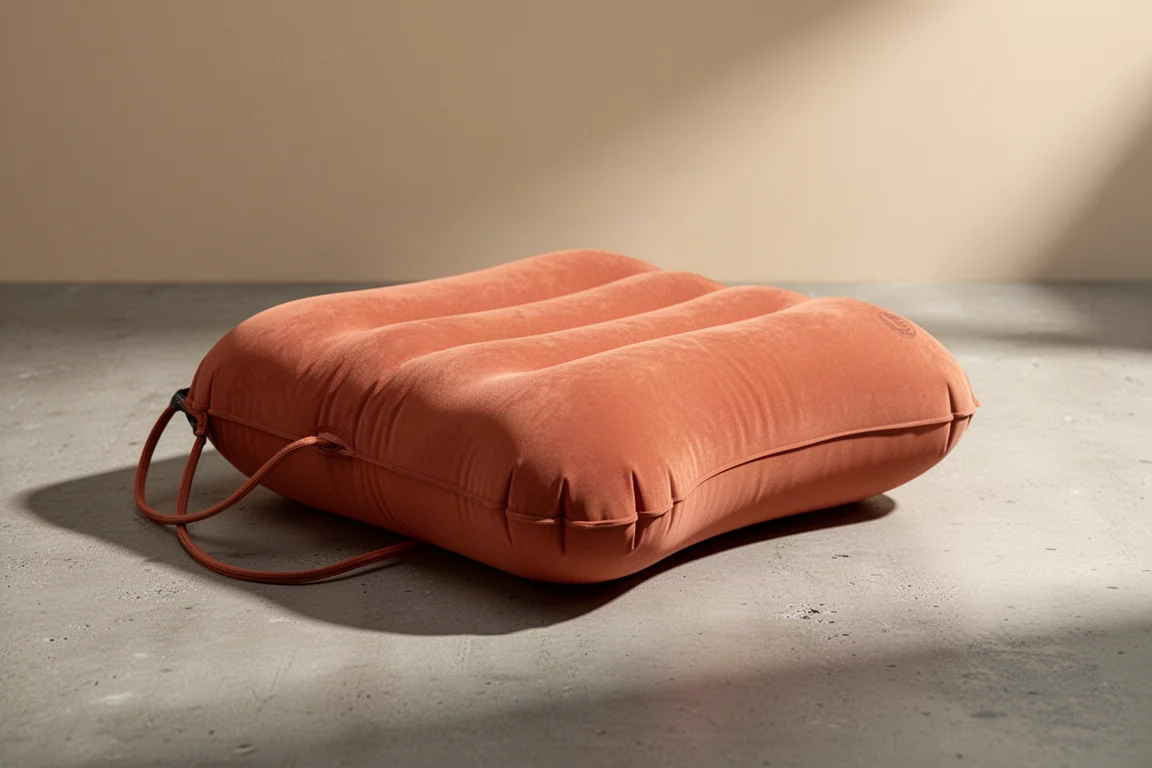
Trekology 2.0 Pillow: Comfort That Stays Put
The Trekology 2.0 is a lightweight, inexpensive inflatable pillow with a strap that locks it to your sleeping pad, so it stays where you put it instead of sliding around the tent overnight. The baffling is supportive, and for the price and weight it is remarkably comfortable.
The only real limitation is height. Side sleepers with broad shoulders may find it too low, which is a common problem with ultralight pillows. The fix is simple: slide a folded pair of hiking pants or a spare layer underneath to add elevation and keep your neck aligned.
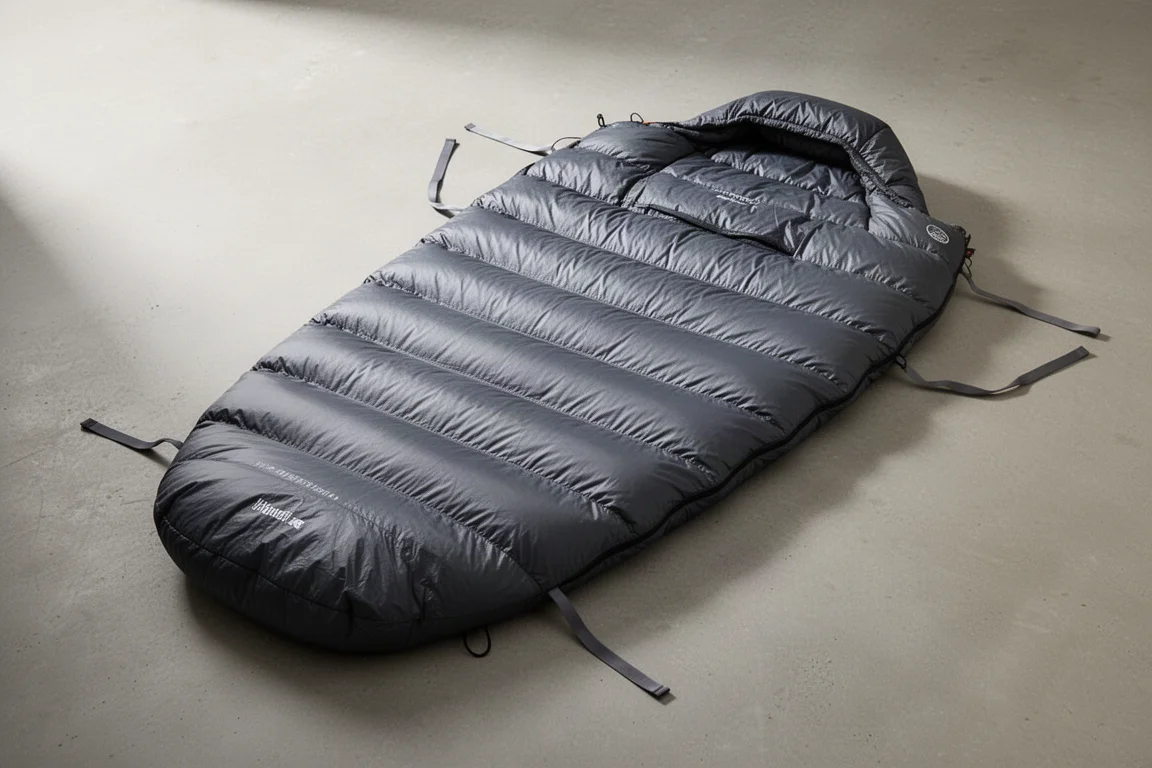
Featherstone Moondance Quilt: Light Top Insulation
The Moondance is a strong answer to the shortage of affordable quilts. It uses 850 fill power down with a 10-denier nylon shell, and it includes the details that matter: a draft collar, pad straps, a neck cinch and a neck snap. It is comfort rated to 36°F and limit rated to 25°F, and it has kept sleepers warm just below freezing.
Two things to know before buying. There is no customisation, so colour and fill options are fixed. And at $220 it is not cheap, even if it undercuts most comparable quilts. If you prefer the freedom of a quilt but want the coverage of a sleeping bag, the Rock Front quilt system is worth a look: a top quilt that zips onto a sheet attached to the sleeping pad, priced at $260.
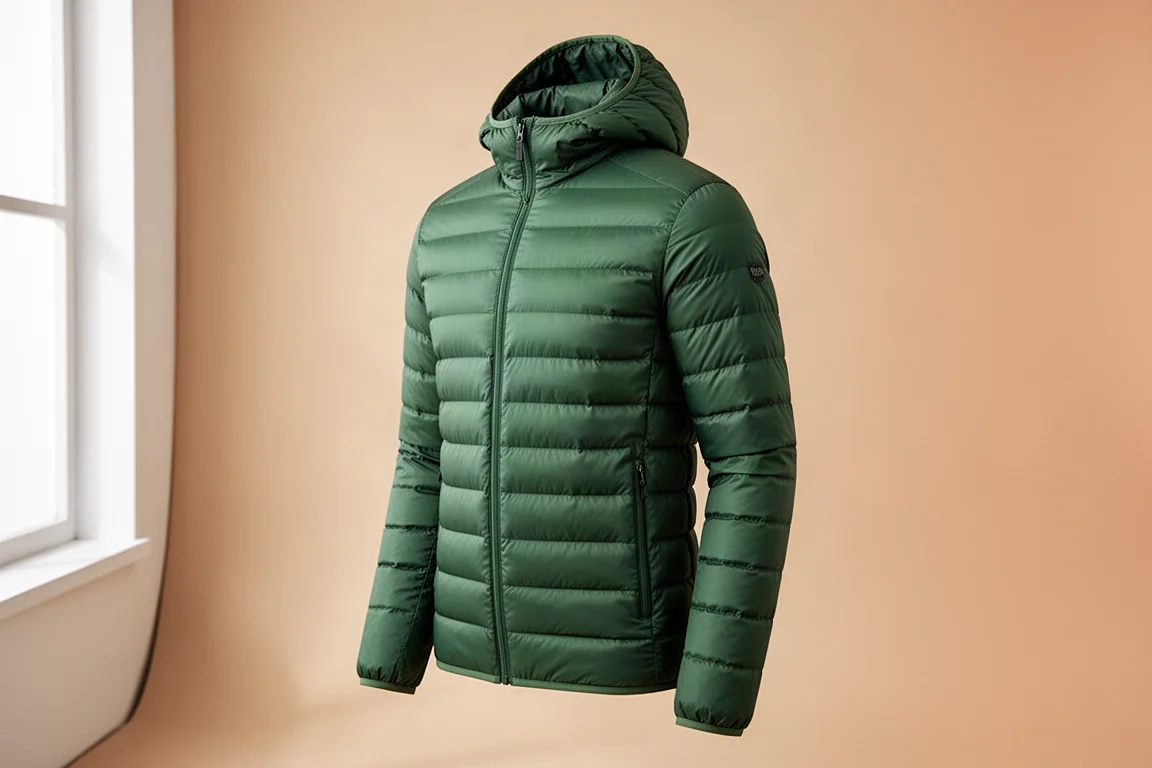
Decathlon MT100 Down Jacket: Camp Warmth Without the Price Tag
Down jackets tend to sit at one of two extremes: several hundred dollars, or under a hundred dollars with specs to match. The MT100 breaks that pattern. It costs $100, is very light, and is genuinely warm, with a specification set that stands up against jackets costing several times as much.
Round out your camp insulation with a warm hat, a non-cotton base layer such as merino wool, and a spare pair of socks if your feet run cold. Together with the jacket, that is enough to stay comfortable once you stop moving.
Buying Advice: Where to Spend and Where to Save
Put your budget where it affects comfort and safety: the pack and the sleep system. A pack that transfers load well and a pad and quilt that keep you warm are the two areas where saving money tends to cost you on trail. The Kakwa 55, the Hikenture pad and the Moondance quilt are the pieces worth prioritising.
Save on the small items. A budget stove, an inexpensive trowel and a simple inflatable pillow all do their jobs at low weight, and upgrading them rarely changes the quality of a trip. Water treatment sits in the middle: the QuickDraw is fast and handles freezing nights well, while filters with higher advertised removal rates trade some speed for that performance.
Availability is the other factor worth checking early. Some of the best value items here are sold in specific regions, and regional stock changes often. Buying used or waiting for a sale stretches the budget further on everything else.
Conclusion
A genuinely light backpacking kit no longer requires premium pricing across the board. With a sub-kilogram pack, a 690 g solo shelter, a warm budget sleeping pad and an 850 fill quilt, the core of this list stays close to a four-figure total while keeping base weight low.
The most useful approach is to start with the items that make no real compromises, the pack, the trowel, the pillow and the down jacket, then decide where you are willing to accept a trade-off. Every piece here still works; the question is simply which trade-offs suit the trips you actually take.
Further reading
Related Reviews

Backpacking Gear
Building a 10 lb Base Weight: An Ultralight Backpacking Gear List
A practical walkthrough of the ultralight pieces behind a 10 lb base weight, from a 765 g pack and a roomy one-person tent to a full camp chair and a dependable water filter.
Backpacking Gear
A 15-Pound Lightweight Backpacking Gear List for Solo Trips
A beginner-friendly 15-pound backpacking setup built from easy-to-find gear, with notes on what each piece does, how it packs, and where to spend your attention.
Backpacking Gear
8 Ultralight Backpacking Gear Upgrades Worth Carrying
Eight small, affordable backpacking upgrades that solve real trail annoyances, from a pillow that stays put to a fuel valve that rescues leftover canister gas.