Backpacking Gear
Ultralight Backpacking Gear List: Reaching a Sub-5 lb Base Weight
A practical ultralight backpacking gear list covering shelter, sleep system, cook kit and safety gear, plus the trade-offs that come with a sub-5 lb base weight.
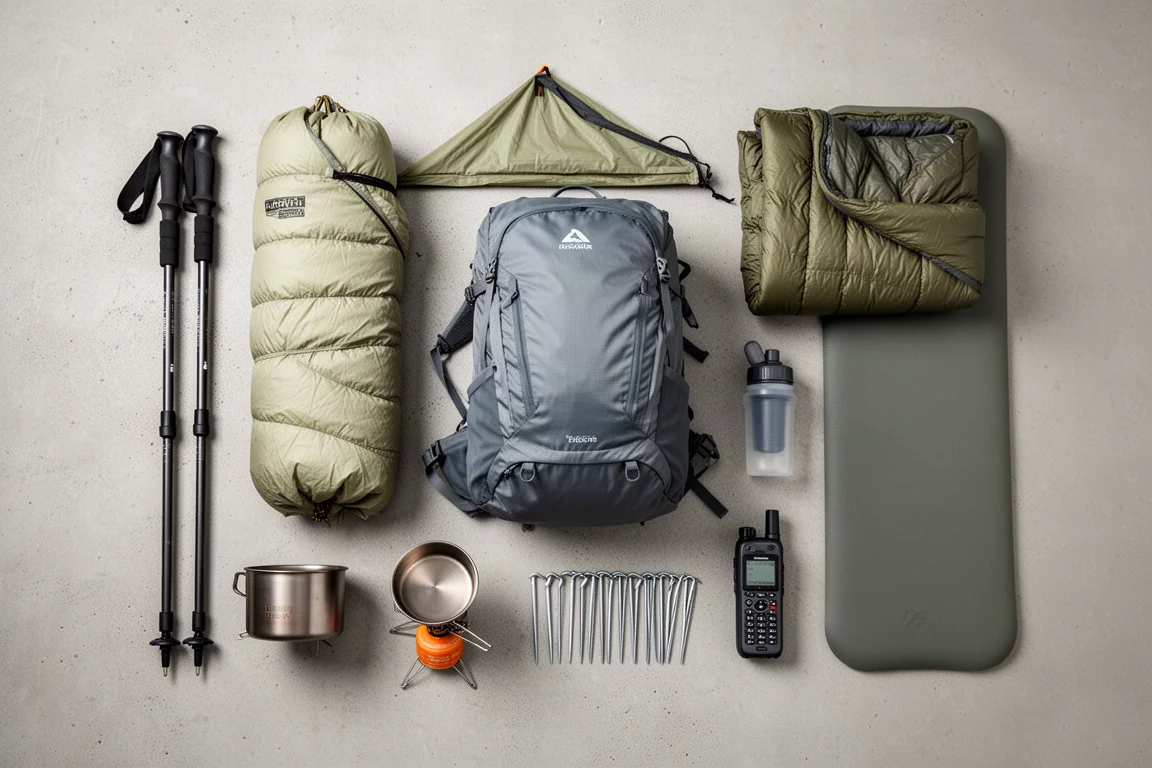
Introduction
Carrying a pack with a base weight under 5 lb changes the arithmetic of a hike. Uphills stop feeling like a negotiation with gravity. Rocky sections and scrambles get easier because nothing is pulling you off balance or dragging you downward. Pace improves too, partly because feet, knees and joints are working with less load, and partly because many super-ultralight packs skip the hip belt altogether, which frees the hips to take longer strides.
That last point is easy to underestimate. A hip belt transfers load, but it also restricts how the hips rotate. On a frameless pack you walk differently, and for hikers with shorter legs that difference is worth having.
The catch is that low base weights normally arrive with sacrifices: a tarp instead of a tent, a thin foam mat instead of a comfortable pad, cold food instead of a hot dinner. The goal with this kit was to reach a sub-5 lb base weight without giving up a fully enclosed shelter, a genuinely comfortable sleep system, or a hot meal at the end of the day. This is the gear that made it work, and the items that turned out to be worth missing.
How This Ultralight Gear List Was Built
Every item here was chosen against four criteria: warmth, comfort, durability and versatility, with weight acting as the tiebreaker rather than the goal. Gear that saves grams but ruins sleep, or that fails partway through a long trail, has no place in a pack that is supposed to feel effortless.
The target was a base weight under 5 lb, meaning the pack, shelter, sleep system, cook kit and clothing, excluding food and water. That is an aggressive number, and it is only reachable with cottage-brand gear that uses very thin fabrics, high fill power down and titanium. It is also expensive.
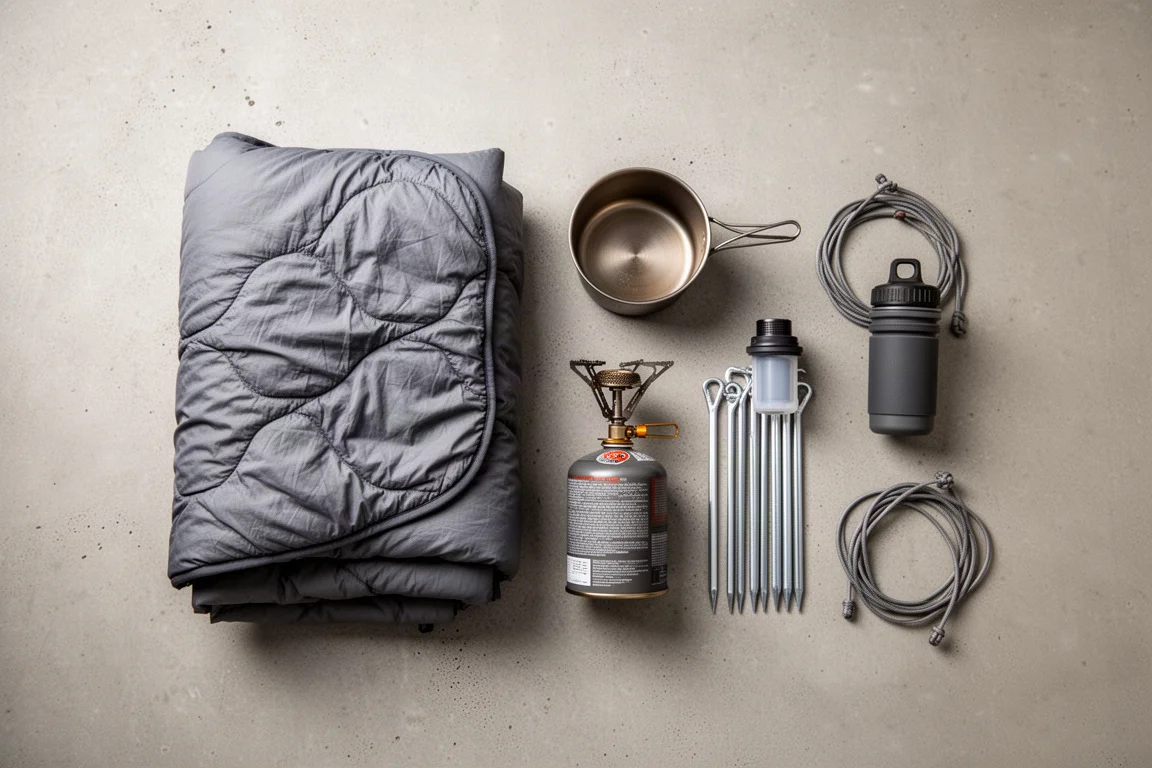
A more realistic target for most hikers who want the benefits of a light pack without the compromises is around 6 lb. A handful of years ago that figure would have sat closer to 10 lb, and the fact that it has fallen so far says a lot about how quickly ultralight design has moved toward the mainstream. Lighter gear that still performs benefits everyone, not only the people counting grams.
Durston Wapta 30: The Pack
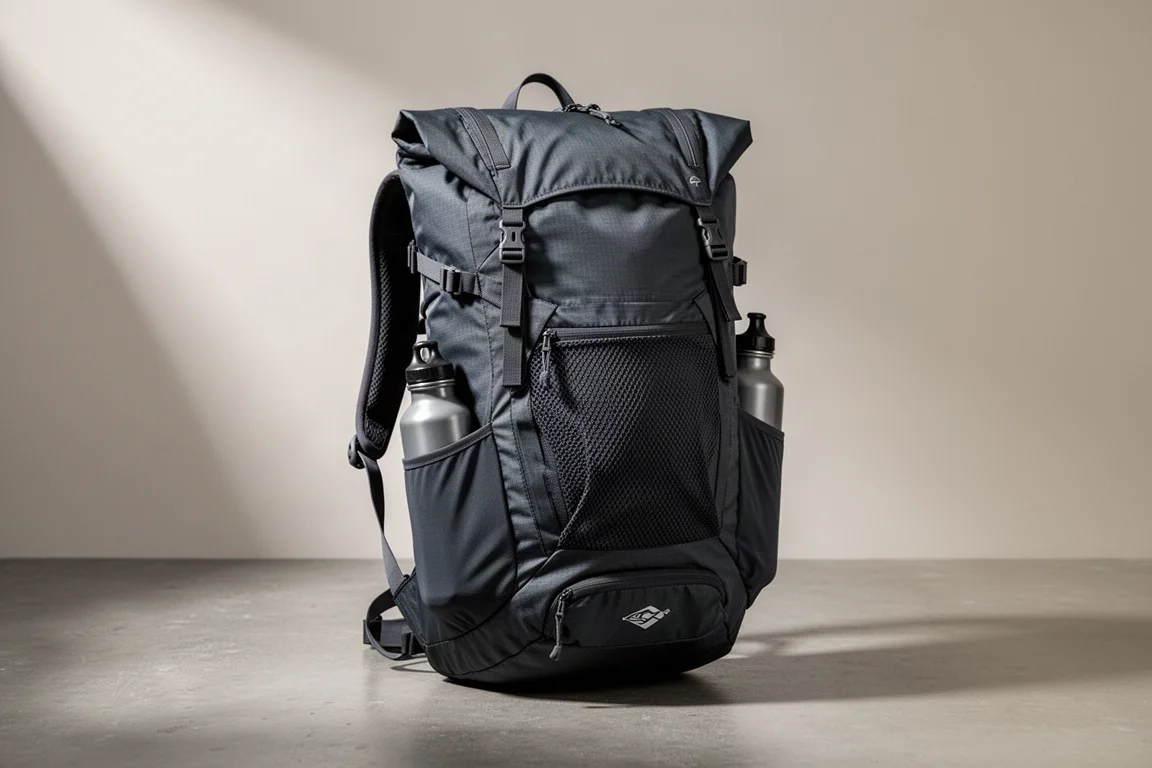
The Wapta 30 is a 30 L ultralight pack that can be run with or without its hip belt. Removing the belt is how the lowest weights are reached, and it is also how the pack behaves like a frameless rucksack: short torso, minimal structure, nothing between you and the load except fabric.
What makes it livable is access. There are two shoulder pockets sized for a filter, sunglasses, a phone or bear spray, and the side pockets are positioned low enough to be reachable while wearing the pack, even with limited shoulder flexibility and short arms. That is a deliberate design choice. On many frameless packs the shorter torso pushes the side pockets up and out of reach, and Durston has dropped them lower so the bottles stay grabbable.
There is also a large front pocket for overflow when the internal capacity is overloaded, plus a bottom pocket with an opening on the right-hand side, so snacks can be pulled out without stopping. The one small gripe is that because the side pockets sit lower, a bottle needs a push upward before you can pull it free. Adding the hip belt back turns the pack into a more versatile load hauler for trips where weight matters less, which makes it a strong candidate for most of a season’s trips.
Katadyn BeFree: Water Treatment
Water is one of the easiest places to lose weight or lose comfort, and the balance here came down to two one-litre bottles and a filter.
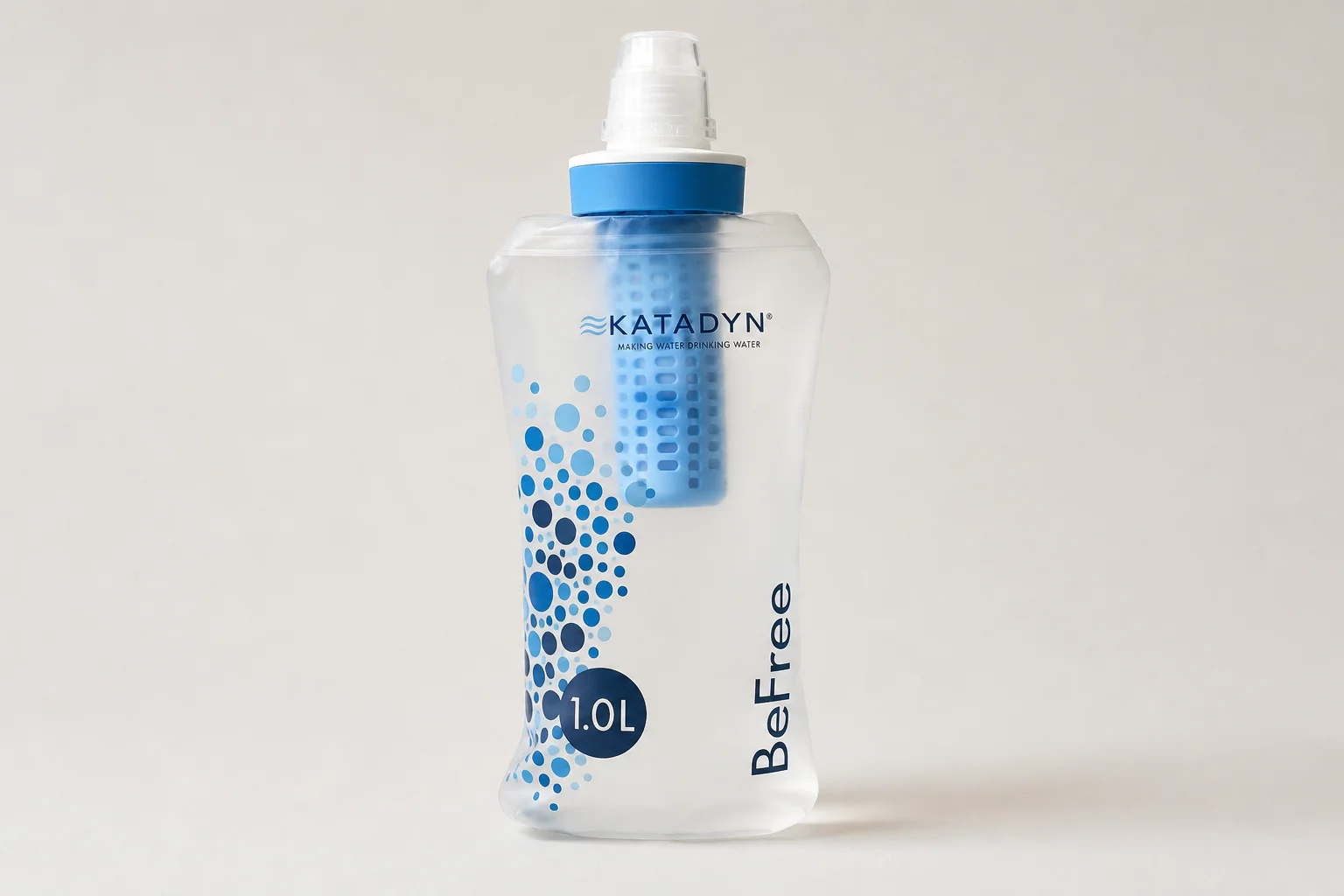
The bottles are the lightest gas-station plastic bottles that still accept a sport cap, at roughly 20 g for the bottle and cap together. That is about half the weight of a comparable branded bottle, with the obvious trade-off that they will not survive multiple seasons the way a sturdier bottle would. Dropping to one litre of capacity is possible, but two litres of security is worth the small penalty.
For treatment, a filter beats purification tablets on both speed and quality. Tablets need around 30 minutes to become effective, and they leave grit and silt in the water, which matters on silty sources where you would rather not drink the sediment. The Katadyn BeFree is close to the pinnacle of ultralight filtration, and it doubles as a one-litre soft bottle. One caveat worth knowing: a BeFree has been known to clog and stop flowing entirely partway through a long thru-hike, so treat it as a wear item rather than a permanent one. Stored in a shoulder pocket, it lets you filter straight into your bottles without taking the pack off, which keeps you moving on long days.
Zpacks Plex Solo Lite: Shelter
A fully enclosed shelter at this weight class used to mean a tarp. The Plex Solo Lite closes that gap by trimming material from the standard Plex Solo: a lighter floor and lighter guylines, with the same single-person footprint.
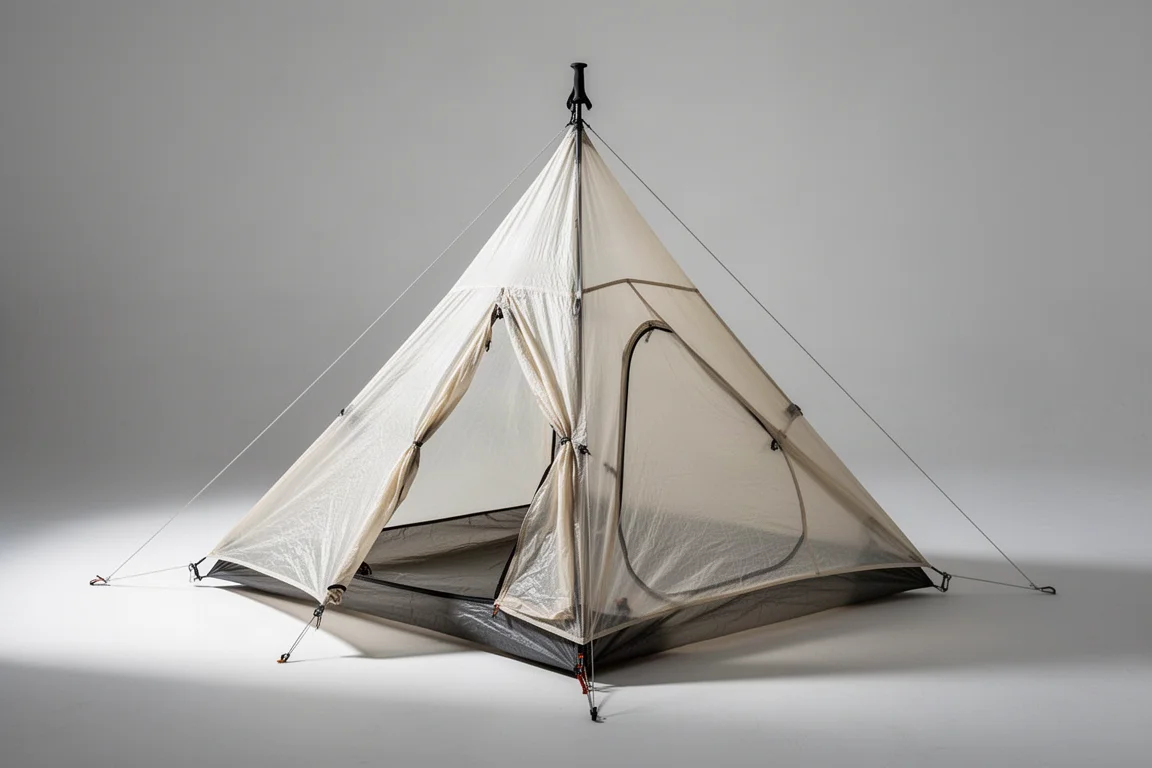
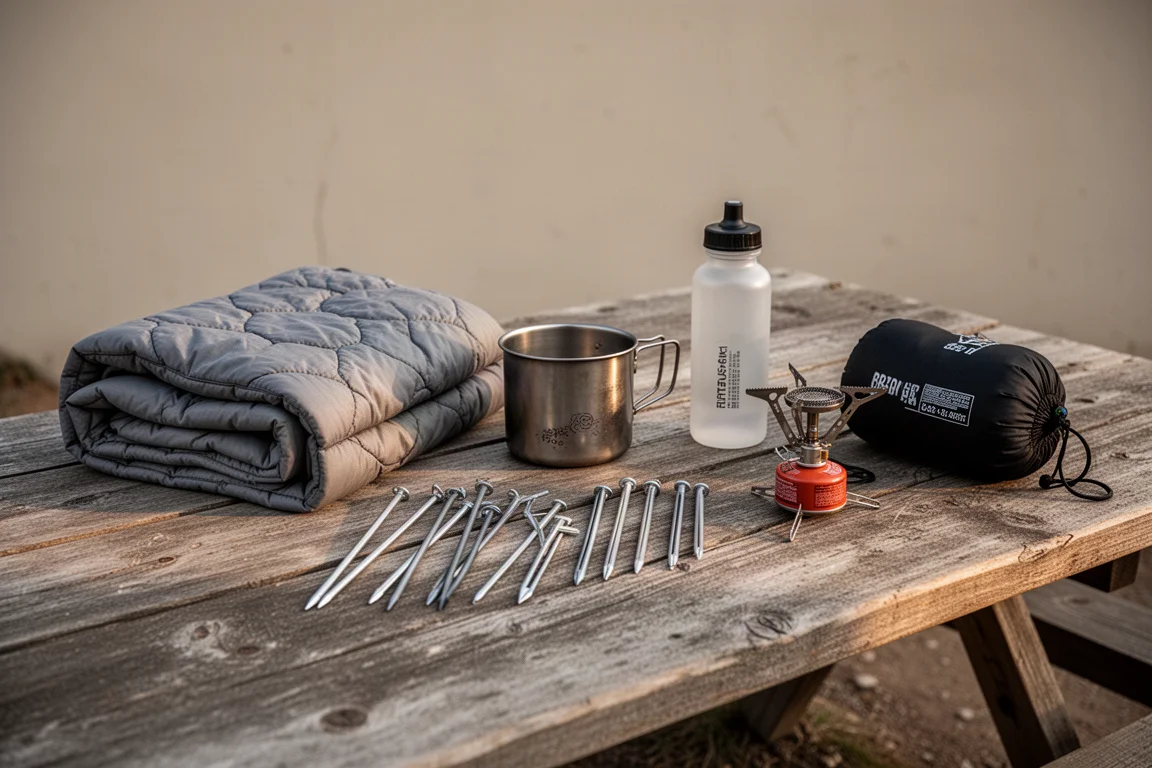
That matters for the whole list, because a tarp would have saved weight while costing weather protection and insect security. A tent that pitches with trekking poles and a small set of stakes keeps the weight low without asking you to sleep exposed.
Because the fabric is thin, the shelter rewards careful pitching. Guyline tension and stake placement do more work here than they would on a heavier tent, and the payoff is a shelter light enough to keep the rest of the kit honest.
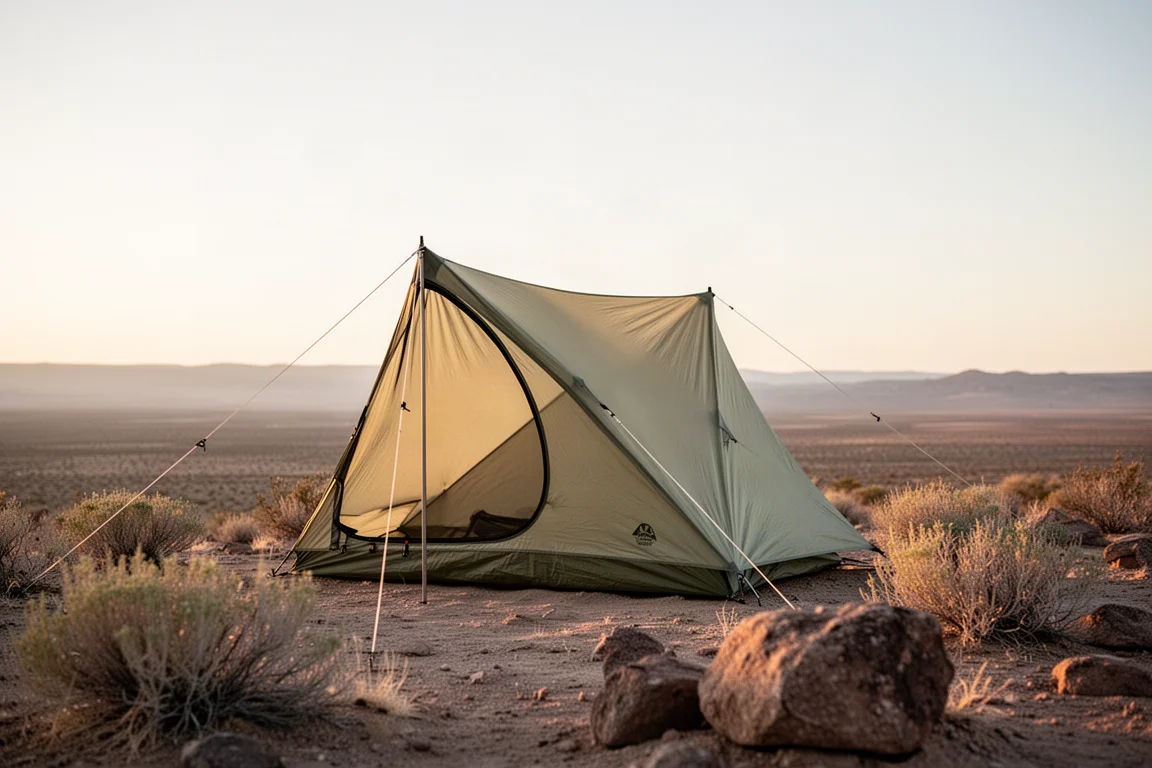
Four of the shelter’s guy points do not need dedicated stakes at all. A stick pushed into the ground with a rock on top provides enough tension to keep the walls off your sleeping bag, and those points exist to create interior room rather than to hold the tent in a storm. That approach saves real weight across a full stake set without compromising the pitch.
MSR Carbon Core Stakes: Lightweight Corner Stakes
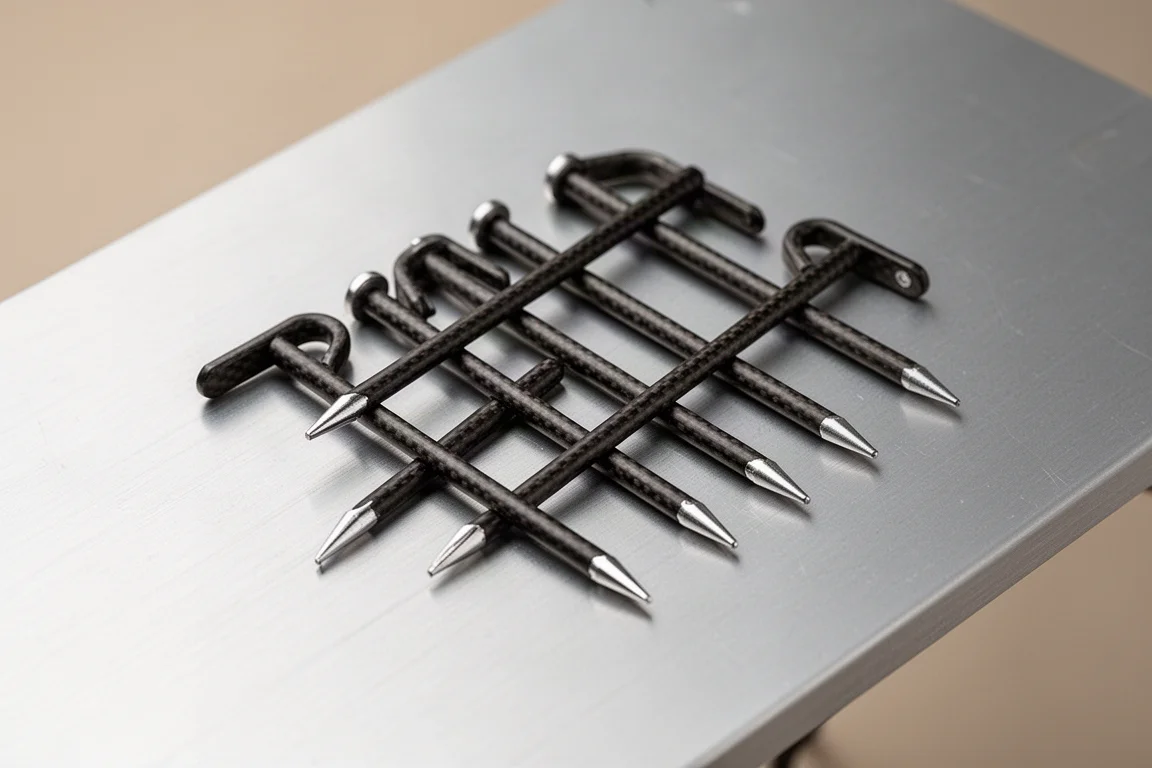
Stake selection is one of the least glamorous ways to save weight and one of the most effective. This setup splits stakes by load, and the four corners plus the rear anchor get MSR Carbon Core Stakes, which are among the lightest pegs you can carry.
They are not the most durable stakes on the market and they do not hold as well as heavier pegs, but at those positions they only need to be good enough. Saving grams at six separate anchor points adds up quickly, and the shelter still pitches properly.
MSR Core Stake: The Anchor Point
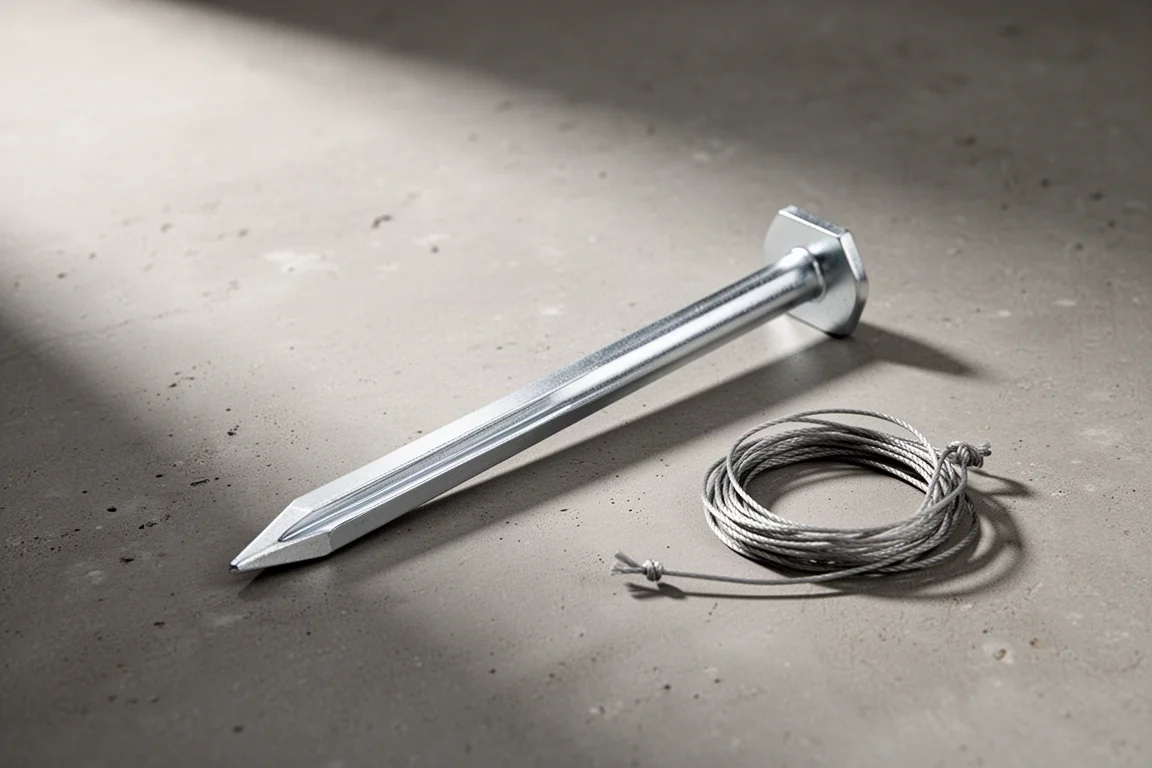
The front stake coming off the peak carries the heaviest load in this pitch, so it gets the opposite treatment: a 9-inch MSR Core Stake with strong holding power. It is heavier than a carbon-core peg, and that weight is spent deliberately.
The logic is simple. Spread the light stakes across low-load points, then spend the weight budget on the single anchor that holds the shelter’s shape and keeps the peak tensioned.
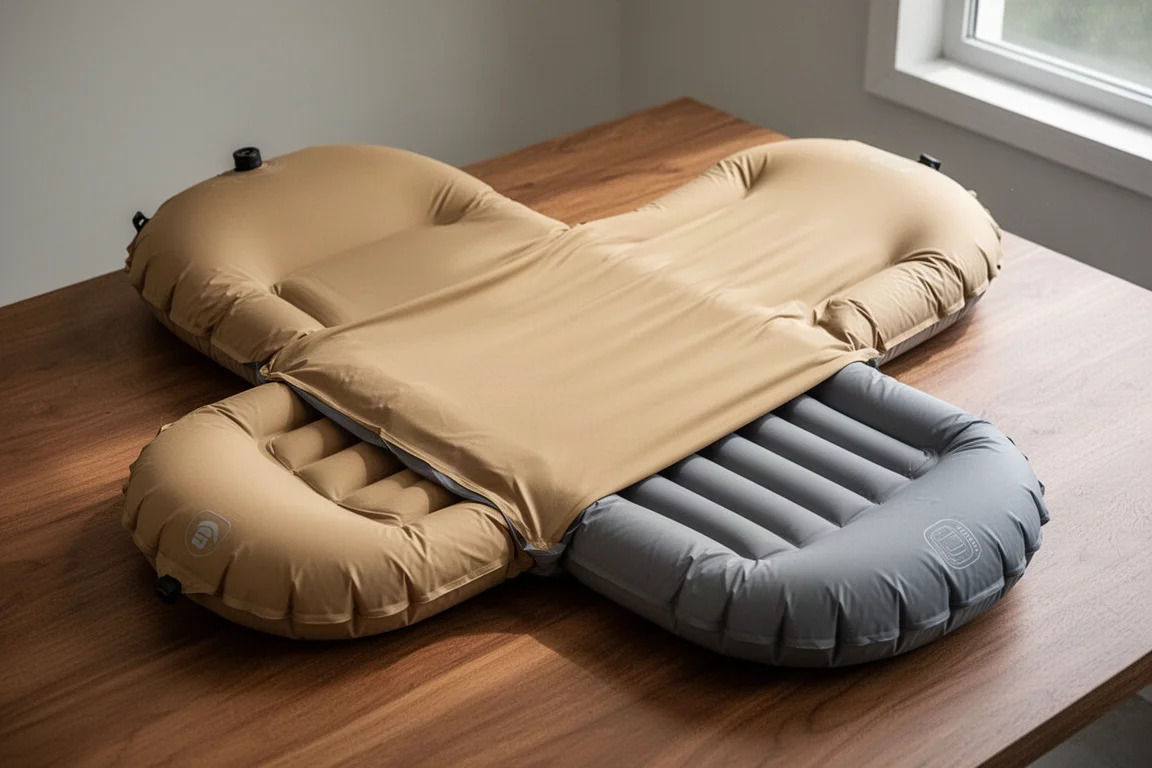
Exped Ultra 3R: Sleeping Pad
The sleep system took the most thought of anything in the pack, because warmth and comfort are where ultralight kits usually fall apart. The target was sleeping comfortably down to freezing.
The Exped Ultra 3R is not the highest R-value pad available, but it performs better in use than its rating suggests, which is why it can carry a three-season setup down to around freezing. It is also the only lightweight pad in this class that manages to be both warm and comfortable. Pads such as the Therm-a-Rest NeoAir XLite are warmer and lighter but less comfortable, while the Big Agnes Zoom UL is comfortable and light but not as warm. The Ultra 3R sits between those two extremes.
This build uses the wide rectangular version, so a 25-inch wide pad fits without compromise, and width is one of the biggest single factors in actually sleeping well on a mat.
Big Sky DreamSleeper Pillow: Sleep Comfort
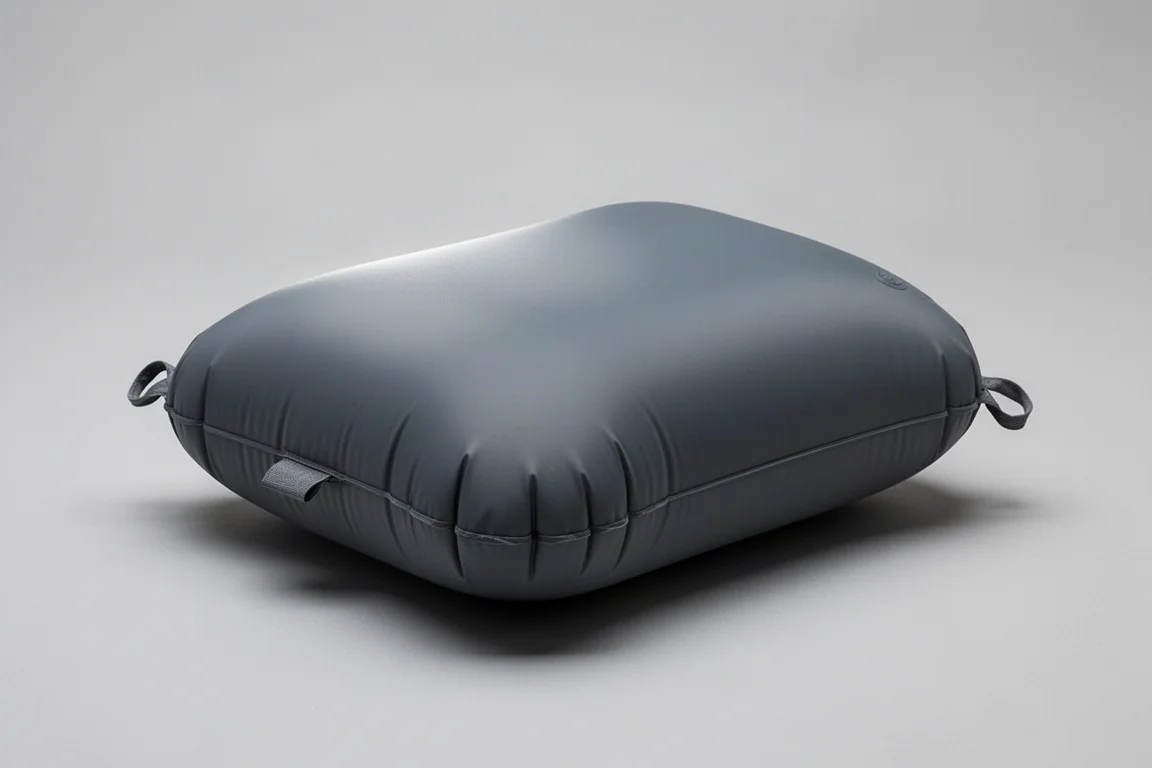
A pillow is the difference between sleeping and lying awake, and for side sleepers the requirement is height. The Big Sky DreamSleeper is tall, uses a baffle system that holds its shape through the night, and stays light enough to justify the space it takes up.
The one modification worth making is attachment. Small patches on the sides plus a short length of shock cord let the pillow lock onto the sleeping pad, so it stays put instead of sliding off the mat in the small hours. That single change is what turns a decent camp pillow into one you stop thinking about.
Enlightened Equipment Revelation Quilt: Sleep System
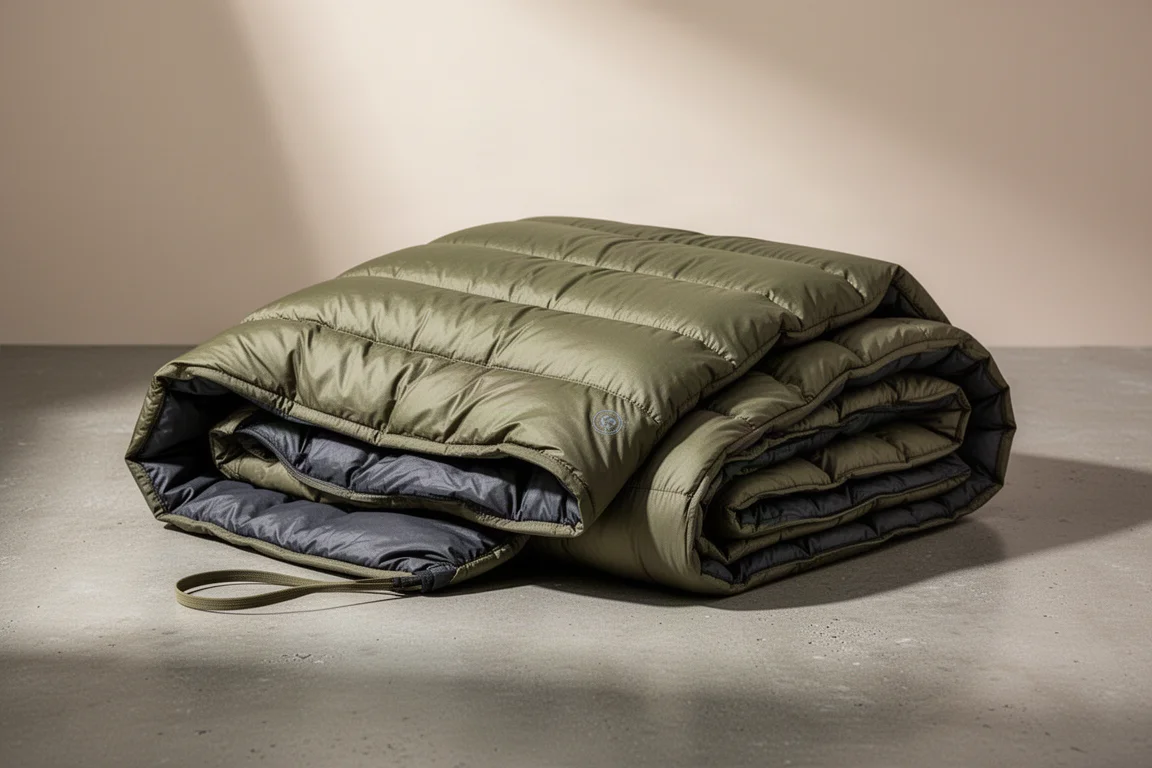
Quilts are the lightest sleep option and, for anyone who shifts position through the night, often the most comfortable, because there is no hood and no back panel to fight with. This is a 40°F Revelation built with 950 fill power down and a 7-denier shell fabric, which is about as light as quilt materials get.
The 40°F rating is the number to think about carefully. Paired with the Exped pad and a down jacket worn inside the quilt, it covers nights around freezing. Without the jacket, it is a warmer-weather quilt, and that pairing is the whole reason the jacket earns its place in the pack.
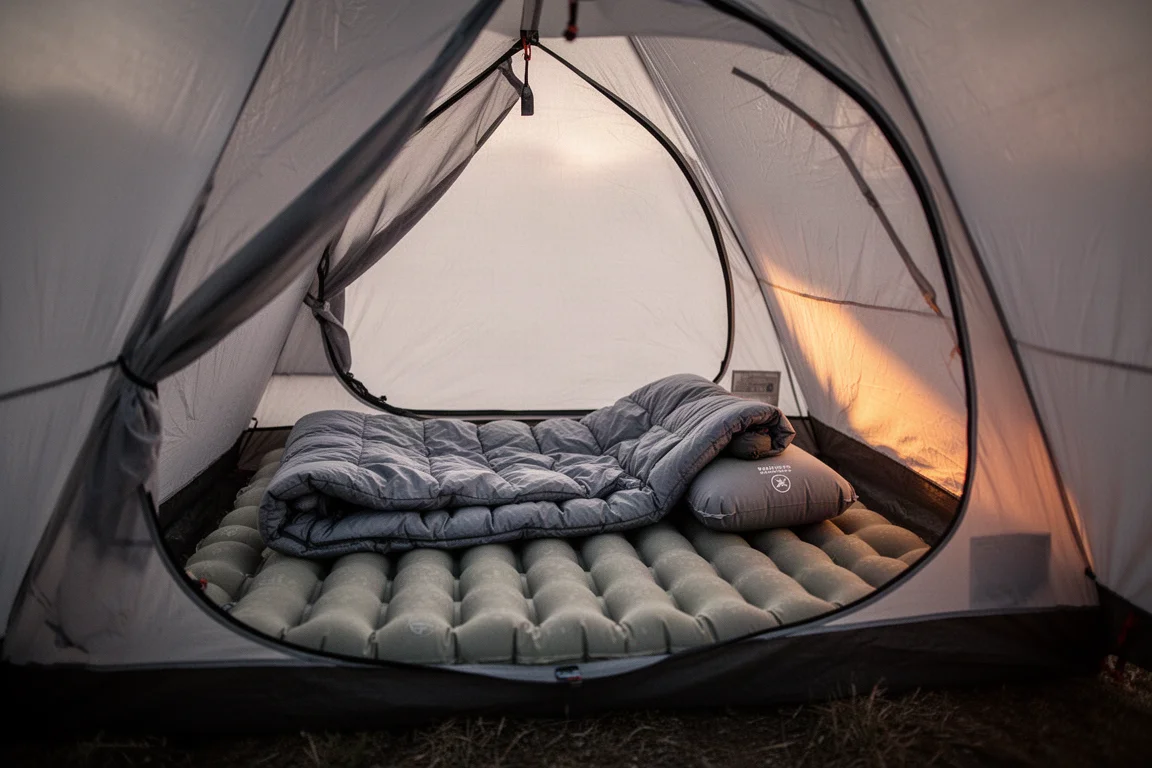
Taken together, the shelter, pad, pillow and quilt weigh less than a single conventional tent and pad used to. That is the real argument for this category of gear: each component has improved on its own, and it is the total that makes a sub-5 lb base weight possible at all.
Montbell Plasma 1000: Warmth Layer
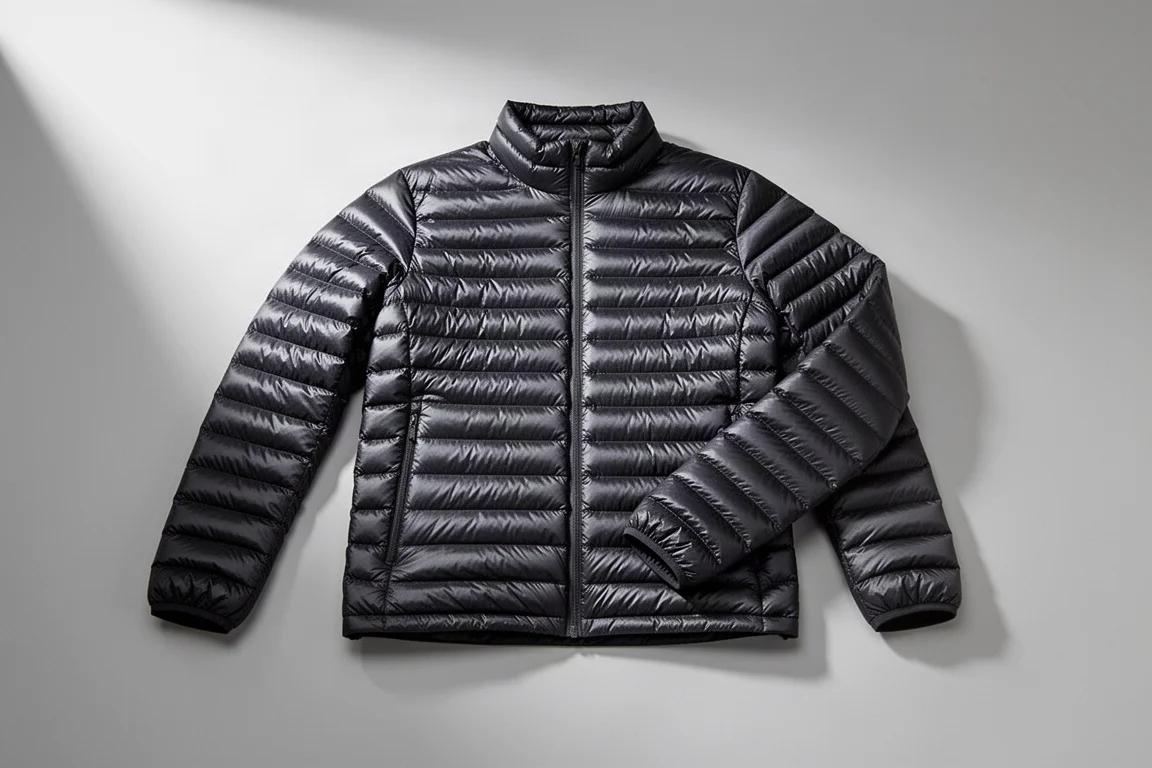
Clothing here is deliberately minimal: what you hike in, a warm jacket, and not much else. The Montbell Plasma 1000 is the insulation piece, and at 138 g it barely registers in the pack.
It uses a 7-denier shell fabric and 1000 fill power down, which is why it is warm for its weight and why there is not much direct competition at this figure. It has no hood, so on colder nights the hood of a sun hoodie does the rest of the work, and worn inside a 40°F quilt it is what pushes the sleep system down toward freezing.
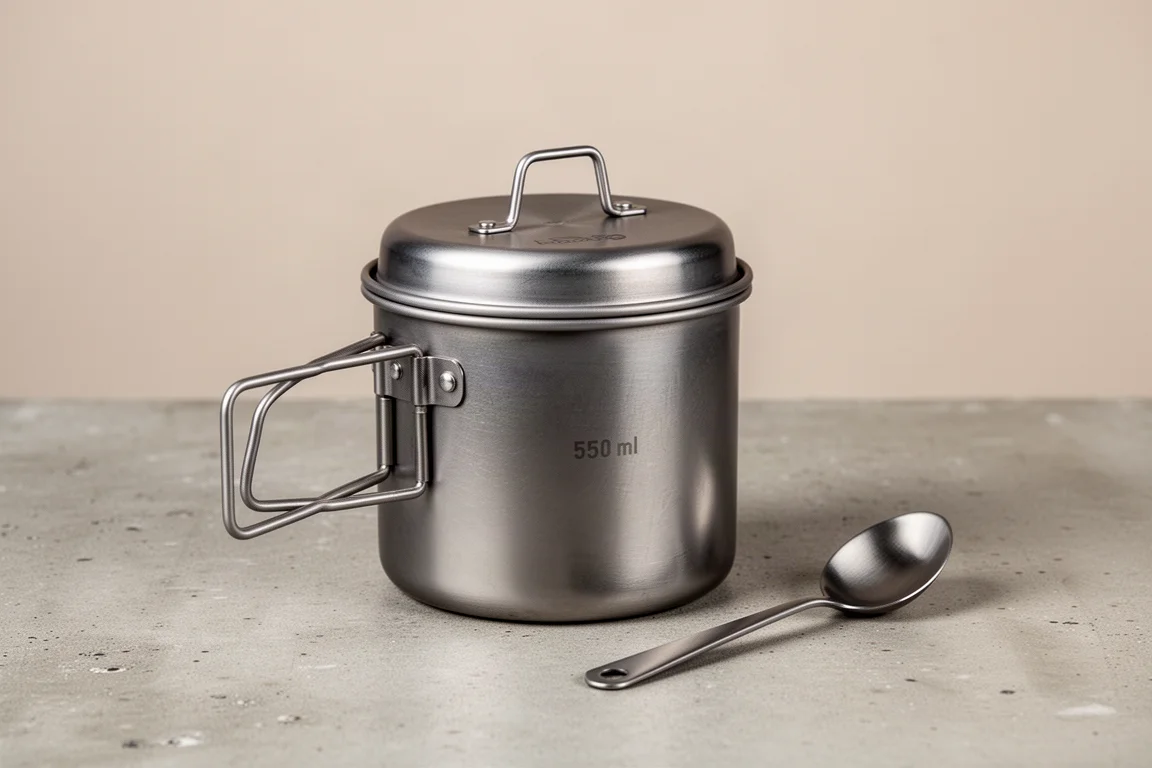
Toaks 550 Titanium Light Pot: Cookware
The cook kit is small on purpose: a 550 ml titanium pot in the lightest version Toaks makes, a titanium spoon, a mini lighter, a small fuel canister and a tiny stove.
The pot is sized for boiling water for one freeze-dried meal, which is all a trip like this asks of it. Titanium keeps the weight down, and the whole kit adds so little to the pack that a hot dinner at the end of the day is essentially free in weight terms. In a hot desert, that still counts for a great deal.
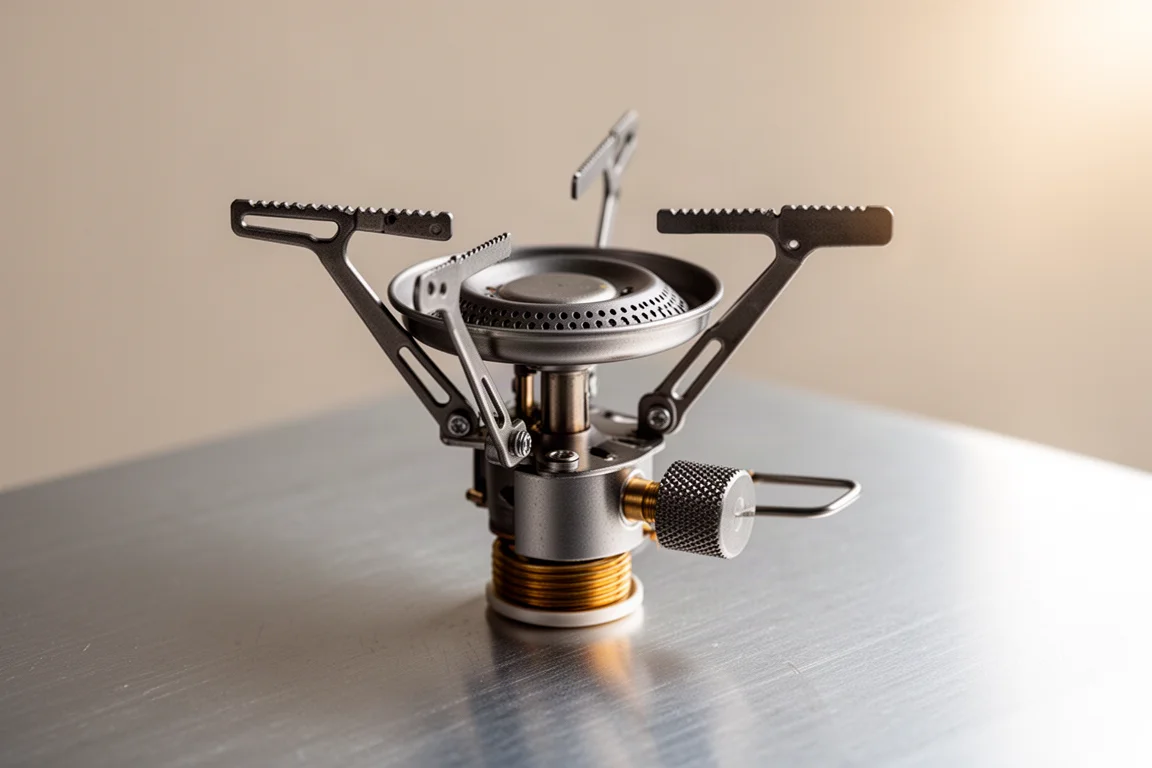
BRS 3000T Stove: The Burner
The BRS 3000T is the other half of the cook kit. It is a tiny canister stove, paired here with a small fuel canister, and it exists to do one job: boil water.
Because it is so small, the whole cooking setup stores inside or alongside the pot. A mini lighter handles ignition, and there is no need for anything more elaborate on a trip where every dinner is rehydrated. The result is a complete hot-meal capability for a weight that is easy to forget about.
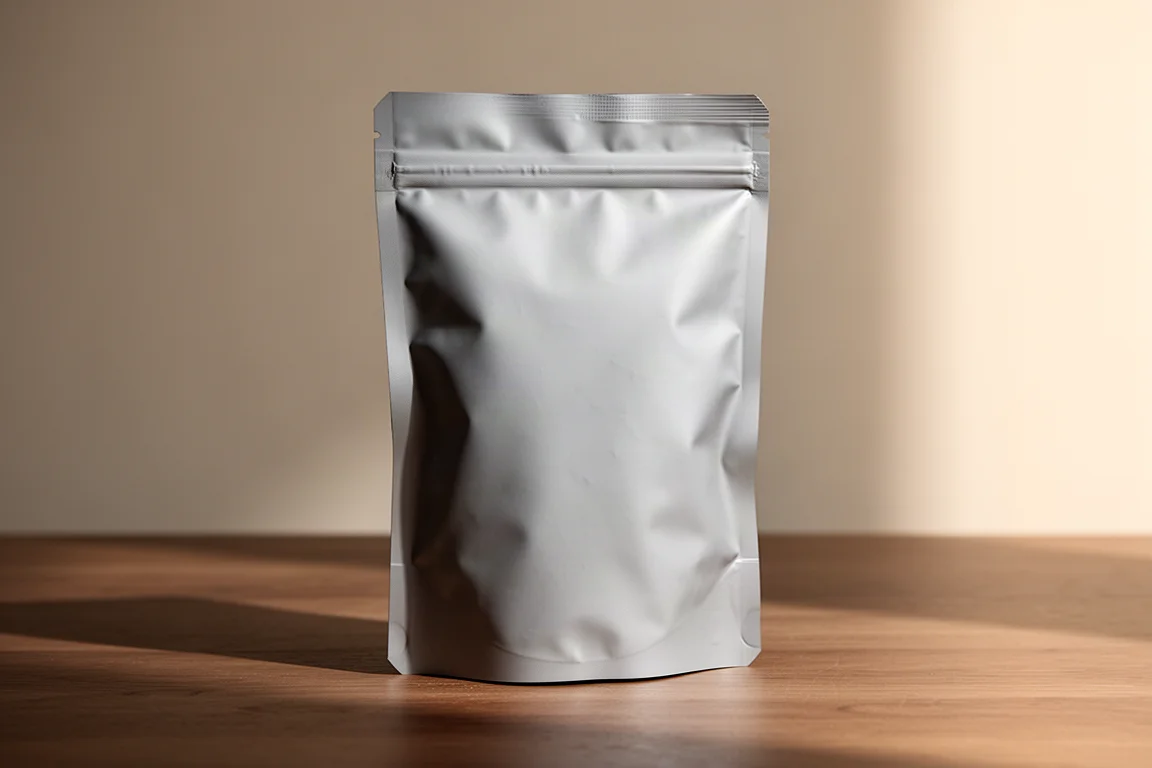
Peak Refuel Chicken Pesto Pasta: Trail Meal
If you are going to carry a stove, the meal should be worth the fuel. The Peak Refuel Chicken Pesto Pasta packs 920 calories into a 162 g package, which is an unusually good ratio and one of the better-tasting freeze-dried dinners available.
On a trip where food is the largest remaining weight variable, calories per gram matters as much as flavour, and this meal delivers on both counts. It is the kind of item that makes a lightweight cook kit feel justified rather than indulgent.
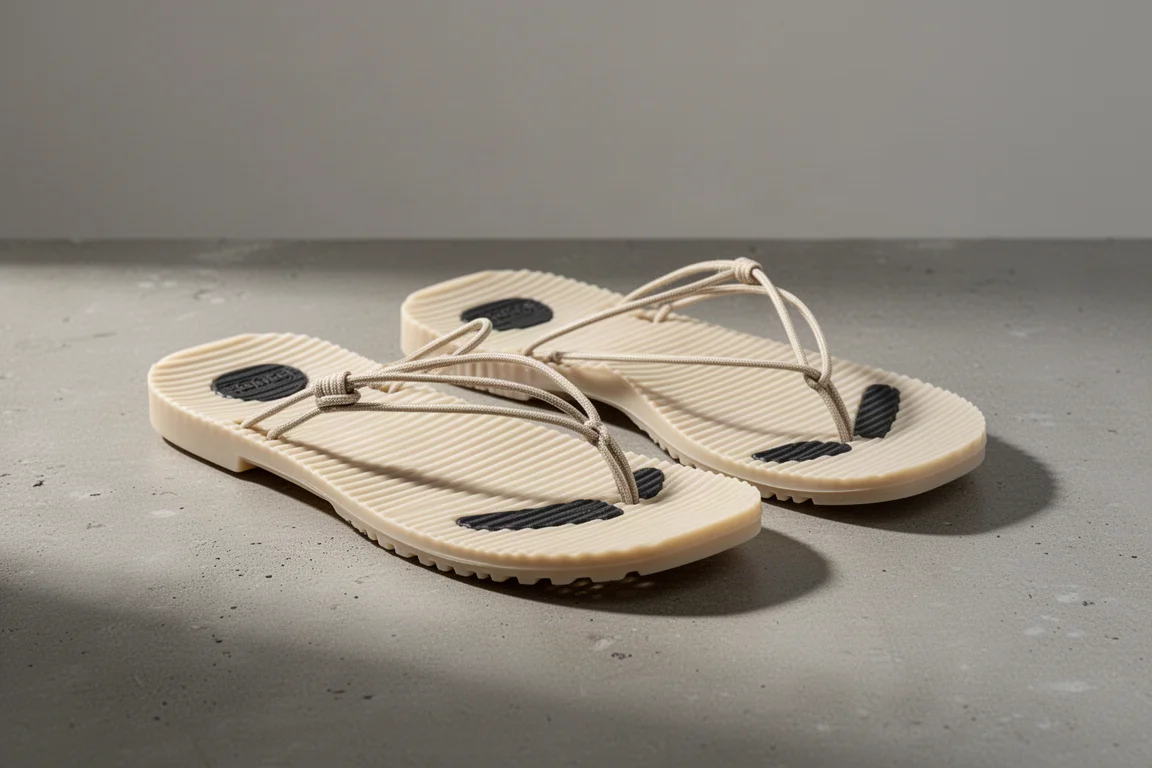
Mayfly Sandals: Camp Comfort
Camp shoes are the first thing most people cut and the first thing most people miss. Taking off wet, gritty hiking shoes at the end of the day, and having something to slip on for a night trip out of the tent, is a small luxury with an outsized effect on how a trip feels.
Mayfly Sandals are about as light as camp footwear gets, and they held up over 36 days on a long thru-hike. They are not built for walking any real distance, which is exactly the point: they exist to keep feet clean around camp and to spare you from wrestling with stinky shoes in the dark.
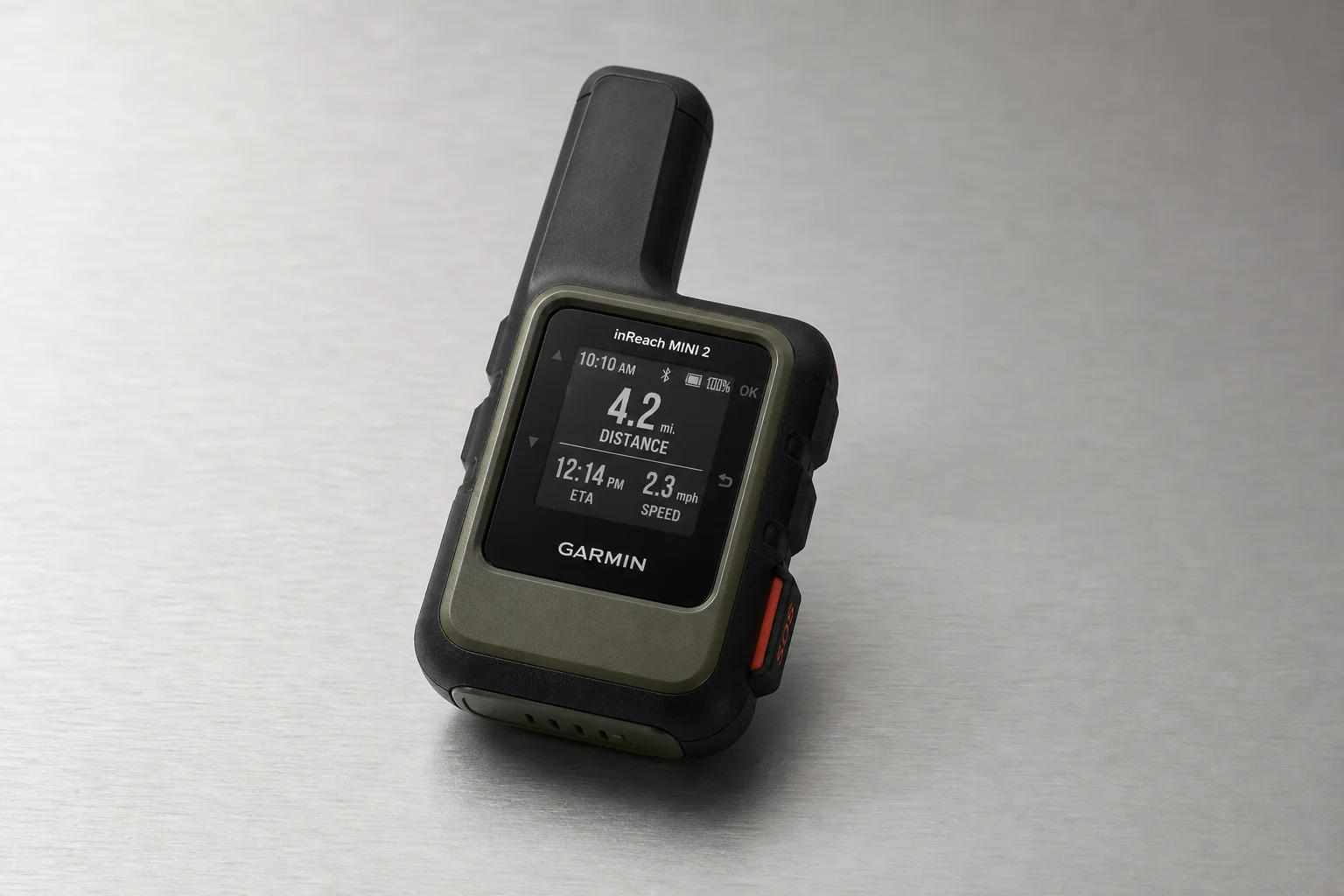
Garmin inReach: Emergency Communication
A satellite communicator is the one item that is easy to justify leaving behind and hard to justify leaving behind twice. The inReach provides an SOS button and two-way messaging from places with no cell signal.
On a route with expected intermittent coverage it can be tempting to skip, but intermittent coverage drains a phone battery as it hunts for signal, and it is not a reliable emergency channel. For anything beyond a short, well-covered trip, the inReach belongs in the pack.
The Trade-Offs: Weight Versus Comfort
Two comfort items did not make the cut, and both were noticed. A camp chair is the obvious one: a rock works, but back support at the end of a long day is worth real weight to a lot of hikers. The other is a battery bank. With a phone constantly searching for signal, battery life becomes a planning problem, and a small power bank removes the anxiety of running flat before the trip ends. Both are reasonable additions once you accept a base weight slightly above 5 lb.
Hygiene is where ultralight thinking pays off most cleanly. A bottle-top bidet cap plus a small trowel and soap replaces toilet paper entirely, weighs almost nothing, and leaves you cleaner than the alternative. That kit lives in a small pouch with earplugs, lip balm, daily medication, a toothbrush and toothpaste tablets, which are a lighter and tidier solution than a tube of paste.
The remaining trade-off is cost. This gear is expensive, and it is expensive in a specific way: thin fabrics, high fill power down and titanium all carry a premium, and cottage brands do not have the volume to discount. That is the honest price of a sub-5 lb base weight.
Overall Buying Advice
Build the system, not the list. The weight savings in this kit come from decisions that interact with each other. A lighter shelter means fewer and lighter stakes. A lighter quilt means a lighter pad becomes acceptable. A pack without a hip belt only works if the load is small enough to carry on the shoulders.
Start with the sleep system and the shelter, because those are the two categories where weight and comfort trade against each other most sharply, and where spending more genuinely buys something back. Then work outward to the pack and the cook kit.
If a sub-5 lb base weight feels like too much compromise, aim for around 6 lb instead. That is achievable with gear that still includes a comfortable pad, a fully enclosed shelter and a hot meal at the end of the day, and it is a long way ahead of where ultralight kits sat a few years ago.
Buy the lightest version of an item only when the lighter version does not remove a function you actually rely on. A hoodless jacket is fine if you have a hooded layer underneath it. A 550 ml pot is fine if you only boil water. A frameless pack is fine if the load is small. Where a weight saving takes away something you depend on, spend the grams instead and keep the trip enjoyable.
Conclusion
A sub-5 lb base weight is reachable without giving up a fully enclosed tent, a warm and comfortable sleep system, or a hot dinner. It takes gear chosen around a system rather than a shopping list, and it takes a clear-eyed view of which comforts you genuinely need and which ones you only think you need.
For most hikers, the sweet spot sits a little higher, around 6 lb, where a comfortable pad, a real shelter and a proper meal all stay in the pack. Either way, the direction of travel is the same: lighter gear that still performs makes every mile feel more like a day hike and less like a haul.
Further reading
Related Reviews

Backpacking Gear
Building a 10 lb Base Weight: An Ultralight Backpacking Gear List
A practical walkthrough of the ultralight pieces behind a 10 lb base weight, from a 765 g pack and a roomy one-person tent to a full camp chair and a dependable water filter.
Backpacking Gear
A 15-Pound Lightweight Backpacking Gear List for Solo Trips
A beginner-friendly 15-pound backpacking setup built from easy-to-find gear, with notes on what each piece does, how it packs, and where to spend your attention.
Backpacking Gear
8 Ultralight Backpacking Gear Upgrades Worth Carrying
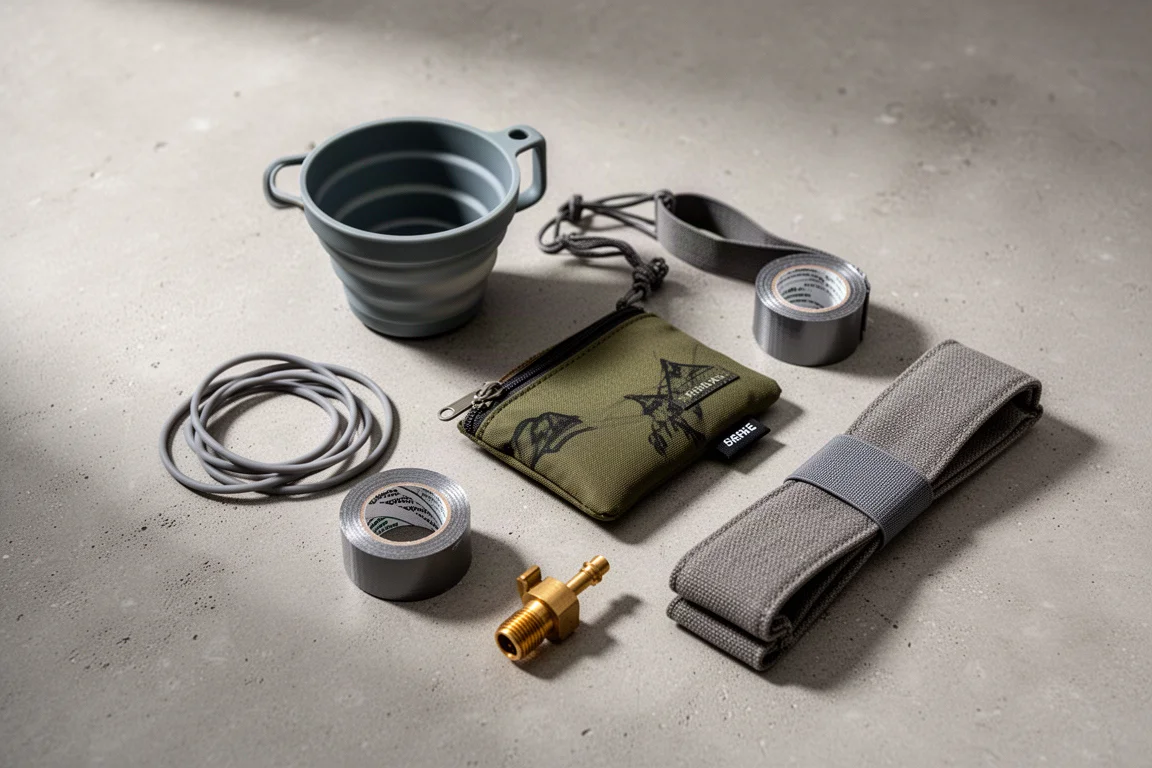
Eight small, affordable backpacking upgrades that solve real trail annoyances, from a pillow that stays put to a fuel valve that rescues leftover canister gas.