Backpacking Gear
Ultralight Backpacking Gear List: An Eight-Pound Kit for Long Trails
A practical ultralight backpacking kit that covers shelter, sleep, water, safety and cooking in about eight pounds, with the trade-offs worth knowing before you buy.
Introduction
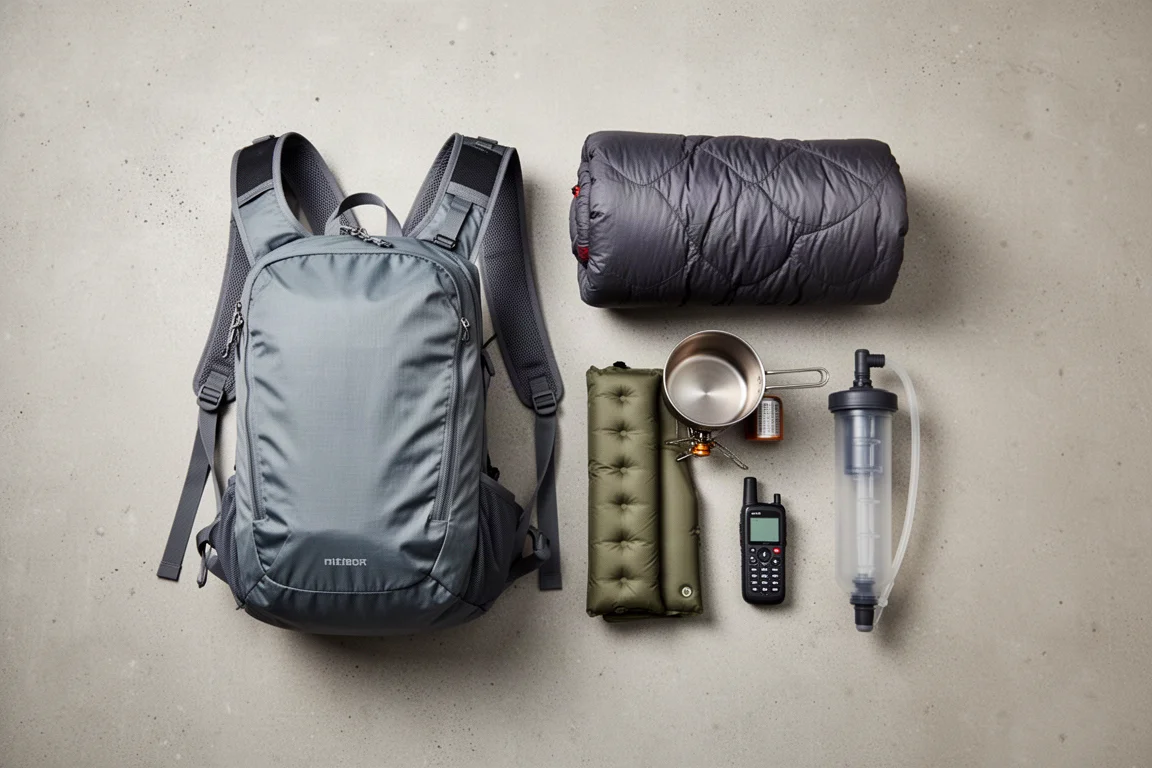
Eight pounds is a small number for a kit that has to cover shelter, sleep, water, cooking, clothing and emergency contact. It is also achievable. The setup below is an ultralight backpacking kit built for long stretches in the wilderness, where the goal is not only a lighter pack but a more comfortable day: less strain on the body, lower injury risk, and more miles covered before dark.
Every item here solves a specific problem on trail, and each one has a limitation worth understanding before you buy. That is the useful part of a list like this. A shelter that is light because it needs only one trekking pole is a different purchase from a shelter that is light because it uses thinner fabric, and the trade-offs show up in different conditions.
How This Ultralight Kit Was Chosen
Four things matter when deciding whether a piece of gear earns a place in a minimal kit. The first is weight, but never weight in isolation: a 100-gram item that improves sleep every night is worth more than a 30-gram item that never leaves the bottom of the pack. The second is durability, because gear that fails halfway through a long route costs far more than the grams it saved.
The third is accessibility while walking. On a long day, the difference between a snack you can reach without stopping and a snack buried under a quilt is real, and the same applies to water, sunscreen and an emergency device. The fourth is redundancy on key items. Minimal does not have to mean fragile, and a kit can stay light while still keeping a backup plan for the systems you cannot afford to lose.
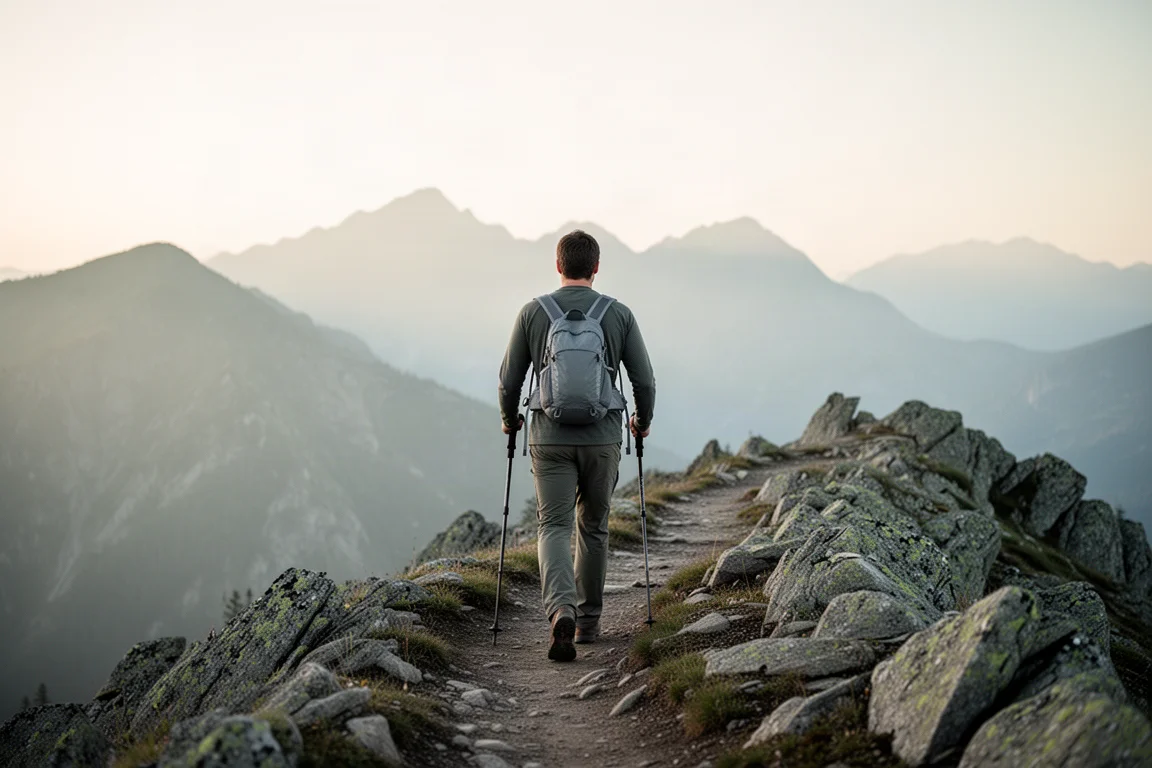
This particular combination has covered serious distance, including roughly 1,100 kilometres on the Great Divide Trail with food carries that pushed the pack to around 30 pounds. It has supported more than 200 days in the wilderness and still fits into a single pack.
The Pack: Mountainsmith Zerk 40
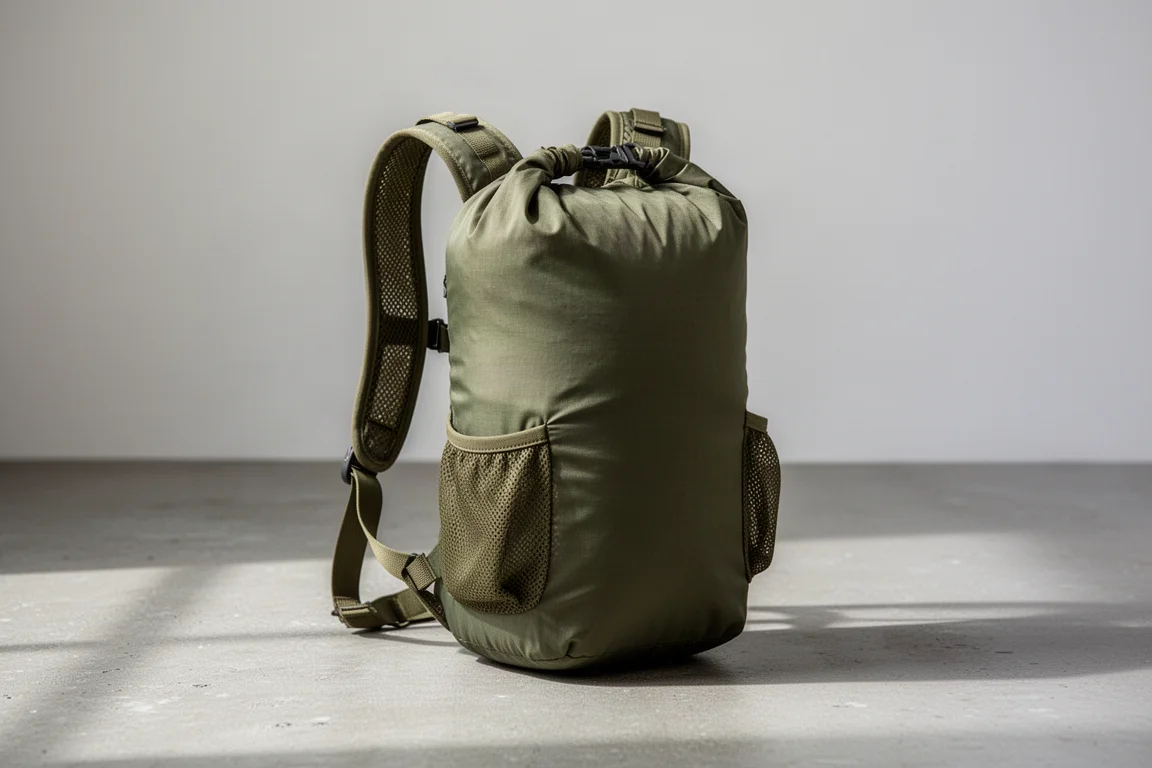
The pack is where a lightweight kit succeeds or fails, and the Mountainsmith Zerk 40 is built around access. Large side pockets hold water bottles, and smaller pockets on the outside of those hold snacks and, later, the wrappers. Two pockets sit on the shoulder straps, sized for a sunscreen stick and a satellite communicator. The side pockets stay reachable while you walk, which is not something every pack manages.
What makes the Zerk 40 unusual is how it carries load. It has no hip belt and no real frame, just a little foam in the back panel, and it relies instead on running-vest-style shoulder straps that spread weight across the chest. That is what lets it stay comfortable with heavier loads, up to around 30 pounds during long food carries, without a suspension system.
Safety and Navigation: Garmin inReach
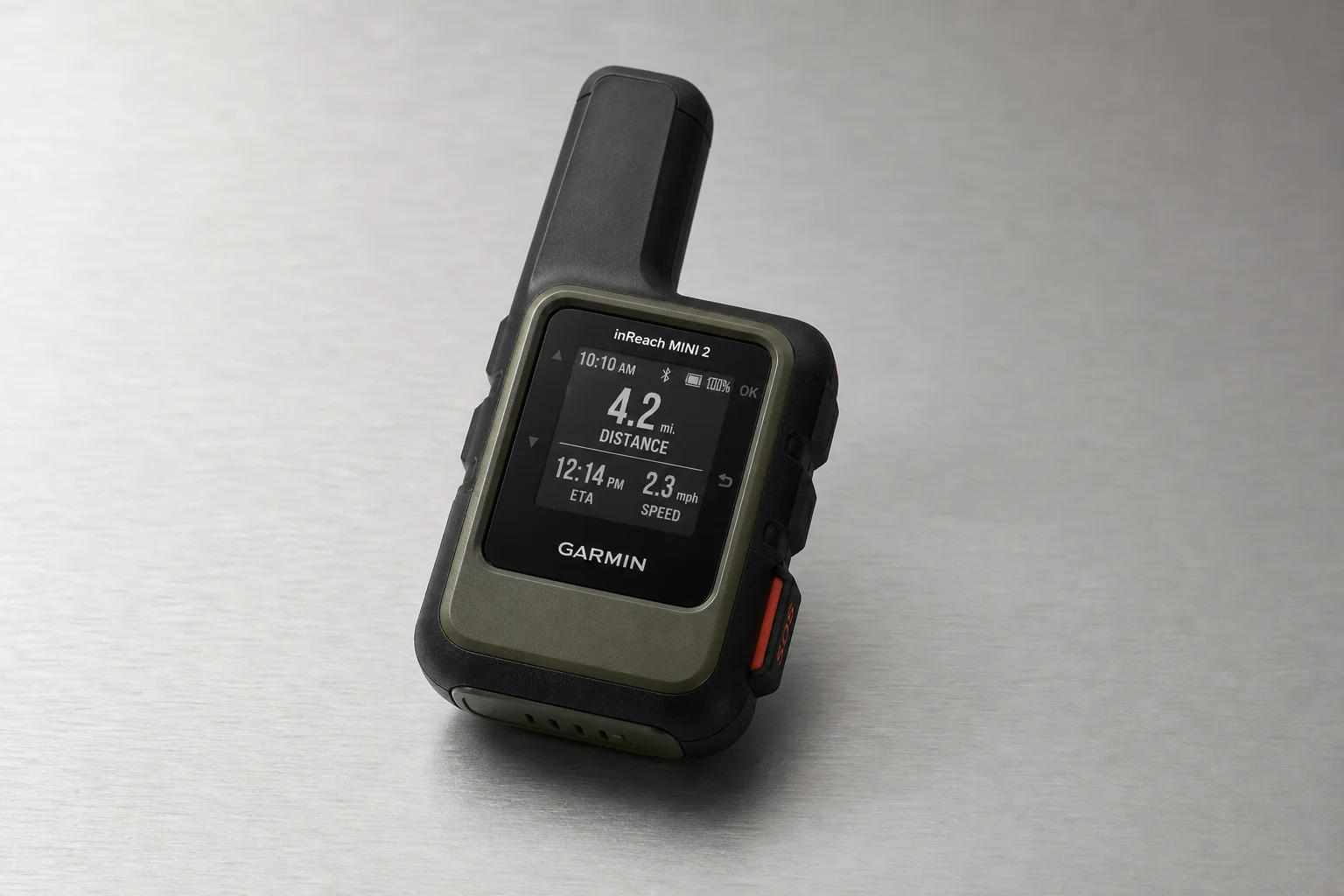
The Garmin inReach is the one item in this kit that is about something other than comfort. It is a satellite device used to send an SOS in an emergency, and it also handles routine check-ins with family at home. Keeping it in a shoulder-strap pocket rather than inside the pack means it is always within reach when it matters.
For anyone travelling alone or on remote routes, this is the piece of gear that changes what a bad situation looks like. It adds weight and it is a device that needs charging, so it belongs in the kit on the trips where the terrain and the distance justify it.
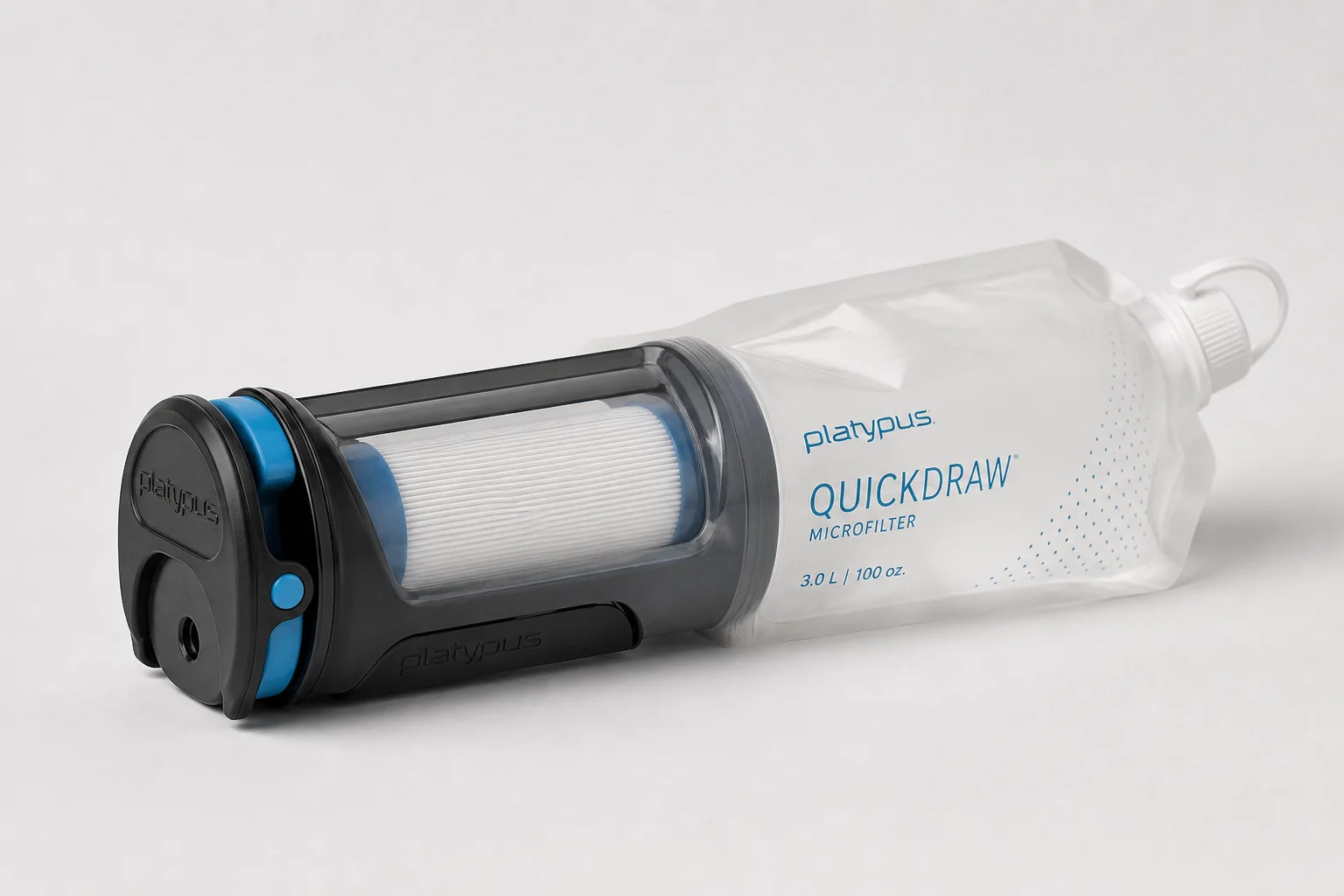
Water Treatment: Platypus QuickDraw
Water treatment on a long trail is a straight trade between weight and reliability. Lighter hollow-fibre filters exist, but they can clog, and a filter that stops flowing in the middle of a dry section is worse than useless. The Platypus QuickDraw has pushed hundreds of litres and is still going, which is the reason it stays in the kit.
Paired with a soft water bag, it makes a simple squeeze system that is quick to use at a stream and easy to keep clean. If you are counting every gram, a lighter filter is tempting. If you are counting the days between resupplies, reliability wins.
Shelter: Zpacks Plex Solo
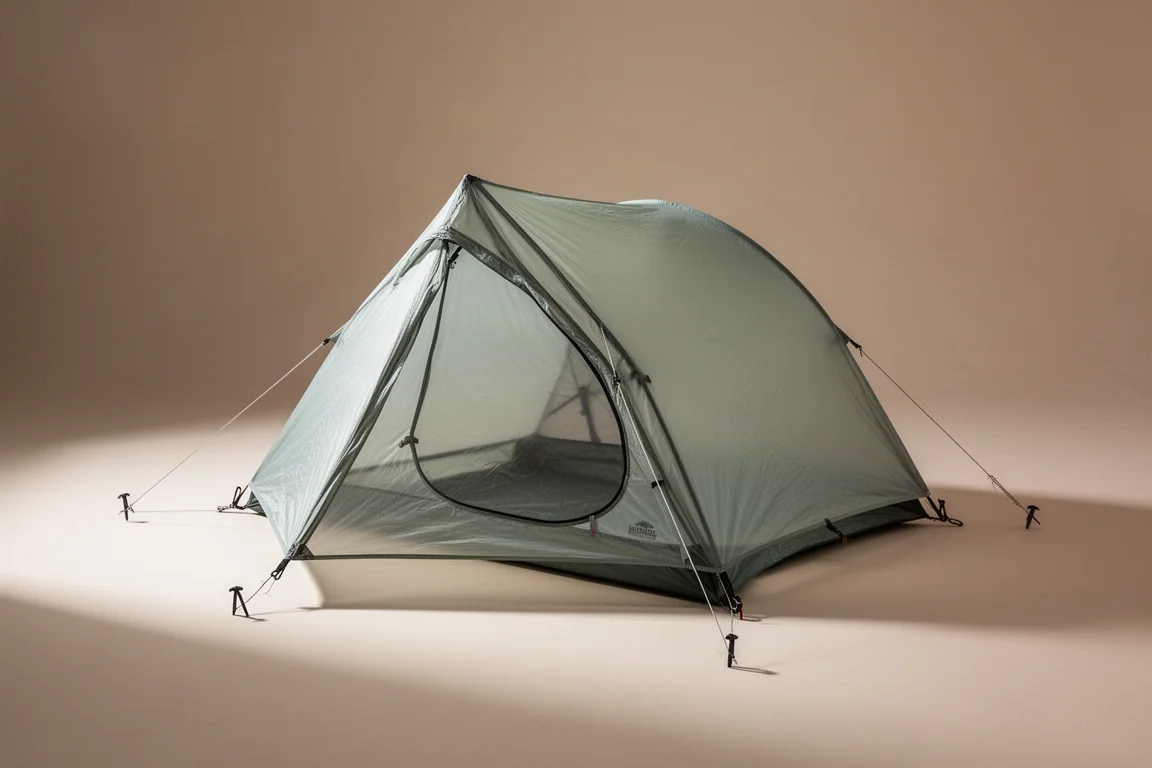
The Zpacks Plex Solo is a fully enclosed shelter that uses a single trekking pole for structure, so there is no need to carry dedicated poles. It is made from Dyneema Composite Fabric, which is the main reason it is so light, and that material brings a second benefit: it does not absorb water from rain or condensation. A shake or a quick wipe is enough, and you are not carrying extra water weight in the fabric.
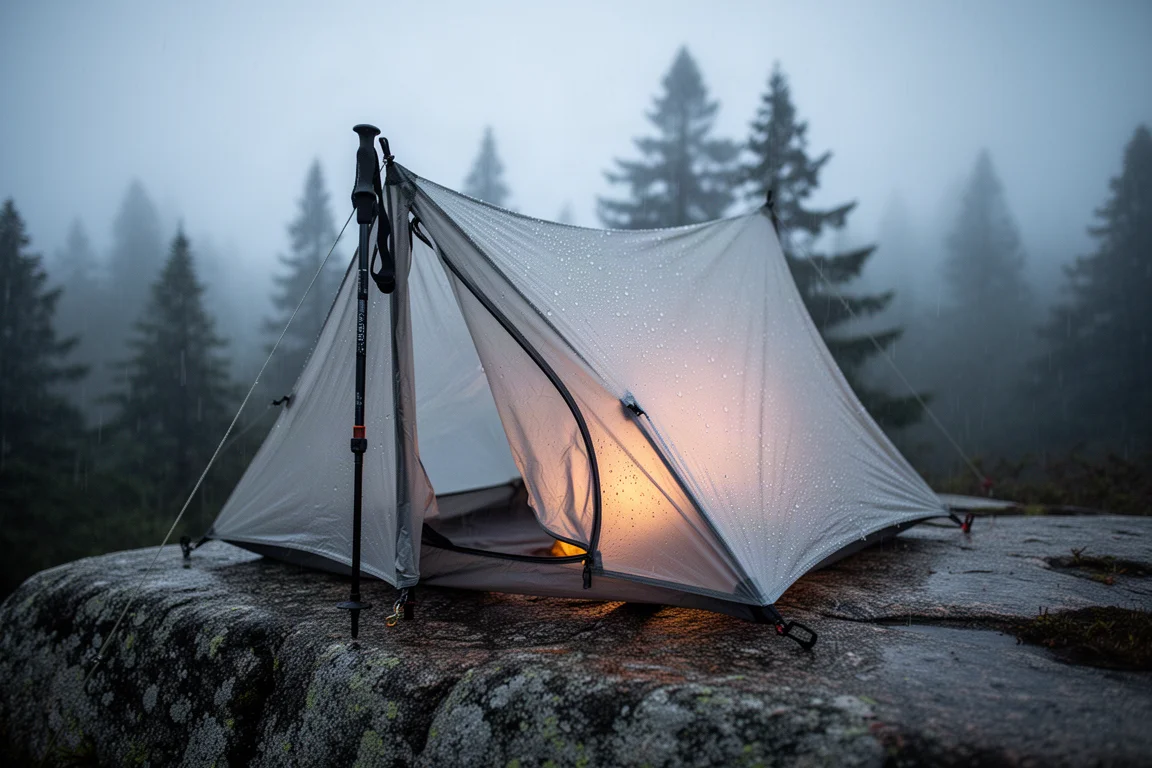
Interior space is the usual worry with a single-pole design, and this one handles it well. It stays comfortable for day after day of use, even in hard rain when you are stuck inside for hours. A two-pole shelter is a little more spacious, but a one-pole design also adds a small amount of redundancy: if one trekking pole breaks, the other can still pitch the tent.
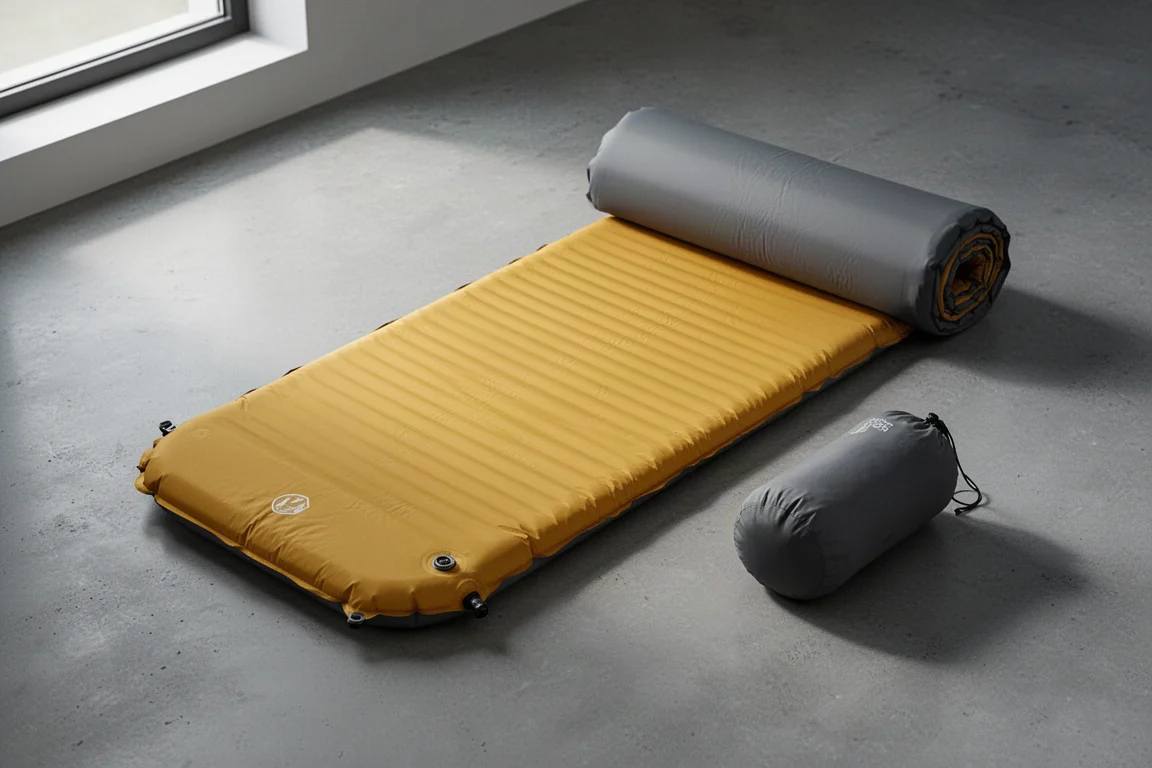
Sleeping Pad: Therm-a-Rest XLite NXT
The Therm-a-Rest XLite NXT is the pad here, in the square regular wide size. The NXT version cuts noise by roughly 80 percent compared with the earlier model, and the difference is noticeable: it is a genuinely quiet pad rather than one that crinkles every time you shift. For anyone sharing a shelter, that matters as much as the numbers on paper.
Warmth-to-weight is the other reason it stays in the kit. It is about half the weight of other pads with similar R-values, which makes it a straightforward choice for three-season trips where insulation still counts.
Sleep Insulation: Enlightened Equipment Enigma
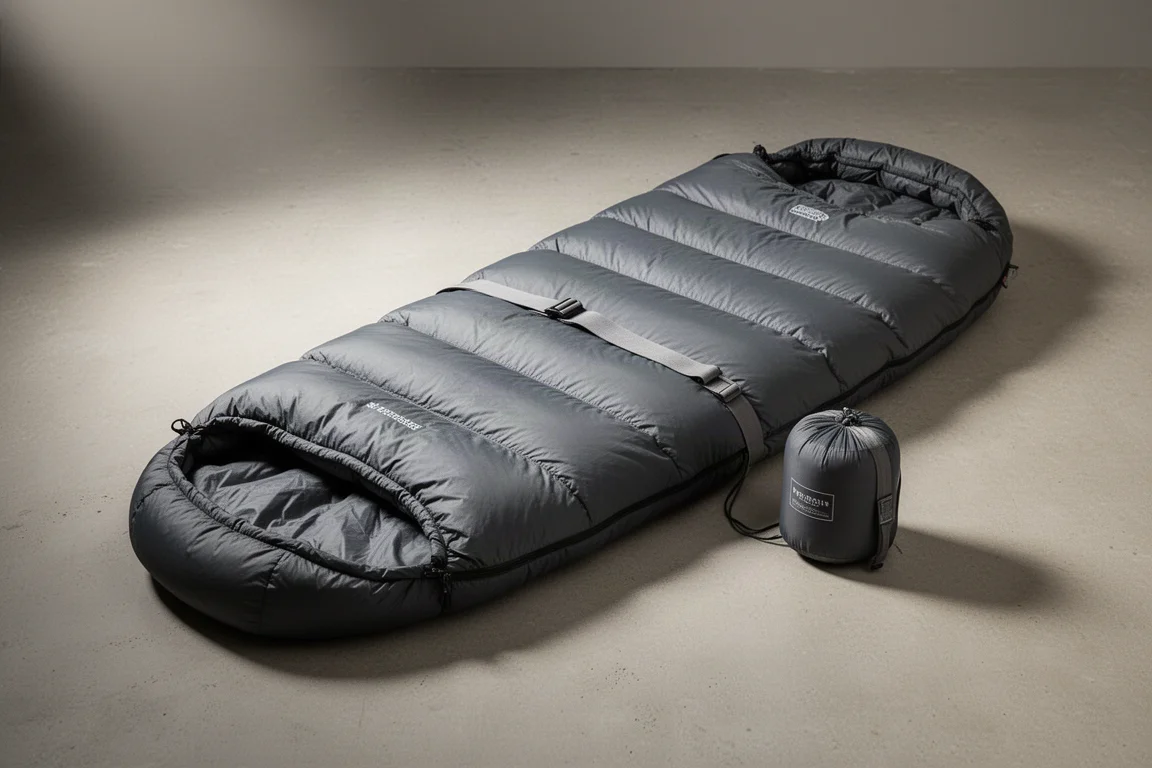
A backpacking quilt skips the closed bottom of a sleeping bag. You sleep directly on the pad, and the quilt attaches with pad straps to keep drafts out. That design saves meaningful weight while staying warm, because the insulation sits where it is needed instead of wrapping under a pad that already provides some warmth.
The Enlightened Equipment Enigma uses a very light shell fabric and 950 fill-power down, and the 20 degree Fahrenheit version is the build in this kit. It is one of the lightest quilts you can put together, and it pairs naturally with a pad strap system.
Comfort: Trekology 2.0 Pillow
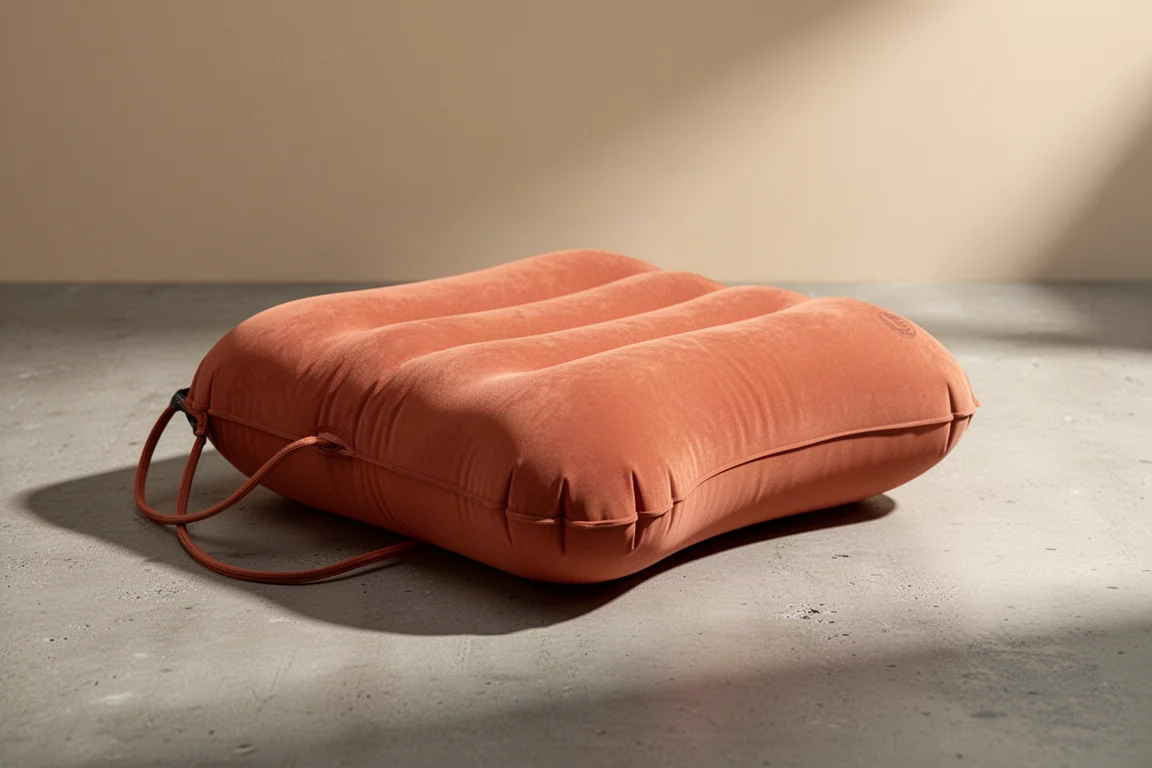
Sleep quality matters as much as warmth on a long trip. The Trekology 2.0 pillow weighs under 100 grams, which is light enough that there is little argument for leaving it behind, and it has a strap that locks it onto the sleeping pad so it stays where you put it through the night.
Comfort items like this are usually the first thing cut from a lightweight kit, and they are also the ones people miss most. A pillow, a pair of earplugs and a warm hat for sleeping cost very little weight and make long nights in a tent considerably easier.
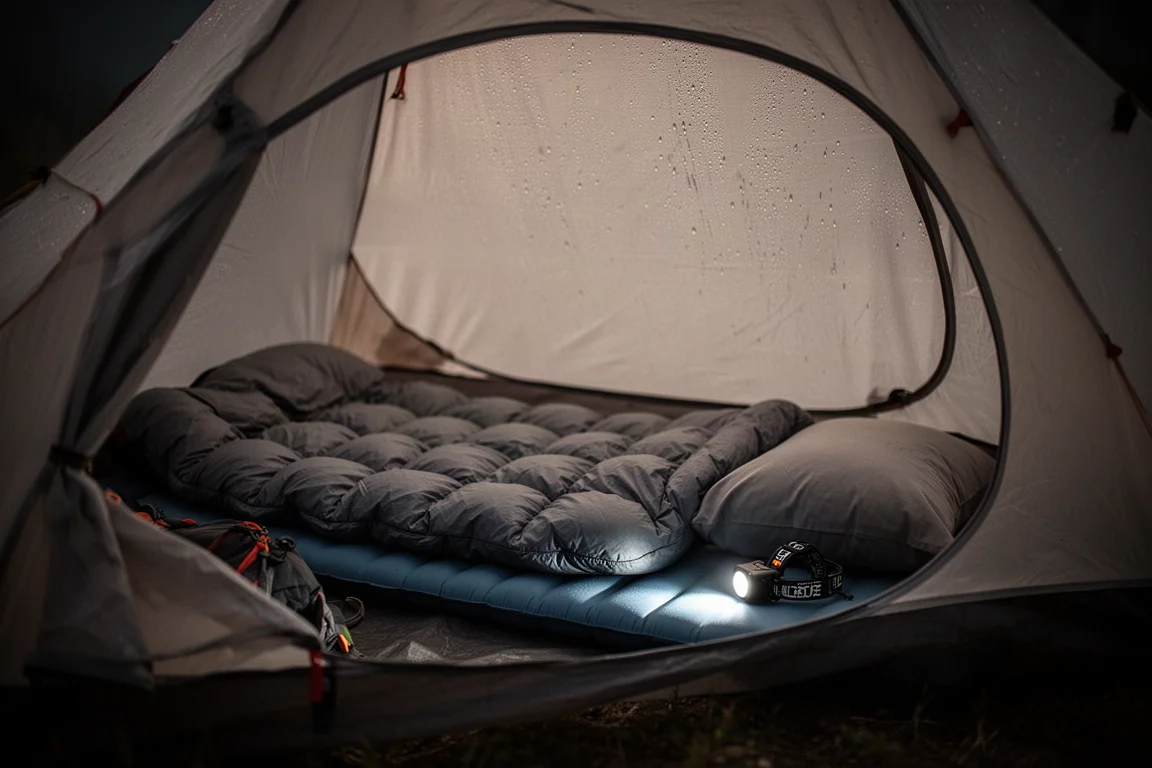
It is worth treating sleep as part of the safety system rather than a luxury. A hiker who sleeps well recovers better and makes clearer decisions the next day, and under 100 grams is a small price for that.
Clothing: Decathlon Trek 100 Down Jacket
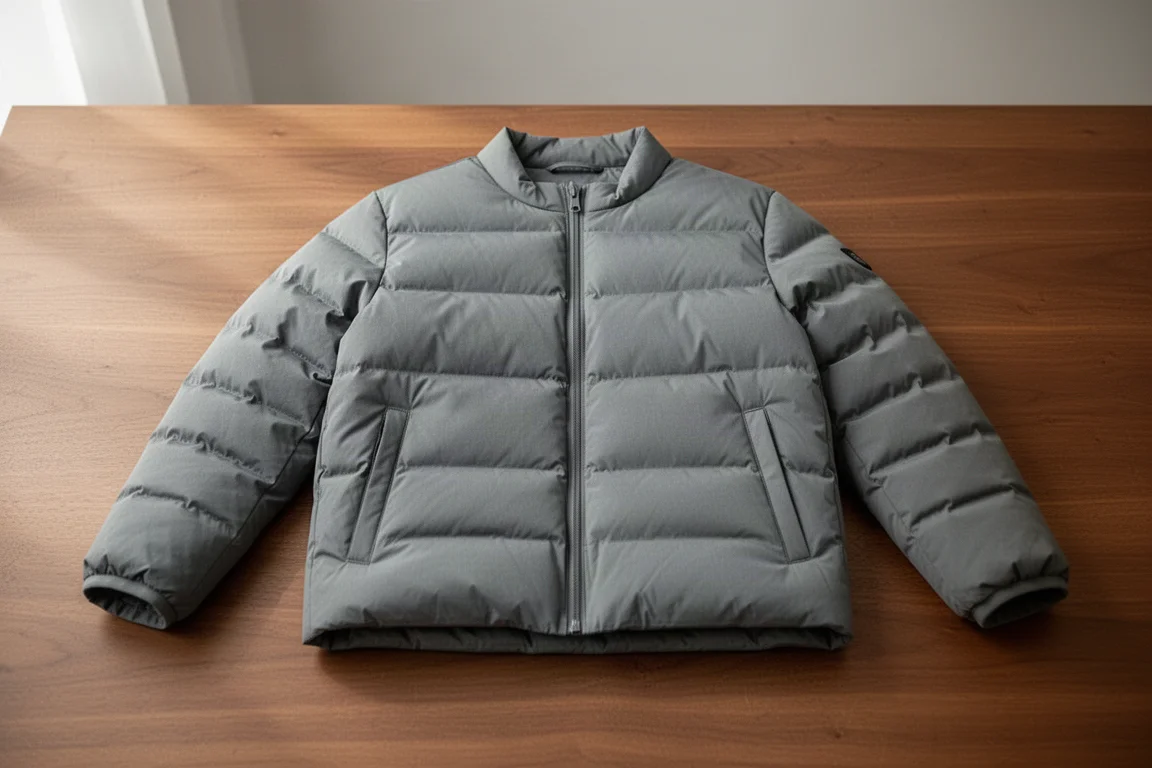
Clothing depends on the trip, but for three-season use down to around freezing, the Decathlon Trek 100 down jacket is the insulated layer here. It is not the lightest or the warmest jacket you can buy, but the value is hard to argue with, and the low cost changes how you treat it. It is a jacket you can use hard on trail without worrying about damaging an expensive piece.
That matters more than it sounds. The same Trek 100 has been in service for several years of regular use and it is still the jacket that gets packed. Around it, the rest of the clothing kit stays simple: lightweight fleece pants for sub-freezing nights, a merino wool sleep shirt, a merino wool hat, quarter-length merino socks, and a lightweight rain jacket that keeps the weather out without any fuss.
Cook System: Toaks 550ml Pot
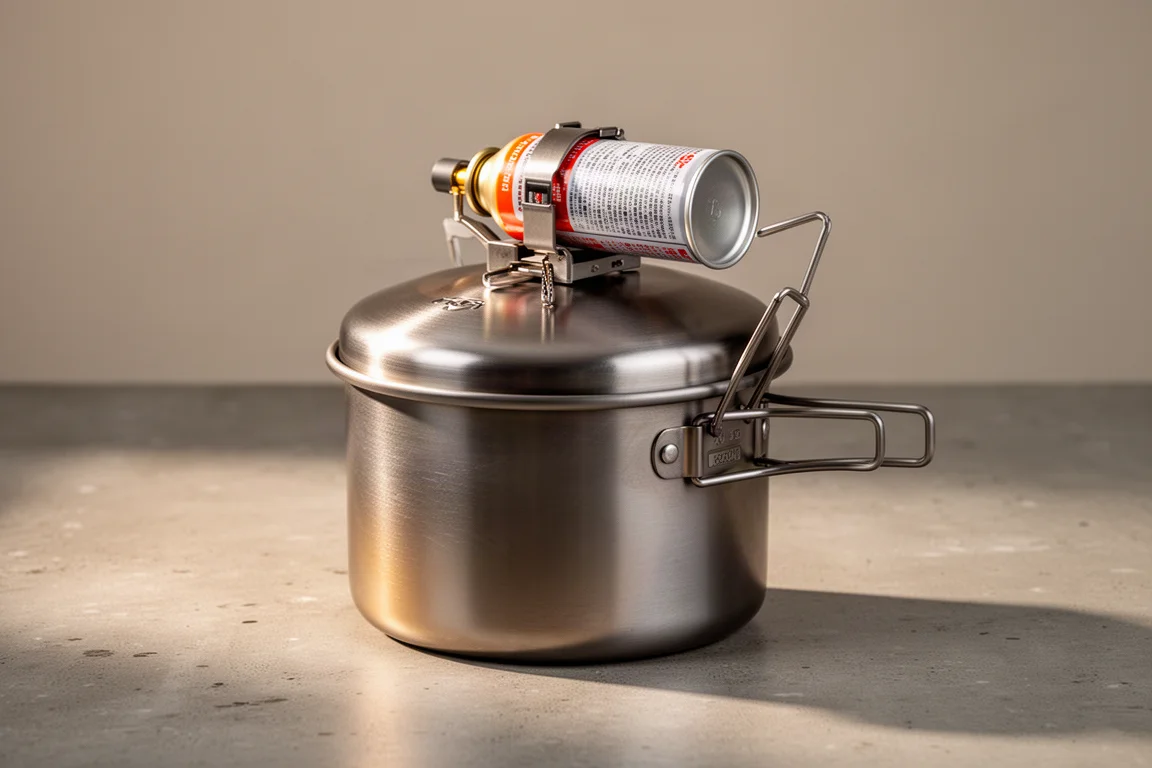
The cook kit is about as minimal as it gets. A 550 ml titanium pot holds a compact canister stove and a fuel canister inside it, and the pot and stove together weigh under 100 grams. That combination covers boiling water for a freeze-dried meal, which is what most lightweight cooking actually involves.
A mini lighter handles ignition, and 550 ml is the right capacity for single-serve dehydrated meals. It is a small, easy system with nothing to fiddle with at the end of a long day, and the nesting design keeps the whole setup contained.
Overall Buying Advice
Spend on the shelter and the sleep system, save on the accessories. The tent, the pad and the quilt are the items that determine whether a light kit is genuinely comfortable, and they are the hardest to replace later. The pot, the pillow, the stakes and the down jacket are inexpensive by comparison, and they deliver a disproportionate amount of comfort for the money.
Pay attention to fit and reach as well as grams. A frameless pack with vest-style shoulder straps only works if the straps sit correctly on your chest, and a shelter that needs one trekking pole only works if you actually hike with poles. Test the load-carrying setup on a short overnight before committing to it for a long route, and buy for the trips you genuinely take rather than the ones you might take one day.
Conclusion
An eight-pound kit is not about deprivation. It is about choosing each item deliberately, understanding what it does well, and accepting the specific trade-off that comes with it. Light gear reduces strain, lowers injury risk and lets you cover more ground, and the items above show how far that approach can go.
Start with the systems that keep you safe and rested, then let the smaller pieces follow. Get those foundations right and the rest of the kit tends to fall into place.
Further reading
Related Reviews

Backpacking Gear
Building a 10 lb Base Weight: An Ultralight Backpacking Gear List
A practical walkthrough of the ultralight pieces behind a 10 lb base weight, from a 765 g pack and a roomy one-person tent to a full camp chair and a dependable water filter.
Backpacking Gear
A 15-Pound Lightweight Backpacking Gear List for Solo Trips
A beginner-friendly 15-pound backpacking setup built from easy-to-find gear, with notes on what each piece does, how it packs, and where to spend your attention.
Backpacking Gear
8 Ultralight Backpacking Gear Upgrades Worth Carrying
Eight small, affordable backpacking upgrades that solve real trail annoyances, from a pillow that stays put to a fuel valve that rescues leftover canister gas.