Backpacking Gear
Ultralight Backpacking Gear List: 15 Picks for a Four-Day Canyon Trek
Fifteen ultralight backpacking items carried through four days of Utah canyon country, with notes on what worked, what needed practice, and who each piece suits.
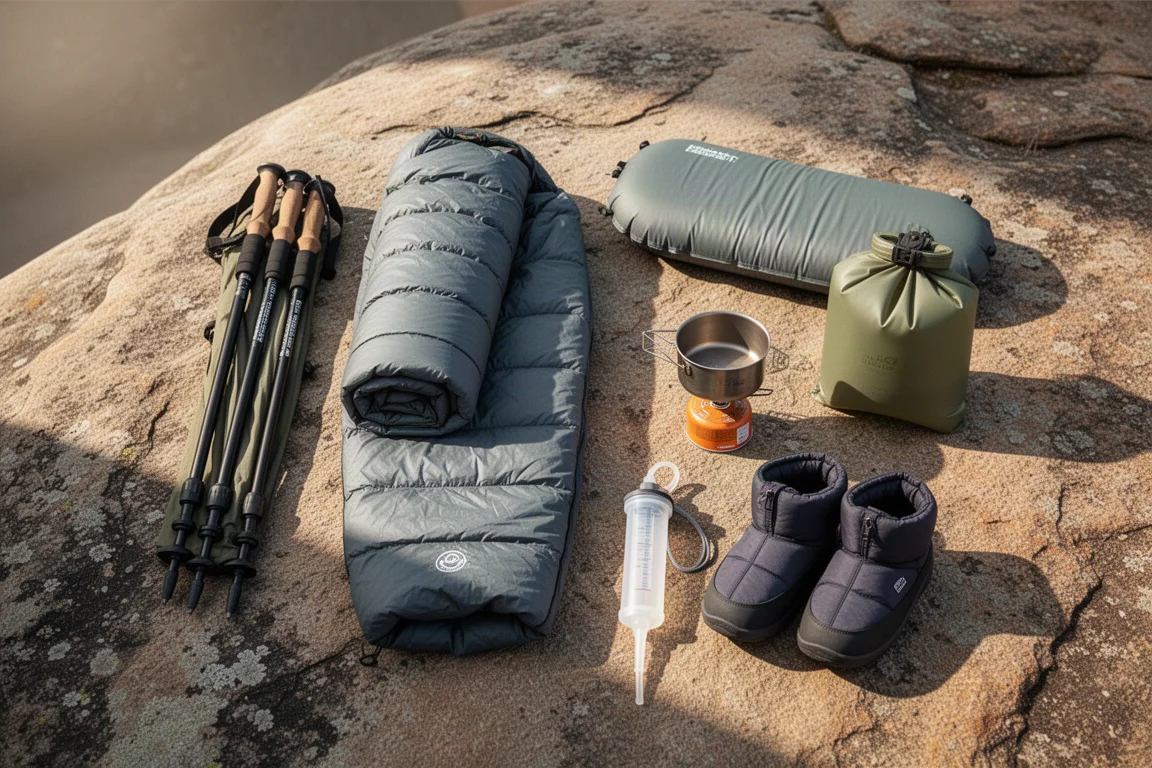
Introduction
Ultralight backpacking comes down to one question: how little can you carry and still sleep warm, eat well, and stay safe? The fifteen items below were carried through a four-day trek in a Utah canyon system, covering roughly 40 miles of slot canyon, open wash, and muddy canyon floor, including a rope-assisted 20-foot downclimb and nights that dropped close to freezing.
This list is not about chasing the lowest possible number on a spreadsheet. Each item earned its place by solving a specific problem on trail, whether that was staying warm under a quilt, filtering silty water, or rehydrating a meal faster at the end of a long day. Where an item had a real drawback, it is noted here rather than glossed over.
The result is a practical kit for three-season and shoulder-season trips in the desert Southwest, and most of these picks translate easily to mountain and forest routes as well.
Tarptent Rainbow: A Convertible Single-Person Shelter
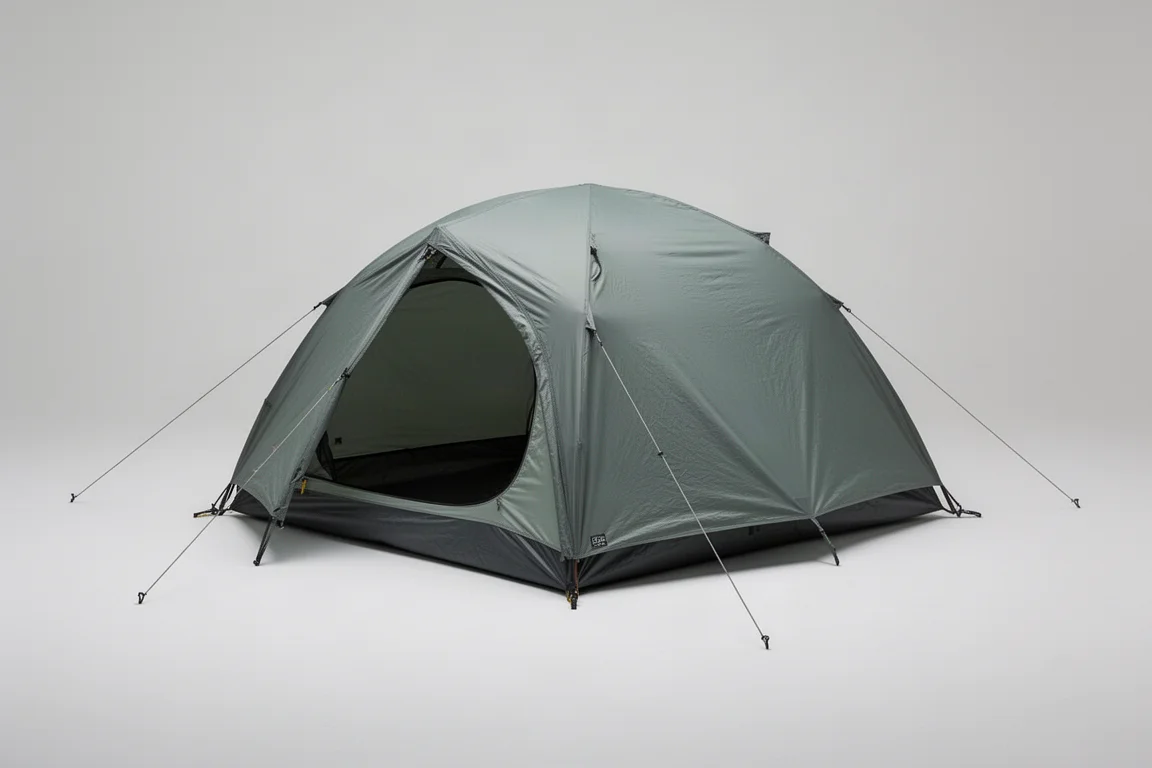
The Tarptent Rainbow is a single-person ultralight shelter that can be pitched freestanding using two trekking poles, with those poles forming the front and rear edges of the tent. It is best described as a convertible design: it works as a semi-freestanding shelter or a fully freestanding one depending on how you set it up.
For a one-person tent it is genuinely spacious, with a tall peak height and a straightforward pitch that goes up quickly at the end of a long day. Two hooks along the ridge line are a practical touch, and a headlamp hung between them turns the interior into an evenly lit, usable space after dark.
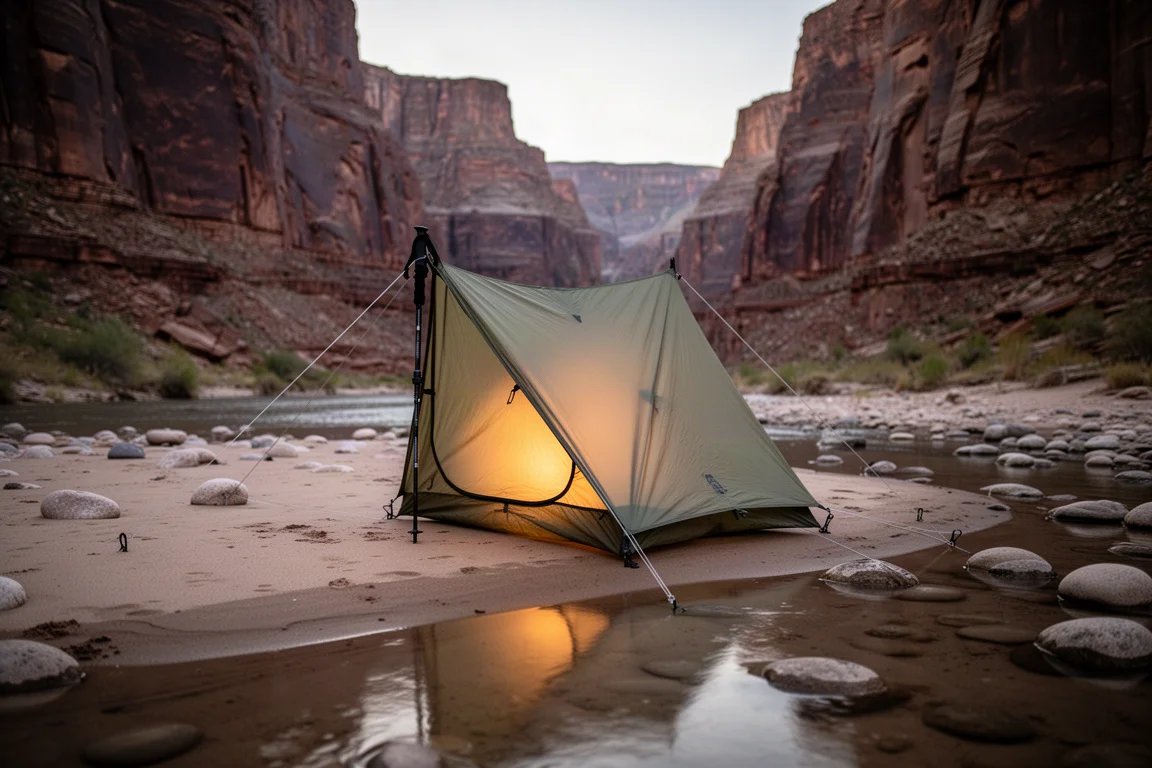
The trade-off to understand before buying is the freestanding mode. With nothing tensioning the sides outward, the walls can sag inward slightly, so a full stake-out is the better setup whenever the ground allows it. The rainfly is permanently attached, which keeps weight and complexity down but means no open mesh view of the night sky.
Light AF Pack: The Load Carrier
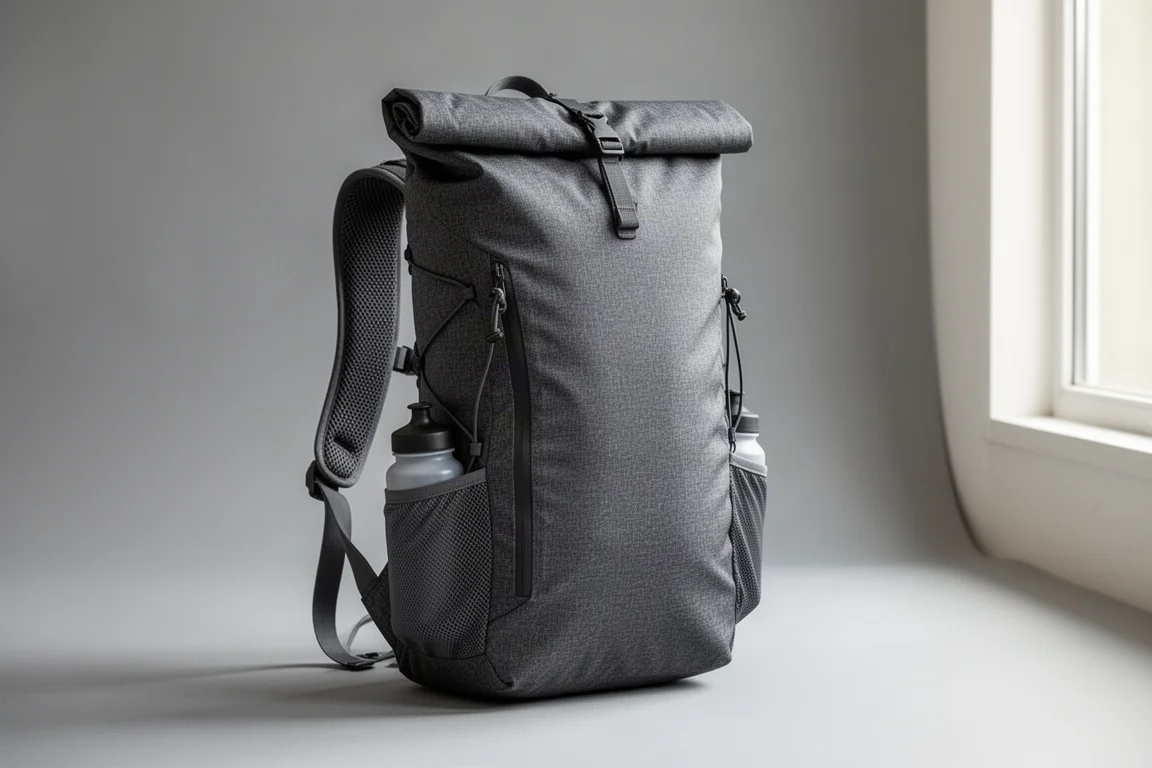
Every other item on this list has to travel inside something, and for this trip that job went to a custom ultralight pack from Light AF. It carried the full kit across four days of canyon terrain, including long wading sections, a rope-assisted downclimb, and hours of steady climbing on soft sand.
The design is stripped back and simple, and the load carried comfortably through days that ran from first light until well past sunset. After a first extended trip with it, this pack is already a strong contender for a long-term favorite.
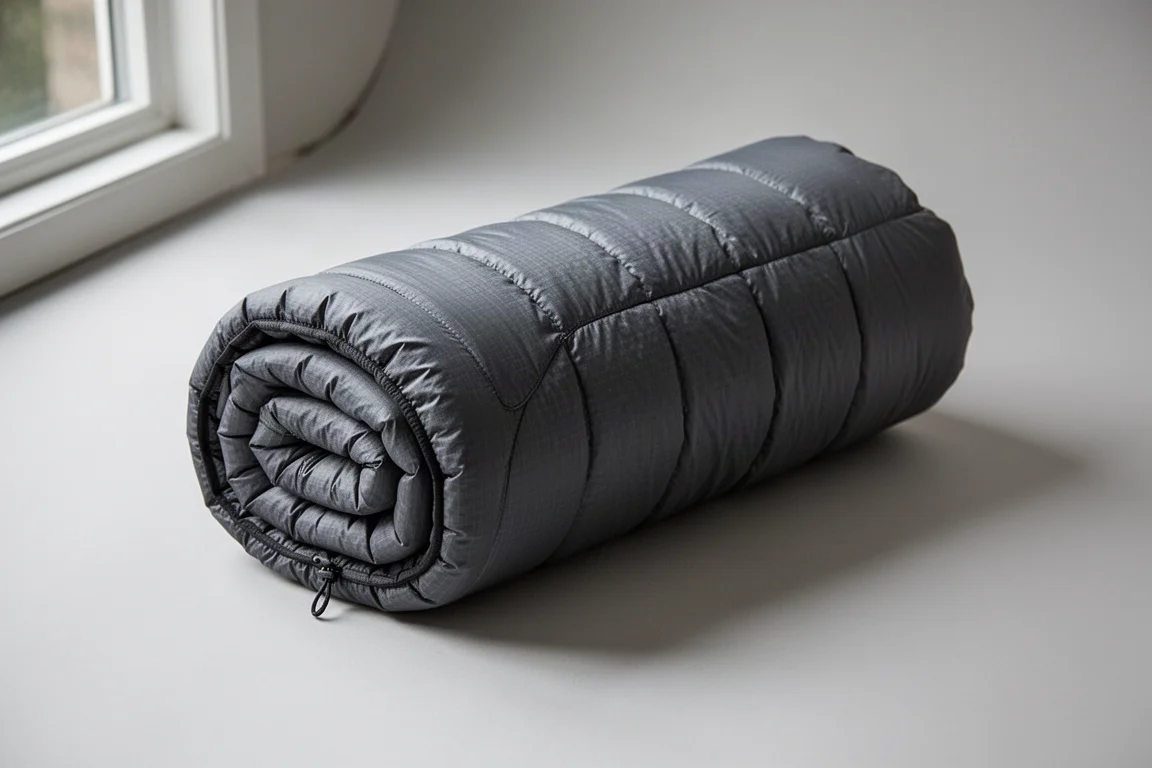
Hammock Gear Burrow Quilt: Warmth Without the Bulk
The Hammock Gear Burrow is a down backpacking quilt. The version used here was the 0°F model with 850 fill power down, while a 20°F version is also part of the lineup. If you are comparing quilts, the Burrow sits at a price point that is approachable for anyone who wants to go lighter without rebuilding an entire kit.
The first night was a lesson in technique. Feeling cold around the hips and seat turned out to be a wrapping problem rather than a warmth problem: once the quilt was properly tucked and secured around the body, the second night was noticeably warmer. That is common with quilts, and it pays to sort out your technique before a cold trip rather than in camp after dark.
For cold sleepers, the practical advice is to choose a rating with a margin. Size the quilt a few degrees warmer than the expected low and pair it with a sleeping pad of matching warmth.
Therm-a-Rest NeoAir XLite NXT: A Familiar Feel
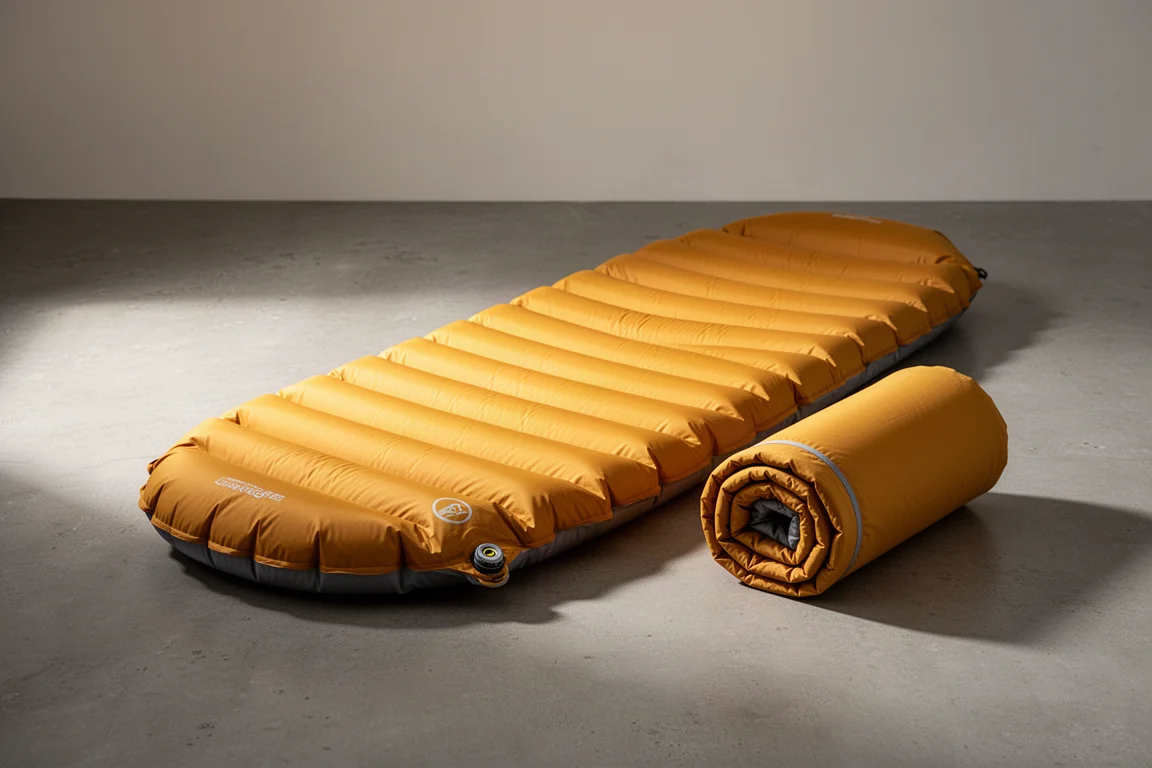
The NeoAir XLite NXT is a mummy-shaped inflatable sleeping pad, and it proved comfortable across consecutive nights in a cold canyon. It was inflated by breath with no pump sack, which keeps the packed setup simple and removes one more item from the kit.
If you already use a rectangular pad, the adjustment here is shape rather than feel. Side by side, this pad and a rectangular alternative are very close in comfort, and the difference comes down mostly to the tapered mummy cut versus a full rectangle.
Nemo Tensor Sleeping Pad: The Rectangular Alternative
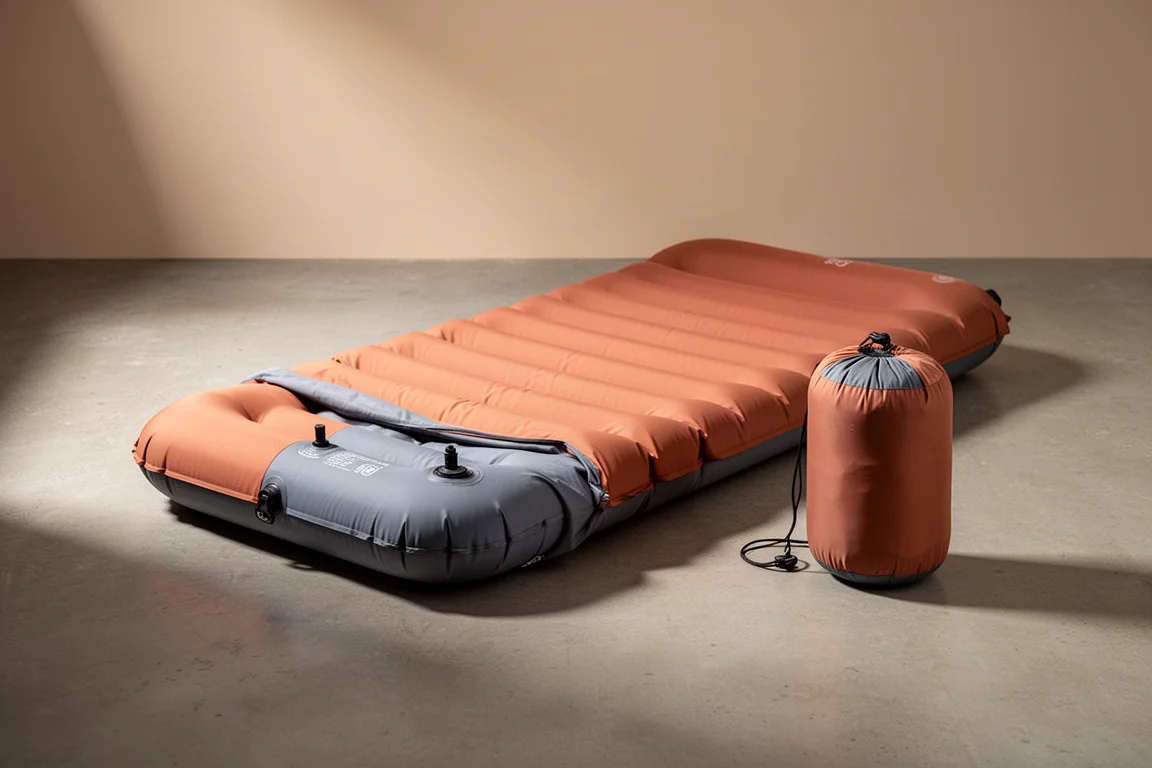
The Nemo Tensor is a rectangular inflatable pad and the natural reference point for anyone who prefers a full rectangle underneath them. It is comfortable, stable, and familiar after a single night.
Comparing the two pads directly, the ride feels much the same. The Tensor keeps more usable surface area at the corners, which matters if you move around in your sleep or want to stop a pillow from sliding off the edge. Choosing between them is really about shape preference and packed size rather than a clear performance gap.
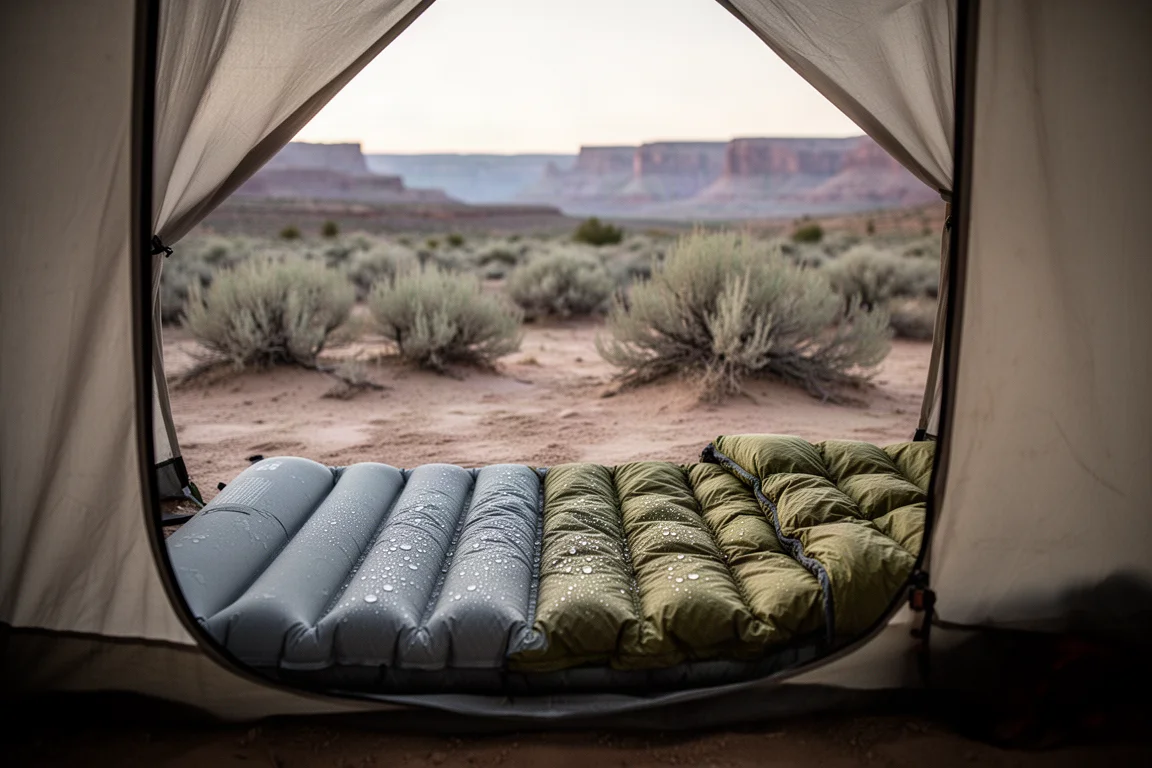
Either pad is a genuine step up in comfort over an older or thinner model, and both pair well with a quilt rather than a sleeping bag.
Sea to Summit Aeros Ultralight Pillow: Compact but Different
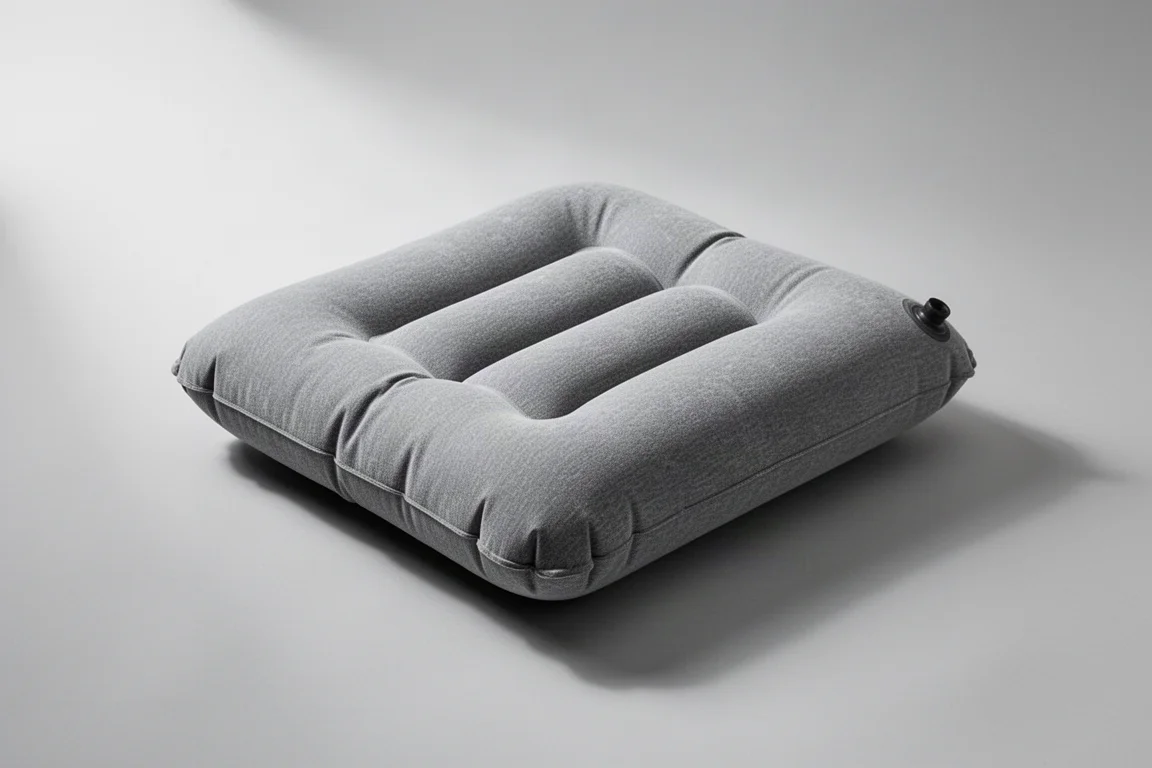
The Aeros Ultralight is a small inflatable camp pillow that packs down to almost nothing. It is designed to lock onto Sea to Summit sleeping pads, and that attachment system is the feature that makes it stand out when it is used within the same family of gear.
Paired with a different brand of pad, the attachment did not hold, and the pillow slid around until it was tucked inside a folded hoodie to keep it in place. That workaround works, but it is worth knowing before you buy.
The feel is closer to a travel pillow than to a pillow at home: lighter, softer, and less substantial under the head. Backpackers who are not fussy about pillow shape will get along with it fine, and the packed size is hard to argue with.
Nemo Fillo Elite Pillow: The Home-Like Option
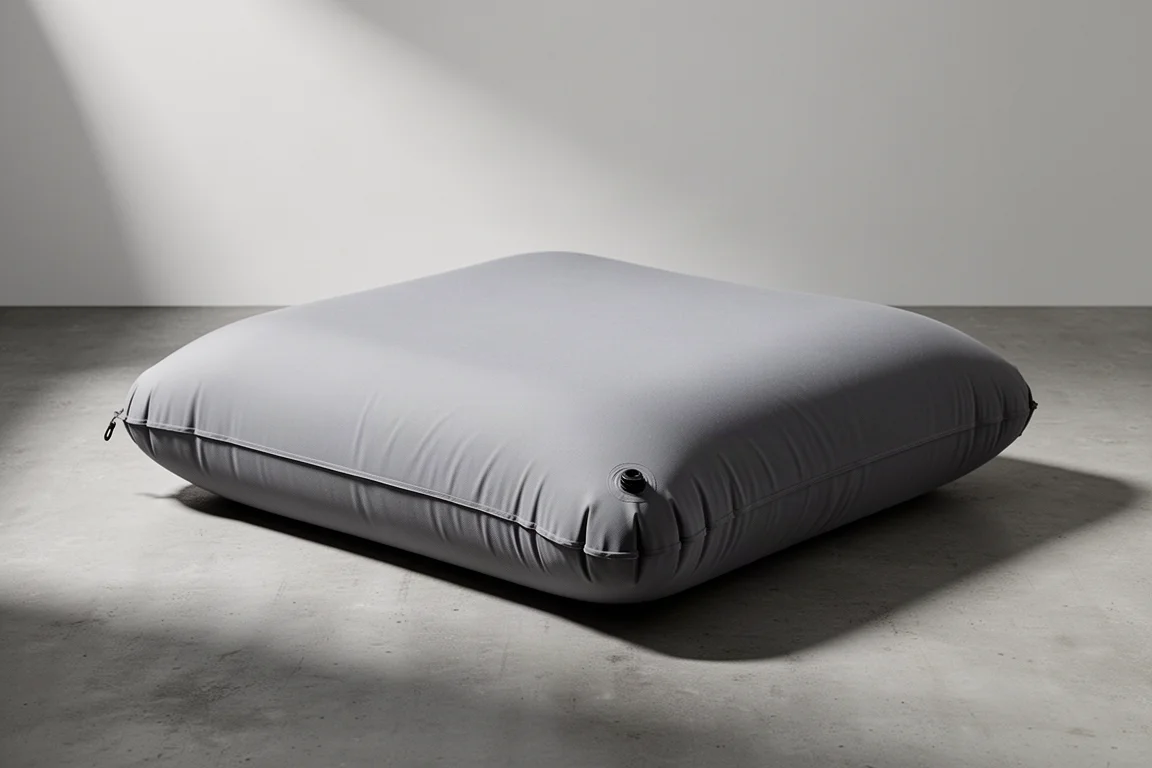
The Fillo Elite is the rectangular alternative, and it is the pillow most people will recognize as a real pillow. The shape is broader, the surface feels closer to bedding at home, and it stays put without extra tricks.
Set against the Aeros, the Fillo Elite feels softer and more supportive under the head, at the cost of a slightly larger packed size. For anyone who sleeps badly without a proper pillow, that trade is usually worth making.
CamelBak 2L Reservoir: Soft-Sided Water Storage
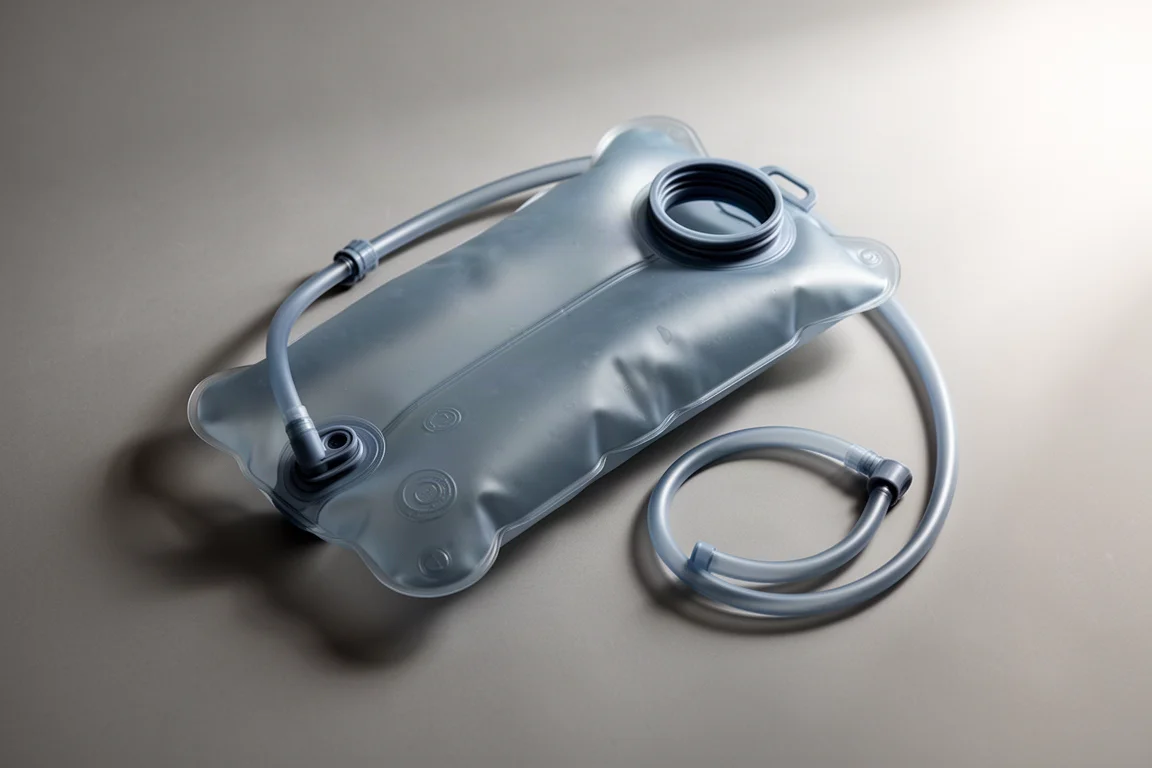
A soft-sided reservoir solves a specific problem: the volume shrinks as you drink, so the water you are carrying takes up less room and stops sloshing as the day goes on. The 2L reservoir used here filled that role well.
It paired cleanly with a squeeze filter and a connector cap, which turned a bag and a bottle into one workable system. Carrying clean water in the reservoir and refilling from a source later is simple once the pieces are set up.
Sawyer Squeeze Water Filter: Reliable, With One Caveat
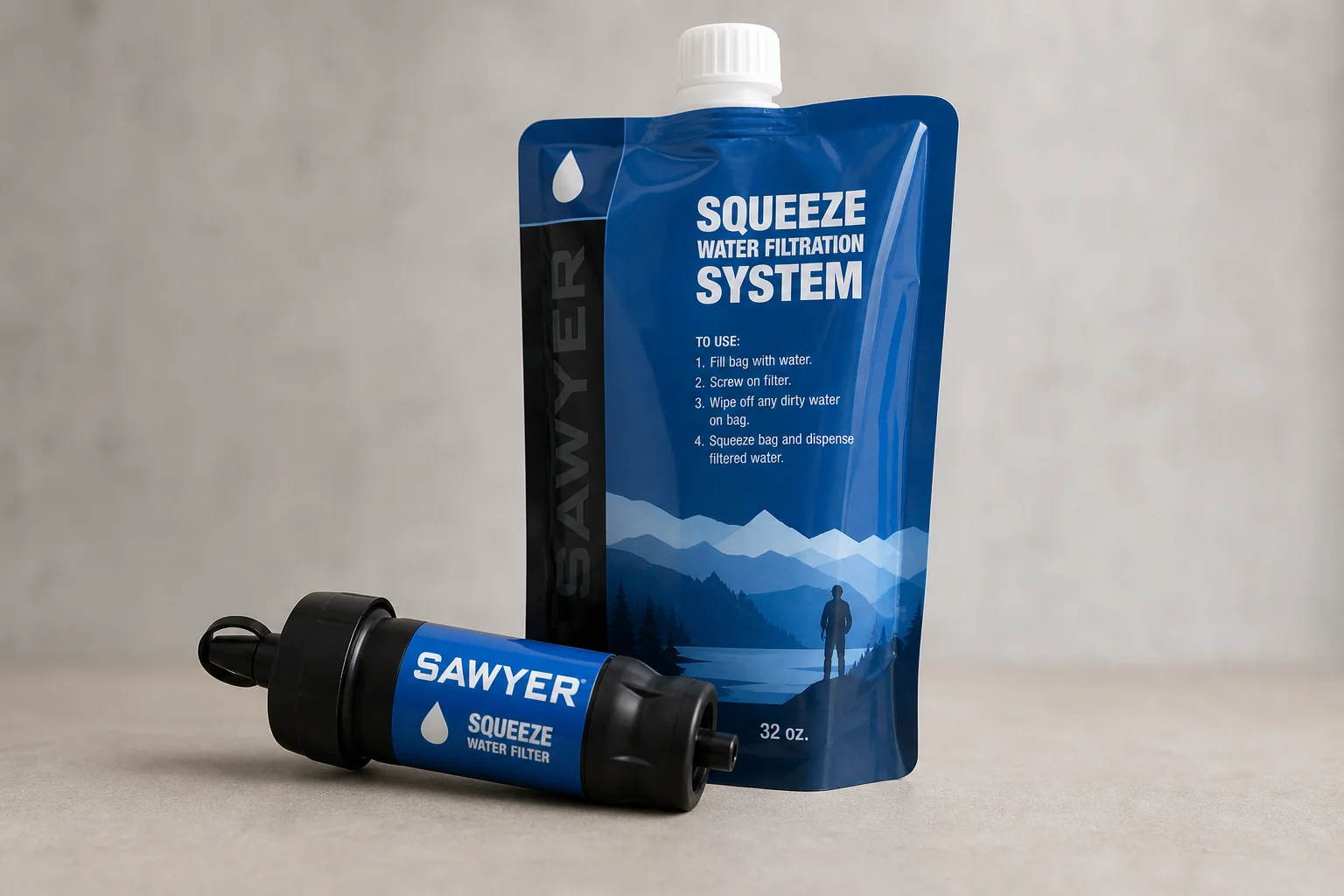
The Sawyer Squeeze is a hollow-fibre squeeze filter that has been a default choice for a long time, and on this trip it handled several water sources without drama. Its weakness is sediment.
Filtering from a very silty canyon source clogged the filter badly enough that flow dropped noticeably. Backflushing restored performance, and the lesson is to draw from the cleanest water available and to backflush regularly rather than waiting until the filter is already struggling.
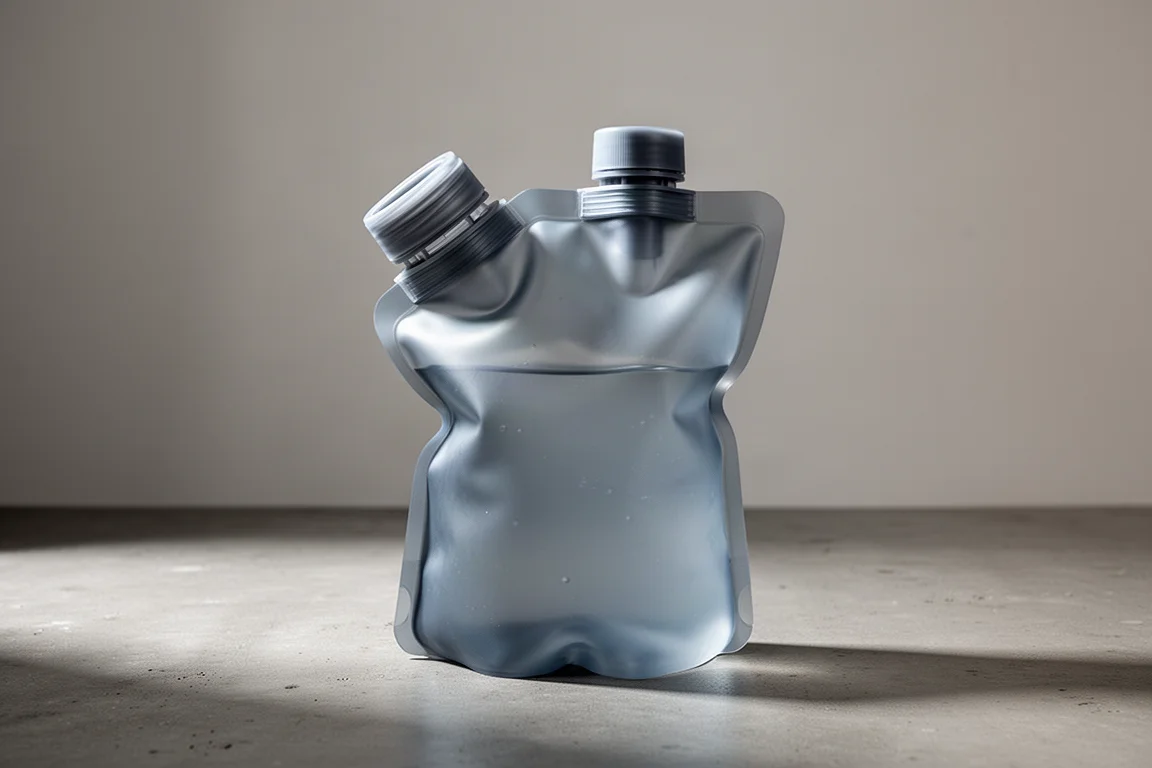
CNOC Vecto Water Bag: The Easiest Way to Filter
The Vecto is a soft-sided water bag designed to be the dirty-water half of a filter system. It screws directly onto a squeeze filter, which removes the need to hold a bottle steady while squeezing, and it collapses as it empties.
In practice this is the simplest filtering setup on the list. Scoop, screw on the filter, squeeze into a clean bottle, repeat. It also handles silty water better than a hard bottle because the bag can be kneaded and squeezed without trapping air.
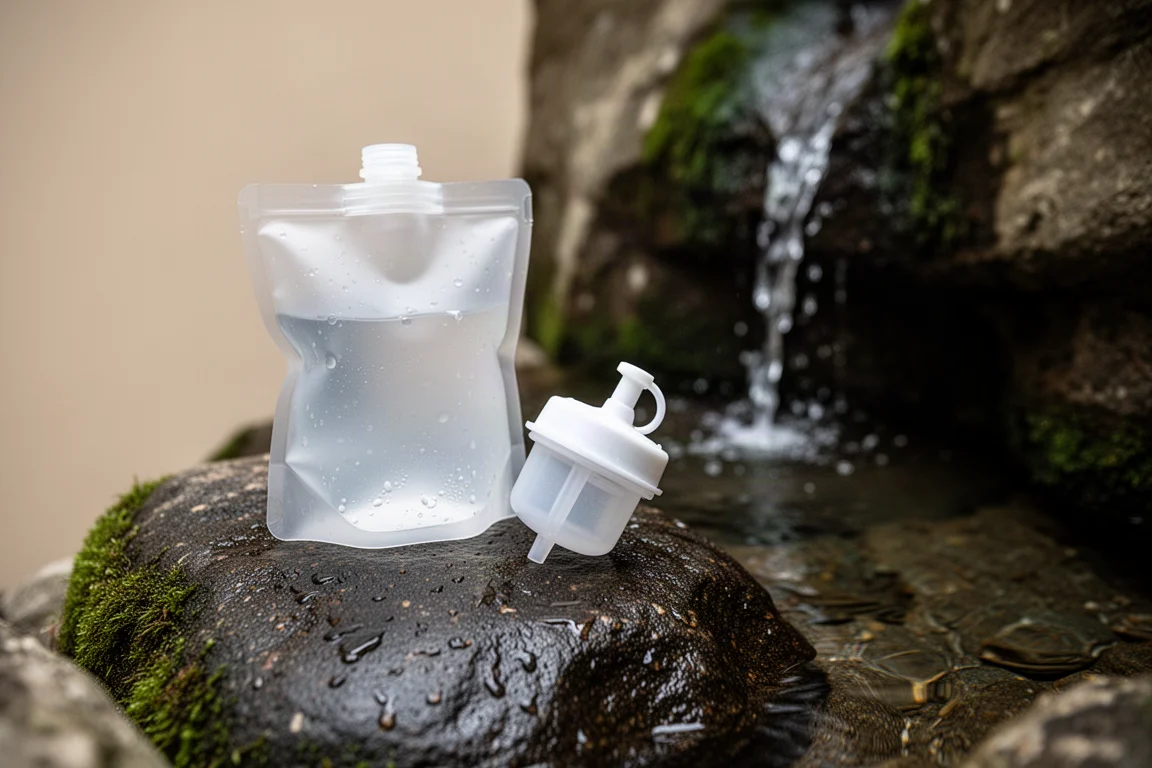
For anyone building a water kit from scratch, this is the piece that makes the whole system feel less fiddly.
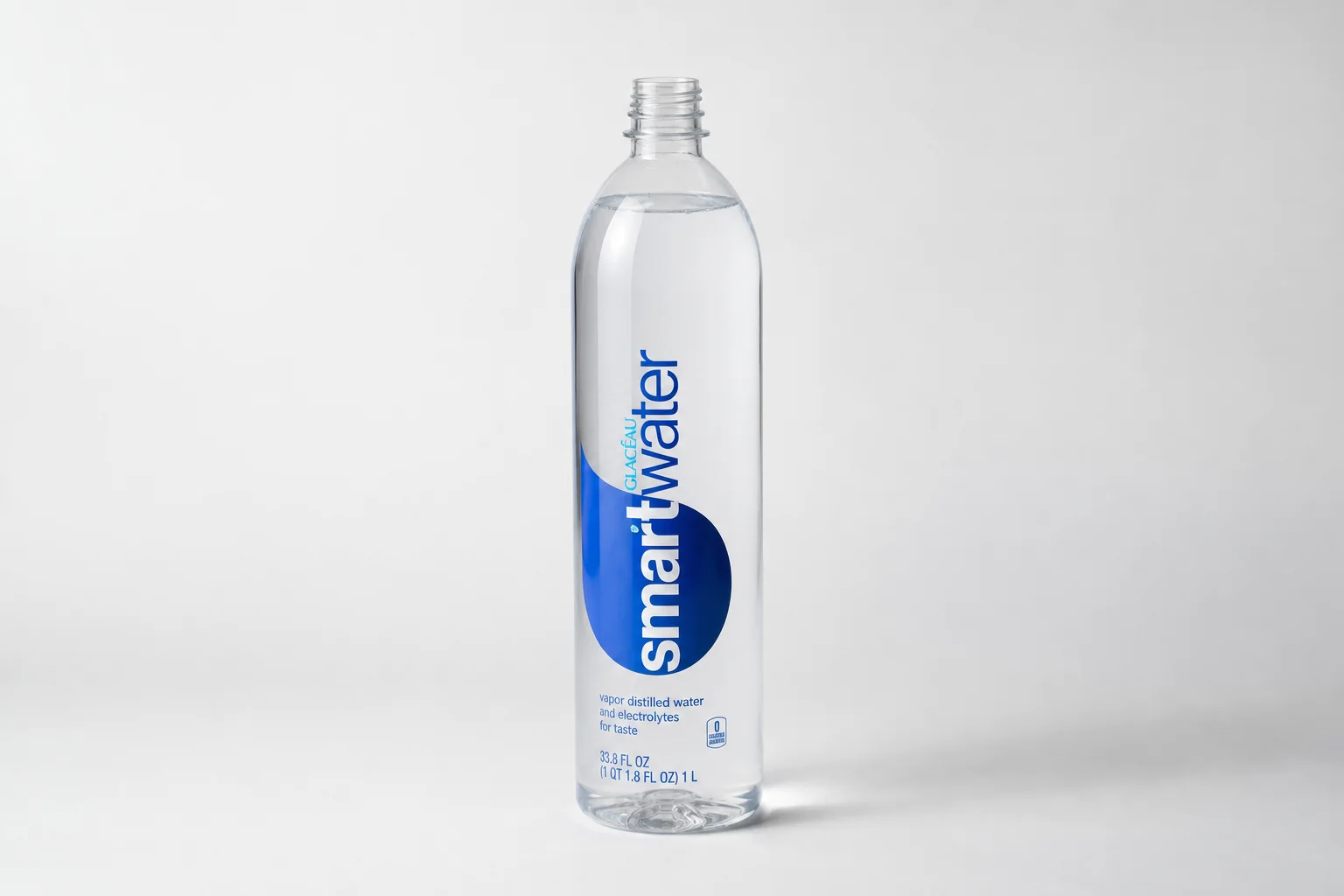
Smartwater Bottle: Convenient, Not Ideal
The humble one-litre bottle has become a standard in ultralight kits, and the reasons are practical: it is slender, it slides into shoulder-strap pockets, it weighs almost nothing empty, and it accepts a sport cap that makes drinking while walking easy.
The catch is that it is not designed as a reusable bottle, which is a real consideration if you care about long-term durability and waste. It works well enough inside a filter system, particularly with a sport cap, but it is best treated as a consumable rather than a permanent piece of kit.
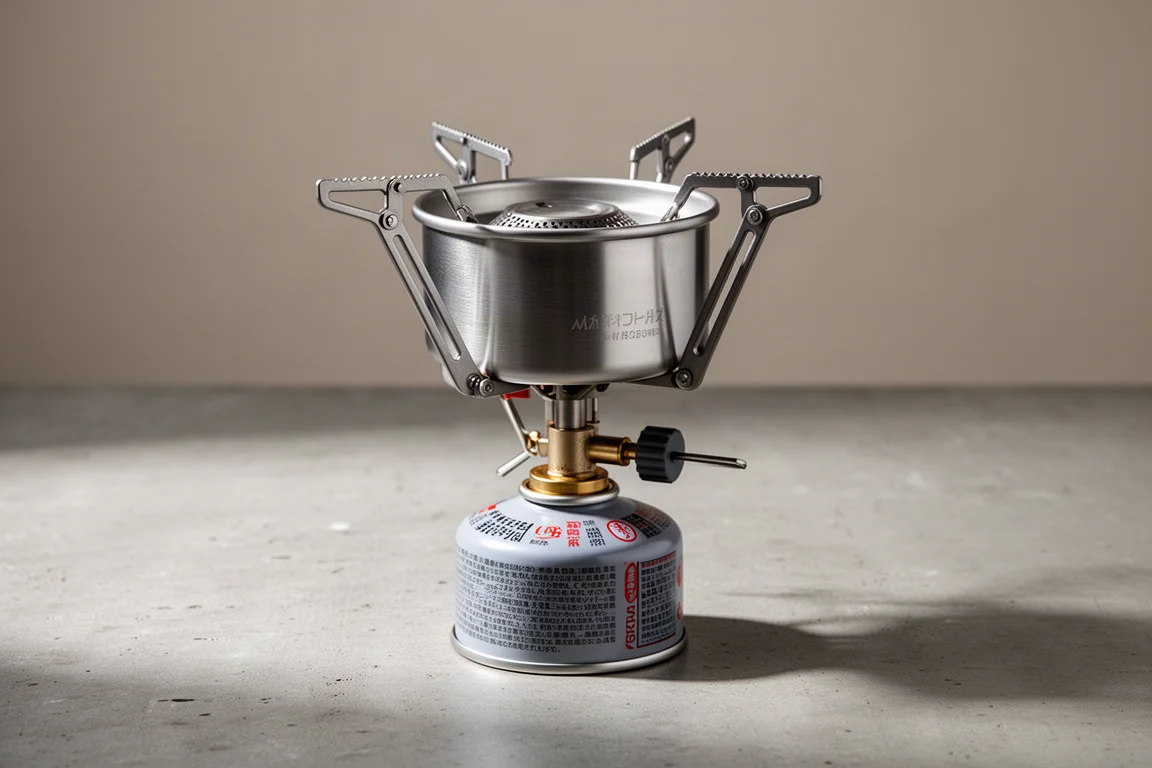
MSR PocketRocket Stove: A Simple Cook Kit
The PocketRocket is a small canister stove, and it does the one job that matters on a cold evening: boil water fast. It paired with a 750ml titanium pot for dehydrated meals.
If you routinely want hot water for a meal and a drink at the same time, a larger pot in the 1100ml range is worth considering, since it lets you boil everything in one go instead of running the stove twice.
Big Sky International Insulated Food Pouch: Small Addition, Big Difference
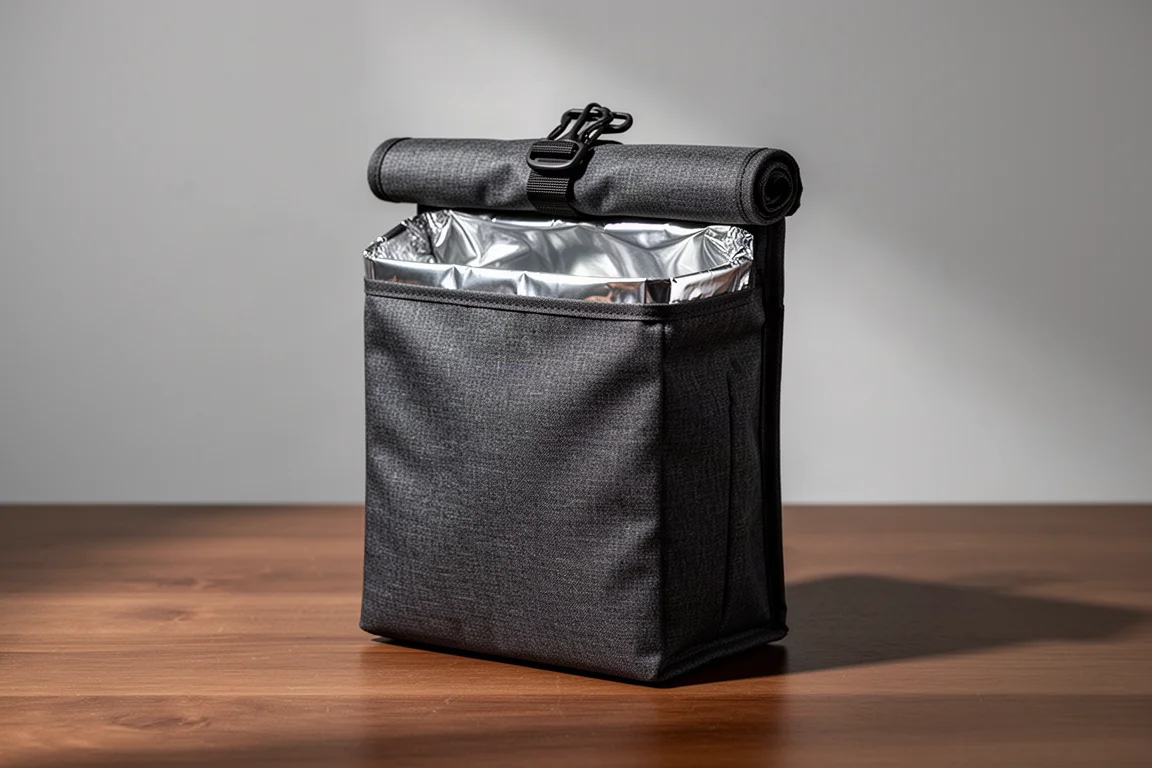
This is one of the smallest items on the list and one of the most useful. The pouch is essentially a lightweight reflective bag: you slide a rehydrating meal inside, close it, and the water stays hot while the food soaks it up.
The result is a meal that rehydrates faster and more thoroughly than it would in an open bag, and it is still hot when you eat it. It weighs almost nothing, which makes it an easy item to keep in a permanent kit.
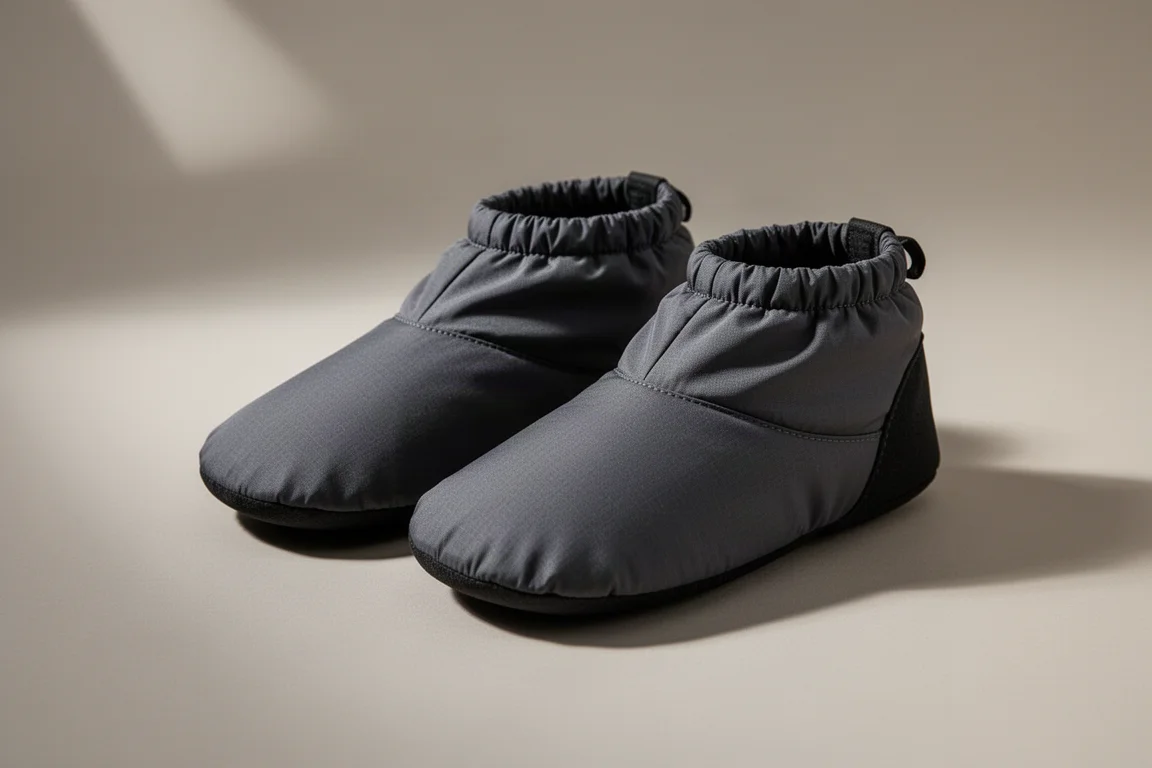
Enlightened Equipment Torrid Booties: Cozy Camp Footwear
Insulated booties are the camp shoe answer for cold trips. They are soft, sock-like, and warm enough to wear around camp in near-freezing temperatures, and they pair well with lightweight sandals if you want a sole under them for short walks.
The weight and packed size are minimal, and the comfort payoff at the end of a long day is disproportionate. If your feet run cold, this is one of the simplest ways to improve an evening in camp.
Nemo Hornet Elite: The Mesh-Top Comparison
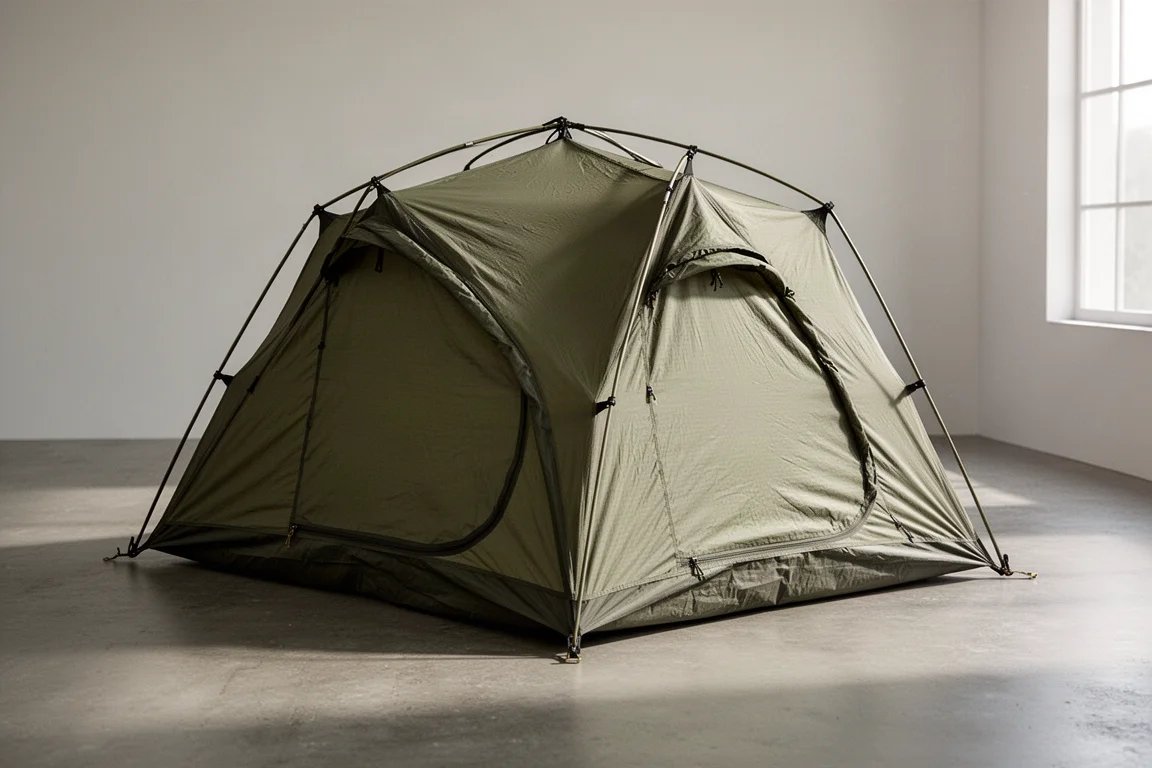
Not every shelter needs to be a single-wall design. The Hornet Elite is a lightweight tent with a mesh inner that lets you lie back and look straight up at the stars, which is a genuine pleasure on clear nights in the desert.
That is the clearest argument for a shelter with a mesh inner: ventilation, condensation control, and an open view. The trade-off is more material and a little more setup, and it is the reason single-wall shelters like the Tarptent Rainbow remain popular for fast, light trips.
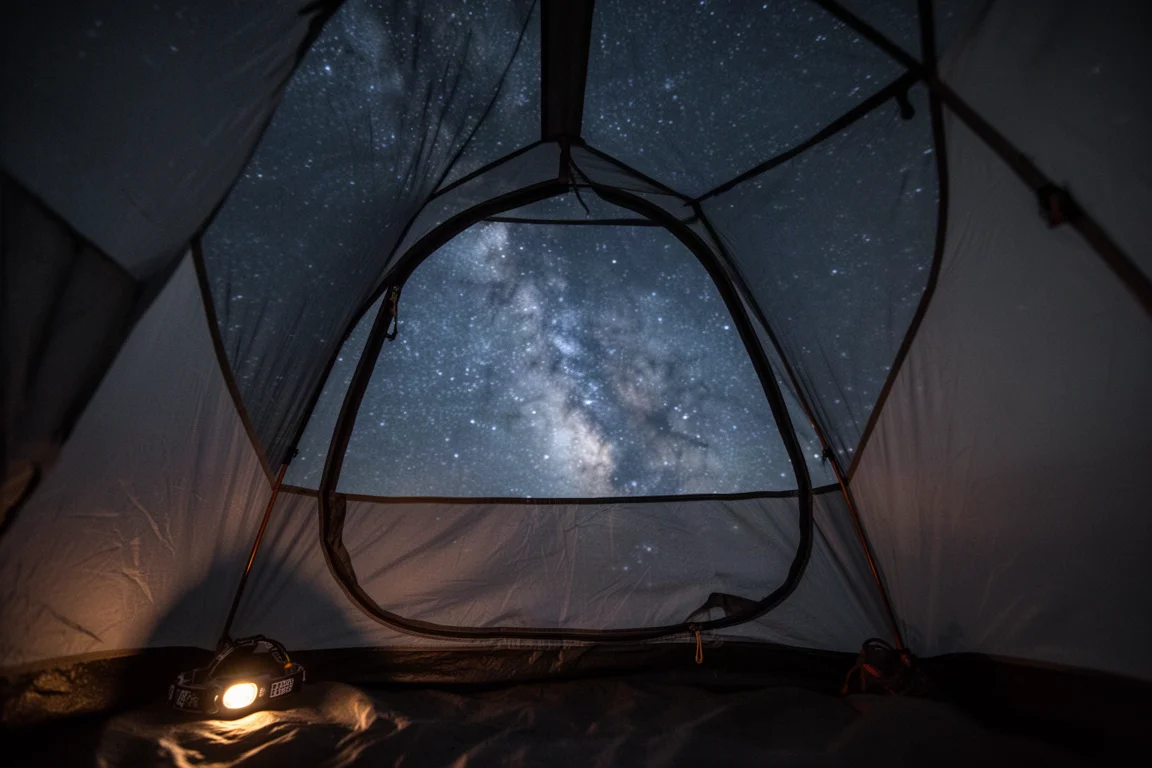
If stargazing from your sleeping bag matters to you, plan for a mesh inner. If weight and pitch speed matter more, a single-wall shelter is the better fit.
Buying Advice
Start with the sleep system. A quilt, a pad, and a pillow decide whether you enjoy a trip or endure it, and they are the items where a small upgrade has the largest effect on how you feel in the morning. If you sleep cold, size the quilt rating with a margin rather than at the edge of the forecast.
Water treatment is the second priority. A squeeze filter paired with a soft-sided dirty bag is a proven, simple setup, and it copes with silty sources better than a hard bottle alone. Bring a way to backflush and use it before flow drops.
Then look at the small items. A reflective food pouch, a sport cap, insulated booties, and a compact pillow all weigh very little and change daily routines for the better. Buy those once and they will follow you onto every trip.
Finally, match the shelter to how you actually camp. If you pitch late and move fast, a convertible single-wall shelter saves time and weight. If you want ventilation and a view of the sky, a mesh inner tent is worth the extra grams.
Conclusion
The best ultralight kit is the one you stop thinking about. Each item here solves a specific, real problem: warmth that packs small, water that filters cleanly, meals that rehydrate properly, and a shelter that goes up quickly at the end of a long day.
Choose the sleep system first, build a water kit you trust, and add the small comforts that keep you warm and fed. Everything else is a detail you can refine trip by trip.
Further reading
Related Reviews

Backpacking Gear
Building a 10 lb Base Weight: An Ultralight Backpacking Gear List
A practical walkthrough of the ultralight pieces behind a 10 lb base weight, from a 765 g pack and a roomy one-person tent to a full camp chair and a dependable water filter.
Backpacking Gear
A 15-Pound Lightweight Backpacking Gear List for Solo Trips
A beginner-friendly 15-pound backpacking setup built from easy-to-find gear, with notes on what each piece does, how it packs, and where to spend your attention.
Backpacking Gear
8 Ultralight Backpacking Gear Upgrades Worth Carrying
Eight small, affordable backpacking upgrades that solve real trail annoyances, from a pillow that stays put to a fuel valve that rescues leftover canister gas.