Backpacking Gear
Ultralight Backpacking Gear List for a 100-Mile Thru-Hike
A shakedown gear list for a 100-mile high-elevation backpacking trip, covering packs, shelter, sleep systems, clothing, cooking, and navigation.
Introduction
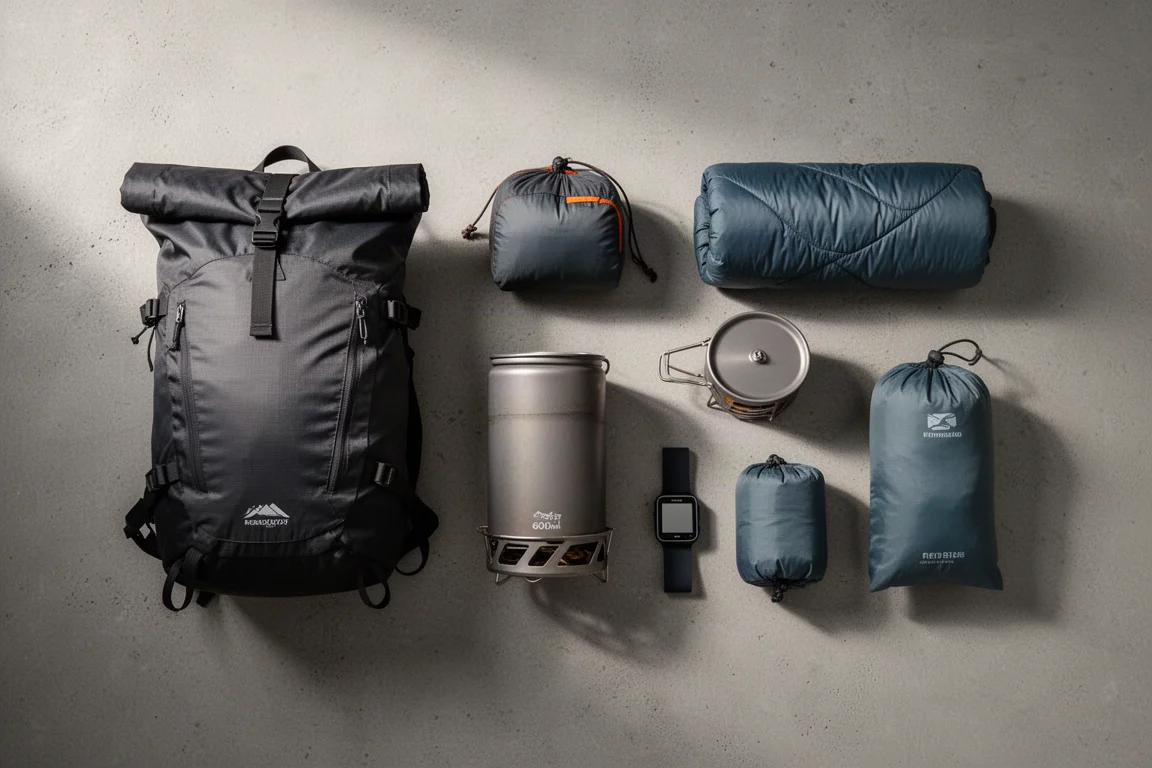
A 100-mile high-elevation route changes what “ready” means. It is not only a longer walk than a weekend loop. It is seven days of food weight, repeated climbs above 10,000 feet, long stretches of exposed ridgeline, and monsoon-season storms that can arrive quickly and hit hard.
This list reflects that reality. It is a shakedown kit assembled ahead of a Uinta Highline Trail attempt, with a 35 to 40 mile training trip at elevation planned first to test everything in conditions that resemble the real thing. The aim is not the absolute lightest possible load. It is a system that packs fast, carries well, and keeps a hiker comfortable and functional on day four rather than merely on day one.
How This Gear List Was Built
Three constraints shaped nearly every decision here.
The first is food. Seven days of food is a large, awkward volume at the start of a trip, and it shrinks day by day. That makes pack capacity, closure design, and food storage more important than a simple liter count suggests.
The second is exposure. Much of the route sits above 10,000 feet and out of tree cover, which means wind and rain are part of the plan rather than an exception. Shelter and a warm sleep system carry more weight in the decision-making than they would on a sheltered forest route.
The third is daily distance. Fifteen to twenty miles a day means most waking hours are spent walking. Gear is judged on how it behaves while moving, which is why there is no camp chair and no second sleeping pad in this kit.
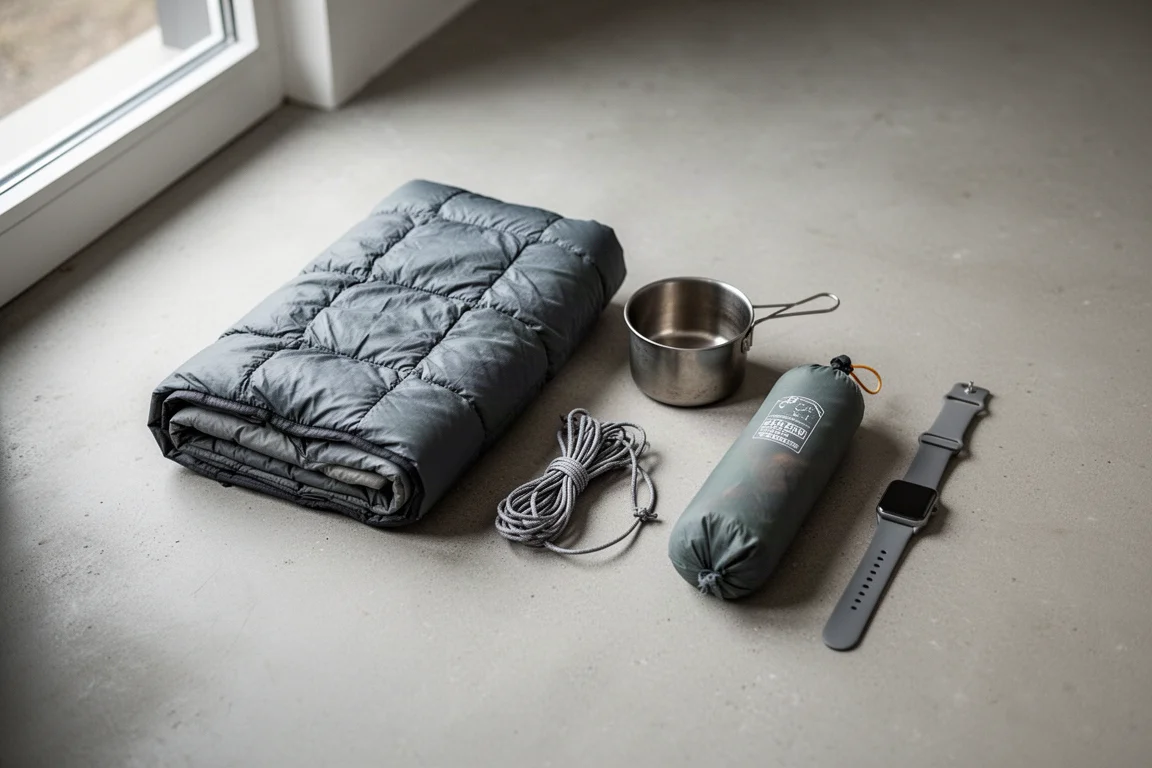
Everything below is either already well tested on shorter trips or is going out specifically to be evaluated. Items that fail the shakedown get replaced before the long walk begins.
OnX Backcountry
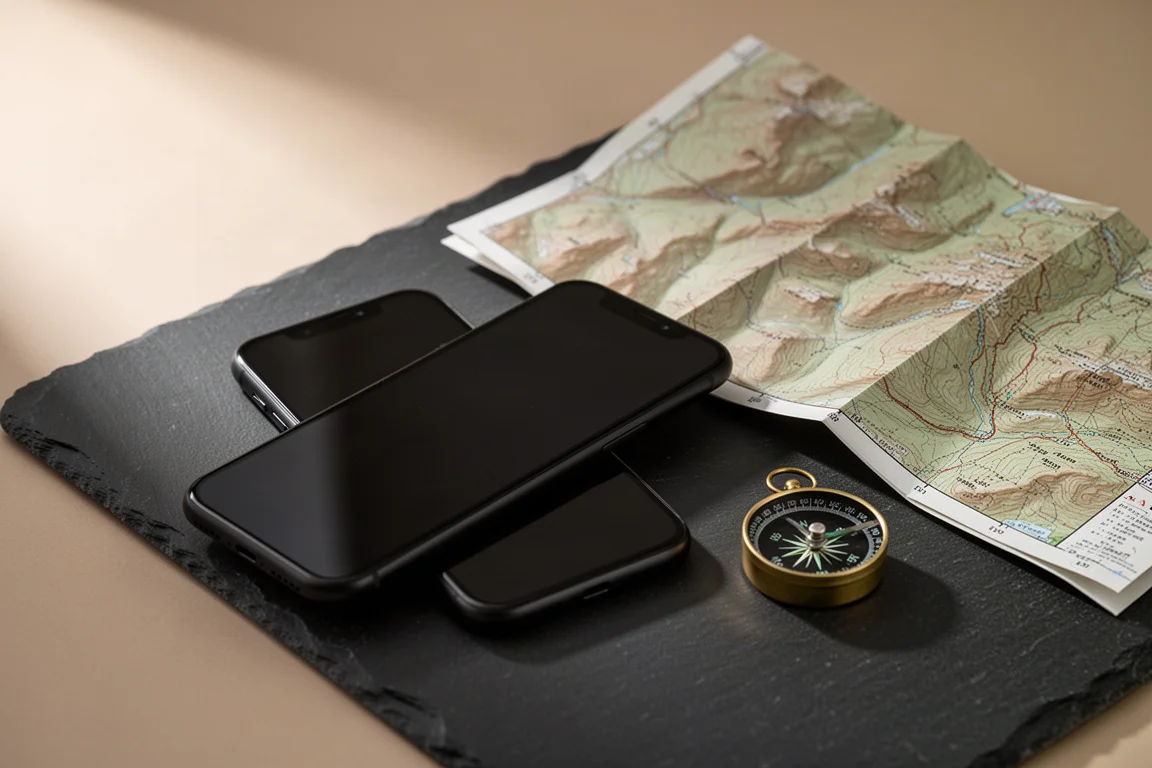
Route planning is treated as a piece of gear on this trip, and for good reason. Mapping a route in advance, downloading it for offline use, and having an itinerary on hand makes it possible to make better decisions in remote country, whether that means adjusting a day, finding a safer line, or identifying an exit if something goes wrong.
The value is not the map itself but the preparation behind it. Having the information already saved and available offline turns a stressful situation into a manageable one, and it is one of the few planning tools that directly affects confidence on trail.
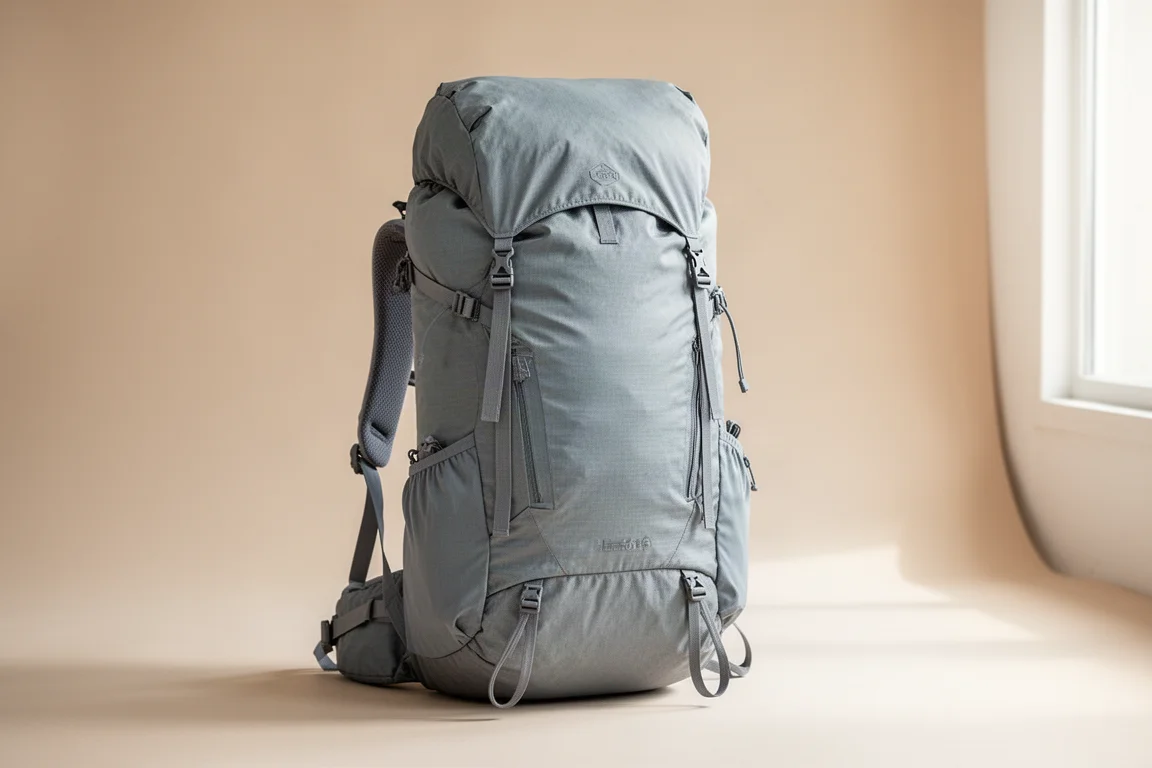
Skola 38
The Skola 38 is a frameless ultralight pack that has already seen real trail time and has been a genuinely enjoyable carry. At 38 liters, though, it sits right at the edge of what a seven-day food carry demands.
That is exactly what the training trip is meant to answer. The plan is to load it with more food than the trip actually requires and see whether the pack still carries well, or whether the volume and weight push past what a frameless design handles comfortably. If it works, it saves meaningful weight. If it does not, the answer is straightforward.
Hyperlite Mountain Gear Southwest 55
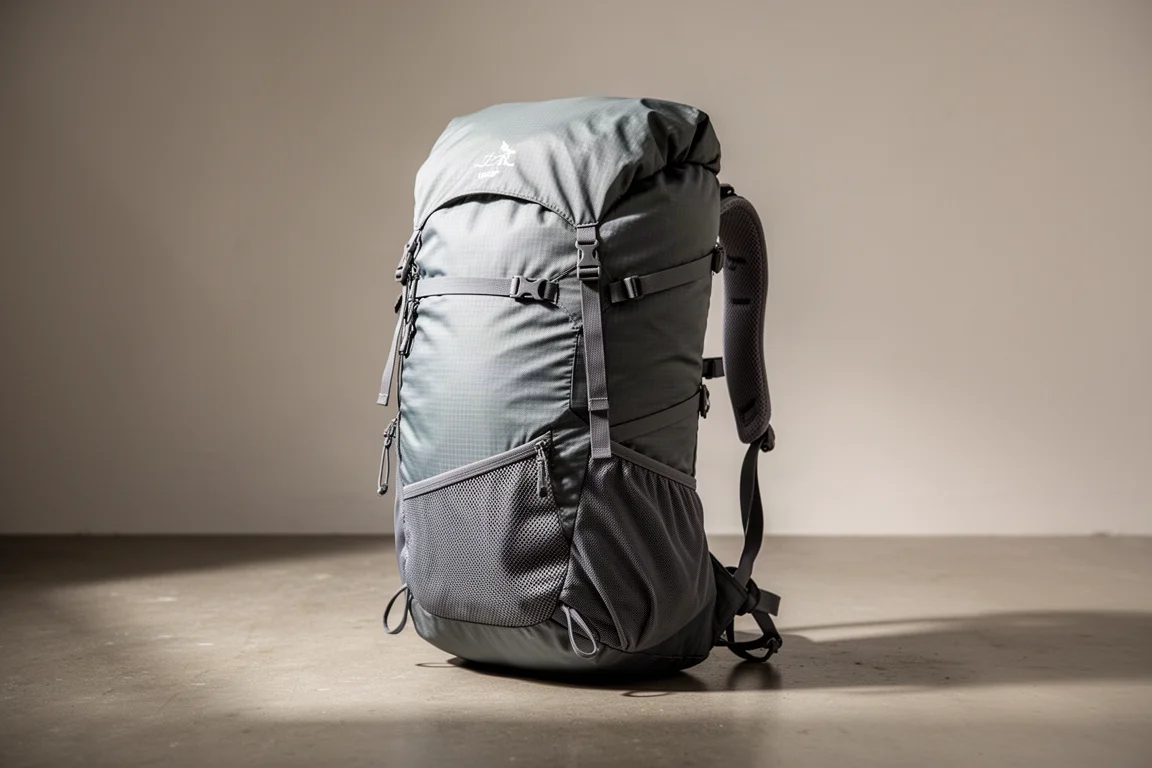
If capacity wins out, the Hyperlite Mountain Gear Southwest 55 is the pack for the job. The difference is not subtle: it is a considerably larger pack with a tall collar that swallows a full food load without a fight.
It is also more pack than a shorter trip needs, which is why it is not automatically the answer. The point of testing both is to find out whether the extra volume is genuinely necessary for a week of food, or whether it is simply insurance that adds weight and bulk to every mile of the trip.
TFS Enron 1
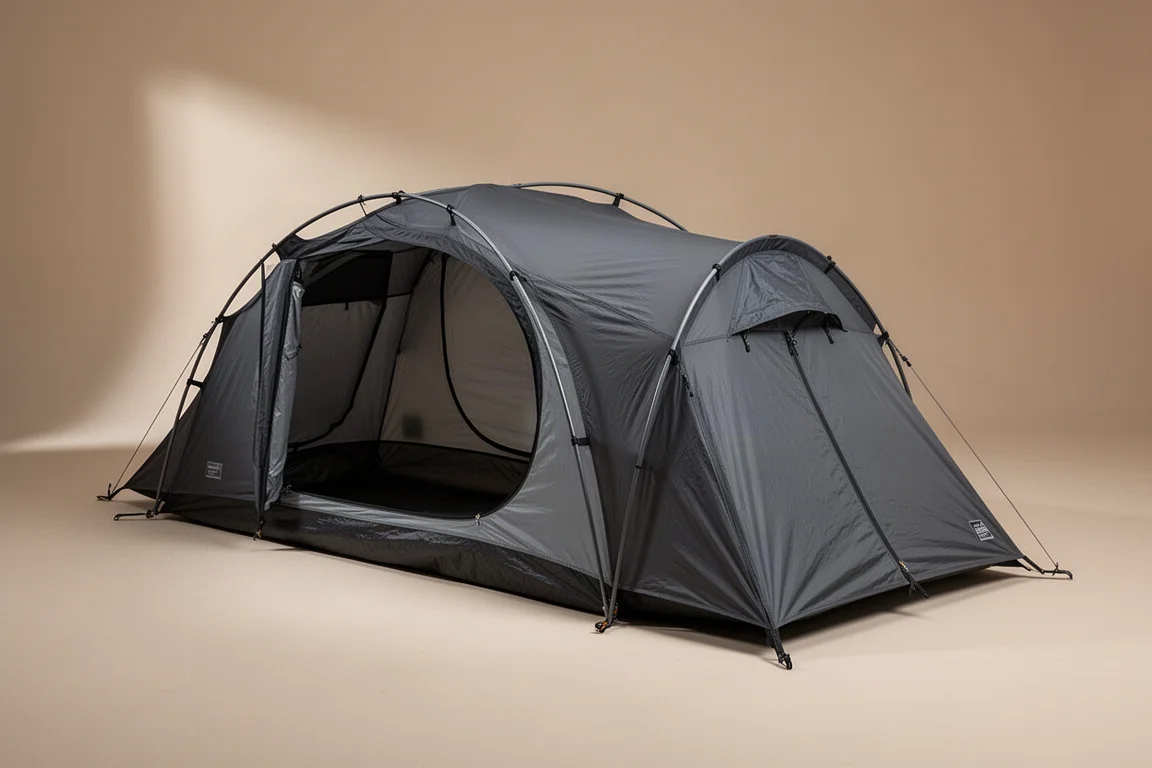
For shelter, the choice is a one-person tunnel-style tent. Tunnel designs handle wind well, which matters on an exposed alpine route where storms during monsoon season can be severe and tree cover is scarce.
The tent uses a polyester fly, and the full package includes stakes, poles, and carbon fiber end poles. The pitch and the fabric are both going out for a proper test in a similar environment before the longer trip, because a shelter that is slow to pitch in wind or that lets driven rain through is the kind of problem that ruins a night rather than a mile.
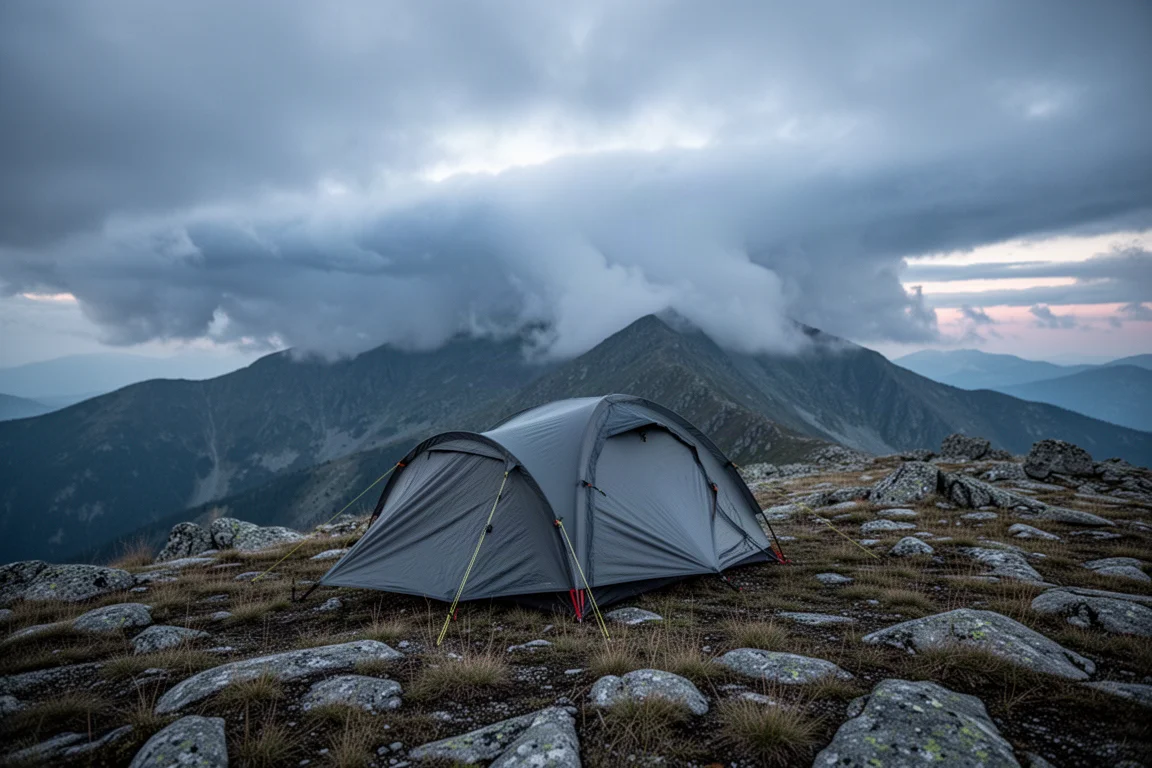
Weight matters here too. A single-wall, one-person tunnel is a deliberate trade of interior space for weather protection and packability, and that trade only makes sense if the pitch is quick and confident when the weather turns.
ZenBivy Ultralight Sleeping Pad
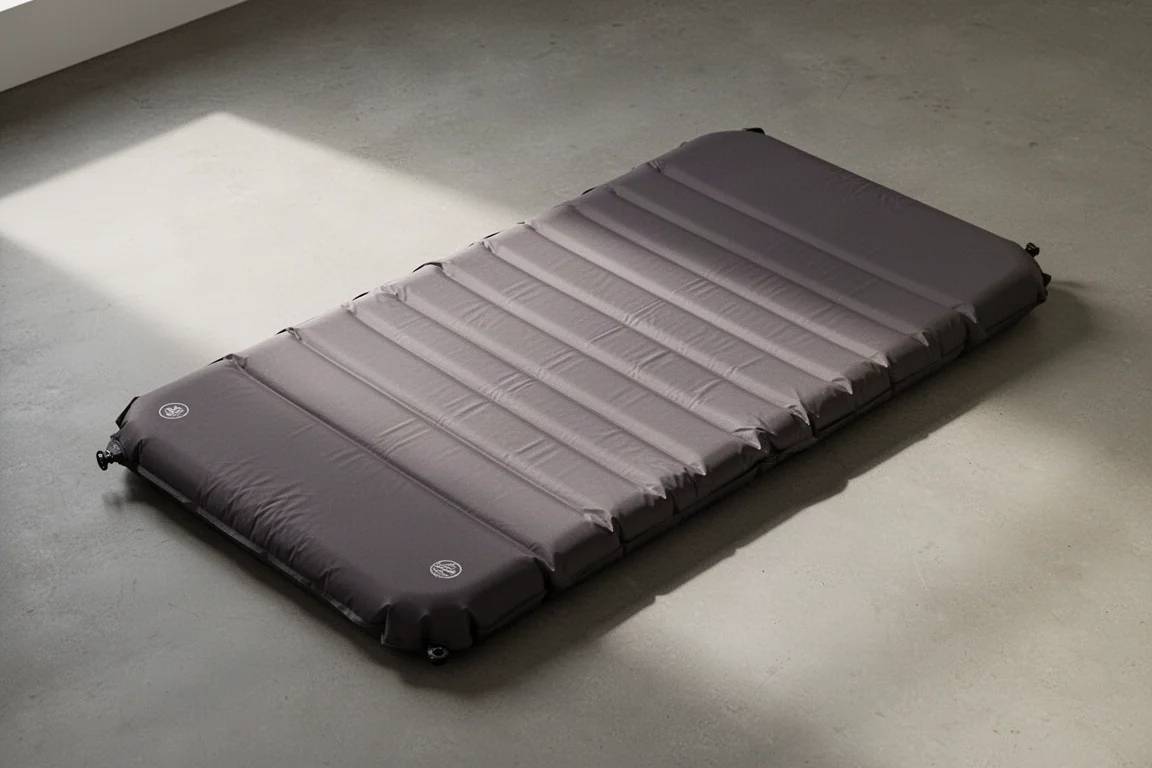
The sleeping pad is the ZenBivy Ultralight in its tapered version, chosen over the rectangular version for a smaller packed size. It carries an R-value of five, which is the number that makes the rest of the sleep system viable at altitude.
An R-value of five paired with a suitably rated quilt or bag is what turns a cold night into a warm one, and it is the reason the sleep system can stay relatively light elsewhere. The pad is also paired with a soft-top pillow that packs down small, a modest comfort item that earns its place over a week of nights.
Cumulus Aerial 300
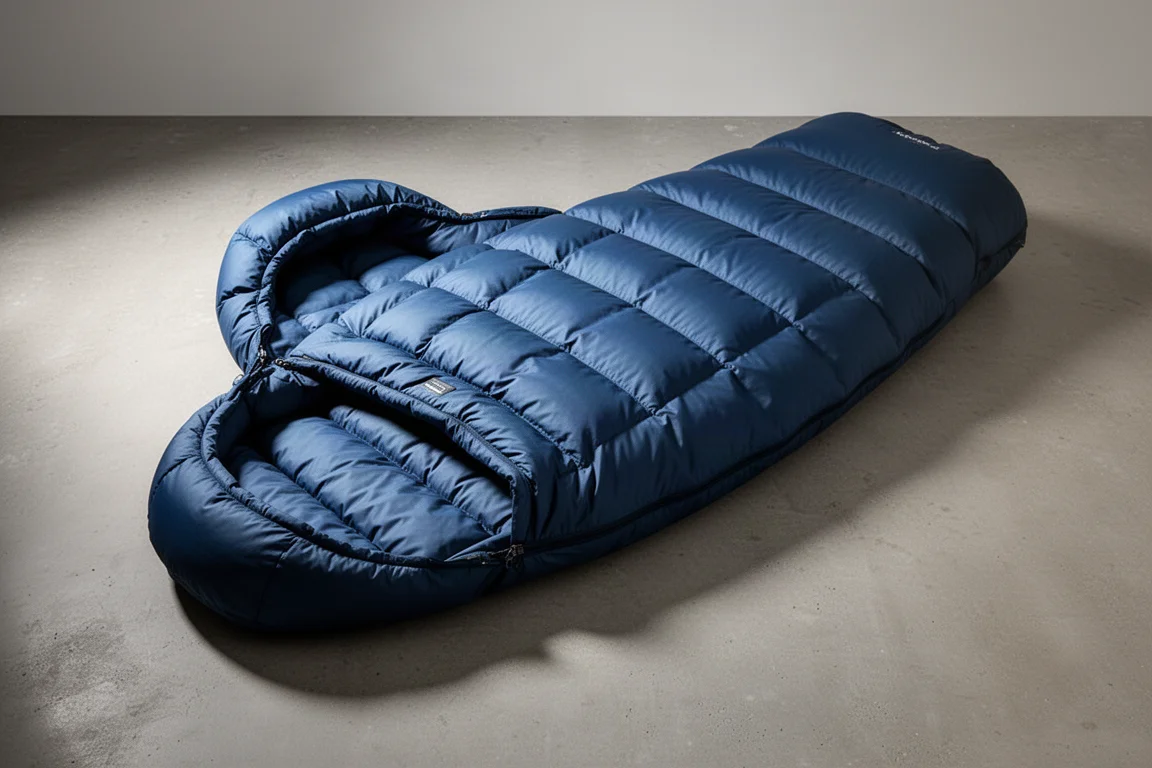
The Cumulus Aerial 300 is the more unusual of the two sleep options. It is a down bag with no zipper at all: you slide in through the top opening. It also has no insulation through the back panel, on the assumption that the pad provides that layer.
What it keeps is everything a traditional mummy bag offers. There is a full hood, the ability to close up tightly, and none of the drafts that a quilt can let in. It is rated to a 30-degree comfort level, which may be too cold for late summer at 10,000 feet, so the forecast decides whether it travels. It packs into an 8-liter compression bag that also adds a little rain protection, and it comes in a distinctive blue from a collaboration with Gossamer Gear.
UGQ Bandit Top Quilt
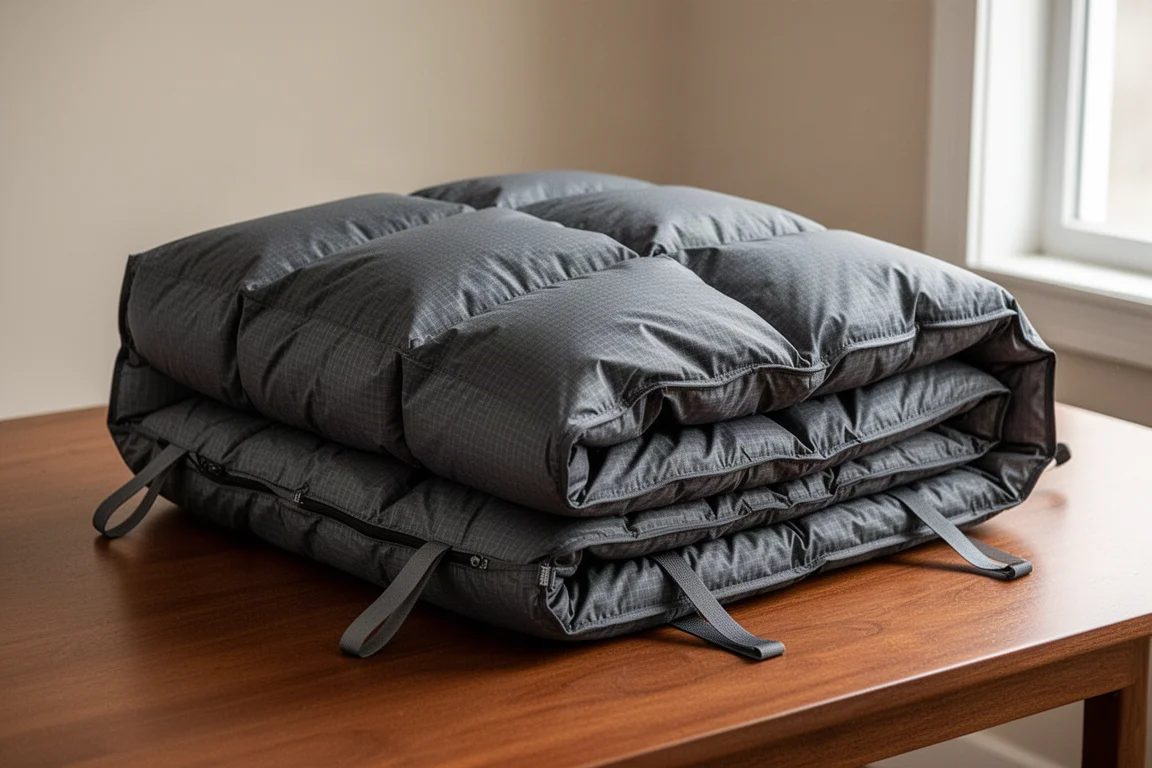
The alternative is the UGQ Bandit, a top quilt rated to a 20-degree comfort level. It has been used down into the teens and stayed warm, which makes it the more conservative choice when overnight temperatures are uncertain.
Paired with an R-value of five pad, it is a combination that has already proven itself. Quilts are generally easier to get in and out of than a zipperless bag, and they vent more readily when a night turns warmer than expected, which is a real consideration across a week of variable weather.
Arc’teryx Cerium Hoody
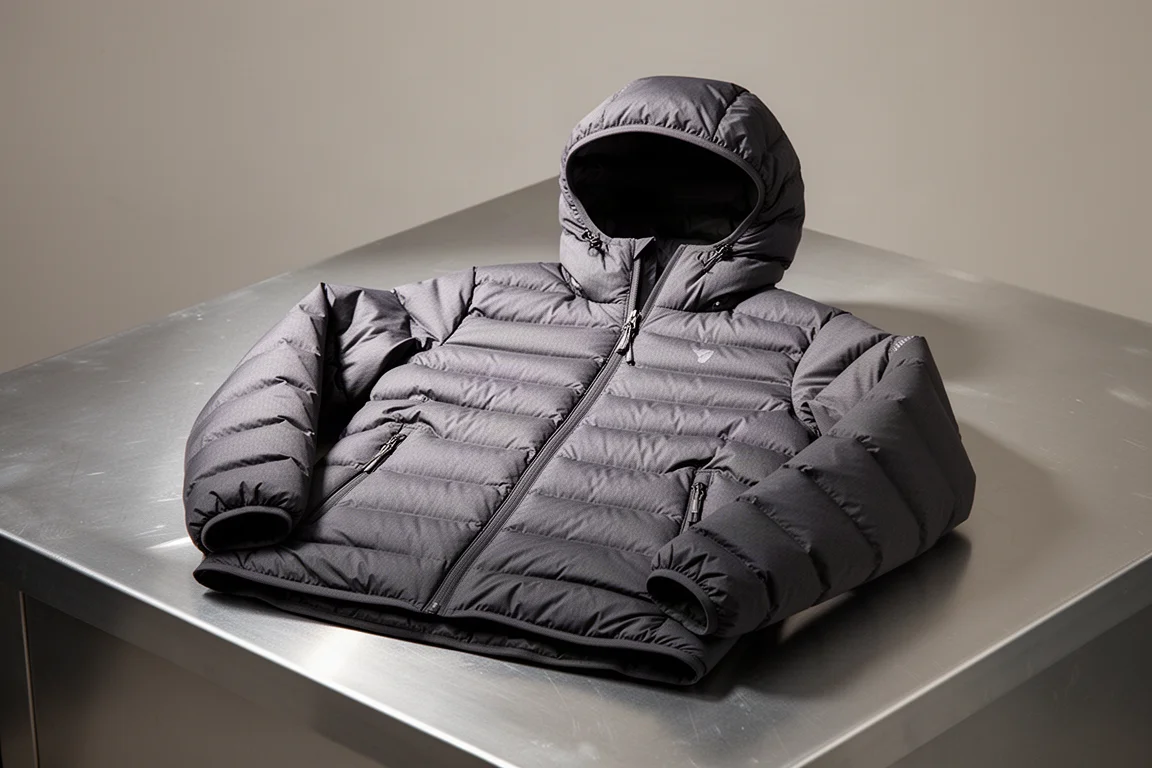
Clothing on this trip is deliberately minimal: hiking layers for the day, a lightweight set of camp and sleeping layers, and one insulating piece. The insulating piece is the Arc’teryx Cerium Hoody, a lightweight down jacket with a hood.
It earns its place on fit as much as anything. A previous version of the same jacket was used for years until it was worn out and retired with holes in it, and the replacement was bought for the comfort and fit that made the original easy to live with. It is an expensive jacket, and there are significantly cheaper down options available, so the case for it rests on fit and long-term durability rather than value.
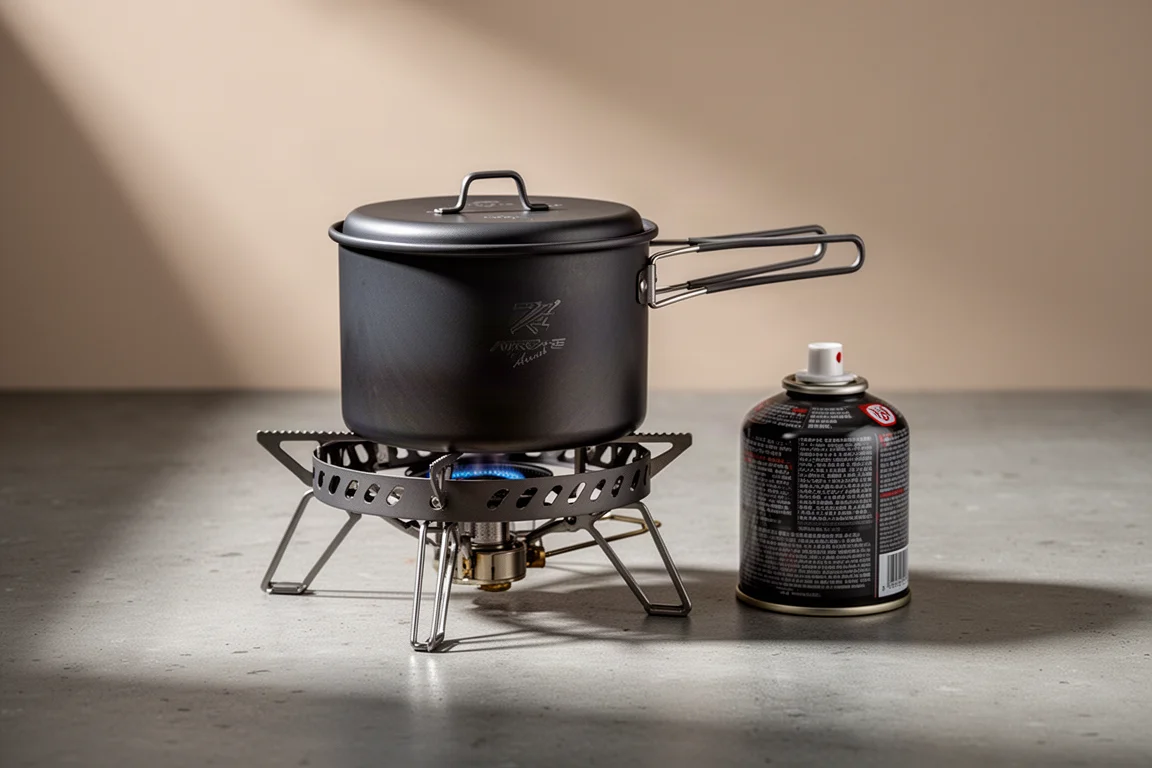
Fire Maple Petrol Quick Boil System
Cooking gear is where the newest experiment sits. The Fire Maple Petrol Quick Boil System is a 600ml pot-based setup with a built-in windscreen and a heat exchanger on the underside of the pot, plus a canister base that widens the footprint for stability.
The reasoning is simple. A taller, more enclosed stove system should hold up better in wind and at higher elevation, where a bare burner struggles to boil efficiently. It is effectively an upgrade path from the classic 600ml G3 Petrol, keeping the same capacity while adding wind protection and a more integrated connection between stove and pot.
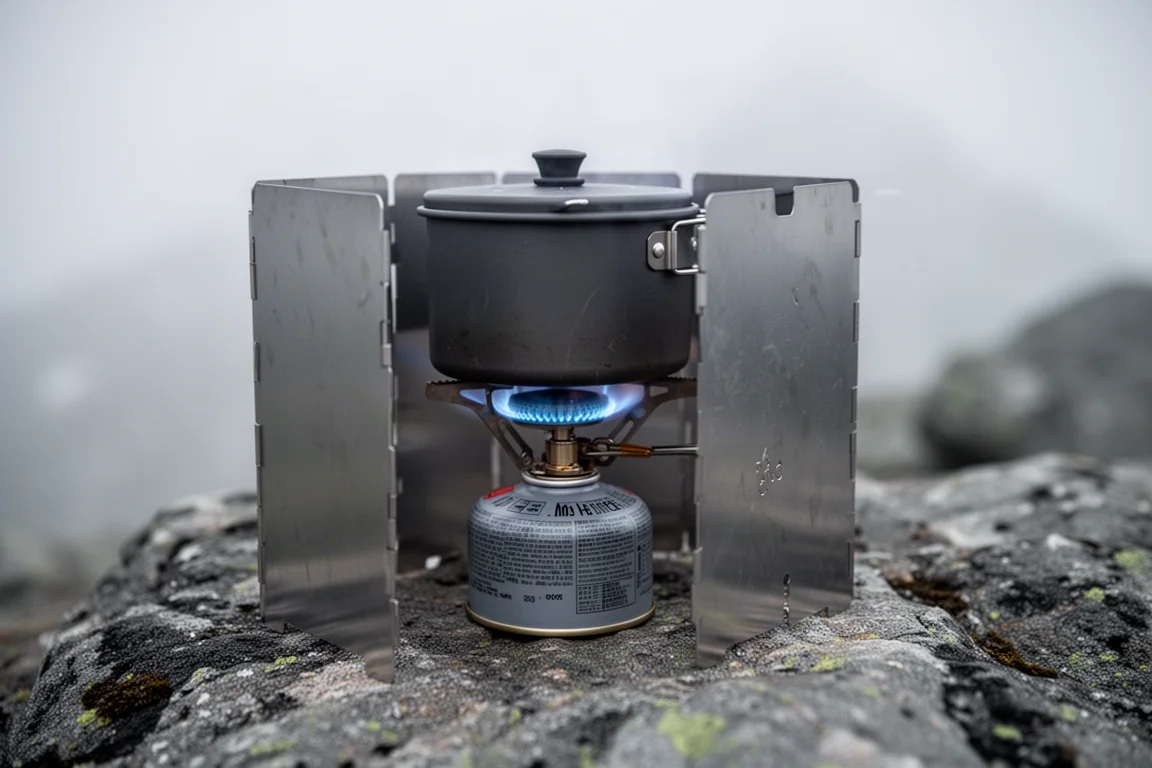
The trade is bulk and a little more complexity in exchange for better performance in the conditions this route is likely to serve up. Whether that trade pays off is exactly what the shakedown trips are for.
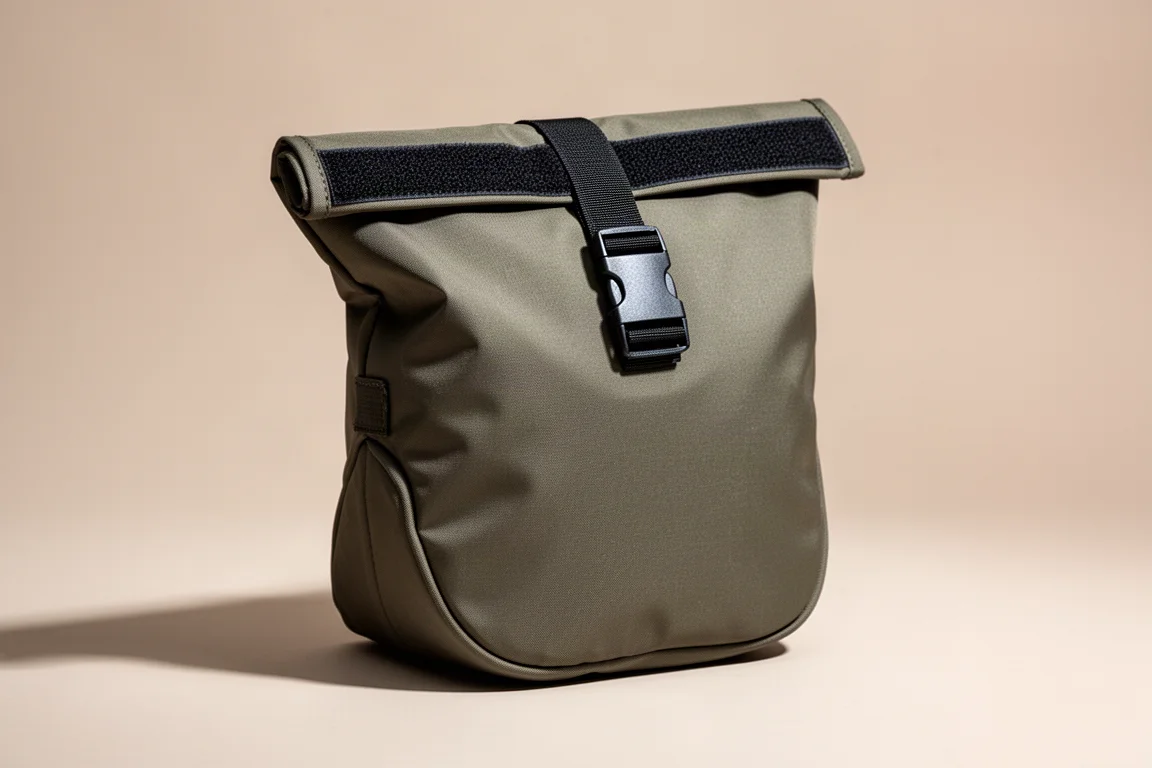
Backcountry Exposure AAN Roll Top Food Bag
For a long food carry, a roll-top food bag makes more sense than a zippered one, because the roll closure expands and contracts with the load instead of fighting it. The AAN Roll Top Food Bag comes in an 8-liter size, with a 12-liter option for larger carries.
The design detail worth noting is the curved bottom. A flat-sewn bottom leaves corner fabric poking out when the bag is set down, which is both dead space and an abrasion point over a week of handling. Curving it removes that corner while the bag still stands upright on its own. A molded Velcro strip at the top keeps the roll secure without grabbing fleece or other fabrics, and a Duraflex buckle secures the closure.
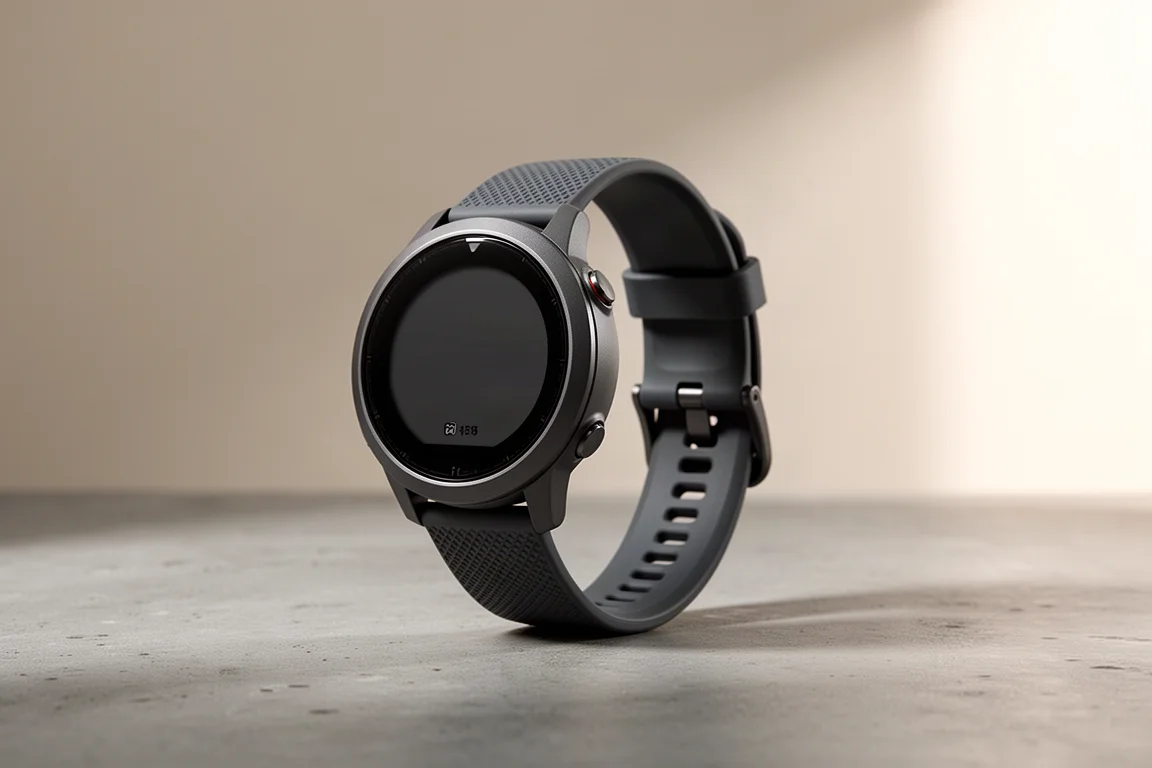
Coros Apex 2 Pro
The Coros Apex 2 Pro has become the watch that gets worn, largely on the strength of battery life that holds up over multi-day trips. On a route like this, it is doing real work: tracking elevation gain and loss across repeated climbs, monitoring heart rate, and giving a sense of pace and effort over long days.
Long battery life matters more than any single metric here. A watch that needs charging every night is one more thing to manage in a system that is trying to stay simple, and this one has been the clear favorite over the last few months.
Buying Advice
The most useful lesson from a list like this is that the individual items matter less than how they work together. A pack that fits a week of food, a shelter that pitches quickly in wind, and a sleep system that is warm enough for the forecast are three decisions that determine whether a long trip feels manageable or miserable.
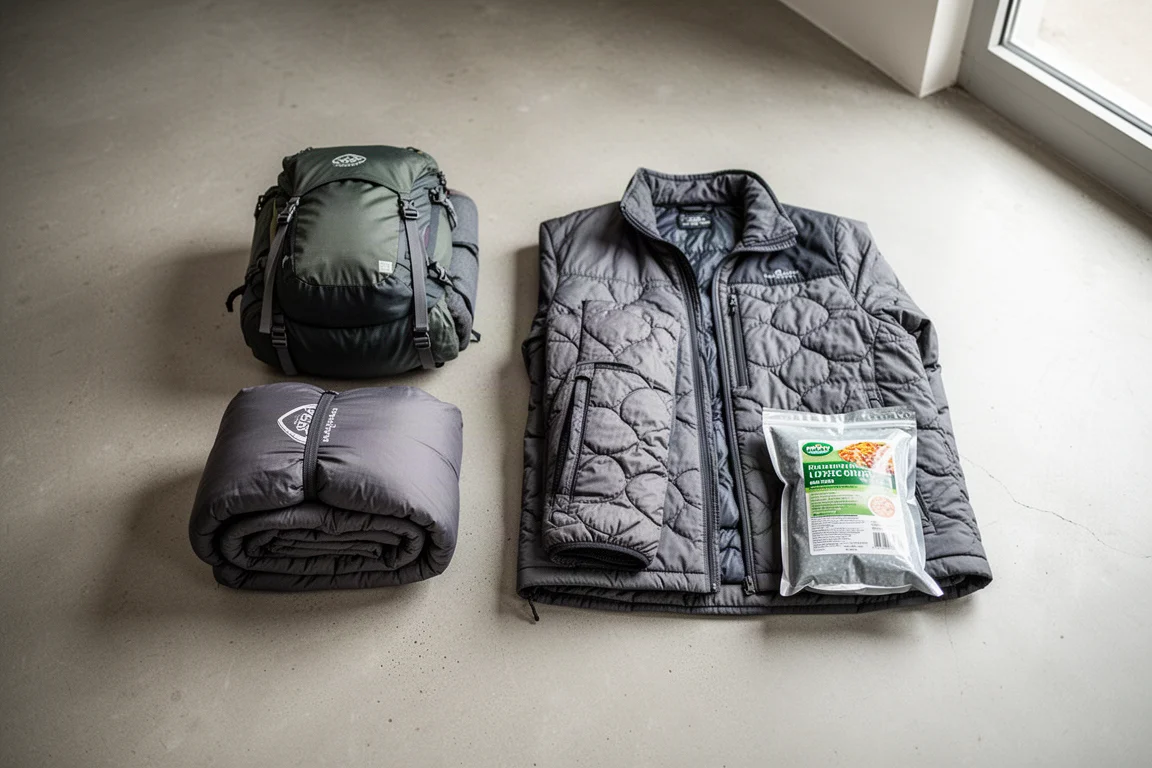
Test before you commit. A 35 to 40 mile overnight trip at similar elevation will expose more problems than any amount of reading, whether that is a pack that stops carrying comfortably once the food load is heavy or a sleeping bag that is not warm enough for the forecast. Buy the sleep system and the shelter first, since those are the two areas where a mistake is hardest to fix on trail, and keep the clothing and cooking kit simple until the core system is dialed in.
Conclusion
A hundred miles above 10,000 feet rewards preparation more than gear. The items here are chosen for a specific set of conditions: a heavy food load at the start, exposed terrain, unpredictable storms, and long days of walking.
None of it is final until it has been tested. That is the whole point of the shakedown trips: to find out which pack carries a week of food best, which sleep system matches the forecast, and which small pieces quietly become dead weight. Get those answers before the trailhead, and the trip itself gets to be about the walking.
Further reading
Related Reviews

Backpacking Gear
Building a 10 lb Base Weight: An Ultralight Backpacking Gear List
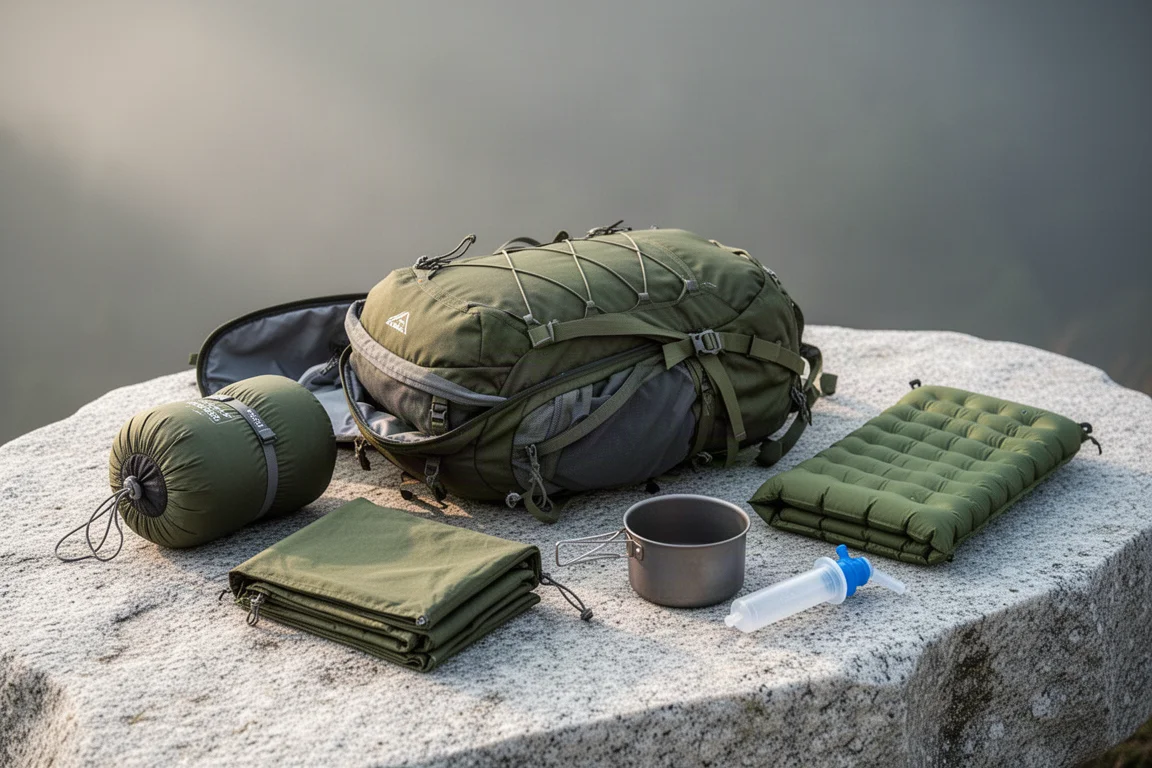
A practical walkthrough of the ultralight pieces behind a 10 lb base weight, from a 765 g pack and a roomy one-person tent to a full camp chair and a dependable water filter.
Backpacking Gear
A 15-Pound Lightweight Backpacking Gear List for Solo Trips
A beginner-friendly 15-pound backpacking setup built from easy-to-find gear, with notes on what each piece does, how it packs, and where to spend your attention.
Backpacking Gear
8 Ultralight Backpacking Gear Upgrades Worth Carrying
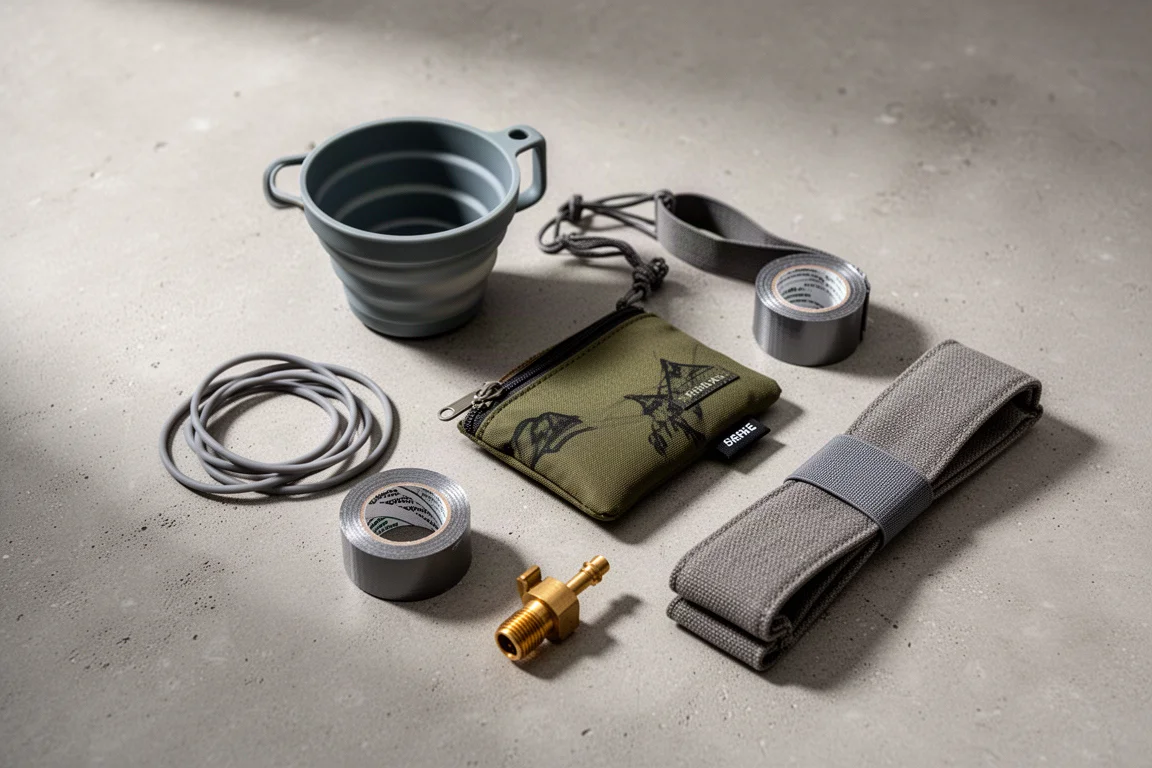
Eight small, affordable backpacking upgrades that solve real trail annoyances, from a pillow that stays put to a fuel valve that rescues leftover canister gas.