Backpacking Gear
Ultralight Backpacking Gear List for a 100-Mile High-Elevation Route
A practical ultralight gear list for a 100-mile alpine backpacking trip, covering pack options, shelter, sleep system, water, cooking, and on-trail tracking.
Introduction
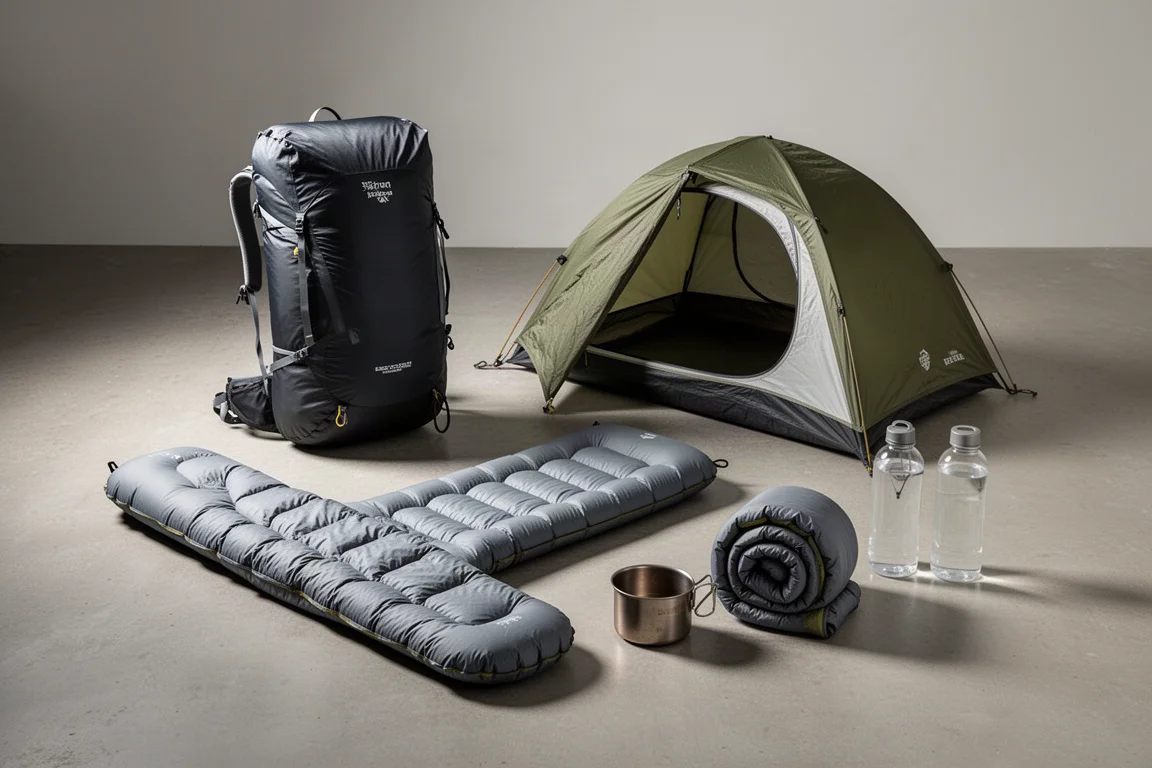
A 100-mile route with most of the walking above 10,000 feet changes what belongs in a pack. Add seven days of food, long exposed sections where afternoon storms roll through, and a stretch near the start with little or no reliable water, and the gear list stops being about preferences and starts being about decisions.
This roundup covers the gear selected for exactly that kind of trip. Some items are already proven over many seasons. Others are newer additions that will be tested on 35 to 40 mile shakedown hikes before the main route. The goal is a kit that works as one system: quick to pitch, reliable in wind and rain, and light enough to keep daily mileage realistic.
How This Gear List Was Built
Three filters shaped every choice.
The first was weight. With 15 to 20 miles of walking most days, anything that does not get used is dead weight. That removed items such as a camp chair and a sit pad, and it kept the clothing list to a base layer change, a sun hoodie, shorts, socks, and one warm layer.
The second was capacity for the heaviest day of the trip. Day one carries seven days of food and up to four liters of water, so the pack, the food bag, and the water containers all had to handle that load rather than an average day.
The third was exposure. Most of the route sits above tree line, where wind and afternoon storms are normal, so the shelter, the rain layer, and the cooking setup all needed to perform when the weather turns.
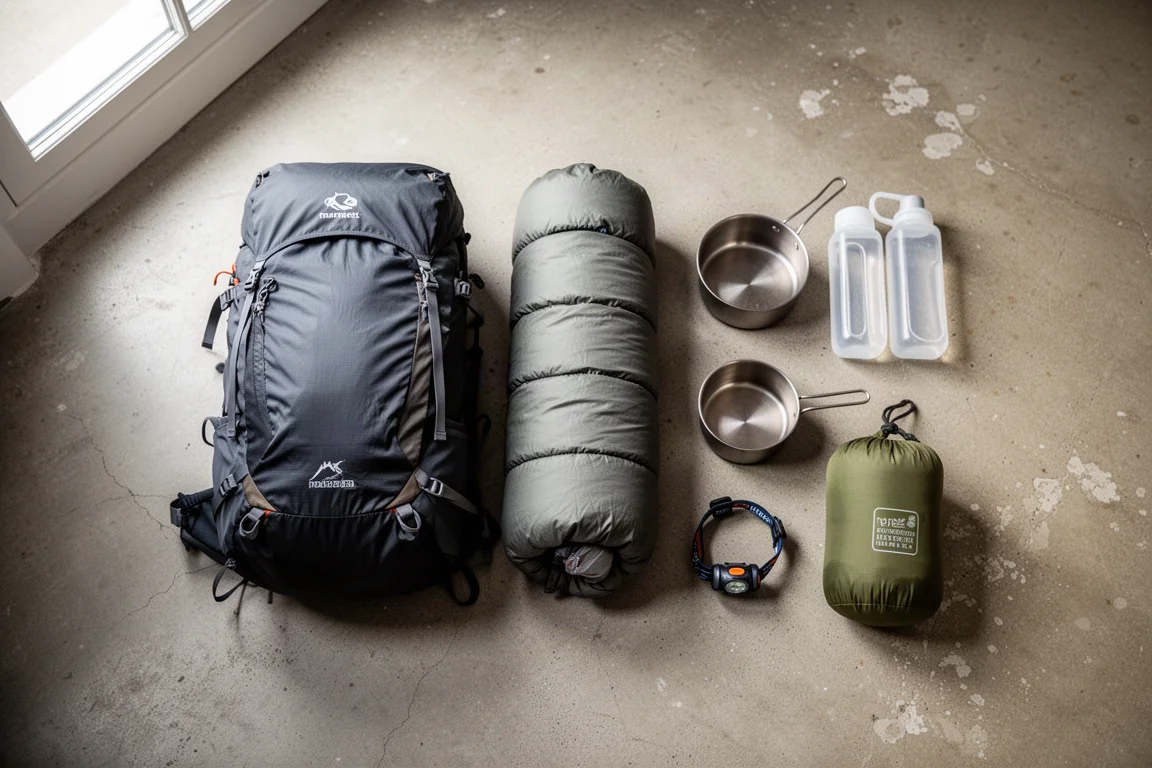
Every item below was chosen to be part of one cohesive system rather than a collection of individual purchases, and anything that fails a shakedown trip gets swapped out.
Navigation and Route Planning: onX Backcountry
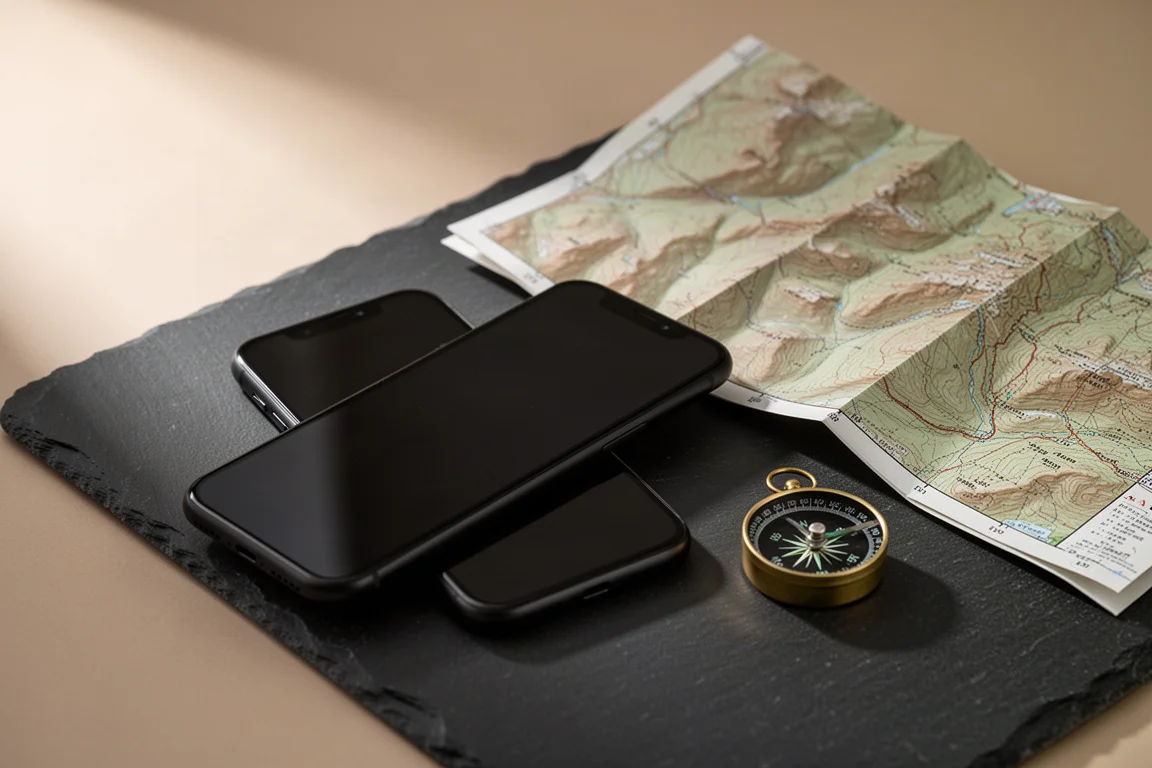
Route planning counts as gear on a remote route because it changes the decisions made on the trail. onX Backcountry maps routes in advance and keeps that information available offline, so an itinerary, alternative exits, and bailout options are on hand without a signal.
That matters at two levels. Day to day, it supports better calls about where to camp and how far to push. In a worst case, having pre-mapped exit routes loaded means a bailout does not depend on memory or guesswork.
Memberships come in premium and elite tiers, and offline map access is the feature that justifies carrying it.
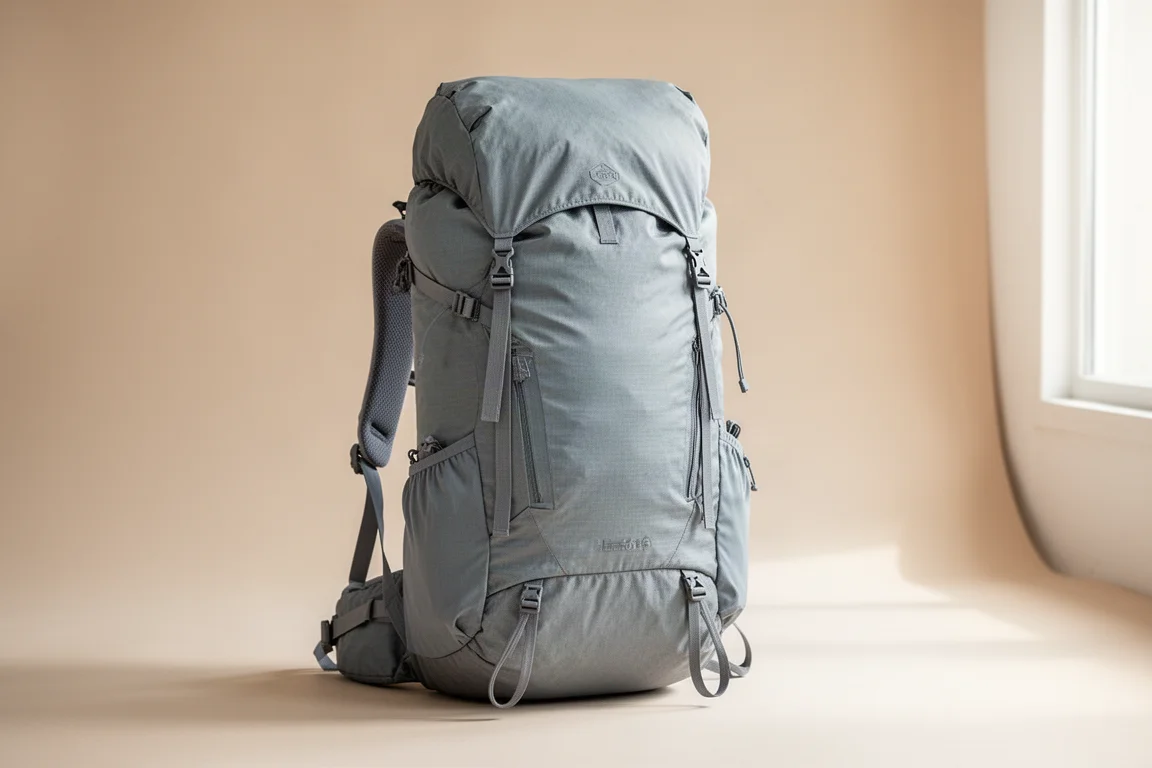
Pack Options: Skola 38 and Hyperlite Mountain Gear Southwest 55
Two packs are in the running because this trip sits right at the edge of what a small frameless pack can carry.
The Skola 38 is a frameless 38-liter pack that has already seen a lot of trail time and has carried well. The open question is volume. A full seven days of food at the start of a 100-mile route is a different load from a weekend trip, so a shakedown hike loaded with more food than the route requires is the practical way to find out whether the pack absorbs it without exceeding a sensible carry weight.
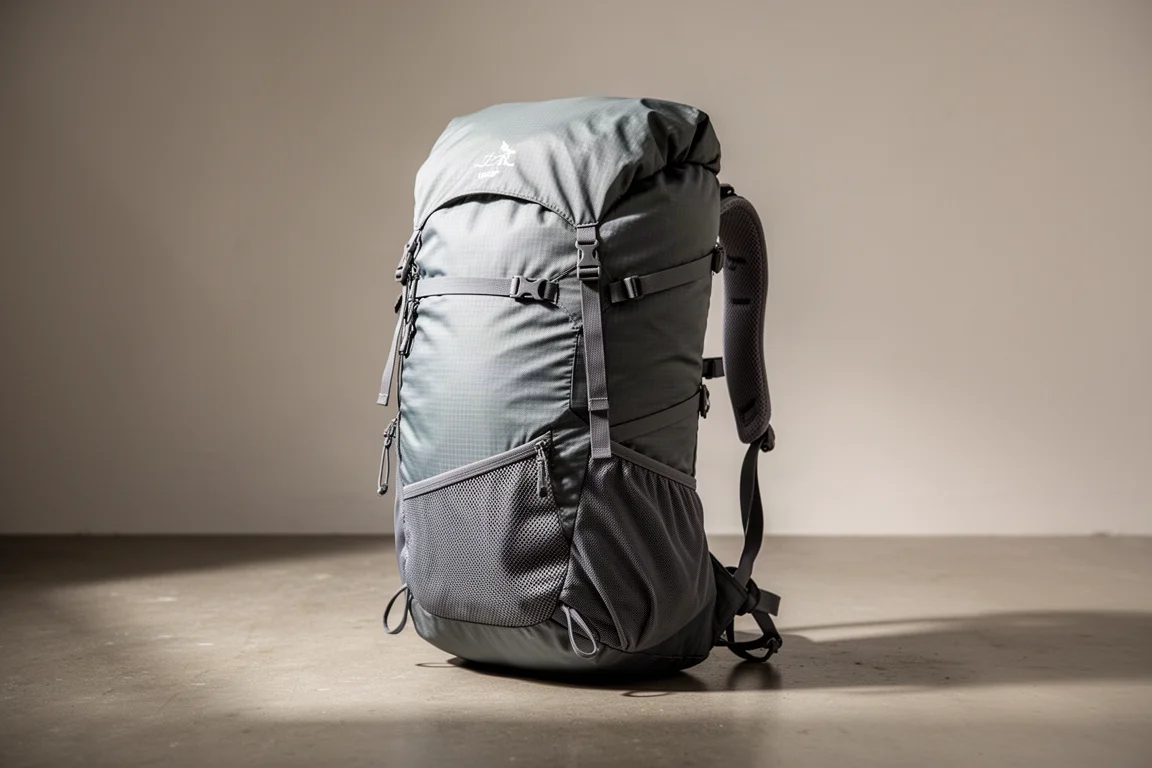
If the Skola 38 comes up short, the Hyperlite Mountain Gear Southwest 55 is the fallback and the more likely pick for the main trip. The larger volume and the tall top collar make a week-long food carry straightforward, which takes food volume out of the equation entirely.
Shelter: TFS Free Spirits Enron 1
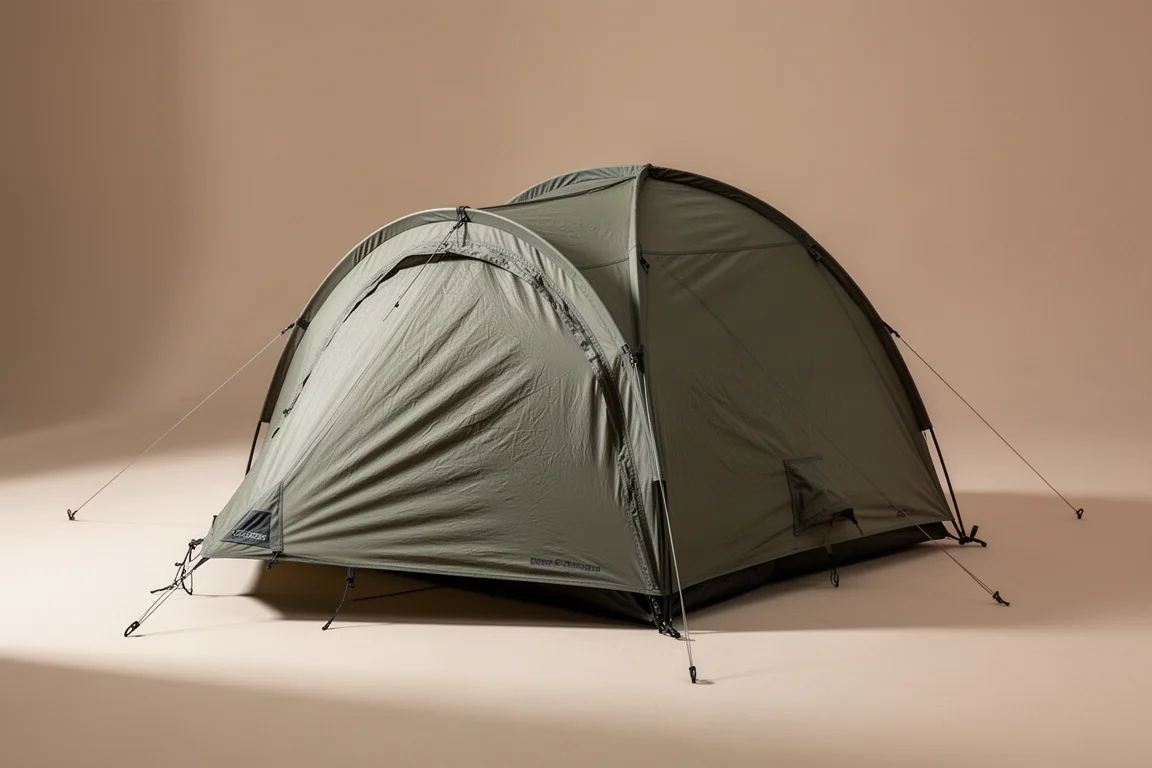
The shelter is a one-person tunnel tent, the TFS Free Spirits Enron 1. Tunnel designs shed wind well, which is the main concern on an exposed alpine route where sustained wind and afternoon storms are common.
The fly is polyester, a useful detail for anyone who has watched other fly materials sag through a wet night. The package includes stakes and carbon fiber end poles, so the complete shelter is one item to pack and pitch.
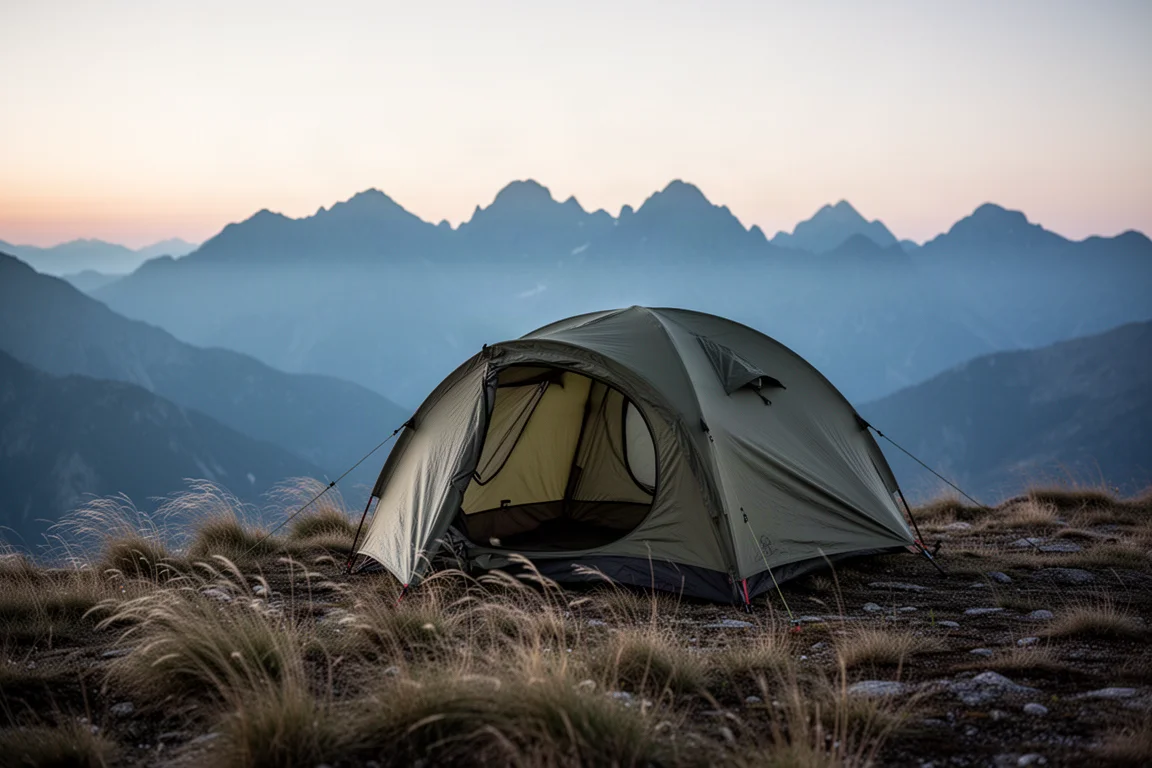
The trade-off with any tunnel tent is that it needs a reasonable patch of level ground and should be pitched with the wind direction in mind. Above tree line, that is a fair exchange for stability in weather.
Sleep System: ZenBivy Ultralight Pad
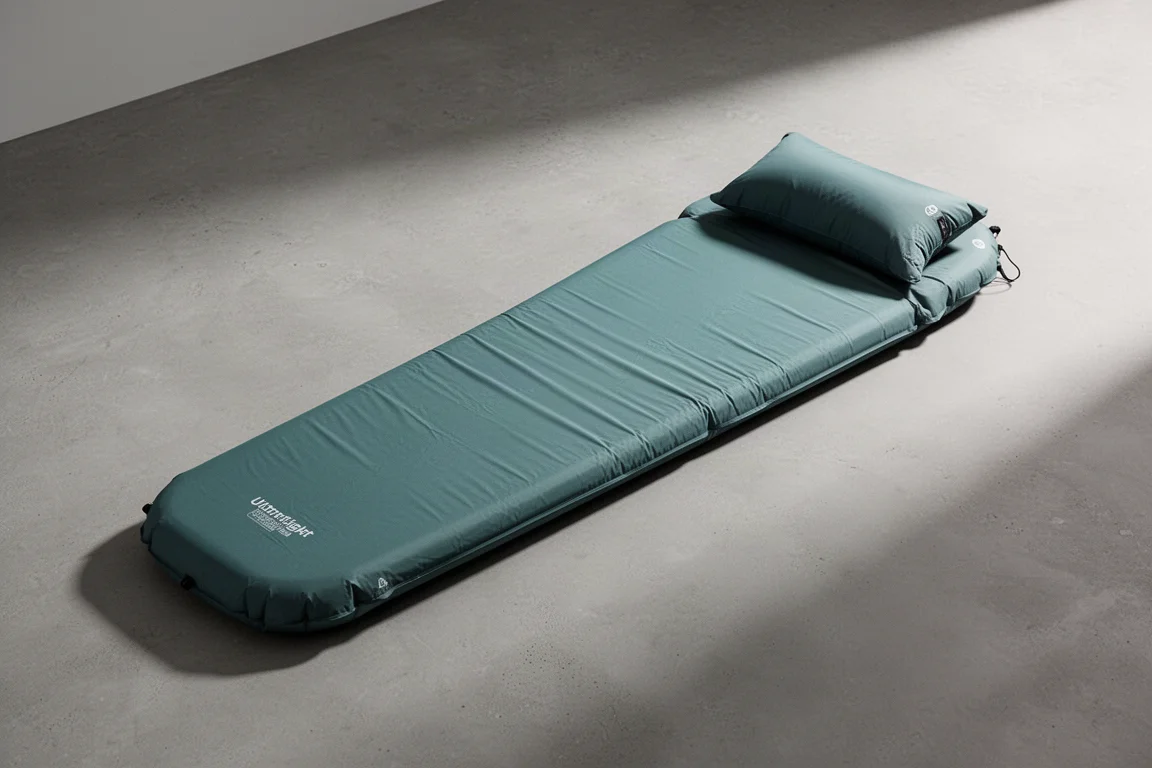
The ZenBivy Ultralight pad anchors the sleep system, chosen in the tapered version because it packs smaller than the rectangular shape. With an R-value of 5, it provides enough insulation to pair with either a quilt or a bag across three-season conditions at elevation.
Sleep System: Cumulus Aerial 300
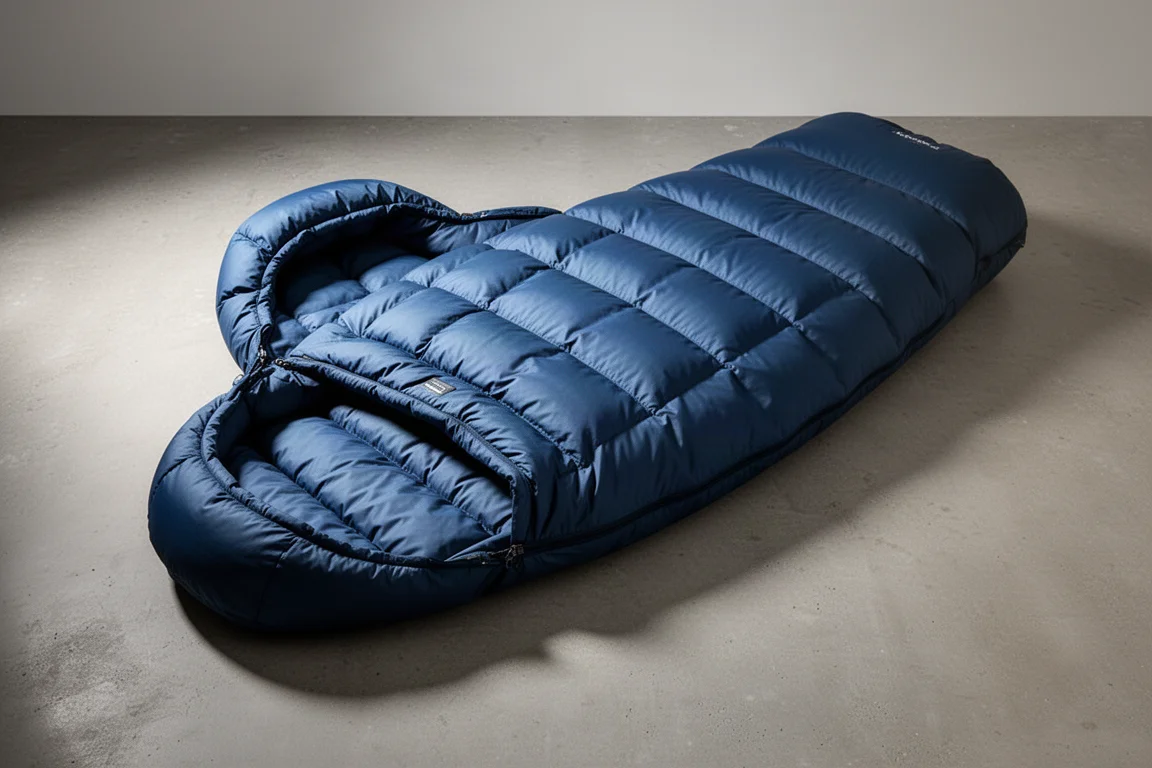
The Cumulus Aerial 300 is the more unusual option: a down bag with no zipper at all. Entry is through the top, and there is no insulation in the back panel, which is where much of the weight saving comes from when the bag is used on top of a pad.
It keeps the advantages of a traditional mummy shape, including a full hood and the ability to close up around the shoulders, without the drafts that can creep into a quilt. It carries a 30-degree comfort rating and packs into an 8-liter compression bag that also adds some protection against rain inside the pack.
The real questions are whether a zipperless design stays pleasant night after night and whether a 30-degree comfort rating is warm enough for late summer at 10,000 feet. If the forecast runs cold, the quilt below takes over.
Sleep System: UGQ Bandit Top Quilt
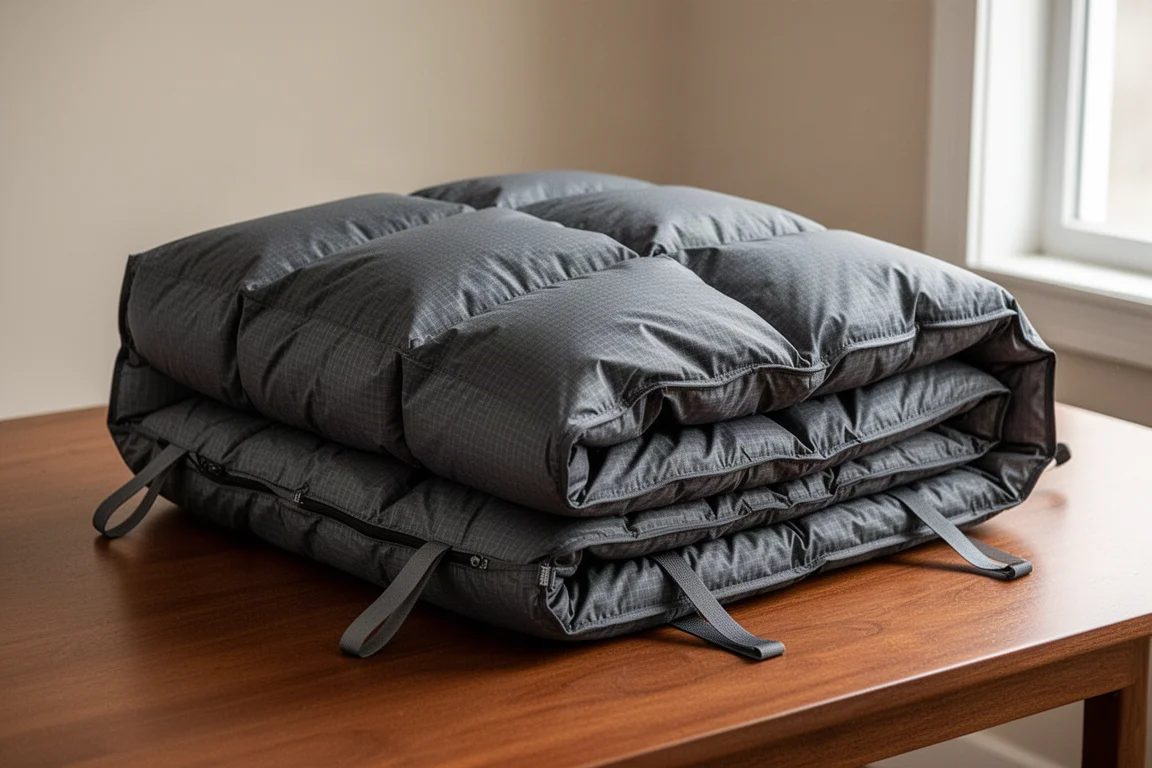
The alternative is the UGQ Bandit top quilt, comfort rated to 20 degrees and used down into the teens while staying warm. That covers a wider range of forecasts than a 30-degree bag.
Paired with the R-value 5 pad, it is a solid three-season combination for high elevation. The trade-off is typical quilt behavior: easier to get in and out of, but dependent on pad attachment to keep drafts out.
Insulation: Arc’teryx Cerium Hoody
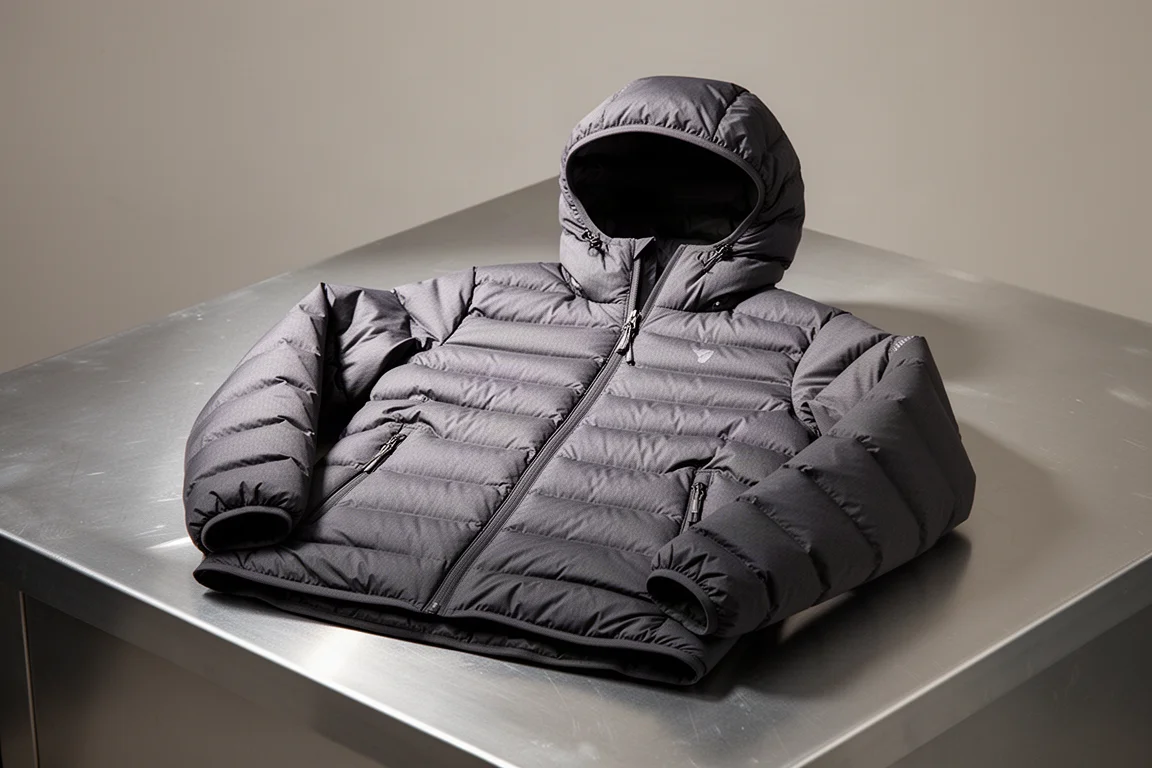
For a down layer, the Arc’teryx Cerium Hoody is a lightweight down jacket with a hood. It is not a budget option, and there are significantly cheaper down jackets that will keep a hiker warm.
What it offers in return is fit and a long track record. An earlier version of the same jacket was worn for many years until it was retired with holes in it, which is a clear signal about how a jacket holds up in real use.
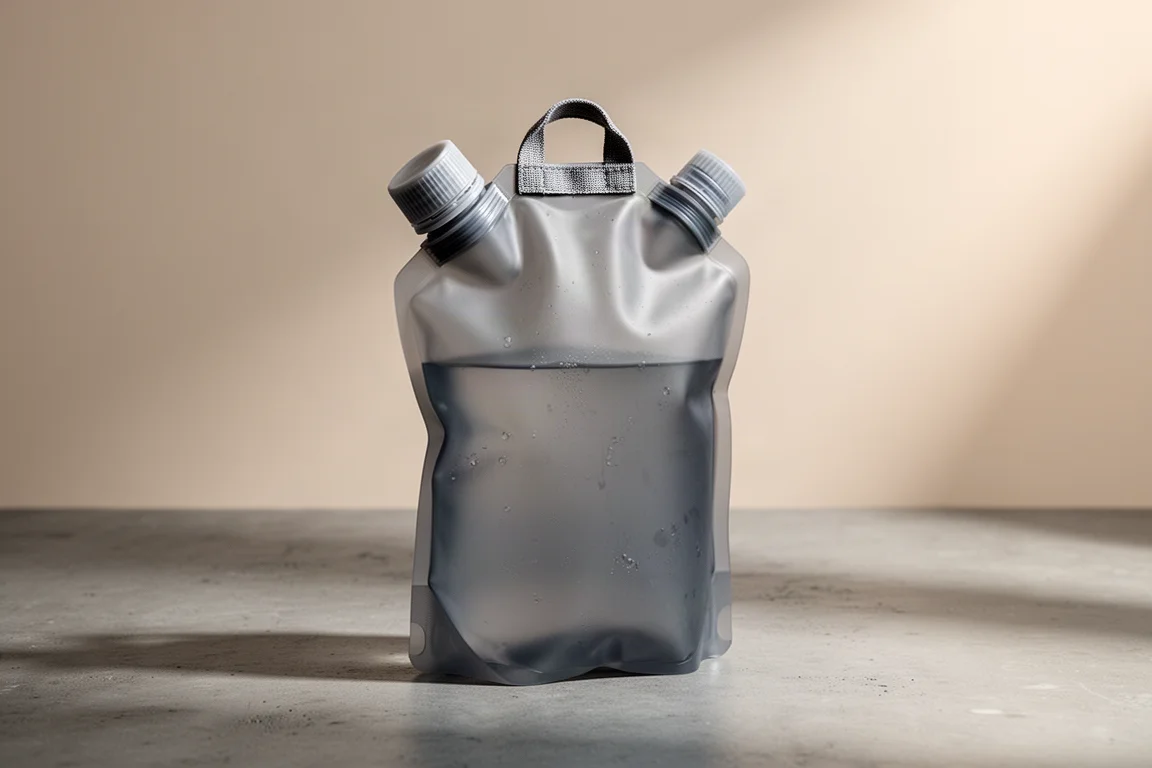
Water Capacity: Cnoc 2L Vecto
Water planning follows the route. The opening stretch of roughly 20 miles has little or no reliable water, and after that sources are plentiful, so capacity only has to be high for the first part of the trip.
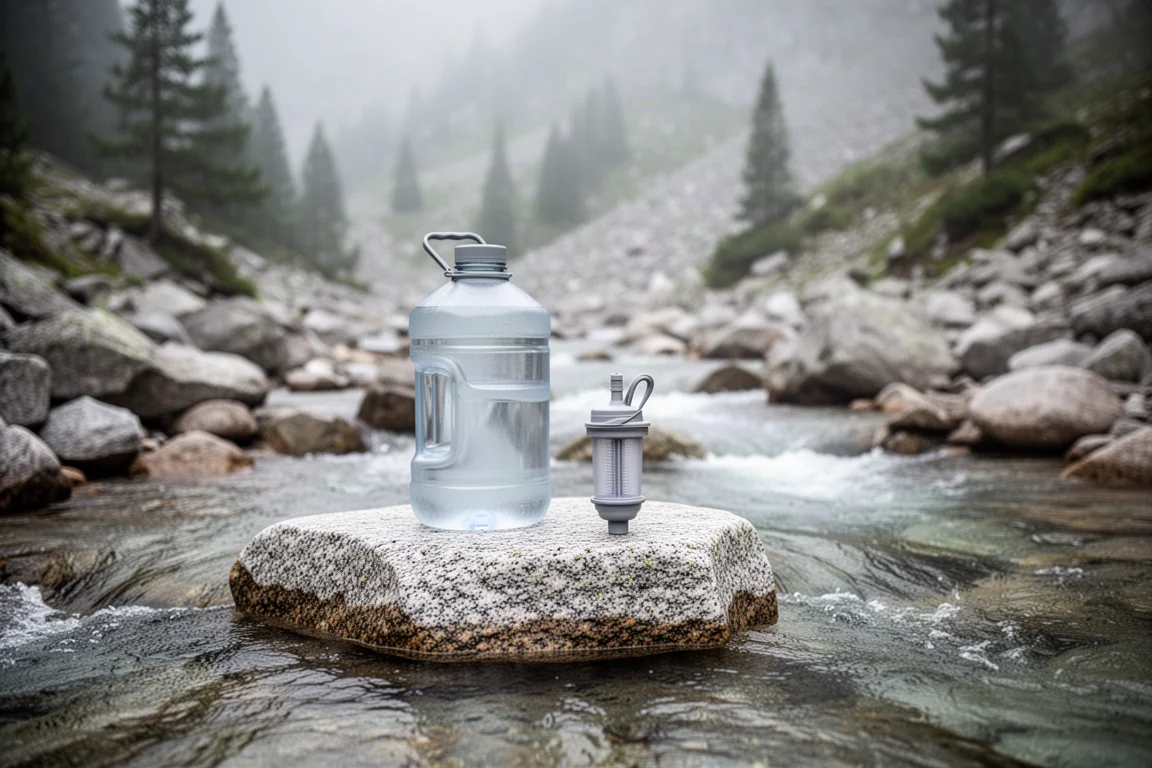
The Cnoc 2L Vecto supplies the bulk of that capacity, and it pairs with the filter below to cover the dry section without adding unnecessary bulk to the pack.
Beyond those opening miles, four liters is no longer necessary and the water load drops to whatever the day requires.
Water Treatment: Sawyer Squeeze
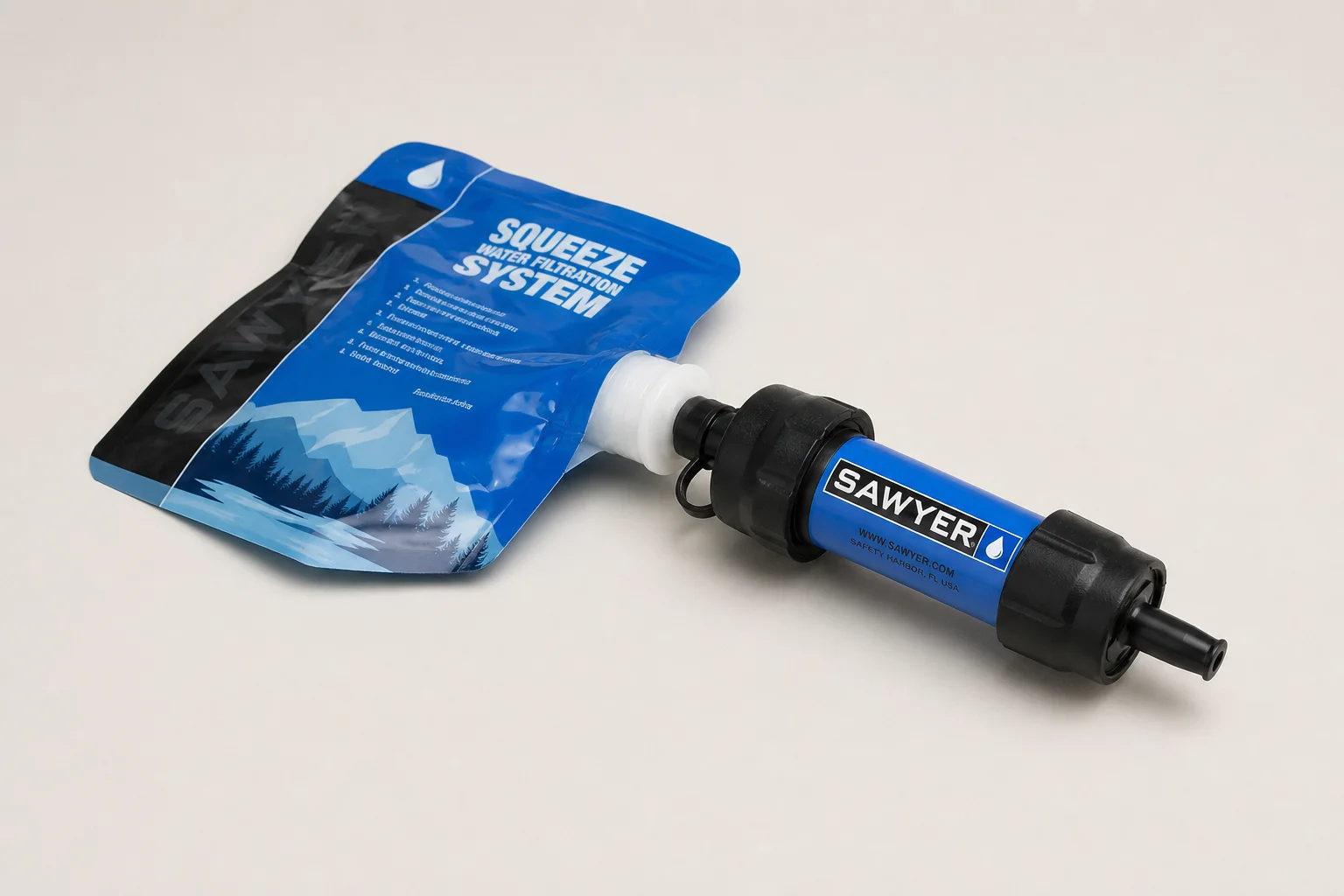
The Sawyer Squeeze handles treatment and works with the two-liter container, so the entire water kit is two items. Between them, four liters of capacity is available for the dry opening stretch of the route.
Cooking: Fire Maple Petrol Quick Boil System
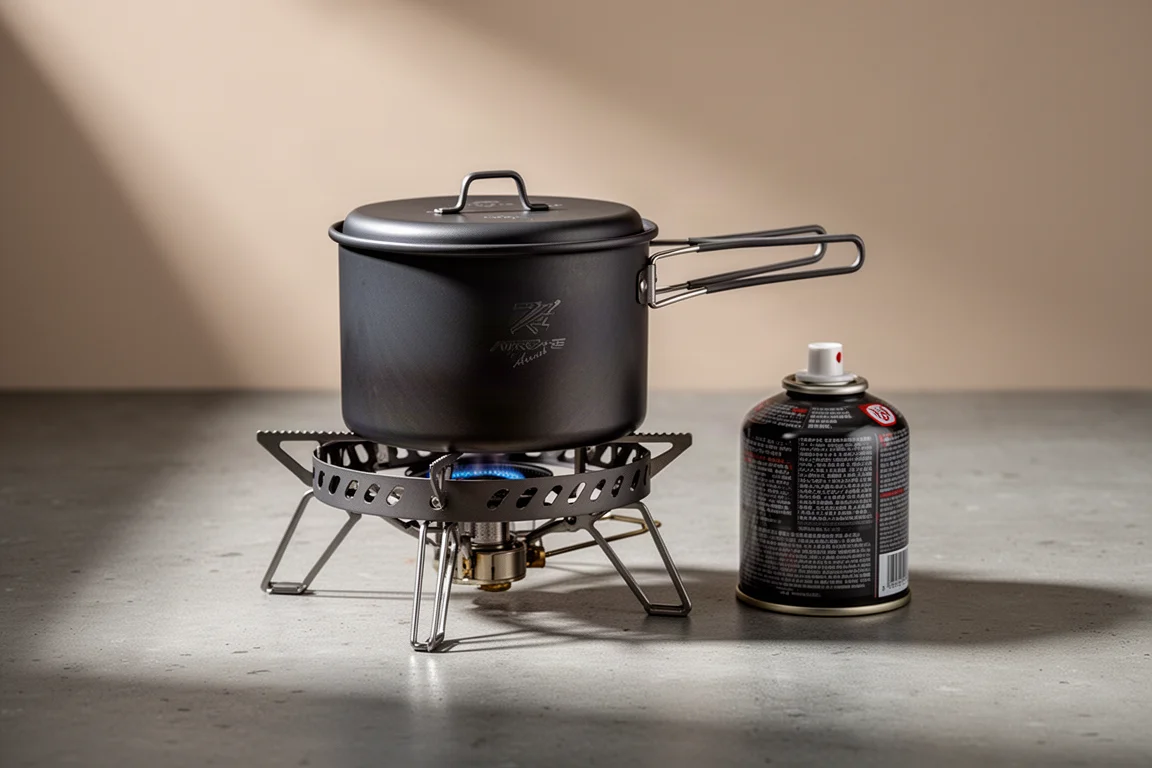
Cooking comes down to a new integrated system from Fire Maple, the Petrol Quick Boil. It is a 600 ml pot with a lid, a windscreen, and a heat exchanger built into the base, plus a canister base for stability. The burner and canister store inside the pot.
Weather performance is the point. At elevation, wind is the usual reason a boil takes far longer than it should, and the integrated windscreen and heat exchanger are designed to keep boil times and fuel use predictable. Because the setup is taller than a simple pot and burner, the canister base supplies the stability it needs.
It is an alternative to a basic titanium pot and burner, and the shakedown trips will show whether the integrated design earns a permanent place.
Food Storage: Backcountry Exposure AAN Roll Top Food Bag
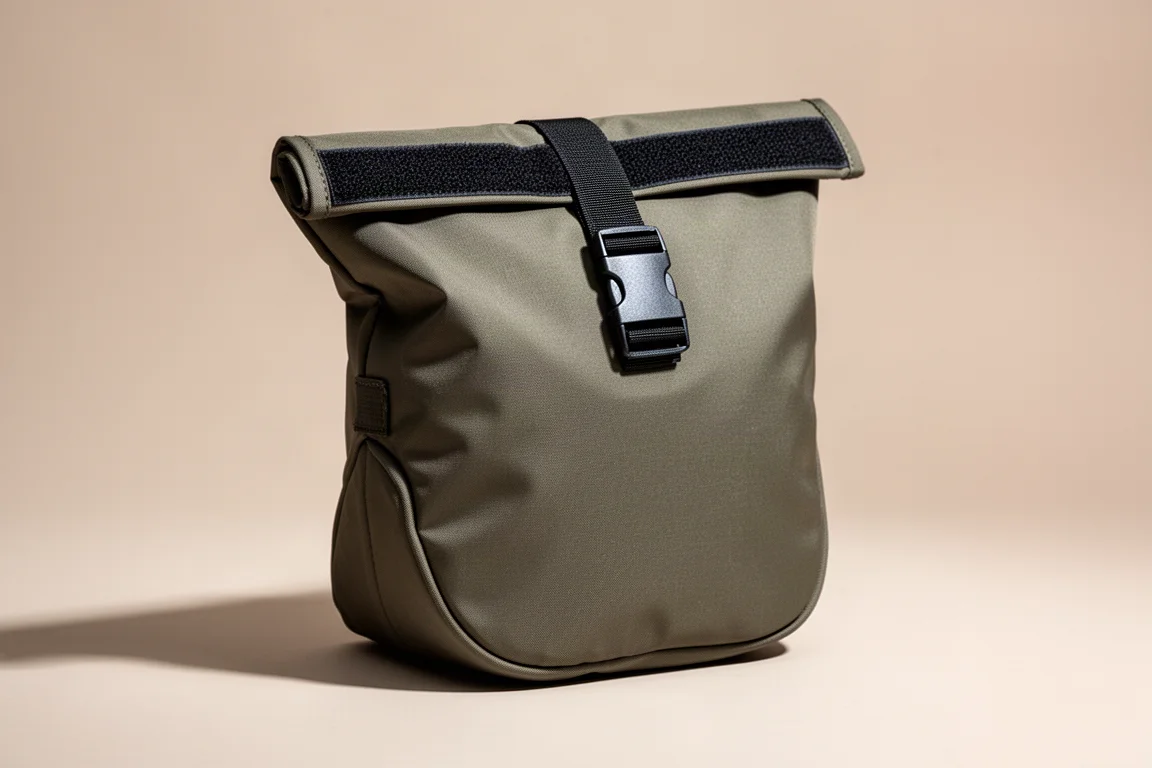
Seven days of food is a volume problem, and a roll-top bag handles it better than a zippered one because the closure accommodates a larger load. The Backcountry Exposure AAN is an 8-liter roll-top food bag, with a 12-liter version also available.
The design detail worth noting is the curved bottom. On a flat-bottomed bag, the corners of the base poke out when the bag is set down, creating dead space and an abrasion point. Curving the bottom removes that corner while the bag still stands on its own.
The closure uses a Duraflex buckle and molded hook-and-loop at the top. The molded material does not grab fleece or other soft layers, and it makes for a secure, quicker roll.
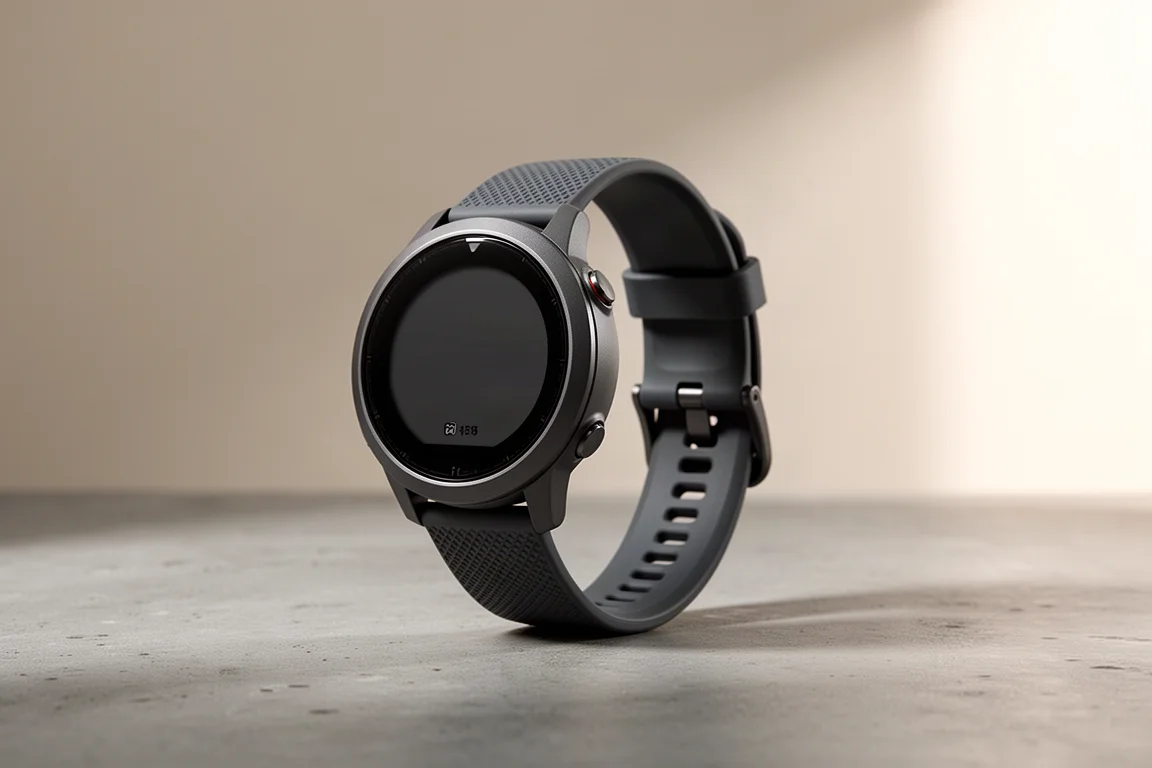
On-Trail Tracking: COROS Apex 2 Pro
The watch on the wrist is the COROS Apex 2 Pro, used for elevation gain and loss and heart rate. On a route with this much climbing, that data is genuinely useful, and the battery life is the standout feature.
Long battery life matters on a seven-day trip where charging opportunities are limited. That combination of tracking and endurance is the reason it has become the default watch.
Overall Buying Advice
The most useful way to read this list is by function rather than by brand. The pack, shelter, and sleep system carry the most weight in the decision and deserve the most attention, because a failure in any of them turns a good trip into a miserable one.
For anyone assembling a similar kit, three numbers drive the choices: the volume needed for the longest food carry, the temperature rating required for the coldest night expected, and the water capacity matched to the longest dry stretch. Get those three right and the rest of the list becomes easier to trim.
It also helps to test the whole kit on shorter trips first. A 35 to 40 mile shakedown hike reveals problems that a gear spreadsheet never will, and swapping items before the main trip is far easier than fixing them on day four of a long route.
Conclusion
This gear list is built around one long, exposed, high-elevation trip, but the logic behind it applies to any multi-day route with a heavy food carry. Prioritize volume for food, insulation for the coldest night you might get, and water capacity for the longest gap between sources.
Everything else is a refinement. The newer items, including the zipperless sleeping bag and the integrated cook system, are the ones to watch through a season of testing, while the established pieces already have a track record behind them.
Further reading
Related Reviews

Backpacking Gear
Building a 10 lb Base Weight: An Ultralight Backpacking Gear List
A practical walkthrough of the ultralight pieces behind a 10 lb base weight, from a 765 g pack and a roomy one-person tent to a full camp chair and a dependable water filter.

Backpacking Gear
A 15-Pound Lightweight Backpacking Gear List for Solo Trips
A beginner-friendly 15-pound backpacking setup built from easy-to-find gear, with notes on what each piece does, how it packs, and where to spend your attention.
Backpacking Gear
8 Ultralight Backpacking Gear Upgrades Worth Carrying
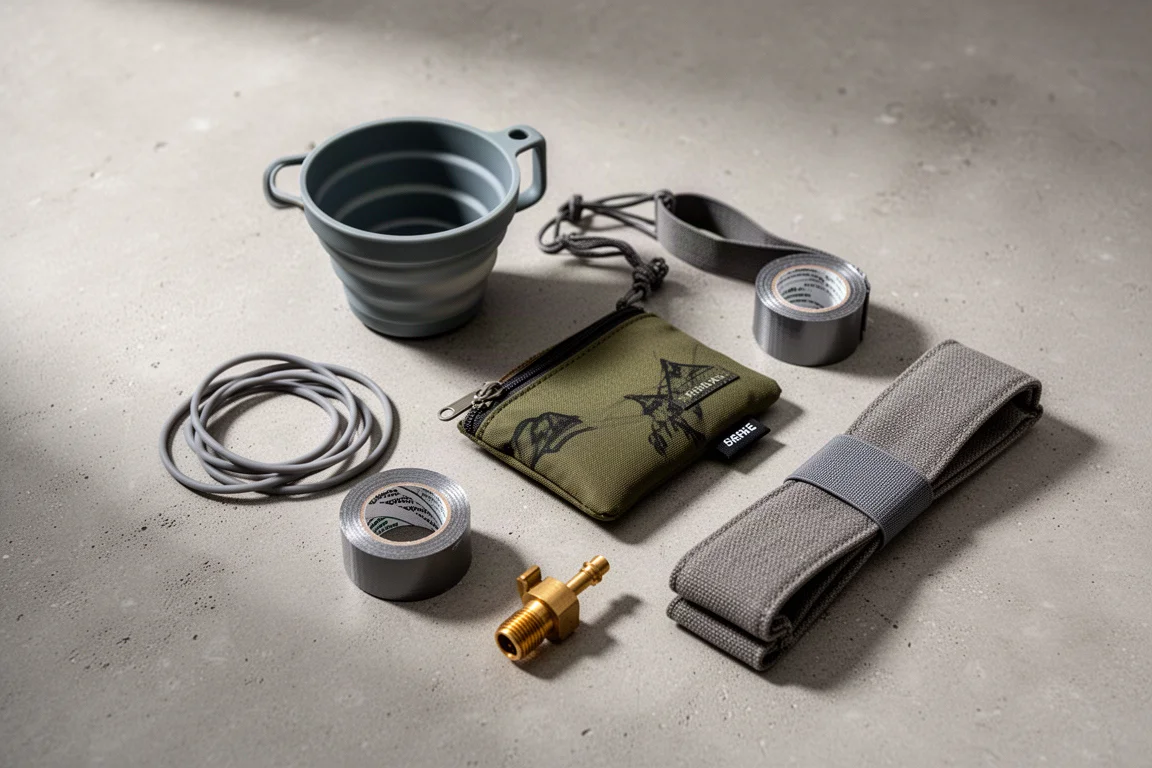
Eight small, affordable backpacking upgrades that solve real trail annoyances, from a pillow that stays put to a fuel valve that rescues leftover canister gas.