Backpacking Gear
Ultralight Backpacking Gear: 14 Pieces That Cut Real Weight
An ultralight backpacking loadout compared with its mainstream counterparts, item by item, with the weight, cost, and comfort trade-offs made clear.
Introduction
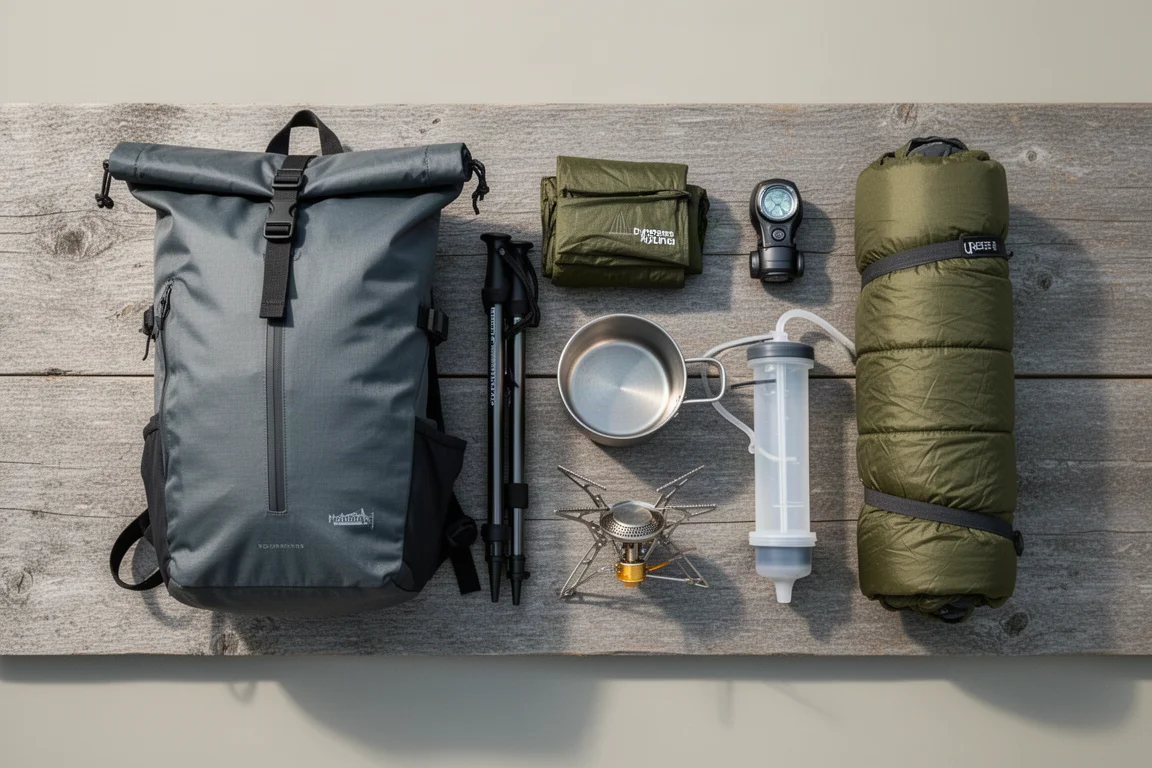
Two gear lists can cover the same weekend and still feel like different sports. One follows the familiar mainstream playbook: widely available brands, generous capacity, and plenty of comfort margin. The other leans on small cottage makers, thin fabrics, and careful gram counting. Put them side by side and the gap is easy to measure. The mainstream base weight comes to 13.5 lb, while the ultralight version of the same kit comes to 6.4 lb.
That gap holds up once the same 5 lb of miscellaneous items goes into both packs. The mainstream setup lands at 18.5 lb and the ultralight setup at 11.4 lb, a difference of a clean 7 lb. Seven pounds is the kind of saving you feel on every climb, at every switchback, and again the next morning when you lift the pack off the ground.
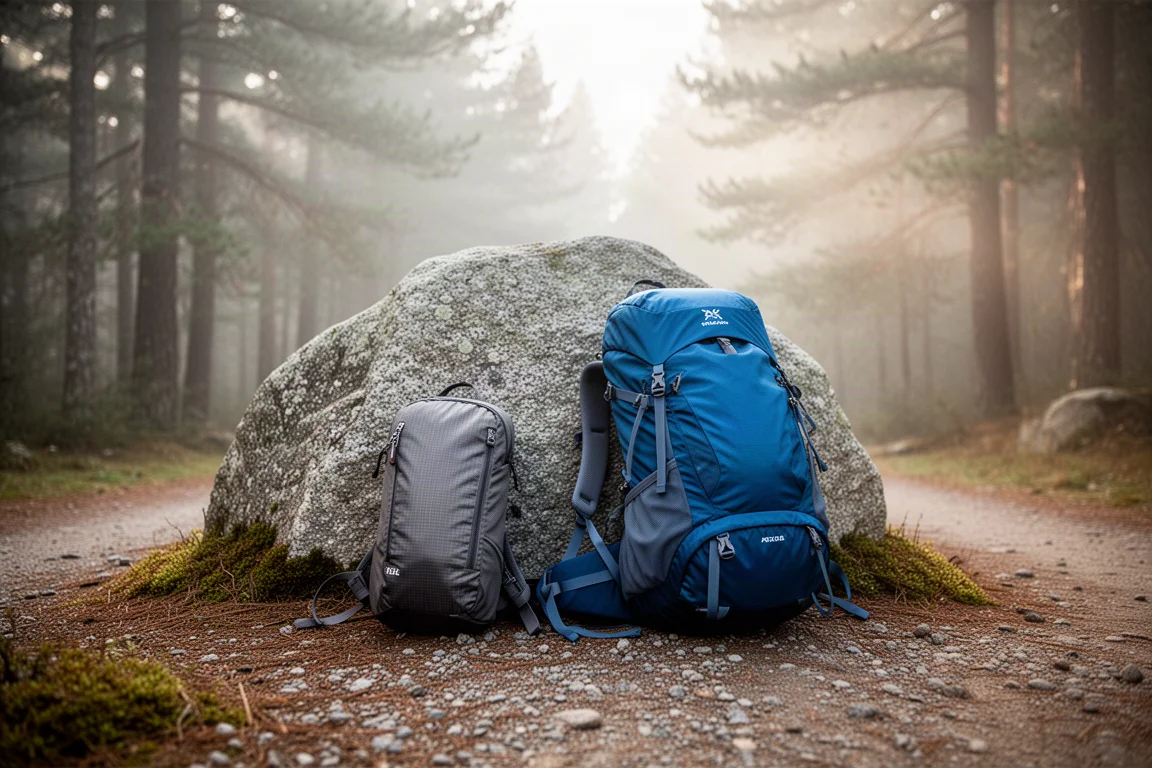
What makes the comparison interesting is the cost. Across the full loadout, the ultralight version comes in around $166 more than the mainstream version. For that money you still get a proper pillow, a cushy sleeping pad, a chair, a real water filter, and the usual safety items. Lighter does not have to mean rougher.
The sections below pair each ultralight item with its mainstream counterpart so the trade-offs are easy to read: what you save in weight, what you spend, and what you give up in warmth, capacity, or convenience.
How These Picks Compare
Every item here was judged on the same handful of practical questions rather than on spec sheets alone.
Weight: measured in ounces where the difference is small and in pounds where it is not. A 24.6 oz pack against one nearly 4 lb heavier is a meaningful difference. A couple of ounces in a headlamp rarely is.
Comfort: a lighter load reduces fatigue, but only if the sleep system and the pack still carry well. A pad that is warm but uncomfortable, or a bag that will not stay put on the mat, is a false economy.
Weather range: some items are built for three-season use and some are built for winter. The right choice depends on when you actually go out, not on which number looks better on paper.
Price: ultralight gear from small makers often costs more, though not always by as much as people assume. Across this full loadout, the difference comes to roughly $166.
Availability: several of these items come from small cottage brands that are harder to find than mainstream labels. Retailers that specialize in small backpacking makers, such as Garage Grown Gear, are one route to them.
Backpacks
The pack is the easiest place to find a large weight saving, because mainstream packs carry frame, padding, and fabric volumes that ultralight packs trim back.
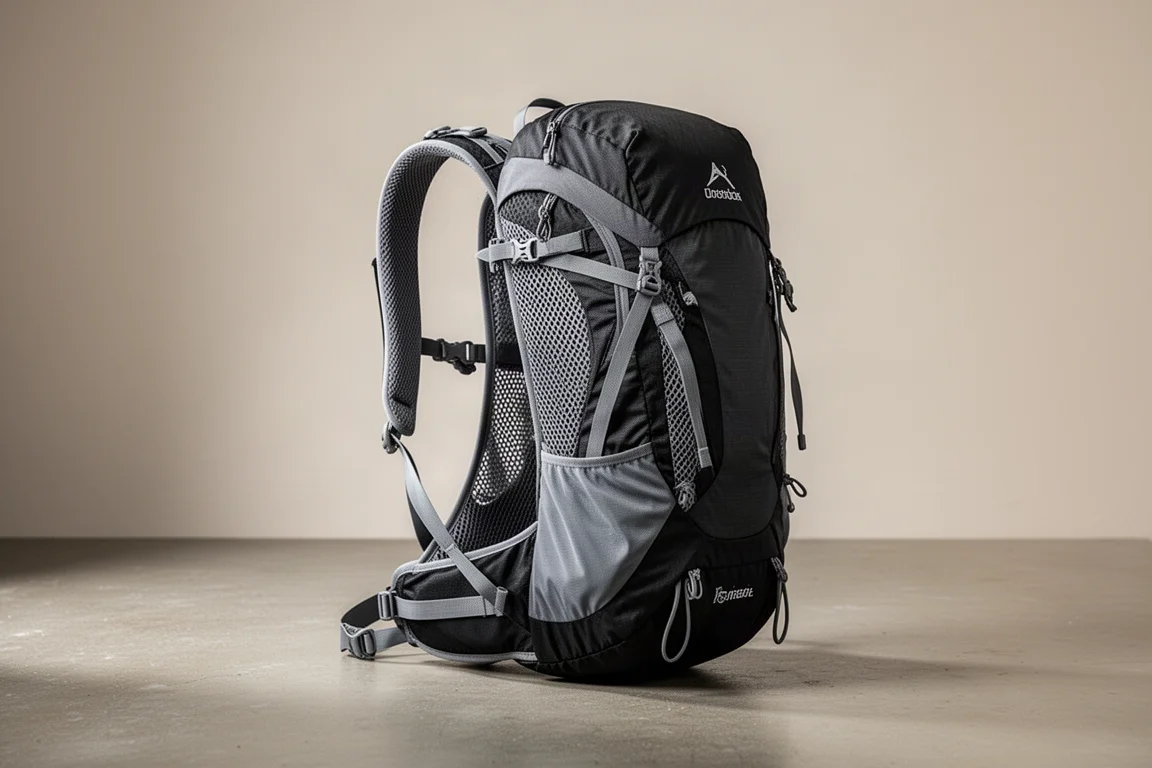
Zpacks Arc Haul
The Arc Haul is a 60-liter pack that stays fully adjustable and weighs 24.6 oz. That combination matters. Sixty liters is enough for a multi-day load, and the adjustment means the weight still transfers to the hips instead of hanging off the shoulders.
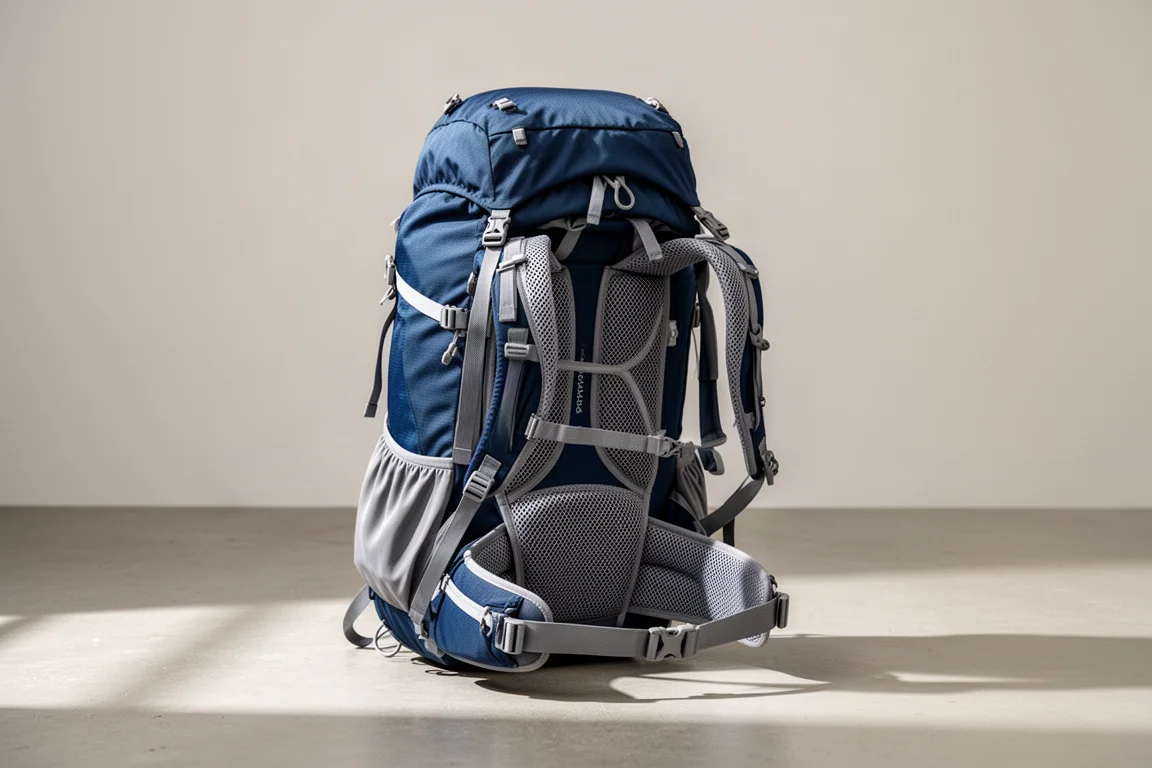
Osprey Aether 55
The mainstream counterpart is a 55-liter pack from a brand most hikers already know. It carries 5 liters less than the Arc Haul and weighs almost 4 lb more, which is the single largest weight difference in this entire comparison.
Shelters
Shelter choice drives both pack weight and campsite comfort, and the two tents here split along exactly that line.
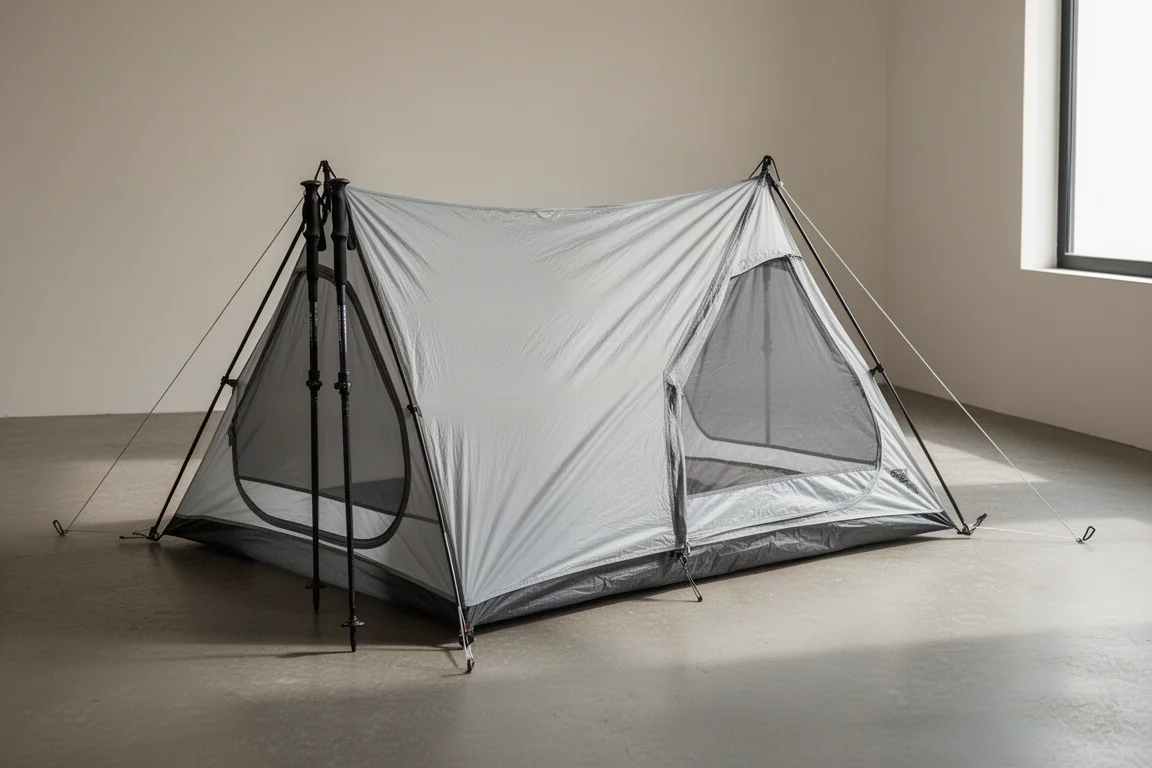
Tarptent Dipole Li 2-Person Tent
The Dipole Li is a Dyneema two-person tent that weighs 27 oz, comfortably under 2 lb. The detail that stands out is the floor. At 50 inches wide it takes two wide sleeping pads side by side, which is rare in a tent this light.
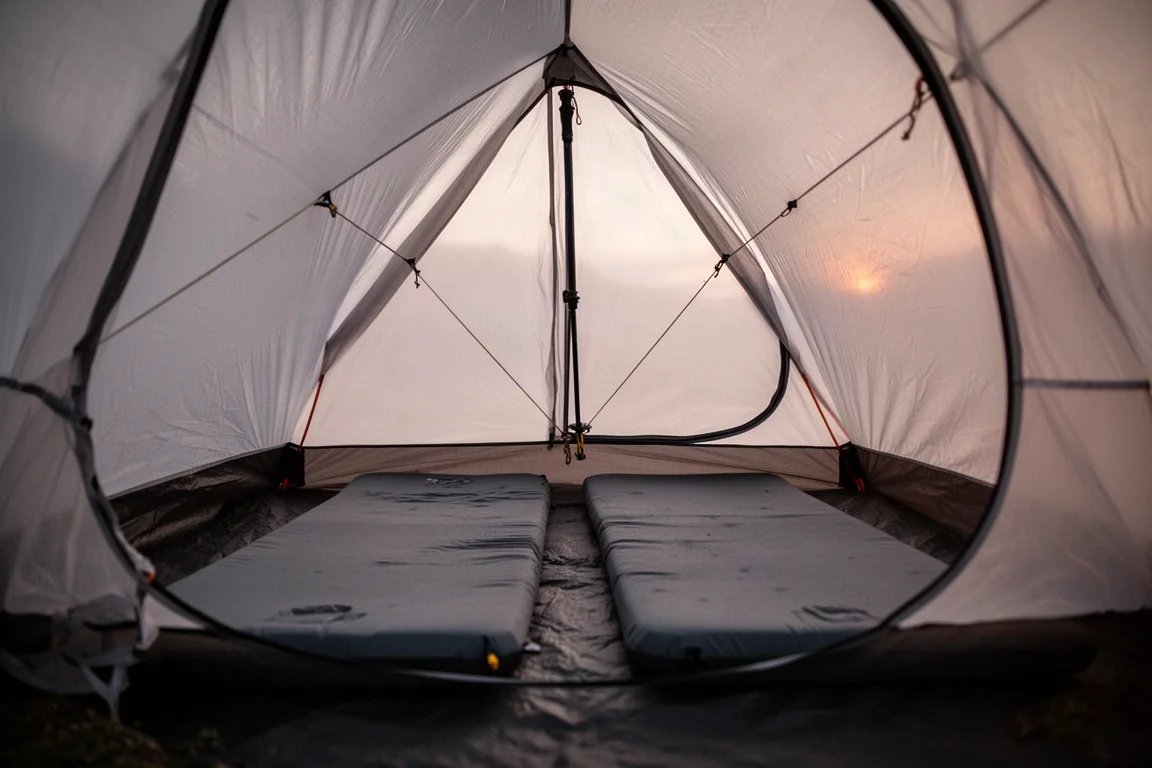
Two wide pads matter more than they sound. It means two adults can sleep on the pads they actually want, without one person dropping down to a narrow mat or buying a second pad just for camping.
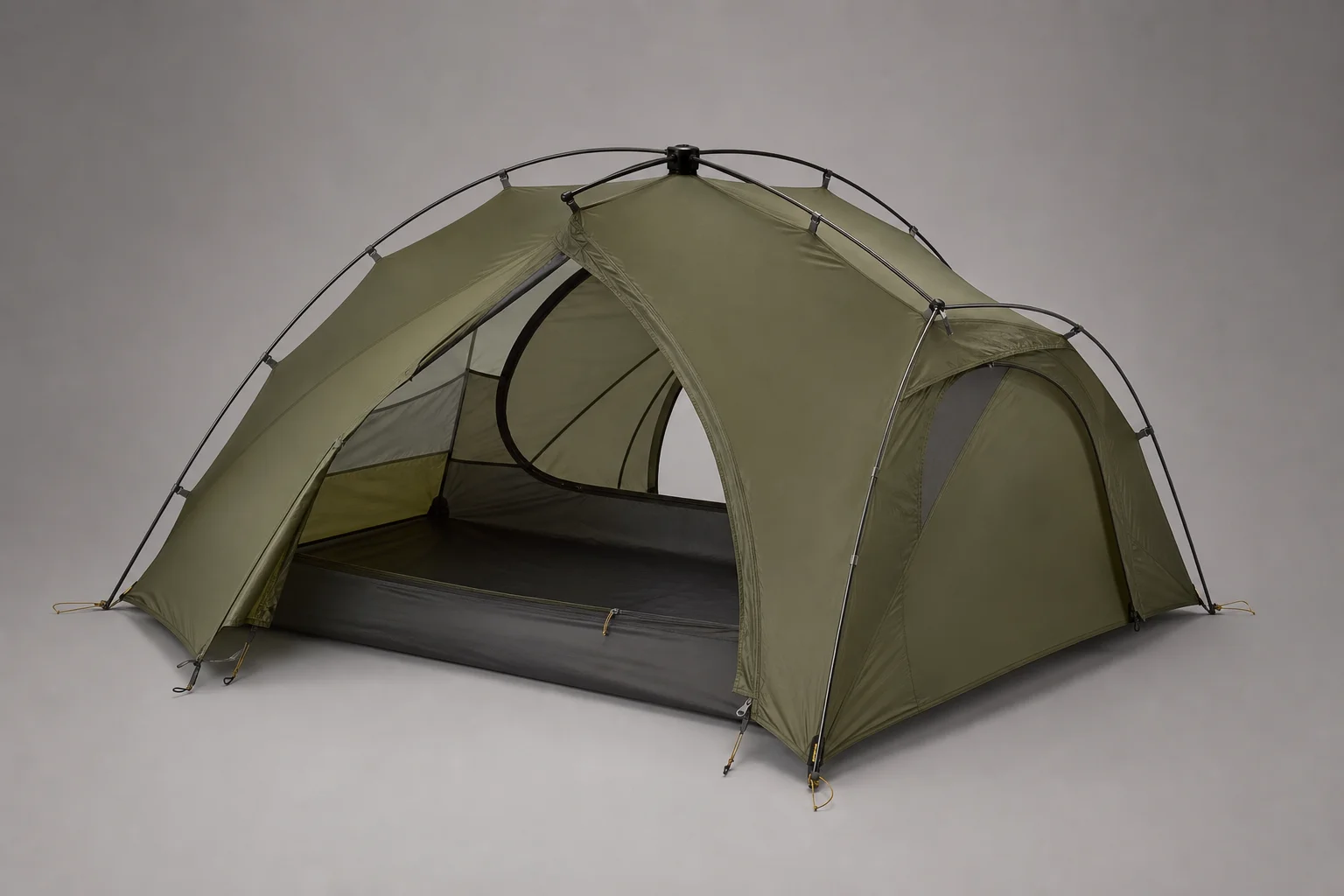
Big Agnes Copper Spur
The mainstream two-person tent in this comparison is nearly a pound heavier than the Dipole Li and cannot fit two wide pads. For solo trips, or for couples who use narrower pads, that limitation never comes up, and it remains a well-known, widely available option.
Water Treatment
Water treatment is where weight barely matters and capability matters a great deal.
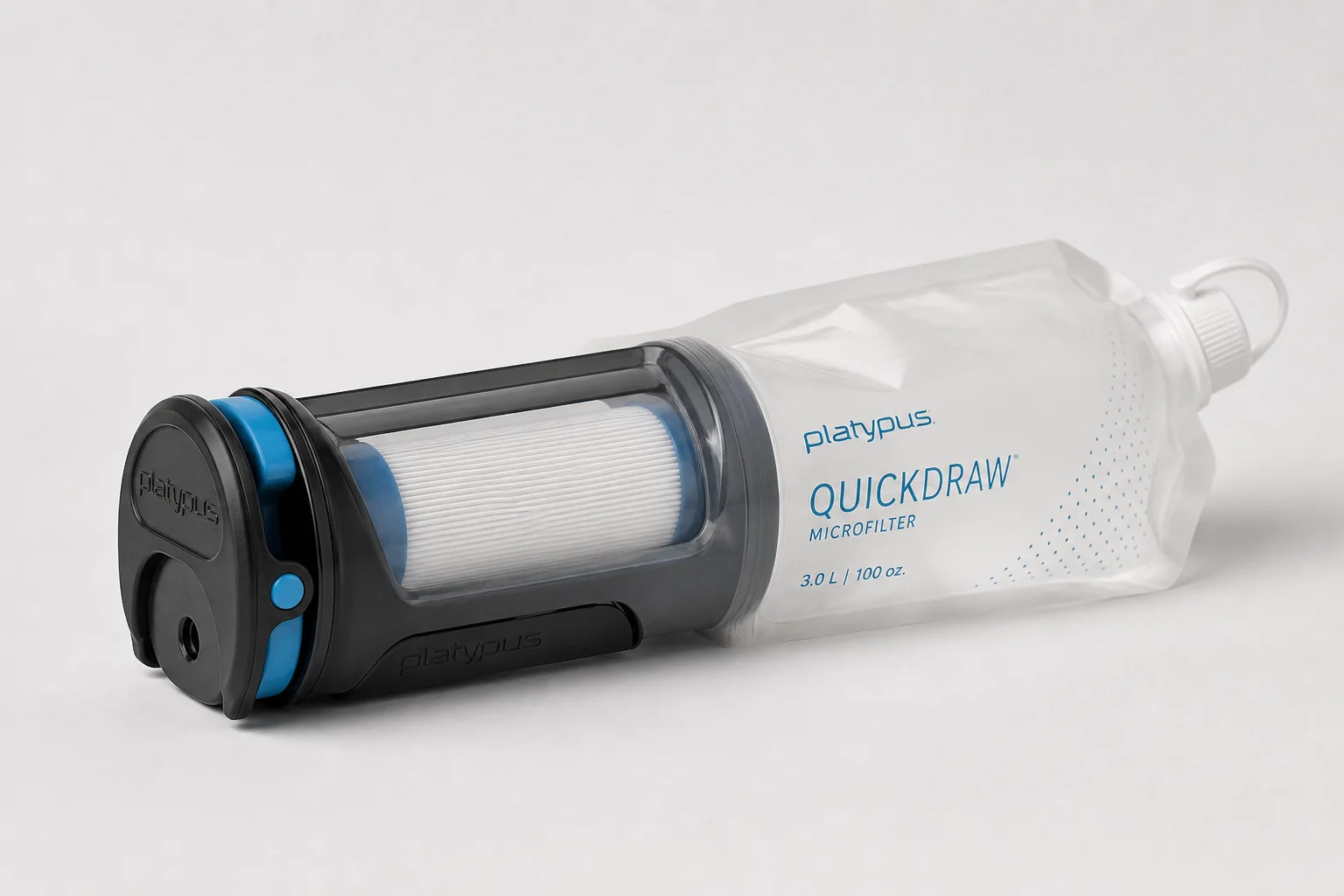
Platypus QuickDraw
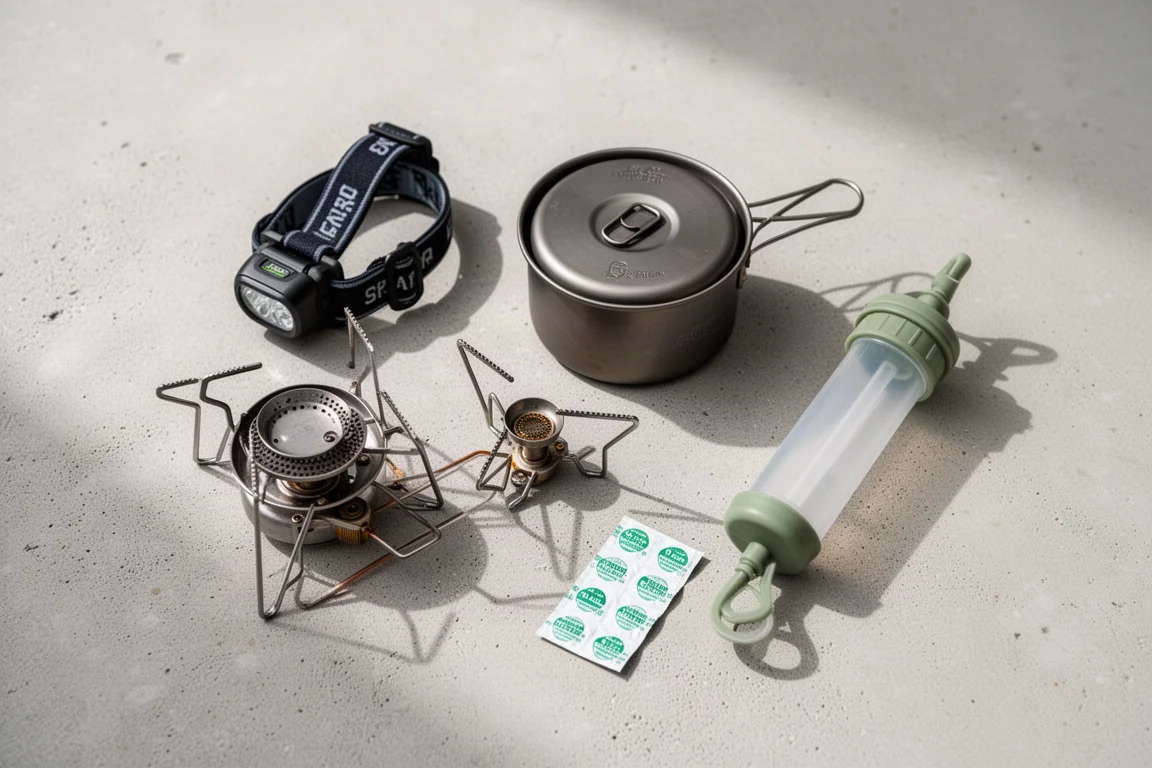
The QuickDraw is a squeeze filter that weighs 3.4 oz and removes 99% of contaminants. It does not remove viruses or chemicals, which is true of most filters in this class, so boiling remains the reliable backstop.
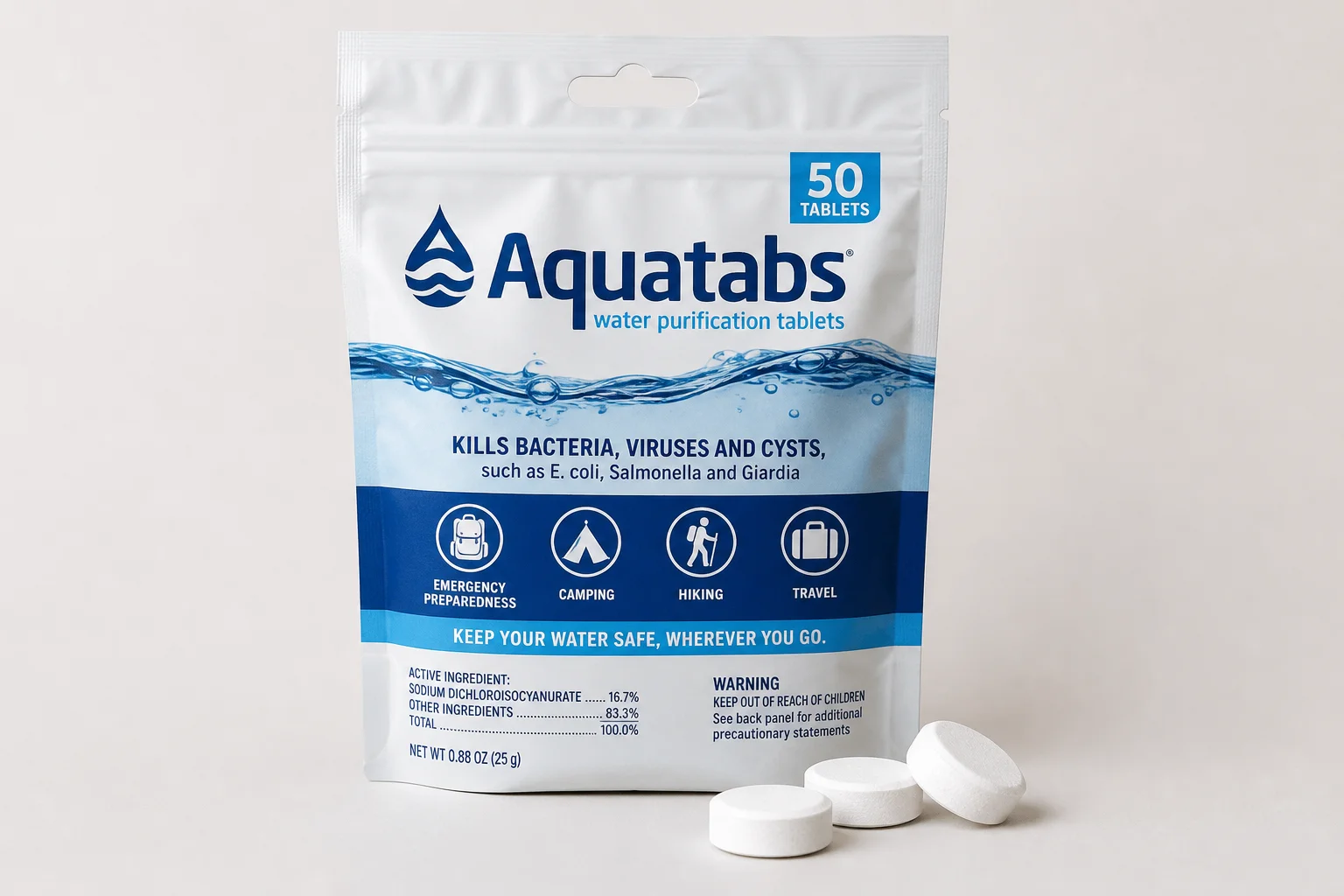
Aquatabs
Aquatabs sanitize water, but they do not remove anything from it. Dirt, sediment, bacteria, and parasites all stay in the bottle. They are simply dead and no longer able to cause illness. Treatment is also slow, taking over 40 minutes for 750 ml. Their real value is as a featherweight backup, and on this trip they sat alongside the filter and the option of boiling, giving three separate ways to make water safe.
Stoves and Cookware
A cook kit is a small system, and the weight and cost differences show up in the combination rather than in any single piece.
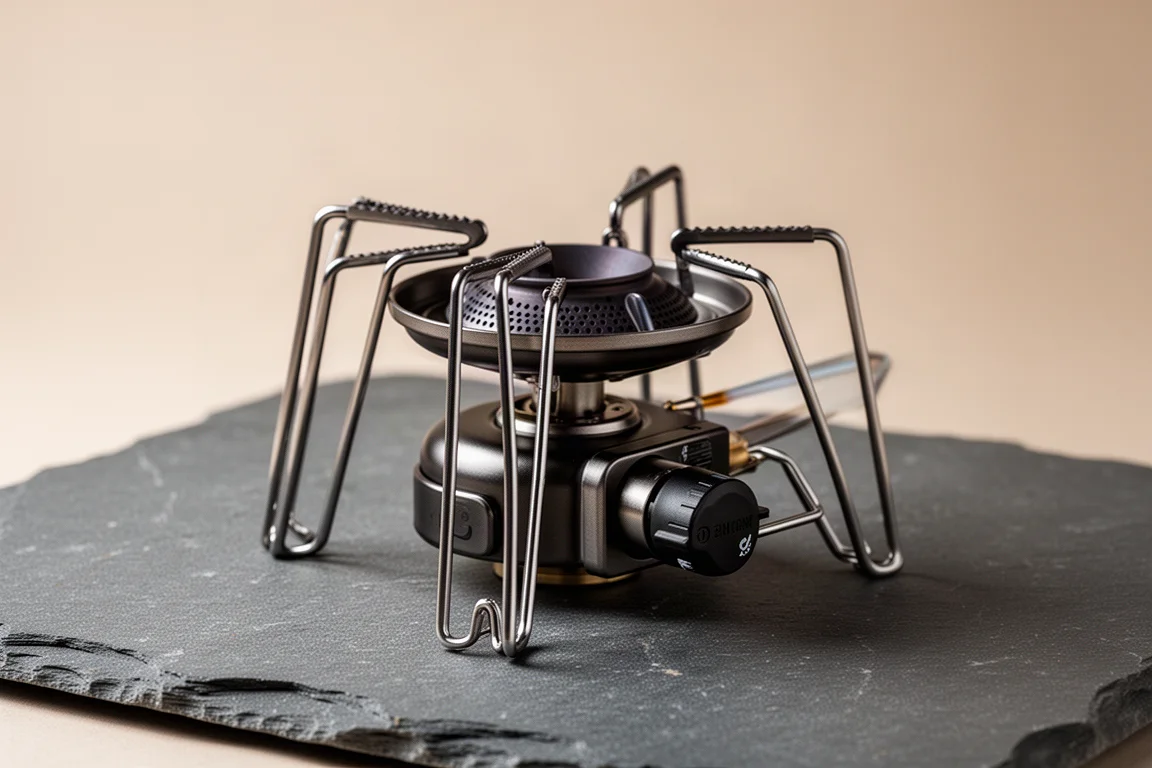
MSR PocketRocket Deluxe
The PocketRocket Deluxe is a compact canister stove that pairs naturally with a small titanium pot for solo trips. It only becomes redundant when someone else in the group is already carrying a stove.
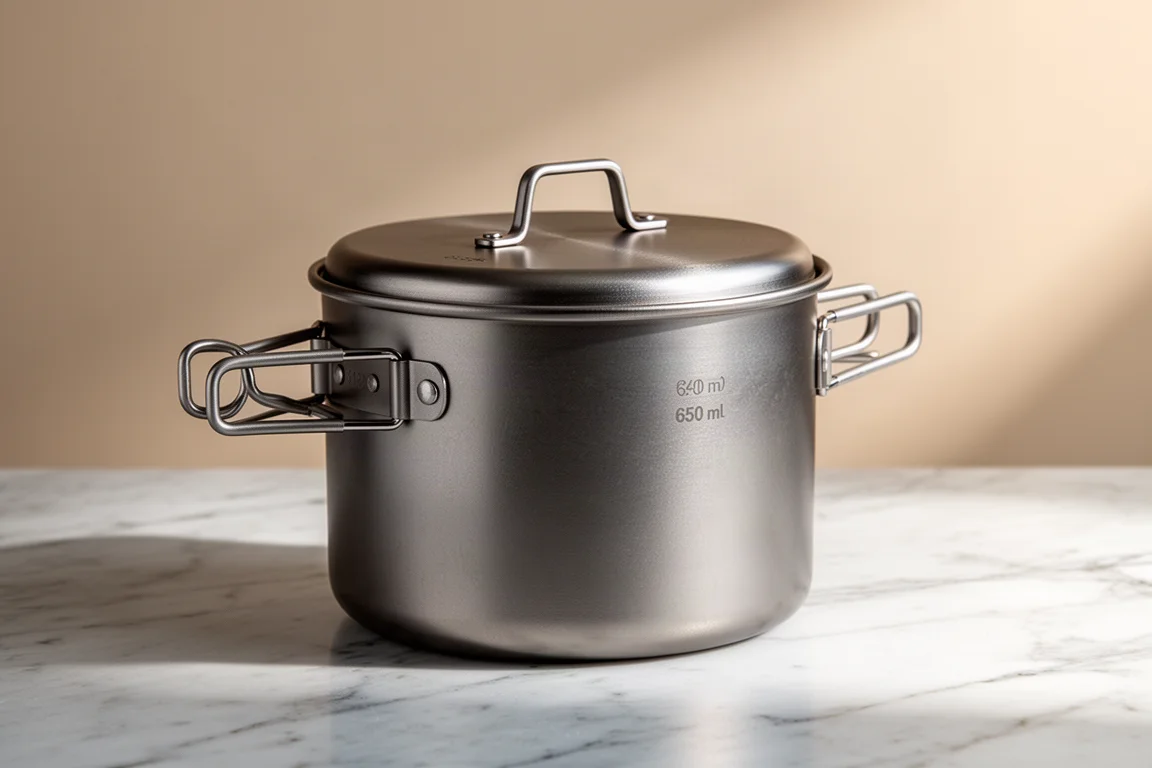
Toaks 650ml Titanium Pot
A 650 ml titanium pot is the other half of that solo kit. Together, the stove and pot differ from the silicone pot option by roughly 7 oz and about $20, which is a useful reminder that cookware savings stay modest in absolute terms even when the percentage looks large.
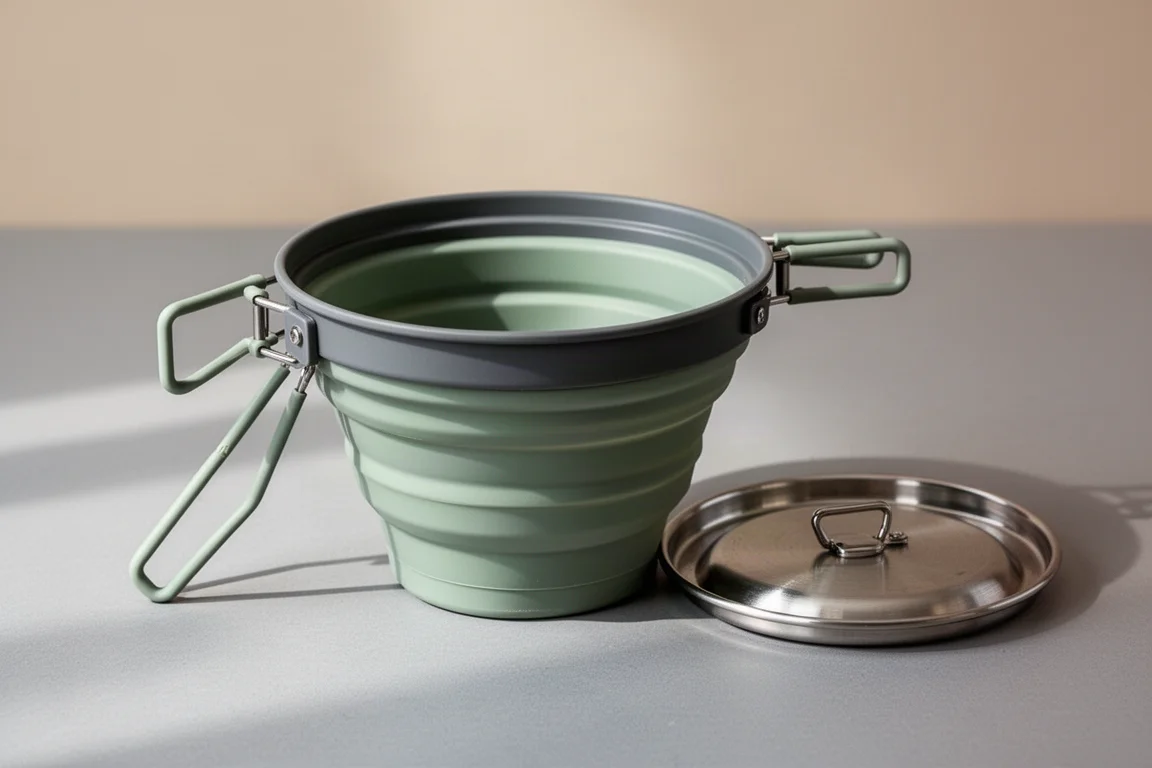
Sea to Summit X-Pot
The silicone X-Pot is the mainstream pick here. It is a familiar, widely available option, and it sits on the heavier side of this particular comparison.
Headlamps
Headlamps are already light, so the interesting differences here are price and design rather than grams.
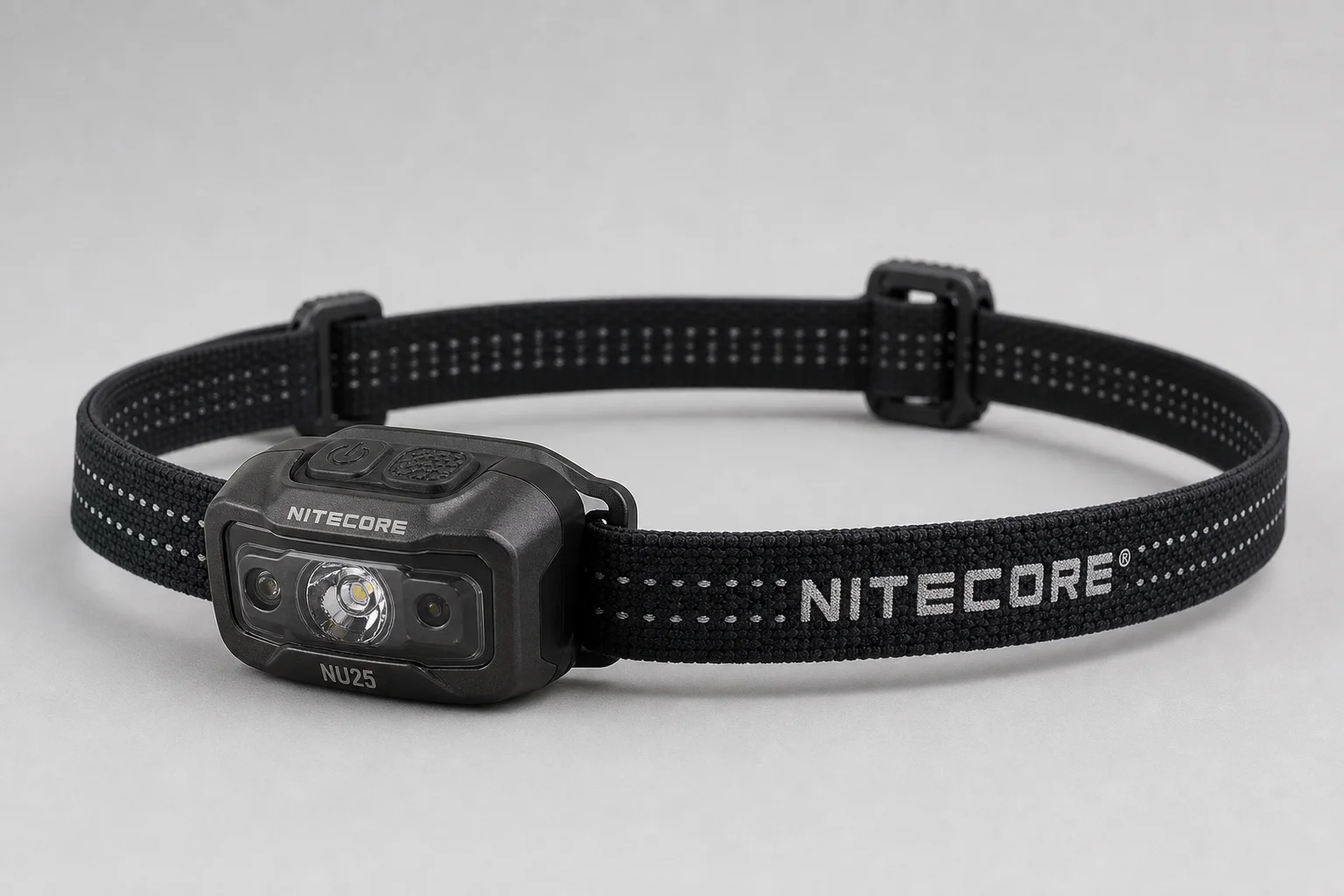
Nitecore NU25
The updated NU25 replaces the usual elastic strap with thin elastic cord. It is a small change and it saves very little weight, but it acknowledges the many hikers who were already cutting straps off their headlamps to save a few grams. The original NU25 weighed less than an ounce, and this version stays in the same territory.
Petzl Actik
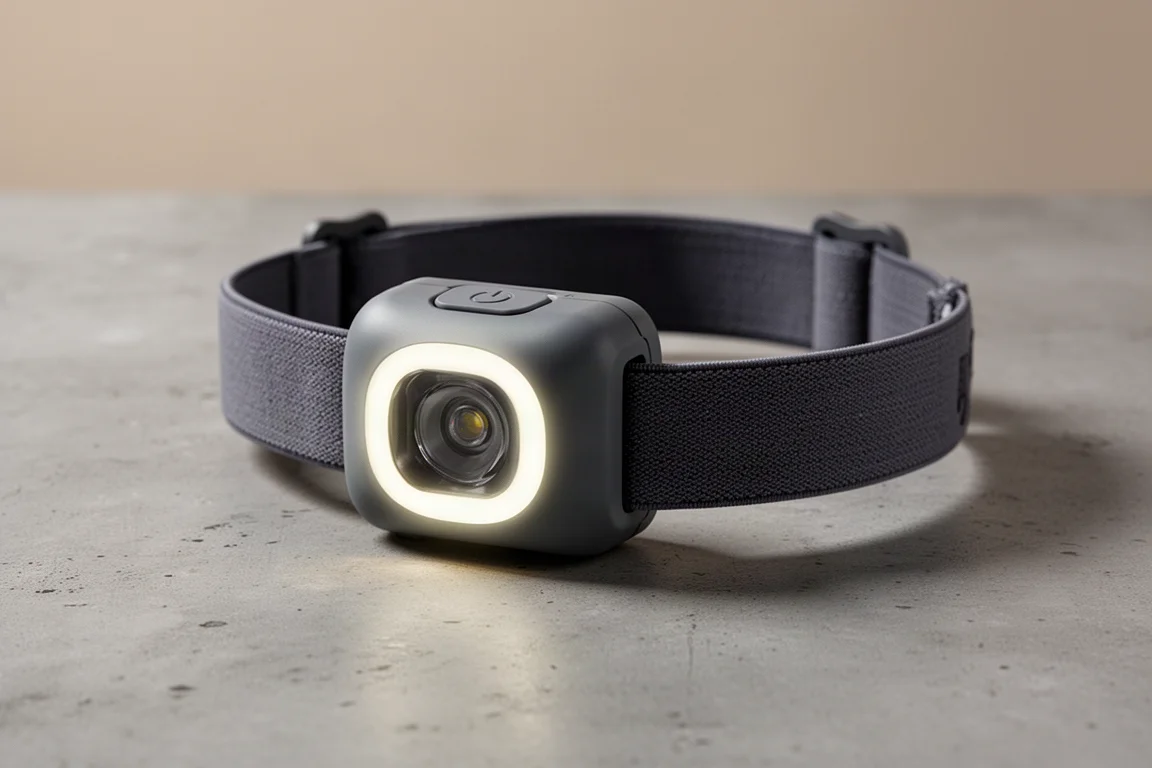
The mainstream alternative weighs 3 oz, which is still not much, and it costs around $70 against roughly $30 for the NU25. That price gap is the more persuasive argument in this category.
Sleeping Pads
Pads are where weight, warmth, and comfort pull hardest against each other.
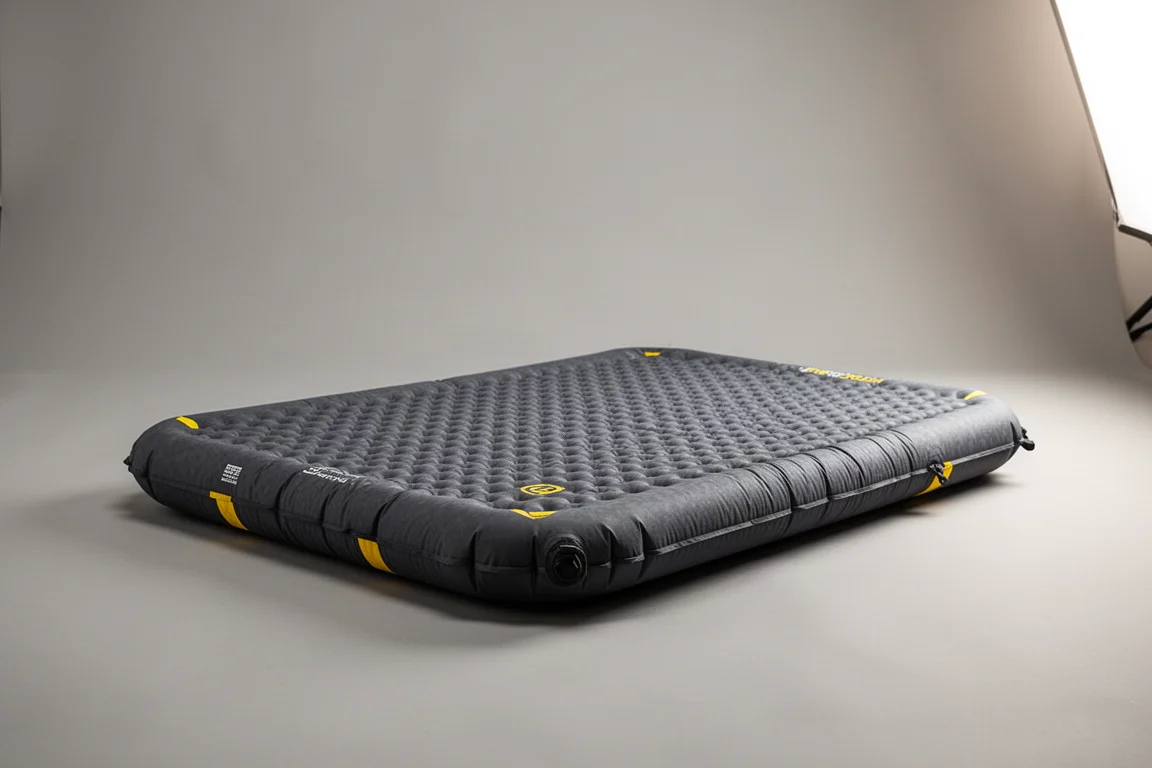
Big Agnes Zoom Ultralight Pad
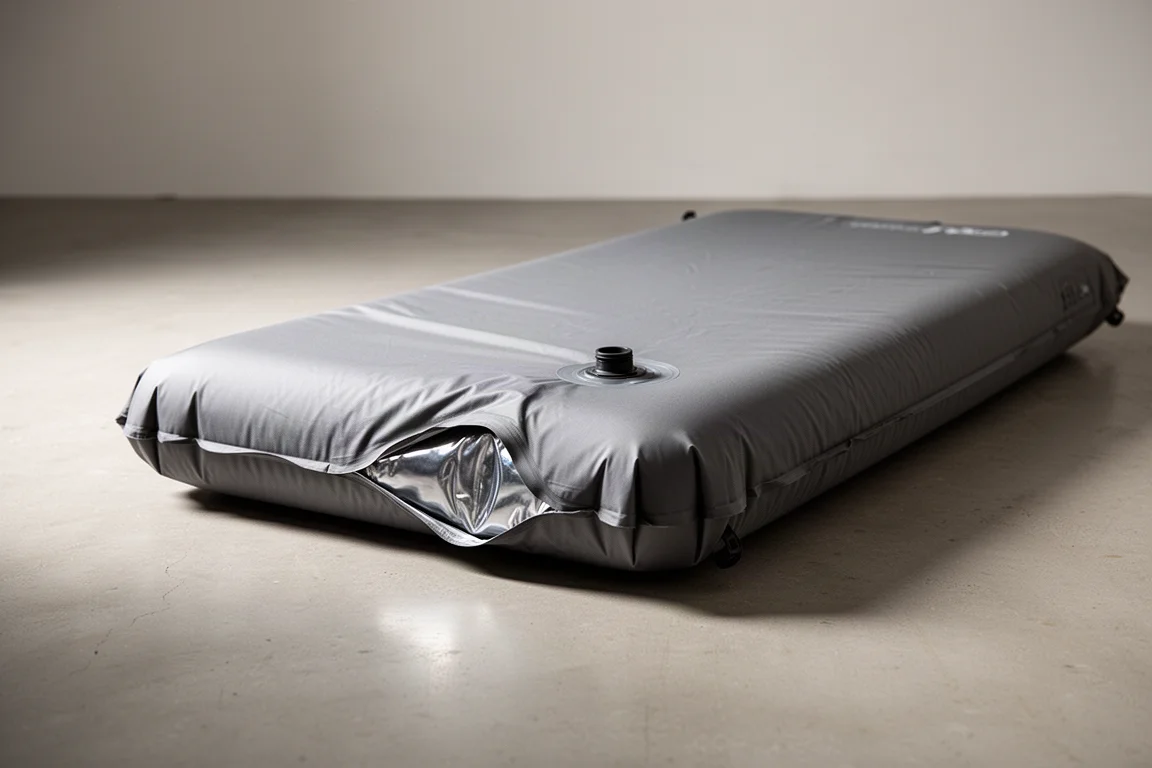
The Zoom Ultralight Pad follows the design of the Big Agnes Q-Core, one of the most comfortable pads around, while weighing less and offering more warmth. For three-season trips it is more than sufficient.
Therm-a-Rest XTherm
The XTherm is about 7 oz heavier and less comfortable, but noticeably warmer. That warmth is genuinely useful in winter and largely unnecessary the rest of the year, which makes it a specialist rather than a default choice.
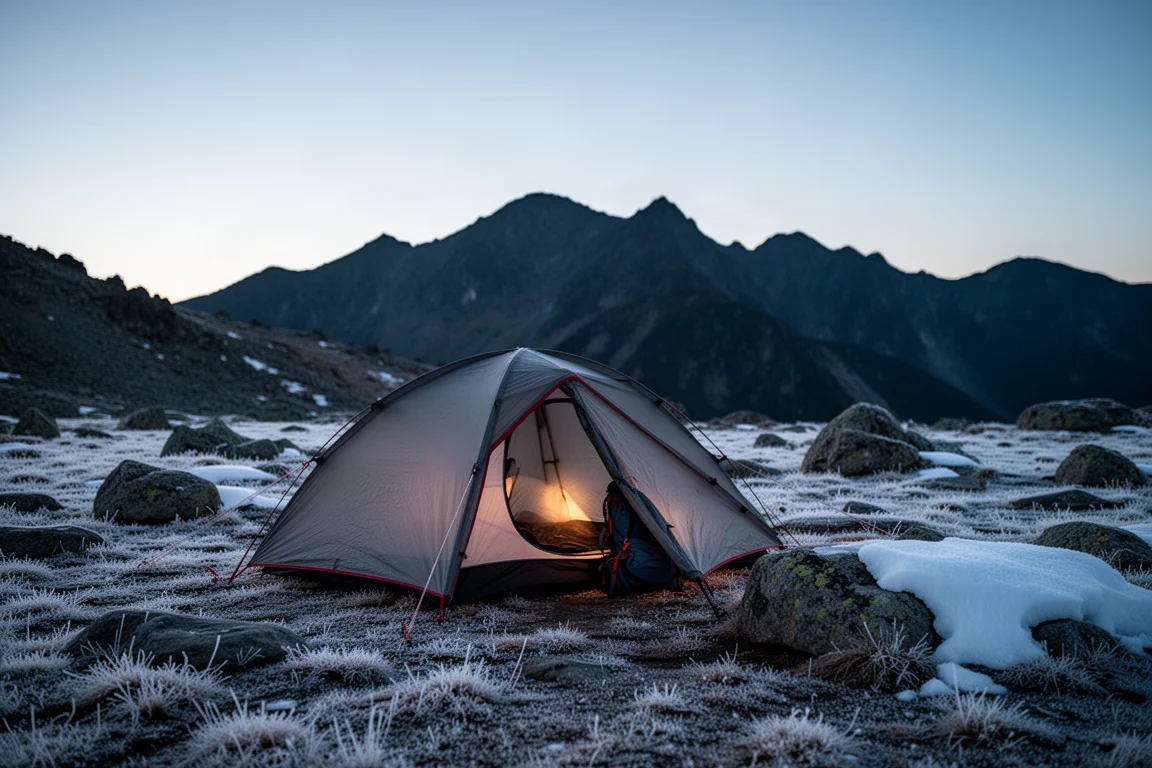
If most of your nights out fall between spring and autumn, that extra warmth is weight you carry without using. If you camp on snow, the calculation reverses completely.
Sleeping Bags
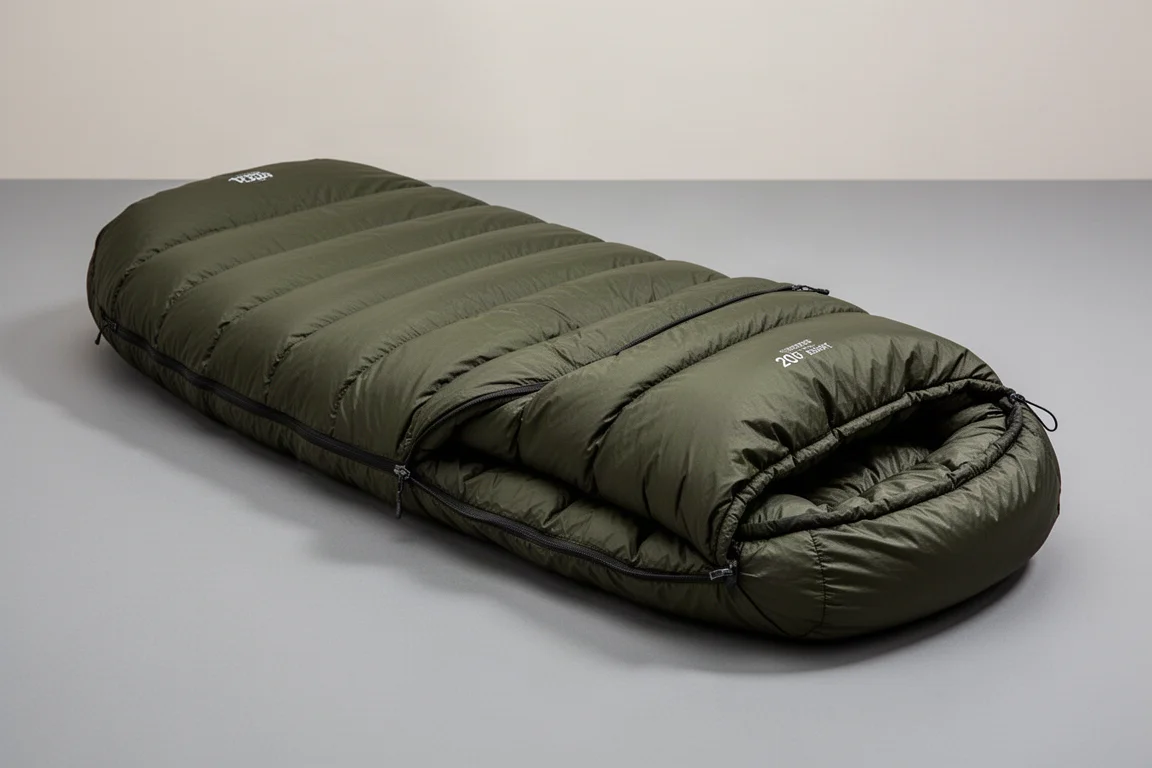
Zpacks Zip Around 20° Sleeping Bag
The Zip Around 20 works as a sleeping bag and opens completely into a quilt. There are no pad straps, so in cold weather it gets zipped shut like a conventional bag, and it only opens up when the nights are warm. A higher-end alternative costs about $130 more, so the question is whether that extra refinement is worth the difference to you.
Buying Advice
Start with the items that save pounds rather than ounces. The pack and the shelter account for the largest part of the 7 lb gap in this comparison, and both are worth spending on if you carry a load over long days.
Small items still add up. The headlamp here is roughly $40 cheaper than its mainstream counterpart while weighing less, and the cook kit differences are real even if they are modest. If you are rebuilding a kit gradually, those are low-risk places to start.
Think about when you actually hike. A pad chosen for winter warmth is dead weight on summer trips, and a tent that only fits narrow pads will frustrate two people who prefer wide ones. Matching gear to real conditions saves more weight than chasing the lightest number on any single spec sheet.
The total cost picture is friendlier than most people expect: the ultralight loadout here runs about $166 more than the mainstream one, in exchange for 7 lb of saved weight. Whether that trade makes sense depends on how much you value arriving at camp with energy left.
Conclusion
Both loadouts work. The mainstream list is comfortable, widely available, and forgiving. The ultralight list is 7 lb lighter for about $166 more, and it keeps the pillow, the cushy pad, the chair, and the safety items. If you want to carry less without giving up comfort, the pairs above show exactly where the weight comes from and what it costs to remove it.
Further reading
Related Reviews

Backpacking Gear
Building a 10 lb Base Weight: An Ultralight Backpacking Gear List
A practical walkthrough of the ultralight pieces behind a 10 lb base weight, from a 765 g pack and a roomy one-person tent to a full camp chair and a dependable water filter.

Backpacking Gear
A 15-Pound Lightweight Backpacking Gear List for Solo Trips
A beginner-friendly 15-pound backpacking setup built from easy-to-find gear, with notes on what each piece does, how it packs, and where to spend your attention.
Backpacking Gear
8 Ultralight Backpacking Gear Upgrades Worth Carrying
Eight small, affordable backpacking upgrades that solve real trail annoyances, from a pillow that stays put to a fuel valve that rescues leftover canister gas.