Backpacking Gear
Ultralight Backpacking Gear: 12 First Impressions Worth Reading
Twelve pieces of backpacking and camping gear tested in the field, with honest early notes on roomy shelters, load-carrying packs, alpaca wool layers and a budget camp pillow.
Introduction
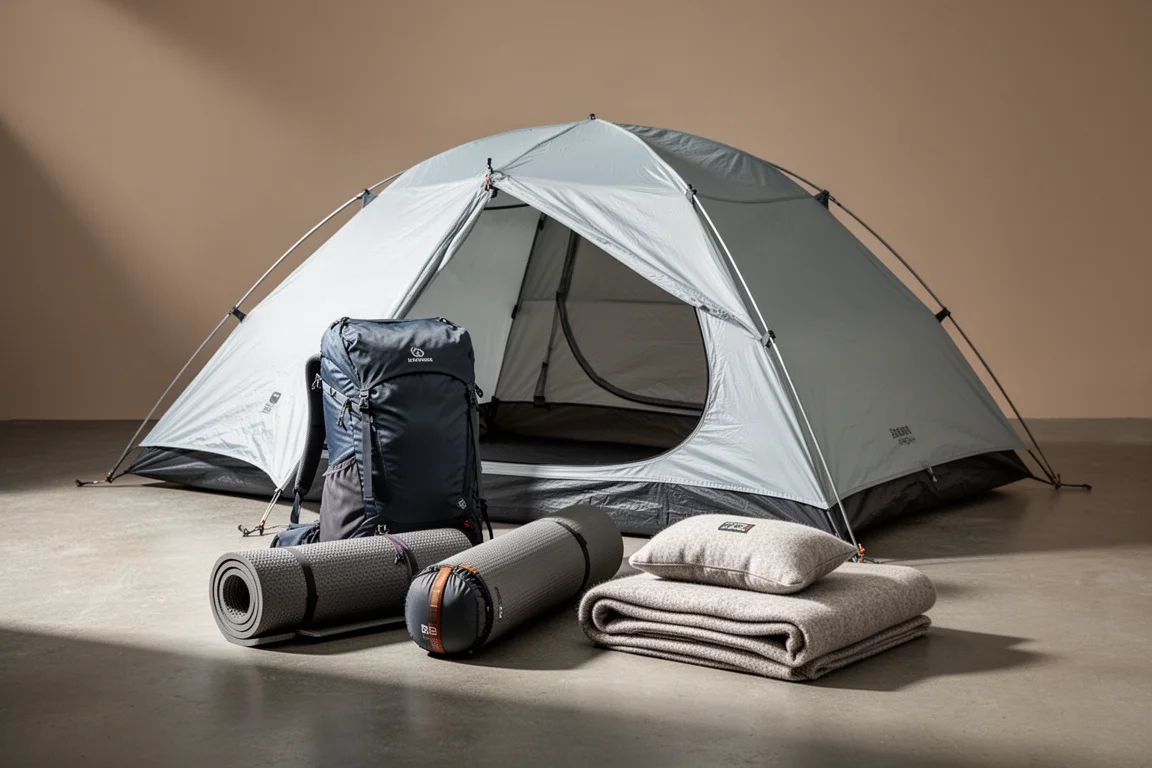
Not every piece of gear needs a full review before it is worth talking about. This roundup covers twelve items that have been out on trips recently, from a roomy ultralight shelter to a budget camp pillow, and it sets out what has impressed so far and what still needs more nights in the field.
Some of these products have already earned a place in the pack. Others are still being tested and have no firm verdict yet. Either way, the notes below are early impressions rather than final conclusions, written to help you judge whether an item is worth a closer look.
What to Expect From These Early Field Notes
The gear here falls into two groups. The first group has enough nights on it to say something useful about how it carries weight, how it sleeps, how it handles cold and where it falls short. The second group is newer and still accumulating miles, so the notes are shorter and the recommendations are deliberately cautious.
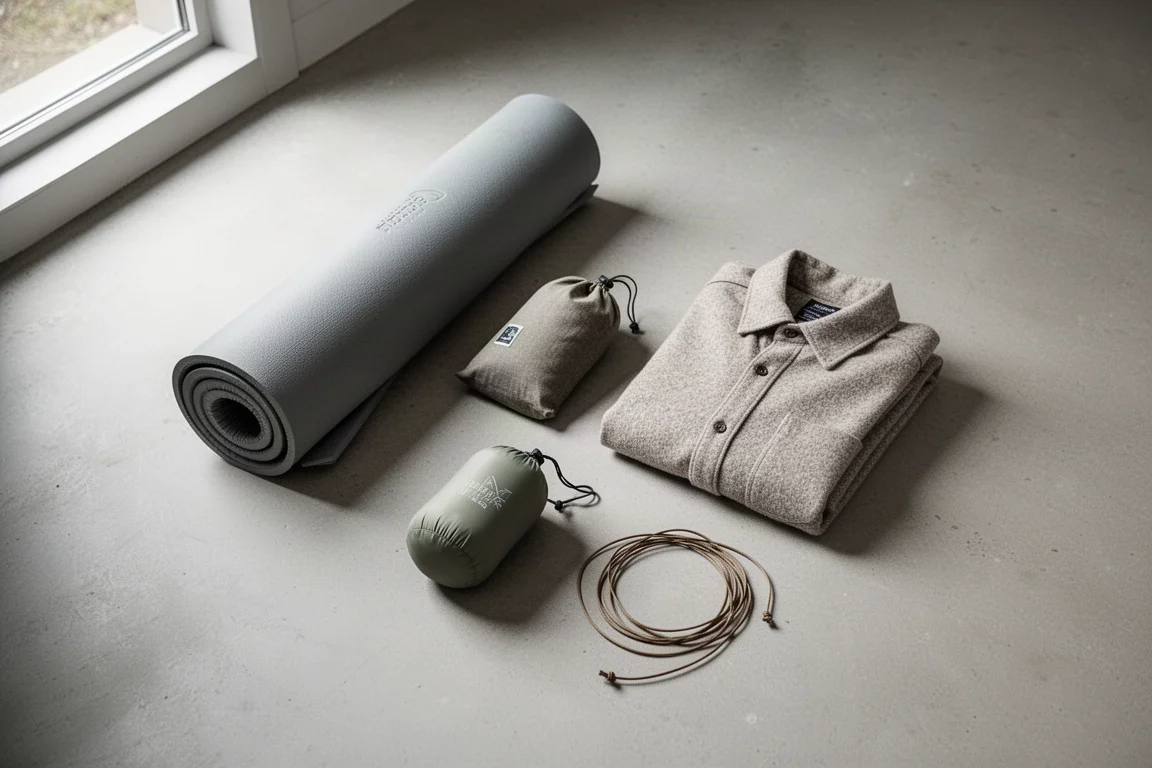
A few general observations run across the list. Weight and comfort rarely come free, price is often the clearest signal of what a piece of gear is built for, and cold-weather performance is the hardest thing to judge from a handful of trips. Where an item carries a question mark, that is stated plainly rather than smoothed over.
Zpacks Offset Trio
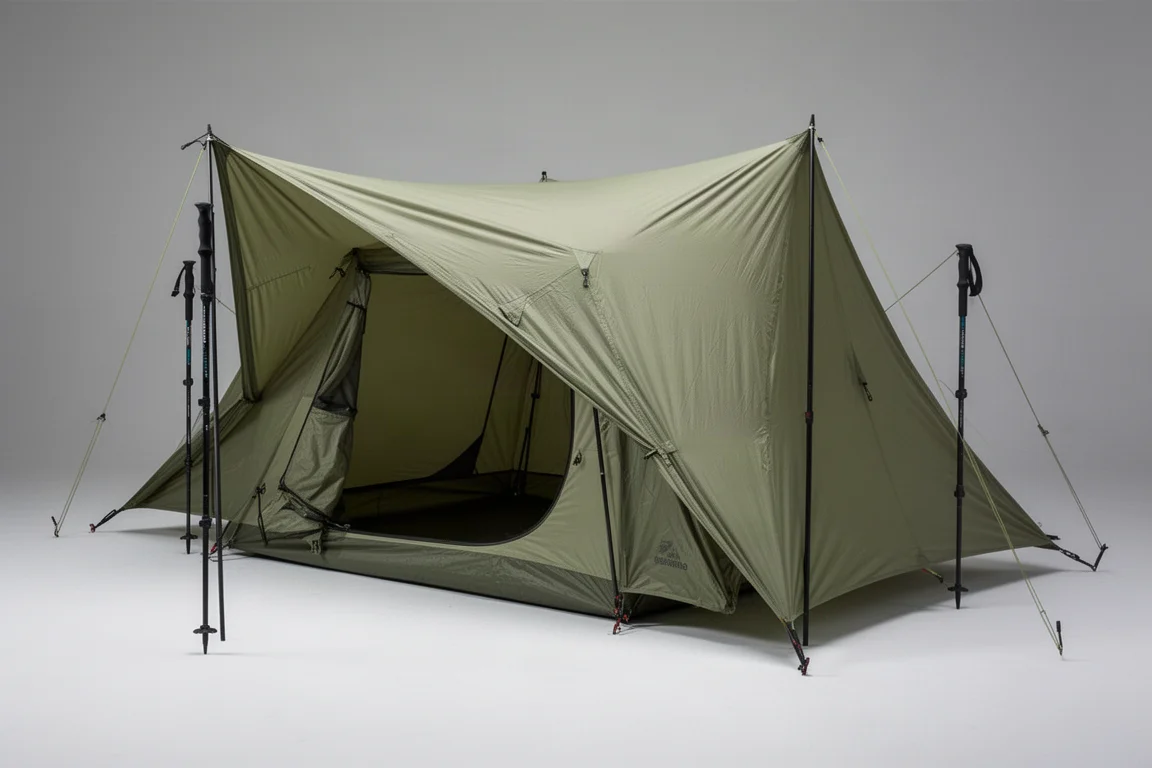
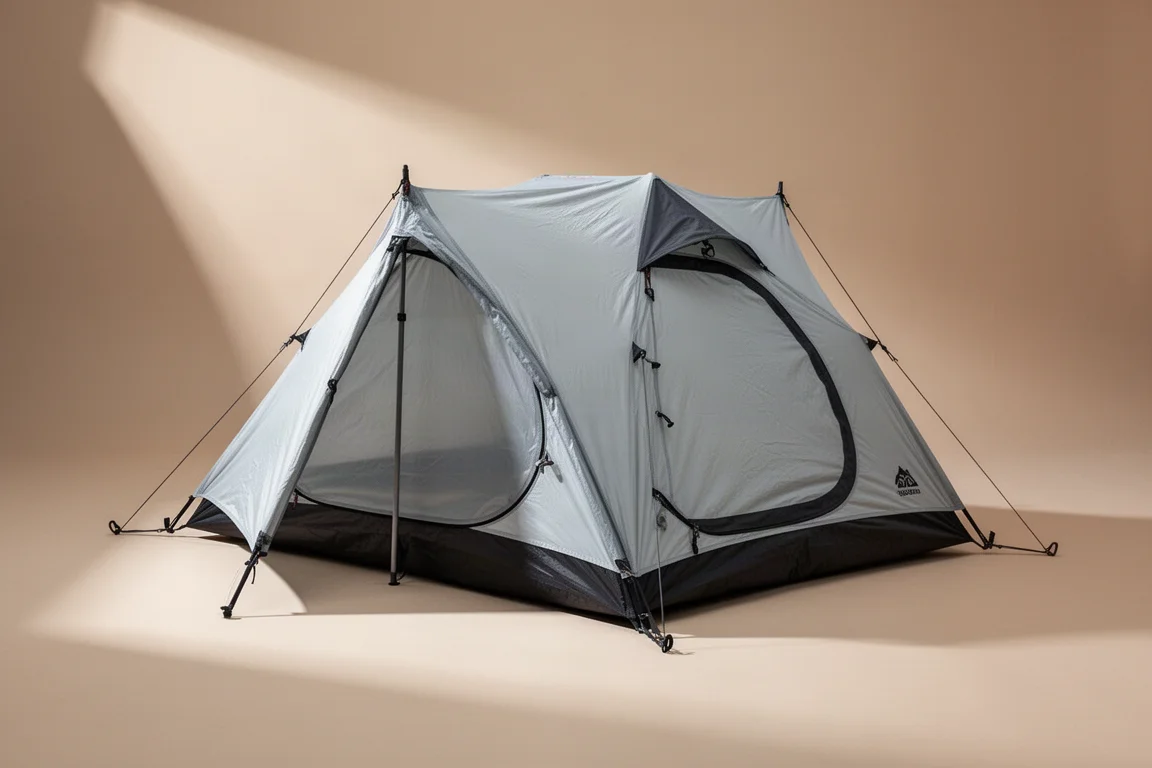
The Zpacks Offset Trio is a three-person ultralight shelter built around the Offset concept, which replaces a conventional pole arrangement with angled struts at either end of the tent. Those struts push the walls outward, and the payoff is interior volume. This is a genuinely roomy tent, and for a three-person shelter, or a very comfortable two-person one, the layout makes the interior feel open rather than cramped.
Pitching was easier than expected. With two struts to manage, setup could have been fiddly, but it went up quickly and solo without drama. Interior volume and a simple pitch were the two things that stood out most.
The trade-offs are worth knowing before buying. With poles at both ends, the design is likely to give up some stability in strong winds, even though it held up fine in moderate conditions. The price is also high, and that is the main barrier. For a couple who want to cut pack weight without giving up room, or for anyone travelling with a child or a dog, the Offset Trio makes a strong case.
Big Agnes Rapide SL
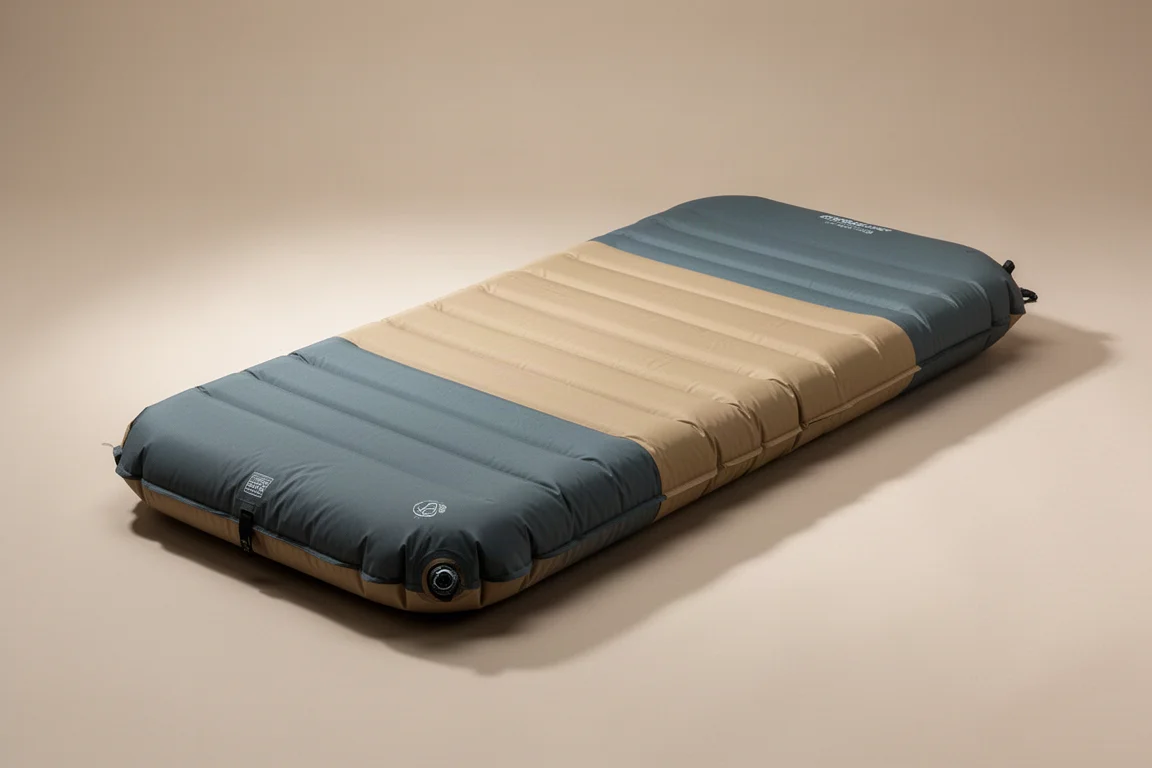
The Big Agnes Rapide SL has been updated with a new pump sack and revised insulation. The pump sack is a clear improvement over the previous design, and the insulation changes nudged the R-value up slightly while trimming a little weight. On paper that is a sensible set of updates.
Comfort is where this pad delivers. It is one of the most comfortable sleeping pads around, even if it does not quite match the very best options available. The wide format helps, and most sleepers will find it supportive.
Warmth is the open question. The insulation uses the same approach as an earlier Big Agnes pad that had a known issue, where the reflective layer can migrate toward the bottom of the pad and let cold air affect the sides and top. In testing just above freezing, cold spots appeared, which is a telltale sign for a pad rated above an R-value of four. Six nights so far, three of them in colder conditions, is not enough to write it off. More cold-weather testing is needed, and until then the warmth claim deserves caution.
Durston Gear Kakwa 55
The Durston Gear Kakwa 55 has a reputation for carrying heavy loads, and after three trips that reputation looks justified. The hip belt wraps and hugs the body well, the internal frame transfers load down to the hips, and the load lifters are built the way load lifters should be, which keeps weight off the shoulders.
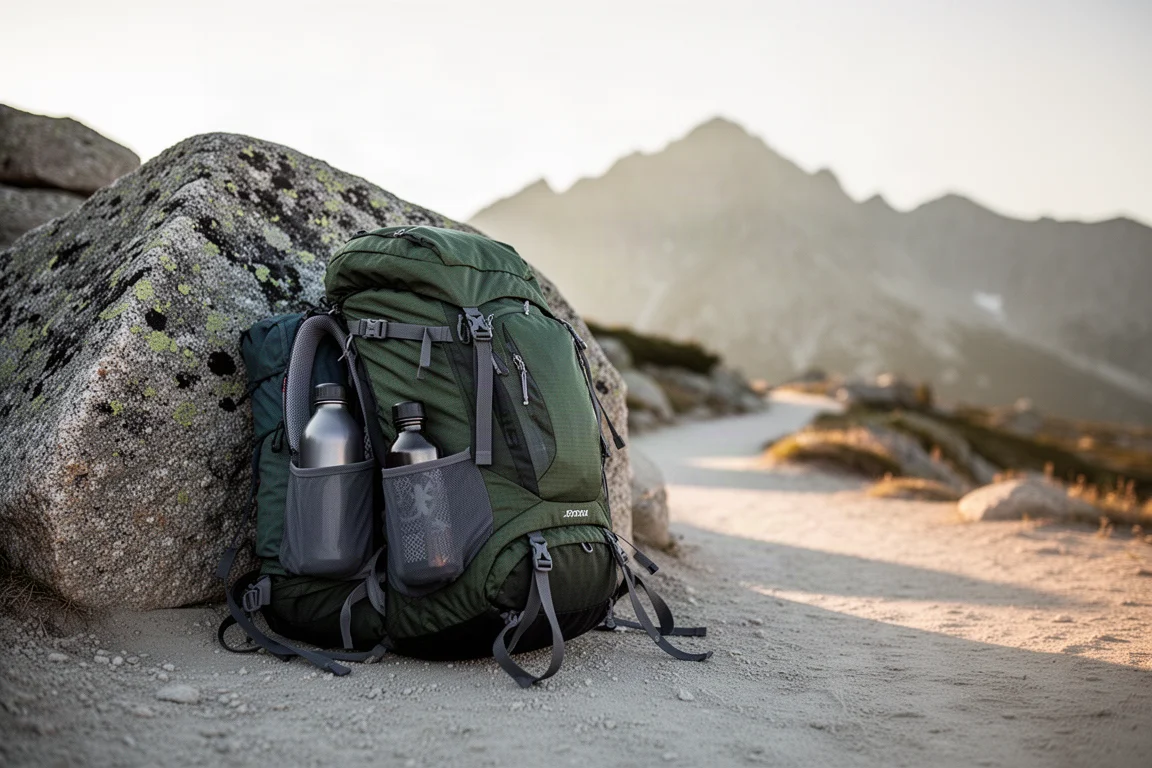
Water bottle access is another pleasant surprise. The right-side pocket can be reached and used without taking the pack off, which puts it among the easier packs for staying hydrated on the move.
There is one small annoyance. The zippered side pocket is meant for items you do not want to lose, such as keys or a map, but it gets cramped once the main side pocket is full. It is a minor point rather than a deal breaker, and the pack as a whole is a solid choice, particularly for the price.
Paka Base Layer
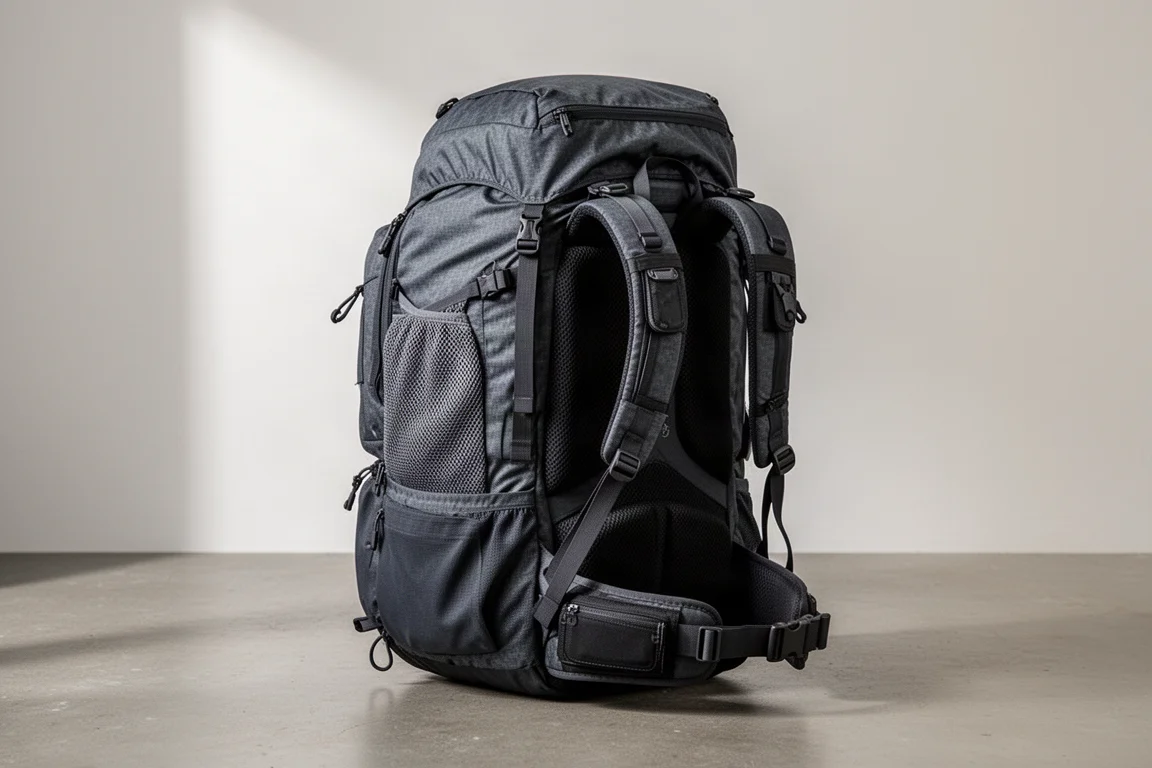
The Paka base layer is made from alpaca wool, and the case for alpaca comes down to three things. It is durable, more so than merino. It sheds moisture rather than holding onto it, closer to how nylon behaves. Most importantly, it resists odour.
This particular piece is soft and light, but still warm enough to work as a sleep shirt on backpacking trips. Because it does not soak up sweat, it also works as an active layer when the weather turns cold, without the chill that comes from a damp shirt. Worn every day through a seven-day backcountry ski hut trip, it stayed fresh.
Paka Fleece
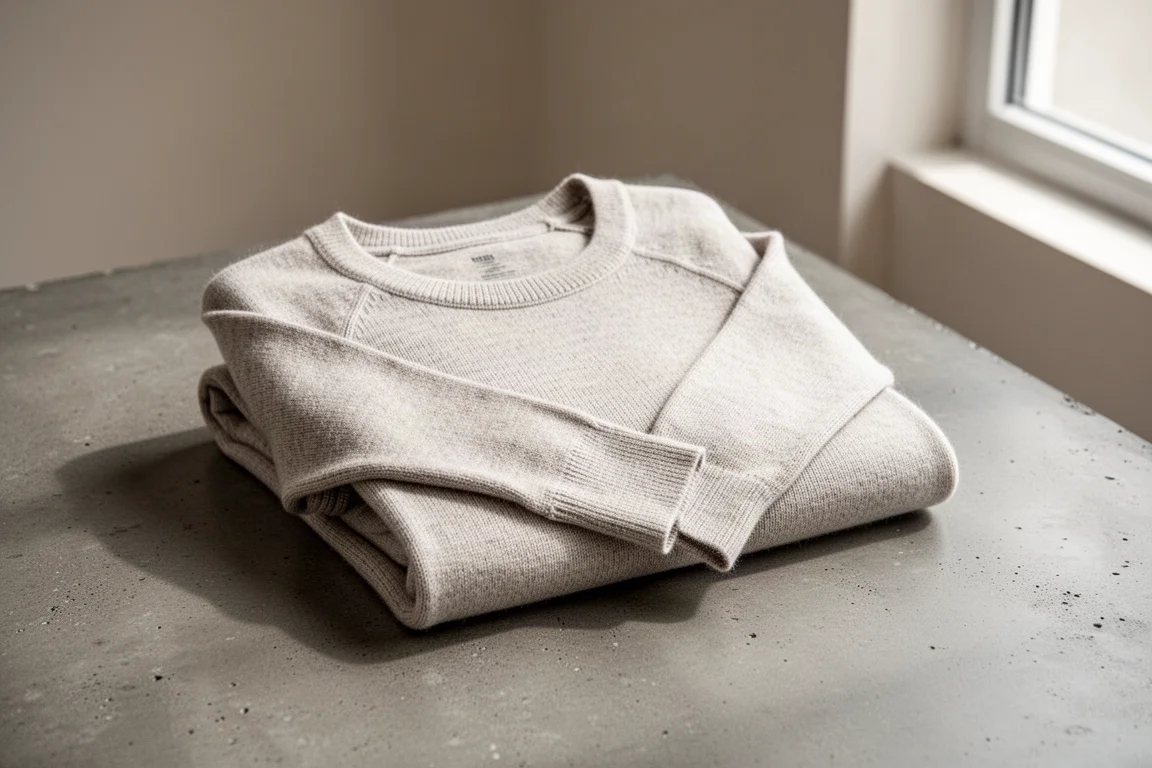
The Paka fleece takes the same alpaca wool fabric and builds it into a thicker, warmer sweater. It is heavier than the base layer, which rules it out for most backpacking trips unless the distance is short and weight is not a concern.
Where it shines is car camping and long stays in remote areas without laundry. It was worn daily through a seven-day backcountry ski hut trip, including long days of skiing and time spent chopping wood, and it never developed an odour. A polyester fleece in the same conditions would likely have started to smell well before the week was out.
Trekology Ultra Pillow
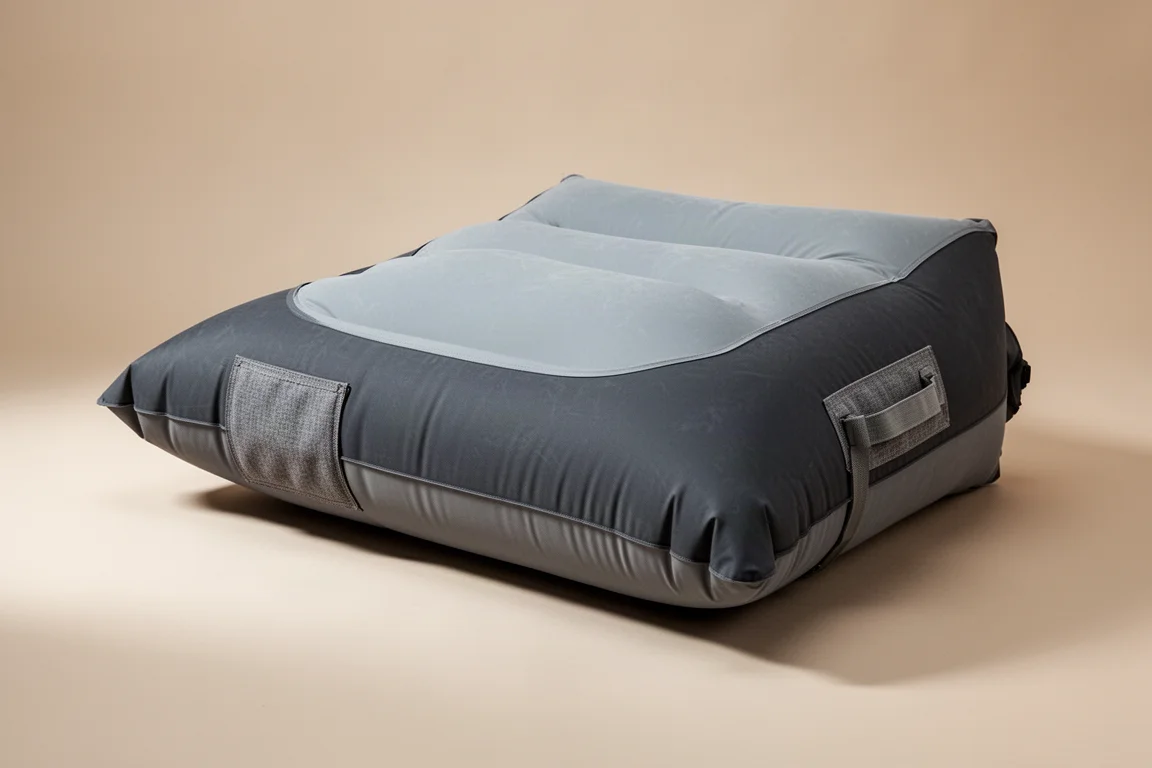
The Trekology Ultra pillow is large and wide, with decent height, a built-in pad strap and a pillow case included. It is a heavy pillow, and that is the price of its size.
Compared with the premium large pillow it resembles, comfort is where it falls behind. That premium option has a softer face fabric, more cushioning on top, and a more forgiving air bladder with better baffling. The Ultra is firmer and less plush.
It wins on three counts. The built-in pad strap is genuinely useful. The two-part flat valve is excellent, since you open one port to inflate and then pull the whole valve to dump air, which is quick and predictable. Price is the biggest advantage, at around $20 against roughly $60 for the premium alternative. For a third of the cost, it is a strong value.
Samaya 2.0 Tent
Expectations for the Samaya 2.0 were low. It is expensive, and fully enclosed freestanding winter tents have a habit of turning into condensation traps, with frost and snow building up inside overnight.
Four days of ski traversing in the Canadian Rockies changed that view. The tent is remarkably light for a freestanding winter shelter, and it is roomier than the specification suggests. It is sold as a two-person tent, and while one person fits comfortably with good length and width, bringing a second person would be a squeeze. Interior pockets make it easy to keep gear organised.
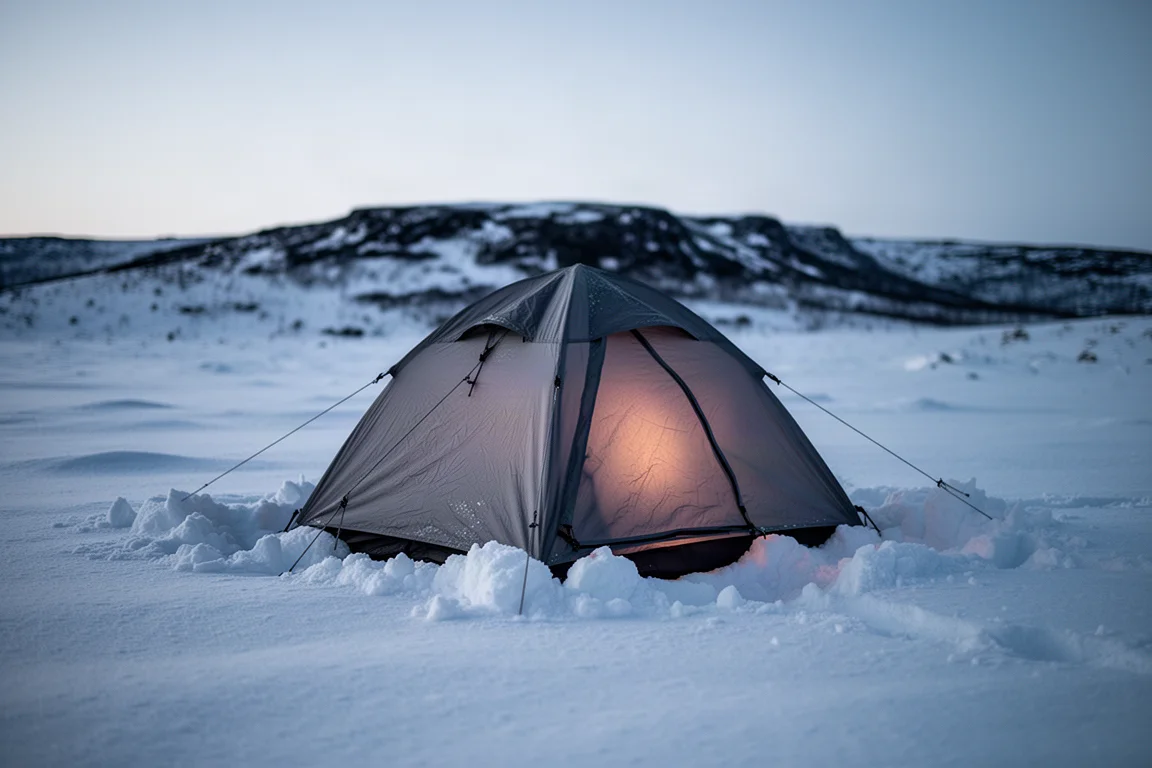
The freestanding design proved genuinely useful. Where the snow was cold and sugary and would not consolidate for stakes, being able to pitch without fighting the ground was a real advantage. Condensation stayed manageable, and any frost could be wiped down and shaken out while the tent was still standing, which kept the inside clear without a full repitch.
The catch is cost. For occasional winter camping, a simpler and less expensive shelter will do the job. The Samaya 2.0 makes sense for people who spend a lot of time on winter and mountaineering trips and need a light freestanding tent.
Brynje Mesh Base Layer
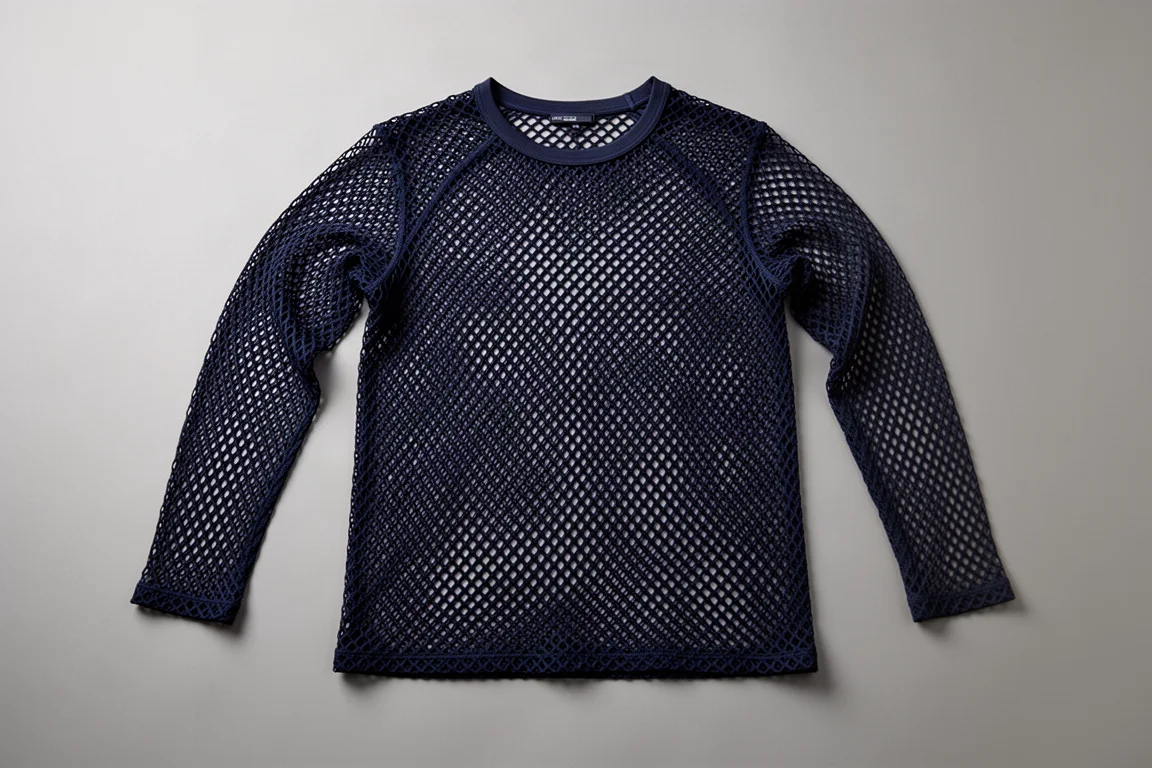
The Brynje mesh base layer is a full fishnet design, and the top has already been used on a seven-day backcountry ski trip. The matching bottom is on the way, so the full system can be tested together. It is a distinctive piece of kit that draws attention in a shared hut, and there is no performance verdict yet. Worth watching if you follow cold-weather layering closely.
REI Flash Air
The REI Flash Air is a lighter and more expensive version of the Flash 55, a pack that has long been one of the favourites here. Testing has just started, so there is nothing to report beyond the promise of the formula: the same general approach, less weight, higher cost.
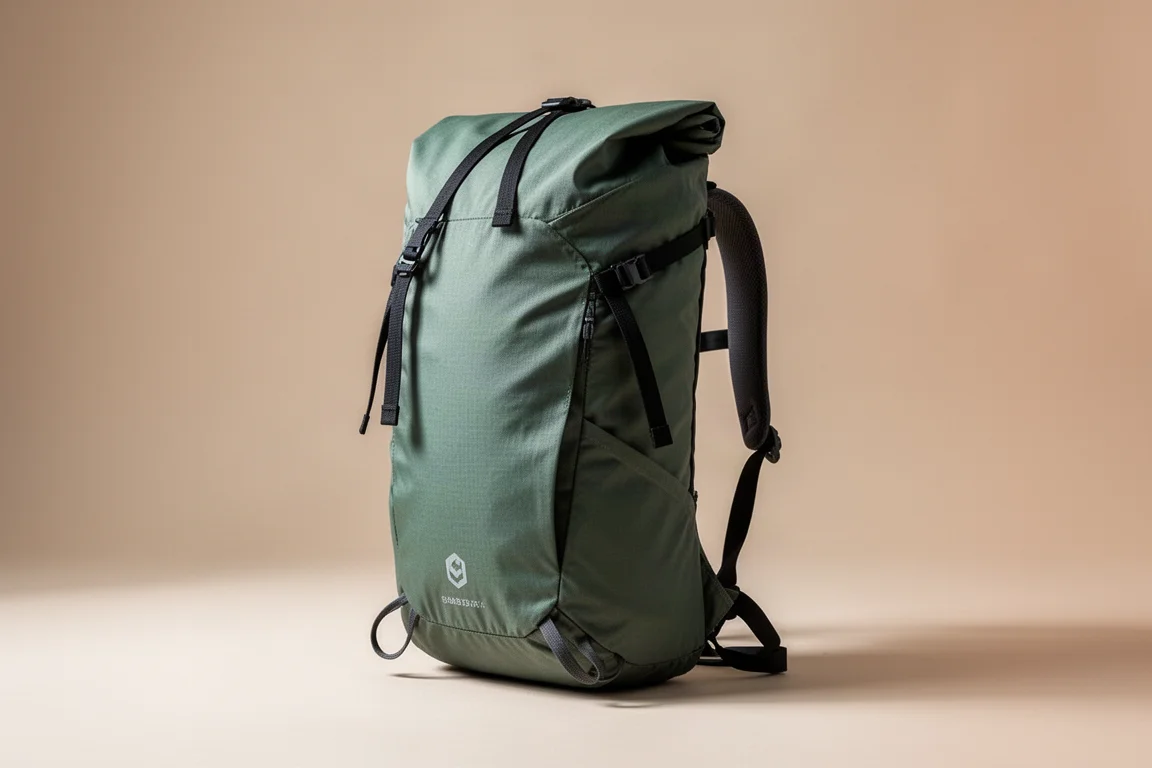
Atom Packs Mo
The Atom Packs Mo is one of the most highly regarded thru-hiking backpacks available, which makes it an obvious candidate for comparison against the other ultralight packs already in use. It is now in testing.
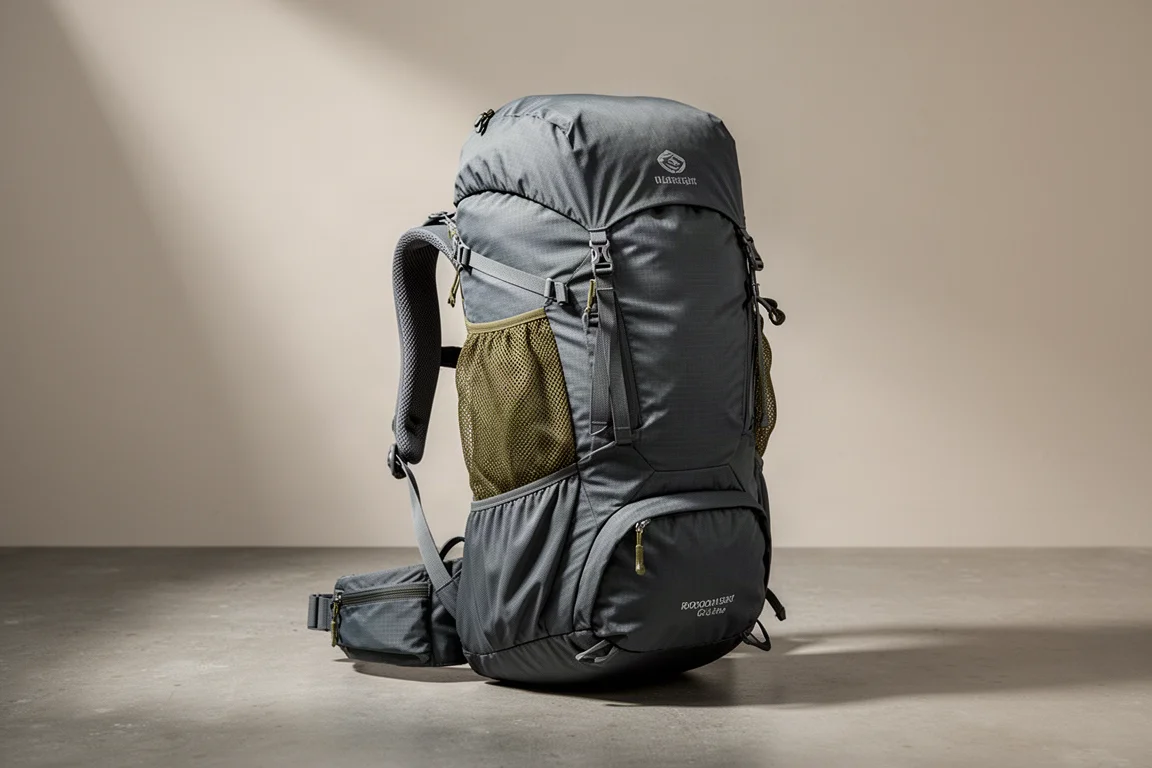
Feathered Friends Flicker UL
The Feathered Friends Flicker UL is a hoodless sleeping bag, and very light. The appeal is straightforward. Anyone who prefers a bag but tosses and turns enough to get tangled in a hood will find the hoodless design easier to live with.
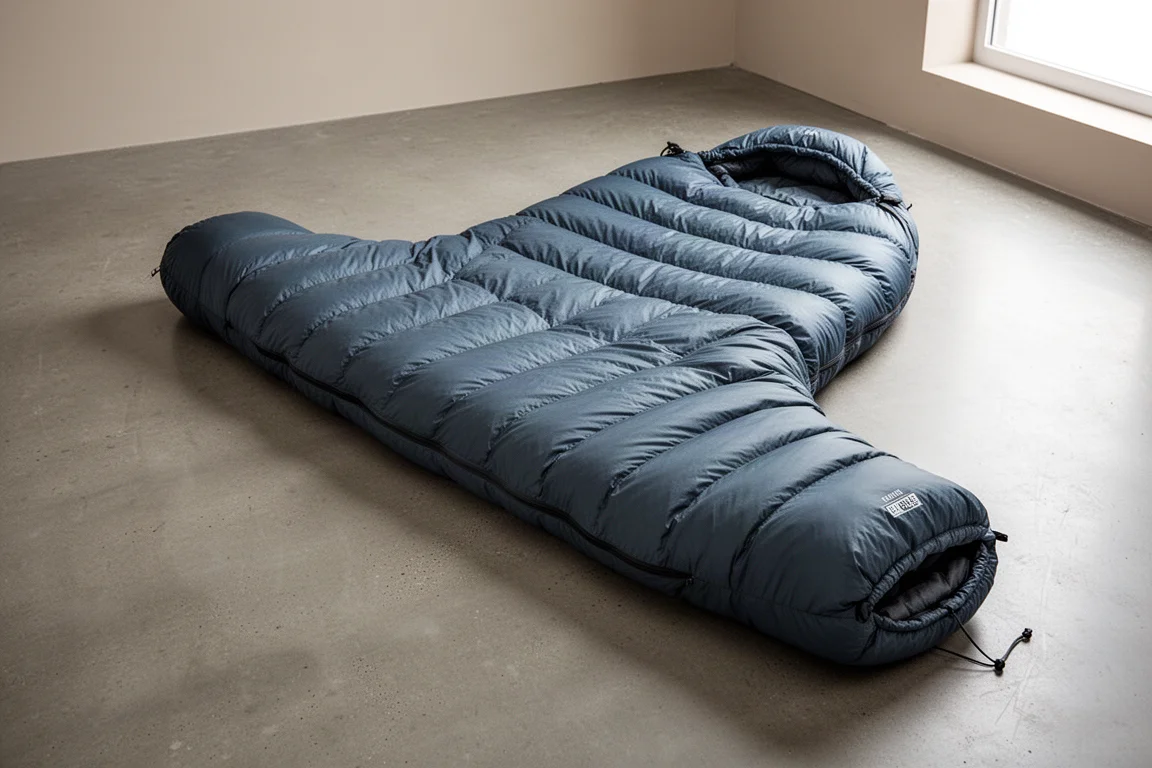
Montbell Versalite Rain Suit
The Montbell Versalite rain suit is the last piece needed before a full comparison of ultralight rain jackets. Once it has been out in real weather, the picture across the category should be complete.
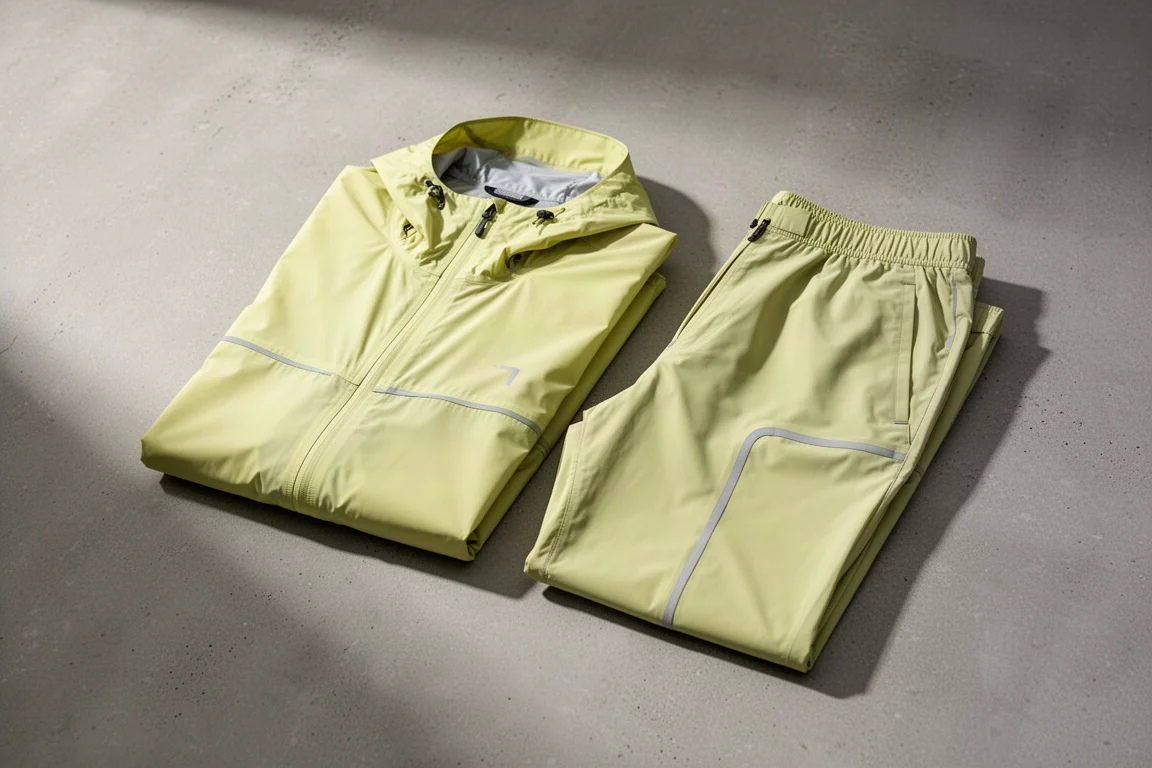
Buying Advice
A few of these items are already easy to recommend. The Durston Gear Kakwa 55 stands out for anyone who needs to carry a heavy load in a light pack, and it looks like strong value. The Zpacks Offset Trio is the pick when interior space matters more than wind performance. The Samaya 2.0 is a specialist purchase, best reserved for people who spend real time on winter and mountaineering trips.
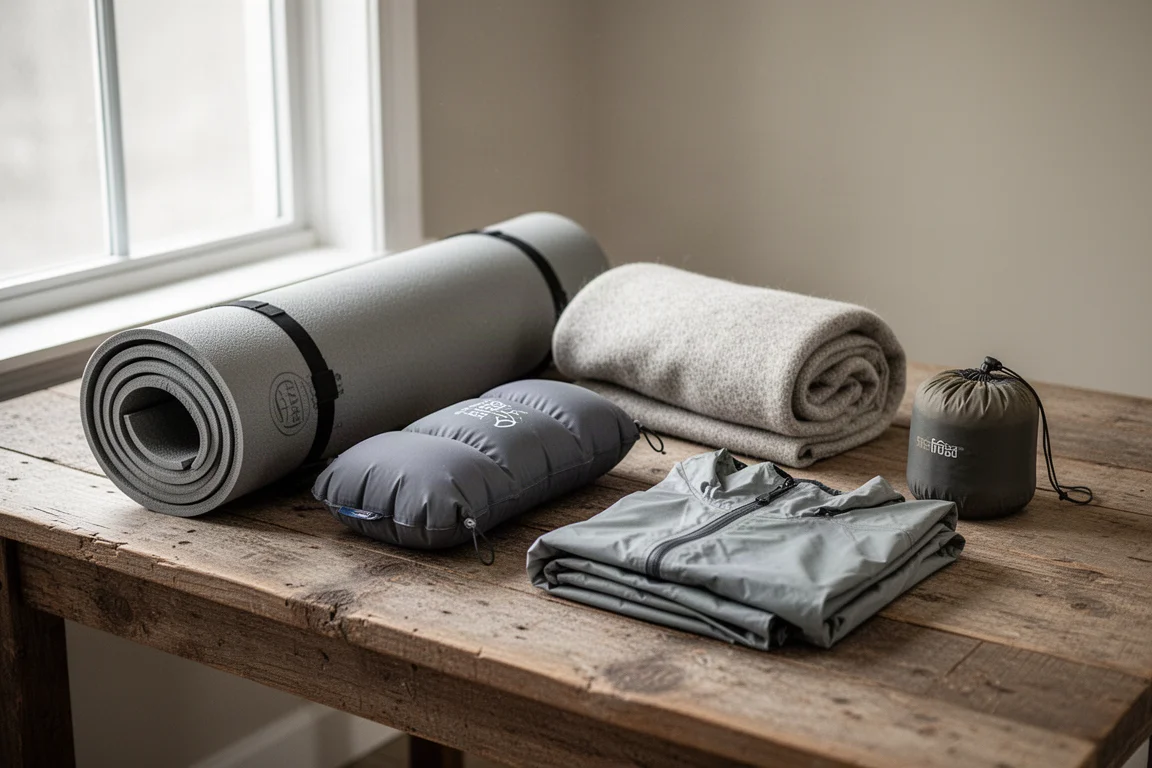
The Paka base layer and fleece are the most interesting clothing items here, mainly for how well they handle multi-day trips without laundry. If odour control on long trips matters to you, that is a compelling reason to look at alpaca wool. The Trekology Ultra pillow is the budget pick, giving up some comfort to the premium option but costing a fraction of the price.
The Big Agnes Rapide SL needs a caveat. Comfort is excellent, but the warmth question is unresolved. If you sleep cold, wait for more cold-weather testing before committing. The remaining items, the Brynje mesh base layer, REI Flash Air, Atom Packs Mo, Feathered Friends Flicker UL and Montbell Versalite rain suit, are still in progress and have no verdict yet.
Conclusion
Early impressions are useful precisely because they are early. This batch of gear already contains a few clear winners for specific jobs, plus a handful of pieces that could change the picture once they have more nights behind them. Match the item to the trip you actually take, and the shortlist above should make the decision easier.
Further reading
Related Reviews

Backpacking Gear
Building a 10 lb Base Weight: An Ultralight Backpacking Gear List
A practical walkthrough of the ultralight pieces behind a 10 lb base weight, from a 765 g pack and a roomy one-person tent to a full camp chair and a dependable water filter.
Backpacking Gear
A 15-Pound Lightweight Backpacking Gear List for Solo Trips
A beginner-friendly 15-pound backpacking setup built from easy-to-find gear, with notes on what each piece does, how it packs, and where to spend your attention.
Backpacking Gear
8 Ultralight Backpacking Gear Upgrades Worth Carrying
Eight small, affordable backpacking upgrades that solve real trail annoyances, from a pillow that stays put to a fuel valve that rescues leftover canister gas.