Backpacking Gear
Ultralight Backpacking Gear: Four Pieces Tested on a Real Overnight Trip
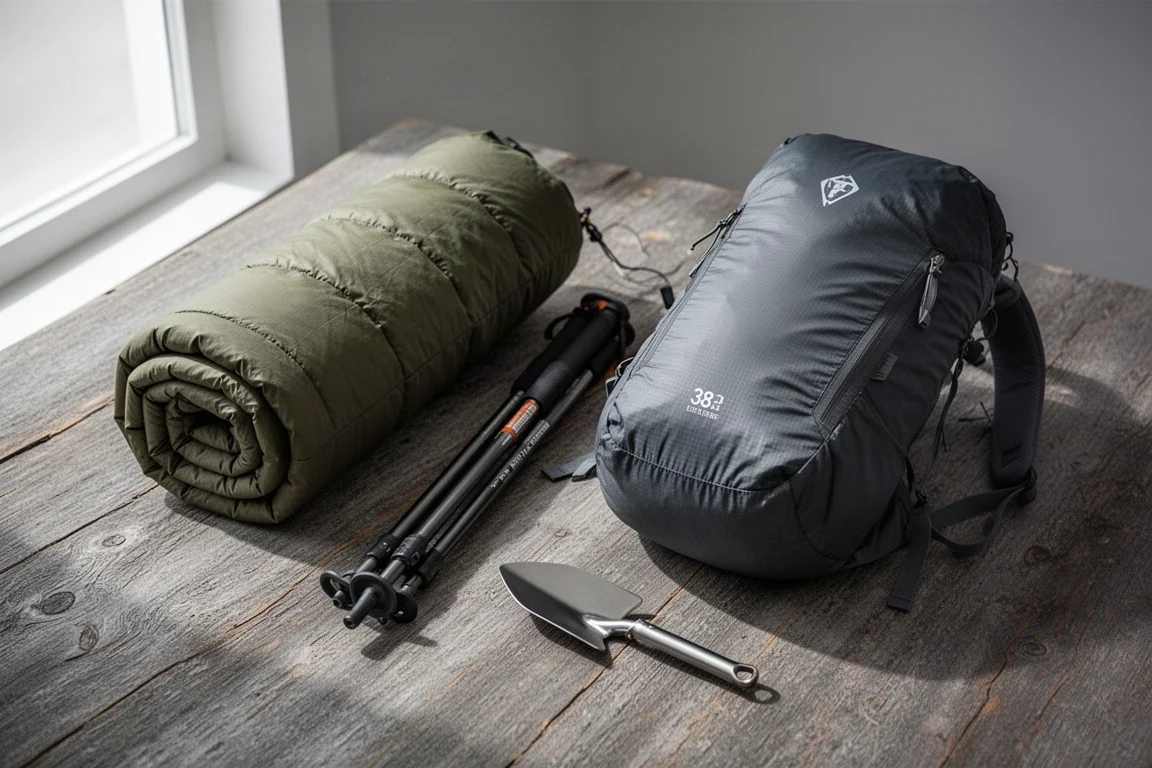
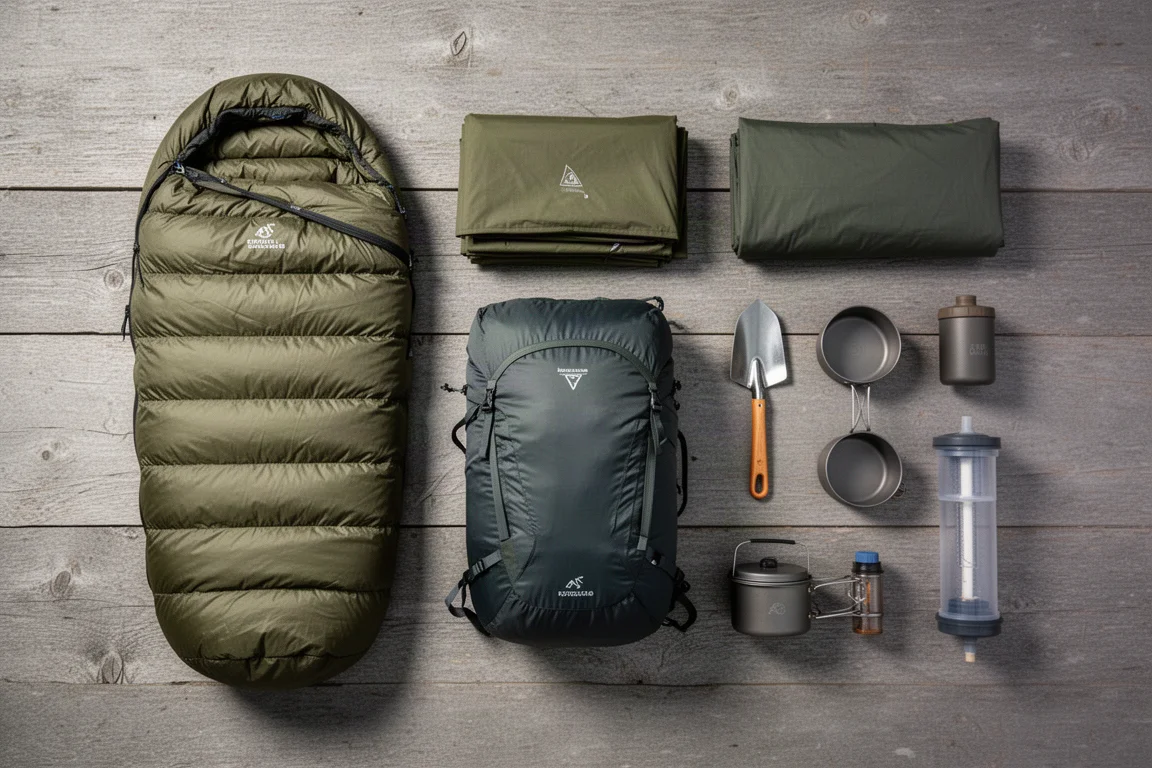
A 20°F down quilt, a two-door trekking-pole shelter, a 38L frameless pack, and a small trowel, packed for a wet overnight trip in Colorado's Lost Creek Wilderness.
Introduction
Ultralight backpacking gear is easy to admire on a spec sheet and much harder to judge in the field. The four pieces in this roundup were packed for a single overnight trip in Colorado’s Lost Creek Wilderness, along the Goose Creek drainage, with a 4.5-mile approach, a fast-moving afternoon storm, a sharp temperature drop, and a clear morning that followed.
The kit covers the categories that decide a pack weight: a 20°F down quilt from Enlightened Equipment, a two-door trekking-pole shelter from Gossamer Gear, a 38-litre frameless pack from Waymark, and a small trowel from BoglerCo. All four came from Garage Grown Gear, a retailer that focuses on ultralight backpacking equipment. Together they represent the big three plus one small item that quietly matters more than its size suggests.
What follows is what each piece does well, where it asks something of the person carrying it, and who it suits.
What Matters in an Ultralight Kit
Ultralight packing is usually measured as base weight, the weight of everything carried before food and water. The three heaviest categories are the shelter, the sleep system, and the pack, so that is where the largest savings live. A pack only carries a light load well if the shelter and sleep system underneath it are already light.
The reassuring part is that going lighter does not have to mean giving up camp comfort. A quilt can be as warm as a sleeping bag with far less bulk. A single-wall shelter can be spacious and stable in bad weather. A frameless pack can carry a carefully chosen load comfortably. The trade-off usually shows up in how the gear behaves rather than in how enjoyable the campsite feels.
It also helps to think about how the pieces interact. A quilt needs a pad it can attach to. A frameless pack needs a light, compact load. A shelter needs a pitch sequence you can repeat in the rain, in the dark, with cold hands.
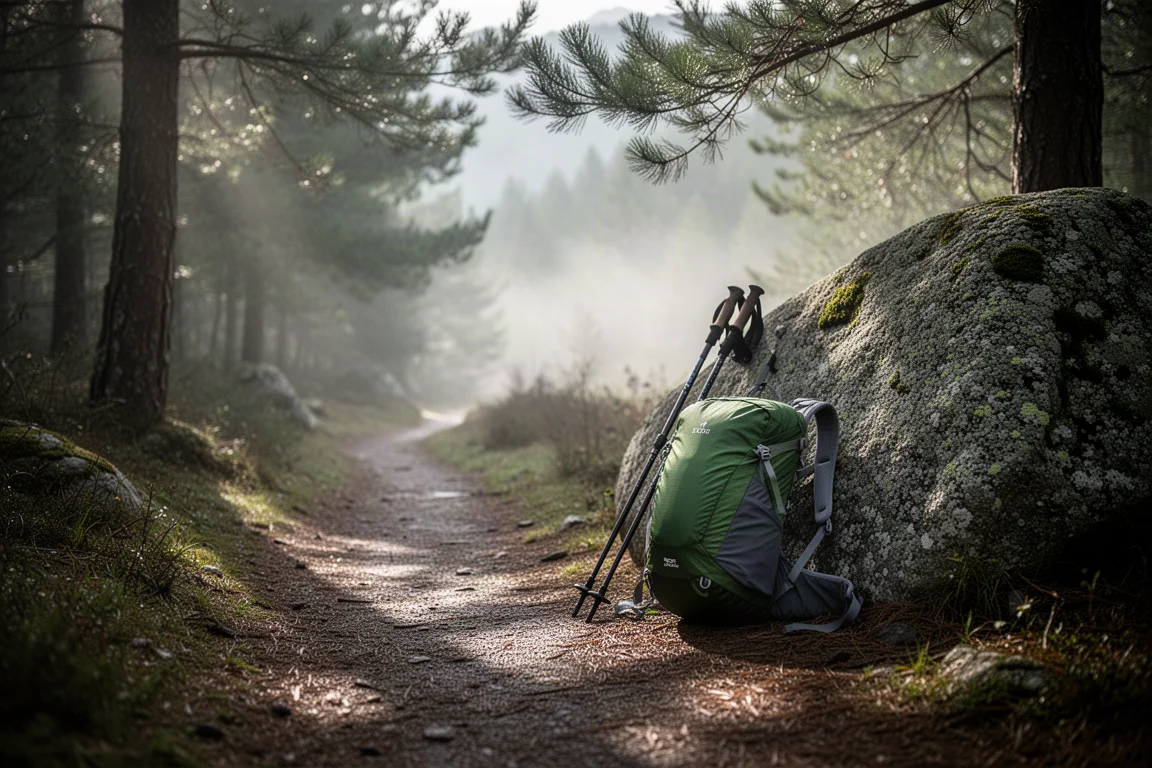
A short, wet trip is a useful test because problems surface quickly: condensation inside a fly, shoulder strain on the first climb, or a quilt that slides off the pad in the middle of the night.
Enlightened Equipment Revelation Quilt: Warmth Without the Bulk
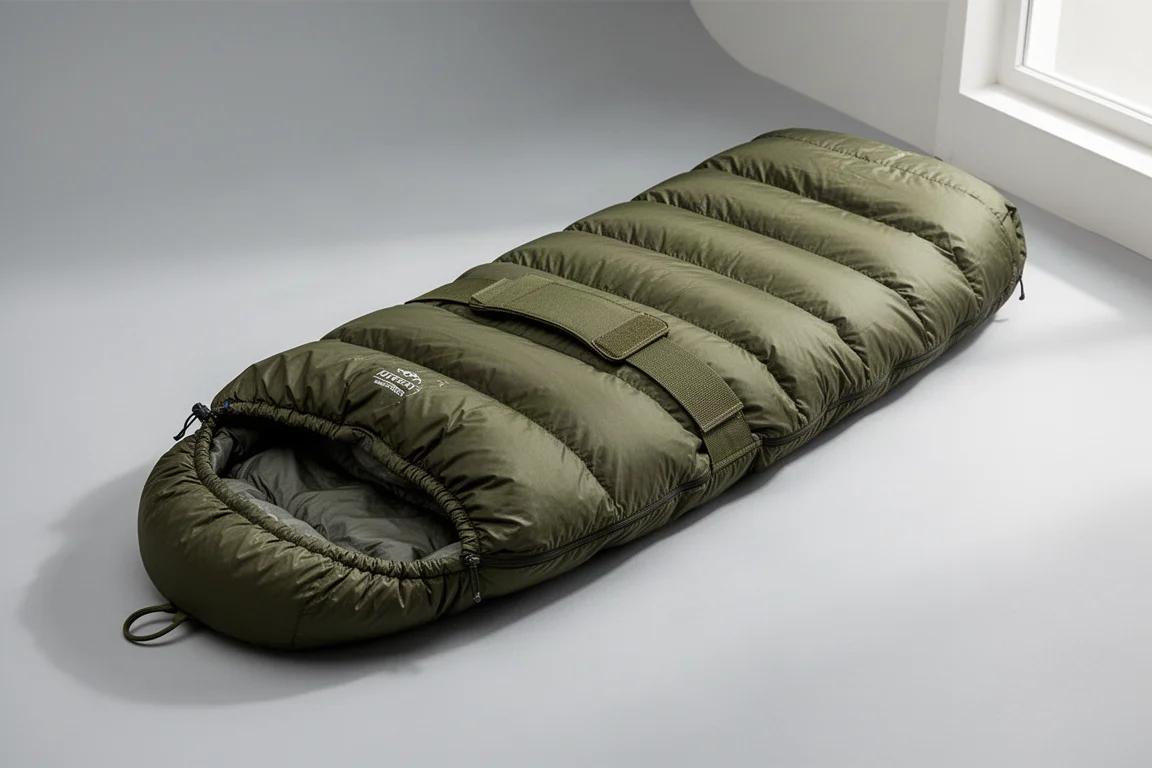
The Revelation is a 20°F (-6°C) quilt with 850 fill down and a listed weight of 23.96 oz, comfortably under two pounds. Unlike a sleeping bag, a quilt is open rather than sealed along one side. It buckles around the sleeper and around the pad instead of enclosing you in a tube.
The attachment system is the part worth understanding before buying. The foot box stays loose, exactly as it would on a bag. Around the knees, straps run between the pad and the quilt and buckle it down, which keeps you centered on the pad no matter how much you turn over. At the shoulders, a strap closes over the top and can be cinched tight, and a draft collar snugs around the neck.
Field notes from the trip: the quilt was warm and stayed put through a night of rolling from side to back, which made it feel closer to sleeping in a bed than to sleeping in a bag. The shell fabric feels smooth and soft, and the down lofts generously when the quilt is stored loosely rather than compressed. The one thing to plan for is the missing hood. A quilt leaves the head and ears exposed, so a beanie or a light hooded layer is worth packing for cold nights.
Gossamer Gear The Two: A Light Shelter That Handles Weather
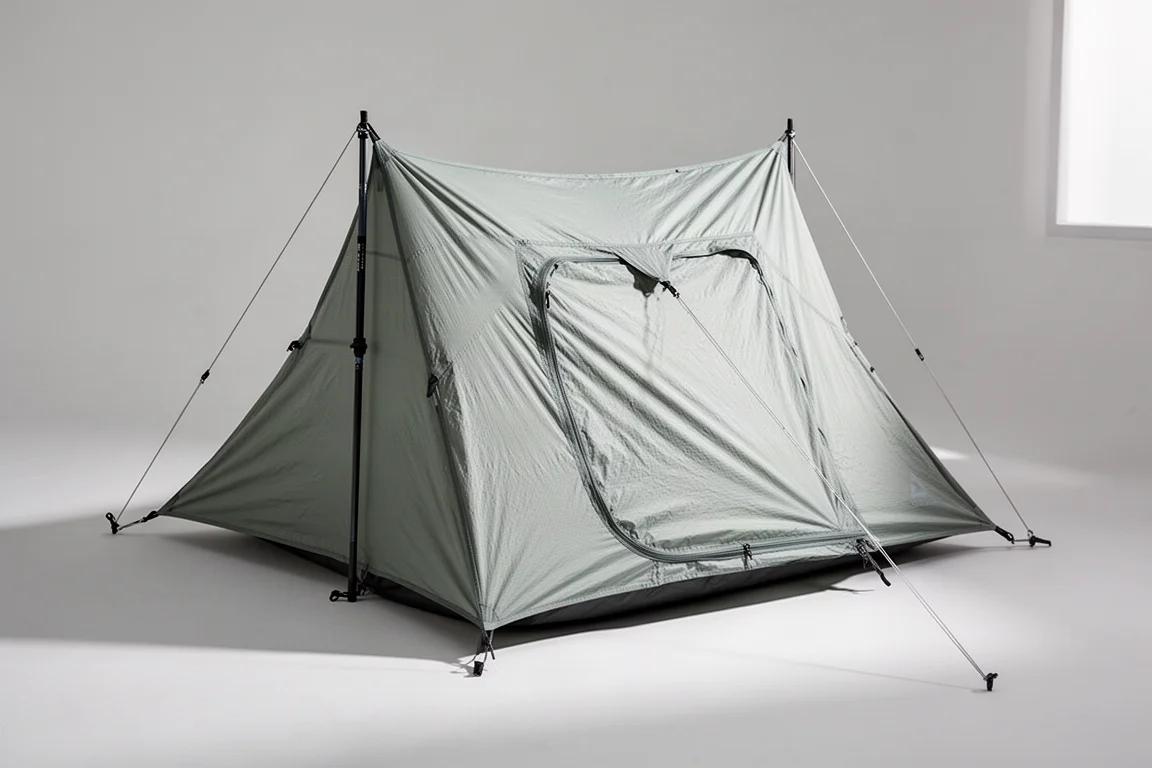
The Two is a trekking-pole shelter that can also be pitched with dedicated tent poles. It uses two doors and two vestibules, so neither occupant has to crawl over the other and packs stay outside the sleeping area. The listed weight is 23.5 oz, under a pound and a half.
The body is single wall with mesh panels, and the floor is a bathtub design that floats inside the fly. In practice, the fly does the work of creating interior space. Staking the body first and then moving the stakes outward for the fly produced a tighter, roomier pitch than starting with the poles, although the manufacturer’s own sequence begins with the poles. Either way, the setup rewards a little practice.
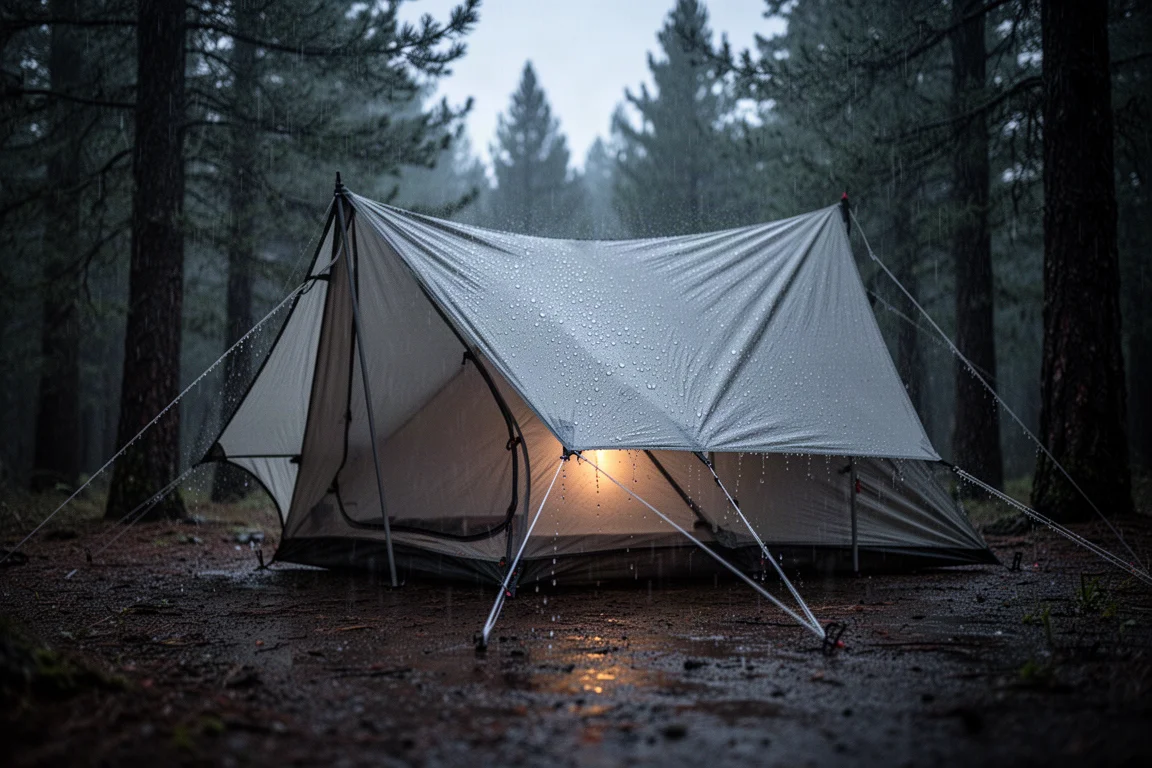
Weather performance was the standout. Through wind and steady rain the shelter stayed taut and stable, and condensation on the inside of the fly ran down the steep sidewalls and dripped away instead of onto the sleeper. The caveat with any single-wall design is contact: touch the walls with a quilt or a pack and moisture will soak in. Two interior pockets and no hang loops mean organization is minimal, so it helps to decide where everything goes before the lights go out.
Waymark EVLV Ultra: A 38L Pack With No Hip Belt
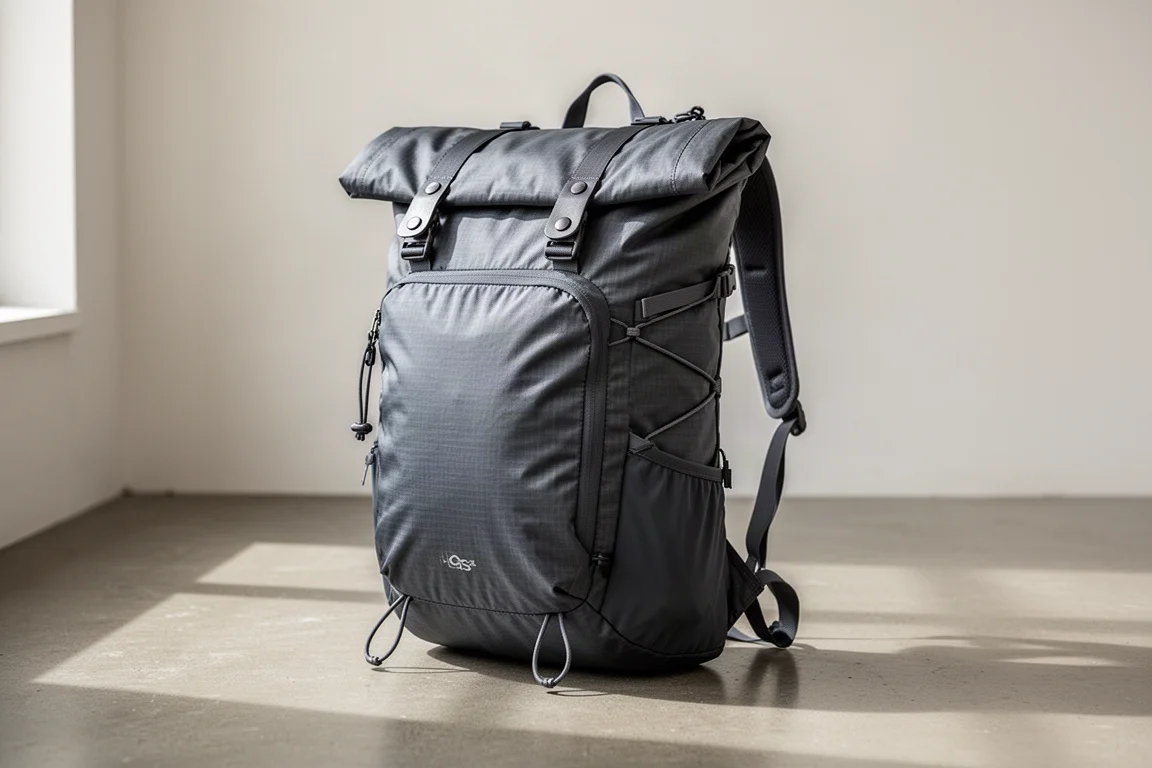
The EVLV Ultra is a 38-litre frameless pack that weighs just over 14 oz, less than a pound. It closes with a roll top secured by two snaps and a strip of hook-and-loop, and the fabric feels as though it may be water resistant, though a pack liner remains the safer habit. Outside there is a large stuff pocket, paracord compression straps on each side, two side pockets, and loops underneath for trekking poles.
The design detail that matters most is the pair of load lifters, which pull the top of the pack toward the shoulders and limit sag. There is no hip belt, no frame, and no back padding. A hip belt is available separately and attaches at the designated points, and the pack is intended for hikers carrying a base weight of 10 lb or less.
Field notes: the first day produced genuine shoulder and neck soreness, and the second morning felt dramatically better as the body adjusted to carrying weight on the shoulders rather than the hips. Packing soft items between a hard bear canister and the back made a noticeable difference, because anything rigid can be felt directly through the fabric. Anyone moving from a framed pack with a hip belt should expect an adjustment period, and the optional hip belt is a sensible addition for hikers who want some of that load transferred to the legs.
BoglerCo Trek Trowel: The Small Item That Earns Its Place
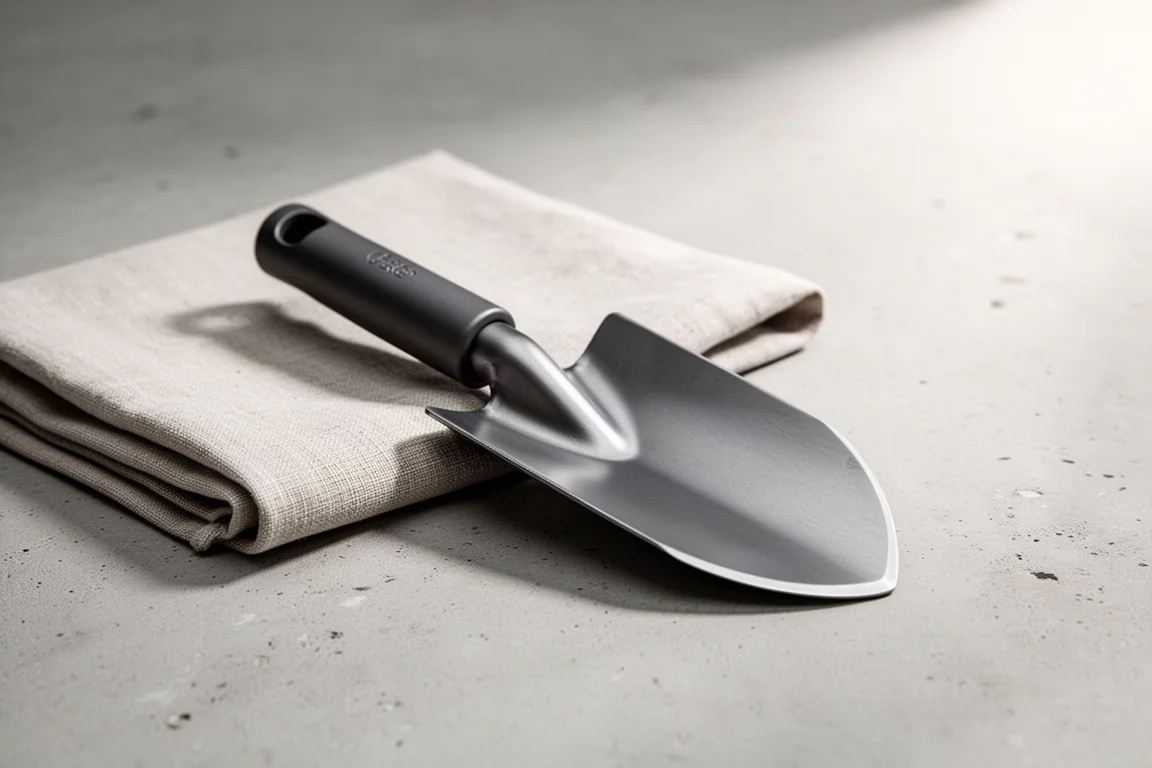
Every backcountry kit needs a way to dig a cathole, and this is the piece that does it. The Trek trowel cut through soil quickly, did not dig into the palm the way thin plastic tools can, and added almost nothing to the pack. On a trip where the trowel gets used more than once, a tool that is fast and comfortable in the hand is worth more than its size suggests.
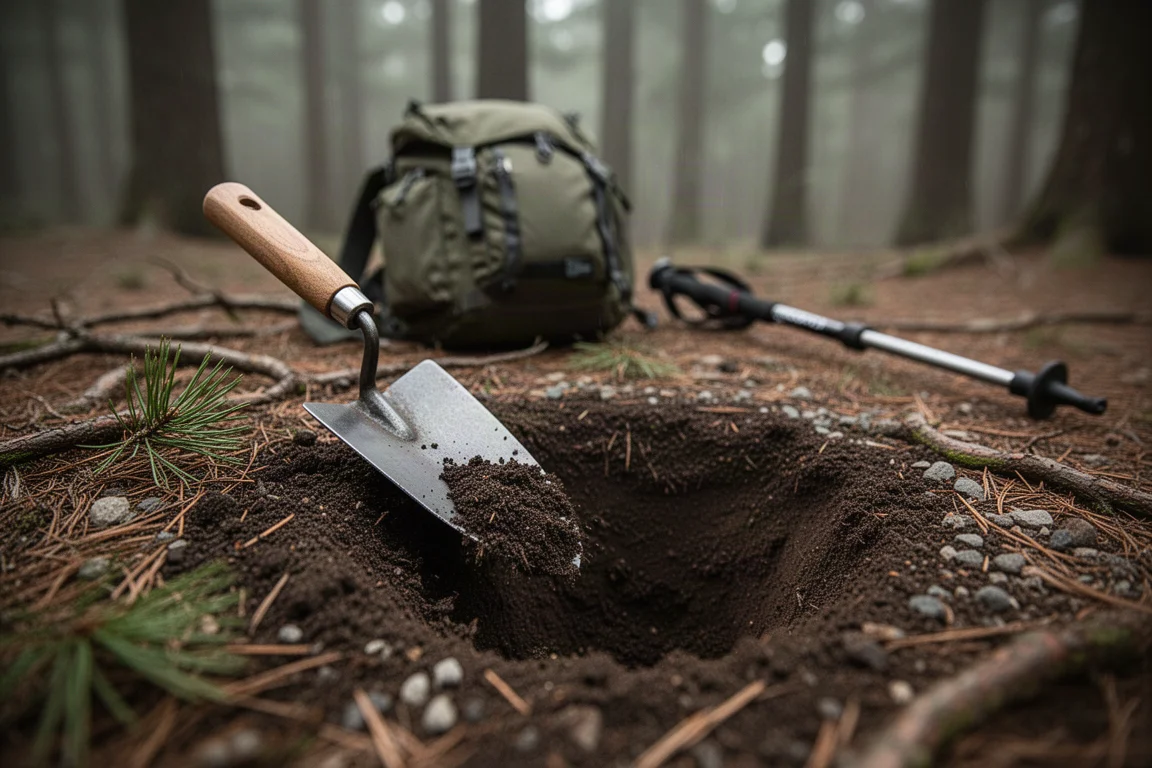
It belongs within easy reach rather than buried at the bottom of a pack, because the moment you need it is rarely a convenient one. Keeping it with the rest of the hygiene kit means it is always in the same place.
Who Should Consider Going Ultralight
The case for ultralight is not about roughing it. On this trip the shelter was spacious, the quilt was warm and cozy, and small luxuries still fit: a bar of soap, a proper coffee, and a pillow improvised from a neck gaiter and a puffy jacket. What changed was the weight on the back.
This approach suits hikers who are willing to plan a base weight and stick close to it, and who are comfortable with a frameless pack and a quilt instead of a framed pack and a hooded bag. It suits multi-day trips where every ounce is carried uphill and the goal is to finish the day fresher. It suits anyone who would rather hike further than carry more.
It suits less well anyone who routinely carries heavy loads, wants a structured pack with a hip belt from day one, or simply prefers the familiar shape of a mummy bag. Those are preferences, not failures, and there is no prize for suffering through gear that does not match how you travel.
Buying Advice: Building a Cohesive Kit
Start with the sleep system. A quilt’s temperature rating is only useful if it stays attached to a pad that matches its warmth, so choose the two together. Then choose the shelter and learn it before you leave: pitch it in the yard, in the rain if you can, and repeat the sequence until it is automatic.
The pack should be the last decision, sized to the load you actually carry. If your base weight sits near or below 10 lb, a frameless pack like the EVLV Ultra can work well, and the optional hip belt is there if you want a little more support. If your load is heavier, a framed pack with a hip belt will be the more comfortable choice.
Two habits make any ultralight kit work better. Store down lofted rather than compressed, and test new gear on a short trip before committing to a long one. All four pieces here earned a place on the next trip, and each was easier to trust after a night outdoors.
Conclusion
The useful surprise of this kit was how little it asked in return. The Revelation quilt was warm, soft, and stayed put on the pad through a night of turning over. The Gossamer Gear The Two held up in wind and rain and stayed dry inside. The Waymark EVLV Ultra carried a light load with only a short adjustment period. The BoglerCo trowel did its unglamorous job quickly. Ultralight, done carefully, is less about sacrifice and more about choosing the right weight for each job.
Further reading
Related Reviews

Backpacking Gear
Building a 10 lb Base Weight: An Ultralight Backpacking Gear List
A practical walkthrough of the ultralight pieces behind a 10 lb base weight, from a 765 g pack and a roomy one-person tent to a full camp chair and a dependable water filter.
Backpacking Gear
A 15-Pound Lightweight Backpacking Gear List for Solo Trips
A beginner-friendly 15-pound backpacking setup built from easy-to-find gear, with notes on what each piece does, how it packs, and where to spend your attention.
Backpacking Gear
8 Ultralight Backpacking Gear Upgrades Worth Carrying
Eight small, affordable backpacking upgrades that solve real trail annoyances, from a pillow that stays put to a fuel valve that rescues leftover canister gas.