Backpacking Gear
Ultralight Backpacking Gear Field Tested in Wind and Near-Freezing Cold
Four ultralight pieces tested in desert wind and near-freezing overnight temperatures, with the strengths, compromises and open questions to weigh before buying.
Introduction
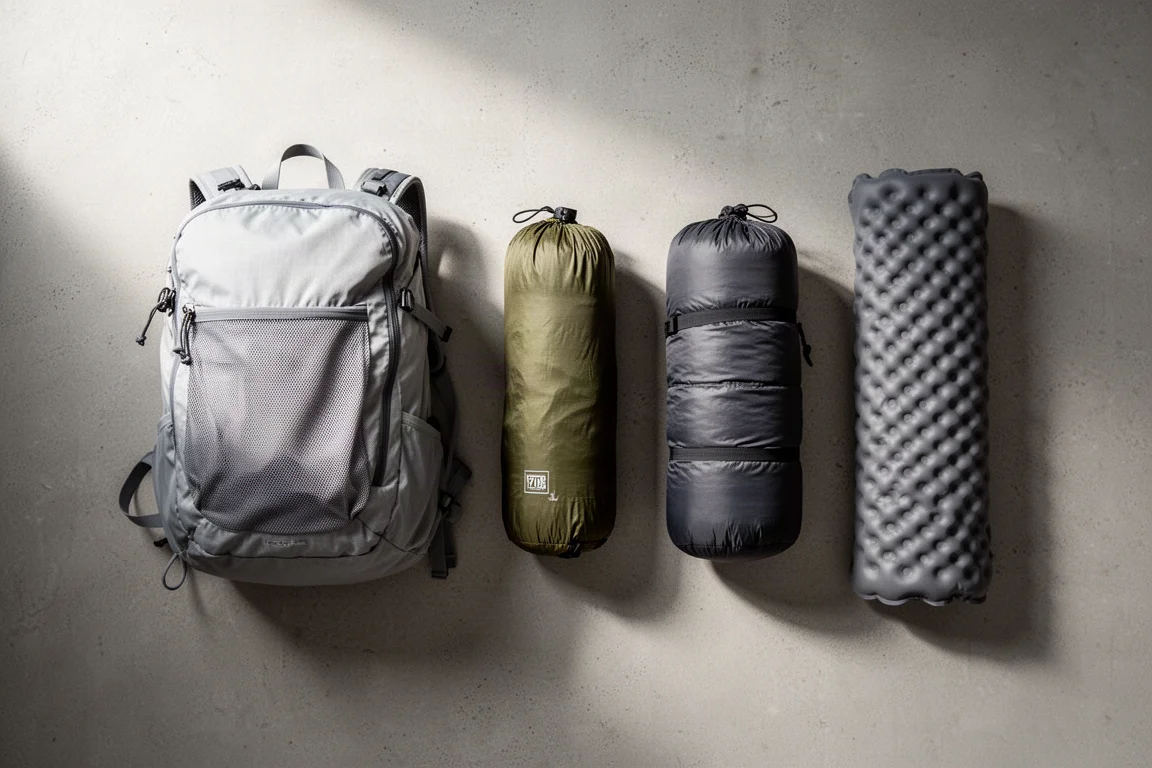
Ultralight gear is a set of trade-offs, and the honest way to find out where a piece lands is to carry it, sleep in it and let the weather have its say. Four lightweight pieces went out for an overnight desert trip with lows approaching freezing and a forecast that included the potential for gusts up to 70 km/h. The mix covered the core of a backpacking kit: a frameless pack, a single-wall shelter, a down quilt and an inflatable sleeping pad.
Three questions shaped the testing. First, does the gear still perform its key task at that weight, whether that means carrying a load effectively or keeping a sleeper warm. Second, are the compromises that come with low weight acceptable in real use, or do they get in the way. Third, is the gear safe to rely on, because pushing weight and cost down can create situations where equipment stops being dependable.
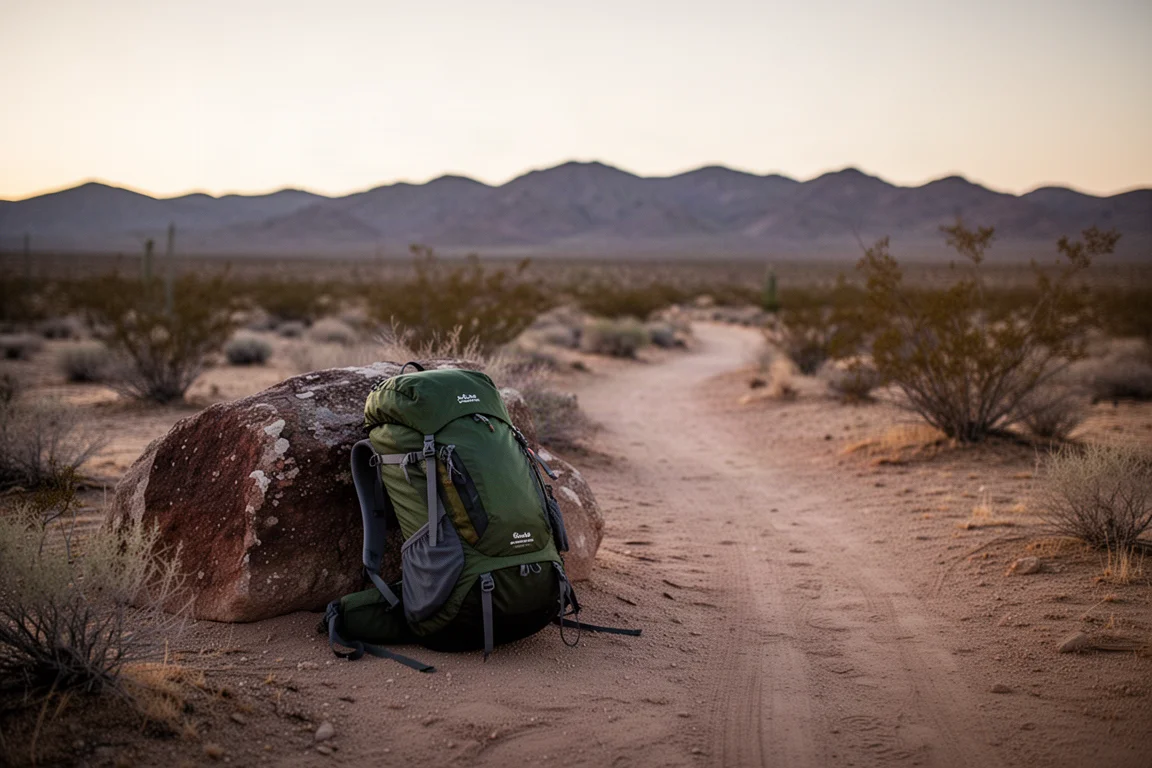
The route covered roughly 20 km of dry desert terrain with about 23 lbs in the pack, water was scarce, and camp was pitched on sandy ground. Wind arrived overnight, with gusts estimated at around 40 km/h.
How These Four Pieces Were Evaluated
Function came first. Each item was judged on whether it delivered the job it was bought for: a pack had to carry weight and allow access to water and essentials during the day, a shelter had to stay standing and provide usable space, and a sleep system had to keep a sleeper warm through the coldest hours. Claims made for each product were tested directly rather than taken at face value.
Verdicts were then sorted into groups: gear that performed its main job and can be recommended, gear that performed but carries unresolved questions about long-term durability, and gear that is interesting but not yet a first choice. Anything that showed signs of becoming unsafe under the conditions of the trip was flagged, regardless of how light or inexpensive it was.
DUSO Tallac 35: Ultralight and Affordable, With Clear Compromises
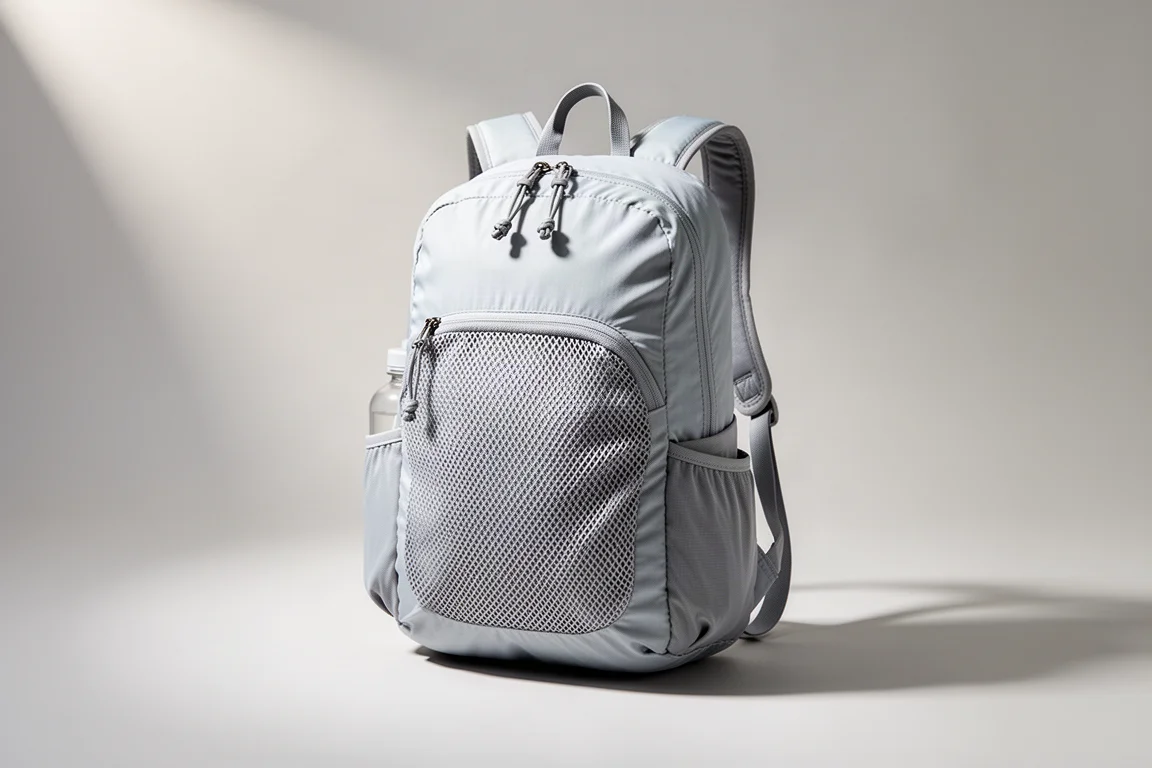
The DUSO Tallac 35 is the least expensive ultralight pack here, weighing under 400 g and priced at $125. DUSO claims it carries up to 20 lbs comfortably and that the side pockets are reachable. Both claims held up. The side water bottle pockets could be reached easily despite limited shoulder flexibility, and the pack handled more weight than advertised.
The pack is frameless, and for this trip it was also hip-belt free. A hip belt is included, but it did not take meaningful load off the shoulders and proved more annoying than useful, so it came off. A removable foam sheet adds a little structure to the back panel, though it tends to ride up. Storage is deliberately minimal: two side bottle pockets and one large stretchy front pocket. Materials and straps are basic rather than premium, which is part of how the price stays low, but the straps are fiddly to use, including the chest strap, and there is no bottom pocket.
Volume is generous. Most users will run out of comfortable carrying capacity before they run out of space, which makes this a solid one or two night pack, and with genuinely ultralight gear it could stretch to about a week. Carrying 23 lbs over nearly 20 km, the pack did the job, though the shoulders felt it by the end and it carries slightly less comfortably than some other frameless packs. With gradual loading it seems capable of around 25 lbs. Durability is the open question and will only be answered over a longer period than a single overnight.
Two changes would help: a bottom pocket, even at a small weight and price cost, and shoulder straps that are curved differently and slightly longer, since the existing straps ended up in the armpit. A top strap system is included, with toggles that attach to loops on the pack, which allows a bear canister or a camp chair to be strapped on.
Tarptent Double Rainbow Silpoly: A Roomy Single-Wall Shelter
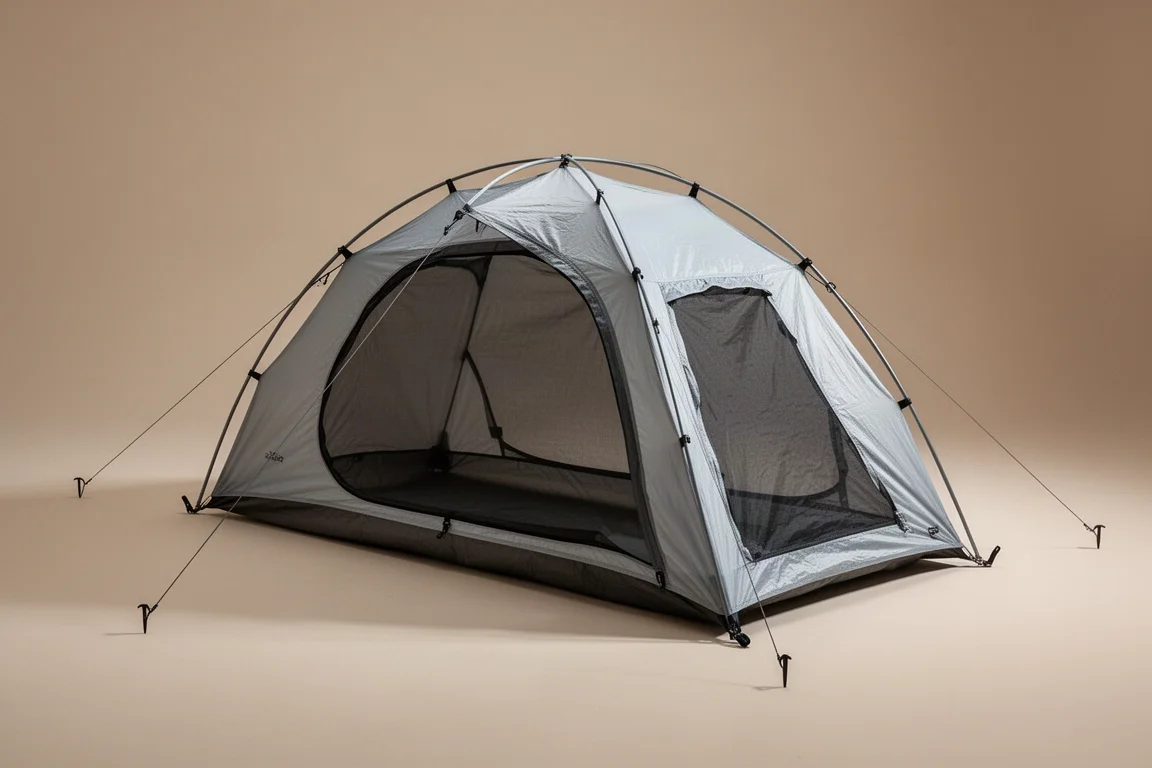
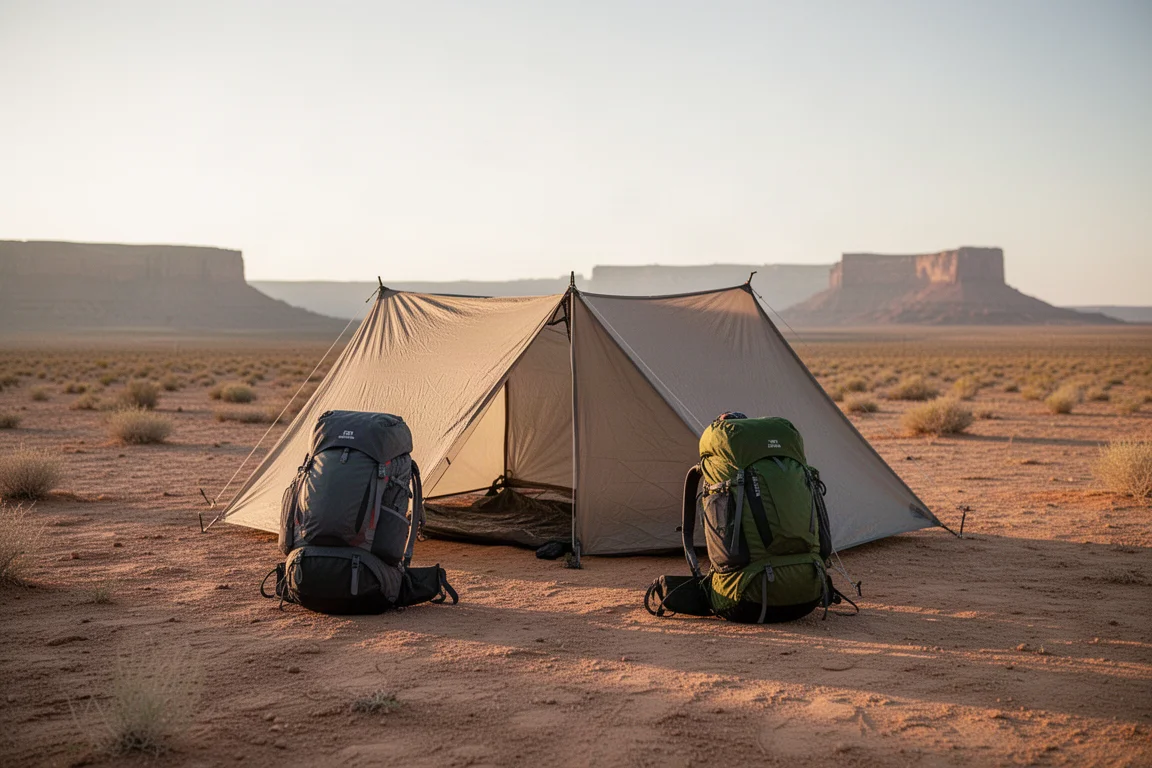
The Double Rainbow in its silpoly single-wall version is a long, narrow shelter that pitches with a pole arch over the middle, making it semi-freestanding by default. Adding two trekking poles at either end is claimed to make it fully freestanding. In practice, the freestanding conversion still required the vestibules to be staked, and the trekking pole mode seemed to disturb the pitch, so the shelter went back to a standard pitch and looked better for it.
Where this tent stands out is interior space. It is very long and roomy at both the head and foot ends, and because it is single wall there is less chance of a sleeping bag or a head brushing against the fly. The single-wall build also saves weight compared with a double-wall version, and the interior volume means the extra layer is not needed for protection.
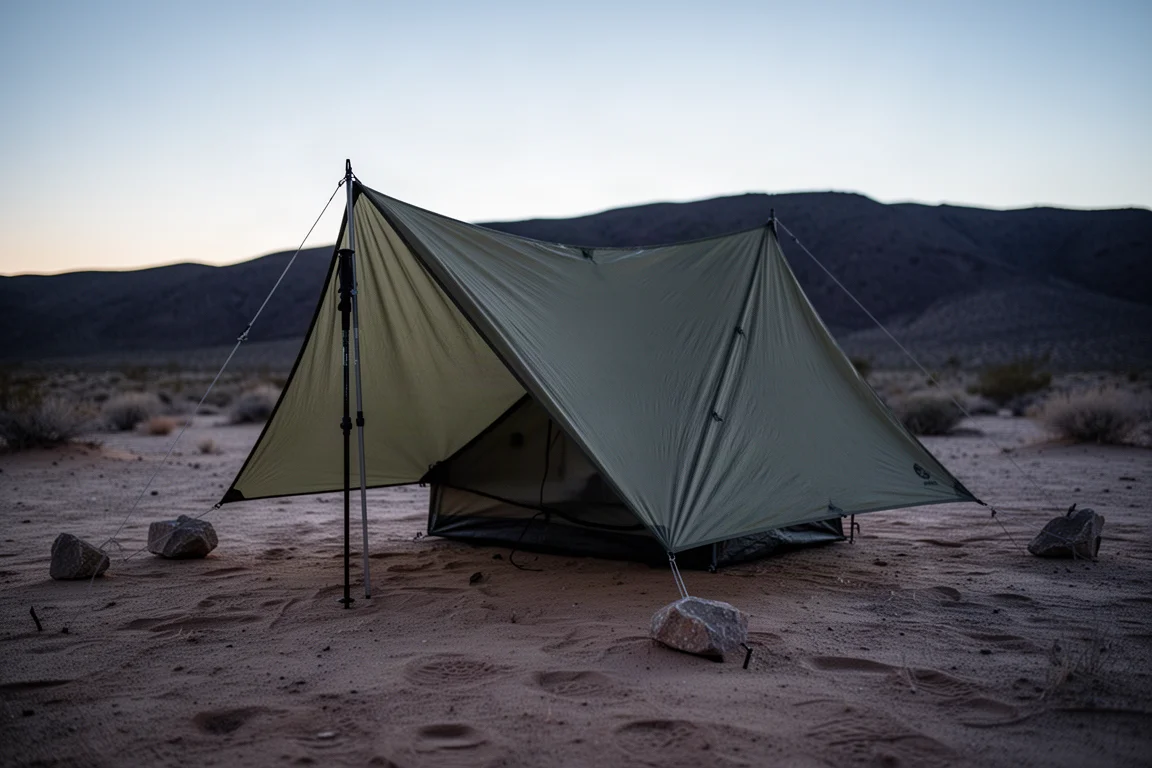
Wind was the real test. Overnight gusts pushed the shelter around and it was collapsing in spots, so rocks were placed on the corner stakes and guy lines were deployed. The turning point was finding grommets at the peaks that accept trekking poles. With poles inserted at both ends, the shelter locked down and became very stable for the rest of the night. Some nuances of the design are still being worked out, and the freestanding mode in particular needs more time on better ground before it earns a firm recommendation.
Zpacks Solo Quilt 30: A Niche Quilt That Earned Its Place
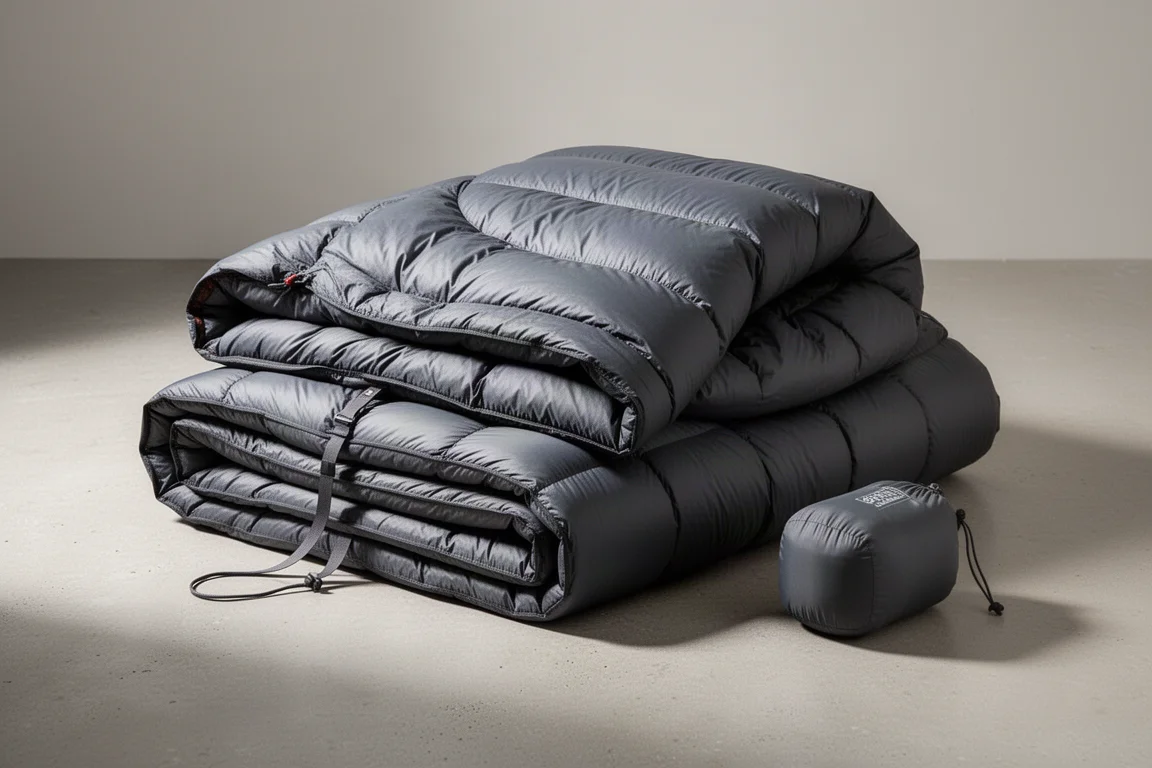
At 377 g, the Zpacks Solo Quilt 30 is exceptionally light, and its price reflects that. It uses high fill power down and a light 7D shell fabric, and it is held in place by a single pad strap rather than the two that most quilts use. That minimal strap system looked like a draft risk, particularly with wind moving through the tent mesh overnight.
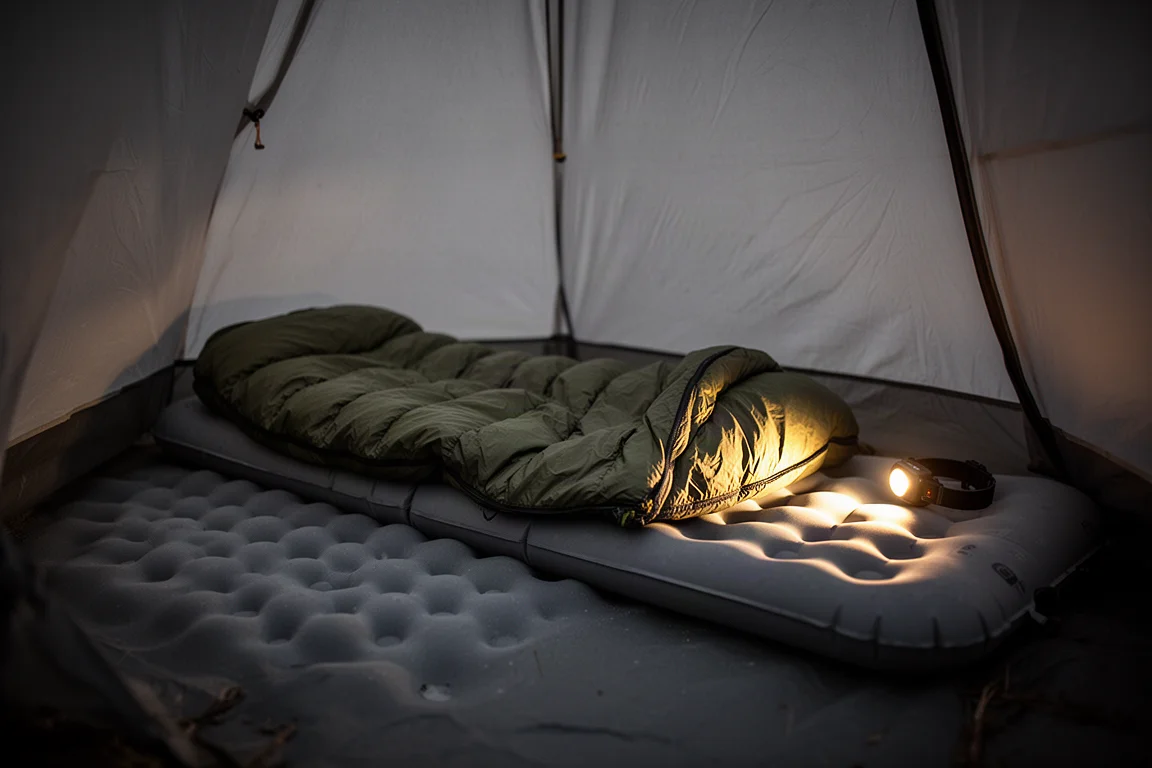
Temperatures sat around 5°C for most of the night and dipped to 1°C for roughly an hour and a half. At the coldest point there was a slight sensation of heat loss through the quilt, which suggests that is close to its limit. The quilt did not look heavily lofted when it was set up, but it lofted through the night and proved warmer than expected. No drafts came in, and the single pad strap combined with a neck cinch kept the quilt seated on the pad.
This is a specialist piece. The premium materials that make the low weight possible also demand more care and are more susceptible to humidity and dirt, so it suits fast packers and committed ultralight hikers rather than general weekend backpackers.
Naturehike Sleeping Pad With an R-Value of 5.8: Warmth at a Low Price
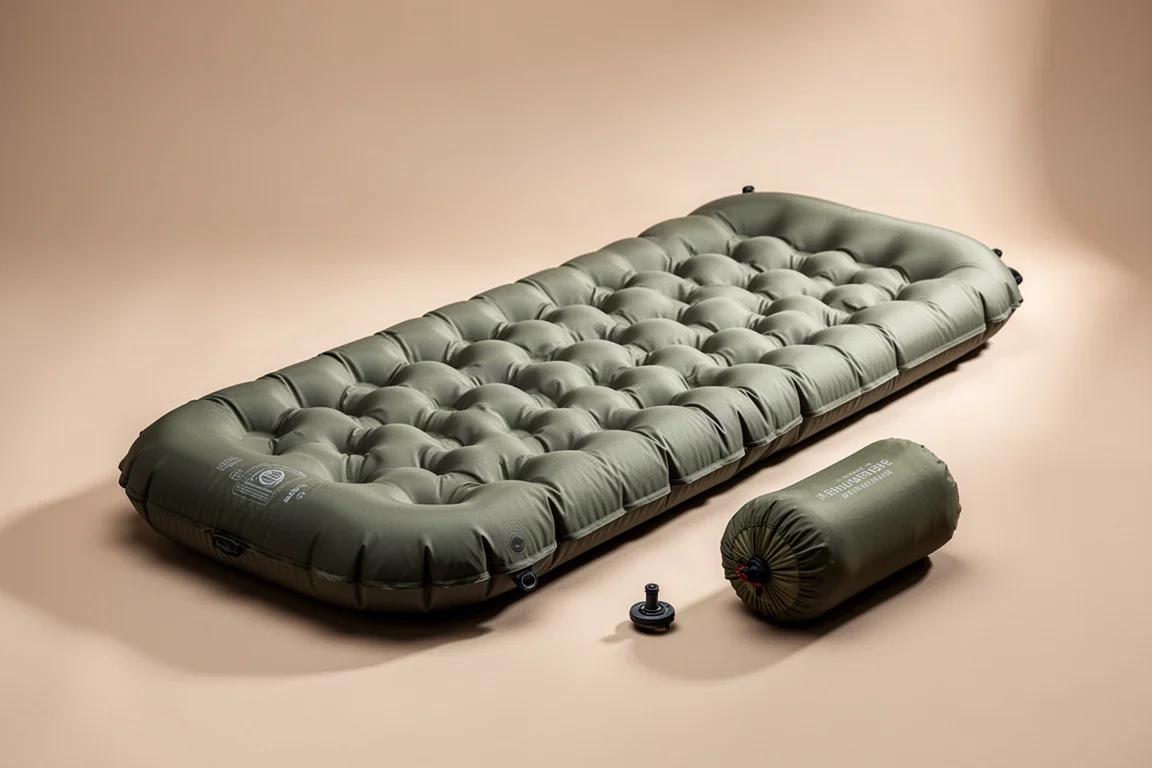
The Naturehike sleeping pad lists an R-value of 5.8, weighs just over 500 g and costs $70, which places it well below the price of most pads with comparable warmth claims. On an earlier night around 10°C it felt noticeably warm, with heat reflecting back rather than draining away.
The overnight test near freezing reinforced that impression. No heat loss was felt through the pad, and it stayed warm enough that it could plausibly be used below the freezing mark. Comfort was moderate: the dimpled baffle system uses smaller, less pronounced dimples than some pads, and the pad is thinner overall, so heavier sleepers may find it lacks thickness. Side and back sleeping were both fine, with no numb arms.
Value is the headline. It may not match a premium ultralight pad for outright warmth, but it is more comfortable and costs roughly a third of the price. Durability and reliability are still unproven, so this is one to watch over a longer period before treating it as a permanent fixture.
Overall Buying Advice
Buy for the trips you actually take. A frameless pack like the DUSO Tallac 35 rewards people who pack light and compactly, and it is a low-risk way for a curious backpacker to try frameless carrying without spending much. The Naturehike pad makes sense for anyone who wants genuine warmth on a budget and can accept a slightly thinner pad under their sleeping bag.
The Zpacks Solo Quilt 30 is the opposite kind of purchase. It is expensive and specialized, and it makes the most sense for hikers who are already counting grams and treat above-freezing trips as their main season. The Tarptent Double Rainbow Silpoly sits in the middle: a roomy single-wall shelter that is especially appealing for taller hikers, with a freestanding mode that still needs more testing before it can be counted on in a hurry.
Conclusion
Every piece tested here carried some kind of compromise, whether in price, materials, strap design or unproven long-term durability. That is the nature of pushing weight down. What stands out is how capable the category has become: a $125 pack under 400 g, a $70 pad with an R-value of 5.8, a 377 g quilt that holds up near freezing, and a single-wall shelter that can be locked down with trekking poles when the wind builds.
The gear that earned the most confidence is the gear that kept doing its job when conditions got difficult. The pieces with open durability questions are worth watching closely rather than dismissing, and each of these four is a reasonable starting point for a lighter backpacking setup as long as the trade-offs match the trips you have planned.
Further reading
Related Reviews

Backpacking Gear
Building a 10 lb Base Weight: An Ultralight Backpacking Gear List
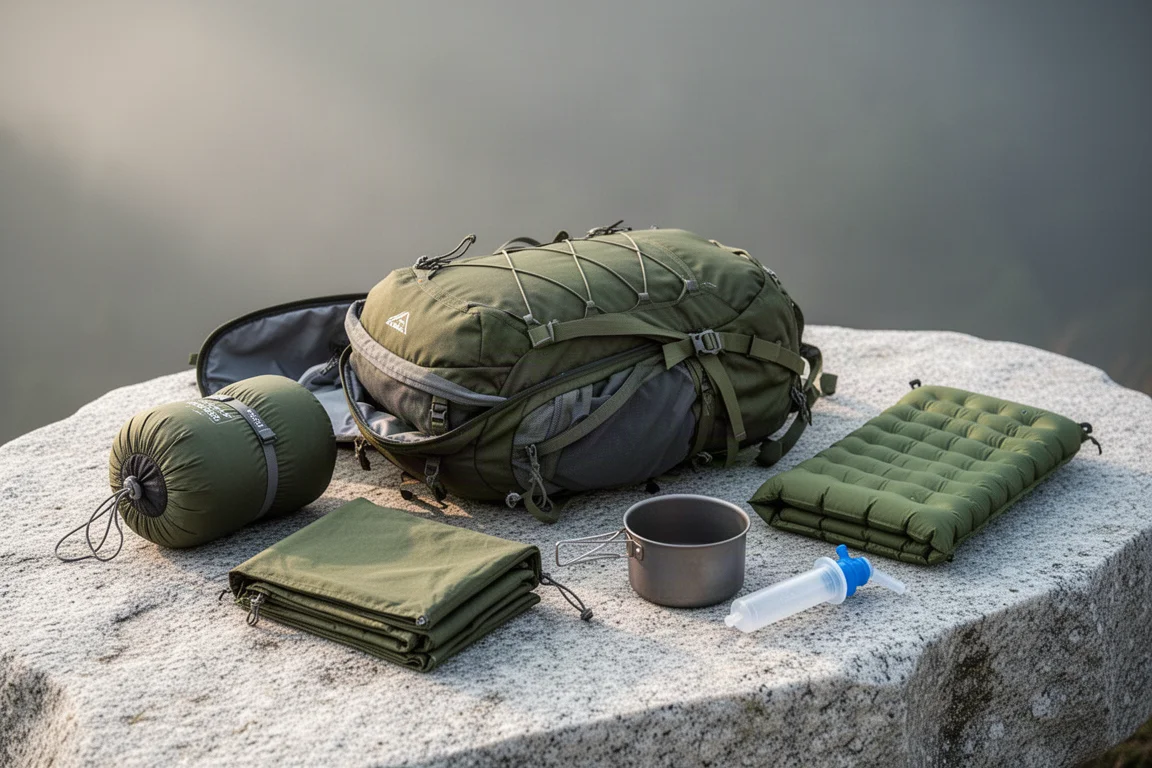
A practical walkthrough of the ultralight pieces behind a 10 lb base weight, from a 765 g pack and a roomy one-person tent to a full camp chair and a dependable water filter.
Backpacking Gear
A 15-Pound Lightweight Backpacking Gear List for Solo Trips
A beginner-friendly 15-pound backpacking setup built from easy-to-find gear, with notes on what each piece does, how it packs, and where to spend your attention.
Backpacking Gear
8 Ultralight Backpacking Gear Upgrades Worth Carrying
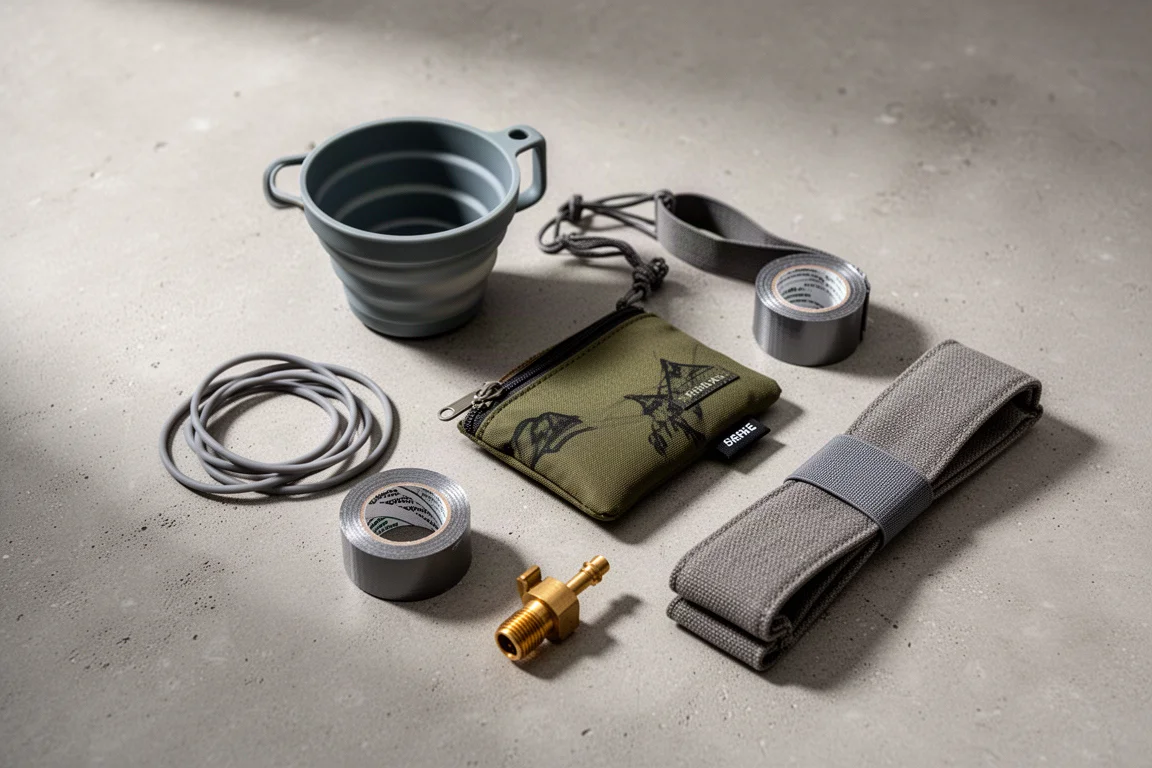
Eight small, affordable backpacking upgrades that solve real trail annoyances, from a pillow that stays put to a fuel valve that rescues leftover canister gas.