Backpacking Gear
Ultralight Backpacking Gear Tested in the Canadian Rockies: What Held Up
Eight ultralight backpacking contenders tested on an overnight shakedown trip, with clear notes on what worked, what did not, and what still needs proof.
Introduction
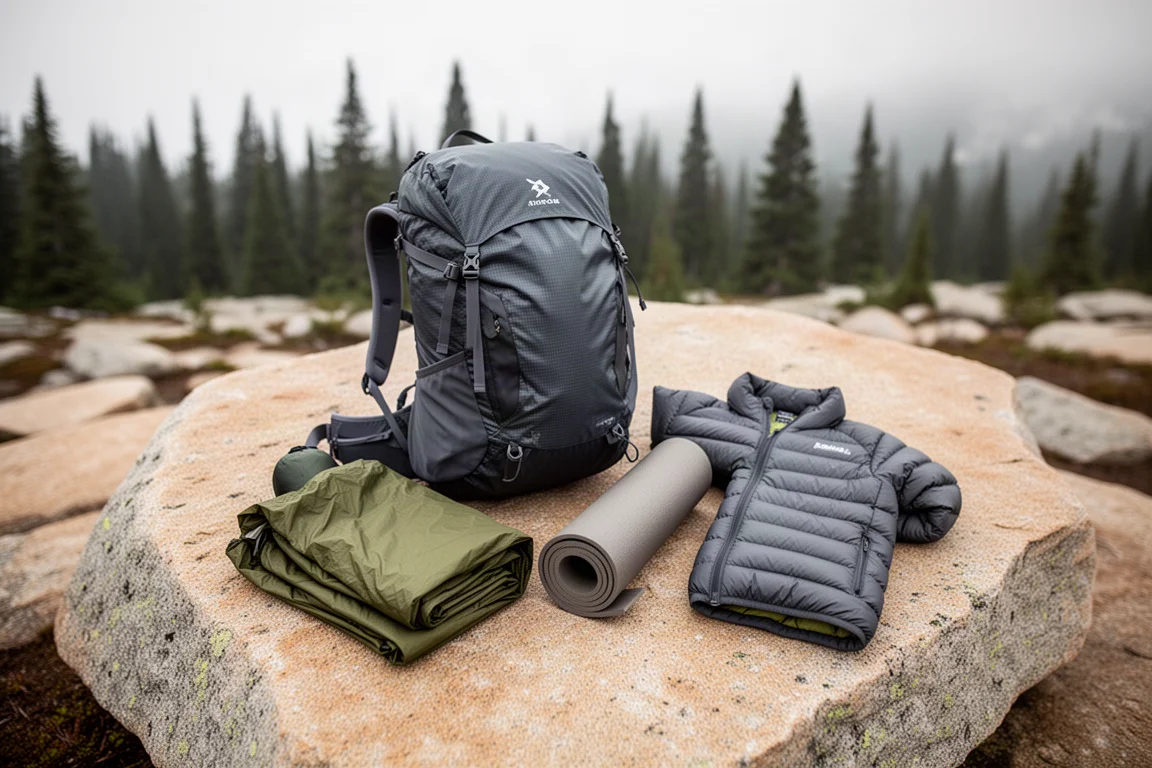
Preparing for a long, remote route takes a specific mix of gear: light enough to move efficiently, but reliable enough that nothing fails far from a trailhead. An overnight shakedown trip in the Canadian Rockies put eight ultralight contenders through warm weather, a brush test, and a night of thunder and light rain.
Some items stood out immediately. One pack turned out to be more than the trip required. One sleeping pad still needs colder conditions before its warmth can be judged. Here is how each piece performed.
How These Ultralight Contenders Were Evaluated
Testing happened on a real overnight route rather than a lab bench. The criteria were weight, warmth, reliability, durability, and how easily each item could be repaired if something went wrong.
Conditions were unusually warm for the location, around 26 C at the start, which made light layers appealing and heavier ones uncomfortable. Thunder in the forecast also kept camp lower than planned, so some cold-weather testing was cut short.
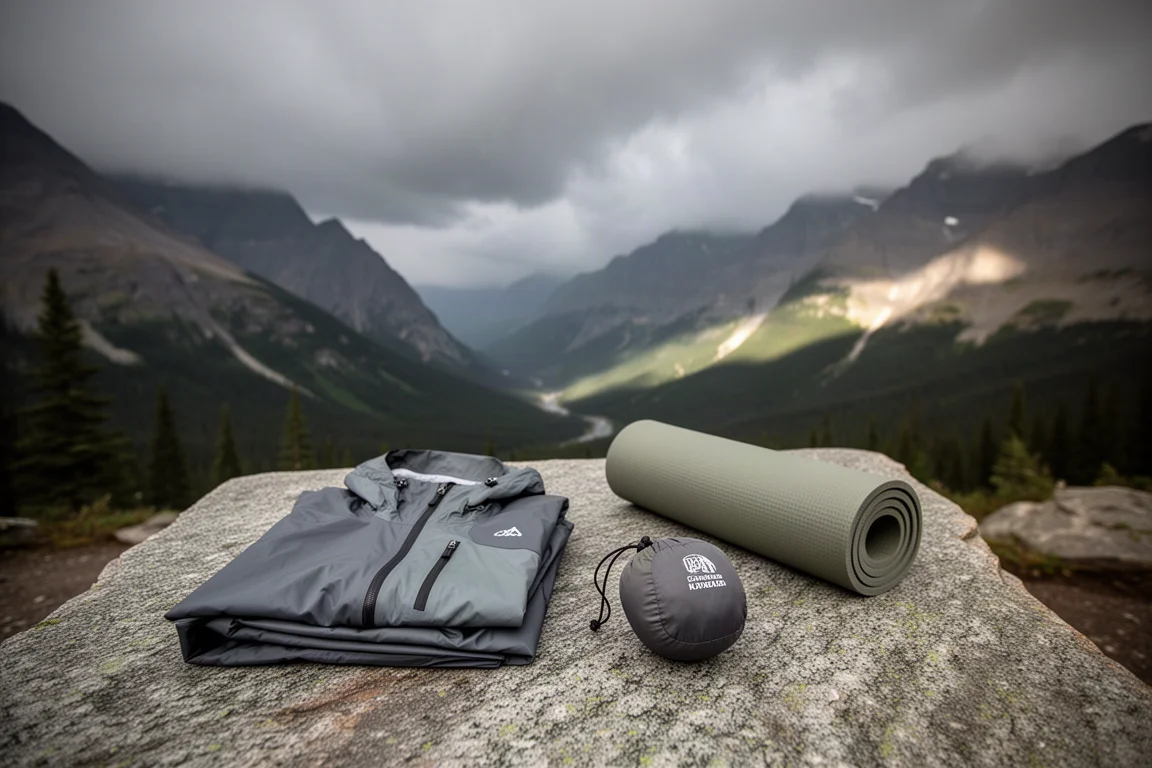
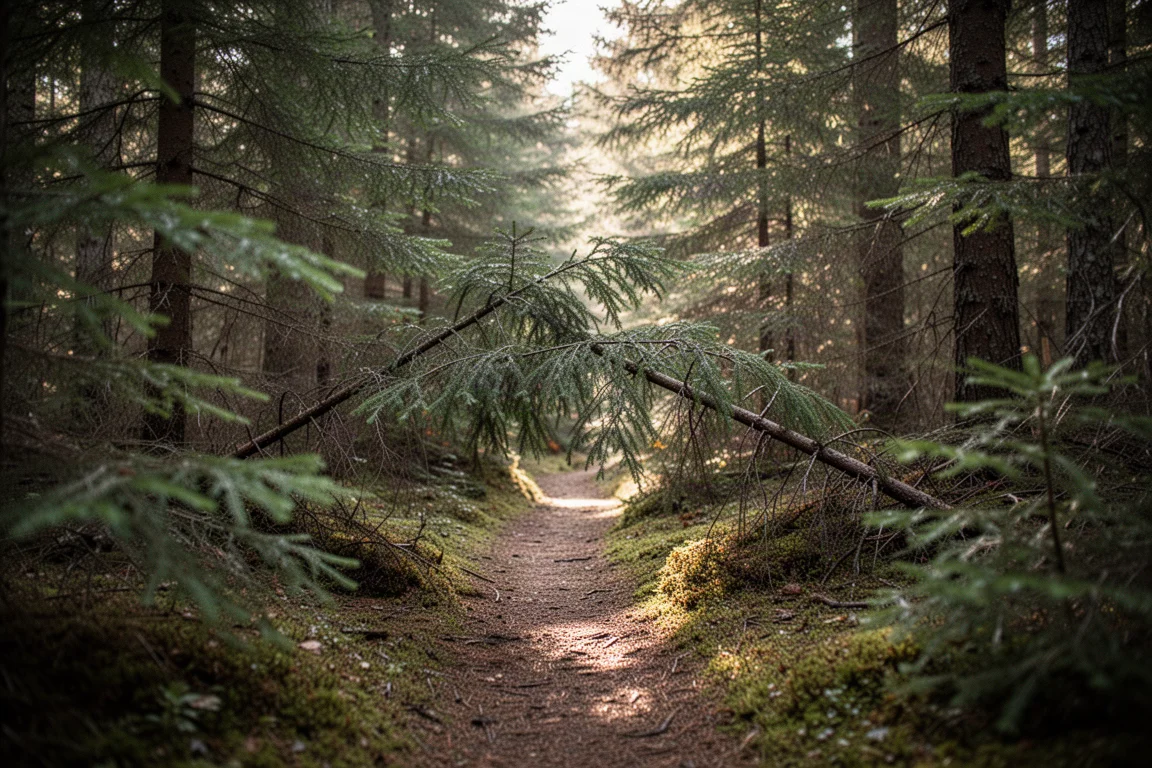
Anything that snagged, absorbed water, or felt fragile under load was noted. The spruce forest along the route doubled as an abrasion test, with branches brushing against pants and sleeves.
Outdoor Vitals Carbon Evo Pack: Light, Framed, and Fully Featured
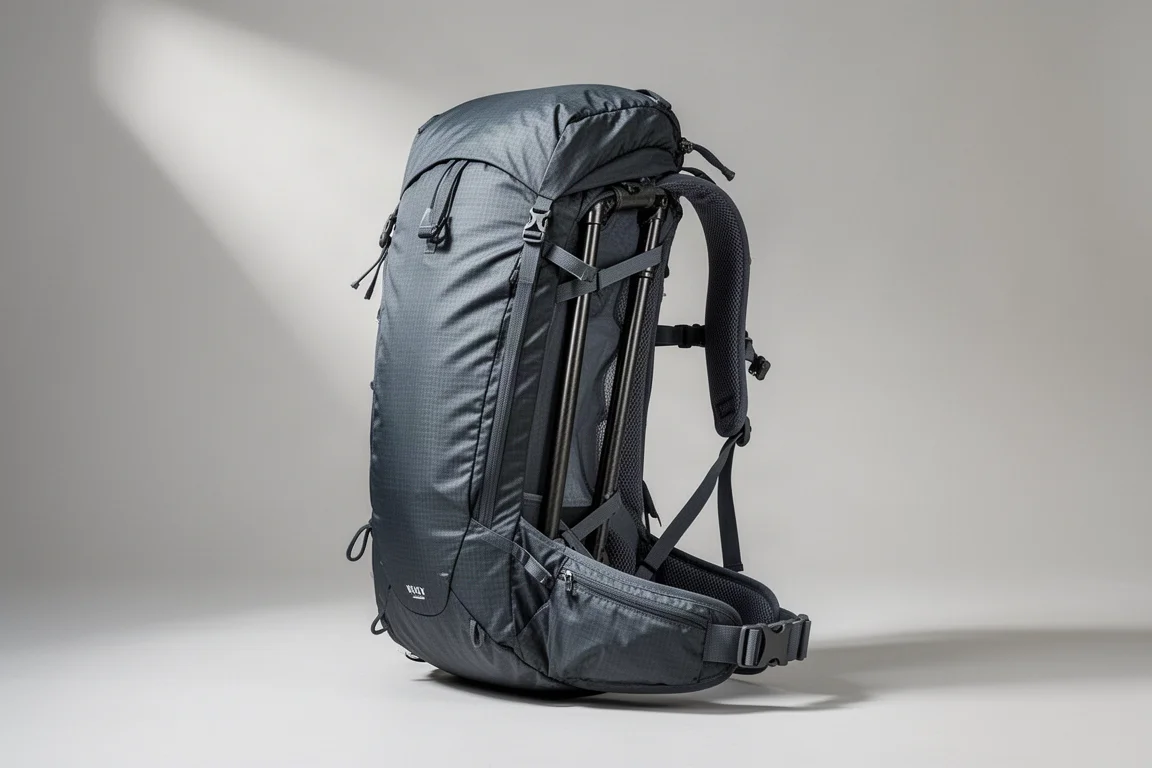
The Carbon Evo replaces the CS40, and the biggest change is the fabric: ripstop nylon instead of the Ultra material used previously. That swap matters in rain. Ultra does not absorb water, while nylon is likely to take on moisture, which can add weight and let dampness reach the inside of the pack even when gear is bagged.
Everything else about the pack is impressive for its class. It weighs just over 800 g while keeping a full frame, load lifters, and a hip belt. The frame has been reworked to transfer weight better, and the hip belt feels more robust and more secure than the CS40’s. Loaded to roughly 30 lb for the carry test, it stayed comfortable.
The catch is not quality. For a trip where cold soaking cuts food weight and base weight drops low, a frameless pack without a hip belt could save significant weight and allow more freedom of movement on steep, scrambly terrain. The Carbon Evo is a strong pack, just more pack than this particular plan calls for.
Arc’teryx Alpha SL Rain Jacket: Gore-Tex With Field Repair in Mind
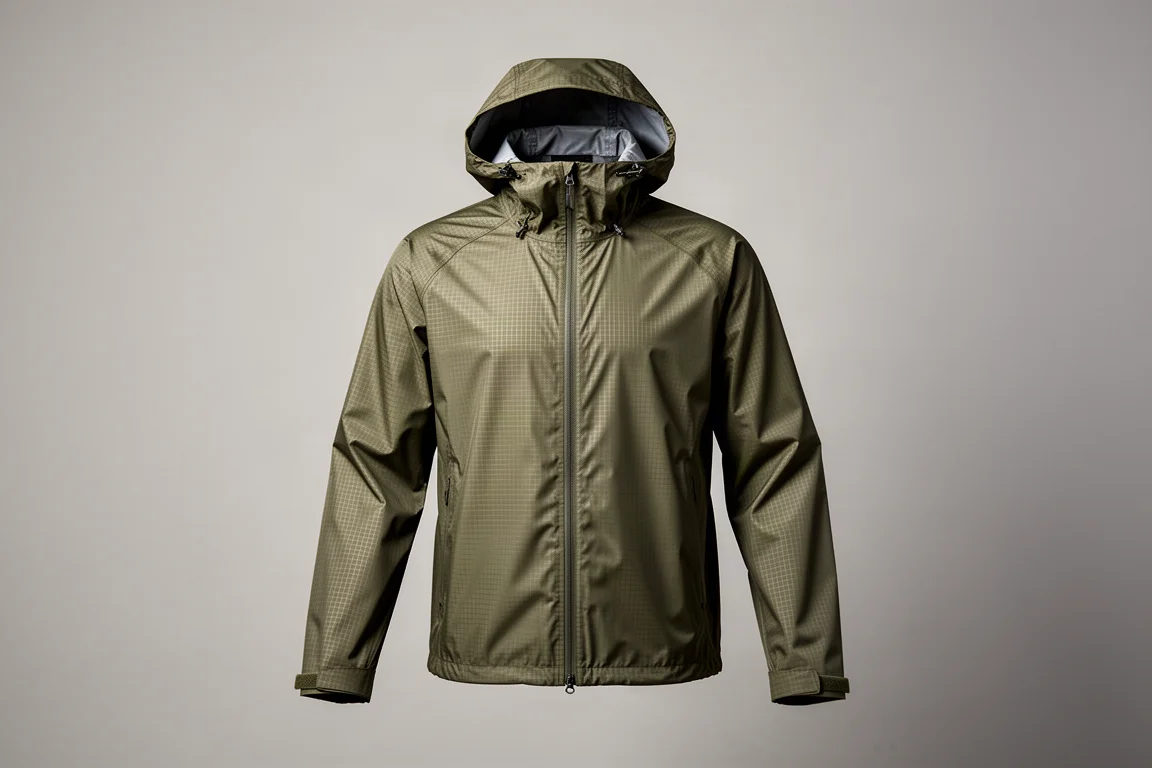
The Alpha SL jacket is built around a simple trade-off: pay a lot, get a shell that should survive a beating. It weighs around 240 g and uses ripstop construction, so a tear should stay contained and can be patched in the field rather than ending the garment’s life.
The fabric is Gore-Tex, and it feels very waterproof. Wetting out does not look likely. The obvious gap in the design is ventilation: there are no pit zips, and mechanical venting makes a real difference when it is warm and raining at the same time. Breathability may cover part of that, but it is the one feature worth weighing carefully.
Arc’teryx Alpha SL Rain Pants: Built for Off-Trail Travel
Pants take more abuse than jackets on a bushwhacking route, which is why the Alpha SL pants matter. They weigh around 350 g and use a durable ripstop fabric, so a snag should not run the length of the leg and can be repaired on route.
Together with the jacket, this is a system that costs far more than most rain gear, and it is aimed at trips where that reliability is the whole point. For a short weekend in mild weather, it is hard to justify.
Rab Ultrasphere 5 Sleeping Pad: Light and Compact, Warmth Still Unproven
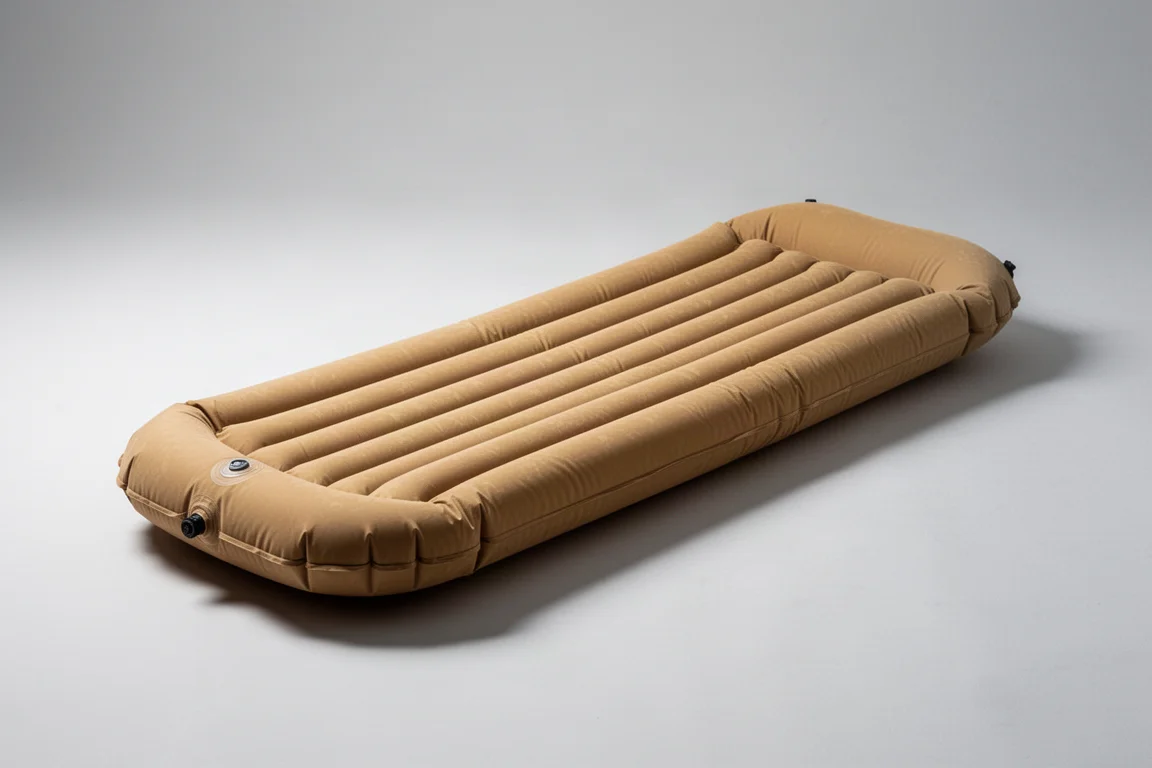
At around 440 g, the Ultrasphere 5 sits in rare company. Few regular wide pads come in under 500 g with an R value above three. It also packs down smaller than the Xlite and uses slightly dimpled vertical baffles.
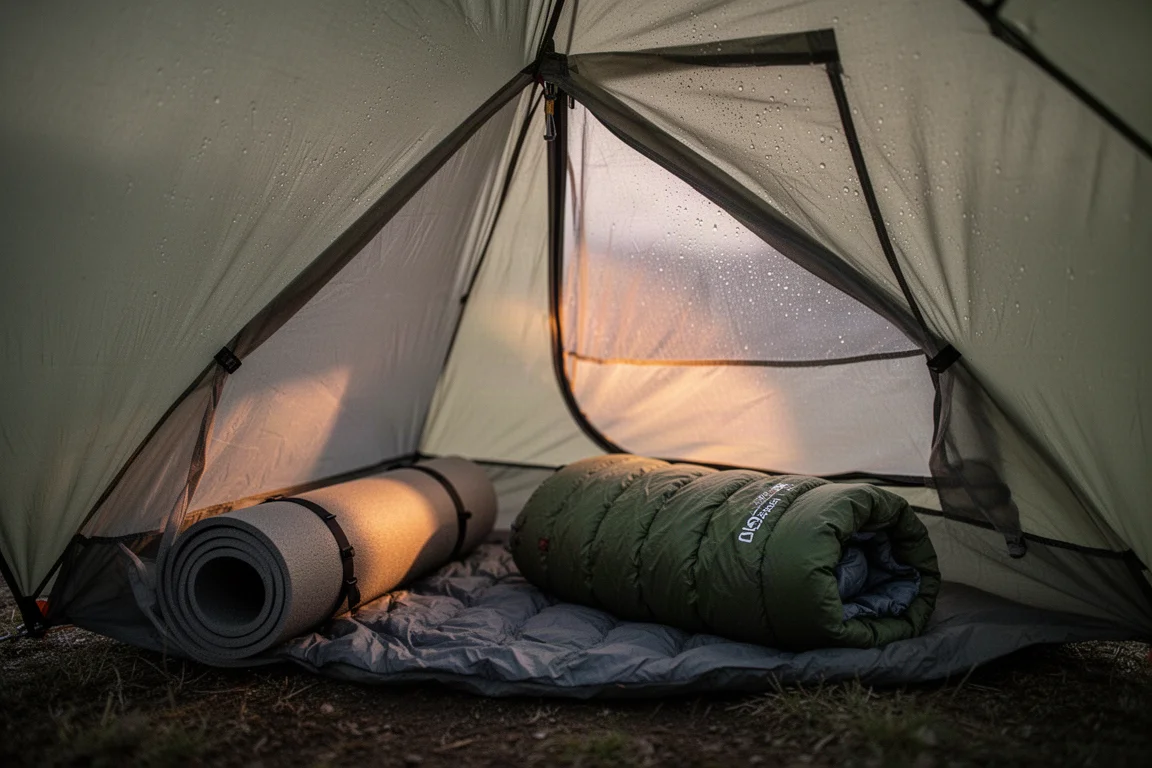
Comfort was solid. It feels closer to a Nemo Tensor All Season in sleep style, though it is thinner, and it is more comfortable than the Xlite by a noticeable but not dramatic margin.
Warmth is the open question. Held up to a light, the pad is easy to see through, and there appear to be gaps in insulation around the weld points. Pads with that pattern often sleep colder in the field than their R value suggests. The test night only dropped to about 7 C, which was far too mild to answer it, so this one stays in the needs-more-testing category.
Neve Gear Barrington Down Jacket: 950 Fill Power for $160
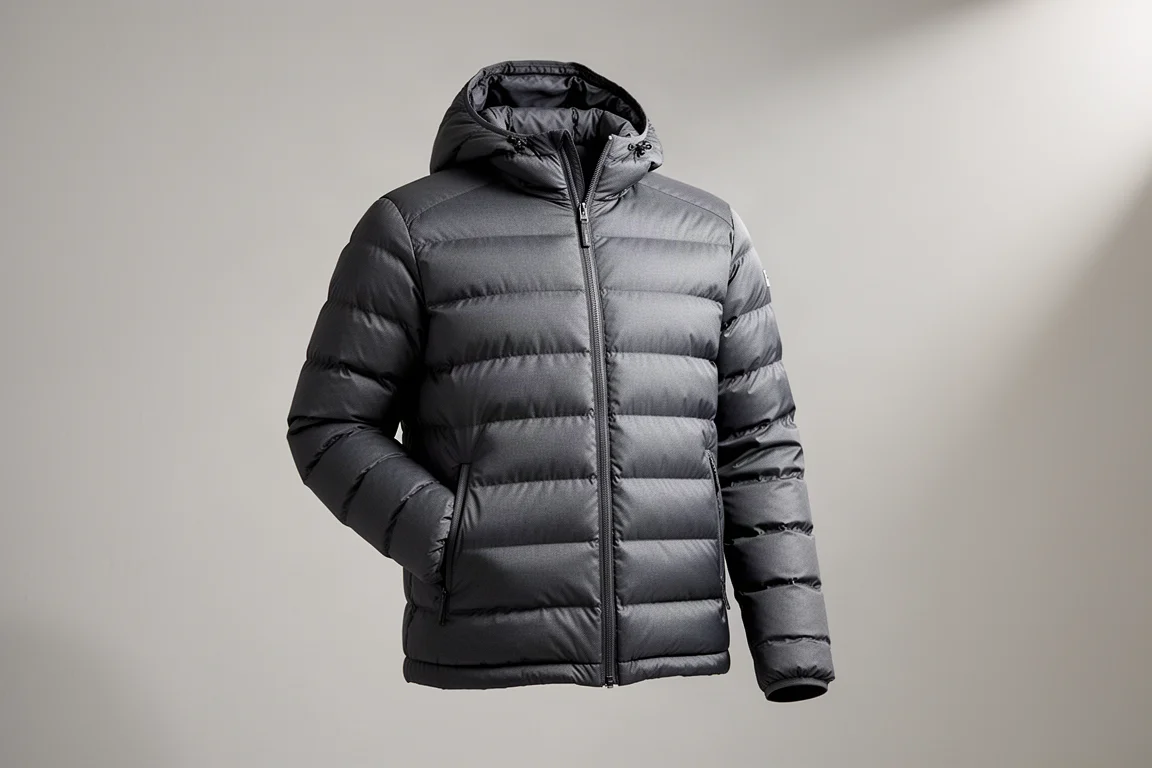
The Barrington uses a 7 denier shell and 950 fill power down, materials normally reserved for jackets costing several times more. A size medium weighs 201 g. It has hand pockets, a full zip, a hood, and a bungee hem that seals around the waist.
The baffles are wider than typical, which is a functional choice rather than a styling one: more loft means more warmth in the field. Worn around camp in static conditions, it should handle temperatures near freezing, and it will feel warmer while moving or setting up camp.
At $160 it sits above budget options such as the Decathlon MT100, but not by much, and it is both lighter and more capable. Two things to watch: down is harder to manage on a long, wet trip where a synthetic layer may be safer, and a price this competitive is worth checking again before it changes.
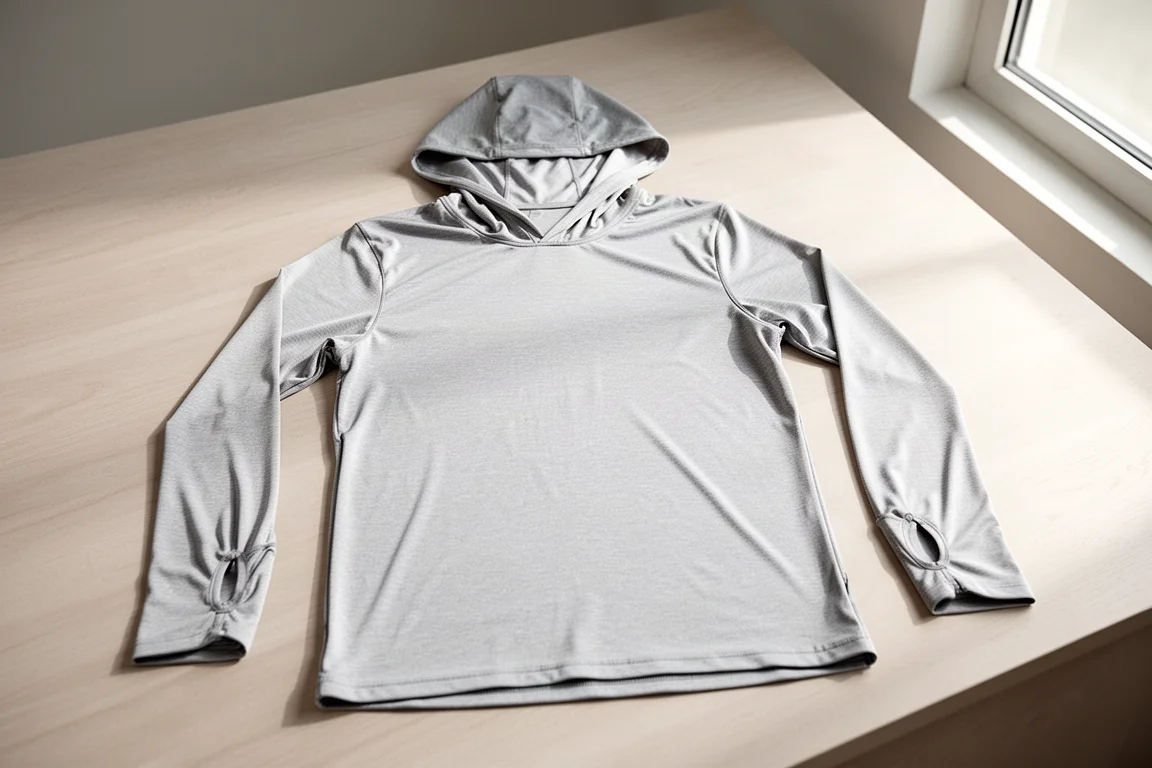
Outdoor Research Echo Sun Hoodie: Cooler, With Real Trade-Offs
The Echo is lighter than the heavier sun hoodie used on most trips and provides less sun protection. It also uses a different fabric that may hold odor more readily, which is a genuine drawback over several days.
In heat, though, the difference is obvious. At around 26 C, this hoodie felt far cooler than a thicker alternative, and it stayed intact when pushed through dense spruce branches with no snags or pulls. Long sleeves still deliver sun and insect coverage that a t-shirt cannot.
The question is durability over many consecutive days of off-trail travel, where thin fabric has less margin against abrasion and insects can bite through more easily.
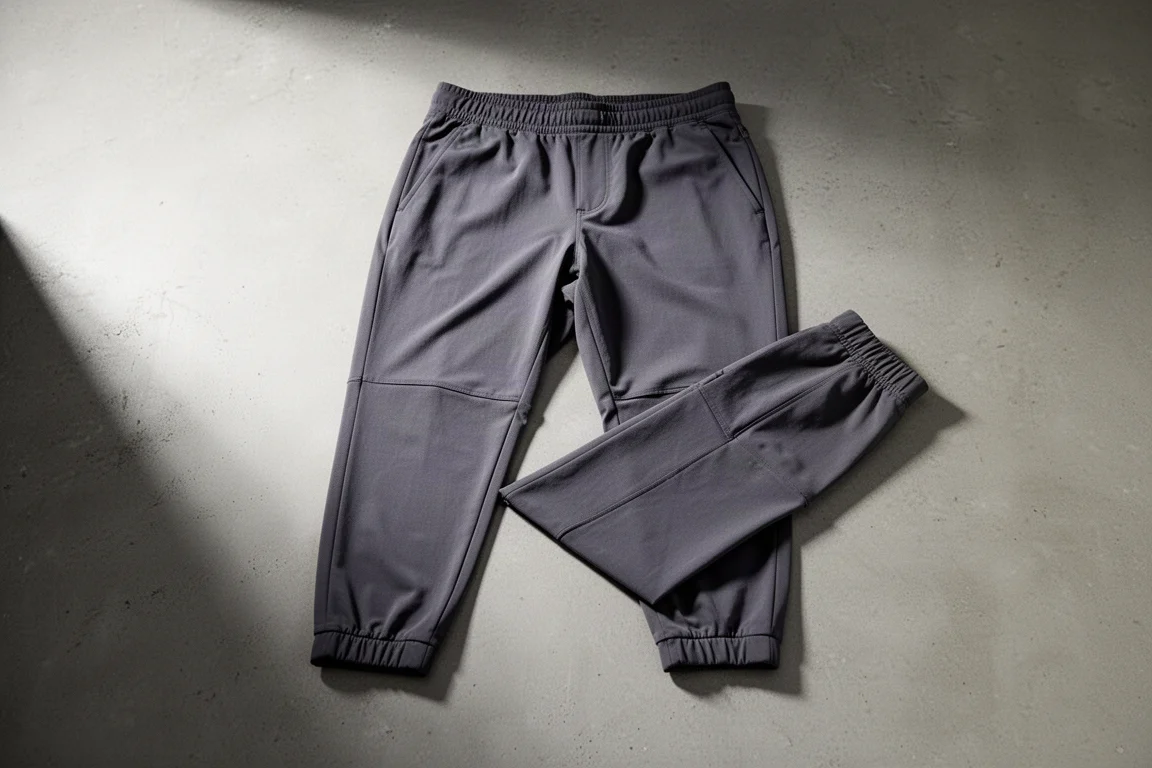
Outdoor Research Ferrosi Joggers: Warm-Weather Legwear With Ankle Coverage
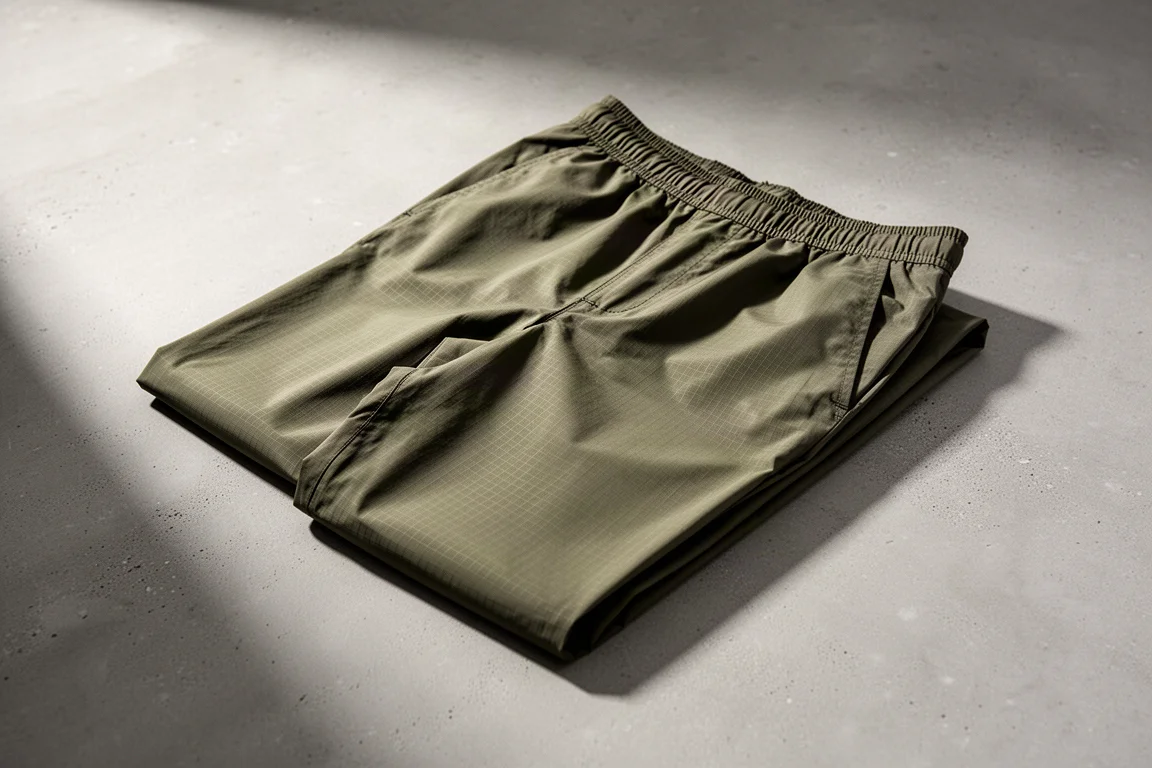
The Ferrosi Joggers follow the same logic as the Echo hoodie: lighter, cooler, and less protective than heavier pants. The elastic cuffs are a deliberate detail, since they seal around the ankles instead of bunching, which helps keep ticks out and reduces snagging.
They came through the same spruce brush test without a catch, and they were noticeably cooler than standard hiking pants in warm conditions.
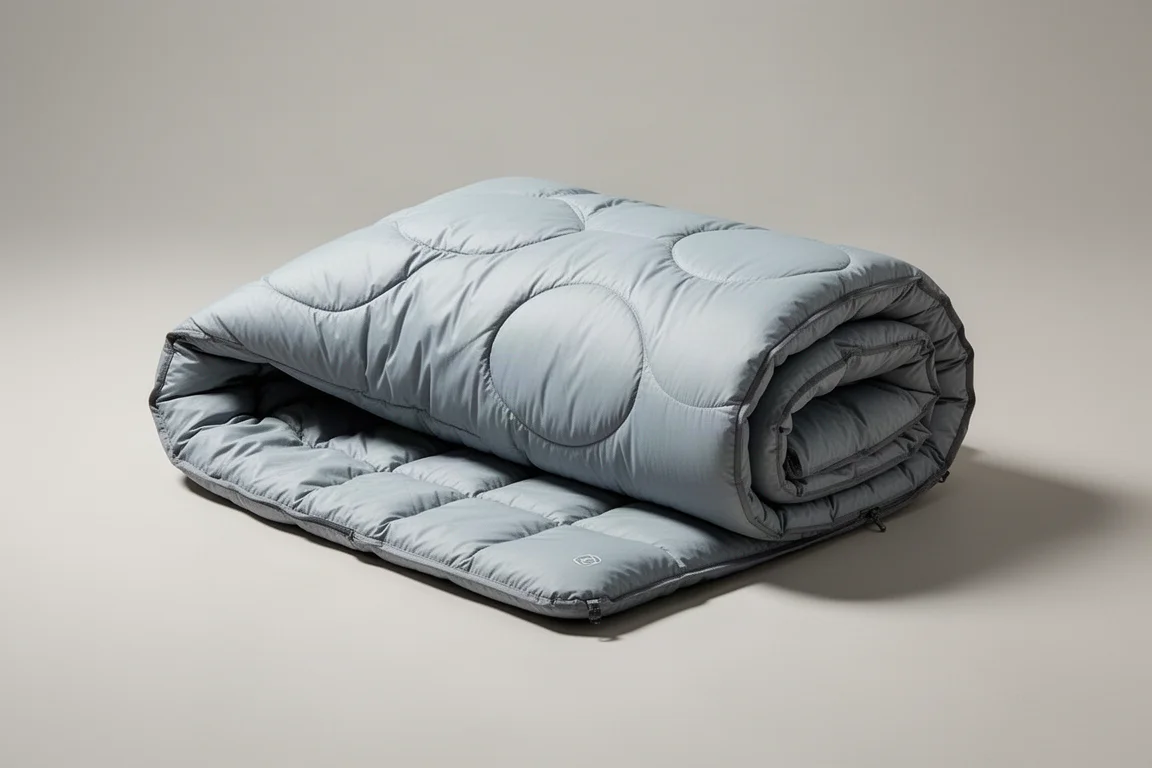
Zen Bivy Dirt Bed: A Lighter, More Affordable Sleep System
The Dirt Bed is the more affordable sibling of the brand’s ultralight bed. Materials are not as high-end, but the weight is still reasonable, and it sleeps warm below freezing, which is the quality that matters most on a cold night.
For many backpackers this is likely the better buy: it captures most of the performance while costing less than the premium version.
Overall Buying Advice
Match the gear to the trip rather than to the spec sheet. On this test, the warm-weather layers and the down jacket earned their place, and cold soaking proved workable: the meal rehydrated well and tasted good enough to repeat over a week or more. The vessel choice came down to weight, with a wide-mouth jar at roughly 50 g against resealable bags under 10 g for similar results.
The rain system is the biggest single decision. The Alpha SL jacket and pants are the most durable and most repairable option tested, and they are priced accordingly. If pit zips matter more than anything else, that is the one reason to look further before committing.
For the pack, base weight is the deciding factor. A framed pack around 800 g makes sense if the load stays heavy. If cold soaking and lighter layers bring base weight down, a frameless option can save meaningful weight and move better on rough terrain.
Finally, treat the sleeping pad decision as unfinished. The Ultrasphere 5 is light, compact, and comfortable, but its warmth below freezing has not been established, and that is the claim to verify before relying on it for a cold, remote route.
Conclusion
This shakedown produced a clear split. The Neve Gear Barrington down jacket, the Zen Bivy Dirt Bed, the warm-weather sun hoodie and joggers, and cold soaking all earned their place. The Arc’teryx Alpha SL rain gear looks likely to make the cut, pending a final call on pit zips. The Rab Ultrasphere 5 needs a colder night before it can be trusted. The Outdoor Vitals Carbon Evo Pack is an excellent pack that simply does not match a low-base-weight, frameless plan.
More testing will follow, with a focus on the pad’s warmth and the final pack choice.
Further reading
Related Reviews

Backpacking Gear
Building a 10 lb Base Weight: An Ultralight Backpacking Gear List
A practical walkthrough of the ultralight pieces behind a 10 lb base weight, from a 765 g pack and a roomy one-person tent to a full camp chair and a dependable water filter.
Backpacking Gear
A 15-Pound Lightweight Backpacking Gear List for Solo Trips
A beginner-friendly 15-pound backpacking setup built from easy-to-find gear, with notes on what each piece does, how it packs, and where to spend your attention.
Backpacking Gear
8 Ultralight Backpacking Gear Upgrades Worth Carrying
Eight small, affordable backpacking upgrades that solve real trail annoyances, from a pillow that stays put to a fuel valve that rescues leftover canister gas.