Backpacking Gear
Ultralight Backpacking Gear List: 16 Items From a 9 lb Overnight Kit
A super ultralight overnight kit that came in at 9 lb with food and water, and what each piece of gear actually delivered on a 20 km mountain route.
Introduction
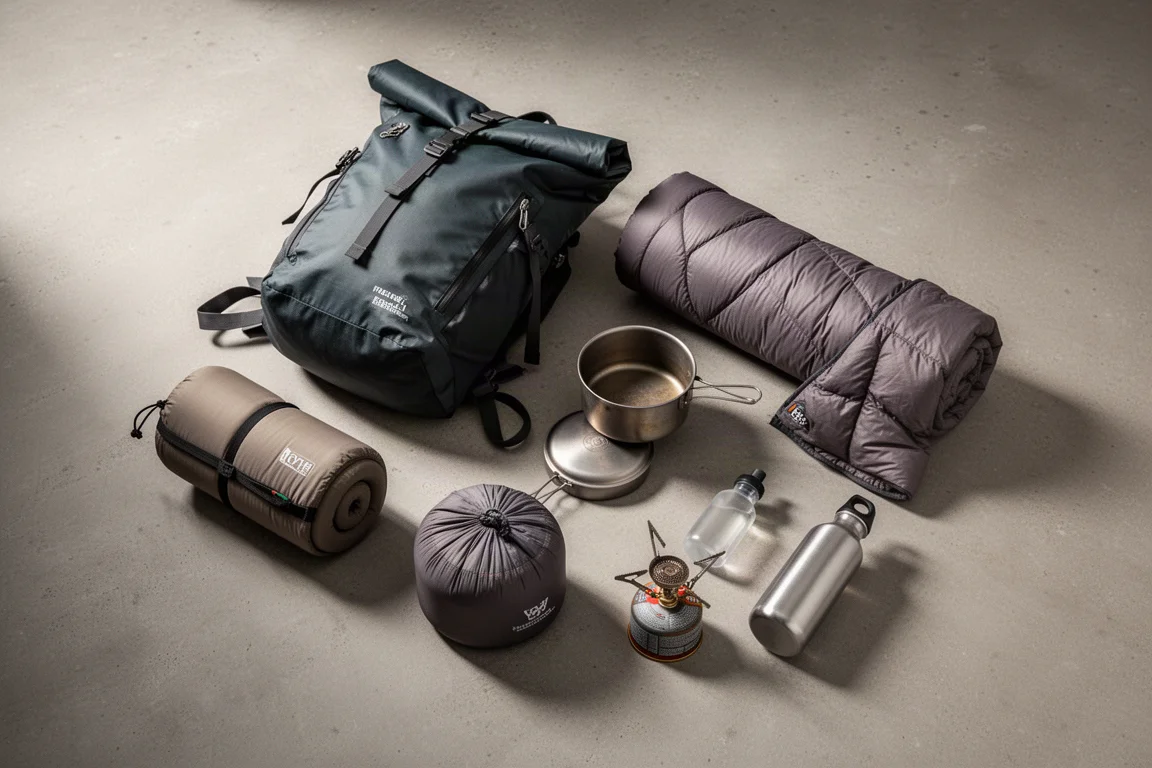
A 9 lb pack, food and water included, on a 20 km overnight route. The plan was to cover the distance in about four hours to reach camp before nightfall, starting with 500 m of climbing to gain a pass and finishing near the top of a mountain. The day was hot, the trail was full of step-ups, and the pace on the steep sections settled closer to 3.6 km/h rather than the 4 km/h target.
The kit itself mixes long-standing ultralight staples with newer designs, and the base weight came in at 5 lb. What follows is a close look at every item in the loadout, including the two pieces of gear that clearly did not work out.
How This Kit Was Built
Three decisions shaped the weight. The first was carrying a frameless pack that keeps essentials reachable without stopping. The second was leaving a 120 g satellite communicator at home and relying on a phone with a satellite data plan instead. The third was dropping a water filter entirely and treating water with purification tablets, a move that saved about an ounce.
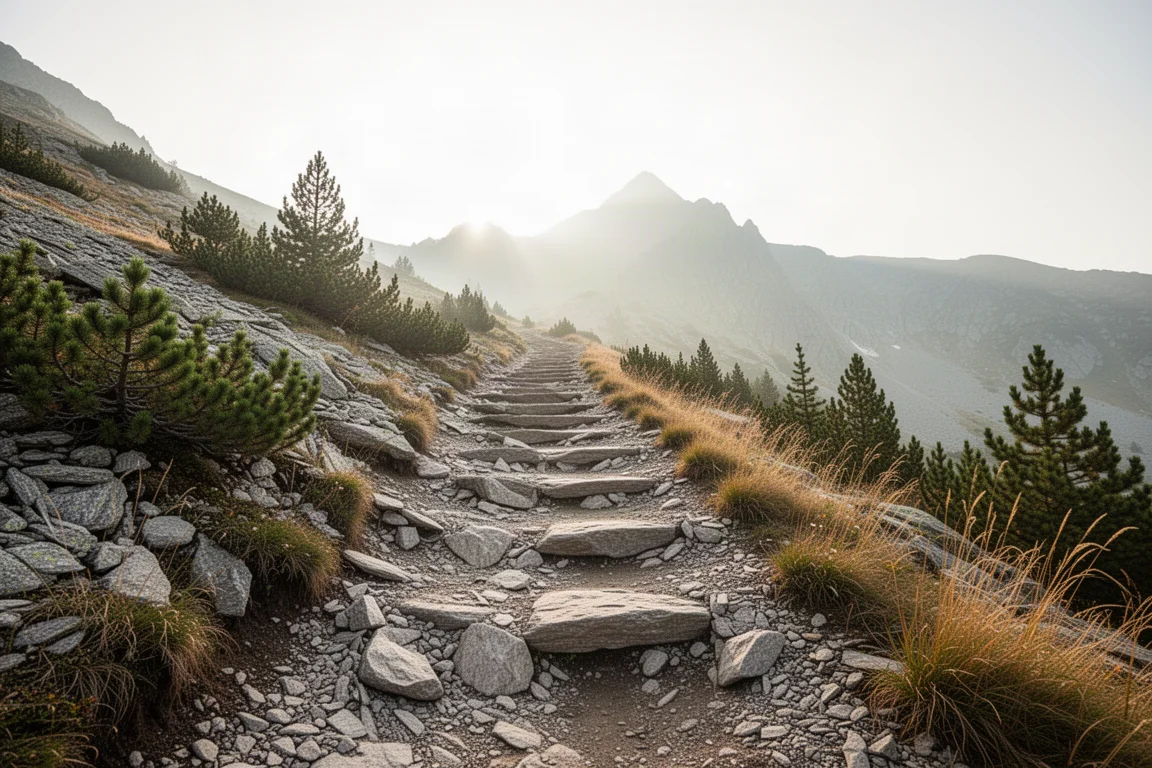
That last decision caused the biggest problems of the day. Water sources were further apart than expected, the pace was slower than planned, and the tablets added a 30 minute wait before any water could be drunk. Water management, not pack weight, turned out to be the deciding factor on a hot route.
Durston Wapta Pack
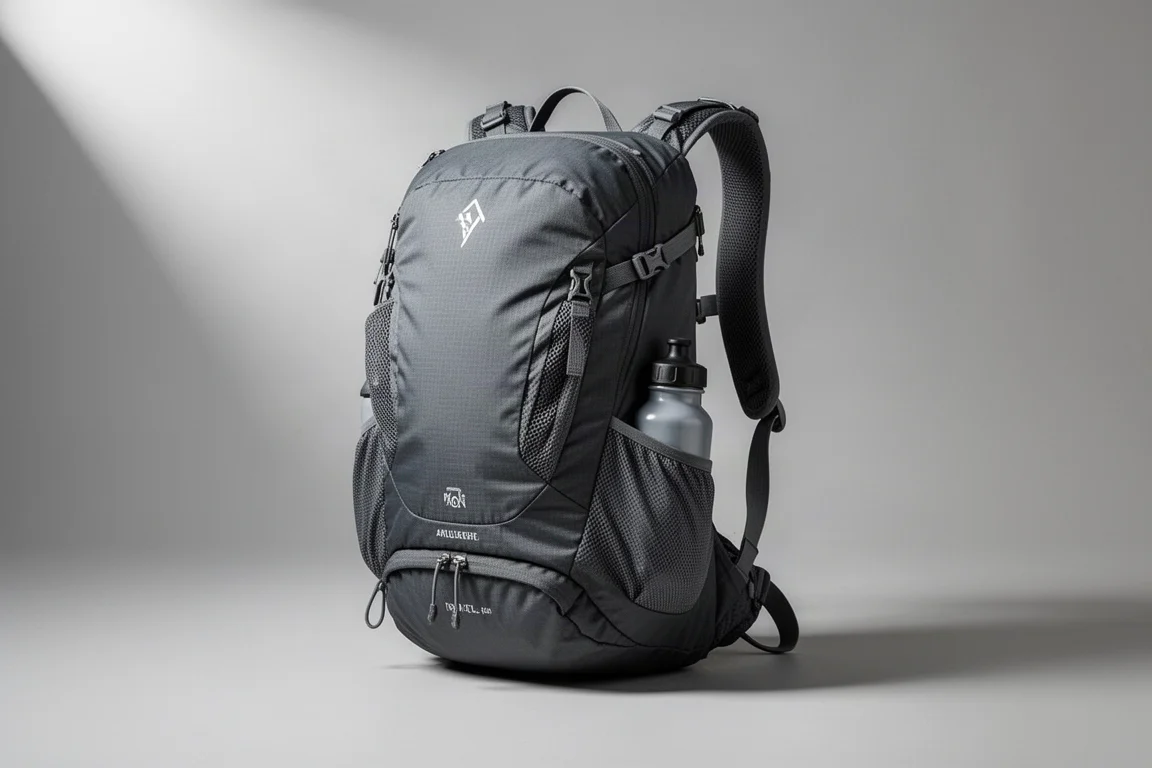
At 380 g without the hip belt, this frameless roll-top pack made the clearest difference on the climb. Water bottle pockets, a bottom pocket and two shoulder strap pockets keep water and snacks reachable on the move, which means far fewer stops on a day where daylight is the deadline.
It carries weight well for its own mass, though it starts to feel uncomfortable above roughly 25 lb, with about 30 lb as the practical ceiling. It has handled four-day trips with a non-ultralight load, and a 7 to 10 day range looks realistic with an ultralight loadout. The open question is whether the hip belt is worth adding back for long food carries.
Garmin inReach
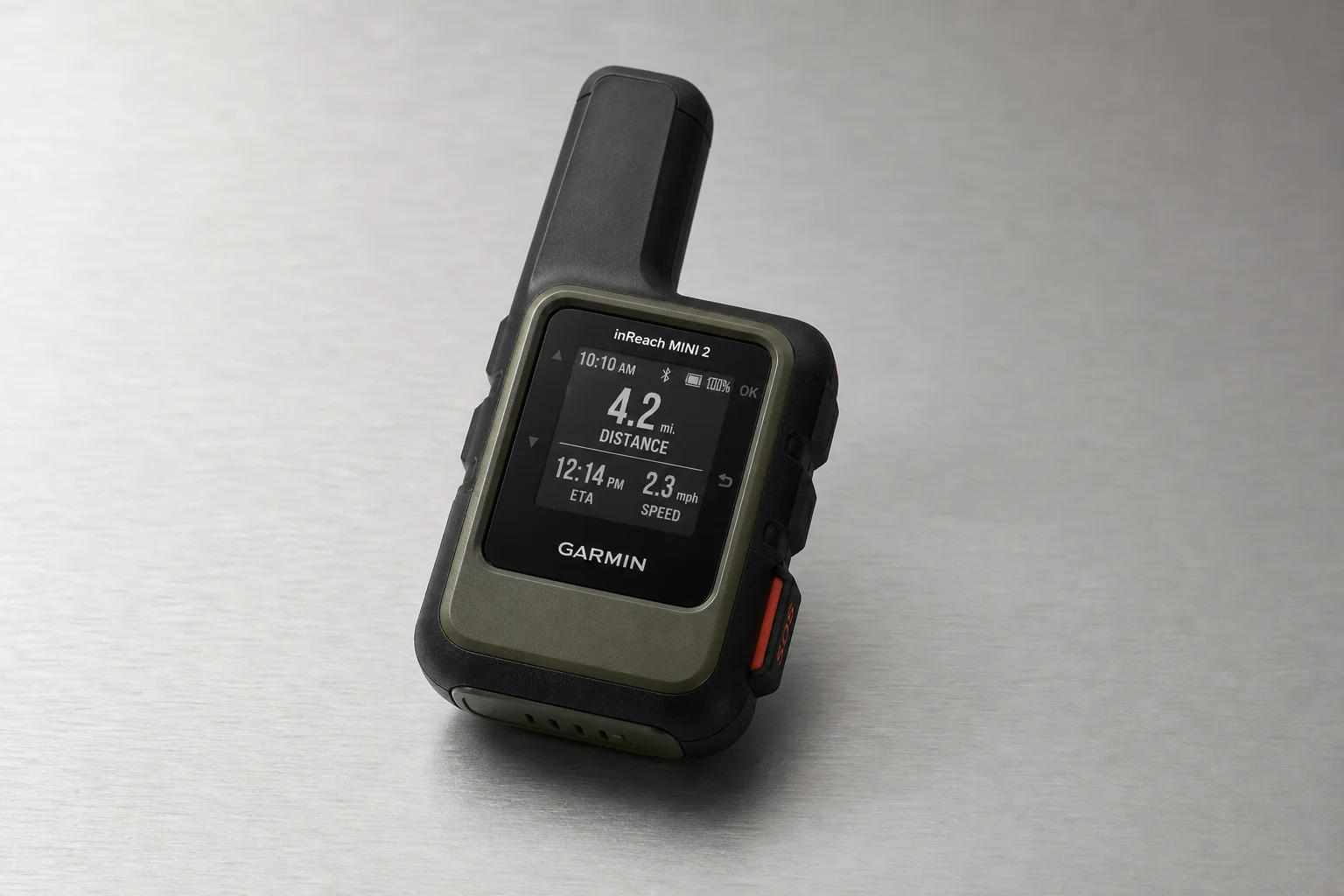
At around 120 g, this satellite communicator is the one heavy item that stayed home. Two-way messaging, photo messaging and an SOS button are the reasons it normally comes along, and its satellite connection has proven more reliable than a phone’s in tree cover and canyon terrain.
The weight saving was real, but the trade-off surfaced later in the day when messaging was simply unavailable. For remote routes, that reliability is difficult to replace.
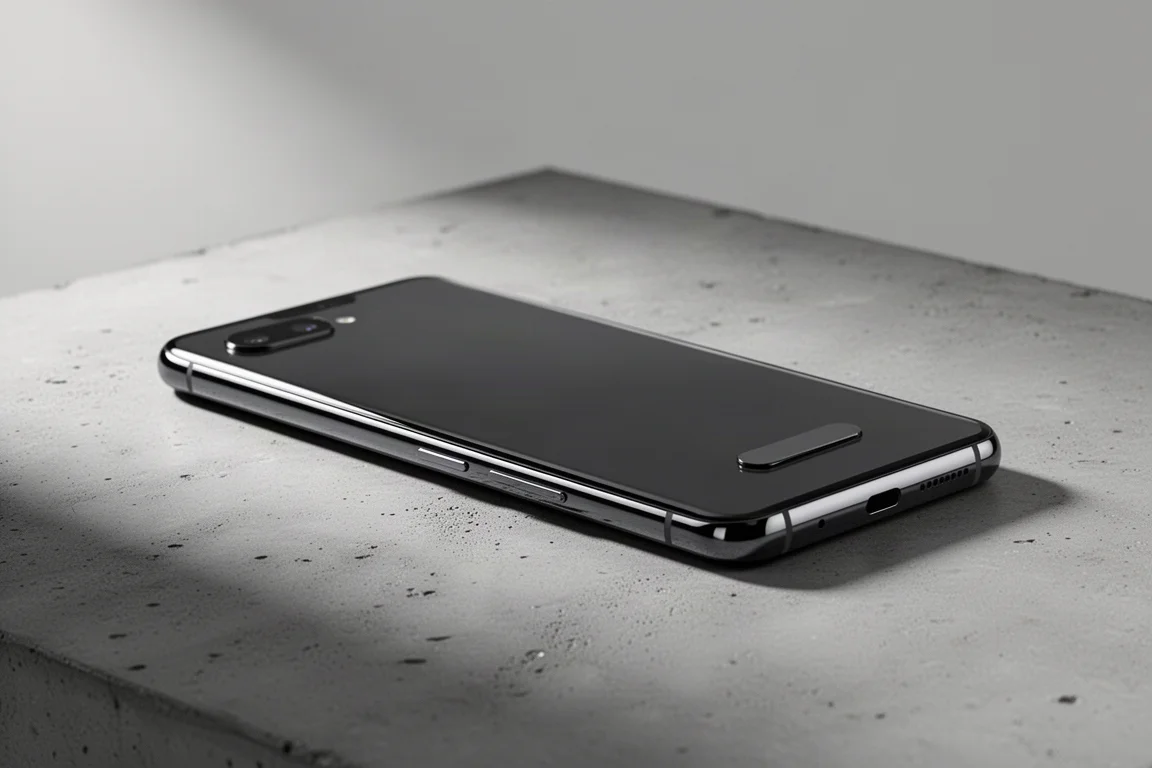
Google Pixel 10 Pro
The phone was meant to cover the communicator’s role through a satellite data plan: text messages, picture messages and mapping apps such as OnX Backcountry. An SOS connection test succeeded, but two-way messaging never worked during the trip, possibly because of a regional limitation on the plan.
The conclusion is straightforward. On this evidence, a phone is not yet a substitute for a dedicated satellite communicator on a remote overnight route.
Aquatabs
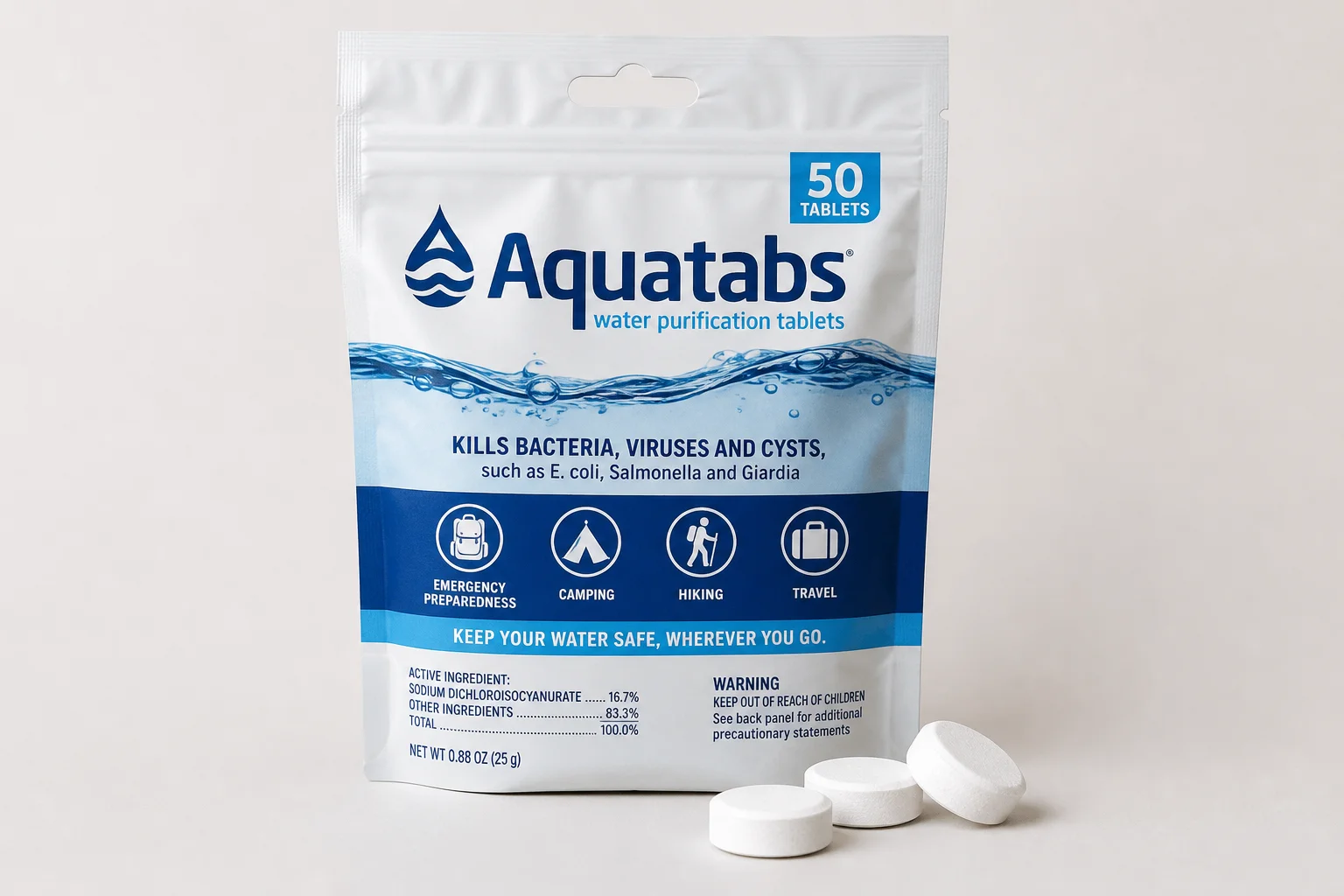
Purification tablets replaced a water filter to save roughly an ounce. The method is simple: one tablet per litre, shaken in, then a 30 minute wait before drinking. For a two or three day trip with modest water needs, that is manageable.
Two problems appear on a hot day. You cannot drink at the source, which removes the ability to top up quickly and keep moving, and at six to eight litres a day the routine becomes tedious. One tablet also does not treat a three litre reservoir, so dosing has to be counted carefully.
Platypus QuickDraw
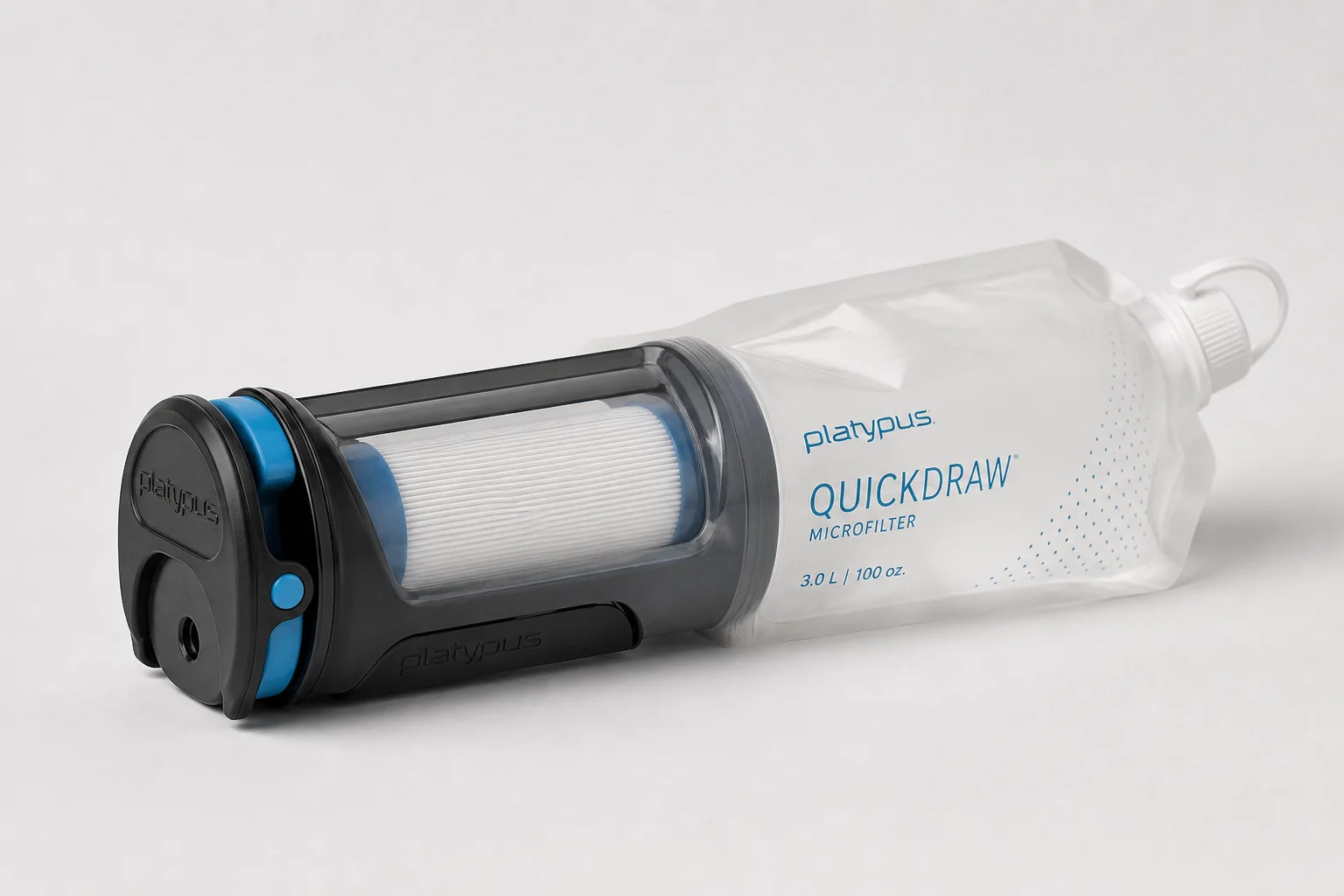
This 75 g squeeze filter was left at home, a decision that was regretted within a few hours. It is compatible with the bladder already being carried and would have allowed immediate drinking at every water source, with no waiting period at all.
For most three-season trips, that small weight penalty buys a large amount of flexibility.
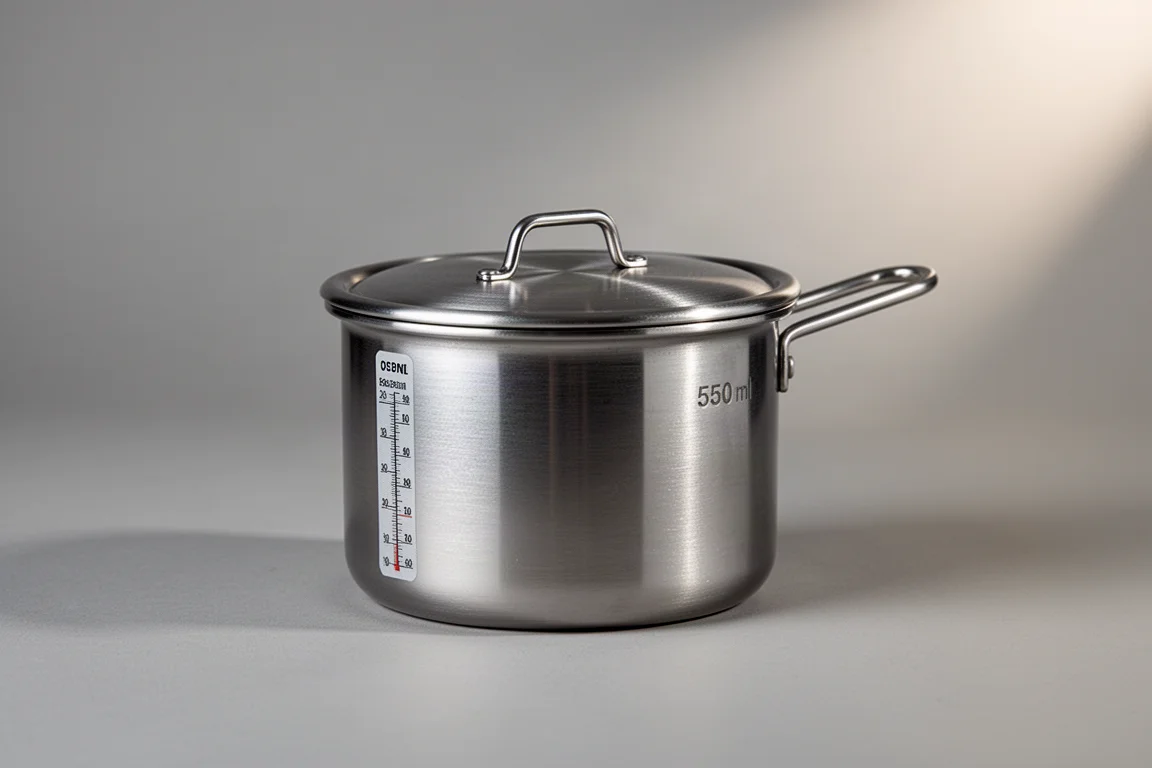
Toaks 550 ml Pot
The 550 ml pot is a long-standing ultralight choice: no handles, thin titanium walls, and a temperature sticker that helps avoid heating water beyond what a rehydration meal actually needs, which saves fuel. A single freeze-dried meal needs around 325 ml, so the smaller pot covers dinner comfortably.
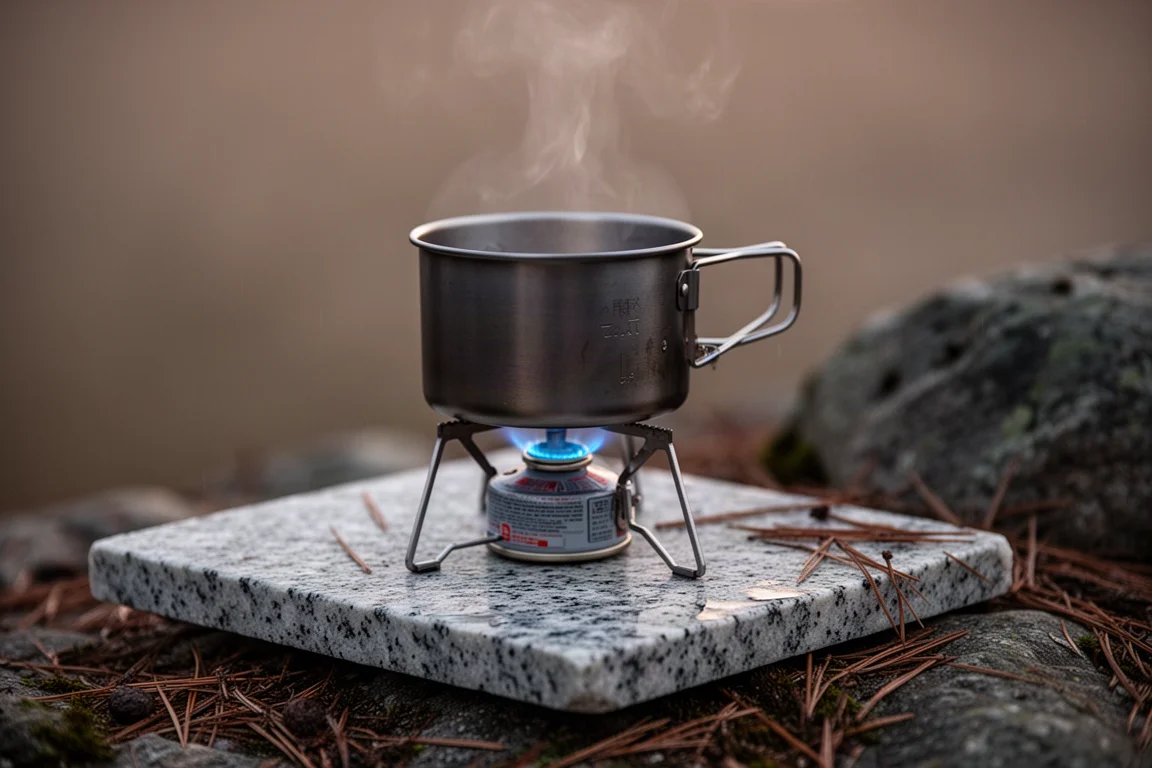
A 750 ml pot only makes sense for two people, or for anyone who wants a hot drink alongside the meal. For solo trips, the 550 ml size keeps both weight and pack volume down.
Pico Lid v2
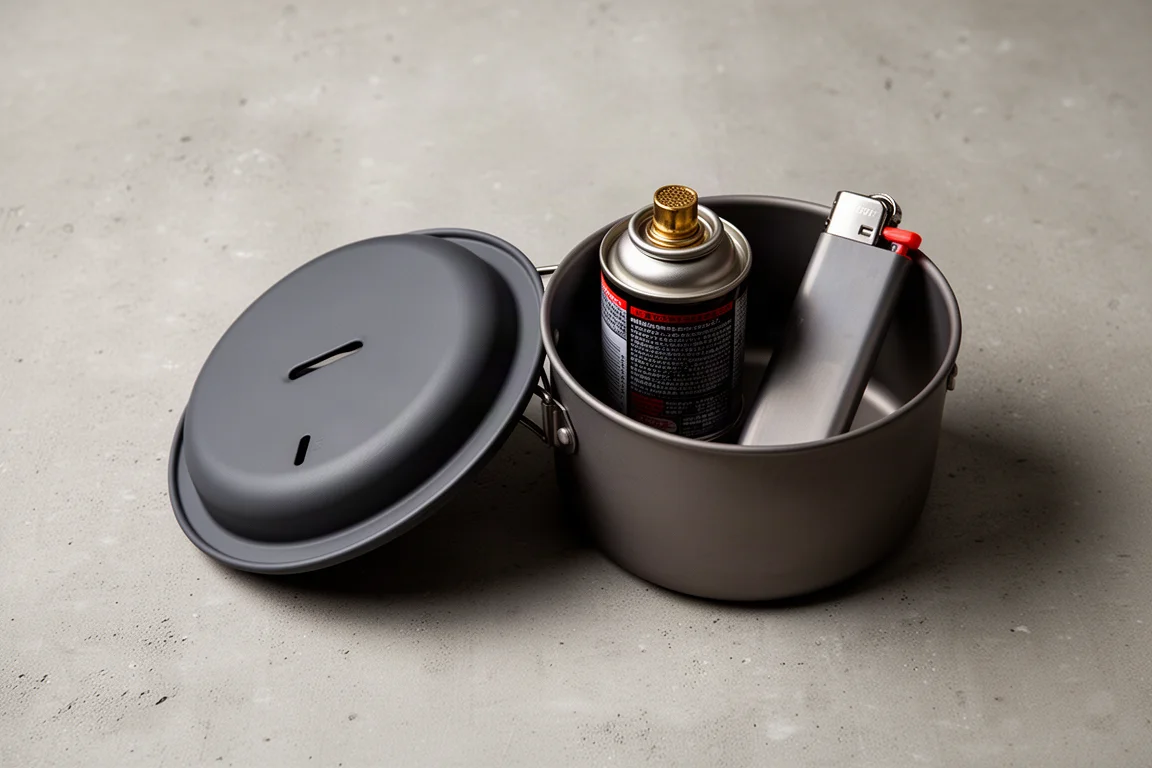
This lid is currently a prototype and trims weight to just over 20 g from just under 30 g on the previous version. It also has clearer labeling and is easier to fit and remove while staying secure enough to hold a fuel canister and a lighter inside the pot.
The lighter sits snugly and pushes out more easily than before, which makes the whole cook kit quicker to pack away in the morning.
BRS-3000 Stove
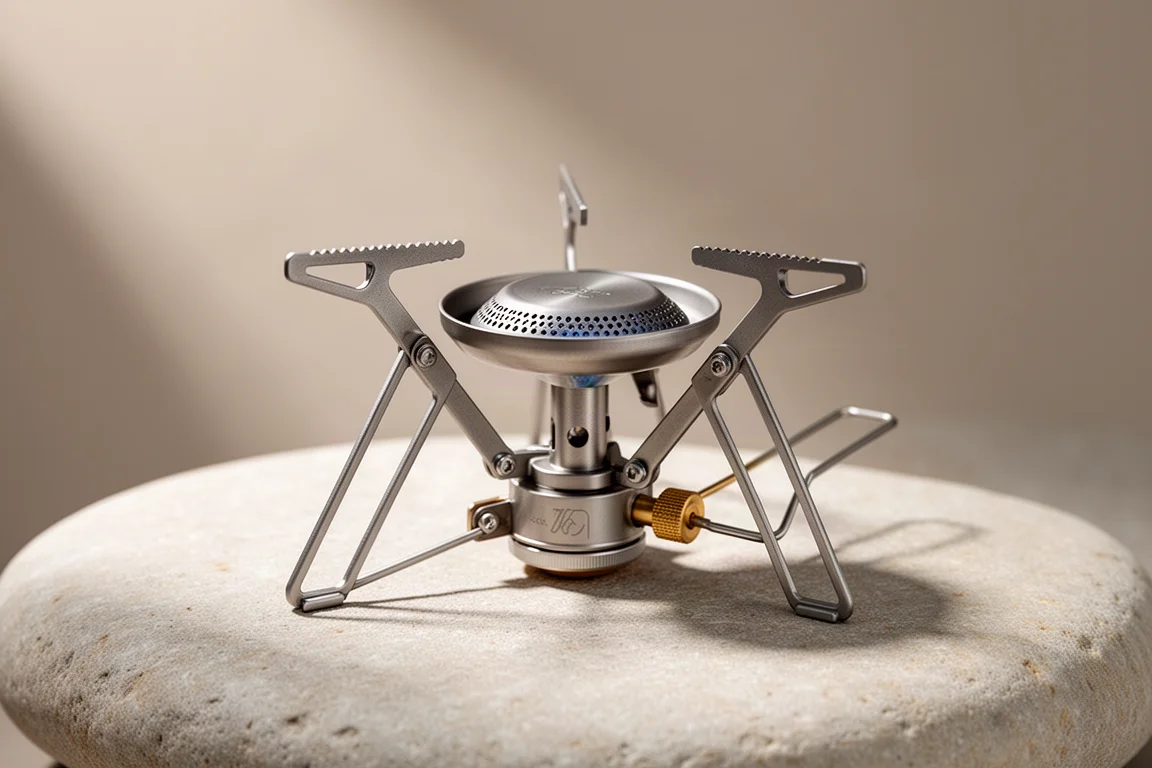
Five years of use and roughly a hundred nights, including a 36-day thru-hike, and this tiny canister stove is still going. It folds small enough to disappear inside a pot and lights reliably, which is exactly what a super ultralight cook kit needs.
It remains the default choice for a kit where every gram is accounted for.
Ignis Gear Pot Grabber
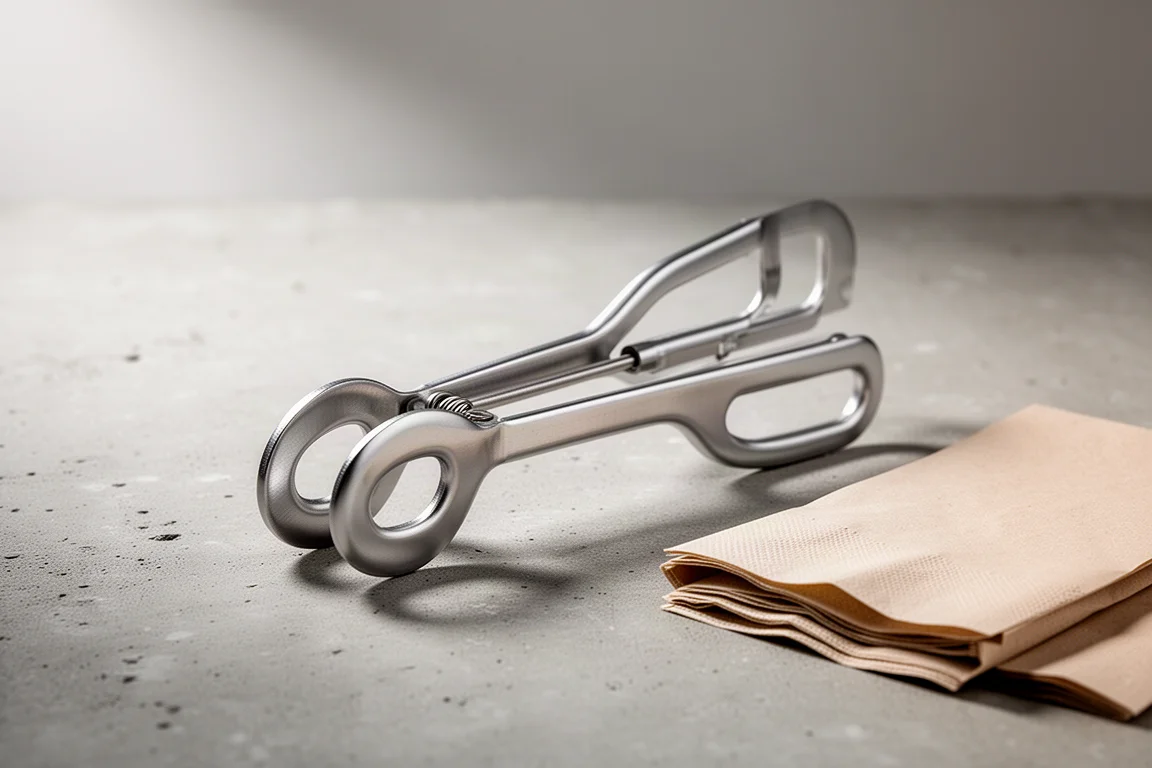
A pot with no handles needs a gripper, and this one is a small piece of engineering: 4.5 g, a spring made with space-grade materials that snaps the jaws back open, and shallow slots shaped for a thumb and two fingers. It feels stable when pouring hot water.
It is expensive for what it is, but it is the kind of tool that should outlast the trips it gets packed for.
Nemo Tensor Elite
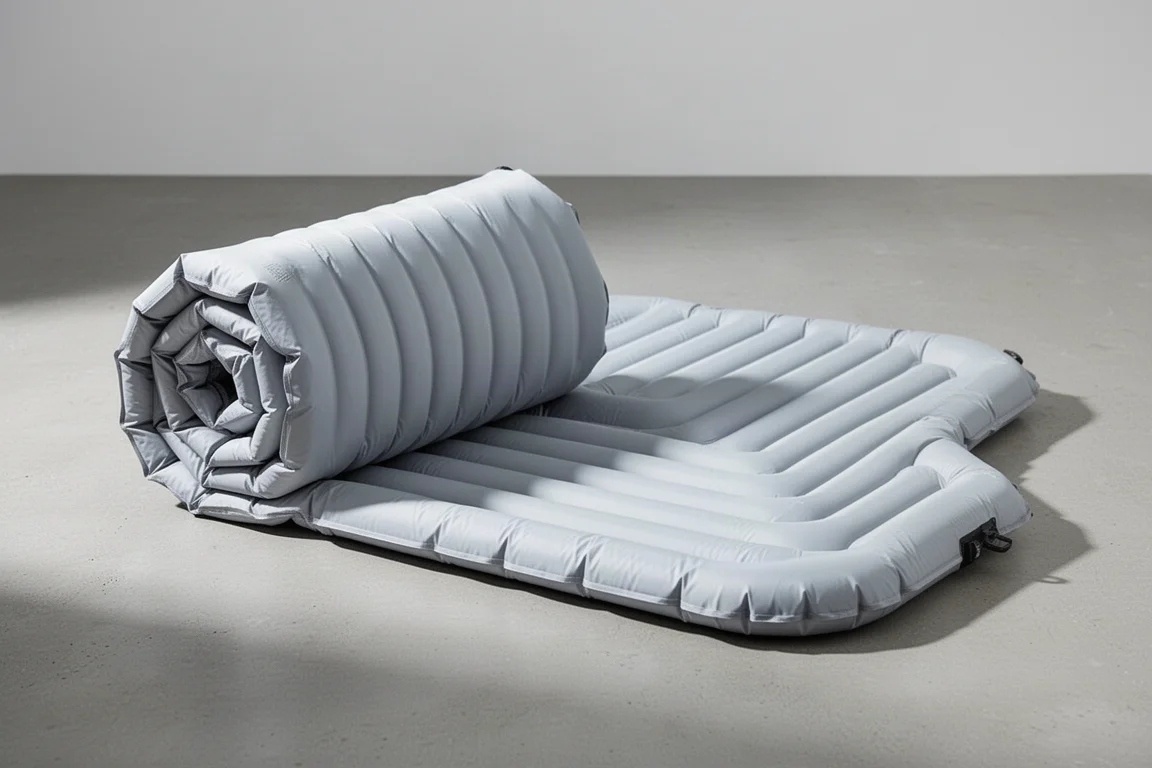
At 250 g in the regular size, this is the lightest sleeping pad on the market. The regular wide version used here adds 51 g, for 301 g total, and it is new this year. The extra width makes a noticeable difference for side sleepers, and the pack size is small.
The 10 denier shell is thin, so the ground is worth checking for sharp objects before pitching. Comfort comes from a slight stretch in the top fabric, which helps with pressure relief at the shoulder and hip. Warmth is the real limitation: it is comfortable only down to just above freezing, which rules it out for cold shoulder-season trips in mountain regions where summer nights can still drop to freezing.
Sea to Summit Aeros Ultralight
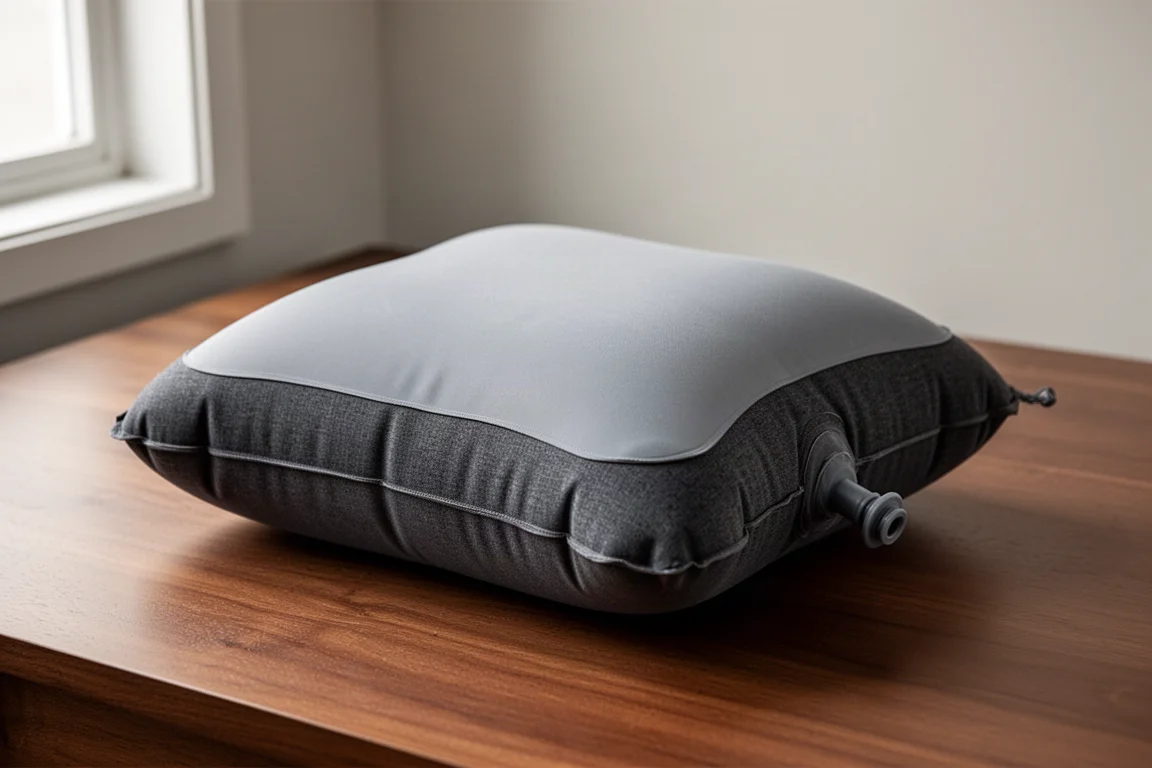
At 50 g, this pillow is new for 2026 and competes directly with the Big Sky Ultralight. It uses a soft top fabric, a curved bottom edge that a shoulder can slide into, consistent baffling across the surface, and a valve design that inflates and deflates quickly.
The Pillow Lock system uses Velcro strips attached to a sleeping pad, so no pad strap is needed. Two strips were enough to keep the pillow in place through a night of position changes, and it can sit closer to the head end of the pad than a strap usually allows.
Big Sky Ultralight Pillow
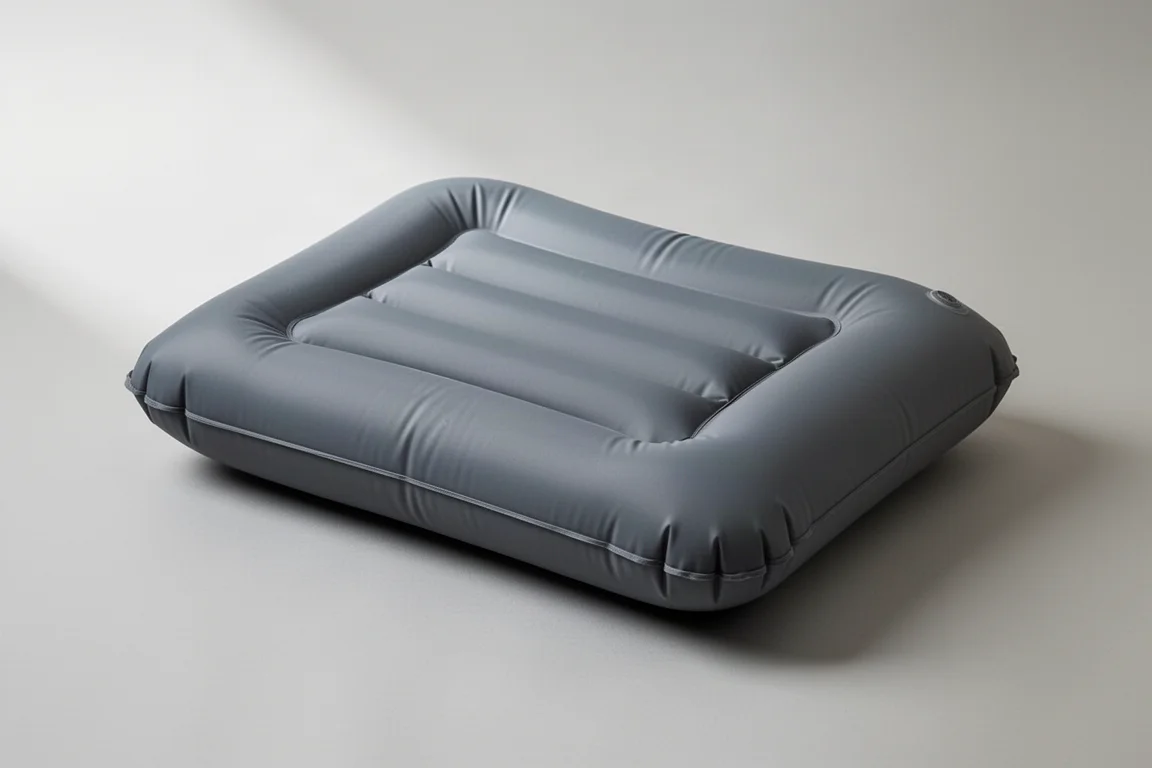
The comparison pillow is supportive and comfortable, but its surface feels more like lying on a balloon. Its baffling has a lower centre section between two taller side baffles, and its valve is less refined than the Sea to Summit design.
A side-by-side night with both pillows would settle which one suits a given sleeper better, since each has clear strengths and weaknesses.
Zpacks Solo Quilt
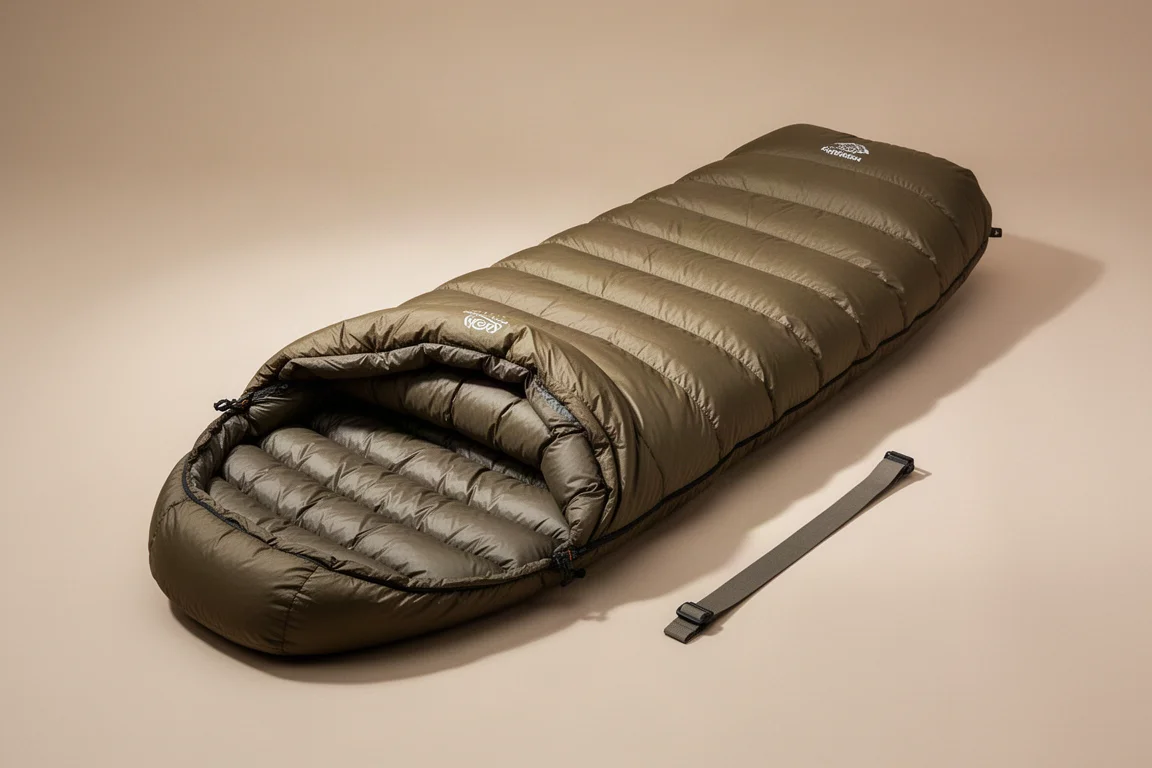
A 30 degree quilt that stays warm, paired with a minimalist pad strap that has never produced drafts. It compresses into a small sack of down and works as the core of this sleep system alongside the pad and pillow.
For anyone counting grams on a three-season kit, it is a proven starting point.
Plex Solo
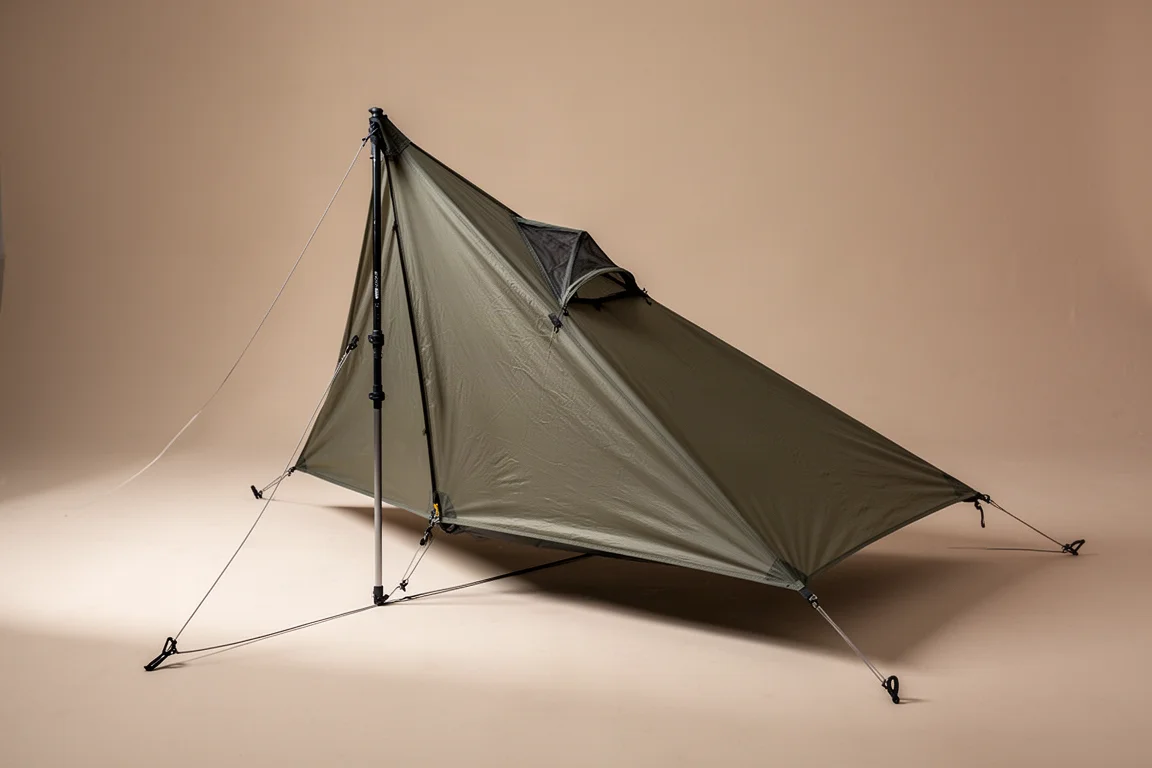
A single trekking pole is all this shelter needs, and it pitches fast. It handled wind, steady rain and heavy condensation without trouble, and staying dry inside while the storm passed overhead made the early decision to camp worthwhile.
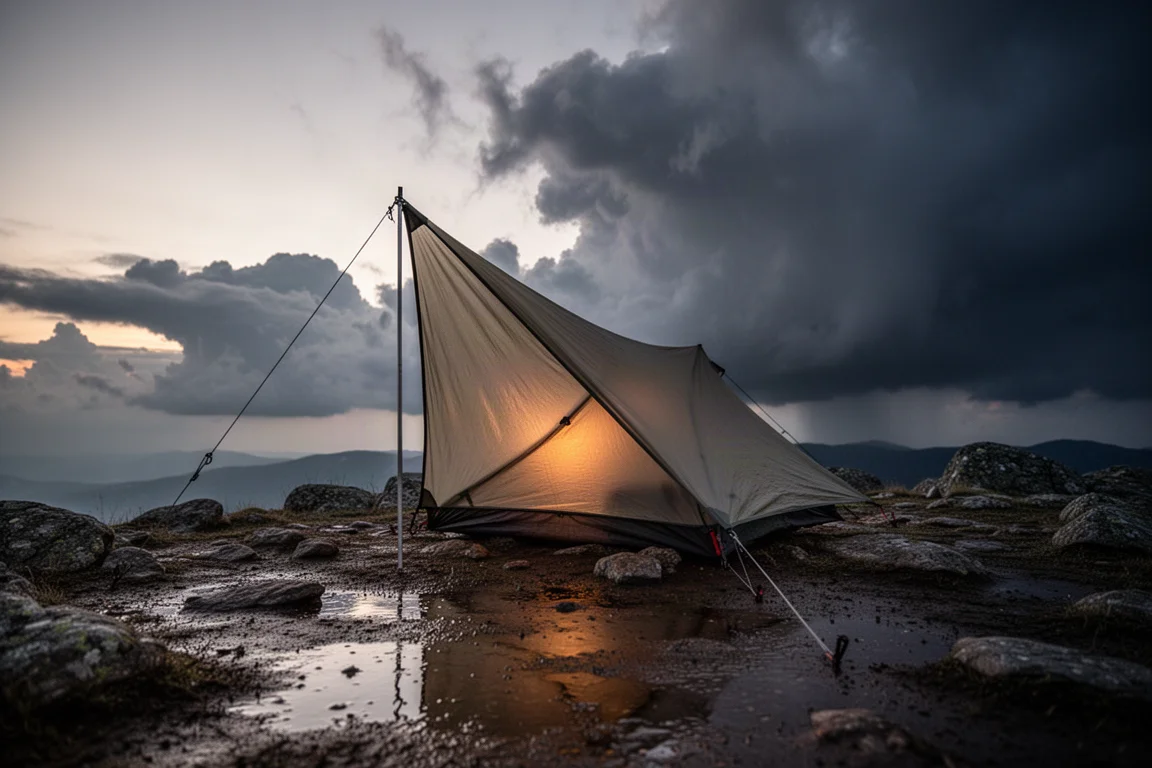
Condensation can be wiped off with a cloth rather than carried, which can save hundreds of grams of water weight over a day. Interior space is generous for the weight, though larger hikers may find it tight, and anyone on a three or four month thru-hike may want more room to live in. For a handful of days, or even a month, it is a strong option.
Norda 001
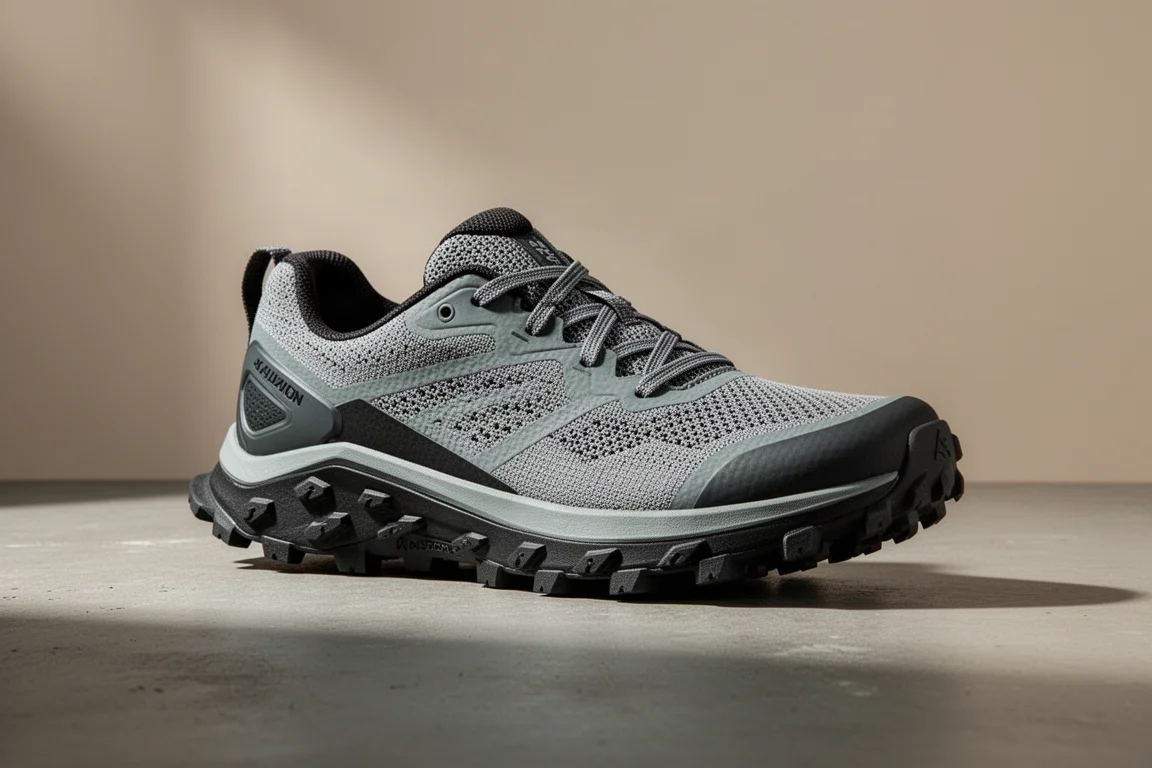
These trail shoes have now been on three trips, and this was the most punishing terrain so far: rocky, uneven and full of small hops. Grip is the standout, with Vibram Megagrip running across the entire sole. They fit a slightly wider forefoot without feeling loose, and the heel locks in well.
A high-rebound midsole keeps the ride cushioned, and there has been no foot pain even on rough ground. A longer day with 20 to 30 km covered will be the next real check.
Sea to Summit Frontier Ultralight Spoon
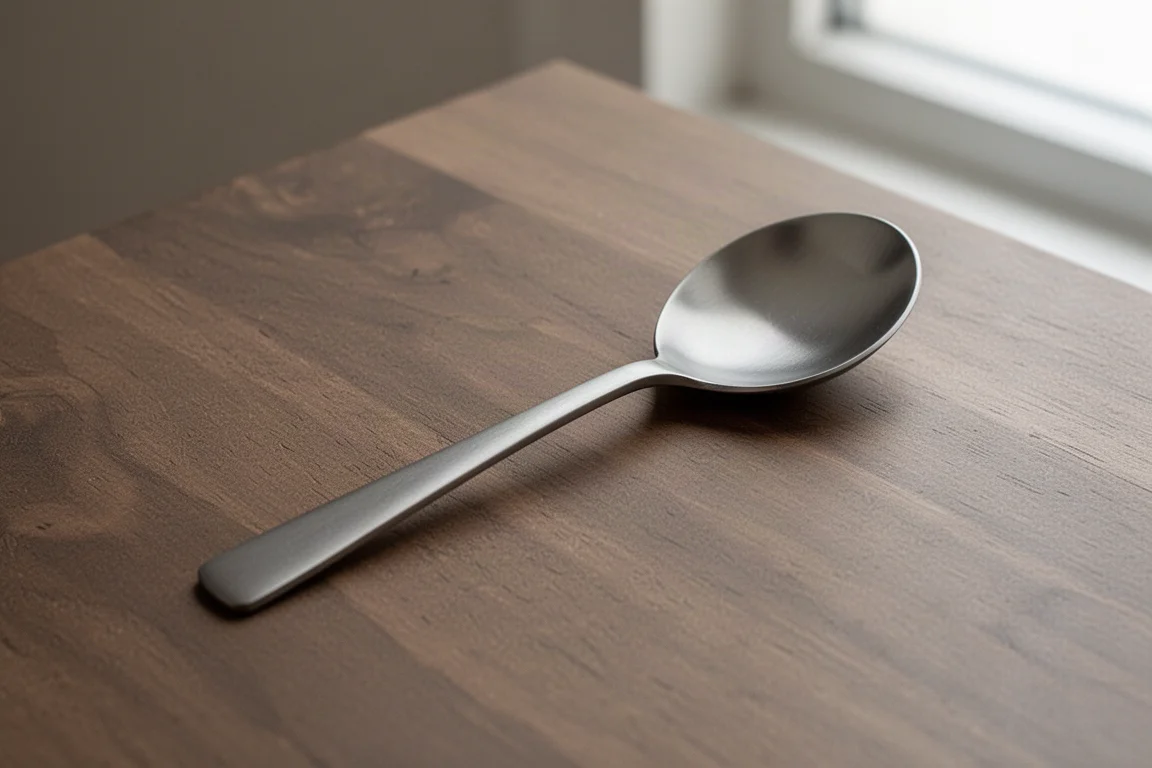
At 11 g, this spoon is the lightest option available for a kit where every gram counts. It is shorter than long-handled titanium spoons that weigh over 15 g, which is fine for shallow freeze-dried meal pouches.
For deeper pouches, a longer handle is still worth the extra few grams.
Buying Advice
Match the kit to the conditions and to the water plan. The pack, shelter, sleep pad, shoes and cook kit all earned their place in this loadout, and the pad’s warmth limit is the main thing to check before committing to a shoulder-season route. Water treatment is the other decision that changes a day: tablets save weight but remove the ability to drink at a source, while a 75 g filter avoids that problem entirely.
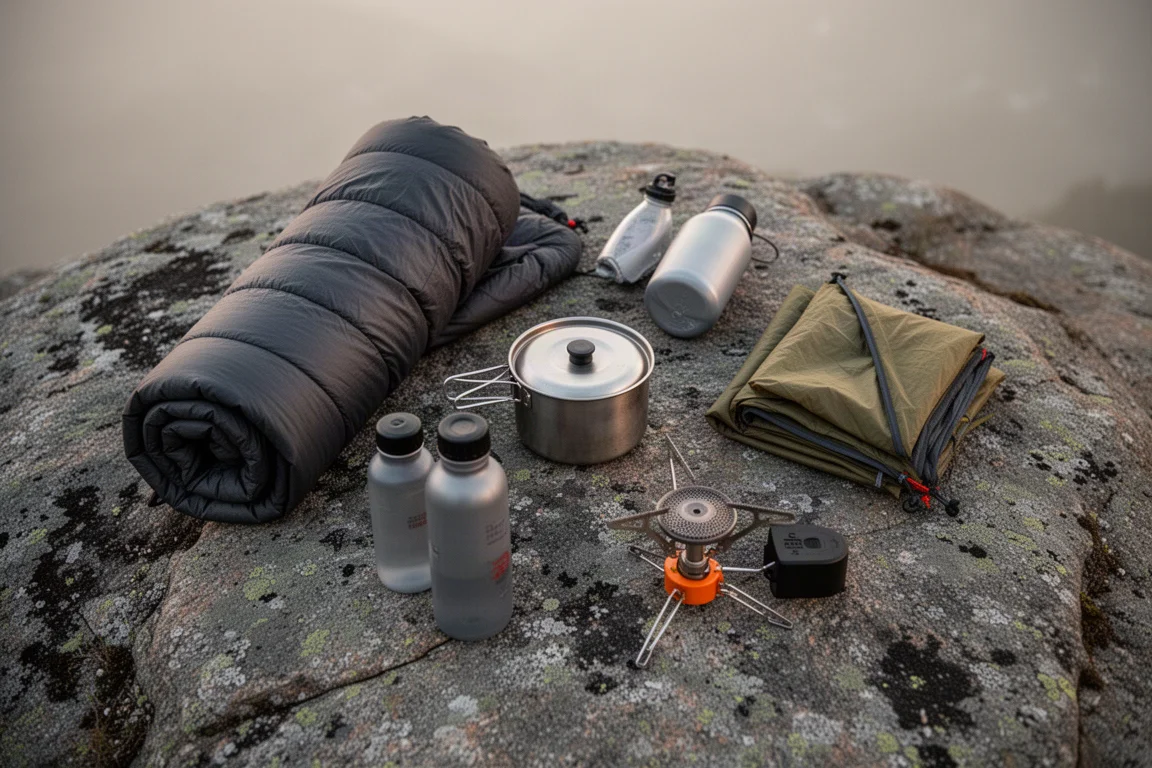
Weight targets are a matter of taste. This kit ran a 5 lb base weight, while a more conventional ultralight setup sits near 10 lb and buys a chair and a more comfortable pillow. Both approaches are valid. The important thing is knowing which luxuries are worth carrying, and which reliability features, such as a dedicated satellite communicator, should not be traded away for grams.
Conclusion
The 9 lb total was never the problem on this route. Heat, terrain and a slower uphill pace did more damage than the pack weight, and the gear that helped most was the gear that removed reasons to stop: a pack with reachable pockets, a shelter that pitches in minutes, and a sleep system that stays comfortable at a very low weight. The two clear lessons were to keep a dedicated satellite communicator for remote routes, and to carry a filter rather than tablets when water is scarce and the day is hot.
Further reading
Related Reviews

Backpacking Gear
Building a 10 lb Base Weight: An Ultralight Backpacking Gear List
A practical walkthrough of the ultralight pieces behind a 10 lb base weight, from a 765 g pack and a roomy one-person tent to a full camp chair and a dependable water filter.
Backpacking Gear
A 15-Pound Lightweight Backpacking Gear List for Solo Trips
A beginner-friendly 15-pound backpacking setup built from easy-to-find gear, with notes on what each piece does, how it packs, and where to spend your attention.
Backpacking Gear
8 Ultralight Backpacking Gear Upgrades Worth Carrying
Eight small, affordable backpacking upgrades that solve real trail annoyances, from a pillow that stays put to a fuel valve that rescues leftover canister gas.