Backpacking Gear
Ultralight Backpacking Gear: 5 Picks Worth a Second Look
Five backpacking picks that earn their place on trail, from warmth-to-weight sleeping pads and a tiny inflation pump to a backcountry bidet and an ultralight shelter.
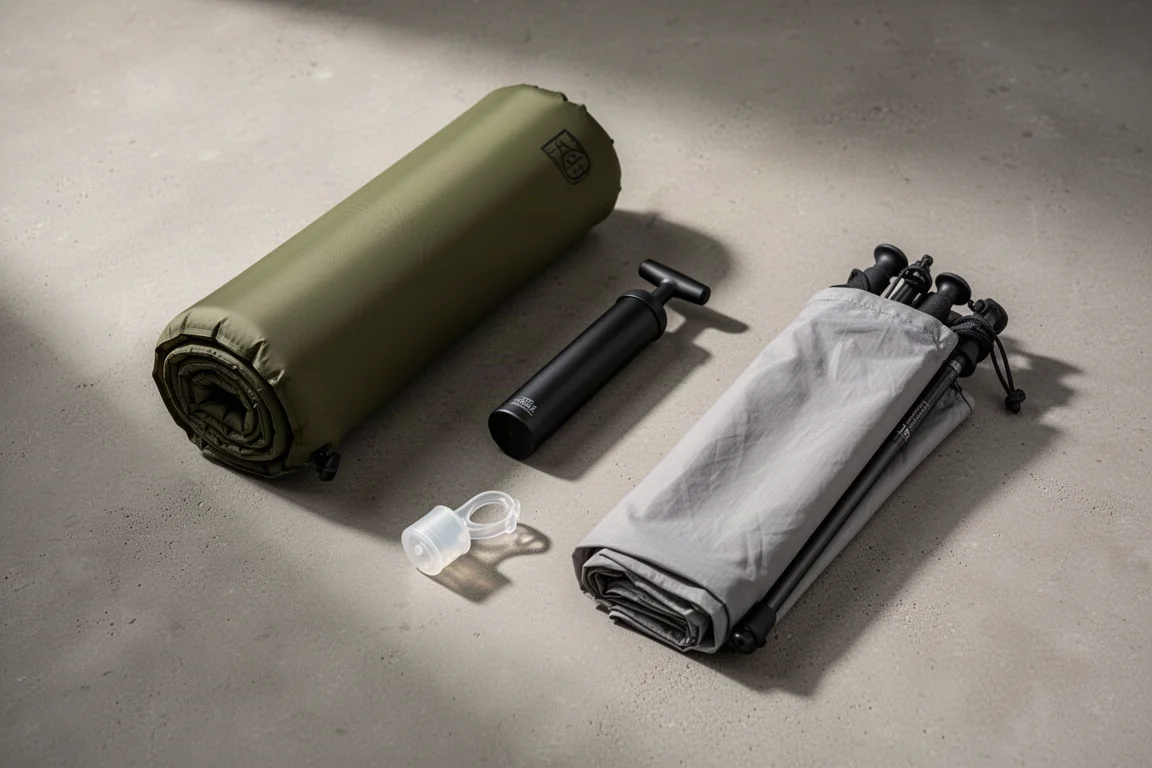
Introduction
A few pieces of ultralight gear carry a reputation that outlives the experience of actually using them. A valve gets labelled flimsy. A tent door gets labelled a nuisance. A backcountry bidet gets labelled messy. Spend enough nights on trail with the gear in question, and the story usually turns out to be more complicated than the short version.
This guide covers five backpacking picks that reward a second look. Two are sleeping pads built around a valve design that is more durable, more repairable and more glove-friendly than its reputation suggests. One is a palm-sized inflation pump that solves the one genuine annoyance with that valve. One is a bidet that replaces toilet paper with a simple, repeatable routine. One is an ultralight trekking-pole shelter whose most criticised feature is, for many hikers, a neutral detail at worst.
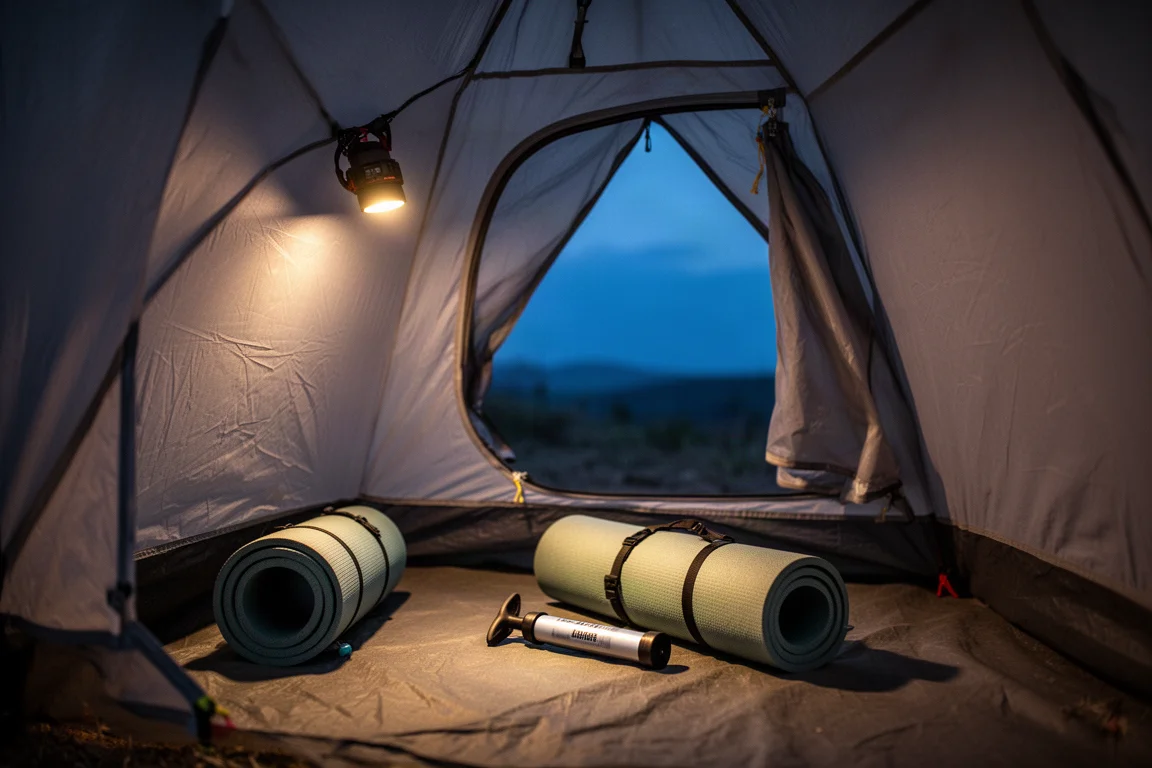
None of these picks are perfect, and each has a trade-off worth understanding before you commit. What they share is that their strengths show up where it matters: on long days, in cold conditions, and during the small repeated tasks that make up a night in the backcountry.
Therm-a-Rest XLite: Light Packed Weight With Serious Warmth
The XLite sits among the strongest warmth-to-weight options in the sleeping pad category. Its insulation uses a Triangular Core Matrix construction inside the pad, which reduces convective heat loss by preventing cold air from circulating through the interior.
That internal structure has a side effect worth knowing about. Because air has to travel around the matrix on its way out, the pad deflates a little more slowly. For most backpackers that is an easy trade for the warmth gained.
The valve is the part that has drawn the most criticism, and it deserves a fairer reading. The WingLock valve is built to survive rough handling, has been tested in extreme conditions, and is easy to repair if something does go wrong. That last point matters, because a failed valve normally means the end of the pad. It is also easy to operate with gloves on, which is exactly what you want when you are pitching in freezing temperatures.
Two things are worth knowing before buying. The advertised two-times-faster deflation has not translated into a noticeable difference in practice, so do not expect it to speed up your morning pack-out. And the included stuff sack does not attach to the WingLock valve well, so it tends to pop off and is awkward to manage inside a small tent. A separate inflation pump is the cleaner solution.
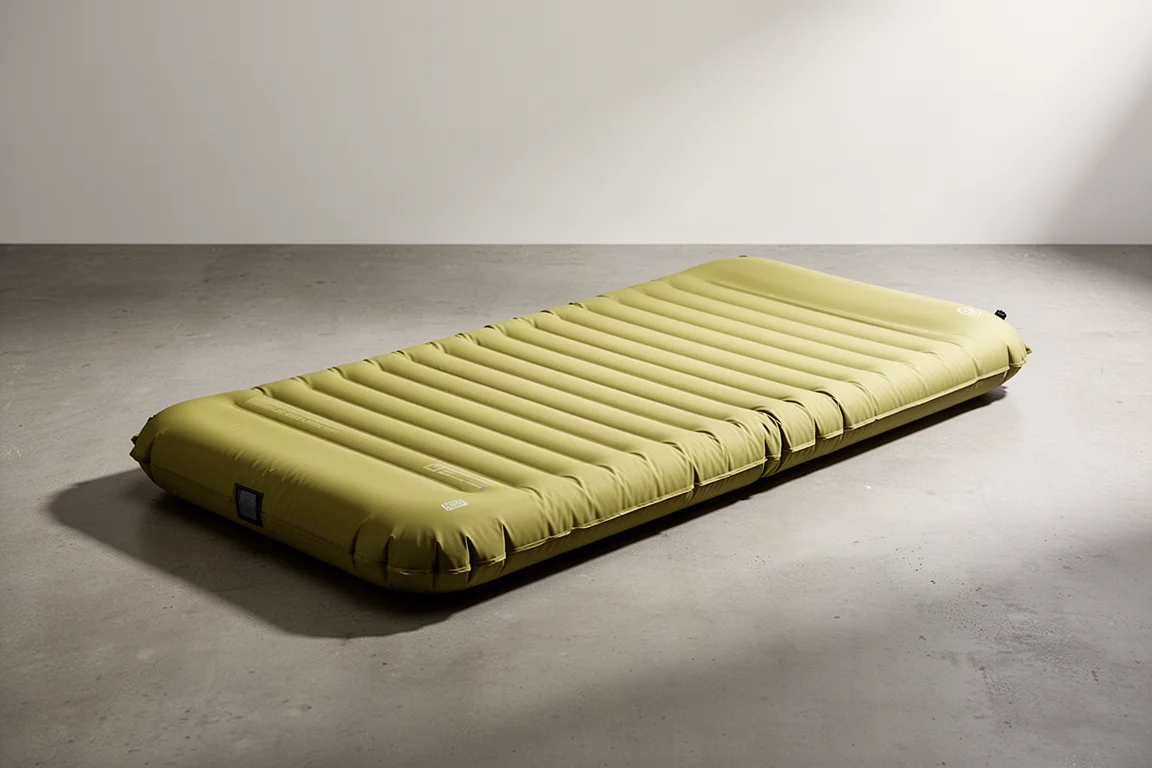
Therm-a-Rest XTherm: The Cold-Weather Option
The XTherm follows the same design approach as the XLite, with the same Triangular Core Matrix insulation and the same WingLock valve, aimed at colder conditions and colder sleepers.
If you camp in shoulder-season or winter conditions, the extra insulation is the reason to choose this pad over the lighter model. The valve behaviour is identical, including the glove-friendly operation that makes a real difference when temperatures drop and you do not want to remove layers just to open or close a valve.
The same caveats apply. Deflation is not noticeably faster than earlier designs despite the faster-deflation claim, and the supplied stuff sack still does not stay attached to the valve cleanly. The core strength is unchanged as well: this is one of the best warmth-to-weight ratios available in a sleeping pad, which is why it holds up on genuinely cold trips.
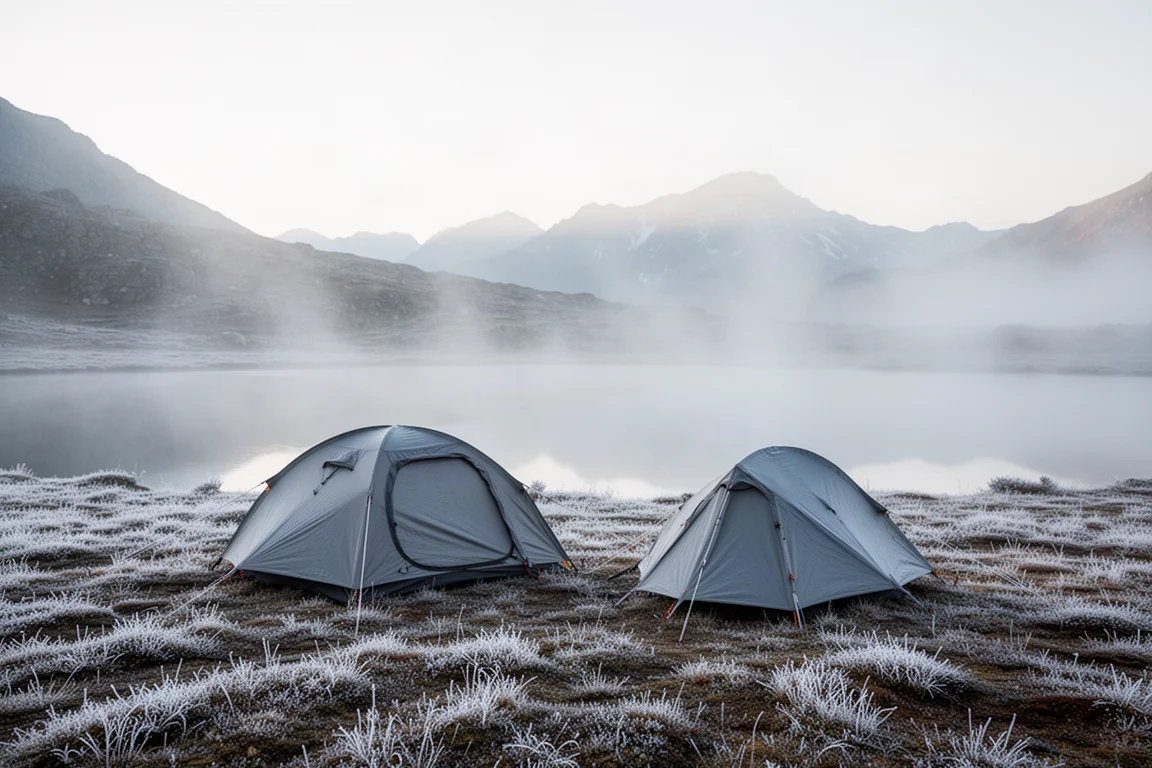
For cold-weather use, pair it with an inflation pump rather than relying on the valve alone. It keeps camp setup quick and avoids fighting with a stuff sack in a confined space.
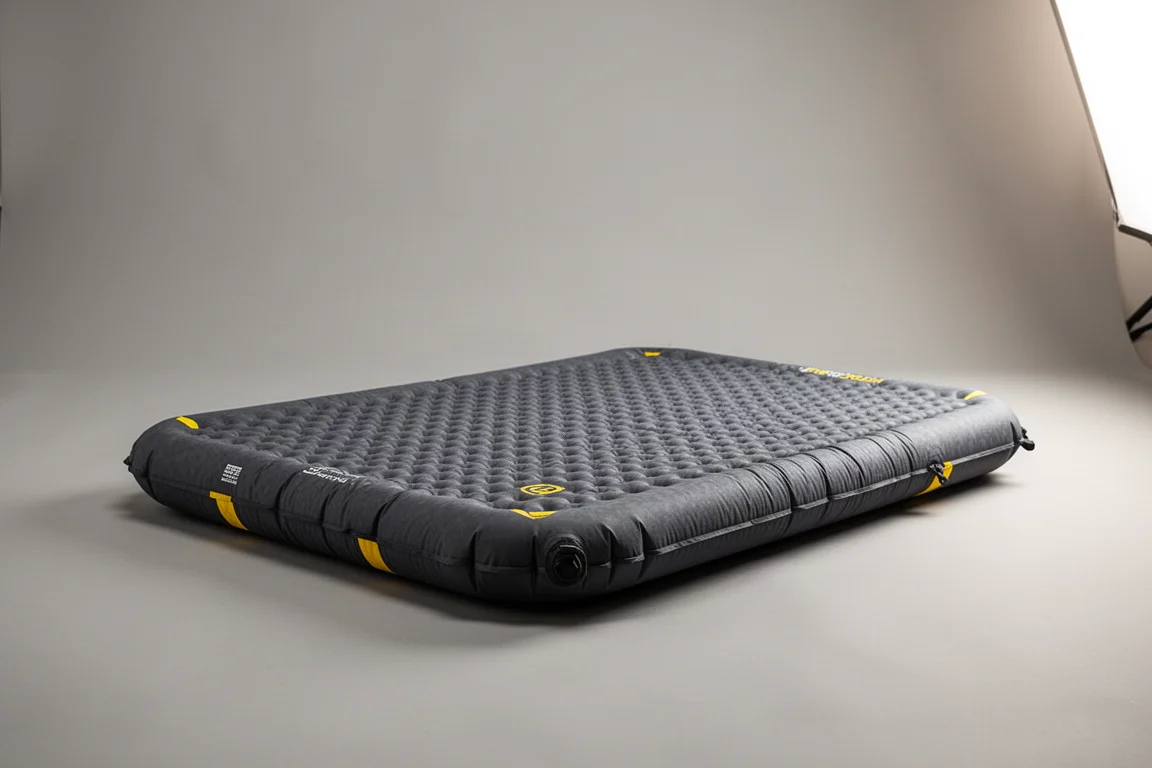
Tiny Pump X: The Fix for the Valve’s Weak Spot
The Tiny Pump X is the accessory that makes most of the valve argument irrelevant. It seats onto the WingLock valve with a genuinely tight seal, and it inflates a sleeping pad quickly, which removes the slow part of camp setup.
It also has a second job. The pump doubles as a lantern, so it can be hung inside a tent in the evening or set on a picnic table when you are eating. That combination of functions makes it worth carrying even on trips where pack space is tight.
It pairs most naturally with the XLite and the XTherm, since both use the same valve. If your main complaint about those pads is the inflation routine, this is the simplest way to fix it without changing pads.
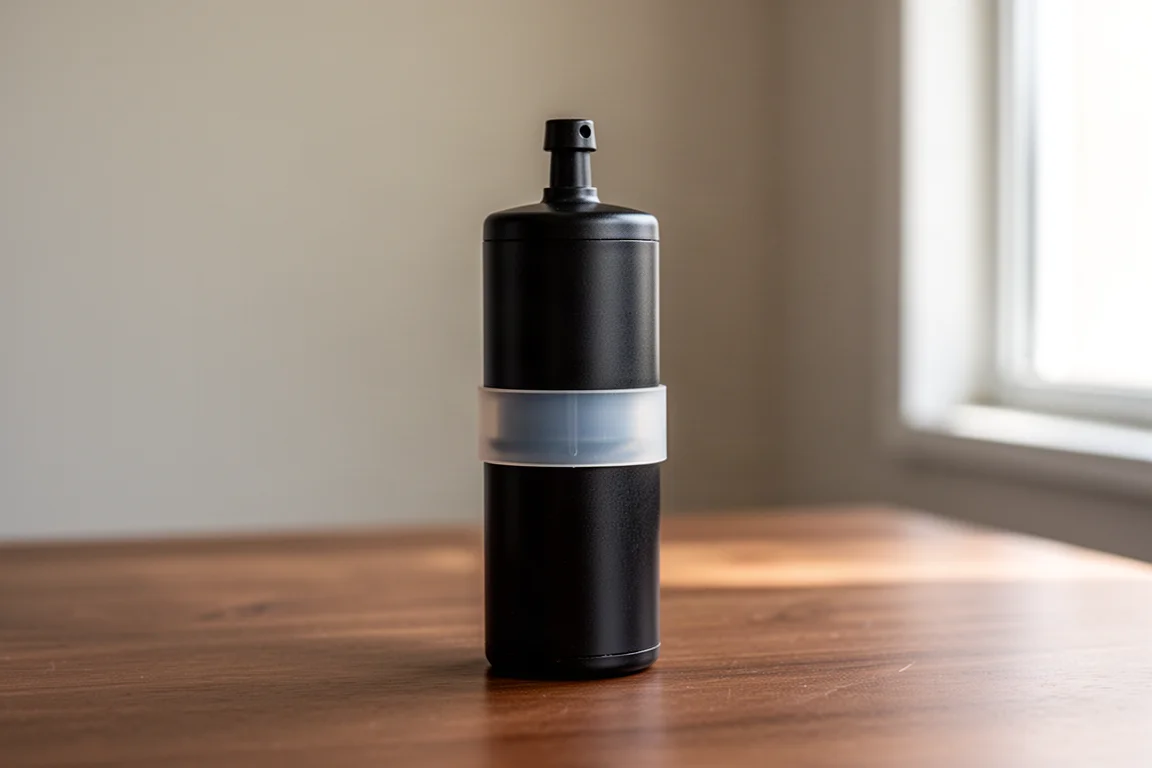
CuloClean: A Backcountry Bidet That Actually Works
The CuloClean is a small bidet attachment that turns a water bottle into a directed stream. It is often dismissed as a tool for hikers who never have to deal with a mess, but that framing misses the point. On a long route, staying clean down there is what keeps chafing and odour from becoming a daily problem, and washing is happening anyway.
The routine that works is straightforward. Introduce water to the top of the butt crack, either by pouring from a bottle or by using the CuloClean to direct the stream to the right spot. If the situation is messier, the directed stream clears it more effectively than pouring alone. Then lather one hand with soap, reach under and scrub properly, and dry off with a cloth. The result is a genuinely clean finish with no toilet paper used at all.
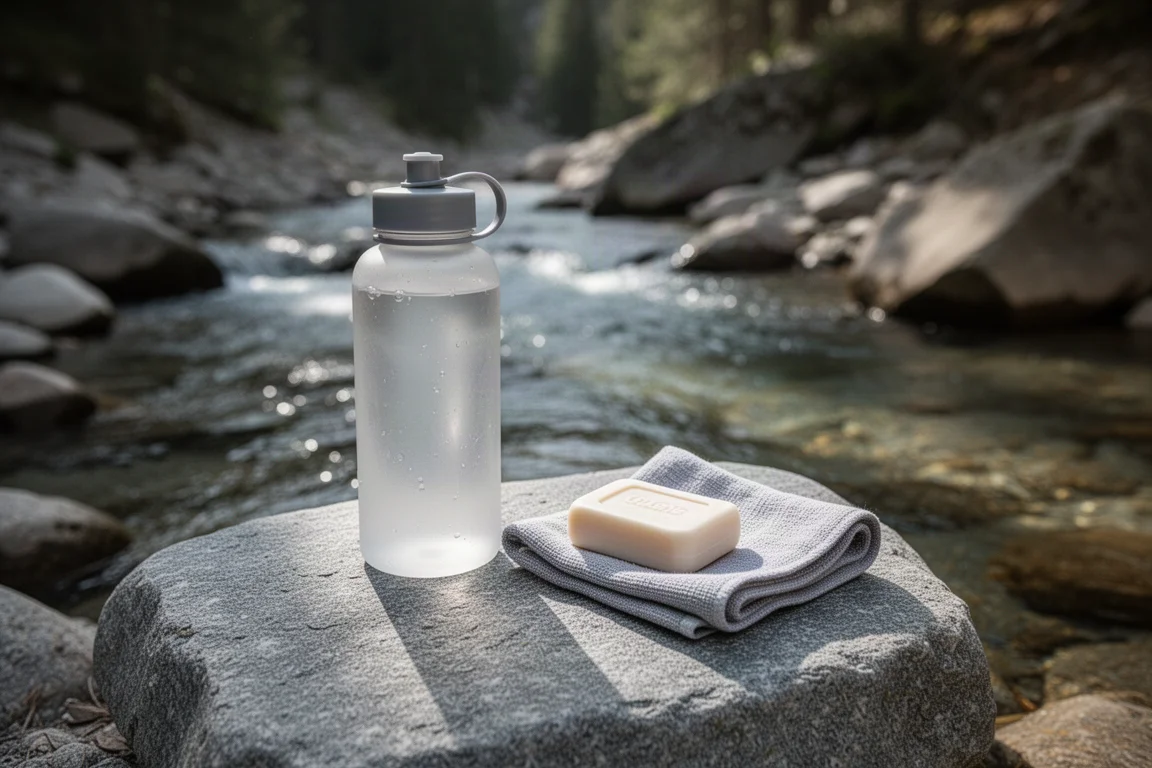
The usual objection is that using a hand is unappealing. In practice it is no different from showering or taking a bath and then drying off with a towel, provided you use soap. What it does require is a consistent method and a little practice, so it is worth testing the sequence at home or on a short trip before relying on it.
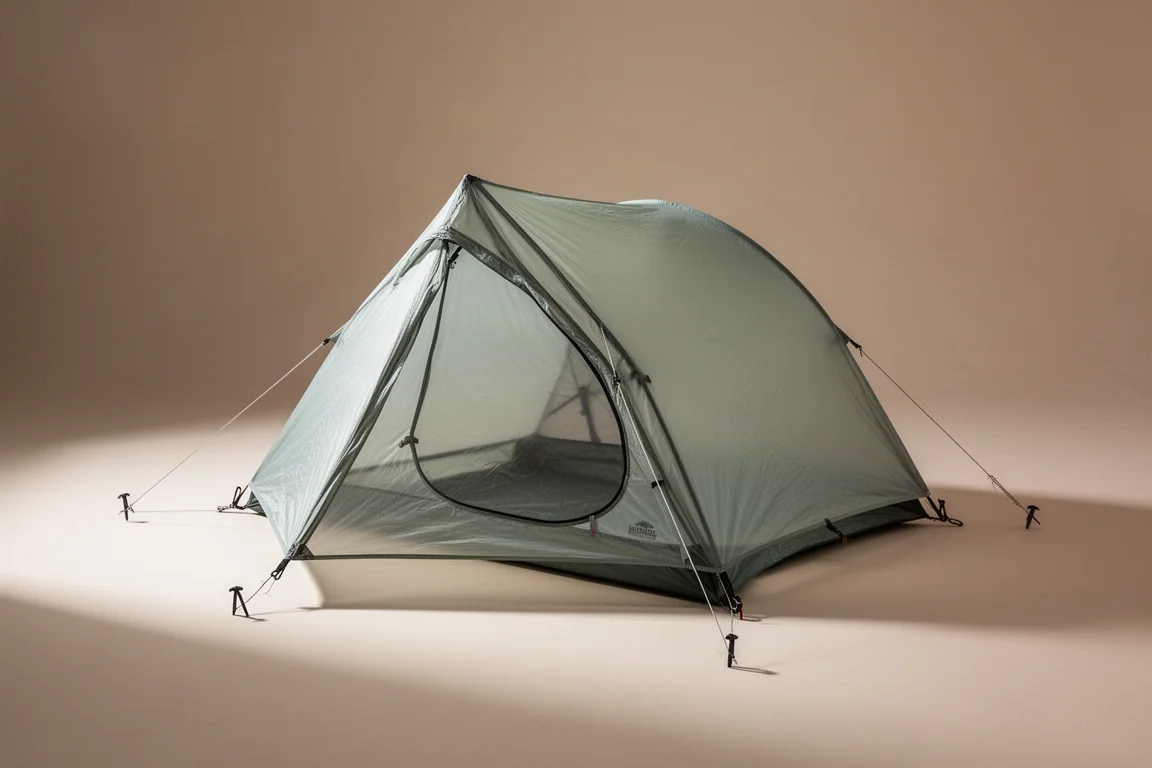
Zpacks Plex Solo: Ultralight Shelter and the Rainbow Door Question
The Plex Solo is a trekking-pole shelter from a manufacturer known for ultralight tents. The feature that attracts the most complaint is also the one that defines how the shelter works. When the doors are fully unzipped, they drop to the ground rather than staying held open.
That gives you a very large opening and lets you get in and out from either side of the trekking pole, which is genuinely useful when you are loading or unloading gear in the rain or in the dark. The concern is that the door fabric will pick up dirt or get damaged.
The fix is simple. Make sure the door lands inside the tent rather than outside it, which is easy to do once it becomes a habit. Over close to a hundred nights of use, the door has not been a problem to manage or to keep clean. For some hikers the design will be a benefit, for others it will be neutral, and it is unlikely to be the deciding factor in choosing a shelter.
How to Choose Between These Picks
Match the gear to the conditions you actually camp in rather than to the worst case you can imagine. A cold sleeper heading into shoulder-season or winter trips gets the most from the XTherm. A three-season backpacker counting grams gets more value from the lighter XLite, since both share the same insulation approach and the same valve design.
If inflation is the part of your routine you dislike most, the Tiny Pump X is the lowest-cost fix in this list and works with either pad. If your long routes are being undermined by hygiene rather than by sleep, the CuloClean addresses that directly and takes up almost no space. And if you are replacing a shelter, the Plex Solo is worth considering on the strength of its weight and its wide door opening, as long as you are comfortable with the way the doors drop.
Buying in that order, pad first and accessories second, keeps the spending tied to a problem you have actually noticed on trail.
Conclusion
Reputations in ultralight gear tend to travel faster than field experience. The WingLock valve is durable, repairable and easy to use with gloves, even if its deflation claim does not hold up and its stuff sack attachment does not. The Triangular Core Matrix inside the XLite and XTherm costs a little deflation speed and returns a lot of warmth for the weight. The Tiny Pump X removes the inflation friction entirely. The CuloClean turns a hygiene chore into a quick, paper-free routine. And the Plex Solo’s dropping doors are a workable design detail rather than a flaw.
Pick the two or three items that solve problems you have genuinely run into, and these will earn their place in your pack.
Further reading
Related Reviews

Backpacking Gear
Building a 10 lb Base Weight: An Ultralight Backpacking Gear List
A practical walkthrough of the ultralight pieces behind a 10 lb base weight, from a 765 g pack and a roomy one-person tent to a full camp chair and a dependable water filter.
Backpacking Gear
A 15-Pound Lightweight Backpacking Gear List for Solo Trips
A beginner-friendly 15-pound backpacking setup built from easy-to-find gear, with notes on what each piece does, how it packs, and where to spend your attention.
Backpacking Gear
8 Ultralight Backpacking Gear Upgrades Worth Carrying
Eight small, affordable backpacking upgrades that solve real trail annoyances, from a pillow that stays put to a fuel valve that rescues leftover canister gas.