Backpacking Gear
Ultralight Backpacking Gear 2026: Nine Lightweight Items Tested on the Trail
Nine ultralight backpacking items tested on an overnight trip, including an 831 g framed pack, an R-value 6.9 sleeping pad, a 145 g down jacket and thin alpaca layers.
Introduction
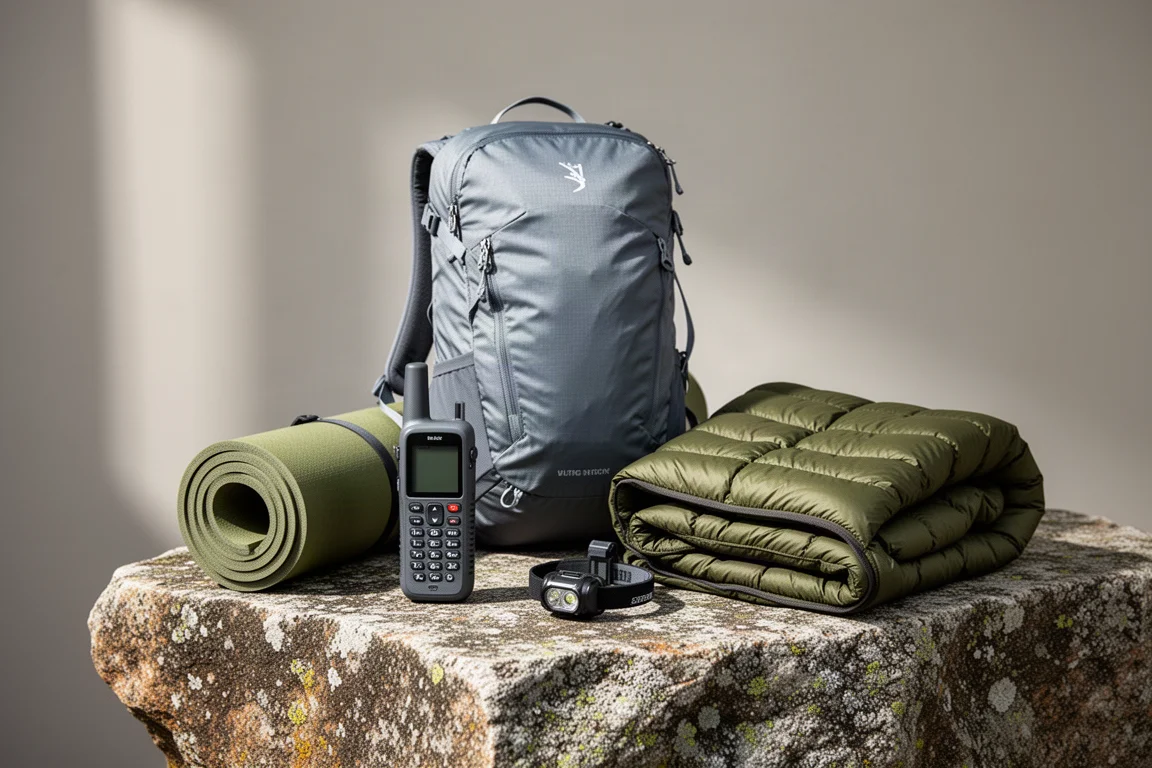
Ultralight gear has traditionally come from small specialist workshops, so it is worth paying attention when a mainstream brand enters the category. The Mountain Hardwear Alakazam 45 is exactly that: an 831 g pack with a frame, a hip belt, load lifters and vest-style shoulder straps, built from a lightweight technical fabric.
It anchors this roundup of nine items taken out for an overnight trip in the desert. Alongside the pack: a sleeping pad with an R-value of 6.9 at 551 g, a down jacket that weighs 145 g in a size large, a 60 g reusable water bottle, an alpaca sun hoodie, thin alpaca base layers, a touchscreen satellite communicator and a 40 g USB-C rechargeable headlamp.
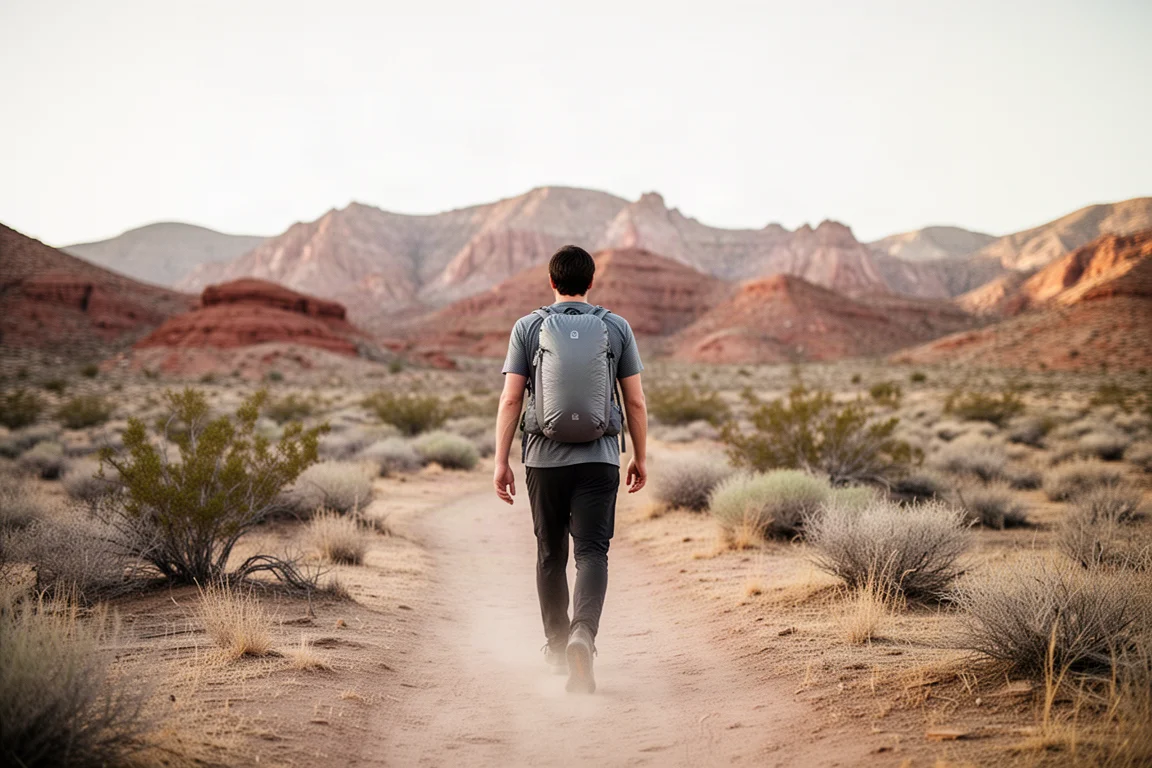
The conditions were deliberately unkind. The approach was hot, exposed desert, and overnight temperatures fell to just below freezing. That combination makes it easy to see which weight savings are free and which ones cost warmth, comfort or convenience.
What We Looked For
Weight alone is a weak measure of a good item. A 60 g bottle that leaks, or a pack whose side pockets cannot be reached while walking, saves grams and costs function.
Each item was assessed on four things: how it carried or wore in use, whether the construction felt durable enough to survive repeated trips, how it handled the conditions it claims to suit, and whether the price made sense against the alternatives. Warmth claims were checked directly, with the sleeping pad and the down jacket used through a night that dropped below freezing.
Mountain Hardwear Alakazam 45
The Alakazam 45 is a fully featured ultralight pack rather than a stripped-down sack. It has an internal frame, a hip belt, load lifters, vest-style shoulder straps with two sternum straps, side-entry side pockets for water bottles, and an articulating hip belt designed to move with the body during scrambling and climbing.
On the trail with roughly 25 lb inside, it carried well. The load sat balanced between the shoulders and the hips, and the articulating hip belt was the standout detail: it allowed noticeably more hip movement than a conventional hip belt, closer to the freedom of a hip-belt-free pack.
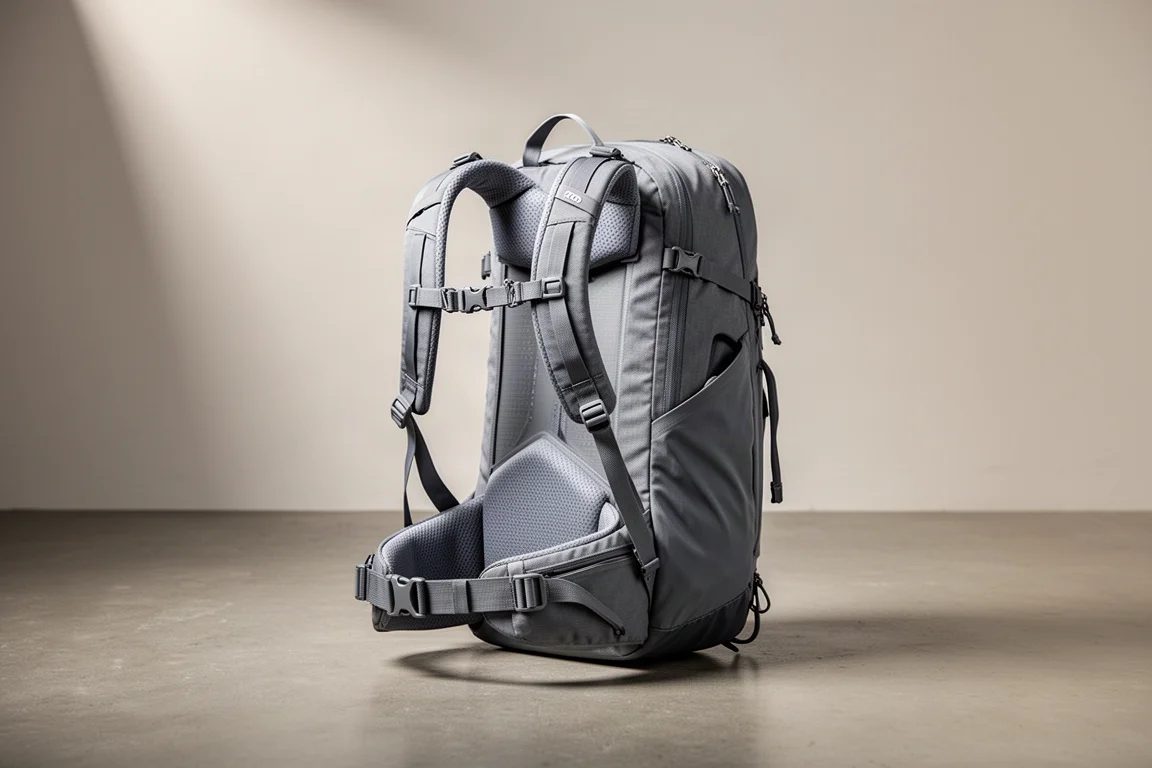
The compromises are worth knowing before you buy. The side pocket openings sit high and the pockets are tight, which makes pulling a bottle out while walking genuinely difficult, even with a shorter bottle. The hip belt pockets are very small, large enough for one or two snacks or a compact communicator. The hip belt itself wraps less than it could, which suggests a comfortable ceiling of around 30 lb, and the shoulder straps are not the most comfortable option if you remove the hip belt and carry the load on your shoulders alone. At over $600, it is also the most expensive pack in this roundup by a wide margin, and the price is hard to justify on materials and construction alone. A wider vest-style shoulder strap and a lower side pocket opening would address most of the criticism.
Arms of Andes Alpaca Sun Hoodie
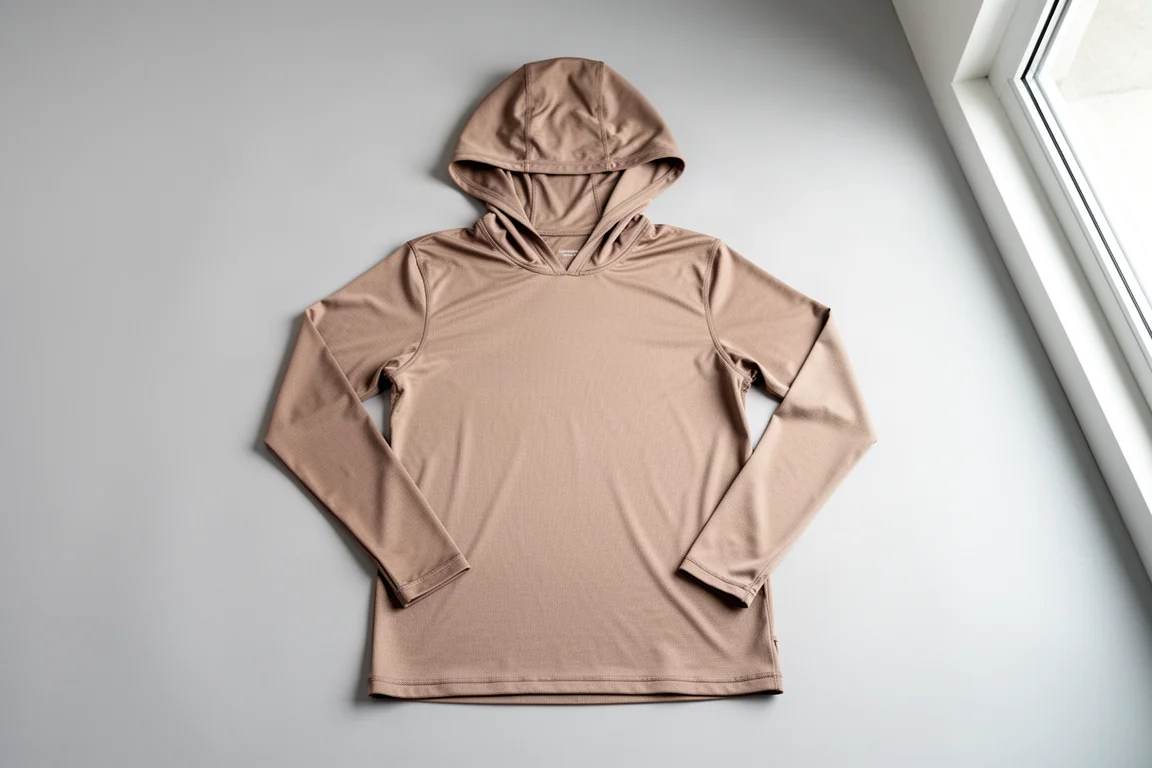
Alpaca fiber is the reason to look at this hoodie. Like merino wool it resists odor over long use, but it dries faster and holds on to less moisture, which matters on multi-day trips when washing is not an option. The fabric here is 160 gsm, and the garment is very light.
The trade-off showed up immediately in hot desert conditions: it ran warm. Part of that came down to fit, since a size medium sat snug and left little room for air movement underneath. Sizing up would likely help, and Arms of Andes also offers a 110 gsm fabric that would suit hotter days better.
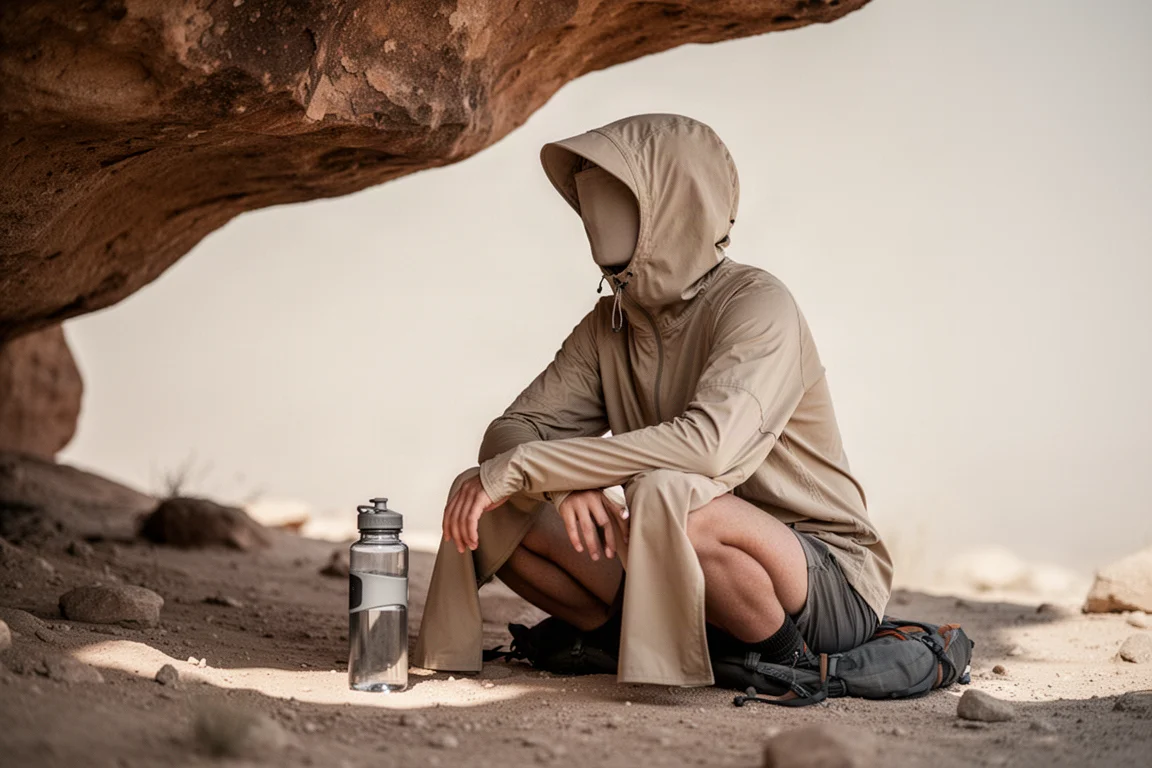
Odor resistance is the other half of the story with alpaca, and it is the main reason to pay a premium for it. The fabric is soft against the skin and works well as a layer you keep on for days at a time in cooler conditions, where the extra warmth becomes an advantage rather than a problem.
Minimalist Gear NOBO Water Bottle
Reusable bottles have always been heavier than the disposable ones hikers tend to carry, and the NOBO closes that gap. It weighs 60 g, holds one liter, accepts flip caps and bite valves, and has markings on the side so you can track how much water is left.
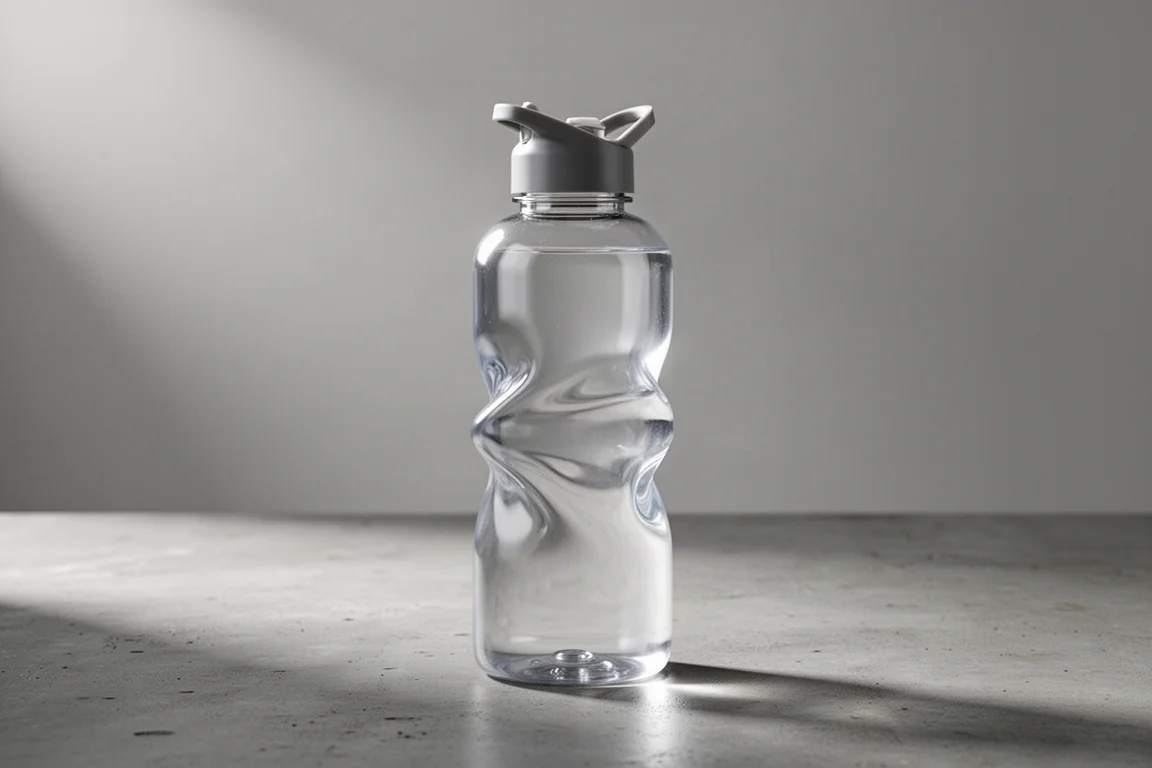
Squeeze performance is where collapsible bottles usually fall short, since many crease and stay creased. The NOBO pops back quickly after being squeezed, leaving only a small dent, which makes it practical for drinking on the move. It has also survived being tossed around over several days of trips without issue. It is not quite as light as a disposable bottle, and its squeeze recovery is not quite as clean as the best bottles in this category, but it is the lightest reusable option here and it works.
Garmin InReach Mini 3
The InReach Mini 3 adds a microphone, a speaker and a touchscreen with an on-screen keyboard to the familiar satellite communicator formula, and those changes open up genuinely useful possibilities. Dictation handles actions such as opening messages, and the touchscreen makes the interface easier to navigate and maps easier to pan, which turns the device into a far more usable navigation tool than earlier versions.
Typing is the part worth testing carefully, and the results are mixed in a predictable way. The screen is tiny. A full QWERTY keyboard is available, and word suggestions catch and correct mistakes, but the faster option is the T9 layout with three letters per key, which proved quicker and more accurate in practice. The realistic conclusion is that the device can now send messages without a phone, but it will never be as quick as a phone.
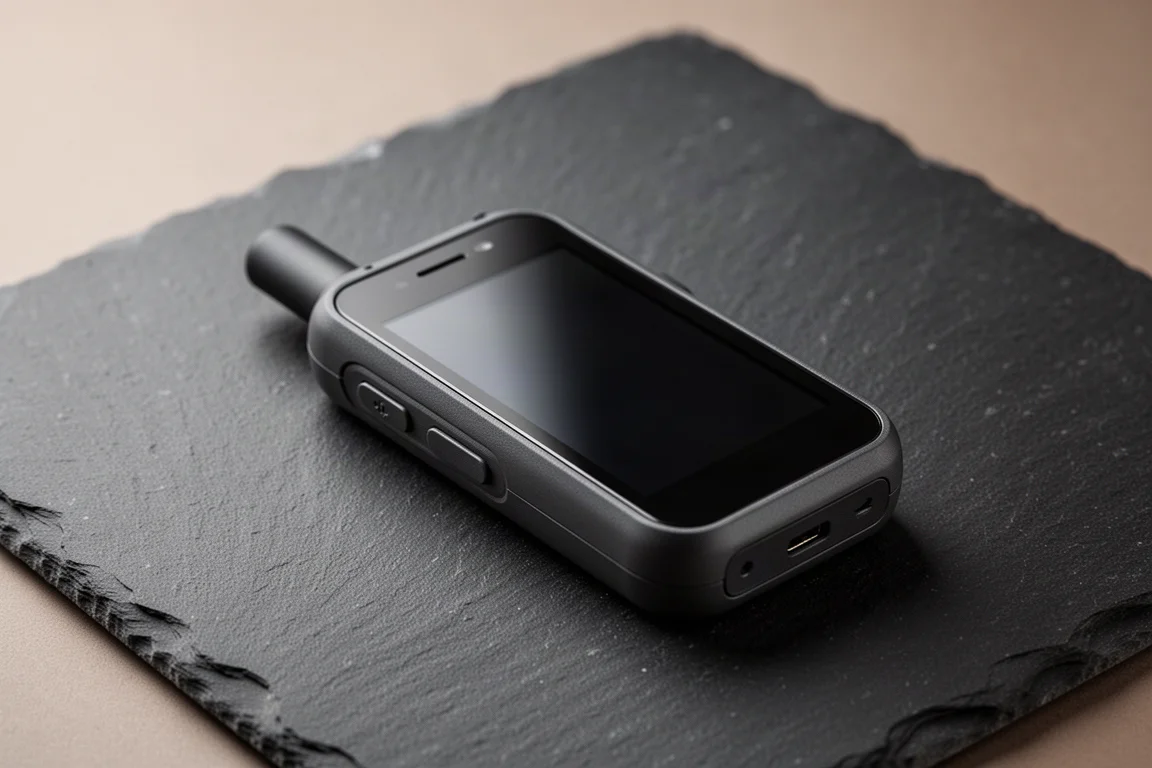
Two omissions hold it back. There is no voice dictation for composing messages, only for triggering actions, and the maps have no topographic detail or trail data, which limits how far the navigation improvements really go. Battery life is also shorter than the InReach Messenger Plus. It is a clear step forward for the lineup, and a sensible choice for anyone buying a new communicator, but the Messenger Plus remains the better fit for hikers who leave the device in a pack and want maximum runtime.
Black Diamond Deploy 0.5 Down Jacket
At 145 g in a size large, the Deploy 0.5 is one of the lightest down jackets made. It gets there with extremely light shell fabric, 1000 fill power down, a quarter zip and almost no features at all. There are no hand pockets, and the hem is simply an elastic band.
Warmth was measured through the evening and overnight. It felt comfortable while sitting around camp at around 8 °C, started to feel cold at roughly 5 °C, and the practical limit for static use sits somewhere between 5 and 10 °C. Above 10 °C while stationary it is fine.
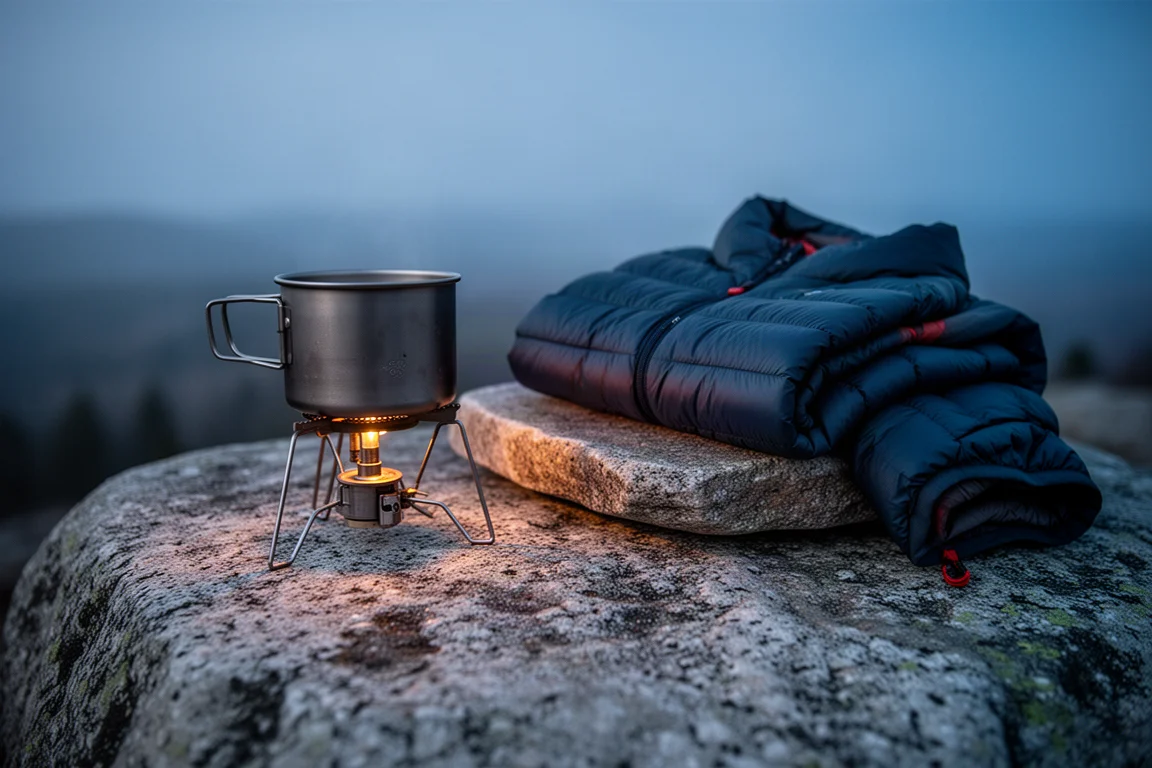
The missing hand pockets are a real annoyance when you are cooking dinner and want somewhere warm to put your hands, and the very light shell raises fair questions about durability around zippers and tent doors. The bigger question is whether this jacket earns its place at all: an Alpha Direct layer with a windshirt weighs about the same and may be just as warm.
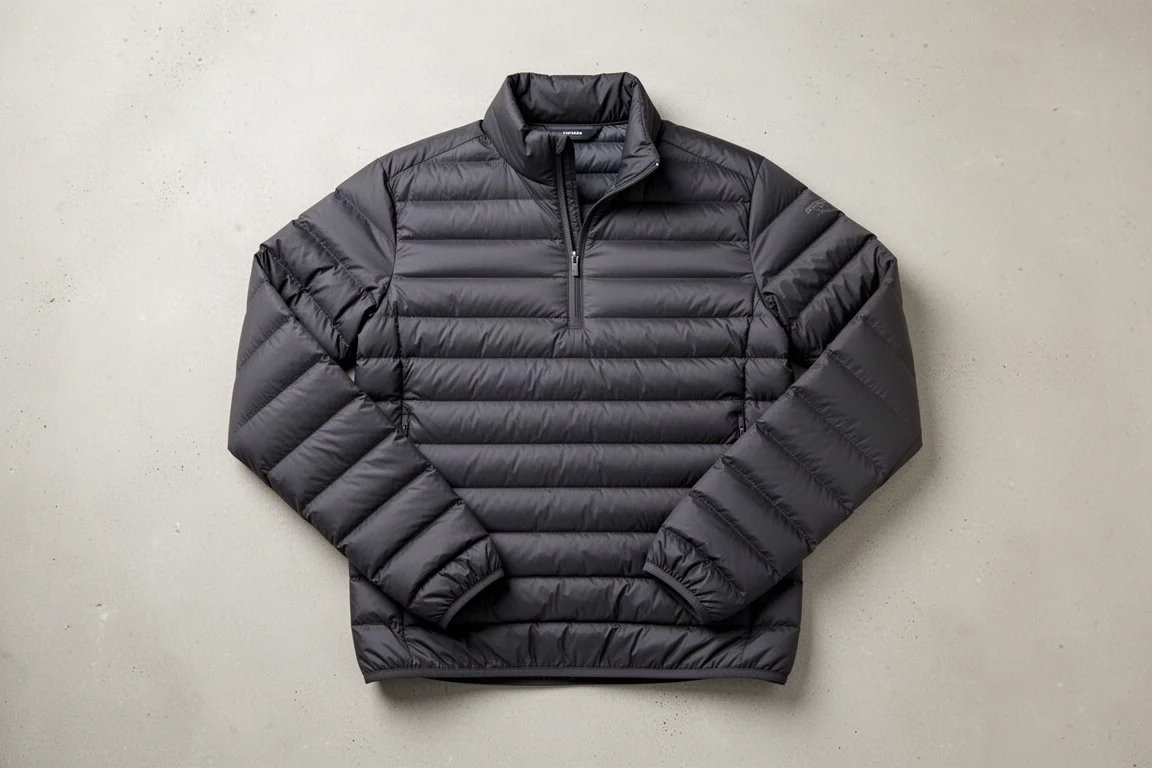
This is a niche piece with a high price. It performs and it will not let you down on a trip, but it only makes sense if absolute minimum weight in a down layer is the goal.
Petzl Swift LT Headlamp
The Swift LT weighs 40 g and charges over USB-C, and the headband is the best part of the design. It is comfortable enough to wear while reading in bed without creating pressure points, which is rare in this category, and it removes the need to source a custom band.
Petzl is also widely stocked around the world, which is a practical advantage over lighter and cheaper headlamps that can be hard to find in some regions.
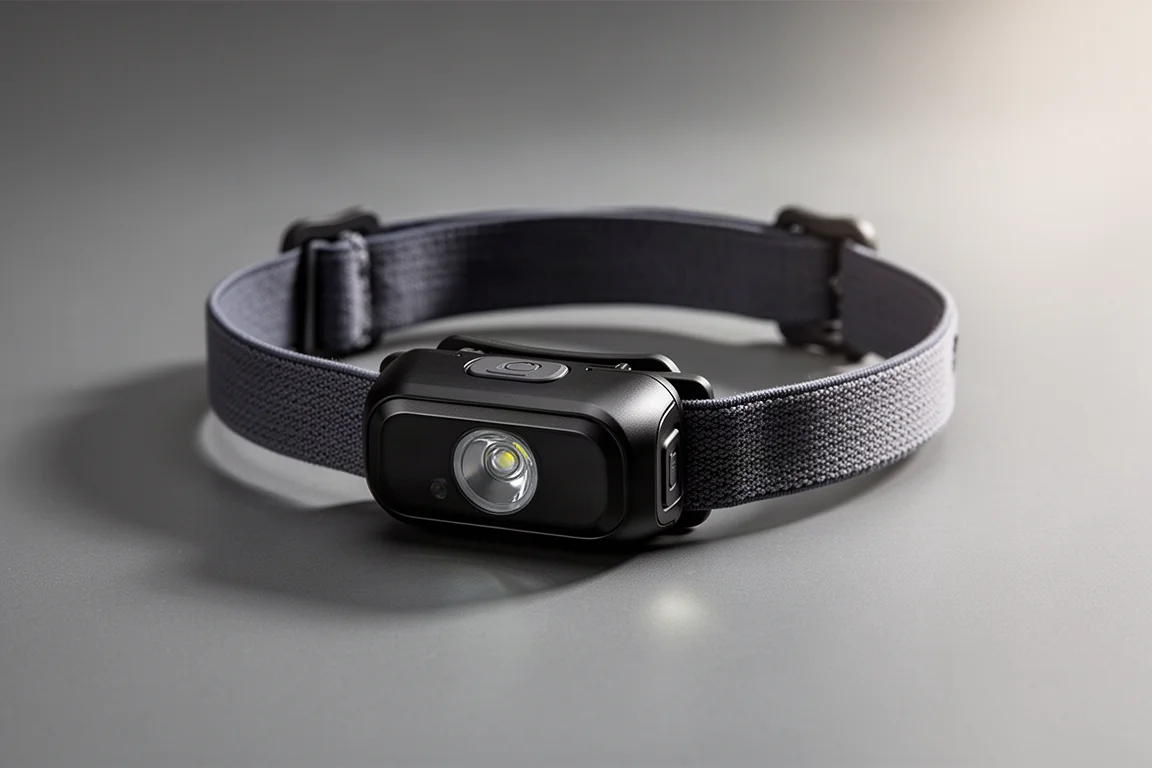
The weakness is the single control button. Switching between white and red light requires a specific press pattern, and if you only use a headlamp a few times a year, that pattern is easy to forget. In practice it is possible to end up stuck on white light, which is exactly the situation red light exists to avoid around other people. At $55 it also costs more than some lighter alternatives. Two dedicated buttons, one per light color, would fix the main complaint.
Exped Ultra 6.5 Sleeping Pad
This is the item with the strongest case for being a genuine category leader. The regular wide square version weighs 551 g, which is very light for a pad with an R-value of 6.9. That rating puts it in range for winter camping, not just three-season use.
Comfort matched previous pads in the same family, with a slight stretch in the top fabric and vertical baffles that make it easy to sleep on. Over a night that fell to just below freezing, it slept noticeably warm, with heat clearly trapped and reflected back rather than leaking away, and no cold spots at all. Twelve hours of sleep with only two brief position shifts is a strong result.
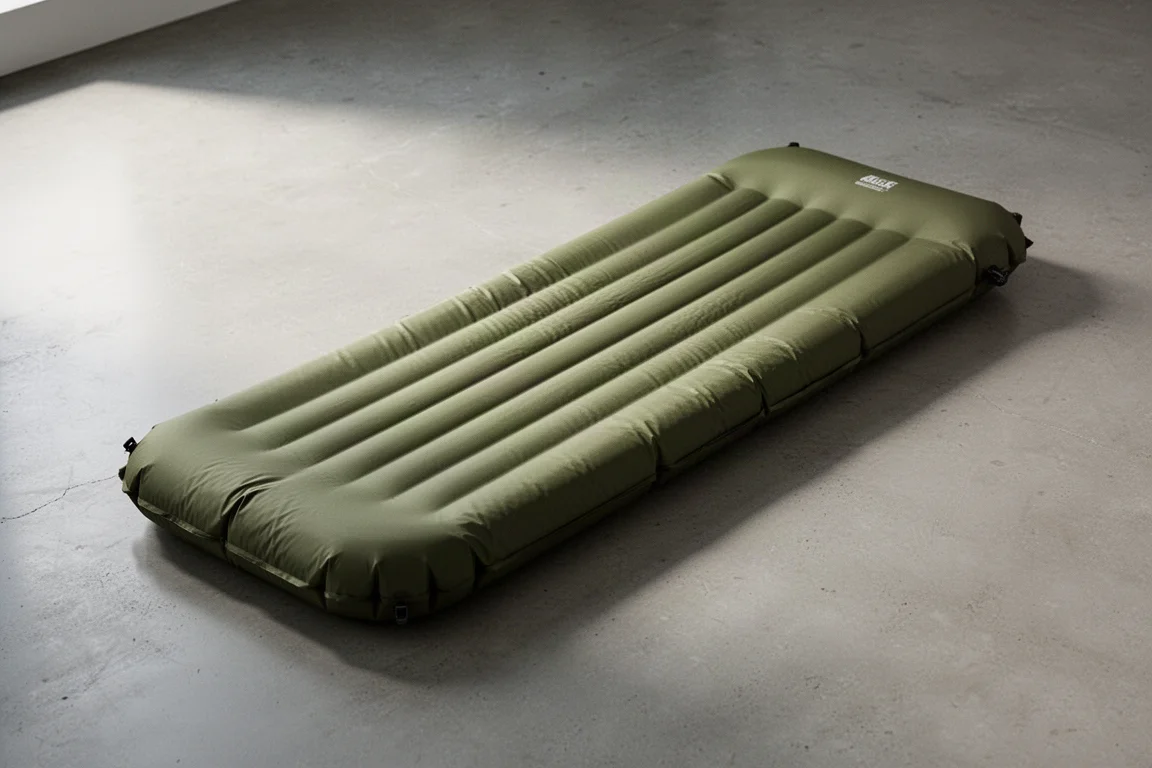
The construction explains the performance. A layer of synthetic fill is glued to the top of the pad, with a reflective film beneath it, and nothing on the bottom. Insulating only the top avoids the cooling effect that pads with insulation suspended throughout the whole structure can produce along the sides. The remaining question is how the 6.9 R-value holds up on snow in sub-freezing conditions, since high R-values do not automatically guarantee a warm night. If it delivers there, this is a single pad that covers summer, thru-hiking and winter trips.
Arms of Andes 110 GSM Base Layers
The 110 gsm alpaca fabric is the lightest option Arms of Andes makes, and it was worn overnight as sleep layers in warm conditions. It feels soft, stays comfortable against the skin, and is thin enough to wear on a hot night without overheating. As with the sun hoodie, the appeal is odor resistance: alpaca stays fresh over multi-day use, which is what makes it worth carrying for a thru-hike.
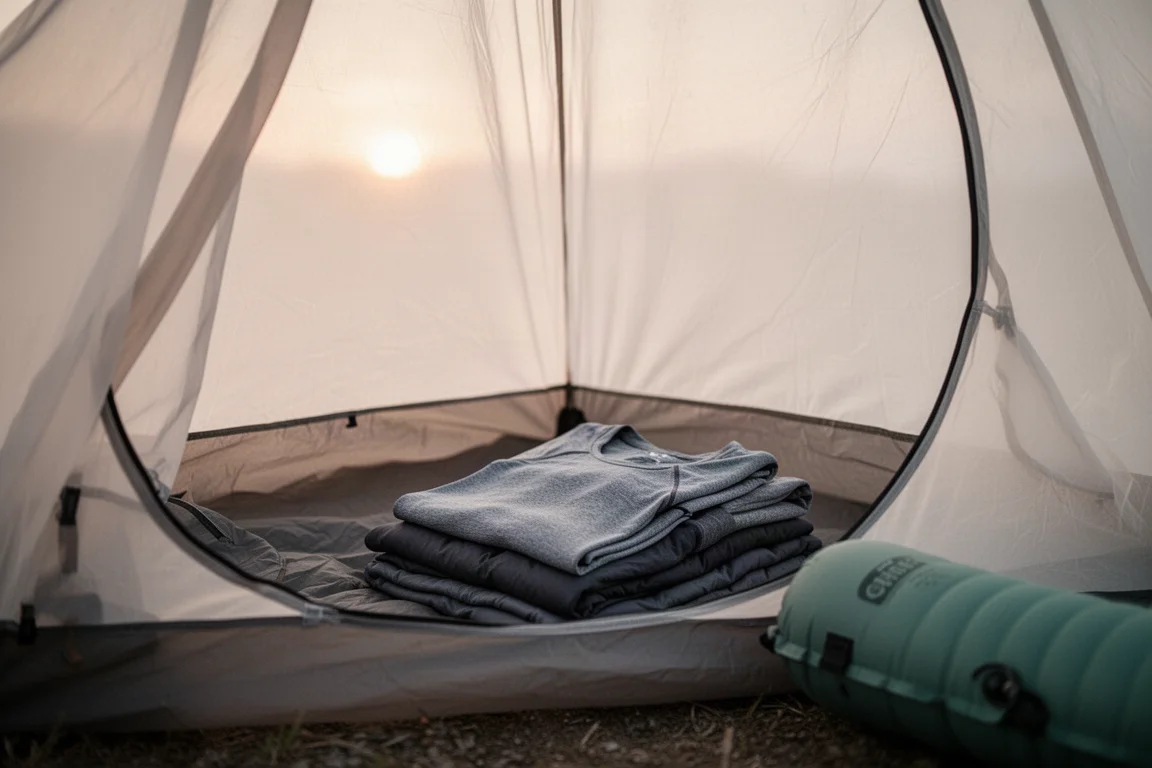
Both pieces are very thin, so they work best as sleep layers or as a hot-weather base rather than as insulation. The upside is a set of layers that adds almost nothing to pack weight while improving comfort overnight.
Arms of Andes 110 GSM T-Shirt
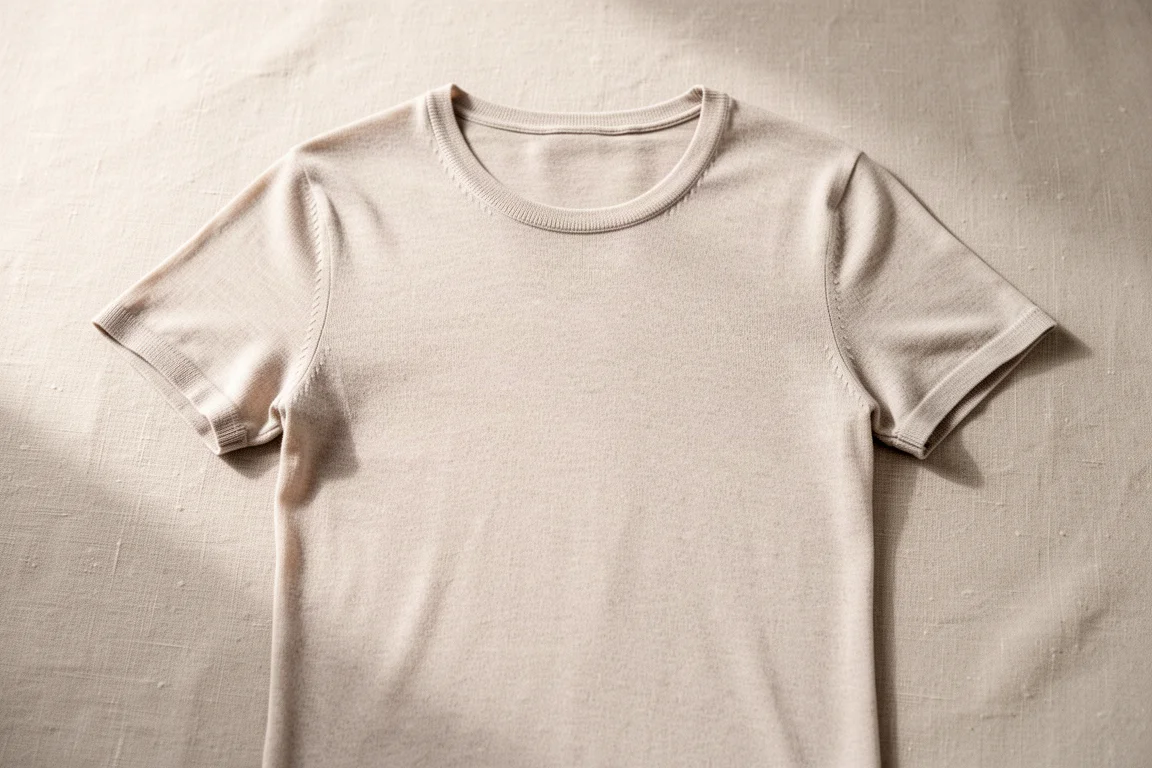
The t-shirt is the piece that makes the fabric’s case most clearly. It is light enough to wear while sleeping on a warm night, soft enough to be comfortable all night, and it resists odor over repeated use, which is the main reason to choose alpaca over a synthetic sleep shirt.
Arms of Andes 110 GSM Boxers
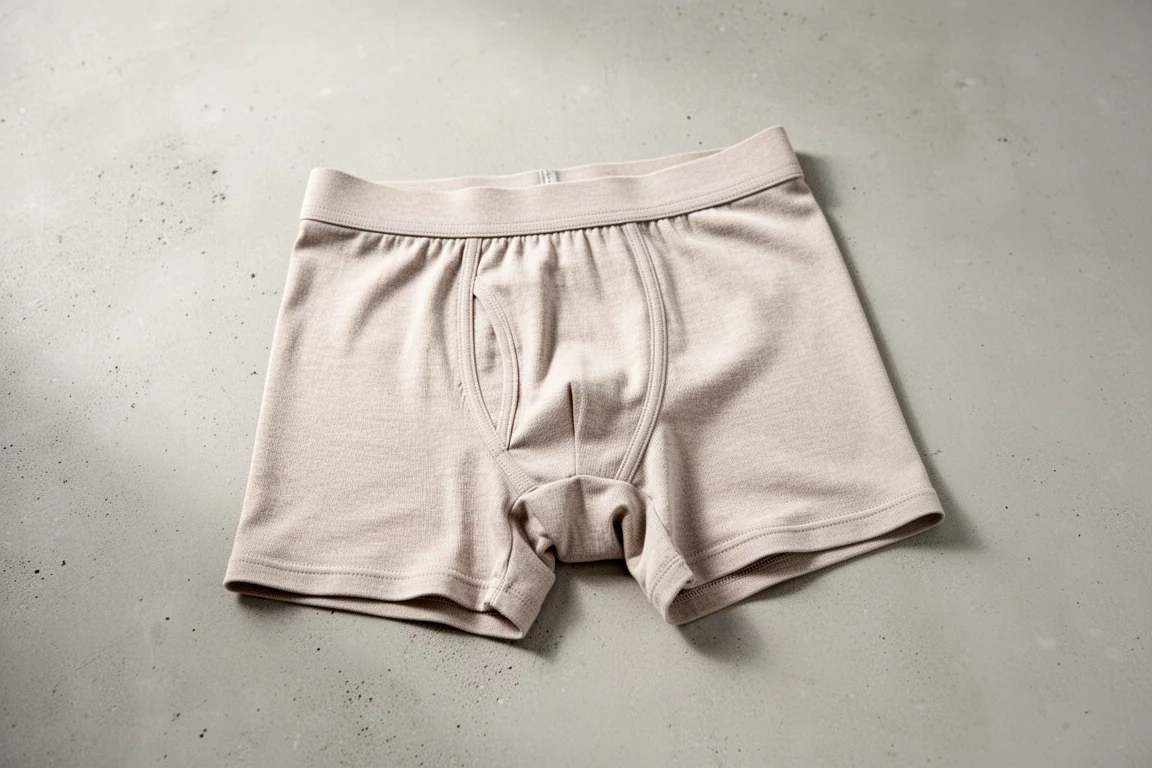
The boxers follow the same logic: minimal weight, soft fabric and low odor over long trips. They are thin and minimal by design, so treat them as a sleep and hot-weather layer rather than a rugged everyday piece.
Overall Buying Advice
Match the item to the conditions rather than to the weight figure alone. The Exped Ultra 6.5 is the clearest recommendation of the group because it combines low weight, high warmth and comfort in one pad, and it is the piece most likely to replace two or three others in a gear closet.
For layers, the 110 gsm alpaca base layers and the 160 gsm sun hoodie suit different jobs. The thin base layers are for hot nights and long trips where odor resistance matters. The sun hoodie is the better choice in cooler conditions and worth sizing up for airflow.
On the pack, the Alakazam 45 carries well and the articulating hip belt is a genuine improvement, but the side pocket access, the small hip belt pockets and the sub-30 lb ceiling are real limitations, and the price is high. If bottle access from the side pockets is essential to you, it is worth waiting to see whether Mountain Hardwear revises the design.
For electronics, the InReach Mini 3 is the better buy if you want on-device messaging and easier navigation, while the Messenger Plus remains the choice for maximum battery life. The Swift LT is a comfortable, easily sourced ultralight headlamp as long as you can live with one button.
The Deploy 0.5 is the most specialised item here. It is remarkably light and it works, but with no hand pockets, a warmth limit around 5 to 10 °C while stationary and a high price, it only suits hikers chasing the absolute minimum weight.
Conclusion
The strongest takeaway from this test is that weight savings are only worth having when they do not remove function. The Exped Ultra 6.5 shows what that looks like when everything lines up: 551 g, an R-value of 6.9 and a night of genuinely warm, comfortable sleep just below freezing. The NOBO bottle and the 110 gsm alpaca layers make the same case on a smaller scale.
The Mountain Hardwear Alakazam 45 and the Black Diamond Deploy 0.5 are more complicated. Both are impressively light and both perform, but each carries a price and a set of compromises that buyers should weigh deliberately. The InReach Mini 3 and the Petzl Swift LT sit in the middle: real improvements, with one or two details that will decide whether they suit you.
Further reading
Related Reviews

Backpacking Gear
Building a 10 lb Base Weight: An Ultralight Backpacking Gear List
A practical walkthrough of the ultralight pieces behind a 10 lb base weight, from a 765 g pack and a roomy one-person tent to a full camp chair and a dependable water filter.

Backpacking Gear
A 15-Pound Lightweight Backpacking Gear List for Solo Trips
A beginner-friendly 15-pound backpacking setup built from easy-to-find gear, with notes on what each piece does, how it packs, and where to spend your attention.

Backpacking Gear
8 Ultralight Backpacking Gear Upgrades Worth Carrying
Eight small, affordable backpacking upgrades that solve real trail annoyances, from a pillow that stays put to a fuel valve that rescues leftover canister gas.