Backpacking Gear
Three Ultralight Backpacking Essentials for Thru-Hikes and Multi-Day Trips
A 13.5 gram trowel, 39 gram camp sandals, and a tent stake built to resist bending: three small items that earn their place on a long trail.
Introduction
On a thru-hike or any multi-day backpacking trip, the gear that matters most is often the smallest. Three items in particular tend to earn their place in the pack: a trowel light enough to carry without thinking about it, a pair of camp sandals that weigh almost nothing, and a tent stake that holds when the weather turns.
This guide looks at the Bogler Trowel, the Mayfly Ultralight sandals, and the MSR Groundhog stake. Each one solves a specific problem, and each one is light enough that weight is not a reason to leave it at home.
What Matters Most in Ultralight Backpacking Gear
Weight is the first filter, but it is not the only one. A piece of gear only earns pack space if it keeps working after weeks of use. That comes down to three things: a real weight advantage over the alternative, enough durability to survive hard ground and rough handling, and a clear job that nothing else in the pack already covers.
The items below are judged on those three points. Where a specific weight is reported, that number is noted, and where a trade-off exists, it is called out rather than smoothed over.
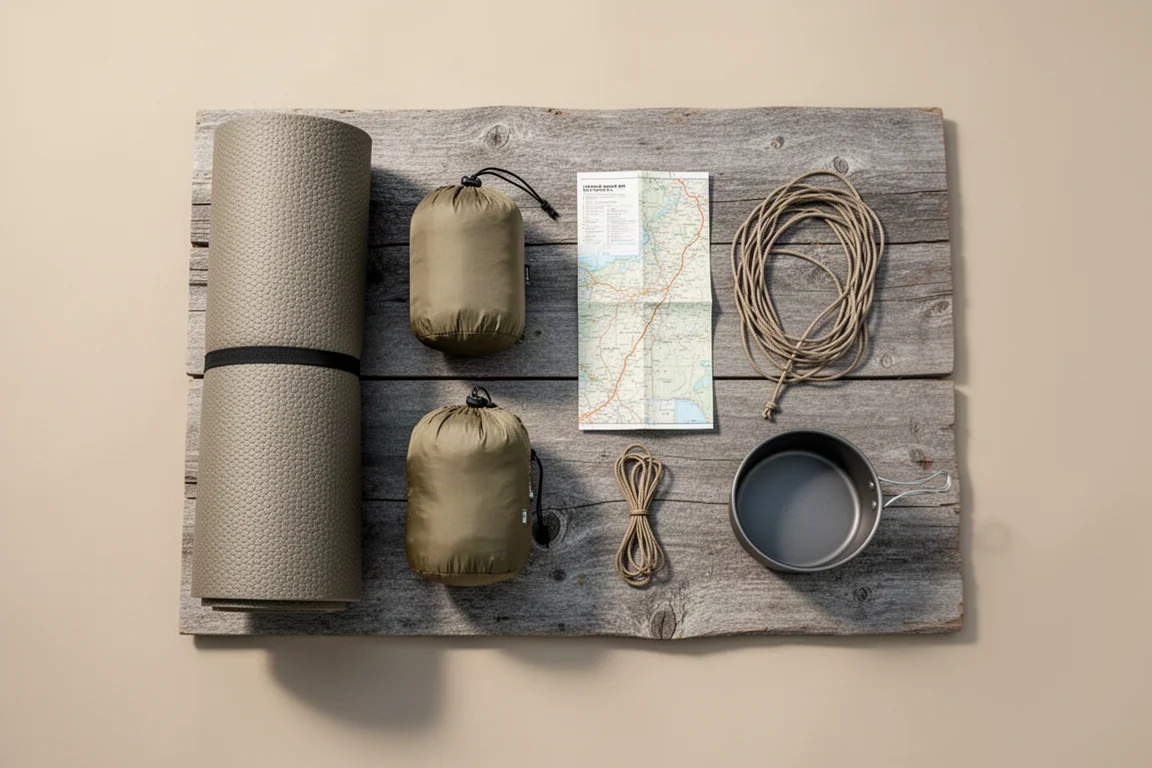
A useful way to read the numbers is as a share of the total pack. Thirteen and a half grams for a trowel and thirty nine grams for a pair of sandals are both small enough that the weight argument disappears, and the decision becomes about function instead.
Bogler Trowel: A 13.5 Gram Tool for Cat Holes
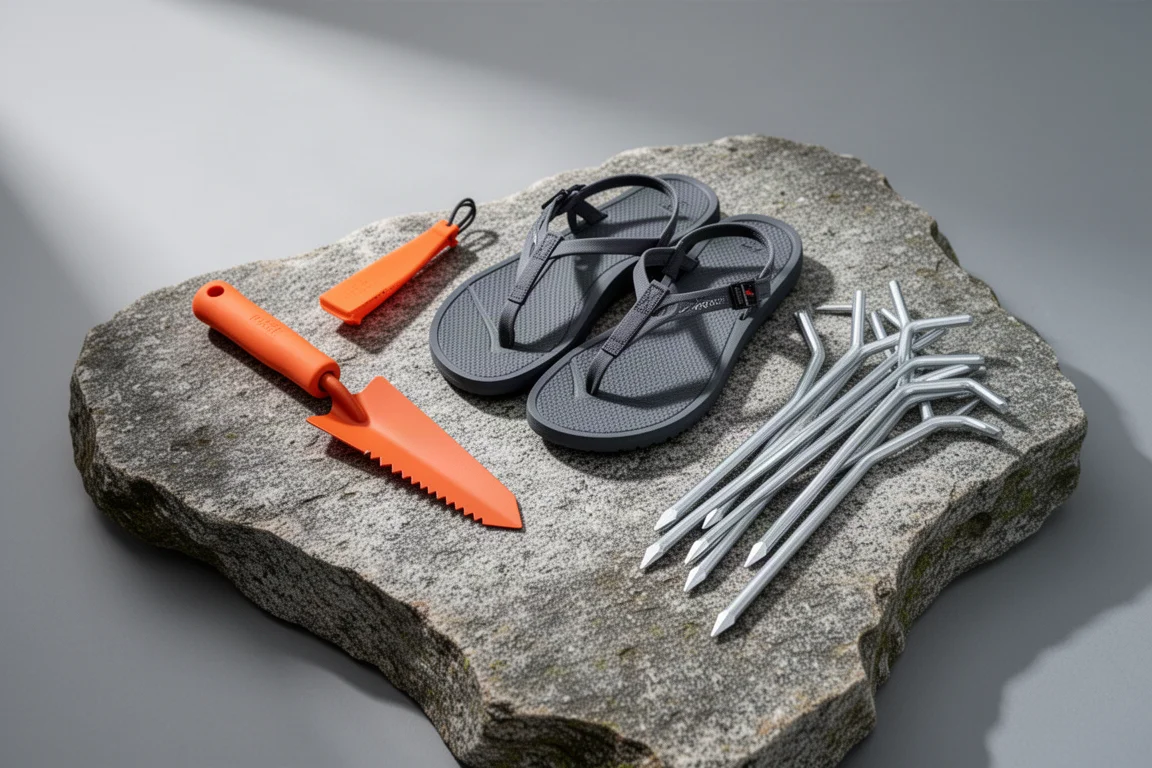
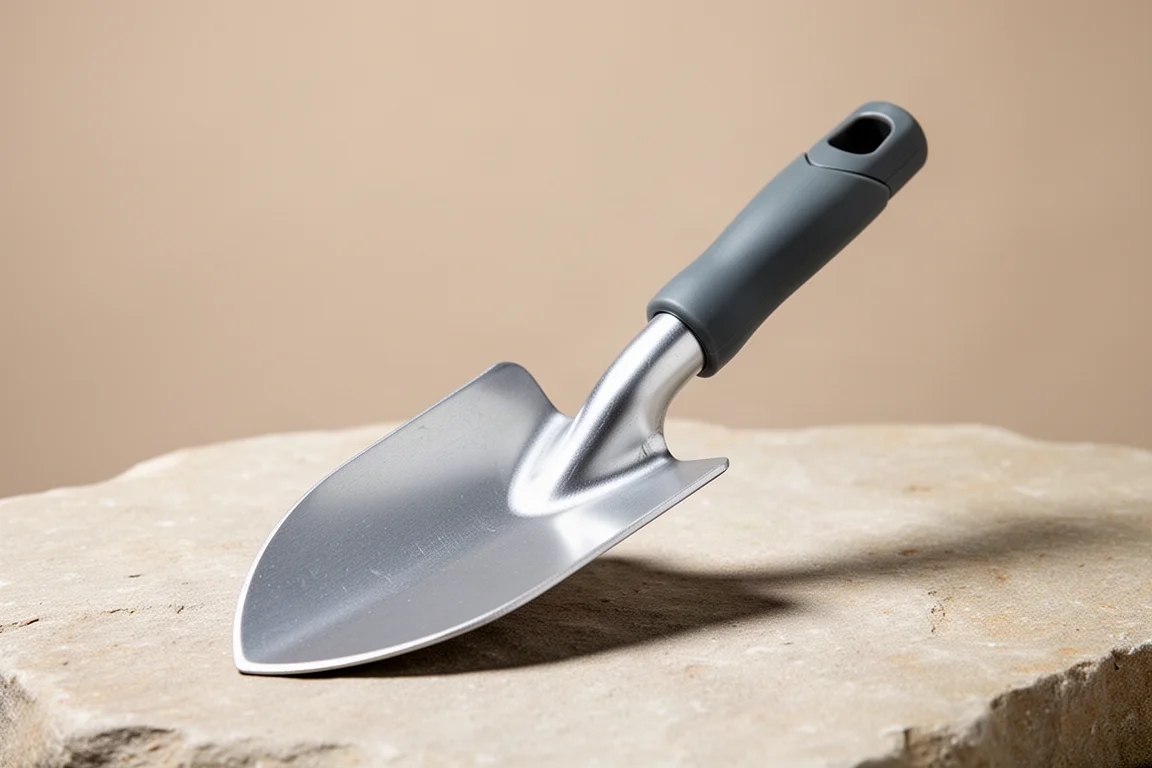
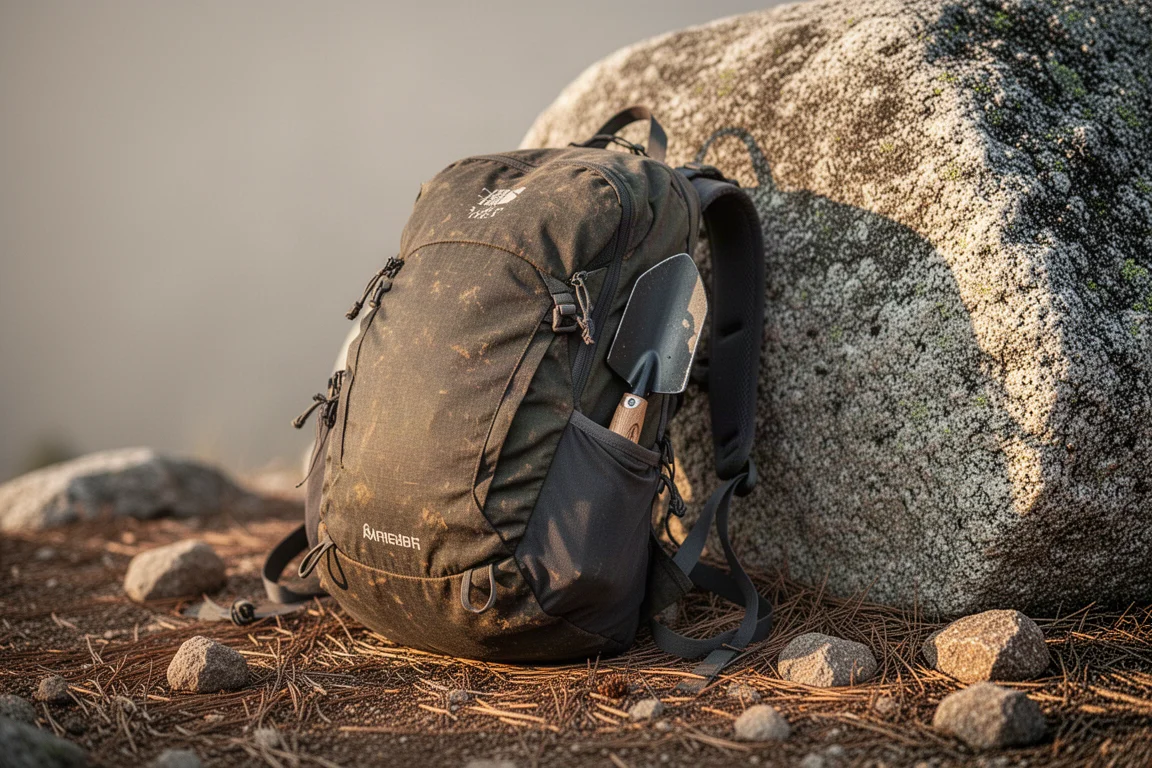
Digging a proper cat hole is central to leave no trace practice, and the usual compromise is between a tool that works and a tool that is light. The Bogler Trowel leans hard toward light: it weighs 13.5 grams, which is 3.5 grams less than the widely used Deuce of Spades trowel.
Weight is not the only feature. The handle has an ergonomic grip with a small nub at the end, which makes pushing the blade into hard ground easier on the hand. One edge is serrated, so roots in the way can be cut rather than fought. Despite the low weight, the trowel has held up to prying rocks out of cat holes without deforming.
The design comes out of mechanical engineering work and more than a dozen iterations and prototypes, and the result behaves like a much heavier tool. The orange version is the one to look for if visibility in a pack or on the ground matters.
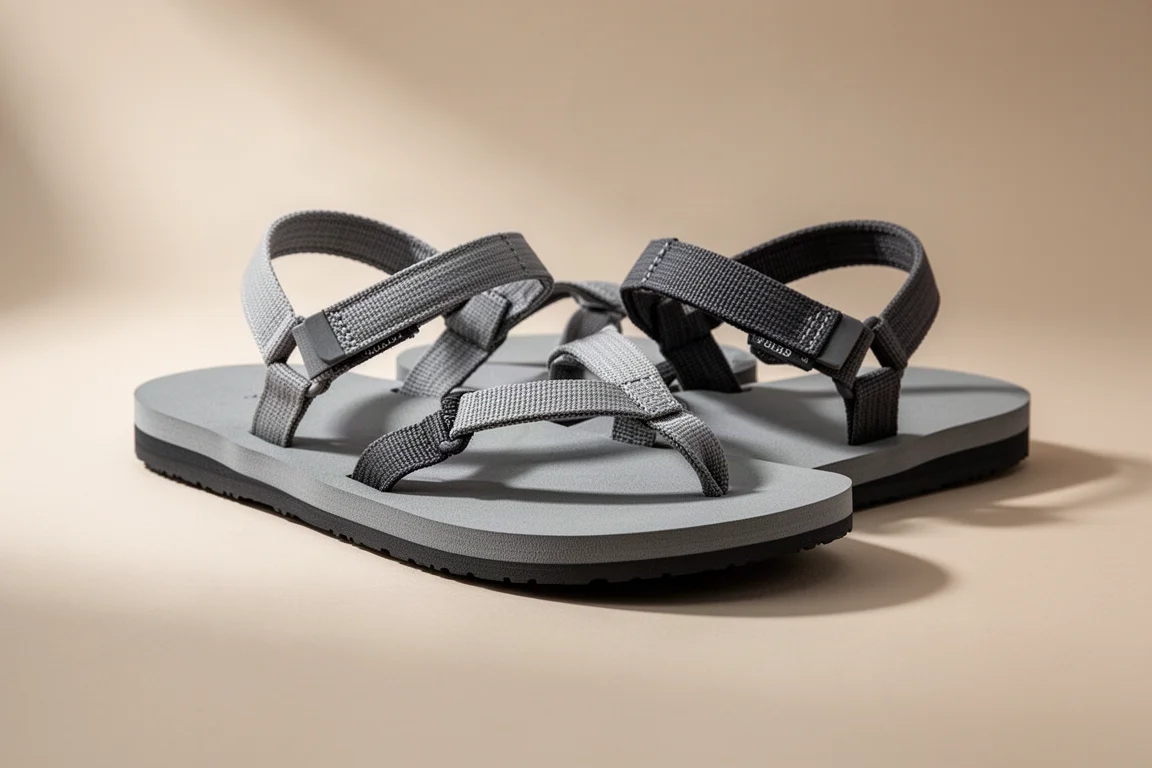
Mayfly Ultralight Sandals: Camp Comfort at 39 Grams
Camp shoes are usually the first thing cut from a pack, because most pairs are heavy and bulky. The Mayfly Ultralight sandals take that problem apart: both sandals together weigh 39 grams.
They are not built for long hikes. The intended use is around camp, where taking off hiking shoes and letting feet air out makes a real difference at the end of a day. They have also held up on difficult terrain and work as a casual shoe around town on zero days, which stretches their value well beyond the trail.
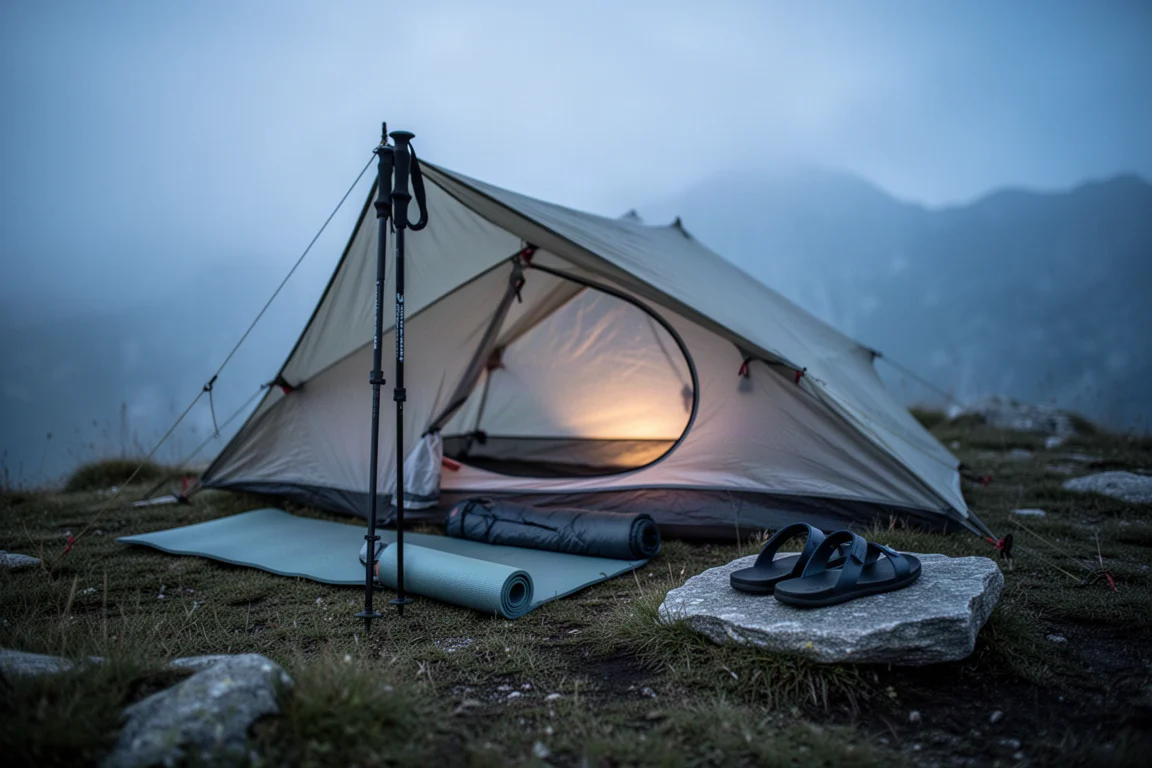
For anyone who has carried heavy camp shoes and resented the bulk, the appeal is obvious. They pack down to almost nothing, so packability is as much a feature as the weight itself.
MSR Groundhog Stake: Holding Power That Resists Bending
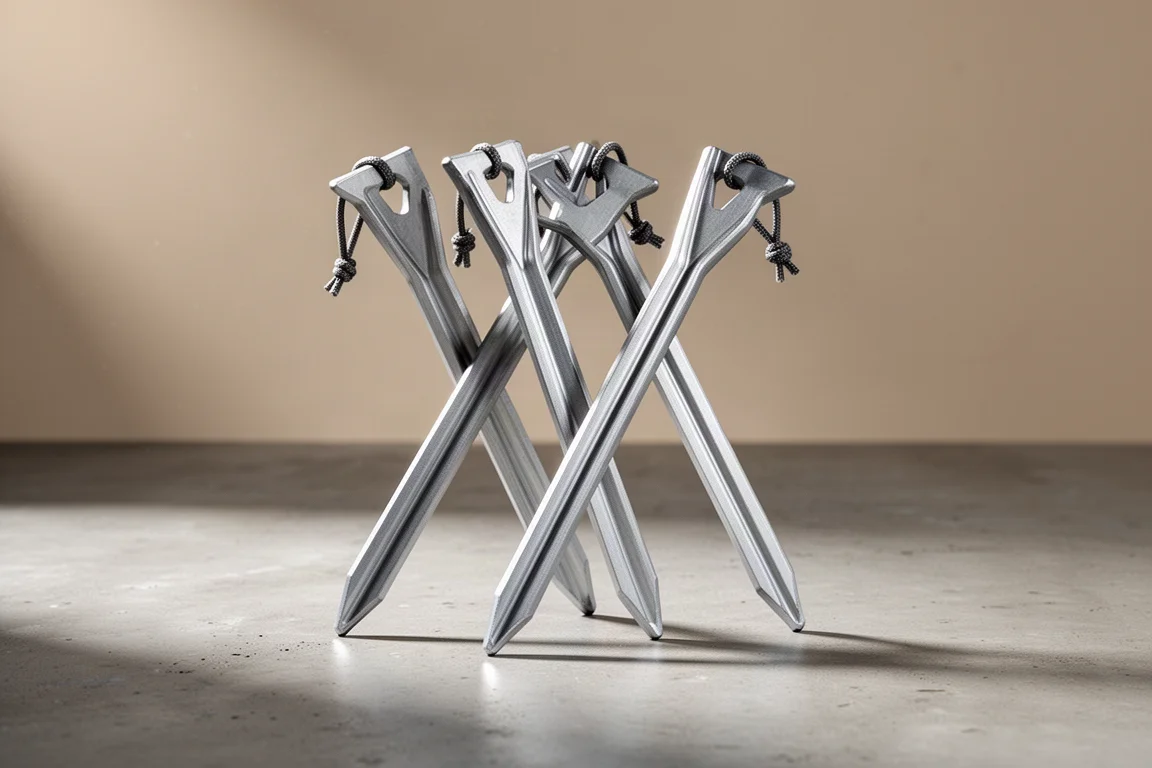
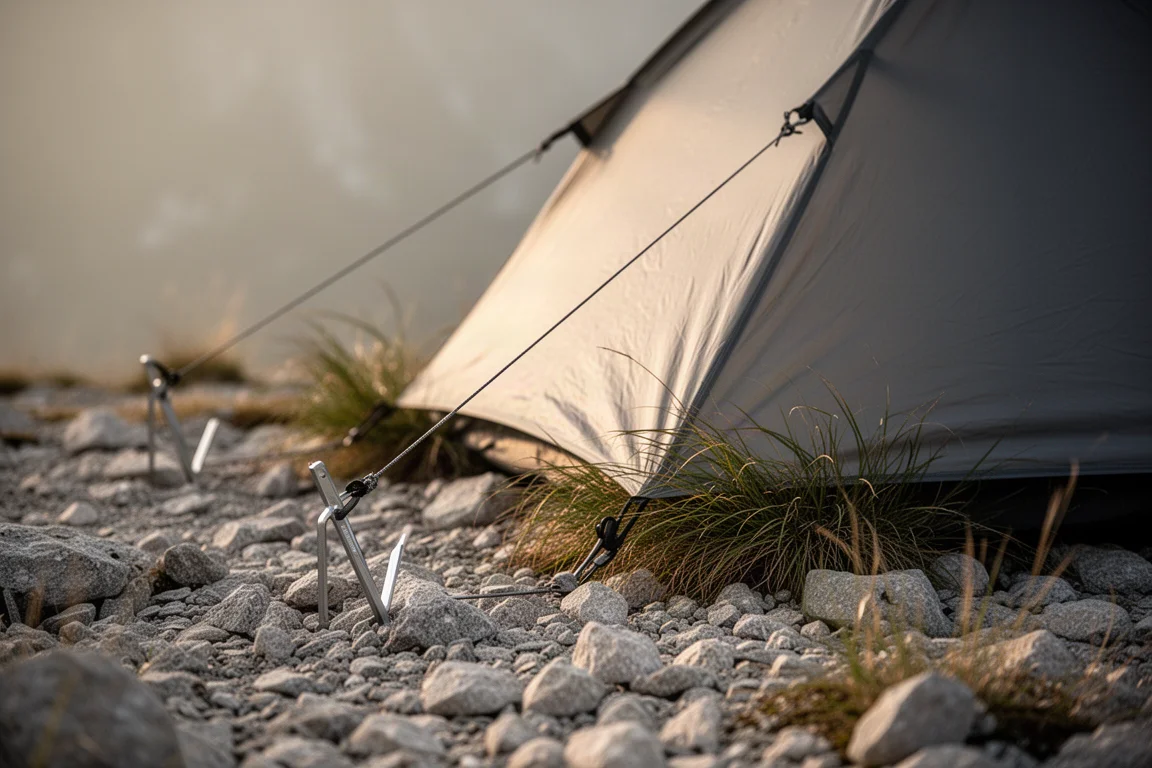
A tent stake has two jobs: go into the ground without bending, and stay there when the wind picks up. Ultralight titanium shepherd hook stakes are tempting on paper, but they can bend or pull free in the wrong conditions, and many hikers end up replacing them.
The full size MSR Groundhog stake has been used in hard ground and frozen ground without bending or breaking, and it holds well in soil, including sandy and loose ground where grip is usually the weak point. That combination of durability and holding power is why it tends to stay in the pack.
How These Three Items Work Together
These items cover three different moments in a backpacking day. The trowel handles the least glamorous task at camp, the sandals give feet a break once the hiking is done, and the stakes keep the shelter secure overnight.
Together they weigh very little, and each one removes a specific frustration: struggling to dig in rooty ground, putting hiking shoes back on at camp, and re-pitching a tent after a stake pulls out. That is the practical case for carrying all three rather than treating any of them as optional.
Buying Advice: Matching Gear to Your Trip
Priorities shift with the trip. On a long thru-hike, the trowel and the sandals are the items most likely to be used every single day, so the weight savings pay off continuously. On shorter trips in soft soil, a basic stake may be enough, and the trowel becomes the more valuable upgrade.
For anyone who camps in rocky, frozen, or sandy ground, the stake is the item to buy first, since a failed stake can mean a wet night. Hikers who already carry heavier camp shoes should look at the sandals, and anyone still digging cat holes with a rock or a boot heel should start with the trowel.
It also helps to think about pack organization. Small, light items are easy to keep accessible in an outer pocket, which means they actually get used instead of disappearing to the bottom of the pack.
Durability and Long-Term Value
Ultralight gear only saves weight if it survives. A trowel that bends on the first rocky site, sandals that split after a week, or stakes that deform in frozen ground all end up replaced, and the replacement is usually heavier than the original.
These three items were chosen for the opposite reason. The trowel has been used to pry rocks, the sandals have handled difficult terrain, and the stakes have held up in conditions that defeat lighter options. Paying once for gear that lasts is usually cheaper than paying twice for gear that does not.
Conclusion
None of these three items is dramatic, and that is the point. A 13.5 gram trowel, a 39 gram pair of camp sandals, and a tent stake that resists bending in hard ground each solve a small, recurring problem on a long trail.
If the goal is a lighter pack that still works when conditions get difficult, these are sensible places to start.
Further reading
Related Reviews

Backpacking Gear
Building a 10 lb Base Weight: An Ultralight Backpacking Gear List
A practical walkthrough of the ultralight pieces behind a 10 lb base weight, from a 765 g pack and a roomy one-person tent to a full camp chair and a dependable water filter.
Backpacking Gear
A 15-Pound Lightweight Backpacking Gear List for Solo Trips
A beginner-friendly 15-pound backpacking setup built from easy-to-find gear, with notes on what each piece does, how it packs, and where to spend your attention.
Backpacking Gear
8 Ultralight Backpacking Gear Upgrades Worth Carrying
Eight small, affordable backpacking upgrades that solve real trail annoyances, from a pillow that stays put to a fuel valve that rescues leftover canister gas.