Astrophotography Gear
The Ultra-Mobile Deep Space Kit: Six Products That Make Astrophotography Simpler
A four-piece astrophotography rig plus two travel companions that make hauling and recording the whole night sky session easier than ever.
Introduction
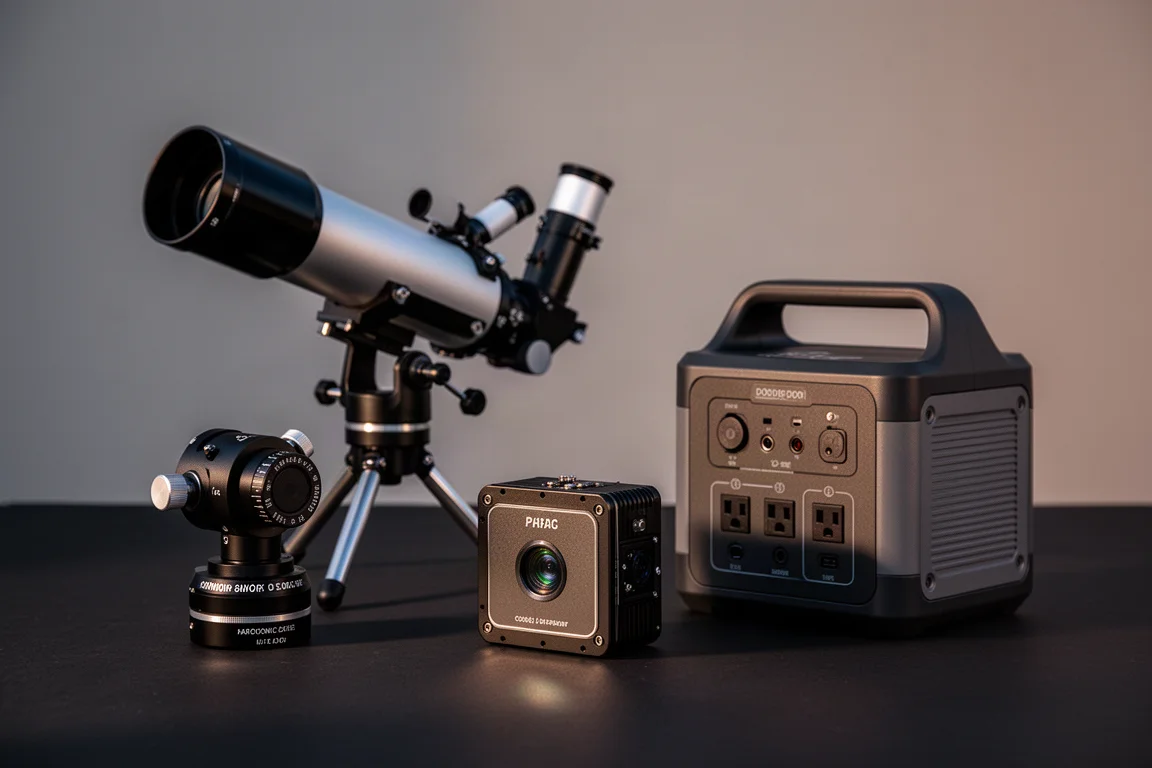
Deep space astrophotography kits have a reputation: heavy, complex, and cabled to the point of frustration. That has changed quickly in the last few years. There are now mounts with no counterweights, cameras with built-in guiding, telescopes with corrector elements designed in, lightweight high-capacity batteries, and even an astro computer built directly into the camera.
This roundup assembles the ultimate mobile, high-tech deep space kit around four core products, then adds two supporting items that make the whole adventure genuinely portable. The goal: a setup you can carry to a dark spot, deploy quickly, and run from a single mobile device.
How the Kit Fits Together
The core of the rig is just four items. The Apertura All Night Imaging Supply powers everything. The ZWO AM3 Harmonic Drive Mount tracks the stars. The Askar 71F focuses light onto the ZWO ASI2600 MC Air, which is a camera, a guider, and a computer all in one. That is the entire kit.
Fewer items means fewer cables, fewer failure points, and less to worry about in the field. The whole system is controlled from the ASIAir app on a mobile device, which guides you through polar alignment, focusing, go-to slewing, and imaging sequences.
Power: Apertura All Night Imaging Supply
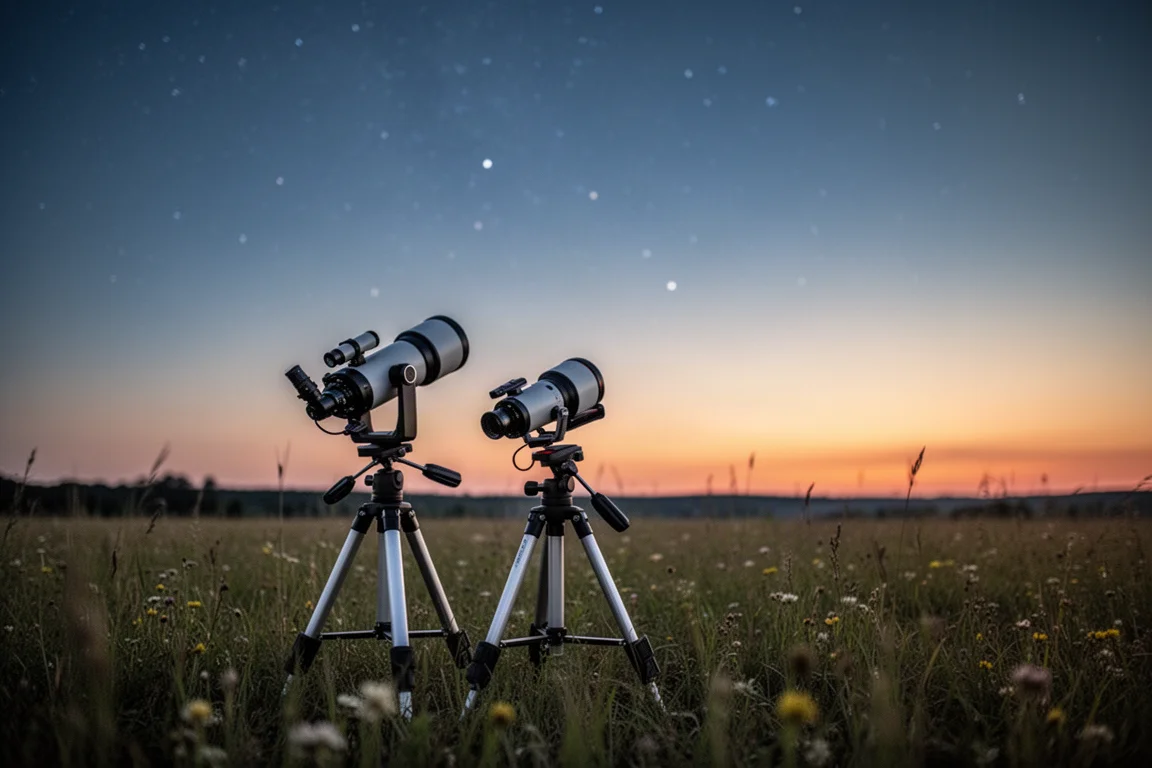
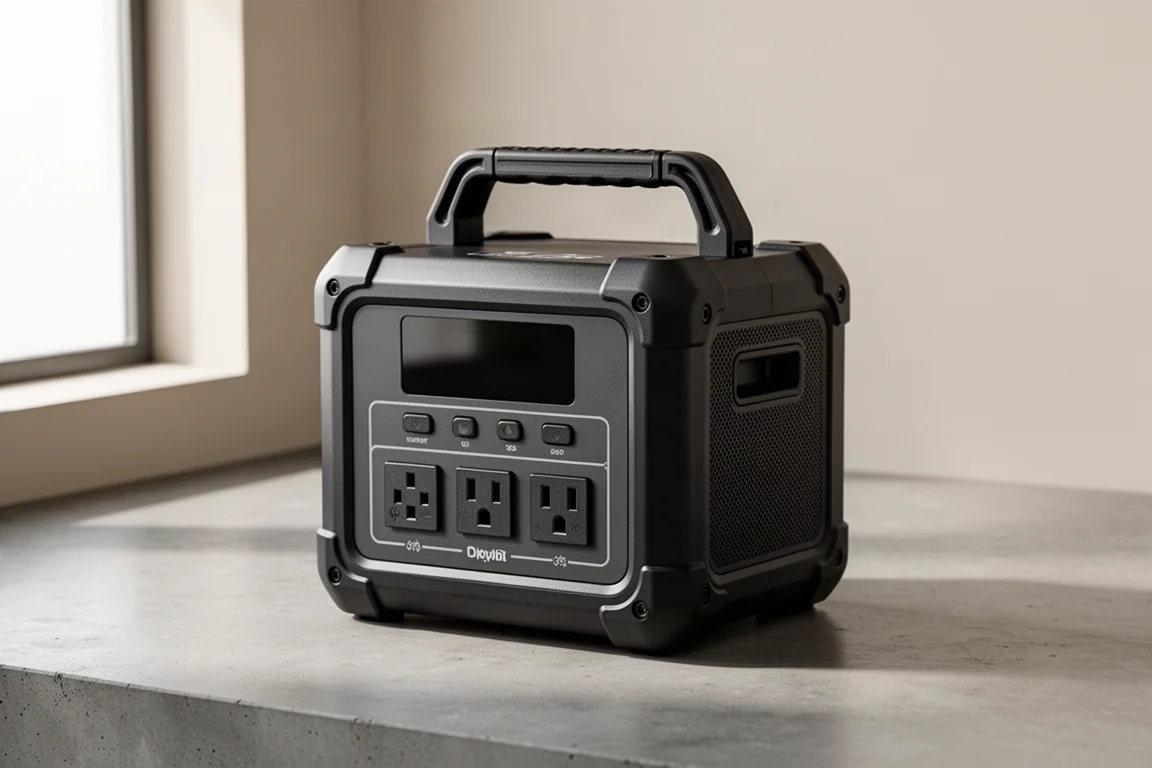
The All Night Imaging Supply earns its name. On one charge it lasted multiple nights of imaging in testing, and even after a full night of use with no recharge it still sat at 85 percent. Three separate power buttons each control a set of ports, so you can connect everything, get it ready, and only switch on the ports you need when night actually falls. It also offers USB output, which runs the dew heater strap that keeps condensation off the telescope’s front element in humid climates.
One small quirk: the USB ports shut themselves off if they do not detect a load, so make sure the connected device’s own switch is on before assuming something is broken.
Tracking: ZWO AM3 Harmonic Drive Mount
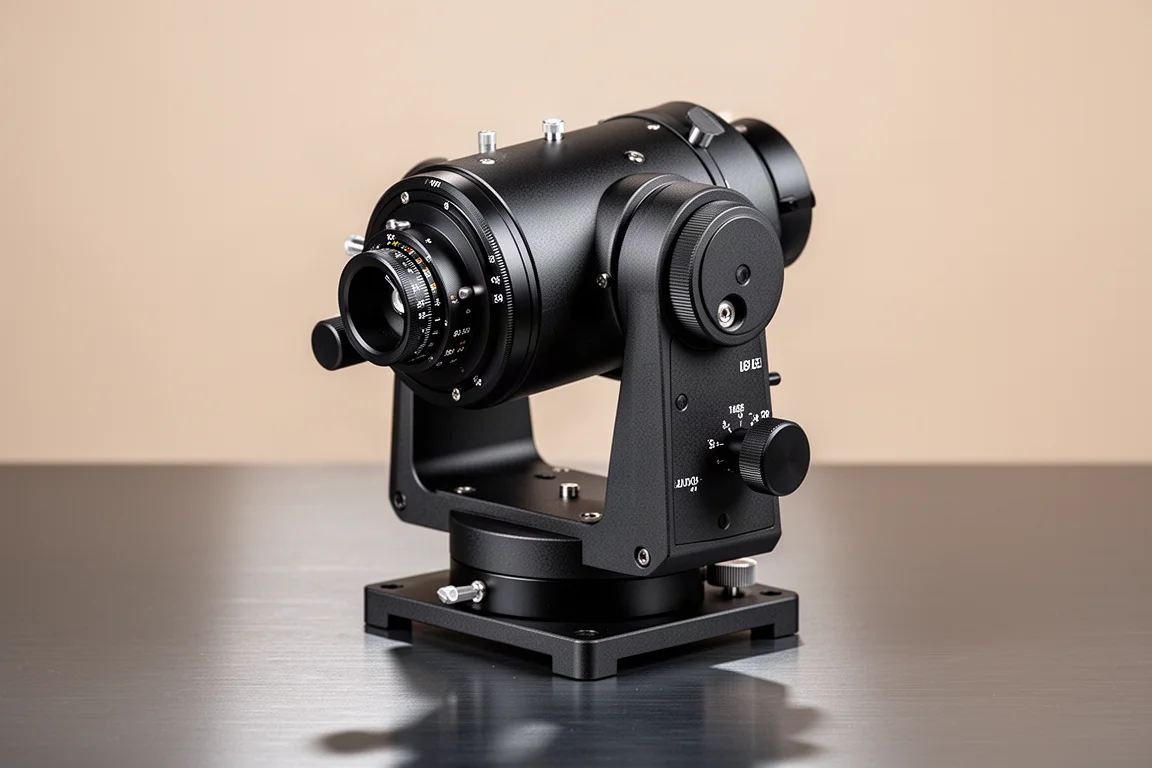
The AM3 is a harmonic drive mount, which means no counterweights and no tedious balancing. Attach the head to the tripod, rotate it roughly north using the compass on your phone, lock it down, add the tripod spreader underneath, and you are close enough to start. The ASIAir polar alignment routine handles the precision from there, and an all-sky polar alignment feature exists for when Polaris is not visible.
ZWO recommends short guide exposures with this mount, and it recovers quickly from aggressive dithering, which means high dither settings cost almost no imaging time.
The Telescope: Askar 71F
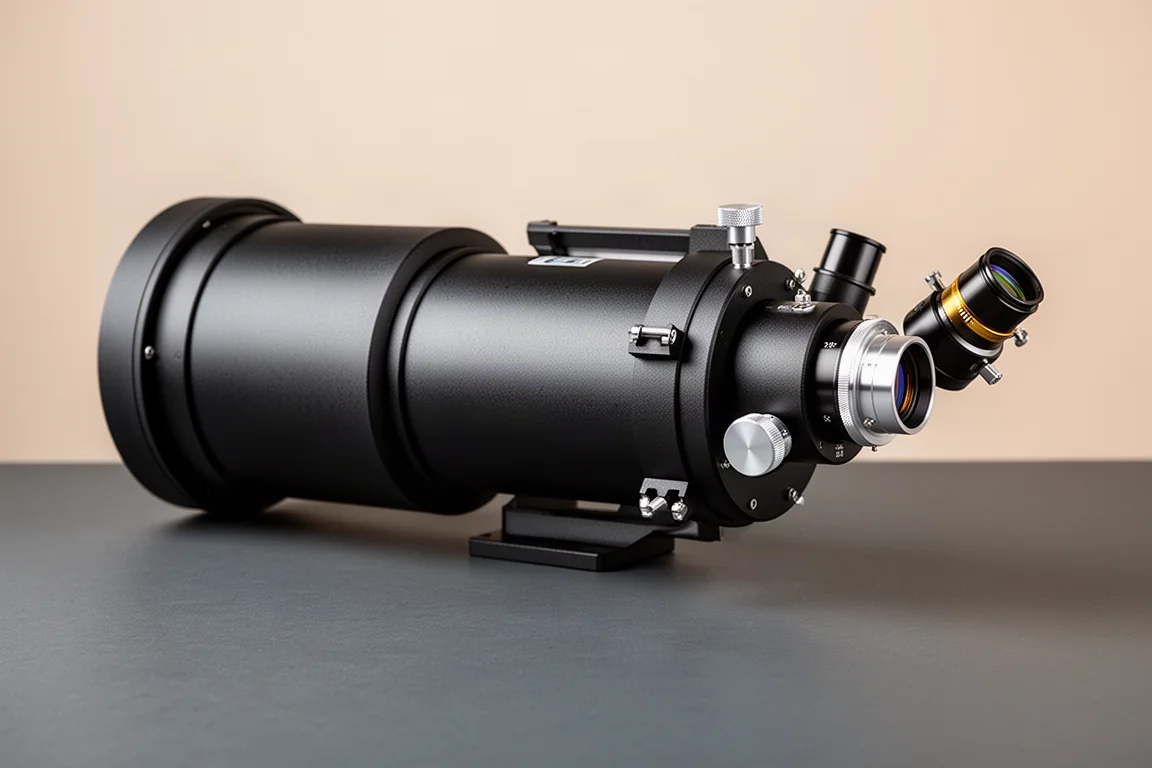
The Askar 71F is a quadruplet with the corrector elements built in, so there is no external field flattener to attach and no strict 55 mm backspacing requirement. As long as you can reach focus, correction is at its best. The telescope ships with a Vixen-style dovetail plate and photographic adapters, and paired with the supplied spacer stack it reaches focus with the focuser racked out to roughly 3 cm.
A 10:1 reduction knob, also called the fine focuser, makes final focus adjustments precise, and a locking thumb screw on the bottom of the focuser holds the position in place.
Camera, Guider, and Computer in One: ZWO ASI2600 MC Air
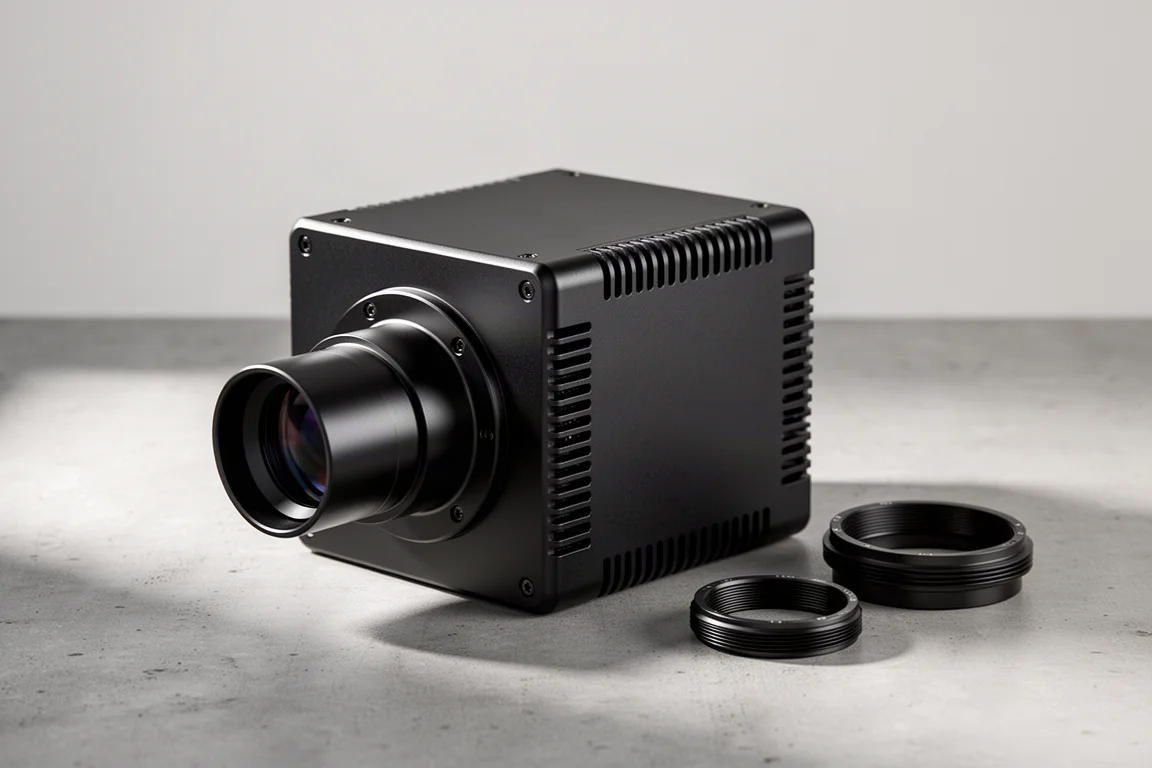
This is the piece that collapses the most complexity. The ASI2600 MC Air contains a main imaging sensor, a separate guide sensor, and a built-in computer running the ASIAir system. Both sensors sit inside one body, so the main scope and guide scope share the same 490 mm focal length of the telescope. Setup comes down to two power cables from the battery and one USB data cable from the mount.
In practice the first three-minute exposure of the night showed tight stars, no apparent color fringing, and low noise. For this camera, gain 100 is a dependable setting for broadband and narrowband work alike, and cooling to -10 Celsius is easy to hold on a cold night.
Getting There: Heybike Mars 2.0
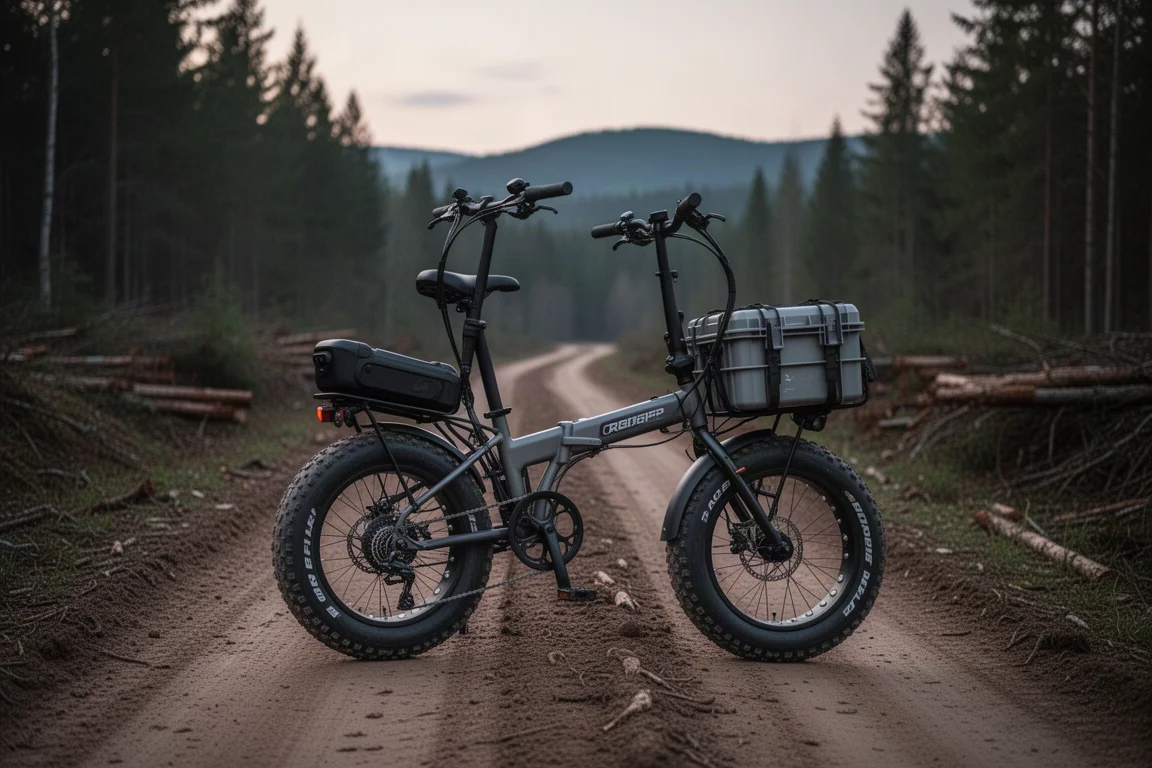
Proving how mobile the kit really is means skipping the car. The Heybike Mars 2.0 is a fat tire, foldable ebike with suspension, well suited to rough old logging roads that you would not want to take a car down. It has a 330 lb max load, with up to 120 lbs carried on the rear rack, which is enough for a full astrophotography rig strapped down with ratcheting straps. Assembly takes about an hour, with all tools and instructions supplied.
Pedal assist uses a torque sensor and a cadence sensor, so pedaling harder makes the bike go faster and pedaling gently slows it, with no throttle twisting required. Handlebar controls cover pedal assist levels, headlights, a horn, and normal gear shifting, and a smartphone app handles settings plus ride tracking. If the battery dies, it still pedals like a regular bike.

Recording the Ride: Hollyland Lark M2
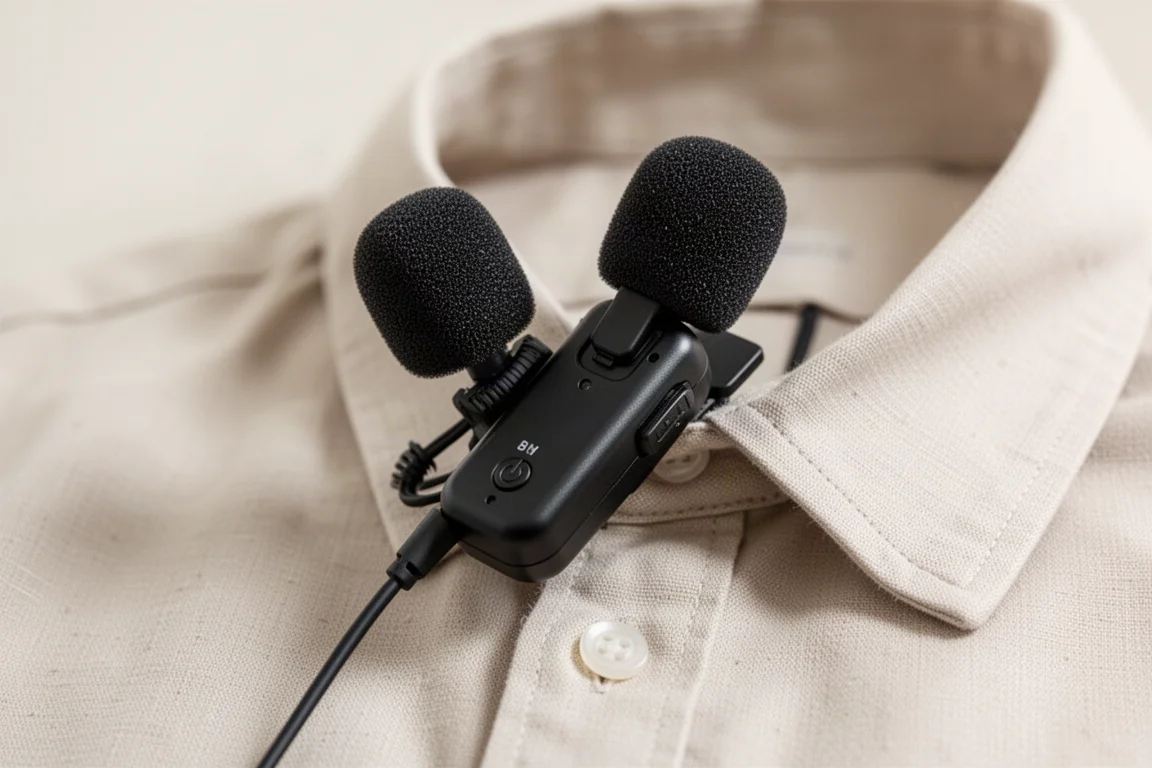
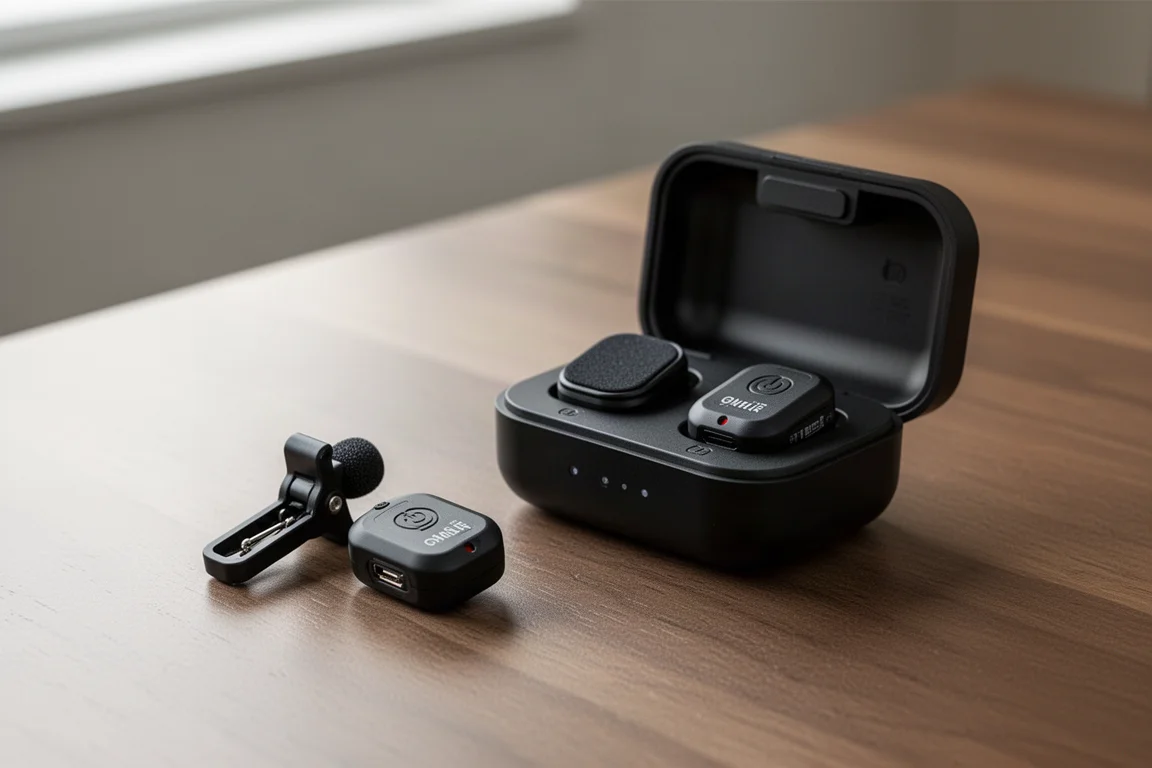
The Lark M2 is a wireless lavalier microphone kit with two transmitters and a range of receivers for Android phones, iPhones, and cameras, recording 48 kHz 24-bit audio. Each transmitter weighs just nine grams with a strong magnet on the back, and the kit includes a charging case. Battery life held up through an entire day of recording while camera batteries were swapped twice.
Hollyland estimates up to 1,000 ft (300 m) of outdoor range, which held up when tested at roughly that distance down a road. Built-in antennas cancel interference the human body would normally create, and environmental noise cancellation can be enabled in the app, useful on a windy ebike ride.
The Imaging Session: Targets and Workflow
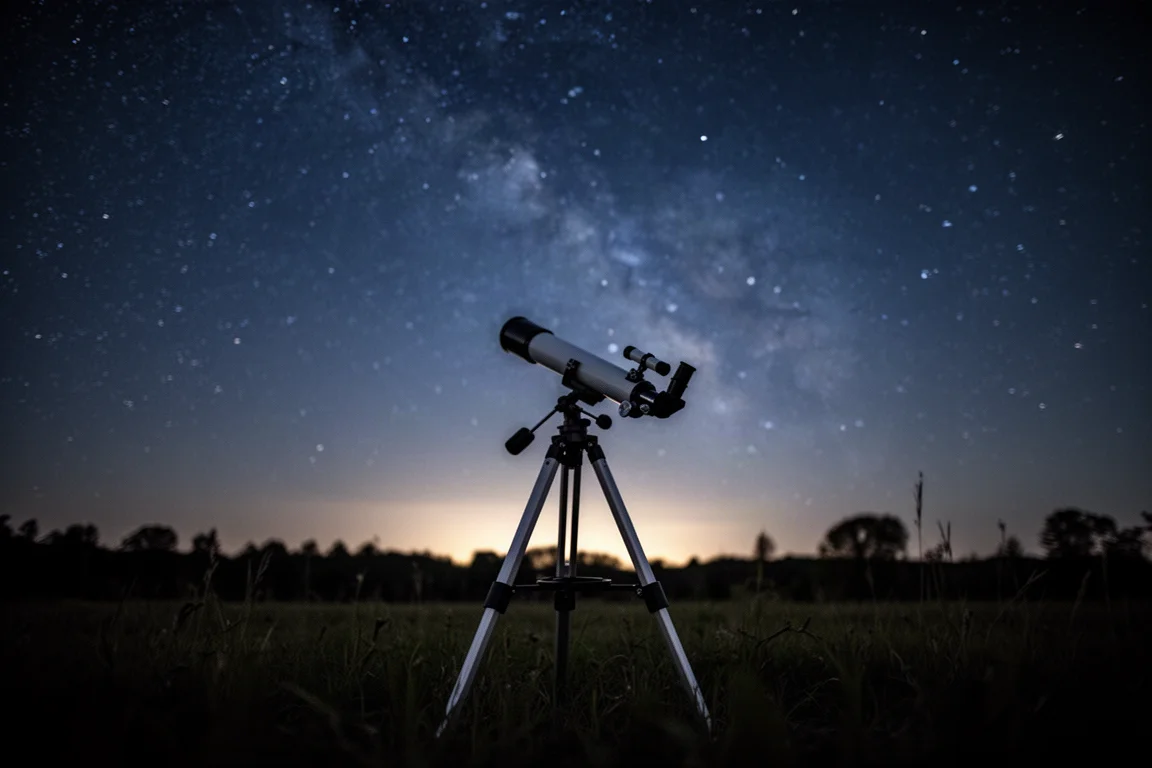
With everything set up, the workflow is refreshingly simple. Connect to the camera’s Wi-Fi network, open the ASIAir app, and work through polar alignment, focus, and go-to. A Bahtinov mask makes focus checking quick, and taking a 10-second test exposure after locking focus is a good habit that catches the forgotten-mask mistake before it ruins your first three-minute sub.
The auto run mode handles a sequence of 30 three-minute exposures at a tap, with meridian flip enabled, and the plan mode exists for fully unattended nights hopping between objects. Over one clear night, the kit moved from the Andromeda Galaxy to the Pleiades and finished at 3:15 a.m. with the Orion Nebula rising above the treeline, delivering clean frames at every step.
Overall Buying Advice
If portability is your priority, this combination shows what modern gear can do: four core items, a handful of cables, and full control from your phone. The camera with built-in guiding and computing is the biggest simplifier, the harmonic drive mount removes counterweight hassles, and the integrated-corrector telescope removes adapter guesswork. Add a high-capacity power supply and the kit runs all night. The ebike and the wireless mic are optional extras, but they round out a genuinely mobile imaging adventure.
Conclusion
Ultra-mobile deep space astrophotography is no longer a compromise. With the right four-piece core kit, you can leave the car behind, set up in a meadow in minutes, and come home with clean images of the Andromeda Galaxy, the Pleiades, and the Orion Nebula in a single night.
Further reading
Related Reviews
Backpacking Gear
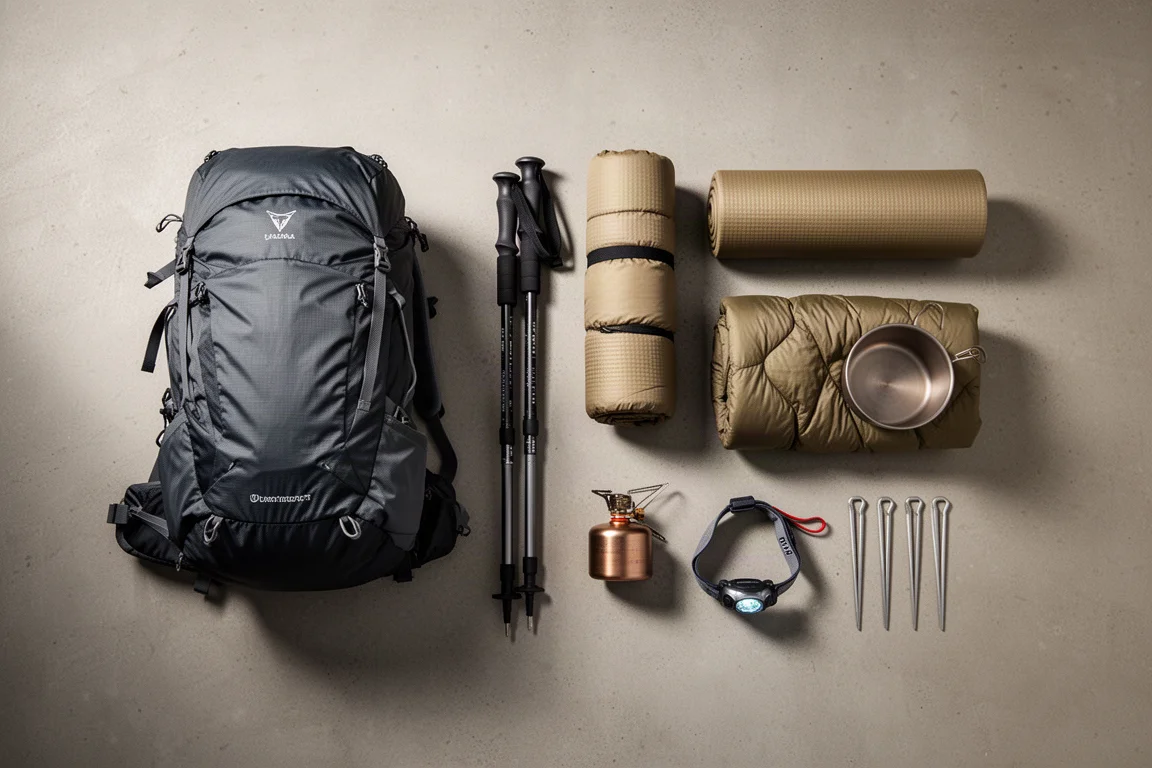
Building a 10 lb Base Weight: An Ultralight Backpacking Gear List
A practical walkthrough of the ultralight pieces behind a 10 lb base weight, from a 765 g pack and a roomy one-person tent to a full camp chair and a dependable water filter.
Road Bikes
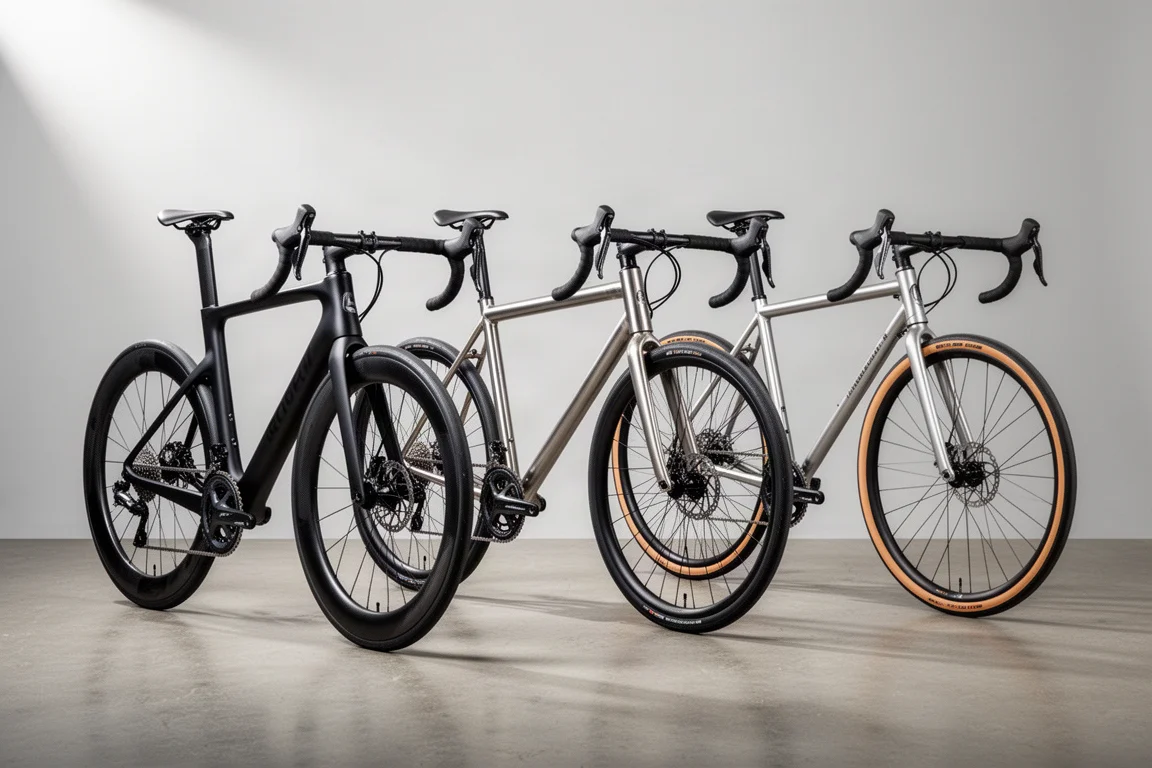
10 New Road Bikes Worth Watching: Aero, Titanium, Steel and Endurance Standouts
A practical roundup of 10 new road bikes, from aero flagships chasing single-watt gains to titanium, steel and endurance platforms built for real roads.
Bikepacking Gear
11 Bikepacking Essentials for Long-Distance Cycling
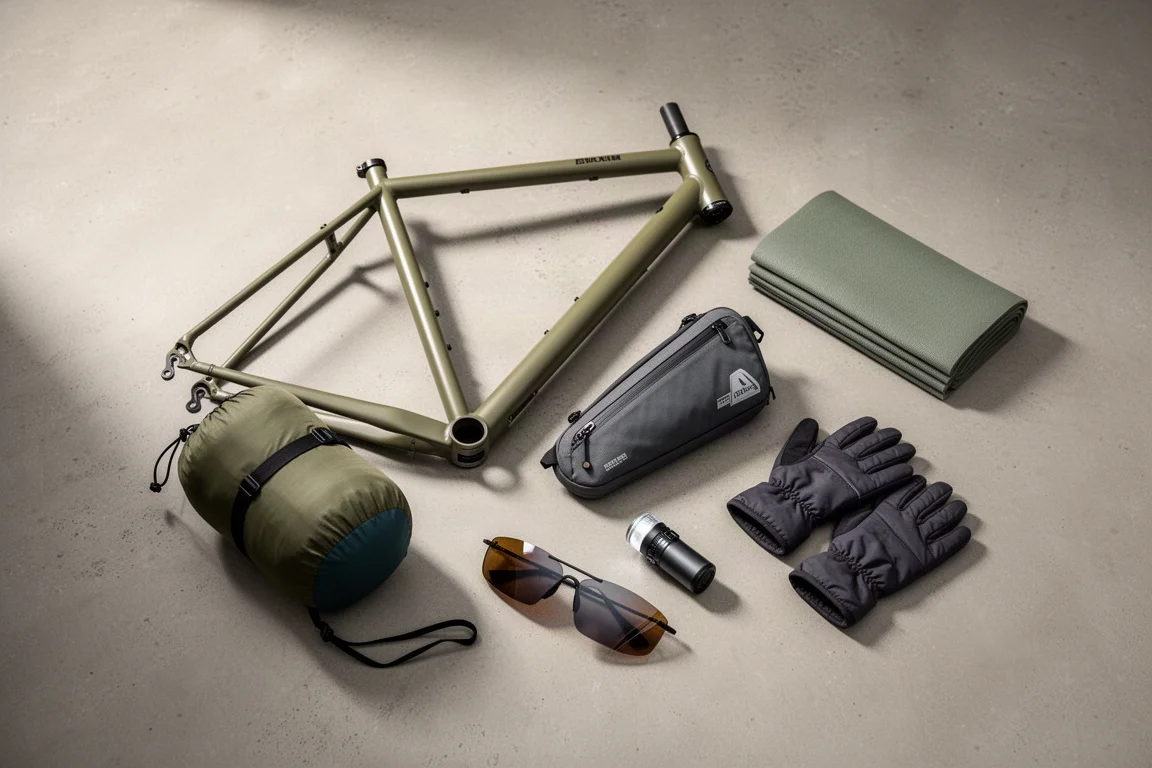
Eleven bikepacking essentials for long-distance cycling, from a steel gravel frame and a two-person tent to helmet lights, packable gloves, and a frame bag that puts weight in the right place.