Gravel Cycling
Ultra-Distance Gravel Bike Build: 7 Components for a 2,700 km Ride
A 2,700 km unsupported gravel build broken down part by part, from a suspension-ready carbon frame to dynamo wheels, wide tires and a wide-range drivetrain.
Introduction
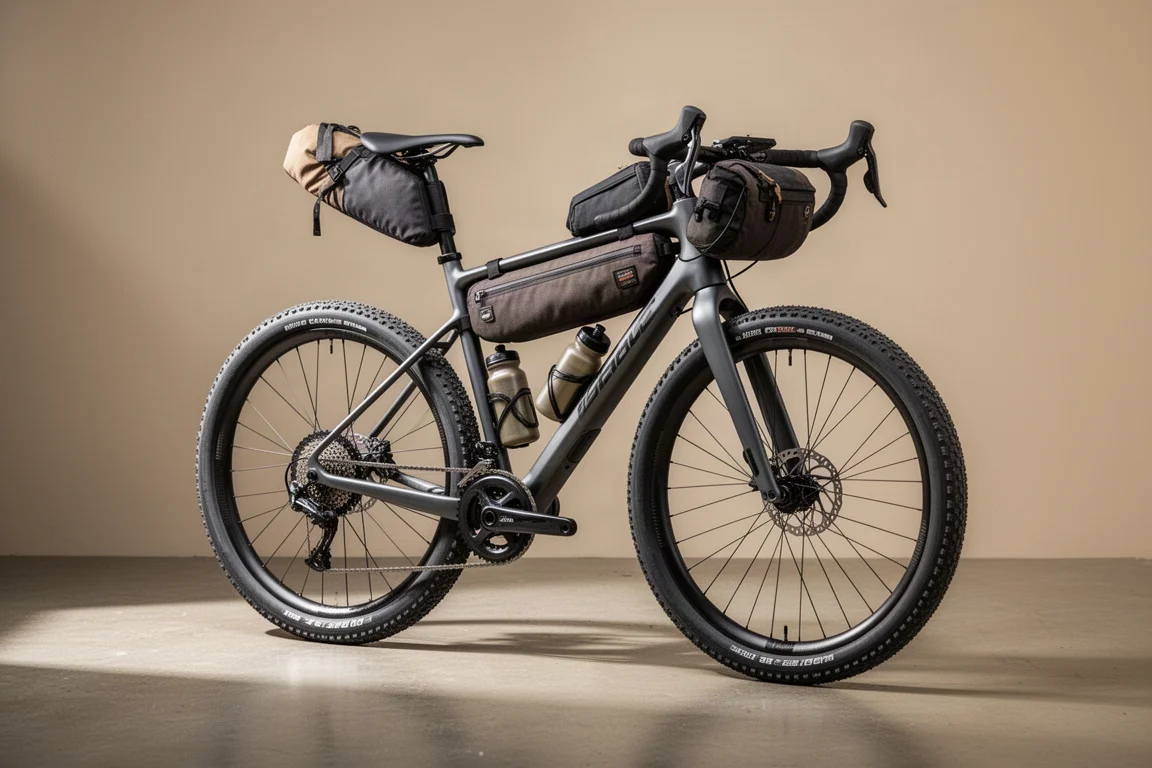
Some builds are about going fast. This one is about finishing. The brief behind this gravel setup was a 2,700 km unsupported ride from Chile to the southernmost point of Argentina, and that shapes every decision on the list: comfort over outright speed, reliability over low weight, and simple systems that can be kept running far from a workshop.
The result pairs a carbon gravel frame with a short-travel suspension fork, a dynamo-charged wheel setup and an electronic drivetrain with a wide gear range. Here is how each component contributes, and what is worth weighing up if you are planning something similar.
What This Build Is Designed For
Three priorities shaped the choices. The first is fatigue management. A ride measured in weeks puts a premium on contact points, front-end comfort and a riding position that can be held for hours at a time. The second is electrical independence. Lights, navigation and phones all need power, and a battery bank that failed on an earlier event made this a non-negotiable requirement. The third is durability and serviceability: parts that can be swapped, charged or packed without specialist tools.
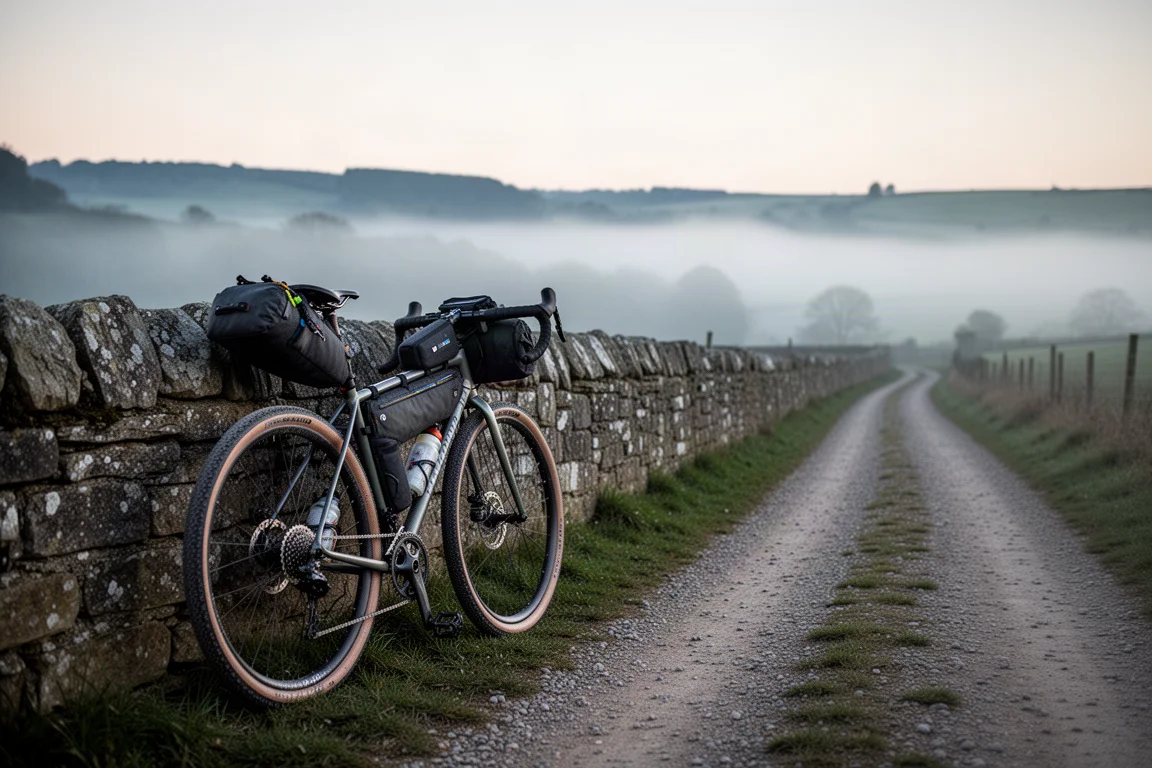
Together those priorities point towards a particular kind of gravel bike, one with clearance for wide tires, plenty of mounts for bags and bottles, and geometry that stays predictable when the surface turns rough. The event organisers recommend tires between 40mm and 50mm, which is a useful starting point for anyone building for the same route.
Frame: Parlee Ta
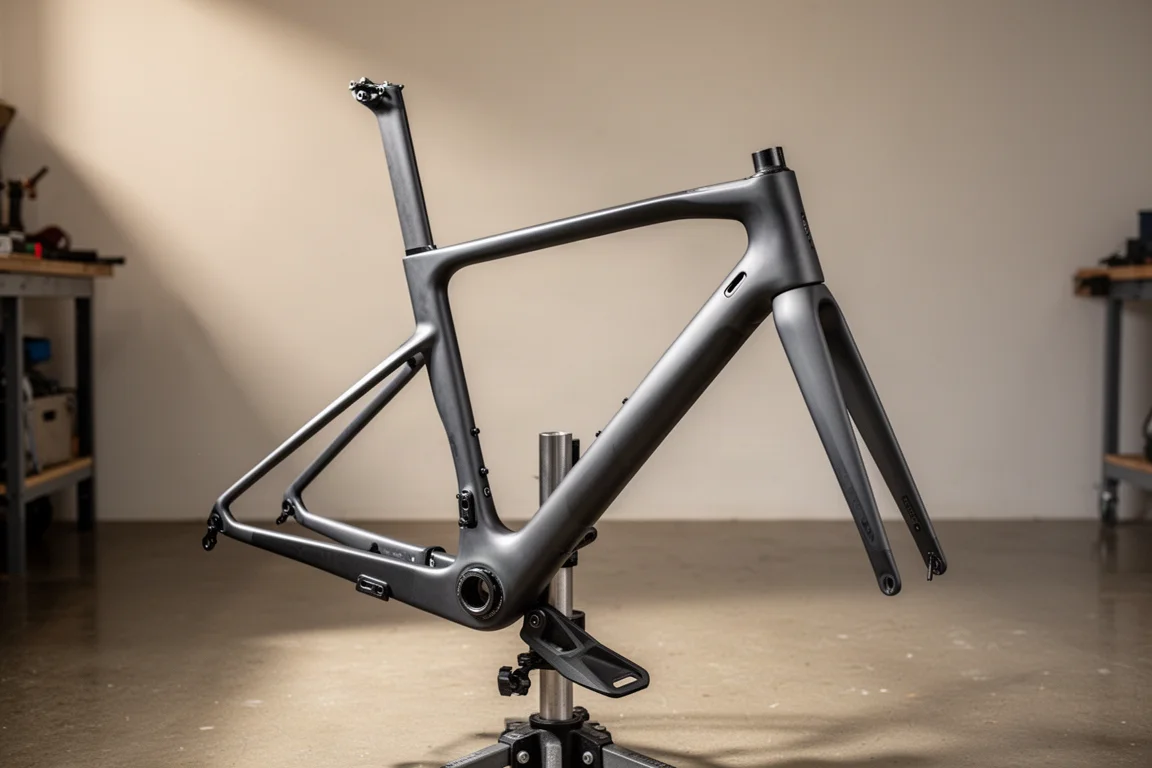
The Parlee Ta is the foundation of the build. It is a carbon gravel frame with a distinctly progressive fit: a higher stack and a shorter reach than a conventional race-oriented gravel bike, along with a strongly sloping top tube that gives it a silhouette closer to a mountain bike frame. In practice that means a more upright, less strained position for the back, neck and shoulders across long days, while the drops still allow a lower, faster posture when the road opens up.
Clearance is generous enough for 50mm tires, which sits at the top of the recommended range and leaves room for mud. The rear dropout uses a UDH interface, which allows a modern wide-range gravel drivetrain to be fitted, and the frame carries a useful set of mounts and bash guards for bags and bottles.
The detail that matters most here is that the frame is designed around a suspension fork. The rigid fork supplied with the frame has the same axle-to-crown length as the suspension fork used on this build, so stack, reach and head angle stay exactly as intended. On most gravel bikes a shorter rigid fork means that fitting suspension lifts the front end, raises the bottom bracket and slackens the head angle, which changes how the bike handles. This frame avoids that compromise entirely, and only a small number of gravel bikes are designed from the outset to accept a suspension fork.
Fork: RockShox Rudy
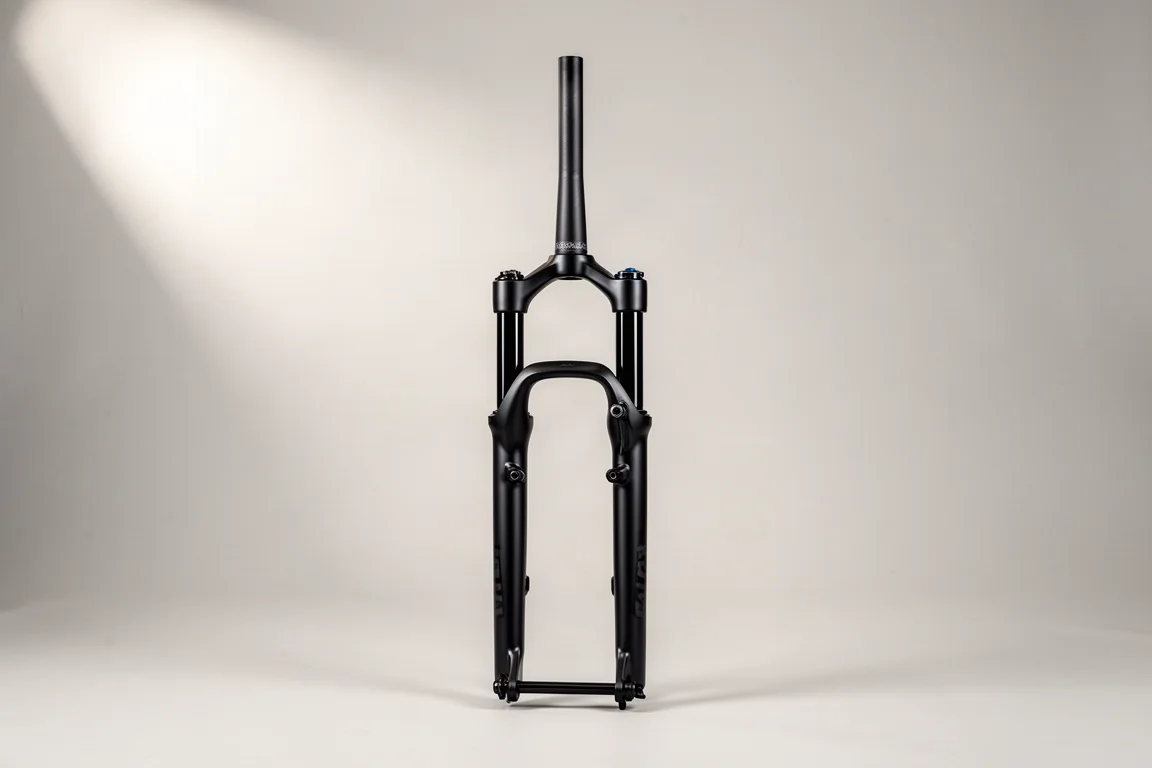
The RockShox Rudy brings 40mm of travel to the front of the bike, roughly double what a suspension stem provides, and it sits below the head tube rather than above it, which feels more natural under the hands and keeps the front end working as a single system. A suspension stem used on a shorter, rougher event had delivered real comfort benefits before failing partway through, which pushed the decision towards a proper fork.
The purpose is straightforward: reduce the accumulated fatigue, soreness and aches that rough gravel delivers over weeks of riding. In normal riding the fork is barely noticeable, doing its work quietly underneath the rider. The extra weight is real, but it is not a priority on a bike that will be loaded with bags and water regardless, so the comfort gain is worth far more than the grams cost.
Wheels: Hunt Limitless Carbon with a Dynamo Front Hub
Wheels were the trickier decision, because the requirement was unusual: a dynamo front hub. The dynamo powers a front light and, more importantly, a USB port that can top up a battery bank, a phone or a navigation computer while riding. The plan is to run two smaller battery banks rather than one large one, keeping one charged from the dynamo during daylight hours and using the other for devices, cameras and everything else that needs electrons.
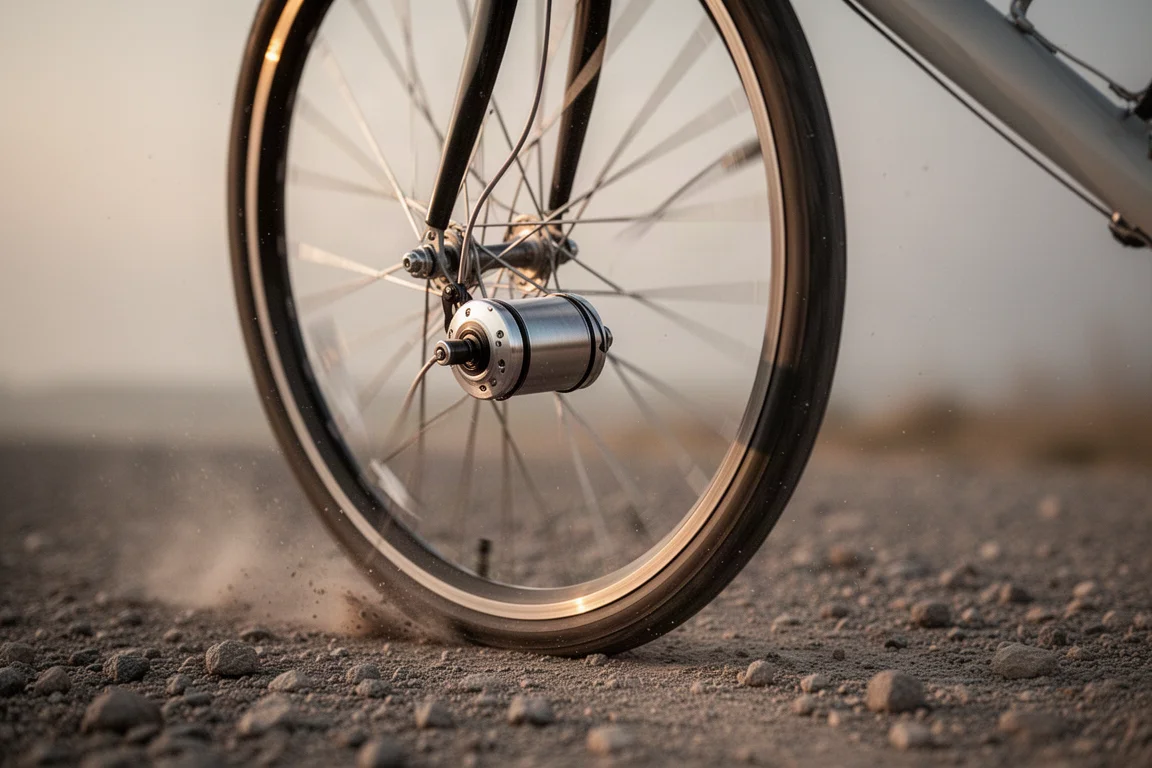
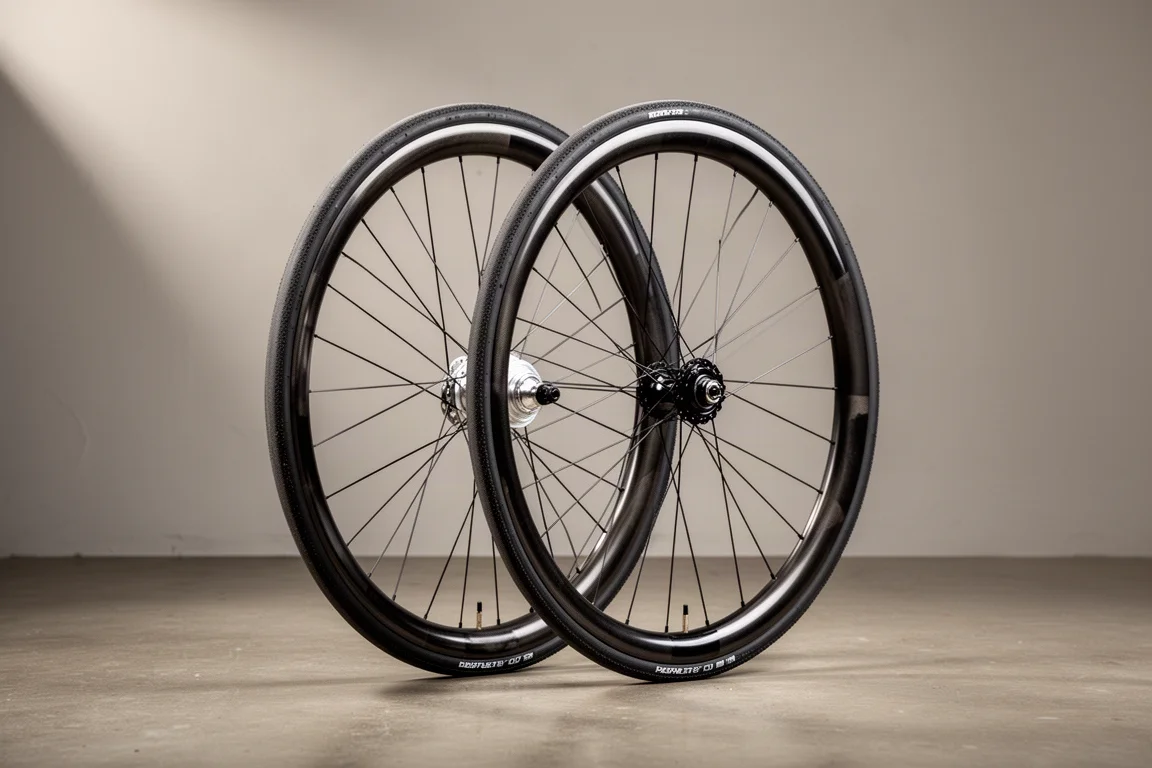
Off-the-shelf wheelsets built around a dynamo front hub are rare, and Hunt is one of the brands that offers one. The Limitless carbon rims are also wide, which matters for tire shape: a 47mm tire measures close to 50mm once mounted on them. The trade-offs are the added weight and complexity of a dynamo hub, plus the need for a compatible light or charging setup to make full use of it. For a route where charging points are unpredictable, that is a fair exchange.
Drivetrain: SRAM Force XPLR
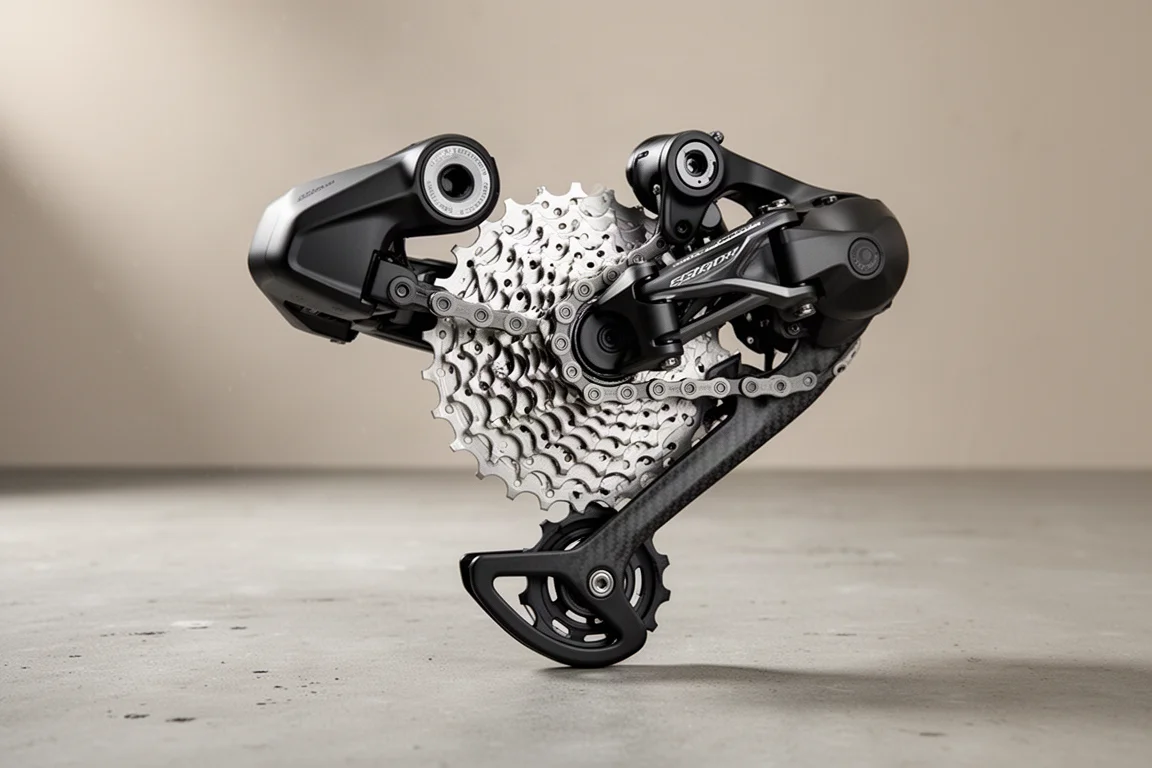
The SRAM Force XPLR groupset was chosen for range and reliability rather than weight. The gearing spread suits loaded riding on long climbs, and the system runs on removable batteries, so spares can be carried, swapped or charged without dismantling anything at the roadside. The rear derailleur mounts to the frame’s UDH interface, a robust arrangement that is far less likely to bend a hanger in transit or in a fall.
Crank length is 170mm, and the revised hood shape and brake lever feel were a significant part of the appeal. Hand position matters enormously when the bars are the main contact point for weeks at a time, and the ergonomics here are a genuine improvement rather than a detail. The main consideration is the usual one for an electronic drivetrain: the system depends on charged batteries, so a charging plan is part of the build.
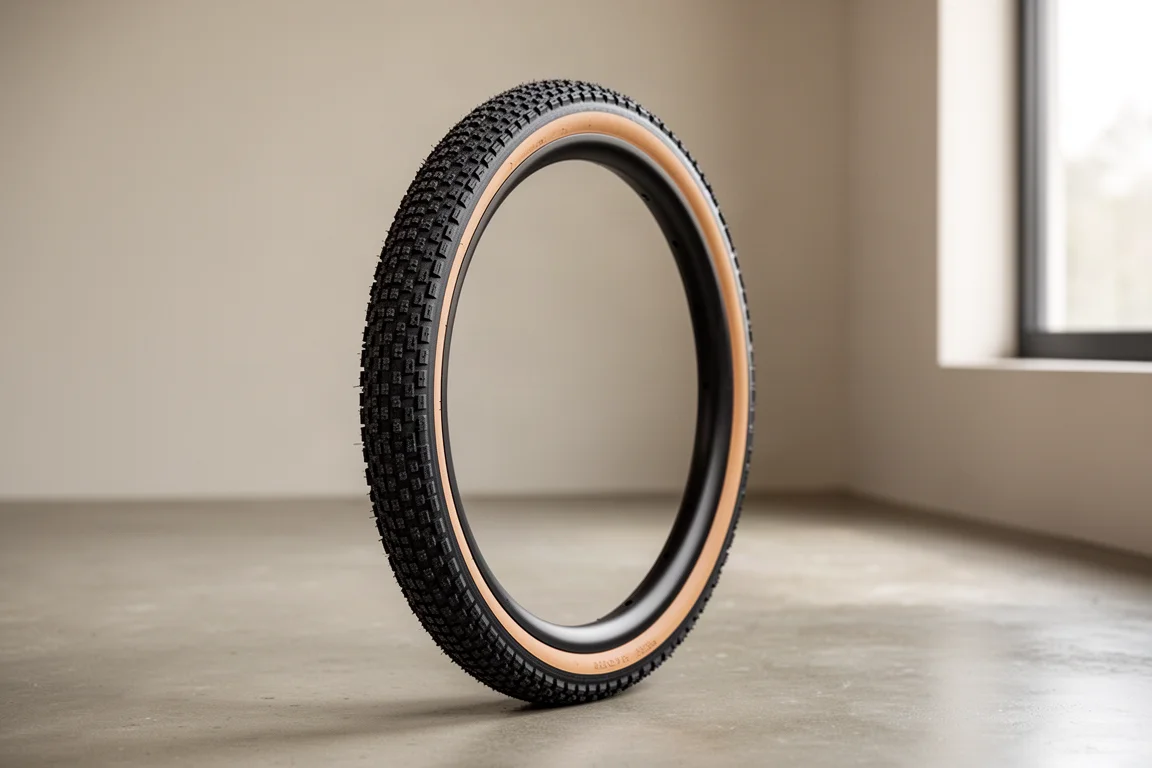
Tires: Michelin Power Gravel
The Michelin Power Gravel in 47mm is currently fitted, and on these wide rims it measures close to 50mm, which effectively maxes out the frame’s clearance. The tires roll well on both tarmac and gravel and do not feel slow, and the near-50mm effective size is a sensible choice for comfort given the recommended 40mm to 50mm window.
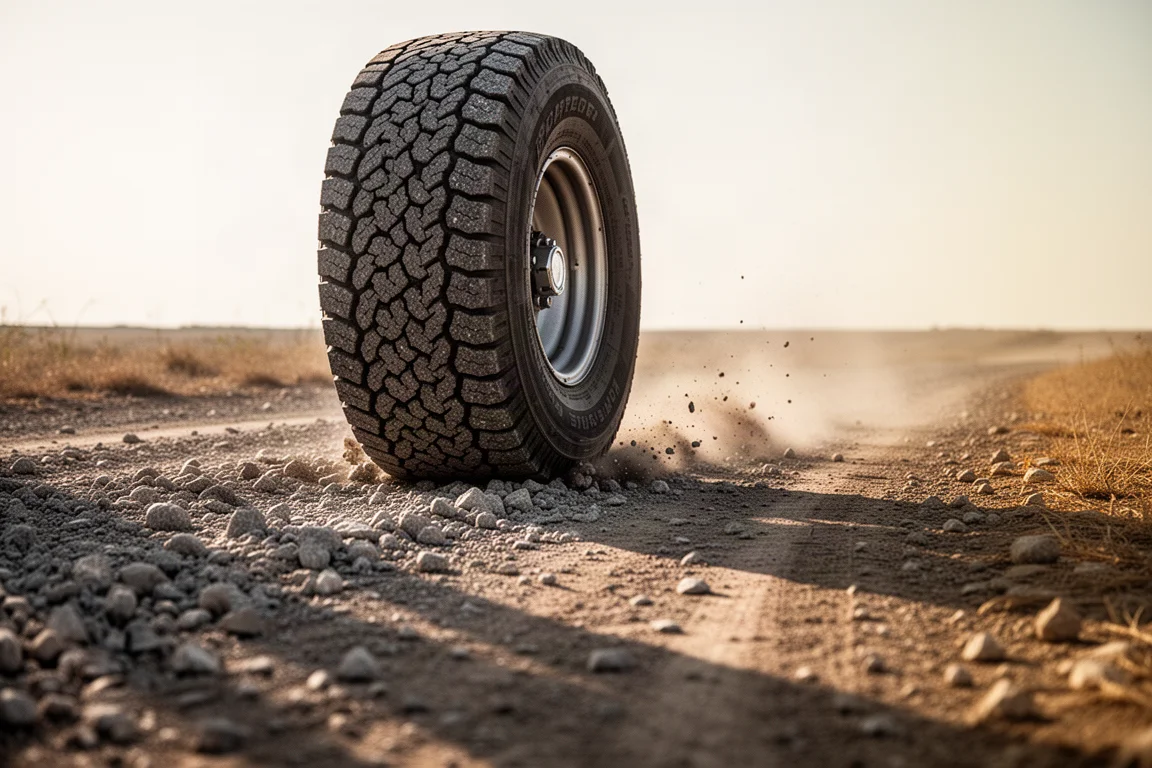
The open question is durability. A route this long and this remote rewards a tire that resists punctures, and carrying a little extra weight in a thicker casing is a trade worth making if it reduces the chance of a repair by the side of the track. Whether this tire is tough enough for that challenge, or too delicate for the terrain, is the decision still on the table, which is why a final tire choice is being left until after further shakedown rides.
Stem: FSA SMR
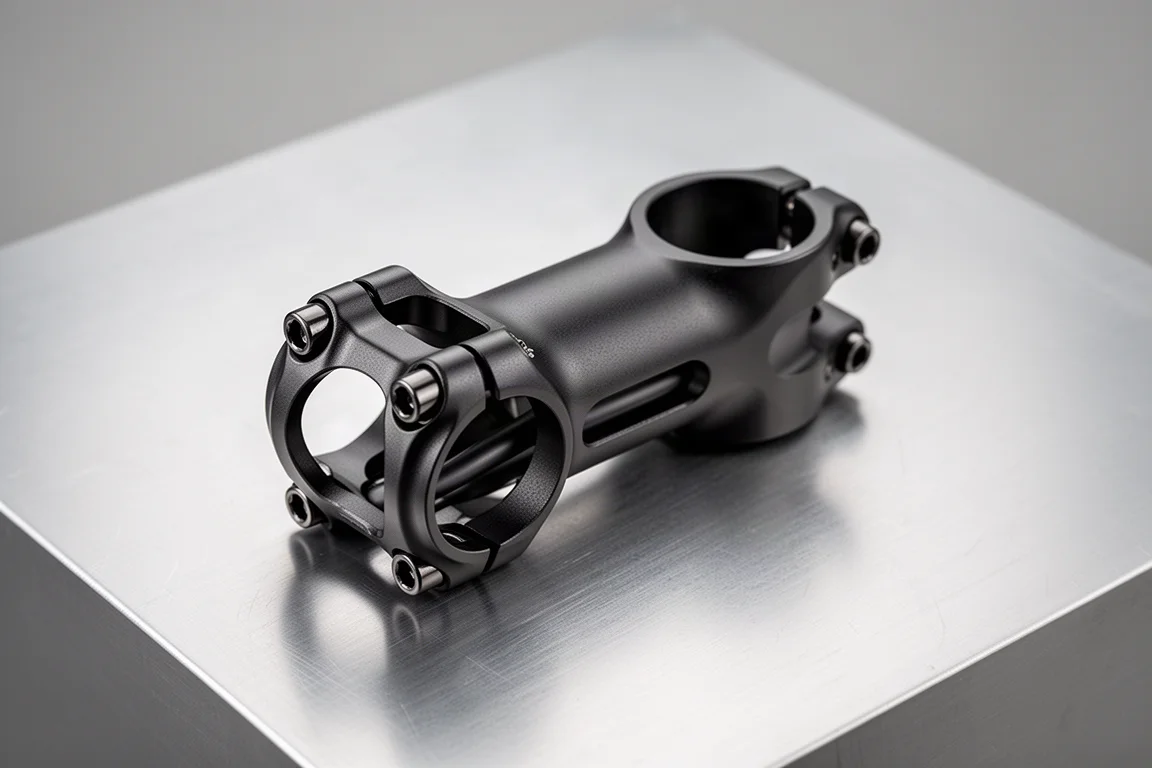
The FSA SMR stem uses semi-internal routing. The brake hoses run externally from the handlebar and only the rear hose passes inside the frame beneath the stem. That is a deliberately practical arrangement for a bike that has to be boxed and reassembled for travel, since there is far less hose to manage when the bike is packed, and the routing stays accessible for checks and adjustments on the road.
It is a small component, but it is the kind of detail that decides whether a build is pleasant to live with over months of preparation and travel. Clean routing at the front end also keeps the bar area free for the accessories that a long-distance setup collects.
Saddle: Fizik Argo Adaptive
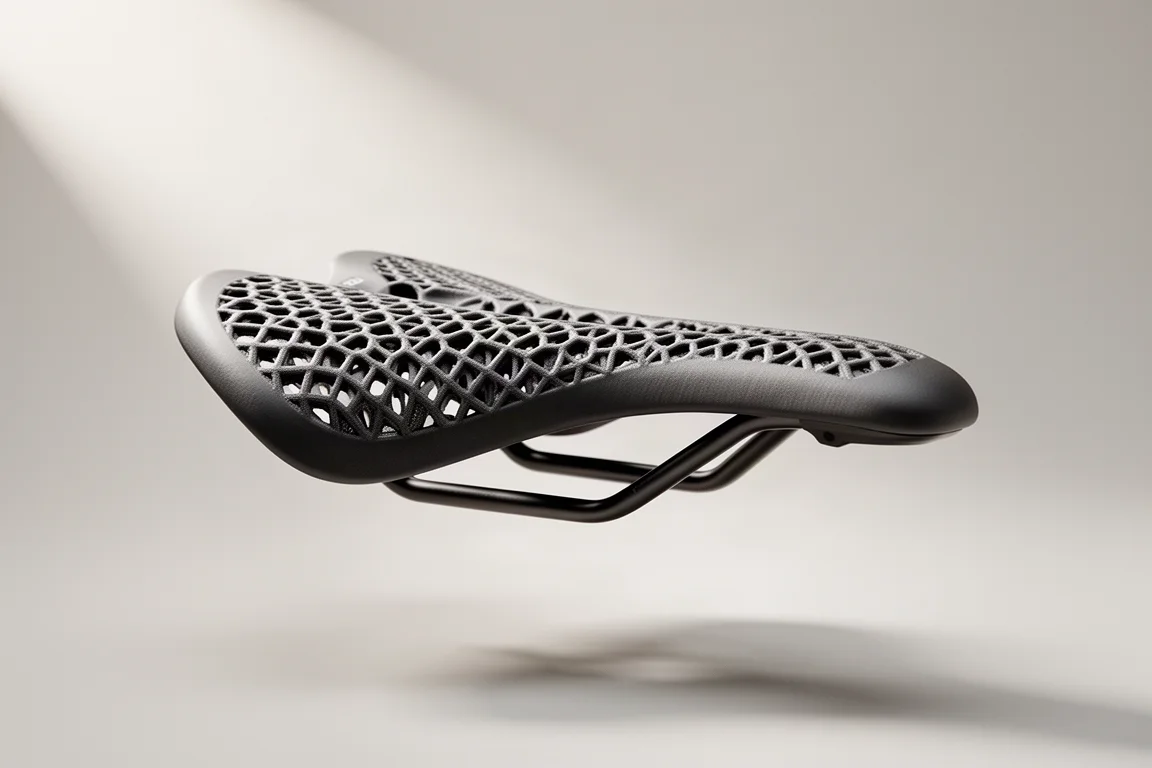
The saddle is one of the few parts of this build still undecided. The bike is currently fitted with one saddle, with the Fizik Argo Adaptive on the shortlist as an alternative. For a 2,700 km ride the saddle is the single most consequential contact point on the whole bike, so leaving the final decision until after several long shakedown rides is sensible rather than indecisive.
Anyone building for a similar distance should treat the saddle as a testing project in its own right, spending real hours on each candidate before committing.
Buying Advice: Building for Distance
If you are building for a long unsupported ride, the order of priorities in this build is a useful template. Start with fit and geometry, because a higher front end and a shorter reach pay off on every single day of a multi-week route, and no component upgrade compensates for a position you cannot hold. Then decide how much comfort you are willing to pay for in weight: a suspension fork adds mass, but on a loaded bike that difference is small next to bags and water.
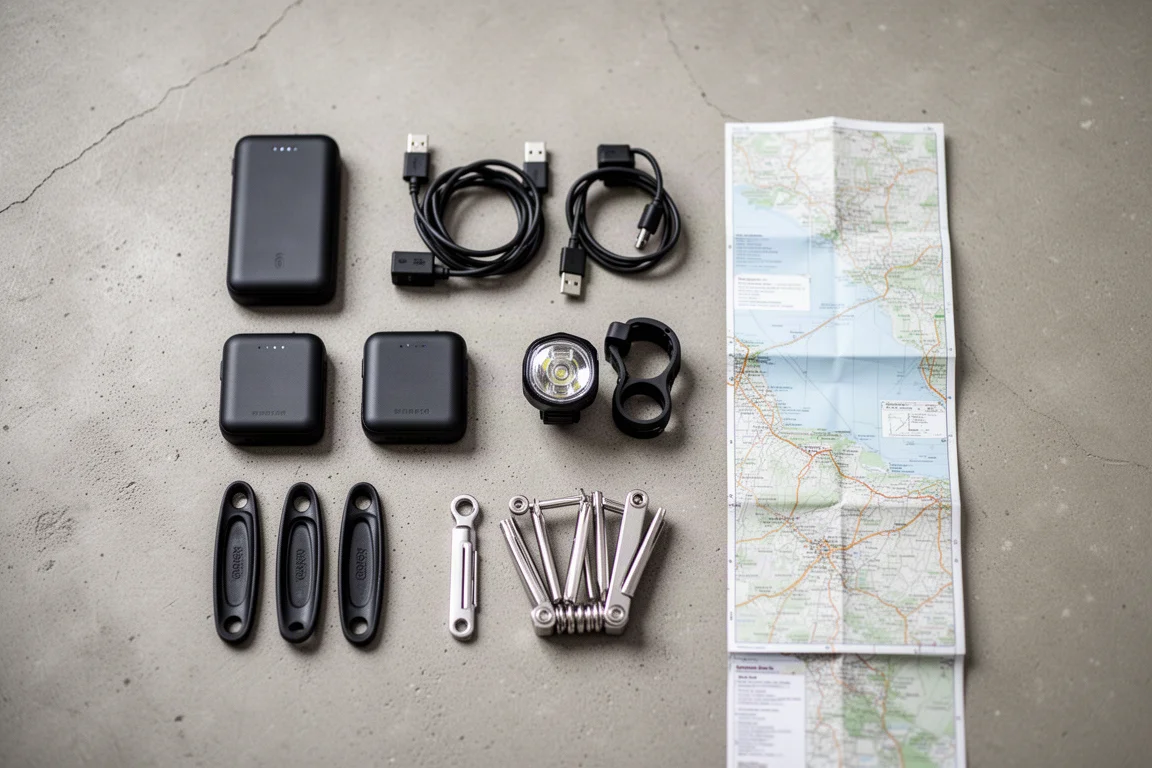
Power is the next problem to solve. A dynamo hub removes an entire category of anxiety from a multi-day route, at the cost of weight and a more involved front wheel. If that is more complexity than you want, two smaller battery banks are a cheaper and simpler middle ground, and they keep the wheel choice open. Finally, choose tires and contact points last, after some genuinely long rides, and favour durability over saving grams.
Every decision here is easier to justify when it is tied to a specific problem: fatigue, charging or reliability. Build for the ride you are actually doing, not the one you would race.
Conclusion
This build is a considered answer to a specific problem: 2,700 km of unsupported riding where comfort, power and reliability matter more than weight. The Parlee Ta frame supplies the geometry and the suspension-fork compatibility that hold everything else together, while the RockShox Rudy, Hunt Limitless carbon wheels and SRAM Force XPLR cover comfort, charging and drivetrain range. The Michelin Power Gravel, FSA SMR stem and Fizik Argo Adaptive handle the remaining contact points and practical details.
If your own riding is shorter and better supported, most of these choices can be simplified without much loss. If it is longer, rougher or more remote, each one is worth a closer look before you commit.
Further reading
Related Reviews
Gravel Cycling
Best Gravel Kit and Components 2026: Eight Standout Picks
Eight gravel picks that earned their place over a year of long rides, from a value wireless groupset and a light carbon frameset to a waterproof jacket that survived a week of Scottish rain.
Gravel Cycling
Best Gravel and Off-Road Upgrades: Power Meter Pedals, Suspension Stems and Race Shoes
Five gravel and off-road upgrades that have earned their place, from SPD power meter pedals you can swap between bikes to a suspension stem you can tune on the trail.
Gravel Cycling
Best Gravel Race Tires, Wheels and Sealants: A Practical Setup Guide
A roundup of gravel tires, wheels and sealants, with measured widths, real race pressures and the puncture kit that holds a fast setup together.