Cycling Components
Ultra-Distance Bikepacking Build: 8 Components for an 800 km Race
A component-by-component look at a bike assembled for an 800 km unsupported bikepacking race, from frameset and drivetrain to tires, bags, and pedals.
Introduction
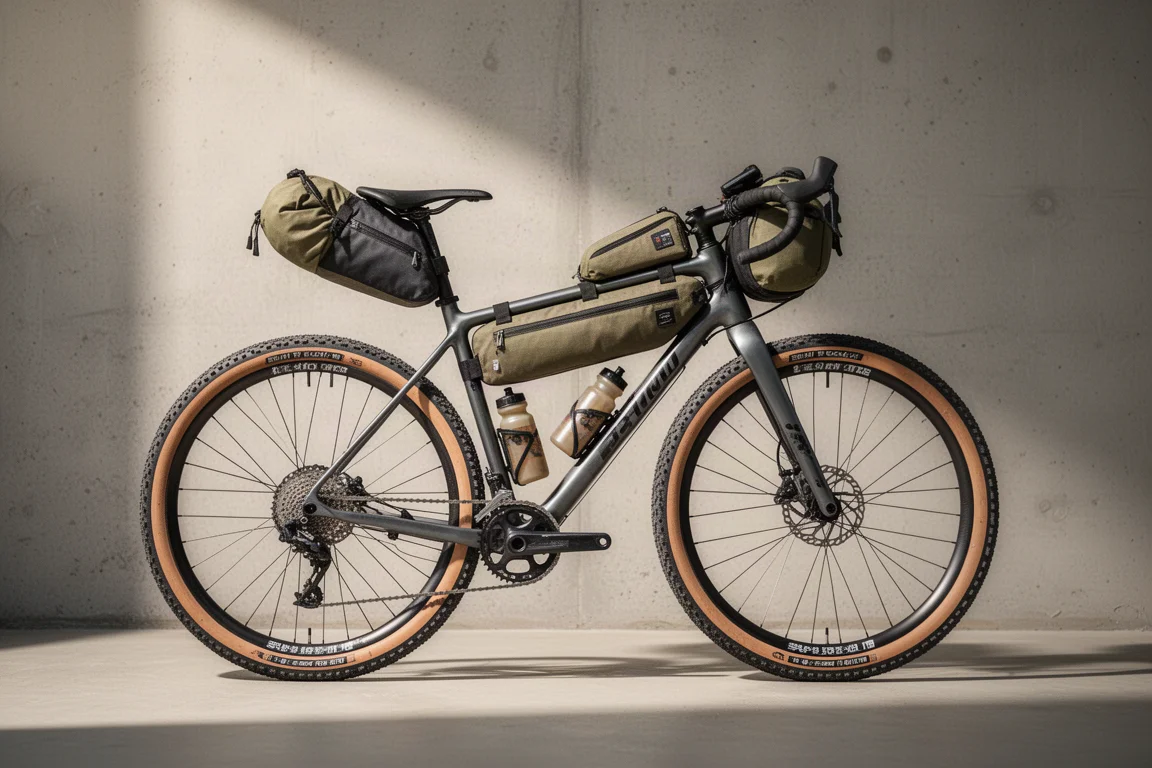
An 800 km unsupported bikepacking race with roughly 16,000 metres of climbing changes what a bike is expected to do. Speed still matters, but reliability, comfort and the ability to carry everything you need matter considerably more.
That is the brief behind this build. Every component was selected against a single, demanding event, and the result is a useful reference point for anyone planning a long unsupported ride, whether that is a first ultra-distance race or a multi-day route closer to home.
What Sets an Ultra-Distance Bikepacking Build Apart
On routes of this length, finishing is not guaranteed. A meaningful share of entrants never even reach the start line, and for many of those who do, simply getting to the finish becomes the entire objective. That reframes component choice: the priority shifts away from marginal aerodynamic gains and towards reducing fatigue, avoiding mechanicals and keeping the bike serviceable in remote places.
Serviceability is a recurring theme. External cable routing, a standard handlebar stem and a conventional seatpost mean repairs can be made at the roadside with basic tools. Integrated cockpits look fast, but they offer no advantage when something needs attention at four in the morning in the desert.
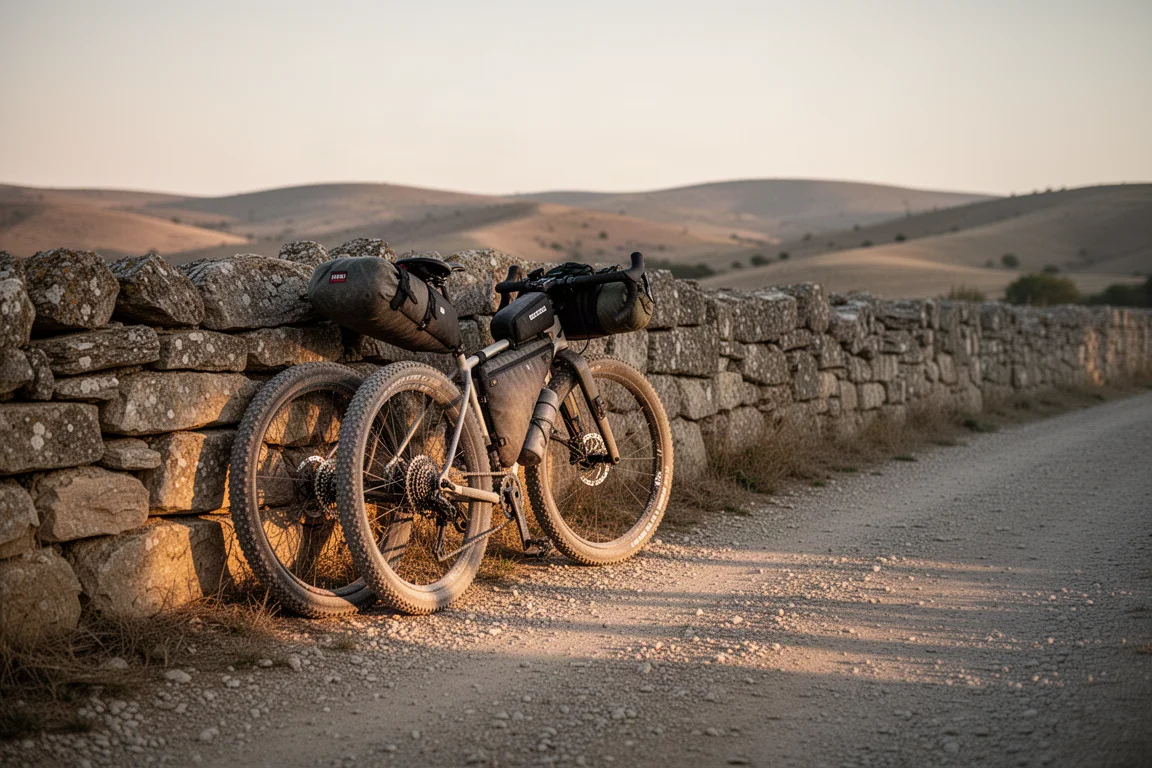
Contact points deserve the same attention. Long days in the saddle produce nerve pressure in the hands, feet and lower back, so suspension seatposts, suspension stems and clip-on extensions become legitimate equipment rather than indulgences. The weight and aerodynamic penalties are accepted in exchange for a riding position that can be held for hours at a time.
51 Assassin Frameset: A Frame Validated by an 800 km Race
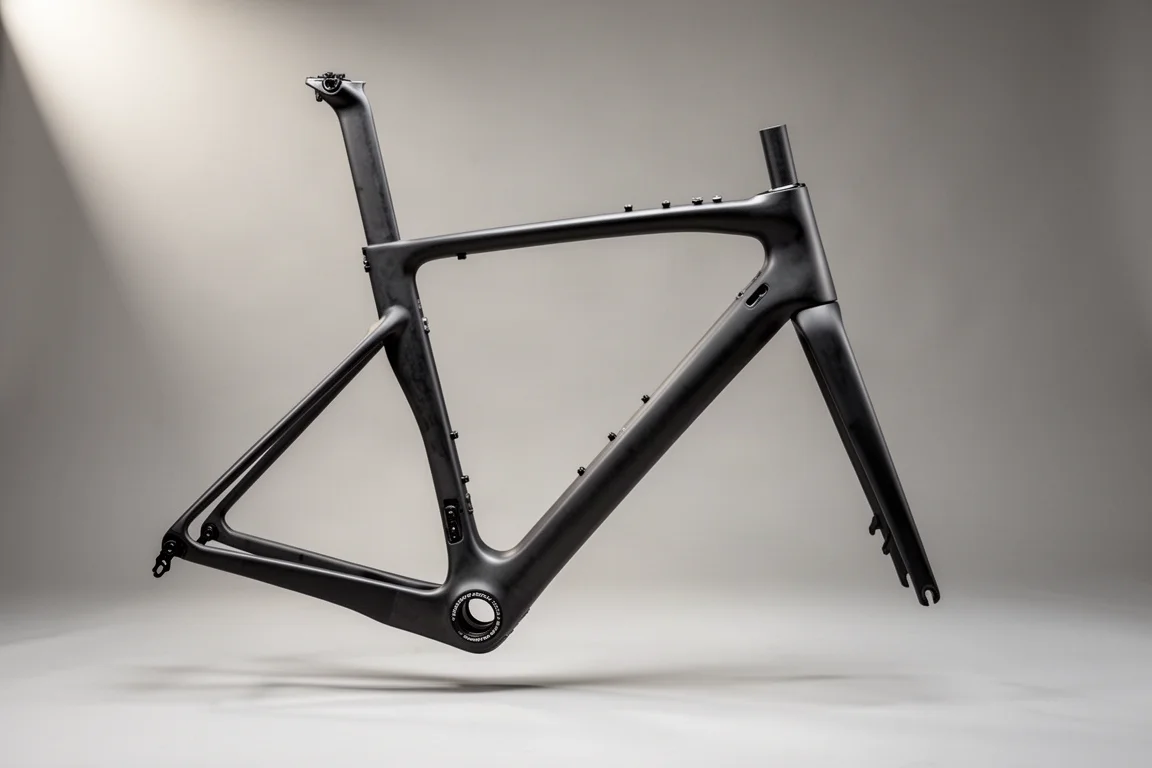
The 51 Assassin is a full carbon frame and fork developed with ultra-distance events as its reference point. Its geometry is longer and slacker than most adventure or road-based gravel bikes, and the frame carries an extensive set of mounts for bottles and bags, with a stated cargo capacity of around 30 kg.
Adjustability is the headline feature. Flip chips in the rear dropouts and in the fork dropouts let riders extend or shorten the wheelbase and fork trail, which changes the character of the bike. A high front setting paired with a mid rear setting gives a more road-like, responsive feel and a shorter wheelbase, while longer settings favour stability and comfort over very long distances.
The Assassin also stays conventional where it counts. External cable routing, a regular handlebar stem and no integrated cockpit make it straightforward to fit lights, computers, extensions and suspension components, and easier to carry out running repairs far from home.
Shimano GRX Wireless Groupset: Fewer Cables, Easier Builds
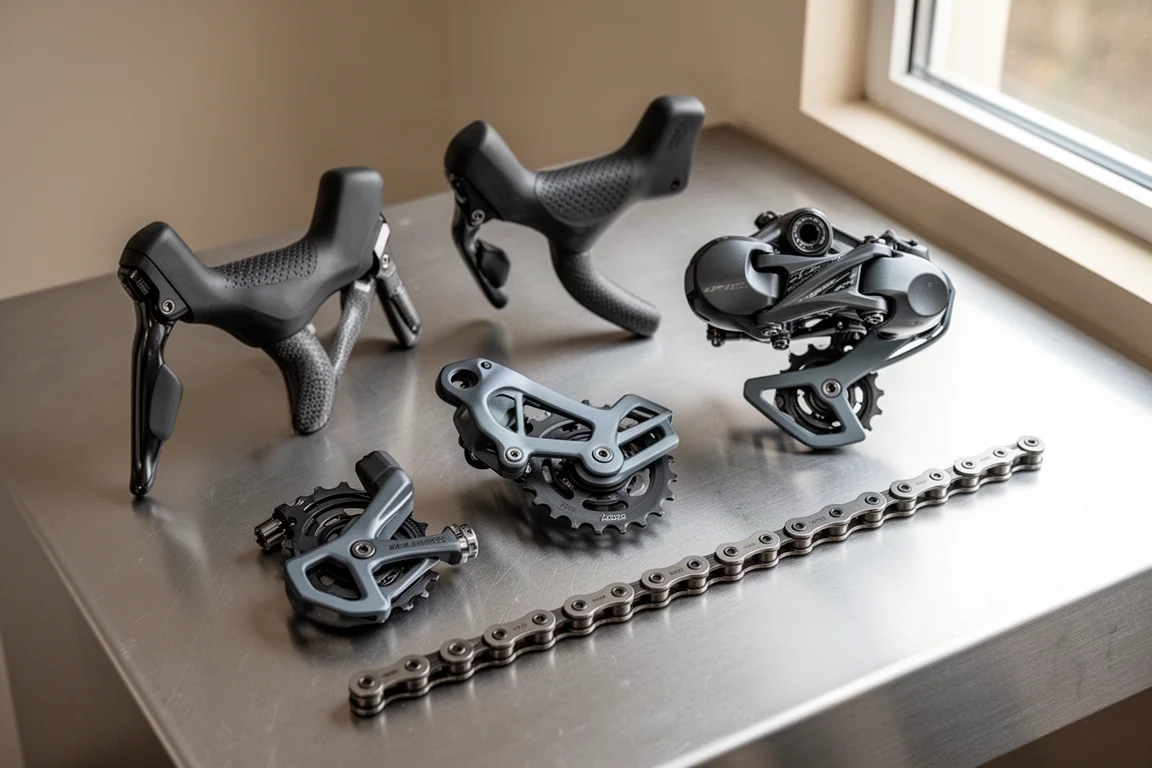
This build runs the fully wireless version of Shimano GRX. Removing shift cables simplifies assembly considerably, and the only genuinely fiddly part of the installation is routing the rear brake hose from the caliper up through the frame to the lever.
The shifter bodies keep the same shape as the existing GRX Di2 design, and the system remains 12-speed and compatible with Shimano mountain bike components. The rear derailleur is a substantial unit, larger than some rival designs, but it brings the drivetrain in line with current wireless expectations.
For gravel riders who maintain their own bikes, the appeal is straightforward: fewer cables, fewer points of failure, and a build process that takes far less time.
Shimano XTR Cassette: Gearing for 16,000 Metres of Climbing
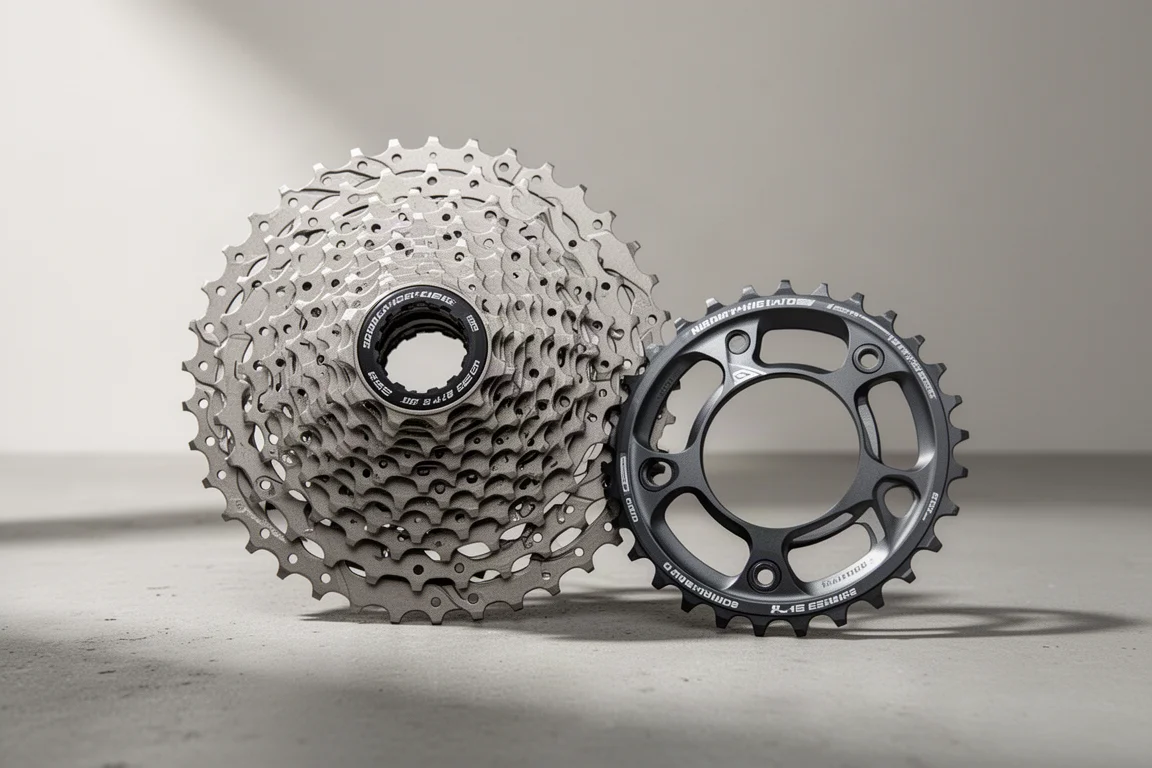
The drivetrain pairs a single chainring with a large Shimano XTR cassette. On a course with around 16,000 metres of climbing, having genuinely low gears matters far more than having closely spaced ones.
The single chainring setup was chosen deliberately for simplicity. One ring means fewer components that can go wrong, and swapping rings is quick, which is why this build moved from a 42-tooth ring to a 40-tooth ring shortly before the event to lower the gearing slightly.
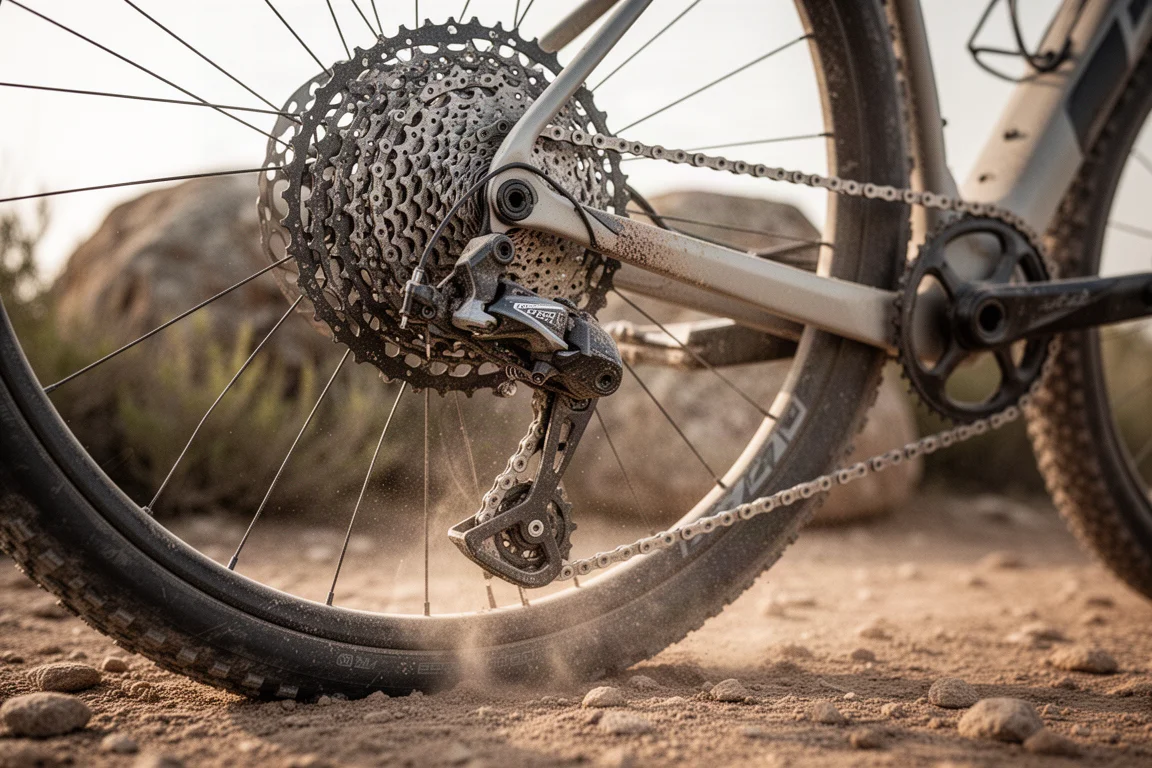
The trade-off is gear distribution. A wide cassette with one ring spreads the steps further apart, which is an acceptable compromise when the priority is keeping the pedals turning on a long climb rather than chasing cadence precision.
ENVE SES 3.4 Wheelset: Light, Tough, and Wide
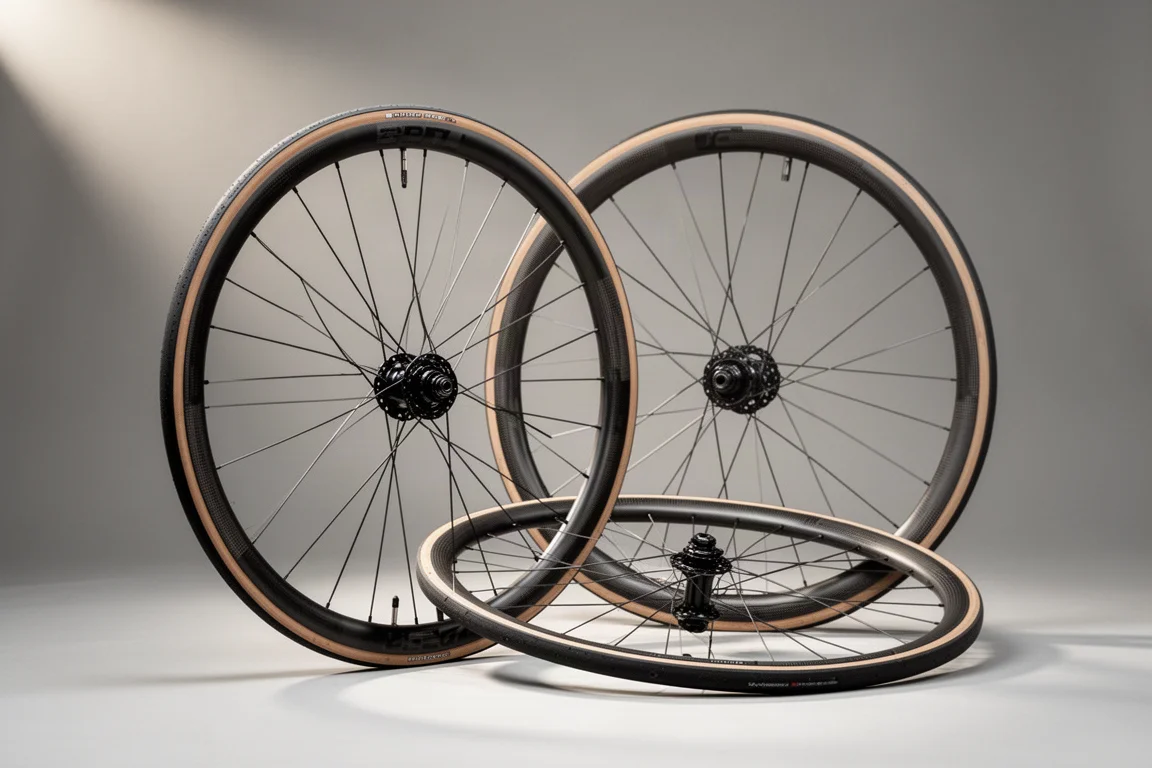
Wheels are where weight and durability pull hardest against each other on a route like this. The ENVE SES 3.4 wheelset was chosen for its low weight, robust construction and shallow profile paired with a wide rim shape, a combination aimed at surviving rough terrain rather than chasing maximum aerodynamic gain.
A shallow, wide rim generally gives a more forgiving ride on loose and broken surfaces, and it copes better with the kind of impacts that a deep, stiff rim may not appreciate. The trade-off is cost, because this sits firmly in premium wheelset territory.
For riders planning long, remote routes, the calculation is whether a lighter and tougher wheelset reduces the chance of an unplanned stop. On an unsupported event, that is usually worth more than a small aerodynamic advantage.
Maxxis Reaver: Fast-Rolling Tread With Tougher Sidewalls
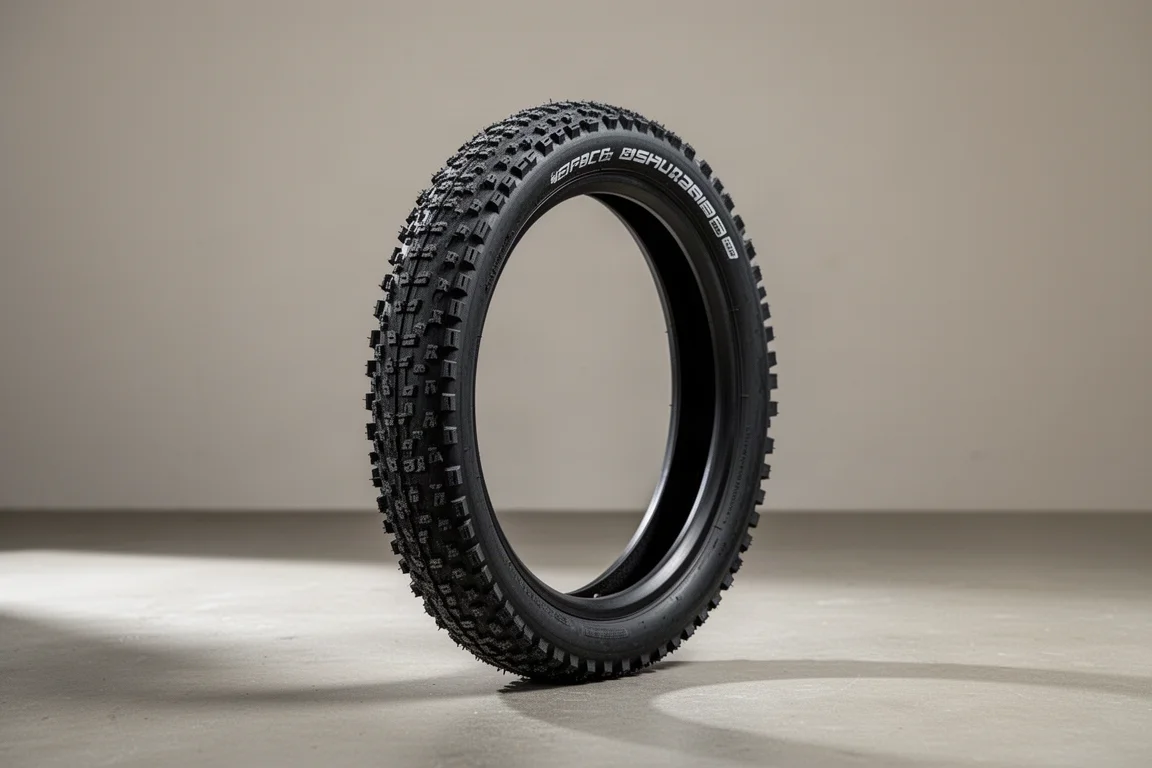
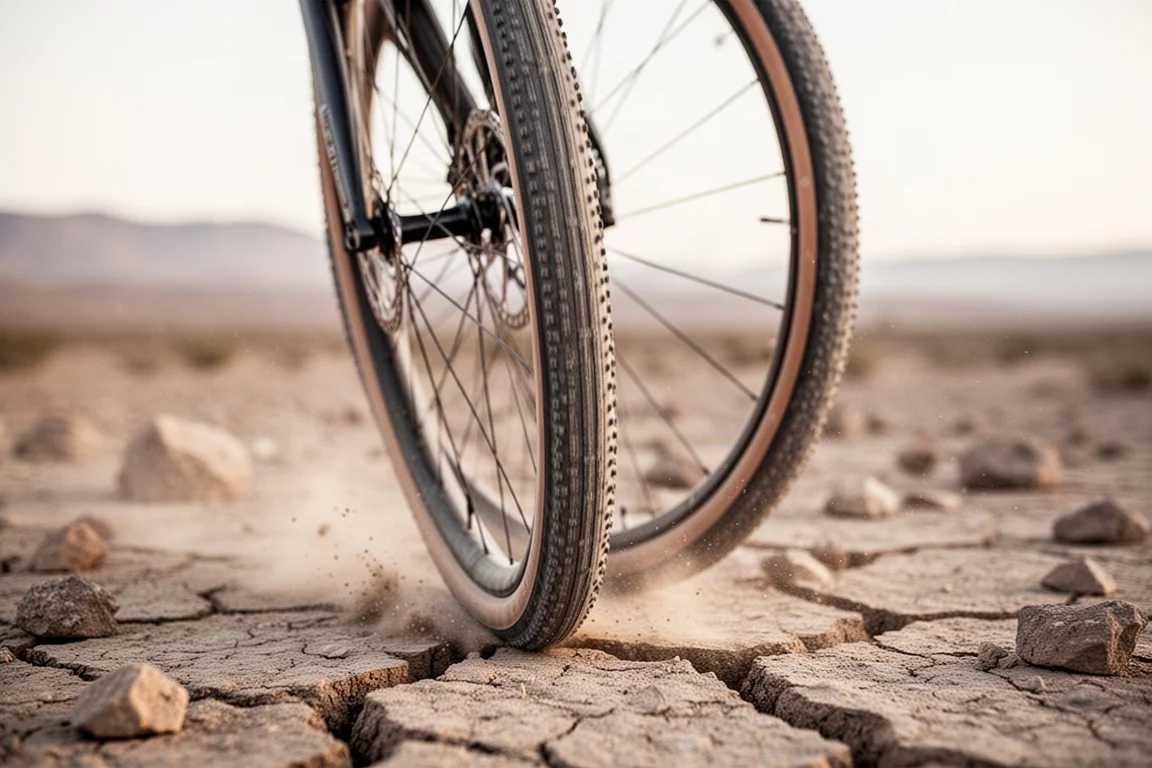
Tire choice is often the hardest decision on a mixed-surface route, and this build settled on the new Maxxis Reaver, a semi-slick with a smooth centre tread and sidewall protection borrowed from the brand’s mountain bike tires. It measures 45 mm.
The reasoning is that the course mixes asphalt, fast gravel and rocky sections, so a quick-rolling centre tread with a reinforced sidewall covers more of the route than a heavily treaded alternative. The tread pattern is new and is described as faster and more durable than earlier designs.
The counter-argument is width. Some riders would fit 50 mm or wider, or move to a mountain bike tire, for a route that includes rough, rocky singletrack. Whether 45 mm is enough comes down to how much of the course is genuinely technical rather than fast and rolling.
Challenge Getaway XP: Toughness Over Low Weight
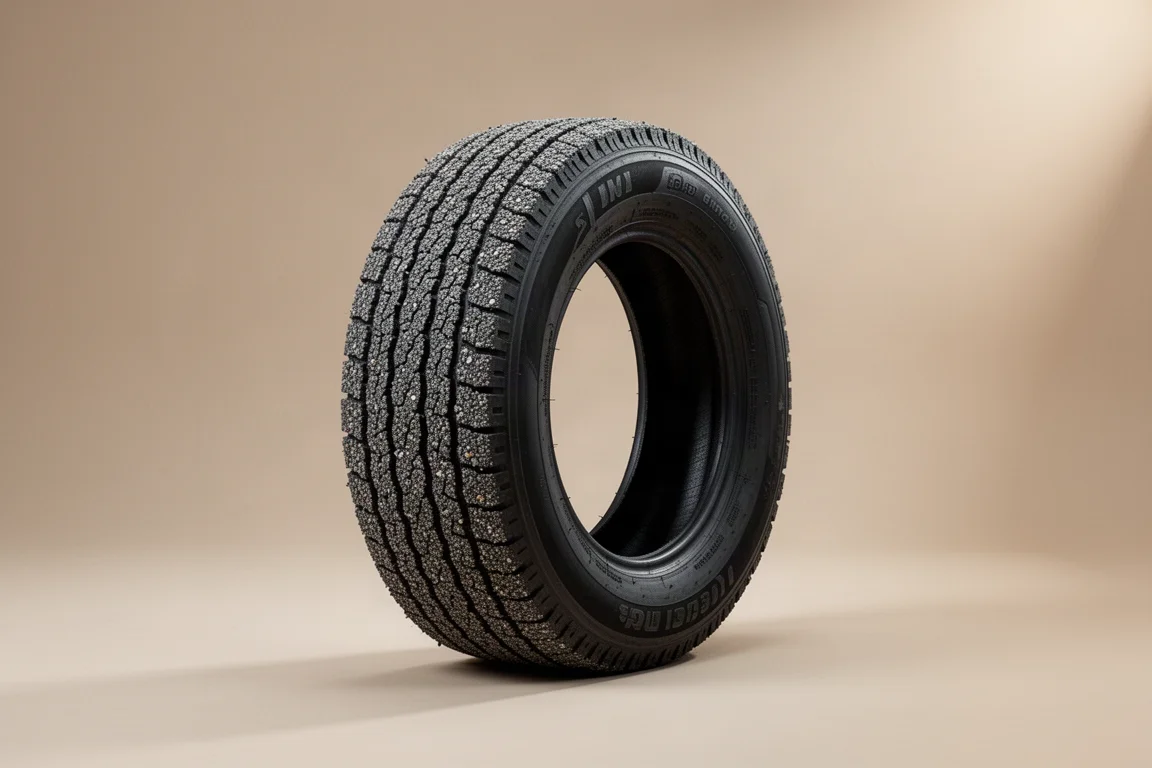
The alternative approach on the same course is the Challenge Getaway XP, which prioritises casing and sidewall strength above everything else. Grip is not the deciding factor here, since a large share of the route is asphalt and road, and riders have completed it on slicks.
The Getaway XP uses a very tough sidewall and casing with a raised centre ridge. At around 40 PSI that ridge keeps the contact patch narrow on tarmac, so the tire rolls quickly despite its heavy construction.
The penalty is weight, and it is a significant one. The argument for accepting it is simple: a puncture or a torn sidewall in a remote desert section at night costs far more time than a heavier tire ever will. Tire liners and inserts were deliberately avoided, because they make a roadside removal considerably harder if something does go wrong.
Between the two options, the decision comes down to how much you fear a mechanical versus how much you value rolling speed. On a route where finishing is not guaranteed, many riders will take the heavier, tougher tire.
Tailfin Cargo AeroPack: Carbon-Supported Cargo Capacity
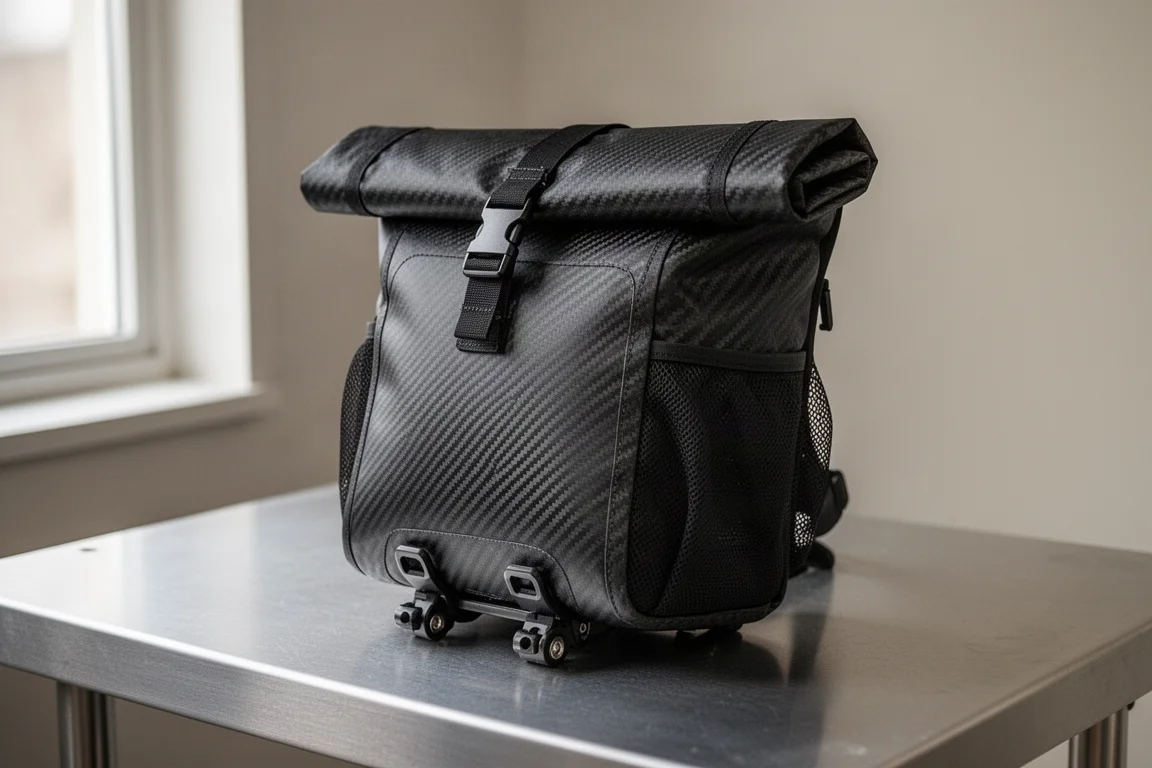
Carrying everything you need for several days without support means every gram of capacity has to earn its place. The Tailfin Cargo AeroPack uses carbon fibre construction to keep weight low while adding usable volume at the rear of the bike.
The practical detail is the mesh pockets, which keep snacks and small items reachable while riding rather than forcing a stop. That matters on days that can run from 15 to 25 hours, where stopping is time lost and eating on the move becomes part of the routine.
Capacity is also a trap. With a large bag it is easy to pack more than you need, and every extra item carries a weight penalty. The discipline lies in deciding what genuinely earns a place before the start line.
Favero Assioma Pro MX: Power Meter Pedals for Pacing
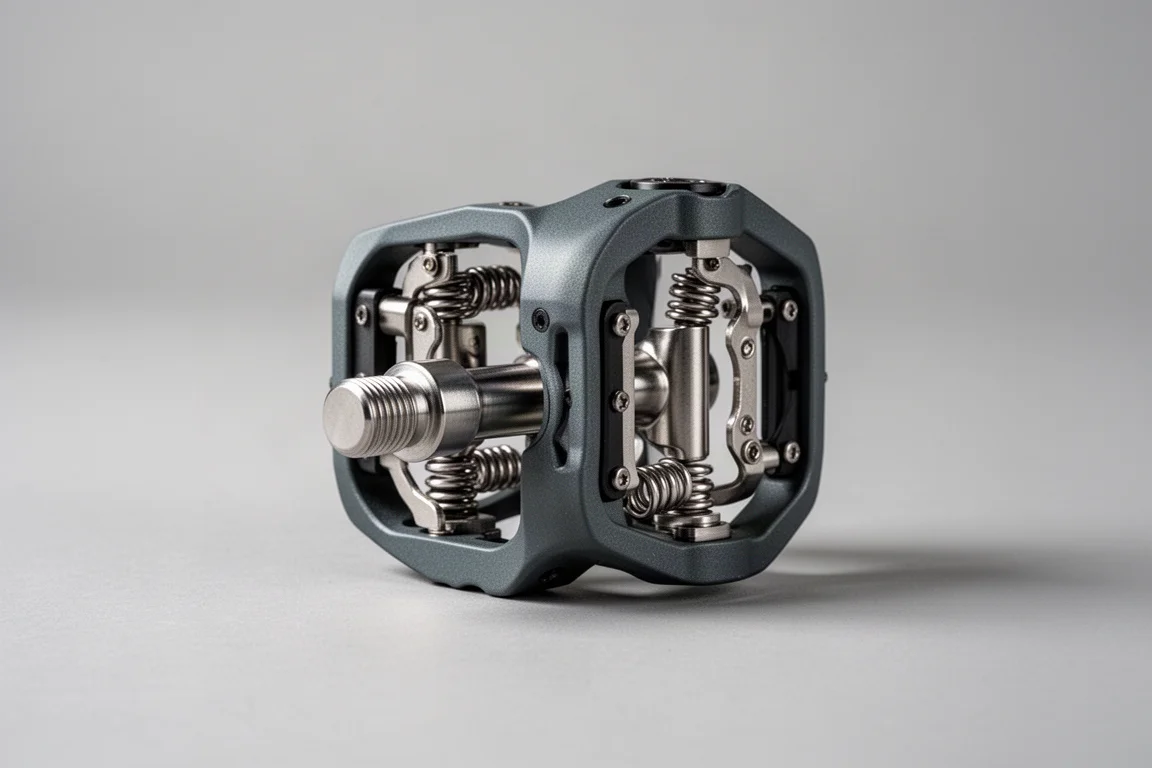
Power measurement is not essential for an event where finishing is the goal, but it can help with pacing. This build uses Favero Assioma Pro MX pedal-based power meters, primarily to manage effort alongside heart rate across several days of riding.
The appeal of a pedal-based system is that it moves between bikes and requires no changes to the crankset. On a multi-day event, a power number can act as a restraint, keeping early efforts in check when the temptation is to follow faster riders.
A third bottle cage on the down tube is also planned, taking total water capacity to around 5 litres when combined with a hydration pack. In desert heat, that is a safety consideration as much as a performance one.
Overall Buying Advice for Ultra-Distance Riders
The most useful lesson from this build is that ultra-distance equipment is chosen for reliability and comfort, not for the numbers that dominate short-course racing. Serviceability, tire robustness and long-day comfort all matter more than a small aerodynamic gain.
Riders preparing for a first long event should prioritise in a clear order: tires and wheels first, because a mechanical there ends a ride; then drivetrain simplicity, because fewer components mean fewer failures; then comfort items such as suspension seatposts and clip-on extensions, which pay off across multiple long days.
It is also worth being honest about weight. Cutting grams makes sense on a fast 100 km ride. On an 800 km unsupported route with 16,000 metres of climbing, a slightly heavier but tougher setup is usually the better investment.
Finally, treat a first ultra-distance event as a challenge rather than a race. Pacing conservatively, keeping the bike simple and staying flexible with the plan will do more for a finish than any single component upgrade.
Conclusion
This build works because every part answers a specific demand: adjustable geometry and generous mounts for a frame that has to carry everything, a wireless drivetrain that is simple to assemble, wheels and tires chosen for survival rather than speed alone, and comfort-focused details at the contact points.
Not every rider needs this level of specification. But the underlying logic applies to any long unsupported ride: choose components you can service, trust your tires, and accept a little extra weight in exchange for a bike that is still moving on day three.
Further reading
Related Reviews
Cycling Components
A 20,000-Mile Budget Race Bike Build: Five Parts Worth Knowing
A rim brake race bike assembled from low-cost components and ridden for 20,000 miles. Here is what delivered real speed, what caused problems, and what to weigh before copying the formula.
Cycling Components
7 Bike Fit Products Fitters Avoid: What to Check Before You Buy
Seven bike components that regularly cause knee, foot and saddle problems, with the specific concerns behind each one and what to look for instead.
Cycling Components
Four Affordable Bike Upgrades That Improve Ride Feel
Four low-cost cycling products that make a real difference to ride feel, plus the free setup changes worth trying first.