Backpacking Gear
Ultra Comfort Backpacking Gear List: 14 Picks for Better Nights Out
Fourteen comfort-first backpacking picks covering pack, shelter, sleep system, camp furniture, and rain gear, with the trade-offs worth knowing before you buy.
Introduction
Ultralight backpacking gear earns its reputation for efficiency. It does not always earn a reputation for comfort. Thin pads, cramped shelters, and a pack that digs into the shoulders can turn a long day into a long night, and the payoff of a lighter load stops feeling like a payoff somewhere around 3 a.m.
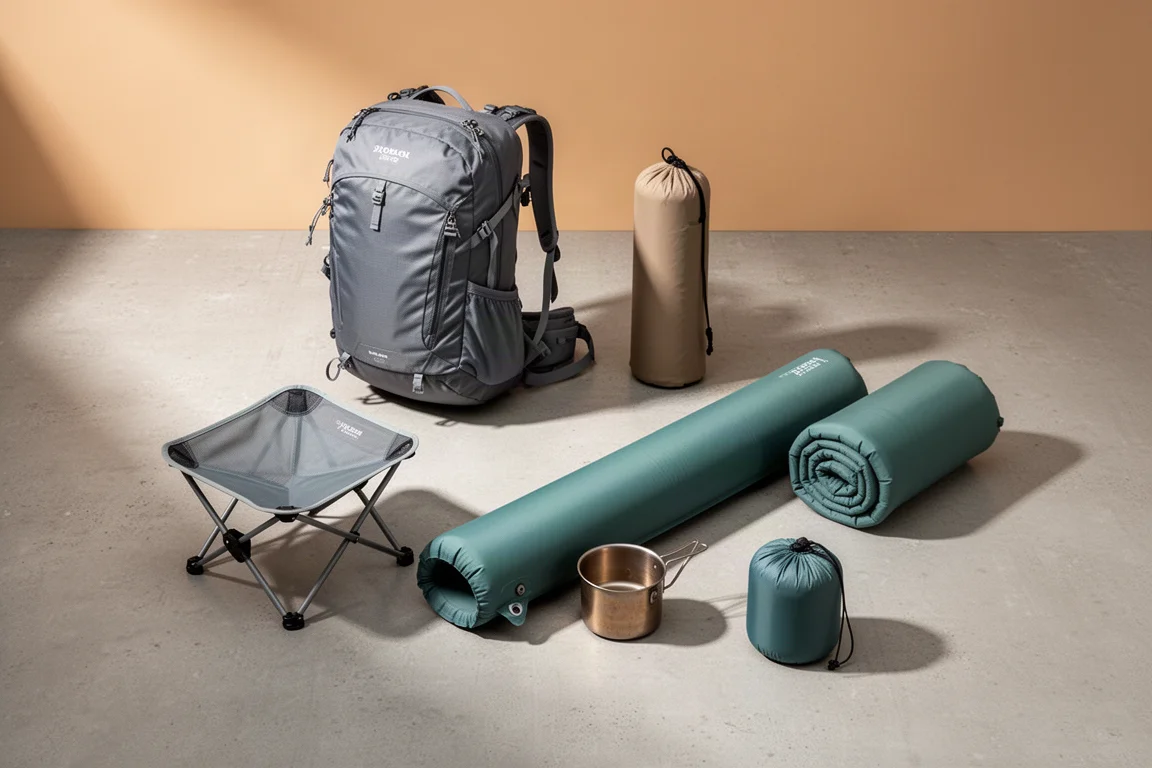
The gear below takes a different approach. Keep the load reasonable, then spend the weight budget where it actually changes how a trip feels. This list covers a complete comfort-oriented setup, from the pack and shelter through the sleep system, camp furniture, and the details that make an evening at camp pleasant rather than merely tolerable.
How This List Was Chosen
The priorities here are straightforward. Packs and shoes come first, because those two items decide whether the miles themselves feel good. Everything else is judged on how much comfort it delivers for the weight it adds.
From there, the list weighs camp comfort against packability. A chair, a second seat, a small table, and a pillow all add grams, but each one changes how a rainy evening or a rest day actually plays out. Durability and real-world use matter as much as the numbers on a spec sheet.
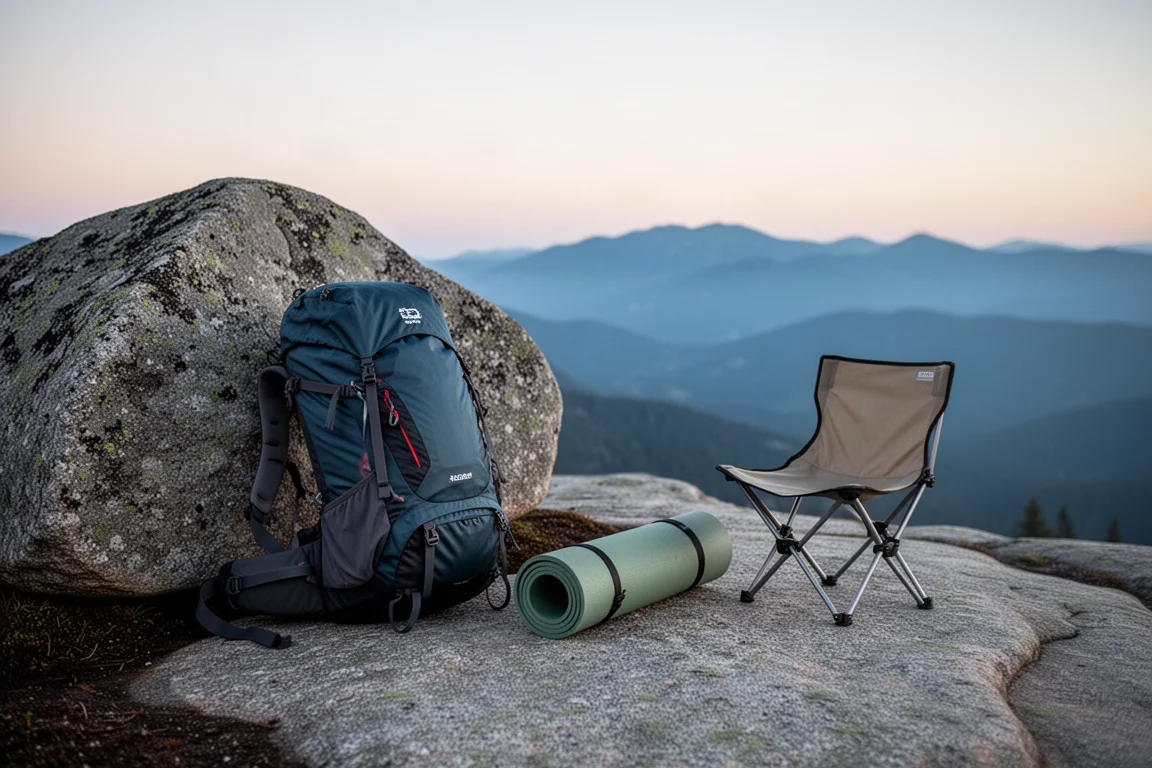
Weight still counts, and most of these picks stay within ultralight expectations. The trade-off is deliberate: a modest amount of extra weight in exchange for a sleep system and a camp setup that make multi-day trips genuinely enjoyable rather than merely survivable.
The Pack: Gregory Focal 58
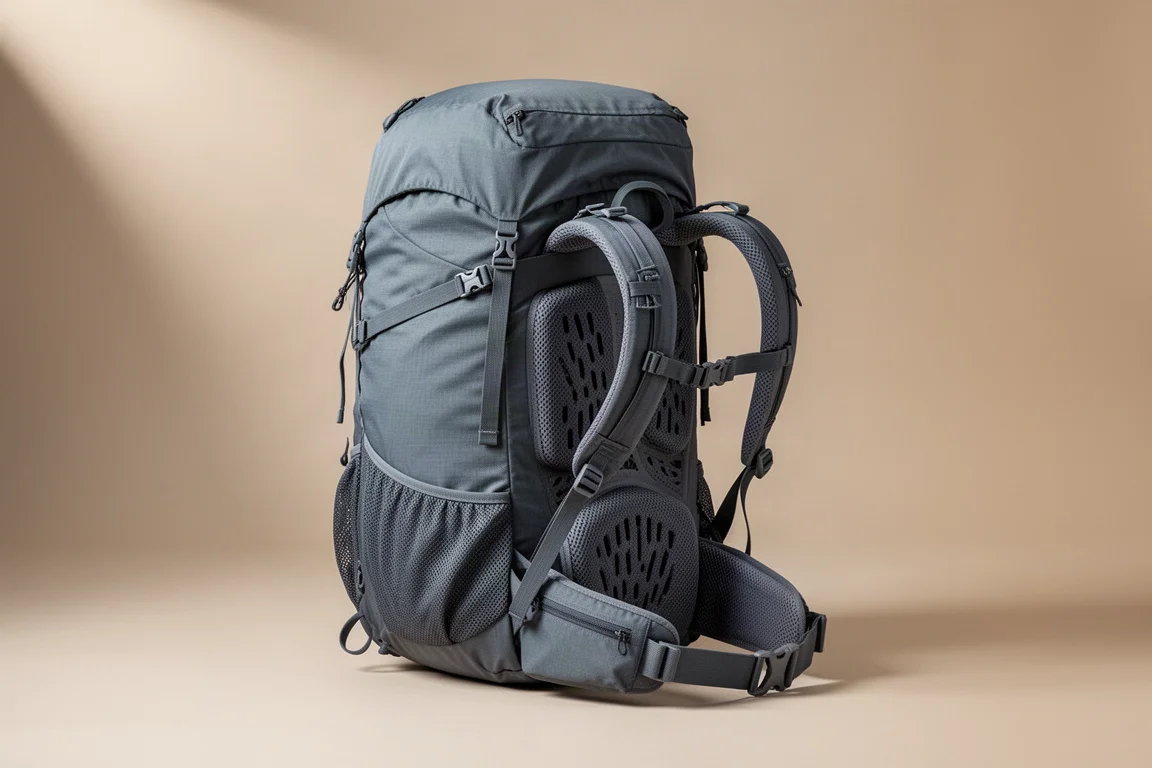
The Gregory Focal 58 anchors the whole setup. Its water bottle pockets are easy to reach without unshouldering the pack, which matters more than it sounds halfway up a climb, and the pockets themselves are durable. The pack also carries weight well: it has handled loads up to 40 lbs while keeping the shoulders comfortable at the end of a long day.
The top lid is unusually generous and swallows a first aid kit, a trowel, and a small waterproof ditty bag without crowding the main body. Side pockets keep snacks and a satellite communicator within reach, and the front pouch holds a rain jacket and water filter where they can be grabbed without stopping.
The Shelter: Sea to Summit Telos TR3
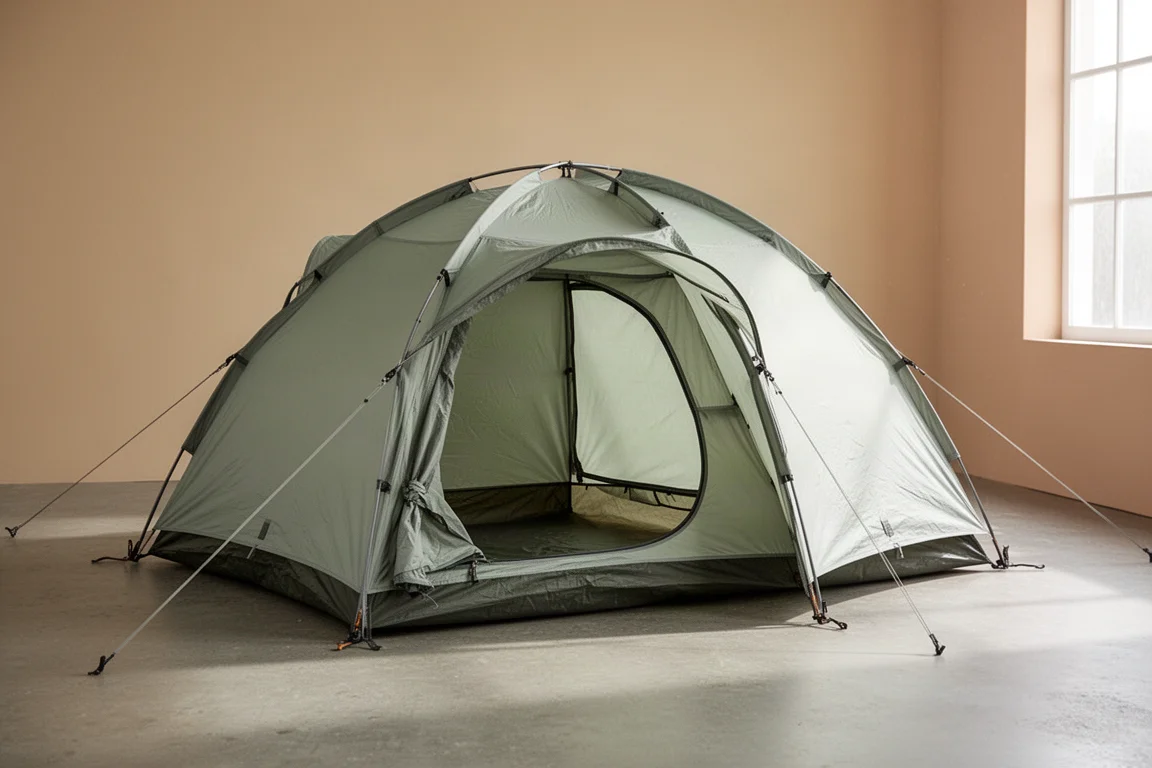
The Telos TR3 is a freestanding three-person tent that fits two wide sleeping pads with room left over for a dog or for extra gear. It weighs under 2 kg, which is rare for a tent this size and makes the extra interior space feel almost free.
Two design details stand out. The brow pole curves upward and extends well past the door, so rain falling straight down does not soak the interior when the door is open. The same pole geometry raises the ceiling, which makes entry and exit easier and adds meaningful headroom once you are inside.
The feature that matters most in wet weather is the fast fly pitch mode. Instead of pitching the mesh inner first and draping the fly over it, the Telos can be set up fly-first using the pole structure, with the inner added afterwards. In sustained rain, that is the difference between a dry interior and a soaked one.
Trail Comfort: Hoka Speedgoat 5
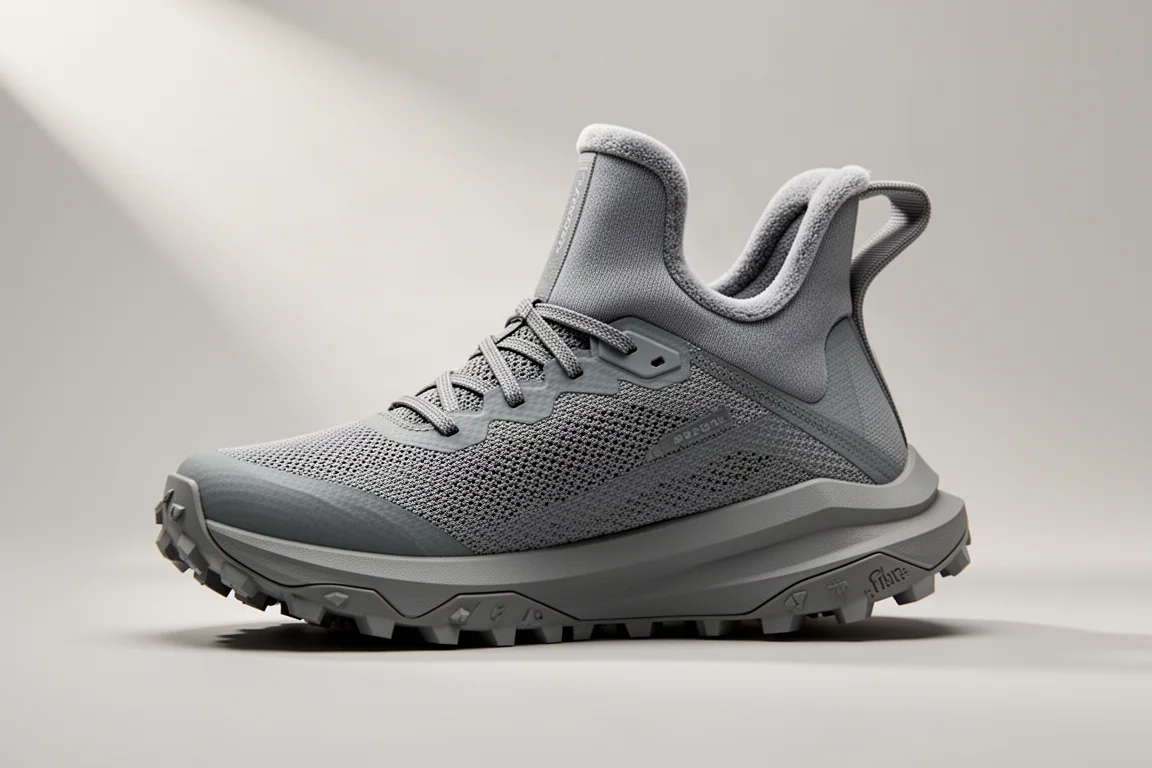
Comfort is not only about camp. The Hoka Speedgoat 5 has a tall, cushioned stack that keeps feet fresh over long distances, which makes it a sensible choice for backpacking and hiking trips where the goal is to arrive without sore feet.
Shoes and packs are the two items worth dialing in first. Both are fit-dependent, and no amount of clever accessory gear compensates for a pack that rubs or a shoe that pinches. Get those two right before spending anything on the rest of the list.
Camp Comfort: Helinox Chair Zero
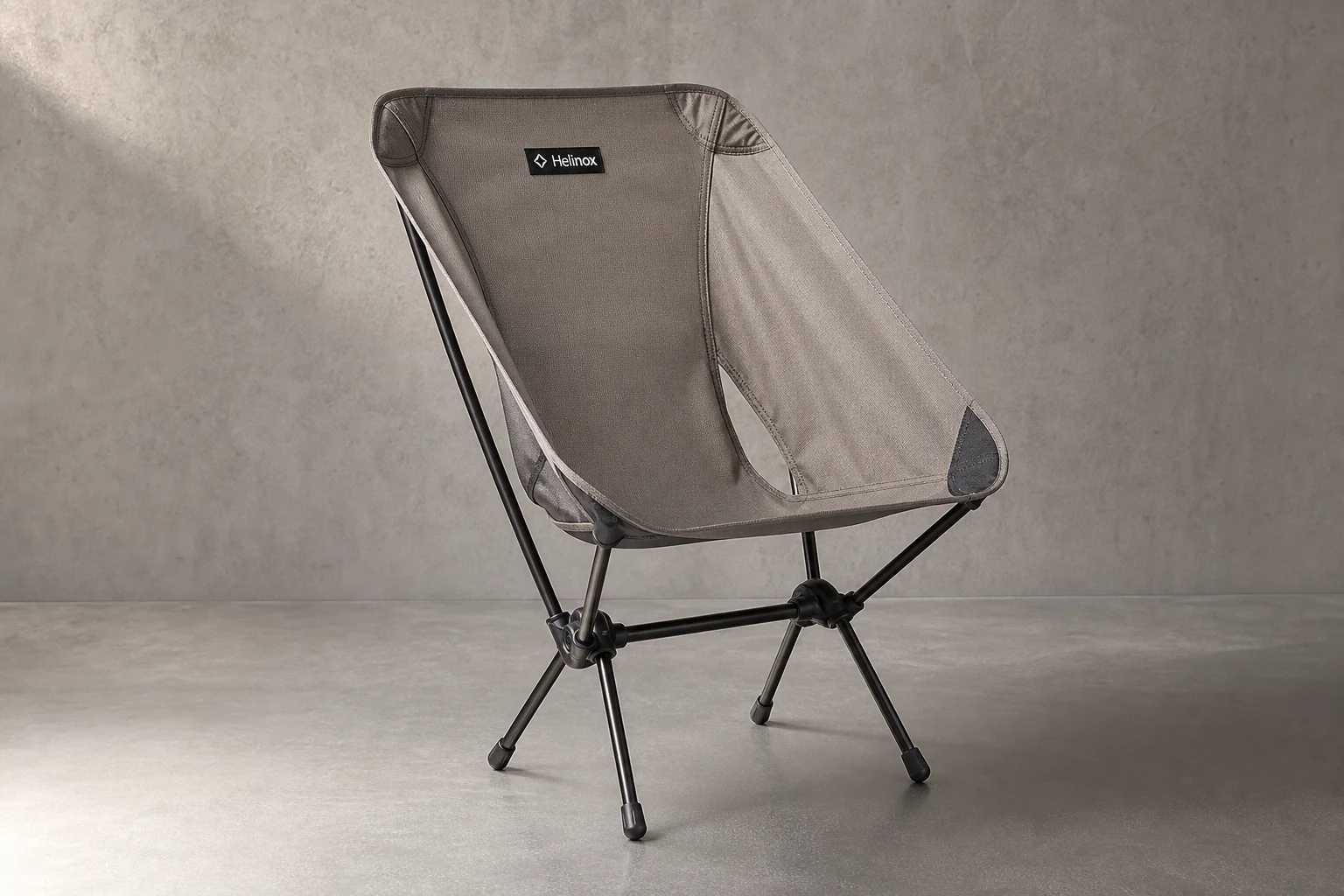
A chair changes camp more than almost any other single item, with the possible exception of a good sleep system. The Helinox Chair Zero is light enough to justify carrying and gives a proper seat for cooking, eating, and watching the evening come in.
One caveat is worth knowing in advance. The chair’s fabric absorbs a lot of water, and the stuff sack it ships with is not waterproof, so a chair strapped to the outside of a pack in wet conditions ends up soaked. Moving it into a waterproof stuff sack solves the problem.
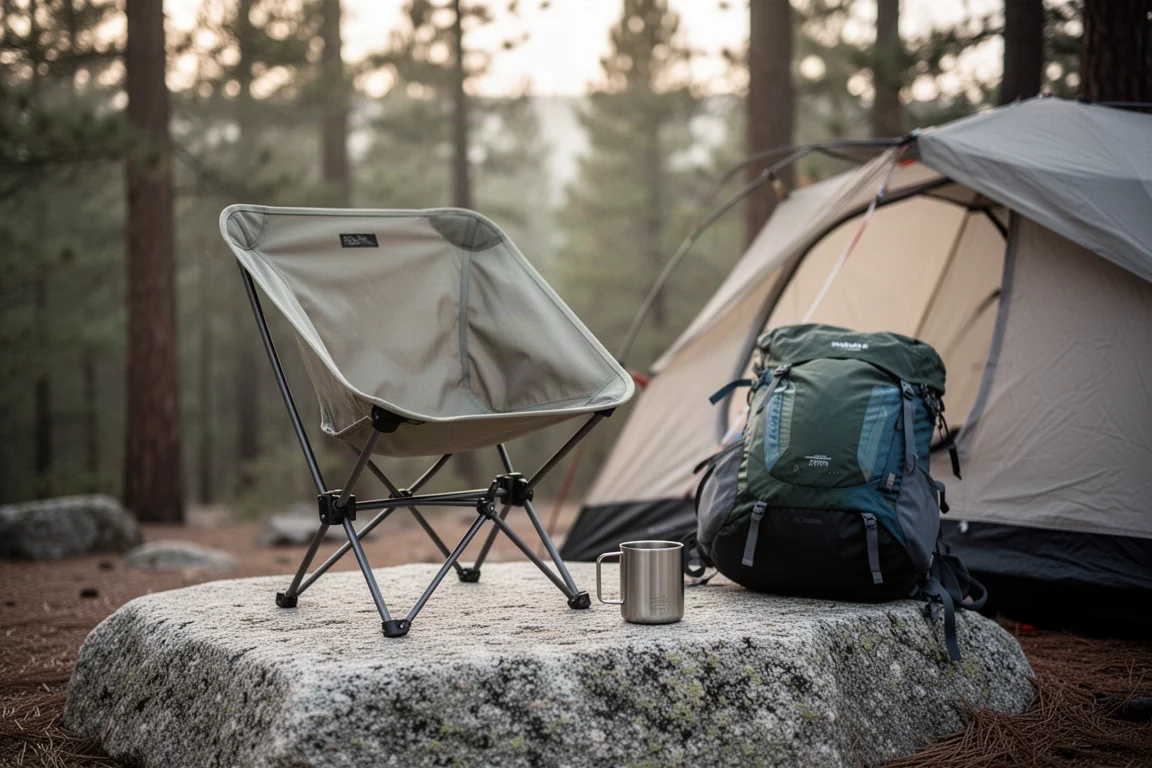
That small change is worth making. A wet chair is unpleasant to sit in, and a dry one is the difference between a comfortable evening and an early retreat to the tent.
A Second Seat: Therm-a-Rest Treo Chair
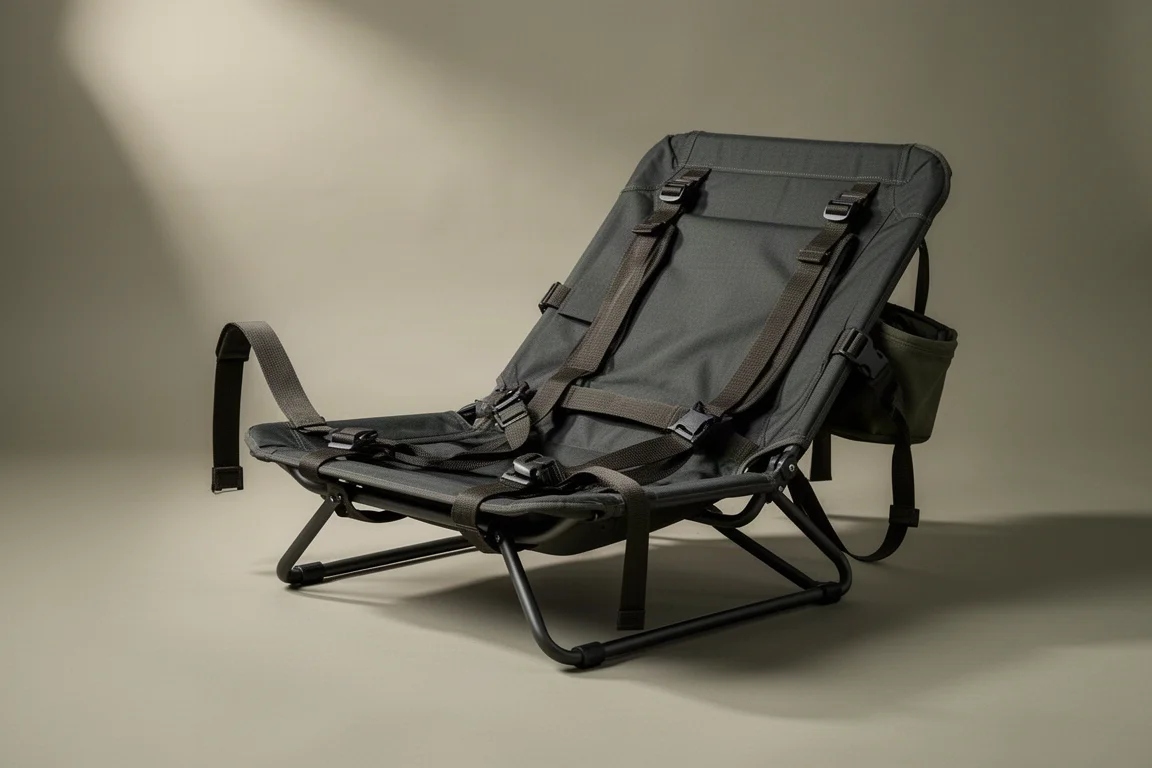
For groups, a second chair is a small luxury with a real payoff. The Therm-a-Rest Treo Chair sets up by fastening the side buckles and pulling the straps tight, producing a low seat that supports a relaxed, reclined position for reading a book or watching the sky. It is a comfortable alternative to lying on your back and holding things above your head.
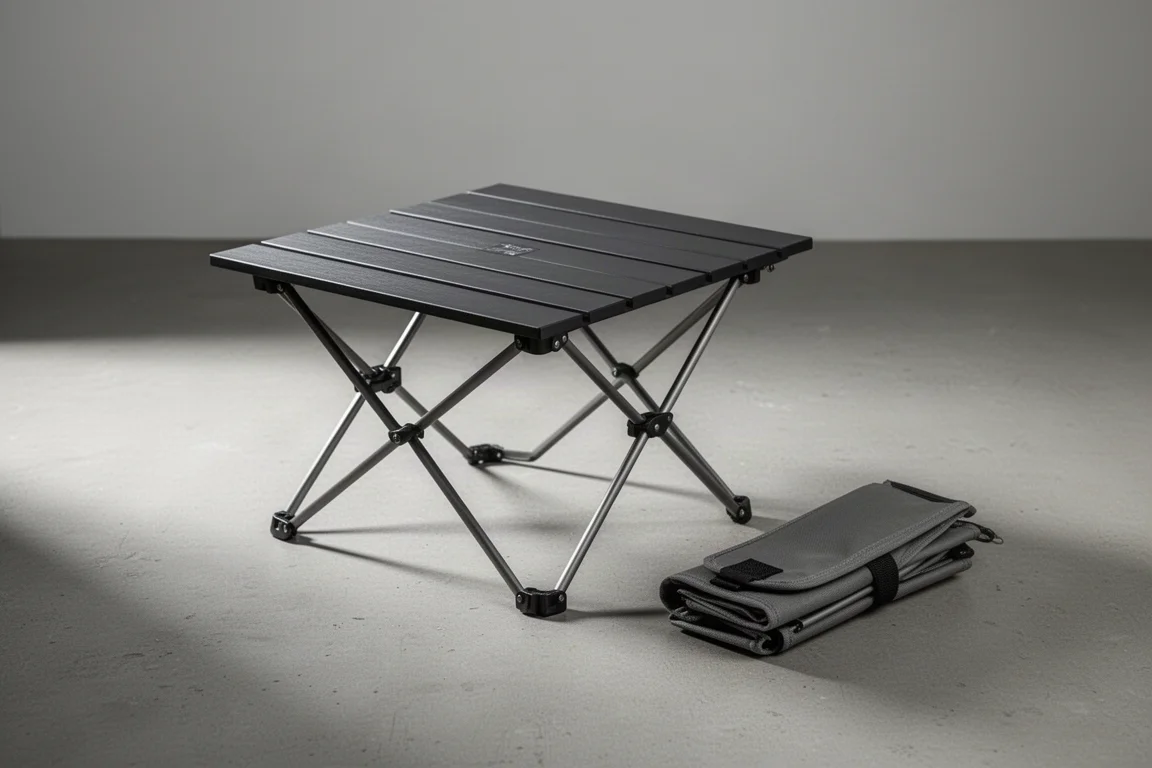
A Flat Surface: Cascade Wild Backpacking Table
The Cascade Wild table is a tiny addition that earns its place. It provides a stable surface for card games when no picnic table is available, works just as well outside the tent, and doubles as a nightstand inside. Set next to a chair, it keeps a drink off uneven ground.
Sleeping Pad Option 1: Sea to Summit Ether Light XT
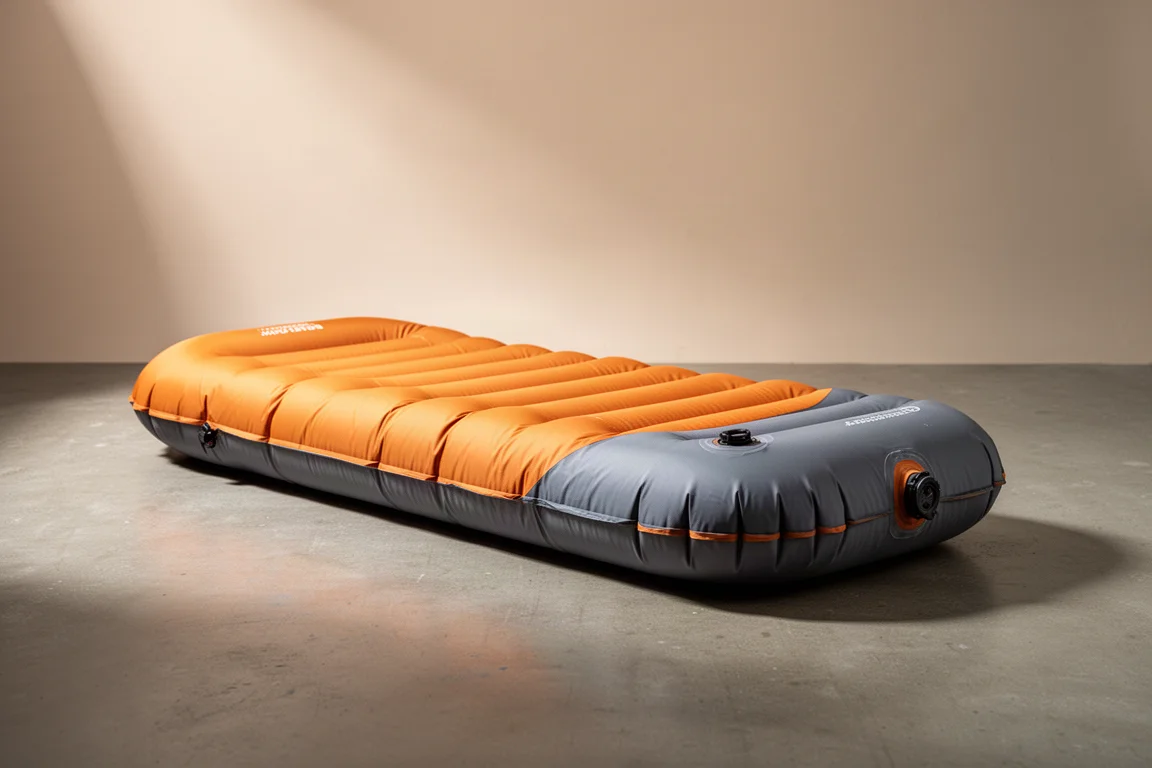
The Ether Light XT is the most comfortable sleeping pad in this setup. It is thick, and the dimpled surface relieves pressure in a way that matters most for side sleepers: no pressure points at the shoulder or hip, and no numb arms in the middle of the night.
The trade-off is warmth. Its R-value of 3.2 is modest, and it is not the right pad for temperatures well below freezing.
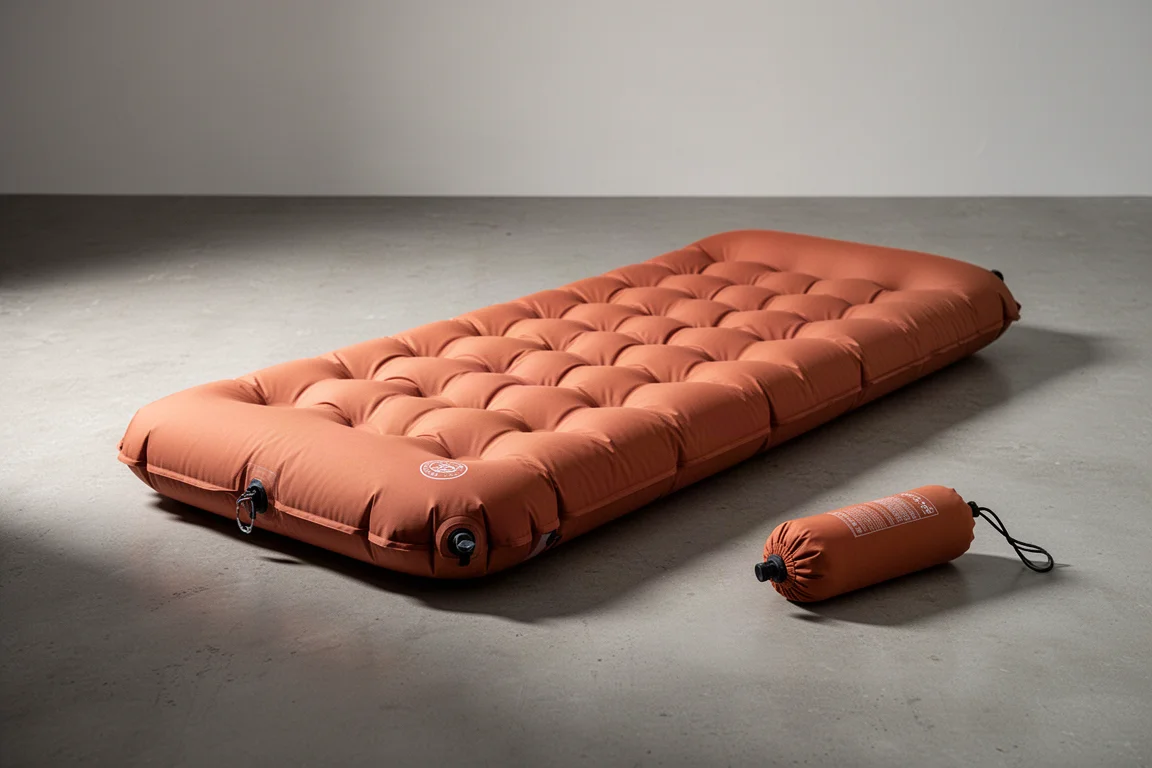
Sleeping Pad Option 2: Nemo Tensor 2022
The Nemo Tensor 2022 is the colder-weather alternative. An R-value of 4.2 makes it comfortable down to roughly 20 degrees Fahrenheit, or about minus 6 Celsius. It is not quite as plush as the Ether Light XT, but it keeps more warmth underneath on cold trips.
Pillow: Nemo Fillo
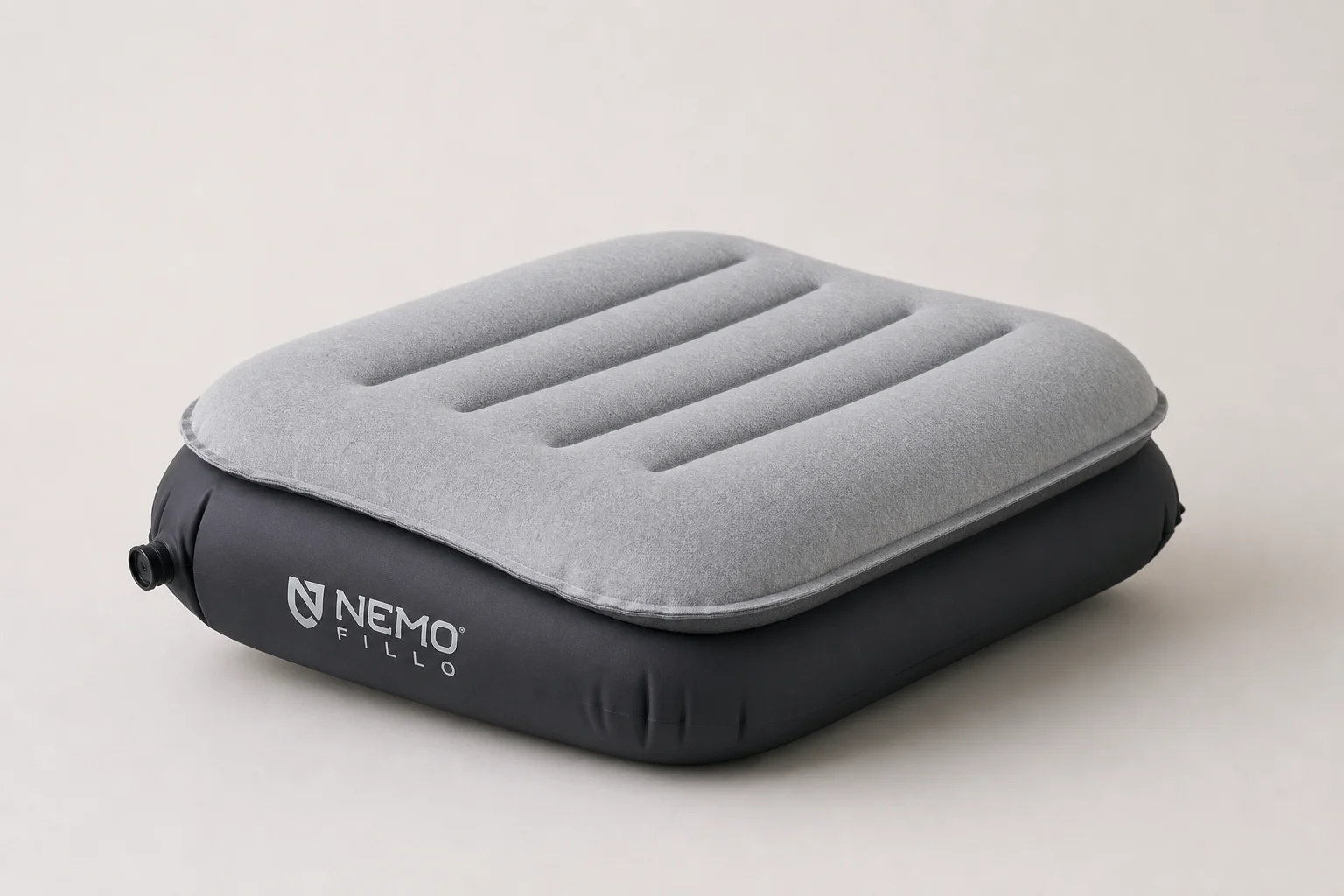
The Nemo Fillo remains one of the most comfortable backpacking pillows available. A thick foam topper combines with an air valve, so the pillow can be inflated to whatever height feels right. A strap run through the pillow’s side loops holds it against the sleeping pad and stops it from wandering off in the night.
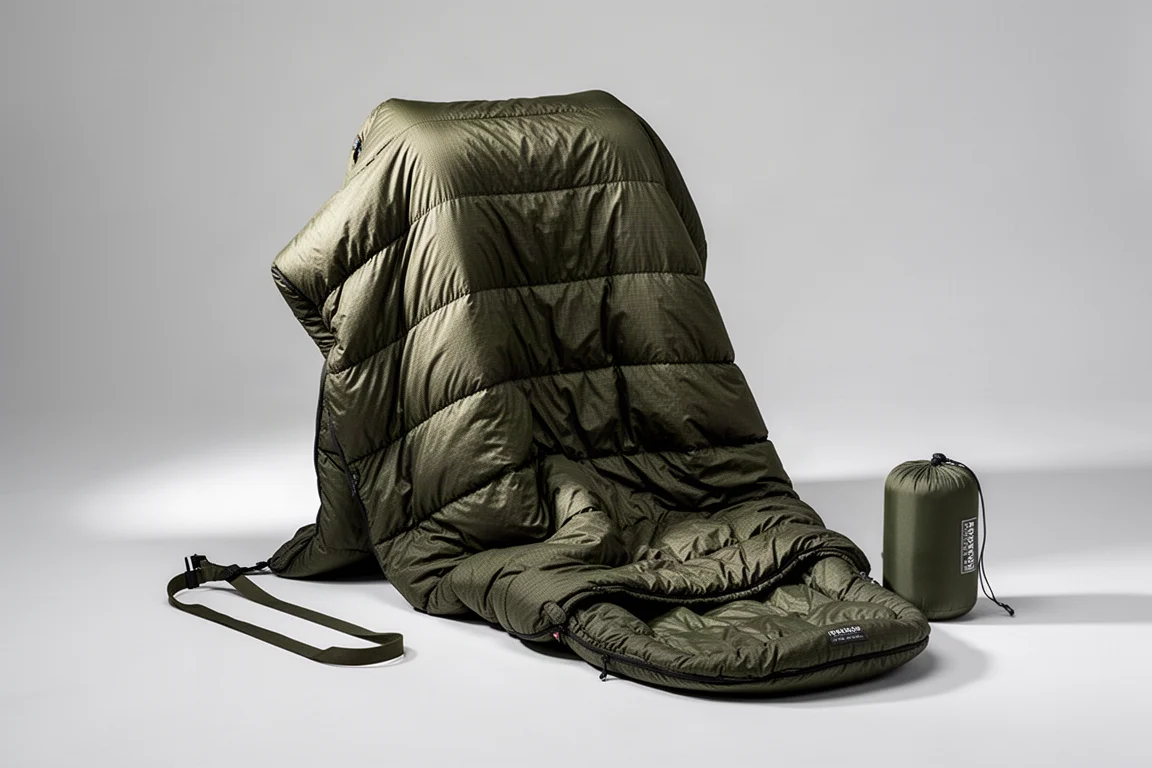
Quilt: Hammock Gear Econ Burrow
The Hammock Gear Econ Burrow is an affordable backpacking quilt that stays warm and arrives with a strong feature set. Quilts suit restless sleepers better than sleeping bags: it is easier to turn over without getting tangled, which makes a noticeable difference across a full night.
Rain Protection: Enlightened Equipment Visp
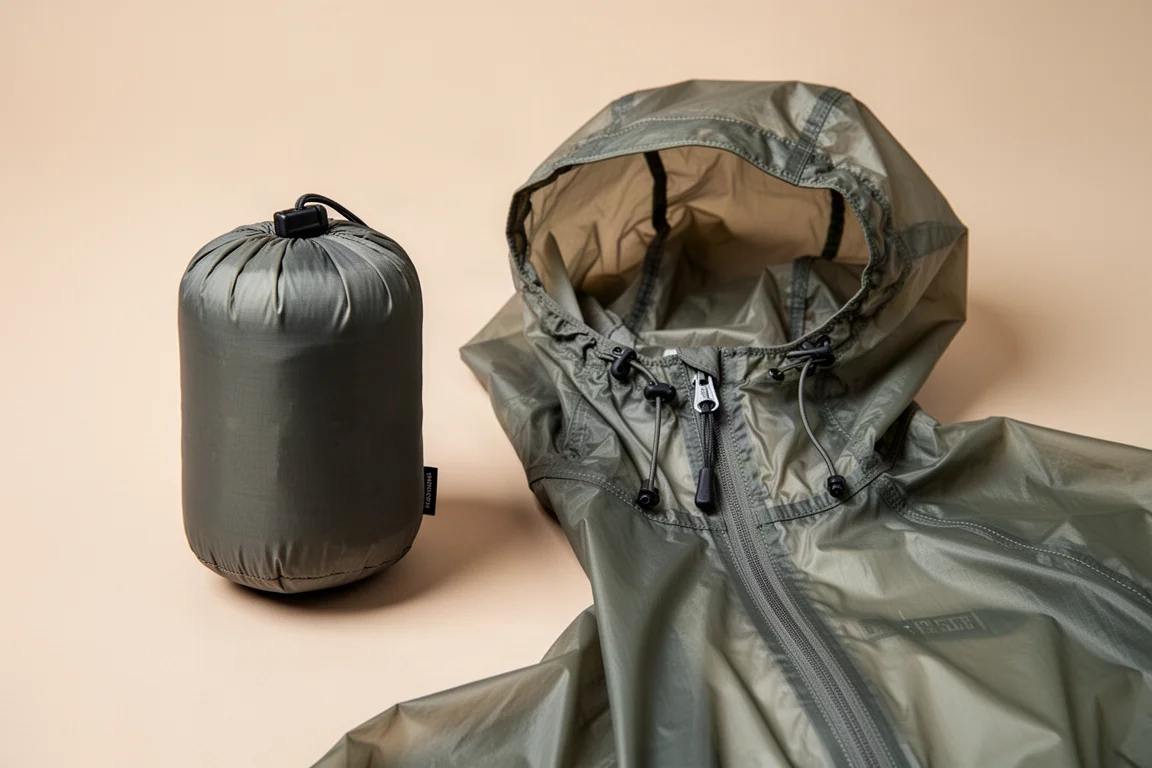
Budget rain jackets work, but the Enlightened Equipment Visp is a clear step up. It is noticeably more breathable, more durable, and packs down smaller than entry-level shells, and the mechanical armpit zips let you vent heat on the move without taking the jacket off.
It has already proven itself in sustained wet weather, holding up through five consecutive days of rain on the West Coast Trail.
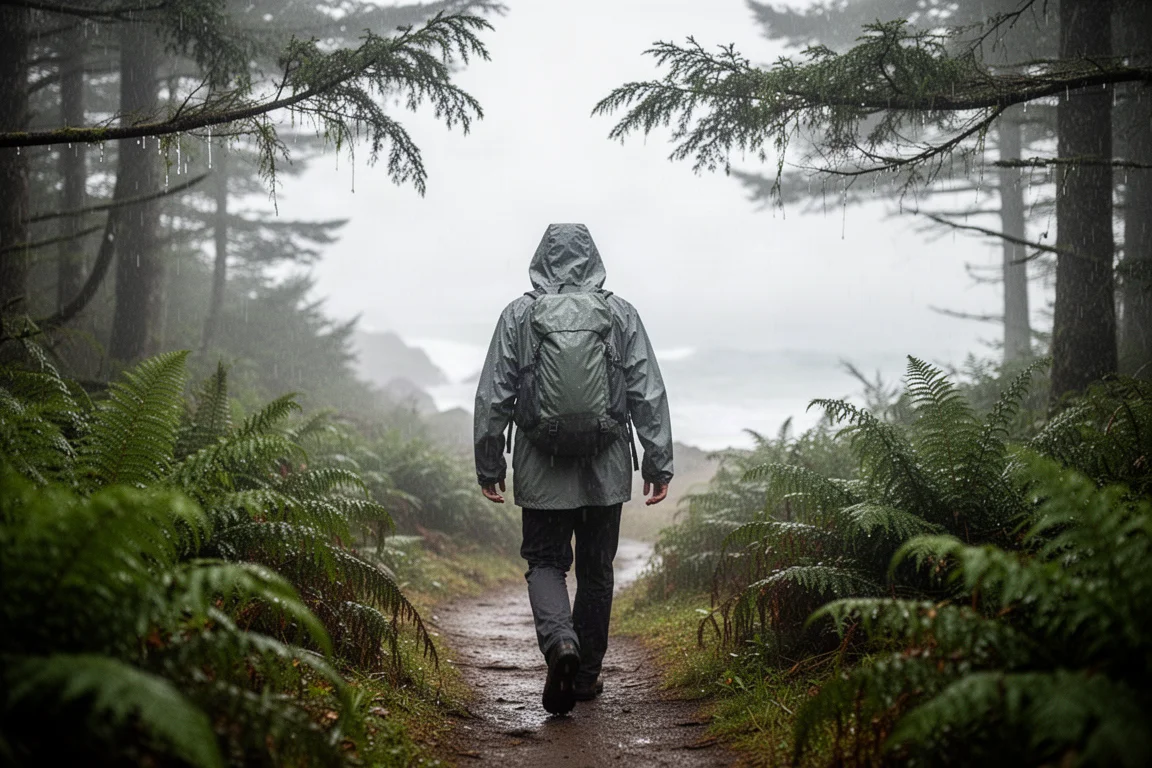
For anyone who hikes in a wet climate, breathability and pit zips matter more than a small weight saving. A jacket that keeps rain out while letting moisture escape is worth carrying.
Water Treatment: Platypus QuickDraw
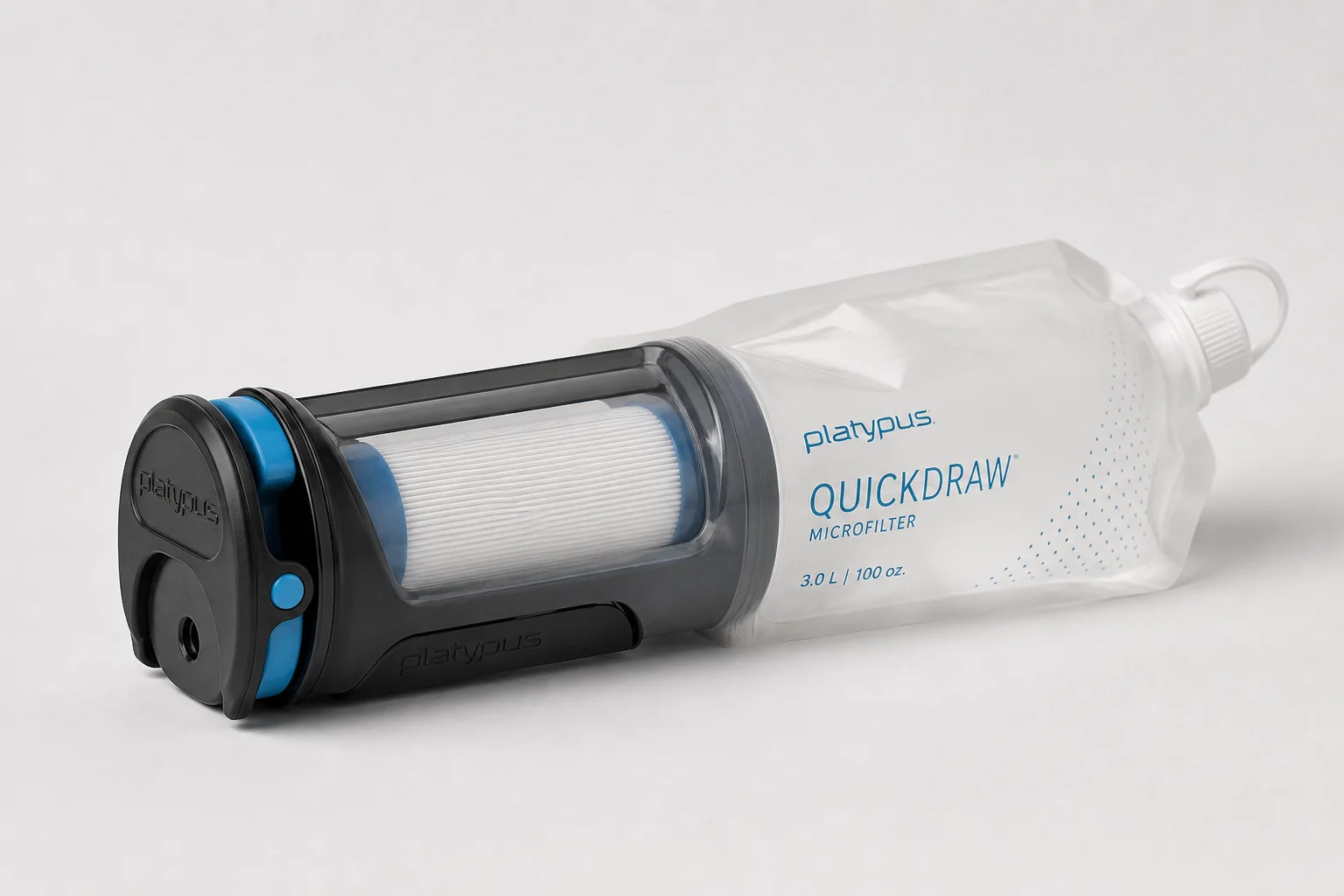
The Platypus QuickDraw has been in steady use for over a year. It filters water easily, feels durable, and uses a squeeze bag for dirty water. One unit failed and was replaced under warranty, and the replacement has held up well since.
Caps on both ends are a practical detail. They let you seal the filter and tuck it into a sleeping bag or quilt when overnight temperatures drop below freezing, which protects it from freeze damage.
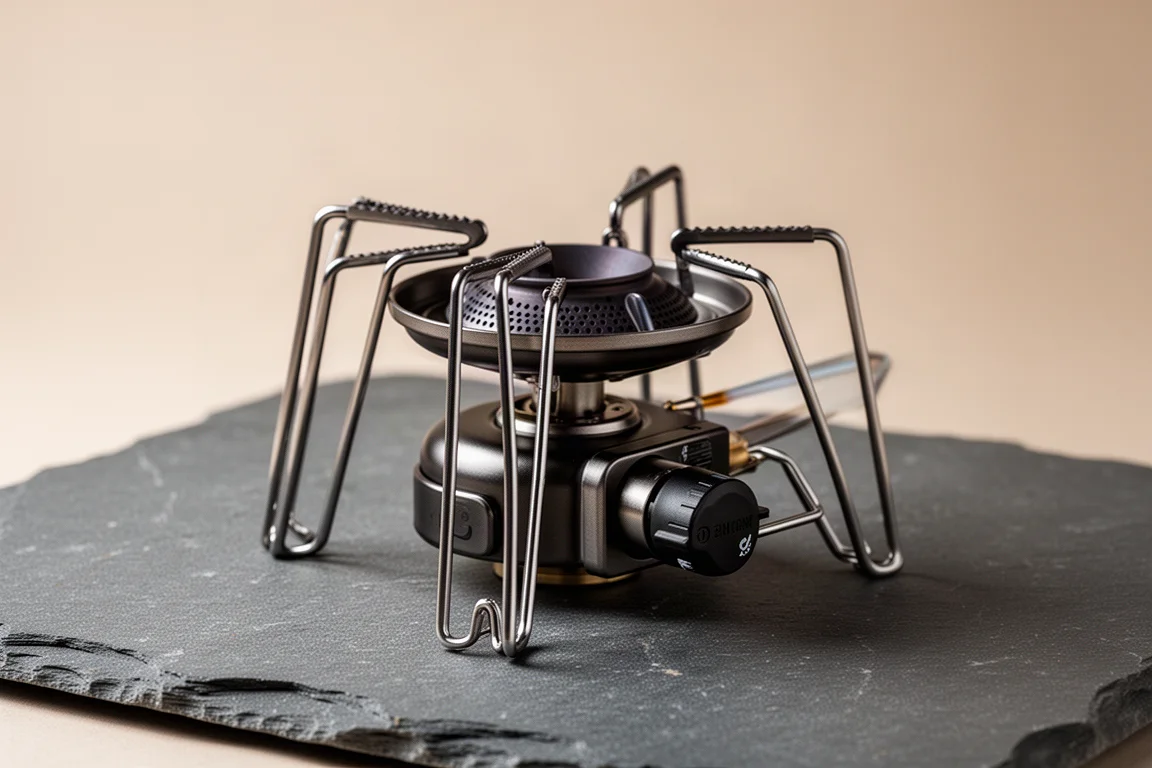
Cooking: MSR PocketRocket Deluxe
The MSR PocketRocket Deluxe is a reliable stove that performs across a wide range of conditions. Its piezo igniter has been dependable, so there is no need to carry a lighter as a backup just to light it.
A larger titanium pot pairs well with it on group trips, where more than half a liter of water may be boiling at once, and a decent-sized pot is one of the easier ways to make camp cooking feel less like a chore.
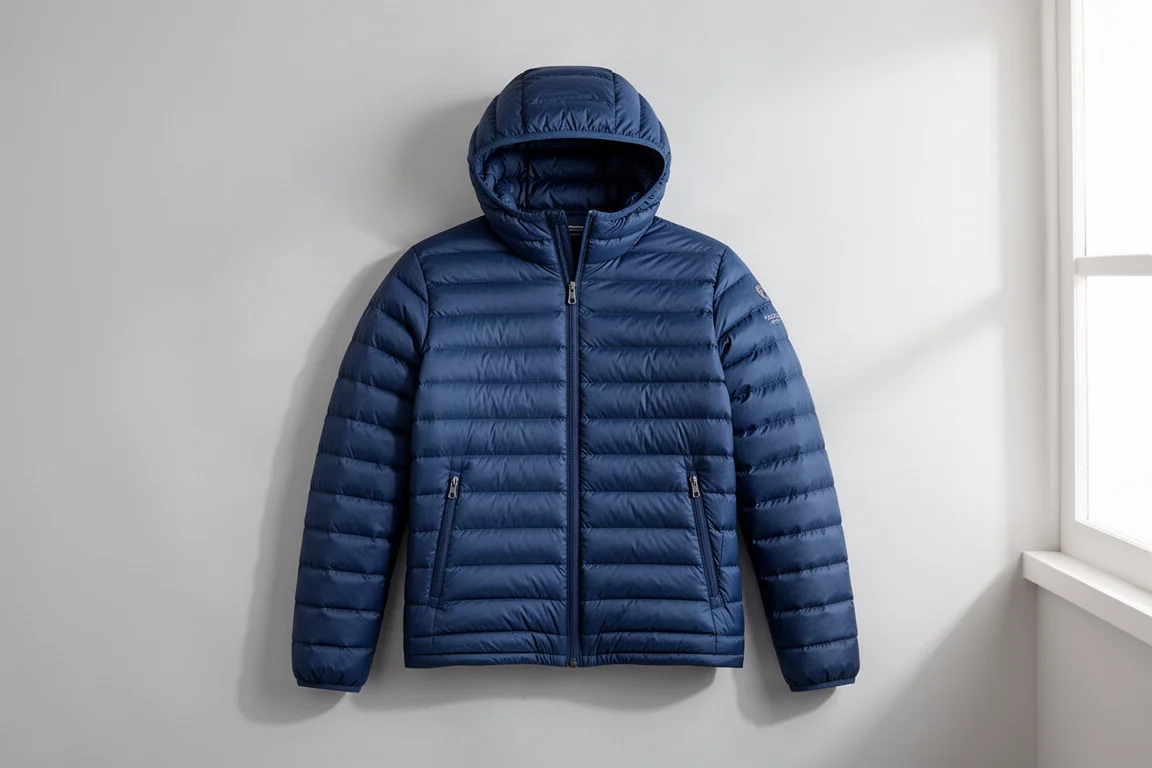
Warmth Around Camp: Decathlon Trek 100 Down Jacket
The Decathlon Trek 100 down jacket is comfortable on the body, warm when the sun drops, and affordable for what it delivers. It performs well beyond what its price suggests, which makes it an easy recommendation for a camp layer that will see real use rather than sit in a pack.
Buying Advice
Start with the pack and the shoes. Those two items decide whether the walking itself feels good, and both need to fit properly before anything else on this list matters. Everything after that is about how the trip feels once you stop moving.
Build the sleep system around the temperatures you actually expect. The Ether Light XT is the more comfortable pad and the right choice for three-season trips that stay above freezing. The Nemo Tensor 2022 is the better pick when nights head toward 20 degrees Fahrenheit, because extra insulation matters more than extra cushioning at those temperatures. The Econ Burrow quilt and the Nemo Fillo pillow round out a sleep setup that is warm and genuinely restful.
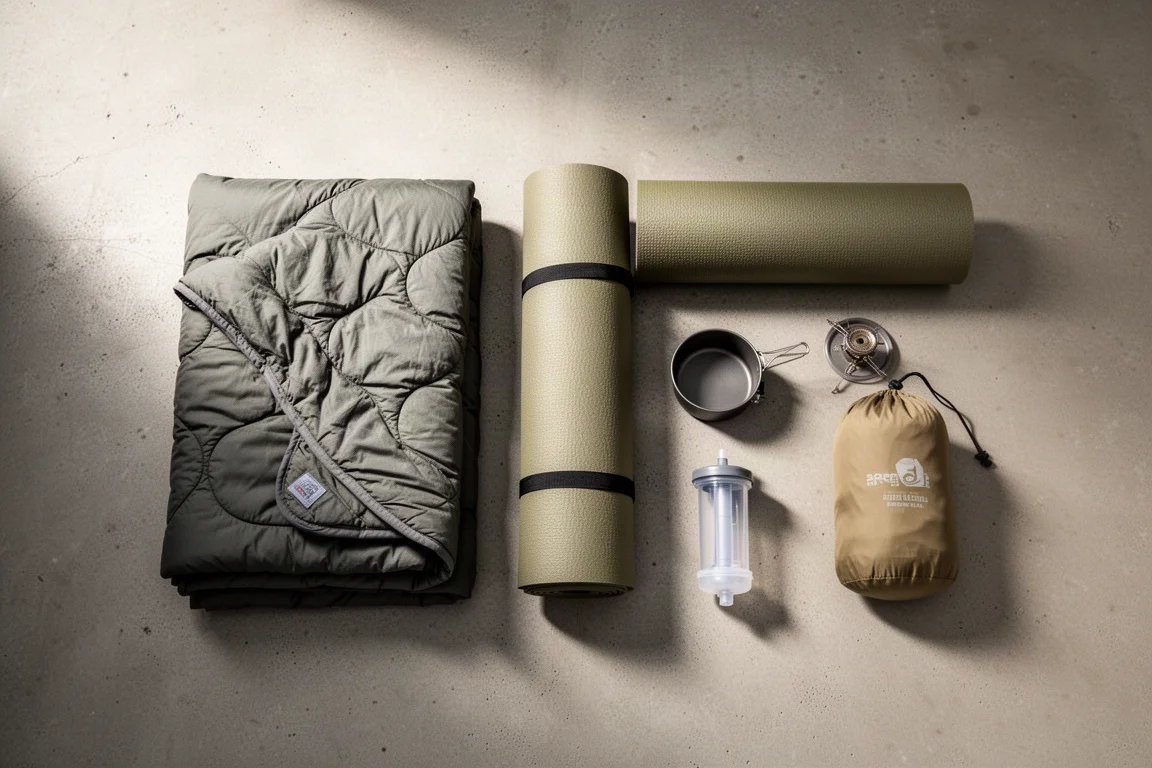
Camp furniture is where this becomes a comfort list rather than a minimalist one. A chair delivers the biggest improvement per gram, a second chair makes group trips more social, and a small table is an inexpensive way to make evenings easier. None of it is mandatory, and all of it is easy to leave behind on trips where weight matters more.
Rain gear and water treatment are worth spending on rather than compromising. A breathable jacket with pit zips and a filter with caps on both ends each solve problems that show up on real trips, not in fair weather.
Conclusion
Comfort on the trail is not about carrying more. It is about choosing the handful of items that change how a trip feels: a pack that carries weight well, a shelter that stays dry in the rain, a sleep system matched to the forecast, and a small amount of camp furniture that turns an evening into something to look forward to.
The picks above cover those priorities without abandoning lightweight principles. Start with the pack and the shoes, match the sleeping pad to the temperatures you expect, and add camp comfort from there.
Further reading
Related Reviews

Backpacking Gear
Building a 10 lb Base Weight: An Ultralight Backpacking Gear List
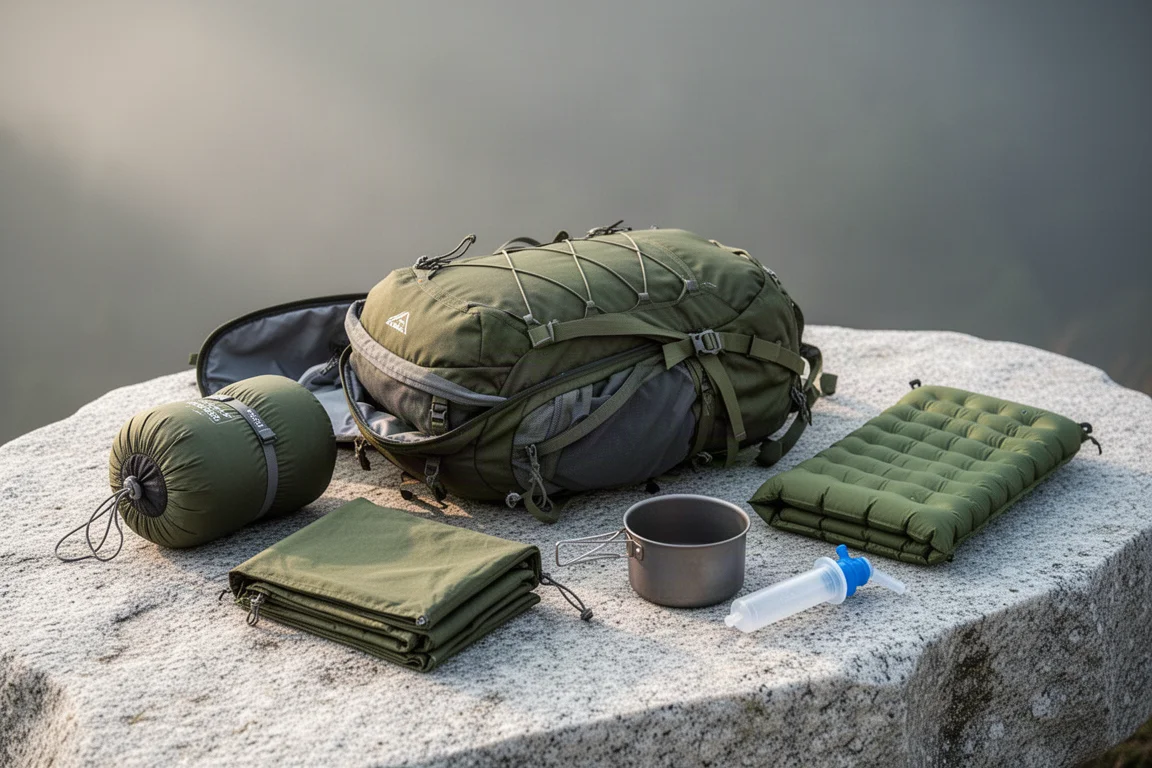
A practical walkthrough of the ultralight pieces behind a 10 lb base weight, from a 765 g pack and a roomy one-person tent to a full camp chair and a dependable water filter.
Backpacking Gear
A 15-Pound Lightweight Backpacking Gear List for Solo Trips
A beginner-friendly 15-pound backpacking setup built from easy-to-find gear, with notes on what each piece does, how it packs, and where to spend your attention.
Backpacking Gear
8 Ultralight Backpacking Gear Upgrades Worth Carrying
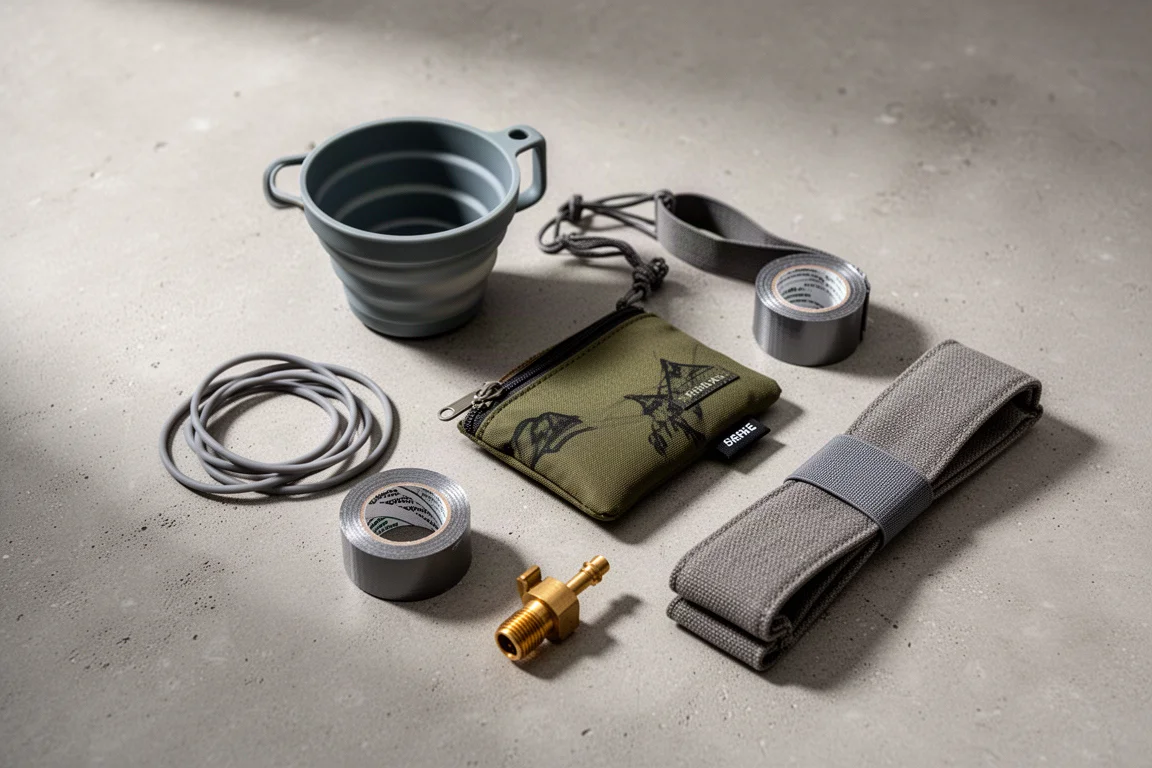
Eight small, affordable backpacking upgrades that solve real trail annoyances, from a pillow that stays put to a fuel valve that rescues leftover canister gas.