Backpacking Gear
Ultra Comfort Backpacking Gear: A Complete Kit for Happier Miles
A comfort-first backpacking kit, from an easy-reach pack and a fast-burning stove to a quilt, a wide pillow, and a three-person tent that pitches fly-first in rain.
Introduction
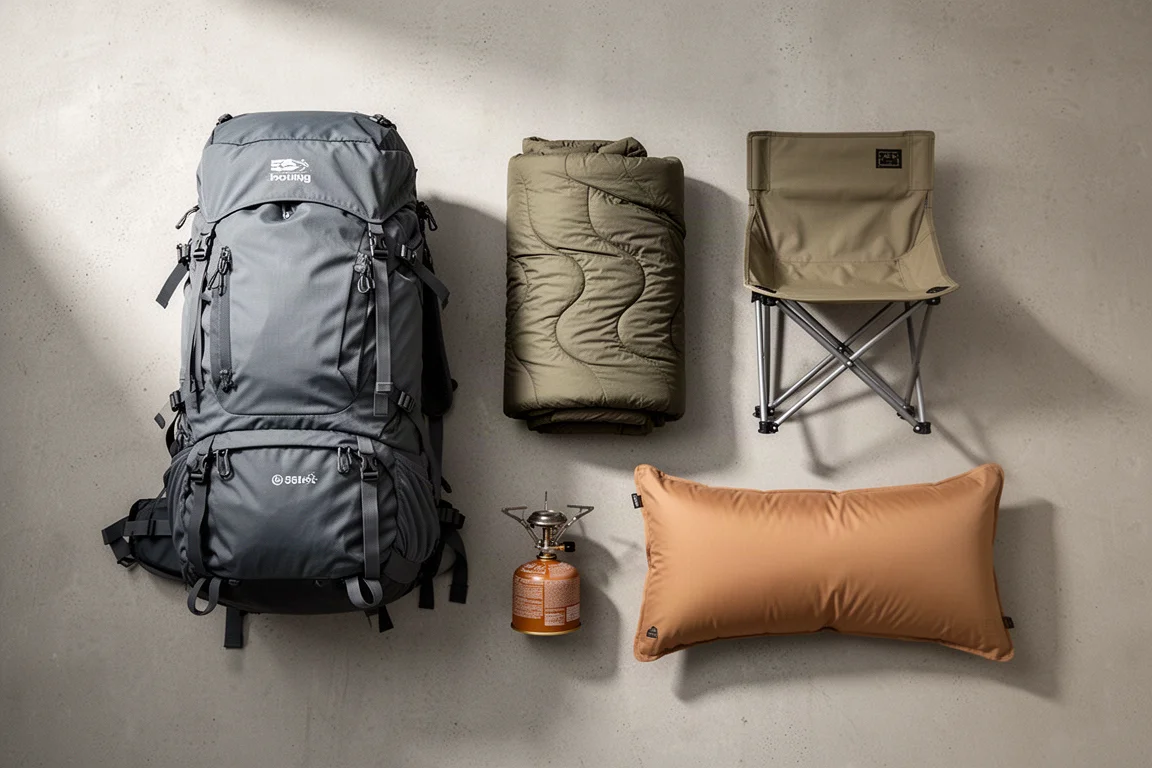
Comfort is the difference between a trip you remember fondly and one you simply endure. Sore shoulders, a pad that leaves a hip aching, a pillow that escapes in the middle of the night: these are gear problems with gear answers. What follows is a comfort-first backpacking kit, assembled item by item around the moments that decide how a trip feels, from reaching for a water bottle on a climb to sleeping through a cold night on hard ground.
What Comfort-First Gear Actually Changes
Two priorities shape this kit. The first is sleep, because nothing else on trail depends so heavily on a handful of items working together. The second is access, meaning the small design details that decide whether you can reach what you need without stopping, unshouldering the pack, or straining a shoulder.
Weight still matters, and several items here carry a penalty for the comfort they deliver. That trade is deliberate. A chair, a wider pillow, or a quilt with a little more insulation is worth the grams if it means arriving at camp relaxed and sleeping well. For trips where speed comes first, a lighter version of almost everything on this list exists, and a few of those alternatives are noted along the way.
REI Flash 55: A Pack Built Around Easy Reach
The Flash 55 solves a small problem that bothers a lot of hikers: reaching a water bottle in a side pocket while wearing the pack. REI places a separate bottle pocket in front of the side pocket, so the bottle sits where a hand can actually find it. Even with limited shoulder flexibility, the bottle comes out, gets used, and goes back without a stop.
The rest of the layout is practical rather than fussy. Side pockets swallow tent stakes, poles, or a snack. Hip belt pockets keep small essentials close, and the main compartment takes a full comfort kit. One change is worth flagging: the 2023 version moves away from the waterproof feature offered on the earlier version, so items that need protection are better off inside a pack liner.
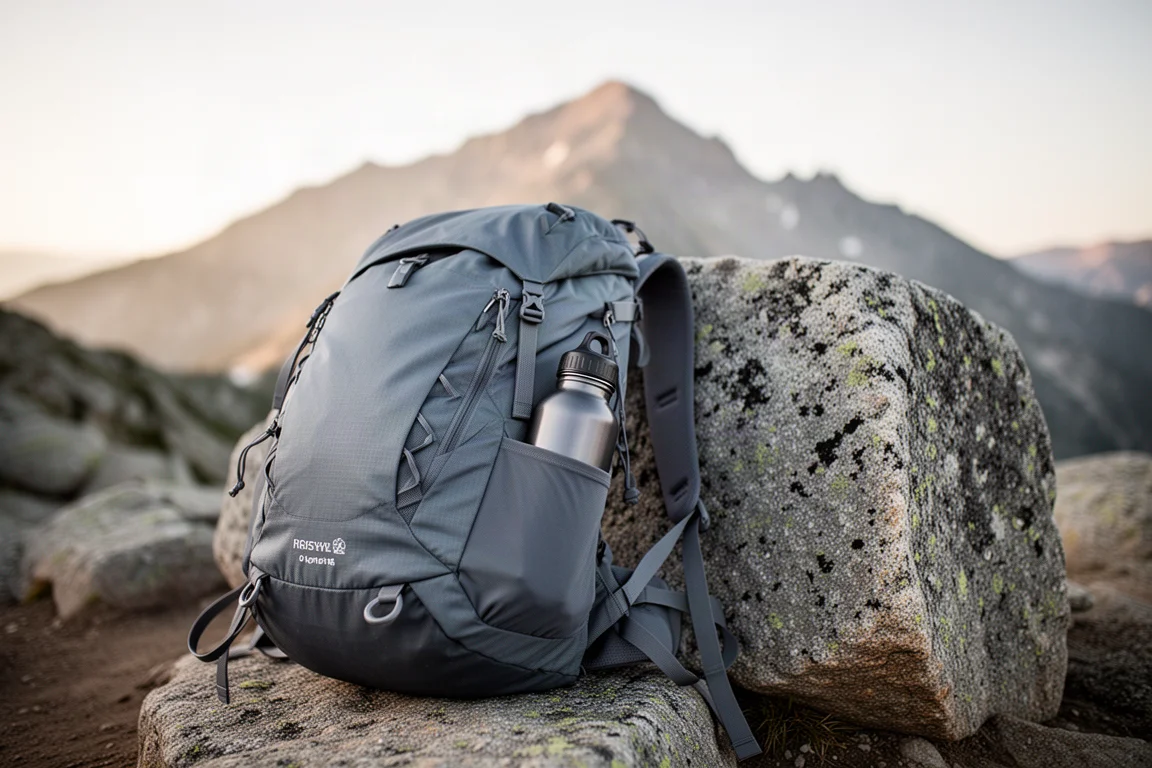
Hikers who carry a lot of small items will appreciate the pocket arrangement most, since everything has a place that does not require taking the pack off.
Garmin inReach Messenger: Staying in Touch Off Grid
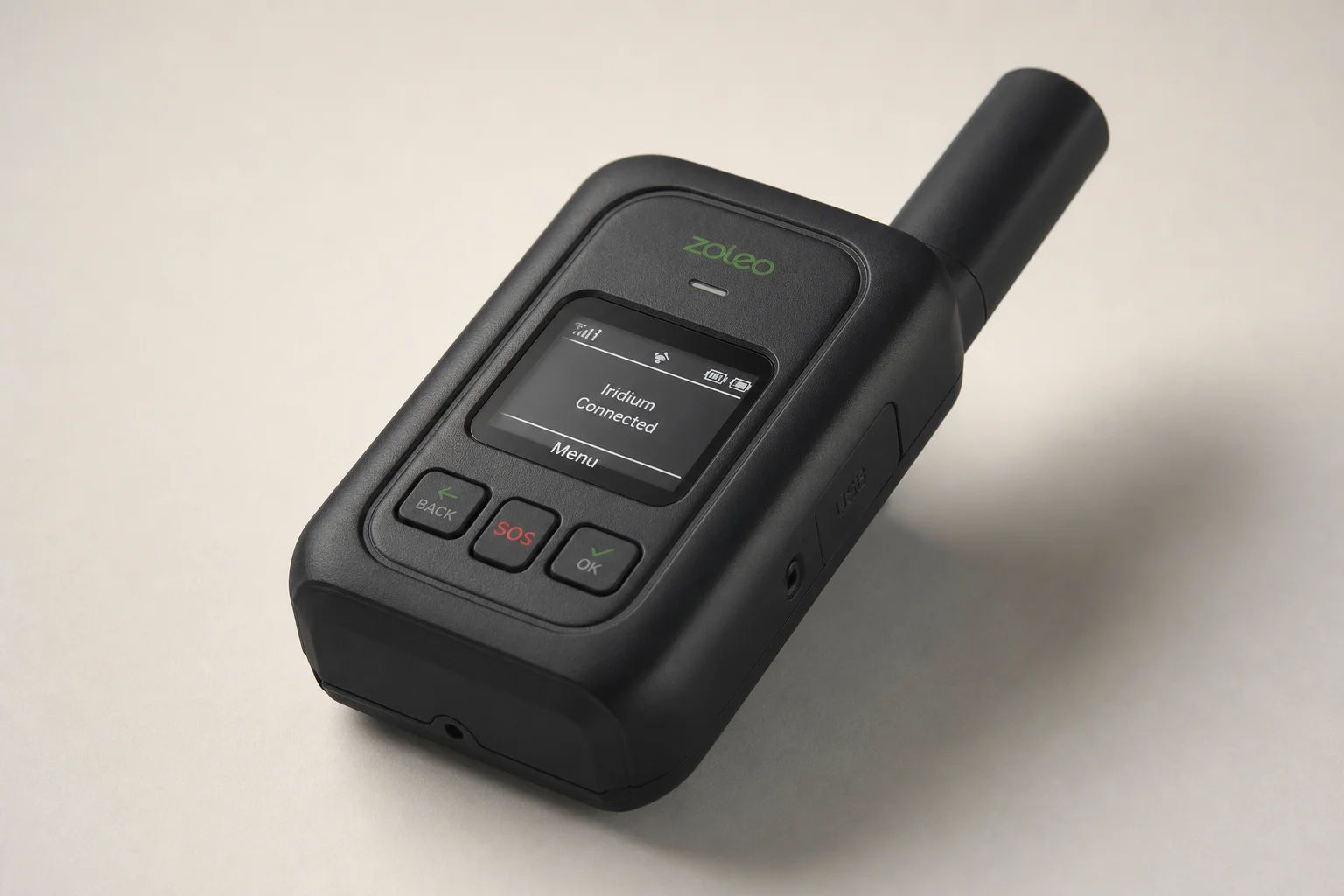
The inReach Messenger rides in a hip belt pocket and covers the communication side of a trip. An SOS button puts a call for help within reach when something goes wrong, and the same device sends check-ins to family at home and messages to other inReach users on or near the trail. For anyone who hikes beyond reliable cell coverage, it turns a remote route into a manageable one.
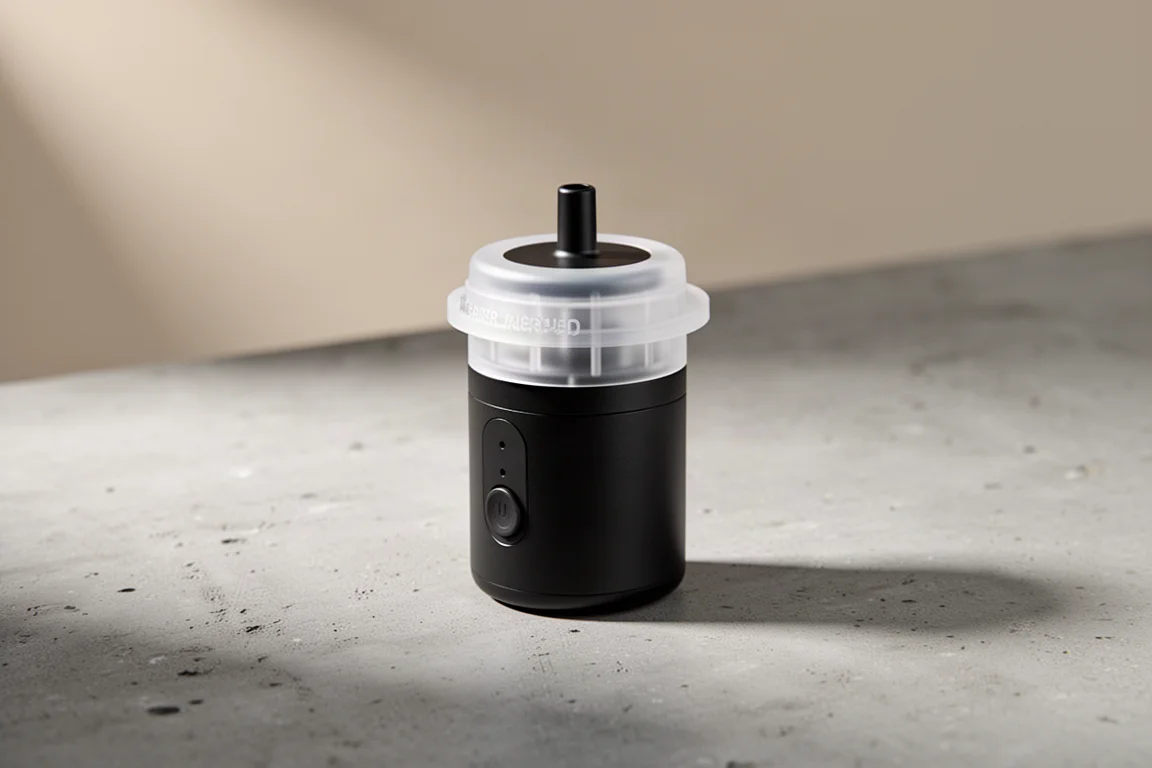
Flextail Tiny Pump: Inflating Pads and Lighting the Tent
The Tiny Pump does two jobs. It inflates a sleeping pad, which removes the lightheaded feeling that comes with blowing one up by mouth, and it doubles as a lantern. Hung in a tent pocket, it lights the interior for reading or sorting gear, and around camp it provides a soft light without tying up a headlamp.
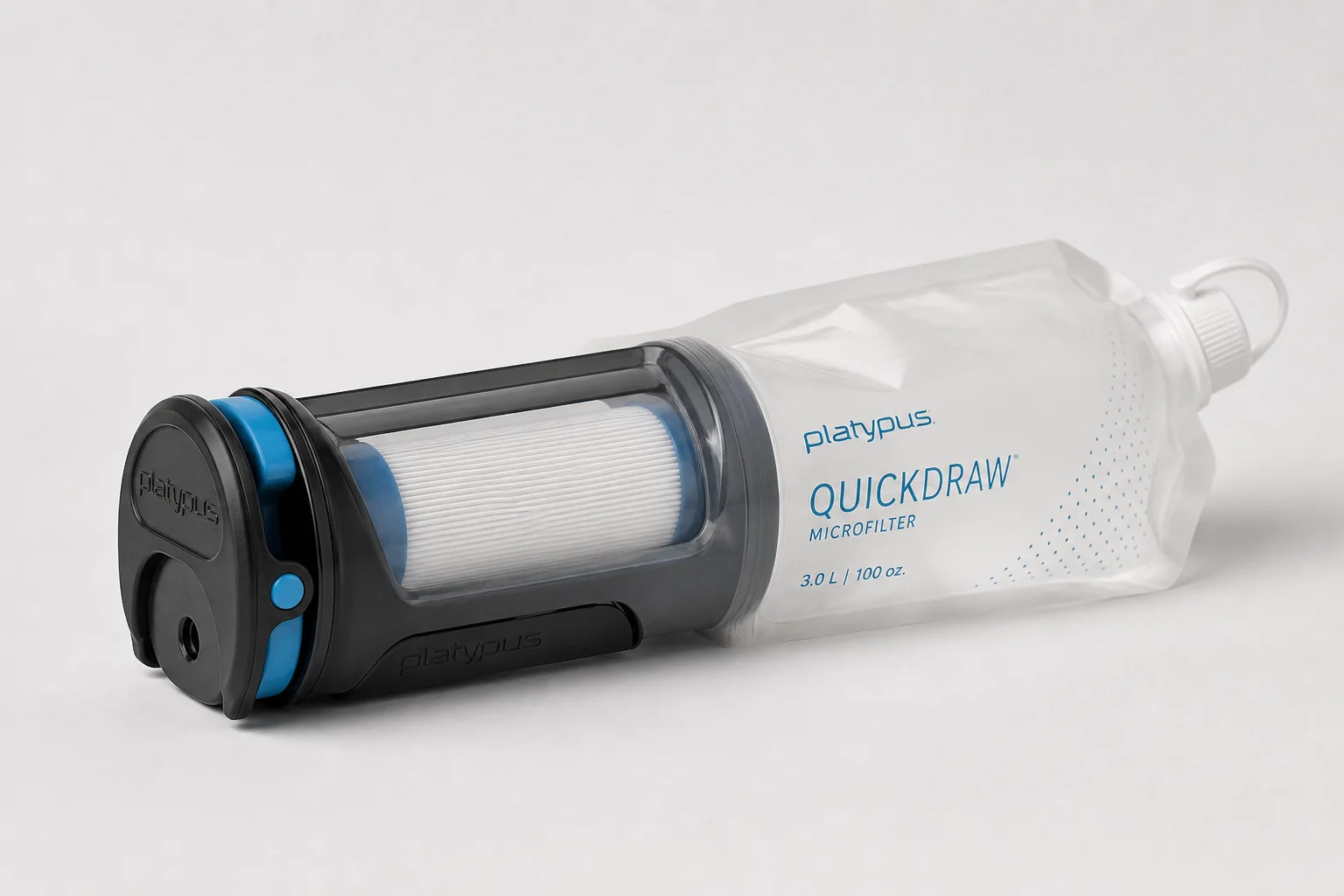
Platypus QuickDraw: Fast, Freeze-Aware Water Treatment
The QuickDraw is quick to use and effective, and its two watertight ends are the detail that matters in cold weather. Sealed at both ends, the filter can go into a sleeping bag or quilt overnight without freezing, which keeps it working on trips that dip below freezing. Paired with a wide-mouth bladder, filling up and pushing water into a bottle takes very little effort.
MSR WindBurner: Fast Boiling in Exposed Camps
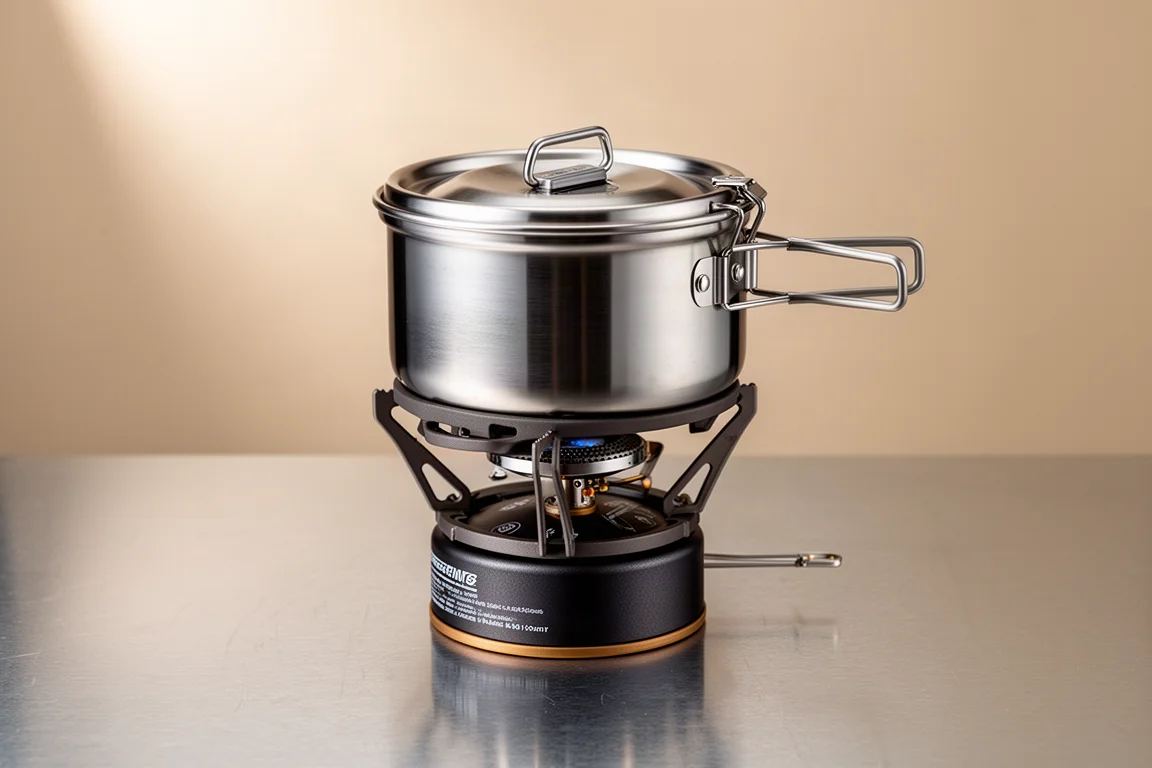
The WindBurner is an all-in-one cook system built around a radiative burner, and the result is fast boils and steady performance when wind would otherwise slow a stove down. That matters at exposed camps where no sheltered spot is available and a hot drink or a rehydrated dinner decides whether the evening goes well.
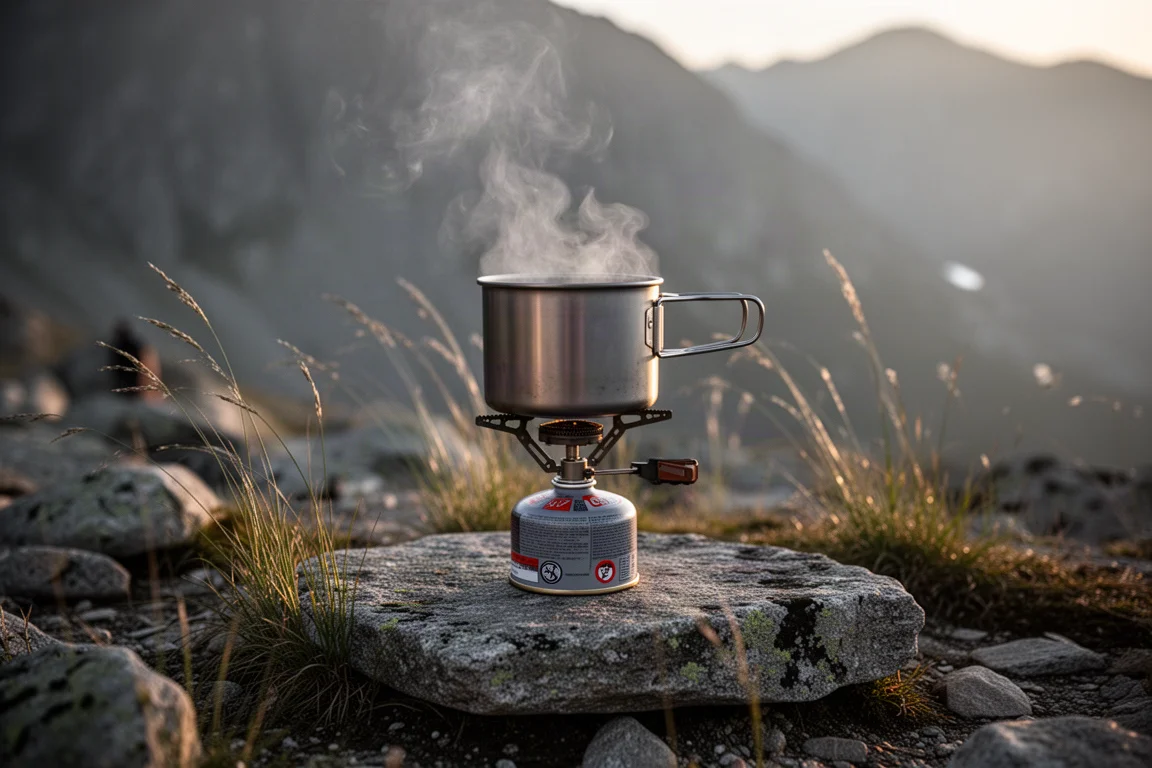
Because the components nest together, the system takes up little space in the pack and cleanup stays simple.
REI Helix: The Most Comfortable Pad in This Kit
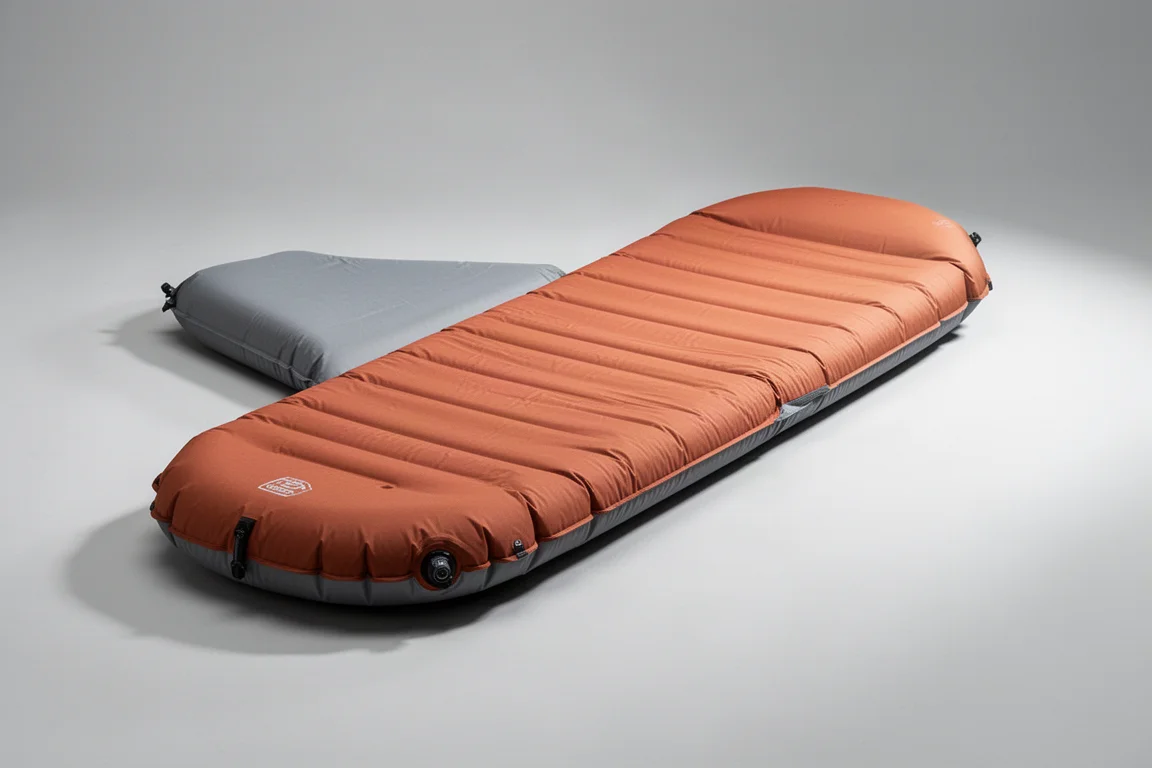
The Helix uses a quilted baffle pattern of dimples and grooves, the same idea that made the Sea to Summit Ether Light XT a long-standing comfort favorite. The pattern relieves pressure at the shoulder and hip, which is exactly where side sleepers feel a pad most. Sleeping through the night is the norm on this pad, a result that has otherwise been rare outside the Ether Light XT and the Big Agnes Q-Core Deluxe.
What separates the Helix is warmth. Its R-value of 4.9 is high, and testing in cold conditions on cold ground has stayed comfortable below freezing. It reaches its limit on frozen ground or snow, but in most three-season conditions it remains warm with room to spare.
Exped Mega Pillow: Wide, Supportive, and Strap-Ready
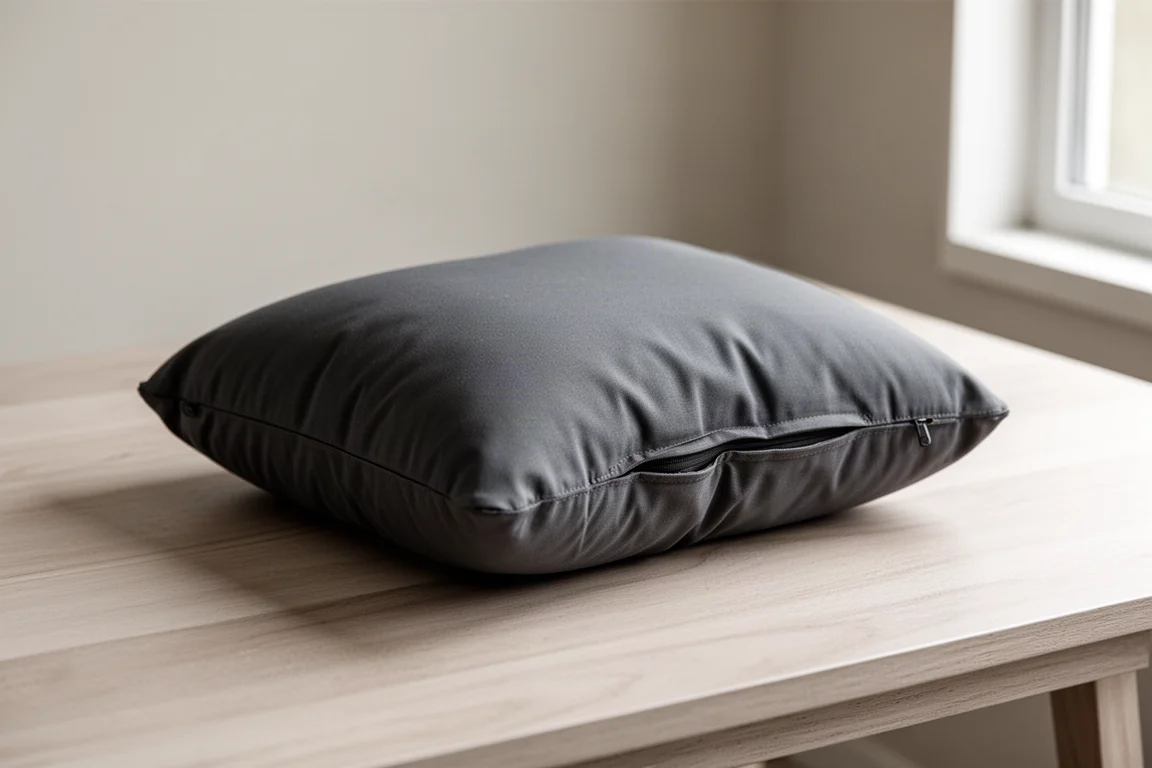
Two loops on either side let a shock cord run through and attach the pillow to a sleeping pad, which is the difference between a pillow that stays put and one you chase across the tent at three in the morning. The Mega Pillow is also wide, covering the full width of a 25-inch pad, so it feels closer to a pillow at home than to a camping accessory.
Support is the other half of the story. It does not feel like resting on a balloon, and a soft cushioned top adds to that effect. It is not the lightest option in this category. The Trekology 2.0 is the lighter pick, and the Nemo Fillo remains a strong choice for anyone who wants a thicker foam top layer.
Enlightened Equipment Enigma: Why a Quilt Beats a Bag for Comfort
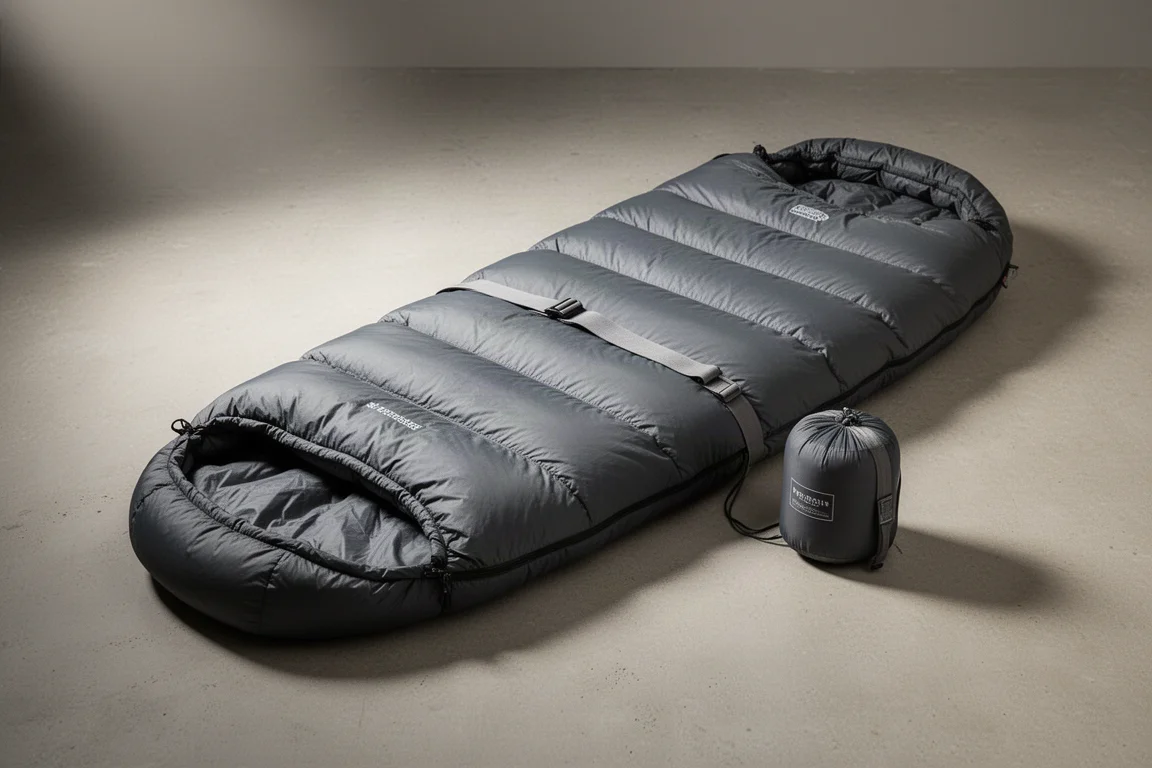
A quilt has no bottom, which removes the main source of overnight discomfort in a sleeping bag: fabric that twists around you as you turn. Attached to a sleeping pad with pad straps, a quilt stays where you put it, and drafts become a matter of setup rather than an inevitability. Used this way, quilts have kept sleepers comfortable down to below zero degrees Fahrenheit.
Versatility is the second advantage. Snapped and cinched at the top, a quilt seals warmth around the neck on cold nights. Opened up, it works as a blanket when temperatures rise, so you are not overheating by morning. The Enigma is a high-end, customizable option, while the Hammock Gear Econ Burrow covers the affordable end, the Enlightened Equipment Revelation offers a different configuration, and the REI Magma is the pick for anyone who prefers to buy in store.
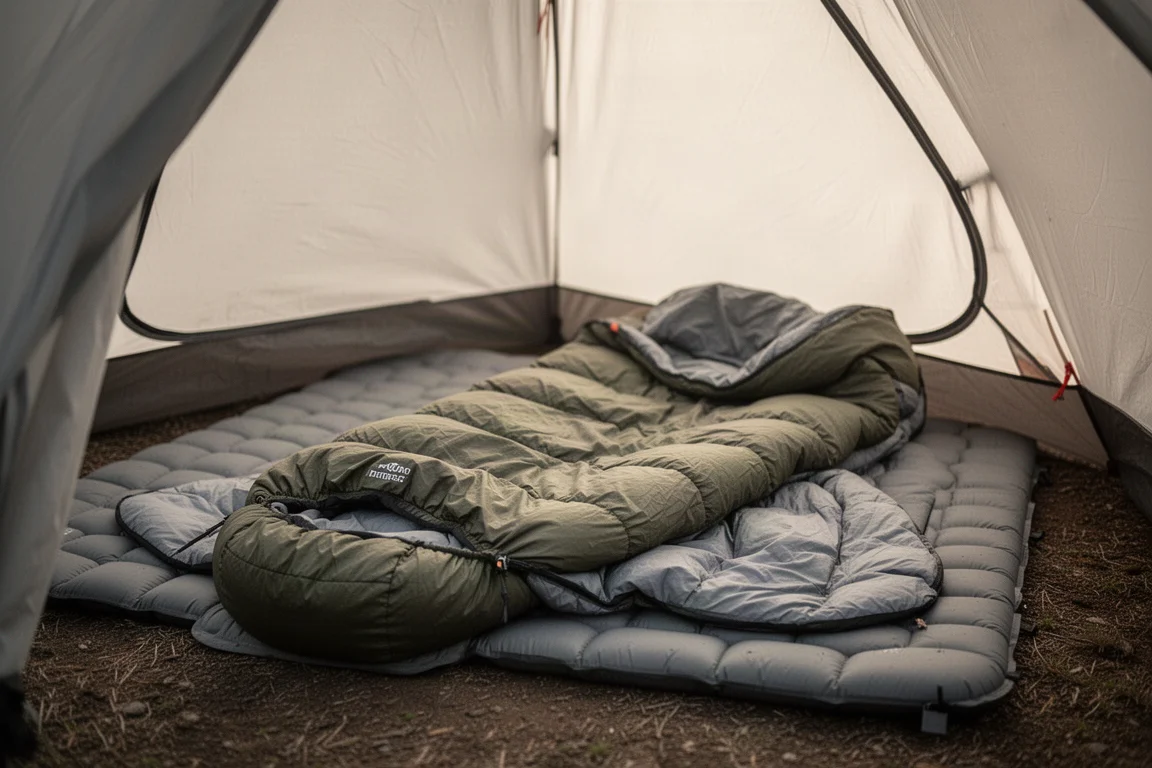
For side sleepers and anyone who changes position through the night, the quilt format is often the single biggest comfort upgrade available in a sleep system.
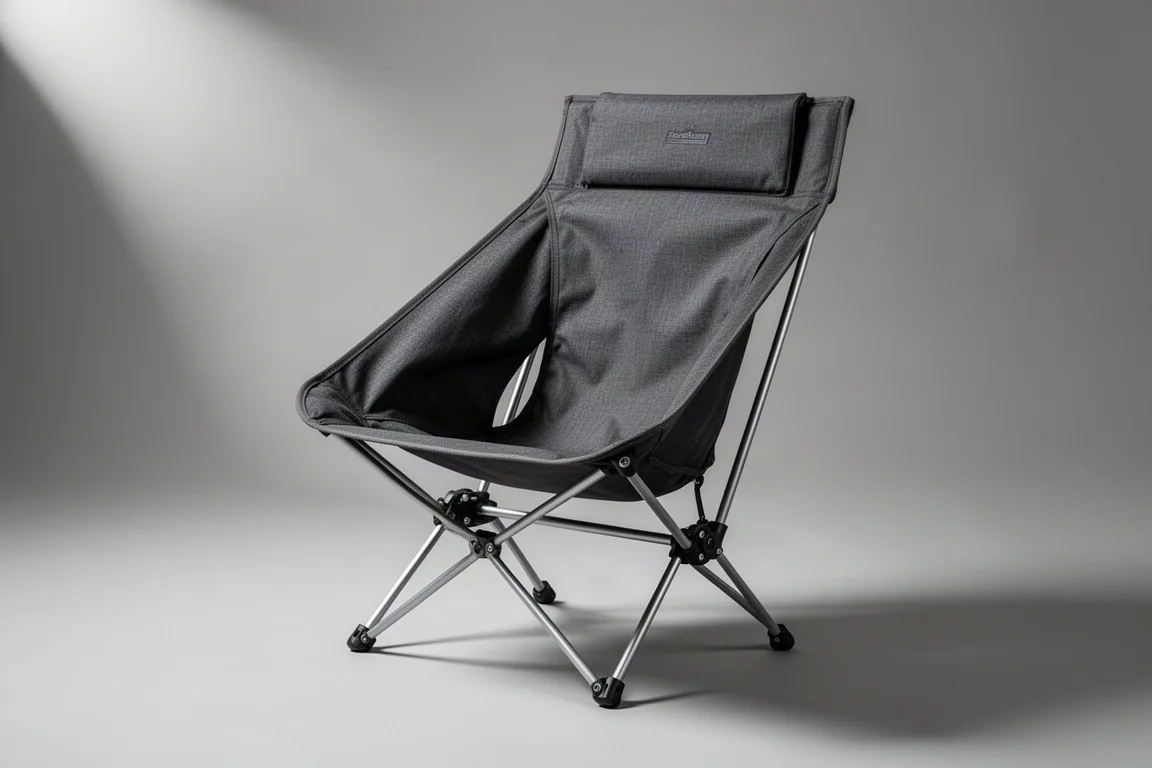
Helinox Chair Zero High Back: Sit Properly at Camp
A chair changes camp. The Chair Zero High Back weighs 690 grams and adds a taller backrest than the original Chair Zero, so support runs through the lower back, mid back, and shoulders rather than stopping at the waist. It also sits you more upright, which suits reading, cooking, or eating, and the high back doubles as a light headrest when you do want to lean back.
Two trade-offs are worth knowing. It is heavier than the standard Chair Zero, and it is narrower, so larger frames may find it tight.
Small Items That Round Out the Kit
The details decide how a kit feels in practice. For camp hygiene, a trowel does the digging; the Vargo Dig Dig Trowel is robust and effective, while the Bogler Trowel saves weight. A Kula Cloth handles drying after washing up, and a backcountry bidet with soap replaces toilet paper entirely.
Camp downtime is easier with something to do. Backcountry Bocce packs down small and works with a group, while cards or a cribbage board cover smaller parties. A Hilltop Packs food bag keeps meals organized, and a collapsible mug with ridged sides makes a hot drink or a glass of wine possible without burning your hand.
Footwear and layers matter at the start and end of the day. Lightweight camp slippers or Mayfly Sandals give tired feet a break without adding much weight, and the Decathlon Trek 100 down jacket delivers a lot of warmth for the money, which makes it one of the better value layers in a comfort-focused kit.
Sea to Summit Telos 3: Space, Headroom, and a Fast Fly Pitch
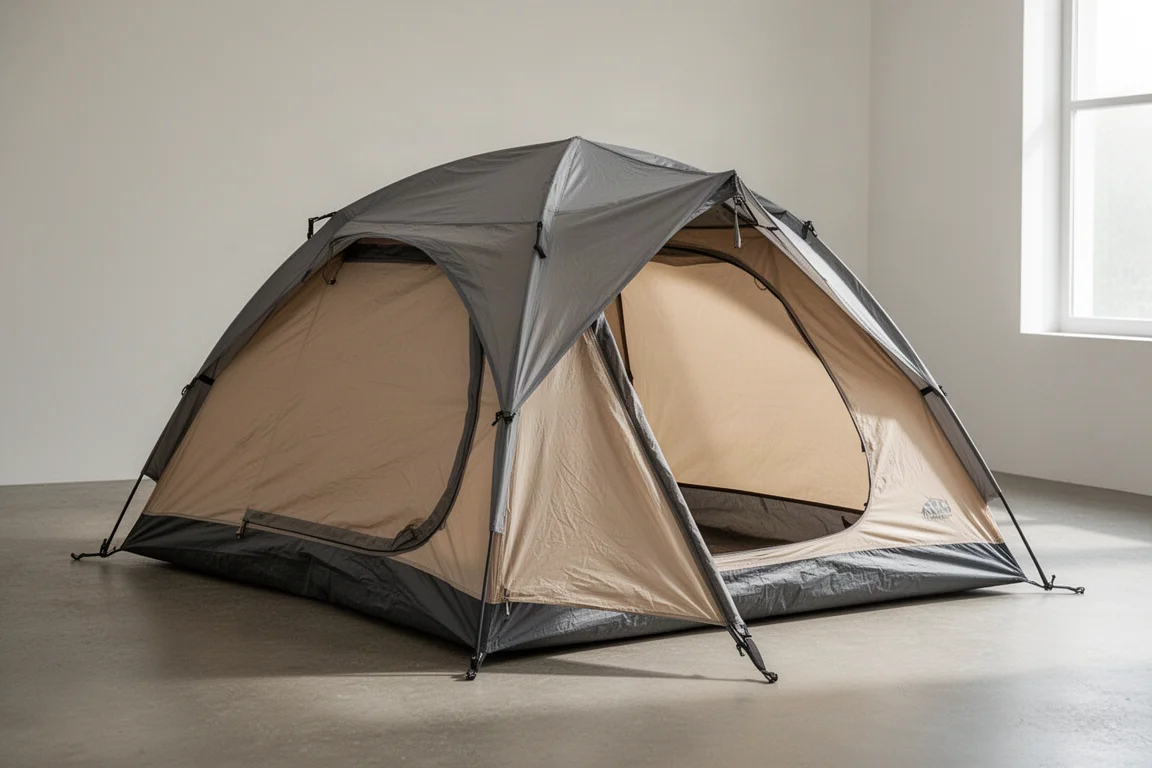
The Telos 3 holds three people and still comes in under two kilograms, which is remarkable for the space it provides. Two 25-inch wide sleeping pads fit inside with plenty left over, and brow poles curve the ceiling upward to create genuine headroom. Those same poles make entry and exit easier, a detail that matters for older hikers or anyone who has crawled awkwardly through a low door.
The fast fly pitch mode is the feature more tents should copy. The fly goes up first, then the inner pitches underneath it, so rain never soaks the inner while you set up. The Telos is not the most storm-worthy design on the market given its boxy shape, but it handles light wind and rain without complaint.
Overall Buying Advice
Start with sleep. A pad and a quilt or bag account for most of how a trip feels, and the Helix paired with a quilt covers a wide range of three-season conditions. Add the wide pillow if you want the closest thing to a bed at home, and skip it in favor of a lighter model if packed size and weight come first.
Then address the hours you are awake. A pack with genuinely reachable water bottle pockets removes a small irritation that repeats dozens of times a day, and a chair makes camp something to look forward to rather than a place to sit on the ground. Communication gear and a fast water filter are the quiet essentials: they rarely get noticed until the day they matter.
Budget can be spread unevenly without hurting the result. Spend on the sleep system, the pack, and the tent, and save on small items where an inexpensive option works just as well. A quilt with fewer custom options, a lighter pillow, or sandals instead of slippers all reduce cost with little effect on comfort.
Conclusion
Comfort on trail comes from a handful of decisions made before you leave: a pack you can reach into, a sleep system that keeps you warm and still, and a few items that make camp a pleasant place to be. None of it requires carrying everything on this list. Choose the two or three pieces that solve the problems you notice most, and let the rest of the kit come together over time.
Further reading
Related Reviews

Backpacking Gear
Building a 10 lb Base Weight: An Ultralight Backpacking Gear List
A practical walkthrough of the ultralight pieces behind a 10 lb base weight, from a 765 g pack and a roomy one-person tent to a full camp chair and a dependable water filter.

Backpacking Gear
A 15-Pound Lightweight Backpacking Gear List for Solo Trips
A beginner-friendly 15-pound backpacking setup built from easy-to-find gear, with notes on what each piece does, how it packs, and where to spend your attention.

Backpacking Gear
8 Ultralight Backpacking Gear Upgrades Worth Carrying
Eight small, affordable backpacking upgrades that solve real trail annoyances, from a pillow that stays put to a fuel valve that rescues leftover canister gas.