Backpacking Gear
The Ultimate Ultralight Backpacking Loadout for 2026
A complete ultralight backpacking system built from gear that works together, with the real strengths and trade-offs of every piece explained.
Introduction
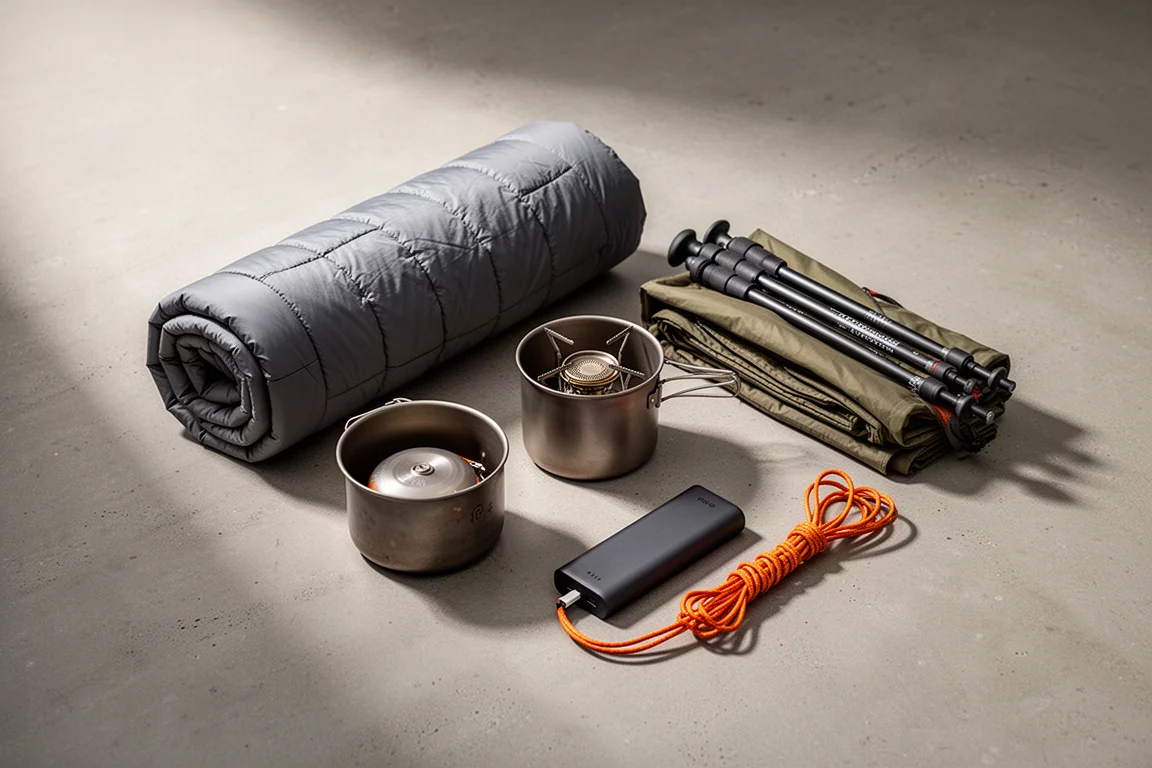
Buying the lightest version of every item is one route to an ultralight kit, but it is rarely the best one. The lightest option almost always asks for something in return, whether that is a higher price, less comfort, or more fiddling at camp. The better approach is to build a system in which the pieces work together, then carry it on real trips and see how it behaves.
This loadout was assembled around that idea and used on an ultralight backpacking trip. Every item below earns its place in one of three ways: it saves meaningful weight, it adds comfort that genuinely matters, or it costs far less than the obvious premium alternative.
How This Loadout Fits Together
The guiding rule is to choose the lightest option only when it does not cost comfort, reliability, or a sensible price. That is why this list includes a framed pack with real pockets, a chair and camp slippers, and why the rain shell is a sub-$100 piece rather than the most expensive one on the market.
Lightweight gear also becomes more versatile. A two-person shelter light enough to carry on solo trips means no separate one-person kit is needed, and the same logic runs through the sleep system. The result is a kit that works for ultralight trips and for general outdoor adventures.
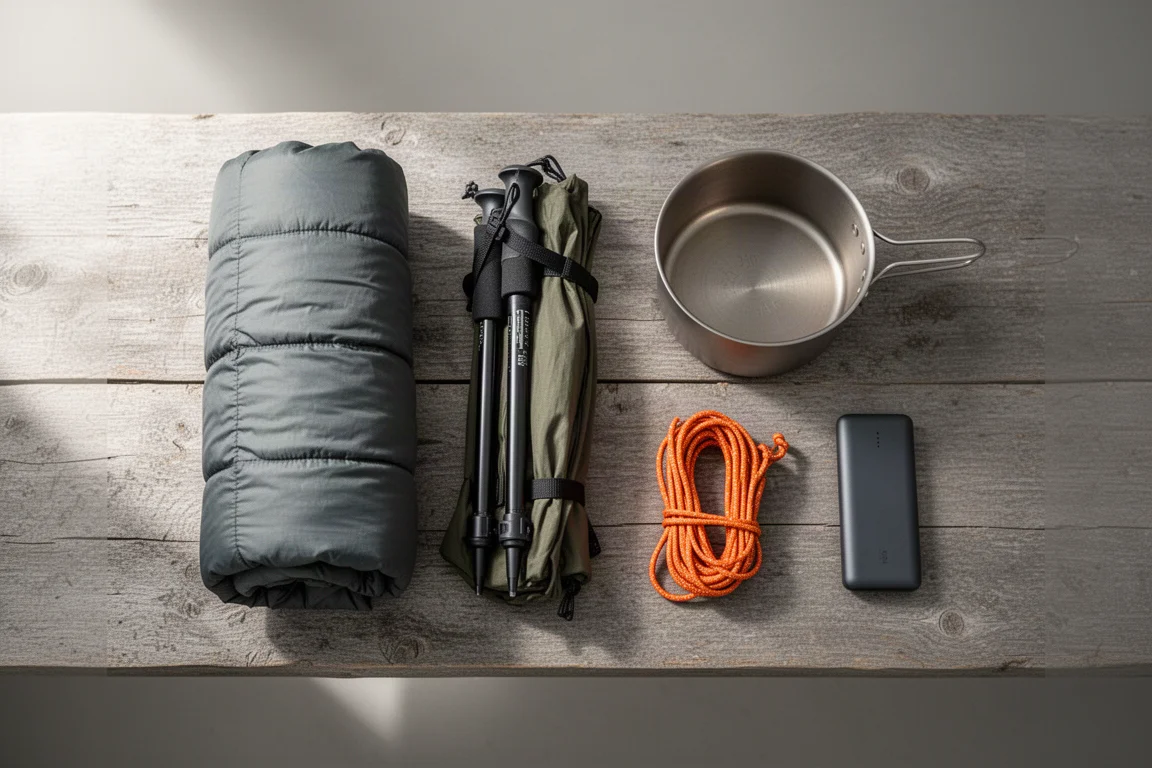
The sections below follow the order the gear sits in or on the pack, from the shelter at the top down to the sleep system, with trade-offs called out wherever they exist.
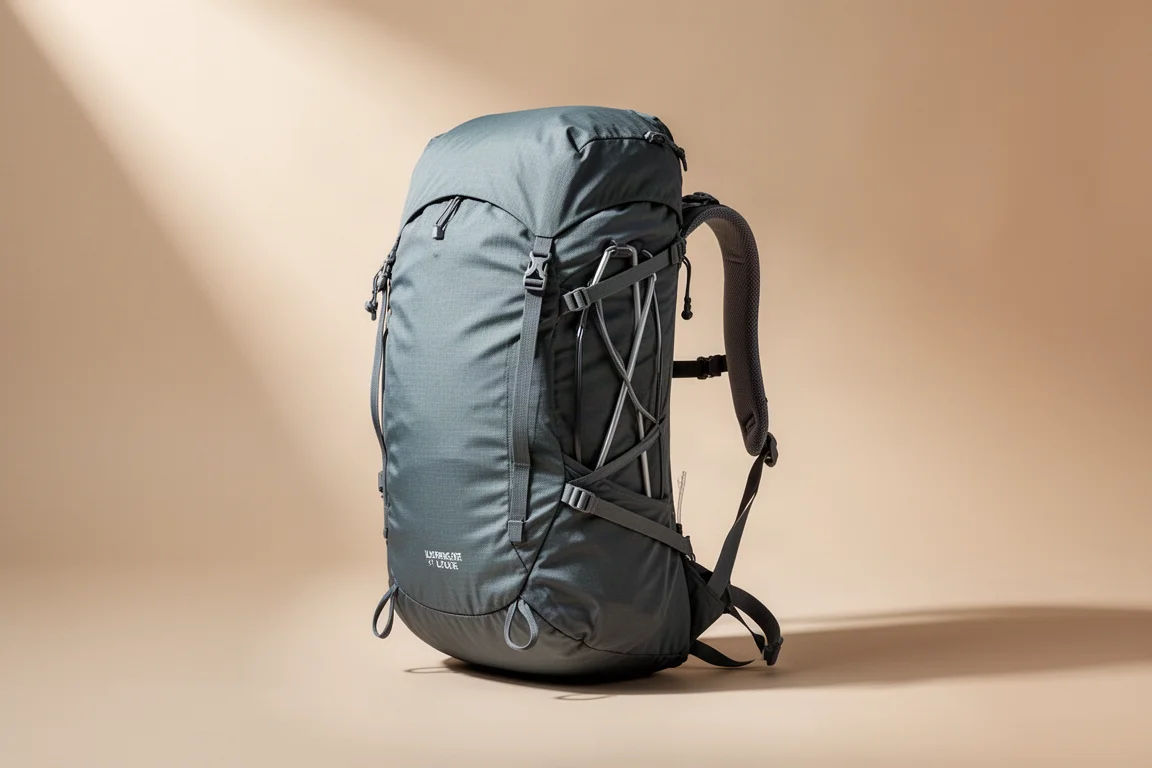
The Pack: Outdoor Vitals CS40
The CS40 stands out because it weighs just over 700 g while remaining fully featured. There is a full frame with load lifters, a built-in hip belt, and integrated hip belt pockets, a combination many ultralight packs now skip. A stretchy front pocket swallows the day’s layers, and the side pockets are shaped so a water bottle can be pulled out without stopping.
The capacity is the other reason it anchors this kit. It holds everything in this list with a little room to spare once the roll-top is left unrolled, which stretches the same pack across a few extra days of travel. The gaps are worth knowing about: there is no bottom pocket for snacks on the move, and no integrated shoulder strap pockets. Hikers who want shoulder pockets should look at the Durston Kakwa 40 and Kakwa 55 instead.
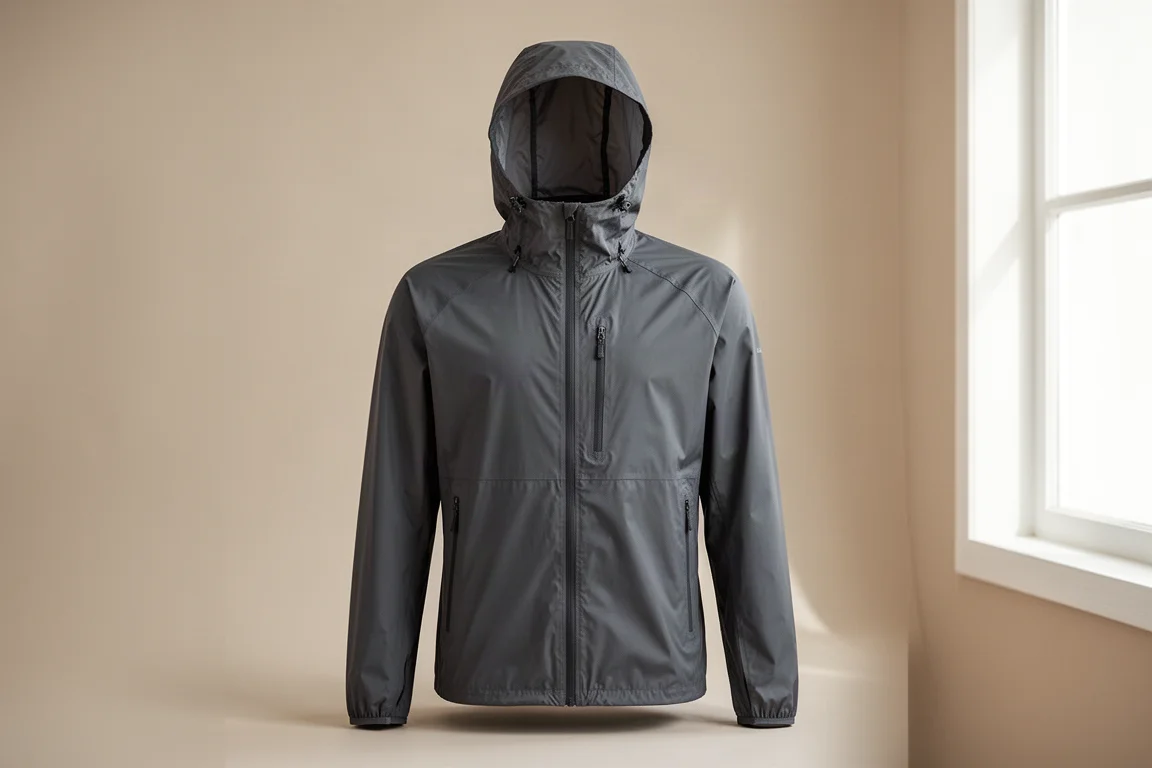
The Rain Layer: Rockfront Rain Hoodie
This is a non-breathable shell, and that is a deliberate trade. The fabric does not wet out, it is very light, and it costs under $100 where much ultralight rain gear runs up toward $200. Ventilation comes from mechanical means rather than a breathable membrane: a large chest zip and generous pit zips move air through the jacket when the pace picks up.
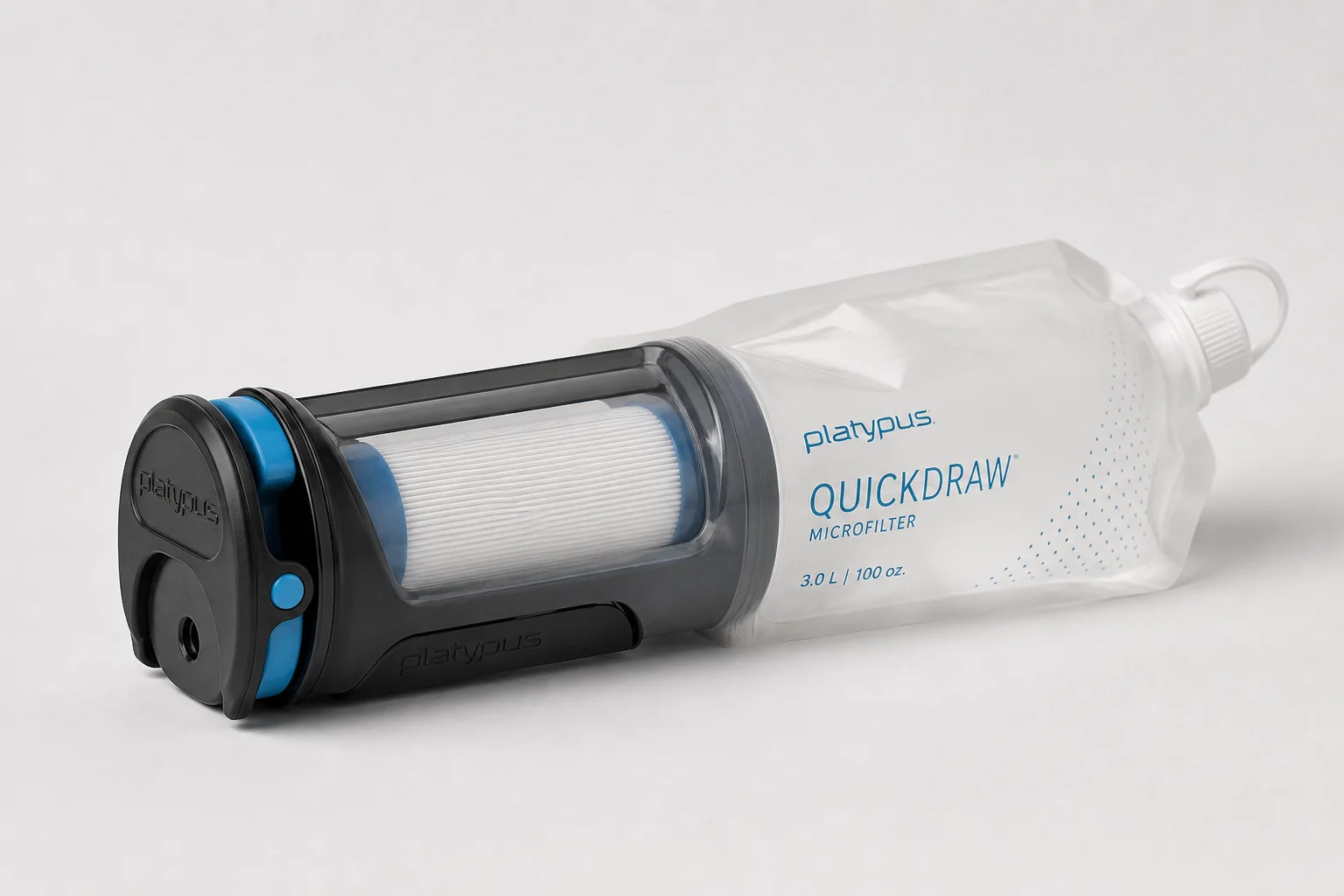
Water Treatment: Platypus QuickDraw
The water setup is a 2 L reservoir with a wide opening that makes filling simple, paired with a squeeze filter that threads straight onto the bottle. The filter has been in use for a couple of years and is still going strong, which is the main argument for it here. Lighter filters exist, including the BeFree, but this one has been consistently quick and reliable.
The Trowel: Bogler Trowel
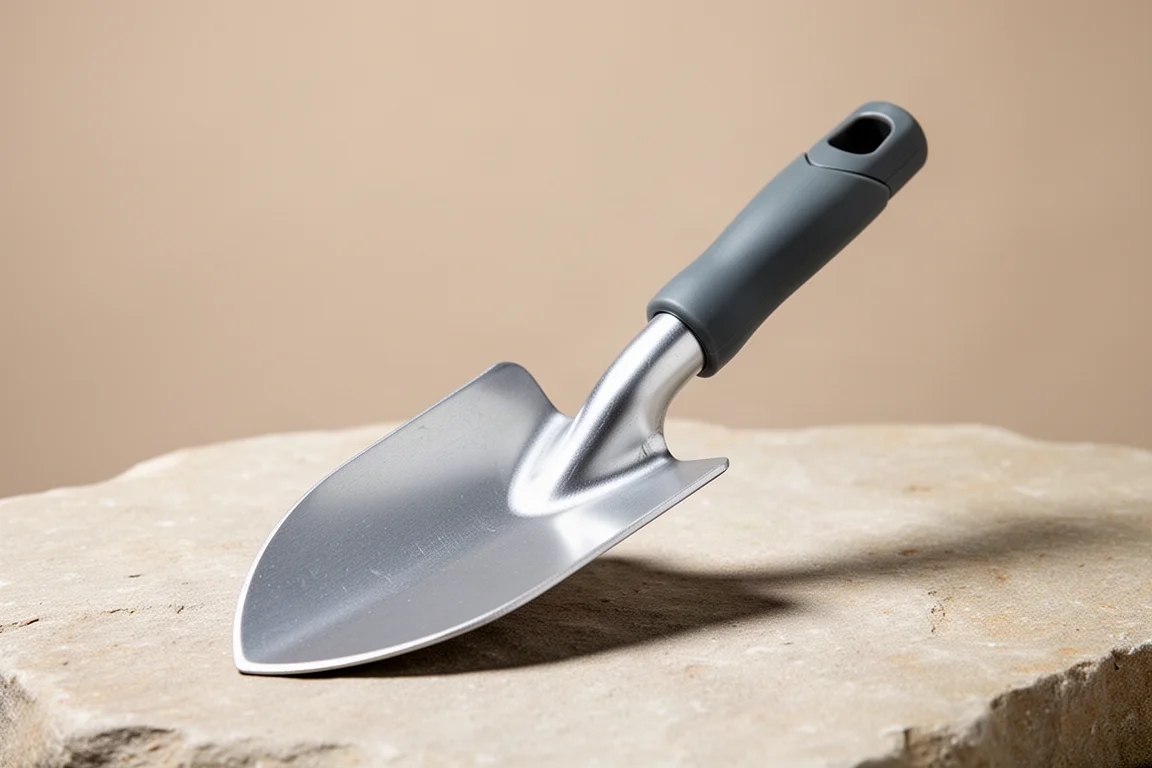
The trowel is a tried and tested design: lightweight, effective, and fitted with serrated edges that cut through roots instead of skating off them. It is the kind of item that disappears into a hygiene kit until it is needed.
The Bidet: Holy Hiker Bidet
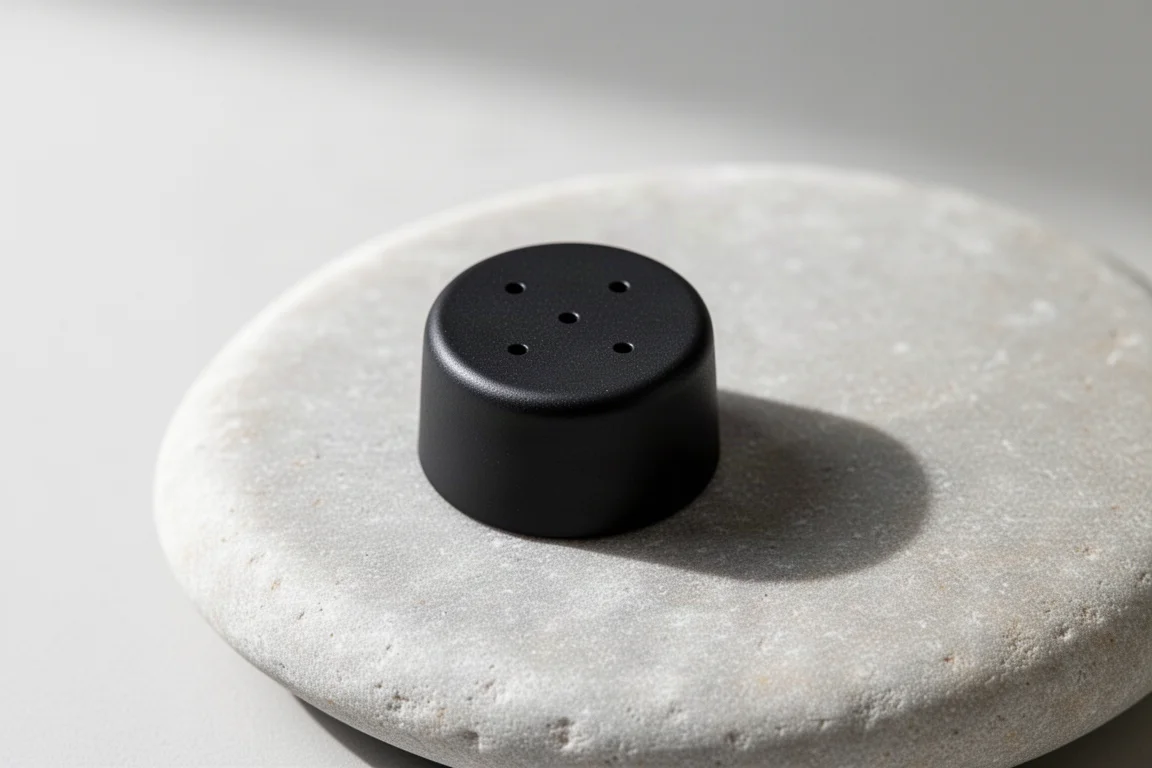
No toilet paper travels on these trips. A backcountry bidet is the cleanest way to leave no trace, and it does a more thorough job than paper. This one is the lightest on the market at 4.5 g and threads onto most water bottles, so it doubles as a very small wash. It sits alongside powdered soap and hand sanitizer in the same kit.
The Shelter: X-Mid Pro 2
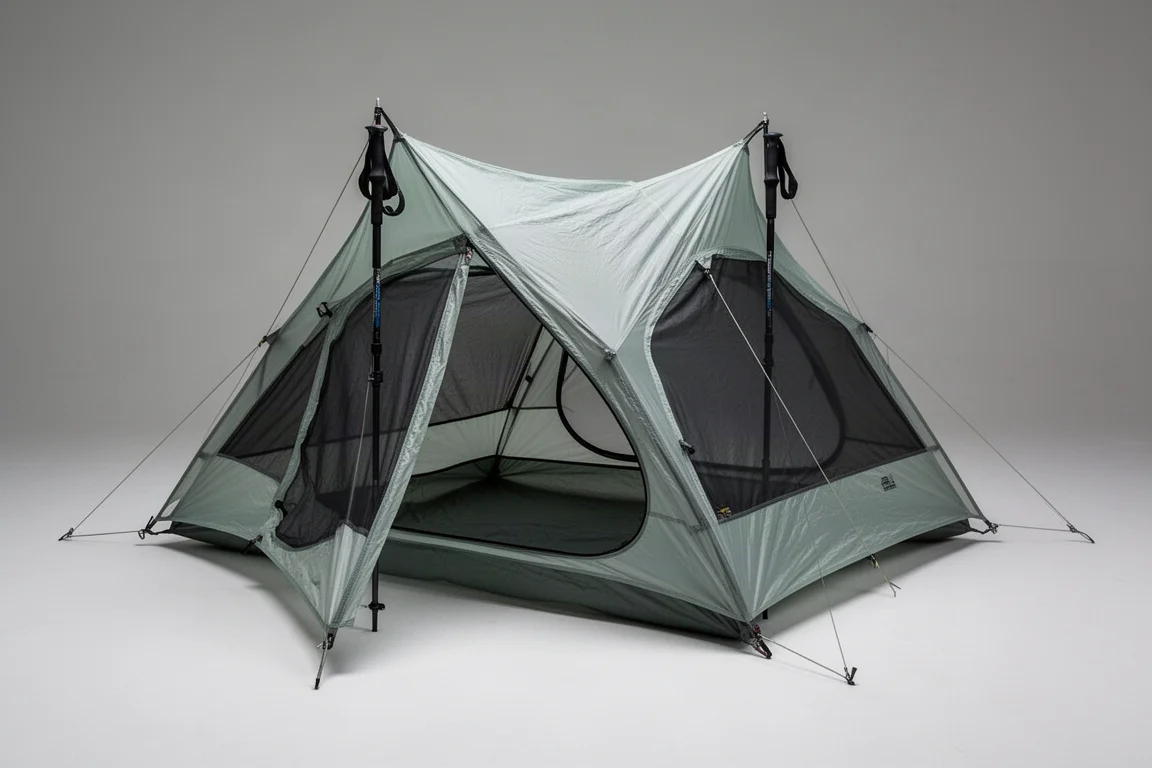
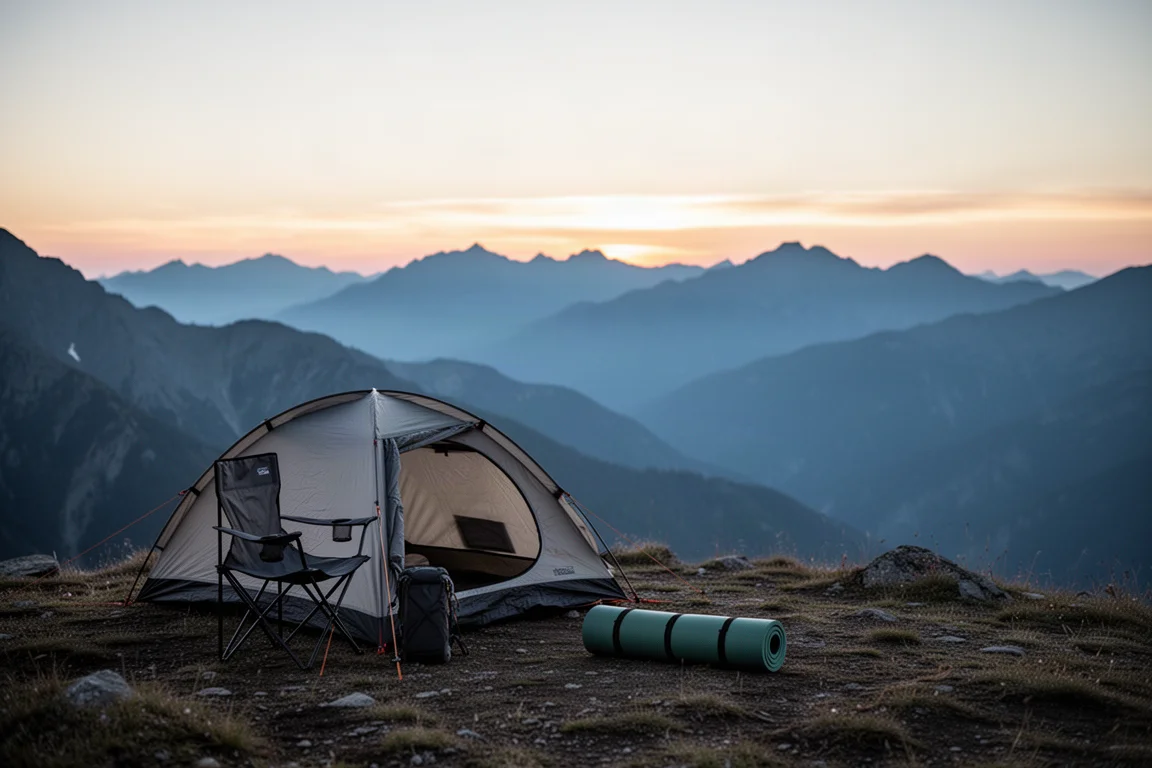
The shelter is very light at 555 g, well constructed, and sized for two people, which makes it a roomy solo tent for most trips. That versatility is the real point: a two-person tent light enough for solo use removes the need for a dedicated one-person shelter.
Two-person trips are better served by the Pro 2 Plus, which is slightly larger and feels more spacious inside. For a more budget-friendly option, the standard X-Mid 2 is a double-wall design with an inner and a fly, built from silpoly rather than Dyneema, and it is just as big as the Pro 2 Plus.
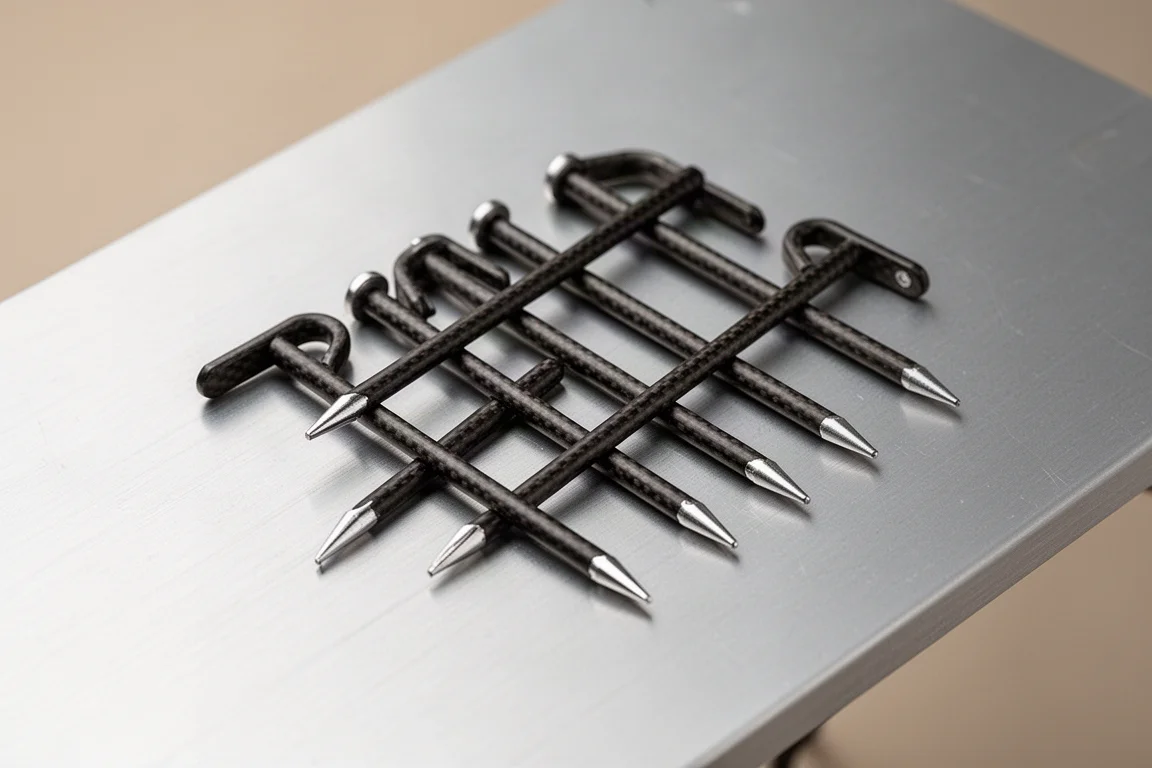
Stakes and Guy Lines: MSR Carbon Core Stakes
Long aluminum stakes do the heavy holding, and small carbon core stakes handle the secondary guy-out points. A handful of the light ones is enough to guy out an ultralight tent, including the guidelines that now travel on every trip.
The guy lines are homemade from thin Dyneema cordage, with hooks tied on one end and line locks on the other. That arrangement holds better than line lock hooks, which can slip under heavy wind pressure when the cordage is thin. The whole bundle weighs just over an ounce.
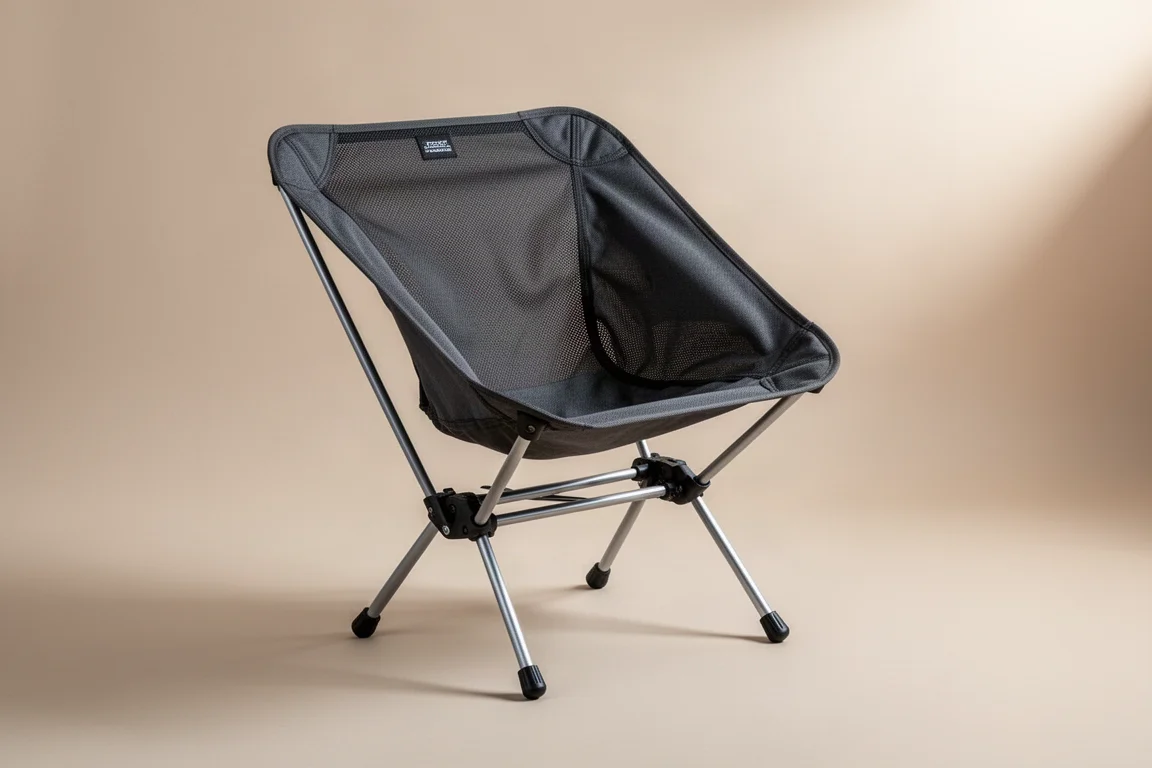
Camp Comfort: REI Flex Lite Air
A chair is one of the items people most often cut from an ultralight kit, and one of the ones that gives the most back around camp. The Flex Lite Air is very light and lands under $100. It is not as comfortable as the Helinox Chair Zero, and that is the trade that keeps this kit more affordable.
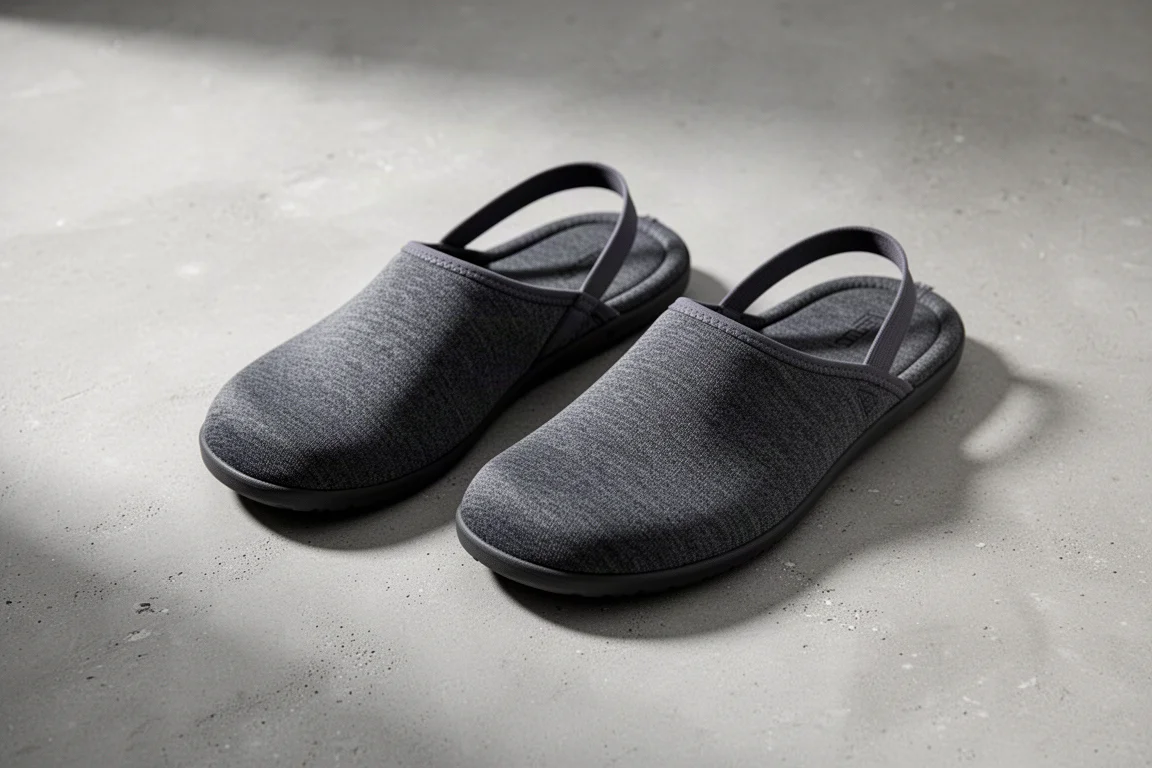
Camp Slippers: Zpacks Camp Slippers
Camp slippers are the other comfort item that earns its place. These are extremely light and extremely comfortable, with an enclosed toe and an elastic heel retainer that keeps them locked on the foot. They have handled plenty of walking around camp, and they can even manage a small creek crossing if boots need to come off.
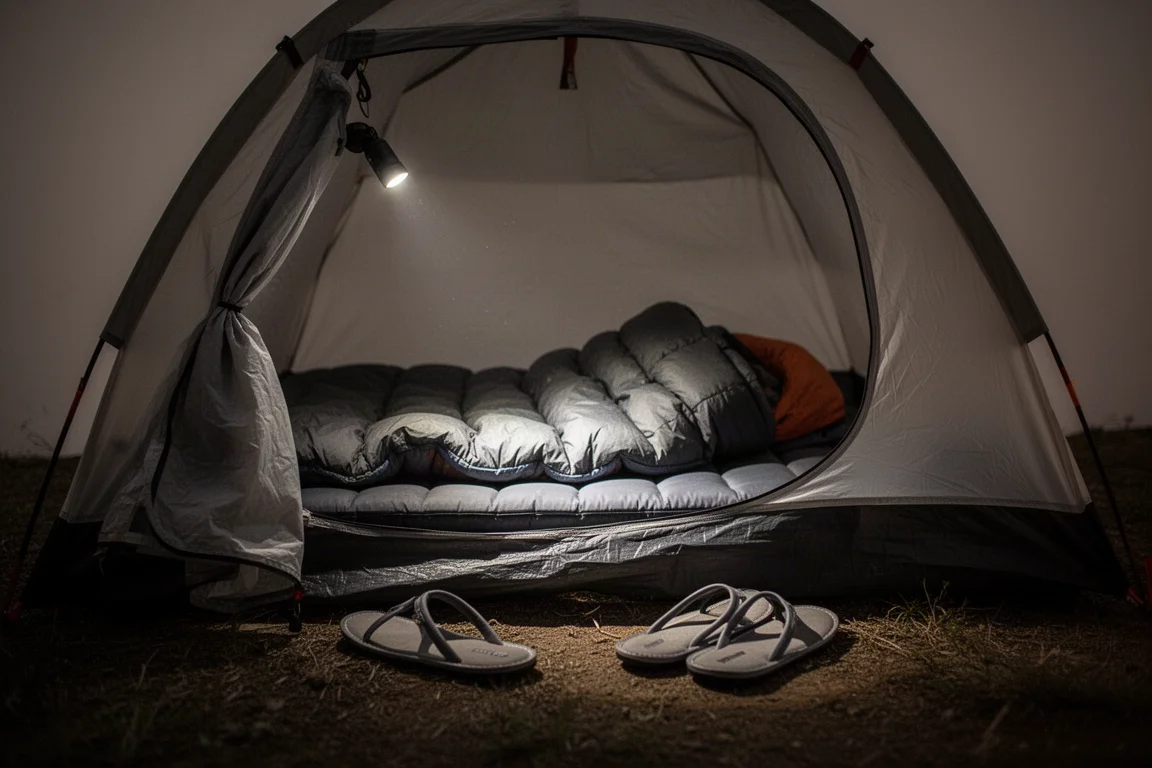
The most common use is the least glamorous one: getting up in the middle of the night without pulling on wet, smelly shoes. They are not cheap, and that is the main thing to weigh before adding them.
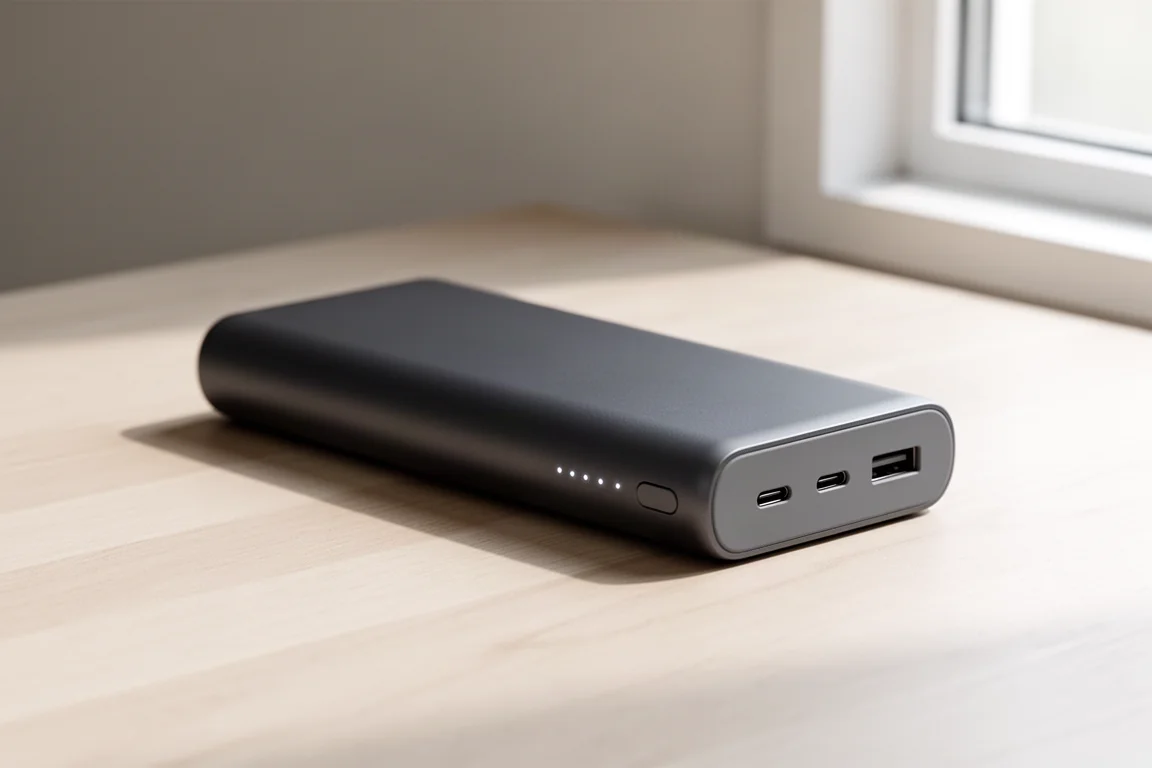
Power Bank: Flextail Zero Power
This power bank has dual USB-C ports and an efficiency mode that increases the usable capacity by slowing the output. Charging takes longer in that mode, which is a fair trade on a multi-day trip when a device is charging overnight and speed does not matter.
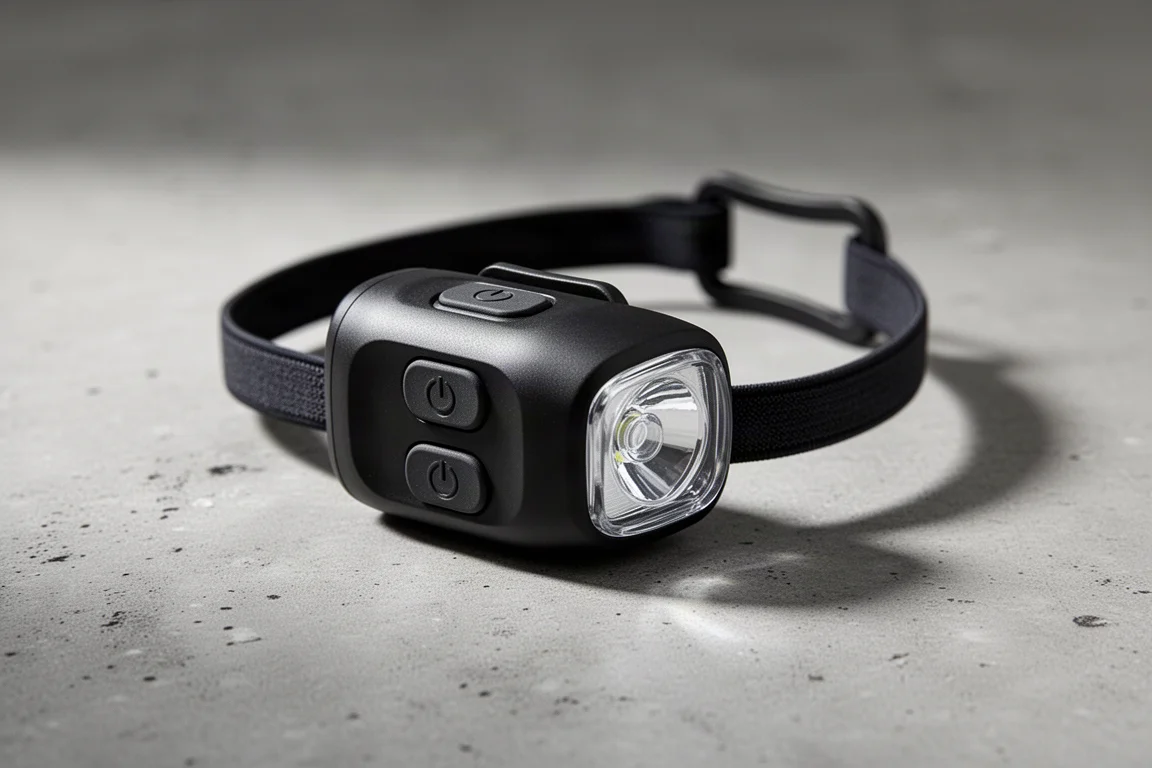
Headlamp: Nitecore NU20 Classic
The NU20 Classic is light, recharges over USB-C, and uses two buttons, one for red light and one for white. The red mode preserves night vision and is far less disruptive in a busy campground. The stock headband is the weak point, and swapping it for a better one is a cheap improvement.
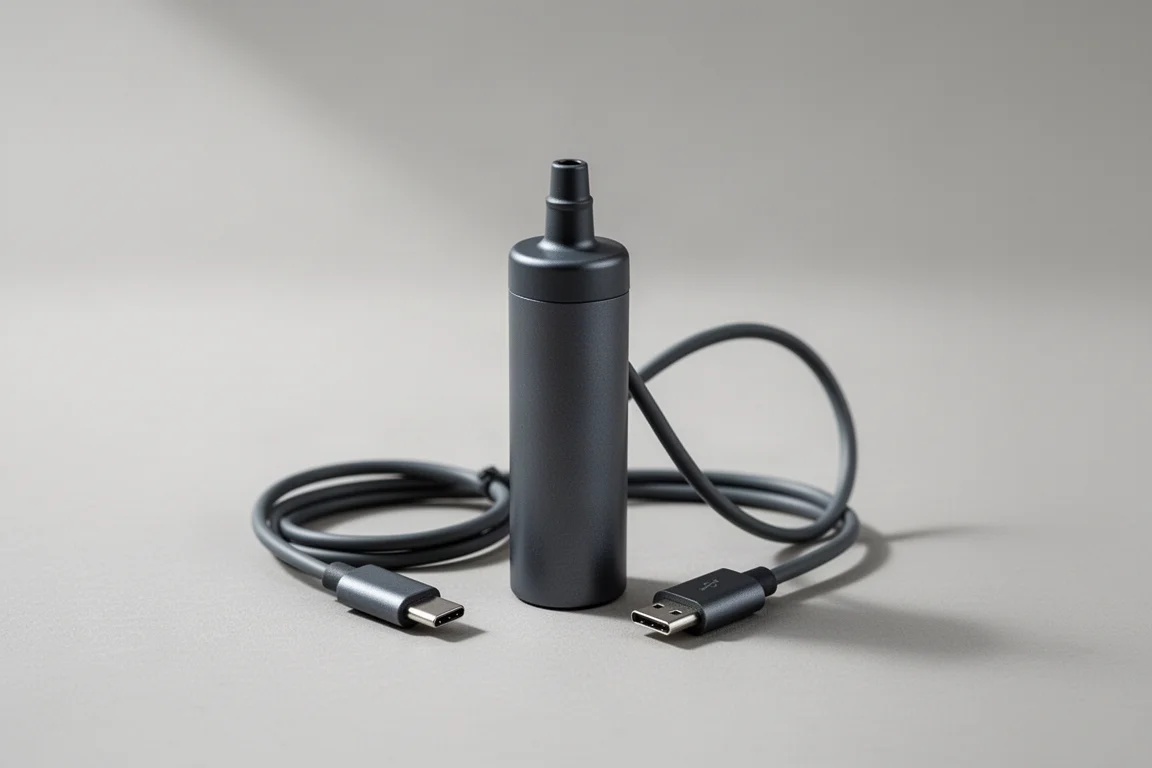
Sleeping Pad Pump: Airgogo GigaPump
A pad pump is now a permanent part of the kit. The GigaPump weighs just over an ounce, inflates quickly, and reaches a genuinely firm pressure, so no extra breaths are needed at the end. It has no built-in battery, which is exactly why it is so light: it runs off a power bank through a USB-C cord, inflates the pad, and shuts off when unplugged.
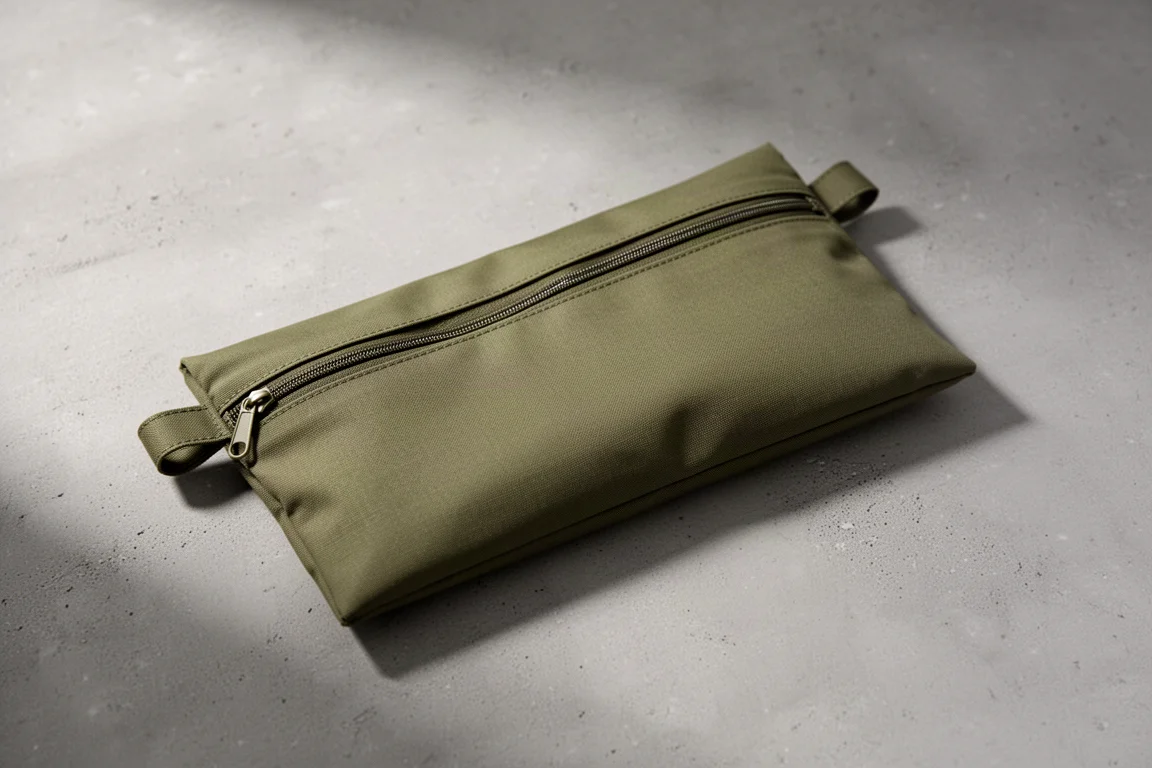
Food Bag: Backcountry Exposure Mesa Bag
The Mesa Bag fits horizontally into the pack, so it loads as a clean layer rather than a lump. It is a good size for three to four days, stays light, and has a wide opening that makes everything inside visible at a glance.
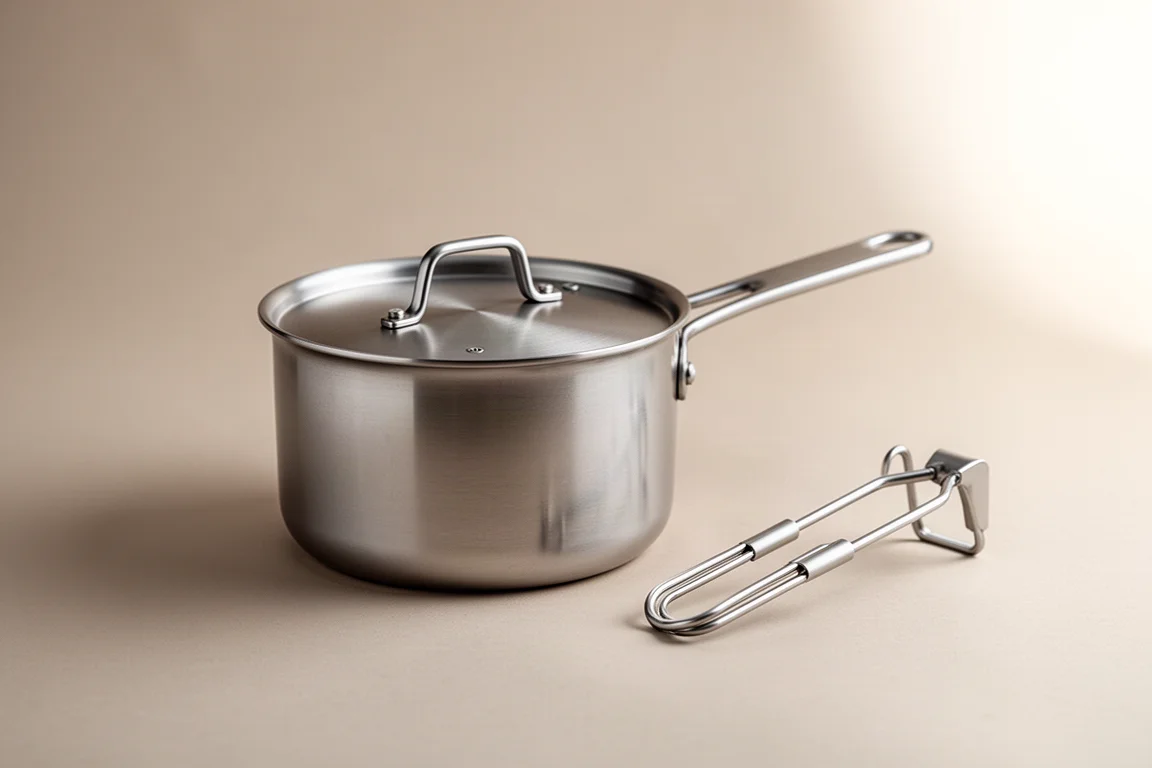
Cook Pot: Toaks 750
The cook kit is built around a 750 ml titanium pot with no handles. Dropping the handles saves weight, and pouring is handled either with a pot grabber on the rim or through a lid with a spoon passed through the top. A temperature sticker on the pot shows how warm the water is, which is a useful reminder that rehydrating a meal does not require a rolling boil. Stopping short of a boil saves a noticeable amount of fuel.
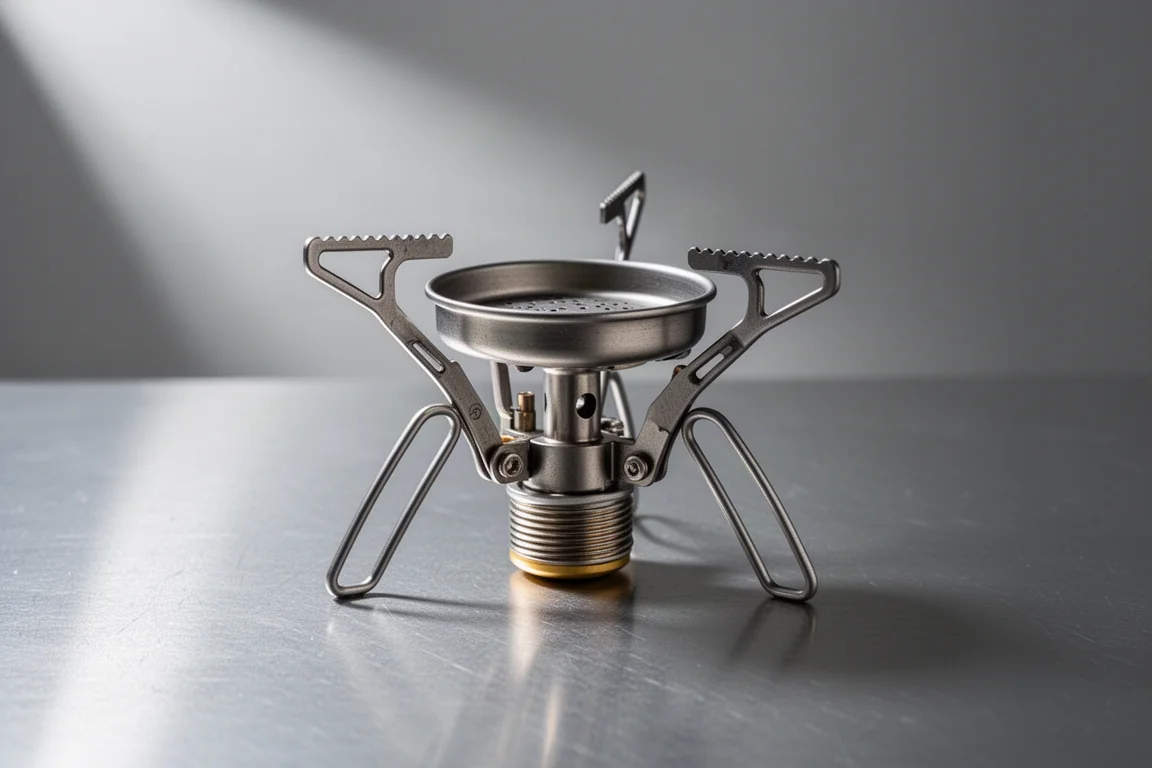
Stove: BRS 3000
The BRS 3000 is a classic for good reason: very light, very inexpensive, and effective in normal conditions. Wind is its weak point, so a few rocks arranged as a break solve the problem. It has been the default stove for years without issue.
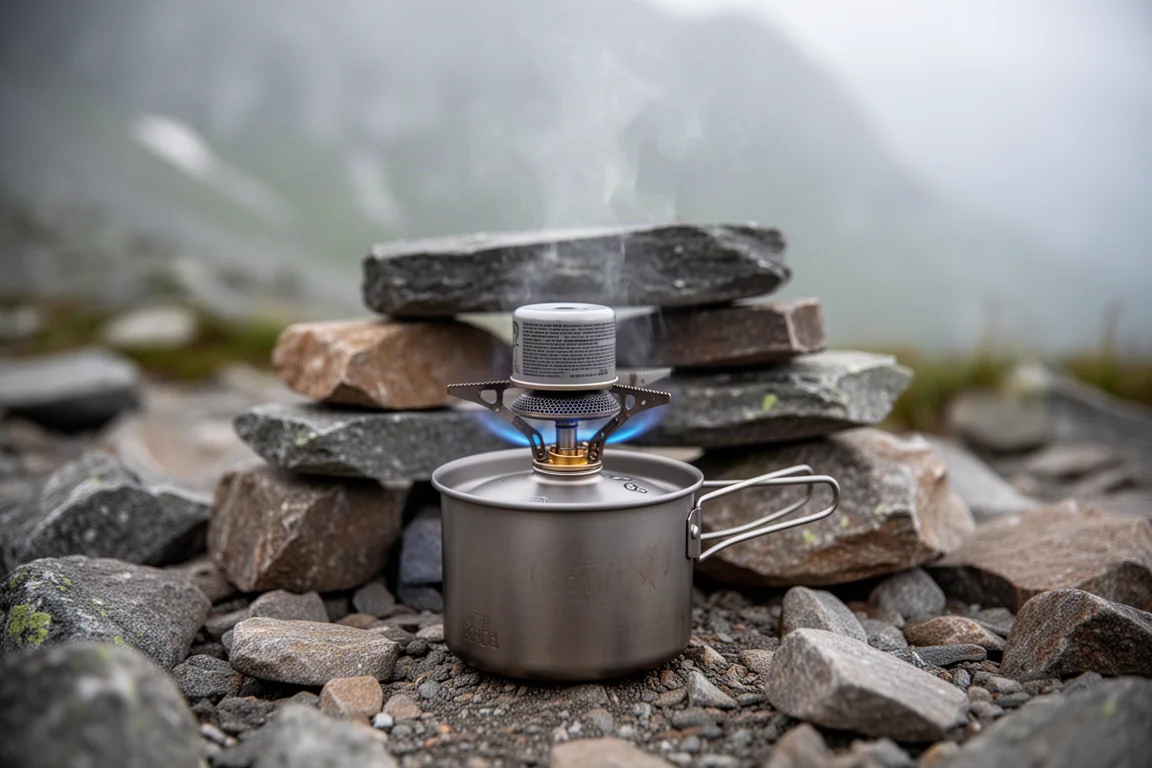
That long track record is worth more than a spec sheet on an item this small, and it keeps the cook kit inexpensive without giving up performance in calm conditions.
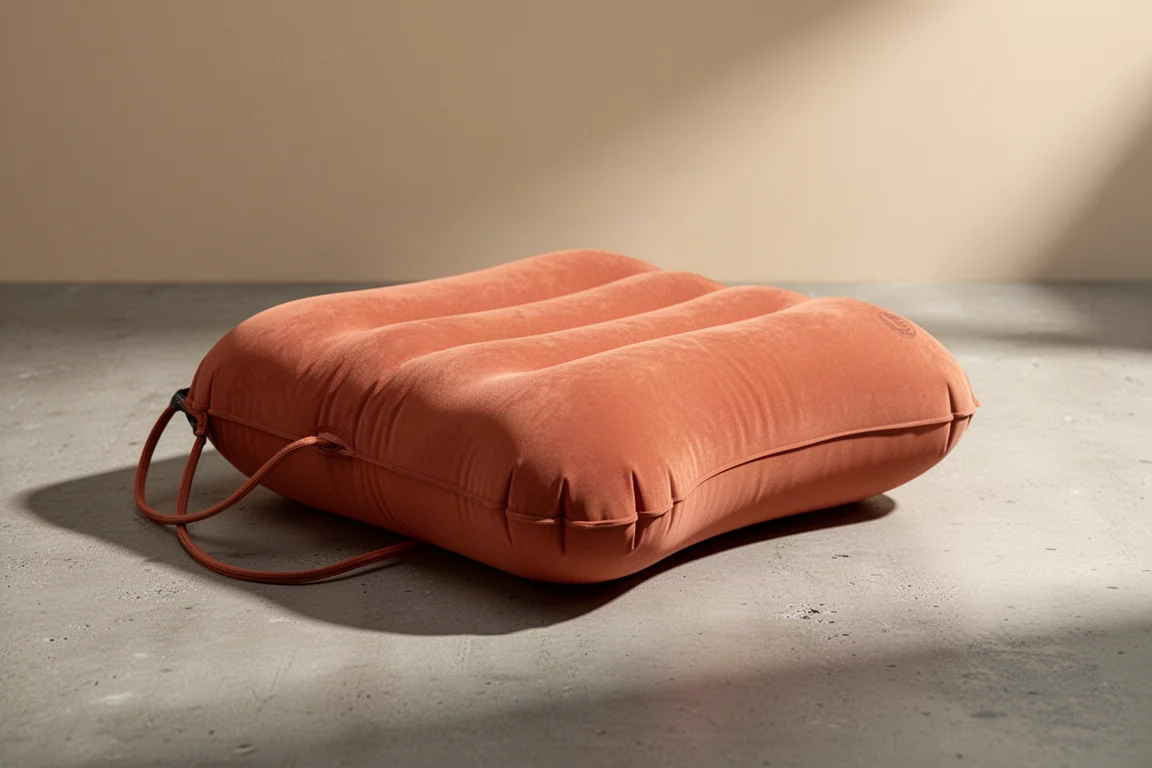
Pillow: Trekology 2.0
The Trekology 2.0 remains one of the best options available: light, inexpensive, and well baffled so it does not feel like resting on a balloon. A built-in strap keeps it attached to the sleeping pad through the night.
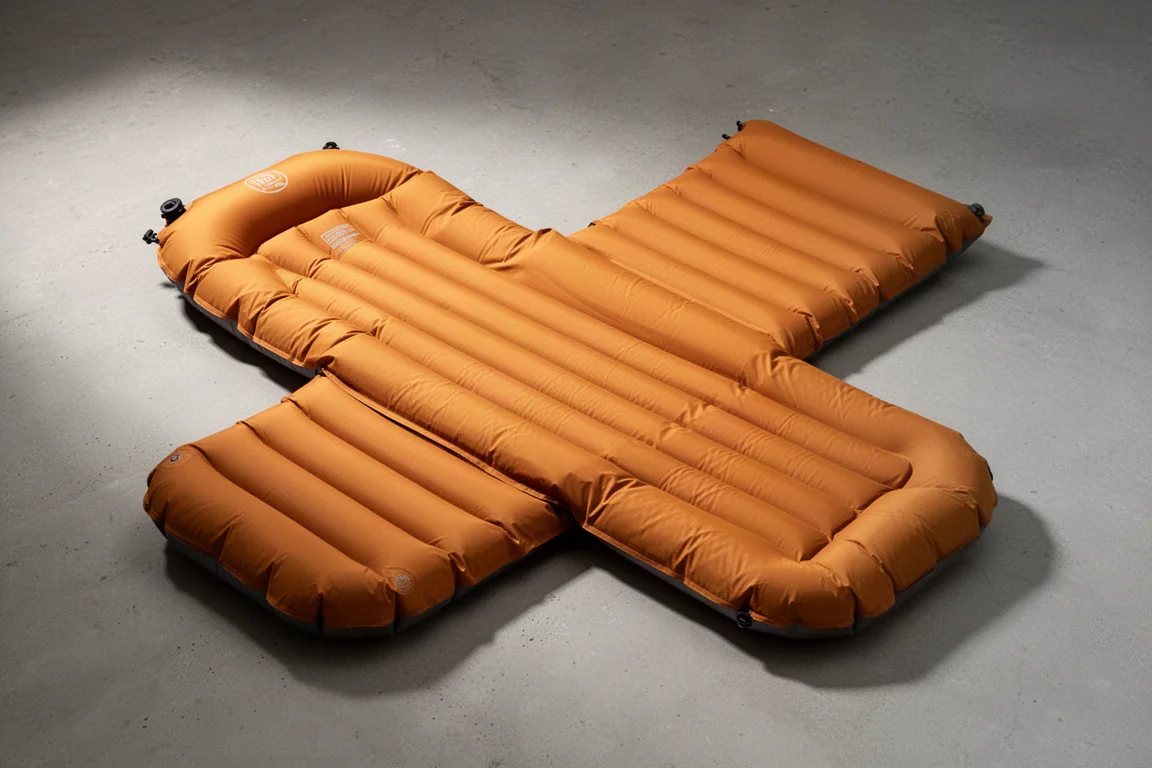
Sleeping Pad: Exped Ultra 6.5
The sleep system has changed a lot over the past year, with versatility, price and comfort driving the decisions. The Exped Ultra 6.5 is the centrepiece: an R-value of 6.9, tested on snow at sub-freezing temperatures and warm throughout, with the soft stretch top and vertical baffles carried over from earlier pads in the line. It weighs 550 g in the regular wide rectangular size, and the narrower mummy version saves more.
The one annoyance is valve placement. Both valves sit on the bottom of the pad, so adding air in winter means flipping the whole pad over first. Top-mounted valves would be a clear improvement.
Quilt: Neve We’re Talk Quilt
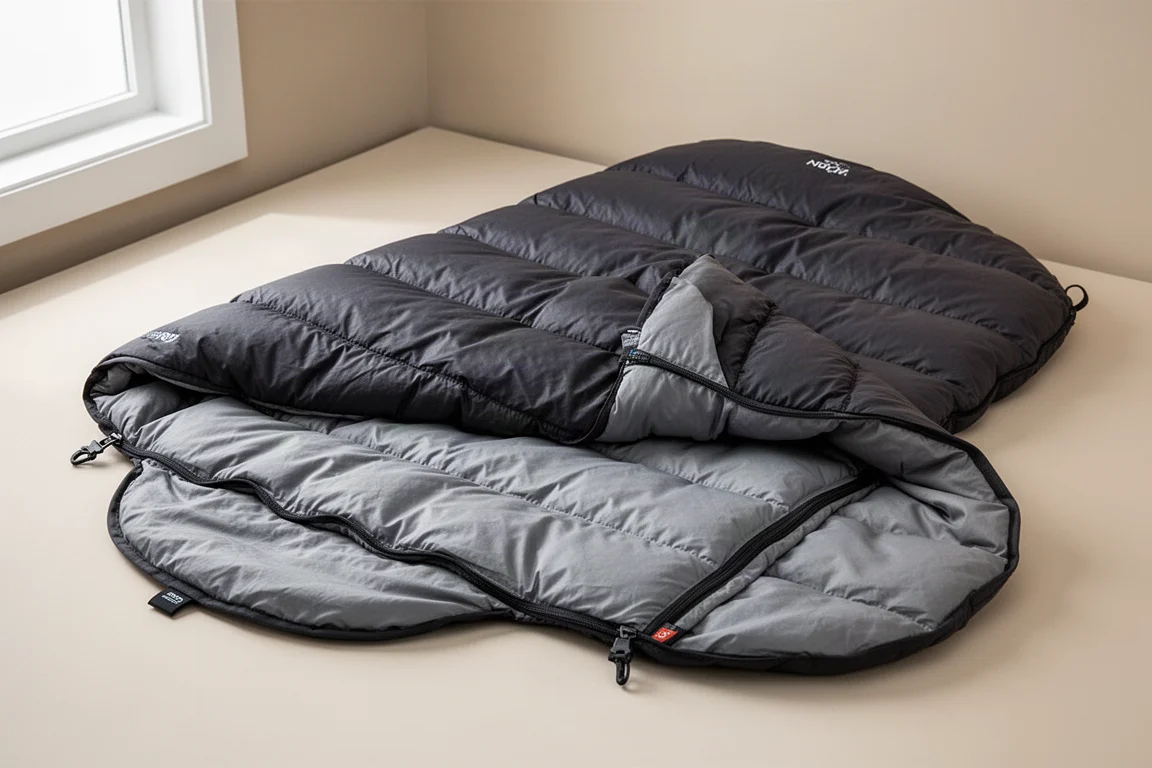
The quilt is light, very inexpensive, and cleverly designed: the clips attach slightly in from the edge, which leaves a small draft tube along the side. That means less fuss at bedtime. Straps go on the pad, the quilt clips on, and drafts stay out without constant adjustment.
It carries an advertised comfort rating of minus two, and it has been used down to minus seven with mesh base layers and fleece alpha direct layers over the top. That is a strong result for the price.
Overall Buying Advice
The lesson from this loadout is that the lightest item is not automatically the right one. Weight matters, but so does whether a piece of gear is pleasant to use at the end of a long day. A slightly heavier pack with usable pockets, a chair and a pair of camp slippers can make a bigger difference to a trip than a few hundred grams saved.
Start with the shelter and the sleep system, since those two decisions shape everything else, then work outward to the pack, the cook kit and the small items. Buying gear that overlaps in function, such as a two-person tent that works solo or a power bank that can also drive a pad pump, gets more value out of every item carried.
Conclusion
A good ultralight kit is a system, not a shopping list. The pieces here were chosen so they support each other: a pack sized to the load, a shelter light enough to carry alone, a sleep system warm enough for cold nights, and comfort items that make camp worth arriving at. Buy the version of each item that fits how you actually travel, and the whole kit gets better.
Further reading
Related Reviews

Backpacking Gear
Building a 10 lb Base Weight: An Ultralight Backpacking Gear List
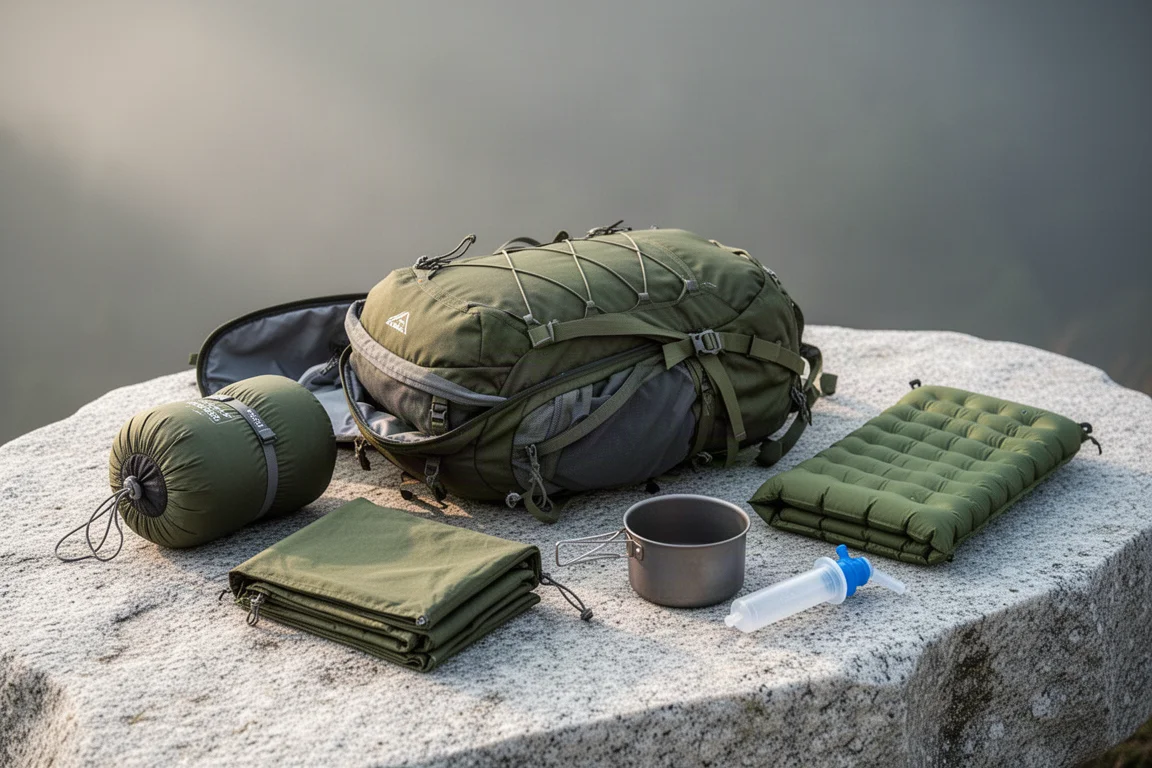
A practical walkthrough of the ultralight pieces behind a 10 lb base weight, from a 765 g pack and a roomy one-person tent to a full camp chair and a dependable water filter.
Backpacking Gear
A 15-Pound Lightweight Backpacking Gear List for Solo Trips
A beginner-friendly 15-pound backpacking setup built from easy-to-find gear, with notes on what each piece does, how it packs, and where to spend your attention.
Backpacking Gear
8 Ultralight Backpacking Gear Upgrades Worth Carrying
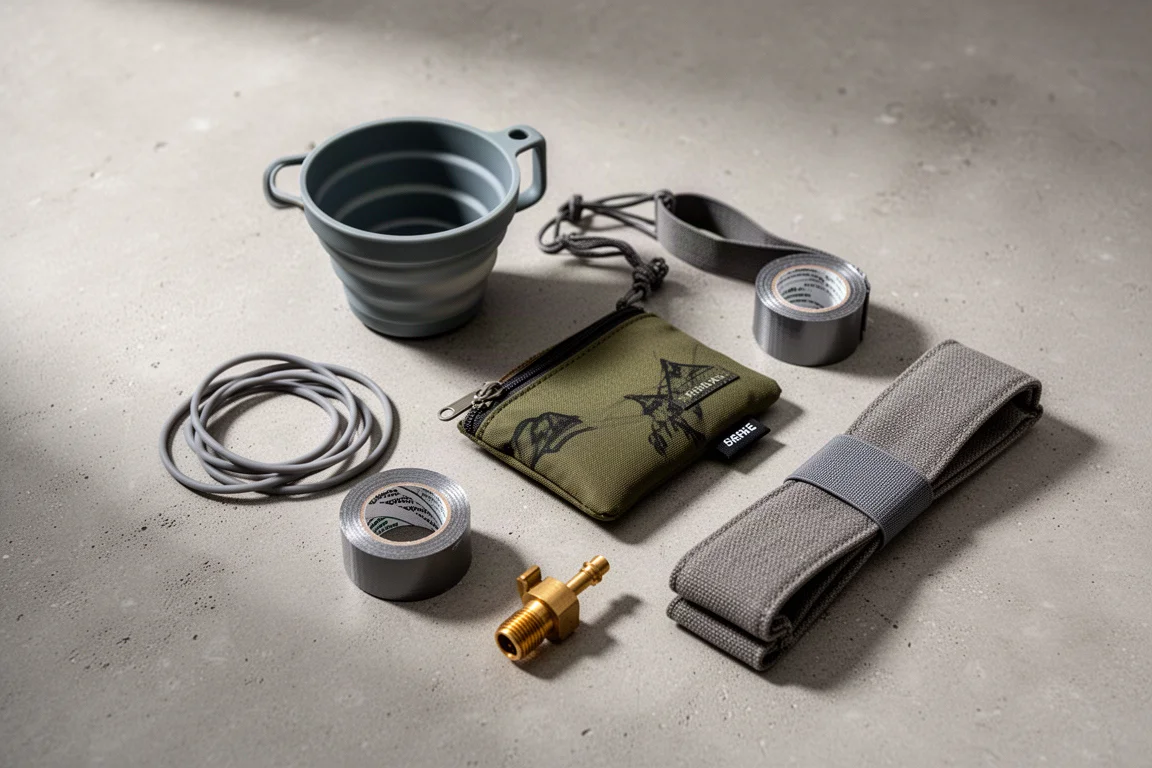
Eight small, affordable backpacking upgrades that solve real trail annoyances, from a pillow that stays put to a fuel valve that rescues leftover canister gas.