Camping Tents
Ultimate Tent Guide: How to Choose Between a Three Season and a Four Season Shelter
A practical guide to tent categories, materials and poles, plus a close look at the Naturehike Vic2 and the Snugpak Scorpion 3.
Introduction
Buying a tent works a lot like buying a vehicle. You need to know what you are looking for, what to walk away from, which features you genuinely need, and what your budget will realistically cover. The label on the box is often the least reliable part of the decision, because the tent market is full of terminology that does not hold up in the field.
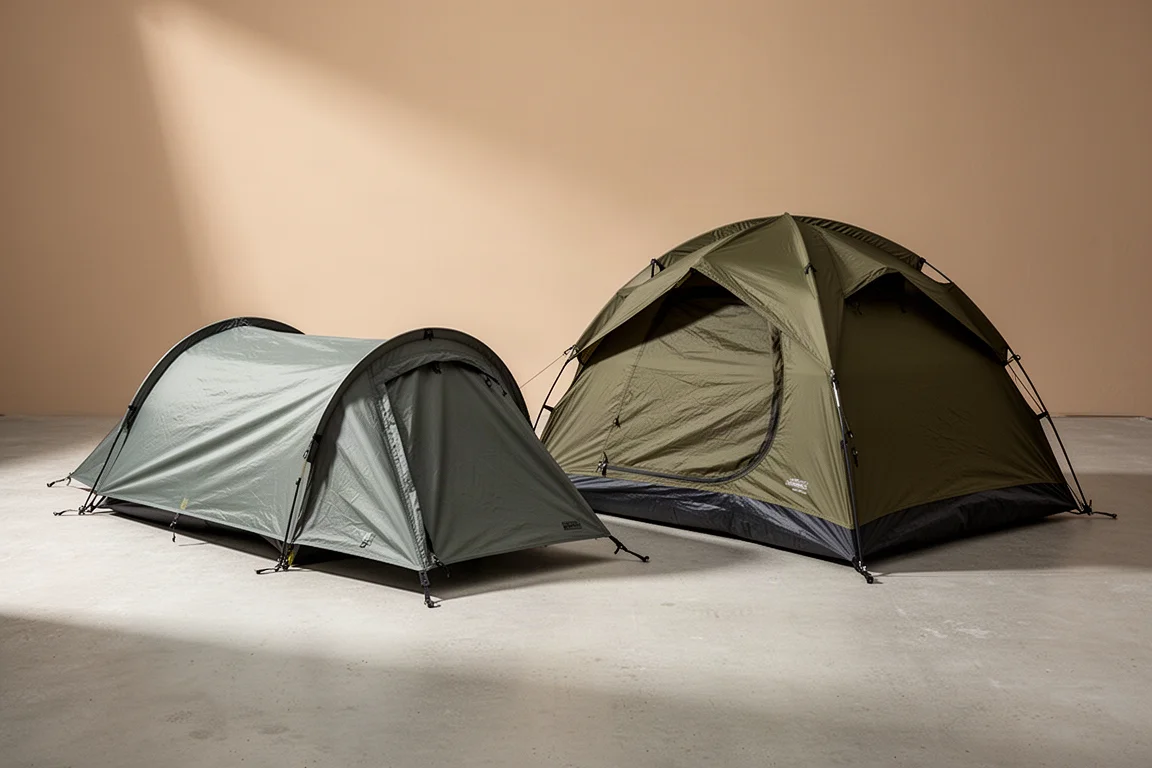
This guide covers every main category of shelter, from two season tents through to genuine four season designs. Along the way it looks closely at two very different options: the Naturehike Vic2, a lightweight single wall three season tent, and the Snugpak Scorpion 3, an affordable four season shelter built for moderate winter conditions. By the end, you should be able to match a shelter to the conditions you actually camp in.
Understanding Tent Categories Before You Buy
One season tents are rare. They are essentially a tent body with no fly, which makes them bug protection and little else.
Two season tents are far more common and they are the cheapest shelters on the market. They typically use polyester fabric, fiberglass poles and a single wall with almost no mesh, so ventilation is extremely poor and they are not reliably waterproof. They are not strong, they should not be used in wind, and they belong in a backyard rather than on a trail. Expect to pay anywhere from about $20 to $100, with most landing near $60. One rule matters more than the rest here: never use fiberglass poles below freezing, because they can shatter.
Three season tents are the most common and the most versatile category. A good one delivers excellent airflow and ventilation, stays waterproof, and handles a reasonable amount of wind without collapsing. Most use aluminum poles, and construction is usually double wall, meaning a body plus a fly, although single wall versions exist. Materials vary between nylon, which is lighter and stronger for its weight, and polyester, which is heavier and generally less expensive. Good quality three season tents start around $150 and can reach roughly $500, with weight driving much of the price difference.
Three plus season tents are where the confusion really starts. They swap the mesh inner for a fabric inner, the same fabric found on four season shelters. That fabric blocks airflow and traps heat, which makes these tents genuinely unpleasant in summer. They are usually less expensive than three season tents, commonly around $80 to $120, and they are not stronger despite the appearance. Their season is the shoulder period: fall and spring, then put away when it warms up.
Four season tents are winter tools. They are built to be very strong and extremely waterproof, and they can handle strong winds and heavy snow loading without damage. Most are double wall with a fabric inner that blocks wind, holds heat and shields you from blowing snow while still letting moisture escape. A single wall four season tent exists for fast, lightweight mountaineering trips, but it carries the same airflow and condensation drawbacks as any single wall design. Budget accordingly: genuine four season tents start around $600 and run past $1,000, and anything advertised as four season at a low price should be treated with suspicion.
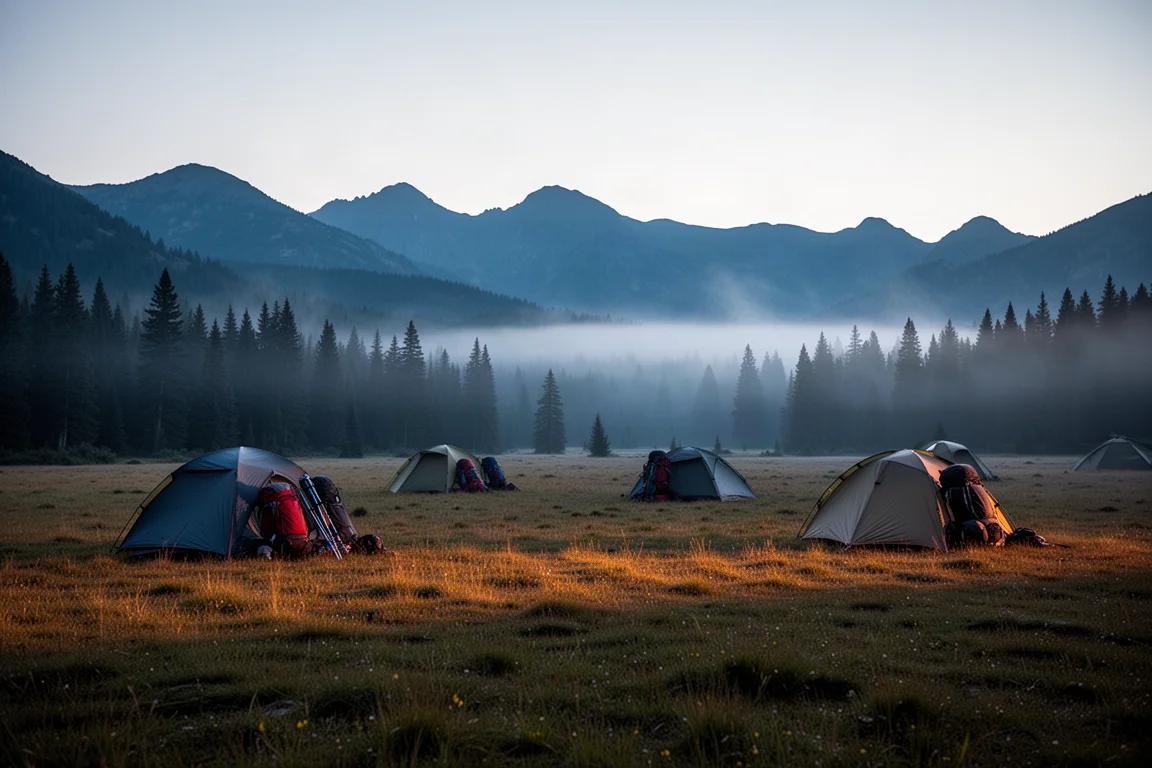
The most important takeaway is to trust the design rather than the label. Look at the poles, the fabric, the mesh and the fly, and decide whether the shelter matches the weather you expect.
Naturehike Vic2: A Lightweight Single Wall Three Season Tent
The Naturehike Vic2 is a single wall three season tent, which means there is one layer of fabric between you and the outdoors. It is marketed as a four season shelter, but it cannot handle heavy snow loading or strong winds, so it should not be relied on for winter conditions.
What it does offer is weight. Removing the second layer makes a single wall tent lighter than a double wall equivalent, and the Vic2 is fully waterproof. The trade-off is ventilation. Airflow inside the tent is very limited, and there is almost nowhere for the moisture you release overnight to go. In a rainstorm you have to seal the shelter up, and condensation forms on that single wall, runs down the fabric and drips onto the floor and onto you.
That makes the Vic2 a specialist rather than an all-rounder. It makes sense for trips into very dry, low humidity climates, and for a single trip where cutting weight is the priority and you can tolerate the discomfort. For multiple nights in damp or humid conditions, it is not a shelter most people will enjoy.
Snugpak Scorpion 3: An Affordable Four Season Shelter
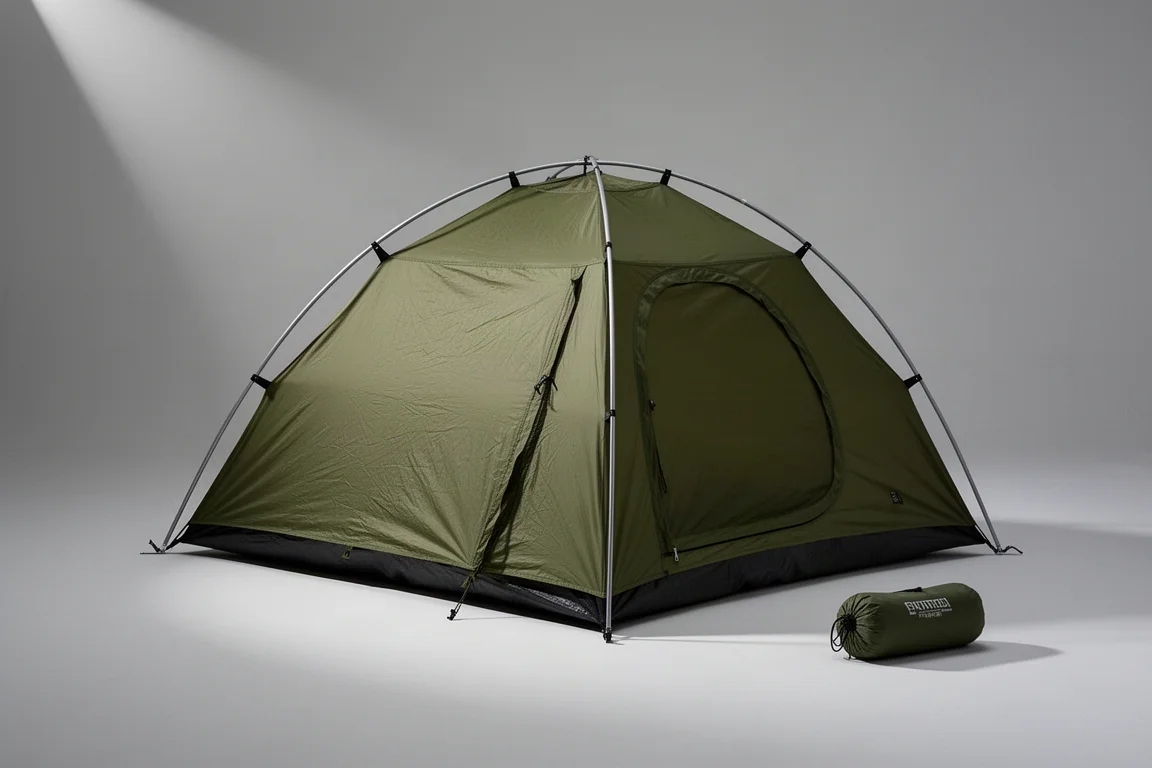
The Snugpak Scorpion 3 sits at the accessible end of the four season category. It is built for moderate winter events: moderate snow loading, moderate wind, and the kind of calm to moderate snow you might meet on a winter overnight. It is not a blizzard shelter, and for the worst conditions you would want something considerably stronger.
That distinction matters, because a genuine four season tent is expensive by nature. The materials and construction needed to shrug off heavy snow and strong wind push prices toward $600 and beyond, so a lower cost four season option is only useful if you are honest about the conditions you will meet. Used within its limits, an affordable four season tent gives you a fabric inner that blocks wind, holds heat and keeps blowing snow off your sleeping area, while still releasing moisture so condensation stays manageable.
If your winter trips are moderate and your budget is not, this is the category to look at. If you are heading into exposed terrain in a serious storm, this is not the shelter to take.
What to Look For: Fabric, Mesh and Ventilation
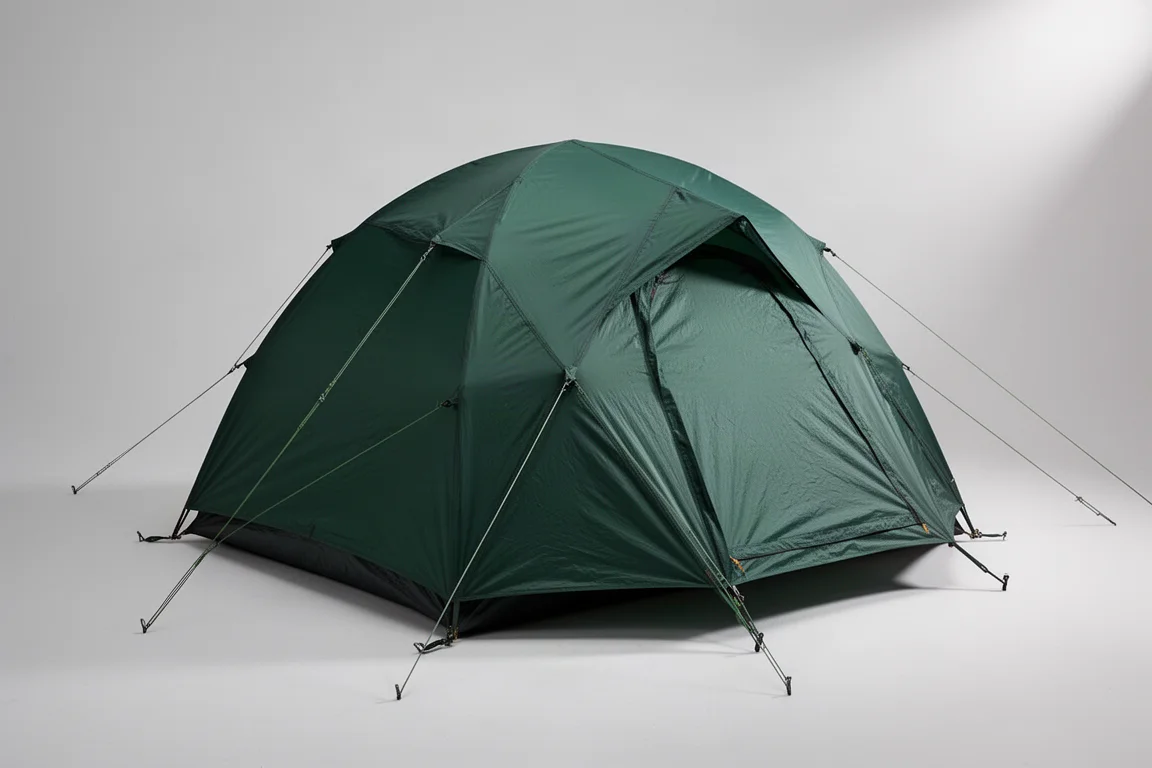
After waterproofing, ventilation is the single most important thing to check, and it is the feature most often misrepresented. A good three season tent should be full of mesh so air can move through the shelter and you can stay cool on warm nights.
A fabric inner does the opposite. It is designed to block wind, limit airflow and hold in heat, which is exactly what you want in winter and exactly what you do not want in summer. That is why a three plus season tent with a fabric body can leave you sweltering even with the door open, and why those shelters belong in the cooler months.
Materials matter too. Nylon is stronger than polyester, so less fabric is needed to reach the same level of strength, which makes nylon shelters lighter and generally more expensive. Polyester takes more material for the same strength, so polyester tents tend to be heavier and less expensive. Poles are the third checkpoint: quality three season and four season tents use aluminum, and fiberglass has no place in cold weather because it can shatter.
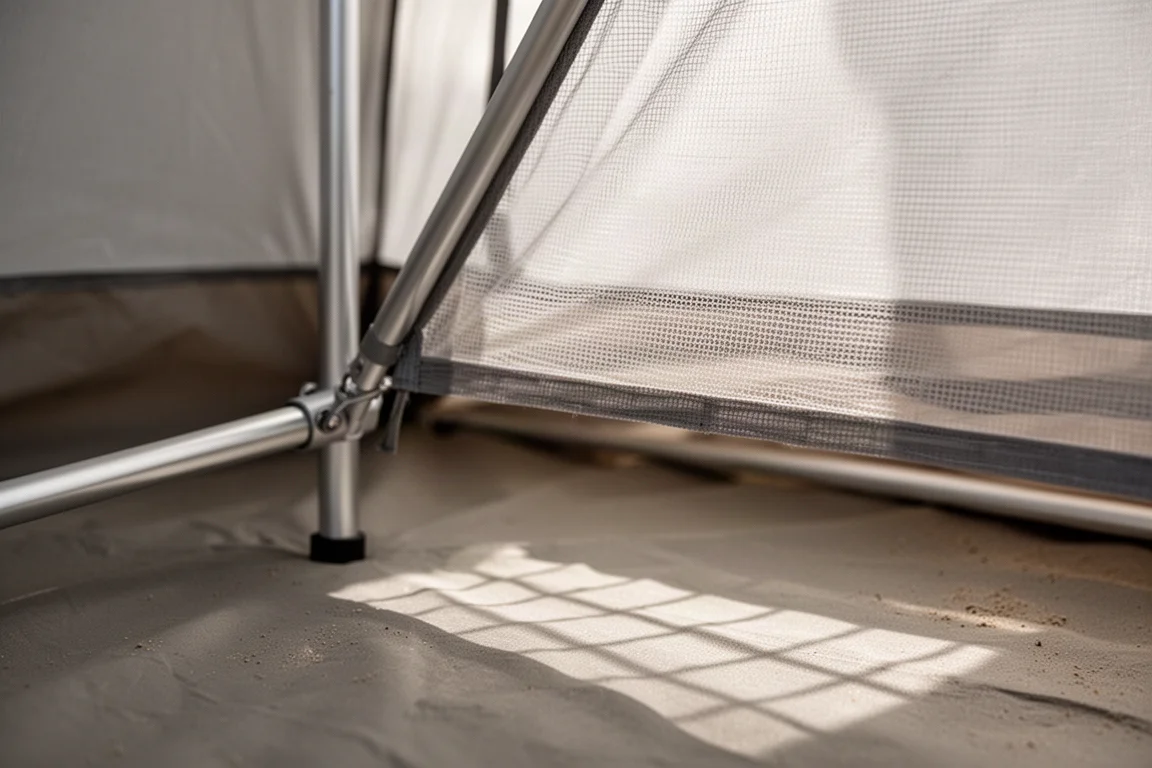
Finally, look at how the shelter is put together. A body, a pole structure and a fly that stakes out over it is the classic three season layout, and it works because it separates the weather protection from the inner layer that manages moisture.
Camping in Winter: Do You Really Need a Four Season Tent?
You can use a three season tent in winter, but only when the conditions cooperate. Three season tents are not designed for heavy snow loading or strong winds, so as long as the forecast stays inside those limits, a three season shelter will serve you well.
The catch is that a three season tent is built for airflow, not heat retention. When the wind picks up, there is nothing to stop it moving through the shelter, so the warmth has to come from your sleep system. A very warm sleeping bag, an excellent sleeping pad, the right clothing and something to cover your face will do more for your comfort than the tent itself. Plan the trip around what the shelter can handle rather than hoping it will cope.
Where you camp changes the answer completely. Somewhere with mild winters and little snow, a four season tent is simply not necessary. In mountain terrain that receives heavy snow and strong winds, a three season shelter is not enough, and a genuine four season tent is the correct tool. Every winter, three season tents get destroyed in storms they were never built to survive, and the people inside them end up abandoning camp in the middle of the night. Do not put yourself in that position.
Poles, Materials and Cold Weather Practicalities
Four season tents use aluminum poles, and many of them hide those poles inside fabric sleeves. That detail is worth paying attention to. Exposed poles can freeze together when snow and ice build up on the joints, and breaking the tent down then becomes a slow job of warming the pole until the ice melts so it can be folded. Waterproof gloves make that far more bearable, and covered poles avoid the problem almost entirely.
The fabric inner on a four season tent is doing more work than it first appears. It blocks wind, holds heat and keeps blowing snow out of your living space, while still allowing moisture to pass through so condensation does not build up the way it does in a sealed single wall shelter.
Single wall designs deserve a specific warning. Whether three season or four season, they limit airflow and trap moisture, and in cold conditions that combination can become genuinely dangerous. Waking up to a soaking wet interior is uncomfortable in summer and a serious problem in winter. Single wall four season tents make sense for fast, lightweight mountaineering trips where every gram counts and the user knows exactly how to manage condensation. For most people, most of the time, a double wall shelter is the safer choice.
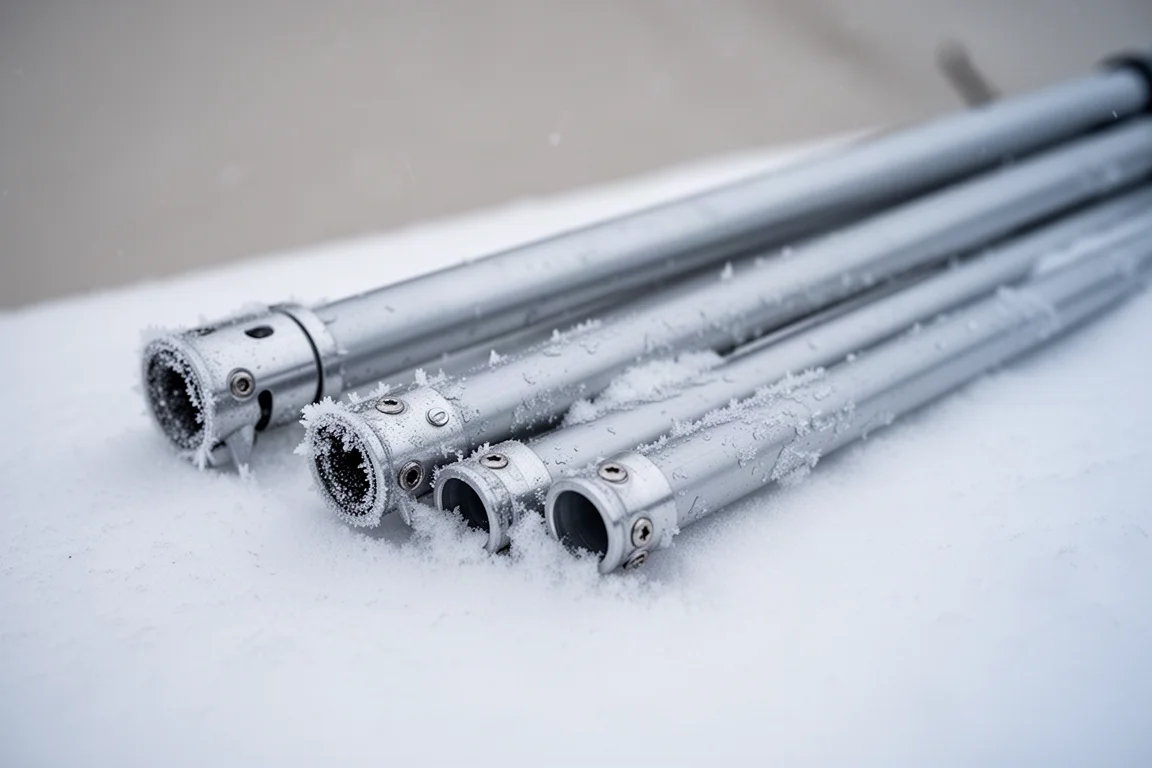
If you are weighing up a four season tent, treat the pole design and the inner fabric as seriously as the price tag. They are the difference between a shelter that works in winter and one that merely looks the part.
Matching the Shelter to Your Trip
The question to ask yourself is simple: what does this trip actually require? In summer you want a waterproof shelter with excellent ventilation, because heat and condensation are the enemies. In winter you want strength and stability, enough structure to carry snow and resist wind, and a design that keeps you dry and warm.
Shoulder season sits in between. That is where a three plus season tent earns its place, with a fabric inner that takes the edge off cool spring and autumn nights. Once the warm weather arrives, it should go back into storage.
It also helps to accept that one tent rarely covers everything. A four season tent is a winter tool, heavy and uncomfortably hot in summer, and a lightweight three season tent is a poor substitute for it in a storm. Two shelters, each suited to its own half of the year, is a more honest setup than one compromise.
Overall Buying Advice
Focus on quality first and features second. A trustworthy brand with a long track record and realistic claims is worth more than a long list of specifications from a company nobody has heard of. Look for evidence that the shelter has performed in real conditions rather than marketing copy, and be skeptical of any tent described as four season at a price that makes no sense.
For most three season trips, a well ventilated double wall tent with aluminum poles and a reliable fly will cover you comfortably. If your plans lean toward very dry, low humidity conditions and you want to travel as light as possible, the Naturehike Vic2 is a reasonable option within those narrow limits. If you want a genuine step into winter camping without premium pricing, the Snugpak Scorpion 3 is built for the moderate conditions that most winter overnight trips actually involve.
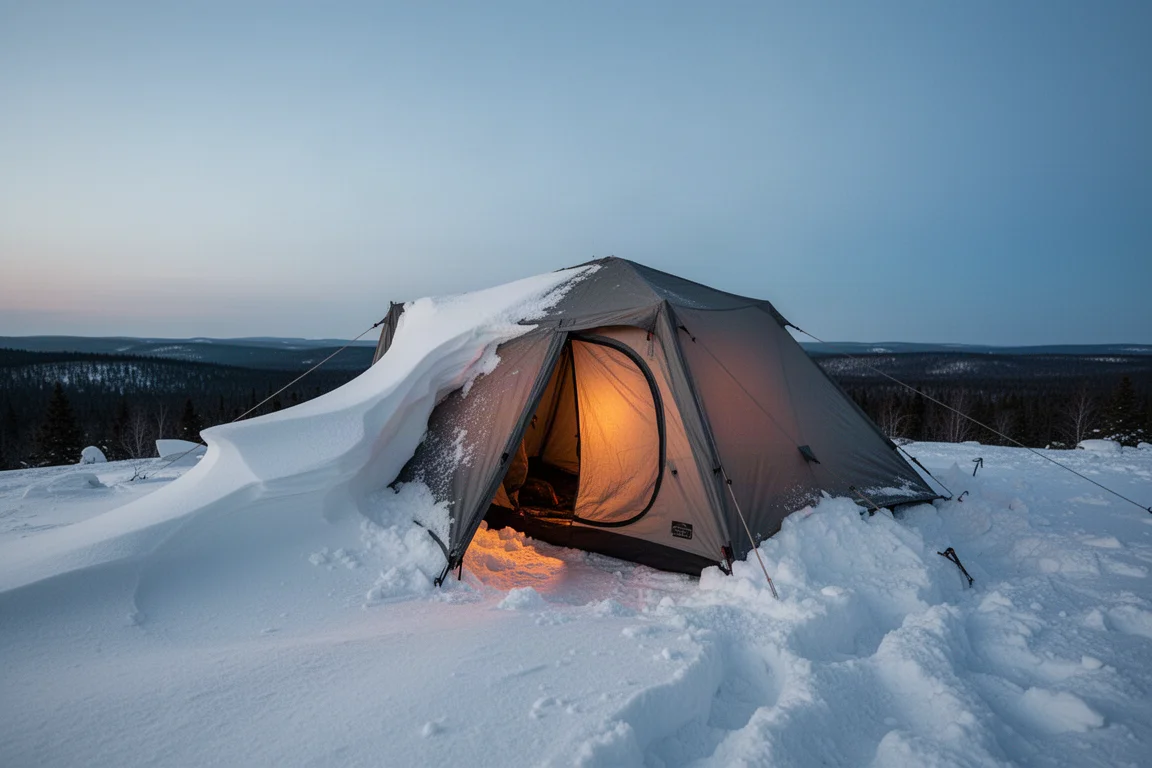
Whichever direction you take, match the shelter to the weather you will meet, not to the season printed on the box.
Conclusion
Tent categories exist for a reason, and understanding them is the fastest way to avoid an expensive mistake. Two season tents are backyard shelters, three season tents cover the majority of trips, three plus season tents handle the cooler months, and four season tents are specialized winter tools built for snow and wind.
Decide what you need, check the features that deliver it, and buy from a brand whose claims you can verify. Do that, and the tent you choose will do its job for years rather than letting you down on the night it matters most.
Further reading
Related Reviews
Camping Tents
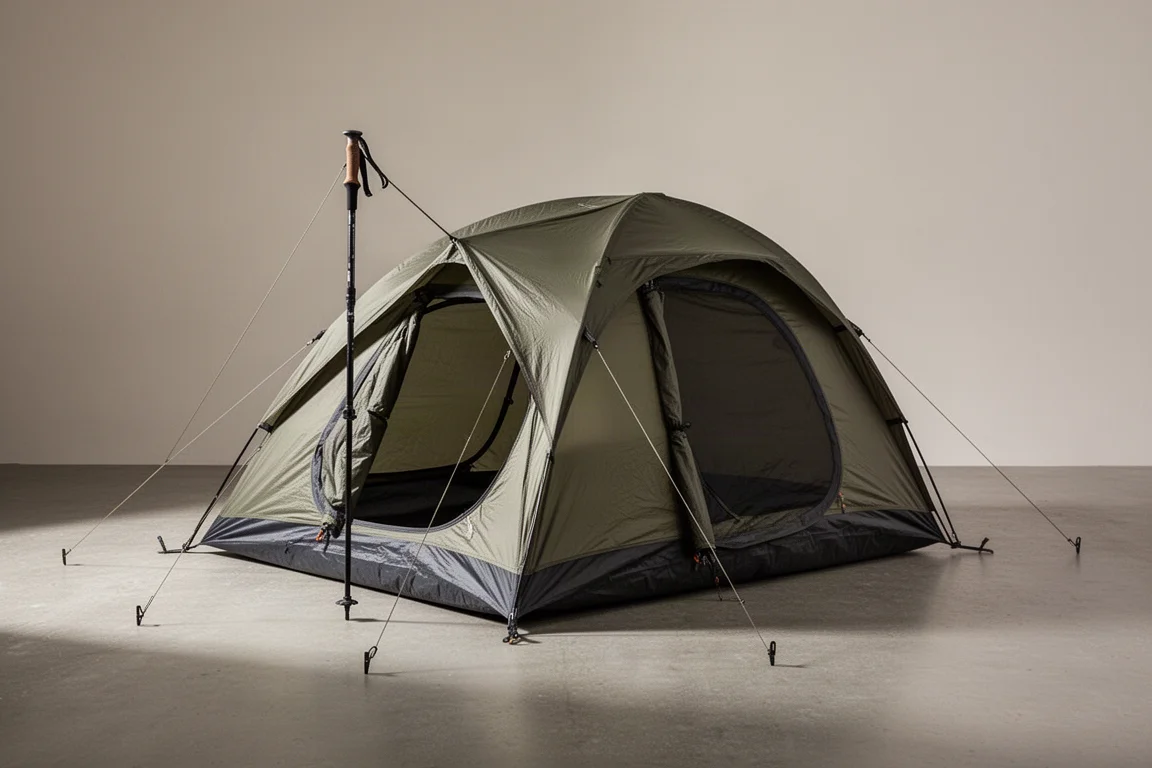
3F UL Gear Taiji Two-Person Tent Review: Field Waterproofing Results and Buying Advice
The Taiji pairs an attached fly with a removable inner, but sustained rain exposed untaped vent seams that need sealing before this shelter can be trusted.
Camping Tents
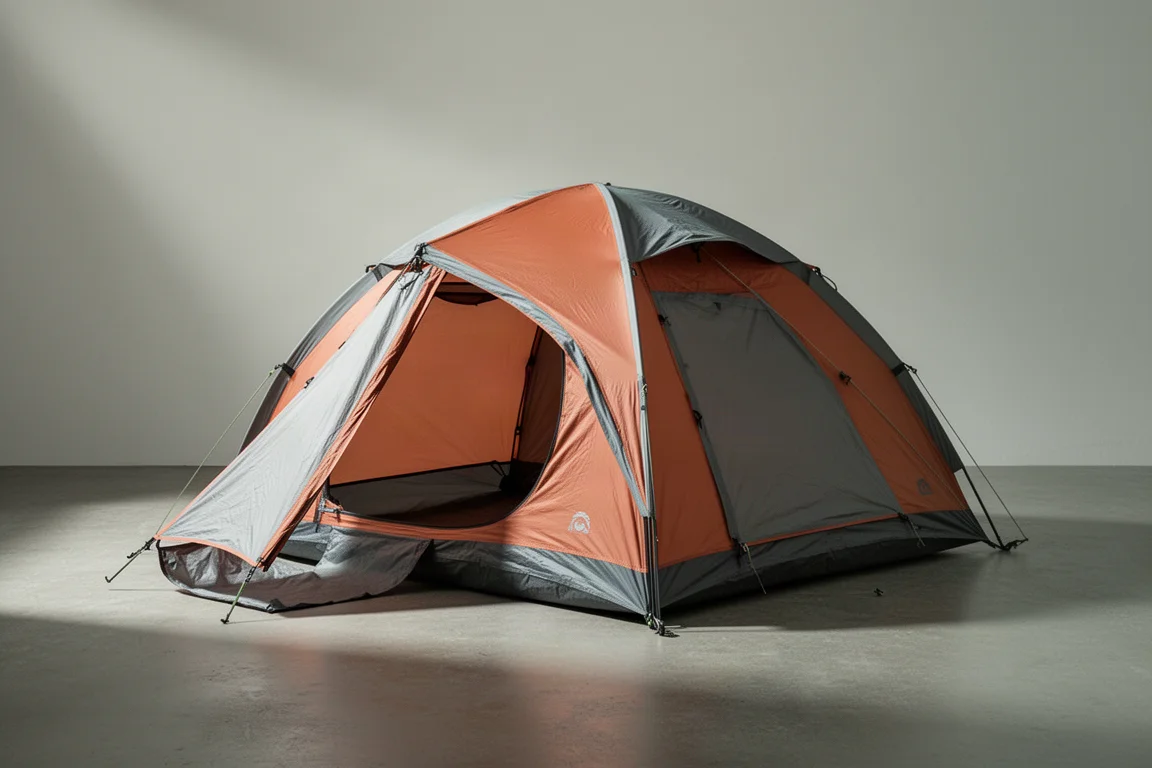
3FUL Gear Lanshan 2 Pro 4-Season Review: A Sub-$200 Single-Wall Trekking Pole Tent
An early look at the 3FUL Gear Lanshan 2 Pro 4-Season, covering its straightforward pitch, generous interior space, and the condensation and seam-sealing questions that come with any single-wall shelter.
Camping Tents
Alps Mountaineering Lynx 1-Person Tent Review: Big Value in a Small Budget Tent
A close look at the Alps Mountaineering Lynx 1-Person Tent, covering real interior dimensions, materials, setup time, ventilation limits, and who should buy it.