Camping Tents
Ultimate Tent Guide: Choosing the Right Shelter for the Conditions
A practical guide to two season, three season, three plus season and four season tents, with two real examples that show the trade-offs clearly.
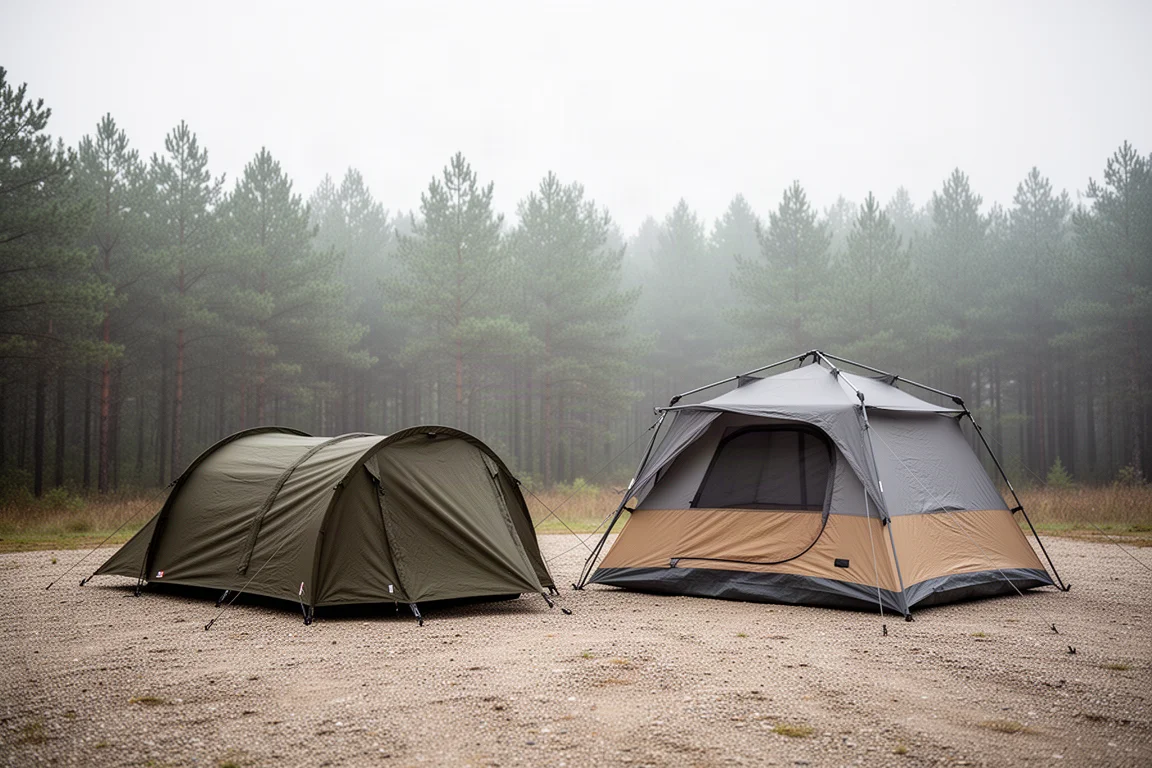
Introduction
Buying a tent has a lot in common with buying a vehicle. You need to know what you are looking for, what to avoid, which features you actually need, and what your budget will allow. A cheap shelter with a weak structure raises the same question as a cheap car with a knocking engine: why is it so inexpensive compared with everything else?
This guide works through the tent categories that matter in the real world, from the cheapest two season shelters to genuine winter tents, and it uses two specific models to show how those differences play out when you are standing in a store or comparing listings online.
How Tent Categories Differ
Two season tents are the cheapest shelters on the market and the ones to avoid. They typically use fiberglass poles, a single wall with almost no mesh, and fabric that is described as weather resistant without being genuinely waterproof. Ventilation is poor because there is nowhere for air to move. A little rain can turn the floor into a swimming pool. Expect to pay somewhere between $20 and $100, with most around $60. Fiberglass poles should never be used below freezing because they tend to shatter.
A true one season tent is little more than a tent body with no fly, so it functions as bug protection and nothing else. It is rare to find one sold as such.
Three season tents are the most common and the most versatile. A good one offers excellent airflow, stays waterproof, and handles a reasonable amount of wind without collapsing. Most use aluminum poles. The fabric is usually polyester, which is heavier and less expensive, or nylon, which is lighter and stronger and therefore needs less material to reach the same strength. Double wall designs dominate this category, while single wall designs are less common. Quality generally starts around $150 and can climb to about $500 depending on weight and construction.
Three plus season tents sit in confusing territory. They use a fabric inner instead of mesh, which blocks airflow and traps heat, so they are uncomfortable in summer even with the door open. They are usually cheaper than three season tents, often between $80 and $120, and they are not necessarily stronger despite the warmer interior. Spring and fall are their season, and they should be put away once the weather warms.
Four season tents are built for winter and winter alone. They are very strong, extremely waterproof, and capable of handling strong winds and heavy snow loading without damage. Poles are aluminum, and covered poles are preferable because exposed poles can freeze together in snow and ice and take real effort to separate. Prices run from around $600 at the low end to more than $1,000 for shelters built for blizzards.
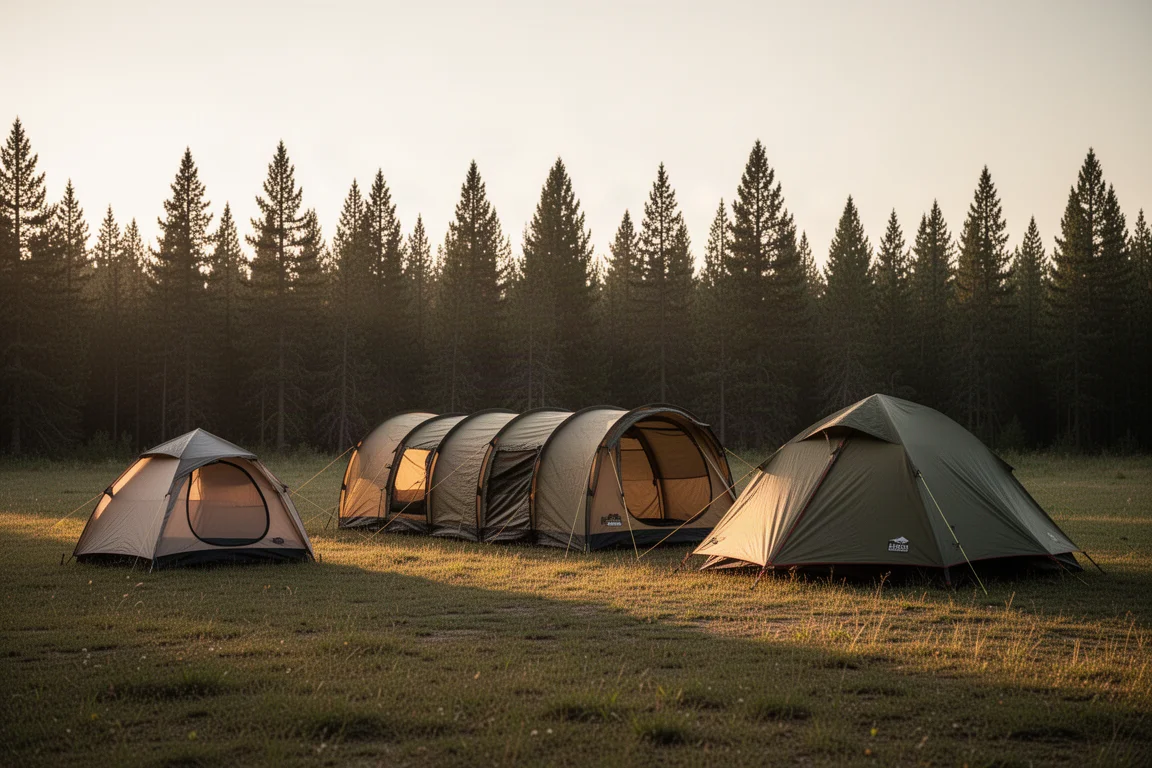
The labels companies apply to their products deserve very little trust. It is common for tents to be advertised as four season shelters when they are nothing of the sort, and the marketing language rarely matches what the tent can actually do in bad weather.
What to Look For in Any Shelter
Ventilation is the first thing to check on a three season tent. Look for a body with plenty of mesh so air can move and heat can escape. Waterproofing comes next, then pole quality and the material of the fabric.
Brand behavior matters as much as specifications. Ask whether the company has a track record, whether its claims are realistic, and whether its terminology is consistent. Marketplace rating sections are a weak substitute for real scrutiny, since ratings and feedback on large retail platforms are frequently bought and paid for. Substantiated, independent information is worth far more.
Naturehike Vic2 and the Single Wall Trade-Off
The Naturehike Vic2 is a single wall three season tent that the company markets as a four season shelter. It is not one. It cannot handle heavy snow loading or strong winds, and that limitation is the single most important thing to understand before buying it.
What it does offer is a fully waterproof fabric and a lower weight than a double wall design, because a single wall tent only has one layer of separation between you and the weather. The cost of that saving is ventilation. A single wall greatly restricts airflow and limits how much moisture can escape, so in a rainstorm, when the tent has to be sealed up, condensation forms on the wall and then runs down it and drips onto the floor and onto you. There is very little you can do about it once it starts.
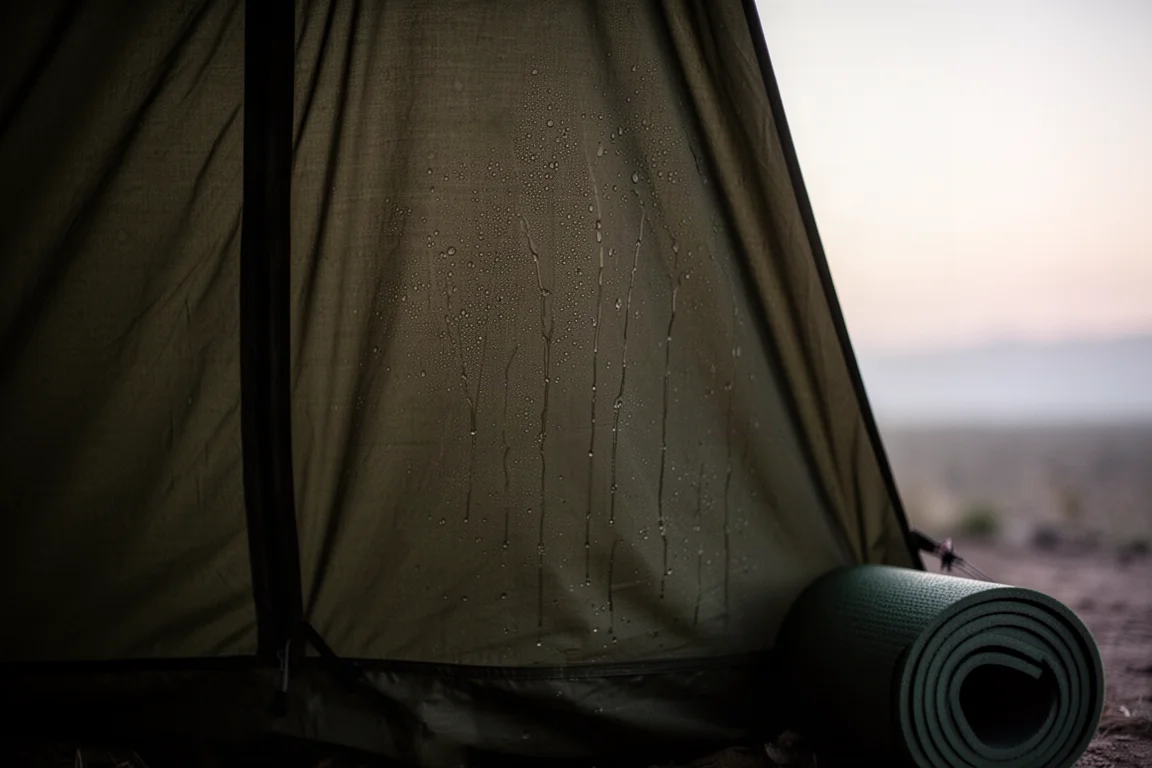
The Vic2 makes the most sense for a single trip into a very dry, low humidity climate, where condensation is unlikely to become a problem. For multiple nights in damp or wet conditions, most campers will find the interior unpleasant. Single wall tents of this kind also demand care and experience to use safely, because misuse in cold and wet weather can put you in a genuinely difficult position.
Snugpak Scorpion 3 and Budget Four Season Shelters
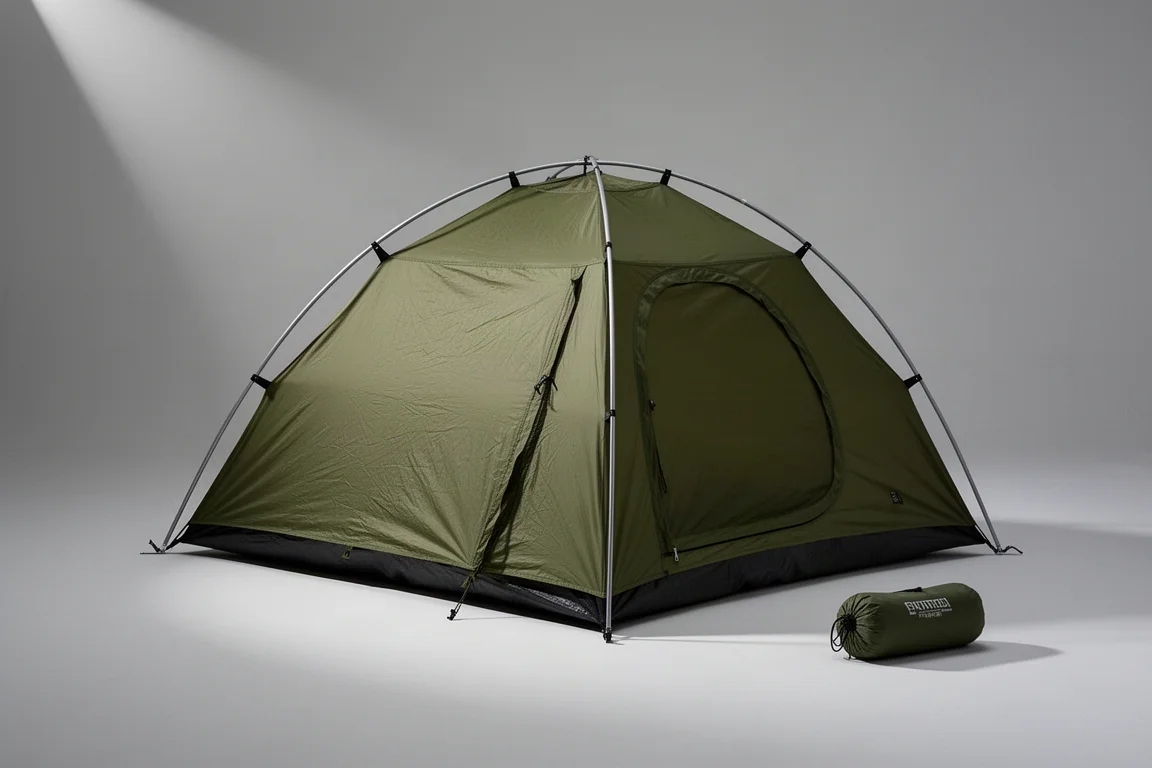
Not every four season tent is built for the same weather. At the accessible end of the category you find shelters intended for moderate winter conditions: moderate snow loading, moderate wind, and settled weather rather than storms. The Snugpak Scorpion 3 belongs to that group. It is an inexpensive four season tent that can handle a calm snow event, and it is a sensible choice for winter campers who are not heading out into severe conditions.
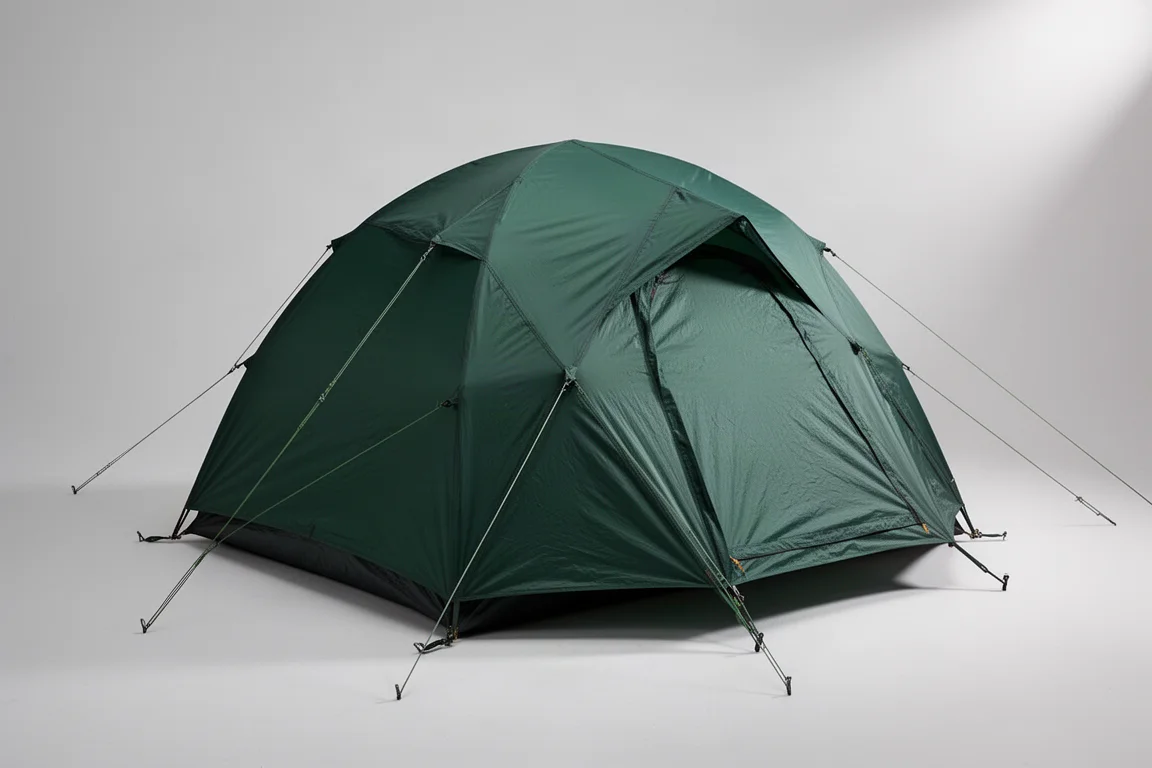
Beyond moderate conditions, the requirements change quickly. A shelter built for blizzards, big snow events and very strong winds costs considerably more, and that price gap reflects real structural differences rather than branding. If your winter trips stay within moderate limits, a tent like the Scorpion 3 covers the job without the cost of an expedition grade shelter. If you expect severe weather, it is not the right tool.
Poles, Materials, and Cold Weather Realities
Pole construction matters more in winter than at any other time of year. Aluminum is standard on three season and four season tents, and fiberglass should be avoided entirely below freezing. Many winter tents cover their poles, and that detail is worth looking for: exposed poles can freeze together with snow and ice, and freeing them means warming the metal with your hands, which makes waterproof gloves a practical necessity rather than a luxury.
Fabric bodies are another winter feature. A fabric inner blocks wind, holds in heat, and shields you from blowing snow, while still allowing some moisture to pass through so condensation does not build up the way it does in a sealed single wall. That is why fabric inners appear on four season tents, and why they make the same tents unbearable in summer, when mesh is exactly what you want.
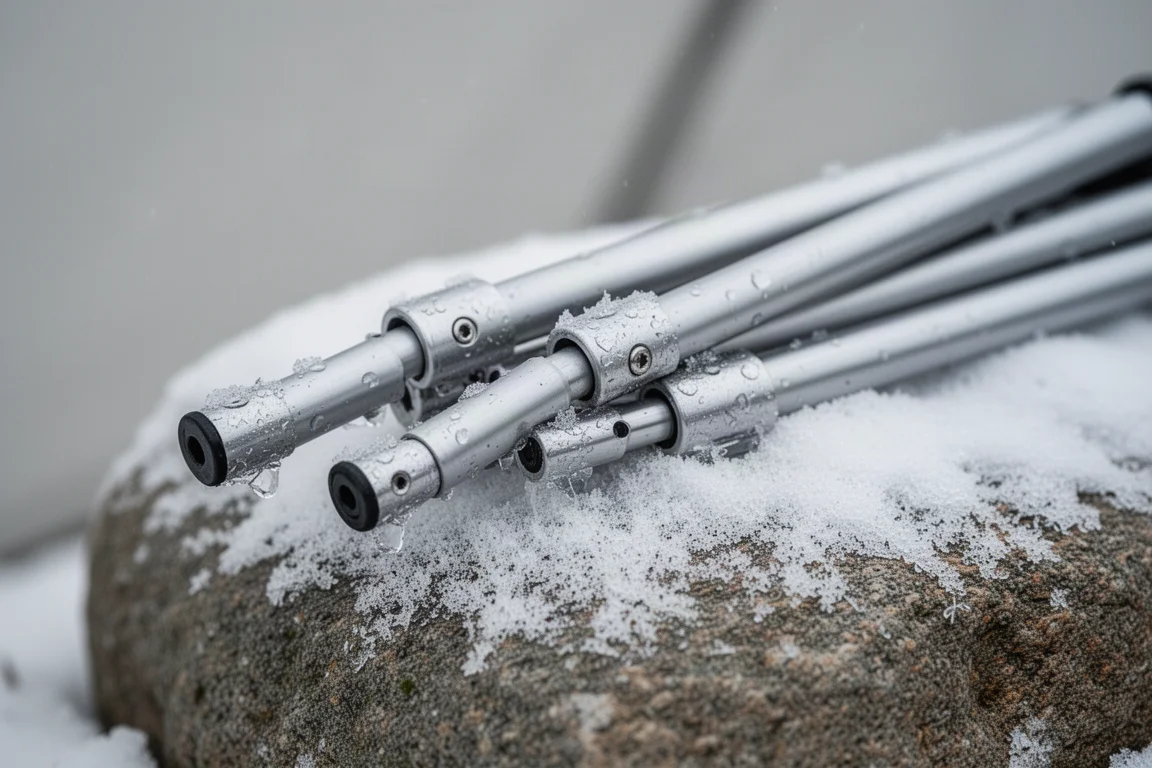
The practical consequence is that a tent body is a compromise by design. Mesh favors airflow and warm weather comfort, fabric favors wind resistance and heat retention, and the right answer depends entirely on the conditions you expect to meet.
Can a Three Season Tent Work in Winter
Yes, provided the conditions stay within the tent’s limits. A three season tent is not built for heavy snow loading or strong winds, so a winter trip in one only works when the forecast avoids both. Because these tents are designed around airflow, they do not hold heat, and wind can push straight into the interior once it picks up.
That makes the rest of your sleep system the deciding factor. A warm pad, a warm sleeping bag and the right clothing carry the load that the tent is not designed to carry, and a face mask helps on cold, windy nights. Campers in mild regions, such as Florida, are unlikely to need a four season tent at all, while anyone heading into sustained snow and wind in the mountains will.
Buying Advice for the Conditions You Camp In
The right question is not which tent is best, but which tent fits the trips you actually take. A summer backpacker wants mesh, ventilation and light weight. A spring and fall camper may prefer a fabric inner that takes the edge off cold evenings. A winter camper needs strength, stability and genuine snow loading capability, and should accept the extra weight that comes with it.
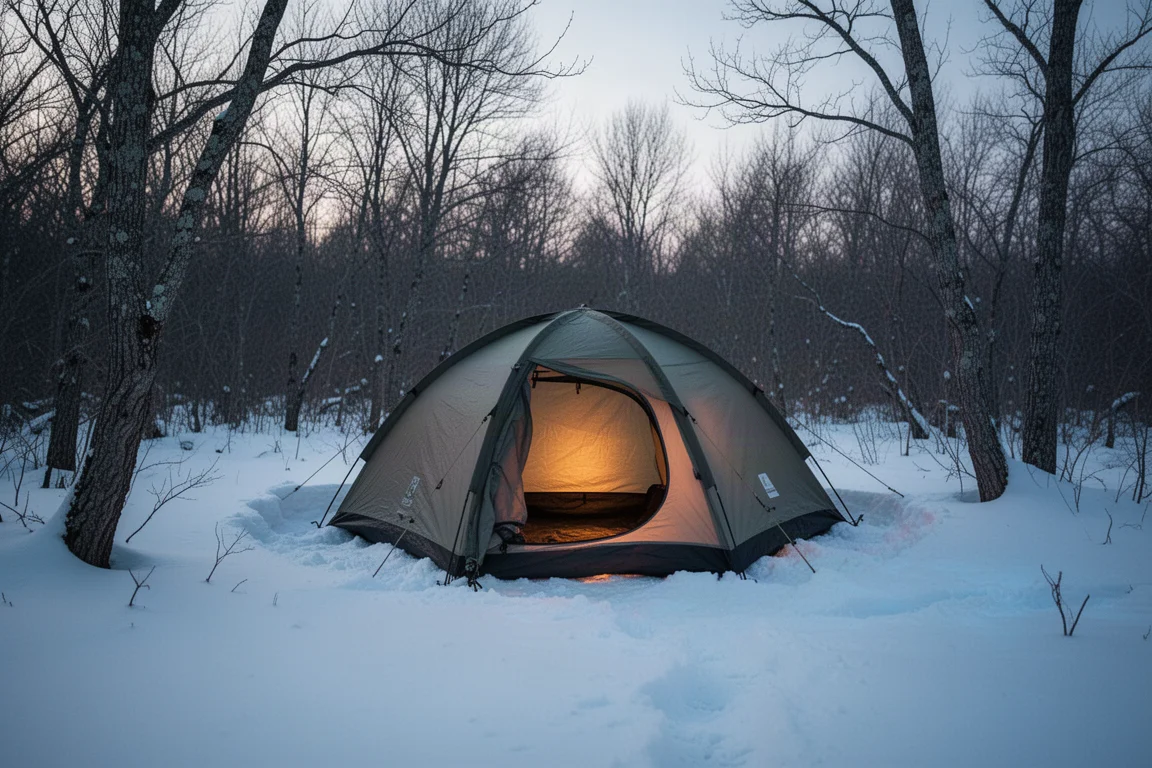
It is also worth accepting that one tent rarely covers everything. Camping across the full year usually means owning more than one shelter, chosen for the seasons you use most, rather than forcing a single tent into conditions it was never built for.
Conclusion
Two season tents belong in a backyard, single wall designs reward dry climates and careful use, three season tents cover the widest range of comfortable conditions, and true four season shelters exist for snow and wind that would destroy anything less. The Naturehike Vic2 shows the appeal and the limits of a lightweight single wall, while the Snugpak Scorpion 3 shows what an affordable winter tent can reasonably do. Match the shelter to the conditions, focus on quality before features, and buy from a company whose claims hold up.
Further reading
Related Reviews
Camping Tents
3F UL Gear Taiji Two-Person Tent Review: Field Waterproofing Results and Buying Advice
The Taiji pairs an attached fly with a removable inner, but sustained rain exposed untaped vent seams that need sealing before this shelter can be trusted.
Camping Tents
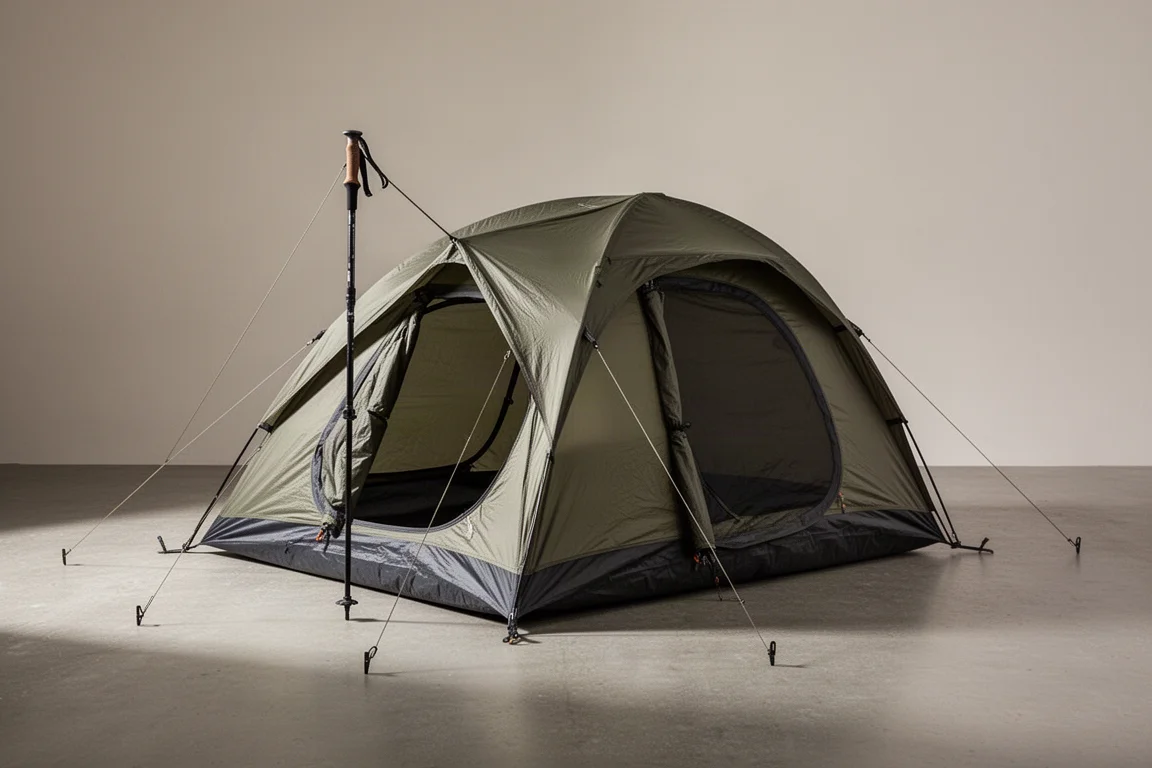
3FUL Gear Lanshan 2 Pro 4-Season Review: A Sub-$200 Single-Wall Trekking Pole Tent
An early look at the 3FUL Gear Lanshan 2 Pro 4-Season, covering its straightforward pitch, generous interior space, and the condensation and seam-sealing questions that come with any single-wall shelter.
Camping Tents
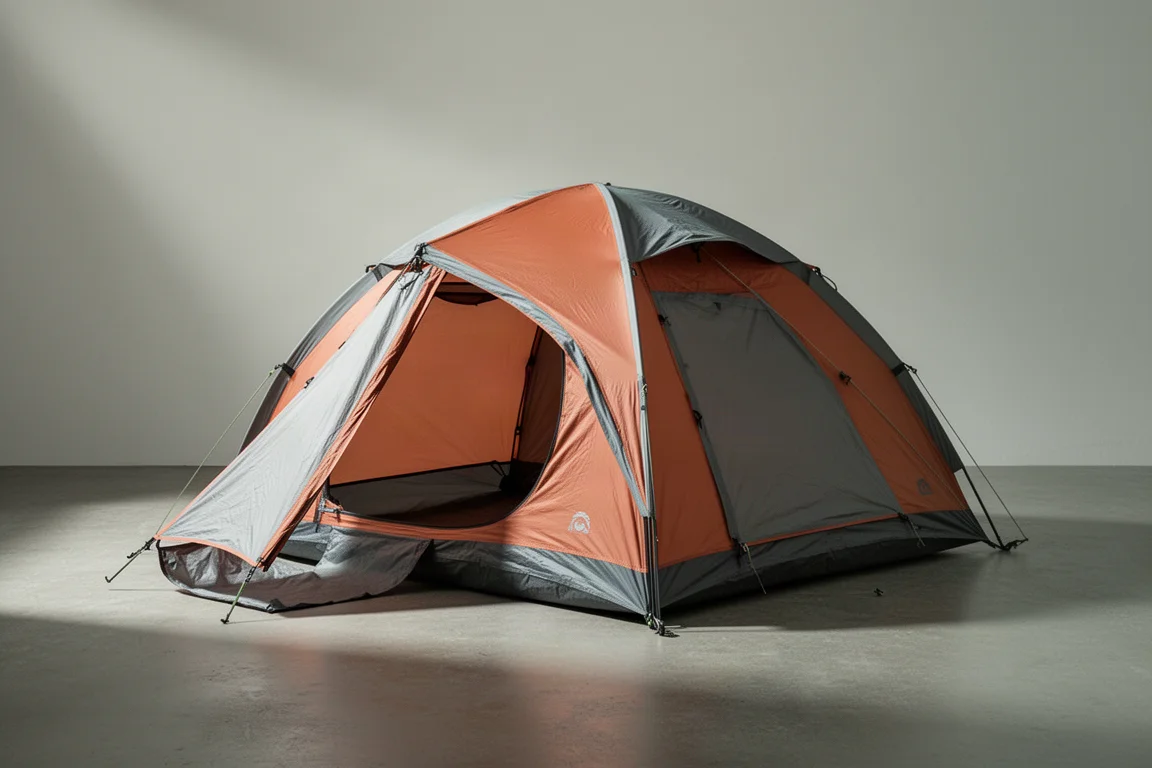
Alps Mountaineering Lynx 1-Person Tent Review: Big Value in a Small Budget Tent
A close look at the Alps Mountaineering Lynx 1-Person Tent, covering real interior dimensions, materials, setup time, ventilation limits, and who should buy it.