Backpacking Packs
ULA Ohm 2.0 Review: A Lightweight Internal-Frame Pack After 1,300 Miles
A long-term look at the ULA Ohm 2.0 after more than 1,300 miles of long-distance hiking, covering fit, pocket layout, customization options, and the trade-offs worth knowing before buying.
Introduction
The ULA Ohm 2.0 is an internal-frame backpack aimed at hikers who want a durable load hauler that does not add much weight of its own. This assessment is based on roughly 1,300 miles of trail time with the pack, including most of the 350-mile Pinhoti Trail and the full 1,100-plus-mile Florida Trail, which is enough distance to expose both the design choices that work and the small details that wear on a long hike.
The starting point for choosing it was straightforward: a pack that could handle the weight of a camera-heavy kit while staying light enough that the pack itself did not become part of the burden. Most of the rest of the gear is lightweight or ultralight, and the camera equipment is what pushes the total load up.
Who This Pack Is For
The Ohm 2.0 makes the most sense for hikers who run a lightweight or ultralight kit but still carry a few items that add real weight, such as camera gear. ULA rates the pack for up to 30 pounds of carried weight, and it performs best at or below that figure. Loads in the mid-30s have been carried in it without any structural trouble, but comfort drops as the weight climbs past the recommended ceiling.
Thru-hikers and long-distance section hikers are the natural audience, particularly anyone who values quick access to water, snacks, and camera equipment without stopping to take the pack off.
Main Strengths
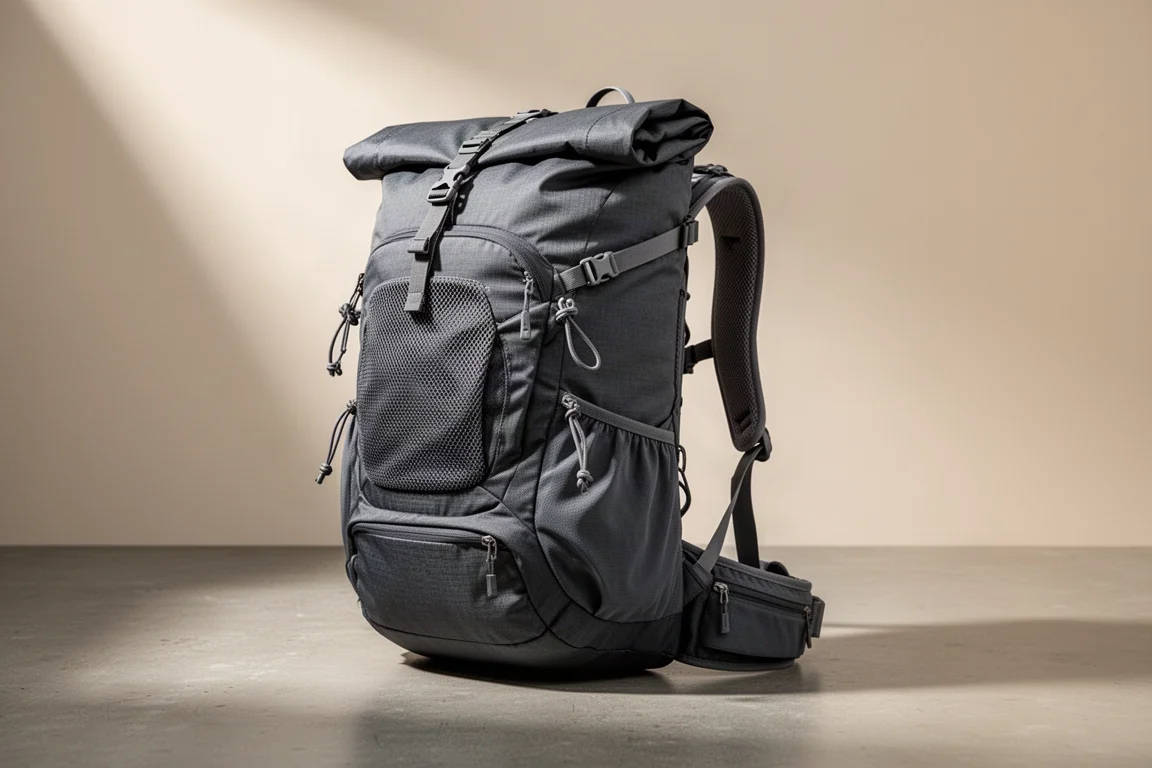
The Ohm 2.0 is built from ULA Robic 400 fabric and uses an internal frame. Total volume is 63 liters, with just over 33 liters in the main compartment and the rest distributed across the outer mesh pocket, the side pockets, and the hip belt pockets. The claimed weight for a medium pack with a medium hip belt is 33.1 ounces, down from the 34.5 ounces quoted when the pack was first purchased, a change that came alongside moving some optional features to add-on accessories.
Fit and Carry Comfort
Shoulder straps are wide enough to carry weight comfortably without being so thick that accessories will not fit. A Peak Design camera clip mounts cleanly on the strap, which keeps a camera within reach for quick photos and video instead of swinging from a neck strap all day.
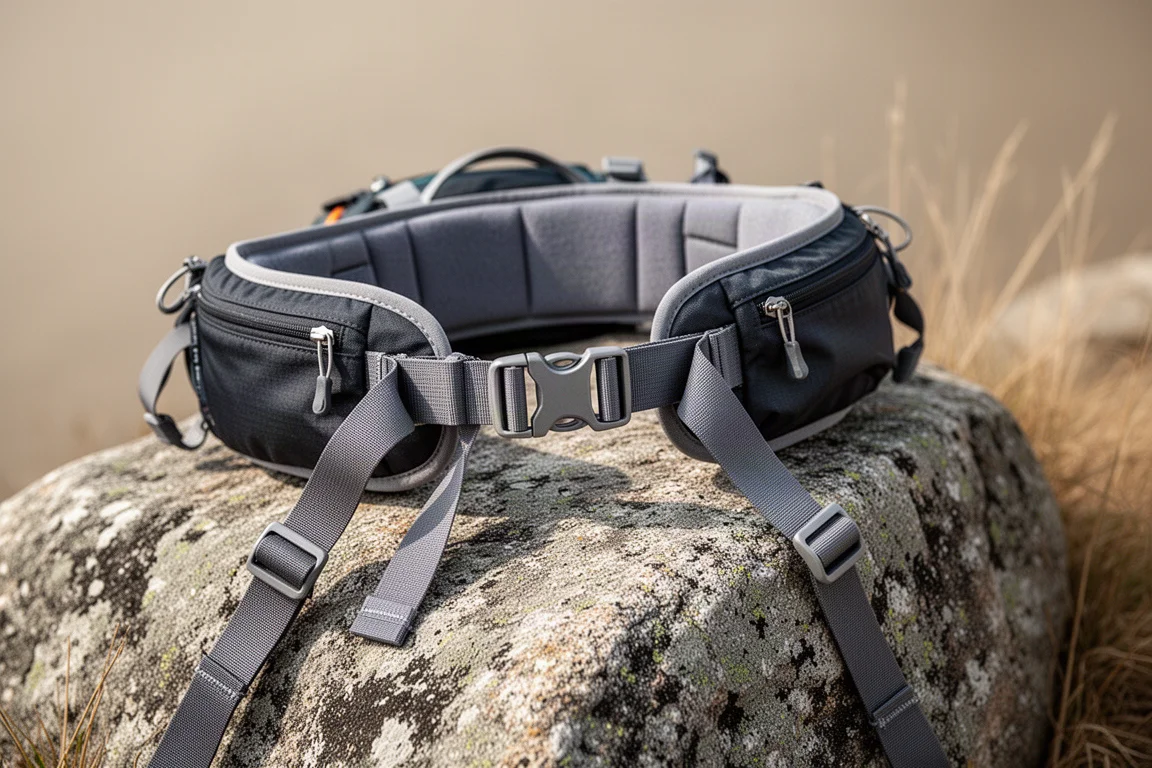
The hip belt is wide and well padded, and it did not produce the bruising that firmer belts can cause on bony hips. The pack is also unusually adjustable. Load lifters are standard, the hip belt has two separate adjustment zones, and there is an additional adjustment where the body of the pack meets the hip belt around the back of the hips.
That last adjustment is easy to overlook. After a couple hundred miles the pack began to sag and squeak, and no amount of hip belt tightening restored the carry. Adjusting the rear attachment point lifted the pack back up on the hips and resolved both problems. It is the kind of adjustment worth understanding before a long trip rather than discovering midway through one.
Storage and Pocket Layout
Hip belt pockets are large enough to hold a full day of snacks and sunscreen on one side and camera and electronics on the other, including a small macro lens, a compact camera, and a phone in a protective bag when the weather turns.
The side pockets are generous as well and take water bottles, a tripod, and an umbrella at the same time. The outer mesh pocket handles rain gear and anything else that can get wet, which makes it easy to drop a rain jacket without unpacking. Non-stretch cordage on both sides can cinch the load higher or lower depending on how much space is needed, and it doubles as a place to dry socks or lash on extra items. Additional gear loops are scattered around the pack, and an internal holster holds a thin foam pad that could stand in as a sit pad, though pulling it out and refitting it while the pack is loaded is not especially convenient.
Customization Options
Ordering the Ohm 2.0 involves more choices than most packs allow. Torso length and hip belt size are selected separately, so a tall hiker can pair a long torso with a small hip belt instead of accepting a fixed small, medium, or large. Shoulder straps come in a J strap or an S strap shape.
Closure is the other major decision. ULA offers a cinching drawstring top or a roll-top, and the roll-top is a 15 dollar add-on that is worth it for anyone who likes to stack gear on top of the pack and cinch it down. For comparison, the Gossamer Gear Mariposa is another lightweight pack worth considering, but it does not offer a roll-top closure, which is a meaningful drawback for hikers who prefer that style.
Color options include teal, royal blue, green, black, and purple, and embroidery is available for an additional charge.
Things to Consider Before Buying
The most significant omission is a set of loops on the bottom of the pack for carrying a shelter. A tent can be strapped on top using the roll-top and the strap that runs over it, but the top clip showed visible wear toward the end of a long trail, and bottom loops would also help the pack stand upright while it is being loaded. There are accounts of ULA adding strap loops to the bottom of a pack on request, so it is worth asking directly if that setup matters.
The outer mesh pocket is tight when new. It loosens with use, but more room would make it easier to dig through and would allow more gear to live outside the pack.
Side pockets could also be a little taller. A tall bottle with a filter on top becomes top-heavy, and it can flip out when the pack is swung onto the shoulders. The side cinch cords help, and overstuffing the pockets solves it too, but extra height would address the problem at the source.
Two features that once came standard are now add-on accessories: a small zippered stash pocket that hangs inside the top of the pack, useful for keys and a wallet, and hand loops on the shoulder straps that let a hiker pull down to shift the load. The stash pocket is convenient if it is included, while the hand loops went unused by a hiker who is always holding trekking poles or a camera.
Finally, the pack is rated to 30 pounds, and loads above that are noticeably less comfortable even when the pack itself holds up fine.
Buying Advice
The Ohm 2.0 starts at 240 dollars, and the roll-top closure adds 15 dollars for a total of 255 dollars as configured here. That sits in the middle of the market: some comparable packs cost considerably more, and some cost less.
If the roll-top closure matters, order it up front rather than trying to work around a drawstring top later. If a shelter needs to ride on the outside of the pack, ask about bottom strap loops before ordering. Everything else, from torso length and hip belt size to shoulder strap shape and color, is selected at checkout, so it is worth taking the time to measure rather than defaulting to a standard size.
Conclusion
The ULA Ohm 2.0 has proven itself over more than 1,300 miles of long-distance hiking. It carries a camera-heavy ultralight load comfortably, its hip belt and shoulder straps are shaped for long days, and its adjustability is a step above most packs in its class. The roll-top closure, the large hip belt pockets, and the roomy side pockets all earn their place on a thru-hike.
The trade-offs are small but real: no bottom loops for a shelter, a tight outer mesh pocket when new, and side pockets that could be taller. None of them are deal breakers, and at least one can be raised with the company directly. For hikers who want a lightweight internal-frame pack that handles a 30-pound load and offers genuine customization at checkout, the Ohm 2.0 is a strong candidate.
Product link
View more details for ULA OHM 2.0
This product is mentioned in the review. Check the specifications, options, and compatibility before buying.
View more details for ULA OHM 2.0Further reading
Related Reviews
Backpacking Packs
Backpacking Pack Types Compared: Traditional, Ultralight, Frameless, and Hybrid
Four pack categories, four representative packs, and a practical way to decide which kind of backpacking pack matches the weight of your gear.
Backpacking Packs
Best Backpacking Packs 2026: Six Picks for Every Style of Trip
Six backpacking packs that earned their place by weight class and purpose, with the real strengths and trade-offs to weigh before you buy.
Backpacking Packs
Big Agnes Prospector 50 Review: A Hybrid Pack That Sits Between Two Worlds
A 50-liter backpacking pack that mixes ultralight features with traditional padding and panel access. Here is who it suits and where it falls short.