Portable Power
UD Power C400 Review: A Power Station, Jump Starter and Power Bank in One Box
The UD Power C400 combines a 256Wh power station with a built-in jump starter and pass-through charging at around $200. Here's how it holds up in real use.
Introduction
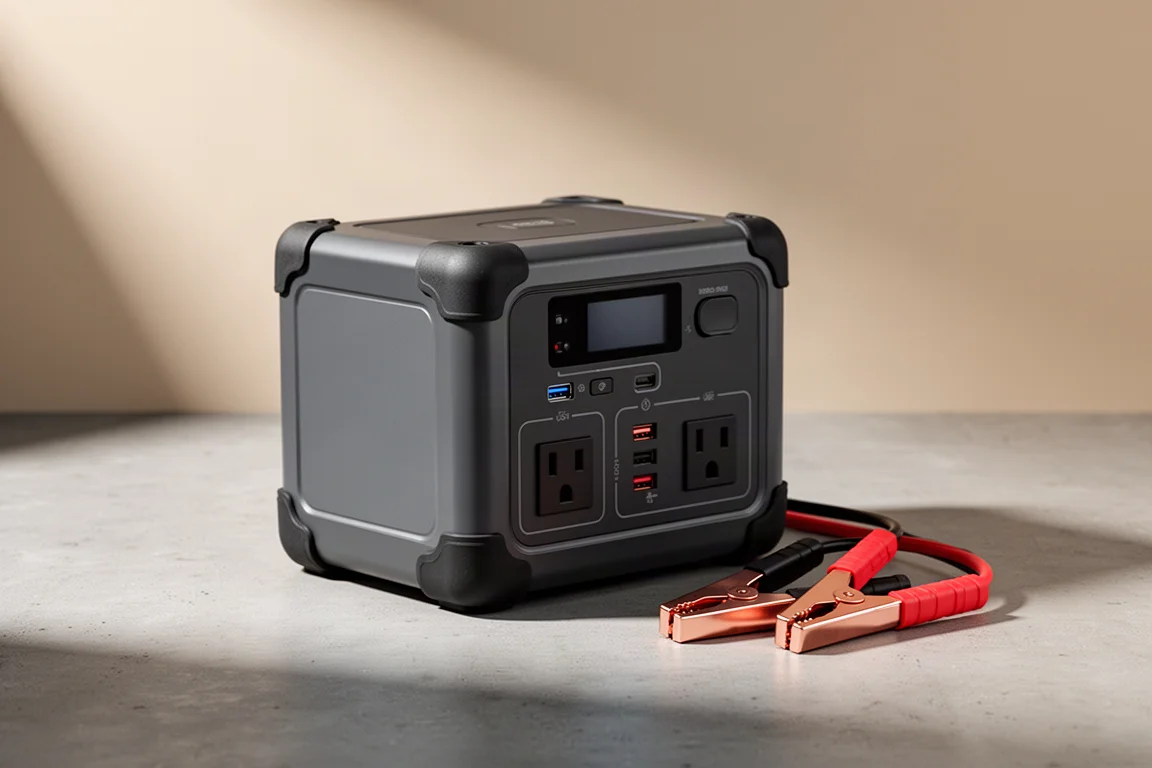
Portable power is going through a consolidation phase. Instead of buying a power station, a jump starter and a power bank as three separate products, manufacturers are now merging all three into a single unit. The UD Power C400 is exactly that kind of hybrid: a 256Wh power station with a built-in jump starter on the back and enough USB output to double as a large power bank.
At around $200, it undercuts most dedicated power stations at this capacity, and it even ships with a solar panel in some bundles. The question is whether the all-in-one approach involves too many compromises. After spending time with it, testing the jump starter function and pushing the AC output with power tools, the answer is mostly no, with a few caveats worth knowing about before you buy.
What’s in the Box
UD Power keeps the accessory list practical. You get the jump starter cables, a wall charger, a cigarette lighter adapter that plugs into the same DC/solar input port, and a two-piece charging cable. The manual rounds it out.
One genuinely missed opportunity here is storage. There is no bag or pouch included, which is a real annoyance for a device designed to live in a truck or car. The jumper clamps, the charger and the lighter adapter all need somewhere to go, and loose cables banging around a cab is exactly what you don’t want. A simple carry bag would have tied the package together nicely.
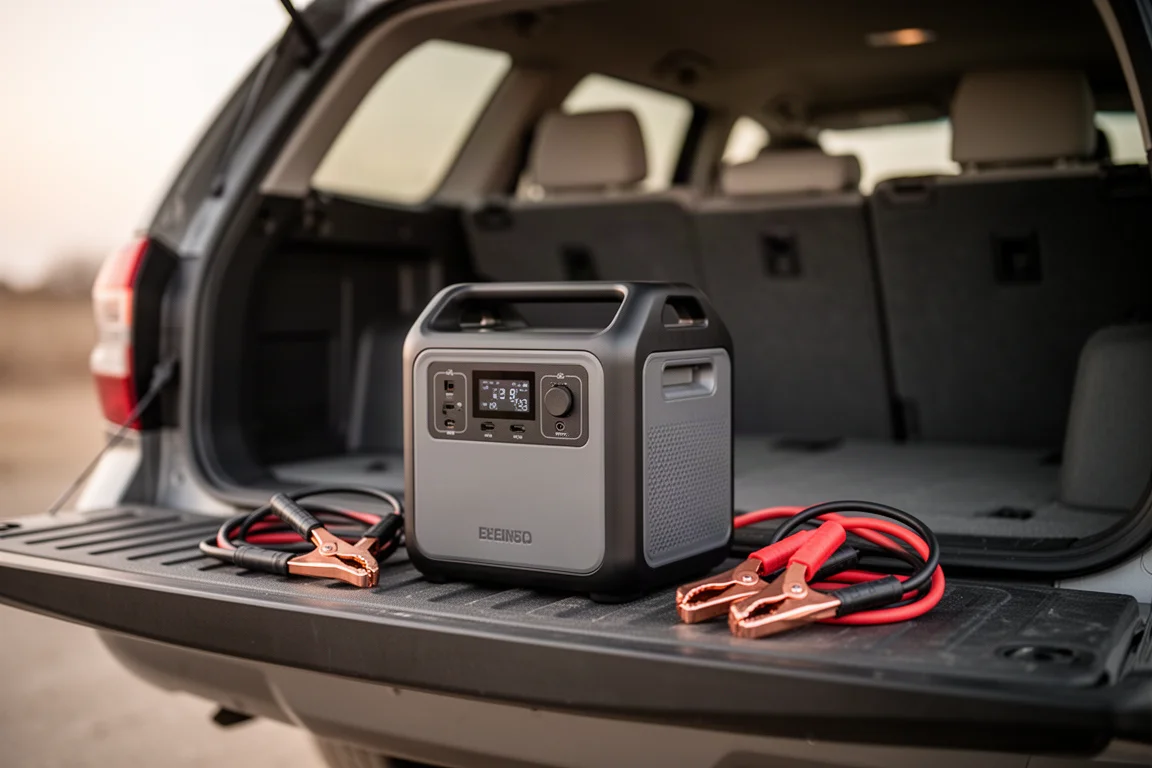
The unit itself lands at a comfortable middle ground in both weight and size. It weighs 6.3 lbs and measures roughly 8 inches wide, just under 8 inches tall, and about 5.25 inches deep. That matters more than it sounds: too heavy and you leave it at home, too light and it feels flimsy. The C400 hits the sweet spot where you will actually bring it along.
Ports, Specs and Real-World Charging
The front panel carries a USB-C output rated at 35W, a USB-A port at 18W, a cigarette lighter output, two AC outlets and the solar/DC input. Notably, there is no separate barrel charging port; everything goes through the DC in, which keeps the layout clean.
The headline specs: 256Wh capacity (20Ah at 12.8V), 800W total AC output split across the two outlets (roughly 400W each), up to 136W from the cigarette port at 12V/10A, and a 65W max USB-C. The battery is rated to retain 80% capacity after 3,000 cycles, and the working temperature range is -20°C to 45°C. That cycle rating is a genuinely strong figure for this class.
Charging from near empty took a little over three hours at up to 96W input, which matched expectations for a 256Wh unit. The display is honest about what’s happening, showing input wattage and battery percentage with reasonable accuracy.
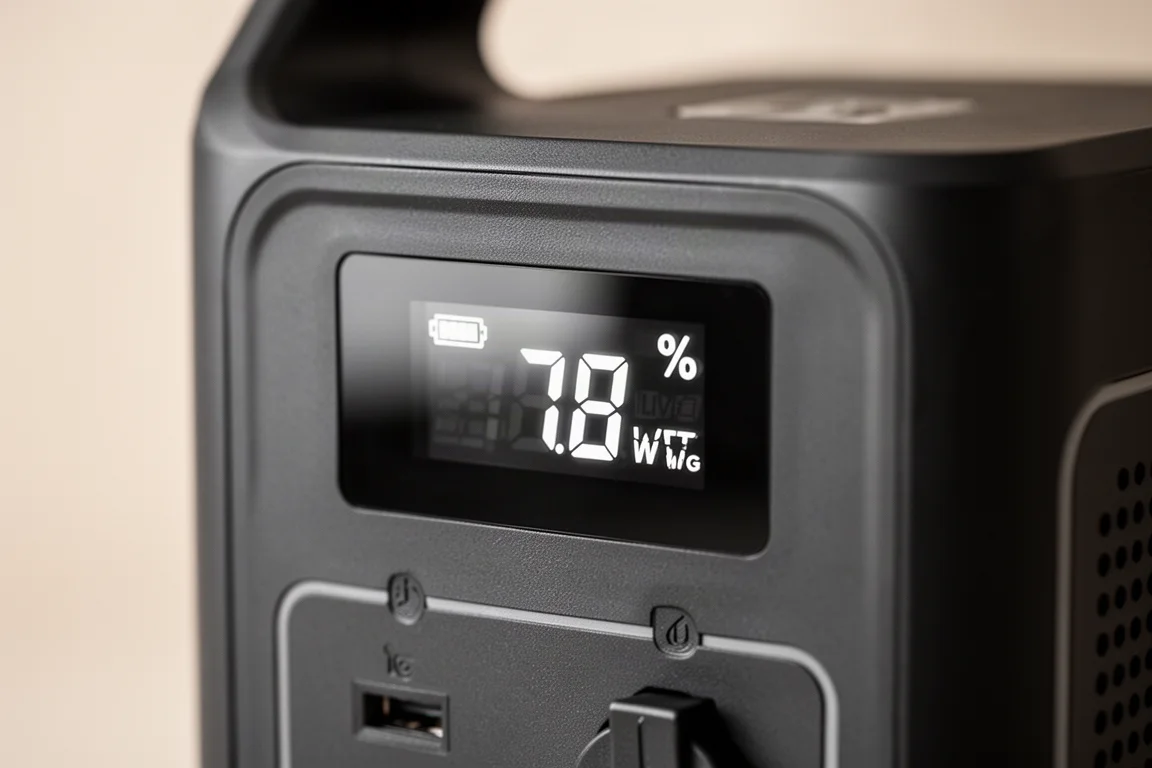
Two software features deserve a mention. Pass-through charging works exactly as hoped: the unit can take input power while simultaneously running devices, so you can leave it on a solar panel and still charge your phone off it. This is a genuinely useful feature not every budget power station offers.
Eco mode, on the other hand, is basically a screen-timeout setting. It shortens the display timeout from one minute to 30 seconds and shuts off AC output after two hours with no load. That is not real energy saving, so there is no reason to fuss over it either way.
Built-In Jump Starter
The jump starter function is refreshingly simple. You plug the clamp cable into the dedicated port on the back, connect the red clamp to the positive battery terminal first, then the black clamp to the negative terminal. The unit immediately sends 12V cranking power to the connections; start the car, and you’re done. If it doesn’t fire, wait 30 seconds before trying again.
Because the clamps live on the back of the unit and won’t be used often, keeping them clean matters. They ship without any cover, so debris in a truck bed or trunk is a fair concern over the long term.
The combination is what makes this product interesting for vehicle owners. For camping, road trips or emergency prep, you no longer need a separate jump starter, a separate solar charger or a separate power bank. One box covers all three roles, and it slots into a vehicle storage cubby without drama.
Powering Real Devices
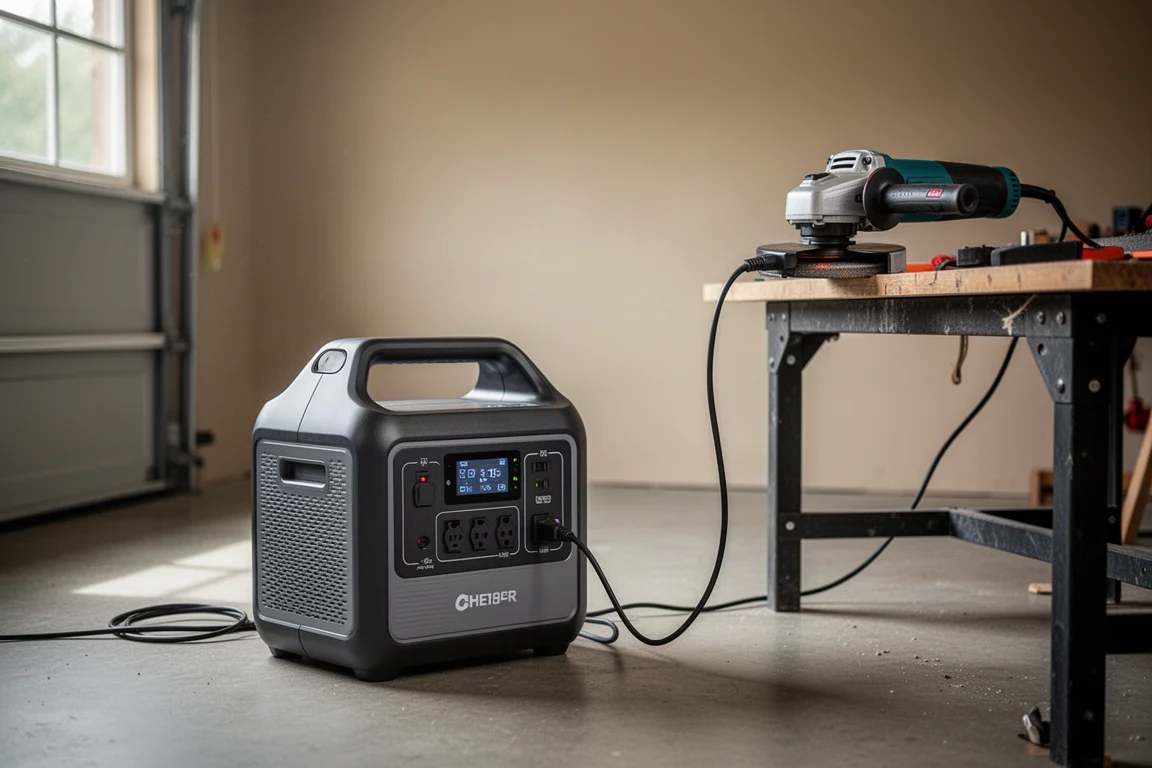
To see how the AC output holds up, the C400 was tested with a battery charger pulling over 200W and, more ambitiously, an angle grinder. The grinder ran fine under no load, pulling a substantial chunk of the roughly 400W per-outlet limit. The unit tripped its internal breaker only when the grinder was switched on and off rapidly, which is a known weak point for power stations in general; they are not wall sockets, and rapid high-load cycling is where they object.
The important takeaway is that the internal breaker protects itself and simply needs to be reset, rather than failing outright. For lights, chargers, laptops, cameras and even bursty tool use with a little care, the output is more capable than the 800W rating suggests on paper.
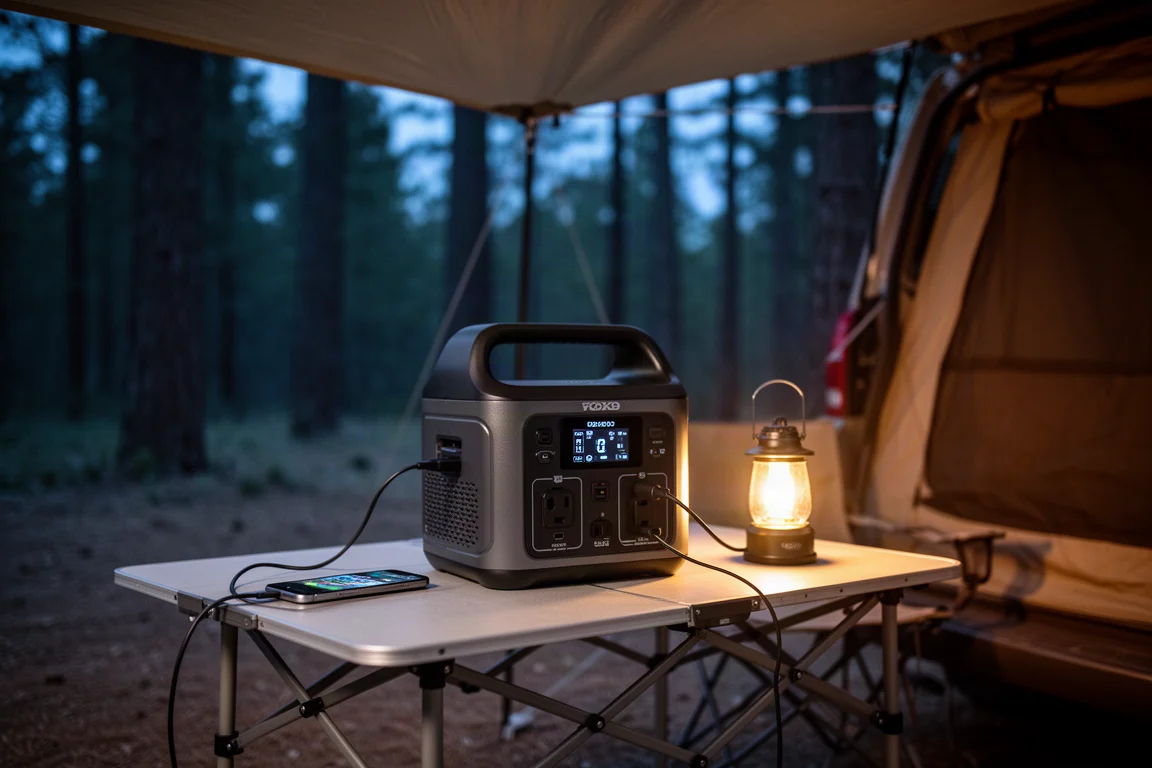
One honest limitation: the USB selection is modest. One USB-C and one USB-A is thin for a modern power station, and the two AC outlets share a ground, which is worth knowing if you plan to run two sensitive devices at once.
Things to Consider Before Buying
A few trade-offs are worth weighing. There is no storage bag for the cables and clamps, which is the most repeated complaint about the package. The USB port count is limited. Eco mode adds little real value. And while the bundled solar panel sounds appealing, solar charging in general is slow: a comparable unit took roughly a day and a half to recharge in full Florida sun after a hurricane, so temper expectations unless you live somewhere very sunny.
None of these are dealbreakers, but they are the difference between a good product and a perfect one.
Buying Advice
At roughly $200, the C400 is a strong value for anyone who wants one device instead of three. It is particularly well suited to truck and car owners who want an emergency jump starter that is also a useful camp or outage power source, and to anyone buying their first power bank-style station who doesn’t want to over-invest before knowing their needs.
If you already own a dedicated jump starter and a larger power station, the overlap may not justify the purchase. But as a single all-in-one for a vehicle, a camp kit or an emergency shelf, the feature set is hard to argue with at this price.
Conclusion
The UD Power C400 does nearly everything you’d ask of a compact power station, then adds a jump starter and pass-through charging on top. The 256Wh capacity, 3,000-cycle battery rating, working pass-through and surprisingly capable AC output make it one of the more complete packages in the under-$200 bracket. The lack of a storage bag and the thin USB selection are the main misses, but for a do-it-all device you can toss in the truck and forget about until you need it, the C400 makes a very good case for itself.
Product link
View more details for UD Power C400
This product is mentioned in the review. Check the specifications, options, and compatibility before buying.
View more details for UD Power C400Further reading
Related Reviews
Portable Power
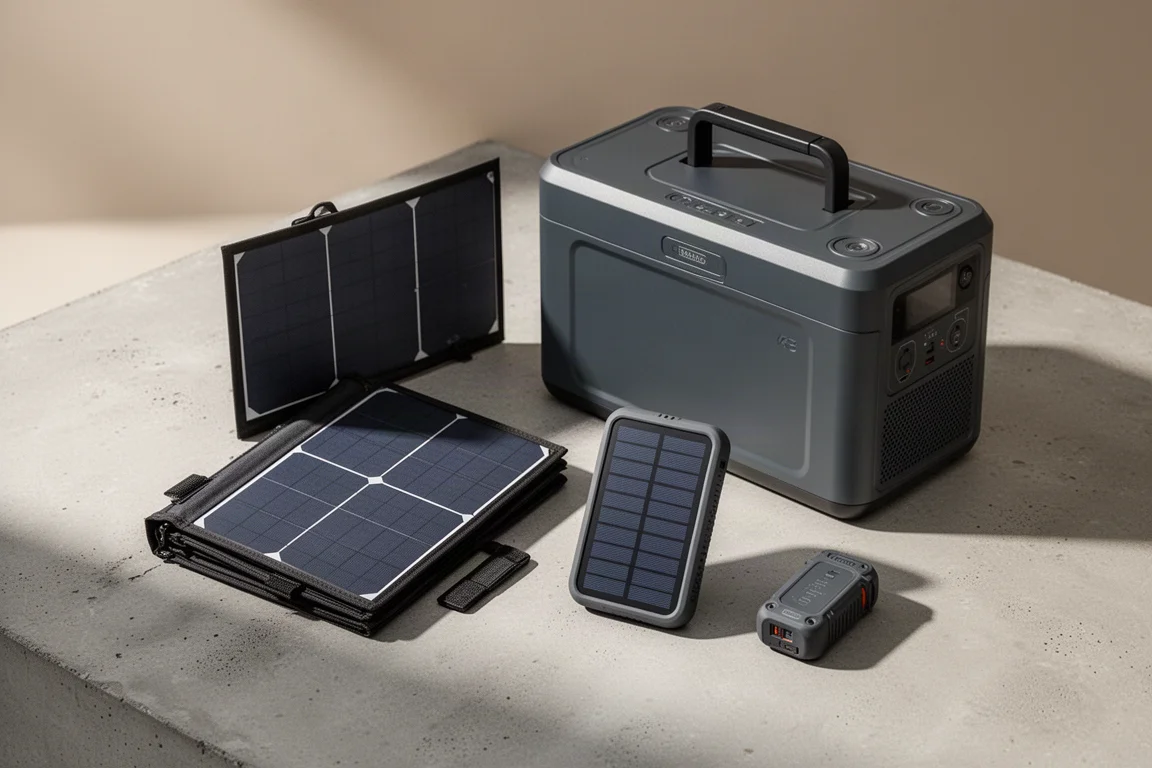
Best Portable Power for Camping and Remote Work: Six Power Banks and Solar Panels Compared
A practical comparison of six portable power options, from a 500W solar generator for car camping to a one pound solar power bank built for backpacking.
Portable Power
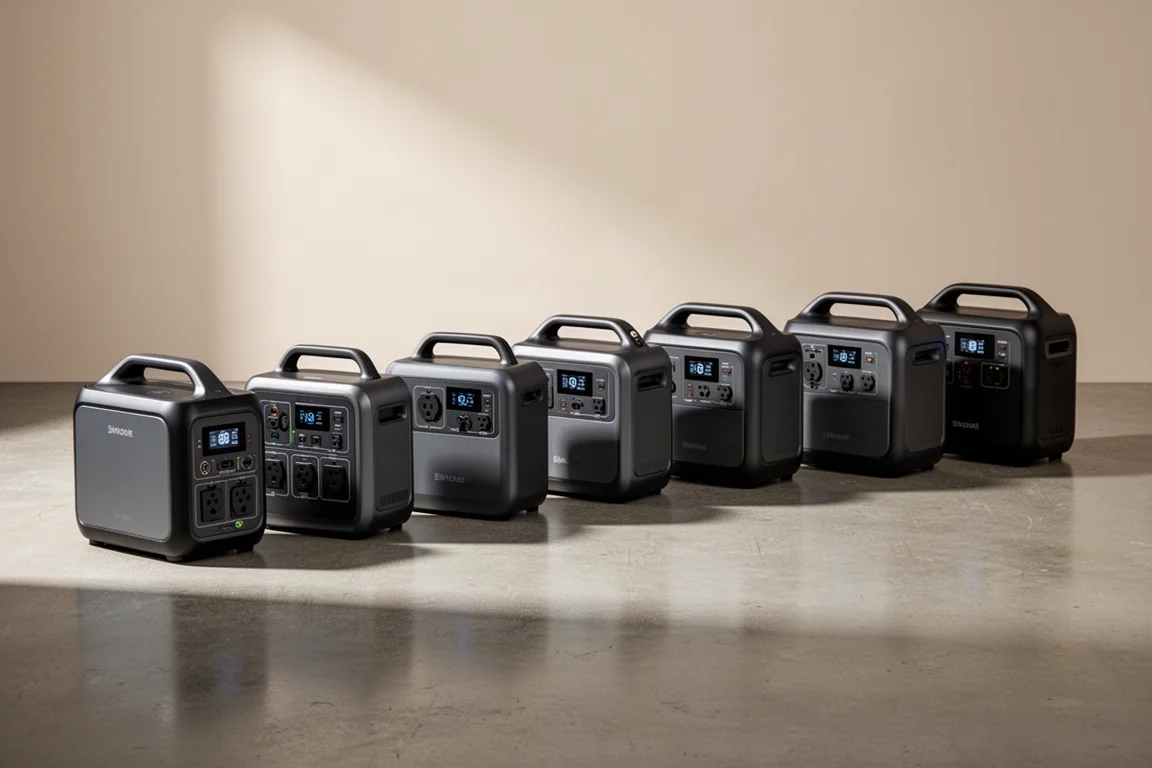
Best Portable Power Stations 2026: Nine Models Compared for Real-World Use
We compared nine portable power stations across output, capacity, charging speed, noise, and UPS performance to find the best value and the best overall pick.
Portable Power
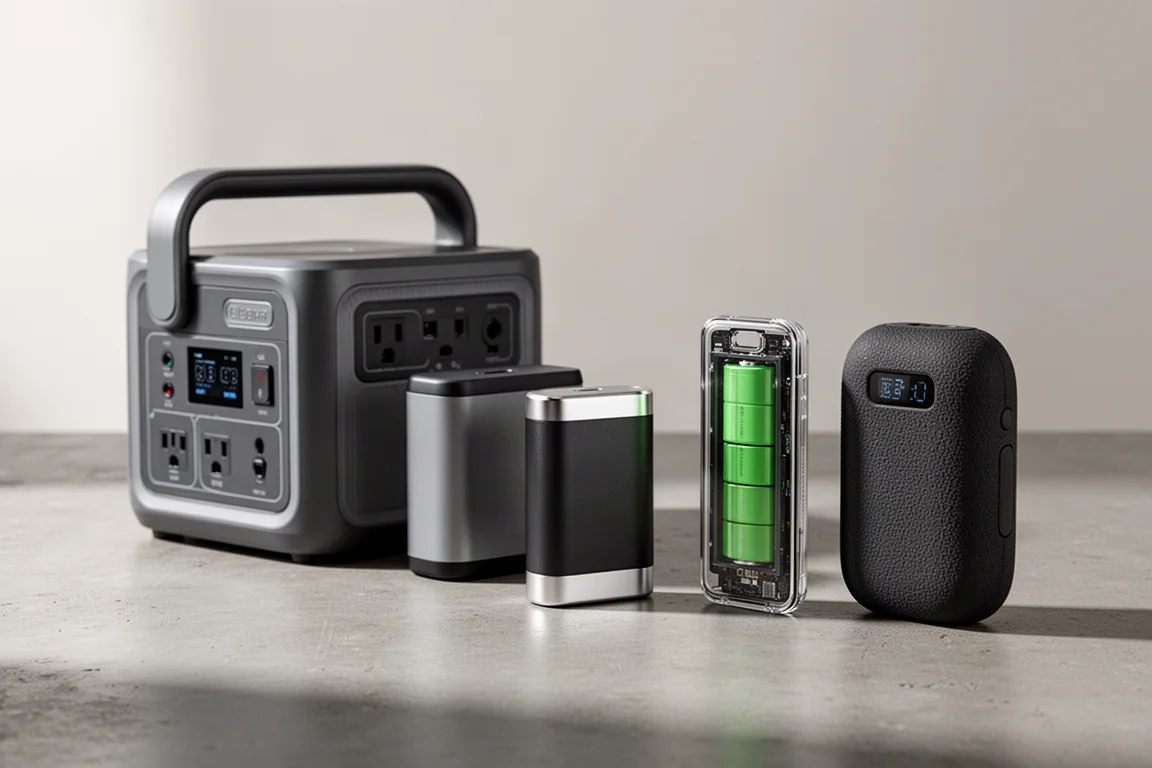
Best Portable Power Stations and Power Banks for Blackouts and Travel
Five portable power solutions compared: two EcoFlow power stations, a flight-friendly Zendure power bank, a see-through Shargeek, and the feature-packed Omni 20c+.