Turntables
U-Turn Turntable Line Compared: Orbit Basic, Plus, Special, and Theory
A practical look at the refreshed U-Turn turntable range, from the $250 Orbit Basic to the flagship Orbit Theory, plus the Pluto 2 phono preamp and the Ortofon OM5e cartridge.
Introduction
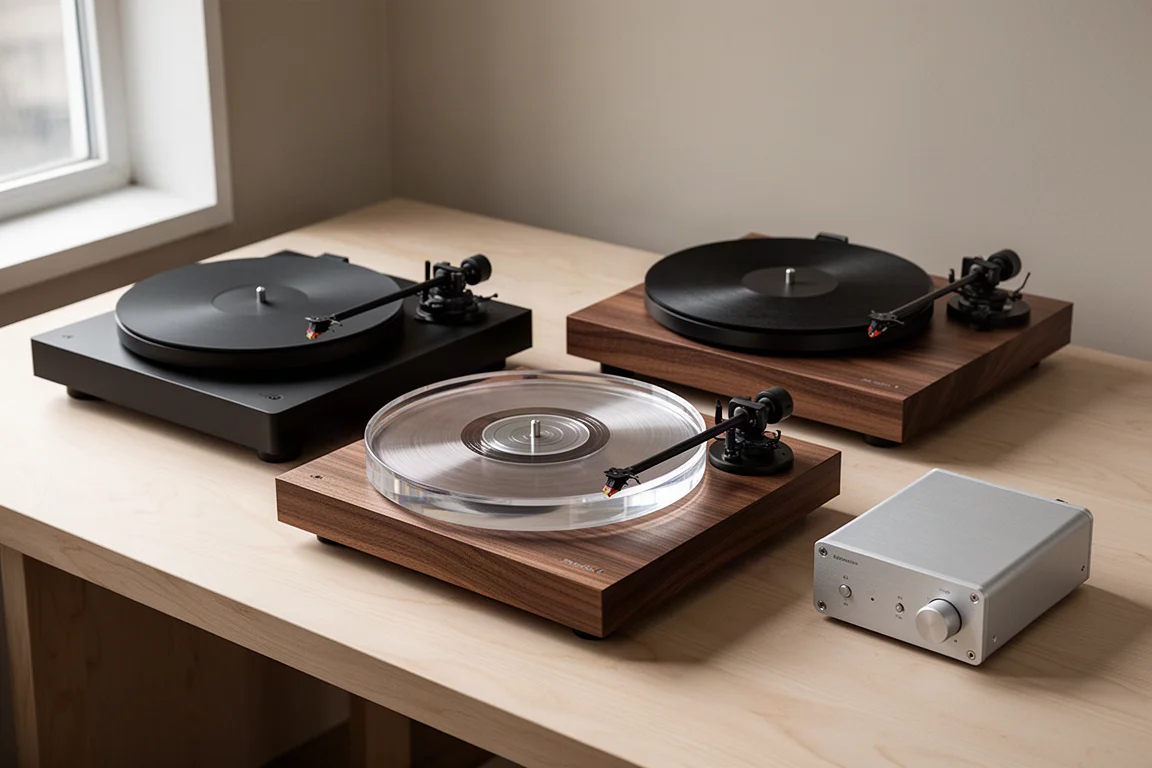
U-Turn Audio has rebuilt its turntable range from the platter up, and the result stays true to the idea the company has always pushed: simple, modular decks that are quick to set up and easy to live with. The line now runs from the $250 Orbit Basic through the Orbit Plus and Orbit Special to the flagship Orbit Theory, with the Pluto 2 phono preamp and the Ortofon OM5e cartridge rounding out the ecosystem. This guide walks through what changed across the range, what each model gives you, and which one makes sense for your system.
What Sets the New U-Turn Line Apart
U-Turn Audio has been building turntables since 2012, and every deck in the range is assembled in Massachusetts. The design philosophy has not changed either: the turntables are modular, so you only pay for the features you actually want. A cue lever, an integrated phono preamp, electronic speed control, and upgraded feet are all optional add-ons rather than forced bundles.
The new line brings a handful of meaningful updates. There are new colors and new hardwood plinth options. The premium adjustable feet now use sorbothane, a material used to help isolate a deck from vibration. The drive system has been reworked so the platter now has a groove that guides the belt, which makes belt changes easier and reduces the chance of the belt slipping off. Every model moves to the new OA3 tonearm, a single piece of magnesium with an adjustable counterweight and anti-skate.
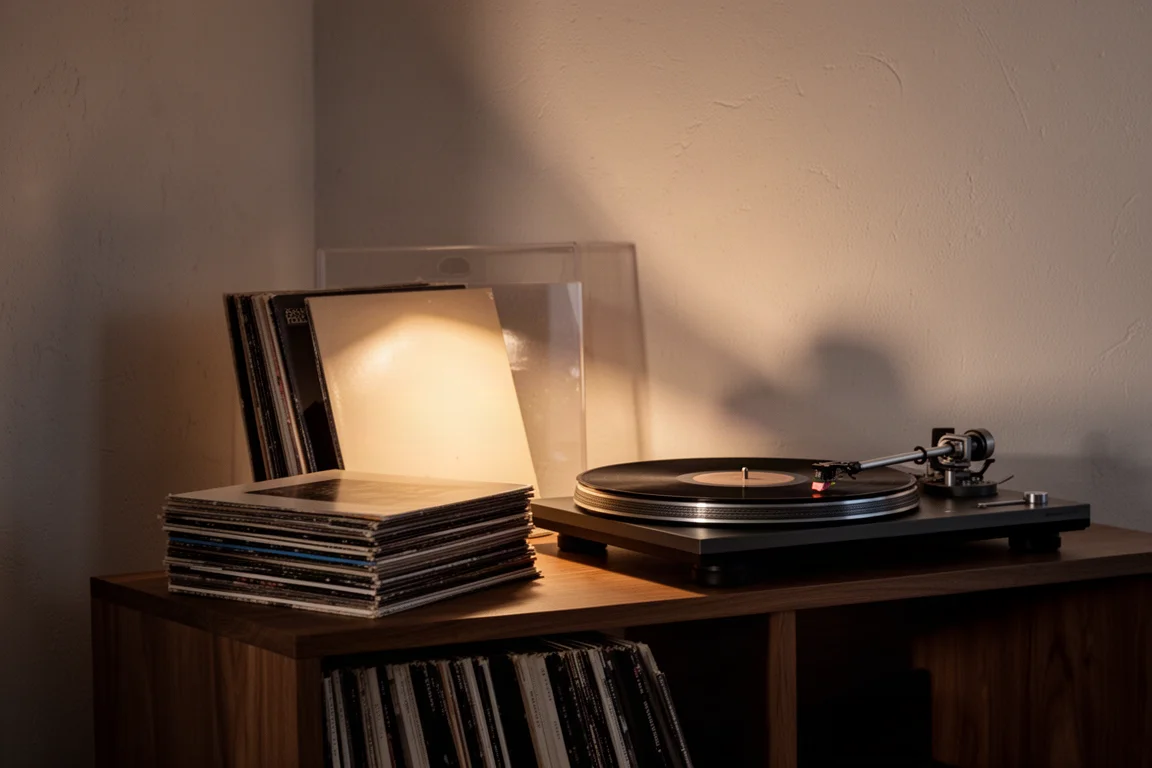
Setup is another part of the appeal. Unpacking the box takes longer than getting the turntable running, and most listeners can be playing records within about five minutes. U-Turn decks are also internally grounded through the RCA outputs, so there is no separate ground wire to wrestle with. The company backs its turntables with a three-year warranty and lifetime customer support.
U-Turn Orbit Basic
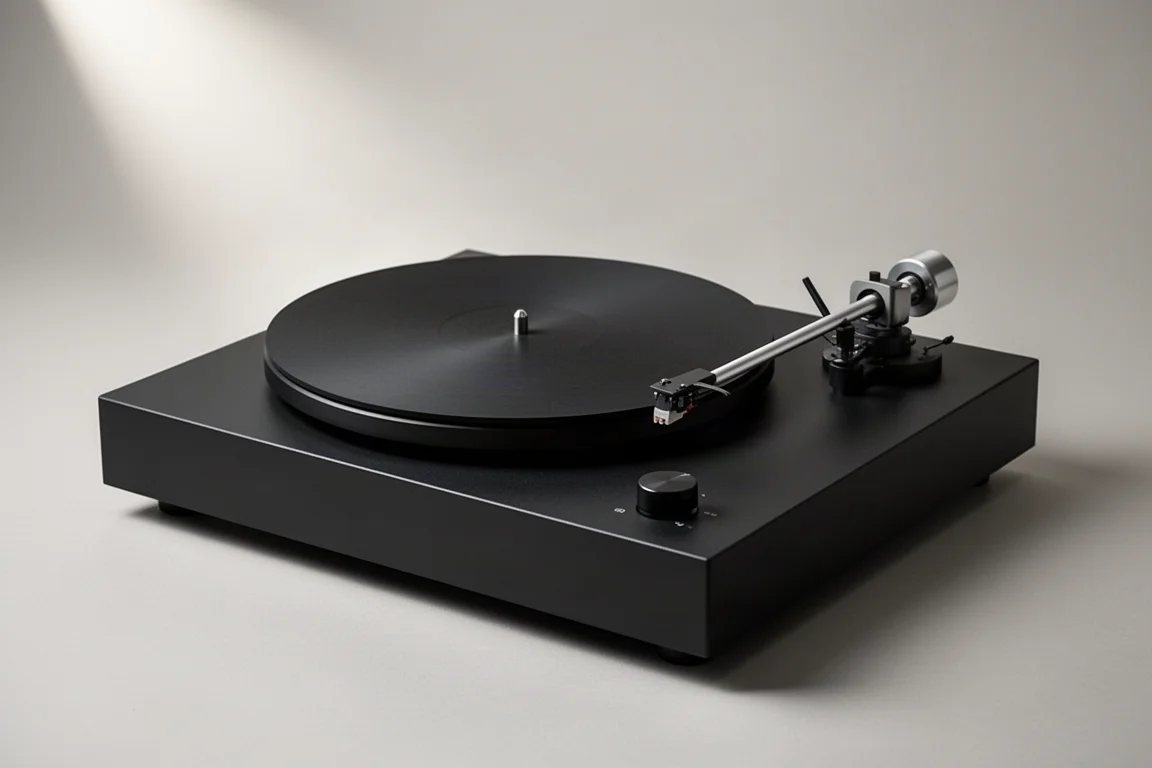
The Orbit Basic is the entry point at $250, and it keeps things deliberately simple. You get the new OA3 tonearm, the revamped drive system, and the modular platform that lets you add a phono preamp, a cue lever, or upgraded feet later if you decide you want them.
Because it is the base model, speed changes are manual: moving between 33 and 45 rpm means repositioning the belt by hand. The grooved platter makes that easier than it used to be, and for listeners who mostly stay at one speed it is a non-issue.
U-Turn Orbit Plus
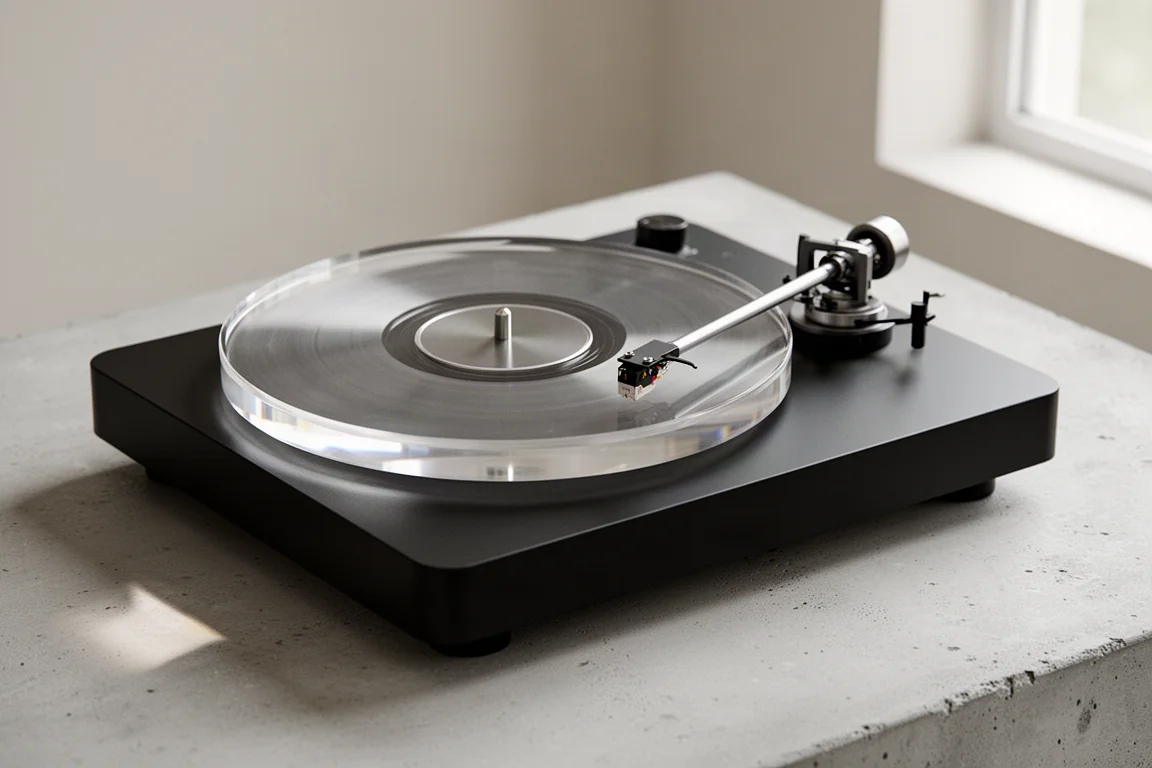
The Orbit Plus starts at $399 and is the model that adds the upgrades most listeners notice first. It ships with an acrylic platter, which looks sharper than a standard platter and is often said to bring acoustic advantages as well. The platter also carries the new belt groove.
The Plus arrives with an Ortofon OM5e cartridge mounted on the fixed OA3 tonearm. The tonearm includes an adjustable counterweight, so you can fine-tune tracking force if you want to, but nothing needs adjusting to get started. Speed changes on the Plus are still manual, though the grooved platter makes the belt far less likely to slip off while you move it.
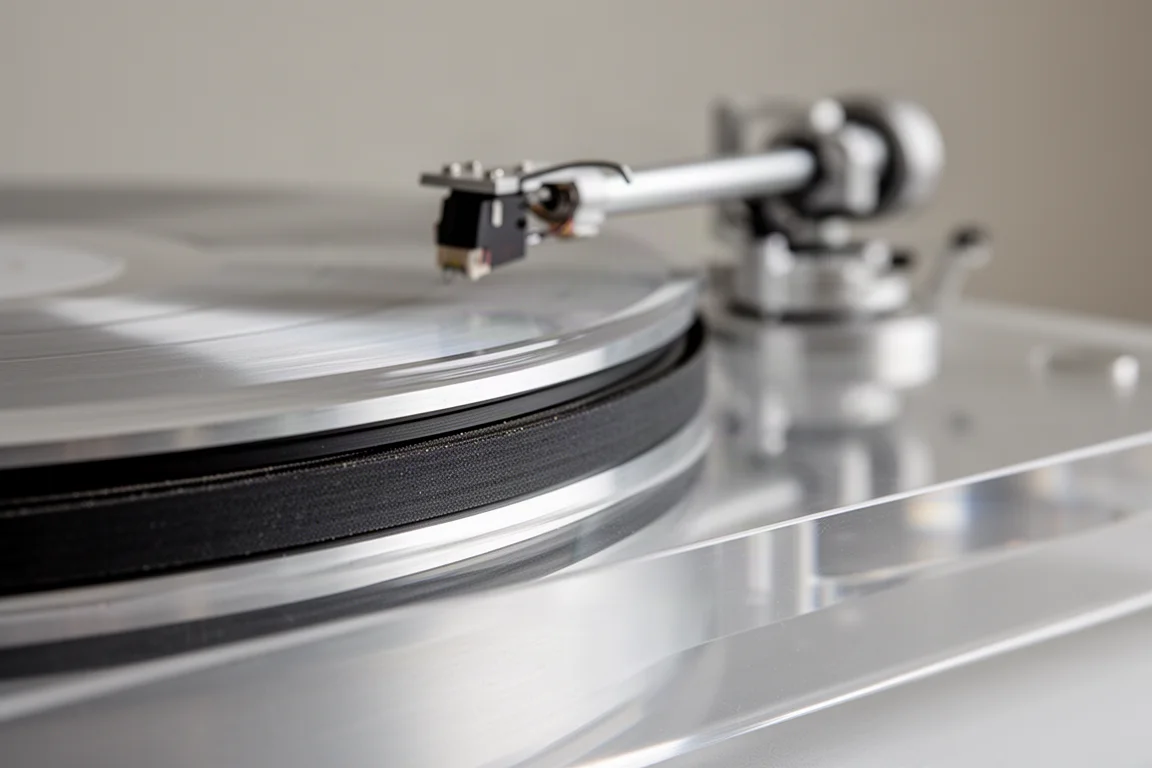
If you ever want to swap the cartridge, the process involves unscrewing the existing cartridge from the fixed tonearm. The headshell does not detach, so it should stay in place throughout the change.
U-Turn Orbit Special
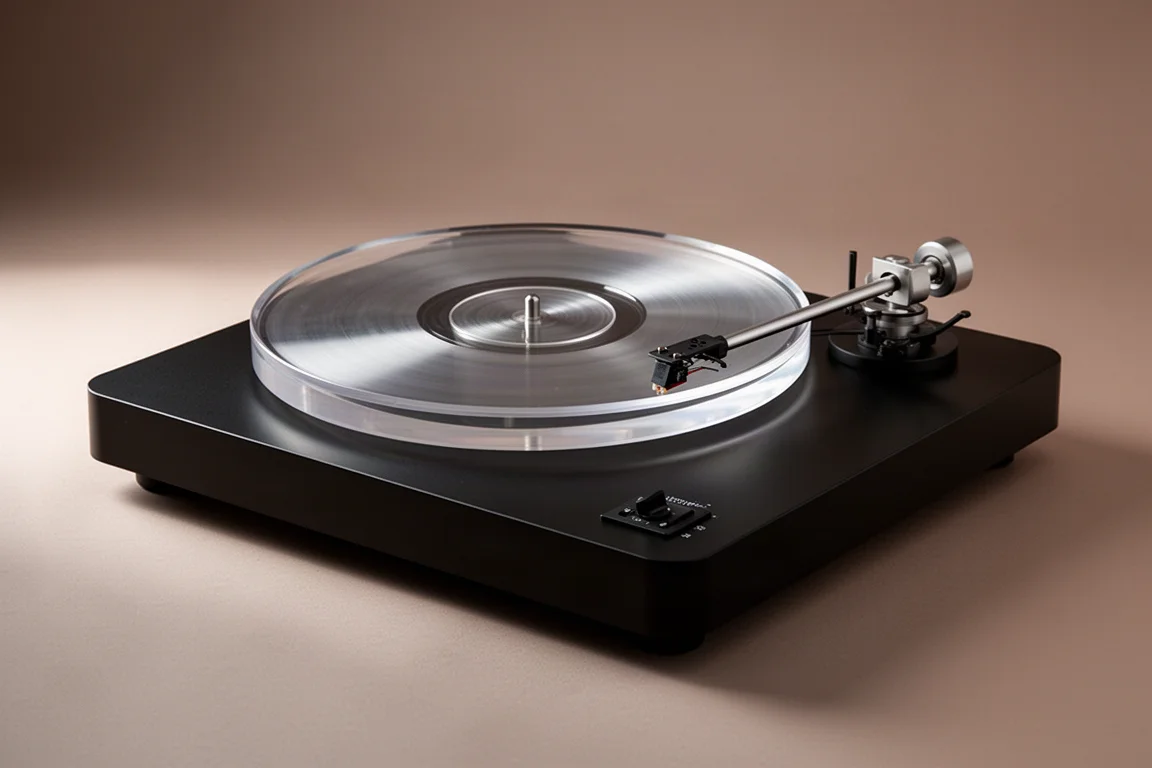
The Orbit Special starts at $549, and its headline feature is electronic speed control, the same convenience found on the flagship model. Instead of moving a belt by hand, you switch between 33 and 45 rpm using the deck’s controls.
For listeners who alternate between albums and singles, or who simply do not want to touch the belt, that single feature justifies the step up. Everything else in the U-Turn formula is intact: the modular build, the OA3 tonearm, the grooved platter, and the straightforward setup.
U-Turn Orbit Theory
The Orbit Theory sits at the top of the range and shows what the platform can do when it is fully loaded. It includes electronic speed control and represents the flagship expression of the new design language.
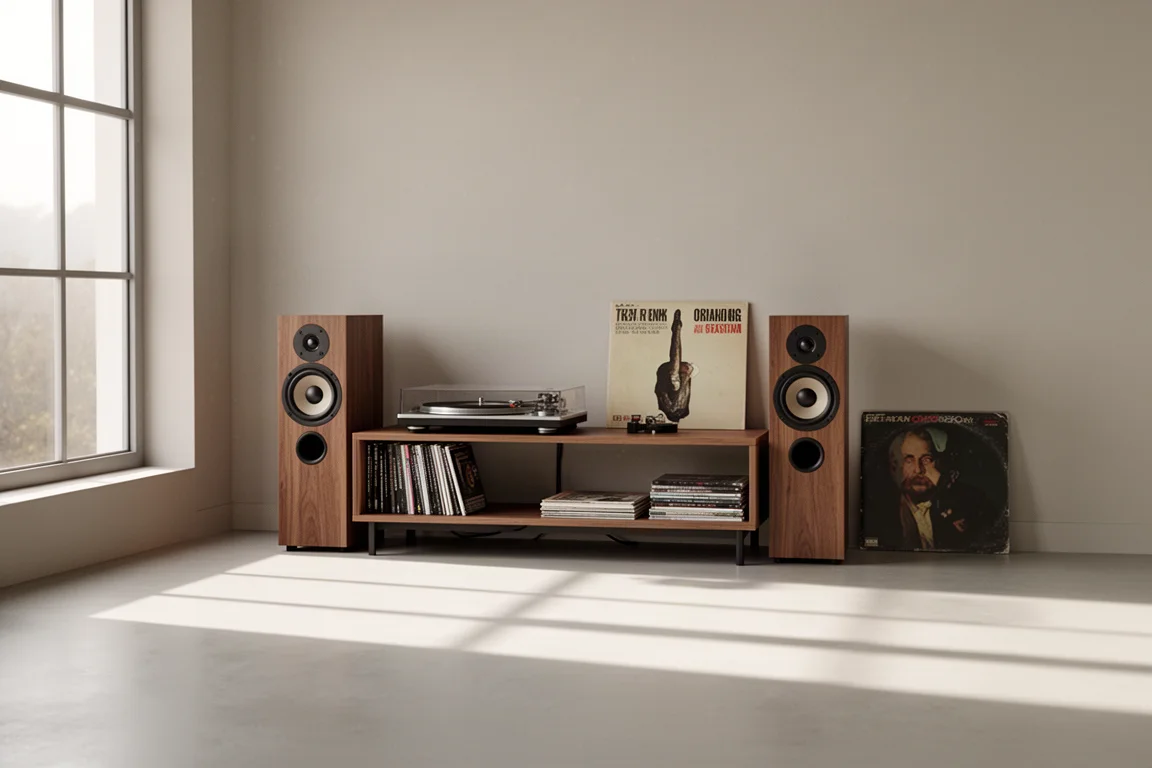
For most people stepping into vinyl for the first time, the Theory is more turntable than they need, and the lower models deliver the same easy setup and the same tonearm. It makes the most sense for listeners who already know they want the top of the line and plan to keep it for years.
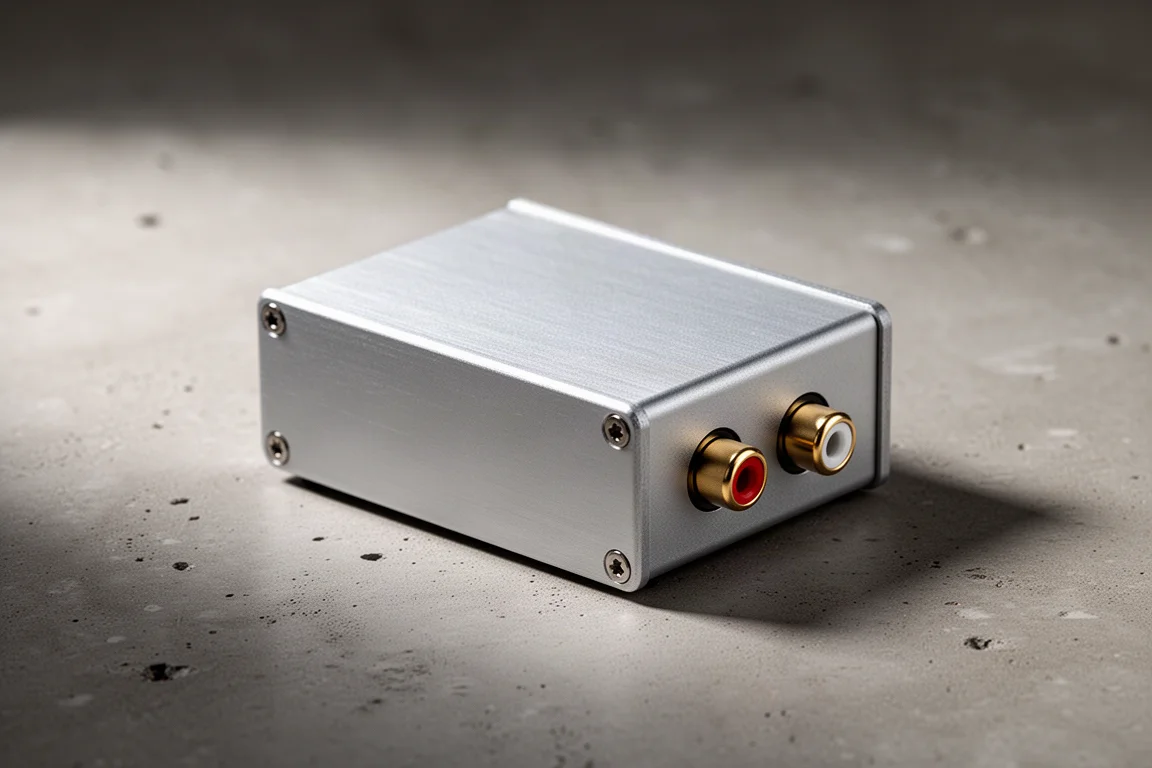
U-Turn Pluto 2 Phono Preamp
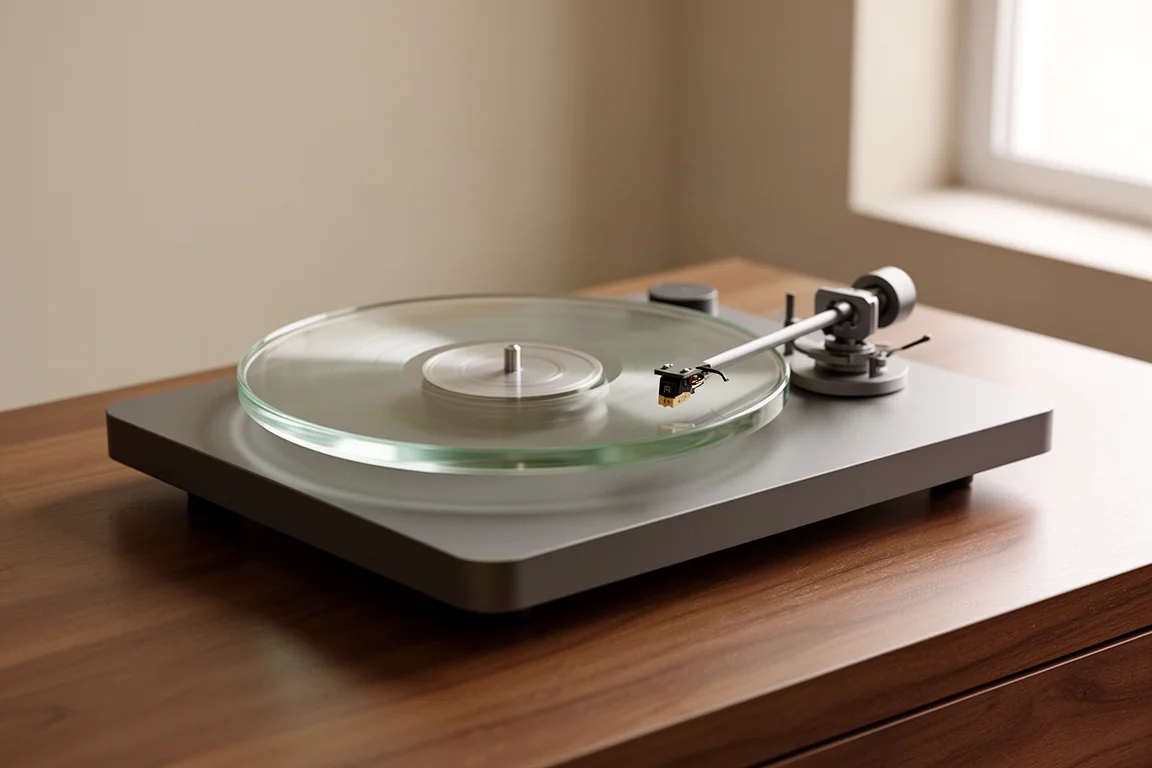
A turntable cartridge puts out a very low signal, and it needs to be boosted before it reaches your speakers. If your amplifier, receiver, or powered speakers do not have a built-in phono stage, a separate phono preamp is required.
The Pluto 2 handles that job. It is tuned with a punchy low end and a forward upper midrange, so vocals come through clearly and bass has real weight. If your system already includes a phono input, you can skip it. Because U-Turn decks are modular, you only buy the preamp if you actually need one.
Ortofon OM5e Cartridge
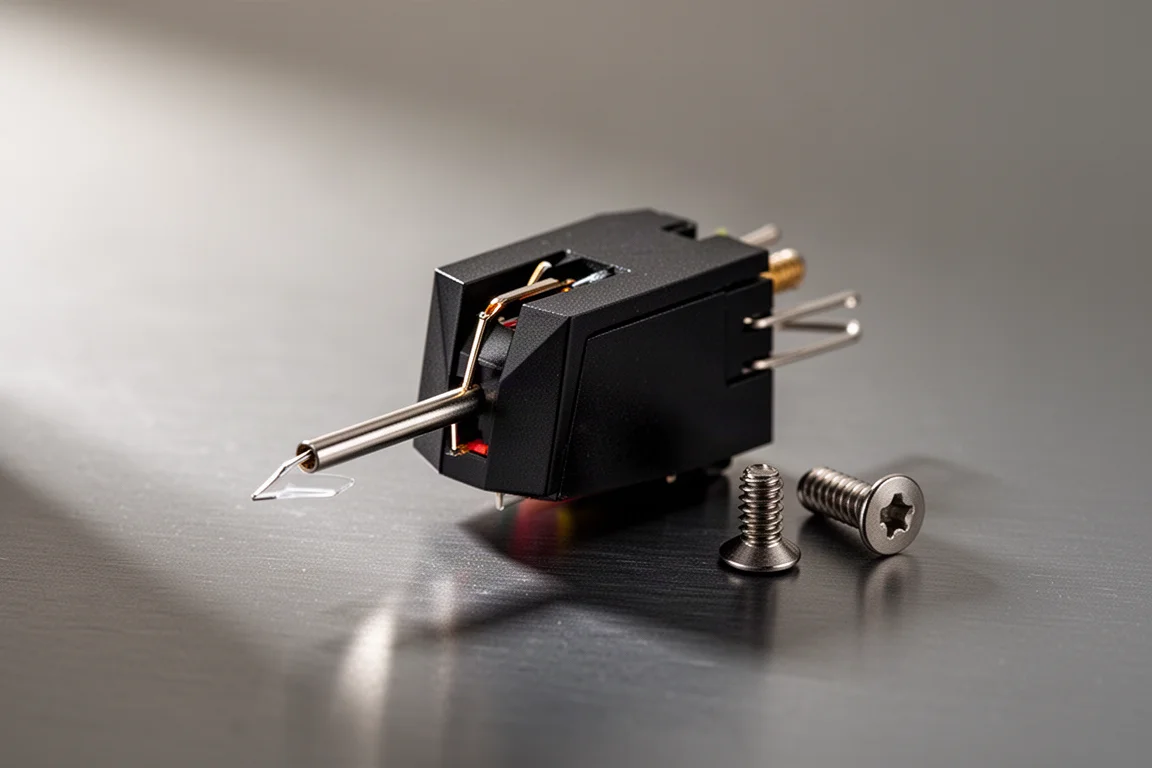
The Ortofon OM5e is the cartridge fitted to the Orbit Plus, and it is one of the better value options in its class. It delivers a balanced presentation that holds up well against cartridges costing considerably more, which makes it a sensible starting point for a first serious turntable.
It is mounted on a fixed tonearm, so replacing it means unscrewing the cartridge rather than popping off a headshell. That is worth knowing before you buy, but it does not affect everyday listening. For most owners the OM5e is a fit-and-forget component that will serve for years.
How to Choose the Right U-Turn Setup
Start with the features you actually need. If you already own an amplifier or powered speakers with a phono input, you can skip the Pluto 2 and put that budget toward a better turntable. If you do not have a phono stage, the preamp is not optional, and the Pluto 2 is the matching option in the range.
The second decision is speed control. Manual belt changes are simple and reliable, especially with the new grooved platter, but if you switch between 33 and 45 rpm often, the Orbit Special’s electronic speed control is worth the extra cost.
Finally, weigh the ownership experience. U-Turn turntables are assembled in Massachusetts, ship with a three-year warranty, and are backed by lifetime customer support. Combined with a setup that takes minutes rather than an afternoon, that package is what makes the range easy to recommend to anyone who wants to listen to records rather than tinker with equipment.
Conclusion
U-Turn’s refreshed line keeps the formula that made the brand appealing: modular decks, quick setup, and a clear upgrade path. The Orbit Basic at $250 is the simplest way in, the Orbit Plus at $399 adds an acrylic platter and the OM5e cartridge, and the Orbit Special at $549 brings electronic speed control to a mid-range price. The Orbit Theory tops the range, and the Pluto 2 covers the phono stage if your system needs one. Pick the model that matches your system and your habits, and the rest of the setup is refreshingly uneventful.
Further reading
Related Reviews
Turntables
Best Turntables 2026: Seven Standout Picks From Entry Level to Premium
A practical roundup of seven turntables worth considering, from a US-made budget deck to small-batch premium models with a clear upgrade path.
Turntables
Best Turntables Under $1,000: Five Fully Manual Picks Worth Considering
Five fully manual turntables under $1,000, compared on build quality, cartridges, upgrade potential, and the character of sound each one brings to a system.
Turntables
Best Turntables Under $2,000: Six Vinyl Decks Worth Building a System Around
Six turntables under $2,000, from a value-focused belt-drive deck to a fully balanced design, with the strengths and trade-offs that matter before you buy.