Turntables
U-Turn Orbit Theory Review: Premium Build and Quieter Vinyl Playback
The U-Turn Orbit Theory pairs a magnesium tonearm and a thick acrylic platter with a walnut or oak plinth. Here is how it performs and who should buy it.
Introduction
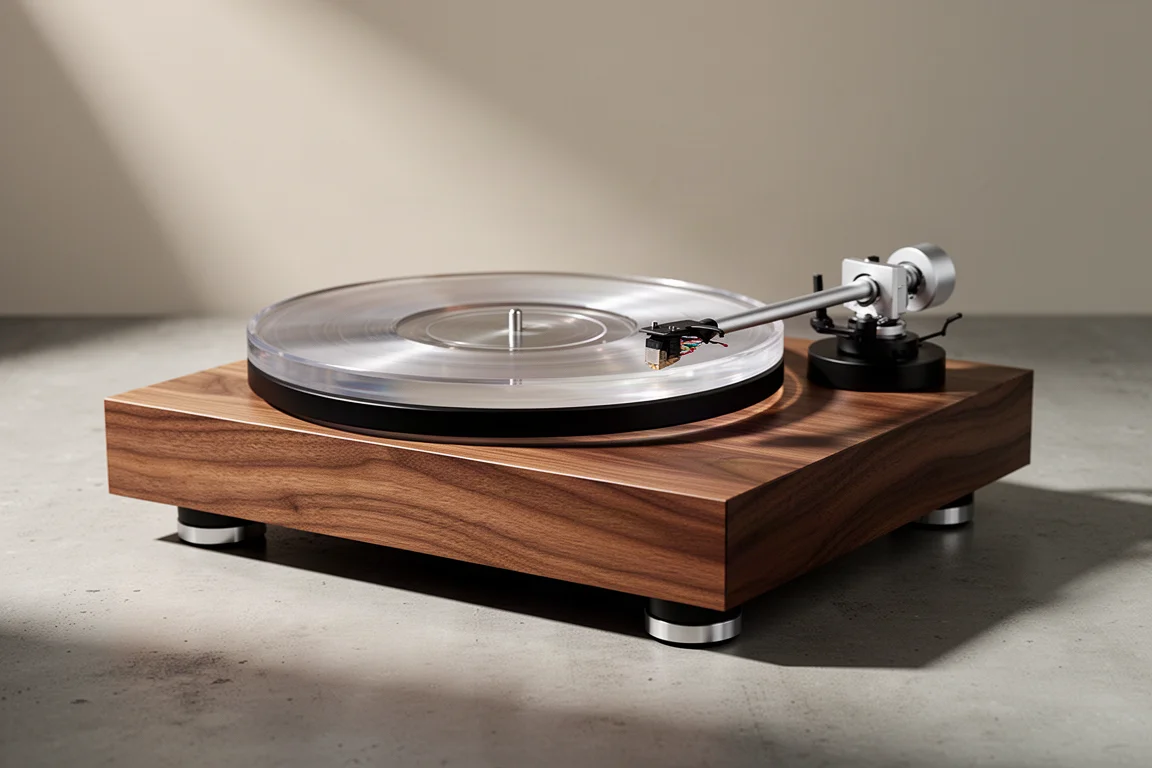
Vinyl remains the format many listeners come back to, and the U-Turn Orbit Theory is the most ambitious turntable in the U-Turn Audio range. The company is based in Woburn, Massachusetts, and builds its turntables in the United States, and it has since expanded beyond turntables into powered speakers and phono preamps. The Orbit Theory sits well above the entry-level Orbit Basic at around $200, with the Orbit Plus at $329 and the Orbit Special at $499. At $999, it is a considered purchase rather than a casual upgrade.
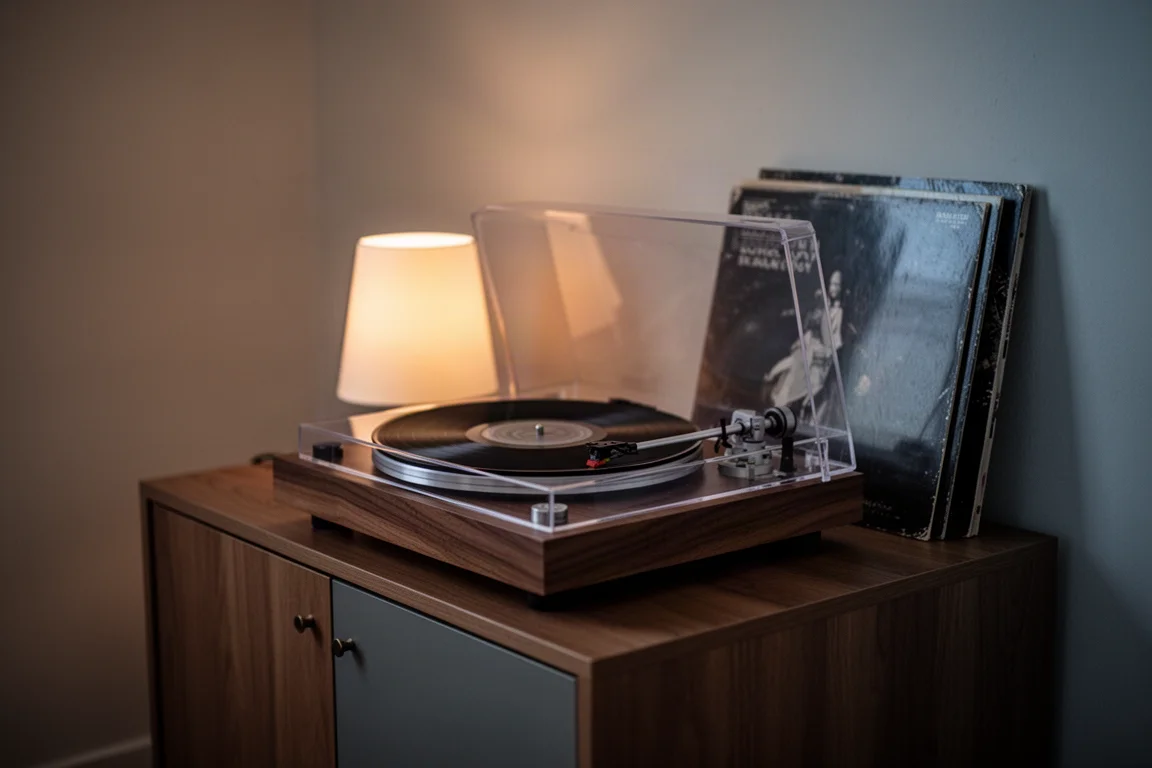
The obvious question is whether the extra money buys more than a prettier plinth. In this case it buys a different tonearm, a different platter, a new motor and a noticeable reduction in surface noise. This article covers what changes at this price, how the table behaves with real records, and where the compromises sit.
Who This Product Is For
The Orbit Theory is aimed at listeners who have already built a collection and want a manual turntable that looks and feels like a long-term piece of furniture. It suits anyone whose records are not all in perfect condition, because a tonearm that tracks uneven vinyl well lets more of the music through and less of the crackle.
It is also a strong fit for people who care about materials and machining. The plinth, the platter, the knurled controls and the tonearm all read as premium in person, and the finish is a large part of what the price is paying for.
It is a weaker fit for anyone who wants the turntable to do things automatically, or who plans to swap cartridges often. There is no auto-stop at the end of a side and no removable headshell. Buyers who want maximum specifications per dollar should also weigh the alternatives carefully, because a well-regarded table at roughly half the price covers some of the same ground.
Main Strengths
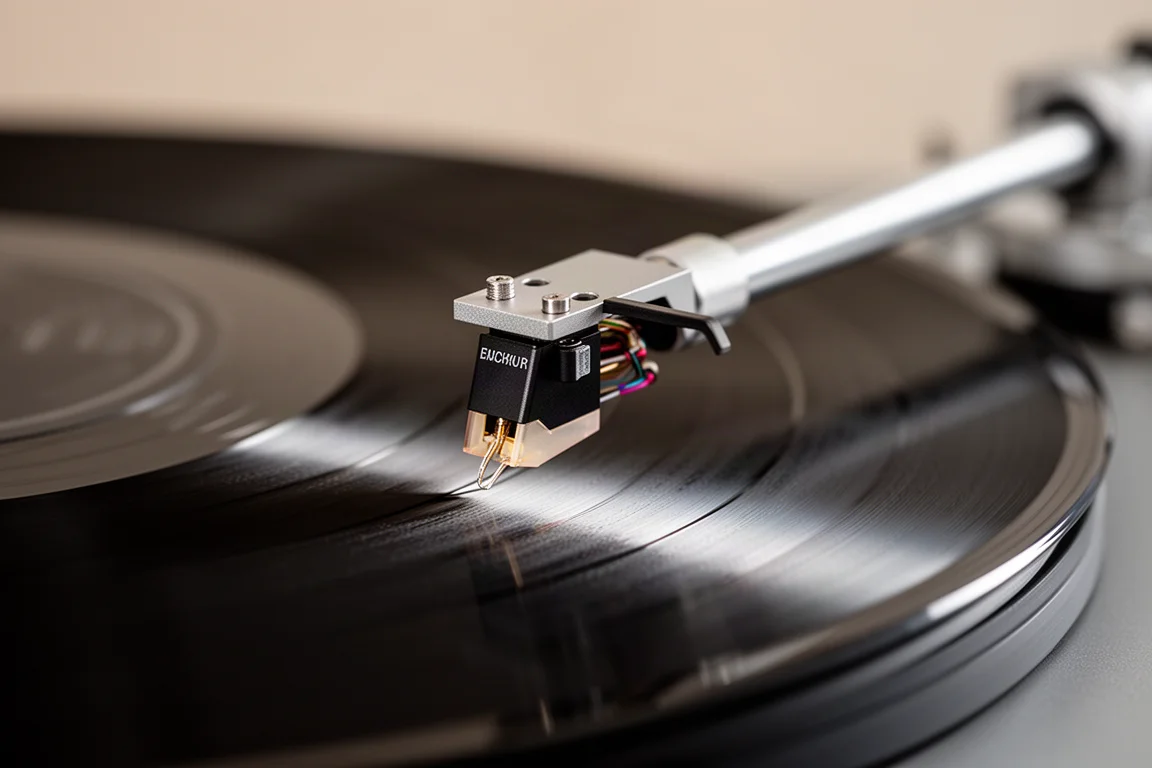
The biggest change is the tonearm. The Orbit Theory uses the OA3 Pro, a straight tonearm with an arm tube molded from magnesium, a material chosen for its vibration damping. The manufacturer states the arm is 33 percent lighter than aluminum with ten times the damping capacity, and each arm is made in the United States. In a like-for-like comparison against the Fluance RT85 fitted with the same Ortofon 2M Blue cartridge, the Theory produced less noise. The difference was subtle, but on a familiar record with audible surface noise, the U-Turn rode the uneven sections more easily and kept the noise from becoming distracting.
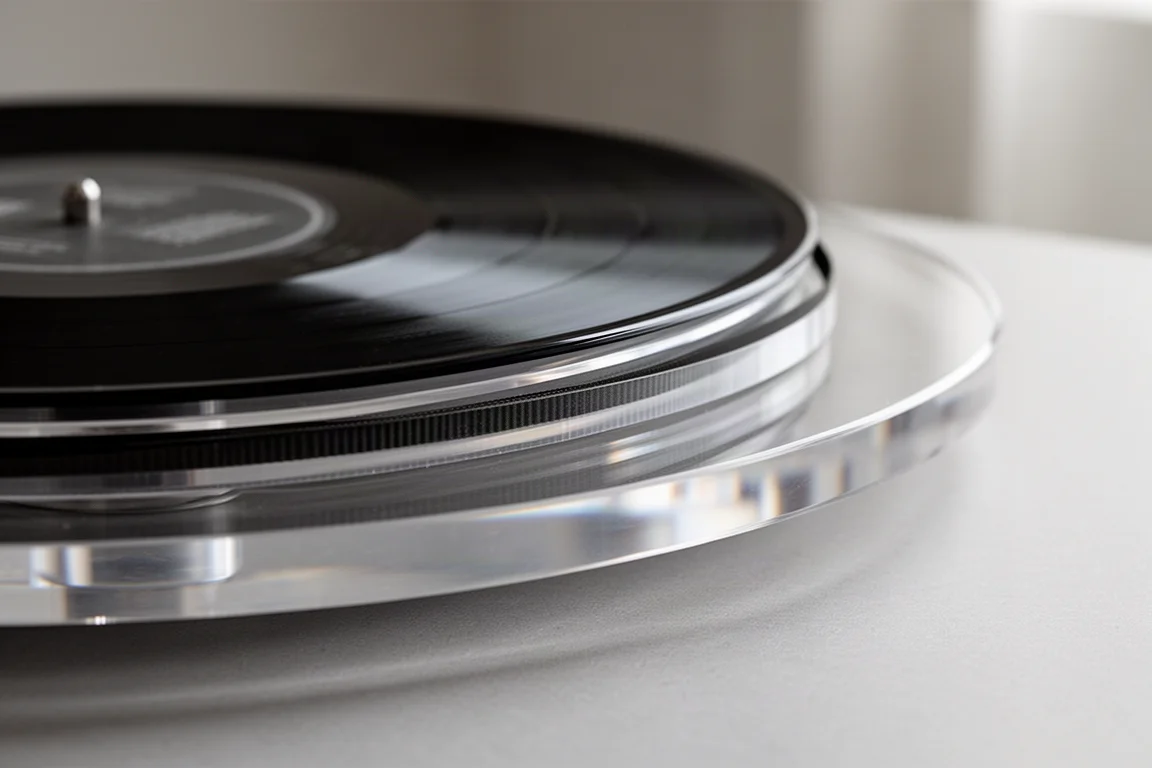
Beyond the arm, the platter is a thick piece of acrylic with a groove that keeps the belt seated, so the belt cannot drift up and down the platter while a record plays. The new motor adds electronic speed switching, which means moving between 33 and 45 RPM is a button press rather than a belt change to a second pulley. The feet are sorbothane damped and adjustable, so leveling the deck is simply a matter of turning them.
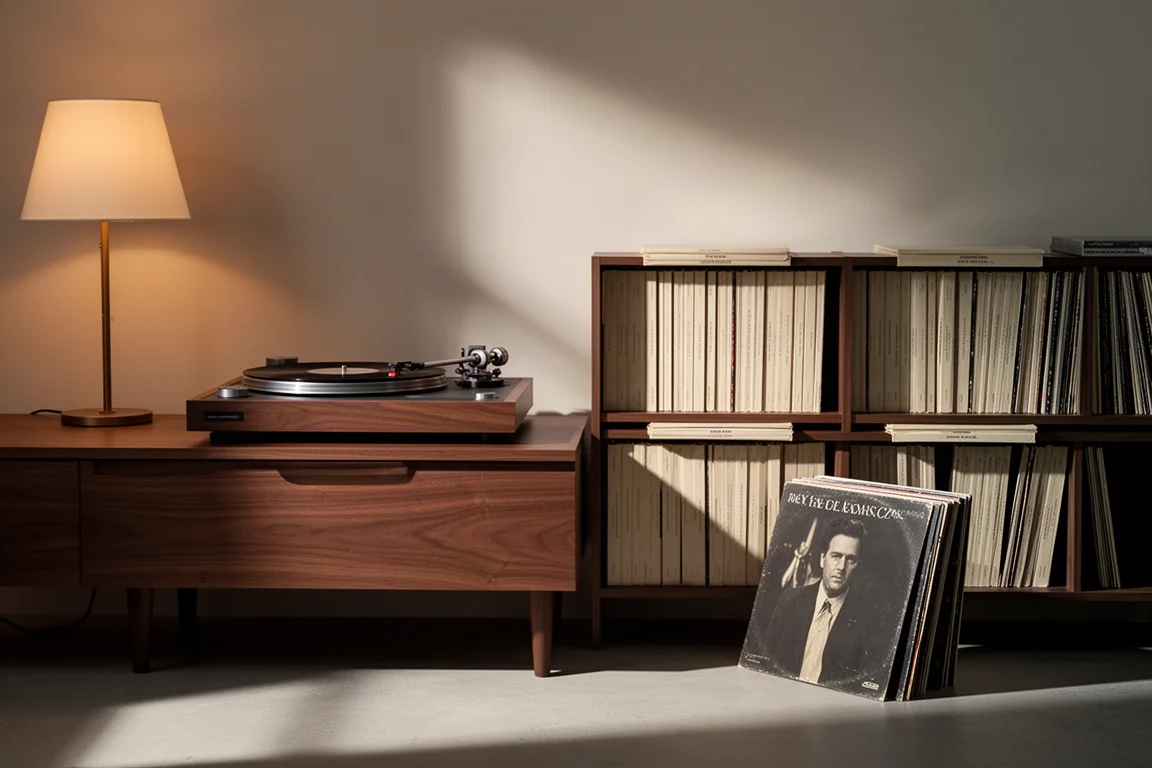
The plinth comes in walnut or oak, and the fit and finish is the strongest argument for the price. Every machined part, including the tonearm lever, the counterweight and the anti-skate assembly, looks and feels carefully made. Build quality is where the Theory separates itself most clearly from cheaper tables.
Things to Consider Before Buying
Price is the first consideration. At $999 the Orbit Theory costs roughly twice as much as the Fluance RT85, which already offers adjustable feet and motor-driven speed control. The Fluance lacks sorbothane feet and the magnesium tonearm, so the comparison is not purely like for like, but buyers who prioritize specifications per dollar will find the cheaper table hard to ignore.
There is no automation. The platter keeps turning when a side ends, and there is no auto-lift or auto-stop. Most turntables at this price behave the same way, but if auto-stop matters to you, this is the wrong table.
There is also no removable headshell. Cartridge changes mean working with the arm rather than swapping a headshell, which is the most significant practical compromise in the design.
Grounding is handled internally through the RCA cables. Paired with vintage receivers, that produced an audible 60 Hz hum; connected to a modern phono stage, the hum disappeared entirely. If you plan to use the table with older equipment, it is worth knowing before you buy.
Finally, there is an optional internal phono preamp, the Pluto 2. It pushes the upper midrange and lower treble forward and can sound sibilant with some cartridges. Skipping it saves roughly $60 to $70, and an external phono stage is likely to be a better match for a detailed cartridge such as the 2M Blue.
Buying Advice
The Orbit Theory is worth the money if you value build quality and a quieter noise floor more than you value specifications per dollar. It does not sound dramatically different from a well-sorted turntable at half the price when both use the same cartridge. What changes is how much of the record you hear, because the arm deals with imperfect vinyl more gracefully.
If your priority is the lowest cost for a solid belt-drive deck, the Fluance RT85 remains a sensible choice and covers several of the same conveniences. If your priority is the best-built, best-looking table with the lowest noise in this comparison, the Theory is the one to buy. It would be an easier recommendation at a lower price, but it genuinely feels like a $999 turntable, and it is the kind of component that tends to stay in a system for years.
Conclusion
The U-Turn Orbit Theory is a premium manual turntable with a magnesium tonearm, a thick acrylic platter, electronic speed switching and a walnut or oak plinth. It plays more quietly than the cheaper comparison table when both run the same cartridge, and its fit and finish is a clear step above. The trade-offs are the price, the lack of automation and the fixed headshell, plus the grounding behavior with vintage receivers and the optional preamp that is easy to skip. Buy it for the build and the calmer playback of real-world records, and look elsewhere if you want automation or the best value per dollar.
Product link
View more details for U-Turn Orbit Theory
This product is mentioned in the review. Check the specifications, options, and compatibility before buying.
View more details for U-Turn Orbit TheoryFurther reading
Related Reviews
Turntables
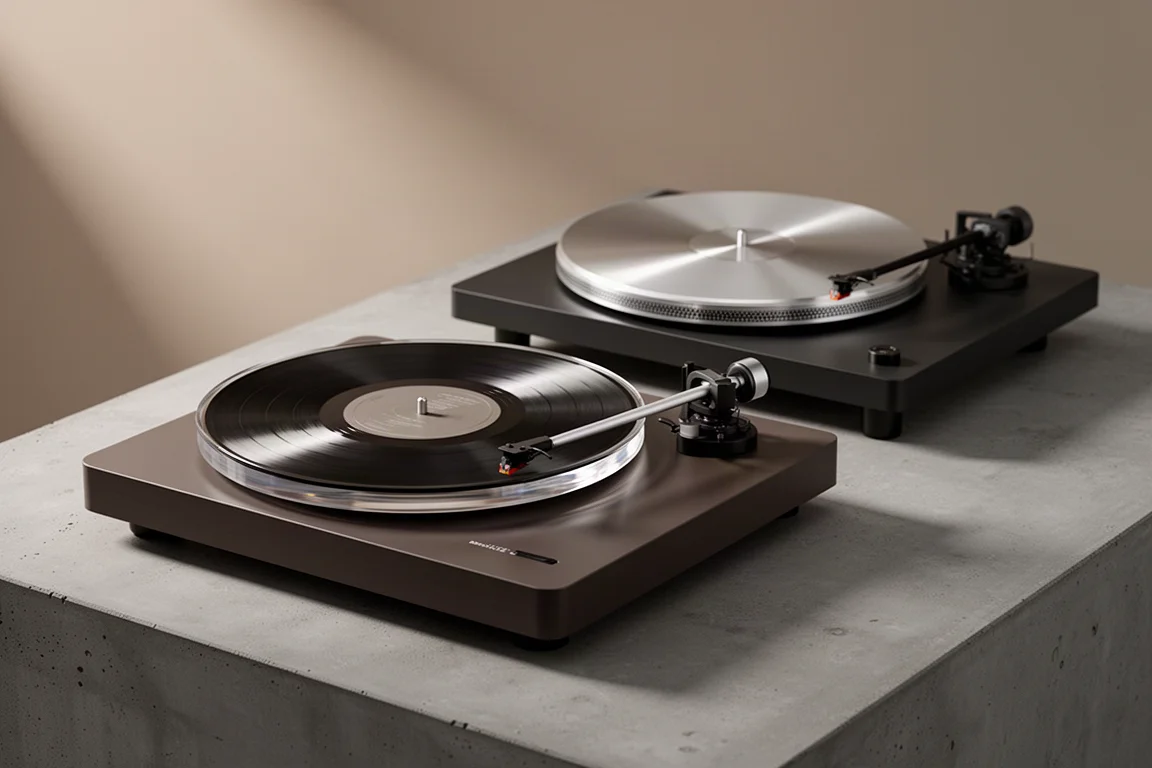
Best Turntables 2026: Seven Standout Picks From Entry Level to Premium
A practical roundup of seven turntables worth considering, from a US-made budget deck to small-batch premium models with a clear upgrade path.
Turntables
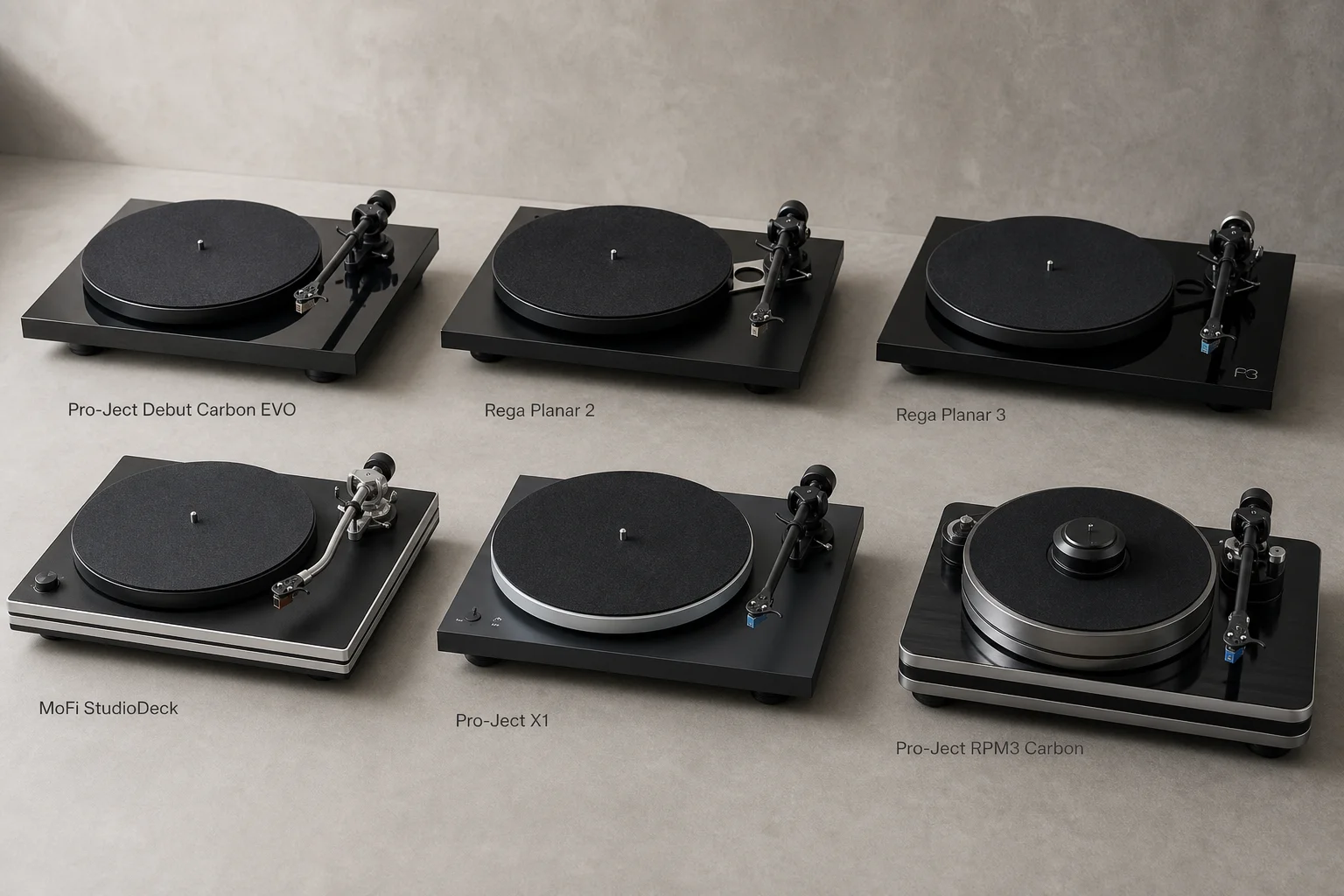
Best Turntables Under $1,000: Five Fully Manual Picks Worth Considering
Five fully manual turntables under $1,000, compared on build quality, cartridges, upgrade potential, and the character of sound each one brings to a system.
Turntables
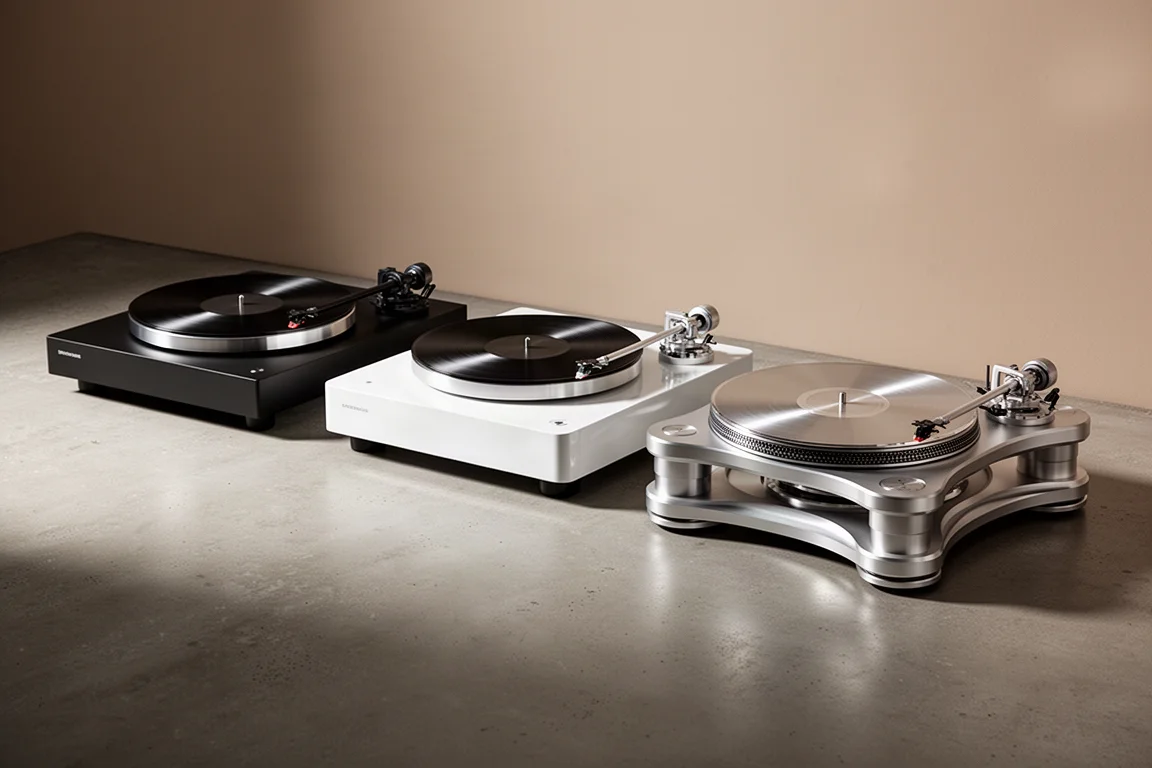
Best Turntables Under $2,000: Six Vinyl Decks Worth Building a System Around
Six turntables under $2,000, from a value-focused belt-drive deck to a fully balanced design, with the strengths and trade-offs that matter before you buy.