Turntables
U-Turn Orbit Gen 2 Review: A US-Built Belt-Drive Turntable Worth Considering
A practical look at the U-Turn Orbit Gen 2, covering its one-piece magnesium tonearm, quiet drive system, everyday build quality, and the options worth adding before you buy.
Introduction
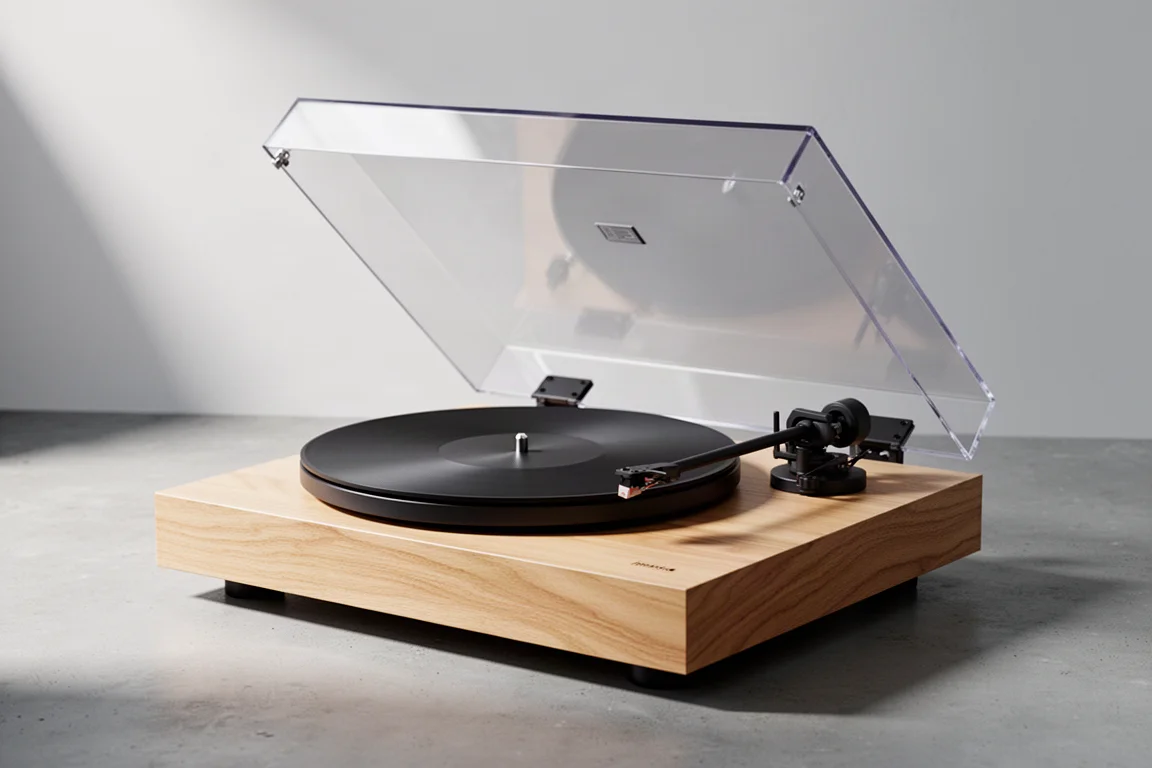
The U-Turn Orbit Gen 2 is a belt-drive turntable made in the United States, with most of its parts sourced domestically, including the tonearm. It is sold direct by the manufacturer, with pricing that starts at $249 for the Orbit Basic, and every turntable is built to order around the buyer’s choice of cartridge and optional extras. A fully specified Orbit Custom, which includes most but not all of the available options, comes in at around $550.
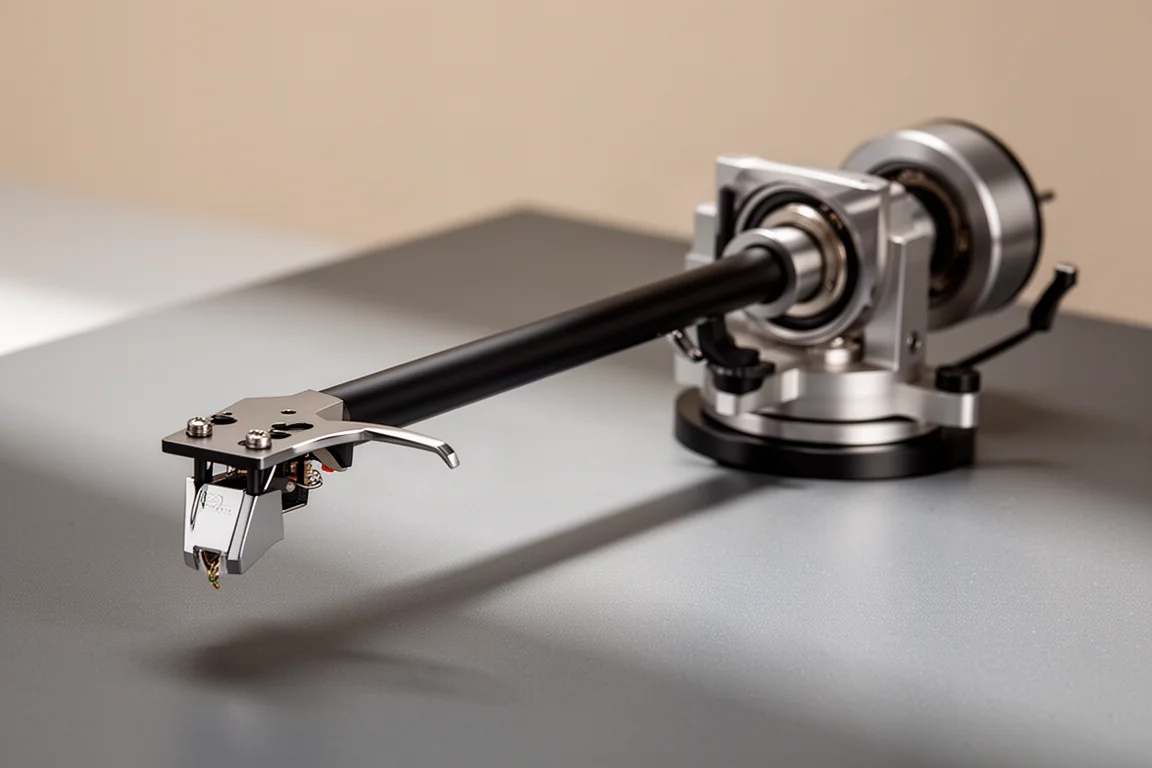
The Gen 2 revision is defined mainly by its tonearm: a one-piece magnesium arm tube carried on gimbal bearings at the rear. That is hardware normally associated with arms costing considerably more than the turntables they are fitted to. Paired with a straightforward setup process, a three-year warranty, and support staff who work in the same factory where the turntables are assembled, the Orbit Gen 2 is positioned as an approachable way into vinyl that still feels considered in daily use.
Who the U-Turn Orbit Gen 2 Is For
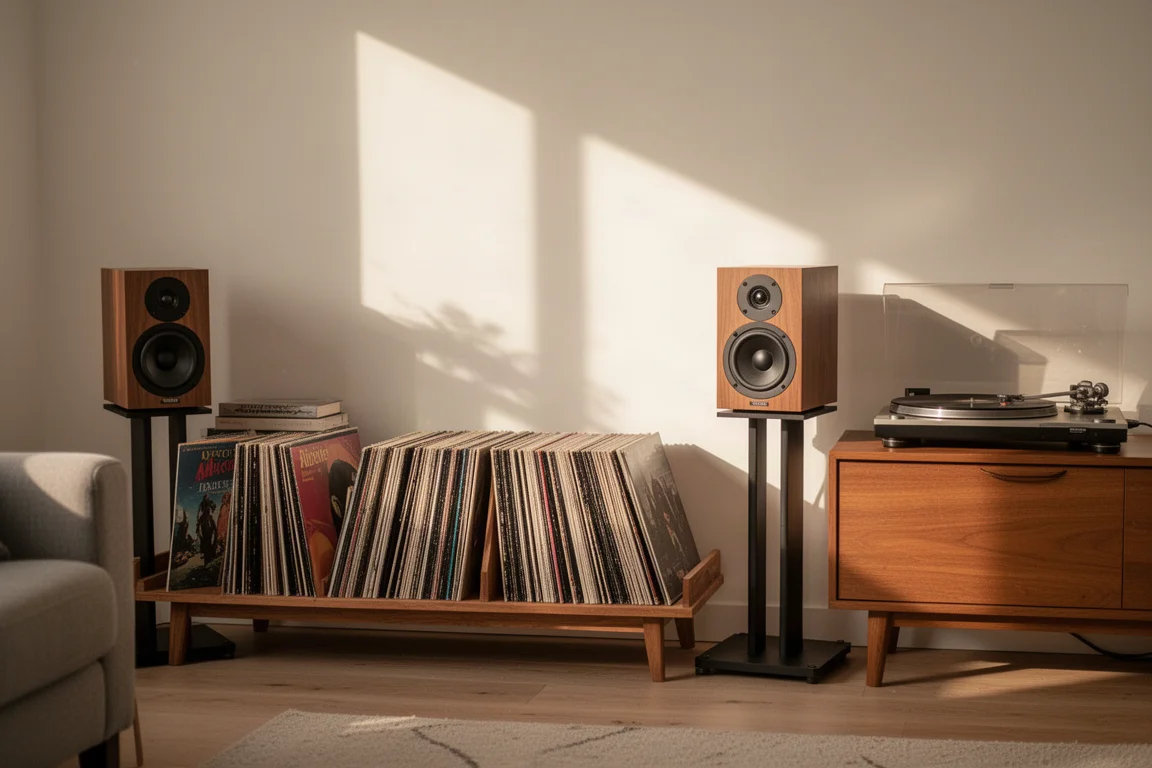
This turntable suits listeners buying their first record player who want something that will not need replacing within a year, as well as listeners with an existing collection who want a dependable second deck or a more affordable main deck. Because the arm arrives with the cartridge already mounted and aligned, and the tracking force is set at the factory, the barrier to getting started is low. The platter, bearing and belt go on, and the deck is essentially ready to play. Tracking force can still be adjusted later, so changing cartridges down the road is not closed off.
Buying direct also brings free shipping, a 30-day home trial, and a no-questions-asked money-back policy, which lowers the risk for anyone still deciding whether vinyl is for them. The company also sells through physical dealers, so buyers who prefer to see a product in person before committing have that option too.
Main Strengths
The first thing that stands out is how the turntable feels in use. A turntable is a component that gets touched constantly: the arm is cued, the platter is started, the dust cover is raised and lowered. Some affordable decks feel loose, wobbly or cheap in those moments, and that friction quietly discourages people from playing records at all. The Orbit Gen 2 does not have that problem. It feels well put together, and the optional cueing device has a smooth, controlled lowering action rather than dropping the stylus onto the groove.
The dust cover deserves separate praise. Many affordable turntables ship with a thin, flimsy cover, or with no cover at all. This one is a solid, hinged piece that can be raised while playing and closed afterwards, protecting both the record and the stylus without feeling like an afterthought.
Build Quality and Tonearm
The tonearm is the headline element of the Gen 2. The one-piece magnesium arm tube is a construction rarely seen at this price, and the gimbal bearings at the rear of the arm feel precise rather than loose or rattling. The cueing hardware is a single piece of metal and has a substantial feel in the hand.
Two adjustments are absent. There is no user-adjustable anti-skate, which is set to a preset level at the factory, and there is no arm height adjustment for tailoring vertical tracking angle to different cartridges. Both omissions are common on turntables in this price band, and neither prevents the deck from performing well as delivered, but listeners who like to fine-tune every parameter should know about them in advance.
Sound Quality and Noise Floor
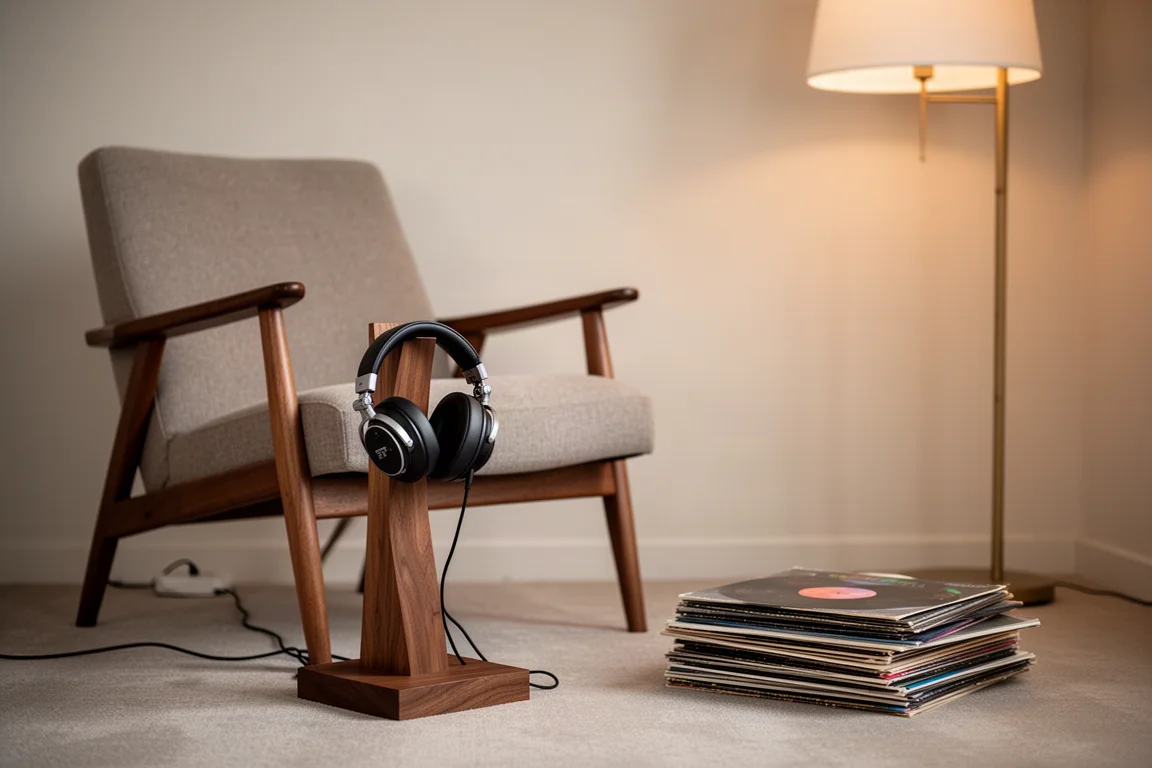
A good turntable should be quiet, and that means three things: motor noise, platter bearing noise, and record surface noise. Surface noise never disappears entirely from vinyl, but on a well-sorted deck it recedes into the background rather than sitting on top of the music. Evaluated over headphones, where this kind of intrusion is easiest to hear, the Orbit Gen 2 performs commendably. Motor and bearing noise stayed out of the way, and record surface noise was far less obtrusive than on lesser decks.
Musically, the deck tracks detail well. On a 1970 all-analog jazz remaster with a lot of layered instrumentation, the presentation felt vivid and cohesive. An acoustic singer-songwriter record showed strong dynamics, particularly on harmonica, while a brighter and more forward pop recording revealed fast, detailed bass lines rather than smearing them together. The overall balance is neither overly relaxed nor bright, so where a recording leans bright, the turntable reports that honestly. With the 2M Blue cartridge fitted to this configuration, that level of resolution was clearly available.
Ease of Setup and Ownership Support
Setup is genuinely simple. The cartridge arrives mounted and aligned, tracking force is set before shipping, and the remaining work is fitting the platter, bearing and belt. The manufacturer backs the deck with a three-year warranty, and its customer service team is based in the factory in Woburn, Massachusetts, where some of the same people build the turntables. For a first-time buyer who is nervous about the process, that combination matters more than any single specification.
Quality control is also worth noting. Early production runs were less consistent as the company refined its process, and consistency has improved steadily over the years, to the point where the brand now sits comfortably alongside established names in the category.
Things to Consider Before Buying
The interconnect cable supplied with the turntable is basic and thin, and it does not flatter the deck. A modest replacement in the $30 to $50 range is a sensible first upgrade and makes an audible difference.
If your amplifier or receiver does not have a phono input, the built-in phono stage is effectively mandatory. The optional Pluto stage costs $80, is designed in-house, and performs well. It is also bypassable, so if you later move to a higher-end external stage, the built-in one can be switched out of the signal path.
Speed control is the other decision point. Playing both 33 and 45 RPM records means changing the belt position on the pulley unless the electronic speed control option is specified. Listeners who mostly play LPs and rarely switch to singles can save money here; anyone who goes back and forth regularly will find the electronic option worth the extra cost.
The standard feet are fixed, so if the shelf or table the turntable sits on is uneven, the height-adjustable feet option is the better choice. Finish and plinth are configurable as well, including a solid oak plinth in a natural or black finish alongside a range of colors.
Buying Advice
Because every Orbit is built to order, the price can be shaped around what you actually need. The $249 Orbit Basic uses the same tonearm and core design, and options can be added later, so a modest starting configuration is a legitimate path rather than a dead end. Buyers who would rather cover everything in one purchase can move toward the roughly $550 Custom specification.
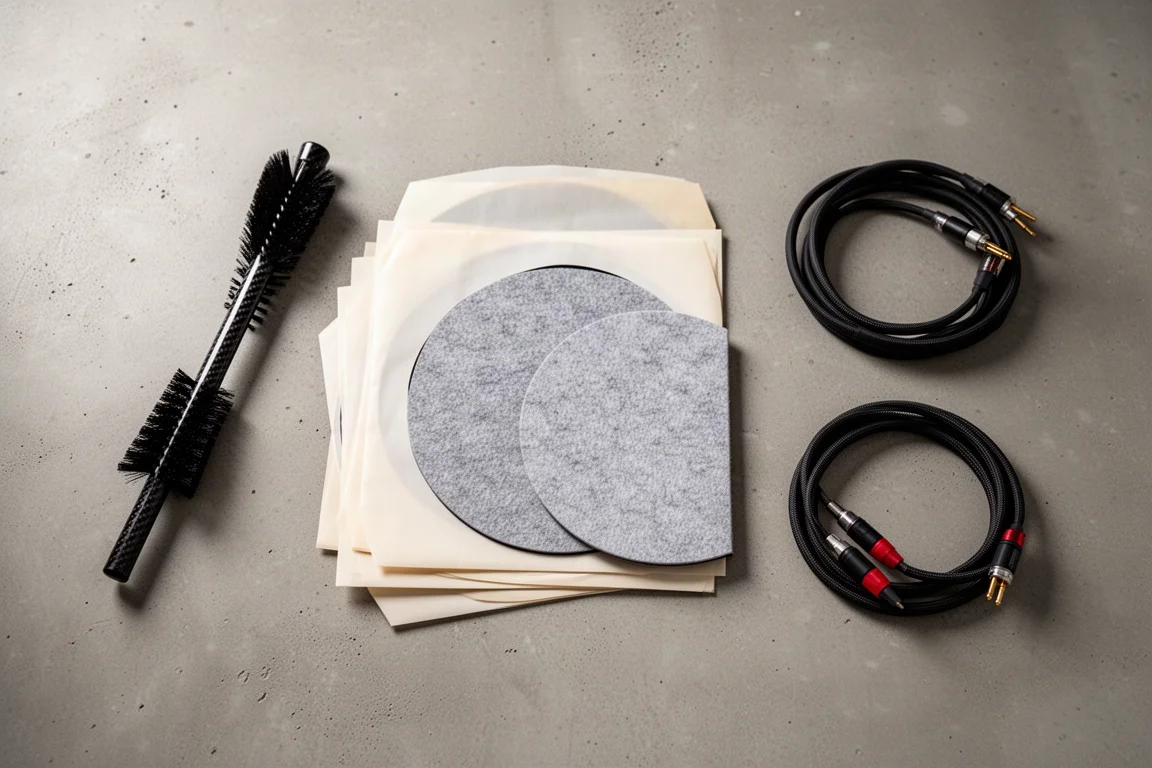
For most people the priorities are straightforward: add the phono stage if the amplifier needs one, add electronic speed control if 45s are part of the rotation, and budget a little for a better interconnect cable. Cartridge choice should follow the music you listen to most and the character you want from your system. Ordering direct brings free shipping and a 30-day trial, which makes it possible to live with the deck in your own room before deciding.
Conclusion
The U-Turn Orbit Gen 2 earns its place through the things that matter most in daily vinyl playback: a quiet, well-behaved drive system, a genuinely good tonearm for the money, and controls that feel solid every time you use them. Its limitations, a fixed anti-skate setting and no arm height adjustment, are typical of the price bracket and easy to live with. With domestic manufacturing, a three-year warranty, and direct support from the people who assemble the turntables, it is an easy deck to recommend to anyone building or rebuilding a vinyl setup.
Product link
View more details for U-Turn Orbit Gen 2
This product is mentioned in the review. Check the specifications, options, and compatibility before buying.
View more details for U-Turn Orbit Gen 2Further reading
Related Reviews
Turntables
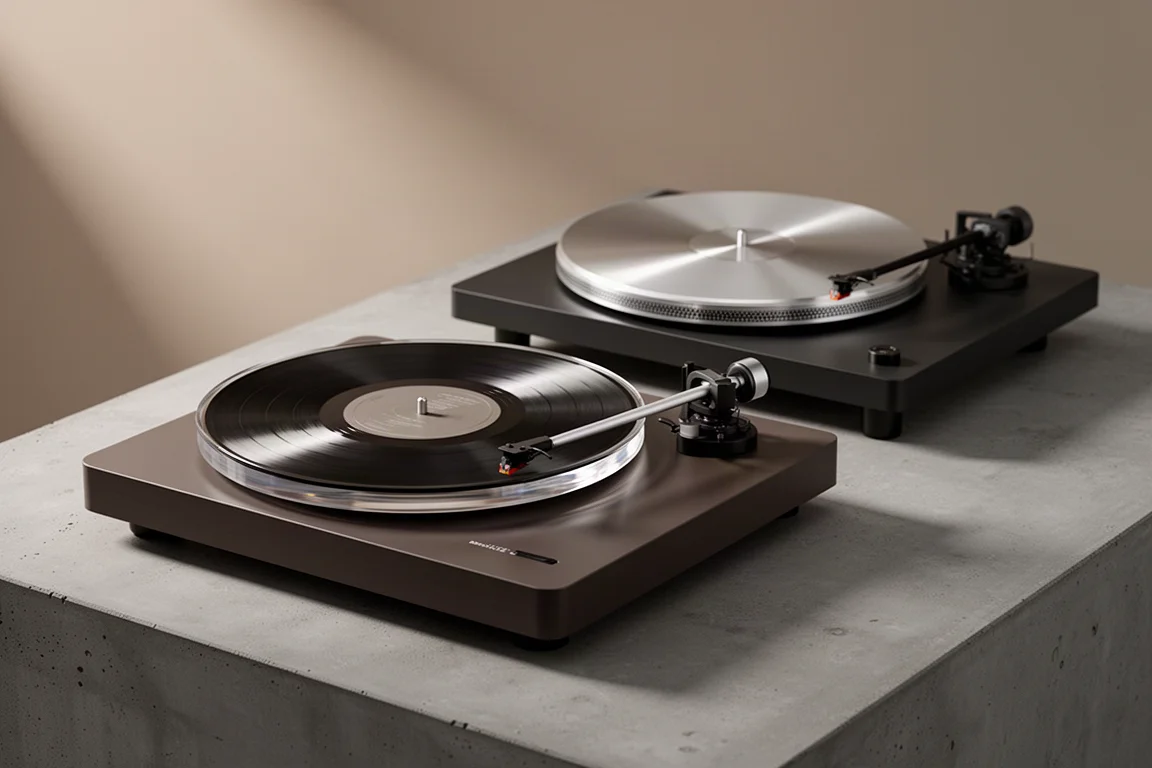
Best Turntables 2026: Seven Standout Picks From Entry Level to Premium
A practical roundup of seven turntables worth considering, from a US-made budget deck to small-batch premium models with a clear upgrade path.
Turntables
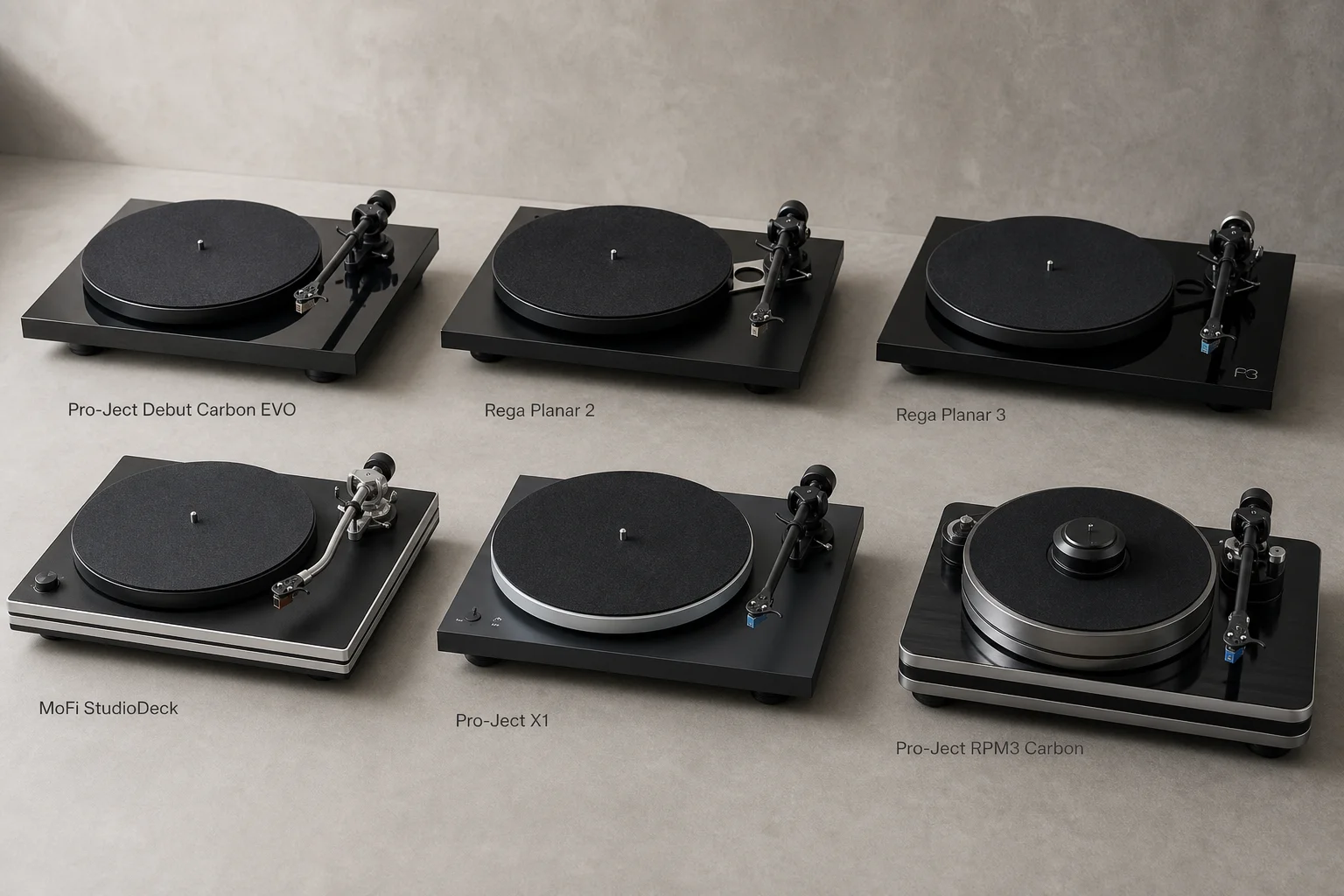
Best Turntables Under $1,000: Five Fully Manual Picks Worth Considering
Five fully manual turntables under $1,000, compared on build quality, cartridges, upgrade potential, and the character of sound each one brings to a system.
Turntables
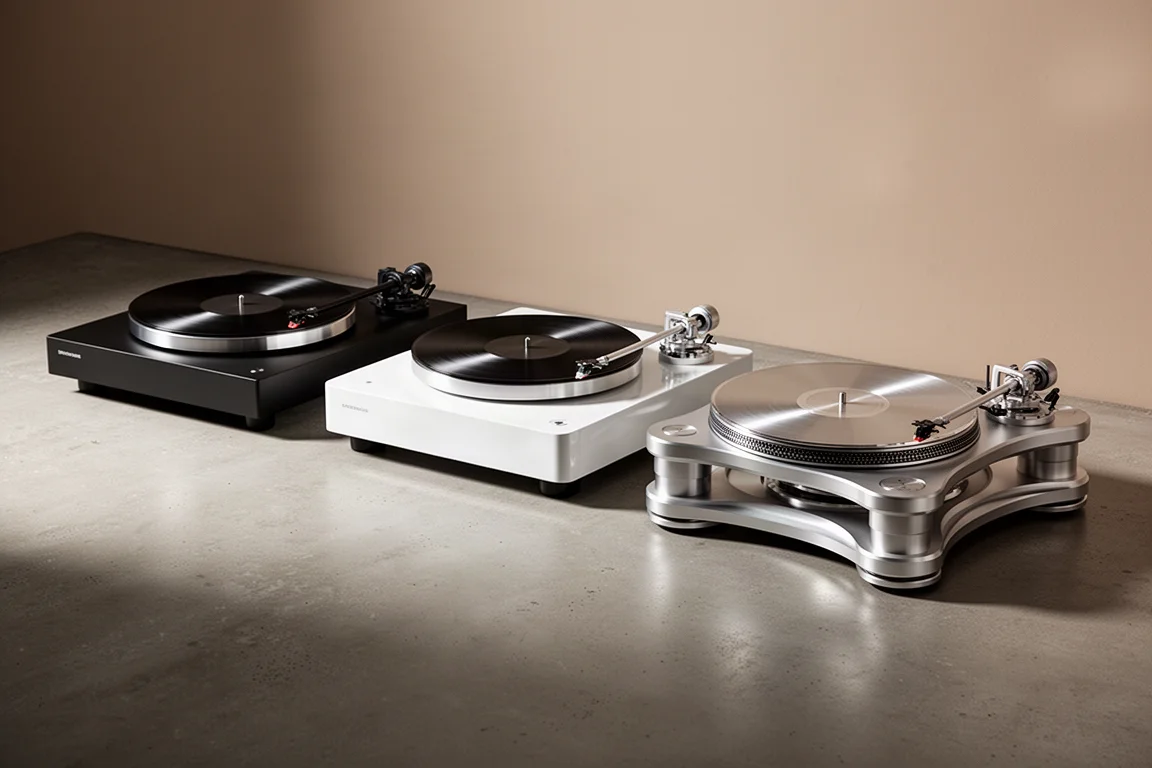
Best Turntables Under $2,000: Six Vinyl Decks Worth Building a System Around
Six turntables under $2,000, from a value-focused belt-drive deck to a fully balanced design, with the strengths and trade-offs that matter before you buy.