Turntables
U-Turn Audio Turntables Compared: Orbit Basic, Orbit Plus, Orbit Special, and Theory
A practical look at the refreshed U-Turn Audio Orbit line and the Theory turntable, including what each model shares, what each step up adds, and who it suits.
Introduction
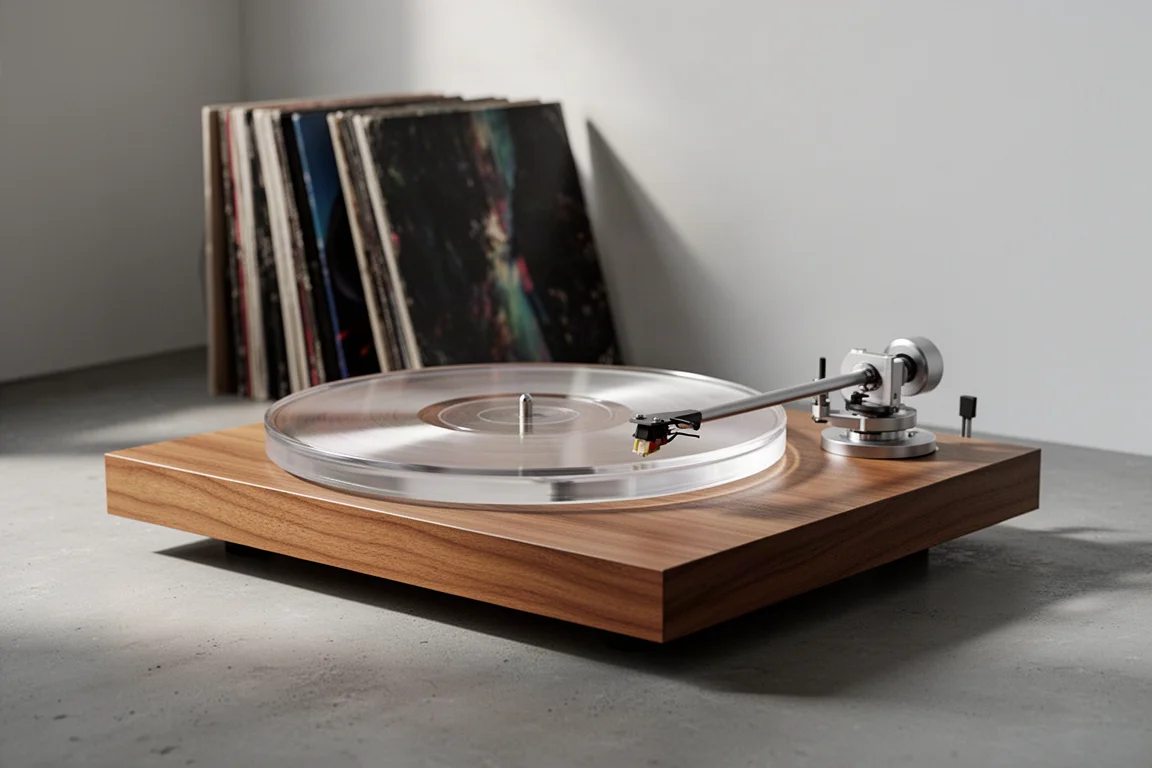
U-Turn Audio has built its reputation on turntables that cost far less than most high-performance decks while still using the design choices that matter most. The company began with a crowdfunding campaign and had sold more than 10,000 turntables from its Woburn, Massachusetts factory by 2015, with a stated goal of sourcing as much as possible from local suppliers.
The range has long centered on three value-focused models, the Orbit Basic, the Orbit Plus, and the Orbit Special, and last year it was joined by the Theory in a higher price category. The current generation is notable because the engineering work behind the Theory has moved down the line: the new Orbit turntables share tonearm, belt, and speed-control developments that were first created for the more expensive deck.
This guide covers what every model now shares, what each step up adds, and which one is likely to suit your setup.
Shared Design Foundations Across the New Orbit Line
Every Orbit turntable is manual and belt drive. In high-performance turntables that is the dominant approach, and for good reason: it keeps the design simple for long-term reliability, and belt-drive decks typically deliver excellent speed stability, which is what gives vinyl its steady, live-sounding pitch.
The platter bearing is one of the most important parts of any turntable. Any noise it makes can be picked up by the phono cartridge, and any wobble or drag affects speed stability. U-Turn uses an inverted bearing design, where the inner platter carries the well and the shaft points upward. The housing is a glass-filled nylon injection-molded material chosen from the automotive industry for its long-term reliability, with the stainless steel shaft anchored in it and attached to the top of the plinth. The inner platter uses the same material and houses the bushing that contacts the shaft. Those German-made bushings need no lubrication and run with very low friction, and a Delrin-loaded bearing at the end of the inner platter rests on top of the shaft. The result is a platter with virtually no friction or wobble, built to withstand millions of revolutions.
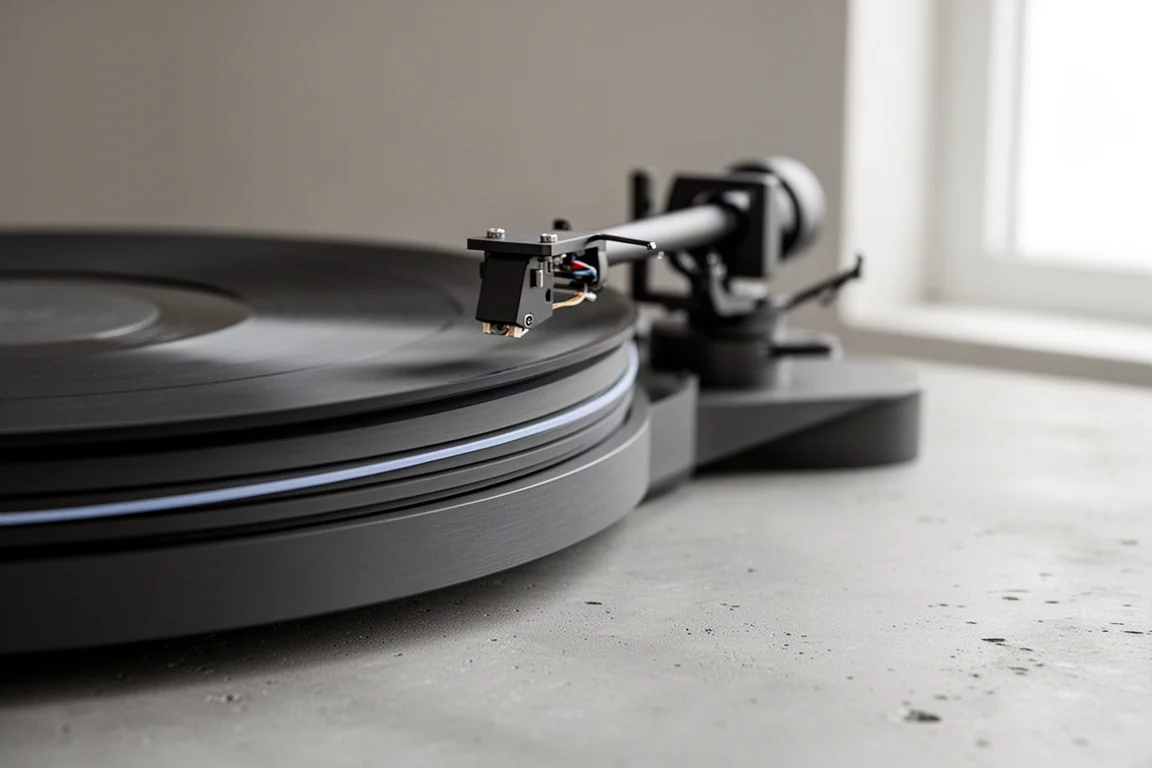
The motor comes from Hurst in Princeton, Indiana, a company that has been making motors for decades. Many turntable brands use Hurst motors, but most of those models are expensive. U-Turn instead buys a much cheaper model that has roughly 10 percent variability and tests each unit, so only consistent motors go into its turntables.
The tonearm is the headline change. The one-piece magnesium OA3 arm was developed over about three years for the Theory, where it launched as the OA3 Pro, and the new Orbit models use an almost identical arm. Its effective length is 220 mm against 213 mm on the earlier OA2, putting it just under 9 inches, in line with many high-end turntables. The longer arm tracks better. The arm tube is made in Wisconsin, and all assembly and testing happens at the Massachusetts factory.
The belt is new as well. Earlier Orbit belts were made by binding together and polishing a round piece of rubber. The new belt is a seamless molded liquid silicone design, put through a UV curing process to further reduce friction, and it sits in a special groove cut into the platter that keeps it perfectly centered.
Every turntable also passes a rigorous series of tests before final inspection, using the same test system that was set up for the Theory line.
U-Turn Audio Orbit Basic
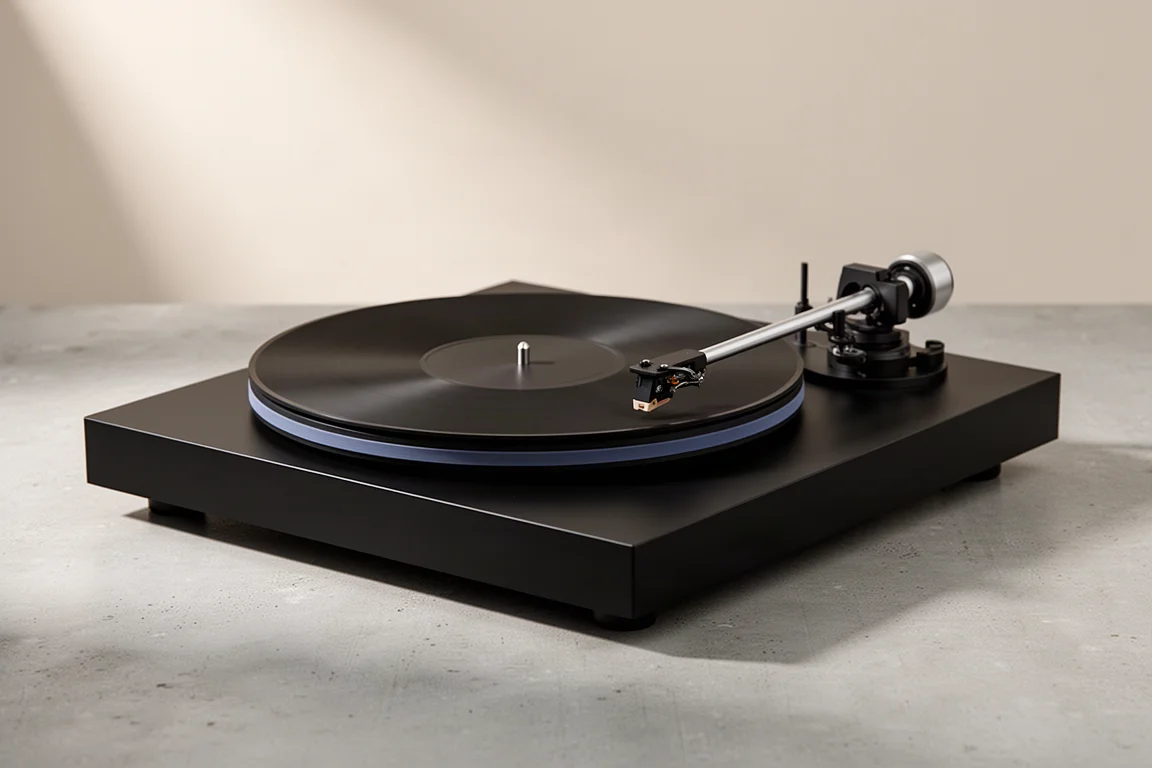
The Orbit Basic is the entry point to the line, and it now carries the same core updates as the rest of the family: the OA3 one-piece magnesium tonearm, the seamless silicone belt, the platter groove that centers that belt, the inverted bearing, and an individually tested Hurst motor. That is a remarkable set of features for an affordable deck.
What the Basic does not include is the acrylic platter, which is reserved for the Plus and the Special, and the knob-based speed control is standard only on the Special. Buyers who want those features will need to step up the range or ask about a custom build.
For a first turntable, though, the Basic is the most accessible route into a design that is built to last and to handle records gently.
U-Turn Audio Orbit Plus
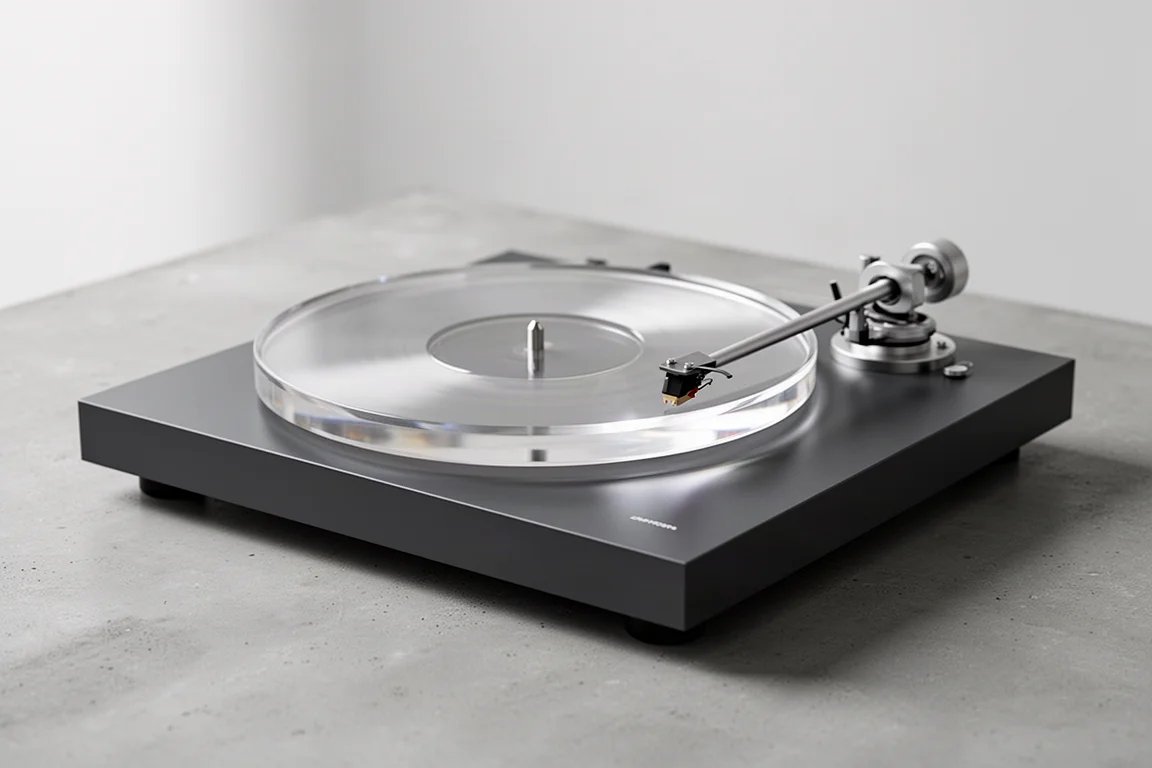
The Orbit Plus adds an acrylic platter, and that is unusual to see at this price. Most turntables with acrylic platters have each one machined and polished individually. U-Turn instead machines all surfaces on an industrial CNC lathe for optimal flatness, which keeps the cost down, and the acrylic itself is locally sourced.
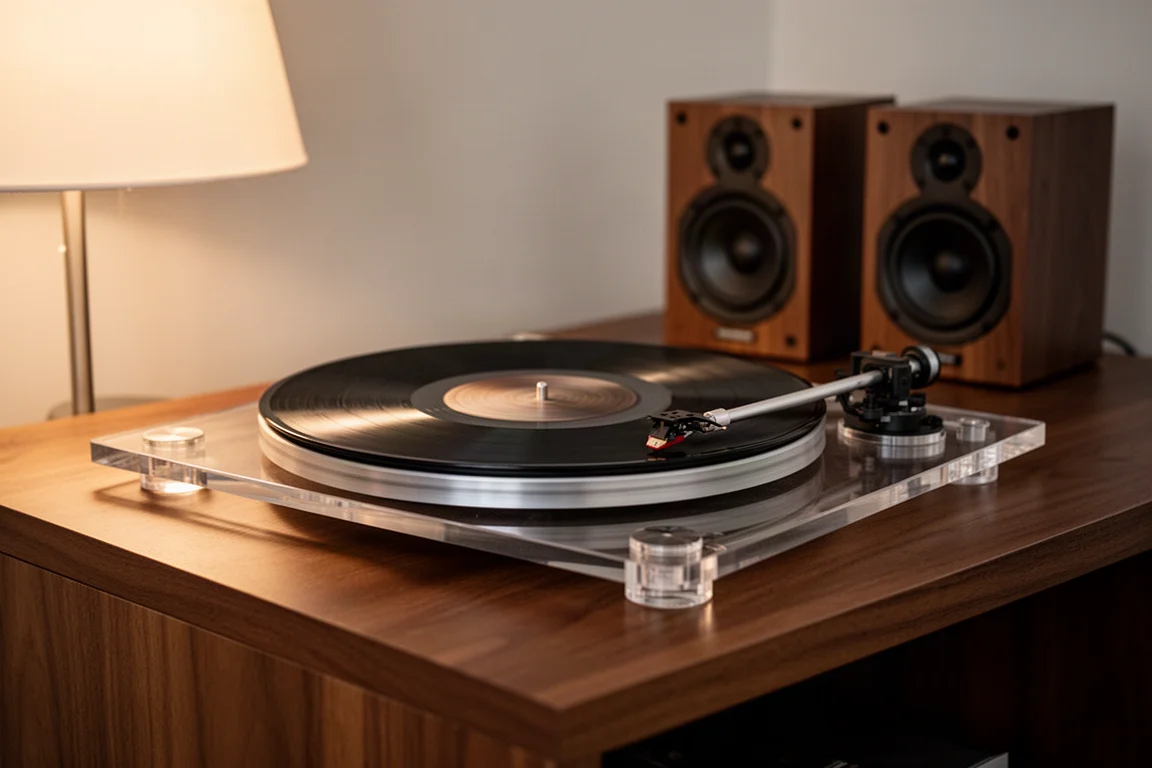
The acrylic platter is a meaningful step up, and it pairs with the rest of the changes here: the seamless belt running in its machined groove, the longer magnesium arm, and the individually tested motor. Together they make the Plus one of the strongest value propositions in the range.
U-Turn Audio Orbit Special
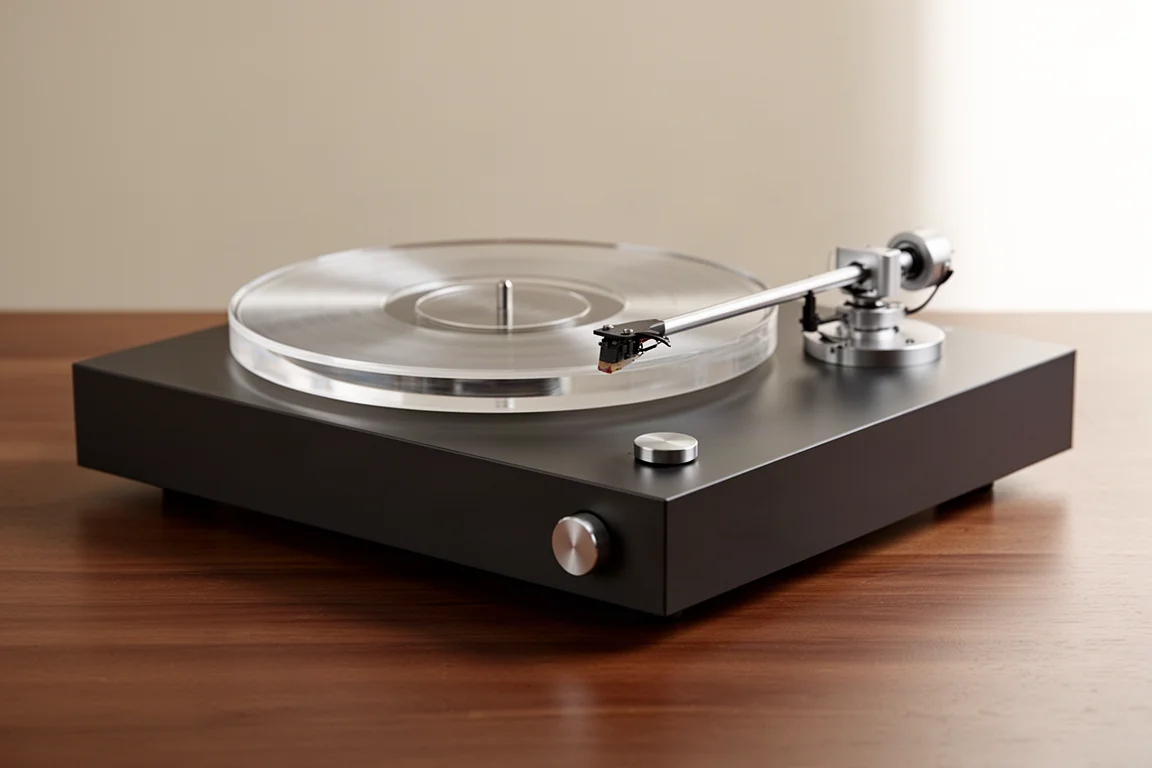
The Orbit Special takes the acrylic platter of the Plus and adds the new speed control system as standard. That system was designed for the Theory, where it made the motor run more consistently, and it also allows a change from 33 to 45 rpm by turning a knob rather than moving the belt. On the Orbit it was adapted to the Hurst motor with a firmware change.
The improvements are not subtle. The new belt and speed control sharpen speed consistency, and the included Ortofon Red cartridge tracked demanding passages with noticeably more composure thanks to the longer one-piece magnesium arm.
U-Turn Audio Theory
The Theory sits in a higher price category than the Orbit models and is where much of this technology originated. It introduced the one-piece magnesium OA3 Pro tonearm, a design that took about three years to finalize, along with a new speed control system built to keep the motor running more consistently and to allow 33 and 45 rpm switching at a knob. It also brought the anti-resonant feet that are now available as an upgrade across the line.
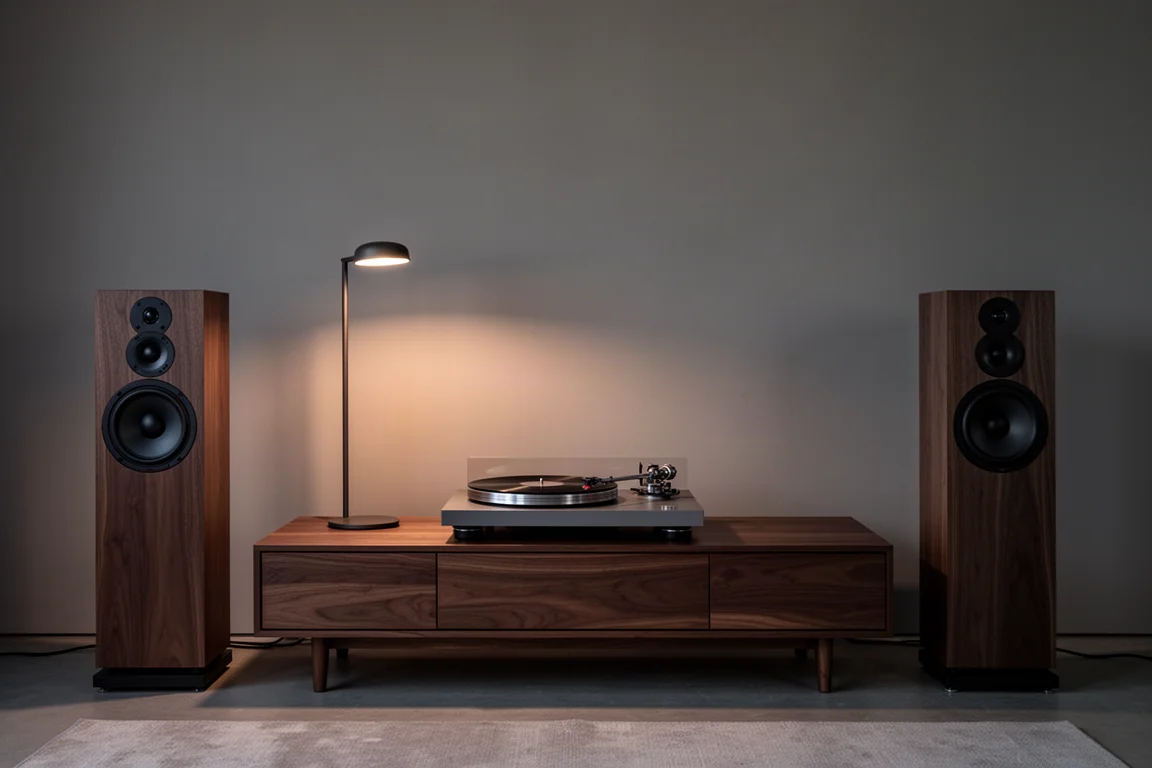
Every Theory turntable also passes through an elaborate testing station before it leaves the factory, with a level of scrutiny that would be notable even on a far more expensive deck. That same testing approach now covers the Orbit line.
Custom Build Options and Upgrades
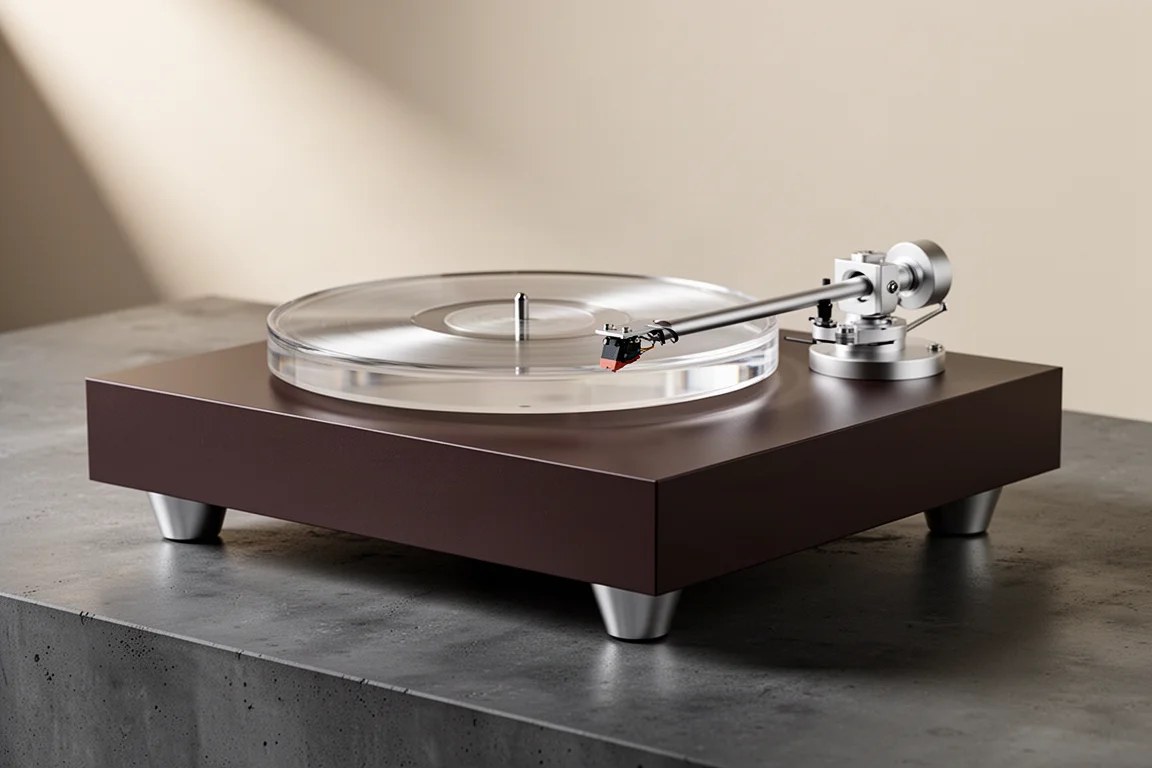
All of the models can be ordered with a wood plinth as an upgrade, and all of them can be fitted with the anti-resonant feet developed for the Theory. The improved speed control is standard on the Orbit Special and available as an option on a custom build. For most buyers the Orbit Plus and Orbit Special already represent the best value of the range, but a custom build is worth considering if you want a specific plinth finish or the speed control on a different model.
Buying Advice: Which U-Turn Turntable Fits Your Setup
Choose the Orbit Basic if you want the lowest-cost entry into the updated design: the same tonearm, belt, bearing, and tested motor as the rest of the line, without the acrylic platter or the standard speed control.

Choose the Orbit Plus if the acrylic platter appeals and you want one of the best-value decks in the range. Choose the Orbit Special if you also want the new speed control as standard and the Ortofon Red cartridge, since that combination is where the improvements are easiest to hear. Choose the Theory if you want the higher-tier turntable that the rest of the range now draws from, including the anti-resonant feet and the most extensive testing procedure.
Whichever model you pick, the fundamentals are the same: a manual belt-drive design, a quiet inverted bearing, a Hurst motor that has been individually checked, and assembly in Massachusetts with mostly local materials. That consistency is the reason the range is easy to recommend.
Conclusion
The current U-Turn Audio line is a rare case where a value-focused family of turntables got meaningfully better without changing what made it appealing. The one-piece magnesium tonearm, the seamless silicone belt, the platter groove, and the improved speed control all arrived from the Theory, and they are now part of the Orbit Basic, Orbit Plus, and Orbit Special as well.
For anyone looking for an entry-level turntable that should hold up over a long life of listening, the Orbit models remain the place to start, with the Plus and Special offering the strongest combination of price and capability. The Theory remains the higher-tier option and the clearest picture of where the engineering came from.
Further reading
Related Reviews
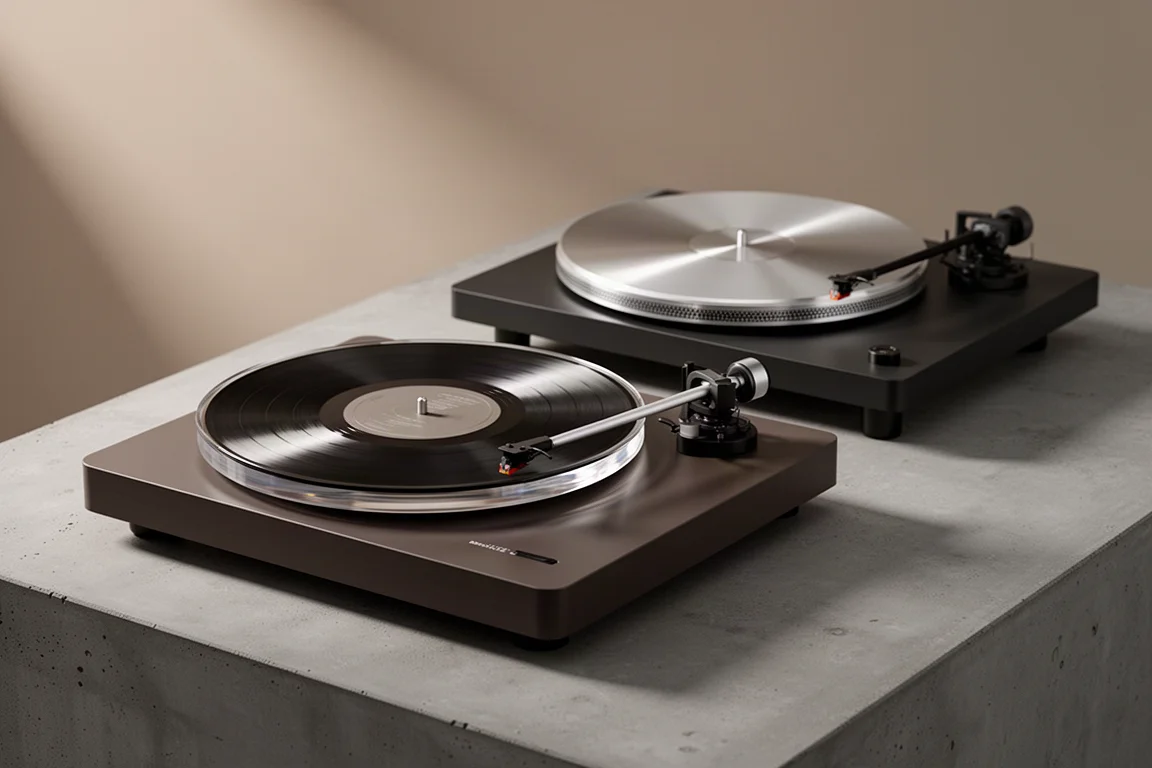
Turntables
Best Turntables 2026: Seven Standout Picks From Entry Level to Premium
A practical roundup of seven turntables worth considering, from a US-made budget deck to small-batch premium models with a clear upgrade path.
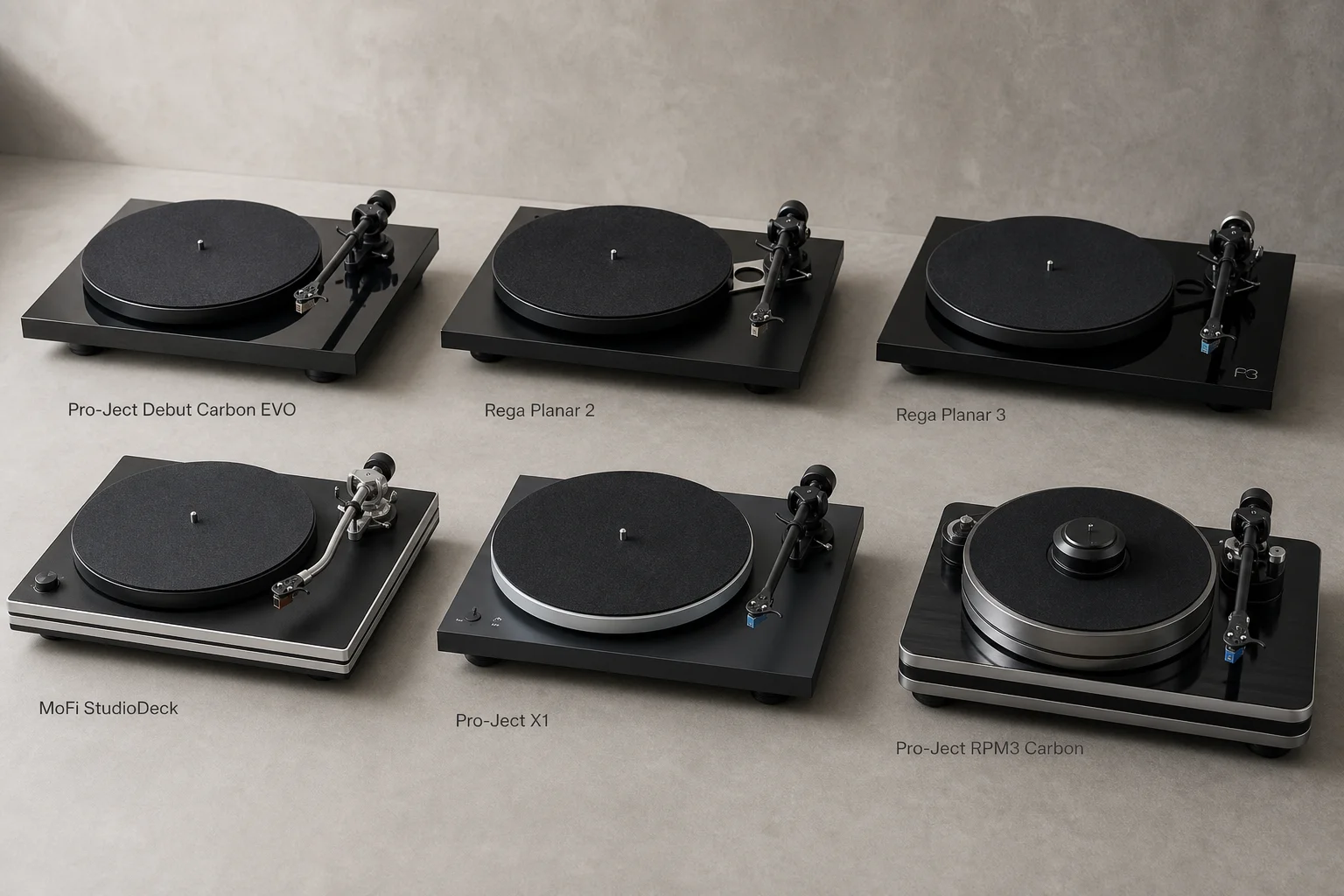
Turntables
Best Turntables Under $1,000: Five Fully Manual Picks Worth Considering
Five fully manual turntables under $1,000, compared on build quality, cartridges, upgrade potential, and the character of sound each one brings to a system.
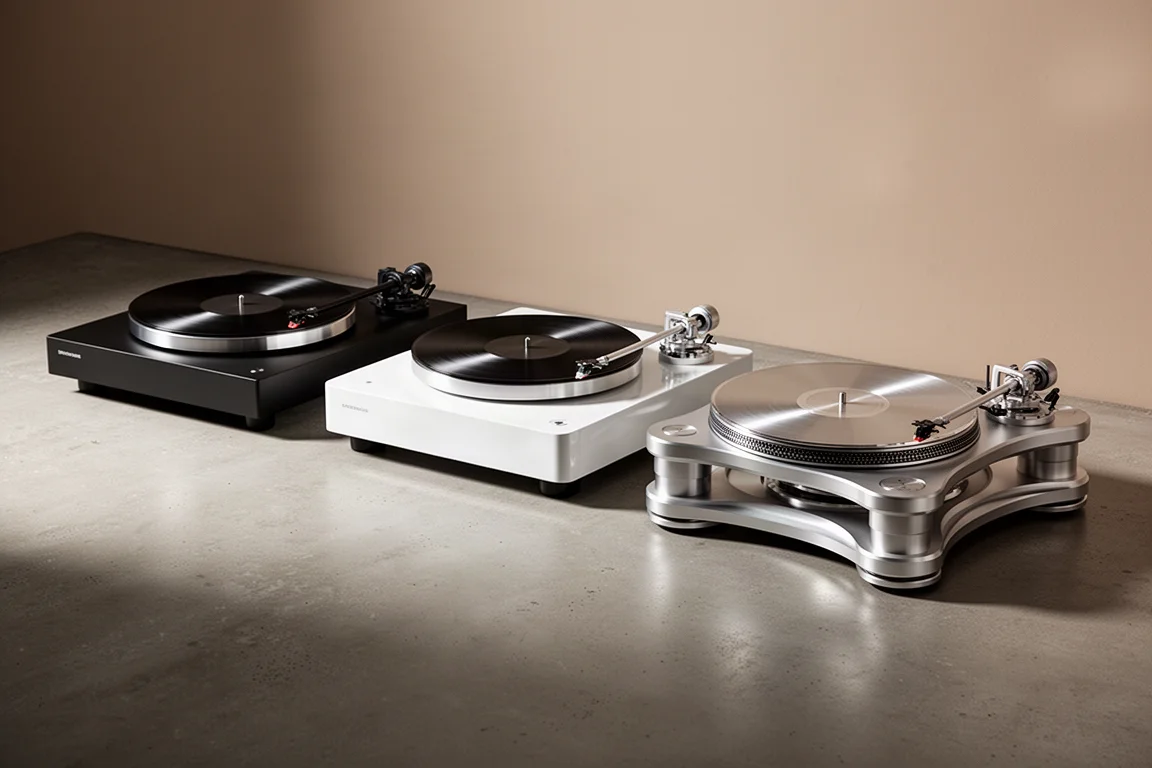
Turntables
Best Turntables Under $2,000: Six Vinyl Decks Worth Building a System Around
Six turntables under $2,000, from a value-focused belt-drive deck to a fully balanced design, with the strengths and trade-offs that matter before you buy.