Backpacking Sleep Systems
Two Bed-Like Backcountry Sleep Systems: Zen Bivvy Light Bed and Sea to Summit Ascent
A quilt-and-sheet system and a traditional down bag, compared on interior space, venting, and draft control for backpackers who want a better night outside.
Introduction
A good night in the backcountry changes how the following day feels, and sleep is one of the few parts of a trip you can plan for directly. The two systems here take different routes to the same goal: a night that feels closer to a bed at home than to a cocoon on the ground.
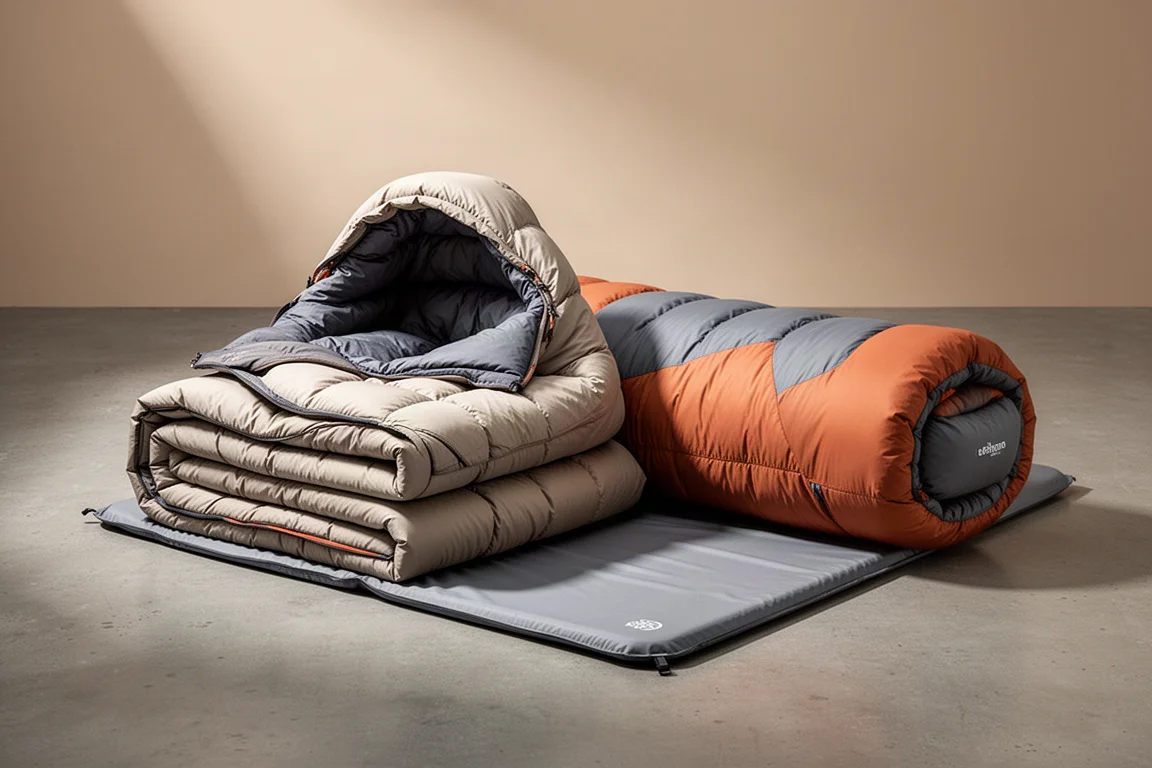
The Zen Bivvy Light Bed is a quilt system that attaches to a fitted sheet on your sleeping pad. The Sea to Summit Ascent Down Sleeping Bag keeps the familiar single-bag format and adds a set of design choices that make it far more flexible than its mummy shape suggests. Both rely on high fill power, responsibly sourced down, and both are worth a close look if comfort at camp matters to you.
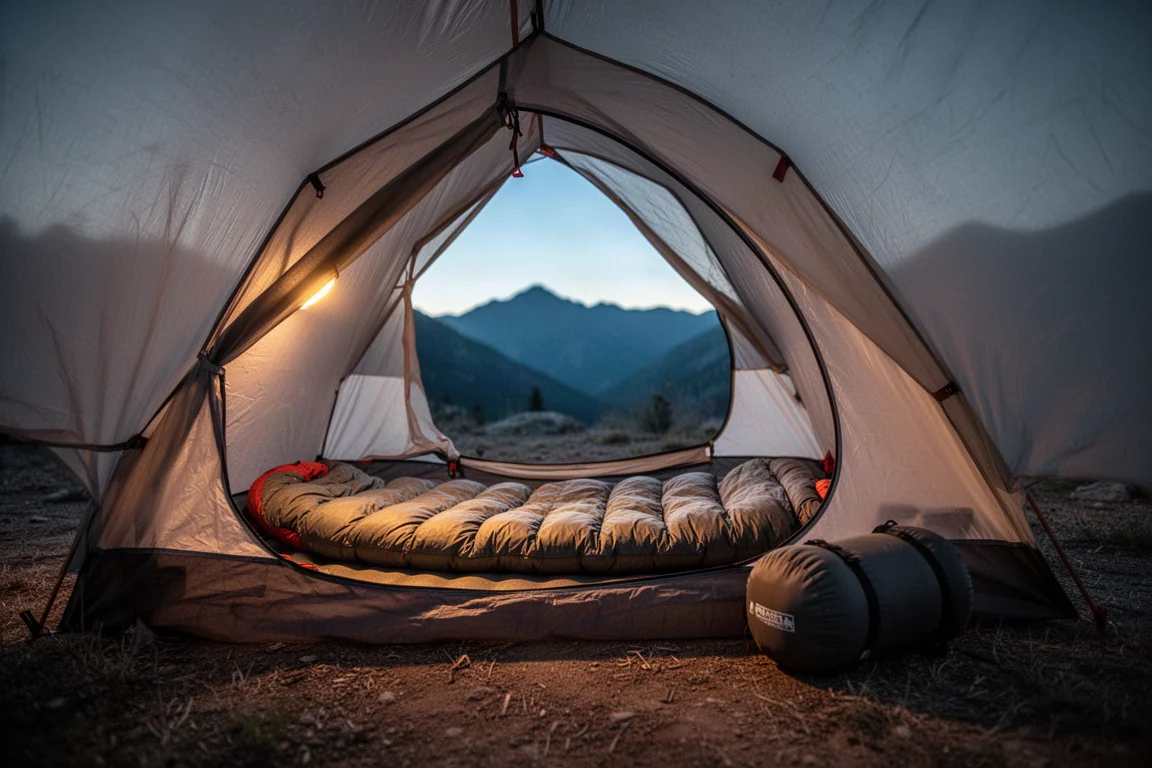
The two products differ in how they deliver that comfort. One leans on width, a full hood, and a sheet that holds everything in place. The other leans on zippers and venting, so a single bag can cover a wider range of nights. The sections below break down what each one does well and who it suits.
What to Look For in a Backcountry Sleep System
Three things separate a sleep system you tolerate from one you look forward to. The first is how well it seals out drafts without forcing you to stay still. A system that lets you roll over without opening a cold gap tends to sleep warmer than its temperature rating alone suggests. The second is ventilation, because being able to open a bag or quilt when the night turns warmer is what lets one system cover more conditions. The third is interior space, particularly around the feet and shoulders, where a tight fit is most noticeable.
Both systems below address all three points, but they solve them in different ways.
Zen Bivvy Light Bed, a Quilt That Sleeps Like a Bed
The Light Bed is a top quilt that attaches to a fitted sheet sized for your sleeping pad. The quilt and the sheet are separate pieces, and small hooks along the edges connect them. Once attached, the quilt forms a full hood around your head, which is unusual for a quilt system and one of the reasons this setup feels less like camping gear and more like bedding.
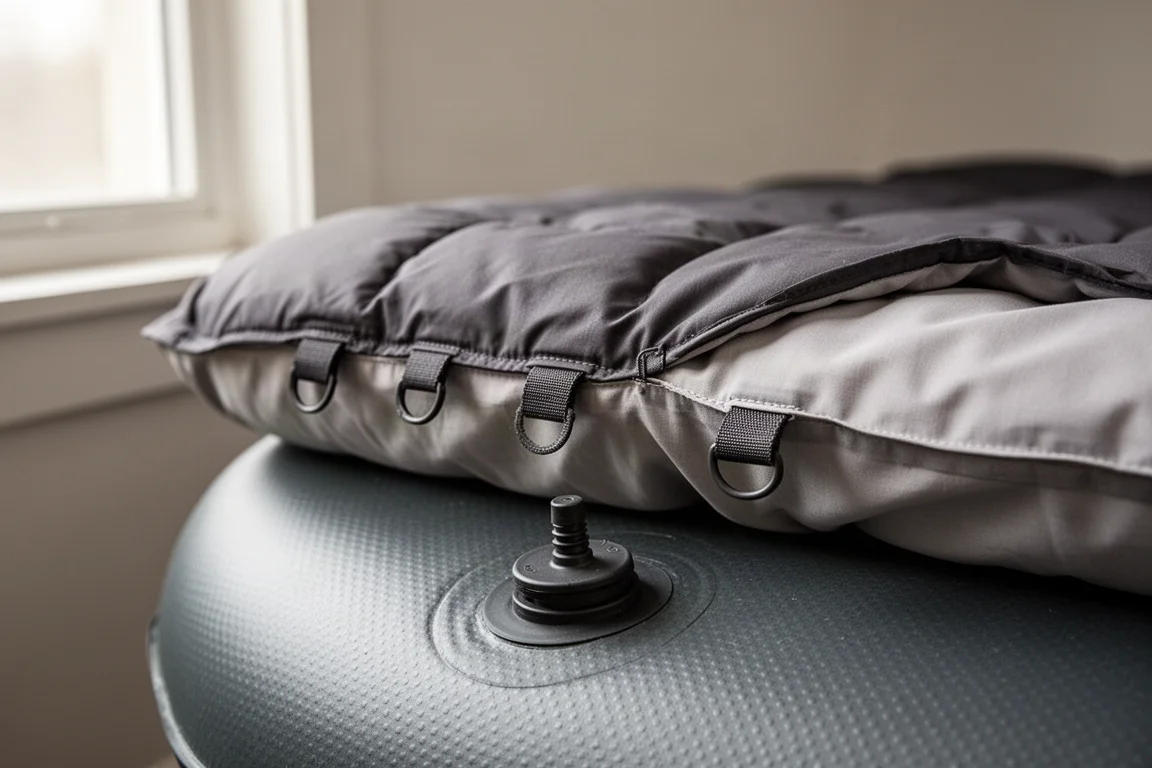
The biggest practical benefit is that you can move around inside the system without opening the draft points a loose quilt tends to create. A side panel with hooks holds the quilt wide across your body, so there is no need to tuck it underneath yourself to stay covered. The 10 degree large quilt is wide, and long enough with room to spare for a sleeper under six feet tall.
The foot box is where the Light Bed shows its versatility. It can be fully closed and tightened for the warmest possible setup, opened into a more rectangular shape when you want extra space, or left wide open on mild nights so the quilt works like the one on your bed at home.
Hood, C-Shaped Cut, and Draft Control
The hood is the feature that stands out most. The quilt uses a C-shaped cut that lets it sit under your chin without riding uncomfortably high, then rise over your shoulders. That combination is what keeps drafts out at the neck and shoulders, the two places where a quilt system usually loses warmth.
The Light Bed comes in several sizes, from roughly 20 by 72 up to wider and longer versions, so you can match the system to your pad and your height rather than compromising on either.
Down Fill and Weather Resistance
The quilt is filled with 800 fill power down that has been treated to resist moisture. Condensation inside a shelter is a real risk on cold trips, and treated down keeps its ability to loft instead of collapsing when it takes on damp. The down is also certified as responsibly sourced, which matters if you care about how the material was produced.
Sea to Summit Ascent Down Sleeping Bag, Traditional Shape With Flexible Venting
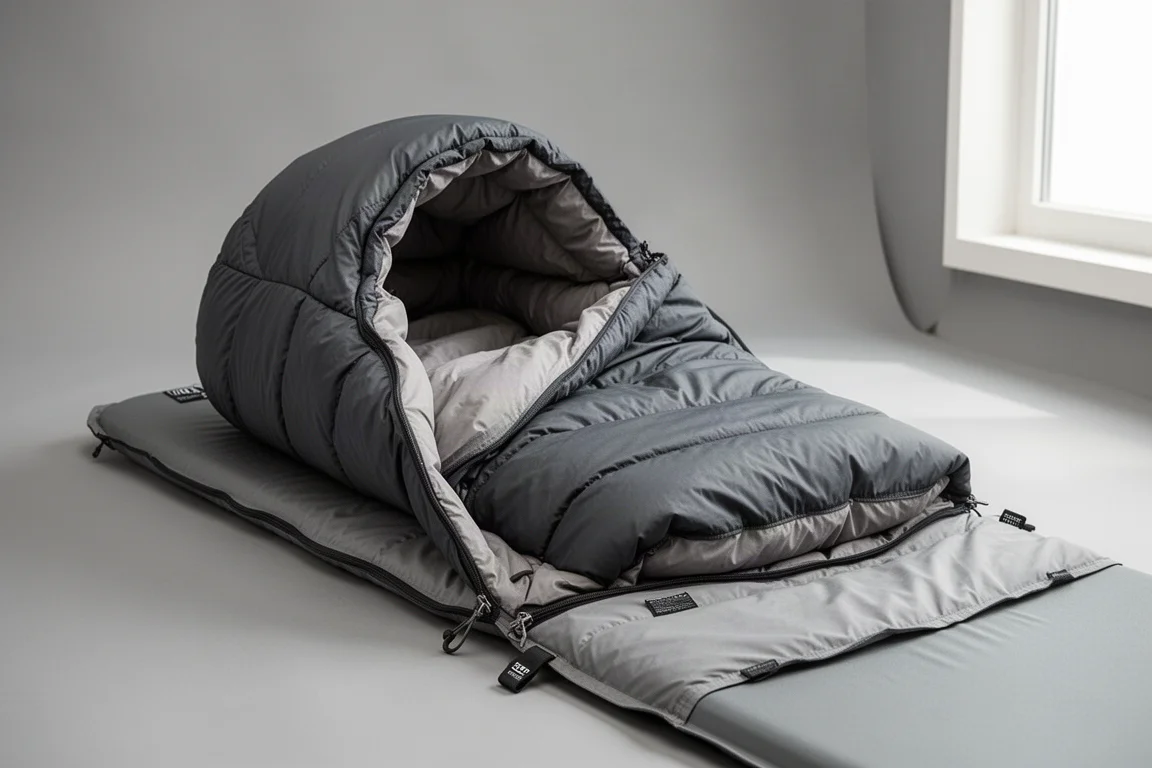
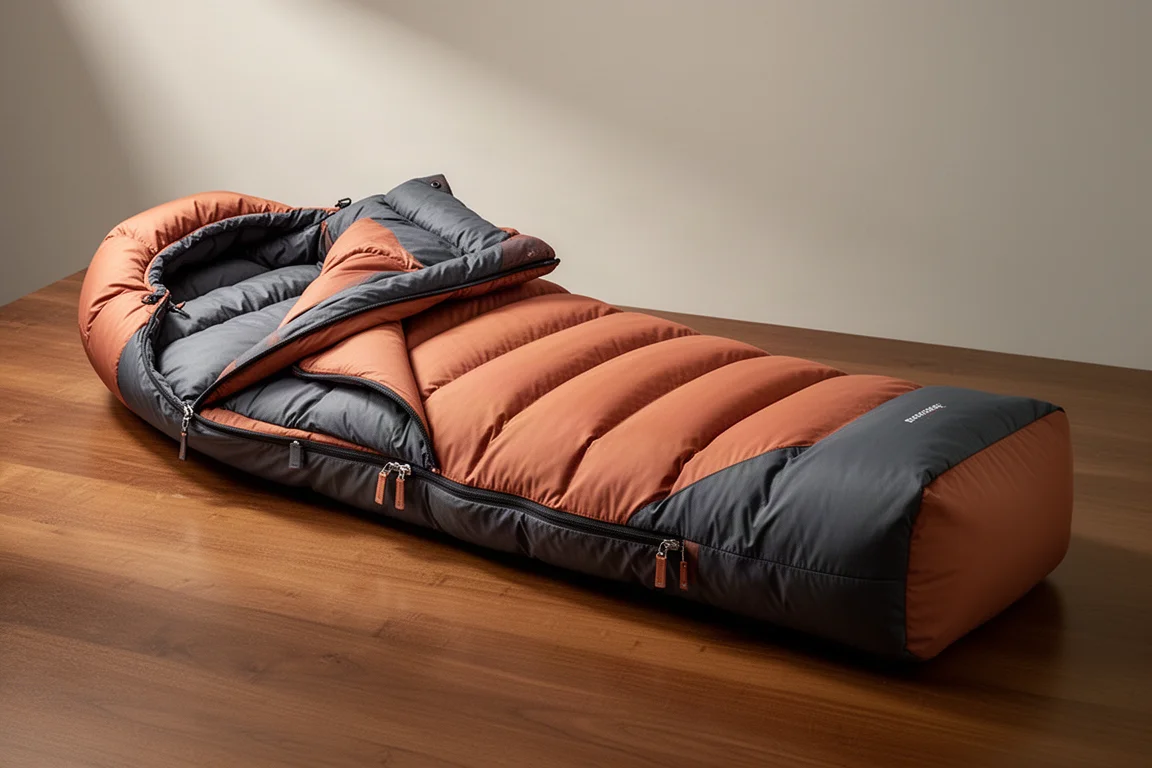
The Ascent is a 15 degree down bag with 750 plus fill power, responsibly sourced down, and a shape that stays close to a traditional mummy. What makes it feel bed-like is not its width but its zipper layout: a long main zipper down one side, a half zip on the other side, and a zipper at the foot box. Together they let you open the bag in ways a standard mummy bag cannot.
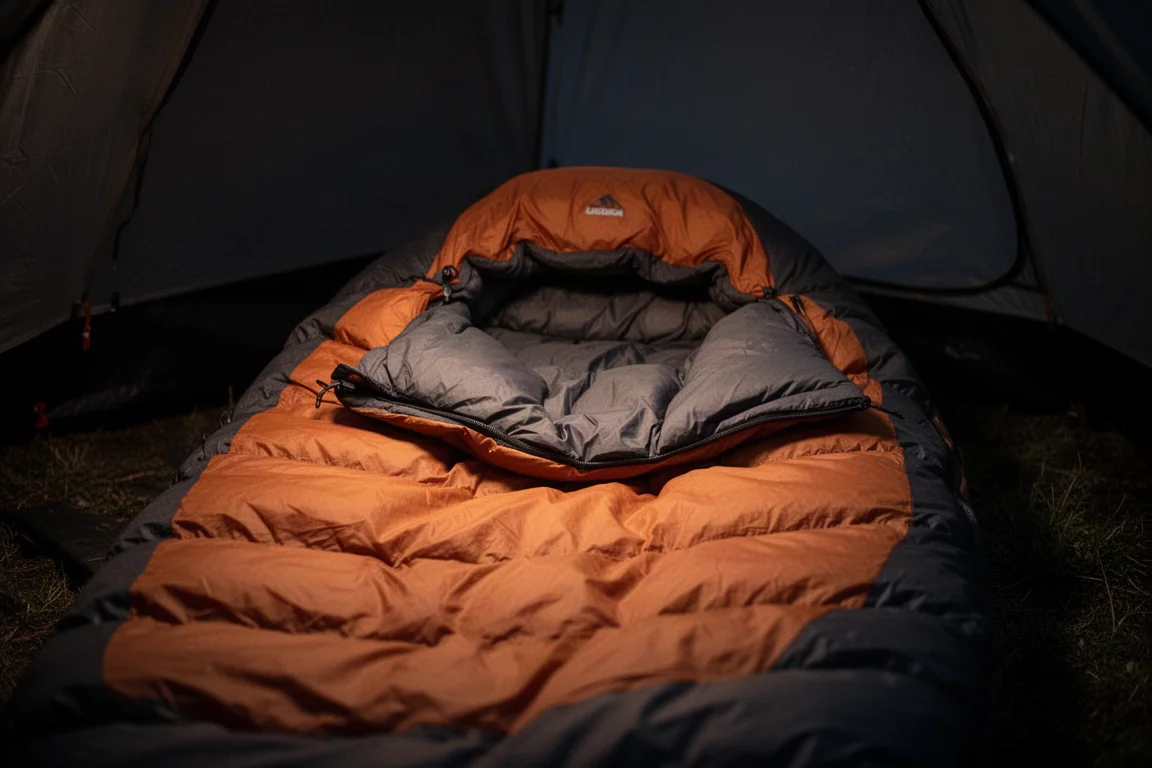
The main zipper runs roughly three-quarters of the length of the bag, so getting in and out is easy and the bag opens wide when you want it to. Draft collars at the top and around the back of the neck, plus a fitted hood, seal the areas where heat normally escapes.
Venting, Zippers, and Room to Move
The second zipper is the feature that changes how the bag sleeps. Zip the main side up just a little, open the half zip on the other side, and the top of the bag drops away. That lets you vent heat or simply drape your arms across your chest instead of staying sealed inside. Two zipper pulls on that side make it easy to vent and to reach out without undoing the whole bag.
A zipper at the bottom of the foot box adds another option: open it to vent, or push your feet out entirely on a warm night. Even with it closed, the foot box is wider and more rectangular than a typical mummy bag, so there is more room to move inside.
The overall shape keeps the efficiency of a mummy cut while adding space where it matters most. There is also a small accessory pocket inside for a headlamp or a water filter, handy rather than spacious.
Which Sleep System Suits Your Trips
Both of these are comfortable, well-made options, and the decision comes down to how you sleep and what you want from your shelter at night.
The Zen Bivvy Light Bed suits anyone who rolls around, sleeps on their side, or dislikes the feeling of being tucked into a narrow bag. Its quilt-and-sheet design keeps the coverage wide and the hood in place no matter how you turn, and the open foot box configuration is genuinely useful on warmer trips. If you want the closest thing to sleeping in a bed outdoors, this is the system to look at first.
The Sea to Summit Ascent is the better fit if you prefer a single-piece bag that packs and sets up in the familiar way. Its venting layout covers a wider range of temperatures than a standard 15 degree mummy bag, and the roomier foot box and more rectangular touches make it more comfortable than its shape suggests. If you like the idea of opening the bag up at night without giving up the security of a full bag around you, this one delivers that.
Sizing deserves attention either way. The Light Bed is offered in several widths and lengths, while the Ascent is built around its mummy fit, so matching dimensions to your body and your pad will matter more than any single feature on the list.
Conclusion
Sleep is one of the few parts of a backpacking trip you can upgrade directly, and both of these systems are built around making that upgrade real rather than theoretical. The Zen Bivvy Light Bed leans into space, a full hood, and a quilt that stays where you put it. The Sea to Summit Ascent keeps the traditional bag format and adds venting options that make it far more adaptable than its rating implies.
Whichever direction you choose, the priority is the same: match the system to how you actually sleep, then give it a night or two to prove it.
Further reading
Related Reviews
Backpacking Sleep Systems
Extreme Cold Sleep System: Six Backpacking Layers for Deep Winter Warmth
A bottom-up look at a six-piece winter sleep system, from a foam ground mat to a floorless shelter, and the reason each layer earns its place.
Backpacking Sleep Systems
Luxury Backpacking Sleep System: Four Pieces That Feel Like a Bed at Home
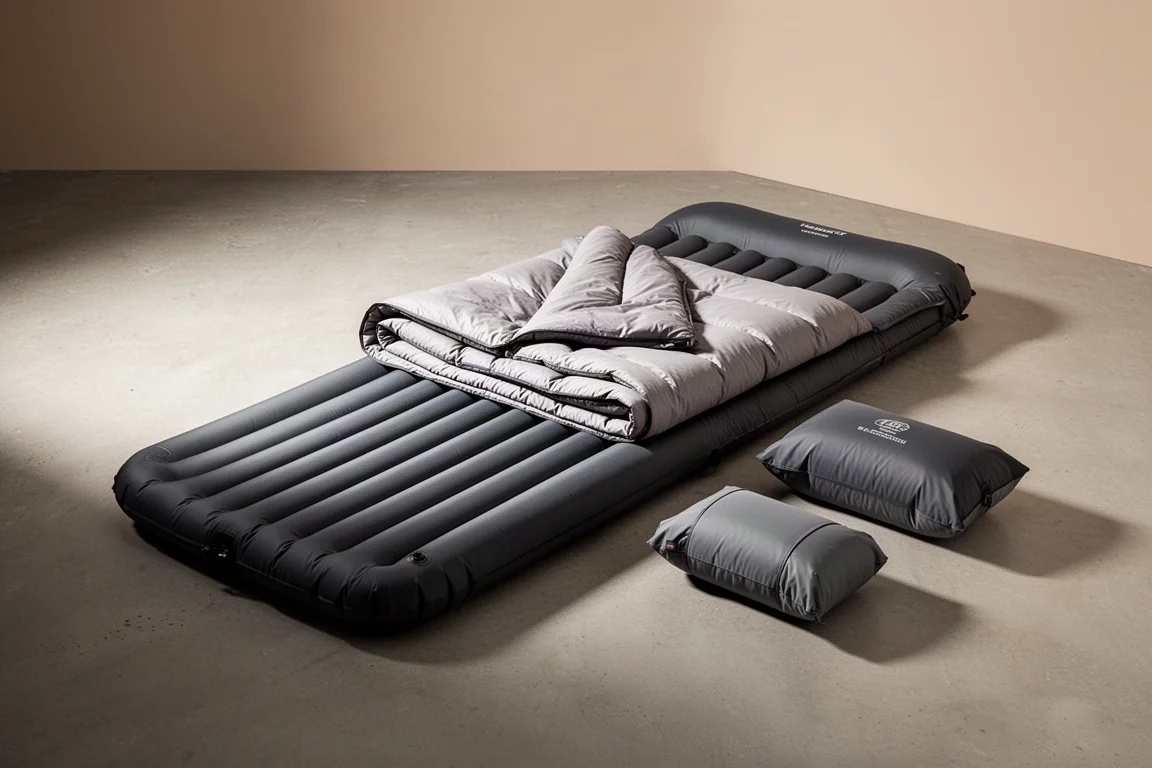
A wide, thick sleeping pad, a draft-free quilt, a generously cushioned pillow, and a few small habits that bring backcountry sleep much closer to home.
Backpacking Sleep Systems
Quilts vs Sleeping Bags for Backpacking: Five Sleep Systems Compared
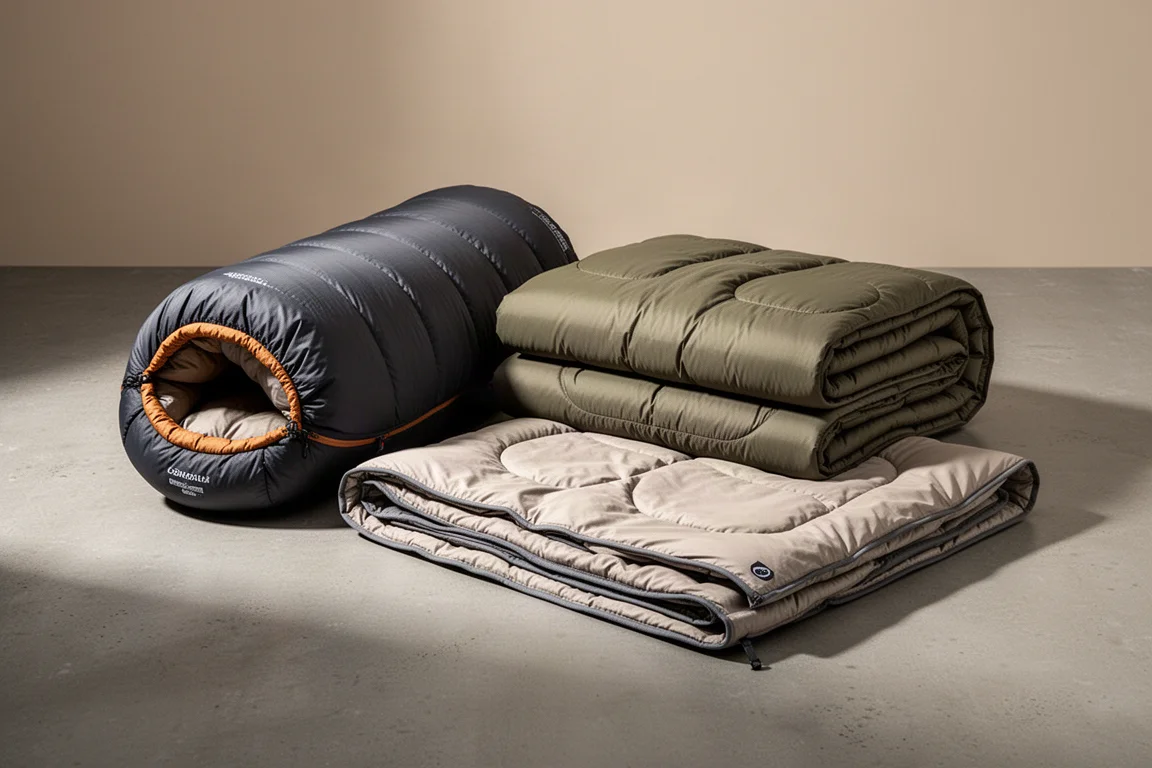
A practical look at five backpacking sleep systems, from wide quilts to adjustable sleeping bags and a ground-focused quilt bed, and how to choose between them.