Backpacking Gear
Two Backpacking Loadouts Compared: 16 Pieces of Gear Worth Knowing
A long-kept loadout and a newer field-tested kit go head to head, covering packs, sleep systems, camp kitchen gear, water treatment and knives.
Introduction
Some backpackers replace gear every season. Others keep the same pack for fifteen years and only swap a buckle when it finally gives out. Both approaches still put you on the trail, and putting them side by side is a practical way to work out where money actually changes the experience.
This guide walks through sixteen pieces of gear drawn from two very different loadouts: one assembled slowly and kept for the long haul, and one built around newer equipment being tested in the field for the first time. Each entry covers what the item does well, what it gives up, and who it genuinely suits.
How These Two Loadouts Were Compared
The first loadout belongs to a backpacker who has been accumulating gear for decades and rarely replaces anything that still works. The second was packed by someone who spends a great deal of time outdoors and was field-testing several new items for the first time, which runs against the usual advice about taking untested gear into the backcountry.
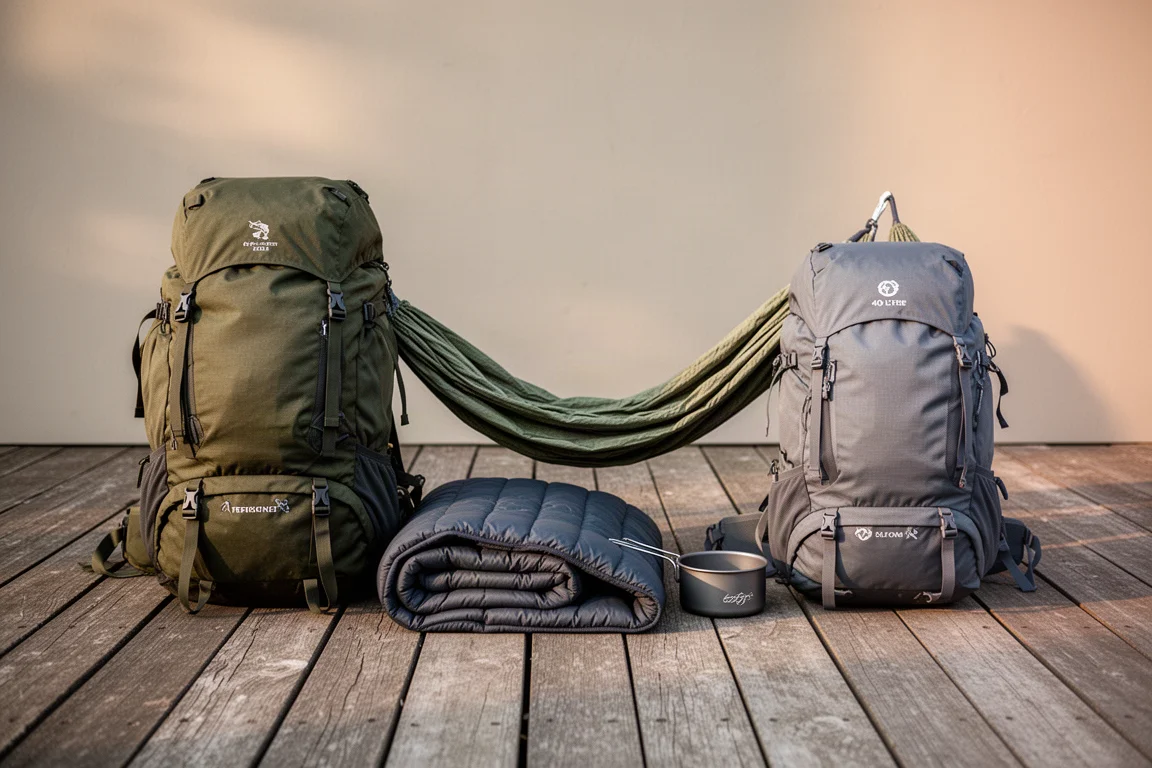
The comparison here focuses on three practical questions: does the item still perform after years of use, does it solve a real problem at camp, and does it justify the weight it adds to a pack. Nothing is judged on specifications alone, and no single loadout comes out as the better one.
Osprey Aether 60: Fifteen Years and Still Carrying
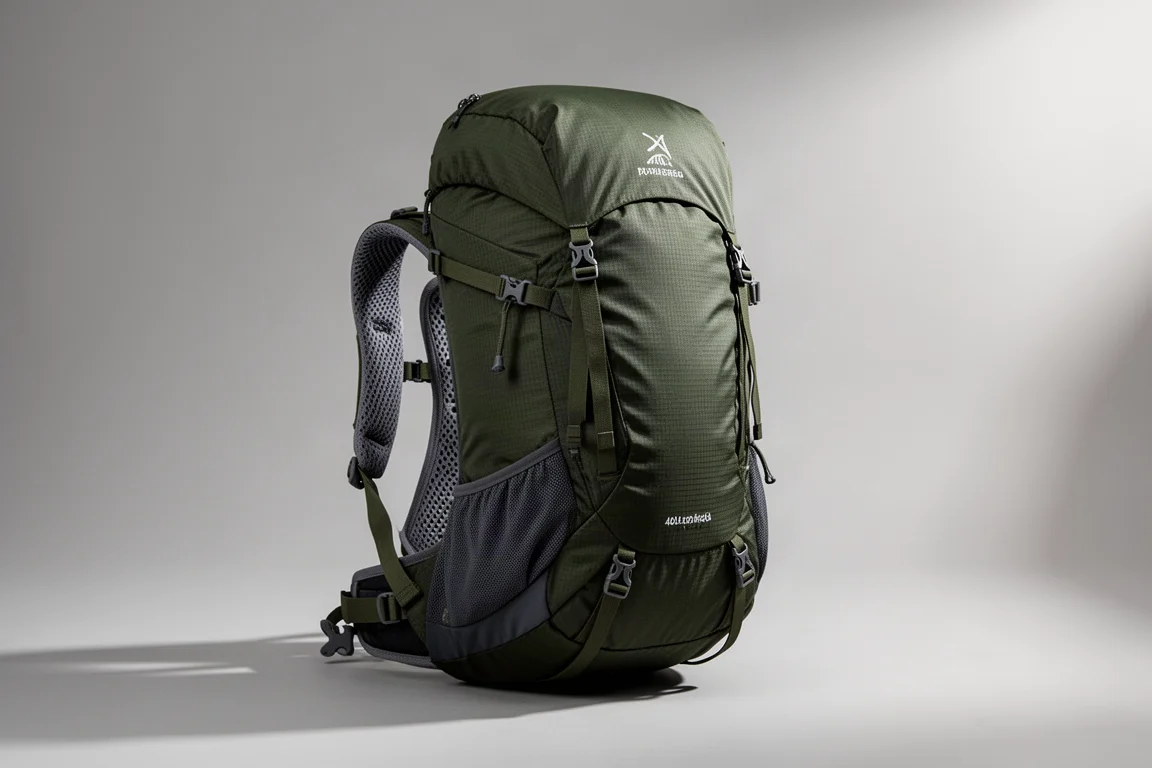
A 60-litre trekking pack that has been in continuous service for roughly fourteen to fifteen years, with only minor repairs along the way. The owner highlights straightforward external attachment points, a layout that avoids unnecessary complexity, and a guarantee programme that has covered replacement buckles over the years. The appeal is longevity: this is a pack chosen to be used indefinitely rather than upgraded on a schedule.
Deuter Aircontact Ultra 40: Comfortable Carry, One Frustrating Flaw
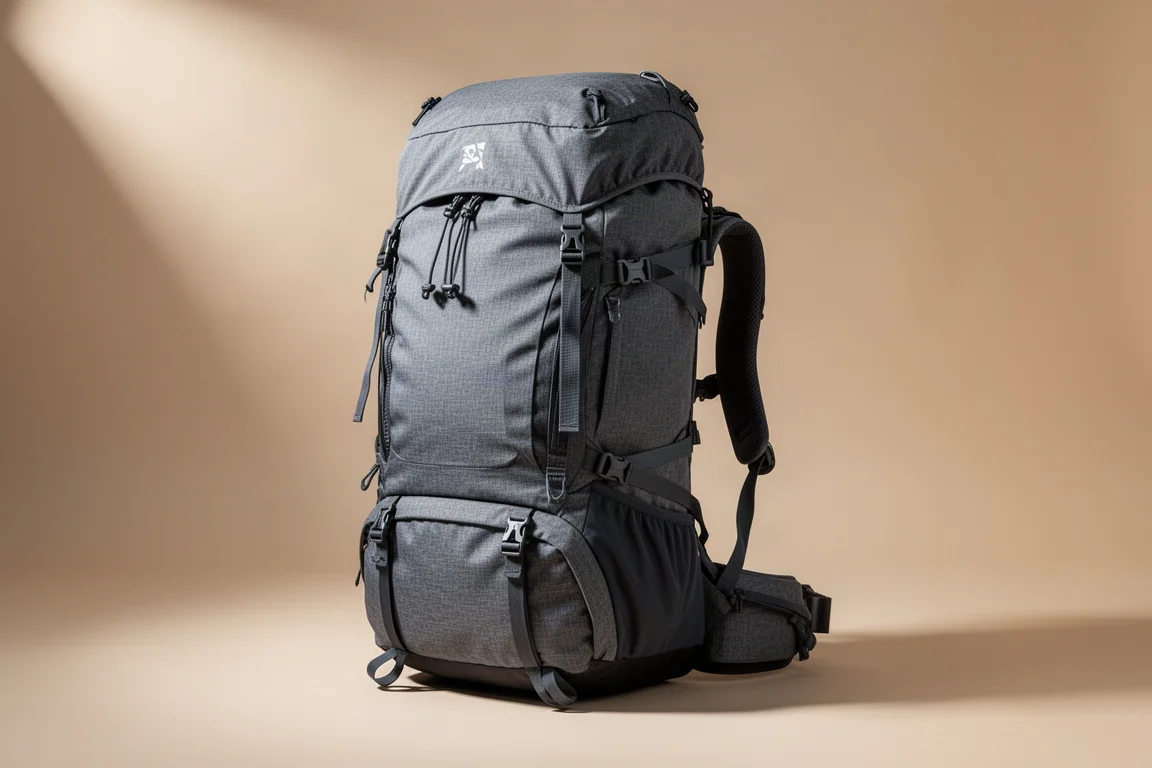
A 40-litre pack with a suspension system that carried around 33 pounds of gear without complaint on a first outing. The significant downside is side-pocket access. Bottles can be pushed up and pulled out fairly easily, but getting them back into the pocket while wearing the pack is genuinely difficult, which pushed the owner toward a different bottle format entirely. Anyone who drinks frequently while moving should weigh that carefully.
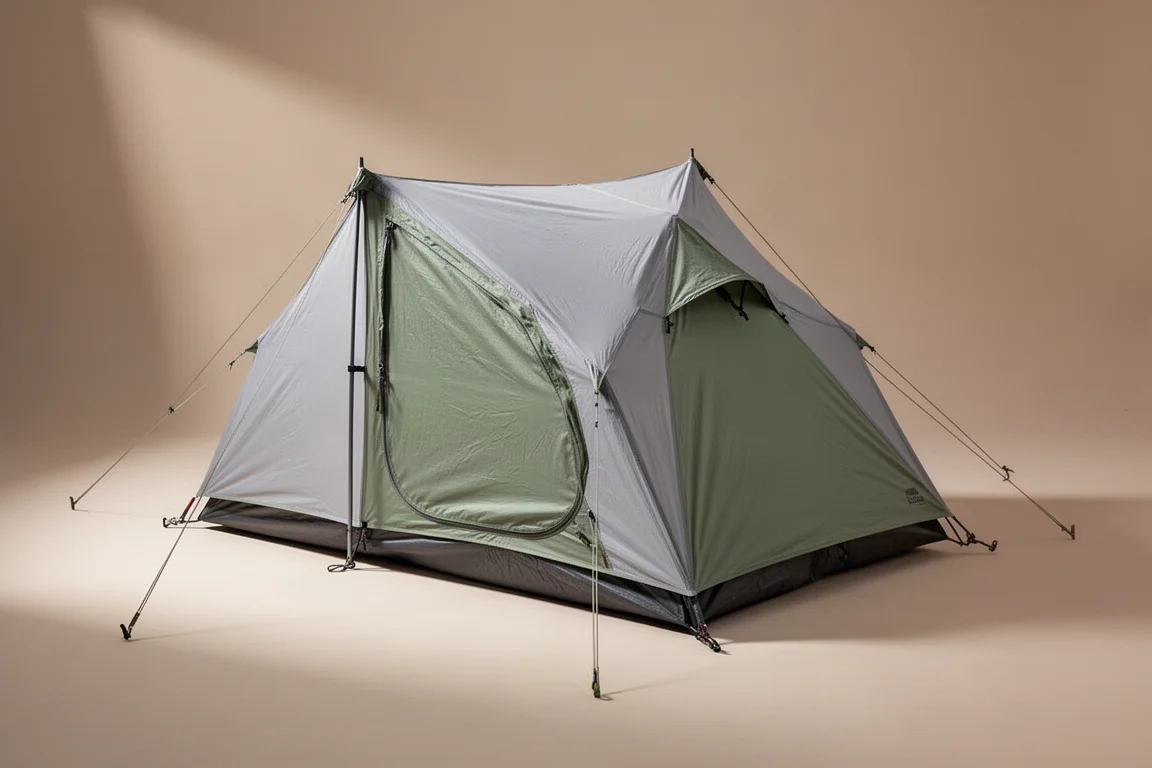
Big Agnes Fly Creek HV UL3: Three-Person Space, Lightweight Build
A three-person tent that stays light enough to carry on backpacking trips and offers noticeably more interior room than a two-person model. It is used mainly when camping with a partner, where the extra space makes longer trips more comfortable. It is the kind of shelter that makes sense for couples who want to spread out rather than for solo trips where a smaller footprint would do.
Superior Gear Starlight Hammock: A Sleep System That Clips Together
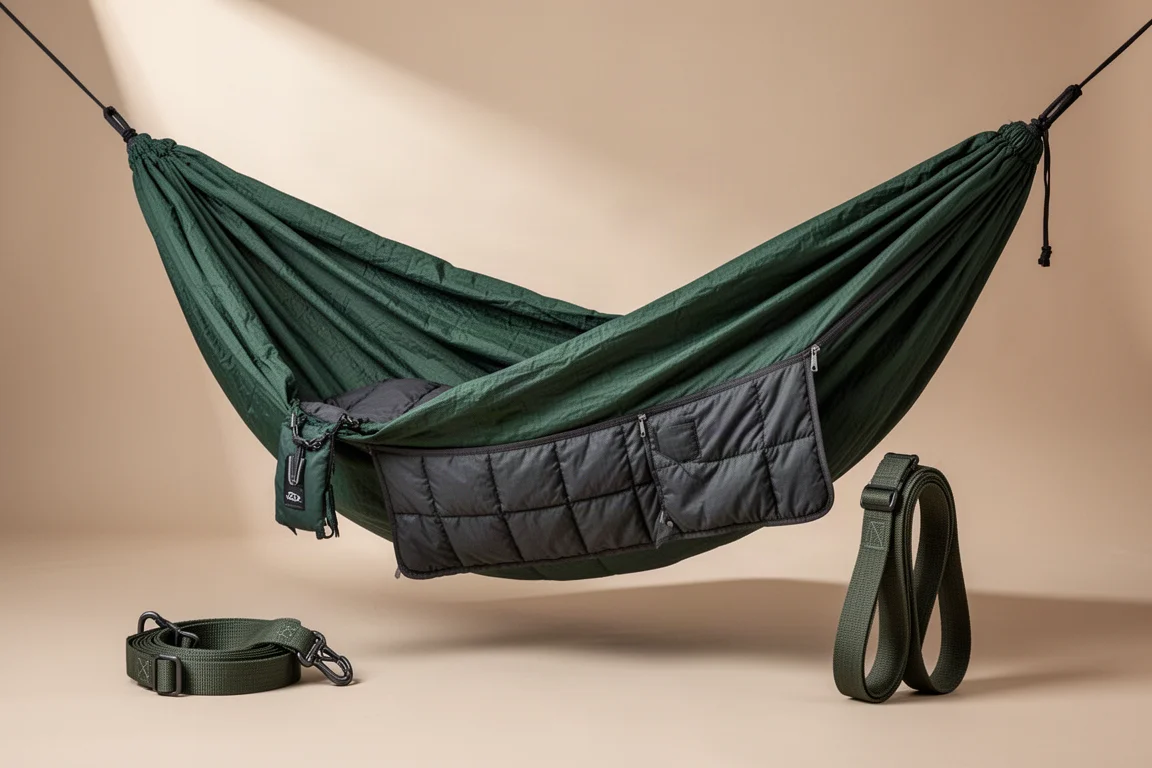
The hammock comes with an integrated comforter that snaps into the hammock body rather than hanging from bungees, so the insulation stays aligned and does not shift through the night. The owner slept warm and comfortably, and points to a small interior gear shelf that keeps items such as a filter or spare clothing off the ground. A matching tarp in a snake skin was pitched overhead as insurance against cold or rain on an otherwise clear night.
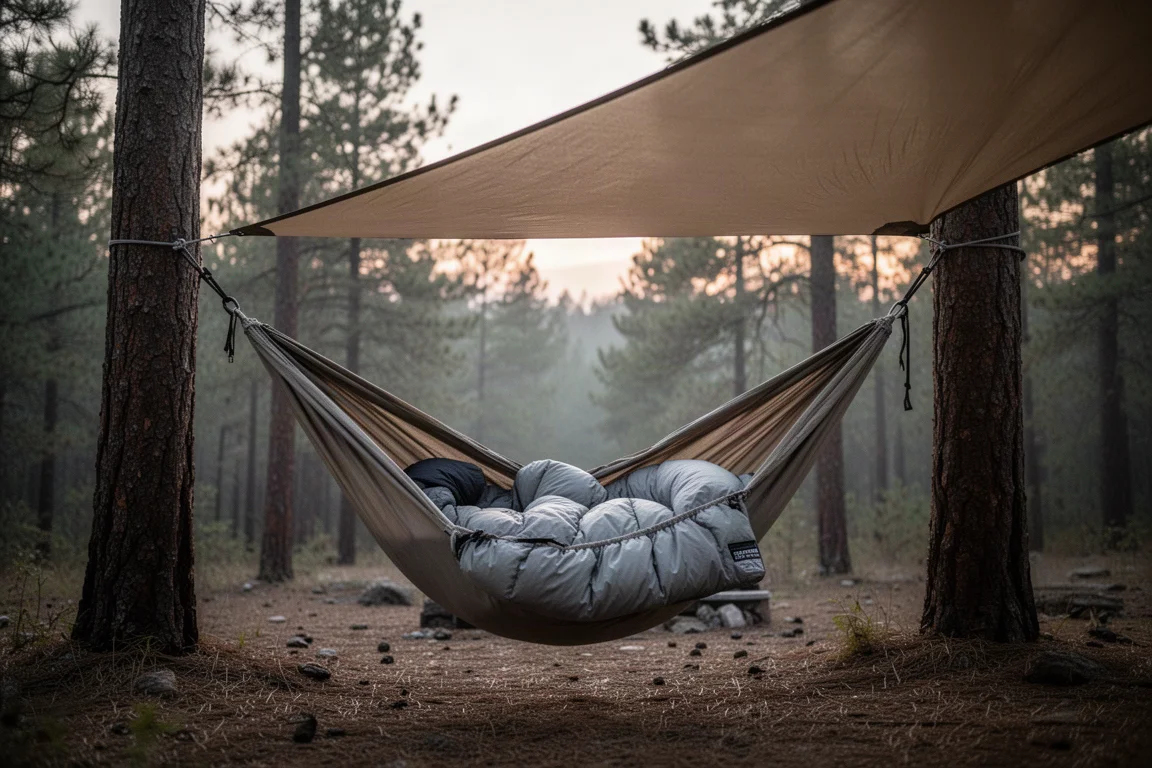
The clip-in design targets the usual frustration with hammock insulation, namely pieces that move around overnight and leave cold spots. It is also worth noting that hammock sleeping itself takes adjustment and is not universally comfortable.
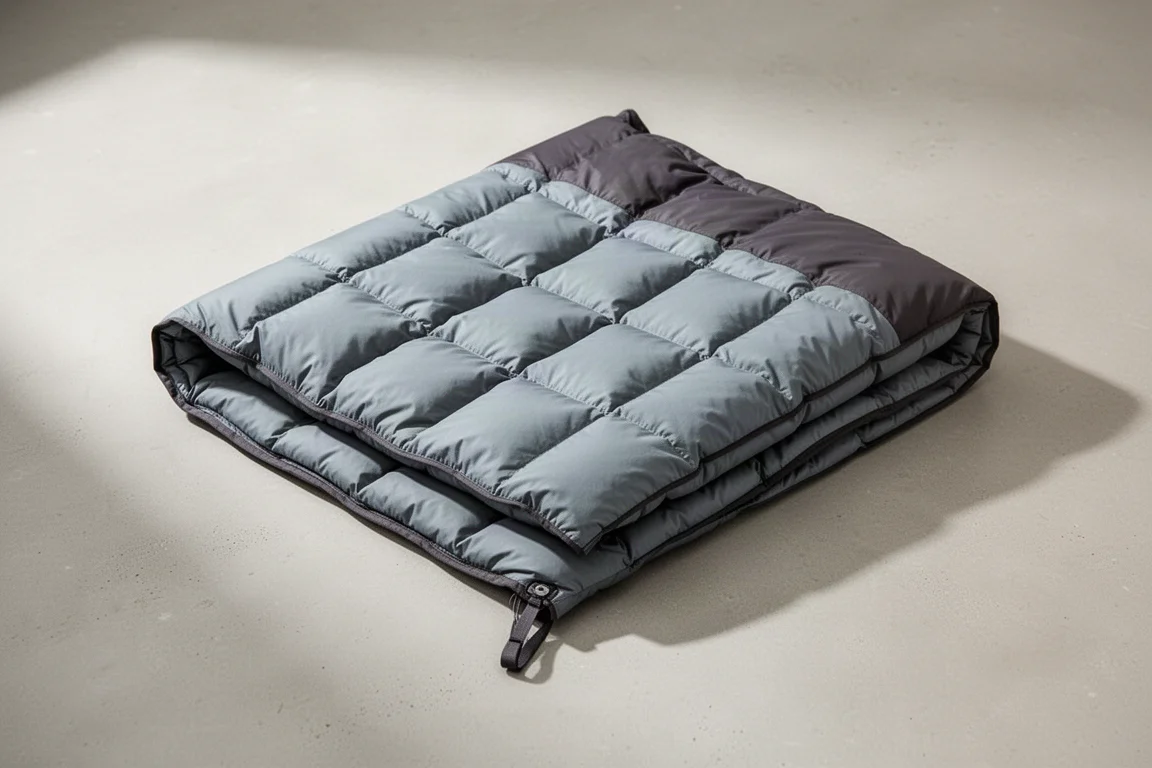
Zenbivy Ultralight 25-Degree Top Quilt: Warmth Without a Full Sleeping Bag
Used as the top layer in the hammock setup, this quilt carries a 25-degree rating and reported sleeping very warm on a clear night. It is a useful reminder that a full sleeping bag is not the only route to a warm night, particularly when the insulation underneath is handled separately.
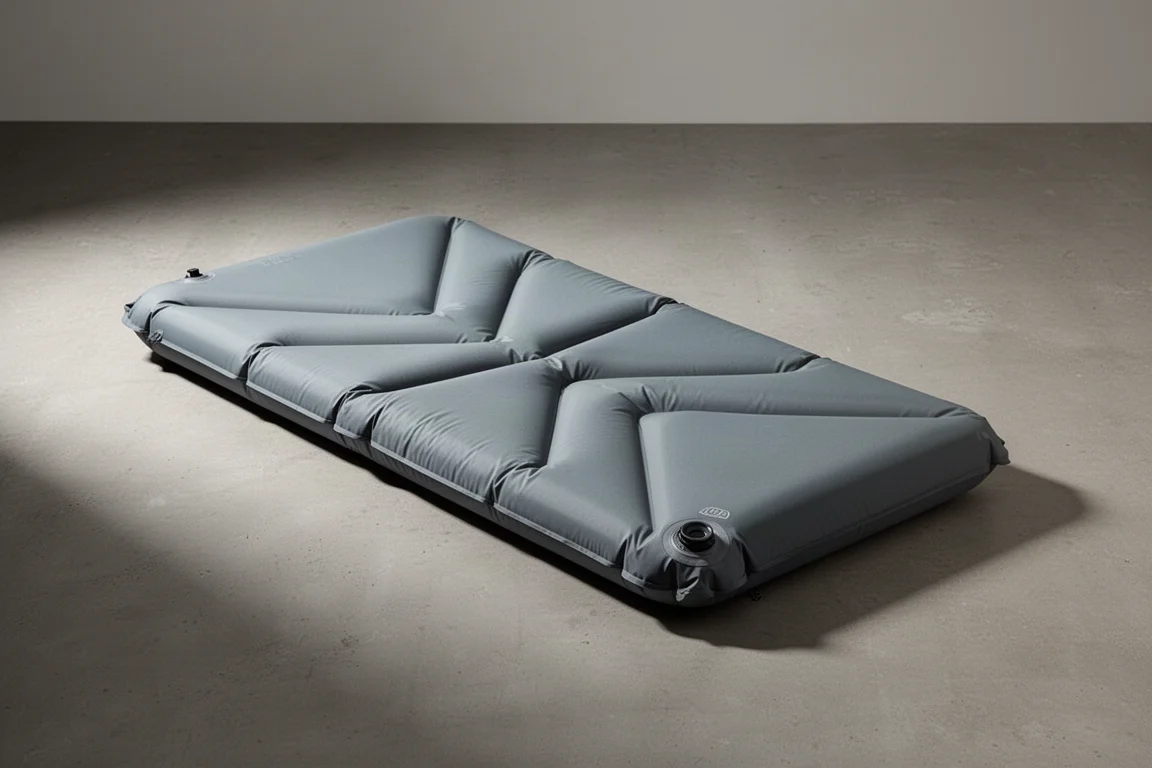
Klymit Static V: An Honest Take on a Familiar Pad
This pad has been in the kit for years and has never been replaced. The owner is refreshingly direct about its limits: it does not offer meaningful hip or shoulder support, and it is not a plush night’s sleep. What it does do is keep you warm, and it keeps working. It is a neat illustration of the philosophy behind the first loadout, which is to use what you own until it dies.
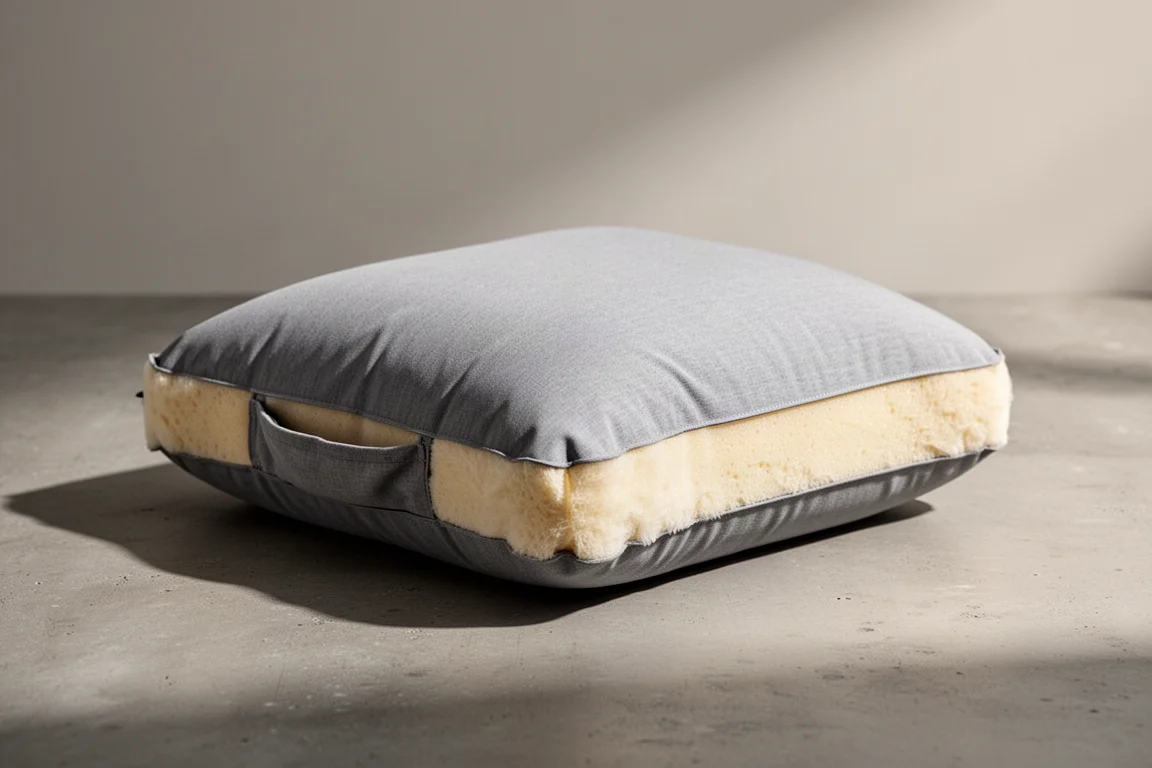
NEMO Fillo Pillow: Memory Foam Meets Inflatable
A hybrid pillow that inflates for height and adds a layer of memory foam across the top surface, priced at around $45. It was suggested as a strong option for anyone who wants more support than a small foam pillow provides, and it is one of the simplest comfort upgrades available to a backpacker who struggles to sleep at camp.
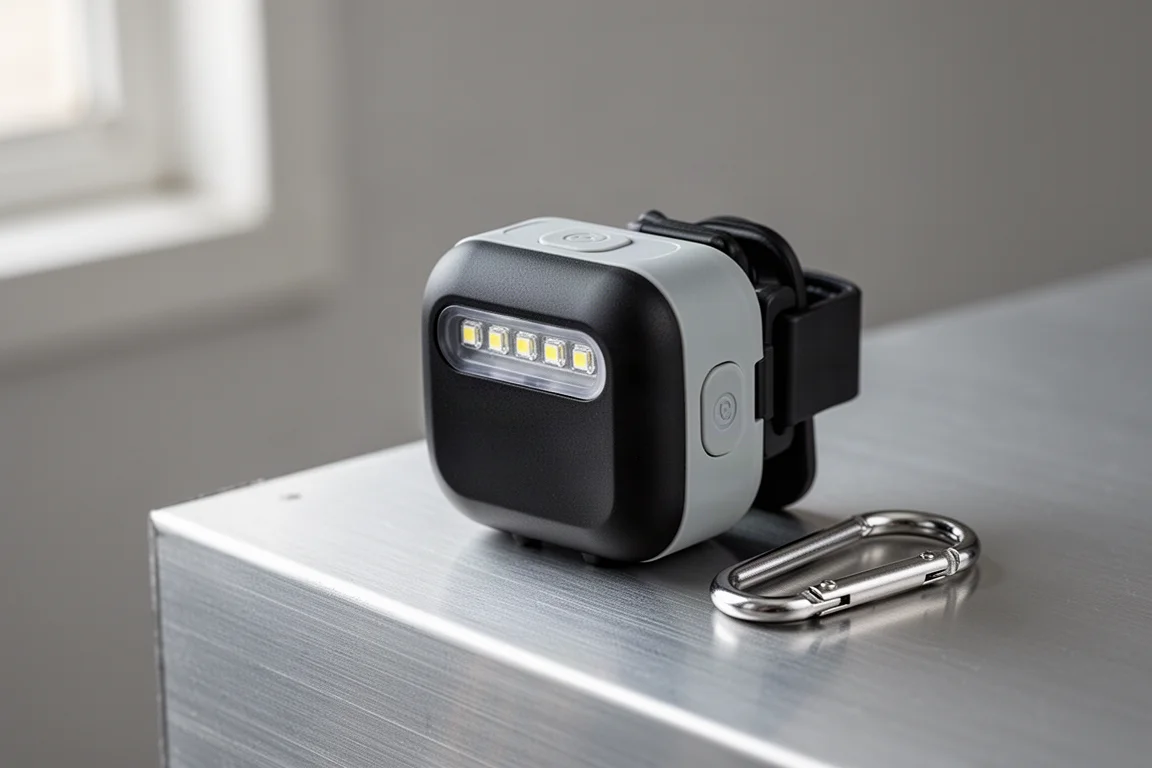
Claymore Capon 40B: Lantern and Headlamp in One
A dual-purpose light that works as both a camp lantern and a headlamp, and one of the standout new pieces of gear in the second loadout. Combining two lighting roles into a single item removes a duplicate from the pack, which matters for anyone trimming redundancy from their kit.
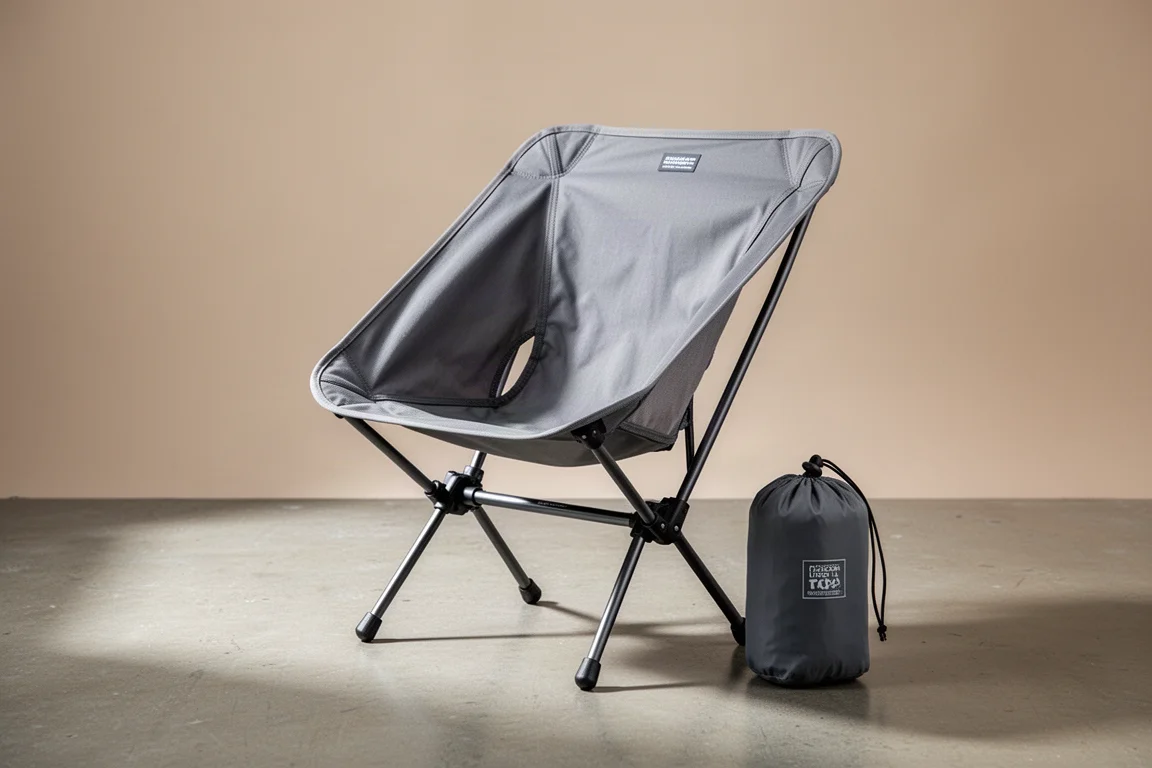
NEMO Moonlite Elite Chair: Camp Comfort With a Weight Penalty
Sitting comfort at camp without hunting for a rock or a log. The owner admits the chair is heavier than ideal and would prefer a lighter model, but keeps bringing it because the payoff at the end of a hiking day is worth the grams. It sits at around $175.
Fire Maple Petrol Pot: The Heat Exchanger Makes the Difference
A cook pot with a heat exchanger built into the base, which the owner rates very highly for efficiency. It pairs with a stove whose pot supports slot directly into the pot, locking the cook system together as one unit. One pot, one burner, no extras.
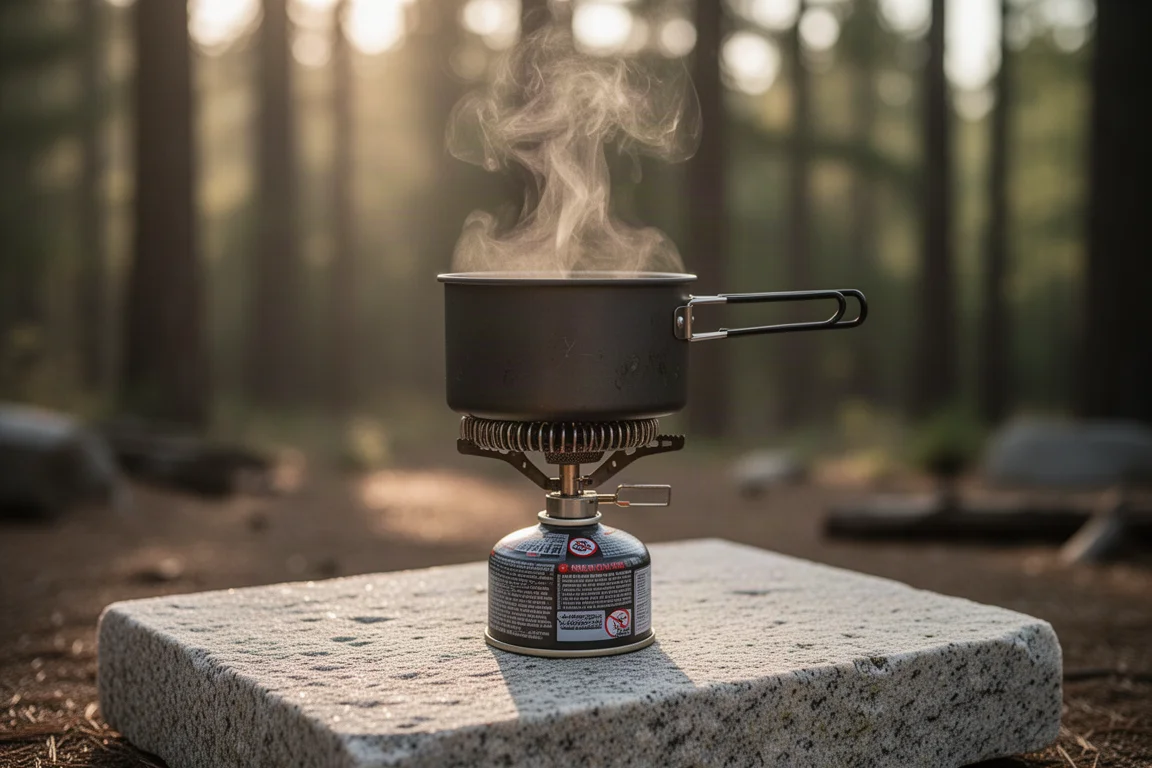
That integrated approach is the pattern running through the second loadout: fewer components that work together rather than a collection of separate pieces that each need their own space in the pack.
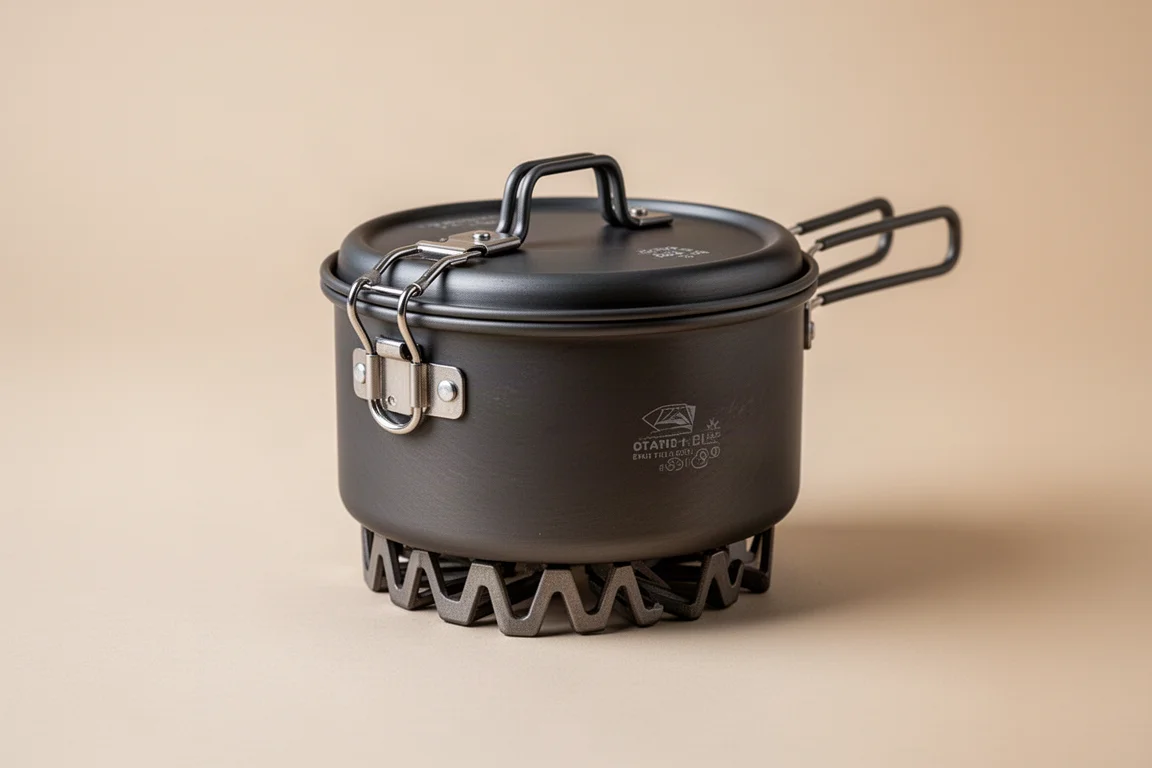
Soto WindMaster with TriFlex: A Stove Built for Efficiency
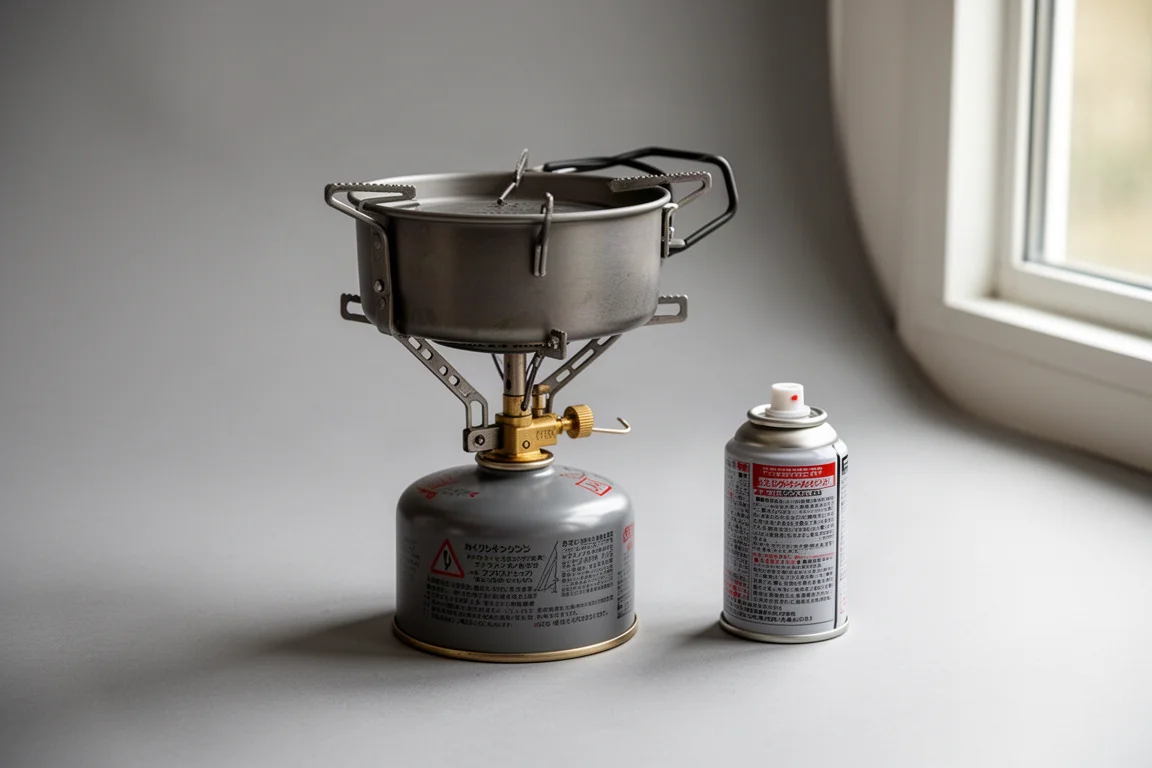
The WindMaster with the TriFlex pot support is the burner half of that cook system, and it is a different model from the Amicus. The support arms slot into the pot, which keeps the pairing efficient and compact. It is a purpose-built setup for boiling water and preparing simple meals.
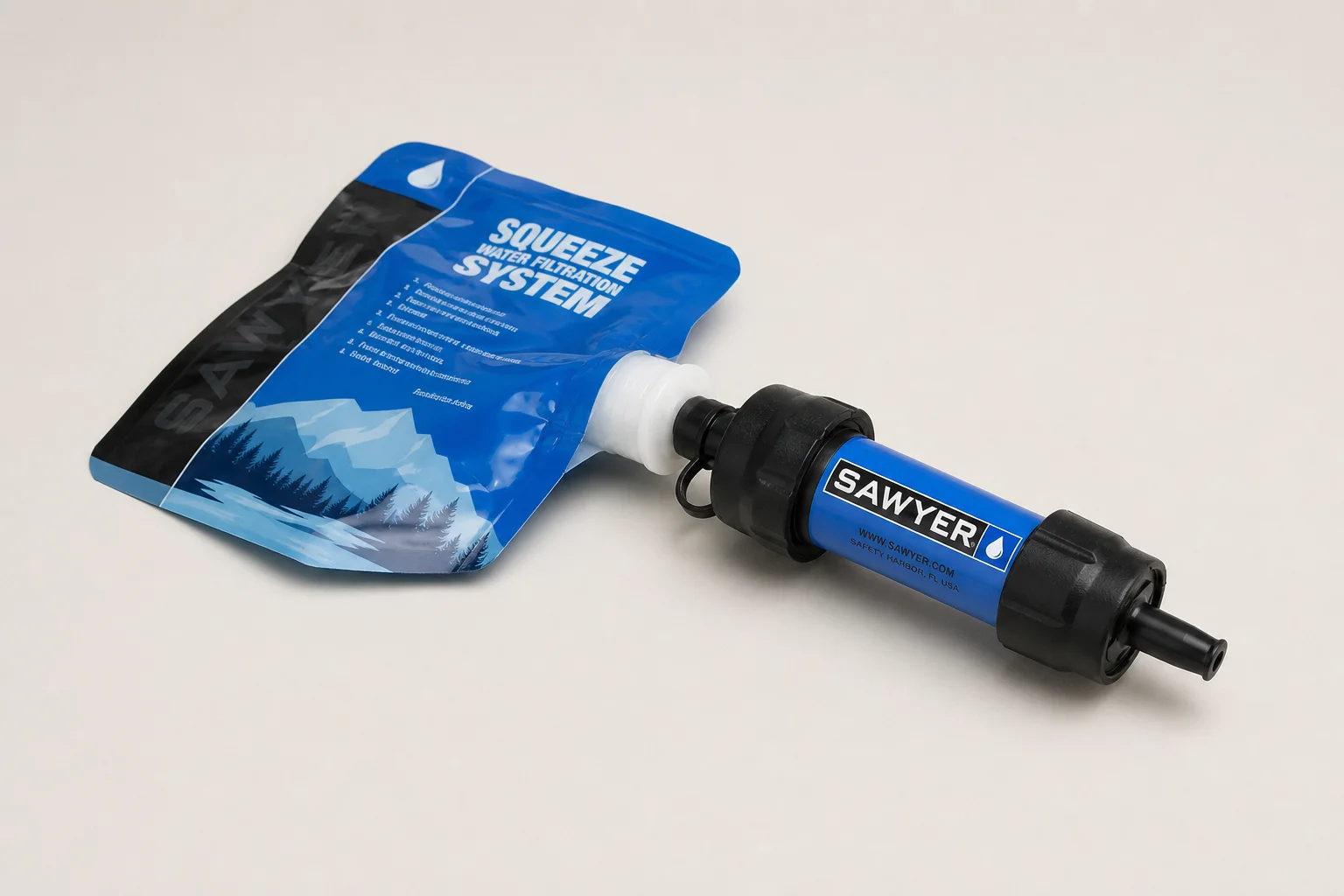
Sawyer Squeeze: The Filter That Retired a Five-Pound Pump
The switch to a squeeze filter came after years of carrying a bulky pump filter weighing around five pounds. The Sawyer system is the current choice, and it is a clear example of how far water treatment has moved from heavy hardware. It works together with a container for collecting and squeezing water.
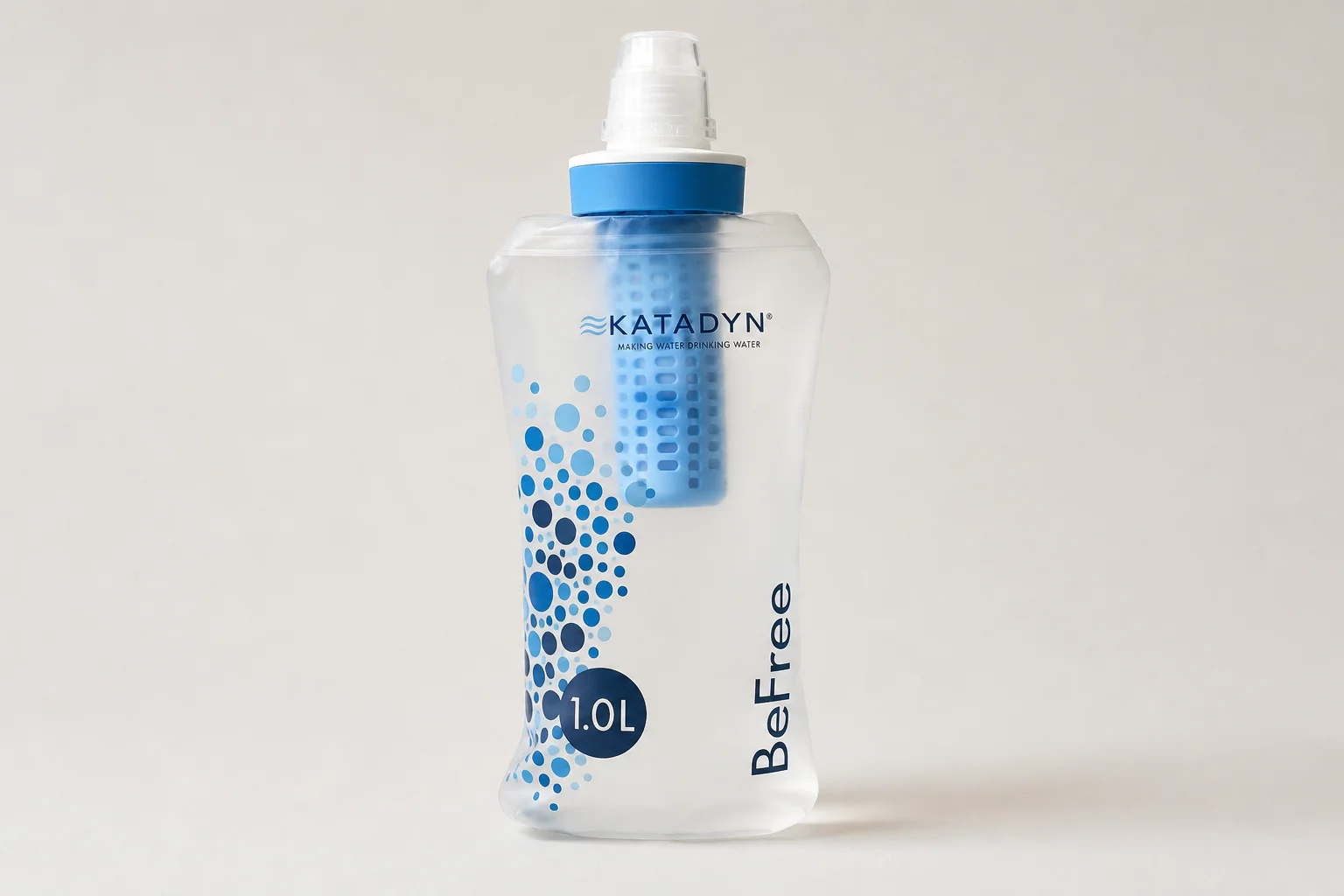
Katadyn BeFree: A Second Squeeze Filter Option
Also carried as an alternative to the Sawyer, this filter represents a second generation of squeeze-style treatment in the same kit. Keeping two filter options is unusual, but it reflects a deliberate move away from heavy pump filters toward lighter, simpler treatment.
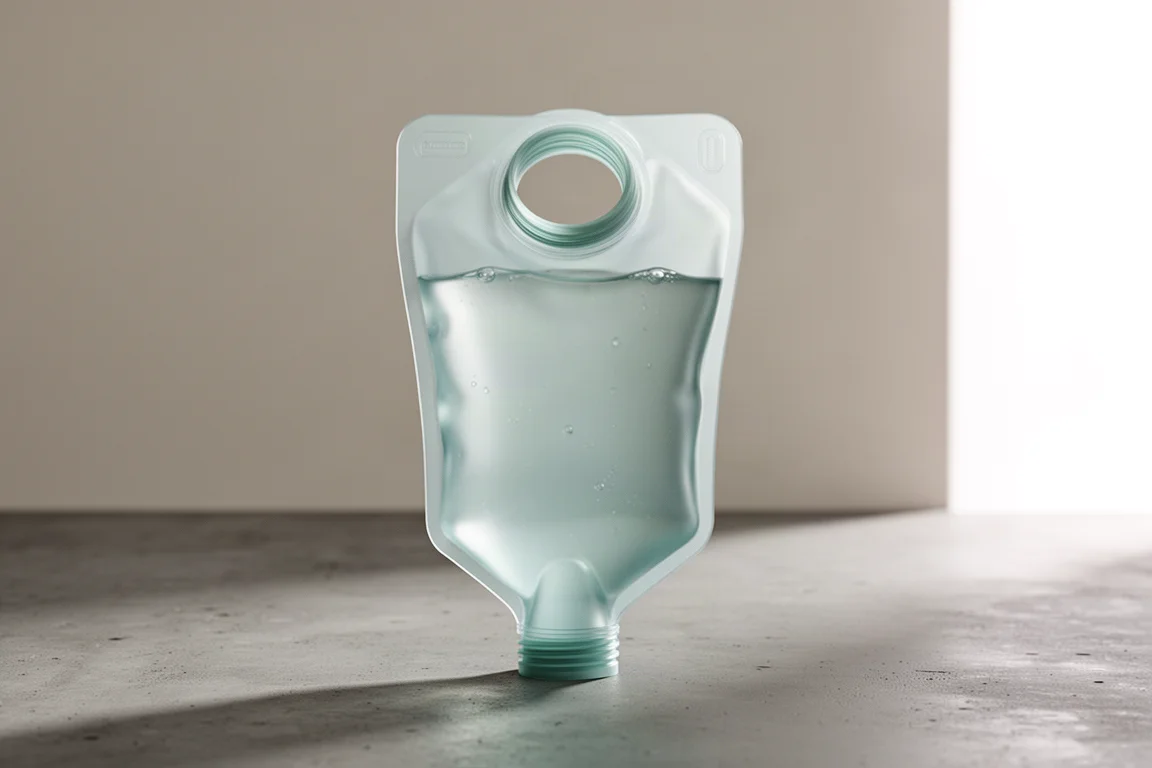
Cnoc Vecto: Simple Water Storage for Squeeze Filters
A water container that works alongside the squeeze filter, used for collecting water at the source and carrying it back to camp. It is one of the small, unglamorous items that makes a filtration setup actually usable in the field, and it is easy to overlook when planning a kit.
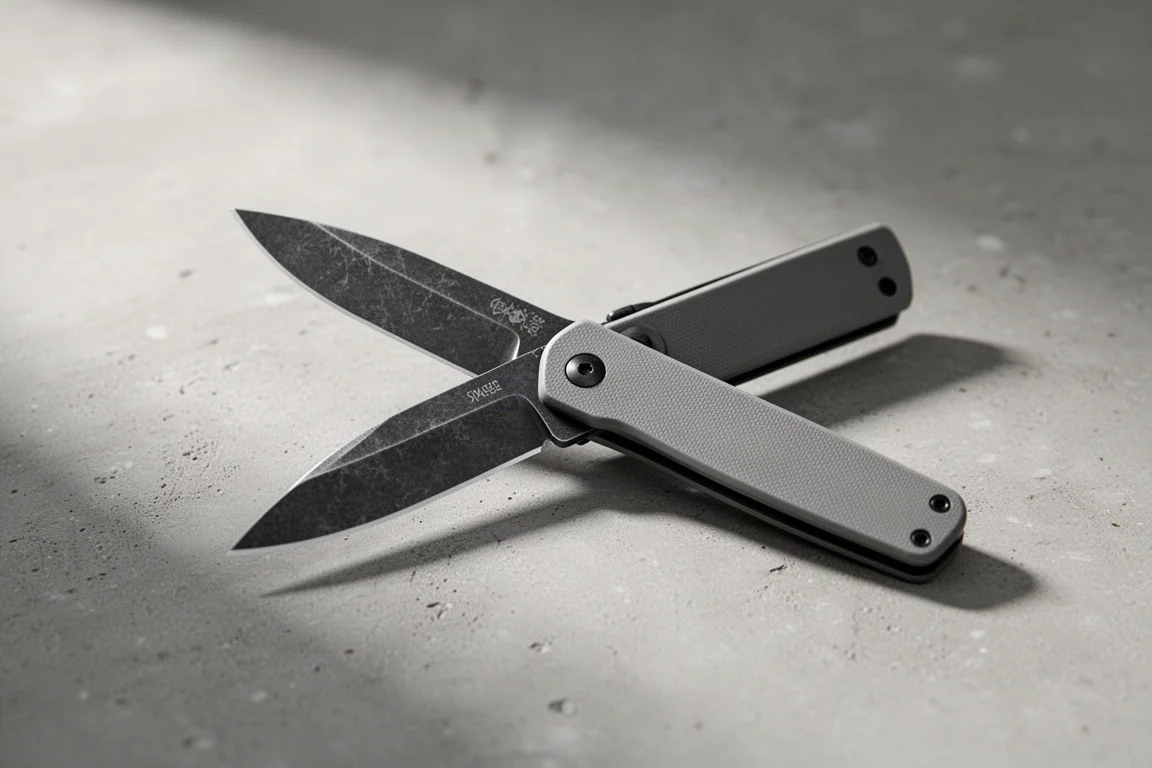
Knafs Lander: A Compact Folder in Green Micarta
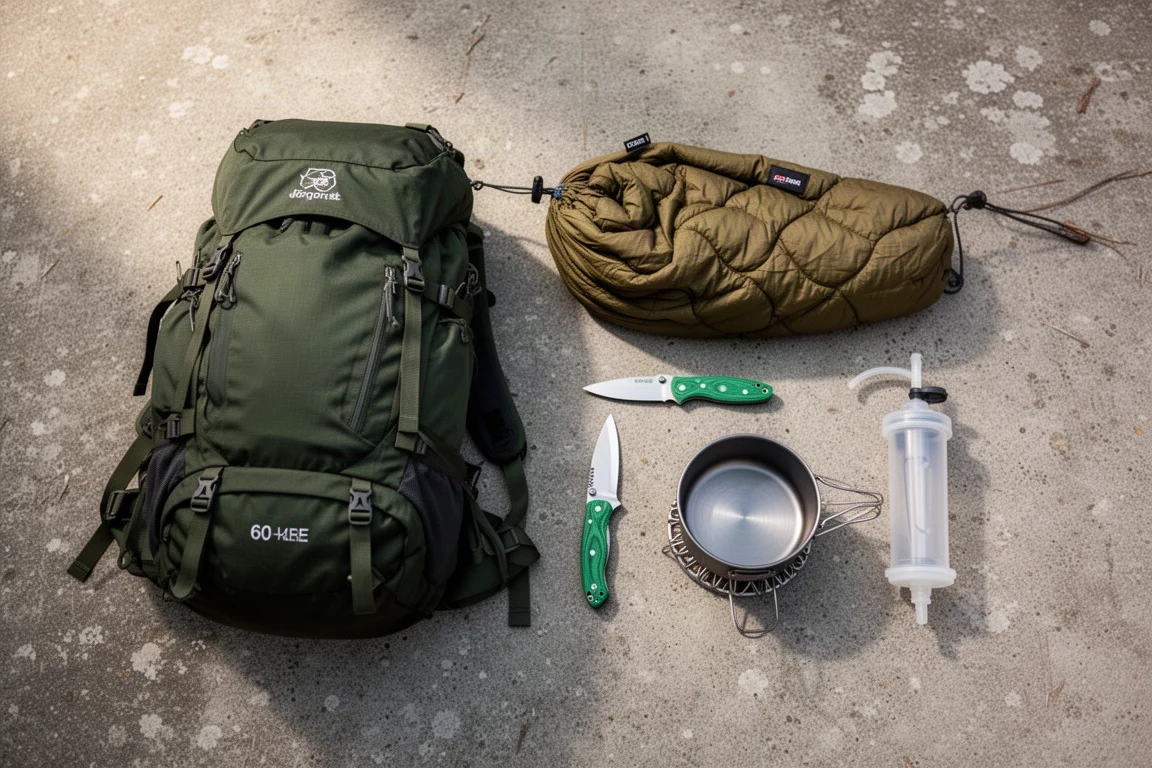
A small folding pocket knife with green micarta handle scales. Micarta is a layered composite, essentially fabric bonded with resin, that produces a warm and grippy handle surface. The two knives in this kit run different stainless steels, a 14C28N and a MagnaCut, both selected to hold an edge well and sharpen easily. This folder is produced in China and priced at around $65 to $70, which makes it the accessible end of the pair.
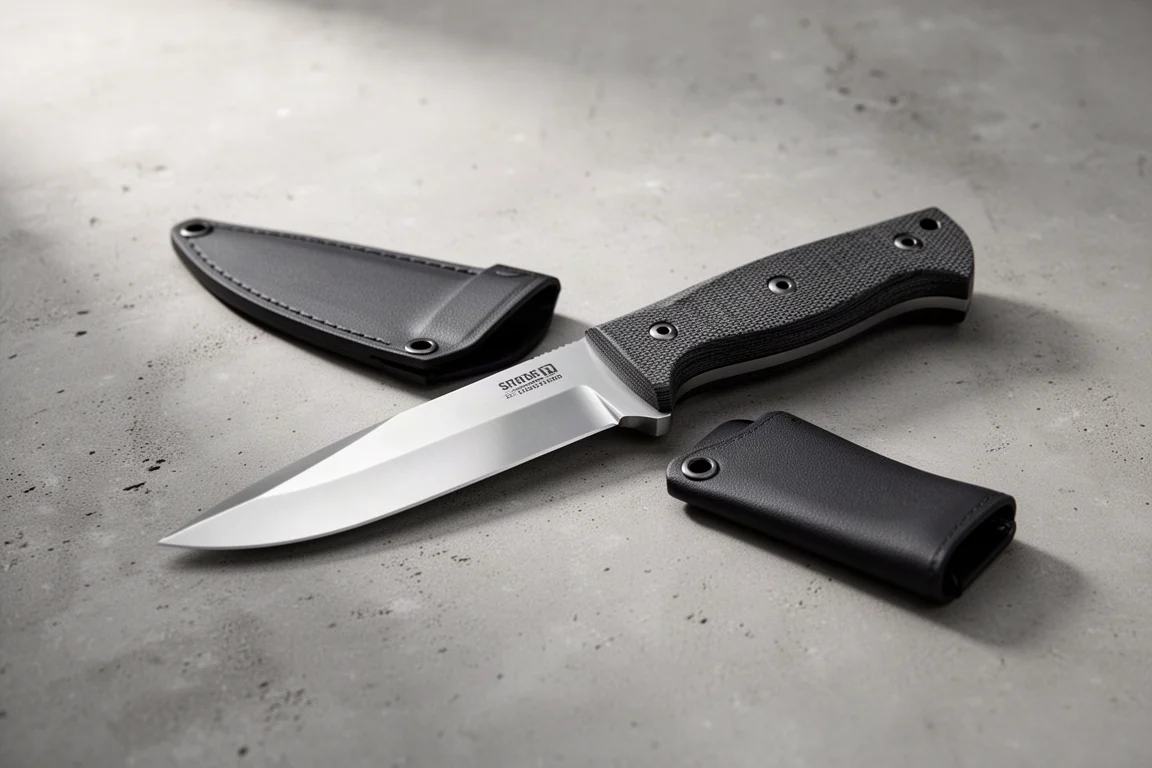
Knafs Lulu: A Fixed Blade for Camp Chores
A USA-made fixed blade with a scandi grind, designed as a camp knife that is not excessively heavy but still offers enough handle length to avoid hot spots during extended use. It can handle batoning and whittling, and it has been field-tested in the Amazon. At $230 it sits at the premium end of this list, and it makes the most sense for someone who wants one dedicated camp knife rather than a folder.
Overall Buying Advice: What Actually Matters
The clearest lesson from comparing these two loadouts is that longevity and outright performance are separate questions. A fifteen-year-old pack still carries a load, and a sleeping pad with poor hip support still keeps you warm. Neither is the best available on paper, but both are adequate, and adequate is often enough for the handful of nights most people actually spend outside.
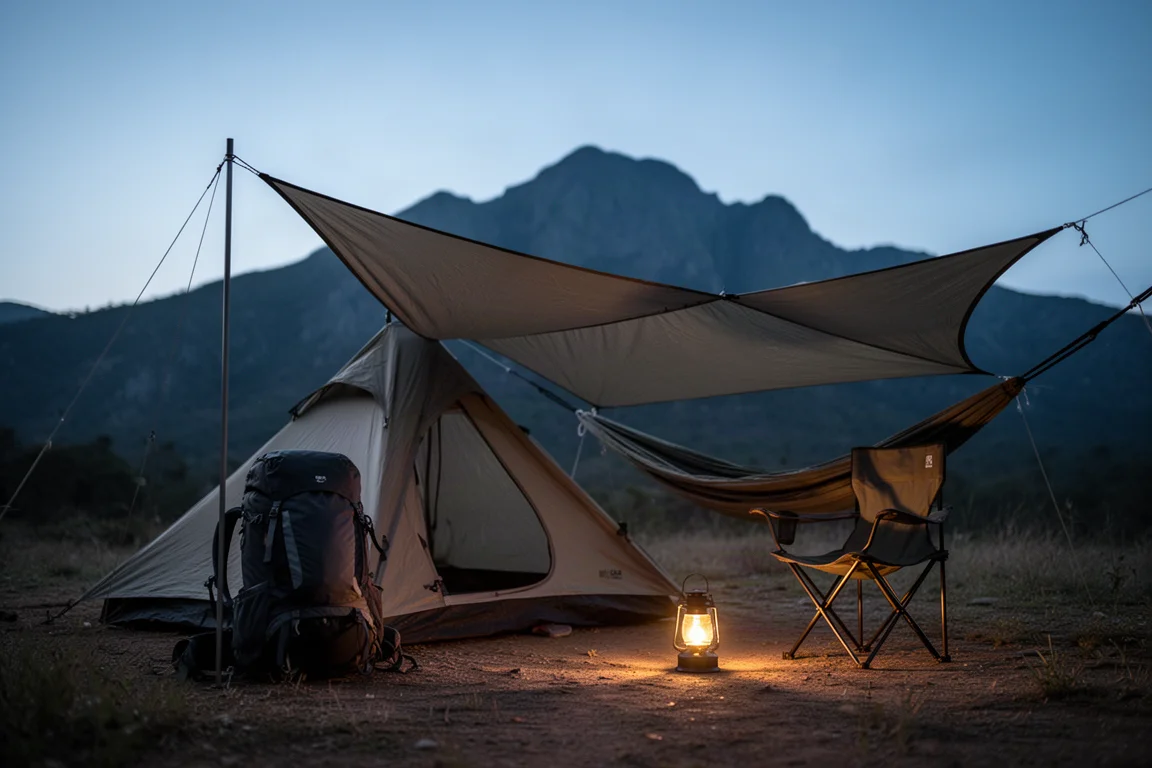
Where upgrades do pay off is in the items you interact with most: insulation that stays in place overnight, a pillow that lets you genuinely rest, a cook system that works as one unit, and a filter that does not weigh five pounds. Those are the places where spending more changes how a trip feels.
For knives, the range matters more than any single recommendation. A folder in the $65 to $70 bracket covers everyday camp tasks, while a $230 fixed blade makes sense for someone who wants a dedicated tool for batoning and whittling. Buy for the job you actually do, not for the one you imagine doing.
Conclusion
Two loadouts, two philosophies, and a shared conclusion: the gear matters less than getting out. Buy for durability if you want to keep things for fifteen years, buy for comfort in the few items you use every hour of the day, and skip the upgrades that do not change how a trip feels.
Further reading
Related Reviews

Backpacking Gear
Building a 10 lb Base Weight: An Ultralight Backpacking Gear List
A practical walkthrough of the ultralight pieces behind a 10 lb base weight, from a 765 g pack and a roomy one-person tent to a full camp chair and a dependable water filter.
Backpacking Gear
A 15-Pound Lightweight Backpacking Gear List for Solo Trips
A beginner-friendly 15-pound backpacking setup built from easy-to-find gear, with notes on what each piece does, how it packs, and where to spend your attention.
Backpacking Gear
8 Ultralight Backpacking Gear Upgrades Worth Carrying
Eight small, affordable backpacking upgrades that solve real trail annoyances, from a pillow that stays put to a fuel valve that rescues leftover canister gas.