Backpacking Gear
Trusted Backpacking Gear: 8 Field-Tested Picks for Shelter, Sleep, Footwear, and Safety
A practical roundup of eight backpacking gear items chosen for reliable performance, thoughtful design, and real-world trail time.
Introduction
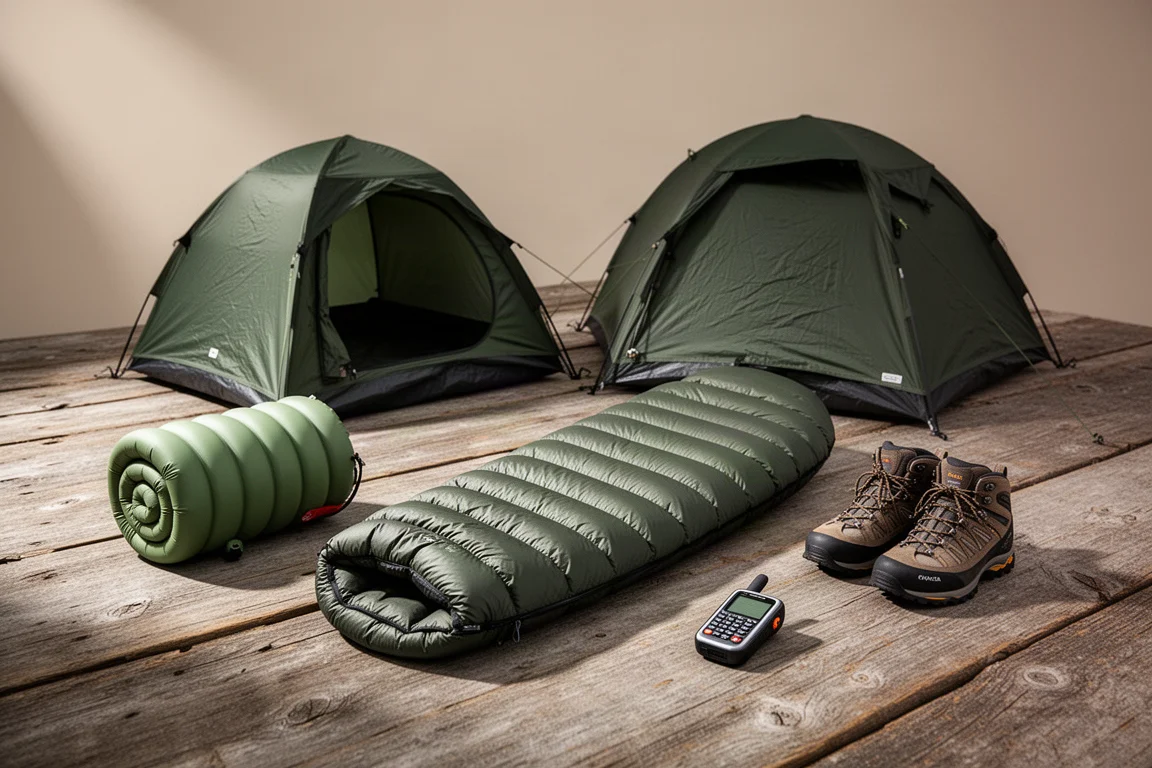
A good backpacking kit is less about chasing every new release and more about finding gear that performs consistently trip after trip. The eight items in this roundup have all seen real trail time, from stormy nights to winter overnights, and each one earns its place for a different reason.
Some are chosen for ultralight efficiency, others for warmth, comfort, or safety. Together they cover the core categories that matter most on a backpacking trip: shelter, sleep, footwear, and communication.
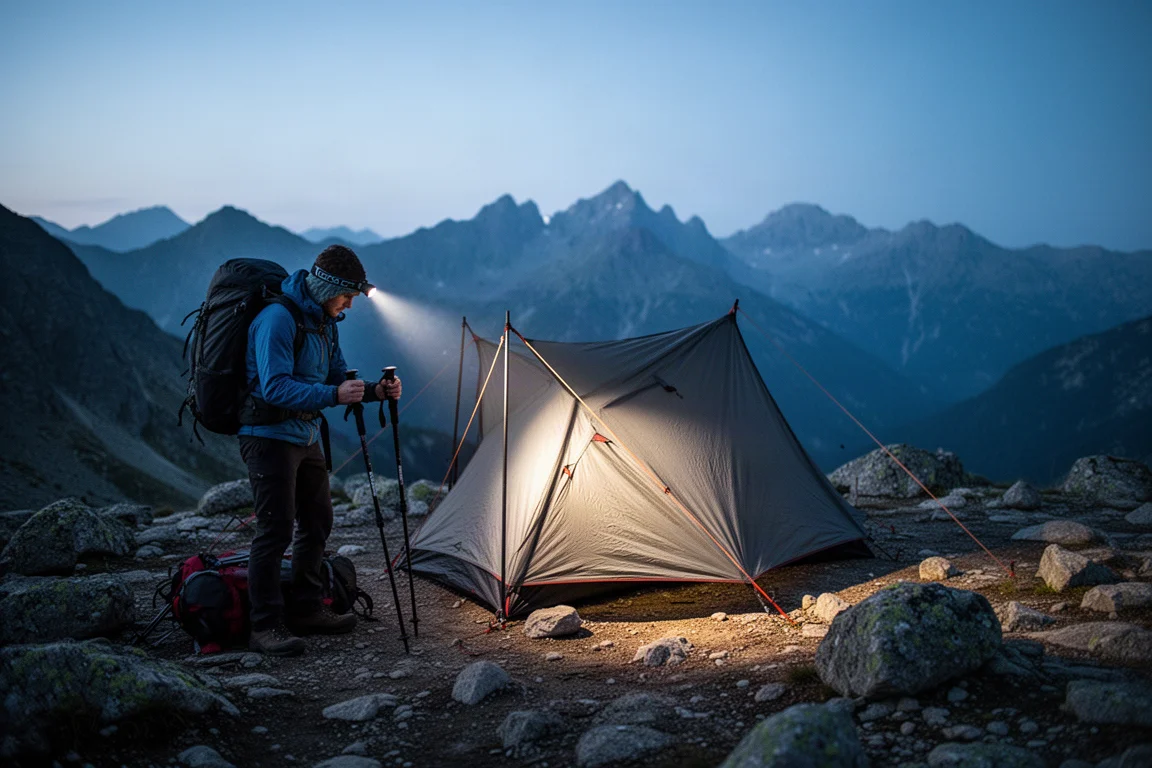
The goal here is not to claim one universal best setup. Instead, this guide highlights what each piece does well, where it makes sense, and what to consider before you commit. If you are building or refining a backpacking kit, these picks offer a useful starting point.
What Makes Gear Worth Trusting
Trusted backpacking gear usually shares a few traits. It performs reliably in bad weather, it fits the way you actually travel, and it does not create new problems in camp. The items below were selected because they have proven themselves over multiple trips and in conditions that test their limits.
Durability matters, but so does usability. A shelter that pitches quickly in wind, a sleeping pad that keeps you warm without fighting it, or a satellite communicator that sends a message without fuss can make a bigger difference than a spec sheet suggests.
Dyneema 1 DW: Ultralight Double-Wall Shelter
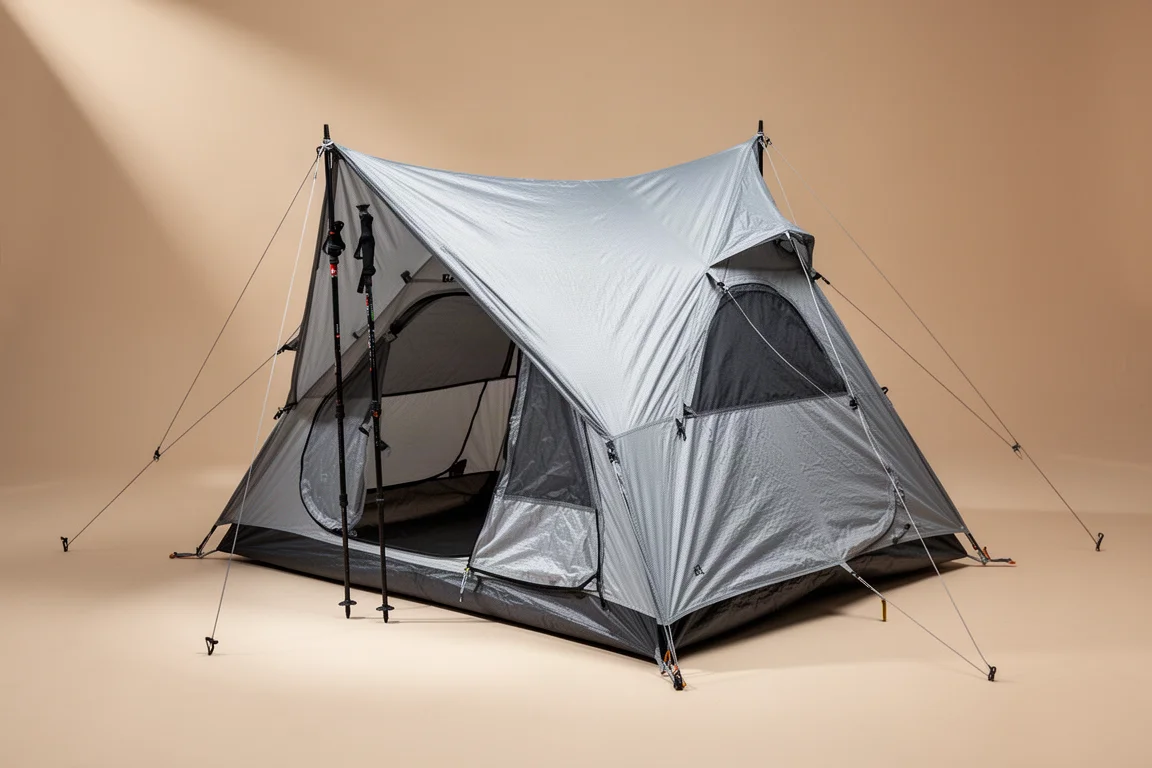
The Dyneema 1 DW is a double-wall, trekking-pole-supported one-person tent that manages to stay under 1,000 g while offering a generous interior. Its hourglass-shaped floor creates useful space at both the head and foot ends, so you can keep gear inside without feeling cramped.
Two doors and two vestibules add livability, and the A-shaped design with struts at the ends elevates the walls. That extra height improves living space and helps prevent condensation from transferring onto your gear. The 20-denier polyester fly has handled intense rain well, and the tent remains stable in heavy winds.
Dyneema 1 Lithium: Dyneema-Fabric Variant
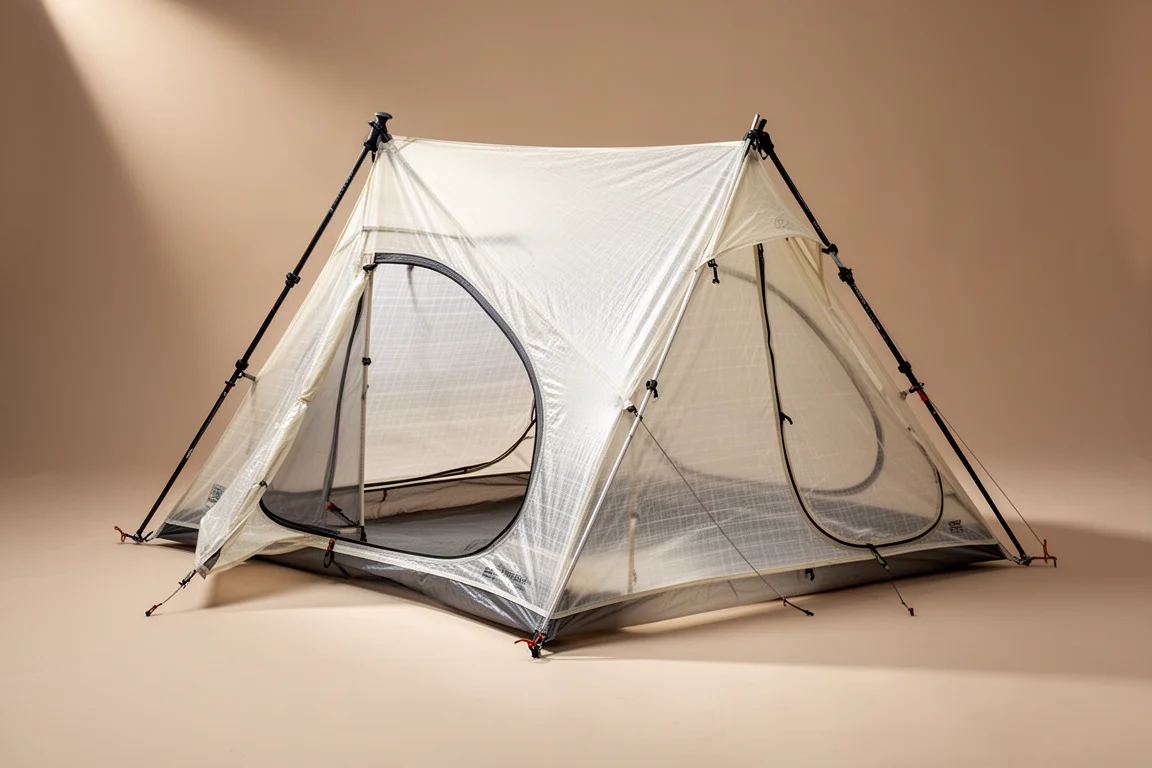
The Dyneema 1 Lithium is the Dyneema-fabric version of the same one-person tarp tent design. It shares the compact footprint, two-door layout, and storm-worthy geometry that make the DW version so capable.
For backpackers who prefer a Dyneema construction and want the same general shape and pitch, this variant is worth a closer look. It is not freestanding, so it relies on trekking poles or a similar support system, just like the DW model.
Nemo Tensor All-Season: Consistent Warmth for Three-Season Trips
The updated Nemo Tensor All-Season has been a standout for consistent warmth across roughly 20 nights in varied weather. It is not the plushest sleeping pad available, but the combination of reliable warmth and comfortable support makes it a strong all-around choice.
Nemo also updated the valve on this generation, and the result is a lightweight design that is noticeably better to use. If you want a three-season pad that keeps you warm without forcing you to compromise too much on comfort, this is a compelling option.
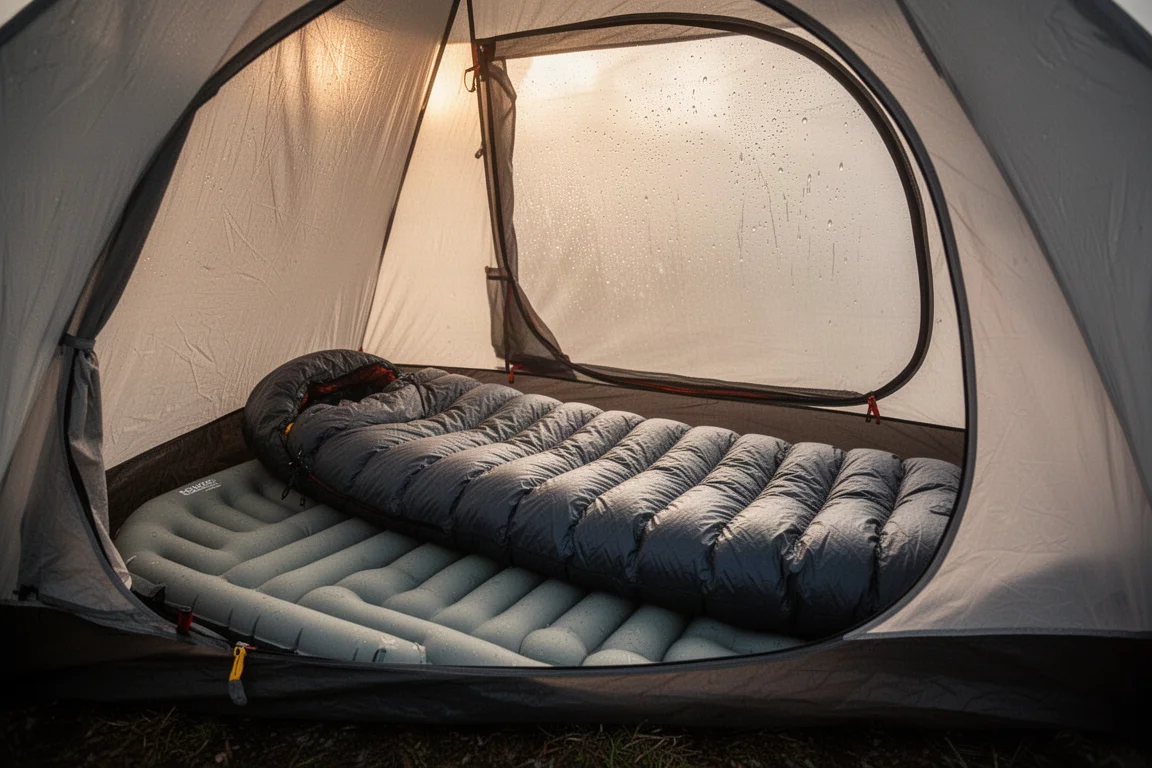
The All-Season model is designed to handle a wide range of conditions, and its warmth is the main reason it stands out. For colder trips, the Extreme Conditions version below offers a higher R-value for winter use.
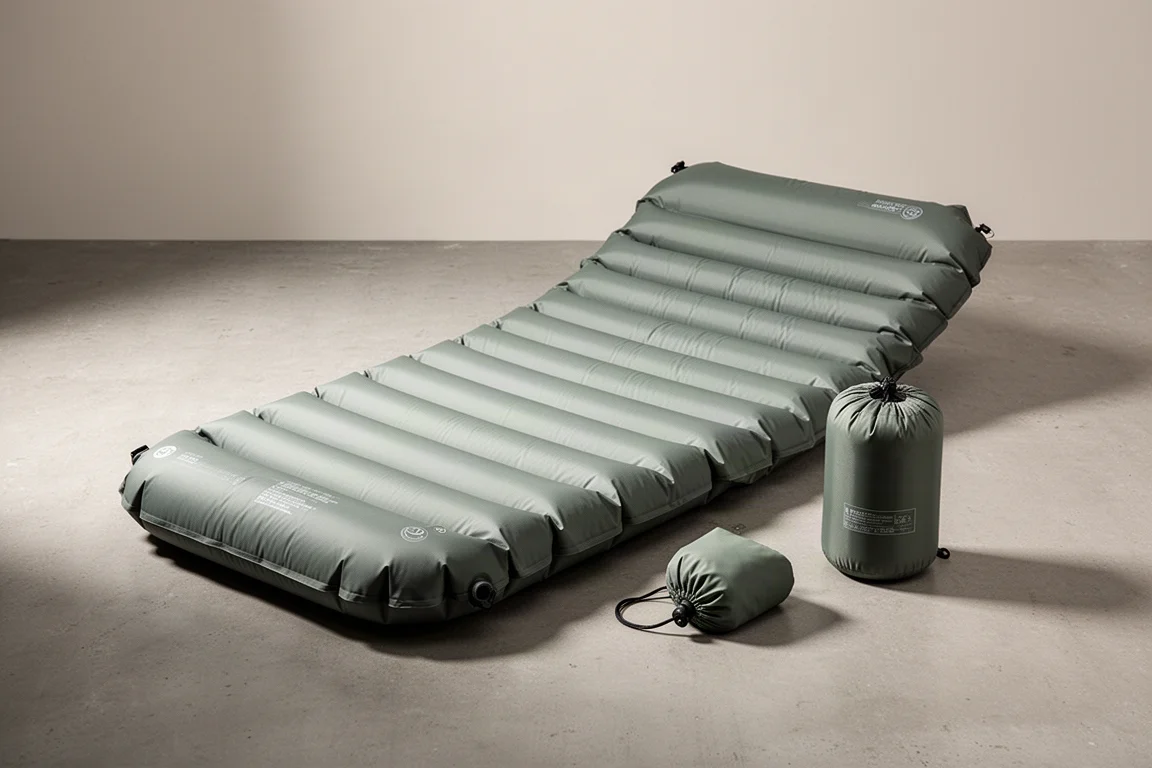
Nemo Tensor Extreme Conditions: Winter-Ready Sleeping Pad
For winter backpacking, the Nemo Tensor Extreme Conditions brings an 8.5 R-value to the same updated Tensor platform. That makes it a dedicated cold-weather pad rather than a general three-season option.
If you plan to sleep on snow or camp in freezing temperatures, the extra insulation is the point. It is the pad to choose when warmth is the priority and you are willing to carry a more specialized piece of gear.
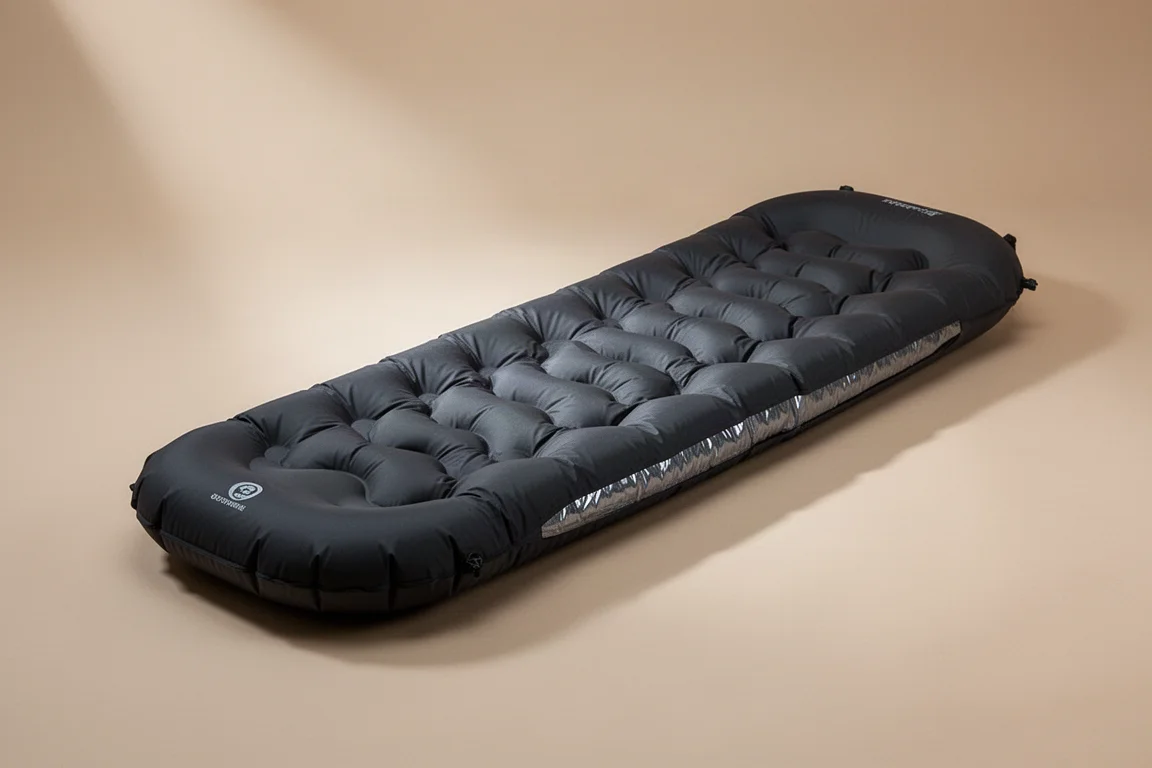
Big Agnes Zoom UL: Comfort First, Warmth Second
The Big Agnes Zoom UL is exceptionally comfortable, and for many backpackers that comfort is the main draw. It is an ultralight pad that feels good to sleep on, which matters on longer trips when rest is part of the performance equation.
There is one important trade-off. The Zoom UL has a 4.4 R-value, but it does not sleep as warm as that rating suggests. If you mostly camp in mild conditions and prioritize comfort, it can still be a great match. For cold-weather trips, plan accordingly.
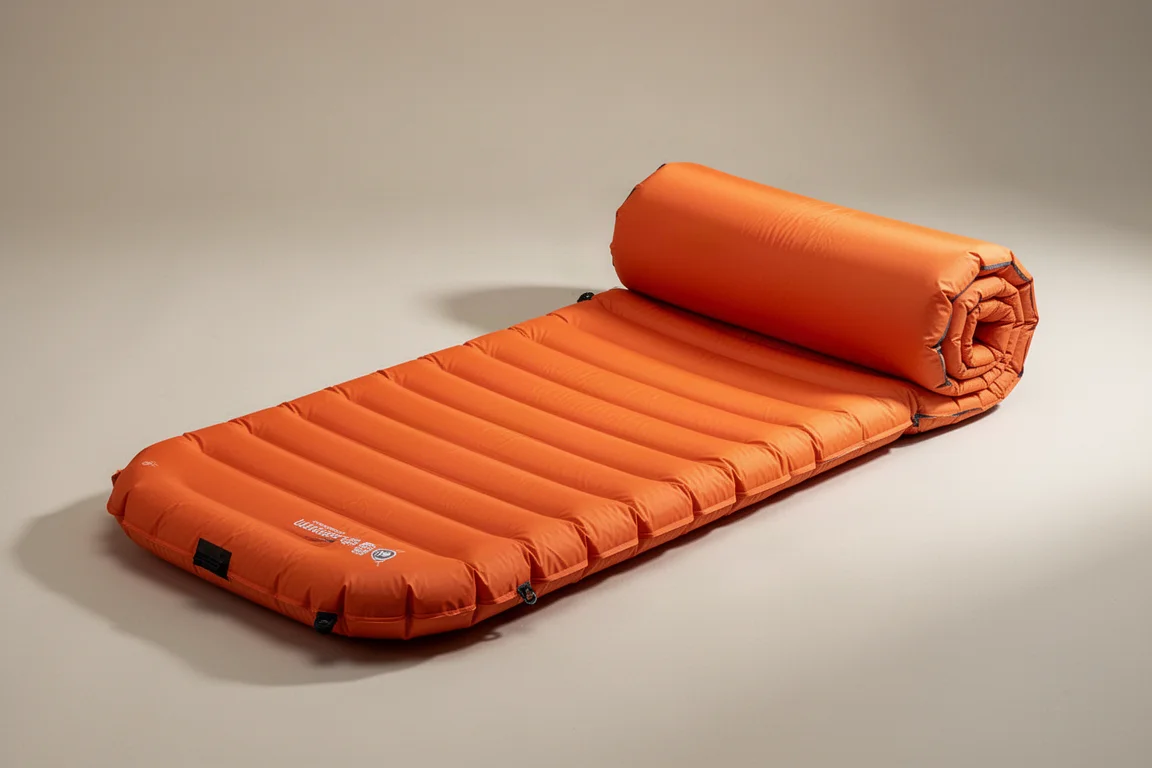
Cumulus Teneca 700: Customizable Cold-Weather Down Bag
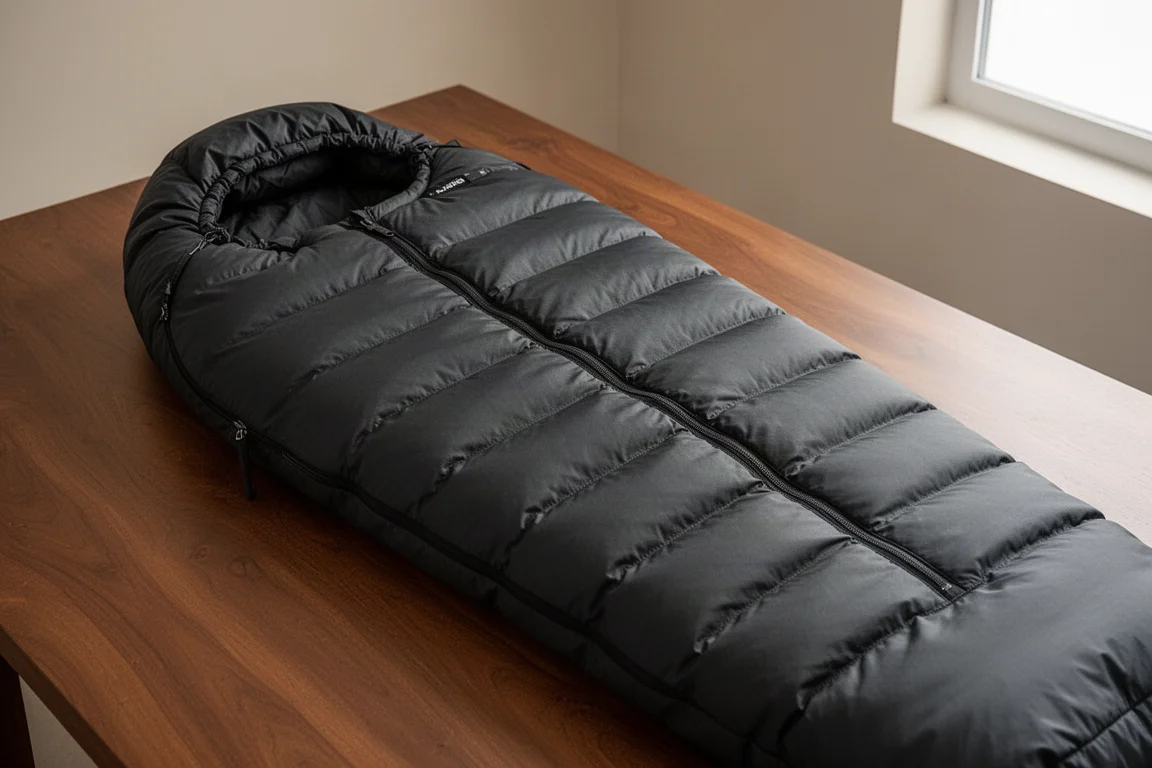
The Cumulus Teneca 700 is a cold-weather down sleeping bag built around 700 g of 850 fill power down. It sleeps warm, and its wider shoulder girth makes it possible to layer additional insulation inside when temperatures drop further.
Details add up here: a full-length zipper, double draft collars or draft tubes along the zipper, a cinchable draft collar at the neck, and a shaped hood. The foot box uses a shark-fin design that avoids compressing down around your toes. Additional horizontal baffles on the sides increase warmth in a key area.
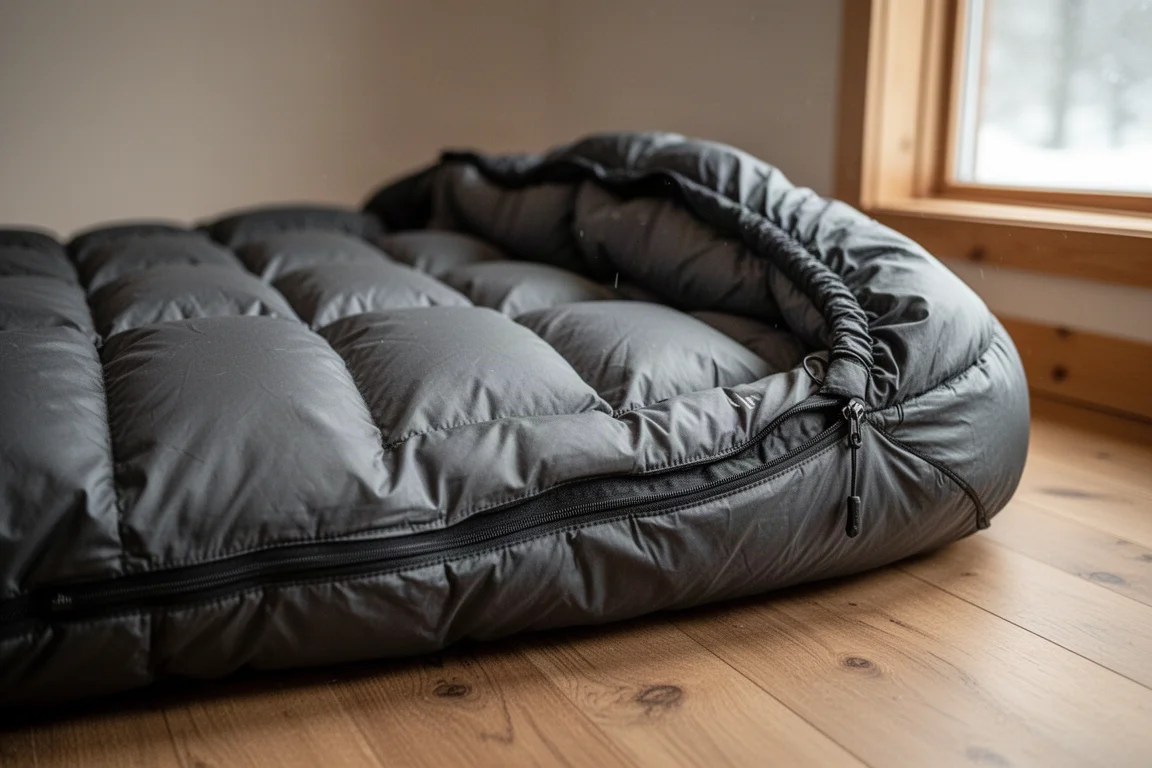
What really sets the Teneca 700 apart is customization. You can adjust zipper length, choose a number 5 or number 3 zipper, and change how much down goes on top or bottom. You can even add extra down, as was done with this bag. Custom options add cost, but the ability to tailor the bag is rare and valuable.
Danner Trail 2650: Supportive Light Hiker for Narrow Feet
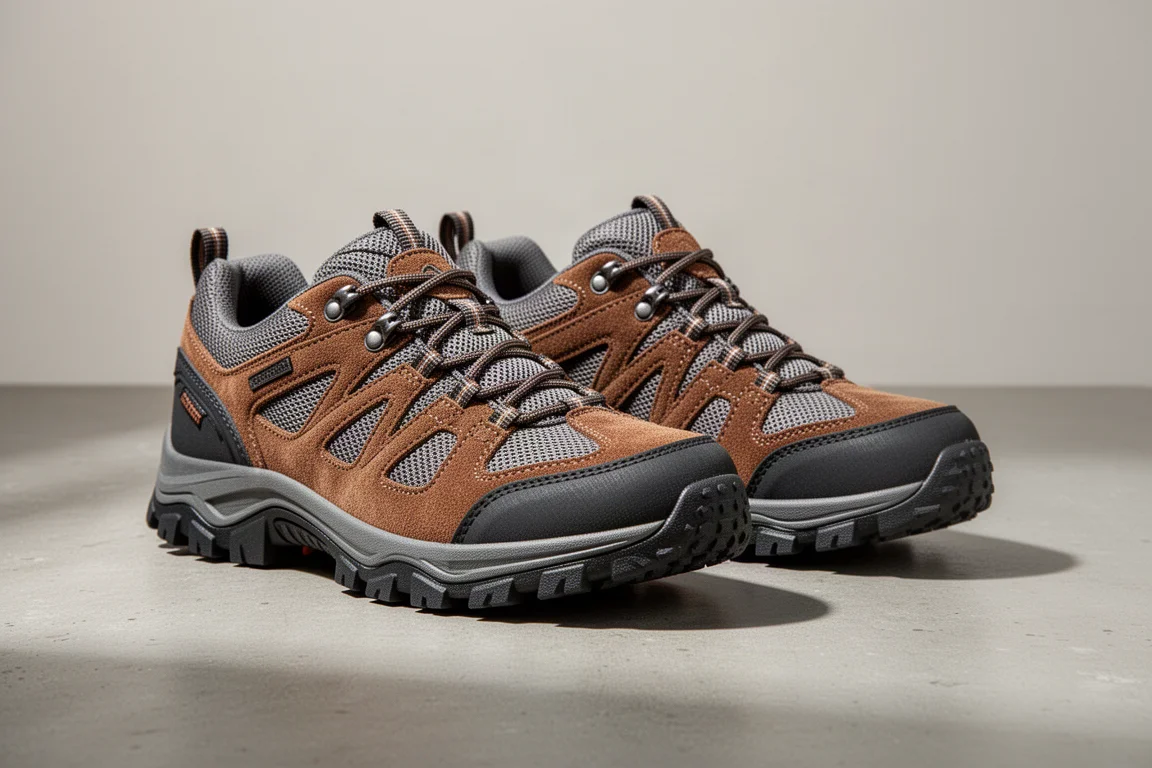
The Danner Trail 2650 has become a go-to hiking shoe for every hike and backpacking trip. It is more of a light hiker than a trail runner, which gives it a supportive feel that works well for narrow feet. Where some trail runners feel too soft or sloppy, the Trail 2650 feels planted and secure.
Durability has also been impressive. After several hundred miles, the shoe is still holding together and remains in good shape. It comes in options including a Gore-Tex mid-height version, a mesh version, and a classic leather upper.
Zoleo Satellite Communicator: Reliable Off-Grid Messaging
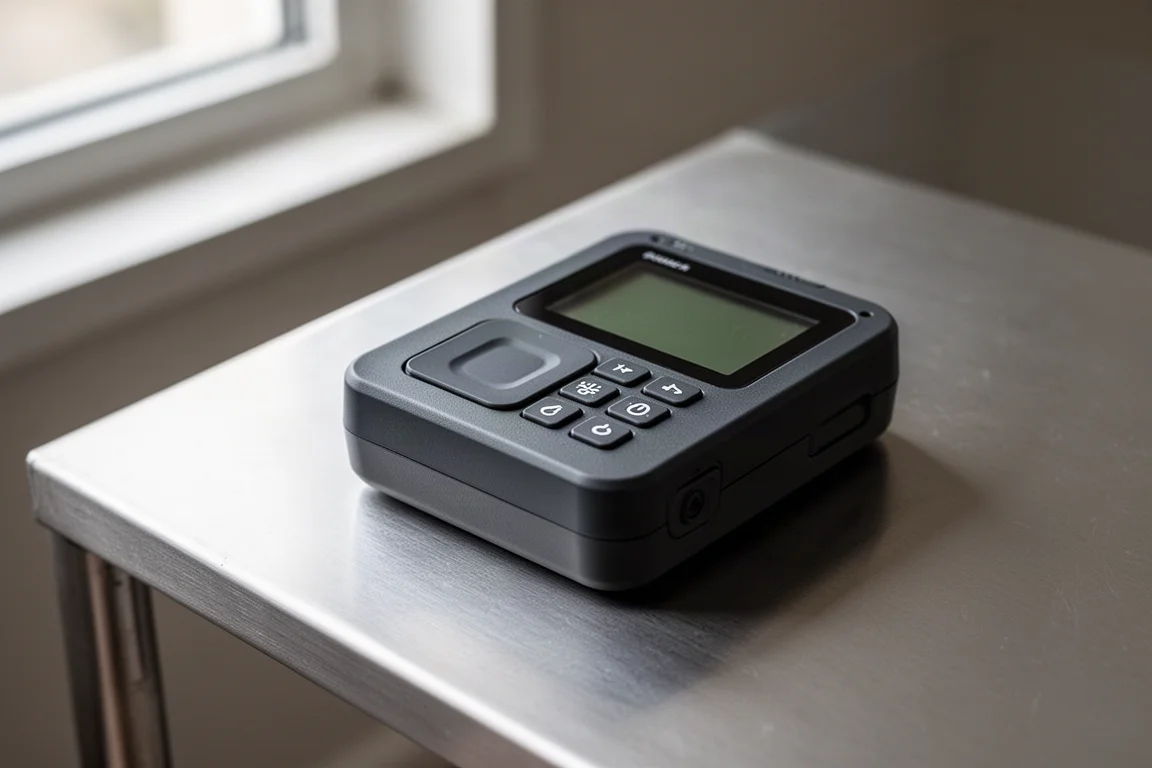
The Zoleo satellite communicator has been used on every hiking, backpacking, and camping trip for nearly four years, and that consistency is exactly why it earns a place here. It provides reliable texting and check-ins, which makes time away from home feel more connected and safer.
Zoleo continues to update the device with features that protect your investment. One example is Medical Assist, available on all Zoleo plans, which connects you with medical professionals by text. That is useful for situations like a burn from cooking or a sprained ankle, where you may not need to trigger an SOS but still want expert guidance.
Buying Advice: Matching Gear to Your Trips
The right gear depends on where and when you backpack. For three-season trips, a warm but comfortable sleeping pad like the Nemo Tensor All-Season pairs well with a versatile shelter. If you camp in winter, the Nemo Tensor Extreme Conditions and the Cumulus Teneca 700 are built for colder nights.
Shelter choice comes down to priorities. The Dyneema 1 DW offers a double-wall design with a sub-1,000 g weight and a very approachable price for the category. The Dyneema 1 Lithium is the Dyneema-fabric variant for those who prefer that material.
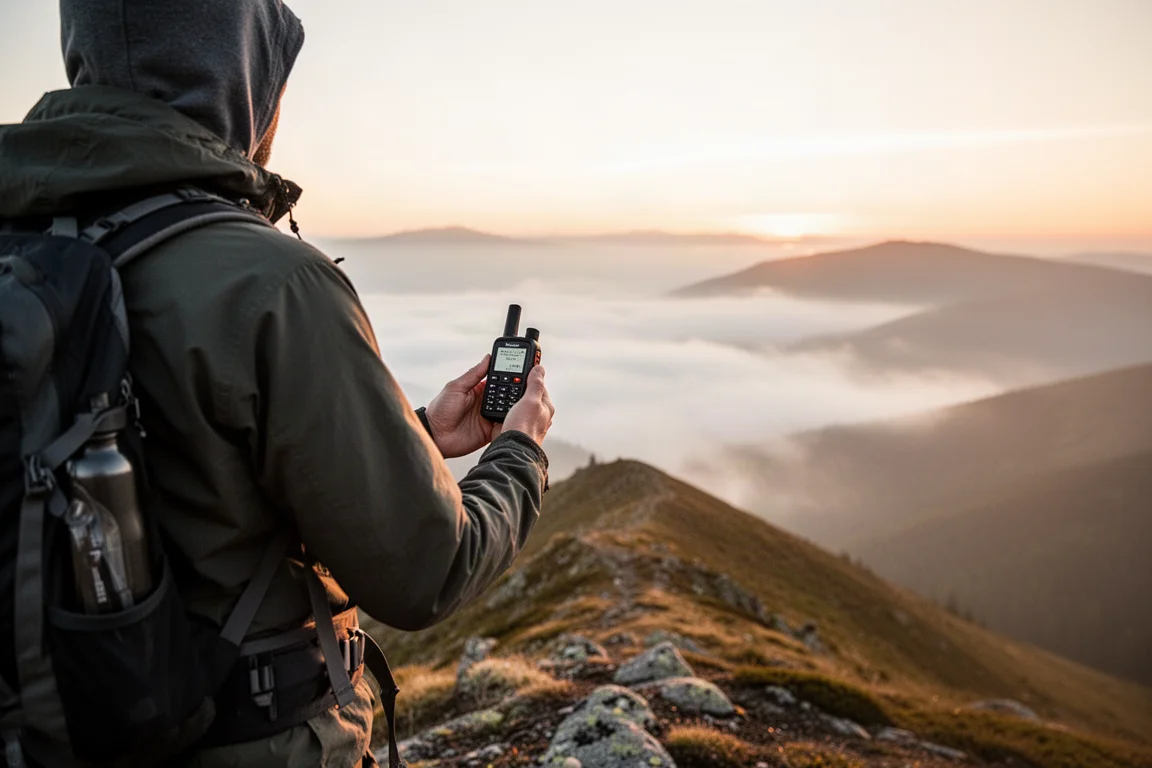
Footwear and communication are highly personal. The Danner Trail 2650 is worth trying if you want a supportive light hiker, but fit is everything, so test shoes before committing. The Zoleo satellite communicator makes sense for anyone who spends time beyond reliable cell coverage and wants dependable messaging plus access to Medical Assist on all plans.
Conclusion
These eight pieces of gear share a common thread: they have been used enough to prove themselves. The Dyneema tents offer ultralight shelter options, the Nemo Tensor pads cover both three-season and winter needs, the Big Agnes Zoom UL prioritizes comfort, the Cumulus Teneca 700 brings customizable warmth, the Danner Trail 2650 delivers supportive durability, and the Zoleo communicator adds reliable off-grid communication.
No single list fits every backpacker, so use these picks as a starting point. Match each item to your own trips, conditions, and comfort preferences, and you will build a kit that feels trustworthy every time you head out.
Further reading
Related Reviews

Backpacking Gear
Building a 10 lb Base Weight: An Ultralight Backpacking Gear List
A practical walkthrough of the ultralight pieces behind a 10 lb base weight, from a 765 g pack and a roomy one-person tent to a full camp chair and a dependable water filter.
Backpacking Gear
A 15-Pound Lightweight Backpacking Gear List for Solo Trips
A beginner-friendly 15-pound backpacking setup built from easy-to-find gear, with notes on what each piece does, how it packs, and where to spend your attention.
Backpacking Gear
8 Ultralight Backpacking Gear Upgrades Worth Carrying
Eight small, affordable backpacking upgrades that solve real trail annoyances, from a pillow that stays put to a fuel valve that rescues leftover canister gas.