Reef Aquarium Supplements
Triton Method Mistakes: Choosing Between Core7 and Other Methods
A practical look at the Triton Method, what separates Core7 from Other Methods, and the mistakes that make reef dosing harder than it needs to be.
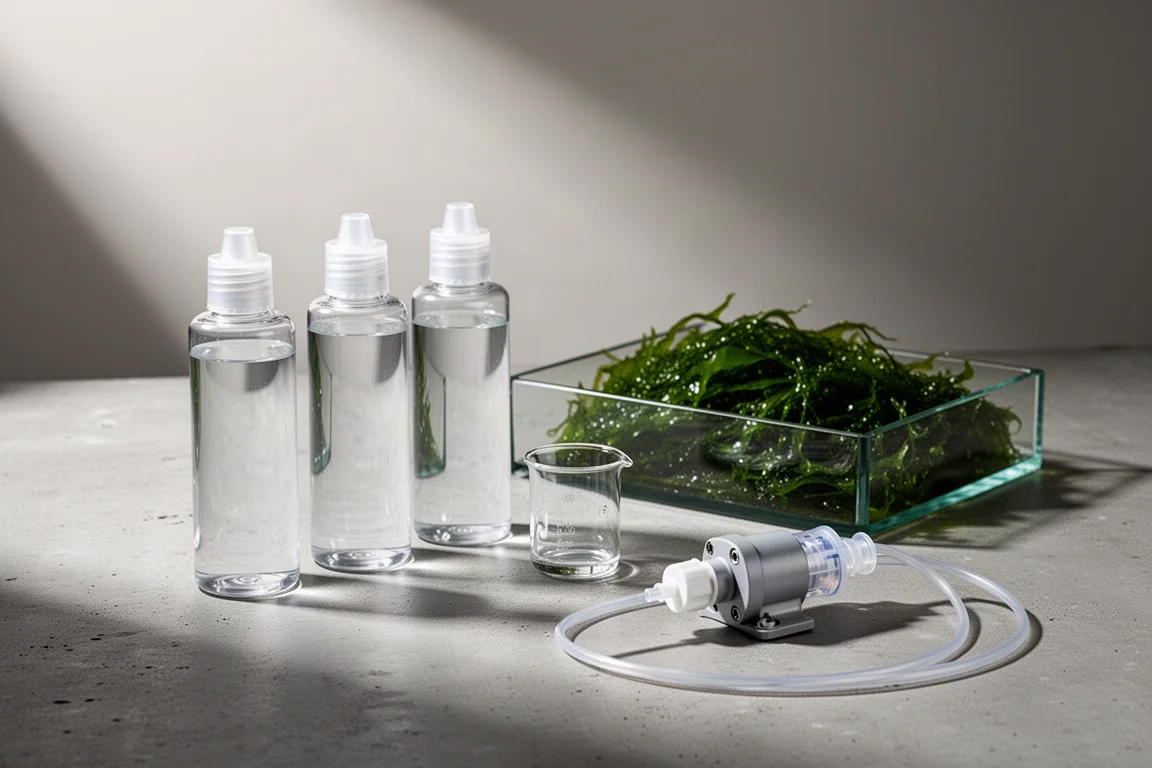
Why Reef Keepers Choose the Triton Method
Reef chemistry is where most hobbyists spend the most time and get the least certainty. The Triton Method is built to remove some of that guesswork, and its appeal comes down to two things: it suits tanks that run a refugium, and it exists to reduce unnecessary water changes rather than eliminate them.
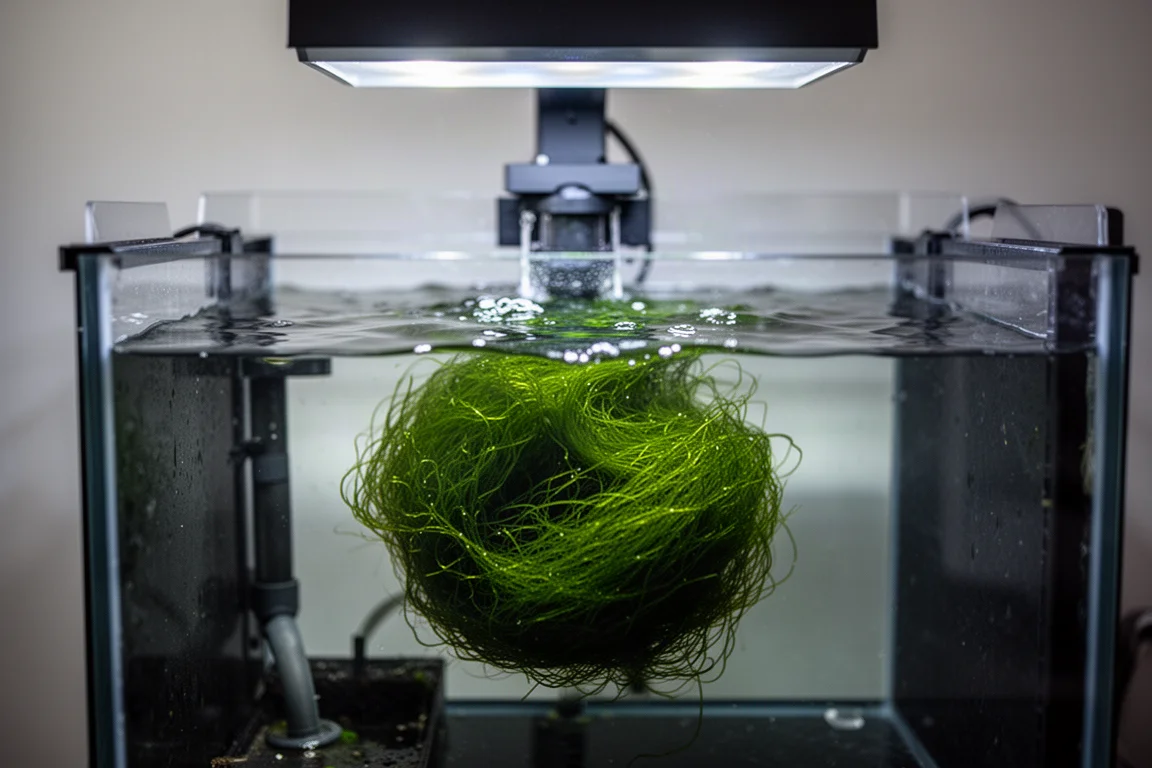
The logic behind it is simple. Macroalgae such as chaetomorpha take up elements as they grow, and those elements have to come from somewhere. Replenishing them automatically keeps the water closer to target, so a water change becomes a tool you reach for when the tank actually needs one instead of a task locked to a fixed schedule.
That framing shapes every other decision that follows: which formulation to buy, how often to test, and how much refugium volume you genuinely need.
Get that framing right and the rest of the method becomes far easier to live with over the long term.
Core7 vs Other Methods: The Difference That Matters Most
The most common point of confusion is which version to buy. There are two, and the deciding question is simply whether the tank runs a refugium.
With a refugium, Core7 is the correct choice. It contains elements that replace what the algae in the refugium consumes, and those replacements are not optional. The zooxanthellae that live inside corals depend on many of the same elements, so stripping them out of the water is bad news for the corals.
Without a refugium, nothing is consuming those elements, so there is nothing to replace. Other Methods fills that gap: a solid four-part system built to keep chemistry in line and reduce how often water changes are needed.
The label matters more than it looks. Choosing the wrong product means either paying for elements the tank has no use for, or leaving a refugium-based system without the replenishment it relies on.
Triton Core7: Built for Refugium-Based Systems
Core7 is the version for tanks that run a refugium. It replenishes the elements that chaetomorpha and comparable macroalgae take up as they grow, and it does so continuously rather than in response to a single test result.
The practical payoff is stability. Chemistry stays closer to target without constant intervention, and water changes become something you do when they are genuinely useful rather than a fixed routine.
For a refugium-based reef, that combination is the whole point. The algae handle nutrient export, and Core7 keeps the elements they consume from quietly becoming depleted. It is a system built around one specific filtration style rather than a universal additive, which is exactly what makes it worth choosing when that style matches your setup.

Triton Other Methods: For Tanks Without a Refugium
Other Methods is the version for tanks that do not run a refugium. Since no macroalgae are consuming those trace elements, there is nothing to replenish, and the product is instead built as a complete four-part system focused on keeping chemistry in line.
The goal is the same in spirit: fewer unnecessary water changes, and a dosing routine that holds parameters steady between the changes you do make. The difference is that it is not tied to a refugium, so it suits a much broader range of systems.
If you are unsure which version applies to you, answer the refugium question first. It settles the decision almost every time.

Common Mistakes That Cost Time and Money
The first mistake is assuming the no-water-change idea is the end goal. It is not. The system is designed to reduce water changes, not remove them from reef keeping entirely. If the method lets you cut your water changes in half, that is already a meaningful win. Chemistry should be corrected when it drifts, and a water change remains a legitimate way to do that.
The second mistake is treating ICP testing as mandatory. It is not a requirement of the method. Water changes are remarkably effective at balancing chemistry, so many hobbyists rely on them as good practice and send in a test occasionally just to confirm nothing has drifted badly out of range.

The third mistake is over-testing. If every result sends you chasing a different correction, the routine becomes confusing and expensive very quickly. One test flags boron, the next flags lithium, and it is easy to spend more time reacting to numbers than enjoying the tank. A quarterly rhythm is a far more sensible starting point.
The fourth mistake concerns accuracy. An ICP result is a useful window into water chemistry, not a law. Higher-range elements can be off by as much as five to ten percent, which for calcium could mean a reading of 380 when the true figure is closer to 420. For calcium and magnesium, a home test kit can be just as trustworthy. The real value of a lab test lies in the elements you cannot measure at home, such as molybdenum or zinc, which are reported down to parts per billion.
The fifth mistake is assuming a refugium has to be large. Size matters far less than effectiveness. Earlier versions of the method leaned on banks of T5 lighting to grow macroalgae, but dedicated refugium lights built for horticultural use are considerably more efficient. A refugium at a quarter of the size, with proper light and energy above it, can match a much larger one that is poorly lit. Plenty of hobbyists now run the method successfully with a refugium well below the originally listed size.
Refugium, Algae Scrubber, or Algae Reactor?
Assuming a refugium is the only option is another common trap. An algae scrubber or an algae reactor can be just as effective in many cases, because all three rely on plant life to take nitrogen and phosphorus out of the water. An algae reactor is essentially a refugium in a tube, and high-power versions exist with the right internal dimensions for the job.
There are differences worth knowing. A submerged refugium tends to pull carbon dioxide out of the water and raise pH, which is beneficial for the tank. A scrubber dribbles water over an algae film, so it draws more of its carbon dioxide from the air around it instead. That has implications for how each approach influences water chemistry over time.
The trade-off is usually space. A scrubber can be built into a much smaller footprint, while a refugium or reactor occupies a compartment or vessel of its own. All three approaches work. The right answer is the one that fits the tank, the cabinet, and the maintenance routine you will actually keep up with.
Dosing, Testing, and Buying Advice
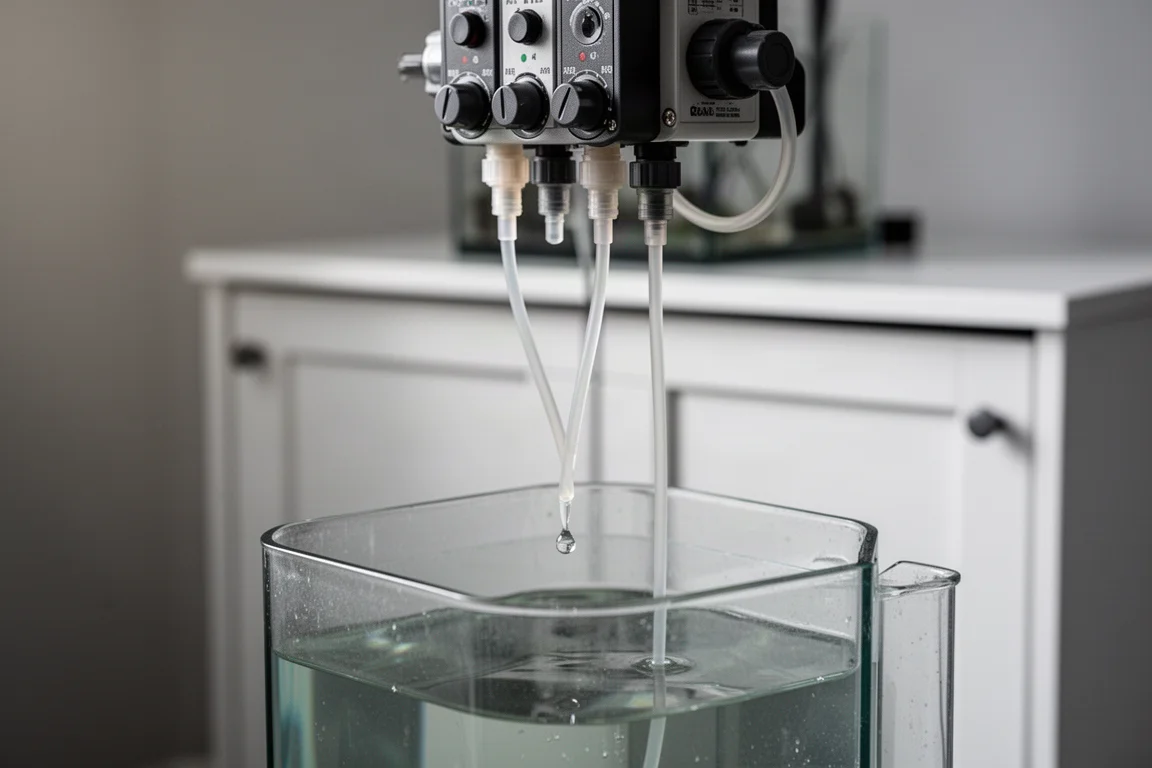
One of the more useful details is that the two alkalinity components in the four-part system can be mixed together. They contain the same thing, so combining them into a single vessel lets you dose twice the volume from one container. That means four dosing heads and four separate containers are not strictly necessary.
The reason many retail systems dose equal amounts of each component is simplicity. Calcium can be far more concentrated than alkalinity, so equal volumes produce a balanced dose without any arithmetic. If you prefer a single combined solution, the trade-off is simply that you handle a larger volume each day.
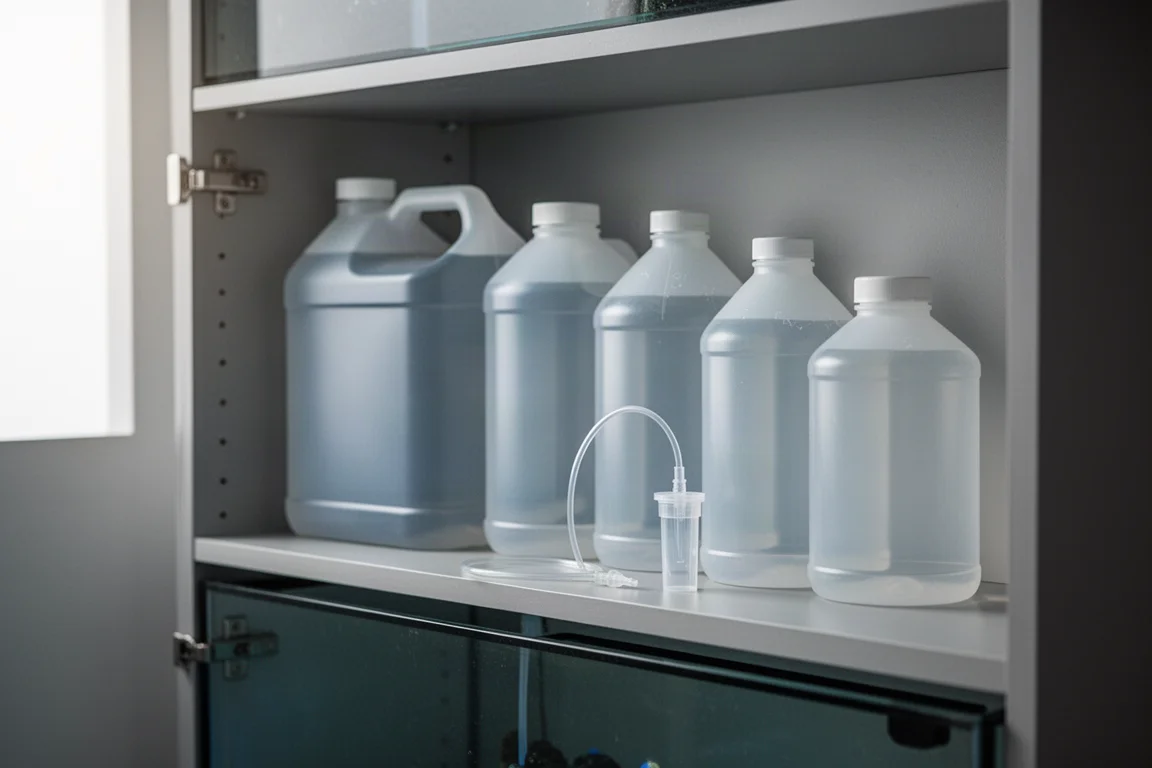
On quantity, buying in bulk makes sense if you are committed to the method. The smaller one-litre bottles are convenient and there are four-litre boxes as well, but the larger five to ten-litre jugs deliver the same product for less. The solutions do not go bad, so there is little downside to stocking up if the tank is going to run this way for the long term.
Put together, the routine looks like this: choose the version that matches your filtration, dose consistently, test occasionally rather than obsessively, and treat water changes as a tool rather than a failure.
Conclusion
The most valuable takeaway is the one that causes the most confusion: an algae scrubber or an algae reactor is not a compromise. All three nutrient export approaches do the same fundamental job, and the best choice is whichever one fits the system you already have.
The second takeaway is what the method is actually for. It is less about removing water changes from reef keeping and more about matching the chemistry to a tank that runs a refugium. That is a narrow enough niche that there are very few two-part systems designed specifically around refugium use, which is exactly what makes Core7 worth considering for that kind of setup.
Get those two things right and the rest of the method, from dosing to testing to refugium sizing, becomes far more forgiving.
Further reading
Related Reviews

Backpacking Gear
Building a 10 lb Base Weight: An Ultralight Backpacking Gear List
A practical walkthrough of the ultralight pieces behind a 10 lb base weight, from a 765 g pack and a roomy one-person tent to a full camp chair and a dependable water filter.

Road Bikes
10 New Road Bikes Worth Watching: Aero, Titanium, Steel and Endurance Standouts
A practical roundup of 10 new road bikes, from aero flagships chasing single-watt gains to titanium, steel and endurance platforms built for real roads.

Bikepacking Gear
11 Bikepacking Essentials for Long-Distance Cycling
Eleven bikepacking essentials for long-distance cycling, from a steel gravel frame and a two-person tent to helmet lights, packable gloves, and a frame bag that puts weight in the right place.