Triathlon Race Suits
Trimtex Tri Suit Review: The Long Course Race Suit Behind an Ironman World Title
A close look at the Trimtex long course tri suit, from its paper-light bonded fabric and shoulder turbulators to the race-day details that matter over eight hours.
Introduction
The suit that crossed the line first at the Ironman World Championship in St. George is a Trimtex design that had not yet reached the market. Kristian Blummenfelt swam 49:40, rode 4:18 and ran a 2:38 marathon to finish in 7:49:16, and the suit on his back came out of a development programme aimed squarely at long course racing. Two other athletes wearing the same suit, Lisa Norden in sixth and Laura Siddall in seventh, finished inside the top ten.
What makes the suit worth a closer look is not the result alone. It is a specialist garment that takes the fabric and thermoregulation work done for short course racing and reworks it for the very different demands of an eight-hour day.
Who This Suit Is For
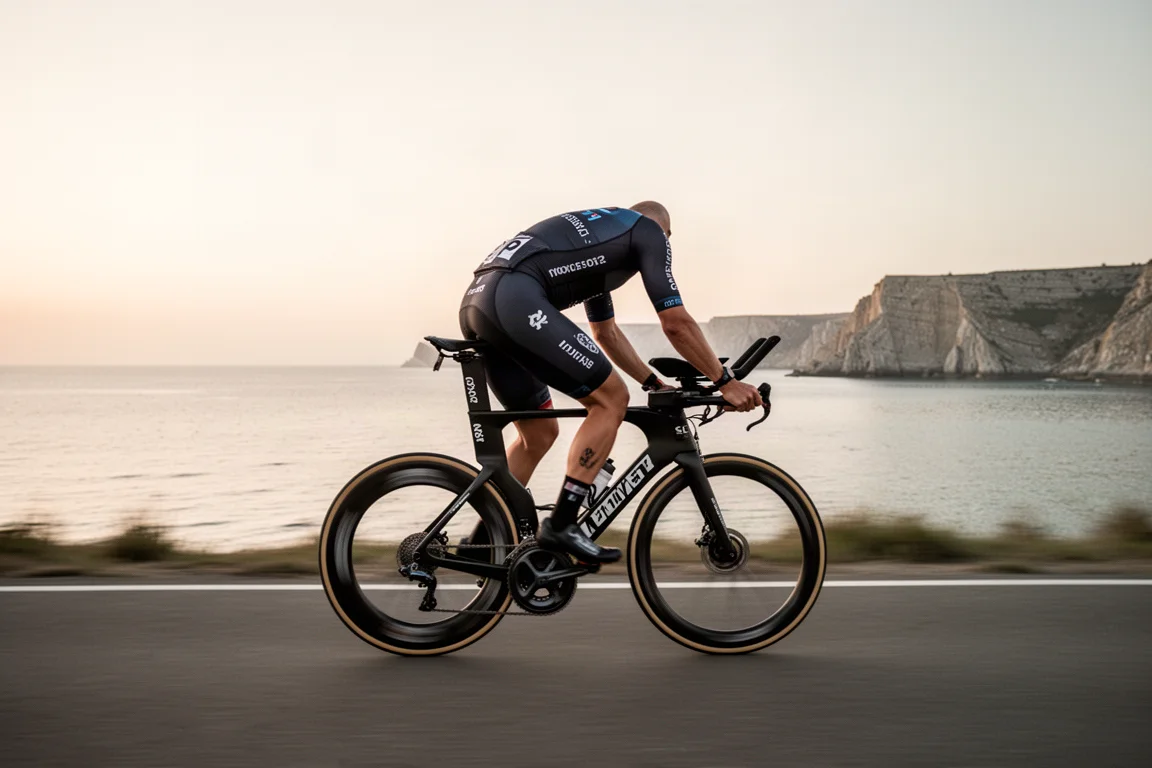
This is a race suit for long distance triathletes who treat aerodynamics and comfort as connected problems rather than separate ones. Every choice in the design points at sustained effort: light fabric, panels of differing thickness, bonded rather than stitched seams, and a fit that stays stable while the athlete is hunched over the bars for hours.
It also suits athletes racing in warm, humid conditions. The design lineage traces directly back to a suit developed for hot and humid championship racing, where cooling and thermoregulation were treated as performance variables rather than afterthoughts.
If your priority is a durable training suit that shrugs off repeated washing and long pool sessions, this is not the brief. It is built for race day, and it is priced and specified accordingly.
Lightweight Fabric and Bonded Construction
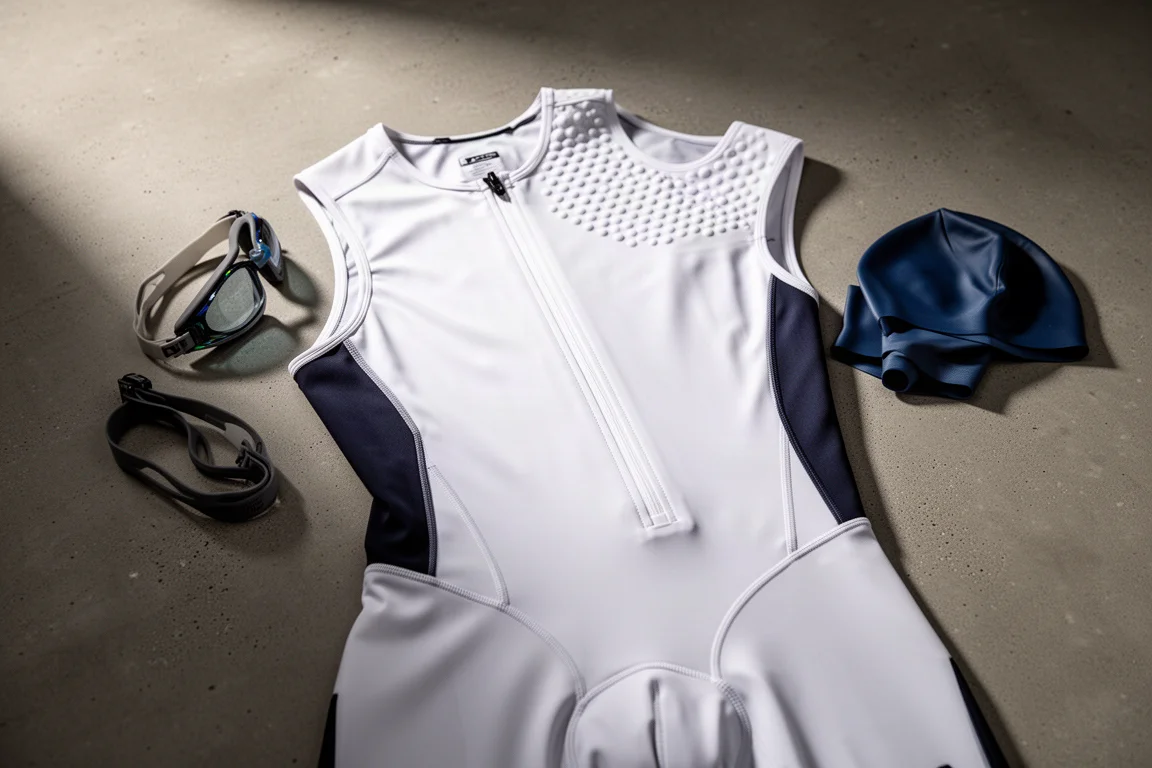
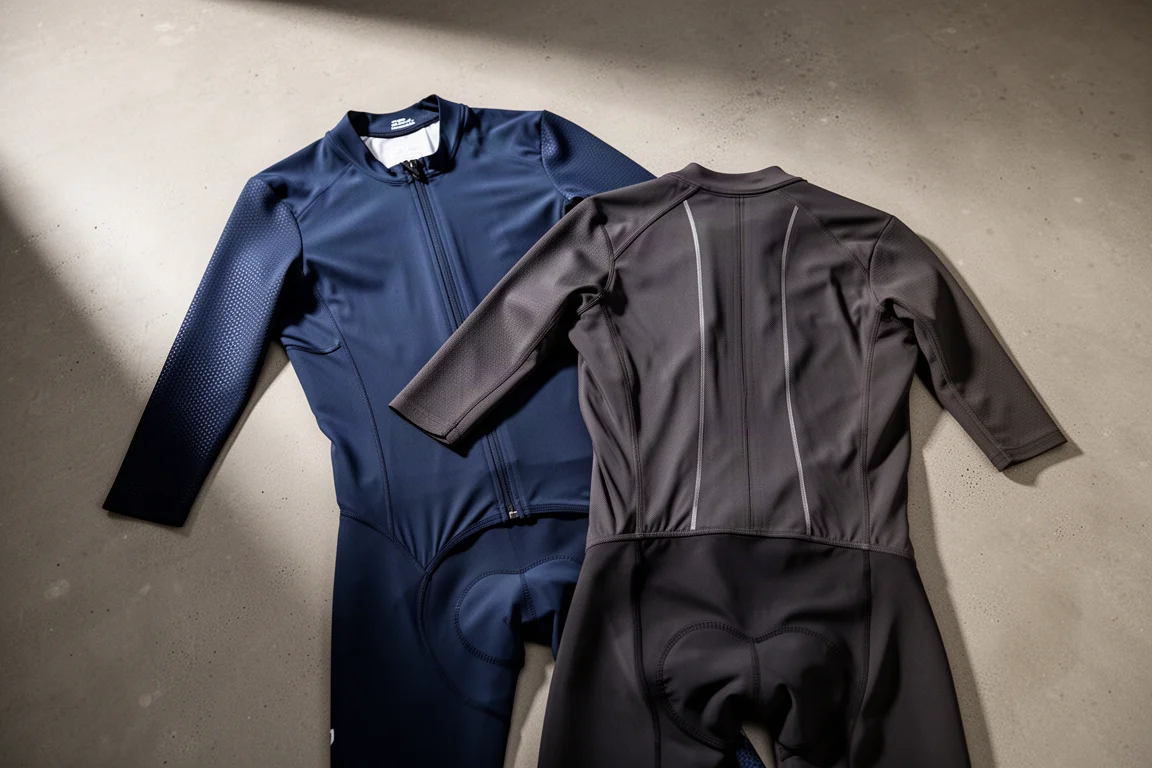
The first impression is weight, or rather the absence of it. The suit is remarkably light, close to paper light in the hand. Trimtex achieves this with a lightweight woven elastane polymer blend that keeps mass down while still holding stability around the body.
Rather than using one uniform material, the brand has varied fabric and thickness from panel to panel, planning each section of the suit individually. Those panels are then joined with an advanced bonding tape instead of conventional sewing. The result is a surface that reads as continuous, with far less bulk where pieces meet.
Aerodynamic Details Built Into the Fabric
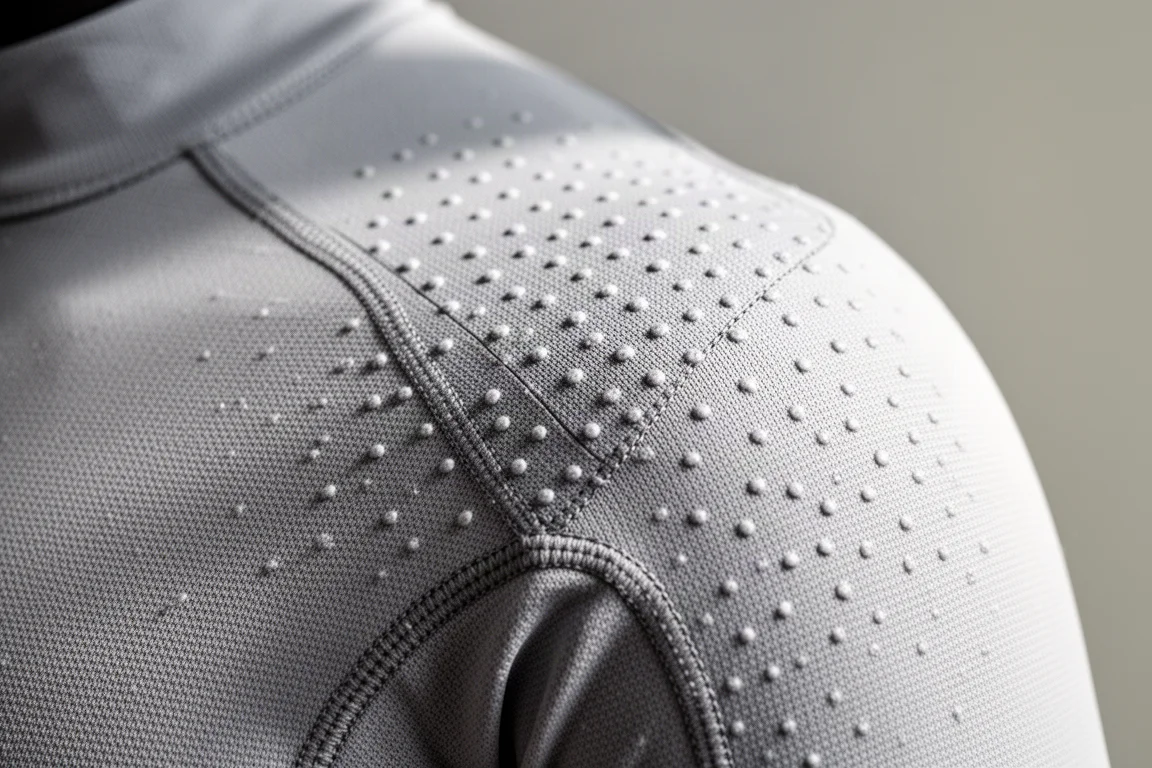
Long course racing puts a premium on drag, and this is where the suit gets genuinely interesting. Across the shoulders you can see a field of small raised dots, which Trimtex calls turbulators. They work a little like the dimples on a golf ball, influencing airflow around the body in a way that reduces drag rather than adding to it.
The shaping and spacing of the ridges built into the fabric were refined over extended wind tunnel sessions in Eindhoven. Look closely and you can see that the spacing changes as it moves down the back, widening as it goes, presumably for improved aerodynamics at different points of the body.
For a rider holding an aero position for four hours or more, small reductions in drag accumulate into something meaningful. That is the logic behind spending this much development time on a surface detail most people would never notice.
Practical Race-Day Features
The suit is not only about airflow. A single pocket sits across the back, connected through the middle with two openings on either side, which keeps nutrition within reach without adding a flapping panel. On the thigh there is a slimline gripper, extremely thin and light, that holds the leg hem in place without pressure points.
The chamois is deliberately thin and lightweight, which is what you would expect from a garment designed to be raced rather than toured. The front zipper runs full length and locks in place unless you flick the pull upward first, so it will not creep open mid-race. Along the inside of the zipper runs a very thin strip of neoprene, a small but thoughtful detail aimed at reducing the rubbing and chafing that a zip can cause over a long course race.
The Development Story and Racing Pedigree
Trimtex may look like a young brand to some, but the company was founded in 1976 by Harald Aasland in his garage in Lillesand, Norway. It began with outdoor orienteering gear made from durable fabrics, moved into cycling clothing in 1979, and by 1981 was supplying eight national teams before adding race suits for the ski market. A full triathlon collection followed in 2011, and in 2018 the brand began working closely with the Norwegian Triathlon Federation.
That partnership produced a memorable result when Casper Stornes, Kristian Blummenfelt and Gustav Iden finished first, second and third at WTS Bermuda in Norwegian Trimtex suits. Ahead of the Olympic Games, the brand poured its effort into building a fast and comfortable suit for hot, humid racing, testing with core body temperature devices attached to athletes to study thermoregulation and cooling. The outcome was the white suit worn by the Norwegians and taken to gold.
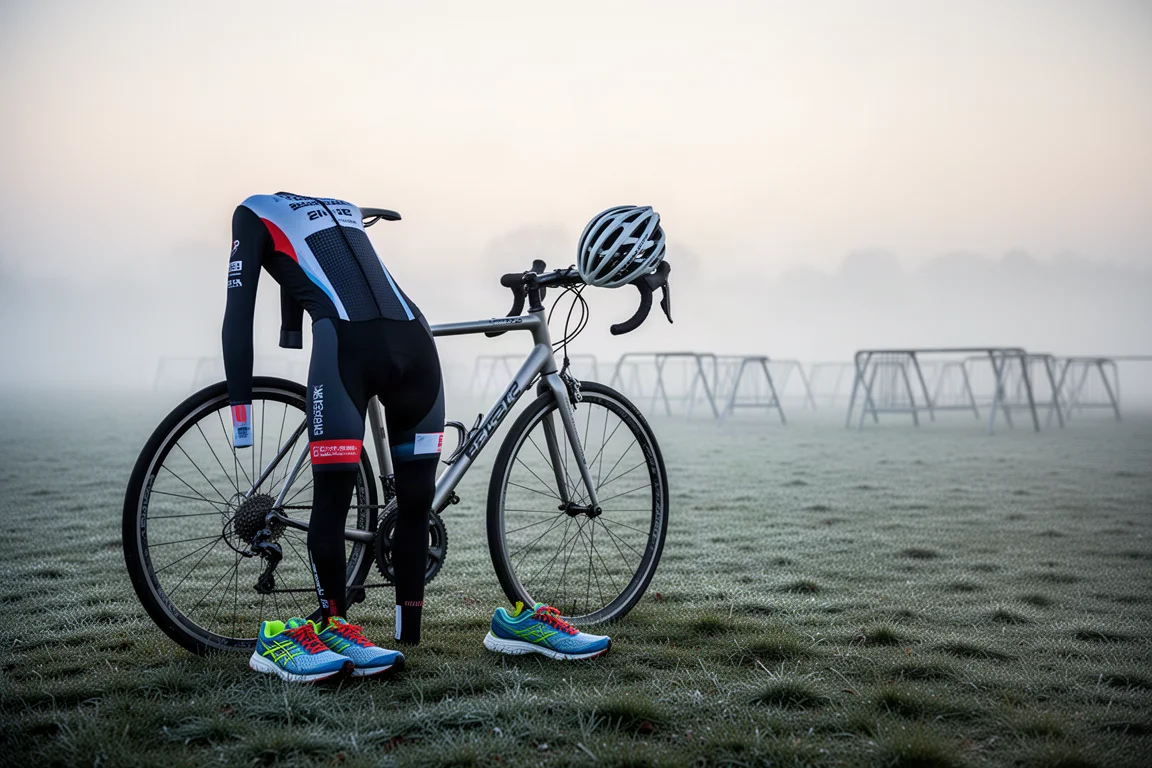
With the Ironman World Championships approaching, Trimtex took the data and innovation from that short course work and translated it into a long course suit. That translation is what sits in front of us here.
Things to Consider Before Buying
The thin chamois and featherweight fabrics are tuned for racing, not for everyday training comfort, so this is unlikely to become the suit you reach for on a casual ride. The exact fabric composition has not been detailed publicly, which makes it harder to judge long term durability from specification alone.
The locking zipper also takes a little practice, since it only releases when you deliberately flick the pull upward. And the suit was not yet on general release when it appeared at the World Championships, so availability has been limited rather than straightforward. If you need a suit immediately, that is worth factoring into your planning.
Buying Advice
Start by matching the suit to the racing you actually do. If your calendar is built around long distance events in warm conditions, the combination of low weight, panel-specific construction and cooling-focused development is directly relevant. If most of your racing is short course or your priority is a single suit that covers training and racing, a simpler option will serve you better.
Then think about fit and the chamois. A race suit should feel stable through the shoulders when you are in an aero position, and the thin padding is a deliberate choice rather than a compromise, so it should match how you intend to use it. Weigh the aerodynamic detailing against what you are currently wearing, and be honest about whether a marginal gain in drag is worth a specialist garment.

Finally, treat the pedigree as context rather than a promise. The suit has a strong record behind it, and the construction details support the claims made about it. What matters in the end is whether the fit and feel work for your body over your race distance.
Conclusion
The Trimtex long course tri suit is a genuinely interesting piece of race equipment. A paper-light woven fabric, panels bonded rather than sewn, shoulder turbulators refined in the wind tunnel and a set of small practical touches around the pocket, gripper, chamois and zipper all point in the same direction: a garment designed for a single purpose and executed with care.
It is a specialist purchase, and it should be treated as one. For long distance athletes who race in the heat and care about drag, the details here are worth the attention. For everyone else, it is a clear look at where high-level triathlon equipment is heading.
Product link
View more details for Trimtex Tri Suit
This product is mentioned in the review. Check the specifications, options, and compatibility before buying.
View more details for Trimtex Tri SuitFurther reading
Related Reviews
Triathlon Race Suits
Surpass Insane vs Surpass Pursue: Two Triathlon Suits Built on the Same Race-Day Research
How the flagship Surpass Insane and the more accessible Surpass Pursue share one development programme, and which one makes sense for your race conditions.

Backpacking Gear
Building a 10 lb Base Weight: An Ultralight Backpacking Gear List
A practical walkthrough of the ultralight pieces behind a 10 lb base weight, from a 765 g pack and a roomy one-person tent to a full camp chair and a dependable water filter.

Road Bikes
10 New Road Bikes Worth Watching: Aero, Titanium, Steel and Endurance Standouts
A practical roundup of 10 new road bikes, from aero flagships chasing single-watt gains to titanium, steel and endurance platforms built for real roads.