Triathlon Race Suits
Surpass Insane vs Surpass Pursue: Two Triathlon Suits Built on the Same Race-Day Research
How the flagship Surpass Insane and the more accessible Surpass Pursue share one development programme, and which one makes sense for your race conditions.
Introduction
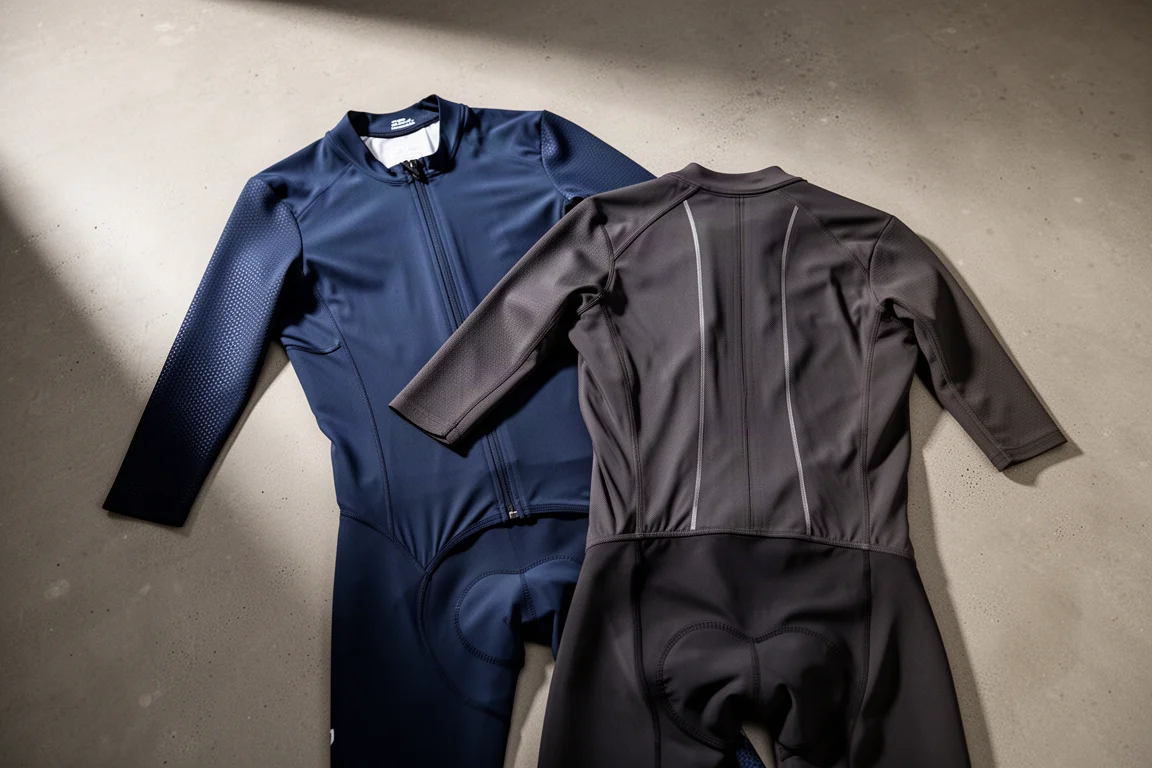
Surpass Insane and Surpass Pursue are two triathlon race suits from the same brand, and they share more than a logo. Both trace their development back to the same programme of heat and aerodynamics work carried out with the Norwegian Triathlon Federation, and both are aimed at athletes racing in conditions where small margins decide the outcome.
Surpass itself is a young brand, but it is not a young company. It is a family-led business built by the founders of the high-end endurance and outdoor sportswear brand Trimtex. Trimtex started in 1976, when entrepreneur Harald Algland saw an opportunity in durable clothing for the orienteering market. Cycling clothing followed in 1979, and by the 1980s the company was supplying eight national teams. Ski kit came next, along with work for the Norwegian national team, and in 2011 the company launched a triathlon line and began supporting the Norwegian triathlon team. Surpass was created to focus specifically on the triathlon community, taking that textile experience and pushing it further.
What Makes Surpass Stand Out
The Insane suit is the clearest example of how far that research went. It was developed for the heat and humidity expected on race day in Tokyo, with the aim of balancing aerodynamics, hydrophobic properties, flexibility, fit, and comfort. During development, athletes wore suits fitted with core body temperature sensors, and the finished design was reported to achieve the lowest skin temperature and the highest heat flux values recorded, indicating the best heat dissipation performance among the suits tested for those conditions.
The race results that followed are part of the story. Kristian Blummenfelt won Olympic gold in the suit, then took victory at Ironman Cozumel in 7:21:12 wearing the long distance version. A 6:44:26 followed in the sub-7 project, along with a win at the Ironman World Championships in St George. The kit is only one part of that picture, but in races decided by fractions of a second, one or two watts can be the difference between staying in touch with a pack and losing contact.
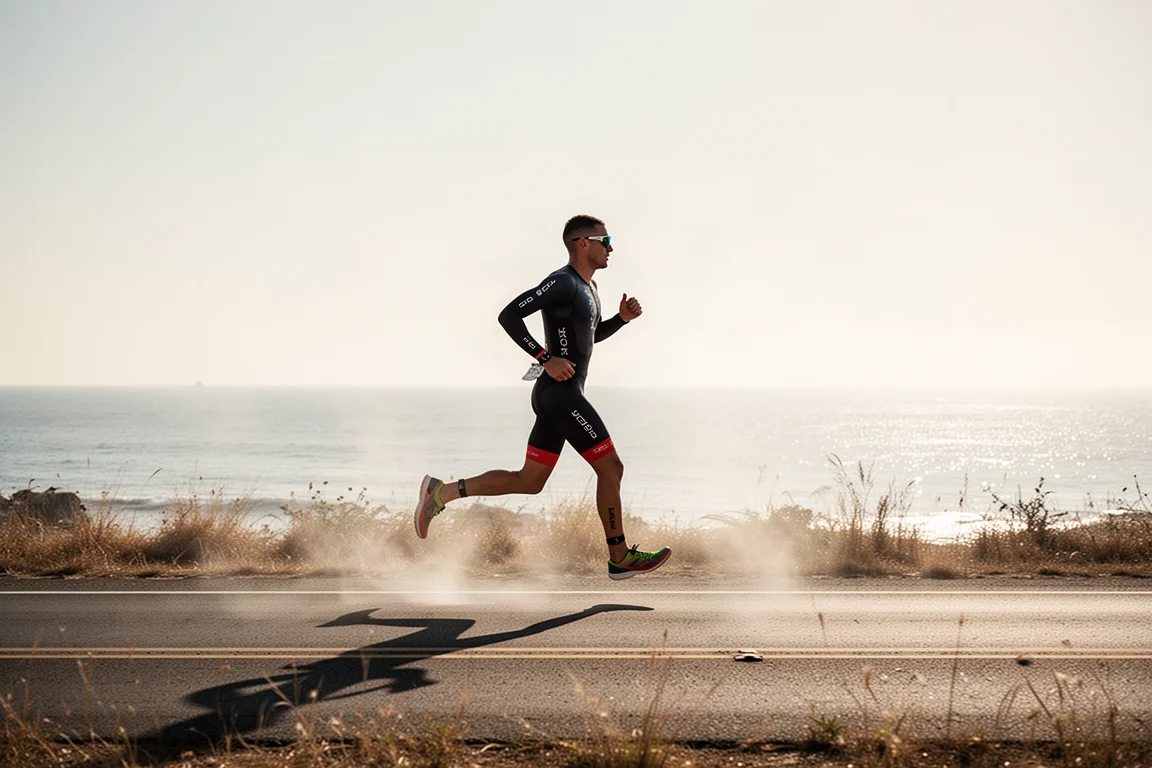
Gustav Iden also had a hand in developing the original suit alongside the Norwegian Triathlon Federation, and he is now part of the Surpass roster.
Surpass Insane: The Flagship Heat-Management Suit
The Insane is the top-end option in the range. Its brief was to help athletes cope with heat and humidity without giving away aerodynamic performance, and the result is a suit that has been used at the very front of the sport.
For triathletes who regularly race in hot, sticky conditions, that combination of cooling and aero efficiency is exactly where the value sits. The suit is intended to manage skin temperature while still cutting cleanly through the air, and the testing behind it was aimed squarely at those two goals.
It is worth thinking about how often those conditions apply to your own racing calendar. A suit built primarily around heat dissipation makes the most sense for athletes whose key events fall in warm climates, or who put a premium on staying comfortable deep into the run.
The Long Distance Insane: Aero Details
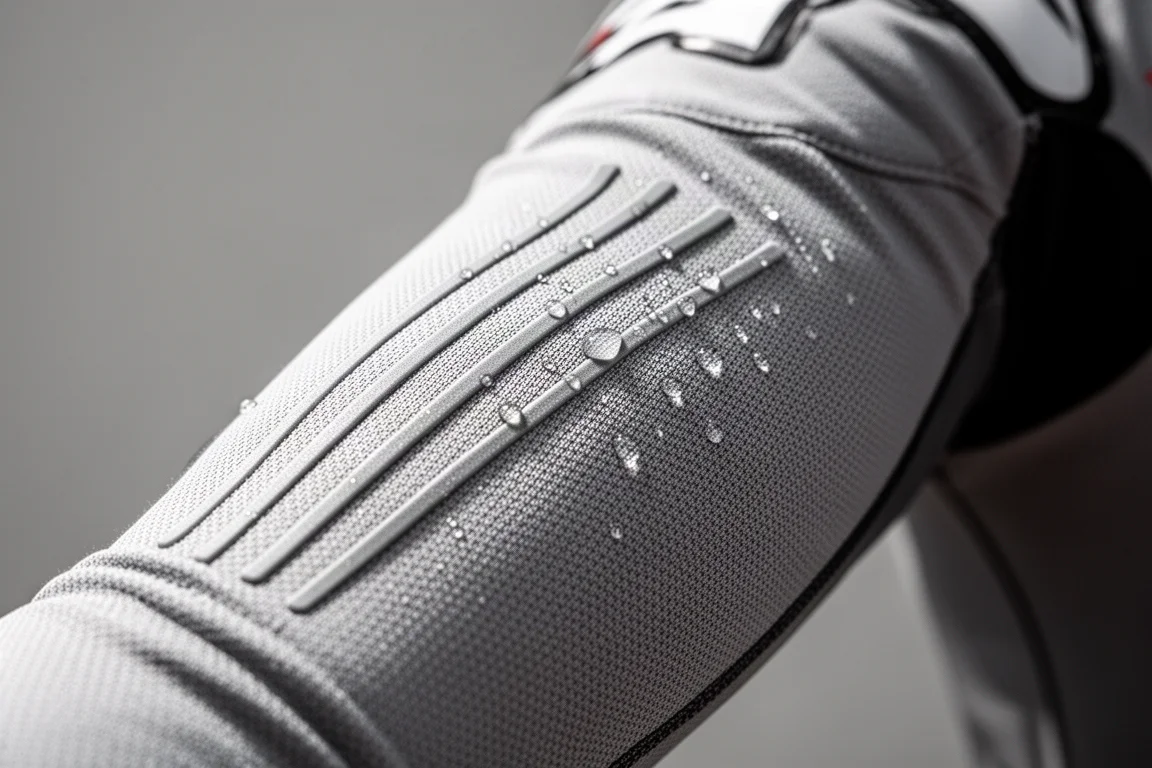
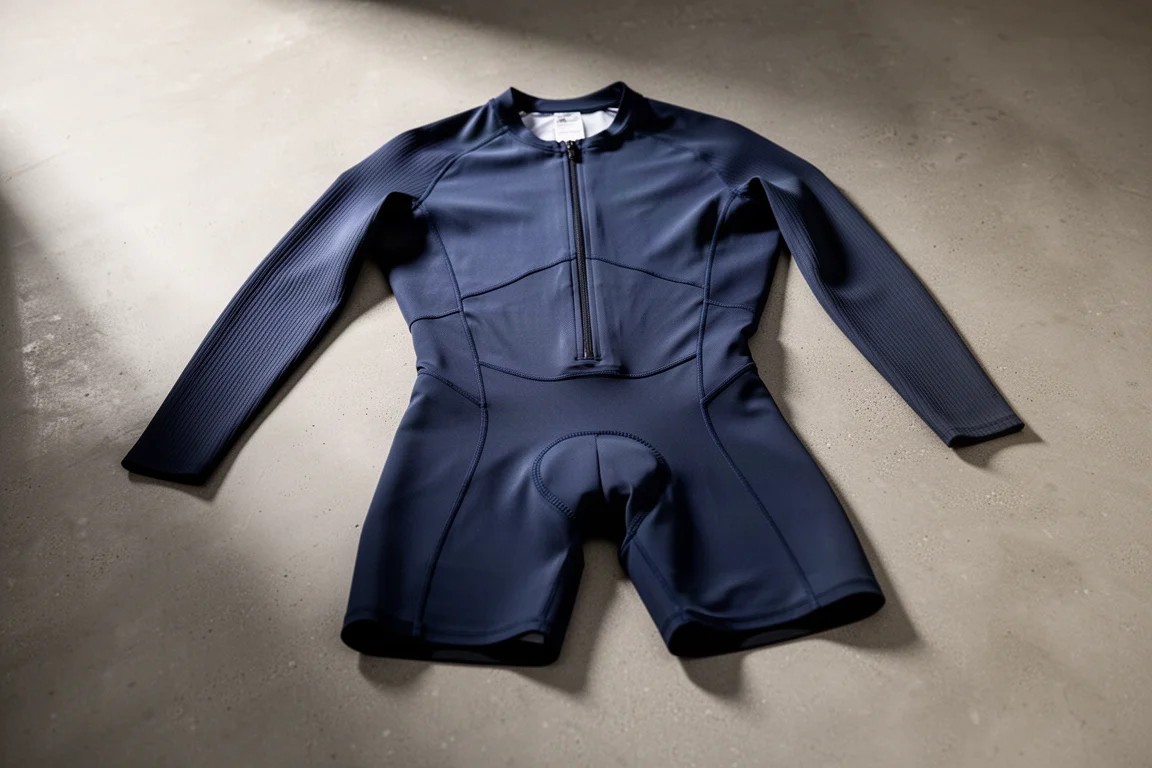
The long distance version of the Insane adds sleeves with trip strips built directly into the fabric, plus turbulators. The trip strips are placed at differing distances, particularly down the back, and follow the seams of the suit.
The fabric is a woven elastane polyester with a gripper woven into it, a detail that reduces weight while keeping the suit in place. Athletes who want the full pro treatment can have the suit fully customised with their own sponsor logos. There are also calf sleeves with additional turbulators, which are claimed to save a further four to six watts.
Surpass Pursue: The Trickle-Down Aero Suit
The Pursue is the next suit in the line, with a more affordable price tag than the Insane, and it carries a lot of the technology that came out of developing the flagship. The seams and lines of the suit are more or less replicated from the Insane to maximise aerodynamics and comfort.
The material is where the two diverge. The Pursue uses a fabric from Italian maker Carvico, a supplier of technical sports material that has received a number of quality and performance certificates. A special compressive fabric is used in the crotch and back area, chosen for its strong retention.
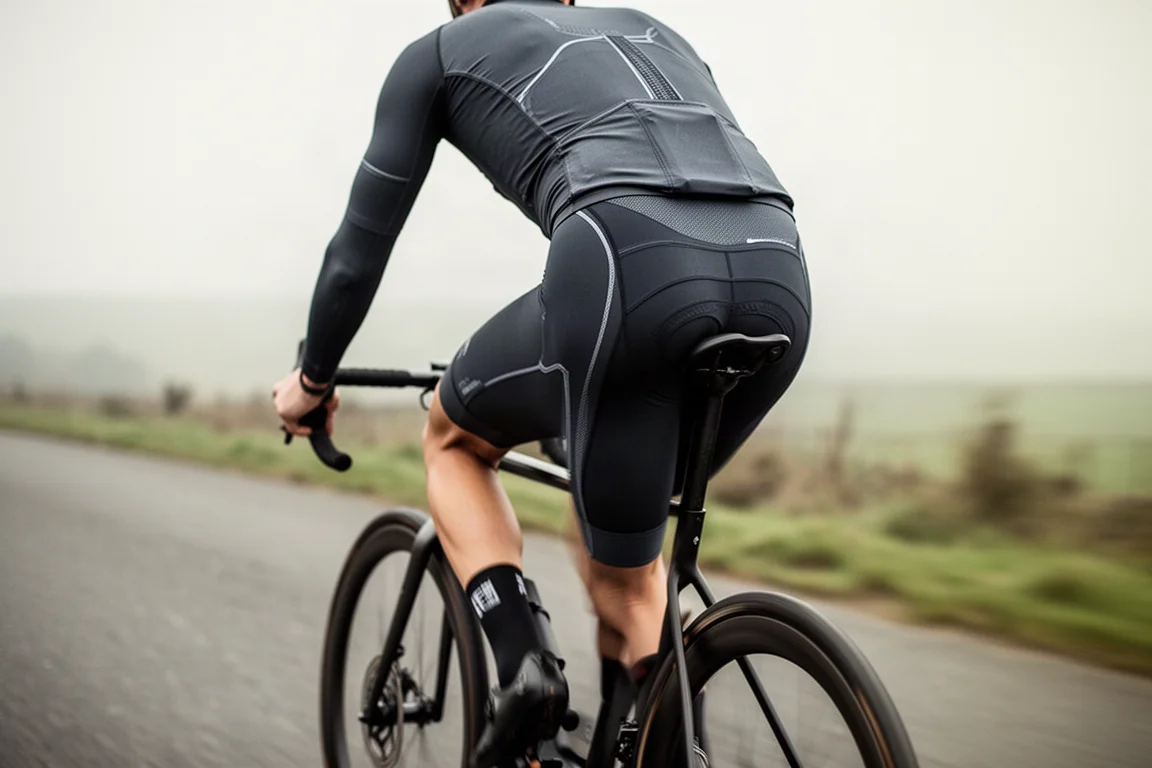
That makes the Pursue a sensible choice for athletes who want the aero layout and the brand’s development work without stepping up to the flagship price. It is also a straightforward option for teams that want to be kitted out in their own colours.
How Turbulators and Trip Strips Work
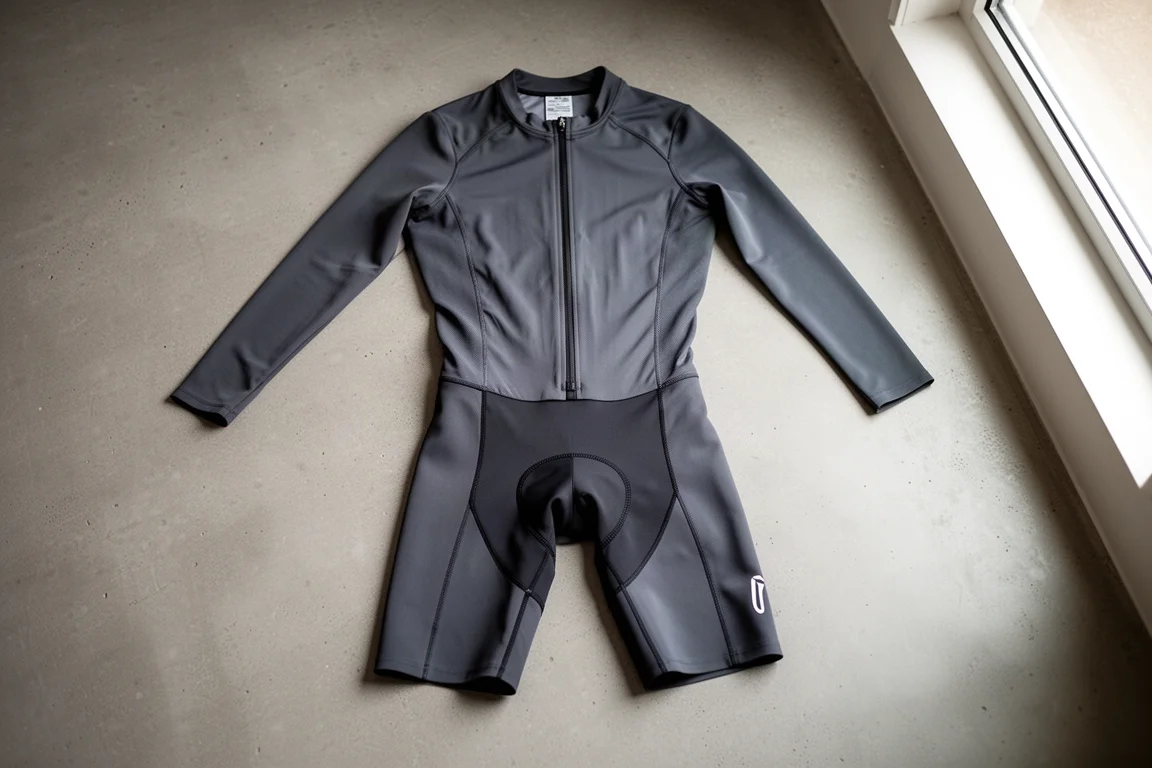
A turbulator is a device that turns a laminar boundary layer into a turbulent boundary layer. In practice, it works in a similar way to the dimples on a golf ball, improving airflow and therefore aerodynamics.
Trip strips do a comparable job. They are placed at differing distances along the suit, especially on the back, to manage the way air moves across the body rather than letting it break away. Together, these details are the visible result of the testing that shaped both suits.
Overall Buying Advice
Choose the Insane if heat management is the priority and your racing takes place in warm, humid conditions where the flagship’s development work is most relevant. It is the top-end suit in the range, and it is built for the sharpest end of racing.
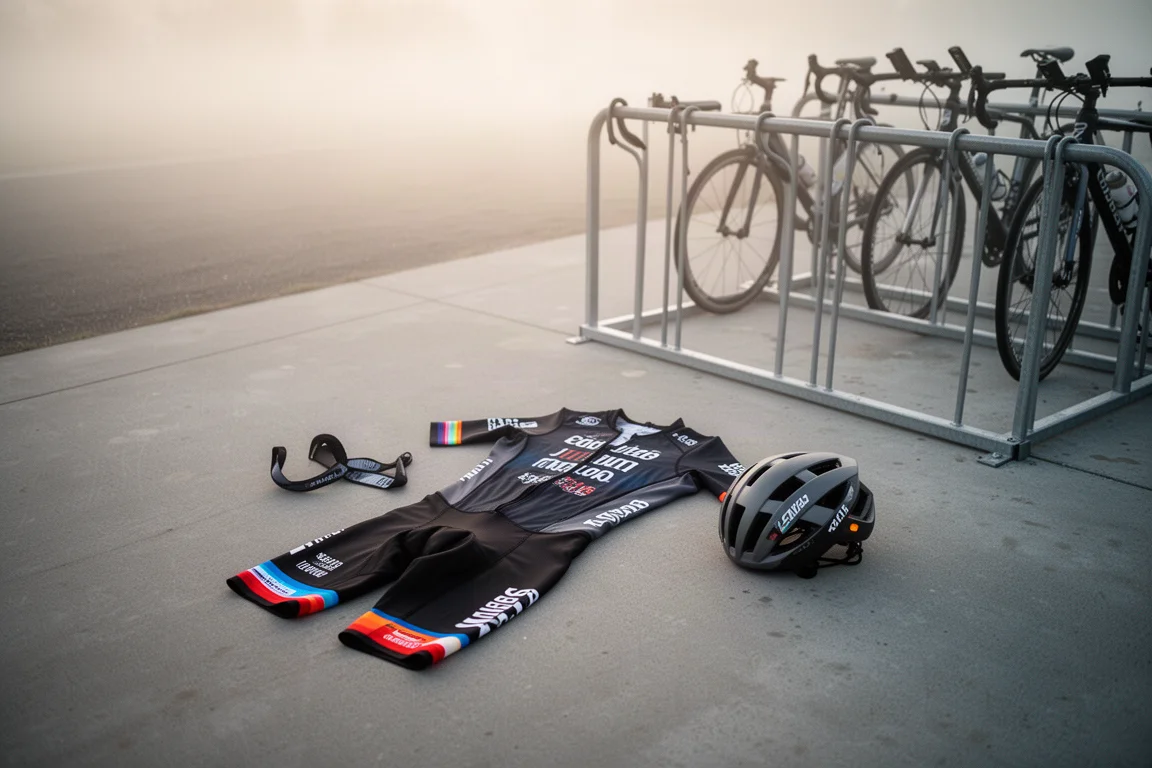
Choose the Pursue if you want the same aero approach and seam layout at a more accessible price, with a Carvico fabric and a compressive panel in the crotch and back area. It is the more practical route into the brand for most athletes, and it keeps the same focus on aerodynamics and comfort.
Whichever you pick, the deciding factor should be your race conditions and how much you value the extra heat-management work that went into the flagship. Both suits come from a brand with decades of textile experience behind it, applied specifically to triathlon.
Conclusion
The Insane and the Pursue are two points on the same development curve. The Insane is the top-end suit shaped by heat and humidity testing and proven at the front of the sport, while the Pursue brings the same seams, lines, and aerodynamic intent to a lower price with a Carvico fabric. If your racing is hot and your margins are thin, the flagship earns its place. If you want the technology and the fit without the flagship cost, the Pursue is the one to look at.
Further reading
Related Reviews
Triathlon Race Suits
Trimtex Tri Suit Review: The Long Course Race Suit Behind an Ironman World Title
A close look at the Trimtex long course tri suit, from its paper-light bonded fabric and shoulder turbulators to the race-day details that matter over eight hours.

Backpacking Gear
Building a 10 lb Base Weight: An Ultralight Backpacking Gear List
A practical walkthrough of the ultralight pieces behind a 10 lb base weight, from a 765 g pack and a roomy one-person tent to a full camp chair and a dependable water filter.

Road Bikes
10 New Road Bikes Worth Watching: Aero, Titanium, Steel and Endurance Standouts
A practical roundup of 10 new road bikes, from aero flagships chasing single-watt gains to titanium, steel and endurance platforms built for real roads.